INTERNACIONAL
Trump cuestionó a Zelenski por los ataques a refinerías rusas: “Es hora de que Ucrania tenga un nuevo presidente”

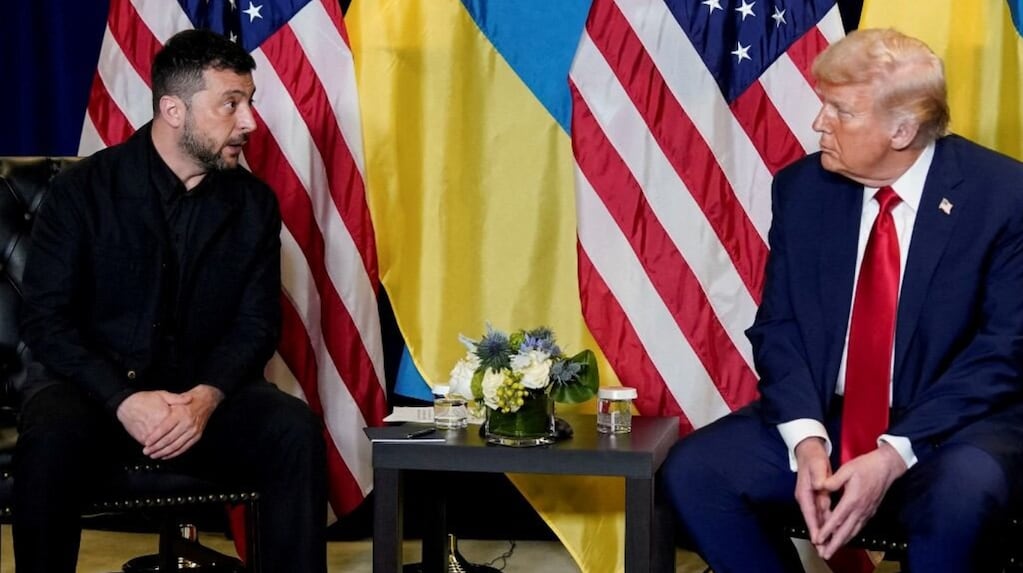
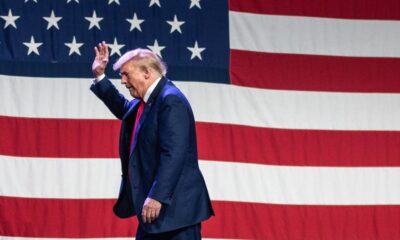
El presidente de Estados Unidos, Donald Trump, volvió a confrontar con su par ucraniano, Volodimir Zelenski, en medio de las tensiones por la estrategia para poner fin a la guerra con Rusia. El mandatario republicano cuestionó los ataques de Kiev contra instalaciones petroleras rusas y llegó a reclamar que Ucrania elija un nuevo jefe de Estado capaz de alcanzar un acuerdo de paz.
El cruce se produjo después de que Trump anunciara que mantuvo una conversación telefónica con el presidente ruso, Vladimir Putin, y que acordó flexibilizar las restricciones que limitaban las exportaciones rusas de diésel. La decisión despertó preocupación en Ucrania y en varios gobiernos europeos, que advirtieron que Moscú podría beneficiarse económicamente mientras continúa la ofensiva militar.
“Más le vale detenerse”, dijo Trump sobre Zelenski, a quien acusó de no respetar sus instrucciones de evitar ataques contra refinerías rusas. El presidente estadounidense sostuvo que esas operaciones podrían agravar la escasez internacional de combustibles, en un contexto de tensión por la guerra entre Estados Unidos, Israel e Irán.
Y añadió: “Es hora de que Ucrania tenga un nuevo presidente. Les sugiero que elijan a un nuevo líder capaz de alcanzar un acuerdo, porque podría haber cerrado muchos acuerdos y, por alguna razón, nunca lo hace”.
Rusia







INTERNACIONAL
Supreme Court climate case could bankrupt oil companies, send gas prices soaring, experts warn
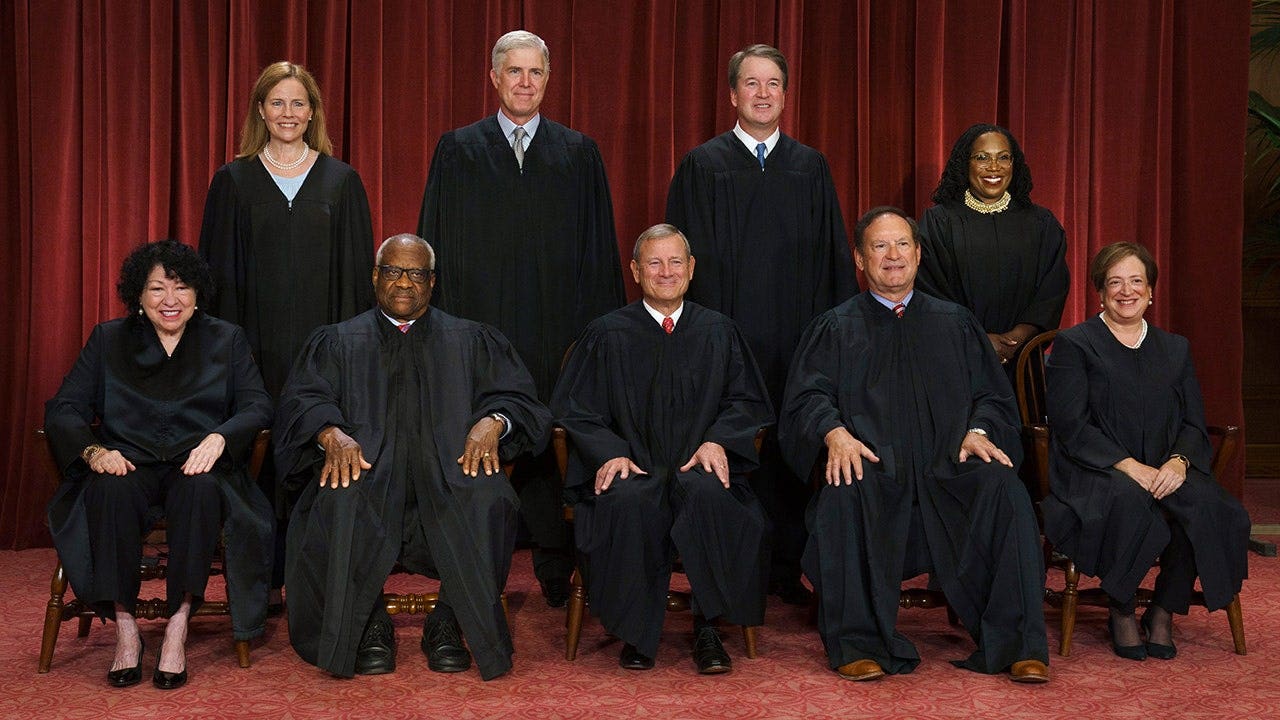
A Supreme Court showdown over climate change lawsuits could leave oil companies bankrupt, gas stations facing financial ruin and Americans paying more at the pump if the justices allow cities and states to pursue billions in damages against the fossil fuel industry, energy policy experts warn.
«You would see mass exodus and that would create more scarcity with fuel, more so than we’re seeing already today, higher prices,» Jason Isaac, CEO of American Energy Institute, told Digital. «And that’s really what this is about. It’s about controlling these companies and stopping the use of hydrocarbons.»
The Supreme Court heard arguments Monday in Suncor v. Boulder, a dispute over whether federal law prevents cities and states from suing oil companies under state law for alleged climate damage linked to emissions that cross state borders.
During oral arguments, Justice Clarence Thomas pressed Boulder’s attorney, Kevin Russell, on whether the legal theory could expose businesses beyond oil producers to similar lawsuits, including large retailers.
WAVE OF OVERLOOKED ‘LEFT-WING’ LAWSUITS COULD COME WITH AN UNEXPECTED PRICE TAG FOR AMERICANS
«Nothing in our theory prevents that,» Russell acknowledged, although he noted that state tort law could impose additional limitations.
Justice Brett Kavanaugh separately raised concerns about the potential financial consequences of widespread litigation, warning that enough lawsuits could «bankrupt» defendants and questioning whether virtually any manufacturer or business could face similar claims.
The city and county of Boulder, Colo., sued oil giants ExxonMobil and Suncor Energy in 2018, accusing the companies of knowingly contributing to climate change while misleading the public about the alleged dangers of fossil fuels. The municipalities are seeking damages to help cover the mounting costs of climate-related harms. There are roughly 30 similar lawsuits pending in jurisdictions across the country, including cases in Portland and Baltimore.
Boulder’s lawsuit alleged ExxonMobil and Suncor knew for decades about the climate risks associated with fossil fuels but misled the public about those risks. The complaint pointed to a 1977 internal memo from ExxonMobil that circulated among the company’s highest-level managers. The memo reported that «current scientific opinion overwhelmingly favors» that fossil fuels contribute to the rise in CO2 emissions.
David Bookbinder, who previously served as counsel of record for Boulder but is no longer involved in the case, described the lawsuit as a way to implement an «indirect carbon tax» during a Federalist Society forum last year.
But Boulder has maintained that the case is not an attempt to regulate national climate policy, arguing instead that Colorado has the authority to hold companies accountable under state law for alleged harms suffered within its borders.
«Since the founding, states have had the power to provide tort remedies for injuries occurring within their borders even when the conduct causing those injuries occurred elsewhere,» Russell told the justices.
CATHOLIC SCHOOLS, BANNED RIFLES AND ‘CLIMATE LAWFARE’: BLOCKBUSTER FIGHTS AWAIT SUPREME COURT
O.H. Skinner, executive director of the Alliance for Consumers, argued that the lawsuits are an attempt to accomplish through the courts what climate advocates have been unable to achieve through Congress.
«When you really boil it down, and you separate it from all the legal arguments, the advocates who push these cases are very clear,» Skinner told Digital. «That it’s an effort to get a backdoor carbon tax, because carbon taxes have never passed in Congress, or to bankrupt the energy industry.»
Justice Samuel Alito has recused himself from the case without providing an explanation.
Isaac warned that a Supreme Court ruling in Boulder’s favor could open «Pandora’s box,» allowing thousands of jurisdictions to pursue similar lawsuits. He said a 4-4 split could have a similar practical effect by leaving the lower court’s ruling in place, although a tie would not establish nationwide precedent.
«There are over 90,000 levels of government — government entities just in the United States alone — that could also begin lawsuits against energy companies,» Isaac told Digital. «Driving up cost to consumers because the cost to defend those would be astronomical.»
LAWSUITS COST EVERY AMERICAN HOUSEHOLD THOUSANDS OF DOLLARS. SUPREME COURT CAN HELP
Skinner argued that who could be sued could extend beyond oil producers to businesses across the energy supply chain, including gas stations, automakers and utilities that sell or use fossil fuels.
«From Boulder’s perspective, anybody who’s contributed to climate change would reliable, any sort of company, big or small, and the problem here is that to the left, climate change is everything and everything is climate change,» Skinner told Digital. «So it’s very hard to find a line for who isn’t contributing to climate change.»
But Isaac said the case is different from lawsuits against tobacco or opioid companies because greenhouse gas emissions come from countless sources around the world and cross state and national borders, making it difficult to isolate responsibility for climate-related damage.
«Emissions are a global phenomenon,» Isaac told Digital.
CONSERVATIVE GROUPS SAY JUSTICE KAGAN CANNOT BE IMPARTIAL IN UPCOMING SUPREME COURT CLIMATE LITIGATION
ExxonMobil and Suncor argue that because greenhouse gas emissions travel globally, Colorado cannot use state law to hold companies liable for emissions originating outside its borders. The companies contend that such disputes should instead be governed by federal law.
Meanwhile, other states such as Utah have barred these types of state tort lawsuits from being pursued.
«If the energy companies were to lose and Colorado were to win, this would in effect drive up the prices of gas all across the country,» Utah Attorney General Derek Brown told Digital. «And so those kind of decisions ultimately, it’s the province of Congress.»
law, federal courts, supreme court oral arguments, climate change environment, energy, states rights, controversies environment, state and local
INTERNACIONAL
Octubre sin sol: qué es el bloqueo atmosférico detrás de tantos días nublados y con lluvia
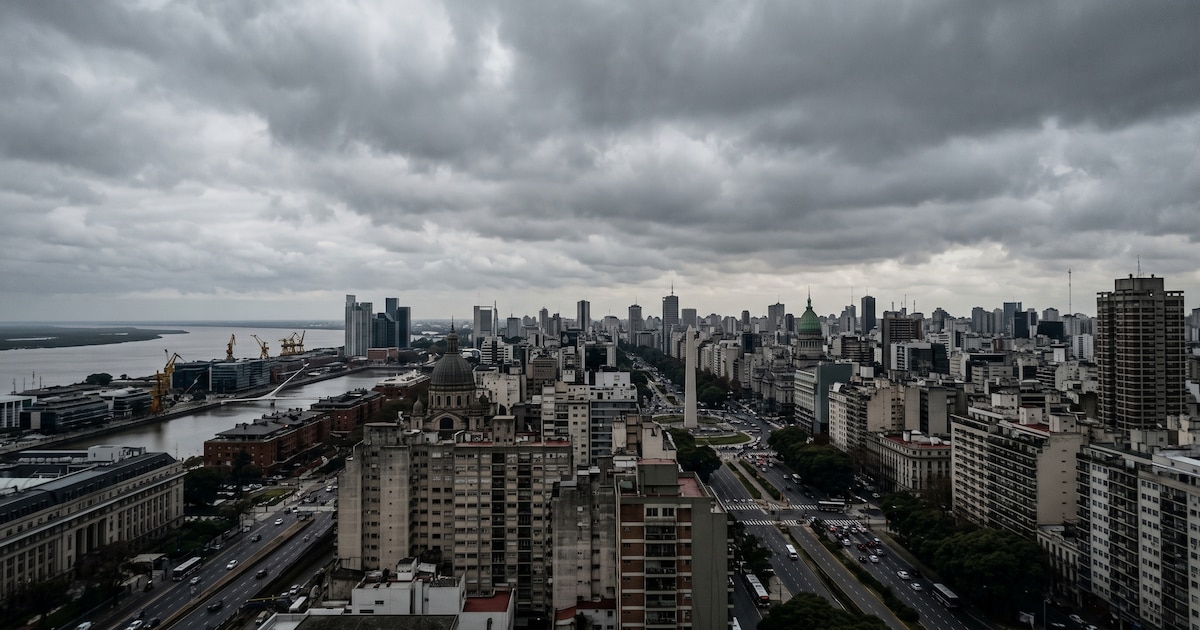
Al igual que ocurrió en invierno, esta semana primaveral dejó una postal repetida en el AMBA: mañanas grises, tardes sin sol y una sensación persistente de cielo tapado. Detrás de esa secuencia de nubes bajas, humedad y lluvias intermitentes hay un fenómeno que altera la circulación habitual de la atmósfera: el bloqueo atmosférico. ¿De qué se trata y por qué puede prolongar los días sin sol?
“La persistencia de la nubosidad y las precipitaciones por estos días responde a una situación de bloqueo atmosférico”, explicó a Infobae el meteorólogo Mauricio Saldivar. Según precisó, un centro de altas presiones sobre el Atlántico Sur, junto con áreas de baja presión mar adentro frente al Río de la Plata, “dificulta el avance normal de los frentes, manteniendo vientos del sector este que transportan humedad oceánica hacia el continente”.
El especialista añadió que este patrón interactúa “con un eje de mínimas presiones en niveles medios de la atmósfera”, una combinación que “sostiene las condiciones persistentes de cielo cubierto y lluvias intermitentes”.
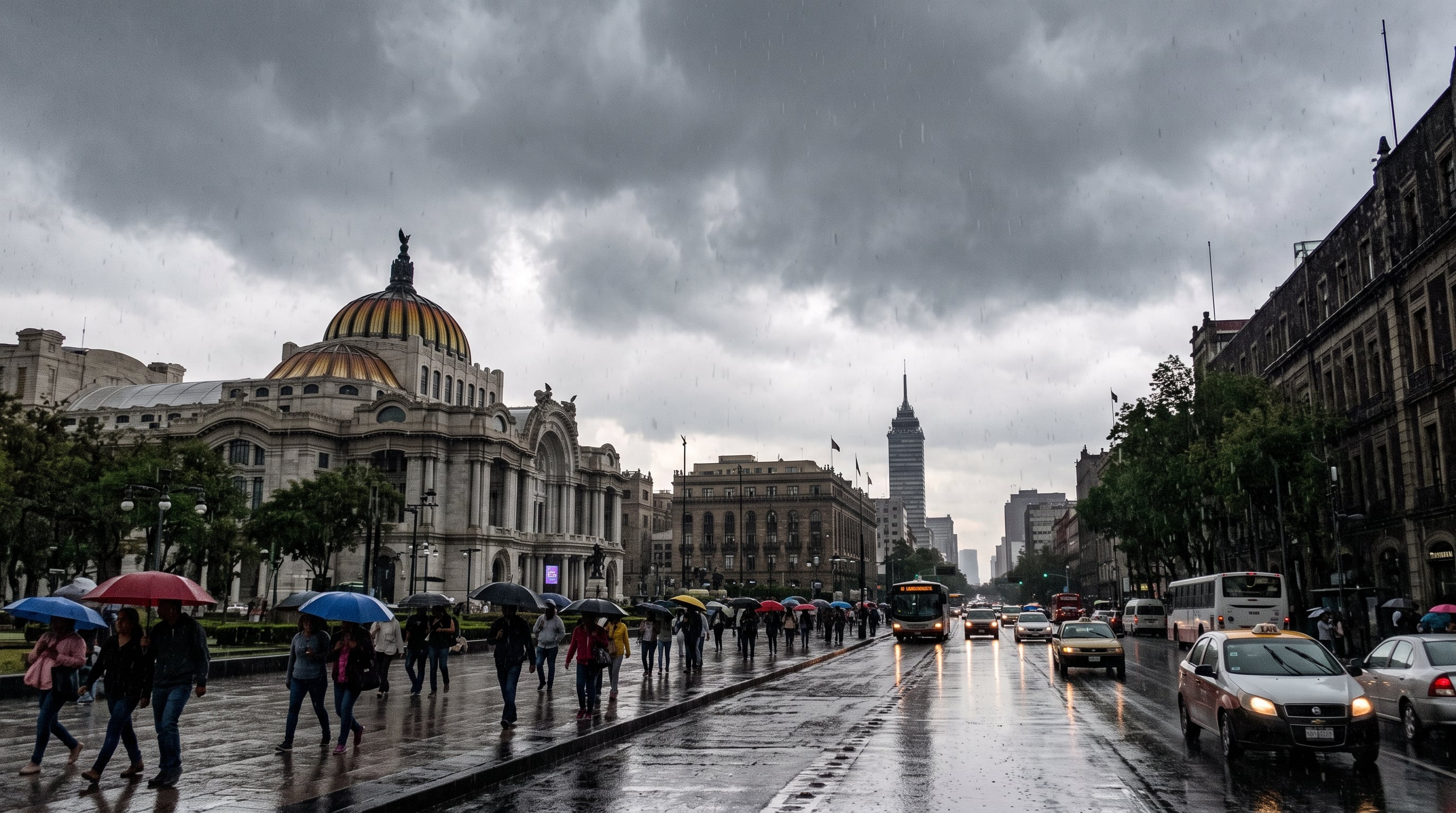
Saldivar aclaró que, aunque El Niño suele aparecer como una explicación recurrente ante los períodos más húmedos, en este caso no es el origen de los días grises.
“Un bloqueo como el actual es un fenómeno de circulación atmosférica; El Niño crea un escenario favorable, pero no es la causa directa: estos eventos no necesitan de El Niño para ocurrir”, afirmó. Detrás de la persistencia de las nubes hay otra dinámica: una suerte de freno en altura que altera el desplazamiento habitual de los sistemas meteorológicos.
Sobre la evolución del tiempo, anticipó: “Habrá mejorías temporarias durante el fin de semana, aunque no un cambio definitivo”. Además, señaló que “las condiciones favorables para precipitaciones débiles e intermitentes se extenderán a la próxima semana” y que, “mientras el bloqueo no se debilite, los días grises seguirán alternándose con algunos claros entre las nubes”.
Qué se espera para la primavera
Sobre los próximos meses, los especialistas apuntan a una primavera con más lluvias, sobre todo en el este y norte de la Argentina. Marcelo Madelón, licenciado en Medio Ambiente y pronosticador del Aeropuerto de Córdoba, ya le había adelantado a Infobae que esperaban “un aumento de las lluvias principalmente en la Mesopotamia, Santa Fe, el este del Chaco y Formosa”, además del sur de Brasil y Uruguay. También habló sobre “más lluvias en todo lo que es el centro y Norte del país”.
“Posiblemente al haber mayor humedad disponible en la atmósfera estas lluvias sean más intensas en la primavera que en otros años”, añadió.
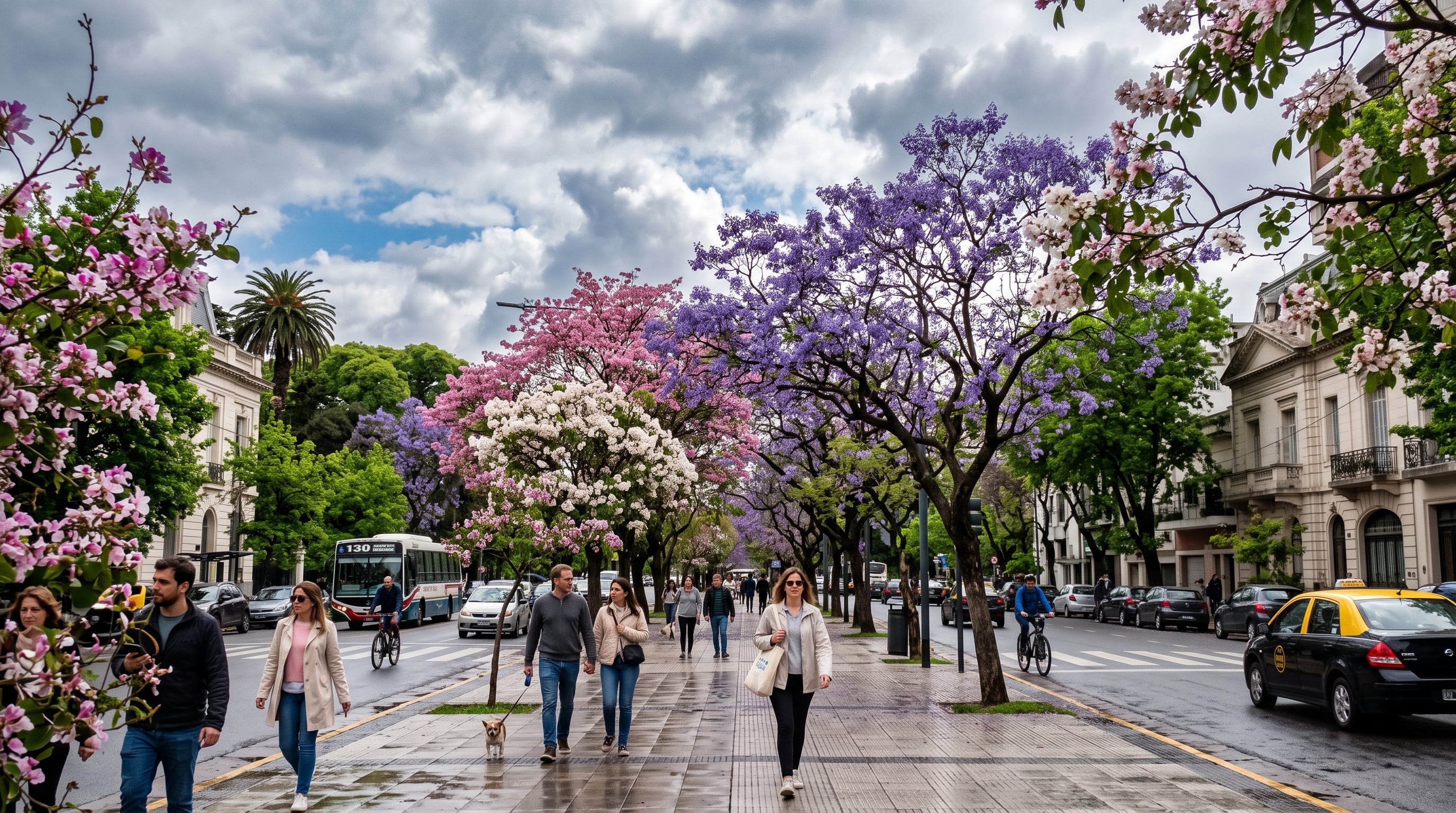
La meteoróloga de Meteored Cindy Fernández señaló que las condiciones de El Niño empiezan a cambiar un poco en primavera: ”Lo más importante es que favorece los eventos de lluvia, sobre todo en el este de Argentina”. También advirtió que “el principal riesgo de precipitaciones extremas está hacia el litoral argentino, pero Buenos Aires no queda exenta de estos episodios”.
Sobre el nivel de precisión posible para un pronóstico estacional, Gerardo Barrera, pronosticador de la Dirección de Meteorología Aeronáutica del Servicio Meteorológico Nacional (SMN), puso un límite. “No hay forma de armar una secuencia como si fuera un extendido para una semana”, señaló. Aun así, entre los especialistas aparece una coincidencia general: la primavera trae más humedad, más nubosidad y más lluvias que en otros años, con impacto más claro sobre el este y norte del país.
Un patrón que se repitió durante varios días en invierno
En agosto pasado, los meteorólogos consultados por Infobae coincidieron en que la nubosidad invernal no resultaba extraña por sí sola, aunque sí llamó la atención la cantidad de jornadas cubiertas y la falta de días completamente despejados.
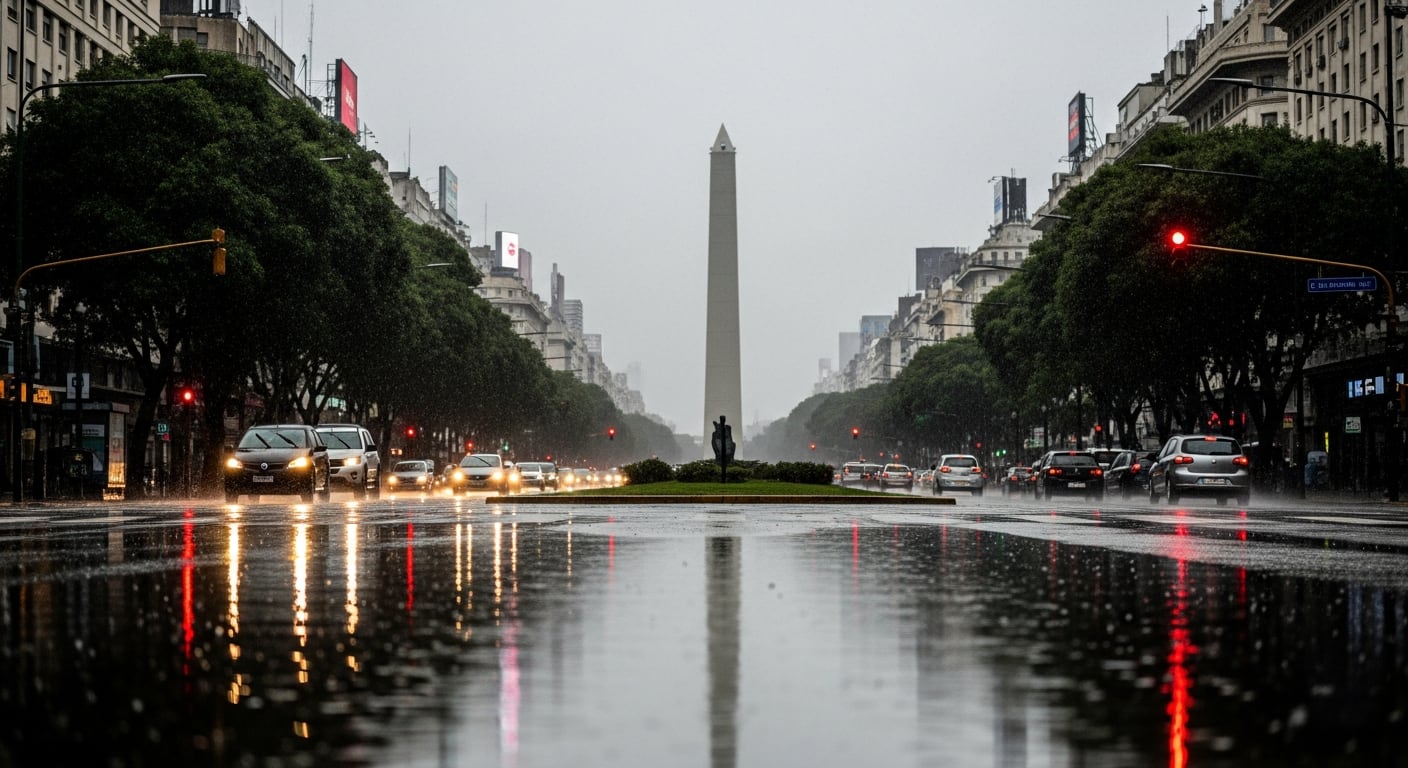
Una de las claves apareció en el exceso de humedad disponible en la atmósfera. Barrera le dijo a Infobae que “se combinaron sucesivas situaciones de presencia de humedad”, varias de ellas “por aporte de aire marítimo ante la presencia de viento del sector este”.
Ese patrón tuvo un efecto concreto sobre el cielo del AMBA. Cuando la atmósfera conserva más humedad, aumentan las condiciones para la formación de nubes bajas, nieblas y neblinas. Hubo más vapor de agua disponible y eso favoreció muchos días seguidos con escaso sol.
A esa explicación se sumó Madelón: “Este invierno hemos tenido mayor humedad disponible en las capas de la atmósfera. Esa humedad ha dado lugar a una mayor cantidad de días de cielos cubiertos acompañados de nieblas neblinas y, en algunos sectores del país, precipitaciones”.
¿Fue normal tanta nubosidad en invierno?
Aunque para el centro y este del país varios especialistas marcaron que el invierno tuvo rasgos fuera de lo habitual, Barrera aclaró que no fueron “situaciones que se repitan todos los años con la misma intensidad y extensión en días”.
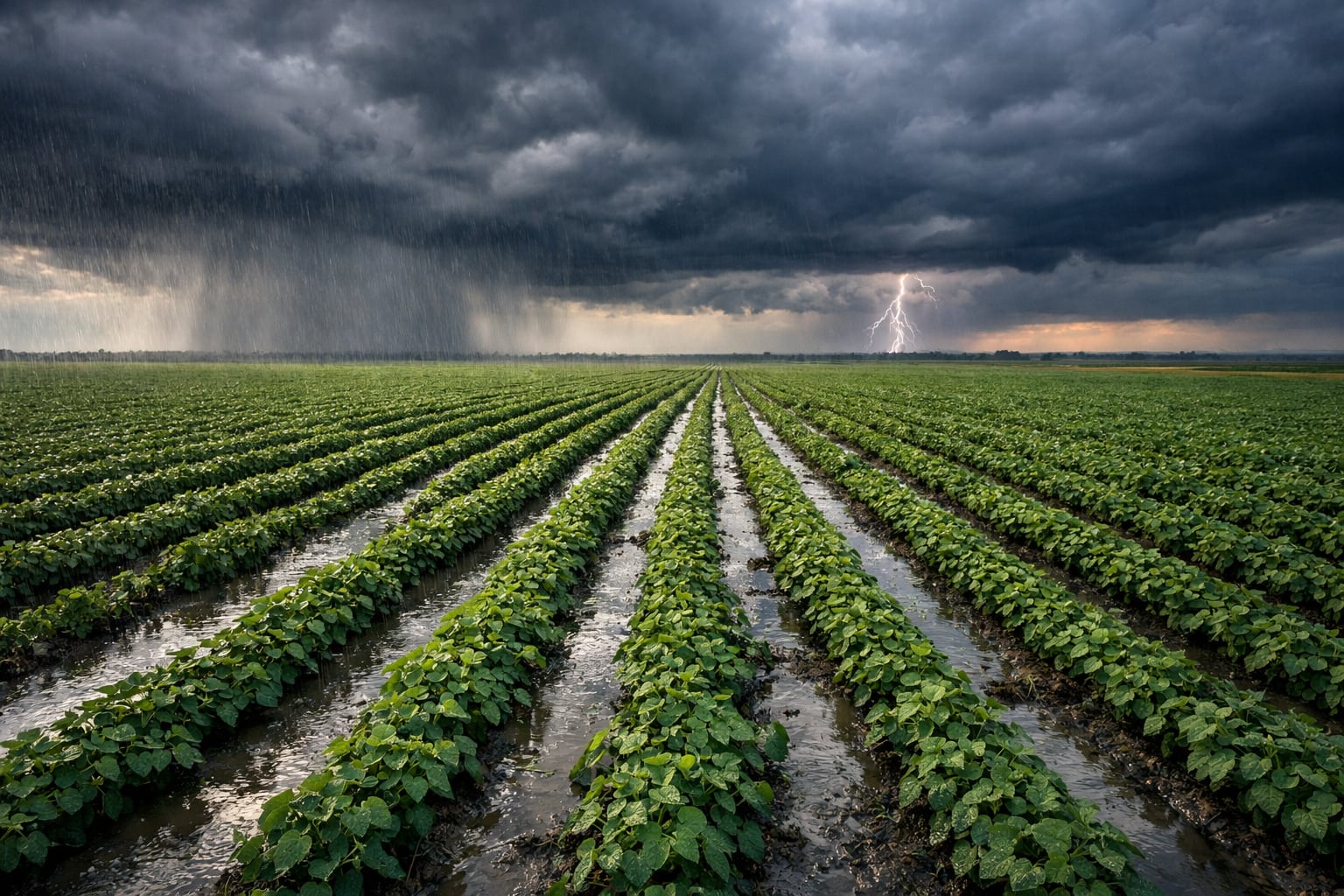
Madelón fue más directo sobre este punto. “No es común que en esta época del año tengamos tanta nubosidad”, afirmó y recordó que para el norte, el centro y gran parte del oeste del país el invierno suele ser la época seca, con menos lluvias y más cielo despejado.
Al mismo tiempo, la estadística mostró que la nubosidad invernal en Buenos Aires tampoco es una rareza. Saldivar le había dicho a Infobae que “de los 90 días que dura el invierno, casi la mitad de ellos el cielo está nublado sobre la ciudad de Buenos Aires, y casi un cuarto son con cielos despejados”.
En esa misma línea, Cindy Fernández había explicado: “Lo normal es tener casi 40 días de los 90 que dura el invierno con el cielo nublado. Eso es lo que dicen las estadísticas”. Y concluyó: “La sensación de que el invierno fue especialmente gris se refuerza porque no tuvimos casi días completamente despejados”.
Buenos Aires,Argentina,Obelisco,Río de la Plata
INTERNACIONAL
Judicial Watch’s Thomas Fitton slams FBI’s ‘drip-drip’ release for 75,000 pages of Trump-Butler shooting files
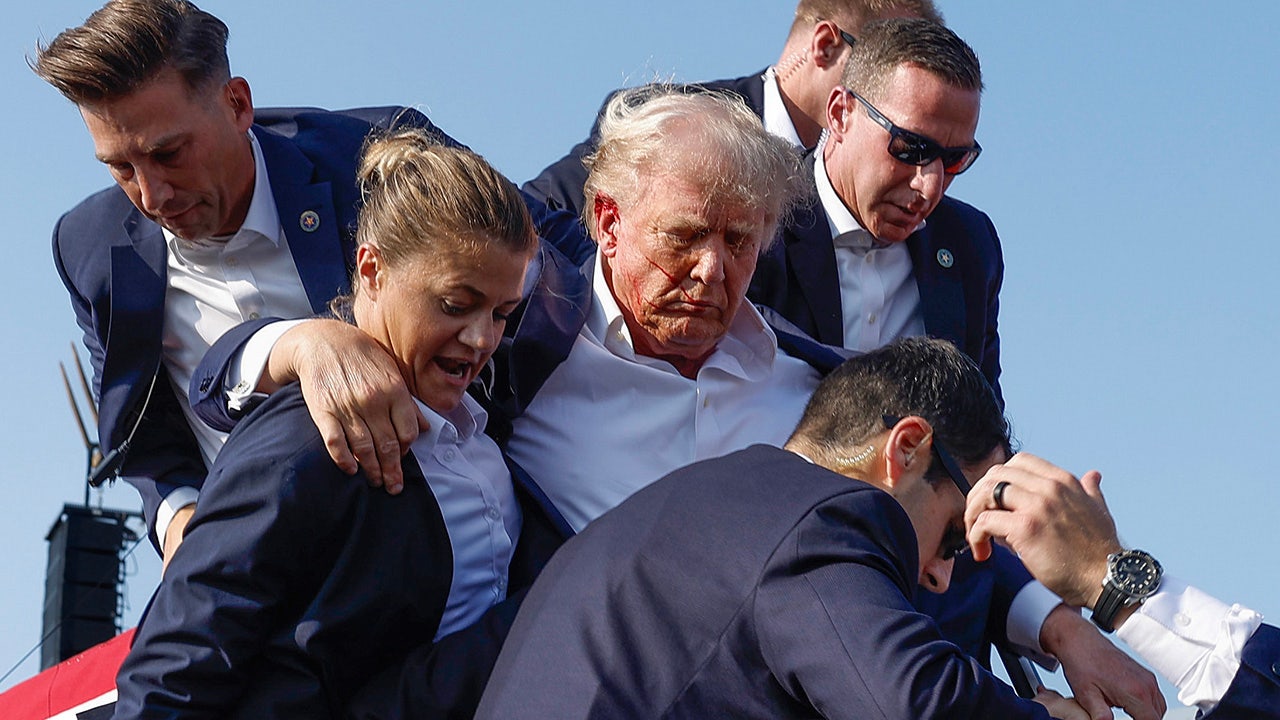
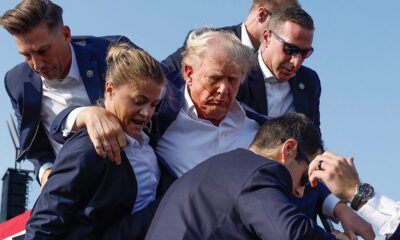
Judicial Watch President Thomas Fitton slammed the FBI for slow-walking the release of documents related to Thomas Matthew Crooks’ 2024 assassination attempt on President Donald Trump during an exclusive interview with Digital.
«They are telling us that at current processing rates, the process will take 12 years. Under the FBI’s timeline, we won’t even be able to challenge what they withheld until 12 years from now. That is obviously unacceptable, and I would like to know what leadership at the FBI and DOJ think about that position,» Fitton told Digital.
Judicial Watch sued the U.S. Department of Justice (DOJ) in 2025 after the FBI initially rejected a July 2024 Freedom of Information Act (FOIA) request for documents pertaining to the FBI investigation of Thomas Matthew Crooks’ assassination attempt on Trump at a rally in Butler, Pennsylvania.
TRUMP’S ATTEMPTED ASSASSIN SENT MYSTERIOUS TEXTS ABOUT 3D PRINTER LEADING UP TO BUTLER, PA, SHOOTING: REPORT
The lawsuit forced the release of multiple batches of documents to Judicial Watch, the most recent of which revealed a series of text messages Crooks sent to an unknown recipient, whose name the FBI redacted before sending to Judicial Watch.
«We’re receiving these documents because they’re part of the investigation, yet we’re not being told who he was talking to,» Fitton told Digital.
GOP LAWMAKERS BLINDSIDED BY NEW REVELATIONS ABOUT TRUMP BUTLER SHOOTER: ‘AWFULLY STRANGE’
«Withholding that information is a very concerning decision. The American people want to be certain this isn’t another JFK situation. By handling it this way, authorities are creating the appearance of a cover-up. In part, that’s true, because they aren’t providing details about who Crooks was talking to, who was texting him, what they were saying, or who witnessed specific actions. It makes no sense to withhold this,» he said.
The documents revealed a series of one or two-word texts Crooks sent to the redacted recipient between May 2023 and January 2024. The words appear unrelated and somewhat nonsensical.
WOULD-BE TRUMP ASSASSIN THOMAS CROOKS HAD SNAPCHAT, WHICH MAY HOLD EVIDENCE ‘TREASURE TROVE’: FORMER FBI AGENT
«Hello … Hello red …Hello red … Hdudhdbdbbd … 7888ejdj … Yolo … Ddodjjf … 890 … Hdjd … Djdj … red … Yup red … Hello … Jhhhuuh … Hhdj … Jjjjjjjjjjjj … Hello red … Red red,» Crooks’ messages said.
Fitton, while acknowledging that any potential correspondents with Crooks have a reasonable expectation of privacy, argued that the FBI «must weigh that expectation of privacy against the public interest.»
SECRET SERVICE MISSED ‘MULTIPLE OPPORTUNITIES’ TO PREVENT TRUMP ASSASSINATION ATTEMPT: WATCHDOG
«The public interest in understanding how a former president was nearly killed – and two American citizens were killed – outweighs the privacy interests of anyone being protected in these documents. Unless the court speeds up the process, all we can do is speak out publicly to pressure the FBI and the Department of Justice to take ownership and stop stringing the American people along regarding the Butler assassination investigation,» he told Digital.
A previous batch of documents Judicial Watch obtained through FOIA also revealed that, shortly before Crooks climbed onto the roof of the AGR International building where he fired his weapon from, he engaged in a heated argument with rally attendees on the ground.
TWO MEN SHOT AT TRUMP’S BUTLER RALLY SUE FEDERAL GOVERNMENT OVER SECRET SERVICE ‘PREVENTABLE FAILURES’
«Thomas Crooks was behaving erratically in a very public way at the rally. This wasn’t a case of someone furtively running around; he was getting into a verbal altercation with individuals about Trump and then immediately went up onto the roof. That just blows my mind,» Fitton told Digital.
Fitton complained that the shear numbers of the documents involved in the shooting call for a faster release process.
«The entire release process involves approximately 75,000 pages. At 500 pages per month, it will take well over 12 years to review them all. To me, that is unacceptable,» he told Digital.
«It isn’t that hard. I believe the president wants it done, and it’s frustrating that the FBI is taking its typical approach to transparency—which is to offer very little,» he said.
Digital contacted the FBI and U.S. Secret Service for comment.
politics, investigations, fbi, justice department, national security, pennsylvania, assassinations murders, donald trump

Ricardo Darín contó cómo se siente cada vez que está con su nieto: “Estoy enloquecido, te derrite»

Un recorrido cronometrado y detenidos con pulseras con QR: así será el traslado de los presos de la cárcel de Devoto a Marcos Paz

Neymar regresa a lo grande

Un joven murió mientras trabajaba en un techo, pisó una chapa que cedió y cayó desde siete metros

Javier Milei recibió a Patricia Bullrich en Olivos: el trasfondo de la cumbre y la aclaración que le hizo la senadora

Trump cuestionó a Zelenski por los ataques a refinerías rusas: “Es hora de que Ucrania tenga un nuevo presidente”

Escándalo total en la AFA: reventa millonaria, un homenaje paupérrimo a Messi y el pedido urgente de renuncia a Chiqui Tapia

El discurso completo de Leo Messi en su despedida con Argentina: ‘Hoy me toca quizás el día más triste de mi carrera’

Tobey Maguire se quedaba ciego con el traje de Spider-Man y casi se desmaya durante una prueba: fabricar su disfraz fue una pesadilla

El presidente de Burkina Faso, duro tras el amistoso con la Selección: «Nuestro fútbol está enfermo» :: Olé

 DEPORTE3 días ago
Escándalo total en la AFA: reventa millonaria, un homenaje paupérrimo a Messi y el pedido urgente de renuncia a Chiqui Tapia
- SOCIEDAD3 días ago
Tobey Maguire se quedaba ciego con el traje de Spider-Man y casi se desmaya durante una prueba: fabricar su disfraz fue una pesadilla
- DEPORTE3 días ago
El presidente de Burkina Faso, duro tras el amistoso con la Selección: «Nuestro fútbol está enfermo» :: Olé