INTERNACIONAL
Honduras mantiene vigilancia ante aviso de tsunami por sismo en Panamá


Honduras mantiene bajo vigilancia sus costas del Pacífico tras el aviso de tsunami emitido luego de un fuerte sismo registrado en Panamá, aunque las proyecciones disponibles indican que las olas que podrían llegar al territorio hondureño serían inferiores a los 30 centímetros.
La Secretaría de Gestión de Riesgos y Contingencias Nacionales (Copeco) informó que sus equipos técnicos dan seguimiento permanente al comportamiento del mar y a la actividad sísmica en la región, con el propósito de identificar cualquier cambio que pueda representar un riesgo para las comunidades costeras.
“La Secretaría de Estado en los Despachos de Gestión de Riesgos y Contingencias Nacionales (COPECO), a través de sus equipos técnicos, mantiene el monitoreo permanente de las condiciones del mar y de la actividad sísmica, tras el registro de un sismo de magnitud 7.6 en Panamá, con una profundidad preliminar de 10 kilómetros”, indicó la institución en un comunicado.
El movimiento telúrico motivó la emisión de un aviso por tsunami por parte del Centro de Alertamiento de Tsunamis del Pacífico (PTWC), ante la posibilidad de que generara olas peligrosas, principalmente para las costas panameñas.
¿Qué tan grandes serían las olas en Honduras?
De acuerdo con las estimaciones difundidas por Copeco, las olas que podrían arribar a Nicaragua, Honduras y El Salvador tendrían una altura inferior a los 30 centímetros, por lo que serían poco perceptibles en comparación con el oleaje habitual.
“Según esta información, no se prevé una amenaza mayor para las costas hondureñas; sin embargo, se mantiene la vigilancia ante cualquier actualización de los organismos especializados”, subrayó la institución.
Las autoridades mantienen el seguimiento de los reportes técnicos para determinar si se producen variaciones en el nivel del mar que requieran nuevas valoraciones. Aunque las proyecciones iniciales apuntan a un impacto limitado en Honduras, la institución continúa pendiente de las actualizaciones emitidas por los organismos especializados.
Copeco también señaló que se considera la posible ocurrencia de réplicas sísmicas, debido a que nuevos movimientos podrían motivar una reevaluación de las condiciones de riesgo en la región.
Por el momento, la información proporcionada por la institución se centra en el monitoreo preventivo y en las estimaciones de altura de las olas, sin que el comunicado citado establezca una amenaza mayor para las costas hondureñas.
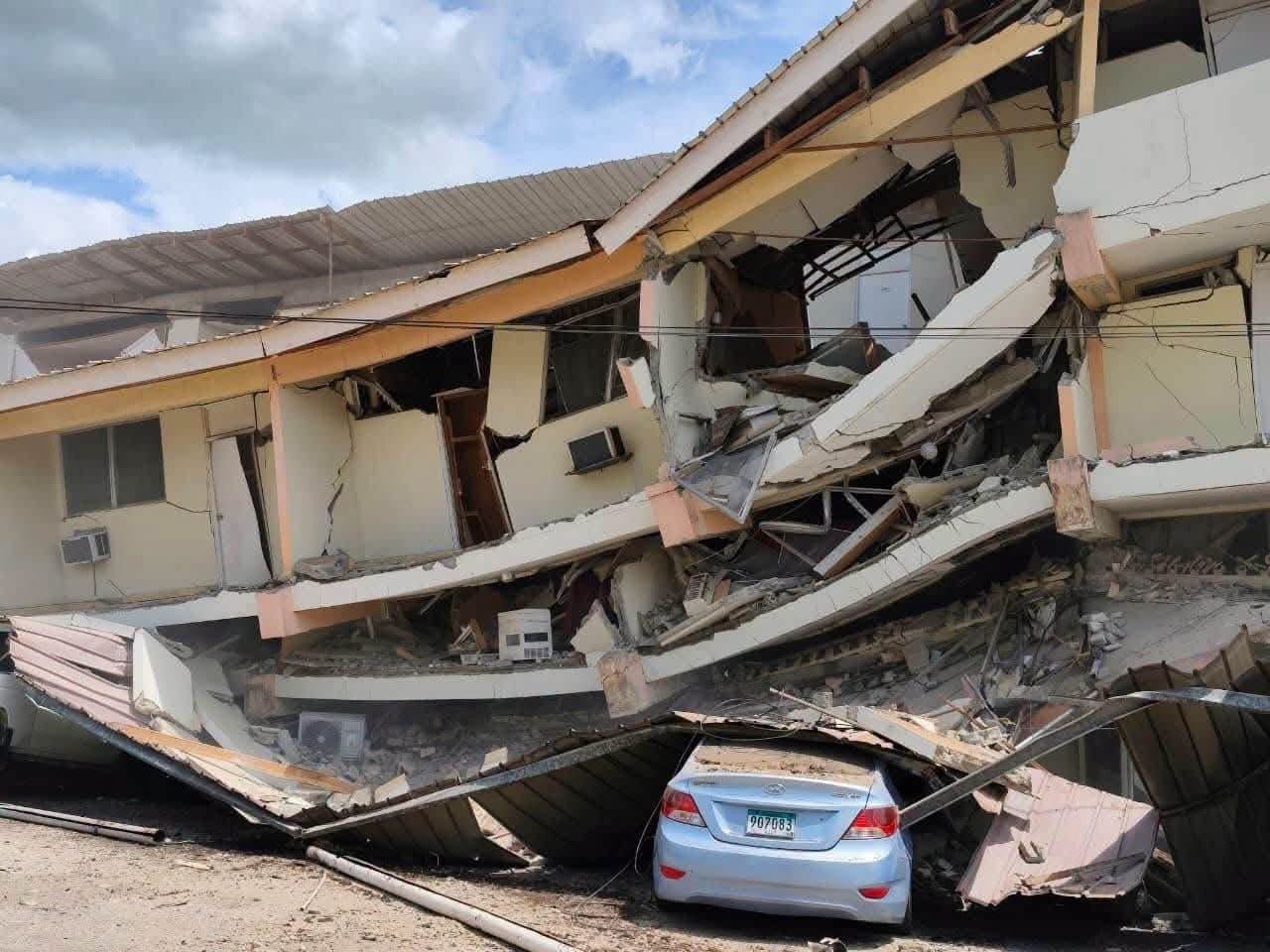
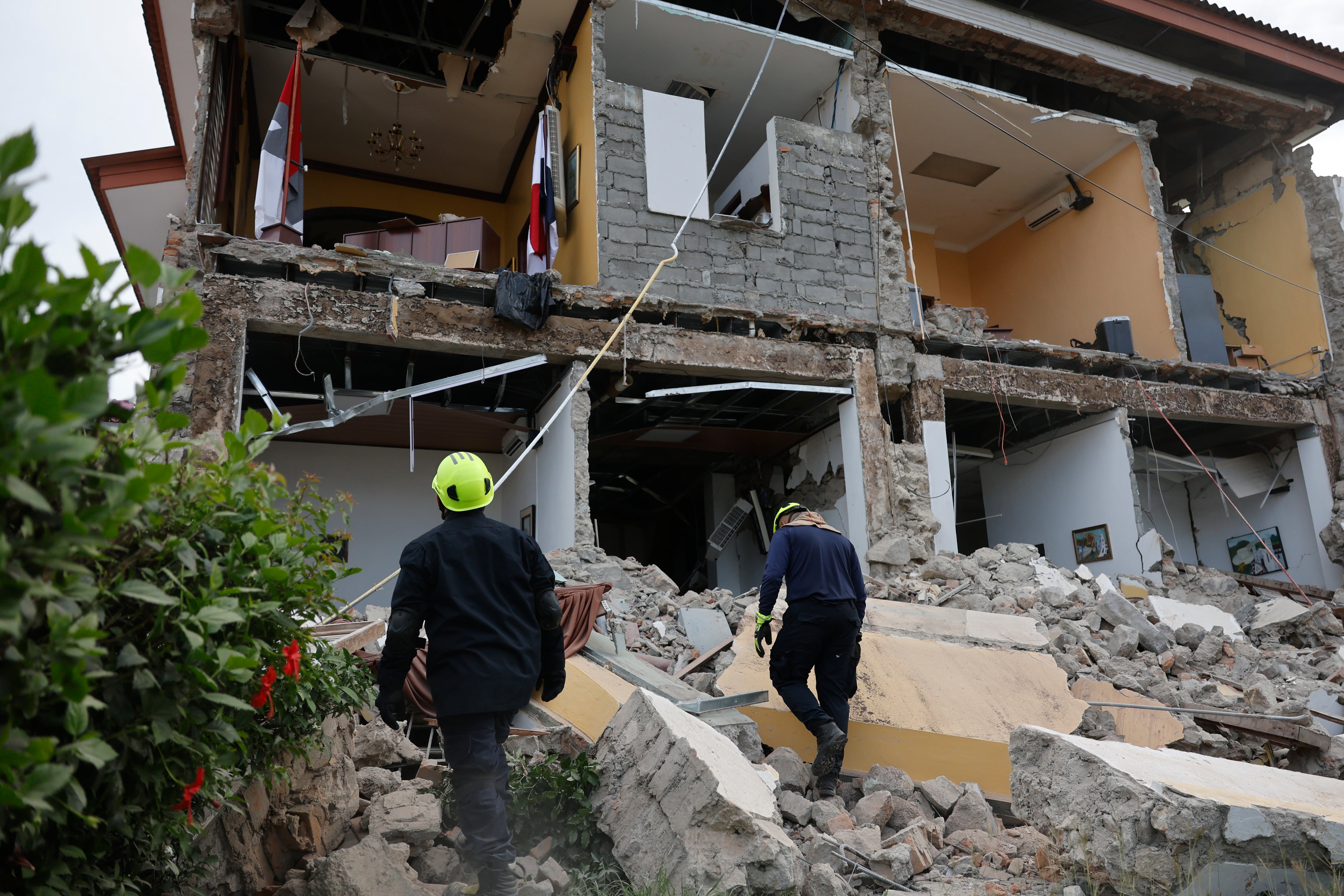
El aviso se produjo después de que un terremoto de gran magnitud sacudiera el sureste de Panamá durante este viernes. Según el Servicio Geológico de Estados Unidos (USGS), el movimiento telúrico alcanzó una magnitud de 7.7 y tuvo una profundidad de aproximadamente 10 kilómetros.
El epicentro se localizó a unos 12 kilómetros de Tonosí, una localidad situada en el suroeste panameño, y a aproximadamente 239 kilómetros de Ciudad de Panamá, la capital del país.
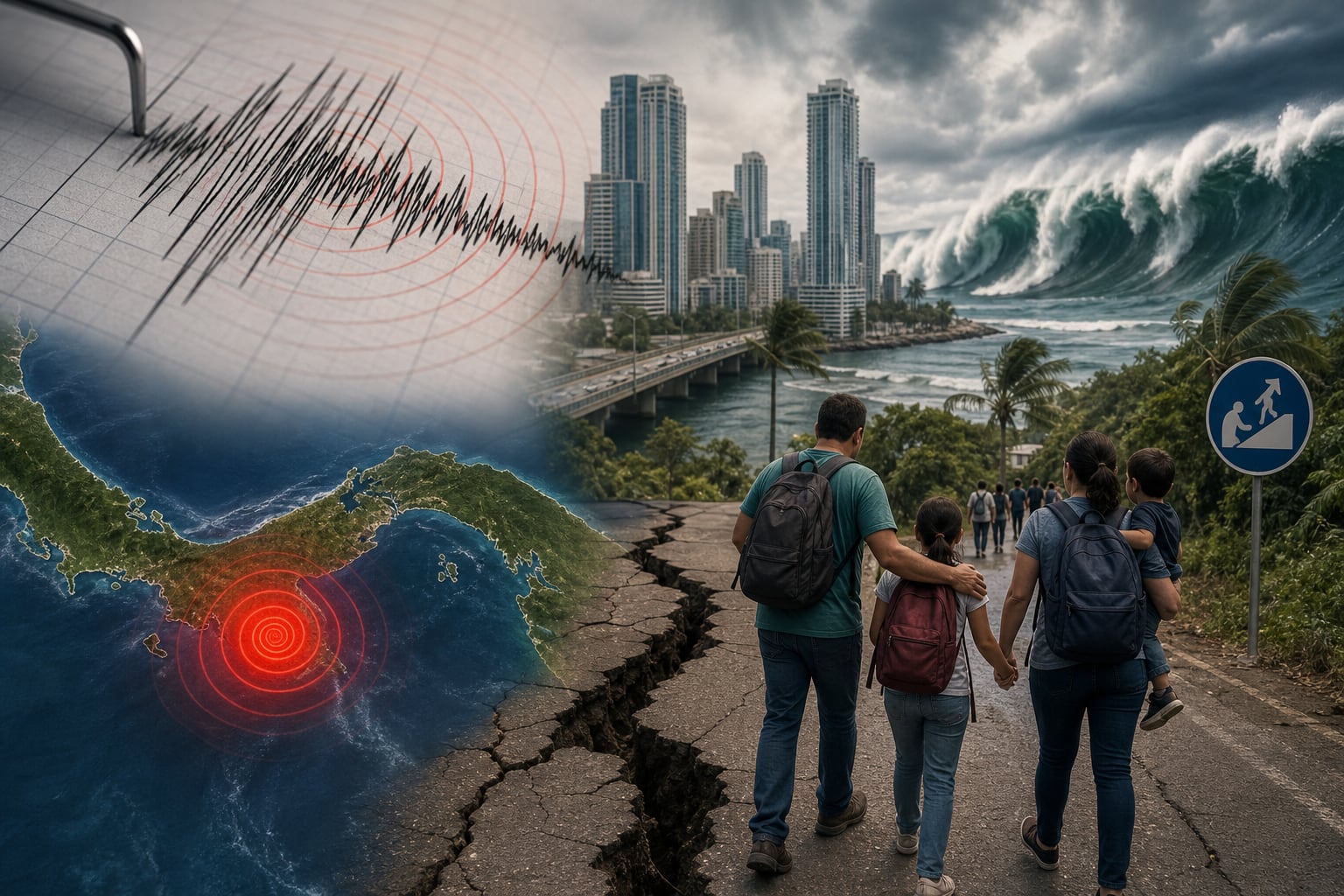
La profundidad relativamente superficial y la magnitud del evento motivaron la activación del aviso de tsunami en el Pacífico, debido a la posibilidad de que el desplazamiento del fondo marino generara olas con capacidad de afectar zonas costeras.
La magnitud reportada por el USGS fue de 7.7, mientras que el comunicado inicial de Copeco hizo referencia a un sismo de 7.6. Esta diferencia puede responder a actualizaciones o variaciones entre los reportes preliminares de los organismos que monitorean la actividad sísmica.
La institución hondureña continuará dando seguimiento a la actividad sísmica y a los cambios en el nivel del mar, a la espera de nuevas evaluaciones de los centros especializados en alertamiento de tsunamis.
El monitoreo busca identificar oportunamente cualquier variación que modifique las estimaciones iniciales sobre el posible impacto del fenómeno en Honduras.
Mientras tanto, las proyecciones divulgadas por Copeco apuntan a que las olas que podrían alcanzar las costas hondureñas serían de menos de 30 centímetros, una altura considerablemente inferior a la que representaría una amenaza mayor.
terremoto,tsunami,Panamá,evacuación,sismograma









INTERNACIONAL
Governor probing ‘Decoy Dan’ Sullivan election scandal warns system flaw hiding in plain sight

Alaska Gov. Mike Dunleavy warned that an alleged Democratic scheme to recruit a second «Dan Sullivan» into the state’s pivotal Senate race exposed a deeper vulnerability in its election system, telling Digital in an exclusive interview that his administration is investigating newly surfaced evidence just days before the midterms.
Dunleavy said The New York Times uncovered details that state officials did not have when they initially challenged the second Sullivan’s candidacy this past summer — including alleged involvement by operatives connected to Democratic nominee Mary Peltola.
The Republican argued Alaska’s relatively new election system helped make the controversy possible, as state and federal authorities pursue separate investigations into potential wrongdoing.
«This would have never happened if we didn’t have ranked-choice voting,» Dunleavy told Digital. «If this was a historical primary, a primary that our fathers and grandfathers had, this individual [retired schoolteacher Dan Sullivan of Petersburg] would not have gotten out of the primary.»
‘DECOY DAN’ SULLIVAN CASE LEADS TOP SENATOR TO BREAK FOUR-YEAR X SILENCE: ‘PATTERN OF LIES’
Dunleavy cited reporting that the Petersburg Sullivan initially denied having been recruited, but the Times found Peltola-connected operatives had worked to recruit spoilers named «Dan Sullivan» from around the state.
«We’re compelled to do an investigation on behalf of the people of Alaska, because as they say in Alaska, which is a big fish state, if you can smell the fish way far from the dock, you’ve got a real problem,» Dunleavy said.
«And so, this really does stink.»
Alaska’s election system advances the top four finishers from a nonpartisan primary to a general election in which voters rank candidates by preference. Dunleavy argued that traditional party primaries would have prevented the second Sullivan from reaching November’s ballot.
«Our job as executives are to make sure that we can provide our people with an election that everyone could look at it and say that was done with integrity. And right now this cast, unfortunately, a pall over all of this,» he said.
Dunleavy said the state’s initial investigation in June after the Petersburg Sullivan surfaced ultimately led to the state Supreme Court, which allowed both Sullivans’ names on the ballot, with Senator Sullivan marked «incumbent.»
«Initially, when [Petersburg Sullivan] contacted the Division of Elections, he wanted his name listed as Daniel S. Sullivan. That’s not his middle initial. That’s the middle initial of our incumbent senator. His website looked very, very, very similar to our incumbent senator. And we went to court over this, and the Supreme Court of Alaska ruled that they were going to put his name on the ballot,» he said.
«We knew there was a problem, but the courts had decided. And then of course, the article comes out in the Times and there’s a whole list of issues that we were never privy to.»
The new reporting identified contradictions in accounts of what transpired over the summer, including whether there was contact between Petersburg Sullivan and any campaigns.
RNC REJECTS NARRATIVE OF SPOILER CANDIDATES ‘ON BOTH SIDES,’ CALLS ALASKA SCHEME ‘FRAUDULENT’
«There’s a lot more smoke and a lot of fishy smell after this article came out,» he said.
In Alaska, elections are overseen by the lieutenant governor, not the governor, and Digital reached out to Lt. Gov. Nancy Dahlstrom for comment on whether or how her office is investigating.
«They’re obviously shoulders deep now in an election with all the people and all the polls open here with early voting. The governor’s office is in charge of making sure that there’s execution of the laws. That’s what this investigation is going to look at to see if there were any violations of law or if there was a civil violation as well,» Dunleavy added.
Peltola’s campaign has denied involvement with either Sullivan campaign. Peltola also dismissed the controversy as a distraction during a campaign appearance Wednesday, while the New York Times reported that operatives connected to her campaign participated in efforts to recruit potential spoiler candidates.
Digital reached out to Peltola for additional comment.
Former FEC Chair Hans von Spakovsky told Digital that something investigators should look at is whether individuals paid by Peltola or another political organization were providing any «in-kind» services to the Petersburg Sullivan.
«In-kind services are considered a contribution to a campaign. Failure to disclose such services is a violation of federal law. Also, if the fair market value of the services provided to the campaign exceeds the maximum contribution allowed to a federal candidate, that is also a violation of federal law. If this was knowingly and intentionally done, it moves from being a civil violation to a criminal violation of the law,» von Spakovsky said.
Von Spakovsky pointed to an FEC case involving socialist Sen. Bernie Sanders’ 2016 presidential campaign, which accepted campaign assistance from Australian Labor Party members whose travel expenses and stipends were paid by the foreign political organization.
SIGN UP TO GET THE POLITICS NEWSLETTER
The FEC determined that the arrangement constituted a prohibited $24,422 in-kind foreign contribution. Sanders’ campaign and the Australian Labor Party each agreed to pay $14,500 in civil penalties to settle the matter without admitting liability.
With Election Day approaching, the governor said the investigation would continue for as long as necessary, warning that the alleged effort could foreshadow new attempts to manipulate elections through misleading candidacies and other tactics.
Digital’s Hannah Brennan contributed to this report.
elections disputes, voter fraud concerns, elections state and local, elections, politics, state and local, voting
INTERNACIONAL
Arpones de piedra, canoas artesanales y 44.000 años de evolución: el desconocido origen de la caza de atún
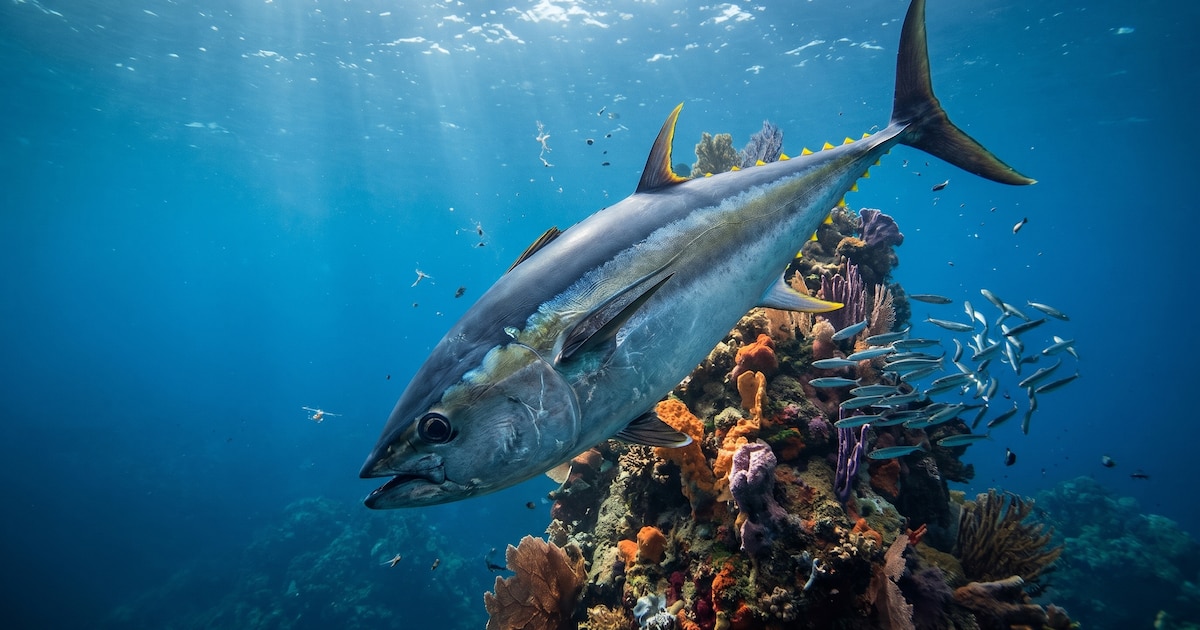
Una investigación sobre la relación entre las poblaciones humanas y el atún determinó que su pesca comenzó hace unos 44.000 años y evolucionó desde prácticas costeras de pequeña escala hasta una industria que actualmente extrae millones de toneladas al año.
El estudio, publicado en Proceedings of the National Academy of Sciences (PNAS), reunió restos arqueológicos, arte rupestre, documentos históricos y testimonios indígenas de distintas regiones del mundo. A partir de la información aportada por 18 especialistas, analizaron dónde, cuándo y por qué se capturaban estos peces.
De acuerdo con The Conversation, la prueba más antigua procede de Timor-Leste, en el sudeste asiático, donde se hallaron huesos de peces que probablemente pertenecían a bonitos, un tipo de pez similar al atún e incluido dentro de ese grupo.
Los autores del artículo son Emma Elliott Smith, investigadora asociada en Antropología del Museo Nacional de Historia Natural de la Institución Smithsonian y de la Universidad de Nuevo México, y Torben Rick, curador de Arqueología de América del Norte de la Institución Smithsonian.
Ambos plantean que con el tiempo la actividad pasó de la subsistencia a una industria global que mueve unos USD 40.000 millones al año. Esta transformación también plantea interrogantes sobre el impacto de la pesca, ya que tres de sus especies comerciales están amenazadas, son vulnerables o se encuentran cerca de esa condición.
La evidencia más antigua de pesca de atún
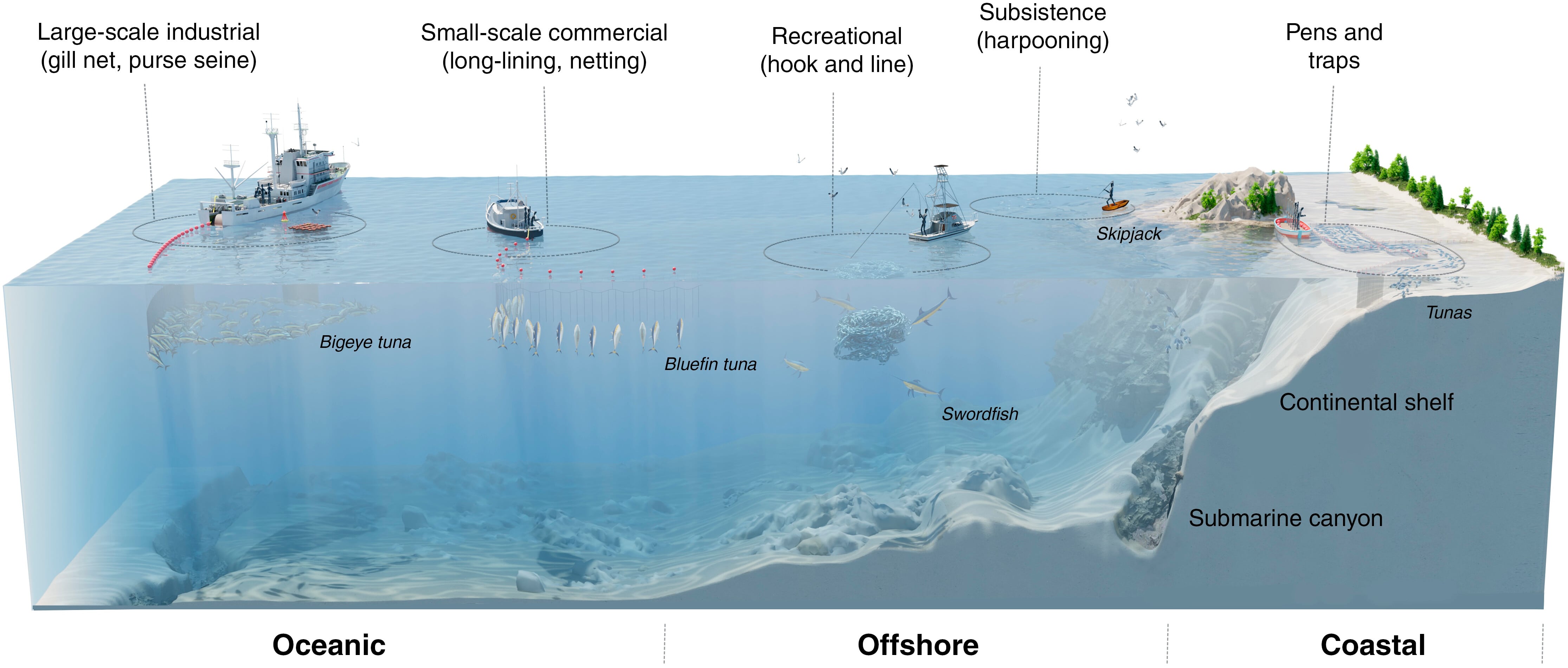
Los restos encontrados en Timor-Leste datan de hace aproximadamente 44.000 años. La investigación plantea que los canales de aguas profundas pudieron acercar a los peces a la costa, lo que habría permitido su captura sin viajes lejanos mar adentro.
Este caso es excepcional: en la mayor parte del planeta, las pruebas arqueológicas de pesca de estos organismos no aparecen hasta hace 10.000 años o más tarde.
La palabra atún abarca 15 especies de peces. Entre las principales variedades comercializadas figuran ocho especies del género Thunnus y el bonito listado. Algunos ejemplares superan los tres metros de largo y viven más de cuatro décadas. El rojo del Pacífico, por ejemplo, puede recorrer 8.000 kilómetros por el Pacífico Norte en pocos meses.
Además de su valor alimentario, estas especies cumplen una función ecológica como depredadores situados en la parte alta de la cadena marina. Por eso, son considerados indicadores de la salud del océano.
Asia y Europa pescaron atún durante milenios
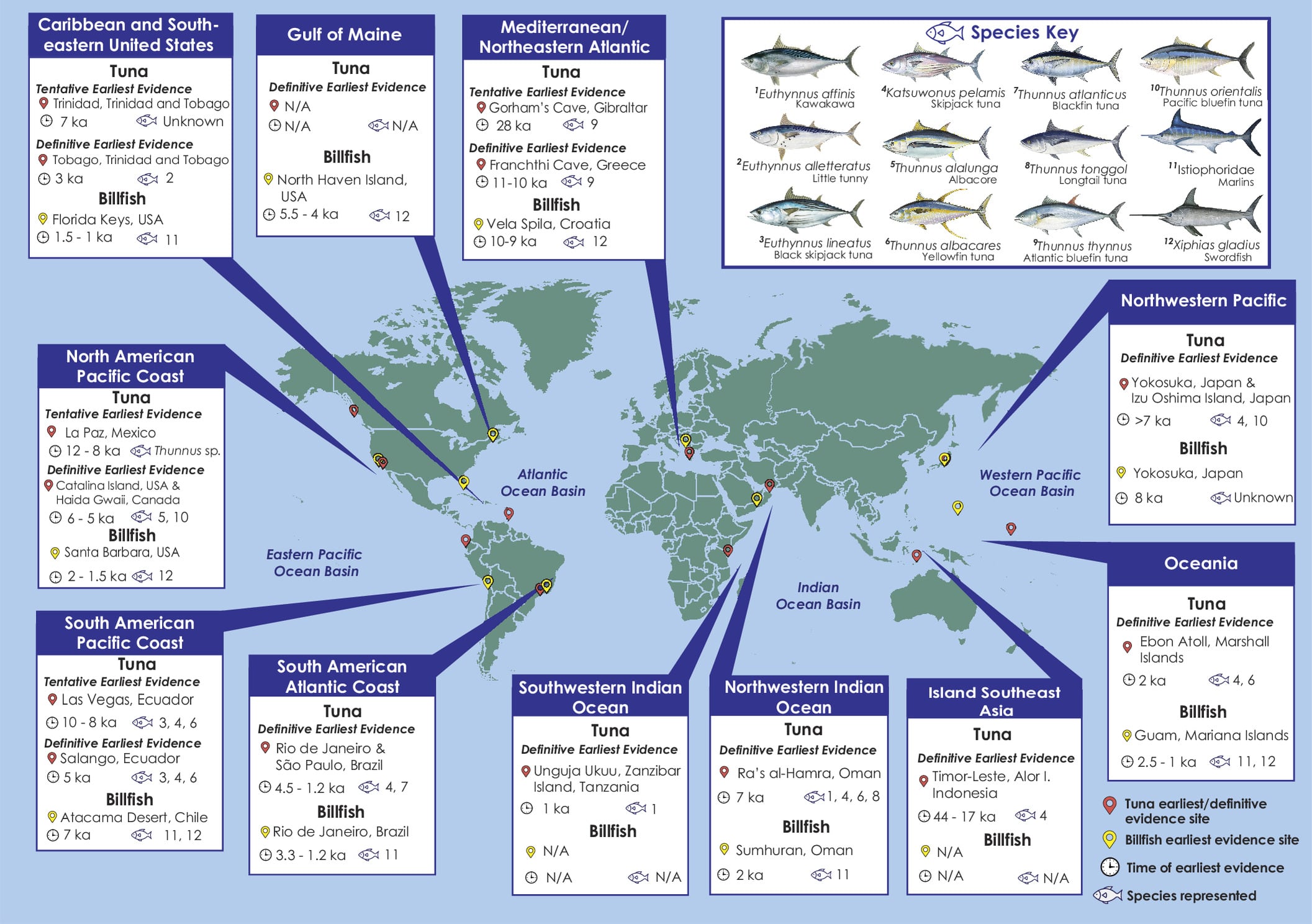
En Japón y Corea existen registros de captura de estos individuos de al menos 7.000 años, la práctica mantuvo una tradición culinaria prolongada y derivó en pesquerías de gran escala. En Europa, el noreste del Atlántico y el Mediterráneo se consolidaron como áreas históricas de captura del atún rojo del Atlántico.
En el sureste de Grecia, en la península del Peloponeso, una cueva con vista a la bahía de Kiladha conserva miles de huesos de ejemplares depositados hace entre 9.000 y 11.000 años. Desde hace unos 8.000 años, los yacimientos europeos con restos de estos peces aumentan de forma marcada, de acuerdo con ICES Journal of Marine Science.
También en Gibraltar se localizaron huesos en un sitio neandertal de unos 26.000 años, aunque posiblemente obtenidos como carroña. Las comunidades antiguas empleaban anzuelos, arpones, trampas y redes, y aprovechaban la forma de la costa para acercar los cardúmenes a zonas accesibles.
En la antigua Grecia, el atún podía ser sacrificado para los dioses y ofrecido a Poseidón. Hace 3.000 años, ya funcionaba en el Mediterráneo una pesca comercial con trampas y redes especializadas.
Los indígenas del Pacífico Norte dominaban la caza
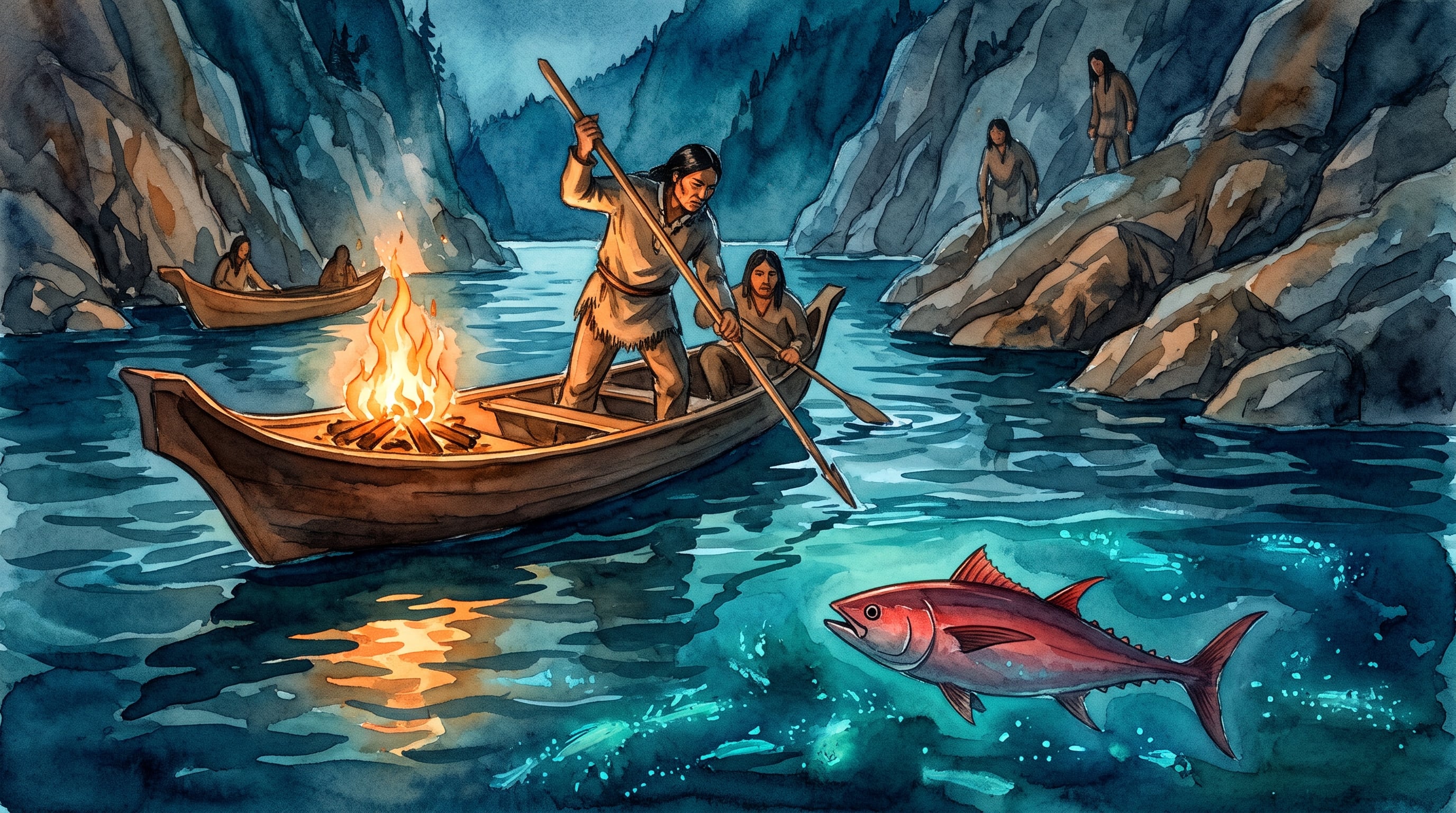
Los pueblos indígenas del noroeste de América del Norte, sobre todo en el territorio Nuu-chah-nulth, practicaron una pesca compleja de atún rojo del Pacífico durante más de 5.000 años. Los relatos recogidos de los adultos mayores indígenas describen capturas efectuadas a finales del verano, durante episodios particulares de aguas cálidas.
Los pescadores navegaban de noche por los fiordos —valles costeros estrechos y profundos formados por glaciares— y se guiaban por el brillo natural del plancton bioluminiscente, organismos microscópicos capaces de emitir luz propia en la oscuridad.
Mientras observadores ubicados en tierra comunicaban la presencia de peces, las personas encendían fogatas en las canoas para atraer a los ejemplares y arponearlos. Algunos ejemplares podían medir más de dos metros y pesar 290 kilos. La existencia de vértebras de atún rojo en 23 yacimientos arqueológicos respalda esa actividad.
De la pesca indígena a las fábricas

Más al sur, en las cercanías de la isla Santa Catalina, comunidades indígenas capturaron durante 6.000 años atún rojo del Pacífico, albacora, aleta amarilla y bonito.
La explotación comercial y deportiva de gran escala en el sur de California surgió recién durante los siglos XIX y XX. El crecimiento de la industria se aceleró durante la Primera y la Segunda Guerra Mundial según Wiley Online Library.
Las fábricas de conservas de Los Ángeles y San Diego concentraron parte de esa expansión, con la participación de comunidades pesqueras inmigrantes japonesas y portuguesas. Ese proceso contribuyó a la formación de la actual industria mundial.
La pesca industrial multiplicó las capturas
El contraste entre las pesquerías antiguas y las actuales es central: a partir de la cantidad de espinas halladas en sitios arqueológicos, los autores estimaron que incluso las mayores capturas históricas del Mediterráneo retiraron solo miles de toneladas a lo largo de milenios.
La diferencia con el presente es amplia, ya que cada año se extraen millones de toneladas de atún de los océanos. Por eso, se abren interrogantes sobre las consecuencias de esa expansión en un período relativamente corto y sobre las formas de administrar las poblaciones de manera sostenible.
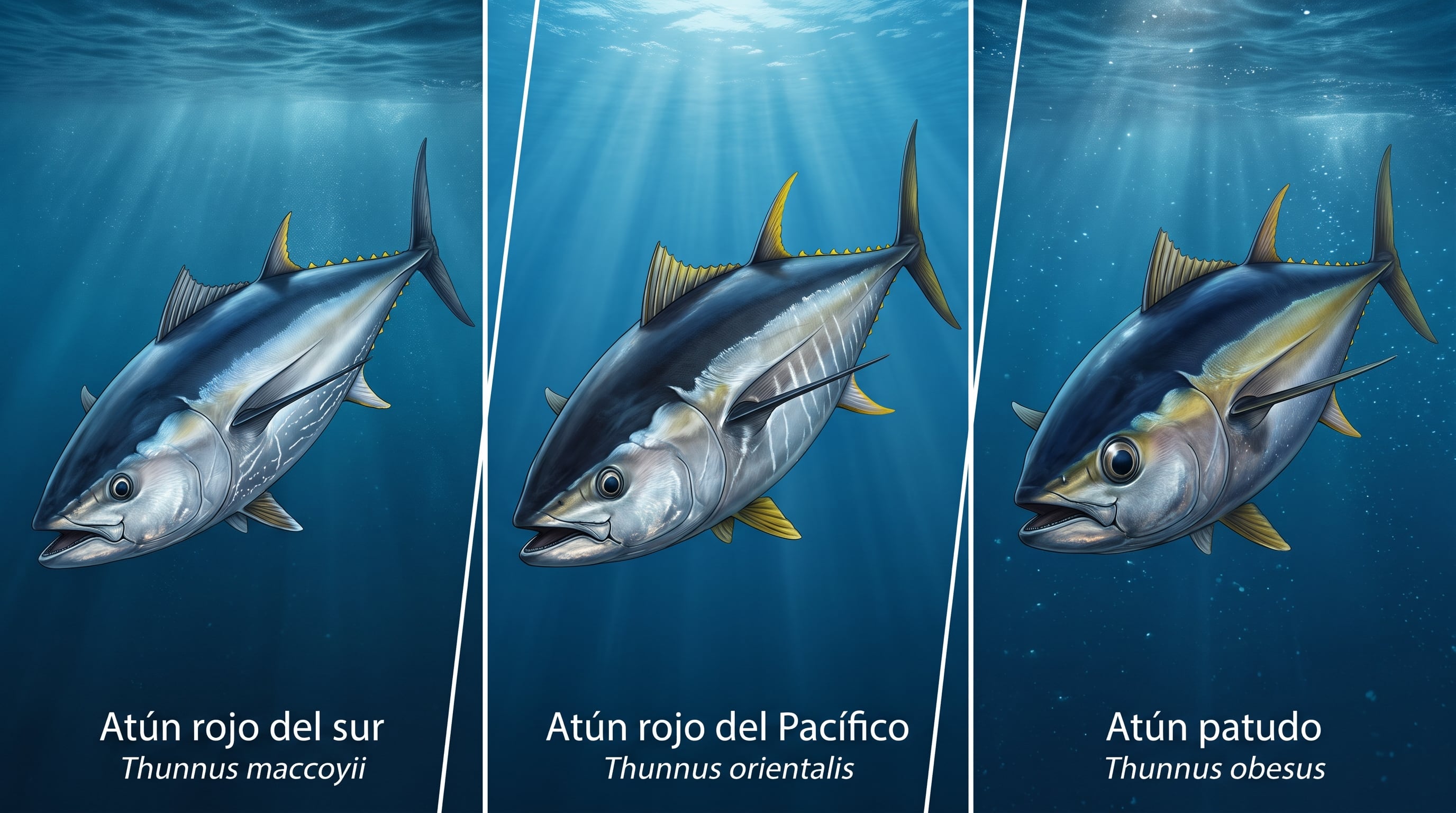
En algunas regiones, la combinación de controles de captura, monitoreo y una gestión eficaz permitió estabilizar poblaciones pese a la pesca intensiva. Sin embargo, el rojo del sur, el rojo del Pacífico y el patudo continúan bajo distintos niveles de riesgo.
La cooperación internacional y las decisiones basadas en la ciencia pueden contribuir a sostener las reservas globales de atún, aunque probablemente no recuperen la abundancia anterior a la extracción comercial.
atún rojo del Atlántico,arrecife de coral,cardumen,océano
INTERNACIONAL
Americans ‘frustrated’ about Iran war going into midterms as Trump admin has decision to make: GOP lawmaker

A Republican member on the House Armed Services Committee told Digital ahead of the midterm elections that the Trump administration has a key decision to make on the future of the U.S.-Iran war as «continuing to do just enough not to lose, but not enough to win, is not OK.»
Rep. Pat Harrigan, R-N.C., made the comments as Vice President JD Vance declared during a town hall on Thursday that he promises «Donald Trump is not going to let Iran become a forever war.» Official and military sources also told this week that movements are being made in the Middle East to give the president options if he decides to resume strikes against Iran.
«I share my constituents and many Americans’ perspective that I’m very, very frustrated that this war is not over. The way that ultimately this administration went about conducting the war, it needed to execute it and wrap it up in a very short period of time, and we are not there yet,» said Harrigan, who is running for re-election in North Carolina’s 10th Congressional District.
«That being said, Iran can’t have a nuclear weapon. And so at the end of the day, I do believe that this was a war that was inevitable at some point, but the party that’s in power and the administration that decided to pull the trigger on it is responsible for the outcome, and they’re responsible for the outcome in a very short period of time. Otherwise, things get really, really difficult,» Harrigan continued. «And I think we’ve been seeing that, both from a political perspective but also from a policy perspective.»
TRUMP SUPPORTERS CONFRONT IRAN, AFFORDABILITY CONCERNS WITH A MESSAGE FOR CRITICS: ‘GIVE HIM TIME’
«And so while the administration needs to wrap this up, we are not in a forever war, but we need to make sure that we’re not… we keep the mission the same. We accomplish the mission. And we do what it takes to either win or come home,» Harrigan added. «And that binary decision has to get made by this administration.»
Harrigan told Digital that Trump «needs to involve Congress» if he chooses to renew military action against the Iranian regime.
«I think that that will long-term set the course for the country to be resolute in affirming and actually executing and accomplishing the objectives that exist. Because look, like it or not, Congress is responsible for the funding arm of the government. And if they run out of money to accomplish the objectives, then that is not good for our strategic interests,» he said. «So, in my opinion, Congress and the White House need to be very closely involved in making the next set of decisions that exist for this conflict.»
GOP CRACKS WIDEN OVER IRAN WAR AS VULNERABLE CANDIDATES BREAK WITH TRUMP, DEMAND ITS END
«And we do need to make sure, again, that we either do what it takes to actually win in Iran, or we need to take the three out of five objectives that we’ve accomplished and say that, you know what? We’ve largely accomplished our strategic objectives. We’ve got more work to do over the long-term that’s going to require consistent and persistent over the horizon monitoring of their nuclear program. And we’re going to have to mow the lawn every now and again, and everybody’s got to realize that, and leave, right?» Harrigan continued, mentioning how the U.S. has prevented Iran from obtaining a nuclear weapon and eliminated Tehran’s missile and drone production.
«But we’ve got to choose one of those two options because continuing to do just enough not to lose, but not enough to win, is not OK,» he said. «It’s not OK for the American people, it’s not OK for our troops, it’s not OK for geopolitical and economic stability. And it does not serve the long-term strategic interests of the United States. So it’s time to choose.»
Harrigan, a Green Beret and business entrepreneur, is running for re-election on Tuesday in North Carolina. He is facing off against Democrat challenger Ashley Bell, a physician associate, and Libertarian candidate Steve Feldman, who ran unsuccessfully for the seat two years ago.
As a current member of Congress, Harrigan told there is «no question» the Republican Party’s House majority is at stake heading into Election Day.
«Whoever has 218 votes gets to chart the course of the direction of the House, the work that its committees do. And in particular, as it relates to the Trump administration, whether or not President Trump’s going to get impeached,» he added.
«What this boils down to is the future direction of the country. Are we going to be stuck looking backwards instead of actually looking forwards, dealing with the actual business of the country and the free world, or are we going to be stuck in some sort of a Democratically-led nightmare that is simply going to be obstructionist to the conservative principles and values that people voted for in 2024?» Harrigan asked. «That’s what’s on the line this election cycle.»
war with iran, midterm elections, house of representatives, defense, donald trump, jd vance, congress, politics

Governor probing ‘Decoy Dan’ Sullivan election scandal warns system flaw hiding in plain sight

Los “magos” detrás de Lula: más redes sociales y el ejemplo negativo de Milei para doblegar a Bolsonaro

Javier Milei volvió a criticar a los periodistas en la Universidad Di Tella: “Seres cargados de maldad”

Cinco acciones argentinas con mayor potencial de suba en el último bimestre, según Allaria

La historia de amor de Lali Espósito y Pedro Rosemblat: de coincidir en una fiesta a caminar rumbo al altar

El Bayern prepara el terreno para fichar a Odegaard: dudas sobre su continuidad en el Arsenal

Medios brasileños afirman que Flávio Bolsonaro escapó del país y está en vuelo a Estados Unidos

De Bullrich a Lula da Silva: a Milei se le abrieron dos frentes de conflicto con resolución incierta

Avanza la búsqueda de los hermanos desaparecidos que fueron arrastrados por la corriente de un río en Santa Cruz

Malvinas: tras aceptar modificaciones, el Gobierno buscará llevar al recinto el proyecto de Ley de Soberanía el 12 de noviembre

 SOCIEDAD3 días ago
Avanza la búsqueda de los hermanos desaparecidos que fueron arrastrados por la corriente de un río en Santa Cruz
- POLITICA3 días ago
Malvinas: tras aceptar modificaciones, el Gobierno buscará llevar al recinto el proyecto de Ley de Soberanía el 12 de noviembre
- DEPORTE3 días ago
Luis Enrique no tiene al gran ‘killer’ de París: una ‘bestia’ supera a Ferran Torres