INTERNACIONAL
De una pequeña ciudad italiana al corazón del poder en India: Sonia Gandhi cuenta su historia de vida


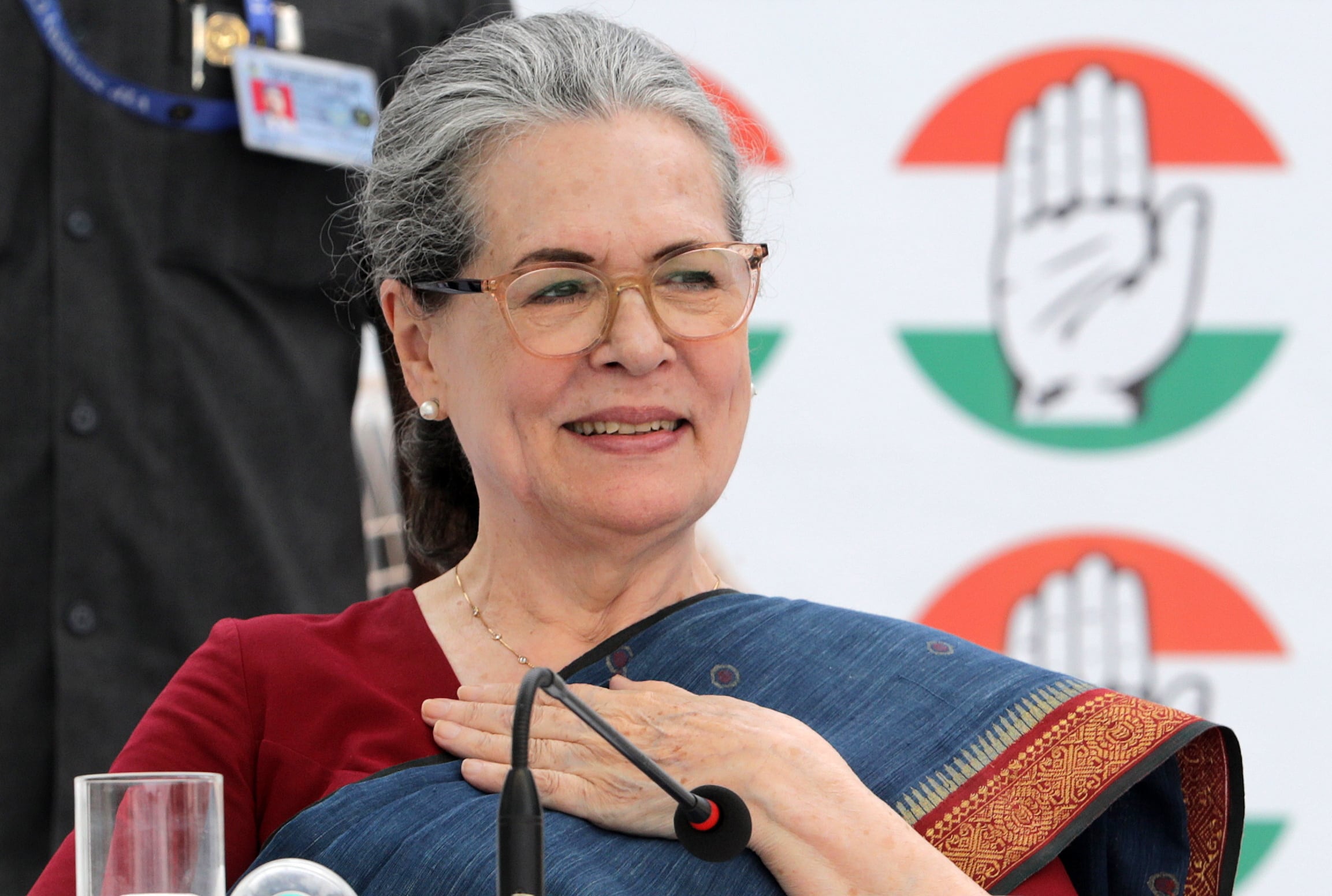
Sonia Gandhi reconstruye en Belonging. A Journey of Love (Pertenencia. Un viaje de amor) su paso de una pequeña ciudad italiana a la conducción del Partido del Congreso en India, una vida atravesada por su matrimonio con Rajiv Gandhi, los asesinatos de Indira y Rajiv, y la decisión de rechazar el cargo de primera ministra tras la victoria electoral de 2004. Próxima a cumplir 80 años, la dirigente relata cómo el amor por un hombre terminó por convertirla en una figura central de la mayor democracia del mundo.
La historia de la familia Nehru-Gandhi se superpone con cerca de la mitad de las ocho décadas transcurridas desde la independencia india. Durante los últimos 12 años, el Partido del Congreso ha sido el principal opositor del Bharatiya Janata Party, encabezado por Narendra Modi.
El vínculo entre Sonia y Rajiv comenzó en un restaurante griego de Cambridge a mediados de la década de 1960. Ella describe aquel domingo de enero como el día que cambiaría su vida, bajo “un hermoso cielo azul salpicado de nubes blancas y esponjosas como en un fresco de Tiepolo”, y define la presentación con el estudiante indio como “un rayo”.
Su padre, Stefano Maino, era un empresario de la construcción de una pequeña localidad italiana y veterano de la Segunda Guerra Mundial. Conocido como Maino el León, fue definido en un perfil de Patrick French publicado en The New Yorker en 1998 como “un fascista impenitente” hasta su muerte; French colaboró brevemente en la elaboración de Belonging.
Gandhi lo llama padre padrone, una expresión italiana que equivale a “padre amo”. Cuando supo de la relación de su hija del medio, golpeó su escritorio con el puño y gritó: “¡Basta!”, aunque le compró un pasaje a India apenas ella cumplió 21 años.
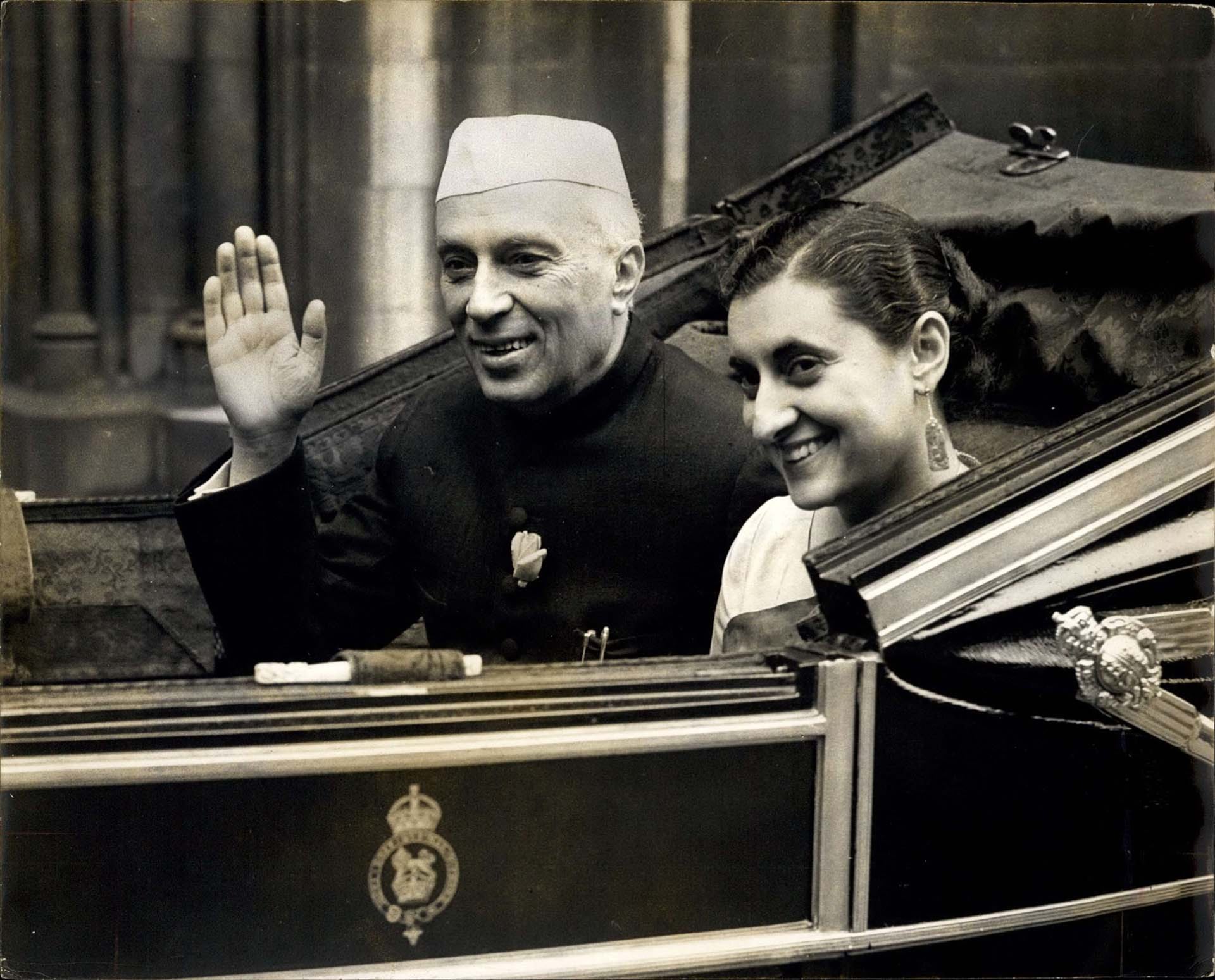
Rajiv era hijo de Indira Gandhi, entonces una de las figuras más influyentes de la política india y descendiente de Jawaharlal Nehru, el primer ministro del país tras la independencia. Poco después de la llegada de Sonia a Delhi, Indira decidió que la pareja debía casarse; la noticia llegó a la familia Maino por radio y Stefano no asistió a la boda.
La futura primera ministra acompañó los primeros años de matrimonio de su nuera, desde el embarazo hasta la ceremonia de imposición del nombre al bebé. Sonia la describe simplemente como “mi suegra”, pero retrata una relación de cercanía y lealtad filial.
La historia familiar también condiciona el modo en que se presentan algunos episodios políticos. La represión de una gran huelga ferroviaria durante el gobierno de Indira y los 21 meses del Estado de Emergencia decretado en 1975 aparecen con un tratamiento contenido, pese a que ese período incluyó detenciones de opositores, restricciones a las libertades civiles y censura de prensa.
Durante aquellos meses, Sanjay Gandhi, el hijo menor de Indira, acumuló poder dentro del gobierno. Su muerte, a los 33 años, poco después del regreso de su madre al poder en 1980, dejó a la primera ministra devastada y convirtió a Rajiv, hasta entonces piloto comercial sin aspiraciones políticas, en el único miembro de la familia que podía asistirla.
Los asesinatos de Indira y Rajiv Gandhi
La violencia atravesó el núcleo de la familia en 1984. Sonia Gandhi aguardaba “temblando bajo mi bata” en un hospital al que había llevado el cuerpo de Indira Gandhi, alcanzada por disparos de sus propios guardaespaldas sijes.
Los asesinos actuaron como represalia por la orden de enviar al Ejército al Templo Dorado, el sitio más sagrado del sijismo. Cuando Rajiv le dijo que querían investirlo como primer ministro, ella respondió: “¡También te matarán a ti!”. Él contestó: “De todos modos me matarán”.
Rajiv asumió el gobierno a los 40 años, en medio del duelo familiar y tras una ola de violencia contra los sijes encabezada por dirigentes del Partido del Congreso. Su mandato estuvo marcado por decisiones controvertidas, entre ellas maniobras religiosas que favorecieron el crecimiento del nacionalismo hindú del Bharatiya Janata Party y una intervención militar en Sri Lanka para intentar terminar la guerra civil con los separatistas tamiles.

La amenaza sobre la familia persistió después de su salida del poder. Los hijos dejaron la escuela, Sonia sufría temblores en público y Rajiv sobrevivió a un ataque armado; tras perder las elecciones, su sucesor retiró su custodia especial.
Rahul Gandhi, hoy líder de la oposición, anticipaba el peor desenlace. En un acto en Tamil Nadu en 1991, una integrante de los Tigres Tamiles se acercó a Rajiv Gandhi, entonces de 46 años, para colocarle una guirnalda mientras llevaba explosivos adheridos al cuerpo.
La fotografía del atentado quedó grabada en la memoria colectiva india, aunque Sonia Gandhi nunca la vio gracias a la intervención de sus hijos. “Yo me había convertido en la niña que debía ser protegida, y ellos eran los padres”, escribe.
Años después, cuando se desplomó durante un viaje a Japón, una enfermera encontró a Rahul y a su hermana acostados a cada lado de ella en la pequeña cama del hospital. Al conocer la muerte de Rajiv, la reacción inicial de Sonia fue: “Quería morir”.
El rechazo al cargo de primera ministra
Tras el asesinato de su marido, Sonia Gandhi asumió gradualmente un papel político que hasta entonces había evitado. Ella misma reconoce que “no tenía ningún derecho, salvo el hecho de llevar el apellido de la familia”.

Las presiones para que liderara el Partido del Congreso terminaron por convencerla. Estudió hindi, encabezó campañas, negoció alianzas —incluida una con un partido que simpatizaba con los Tigres Tamiles— y enfrentó a un Bharatiya Janata Party que la acusaba de ser una “Monica Lewinsky” dispuesta a instaurar un “Roma Raj”, un gobierno de Roma.
En 2004 condujo a una alianza partidaria a la victoria electoral. Pese a que la insistieron para que asumiera como primera ministra, y pese a la preocupación de sus hijos, eligió a Manmohan Singh para el cargo y mantuvo el control del Partido del Congreso.
Gandhi presidió la fuerza política durante 22 años y también encabezó la coalición gobernante y un consejo asesor con influencia sobre las políticas públicas. Sobre su decisión de no convertirse en primera ministra, escribió: “Había sido mi elección convertirme en india. Lo hice por amor a un hombre, pero ese amor llegó a abarcar a su familia y a su país. Y fue este amor por India el que más me exigió”.
elecciones generales en india 2024,mujer,partido congreso nacional indio,políticos,presentación,programa electoral,retrato









INTERNACIONAL
America’s largest IPO ever carries potentially seismic implications for political spending ahead of 2028
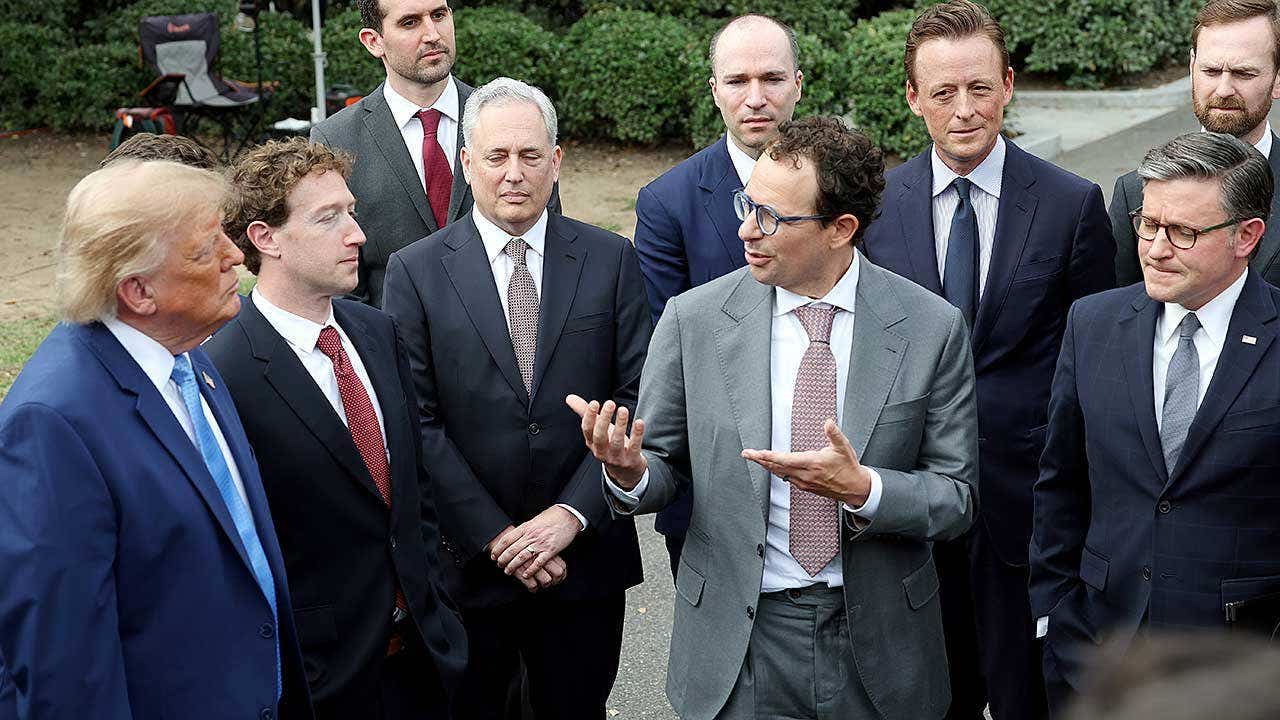
Anthropic’s Thursday stock market debut, valued at around $1.5 trillion, is the largest in American history and, given promises made by its founders, is likely the preface to a similarly historic flood of cash into the political system.
Bloomberg projects that each of Anthropic’s seven co-founders will be worth approximately $24.5 billion now that their artificial intelligence firm has gone public. Each of the seven has also pledged to give away 80% of their equity in the firm to philanthropic causes — a promise that has raised eyebrows given Anthropic’s links to a controversial moral philosophy and its history of spending big to influence elections.
Effective altruism, which some of Anthropic’s early funders and employees have voiced support for, generally treats massive political and philanthropic giving as a moral obligation to prevent AI «doomsday» scenarios, such as a rogue agent working to exterminate the human race. Though the company’s founders have distanced themselves from the movement, some early employees and other figures associated with Anthropic have maintained connections to its ideas, particularly its emphasis on preventing potentially catastrophic risks from artificial intelligence.
Politically, this has manifested as Anthropic’s leaders throwing large sums of money behind efforts to regulate AI development. This approach has often put Anthropic at odds with the White House and its Republican allies, who are pursuing unchained innovation to spur economic growth, a dynamic that could become even more tense now that the firm’s leaders have billions of dollars at their disposal.
ANTHROPIC CEO CALLS ON AI INDUSTRY TO SLOW DOWN TECH RACE, DRAWING SUPPORT FROM ELON MUSK, SAM ALTMAN
A Digital analysis of campaign finance filings found that Anthropic employees donated about $7.1 million to Democrats and Democratic-aligned committees, compared to just around $3.7 million to Republicans and Republican-aligned committees during the 2026 electoral cycle.
Such a split is noteworthy given that Anthropic offers to match shares donated by its employees by contributing additional shares to the organizations they opt to support. If the firm’s employees decide to give large chunks of equity to left-of-center organizations, for instance, it would result in a significant Anthropic-funded financial windfall for the left.
«I think there’s a lot of overlap between certain left-of-center causes,» Nathan Leamer, a consultant who works on tech policy, told Digital when asked about the political orientation of Anthropic’s employees and effective altruists more broadly. «They’ve benefited from capitalism, but their worldviews do not always reflect free market values.»
TECH POWERHOUSE’S REGULATORY PUSH BEARS SIMILARITIES TO A NOTORIOUS WASHINGTON STRATEGY
While Anthropic’s rank-and-file employees appear to favor Democrats in their political donations, some of the company’s most prominent financial contributions have gone toward a political network seeking to influence both parties around AI regulation, rather than exclusively supporting one partisan side.
Anthropic’s founders and longtime employees have comparatively little in the way of direct partisan donations, with much of their money being directed toward Public First, a super PAC network that supports candidates in both parties who favor stronger AI safeguards.
Defending Our Values PAC, on the right, and the Jobs and Democracy PAC, on the left, spent millions of dollars influencing Republican and Democratic primary elections during the 2026 cycle to boost candidates seeking to advance safety-related AI regulations. The Democratic PAC spent far more, around $20 million, than its GOP-focused counterpart, which paid out just under $8 million.
As 2028 approaches, the seven co-founders’ newly acquired fortunes could give them substantially greater financial capacity to support causes and organizations they believe in — and presidential primaries will be a natural target for their newly acquired war chests.
In the general election, whichever candidate takes a position more aligned with Anthropic’s preferred regulatory stance may be able to count on large sums to back their bid for the White House. The new funds also enable Anthropic and its allies to focus on a much broader range of down-ballot races to win more allies in Congress and state legislatures.
HOUSE COMMITTEE PASSES FOREIGN FUNDING TRANSPARENCY ACT TO EXPOSE FOREIGN DONATIONS TO NONPROFITS
Explicitly political organizations aren’t the only ones likely to see their coffers swell from the deluge of cash.
A cottage industry of think tanks and advocacy organizations has sprung up in D.C. and San Francisco to conduct research and make arguments aimed at convincing those with power of the merits of robust AI safety regulation. Many nonprofit advocacy organizations, including 501(c)(4) groups such as Public First Action, are not required to publicly disclose their donors, making it difficult to identify the full network of individuals and organizations financing the push for AI regulation. Anthropic, however, made its initial $40 million donation to Public First Action to support such education and policy work.
«I can tell you among civil society — think tanks and foundations and other organizations in the nonprofit world — this is absolutely making an impact,» Leamer told Digital when asked about this dynamic. «I was in a conversation last night with a conservative organization who was telling me they’re being offered hundreds of thousands of dollars to engage in a more [effective altruist]-aligned worldview, even though it’s not necessarily where they are philosophically … If that’s happening among people I’m talking to, I can’t imagine how many more they’re talking to.»
AI ‘DOOMERS’ RISK KNEECAPPING US VS CHINA, BUT EX-PENTAGON VET SAYS BOTH EXTREMES MISS THE MARK
An individual close to the think tank world, requesting to remain anonymous, told Digital that donors aligned with Anthropic and effective altruism are already attempting to throw money around with the aim of influencing conservative thought leaders. In their telling, prospective funders will approach right-of-center organizations and offer them funding to research topics they are already interested in, such as child safety, then use that grant funding as leverage to influence their messaging.
Much of this messaging has been oriented toward pushing regulation to slow AI development so that engineers can devise mechanisms to stop the technology from being used for evil, or from inadvertently hurting people.
Anthropic’s leaders maintain that such regulations are necessary to prevent AI from harming humanity, whereas its detractors argue that such guardrails will kneecap America’s ability to compete with China. Some critics have argued that Anthropic is pushing for safety laws as a way to create rules that it can then exploit to give itself a leg up over rivals.
WHO IS DARIO AMODEI, THE ANTHROPIC CEO PUSHING INDEPENDENT AI OVERSIGHT?
Some have traced Anthropic’s caution toward AI development to the effective altruist movement, which itself has segments who predict that unregulated advancement in the field may bring about the end of humanity.
Critics of effective altruism, which holds that individuals should seek out the avenue through which they can do the most good for each dollar spent, argue that its emphasis on speculative threats, including catastrophic artificial intelligence, can divert resources from immediate problems such as poverty.
In its extreme manifestation, some effective altruists have argued that one of the most efficient ways to engage in charitable giving is by improving the welfare of shrimp, as hundreds of billions of shrimp are farmed annually, so even modest improvements in how they are treated could reduce enormous amounts of suffering at relatively little cost. Mainstream effective altruists, however, generally argue that funds should be directed toward researching AI safety given the near-infinite negative downside of the technology destroying humanity.
That Anthropic’s leaders will actually open their pocketbooks to the extent promised, or even to these causes in particular, is not guaranteed. The IPO’s prospectus calls the commitments «voluntary, revocable expressions» of philanthropic intent that «do not constitute legally binding obligations.»
Their ability to spend will also be dependent on Anthropic’s stock holding value amid a turbulent political and economic environment.
Anthropic and Public First Action did not respond to requests for comment when reached by Digital on Thursday.
politics, lobbying, fund raising, democratic party, artificial intelligence, elections
INTERNACIONAL
Qué leer esta semana: "¡Quiero vivir!", la ley de la selva y qué aprendió (o no) el peronismo
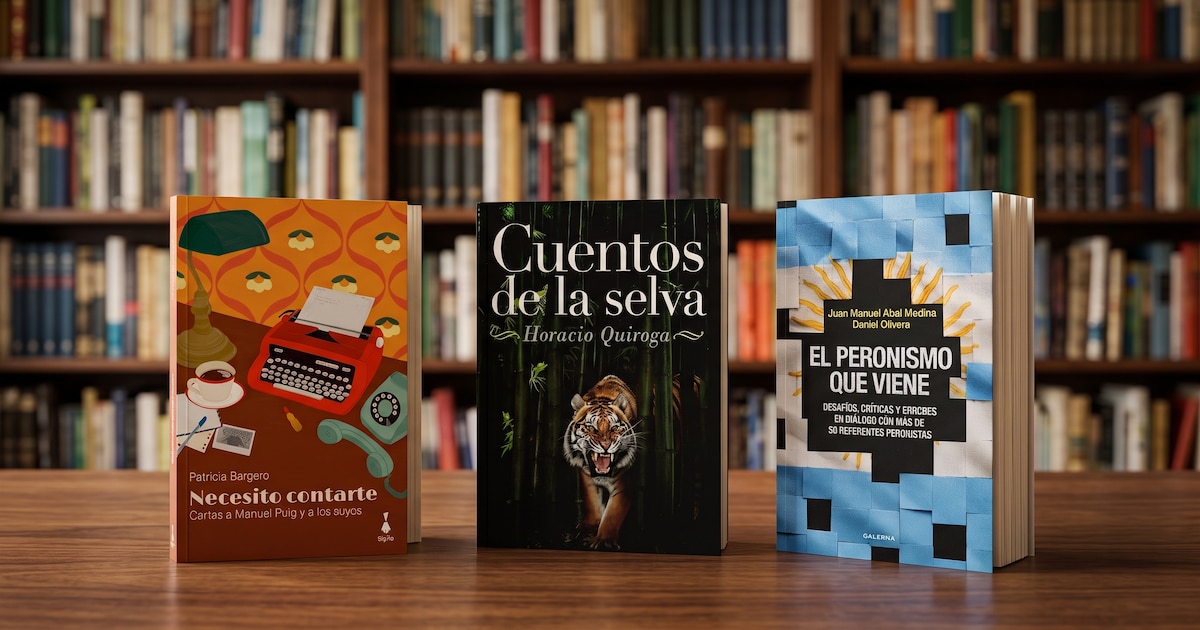
“Quiero vivir”, grita, tal vez grite por dentro, la mujer que está tirada en el asfalto. “Quiero vivir”, dice y es que no se sabe si ese deseo será posible después de que mordió la banquina y el mundo se dio vuelta. “Quiero vivir”, le dice al cielo y no logra darse vuelta. “Recordé una película que había visto no hacía tanto en la que una esquiadora había quedado cuadripléjica. Supe que acababa de pasarme lo mismo”. Eso escribe Patricia Bargero en su libro Necesito contarte, el primero de los tres que mencionaremos hoy. Pero el libro no es sólo lo que le pasó a ella. Bargero es una de las grandes difusoras de la obra de Manuel Puig (y, de hecho, vive en la casa de la infancia del escritor). Su libro es una serie de cartas al autor, a sus personajes, a sus familiares. Las vidas se entrelazan.
“No es justo que usted me coma porque es más fuerte que yo”, le dice una abeja a una víbora en Cuentos de la selva, de Horacio Quiroga, el segundo libro del que hablaremos y cuyo ebook se puede descargar gratuitamente desde Bajalibros. No es justo que ser más fuerte dé derechos, dice el bichito, cuestionando lo que llamamos “la ley de la selva”. Pero el libro no se trata sólo de animales. Como esta frase, hay mucho para pensar sobre la sociedad humana, tal vez.
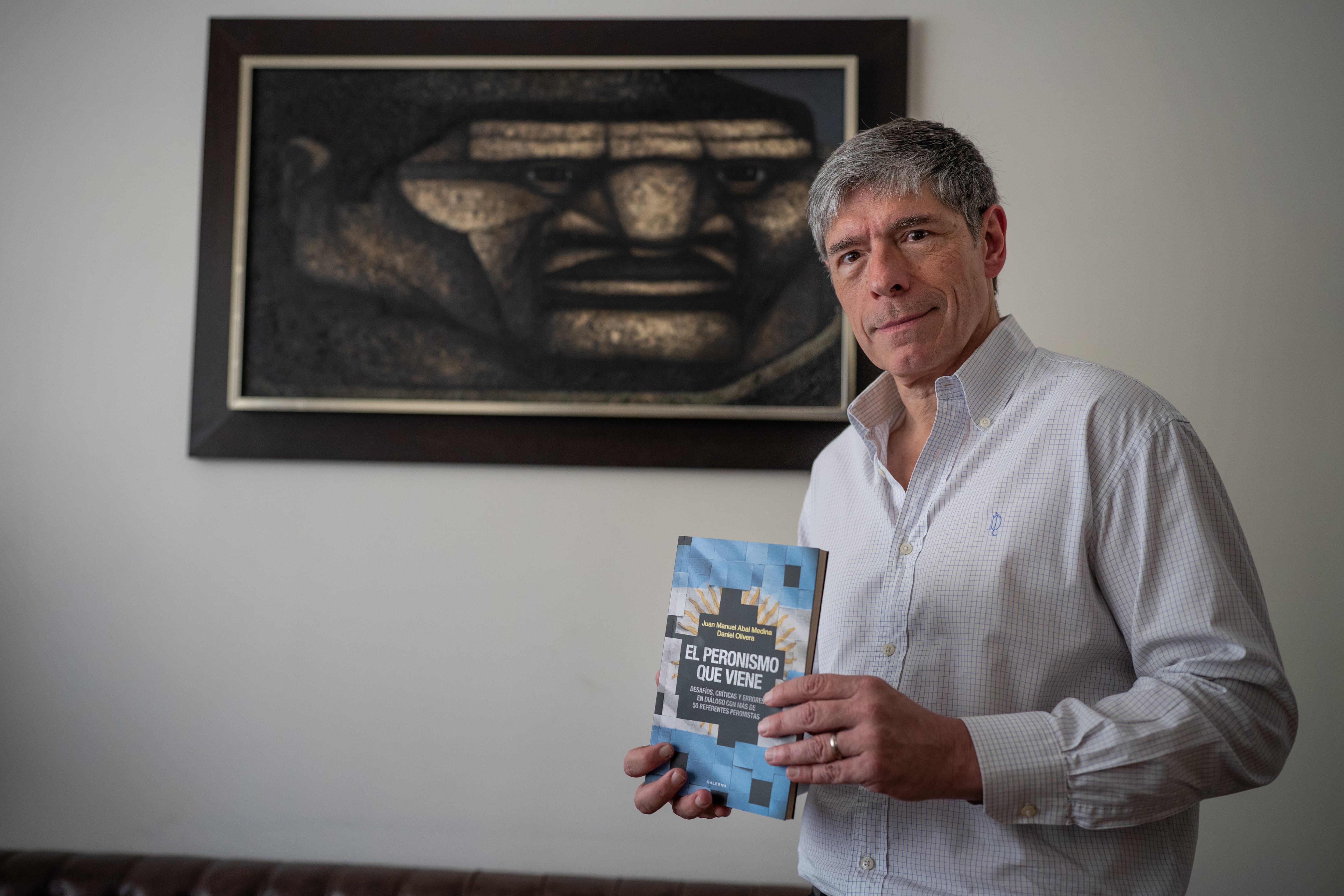
“Perón era un ‘enfermo’ por la producción y el trabajo.(…) De todos los presidentes peronistas que vinimos detrás de él, ninguno le dio al trabajo el valor que tiene. Salvo yo”, dice Eduardo Duhalde en El peronismo que viene, el tercer libro de esta semana, que escribieron Juan Manuel Abal Medina y el periodista Daniel Olivera. Pero el libro no es sobre Duhalde ni sobre Perón sino un recorrido por referentes peronistas de todos los colores, un poco de nostalgia, evaluación de “qué nos pasó” y lo que viene.
Allá vamos:
1) “Necesito contarte”, de Patricia Bargero

La historia de Patricia Bargero está cruzada por el accidente del que hablamos al principio. Nació en Emilio V. Bunge, una localidad al noroeste de la provincia de Buenos Aires. Pasó un tiempo por Buenos Aires para estudiar. Para ser la bibliotecaria del pueblo. En eso estaba, tranquilamente, y con su novio habían hecho la casa donde pensaban vivir después de casarse. Faltaba poco. Pero, como le cuenta a Puig -directamente a él- en el libro: “En ese viaje de agosto, de Buenos Aires a mi pueblo, en el que traía las participaciones y el trajecito de civil, sucedieron cosas difíciles de explicar”. En Buenos Aires se había probado el traje de novia, habían ajustado detalles. Faltaba un mes nomás. Esa mañana, quién sabe por qué, estuvo hablando de la vida y la muerte, de las decisiones trascendentes. Después se subió al auto.
“El mediodía que mordí la banquina y pegué el volantazo brillaba el sol. Era uno de esos días en que agosto se muestra claro y despejado.
Seré minuciosa en los detalles porque aún necesito entenderlo.
Según mi papá dimos tres vueltas con el auto. Pero después de la primera yo sentí que giraba infinitamente sobre mí misma en medio de una oscuridad absoluta. Cuando todo ese torbellino se detuvo, vi la luz de la que tantos hablan. No un túnel ni un camino celestial, solo una luz, lejana, como si fuera el faro de algún auto».
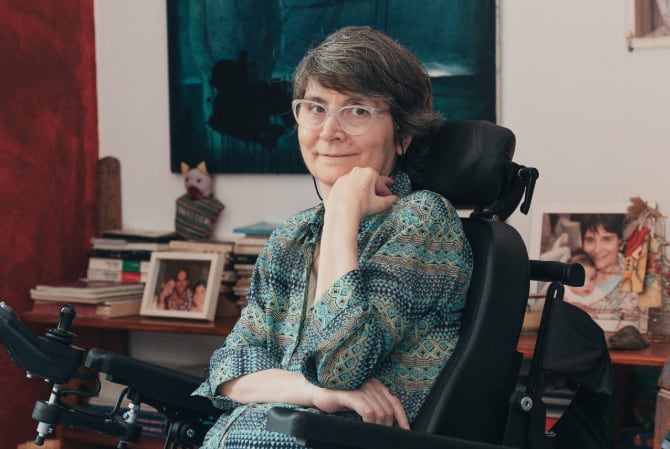
Ahí fue cuando gritó que quería vivir. Cuando supo que había quedado cuadripléjica, pero que quería vivir. Y como quería, vivir, vivió. Hubo que hacer algo con el novio, algo con los planes. Patricia quería vivir vivir, no un como sí. Así que, para empezar, se burla de las palabras políticamente correctas: ella y otros “rengos” pasaron a ser “‘personas con capacidades especiales’, una extravagancia que nos igualaba a los superhéroes”. Y, para seguir, propone: “Yo digo ‘paralítica’, ‘lisiada’, ‘tullida’. Las digo para perderles el miedo, el terror que anula, para apropiarme de ellas, usarlas y obligarlas a decir todo lo que no puedo. Aunque tal vez ‘disca’, ese término coloquial tan usado hoy, sea más simpático y adecuado, no anula la totalidad y de algún modo enuncia la falta. Porque también soy lo que no puedo. Aceptar eso me reconcilia, me instala de verdad ante mí misma”.
Esa es la mujer que se encontró en la biblioteca con Boquitas pintadas, una novela con la que Manuel Puig de alguna manera desnudó a General Villegas, el pueblo en el que había crecido y donde ahora vivía ella. Por famoso, por celebrado que fuera Manuel Puig, hasta hace unos años en Villegas no le perdonaban ese libro ni que fuera “un chico que no jugaba con tierra”, como me dijeron a mí una vez que fui. En algún punto, Patricia se identificó con él o lo comprendió. Organizó jornadas, teatro, de todo. Reconcilió a Villegas con Manuel Puig. Ahora escribe este libro en el que su vida, la de él, y la de los personajes se mezclan. Imperdible.
2) “Cuentos de la selva”, de Horacio Quiroga

Ya se sabe: Horacio Quiroga conoció Misiones en 1903 de la mano de Leopoldo Lugones (hacía las fotos) y se quedó enamorado de esas tierras. Siete años más tarde se instaló allí con su mujer: levantó una casa, cultivó, esas cosas, criaron a sus hijos. Quiroga vio la belleza y la oscuridad de la selva, pero en 1915 su mujer, Ana María Cirés, murió y Quiroga volvió con los chicos a Buenos Aires. Poco después, en 1918, salió Cuentos de la selva. Que sí, son cuentos de animales, buenos para los chicos pero sin “la trampa de las niñerías”, decía el crítico Noé Jitrik.
Habrá tenido miedo Quiroga en aquellas noches, habrá construido fantasmas porque en estos relatos, donde los animales tienen intenciones, juicios morales, lenguaje, hay bastante de terror. O, bueno, por momentos hay terror. Hay peligro. Amenaza. Crueldad. Nada es rosadito ni tiene que terminar bien.
Entonces, la abeja le dice a la culebra aquello de que no es justo que la coma solo porque es más grande. Y la desafía a una prueba de inteligencia. Si la gana, vive. Y si la gana y vive habrá aprendido otras cosas también, pero por el camino difícil. Como el de los flamencos, que todavía están con las patas en el agua calmando el dolor de una tontería.
Miedo, pasión, la felicidad del conjunto, lo que te puede pasar si no te das cuenta de que ofendés, mil cosas hay en Cuentos de la selva. Por algo es un clásico.
3) “El peronismo que viene”, de Juan Manuel Abal Medina y Daniel Olivera
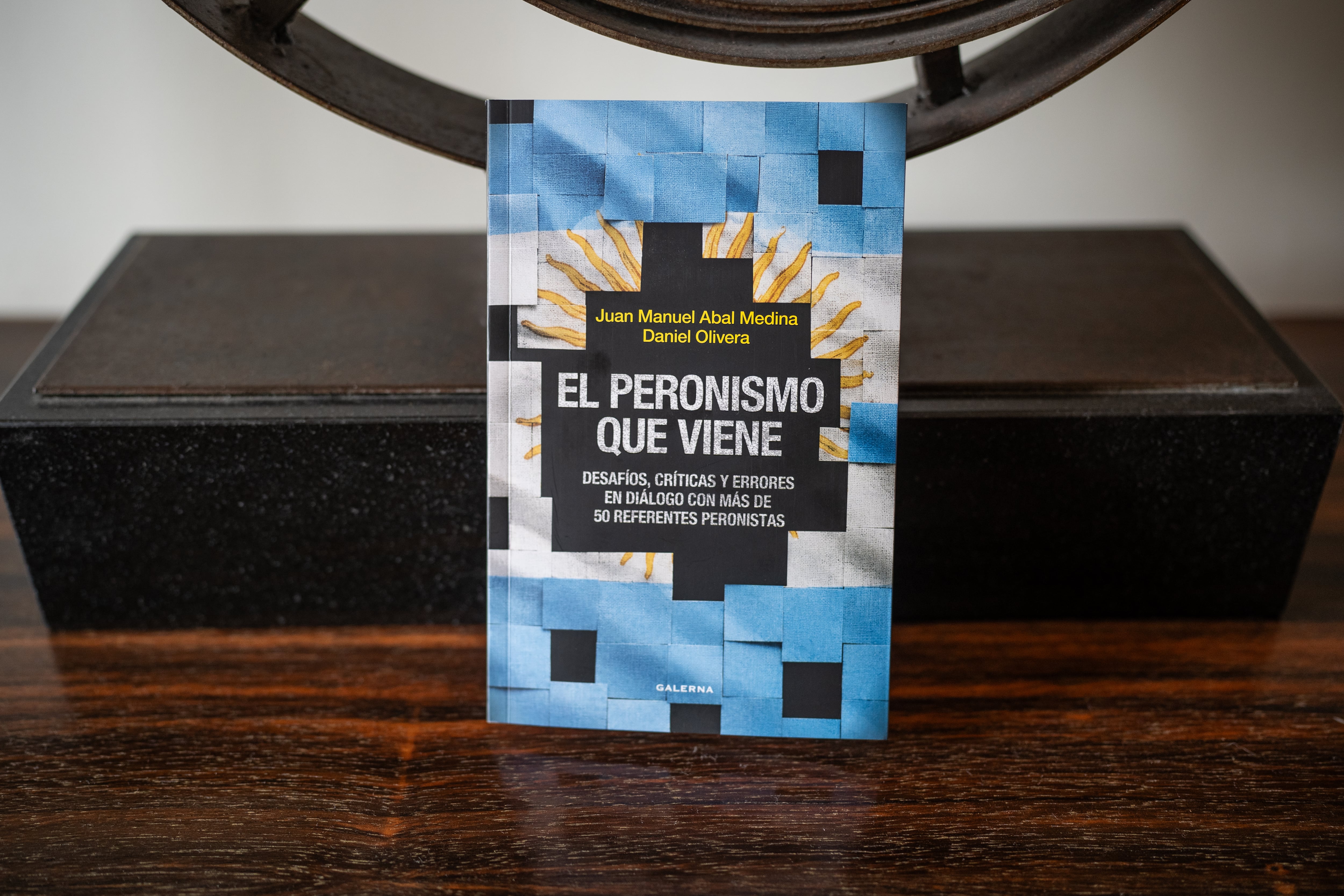
No fue un golpe suave el que recibió el peronismo cuando Javier Milei se quedó con el gobierno de la Argentina en 2023 y, encima, votado también por los jóvenes, por los precarizados, por los que se podría suponer son las bases del movimiento que solía enorgullecerse de “combatir al capital”. No fue suave pero, en vistas que ya se viene otra elección, algunos se preguntaron cómo volver a enamorar y Juan Abal Medina —exsenador, exjefe de gabinete de Cristina Kirchner y portador de un apellido histórico— decidió salir a preguntar. El peronismo habla con una gama amplísima de dirigentes -menos Axel Kicillof, Cristina Kirchner y Sergio Massa-, que cuentan cómo se hicieron peronistas, qué errores llevaron a la derrota y quiénes los cometieron y, lo más difícil: qué hay que hacer para que se cumpla lo de » A volver, a volver, vamos a volver».
Uno de los más interesantes es el testimonio de Eduardo Duhalde, el hombre que, en definitiva, encabezó la normalización política tras el estallido de 2001. Duhalde dice, por ejemplo, que haber elegido a Kirchner como candidato fue “uno de mis 71 errores que van a ser parte de otro libro que escriba: el de mis errores”.
Los entrevistadores le preguntan por distintas figuras. Para empezar, Cristina. Y Duhalde cuenta una anécdota, la de la pelea entre ellos. La cuenta en una clave bastante ingenua.
“¿Cristina? Voy a contar por primera vez desde cuándo tengo desavenencias con ella. Todo arrancó allá por 1995 y la culpa la tuvo Menem. Él me decía: ‘No quiero que Néstor sea gobernador (de Santa Cruz) por segunda vez’. Yo le llevé la contra y le dije que apoyaría a Néstor. Y cumplí. Me fui a Santa Cruz a apoyarlo. Al otro día a la mañana me puse a tomar mate a unos 30 metros de donde estaban ellos dos (Néstor y Cristina) discutiendo medio a los gritos. ¿Y qué hice? De chiquilín, de imbécil nomás, se me ocurrió comentar entre otros compañeros del gobierno cómo ellos se peleaban. Ella se enteró y desde ahí me hizo la cruz… Después nos pasó una vida por encima. Ellos me pusieron como el enemigo para hacerse fuertes y nunca más pudimos ‘amigarnos’”.
Sobre Carlos Menem, en cambio, dice cosas que tienen más que ver con la ideología:
“Aunque se dijeron muchas cosas, la verdad es que yo nunca me peleé con él. Si alguien se enojó fue él, porque yo nunca estuve de acuerdo con que se juntara con la derecha o que rematara el país. Con las privatizaciones de los trenes se estropeó todo el interior”.
Grabois, Pichetto, De Vido, Guillermo Moreno, Malena Galmarini, Víctor Santa María, Hugo Moyano, Victoria Tolosa Paz, Ofelia Fernández, Estela de Carlotto, Julio Bárbaro, Victoria Montenegro, Jorge Argüello, Jorge Taiana, Sabino Vaca Narvaja, Jorge Asís y más y más y más. Muchos nombres que hicieron la historia reciente de nuestro país aparecen contando cómo ven su movimiento. A veces, sin piedad, como cuando Tolosa Paz dice: “Somos una cáscara vacía”.
Horacio Quiroga,Patricia Bargero,Juan Manuel Abal Medina,libros,biblioteca

President Donald Trump is set to face reporters Friday after wrapping up a historic visit to China that brought him together with Chinese President Xi Jinping and Russian President Vladimir Putin for unprecedented three-way talks.
The leaders struck a warm diplomatic tone despite lingering questions over the war in Ukraine, nuclear arms negotiations and tensions in the Middle East — as well as stalled trade negotiations between the U.S. and China.
The summit in Shenzhen marked the first-ever trilateral meeting between the leaders of the United States, China and Russia, bringing Trump face-to-face with two of America’s chief geopolitical adversaries. Washington has spent years arming Ukraine in its war against Russia, while the Pentagon has long identified China as its primary «pacing challenge» in the Indo-Pacific.
Trump’s scheduled press conference at noon on Friday will offer an opportunity to elaborate on what the meetings accomplished and whether the diplomatic discussions will lead to concrete agreements.
CHINA BLOCKS BLOOMBERG REPORTER FROM TRUMP-PUTIN-XI MEETING OVER QUESTION TO TRUMP
The gathering between the three world powers produced a joint declaration pledging dialogue on reducing nuclear risks, maintaining stable energy supplies and reforming the United Nations, but stopped short of announcing major breakthroughs on Ukraine or Iran.
President Trump described his trip as «Great and Highly Consequential» in a Truth Social post announcing that he will hold a press conference at the White House midday on Friday.
Trump last appeared in the briefing room on Nov. 9, 2026, with UFC CEO Dana White after the president joked about offering him the press secretary job. On Nov. 13, Homeland Security Secretary Markwayne Mullin and Transportation Secretary Sean Duffy held a White House briefing regarding the FAA nationwide ground stop.
The president has not had a press secretary since Katie Zacharia’s few-day stint last month in the role succeeding Karoline Leavitt. Zacharia held one briefing on Oct. 13, 2026, but was removed from the job after widespread backlash regarding her ability to serve in the role and her claims to be an attorney.
Throughout the China visit, Trump emphasized his personal relationships with Xi and Putin, praising the Chinese leader for an elaborate welcome that included a military flyover and referring to both presidents as friends.
«President Xi and I have formed an outstanding personal relationship,» Trump said during their bilateral meeting Thursday. «Some people are unhappy when they hear that, but I’m very happy about it.»
Trump also told Xi that their friendship had grown closer over the years and predicted the two countries would avoid major problems as long as they remained in power.
During a separate meeting with Putin, Trump greeted the Russian leader by calling him «my friend,» despite the lack of a breakthrough in his longstanding efforts to negotiate an end to Russia’s war in Ukraine.
The president later expressed optimism about those efforts, saying he had spent much of his bilateral meeting with Putin discussing the conflict.
«I think things are happening,» Trump said during the trilateral meeting. «I think that he and I hope the other side would like to see an end to that war.»
Putin also acknowledged that Ukraine had been a focus of his separate discussions with Xi and Trump, but the three leaders’ joint declaration made no mention of the conflict or any new peace initiative.
The summit also put nuclear arms control back in the spotlight months after the expiration of New START, the last remaining treaty limiting U.S. and Russian strategic nuclear arsenals.
Trump argued that the three countries were uniquely positioned to reduce the world’s nuclear stockpiles, while acknowledging the difficulty of persuading nuclear powers to give up their weapons.
«Once you have the nuclear weapons, it’s very hard to not have them,» Trump said.
TRUMP HOLDS THE NUCLEAR CARDS TO PLAY AGAINST CHINA AND RUSSIA ON ARMS CONTROL
The leaders ultimately agreed to pursue dialogue on reducing nuclear risks and preventing proliferation, but announced no binding arms reductions or timetable for negotiations.
Trump also pointed to potential cooperation with China on Iran, asserting that Washington and Beijing shared an interest in preventing Tehran from acquiring a nuclear weapon and keeping energy flowing through the Strait of Hormuz.
«Both the United States and China have an interest in ensuring that energy flows through the Strait of Hormuz, and that Iran cannot have a nuclear weapon,» Trump said during his meeting with Xi.
«We both feel that very strongly on both points,» he added.
The remarks were notable given China’s economic ties to Tehran, including its purchases of Iranian oil, which have provided an important source of revenue for the Iranian government despite Western sanctions.
Beijing’s commercial relationship with Iran has complicated U.S. efforts to isolate Tehran, although Trump’s remarks did not establish whether China had agreed to change its oil purchases or take additional steps to pressure Iran over its nuclear program.
Trade was another focus of Trump’s meeting with Xi, with the president touting what he described as progress toward a more balanced economic relationship and signaling that he would seek additional purchases of American agricultural products.
Under what Trump called the «30-for-30» deal, he said the two countries had agreed to cut tariffs on $30 billion in trade.
«Our farmers have done very well, and I’ll be asking you to do some more for our farmers,» Trump said, adding that China had an «insatiable appetite» for American products.
The discussions came as Washington and Beijing continued to navigate disagreements over tariffs, rare earth minerals and access to advanced technology.
Trump also used the APEC summit to declare the United States the world leader in «superintelligence,» making the assertion in Shenzhen, one of China’s major technology hubs, as the two countries compete for dominance in artificial intelligence.
But the most consequential diplomatic development remained the historic trilateral meeting, which Trump described as an opportunity for the three powers to pursue cooperation despite their disagreements.
«We are really making history,» Trump said.
The president’s Friday press conference is expected to provide further insight into whether the summit’s pledges will translate into negotiations on nuclear weapons, additional trade commitments or progress toward ending the war in Ukraine.
donald trump, foreign affairs, world, vladimir putin, xi jinping, china, politics, geopolitics, russia

“Anoche soñé con vos, Pepe”: el divertido cruce en TV de José Chatruc y Sabrina Rojas

De una pequeña ciudad italiana al corazón del poder en India: Sonia Gandhi cuenta su historia de vida

Punto por punto, qué cambia con la nueva Ley de Discapacidad que aprobó el Senado

Tres nombres para un puesto: La duda de Rodolfo Arruabarrena para la final de la Copa Sudamericana

¿El dólar blue está caro o barato? Marcó un récord, pero sigue atrasado por inflación

America’s largest IPO ever carries potentially seismic implications for political spending ahead of 2028

Javier Milei y sus medidas, en vivo: “Hoy discutimos si crecemos un punto más o menos”, dijo el Presidente

Encontraron muerto a un trabajador en el Observatorio de La Plata

Camila Giorgi anunció su regreso al tenis tras su misterioso retiro hace más de dos años: “Mi vida ha cambiado mucho”

Milei dijo que el riesgo país sube por el miedo a "Orcolandia" y afirmó: "Los argentinos no van a votar hacia el pasado"

 POLITICA1 día ago
Javier Milei y sus medidas, en vivo: “Hoy discutimos si crecemos un punto más o menos”, dijo el Presidente
- DEPORTE3 días ago
¿Dónde ver EN VIVO y ONLINE el Boca Juniors vs Banfield por la Copa Argentina?
- ECONOMIA3 días ago
El 92% de los jóvenes argentinos busca trabajo, pero menos de la mitad tiene empleo: cuáles son las principales barreras