INTERNACIONAL
Trump likely ‘smirked’ as ‘crass’ Iranian president lashed out at US in UN speech: expert

NEWYou can now listen to Fox News articles!
Iranian President Masoud Pezeshkian’s sharp rebuke of Washington at the United Nations would have drawn little more than a «smirk» from President Donald Trump, who knows he «holds the cards,» a foreign policy expert told Fox News Digital Wednesday.
The assessment came after Pezeshkian and Trump addressed the U.N. General Assembly in New York from the same podium within 24 hours of one another, trading sharp rhetoric as tensions between Washington and Tehran continue to mount.
«Trump understands he holds the cards, and he may not even have paid much attention to what the Iranian president was saying,» Behnam Ben Taleblu, a senior fellow at the Foundation for Defense of Democracies (FDD), told Fox News Digital.
Pezeshkian accused the United States and Israel of attacking Iran while portraying his country as the victim of aggression.
THE TOP MOMENTS FROM IRAN PRESIDENT’S TENSE VISIT TO US SOIL AS WAR RAGES
Iranian President Masoud Pezeshkian holds a picture, which he says is from the Minab school that was hit by an airstrike, as he addresses the 81st session of the United Nations General Assembly at U.N. headquarters Sept. 23, 2026, in New York City. (Spencer Platt/Getty Images)
«We have only defended ourselves. We are not terrorists,» Pezeshkian claimed.
«Our innocent people have been the targets of cowardly attacks and aggressions imposed upon our country. America and Israel attacked us.»
«I’m sure that would have drawn a smirk or a smile or a chuckle from the president’s face, seeing that crassness,» Taleblu said, pointing to what he described as a sharp contrast between Pezeshkian’s rhetoric and the Iranian government’s track record.
Pezeshkian’s address came after Trump used the same U.N. stage to defend the U.S. conflict with Iran and warn that Tehran faces a stark choice between reaching a deal and facing further destruction.
«Or do I annihilate the Islamic Republic, and do it quickly, never giving them a chance to kill and destroy people and countries again?» Trump said on Tuesday.
While the rhetoric from both leaders was pointed, Taleblu said their broader diplomatic positions remain largely predictable.
TRUMP TO ZERO-IN ON IRAN NUCLEAR THREAT, GAZA PLAN AND UN OVERHAUL IN WORLD STAGE SPEECH
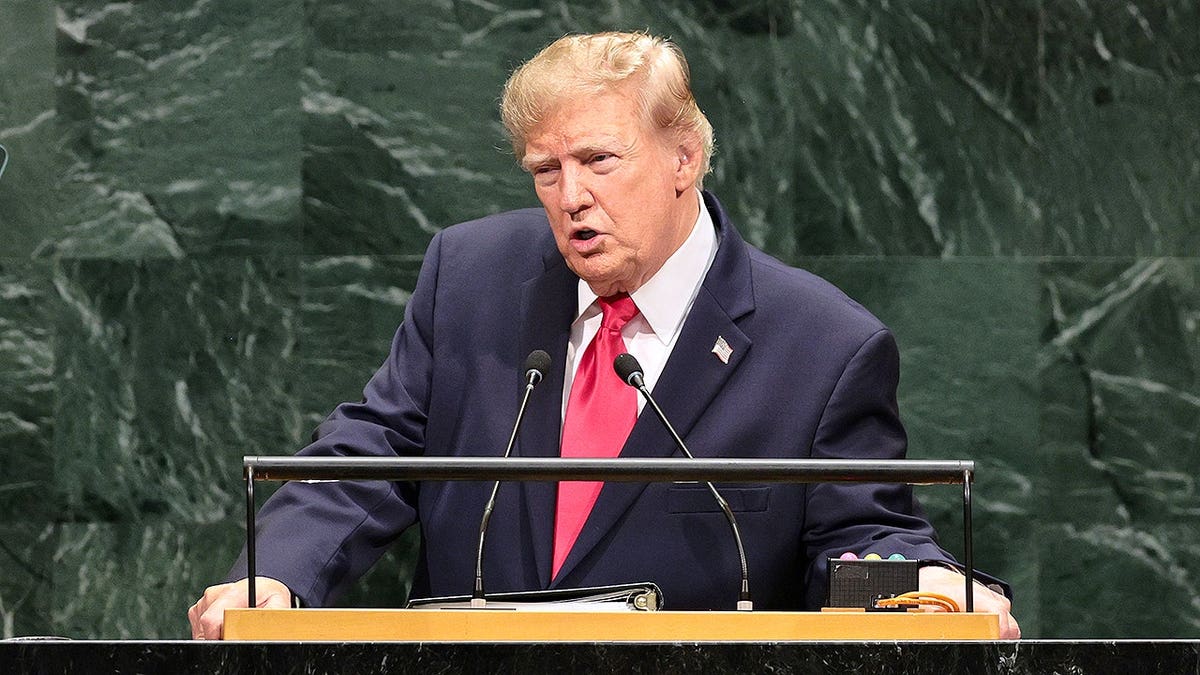
President Donald Trump addresses the UNGA in New York City. (Michael Santiago/Getty Images)
«To a certain degree, both President Trump and President Pezeshkian’s speeches before the U.N. General Assembly’s 81st session were predictable,» Taleblu said.
«Predictable because the status of both countries and their foreign policy toward the other are in a fairly predictable pattern right now.»
Despite the threats and recriminations, the two adversaries also appear to be still testing a diplomatic path behind the scenes.
Trump said Tuesday that U.S. special envoy Steve Witkoff and Jared Kushner spoke with Iranian officials for roughly three hours on the sidelines of the General Assembly and characterized the discussions as productive.
Witkoff later said the talks were conducted through mediators who shuttled between the U.S. and Iranian delegations.
Iranian Foreign Minister Abbas Araghchi also represented Tehran in the discussions, according to reports.
KUSHNER TOUTS UNPRECEDENTED IRAN CONTACTS AS TEHRAN DENIES TRUMP BACKCHANNEL
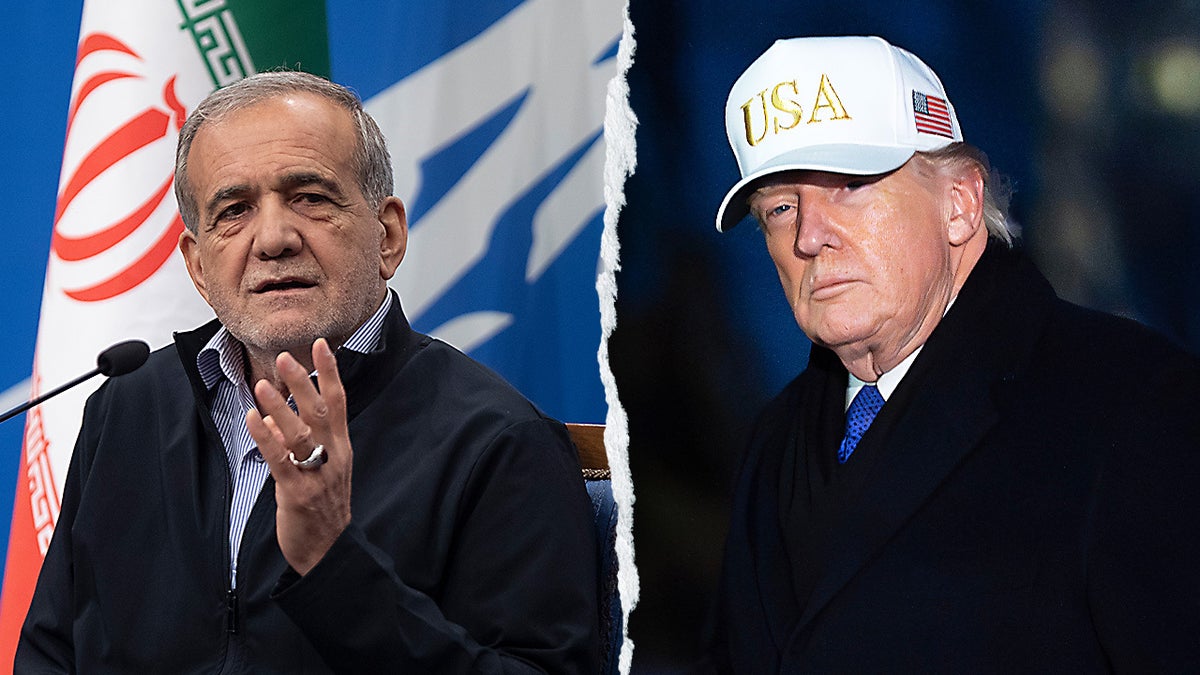
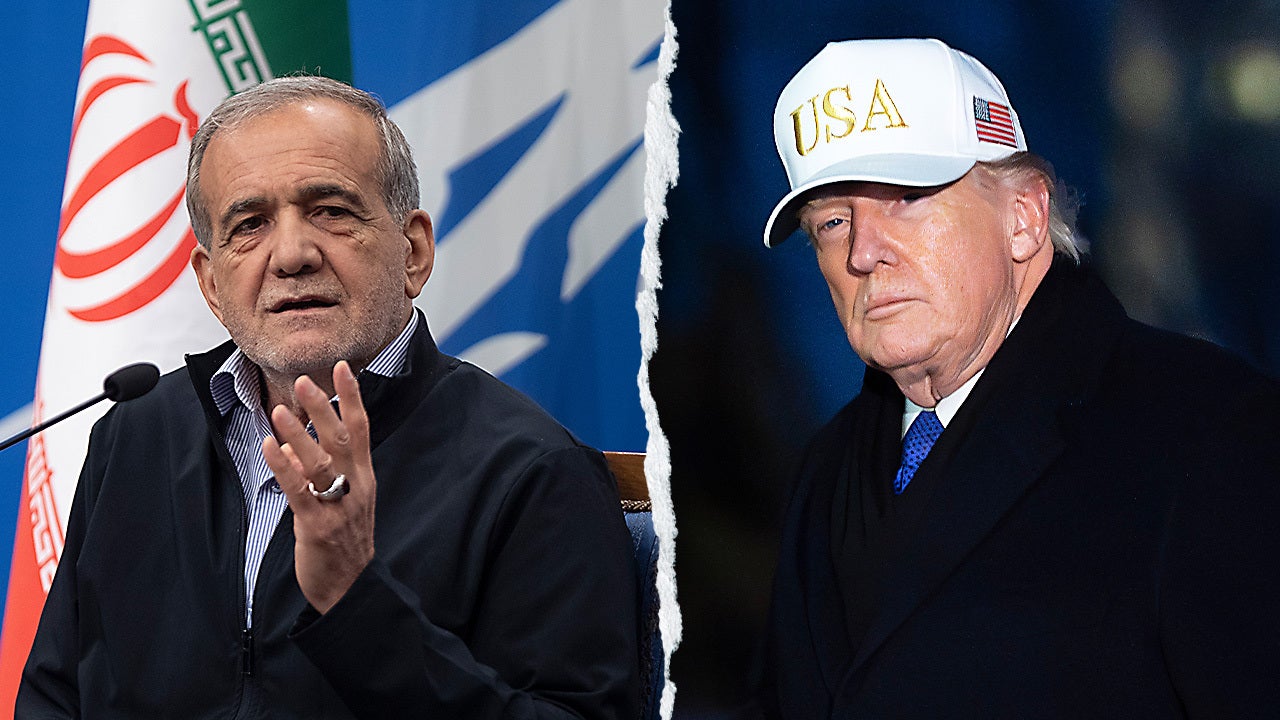
Iranian President Masoud Pezeshkian and President Donald Trump (Majid Saeedi/Getty Images; Jose Luis Magana/AP)
Both sides, Taleblu said, are attempting «to make time a weapon on their side» and «to put the burden of choosing between escalation and engagement on the other.»
But Taleblu went on to characterize Pezeshkian’s broader message as an attempt to cast Iran as a victim through an anti-American, anti-Israel and anti-imperialist framework.
«It seemed to be more of a global South, anti-American, anti-Israeli, kind of anti-colonial, anti-imperialist message that he was looking to kind of paint the Islamic Republic as the victim,» Taleblu said.
«In reality, the long-serving victim in this entire crisis is the Iranian people because of the policies of the Islamic Republic.»
The competing messages — confrontation from the U.N. podium and diplomacy behind the scenes — highlighted the unresolved tensions between Washington and Tehran as officials explore whether negotiations can produce an off-ramp from the conflict.
TRUMP KEEPS FORECASTING AN IRAN DEAL — WHY THE WHITE HOUSE STILL THINKS IT CAN HAPPEN
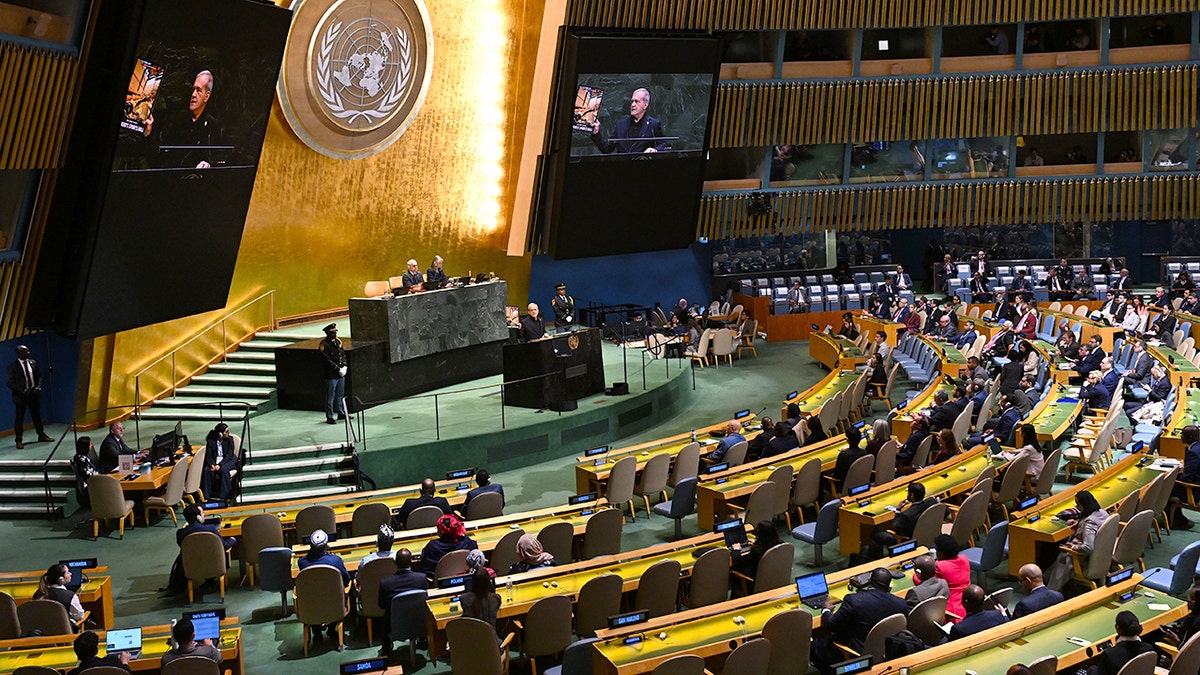
Iranian President Masoud Pezeshkian addresses the 81st session of the United Nations General Assembly at U.N. Headquarters Sept. 23, 2026, in New York City. (Alexi J. Rosenfeld/Getty Images)
«Despite the tough talk at the podium, both sides still feel like they need to signal an interest in talks, even though they’re both trying to use talks to shape an outcome that is more conducive to their interests,» Taleblu said.
Pezeshkian also told the General Assembly that Tehran would not surrender to military pressure while signaling that Iran remained open to diplomacy.
«I think the Iranians are trying to signal an interest in talks, but they may run into a brick wall quite soon if they foot-drag or delay or don’t meaningfully provide any kind of substantive change in their policy,» Taleblu said, citing Iran’s positions on the Persian Gulf, the Strait of Hormuz and its nuclear program.
«Ultimately, if the positions remain the same, the fact that they’re oscillating between shooting and talking doesn’t mean much because the red lines haven’t actually moved.
«Of course, the Trump administration is looking for a political win here.»
world, donald trump, iran, united nations, foreign affairs, geopolitics, middle east










INTERNACIONAL
Kamala Harris faces Democratic doubts over 2028 as allies push back on claims she’s squandered her chance
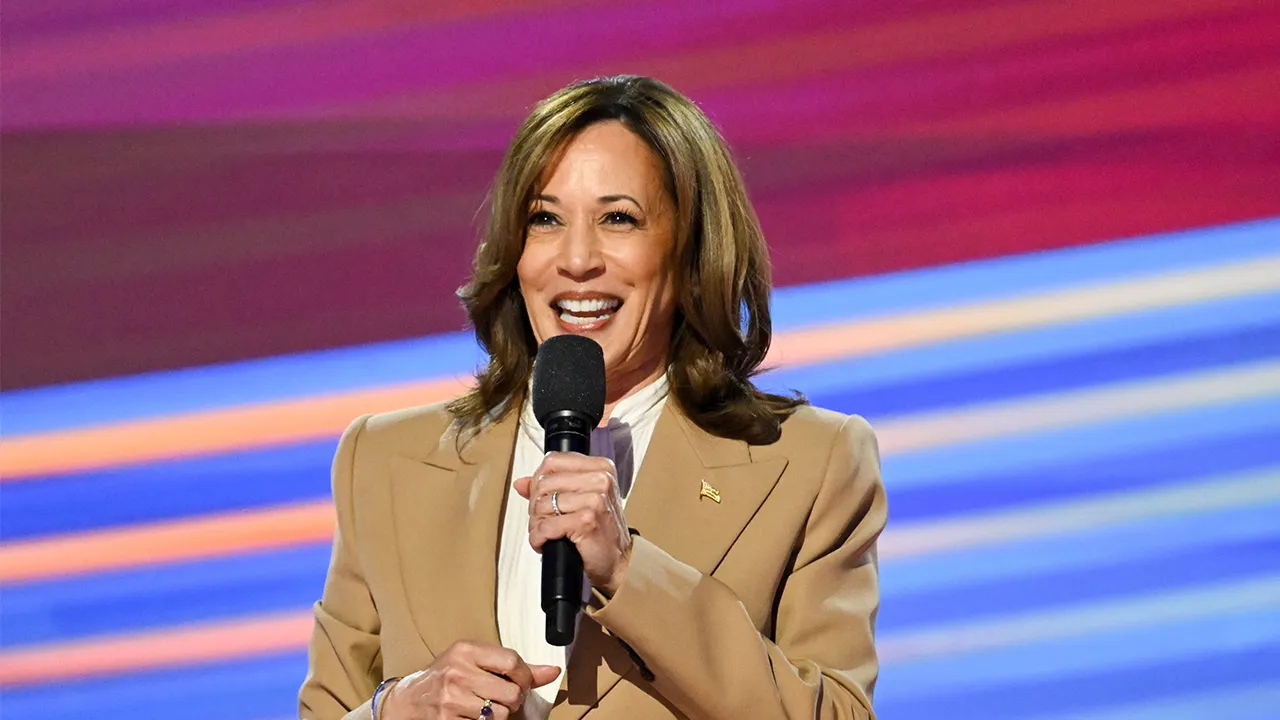
As former Vice President Kamala Harris weighs another White House run in 2028, a longtime advisor is firing back at Democratic strategists and donors who argue she has squandered an opportunity to politically reinvent herself following her 2024 election defeat.
Veteran Democratic strategist Maria Cardona, an outside advisor to Harris, pushed back against the criticism highlighted in a new Politico report, defending Harris’ policy proposals and campaign activity as Democrats debate whether the former vice president deserves another shot at the White House. Cardona argued the story was «infuriating in its silliness.»
The report, based on interviews with nearly 20 California-based Democratic donors and strategists, highlighted growing skepticism among some party insiders about Harris’ political future and whether she has done enough to distinguish herself from her unsuccessful 2024 campaign.
Longtime Democratic strategist Doug Herman, a veteran of former President Barack Obama’s 2008 and 2012 campaigns, told Politico that Harris «totally blew it… She hasn’t gotten into the mix.»
AOC GIVES MAJOR HINT ABOUT 2028
Former Gov. Jim Hodges of South Carolina, the lead off state in the Democratic Party’s 2028 presidential nominating calendar, told Politico, «I don’t see anything different myself. It seems like more of the same to me.»
But Cardona, a veteran of the Bill Clinton administration, the Hillary Clinton and Barack Obama presidential campaigns who currently serves as a member of the Democratic National Committee, disagreed that Harris had failed to spell out what she would offer Democrats anxious for change.
«How can you state that she hasn’t done anything new or groundbreaking or talked about new initiatives or policies and then layout exactly those policies – like proposing an expanded Supreme Court, lowering the voting age to 16, making DC and Puerto Rico states. Those are pretty groundbreaking policies!» Cardona told Digital, as she pointed to some of Harris’ moves since the end of former President Joe Biden’s administration.
Harris, the nation’s first Black vice president, has also said that Black people should be «transactional voters,» instead of automatically supporting Democratic candidates.
«She’s damned if she does and damned if she doesn’t,» Cardona argued, adding that Harris «is still the most qualified person to be president of the United States that is mentioned as a possible candidate for 2028.»
Harris has been crisscrossing the country this year, first on a book tour for her best-selling campaign memoir «107 Days» and currently to support fellow Democrats running in the midterm elections.
DEMOCRACY ’26: STAY UP TO DATE WITH THE ELECTION HUB
While Harris has teamed up with Democratic Senate nominee Abdul El-Sayed of Michigan and congressional nominees in her home state, some Democratic nominees running in red states made headlines in recent weeks by asking the former vice president not to campaign with them.
But Cardona said, «Harris has been out there nonstop talking to young voters, women voters, black voters, Latino voters, and she has been asked by many candidates to come and campaign with them. She has focused her energies on winning the midterm elections. Can you imagine the backlash if she was out there focusing on herself and how she can remake the Democratic Party?»
Harris replaced Biden as the Democrats’ 2024 presidential nominee after he ended his re-election bid following a disastrous debate performance against President Donald Trump. Her truncated three-month presidential campaign ended in defeat, with Trump narrowly sweeping all the key battleground states as he won back the White House.
If she runs a third time for president, Harris will enjoy instant name ID and plenty of goodwill from within her party. But she would also face a Democratic base trying to move past the 2024 election setbacks, and she would likely be part of a very crowded and competitive 2028 primary field.
SIGN UP TO GET THE POLITICS NEWSLETTER
A Democratic consultant, who asked for anonymity to speak more freely, told Digital that «voters feel like they haven’t heard much from Harris, which means bad memories from her 2024 election loss remain fresh in their minds.»
But longtime Democratic strategist Michael Ceraso said that consultants «are not voters.»
«I just don’t trust that the consulting class really has a finger on the electorate,» he told Digital. «To listen to consultants saying Harris has blown it – presidential politics hasn’t really even started yet.. These consultants are just getting soundbites.»
Ceraso noted that it took Biden three runs to win the White House.
«The third time was the charm and everybody said to Biden when he ran the third time, ‘why are you running.’ Well guess what, he ended up becoming the nominee and the president,» he said. «Why can’t Harris look at that template and say ‘that can apply to me too.’»
politics, kamala harris, joe biden, donald trump, democrats elections, presidential primaries, elections
INTERNACIONAL
Protestas en Francia: los estudiantes volvieron a las calles y hubo enfrentamientos entre manifestantes y policías
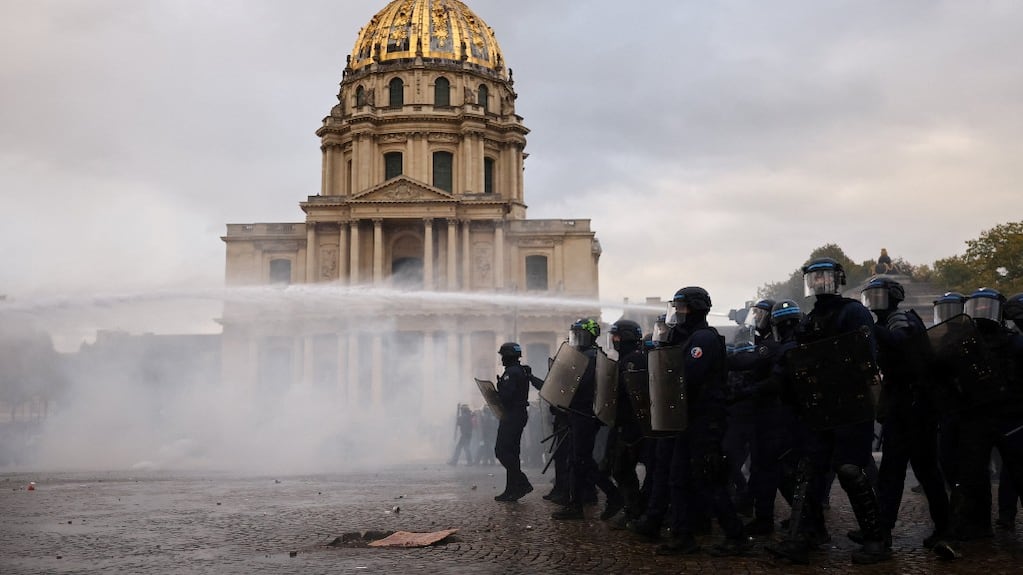
Decenas de miles de personas, entre ellas la activista sueca Greta Thunberg, protestaron de nuevo este martes en Francia para exigir mejores condiciones en los liceos, al considerar insuficiente la respuesta del gobierno a sus reclamos desde finales de septiembre.
Esta semana de movilizaciones se anuncia crucial. Precede a los 15 días de vacaciones de otoño (boreal), pero podría sumarse a las protestas del sábado contra la carestía de la vida, en este convulso último año de mandato del presidente centroderechista, Emmanuel Macron.
Al inicio de la marcha en París hubo enfrentamientos entre la policía y miembros de grupos radicales conocidos como “black bloc”. El líder de la organización estudiantil USL, Ryad Rani, llamó a unirse a las protestas del sábado: “No bajaremos los brazos”.
Entre 161.500 y 480.000 personas marcharon este martes por las calles, según el gobierno y los organizadores respectivamente. Las tendencias difieren respecto a la semana anterior, cuando sindicatos y universitarios también se sumaron a las marchas.
Entonces, los organizadores anunciaron 450.000, una cifra que las autoridades rebajaron a 266.000 manifestantes, en una de las mayores protestas estudiantiles desde mayo de 1968.
La nueva jornada de movilización comenzó con el bloqueo de liceos. Las autoridades cerraron preventivamente unos 200 de los 3700 que cuenta el país, indicó el ministro de Educación Nacional, Édouard Geffray.
Greta Thunberg se muestra “orgullosa”
En uno de los epicentros de la movilización, el liceo Paul Éluard de Saint-Denis, al norte de París, los estudiantes contaron desde primera hora de la mañana con el apoyo de Greta Thunberg, quien se dijo “enormemente orgullosa” de su lucha.
“Nos están robando nuestro futuro y, como hemos podido comprobar aquí, las escuelas no reciben las inversiones que necesitan. Esto envía un mensaje a los jóvenes: ‘En nuestra sociedad, ustedes no son una prioridad’“, aseguró.
Los alumnos que protestan tienen en su mayoría entre 15 y 18 años, y estudian el último ciclo de secundaria. Su educación obligatoria estuvo marcada por los confinamientos del covid en 2020.
Sus reclamos son variados: la falta de reemplazo de profesores ausentes, horarios de clase de hasta diez horas por día con huecos, aulas deterioradas e inadaptadas al cambio climático y un sistema de acceso a la universidad ,(Parcoursup), visto como poco transparente.
AFP)
Francia
INTERNACIONAL
Rusia lanzó un nuevo ataque con misiles y drones contra Ucrania: al menos 6 muertos y 20 heridos
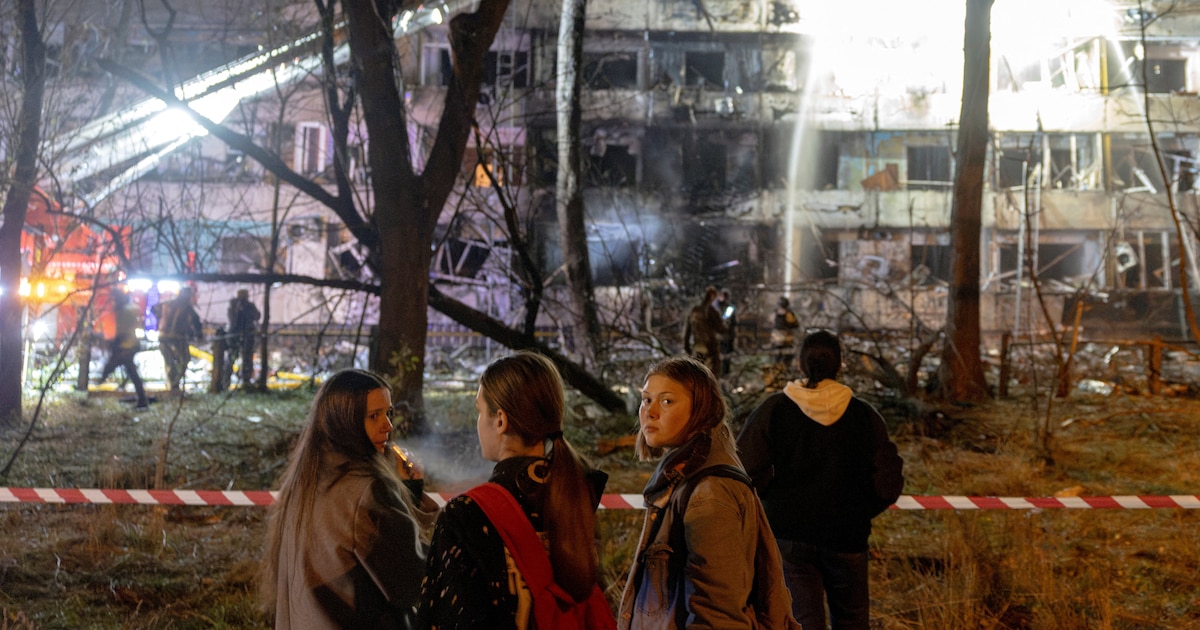
Al menos seis personas murieron durante la noche del martes y la madrugada de este miércoles por ataques rusos contra distintas regiones de Ucrania, mientras los bombardeos con misiles balísticos provocaron cortes de electricidad en amplias zonas de la capital ucraniana. Las autoridades regionales informaron de tres muertos en Kiev, dos en la región central de Dniproy uno en la región suroriental de Zaporizhzhia.
El alcalde de la capital, Vitali Klitschko, indicó que los ataques alcanzaron infraestructura energética de la ciudad y sus alrededores. “Las instalaciones energéticas de Kiev y de la región circundante han sufrido un ataque masivo con misiles balísticos. Hay interrupciones del suministro eléctrico”, escribió Klitschko vía Telegram.
DTEK, el mayor proveedor privado de electricidad de Ucrania, informó que la ofensiva provocó cortes de emergencia en cinco distritos de Kiev. La compañía indicó que las interrupciones del suministro afectaron a los distritos de Darnytskyi, Dniprovskyi, Pecherskyi y Solomianskyi, además de una parte de Holosiivskyi.

Respecto a los ataques contra edificios residenciales, el alcalde reportó: “Un edificio de 9 plantas fue alcanzado por un incendio en el distrito de Desnyanskyi. Los servicios de emergencia se dirigen al lugar”.
Además, 20 resultaron heridas en Kiev durante esta última oleada de bombardeos rusos contra instalaciones energéticas y edificios residenciales. La Fuerza Aérea de Ucrania alertó durante la madrugada sobre el avance de varios misiles hacia la capital.
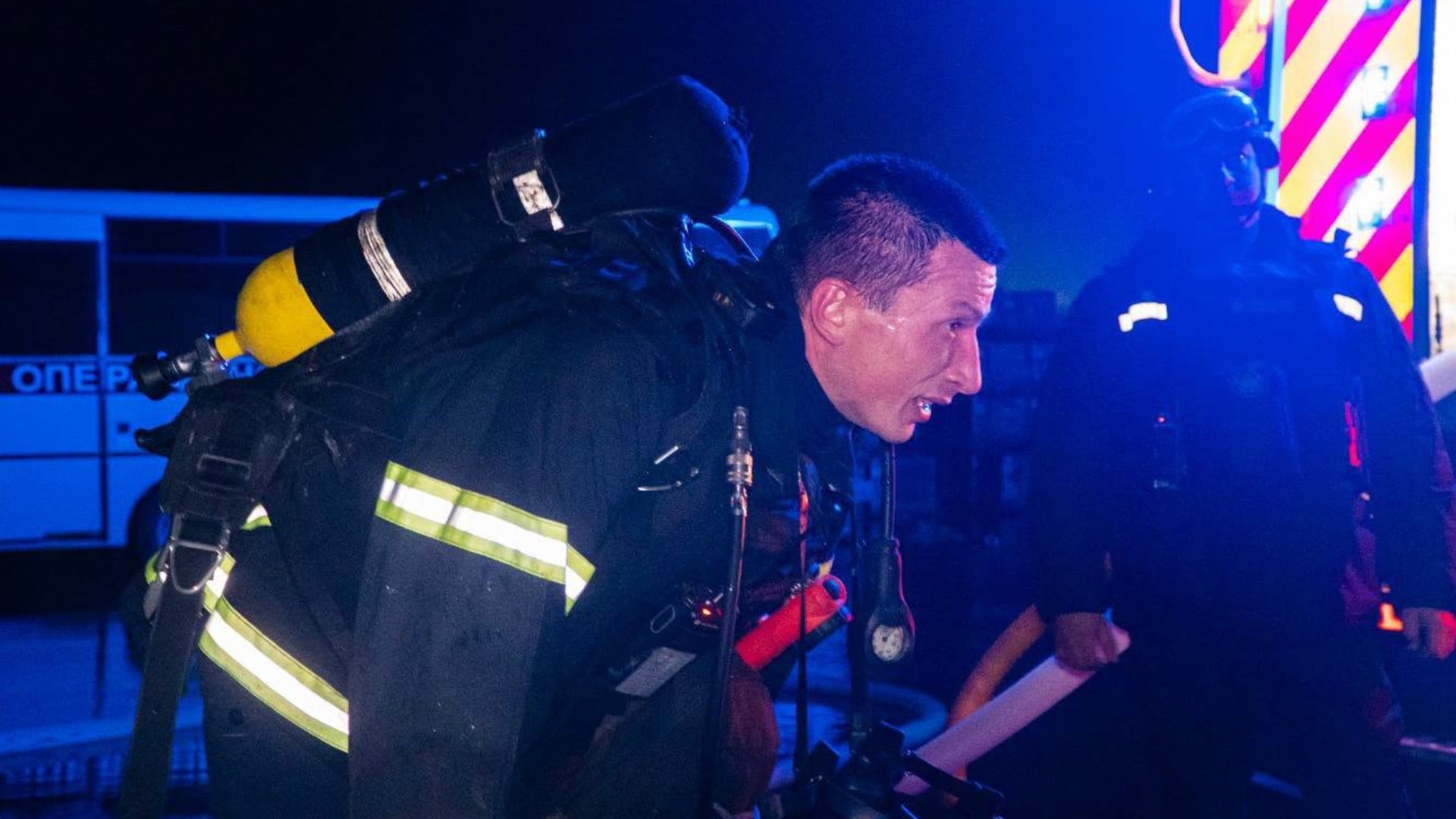
Medios ucranianos también informaron de detonaciones en Kharkiv, en el noreste del país, y en Dnipro, en el centro-este. Otros bombardeos alcanzaron Sumy y Chernígov.
El presidente ucraniano, Volodimir Zelenski, señaló poco antes de la medianoche que un ataque balístico ruso alcanzó una central eléctrica de Kiev, una de las más importantes de la capital. Zelensky denunció que Ucrania no recibió por segunda vez en cerca de 24 horas información anticipada de sus socios sobre el lanzamiento de los misiles desde territorio ruso. Según explicó, esa falta de alertas dificulta la respuesta del Ejército ucraniano. “Nuestros sistemas detectaron estos misiles cuando estaban prácticamente en Kiev”, afirmó el mandatario, que confirmó el impacto contra la instalación energética.

El presidente no identificó al país aliado que dejó de proporcionar la información de inteligencia. Ucrania quedó sin esos datos después de que Estados Unidos advirtiera a Kiev que podía suspender el intercambio de inteligencia si mantenía los ataques contra refinerías rusas, a los que Washington se opone por su posible impacto en el mercado internacional de combustibles.
“Esto es absolutamente injusto: están destruyendo nuestra infraestructura y Ucrania ni siquiera recibe alertas tempranas sobre lanzamientos de misiles balísticos”, añadió.
En Rusia, el gobernador de la región de Saratov informó, con base en datos preliminares, que un ataque con drones ucranianos mató a una persona en la ciudad de Balakovo.
El alcalde de Moscú, Serguéi Sobianin, aseguró que las defensas aéreas rusas derribaron cerca de 500 drones que se dirigían hacia la ciudad durante la noche. Las autoridades rusas añadieron que alrededor de 160 drones fueron derribados sobre la región de Rostov, mientras otros aparatos tenían como objetivo la capital rusa.

Los residentes de Kiev escucharon explosiones provocadas por bombardeos rusos antes de la activación de las sirenas antiaéreas durante la noche del lunes al martes, una secuencia poco frecuente desde el inicio de la guerra.
El episodio ocurrió después de que el presidente de Estados Unidos, Donald Trump, anunciara el domingo en Truth Social un supuesto “alto el fuego energético” entre Rusia y Ucrania. Trump afirmó que ambos países habían aceptado detener los ataques de largo alcance contra instalaciones eléctricas.
Zelensky expresó sorpresa por ese anuncio y sostuvo que los ataques posteriores contra la infraestructura energética de Ucrania representaron la “respuesta” del mandatario ruso, Vladimir Putin, a las declaraciones de Trump. Trump criticó en varias oportunidades a Zelensky por los ataques ucranianos contra refinerías de petróleo rusas. El sábado, además, planteó que era “hora de que Ucrania tuviera un nuevo presidente”. El mandatario estadounidense también recibió críticas de Zelensky y de sectores políticos dentro de Estados Unidos después de anunciar la semana pasada que planea comprar diésel a Rusia, pese a las sanciones vigentes contra Moscú por la guerra.
(Con información de AFP)
War,Europe,Military Conflicts

Kamala Harris faces Democratic doubts over 2028 as allies push back on claims she’s squandered her chance

Edith Hermida enfrentó a Wanda Nara: “No me gustaba que le ponías la camiseta de Mauro Icardi a los chicos de Maxi López”

El Congreso de Chile presiona para blindar la ruta entre Punta Arenas y Malvinas y escala la discusión con Argentina

Longevidad y geopolítica: la creciente esperanza de vida mundial abre una oportunidad de oro para la Argentina

Protestas en Francia: los estudiantes volvieron a las calles y hubo enfrentamientos entre manifestantes y policías

Enrique Quique Sacco, candidato a presidente de Independiente: “Nuestra propuesta es romper el esquema de lo actual y cambiar el sistema”

Carlos Tevez busca juntar a Cristiano Ronaldo y Leo Messi en su partido de despedida

Régimen Penal Juvenil: la Defensoría Oficial busca que la Justicia porteña revise la baja de la edad de imputabilidad

El dramático accidente que sufrió Sarah, la hija de Barby Franco y Burlando, con apenas dos años: “Se abrió la cabeza”

El insólito error de Manuel Neuer a los 8 segundos del partido de Bayern Múnich: sufrió el gol más rápido en la historia de la Bundesliga

 CHIMENTOS3 días ago
Andrea Rincón recordó el quiebre de su amistad con Julieta Ortega: «No se remontó»
- POLITICA3 días ago
La controversia por la ley de Tierras avivó las diferencias internas en la Corte Suprema
- ECONOMIA3 días ago
Anticipan más crédito y mayor flujo en acciones con reforma del mercado de capitales