INTERNACIONAL
Trump touts ‘golden age’ at Ohio rally, urges voters to deliver GOP midterm wins


President Donald Trump swept into Ohio Saturday night promoting what he calls a new «golden age» for America, pointing to billions of dollars in investment and new jobs in the Buckeye State as he urged voters to help keep Republicans in power in November.
For the third time in as many nights, Trump rallied supporters outside Dayton for Republicans Sen. Jon Husted and gubernatorial candidate Vivek Ramaswamy, casting the midterms as a chance to extend the economic and political gains he said the GOP has delivered since his return to the White House.
And with his own name absent from the ballot, Trump gave voters gathered a simple instruction.
TRUMP CAMPAIGN INSIDER REVEALS STRATEGY BEHIND MIDTERM BLITZ THAT WHITE HOUSE HOPES PAYS OFF BIG
«Just pretend that I’m running,» Trump said. «When I run, we win.»
Trump, who carried Ohio in all three of his presidential campaigns, later echoed the same message as he sought to rally his political coalition behind Republicans fighting to maintain control of Congress.
«If you don’t mind, please pretend that I’m on the ballot,» Trump said. «And you need to turn out for a midterm victory.»
The president used much of the rally to make an economic case for the Republican ticket, declaring Ohio is «booming» as he hailed investments he credited to both his trade and tariff policies.
Trump pointed to a $400 million Stellantis investment in Toledo and an $850 million Electra aerospace investment near Springfield.
Weaving in an anecdote about his daily aspirin habit, the president also featured Bayer’s plans for a $2.2 billion pharmaceutical manufacturing campus near Columbus, which the company says will support approximately 600 permanent jobs and 1,500 construction jobs.
«Your state is booming,» Trump told the gathered crowd. «Every state is booming.»
FIRST DATA CENTER BILL CLEARS HOUSE AS BOTH PARTIES SCRAMBLE FOR ANSWERS ON AFFORDABILITY
Trump credited the investments to his tariff agenda, arguing the U.S. is finally leveling the playing field after years of other countries using tariffs against American products while giving companies a powerful incentive to build at home.
The president also threw his support behind Husted’s Ratepayer Protection Act, legislation aimed at shielding consumers from additional electricity costs associated with data centers.
«We want them,» Trump said of data centers. «There’s so much money to be made for Ohio. You can’t just turn them off. They’ll go to China.»
Husted brought the legislation to the Senate floor days before the rally, where it failed to advance. President Trump pledged to sign it if Congress can send it to his desk.
TRUMP DEFENDS $5,000 DIVIDEND PROPOSAL, PRAISES ‘BEAUTIFUL’ TARIFFS ON ‘INGRAHAM ANGLE’
«I will sign this Ratepayer Protection Act into law immediately,» Trump said.
Trump broadened his victory lap from Ohio to the country as a whole, hailing stock market records, manufacturing growth, investment and employment while contrasting his own administration’s economic record with former President Joe Biden’s.
«Our nation is doing better now than ever before,» Trump said.
He also praised GOP-backed tax provisions, including no tax on tips and overtime, and reiterated his previously announced proposal for $5,000 payments to adult Americans if Republicans retain the House and Senate.
Trump then shifted to immigration and Springfield, Ohio, dedicating his recitation of the poem «The Snake» to the city that became a national flashpoint during the 2024 presidential campaign over an influx of Haitian nationals into the community.
«I dedicate this to Springfield, Ohio,» Trump said. «They went through hell.»
After finishing the poem, which the president has long admired as an immigration allegory, he told the crowd, «That’s what happened at our border,» before hailing his administration’s immigration crackdown.
The president also briefly touched on Venezuela, claiming the U.S. had more than recouped the costs of its military operation against former Venezuelan dictator Nicolas Maduro through the country’s vast oil resources.
«We paid for the cost of the war many, many times over,» Trump said. «We’re making a fortune with it.»
Trump repeatedly weaved the election 31 days away into his remarks, urging Ohioans to support Husted, Ramaswamy and Republican congressional candidates.
He also pitched Ohio as a potential home for the U.S. National Space Academy, citing both the state’s aviation history and the Wright brothers.
«If we win the midterms, Ohio will be very, very strongly considered for this,» Trump said. «I really want you to go out and vote again for John Husted and for Vivek.»
donald trump, midterm elections, ohio, republicans elections, white house, politics









INTERNACIONAL
Minnesota candidate ‘stress tests’ state’s new fraud law — what she found raised major red flags
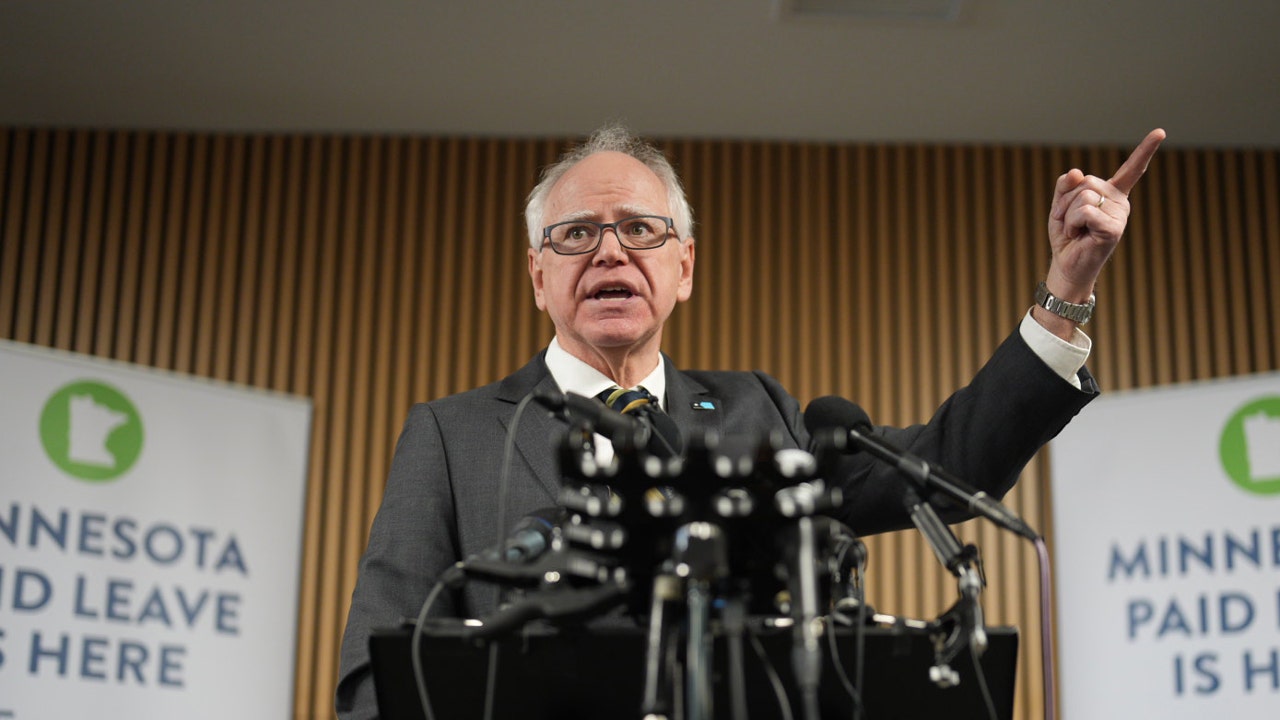
A Minnesota state Senate candidate revealed she found several vulnerabilities in a fraud prevention law signed by Gov. Tim Walz after testing it against the state’s previous fraud scandals to see whether it could have caught them sooner.
The measure in question, the Office of the Inspector General law, creates an independent statewide watchdog that oversees inspectors general, investigates alleged fraud across state programs, establishes fraud prevention standards, and improves coordination and data sharing.
However, Heidi Heino, the Republican candidate for Minnesota’s 36th Senate District, told Digital her test against the Feeding Our Future scheme and other past fraud cases found the law lacks extra safeguards when potential risks emerge.
«When I stress tested against Feeding Our Future and some of the other fraud schemes that we had in Minnesota, it would have found the fraud eventually, but it’s way after the money was already gone and we would still be stuck trying to claw it back,» Heino said.
MINNESOTA MAN CAPTURED IN SOMALIA AFTER ALLEGEDLY HELPING ORCHESTRATE $250M CHILD NUTRITION FRAUD SCHEME
The law was passed as Minnesota faces the fallout from massive fraud schemes involving childcare, autism, housing and disability services. Republicans have blamed leadership and oversight failures, while the Trump administration launched a federal anti-fraud task force led by Vice President JD Vance.
Working as a corporate leader whose day job involves underwriting, Heino said she used similar review and auditing practices to test where Minnesota’s fraud safeguards fell short.
«Business does a lot with a little,» she said. «Government does the opposite. They do a little with a lot of resources.»
Heino said she used a 2,800% increase in payments to Feeding Our Future from 2020 to 2021 in her test, a jump that should have automatically raised alarm bells and led to further review. The scheme alone allegedly stole $250 million from a federally funded child nutrition program during the COVID-19 pandemic.
FRAUD EXPERT EXPOSES HOW HIDDEN NETWORKS DROVE MINNESOTA FRAUD, OTHER MAJOR SCAMS: ‘CRIMINAL ENTERPRISE’
«You don’t have to be a detective to see that there’s some issue there and so to investigate that and check and see if those claims are legitimate, and if they were legitimate, have someone actually sign off on it,» she said, adding that filling out extra paperwork may be frustrating but can help prevent fraud in the long run.
Heino also argued Feeding Our Future should not have been allowed to address complaints against itself.
«We had 30 complaints to the Minnesota Department of Education regarding the fraud and they are mostly overlooked or Feeding Our Future had to go correct itself and that was a huge gap there,» she said.
She proposed immediately freezing payments, conducting a full review, and triggering an outside audit.
«The OIG has good bones, but it needs teeth,» she said.
Without independent audits, Heino said Minnesota will not be able to uncover fraud-related gaps, saying the additional oversight would save more money than it costs.
GOP ACCUSES WALZ ALLIES OF BURYING $52M MEDICAID FRAUD REPORT BEFORE ELECTION
«We get a lot of pushback saying this is going to be expensive, but is it?» she said. «It will be less expensive to have an independent audit than it is going to be to have all the fraud and lose taxpayer dollars to fraudulent activities.»
Those same issues apply to current state programs like Minnesota’s Paid Leave program, according to Heino.
«However, we need to rein it in and have more investigation before we start sending out the checks, especially with paid family leave,» she said. «They pay out before they have the doctor’s note certifying that this is actually true and they have verified it.»
She acknowledged that the law is a «great first step» toward addressing the problem but said it does not go far enough to protect taxpayers and prevent future fraud.
As a mother, grandmother and taxpayer, Heino said she is fed up with how leaders in her home state have handled fraud, adding the problem has gotten so bad that Minnesota has become the «laughing stock of the nation» and people no longer want to say they are from the state anymore.
«We need to funnel those resources to the people that actually need them and keep people committing fraud from taking our money and running away with it, buying luxury condos or homes, and then funneling it out of the country,» she said.
Digital reached out to Walz’s office and the Minnesota Department of Education for comment.
«We have not slowed down, there is no sense in which the fraud has been stopped in Minnesota,» Bill Glahn, a policy fellow at the Center of the American Experiment, told Digital in August, making the case that the fraud situation in the state has not been properly addressed.
politics, minnesota fraud exposed, tim walz, minnesota, financial regulation, donald trump
Apenas el 3,2% de los glaciares del planeta —aquellos que desembocan en lagos, océanos o plataformas de hielo— fue responsable de más de la mitad de toda la masa glaciar perdida entre 2000 y 2019, con una tasa de 134.000 millones de toneladas métricas anuales. La cifra, publicada en la revista Nature Communications, proviene de la clasificación global de glaciares más completa realizada hasta la fecha, elaborada por científicos de la Universidad de Birmingham y la Universidad de Leeds, en Reino Unido.
El equipo examinó los 216.502 glaciares inventariados en el Randolph Glacier Inventory (RGI), sin contar las capas de hielo de Groenlandia y la Antártida, y determinó en qué tipo de entorno termina cada uno: tierra firme, lago, océano o plataforma de hielo. La conclusión más llamativa apunta a los glaciares lacustres, que perdieron hielo un 57% más rápido en proporción a su superficie que los que terminan en tierra.
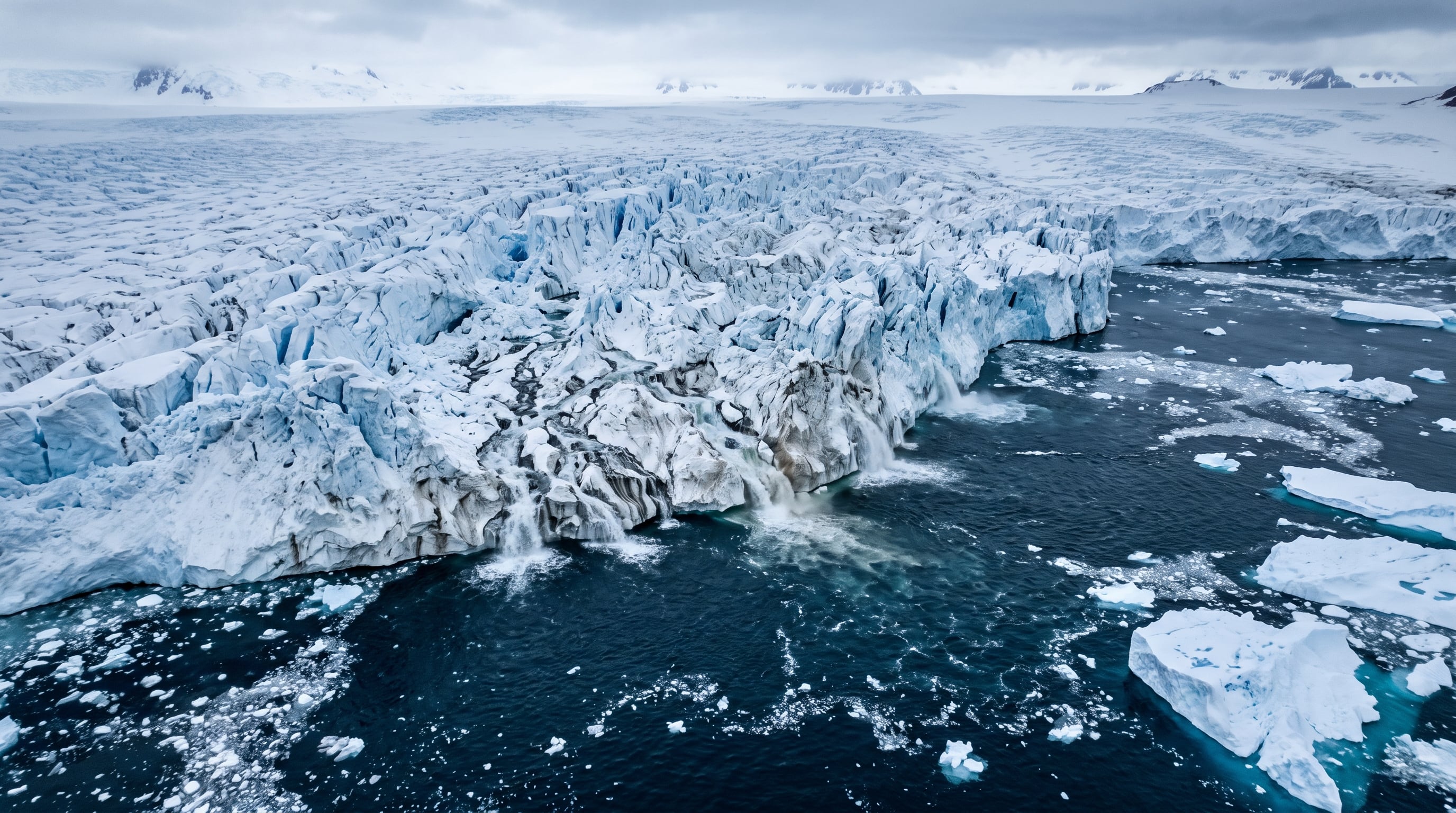
Los glaciares lacustres pierden hielo a un ritmo desproporcionado
Aunque los glaciares que no terminan en tierra firme representan una fracción mínima del total (1,6% en lagos, 1,5% en océanos y 0,1% en plataformas), cubren en conjunto más de la mitad de la superficie glaciar mundial. Esa desproporción se acentúa al medir las pérdidas de masa: los glaciares lacustres concentraron el 24% del hielo perdido a escala global, y los marinos otro 22,8%, mientras que los terrestres —el 96,8% del total— aportaron el 49,4% restante.
Para aislar el efecto del entorno de desembocadura, los investigadores aplicaron modelos estadísticos que controlaron variables como el clima, la elevación, el espesor del hielo y la pendiente. Los resultados revelaron que los glaciares que terminan en lagos fluyen en promedio un 10% más rápido que los terrestres, y los marinos un 44% más rápido. Pero la diferencia más marcada apareció en la pérdida de masa normalizada por superficie: los lacustres superaron a los terrestres en un 57%.
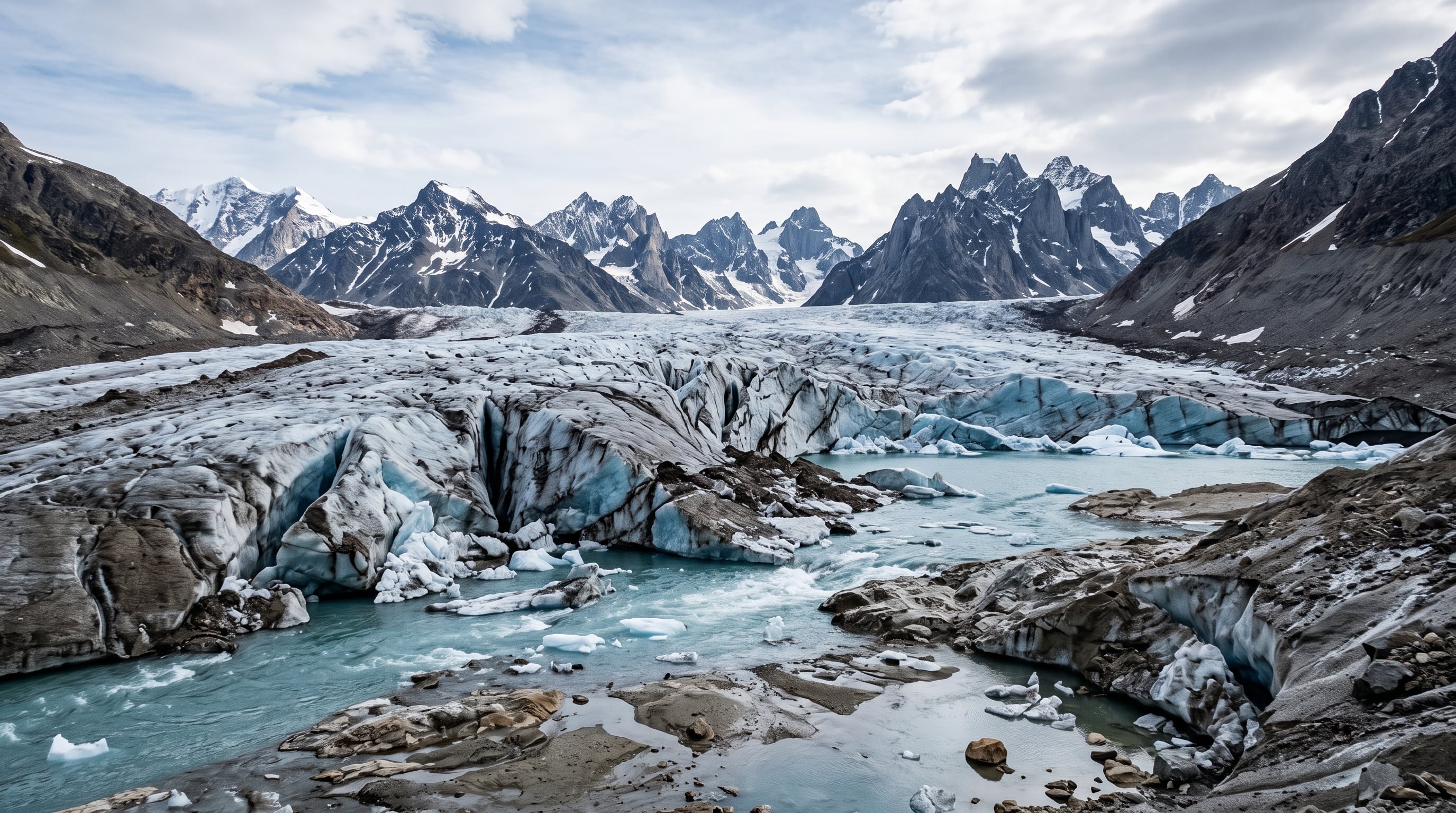
El agua de los lagos puede acelerar el desprendimiento del hielo
Los lagos interactúan con los glaciares de formas que pueden intensificar su deterioro. El agua lacustre derrite el hielo por debajo de la línea de flotación y facilita el desprendimiento de grandes bloques desde el frente glaciar, un proceso conocido como calving. Además, la presión que ejercen sobre la base del glaciar puede reducir la fricción y favorecer un deslizamiento más rápido.
“Los glaciares que terminan en lagos realmente se destacan: están perdiendo hielo de manera particularmente rápida. Todavía no sabemos exactamente por qué. Podría ser por los propios lagos, por el tamaño y la forma de los glaciares, o una combinación de ambos”, explicó Joe Mallalieu, quien realizó la investigación en la Universidad de Birmingham y actualmente trabaja en la Universidad de Leeds.
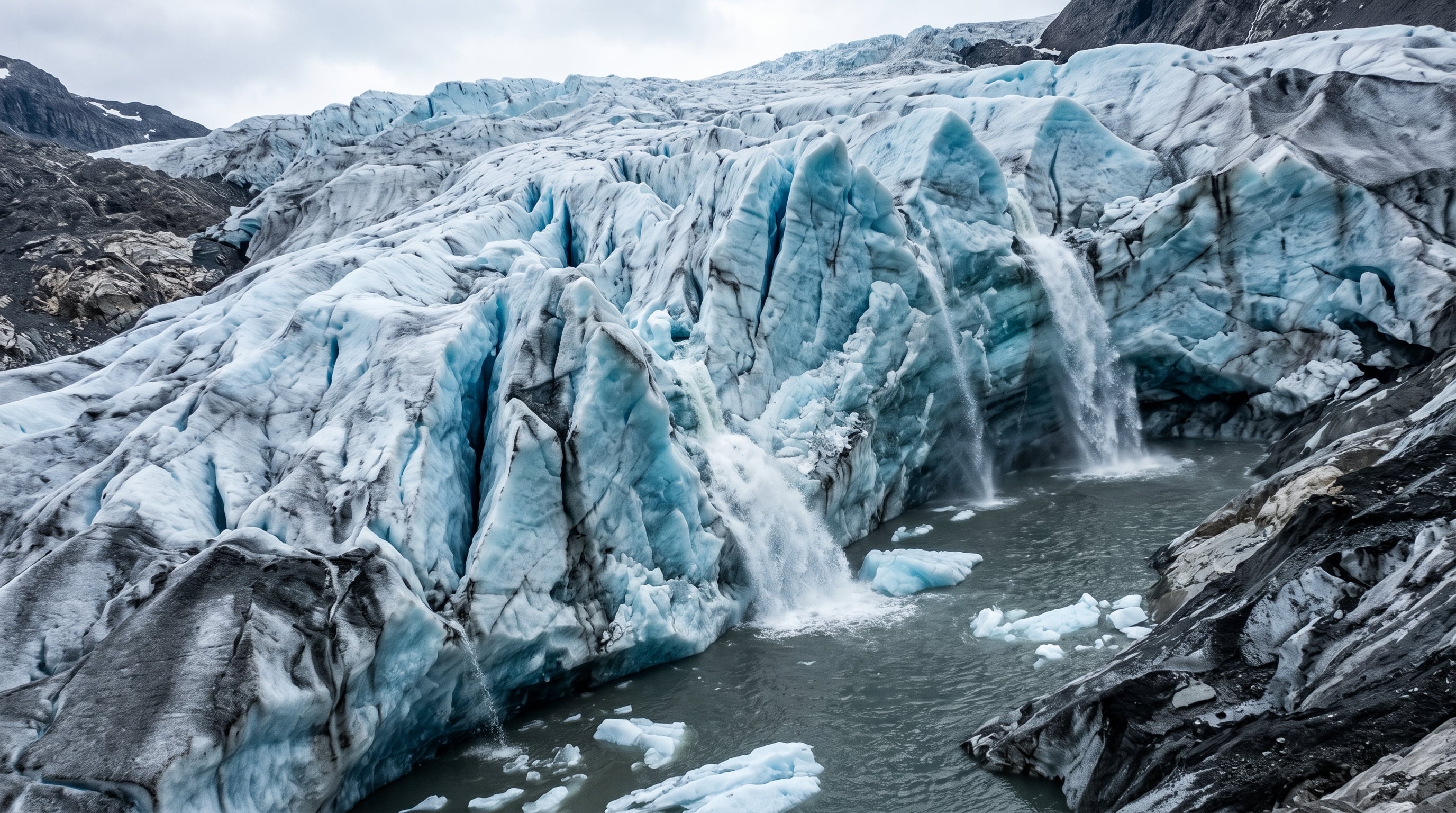
A diferencia de los glaciares marinos, donde las corrientes oceánicas y mareas generan una ablación frontal más eficiente, los lagos proglaciales tienen volúmenes reducidos e intercambio limitado de agua, lo que podría permitirles almacenar calor estacional con mayor facilidad y transferirlo directamente a la masa de hielo.
El cambio climático está transformando los glaciares de un tipo a otro
Un hallazgo adicional del estudio es que el calentamiento global está provocando transiciones entre categorías de glaciares. En el Ártico, algunos glaciares marinos retroceden hasta apoyarse sobre tierra firme, lo que según los datos debería desacelerar su pérdida de masa. En dirección opuesta, la proliferación de lagos glaciares en todo el mundo convierte glaciares terrestres en lacustres, con la consecuencia potencial de que aceleren su deterioro.
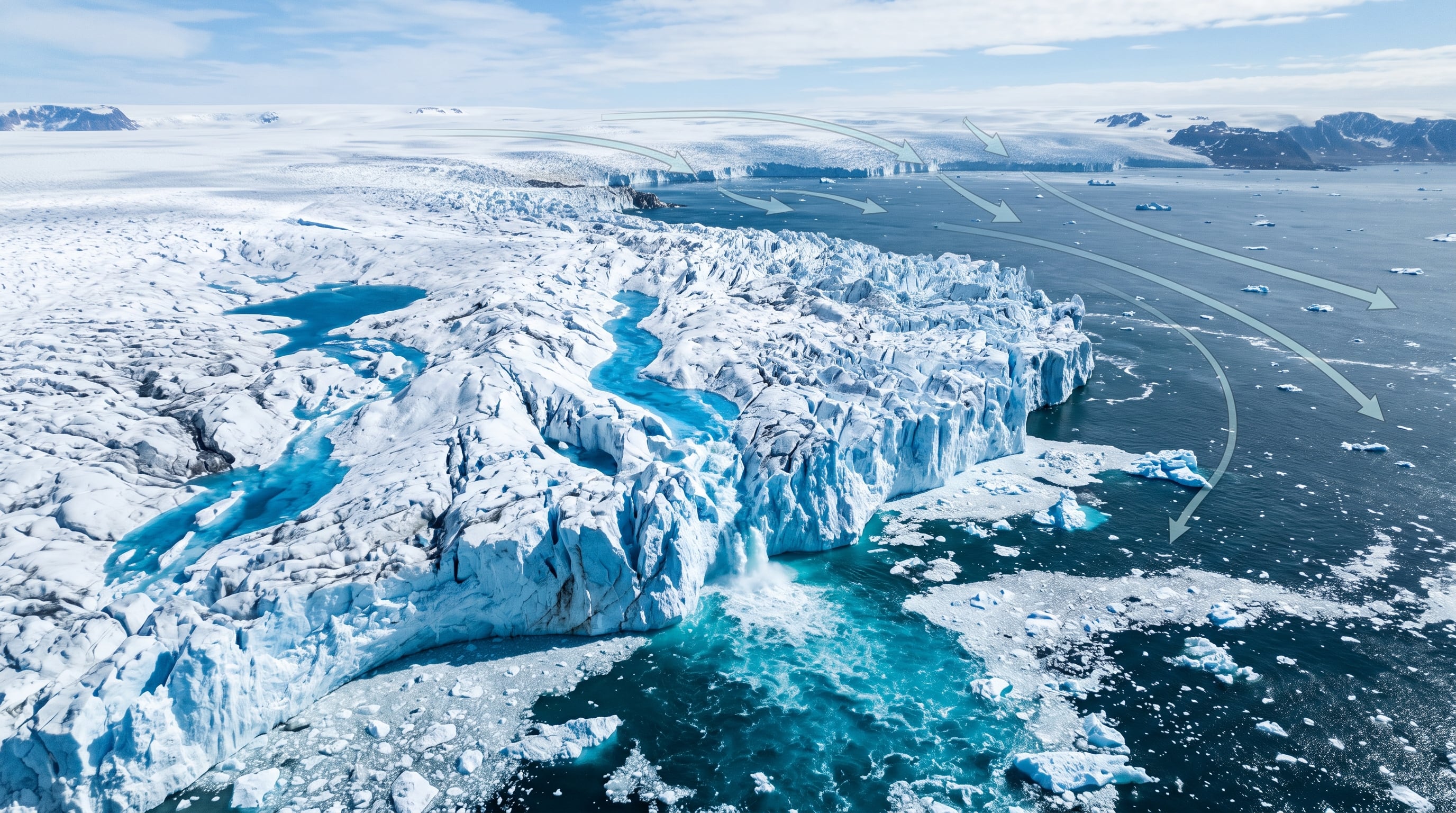
“La última década ha traído un enorme aumento en los datos globales sobre glaciares y clima disponibles para los investigadores. Unir estos conjuntos de datos nos permite comparar cómo se comportan los glaciares en distintos entornos. A medida que más glaciares pasen de un entorno a otro, comprender esas diferencias será cada vez más importante”, señaló Nicholas Barrand, de la Universidad de Birmingham.
Los modelos actuales no representan bien los glaciares lacustres
Gran parte de los modelos utilizados para proyectar la evolución de los glaciares y el aumento del nivel del mar aún no incorporan de forma adecuada la dinámica de los glaciares que terminan en lagos. El inventario presentado por el equipo podría contribuir a corregir esa carencia, al ofrecer una base de datos global y pública —disponible en Zenodo— que permite distinguir entre los cuatro tipos de entorno terminal.
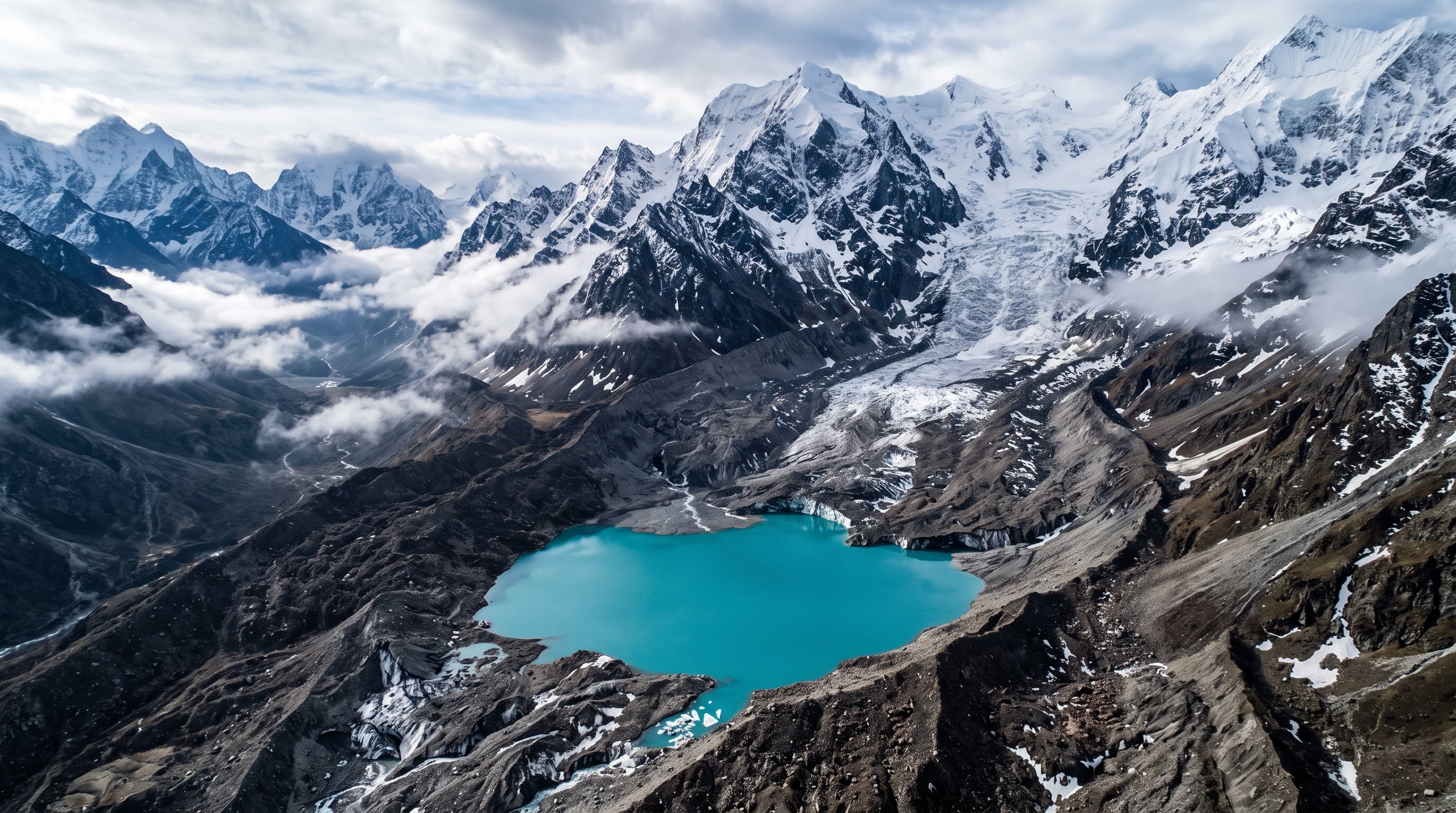
Un estudio complementario publicado este año en Communications Earth & Environment ya había demostrado que los lagos proglaciales del margen de la capa de hielo de Groenlandia aceleran la velocidad de los glaciares circundantes en un 231% en la zona del frente, con efectos detectables hasta 3,5 kilómetros tierra adentro. Otra investigación reciente, del Journal of Glaciology, confirmó que los glaciares que terminan en agua —ya sea marina o lacustre— son sistemáticamente más gruesos que los terrestres, lo que equivale a cerca del 20% del volumen glaciar mundial fuera de las capas de hielo.
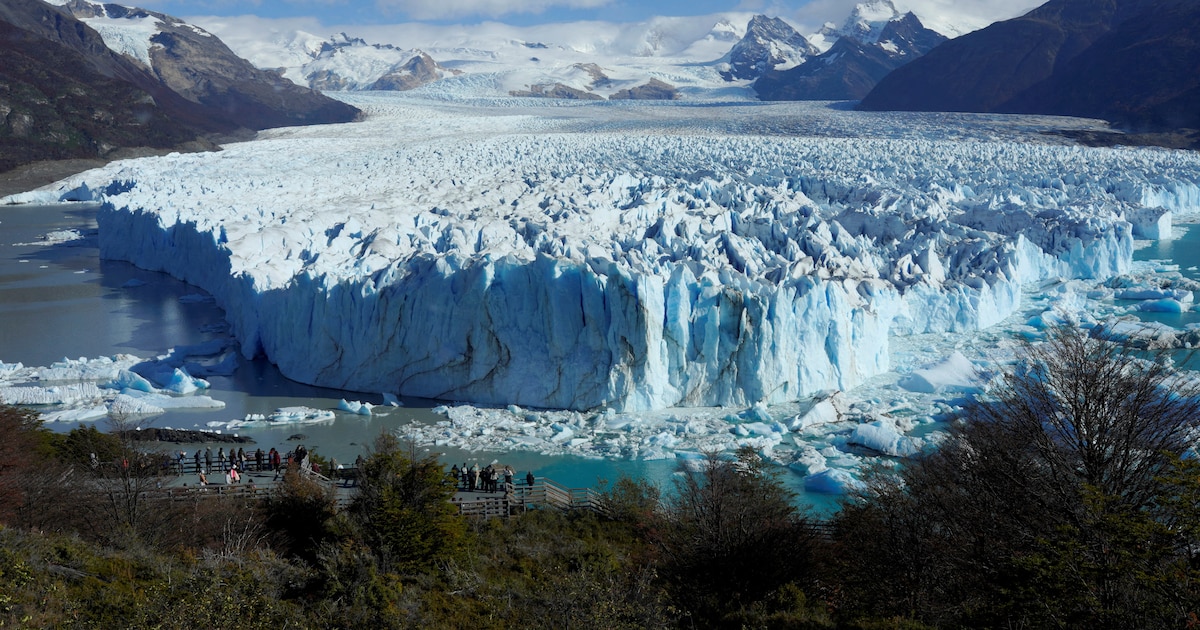
La clasificación elaborada por Mallalieu y sus colegas abarcó datos de velocidad de flujo del hielo (2017-2018), registros de cambio de masa (2000-2019) e inventarios de lagos glaciares que cubren el período 2000-2018. Entre las regiones con mayor concentración de glaciares lacustres figuran la periferia de Groenlandia, el oeste de Canadá y Estados Unidos, el sur del Ártico canadiense, Asia Central y los Andes del Sur, donde el glaciar Perito Moreno en Argentina constituye uno de los ejemplos más conocidos de interacción entre hielo y lago.
South America / Central America
INTERNACIONAL
Protestas en Europa: por qué la Generación Z sale a las calles y cuáles son los reclamos que amenazan la estabilidad de la región
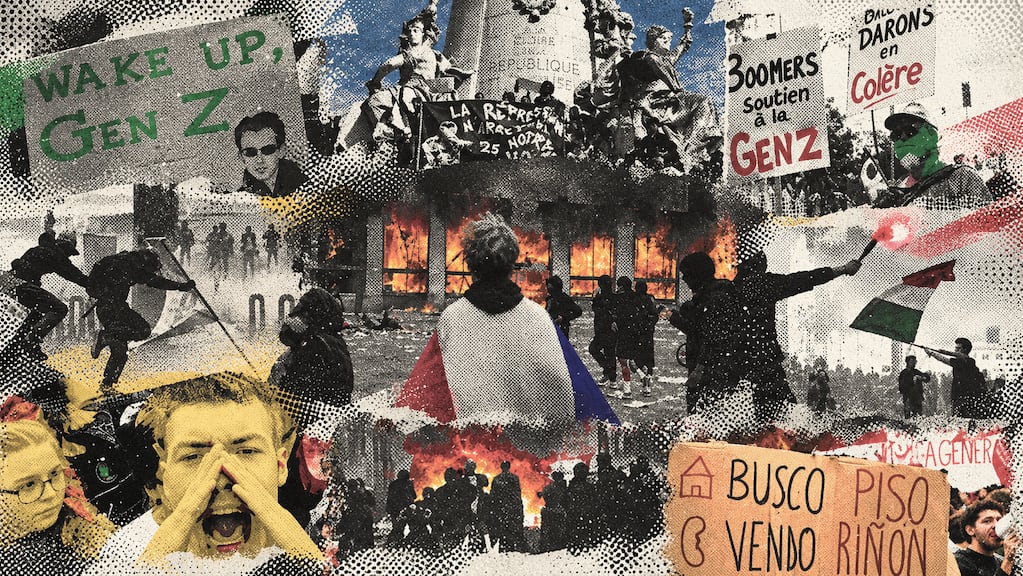
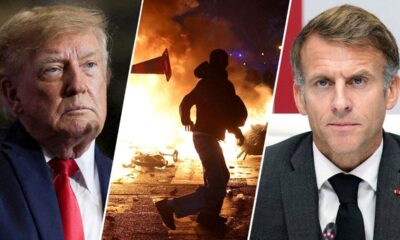
El mapa de las protestas se expande por Europa. Con distintos niveles de violencia pero con un mismo denominador común, la oleada de movilizaciones es motorizada principalmente por adolescentes y jóvenes de la llamada Generación Z en Francia, Italia, Albania, Bélgica, Grecia, Portugal, España, Austria y Serbia.
La violencia tomó por sorpresa a las autoridades francesas e italianas, que se vieron desbordadas por saqueos y enfrentamientos callejeros. Las imágenes del caos en París, Marsella, Lyon, Niza y Milán dieron la vuelta al mundo.
Pero, ¿cuál es la causa de tanta violencia?
Los reclamos tuvieron distinto origen. En España y Portugal, los manifestantes salieron a las calles en forma pacífica por la crisis de vivienda. En Francia, los estudiantes fueron los primeros en reclamar mejoras educativas.
La mecha se encendió y ahora se expande en un reguero de pólvora bajo un enorme signo de interrogación sobre el futuro del viejo continente. Este sábado están previstas nuevas movilizaciones en Francia. Nadie sabe hoy cuándo va a terminar esta emergencia.
“La crisis fiscal y la insatisfacción social van a empeorar mientras las sociedades envejezcan y el petróleo aumente”, resumió a TN el analista Andrés Malamud.
No es la primera vez que la Generación Z sale a las calles en el mundo. A fines de 2025, hubo protestas masivas de jóvenes que abandonaron sus refugios digitales en Perú, Paraguay, Madagascar, Marruecos, Indonesia y Nepal, donde derrocaron al gobierno.
Ahora es el turno de Europa. Varios países están siendo hoy sacudidos por olas de protestas. El mapa es cada vez más grande y abarca ya a nueve países.
Francia: una protesta que empezaron los estudiantes se convirtió en una movilización nacional contra el alza del costo de vida
París y otras ciudades francesas se convirtieron en el principal foco del caos. Entre escenas de guerrilla urbana, hubo más de 3000 comercios afectados, unas 2500 personas arrestadas y 600 policías heridos. El 86% de los detenidos son menores de edad, según el Ministerio de Justicia. Solo los toques de queda nocturnos, extendidos hasta el lunes próximo, mantuvieron la calma.
La crisis comenzó cuando los estudiantes salieron a reclamar mejoras en la educación.
Pero lo que comenzó como una protesta de alumnos de escuelas secundarias se transformó en una movilización nacional contra el alza del costo de vida, en un país que afrontará unas cruciales elecciones presidenciales en seis meses bajo el avance irrefrenable de la ultraderecha.
Europa

Bariloche: denunciaron a un candidato constituyente por mensajes que reivindican a Videla y al terrorismo de Estado

Luis Enrique no ve necesario fichar en invierno: ‘No tiene por qué; contra el Barça jugamos igual con Dembélé y Kvara que sin ellos’

Cuánto gana una empleada doméstica por 4 horas semanales en noviembre 2026

Banfield recibirá a Lanús en una nueva edición del Clásico del Sur: hora, TV y formaciones

Los expertos en limpieza aseguran: “Si hay agua debajo del cajón de verduras de tu heladera, tenés que limpiar este orificio”

El duro pase de factura de Mex Urtizberea a Mario Pergolini al aire: “Me rechazaste dos veces”

Javier Milei y sus medidas, en vivo: el mandatario dijo que piensa un proyecto a “100 años” para la Argentina

Mariano Navone venció a Juan Manuel Cerúndolo en el duelo argentino y avanzó en el ATP de Bruselas

Cuáles son las condiciones que enfrentan las pymes para financiarse en el mercado de capitales

Escándalo con Sancor Salud: Cuotas millonarias por un servicio nefasto que abandona a los pacientes en urgencias

 POLITICA1 día ago
Javier Milei y sus medidas, en vivo: el mandatario dijo que piensa un proyecto a “100 años” para la Argentina
- ECONOMIA3 días ago
Cuáles son las condiciones que enfrentan las pymes para financiarse en el mercado de capitales
- SOCIEDAD21 horas ago
Escándalo con Sancor Salud: Cuotas millonarias por un servicio nefasto que abandona a los pacientes en urgencias