INTERNACIONAL
Una sola ciudad, dieciséis gobiernos

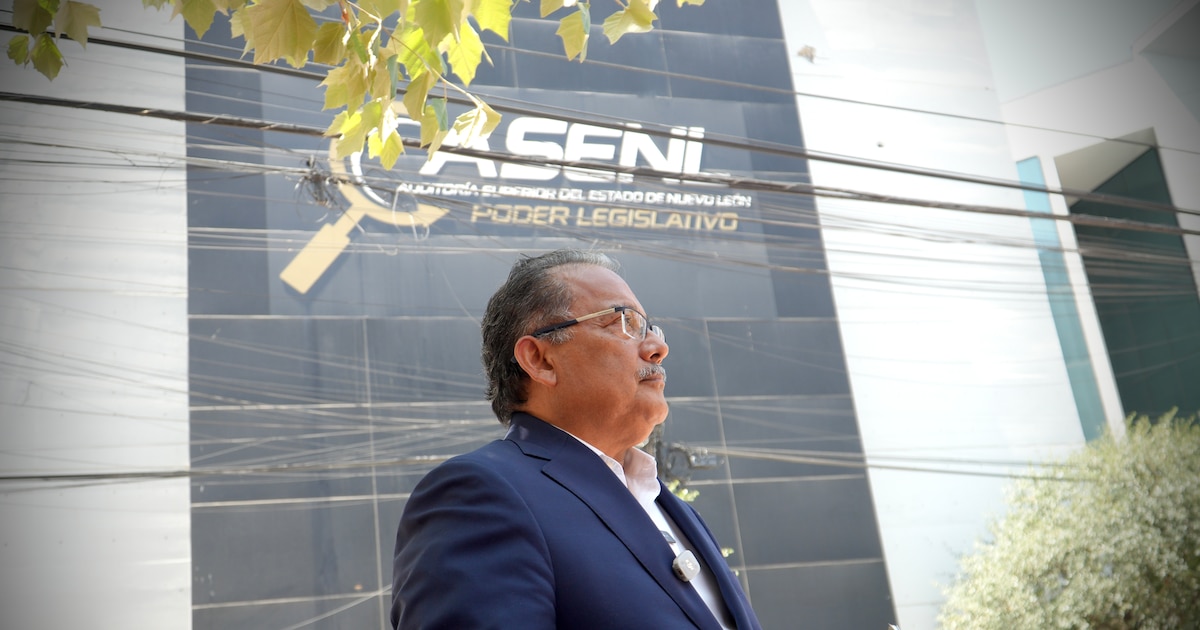
Hay una cosa curiosa en Nuevo León: podemos cruzar tres municipios para llegar al trabajo, atravesar otros dos para llevar a nuestros hijos a la escuela y regresar a casa sin saber exactamente en qué momento cambiamos de ciudad, pero para los gobiernos la historia es distinta. Cada municipio tiene su presupuesto, sus prioridades, sus reglamentos y sus propios planes.
La gente vive en una sola ciudad. Los gobiernos seguimos administrando dieciséis. Y esa contradicción nos está costando demasiado. Nos cuesta horas de tráfico, oportunidades económicas, calidad del aire y, sobre todo, tiempo de vida que las familias nunca van a recuperar.
Pensemos en algo tan cotidiano como el transporte. Una señora puede vivir en Escobedo, trabajar en San Pedro y tener a sus hijos estudiando en Monterrey. Para ella, todo ese recorrido forma parte de una sola vida. Pero las decisiones sobre las calles, las rutas, los semáforos y el crecimiento urbano se toman desde distintas oficinas.
El tráfico no reconoce límites municipales. La contaminación tampoco. Mucho menos el agua o la inseguridad. Tenemos problemas metropolitanos, pero demasiadas respuestas municipales. Y aquí es donde creo que Nuevo León debe empezar a pensar seriamente en lo que sigue.
Durante años hemos construido avenidas, distribuidores viales, parques industriales y desarrollos habitacionales. Muchas de esas inversiones han sido indispensables. El problema es que una obra aislada, por importante que sea, difícilmente puede corregir el funcionamiento de una ciudad completa.
Una avenida nueva puede mejorar el tránsito de una colonia. Pero si desemboca en un cuello de botella del municipio vecino, solamente habremos cambiado el lugar del embotellamiento. Una nueva empresa puede generar cientos de empleos. Pero si sus trabajadores necesitan dos horas para llegar a ella, una parte importante de esa prosperidad se queda atrapada en el tráfico.
Y un municipio puede hacer un gran esfuerzo por mejorar su seguridad, pero la delincuencia aprovecha precisamente las fronteras que las instituciones no logran superar. Por eso creo que el siguiente gran salto de Nuevo León no será solamente de infraestructura. Tendrá que ser un salto de coordinación, inteligencia y buen gobierno.
En Escobedo hemos trabajado para fortalecer la seguridad, atraer inversión, modernizar trámites y mejorar nuestras vialidades. Esa experiencia me ha enseñado algo fundamental: un municipio puede hacer mucho cuando administra bien, pero puede lograr todavía más cuando trabaja coordinadamente.
Y no estoy hablando de crear otra burocracia, con más oficinas, más funcionarios y más gastos. Estoy hablando de algo mucho más práctico. Necesitamos una planeación metropolitana que mire varias décadas hacia adelante, no solamente hasta la siguiente elección. Un sistema de movilidad que conecte las necesidades reales de trabajadores y estudiantes. Una estrategia compartida para proteger el aire y el agua. Y mecanismos permanentes de colaboración en seguridad.
También necesitamos ponernos de acuerdo sobre cómo financiar las obras que benefician a varios municipios, aunque físicamente se construyan en uno solo. Porque cuando una avenida de Escobedo mejora la conectividad de Apodaca, San Nicolás o Monterrey, el beneficio es de toda la metrópoli. Y esa realidad también debería reflejarse en la manera de planear y distribuir responsabilidades.
Nuevo León tiene una ventaja extraordinaria: aquí sabemos trabajar en equipo cuando existe un objetivo común. Nuestra historia industrial lo demuestra. Empresarios, trabajadores, universidades e instituciones públicas construyeron una de las regiones productivas más importantes de México. Ese espíritu de colaboración, tan ligado al Capitalismo Social de Eugenio Garza Sada, sigue siendo uno de nuestros mayores activos.
Ahora necesitamos llevar esa capacidad de organización a la manera de gobernar nuestra metrópoli. El Plan México de la Presidenta Claudia Sheinbaum Pardo abre una oportunidad para fortalecer la industria, la infraestructura, la innovación y el crecimiento equitativo. Pero aprovecharla plenamente requiere ciudades bien conectadas, instituciones confiables y una calidad de vida a la altura de nuestra capacidad económica.
La gran transformación metropolitana consiste en conectar todo eso. Y para hacerlo hace falta hacer realidad la Ley de Coordinación Metropolitana, una iniciativa que impulsé como Presidente de la Mesa de Coordinación Metropolitana con universidades y sociedad civil y que ya está en el Congreso del Estado, esperando la responsable acción política que la haga materialice. Ese es un trabajo muy concreto y urgente que hay que completar.
Ya sabemos construir grandes empresas. Ya sabemos construir grandes avenidas. Ahora tenemos que aprender a hacer que toda nuestra gran ciudad funcione como una sola. Porque la Zona Metropolitana Ya sabemos construir grandes empresas. Ya sabemos construir grandes avenidas. Ahora tenemos que aprender a hacer que toda nuestra gran ciudad funcione como una sola. Porque la Zona Metropolitana de Nuevo León no necesita dieciséis futuros diferentes. Necesita dieciséis gobiernos capaces de construir un futuro compartido.
*Andrés Mijes es presidente municipal de General Escobedo, Nuevo León, y maestro en Ciencias Políticas por la Universidad Autónoma de Nuevo León.
Periodistas,Entrevista,Micrófonos,Cámaras,Medios,Comunicación










INTERNACIONAL
University president sounds alarm as nearly half of students justify violence to stop ‘hate speech’
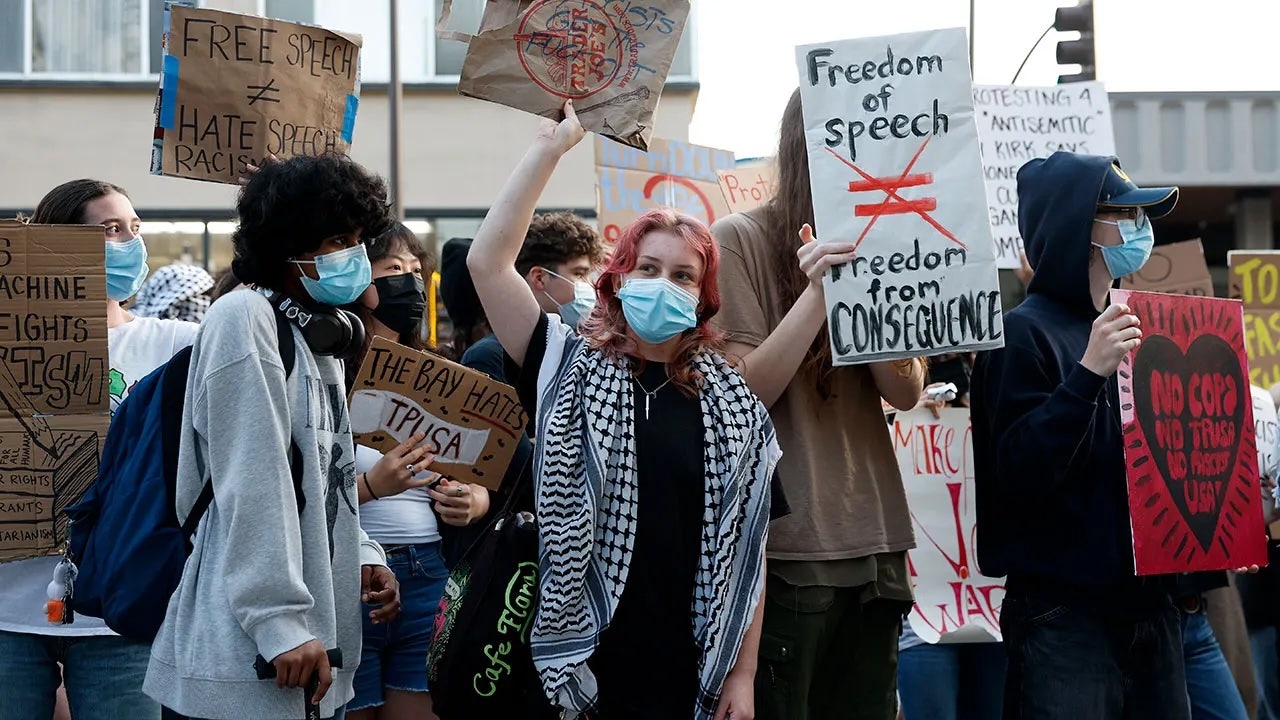
A new survey found that close to half of undergraduate students surveyed believe physical violence can be justified to stop «hate speech,» as one university president warns that higher education has «lost its way.»
In the Buckley Institute’s 2026 National Undergraduate Student Survey, 45% of students said violence can be justified to stop what they deem to be hate speech. This includes 54% of liberals, 36% of moderates and 30% of conservatives.
The study also found that 46% of students support shout downs and 40% believe that offensive speech should be subject to criminal prosecution. Additionally, 42% said they would rather live under a socialist system, compared with 28% who chose a capitalist system, and 22% said the U.S. deserved the Sept. 11, 2001, terrorist attacks.
Cornerstone University President Dr. Gerson Moreno-Riaño characterized the findings as more of a «moral formation issue» than a matter of free speech, warning that students have developed a «violent entitlement.»
CONFIDENCE IN HIGHER EDUCATION SLIPS AFTER BRIEF RECOVERY, GALLUP POLL FINDS
«American colleges and universities for a long time now have really ceased to form students morally and are teaching resentment, teaching grievance politics, teaching violent entitlement,» he told News Digital. «So when graduates leave these universities, they leave with that. They’re not leaving with a moral formation of their hearts, their minds, their lives. They’re leaving with resentment.»
Moreno-Riaño said that entitlement and resentment are among the reasons why many employers are concerned about the value of a degree.
«It’s not just what some will say are worthless degrees. It’s also what’s behind the degree. Individuals who have been taught to resent, not to reason, not to deliberate, not to have deep conversations with those with whom they disagree,» he said.
«Rather, it’s grievance, anger, violence, entitlement, and then violent action against it. And that to me is a significant problem. Again, not a free speech issue. It’s really about how moral education in higher ed has lost its way. We’re training people to be grieved, angry, entitled, violent. And that does not bode well for our democracy and our republic,» he continued.
Moreno-Riaño, who has led the private Christian university in Grand Rapids, Michigan, since 2021, emphasized that higher ed has «lost its way» in the U.S. for decades and has become «godless.»
«When there is no moral compass in higher ed, there’s a vacuum, and what fills it? Ideologies, communism, socialism, grievance, culture. That’s what’s happened, and it’s been happening for years,» he said. «Not only that, there’s an anti-history bent in higher ed. When you think about today’s young students not really knowing the evils of communism, the evils of socialism, and believing it’s inspirational, that demonstrates just the moral bankruptcy, but also the academic bankruptcy of these institutions.»
Moreno-Riaño argued that some employers may increasingly question the value of hiring college graduates and instead consider training workers directly out of high school.
Moreno-Riaño argued that employers are increasingly concerned about «worthless degrees» that do not prepare the workforce to tackle complicated problems, as well as the ideological bent of many recent college graduates. He warned that many colleges and universities are preparing «socialists and Marxists» who want entitlement and to «destroy the system» rather than «build it, make it, refine it and improve it.»
«I think what’s happening is that employers are seeing this and many employers are saying, maybe we should train our own people or maybe we should go into the high schools directly and educate the future at the high school level and forget colleges altogether, because colleges are morally bankrupting our future,» Moreno-Riaño said.
POLL: FAITH IN HIGHER EDUCATION IN THE US IS COLLAPSING
«I think that’s what’s happening. And if you combine that with artificial intelligence, you have sharp minds without a moral compass. That’s a very dangerous thing because a sharp mind without a moral compass is a weapon looking for a target,» he continued.
«For a democracy, we need individuals who can reason, who can deliberate, who can speak with those with whom they disagree and not seek violent action against them, but think deeply about what they’re saying, reconsider positions, pursue what is good and with courage. If we don’t do that, then we’re in trouble. And I think the workplace and employers are seeing that and want to shift that in a different direction,» he added.
Moreno-Riaño stressed that American higher education «has to shift,» saying it needs to «take moral formation seriously and not be grounded in entitlement and grievance culture.»
The Buckley Institute survey, conducted by Inquire LLC, included 803 full-time undergraduate students under age 25 attending four-year public or private colleges and universities. Respondents completed the online survey between Sept. 5 and Sept. 14.
campus controversy, controversies education, education, college, culture opinion, politics, culture trends
INTERNACIONAL
Could France’s riots happen here? Experts see parallels in socialism, immigration — and key differences
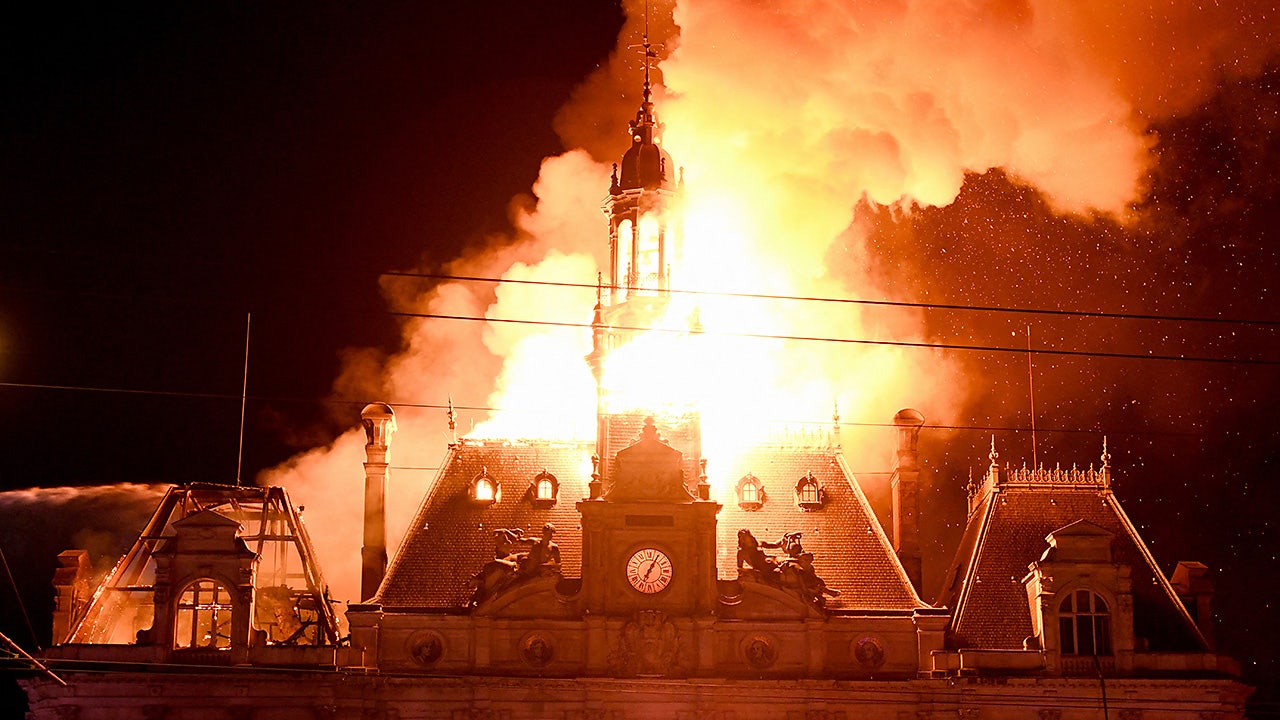
Violent riots sweeping France have exposed a far-left network of communist groups, labor unions and political activists mobilizing around student grievances, raising questions about whether similar political and immigration tensions could ignite unrest on American streets.
A Digital investigation identified 50 organizations involved in France’s student protest movement and its broader network of supporters and international amplifiers, including communist and socialist groups, labor unions and political parties.
The American parallels extend beyond political rhetoric. Digital previously reported that agitators at Delaney Hall in Newark used encrypted Signal chats to coordinate transportation, supplies and demonstrations before clashes with federal agents.
Santiago Vidal Calvo, a researcher at the Manhattan Institute, singled out New York City Mayor Zohran Mamdani, Rep. Alexandria Ocasio-Cortez, D-N.Y., and Michigan Democratic Senate candidate Abdul El-Sayed, arguing that their approaches to immigration enforcement could move the United States closer to conditions he associates with France’s crisis.
RO KHANNA SPARKS BACKLASH OVER FRANCE RIOT COMMENTS AS CRITIC SAYS HE WANTS TO ‘RIDE THE RAGE WAVE’
«I have absolutely no doubts that if we had Mamdanis or El-Sayeds or AOCs in charge of immigration policy, our immigration landscape would be very different today than what it currently is,» Calvo told Digital.
House Speaker Mike Johnson, R-La., has made a similar argument, explicitly tying France’s violence to the stakes of the 2026 midterms.
«France is descending into chaos because they wanted OPEN BORDERS — just like the socialist Democrats in America,» Johnson wrote on X. «What we are witnessing is a chilling warning for all Americans of what happens if the radical Marxist insurgent left gets their way.»
Johnson argued that a Democratic victory in November would lead to more permissive immigration policies, casting the election as a choice between the Trump administration’s immigration crackdown and the approach favored by Democrats. President Donald Trump similarly posted on Truth Social that «migrants have taken over France,» urging the country to «CLOSE THE BORDERS, FAST!»
The immigration debate is also playing out directly in the 2026 midterms. In Michigan’s closely watched Senate race, Democratic nominee Abdul El-Sayed has made abolishing ICE a campaign position, arguing that the agency cannot be reformed. His Republican opponent, Mike Rogers, has sought to portray El-Sayed as an ideological extremist as the two compete for a seat that could help determine control of the Senate.
In New York City, Mamdani signed a February executive order reinforcing sanctuary protections and restricting federal immigration enforcement on city property without a judicial warrant. Both Mamdani and El-Sayed frame their policies as safeguards against abusive enforcement, while critics warn they could weaken immigration controls.
The unrest began with students protesting conditions in France’s education system before labor unions, political activists and groups with separate grievances joined the movement. Digital’s investigation found that 15 of the 50 organizations identified in the broader network were student or youth groups.
Andrew Arthur, a former immigration judge and fellow at the Center for Immigration Studies, described a convergence of frustrations over school funding, rising costs, France’s stagnant economy and longstanding tensions surrounding immigration and assimilation.
FRANCE IS DEVOURING ITSELF AS SCHOOL RIOTS REVEAL A CRISIS FAR BIGGER THAN BROKEN CLASSROOMS
«You’ve got the simple educational one which is partially economic, you’ve got the larger economic one and on top of that you have the assimilation issue,» Arthur said.
But Arthur expressed skepticism that the United States would experience nationwide riots on the same scale, pointing to differences in immigration patterns and assimilation.
«Now can we see mass protests like this in the United States? I don’t think so,» Arthur said, noting that protests over urban ICE operations have not escalated into a comparable nationwide movement.
Nathalie Szerman, a Europe-based researcher with the Middle East Media Research Institute (MEMRI), pointed to another potential factor: The demonstrations intensified around the 65th anniversary of the Oct. 17, 1961, massacre of Algerian demonstrators by Paris police.
«October 17 is a very symbolic date for the Algerian-ethnic groups,» Szerman told Digital, describing demonstrators memorializing a deadly 1961 crackdown by Paris police on Algerian demonstrators.
«The first protest groups were not ideologically aligned with ‘political Islam’ but were students from immigrant suburbs, driven by education concerns. Agenda-driven, organized ‘Political Muslim’ groups used the momentum of the protests for their own ends,» Szerman said.
«It’s a lot of things together, the resentment towards France and the political agenda,» she said.
Alan Mendoza, executive director of the U.K.’s Henry Jackson Society — named for the late Washington Sen. Scoop Jackson — argued that the far-left movement led by Jean-Luc Mélenchon helped encourage broader mobilization ahead of France’s next presidential election.
Prime Minister Sébastien Lecornu blamed Mélenchon and his party for the unrest, according to Le Monde, while Mélenchon fired back after Lecornu demanded that LFI «choose a side» between France and the rioters — calling the either-or «detestable.»
Mendoza warned that similar political tensions could surface in America, citing backlash against socialist New York Mayor Zohran Mamdani from anti-Israel activists who had previously supported him.
«What was interesting was the sight of him being turned on by the pro-Palestinian protesters the other day, when he was acknowledging October the 7th, the loss of human life on his radio site, he was turned on by the very hard left people who had helped propel him to power,» Mendoza said.
«What that shows you is that it is very real a possibility at the hard left who are never satisfied and actually want chaos more than anything else,» Mendoza added.
Arthur said France’s far left can openly champion expansive immigration policies, while American Democrats face a different political reality: They cannot publicly embrace open borders without risking backlash, he argued, pointing to the Biden administration’s tendency to portray illegal immigration as a problem it could not control rather than a policy it actively supported.
«Riot is to France what football is to the United States,» said Arthur.
Szerman, however, said comparable unrest was possible despite differences between the two countries.
«I definitely think that what’s happening in France could happen in the United States,» she said, while noting that the more accommodating U.S. education system and different approach to immigrant integration could reduce the severity of any such violence, making a French-style nationwide crisis less likely.
Calvo, meanwhile, warned that adopting more expansive immigration policies without adequate screening and integration safeguards could create pressures similar to those he believes contributed to France’s unrest.
SIGN UP TO GET THE POLITICS NEWSLETTER
«France is in this mess because of the horrible policies they had in immigration over the last years,» he said, warning that importing similar approaches could bring unrest to American communities.
Digital reached out to Mamdani, El-Sayed and Ocasio-Cortez for comment.
Digital’s Ashely DiMella contributed to this report.
france, world protests, algeria, demographics, politics, immigration, illegal immigrants
INTERNACIONAL
Economía de Panamá crece 7.36% en agosto, pero el avance no se refleja por igual en el empleo
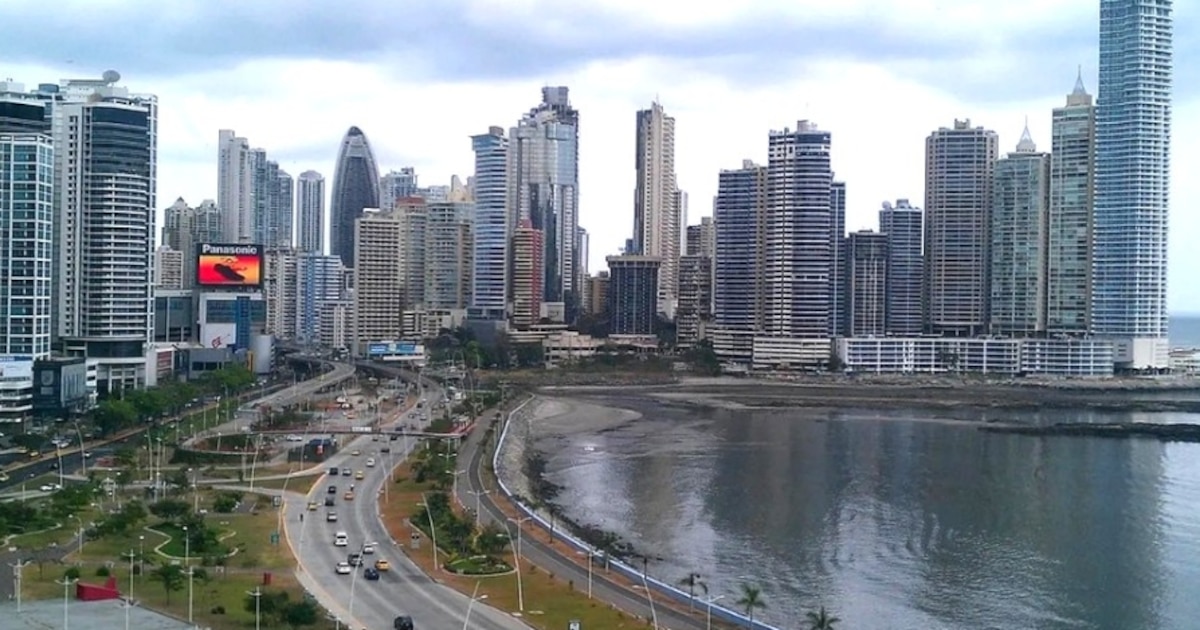
La economía panameña creció 7.36% en agosto de 2026, una aceleración frente al 1.61% registrado en el mismo mes del año anterior. El resultado refleja un mayor dinamismo del comercio, el transporte y los servicios, aunque la construcción continuó mostrando señales de debilidad, según las cifras del Instituto Nacional de Estadística y Censo (INEC).
El Índice Mensual de Actividad Económica (IMAE) acumuló un crecimiento de 6.07% entre enero y agosto, frente al 4.24% del mismo período de 2025. La tendencia ciclo, que permite observar la evolución económica con menos fluctuaciones mensuales, registró una expansión interanual de 7.11%, confirmando la aceleración observada durante los últimos meses.
El IMAE es un indicador que permite medir mensualmente la evolución de la producción de bienes y servicios en distintas actividades económicas. Se utiliza para identificar cambios en el ritmo de crecimiento antes de conocer las cifras trimestrales del producto interno bruto (PIB), aunque no mide directamente la generación de puestos de trabajo.
La aceleración se hizo más evidente durante el segundo trimestre. En junio, el indicador creció 8.23% y en julio alcanzó 8.49%, antes de moderarse a 7.36% en agosto. Estas variaciones contrastan con los primeros meses del año, cuando los aumentos oscilaron entre 4.13% y 5.96%, mostrando una recuperación de la actividad económica respecto a 2025.
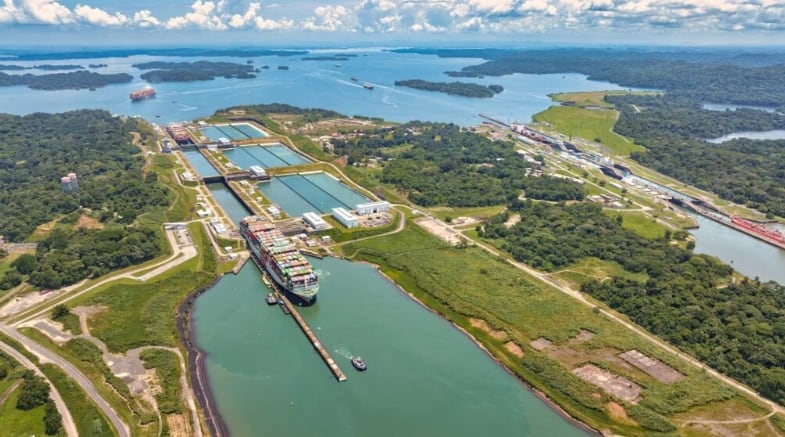
El comercio figuró entre los principales motores del crecimiento, impulsado por las ventas mayoristas y minoristas. También aumentaron las reexportaciones desde la Zona Libre de Colón y las ventas de combustible nacional, actividades que contribuyeron al desempeño positivo del sector y reflejaron un mayor movimiento de mercancías dentro y fuera del país.
En transporte y logística, el Canal de Panamá registró resultados favorables en ingresos por peajes y toneladas netas transportadas. A ese comportamiento se sumaron el transporte aéreo y el movimiento de contenedores del sistema portuario nacional, sectores vinculados con la conectividad internacional y los servicios de comercio exterior.
La industria manufacturera también avanzó, apoyada en el procesamiento de ganado porcino y vacuno, productos lácteos y cerveza. Los hoteles y restaurantes registraron mayor actividad por la llegada de visitantes, que favoreció la ocupación hotelera y el consumo gastronómico, mientras los servicios turísticos contribuyeron al crecimiento de agosto.
El sector agropecuario mostró resultados positivos en la cría de ganado y el cultivo de frutas, particularmente banano para exportación. También aumentaron las actividades financieras, respaldadas por depósitos, crédito y primas de seguros, junto con los servicios de entretenimiento y el consumo de electricidad y agua.

No todas las actividades compartieron esa evolución. La construcción registró una contracción asociada con menores permisos para edificaciones, ampliaciones y reparaciones, además de una reducción en la producción de concreto premezclado y cemento gris.
Estos indicadores muestran una debilidad persistente en uno de los sectores tradicionalmente importantes para el empleo.
También retrocedieron la pesca destinada a exportación, particularmente pescado, filetes y camarones refrigerados o congelados. El informe identificó disminuciones en la generación hidroeléctrica, las ventas de gasolina de 95 octanos y el procesamiento de carne de pollo, pese al resultado positivo de la actividad económica en su conjunto.
La comparación con el mercado laboral muestra una diferencia importante entre el crecimiento económico y la calidad del empleo. Según la Encuesta de Mercado Laboral de agosto de 2026, la población ocupada llegó a aproximadamente 2.05 millones de personas, 77,231 más que en septiembre de 2025, mientras la tasa de desempleo disminuyó de 10.4% a 8.5%.

Sin embargo, el avance de actividades como comercio, hoteles, restaurantes e industria no garantiza mejores condiciones laborales. La encuesta muestra que la proporción de ocupados plenos disminuyó de 55.4% a 46.2%, mientras aumentó el subempleo por insuficiencia de ingresos.
Esto significa que una economía puede producir más sin mejorar proporcionalmente la remuneración de sus trabajadores.
En comercio, por ejemplo, las personas que trabajaban al menos 40 horas semanales por ingresos inferiores al salario mínimo aumentaron de 43,287 a 102,265. En hoteles y restaurantes pasaron de 10,184 a 35,812, mientras en manufactura subieron de 14,821 a 31,781. Estas cifras muestran que varias actividades dinámicas también enfrentan problemas de calidad del empleo.
La construcción presenta una situación distinta, porque sus indicadores productivos retrocedieron durante agosto, pese a que continúa figurando entre las actividades con mayor cantidad de trabajadores.
Esta diferencia confirma que el tamaño de una rama económica no necesariamente determina su crecimiento reciente, mientras la evolución de la producción y la contratación puede responder a períodos diferentes.
En conjunto, los resultados del IMAE muestran una aceleración de la actividad económica panameña, impulsada principalmente por el comercio, la logística y los servicios. Sin embargo, la comparación laboral evidencia que el crecimiento todavía convive con problemas de remuneración, subempleo y debilidad en la construcción, factores que condicionan sus beneficios para la población.
hombre , trabajando,wage and pension

Javier Milei y sus medidas, en vivo: el presidente llamó a Lula “zurdo ladrón” días antes del balotaje en Brasil

University president sounds alarm as nearly half of students justify violence to stop ‘hate speech’

Tenía una maestría en Harvard y le tendieron una trampa que le cambió la vida: la historia de Álvaro Martín, la voz de la NBA

Francia instala cámaras a los árbitros para reducir la violencia en el fútbol

La longevidad es femenina y eso transformará la economía

La indirecta de Luck Ra a La Joaqui al anunciar su nueva canción: «El que se la queda pierde»

Alerta roja en Sudamérica por el Súper Niño: cambio climático, inundaciones extremas y el hallazgo de microplásticos y metales en el granizo

El Gobierno pone en marcha un nuevo plan de retiros voluntarios y busca que haya 20.000 empleados menos en el Estado

“Feliz día a la mejor mamá del mundo”: el doble gesto del Chato Prada con Lourdes Sánchez y la reacción de ella

De cara al debate por el endeudamiento familiar, el Gobierno sostiene un discurso duro y considera que funciona para la imagen de Milei

 CLIMA2 días ago
Alerta roja en Sudamérica por el Súper Niño: cambio climático, inundaciones extremas y el hallazgo de microplásticos y metales en el granizo
- POLITICA1 día ago
El Gobierno pone en marcha un nuevo plan de retiros voluntarios y busca que haya 20.000 empleados menos en el Estado
- CHIMENTOS3 días ago
“Feliz día a la mejor mamá del mundo”: el doble gesto del Chato Prada con Lourdes Sánchez y la reacción de ella