INTERNACIONAL
US will mediate upcoming Ukraine-Russia talks in Abu Dhabi, Witkoff says

Putin agrees to resume peace talks as Zelenskyy signals openness to ‘freeze’ front lines
Negotiations to end the war could resume after Russian President Vladimir Putin met with U.S. envoy Steve Witkoff. Ukrainian President Volodymyr Zelenskyy tells Brian Kilmeade he is open to freezing front lines in exchange for security guarantees. American Military Project director Will Thibeau provides his analysis on the developments during ‘Fox & Friends First.’
NEWYou can now listen to Fox News articles!
U.S. officials will mediate a new round of talks between Ukraine and Russia next week with the goal of delivering «lasting security for generations to come,» U.S. Special Envoy Steve Witkoff said on Monday.
Witkoff said the U.S.-mediated negotiations will be held on Nov. 10 and 11 in Abu Dhabi in the United Arab Emirates.
«The United States will mediate working-level negotiations between Ukraine and Russia on November 10–11 in Abu Dhabi, advancing President Trump’s mission to end the war. Discussions will focus on post-war security arrangements, de-escalation, humanitarian efforts, and next steps toward peace,» Witkoff wrote on X.
INSIDE MELANIA TRUMP’S SECRET DIPLOMATIC ROLE IN THE RUSSIA-UKRAINE CEASEFIRE DEAL
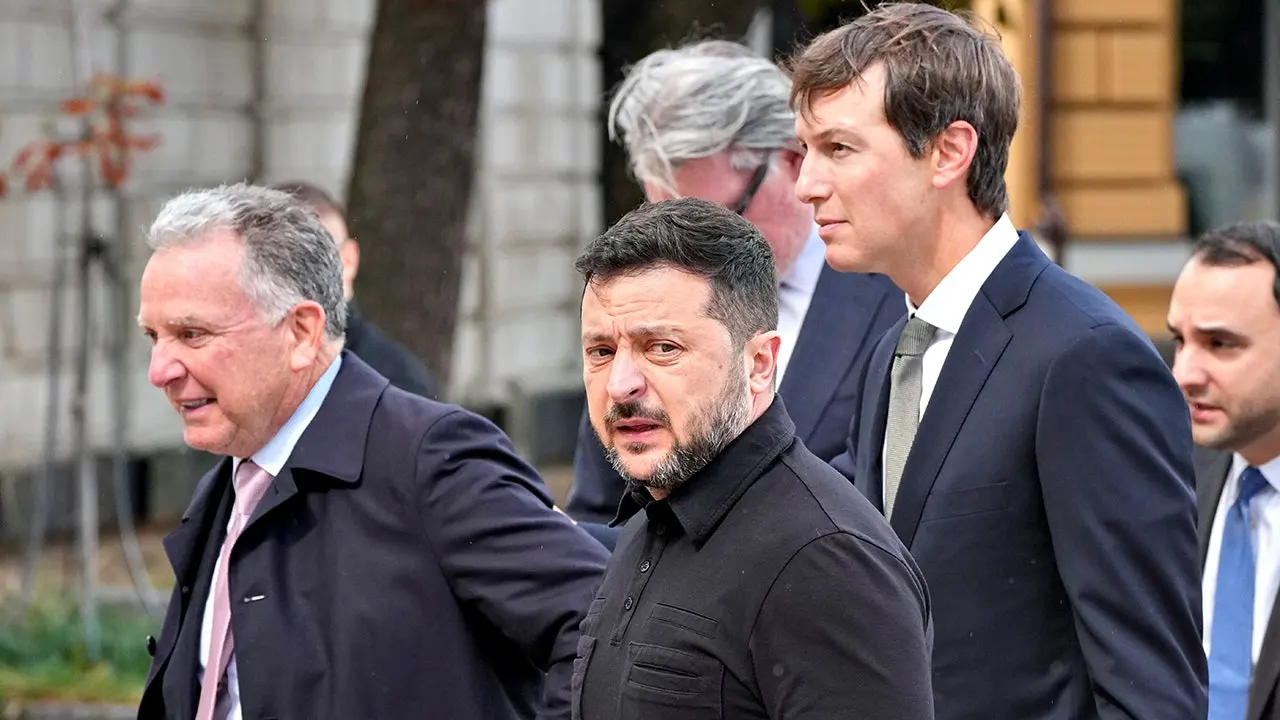
U.S. officials will mediate peace talks between Ukraine and Russia next week. (AP Photo/Efrem Lukatsky)
Ahead of next week’s peace talks, U.S. negotiators will meet this week in Brussels with representatives from France, Germany, the United Kingdom, the EU and NATO.
«Additionally, American negotiators will meet this week in Brussels with representatives from France, Germany, the United Kingdom, the EU, and NATO to discuss security guarantees for Ukraine, Europe’s post-war security architecture, and economic opportunities to support Ukraine’s reconstruction,» Witkoff said.
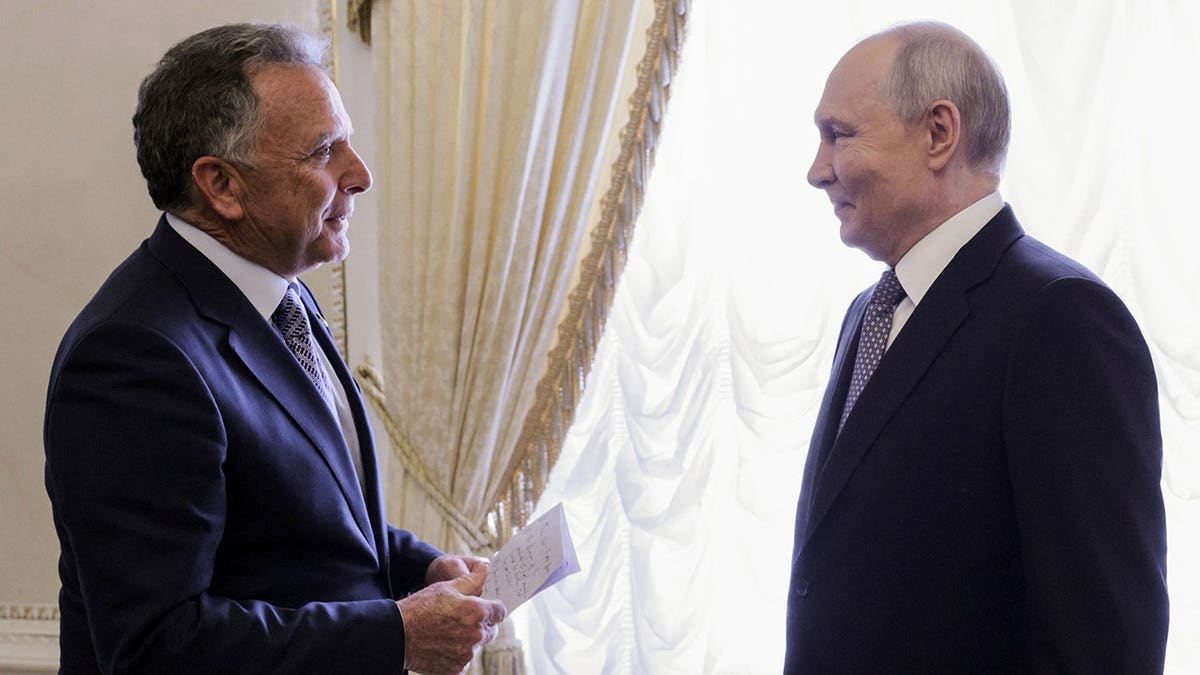
The negotiations will be held on Nov. 10 and 11 in Abu Dhabi in the United Arab Emirates. (Gavriil Grigorov/Pool Sputnik Kremlin via AP)
The push by the U.S. government builds upon earlier diplomatic discussions held in Kyiv, Oslo and St. Petersburg, as the Trump administration continues efforts to broker an end to the war following Russia’s full-scale invasion of Ukraine in February 2022.
«We look forward to building on the progress made in Kyiv, Oslo, and St. Petersburg toward a comprehensive, durable peace agreement that delivers lasting security for generations to come,» Witkoff said.
TRUMP NEGOTIATORS WITKOFF, KUSHNER MEET WITH PUTIN IN MOSCOW AS US PUSHES FOR END TO RUSSIA-UKRAINE WAR
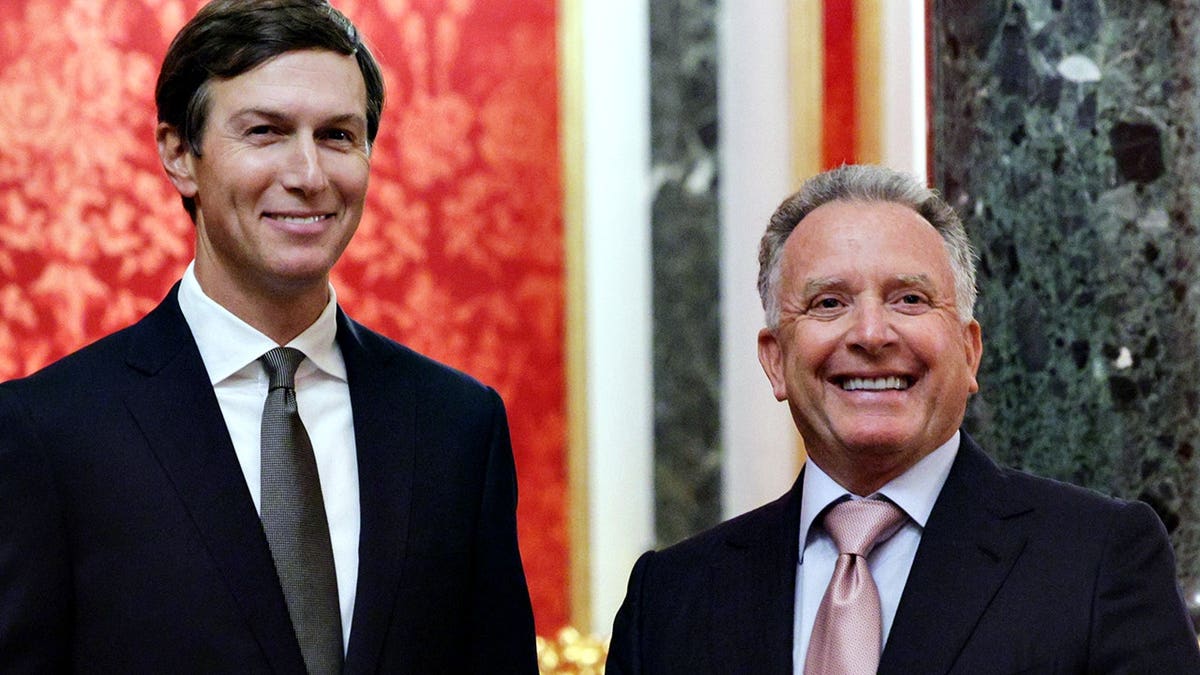
The push by the U.S. government builds upon earlier diplomatic discussions held in Kyiv, Oslo and St. Petersburg. (Gavriil Grigorov/Sputnik/Kremlin Pool Photo via AP)
This comes after President Donald Trump said last month that efforts to resolve the war were «maybe now the closest we’ve been,» adding that he believed both sides wanted an end to the conflict after years of fighting and heavy casualties.
ukraine, russia, peacekeeping, world, conflicts, donald trump







In the World Cup, they play overtime, then rely on penalty kicks to settle ties.
The National Hockey League plays a short overtime, followed by a shootout. NHL games used to end in ties. In the playoffs, the teams keep going – until there’s a winner. In the 2020 playoffs, the Tampa Bay Lightning finally topped the Columbus Blue Jackets 3-2 after a staggering five overtimes. In other words. They played nearly THREE total games. That’s the equivalent of 26 innings in baseball.
Speaking of Major League Baseball, teams play extra innings. And keep playing until one team is ahead and the home team has completed an at-bat in the bottom of the inning. MLB modified its rules a few years ago, introducing a «ghost runner» on second base to start the 10th inning. That’s an effort to end the tie and finish the game sooner.
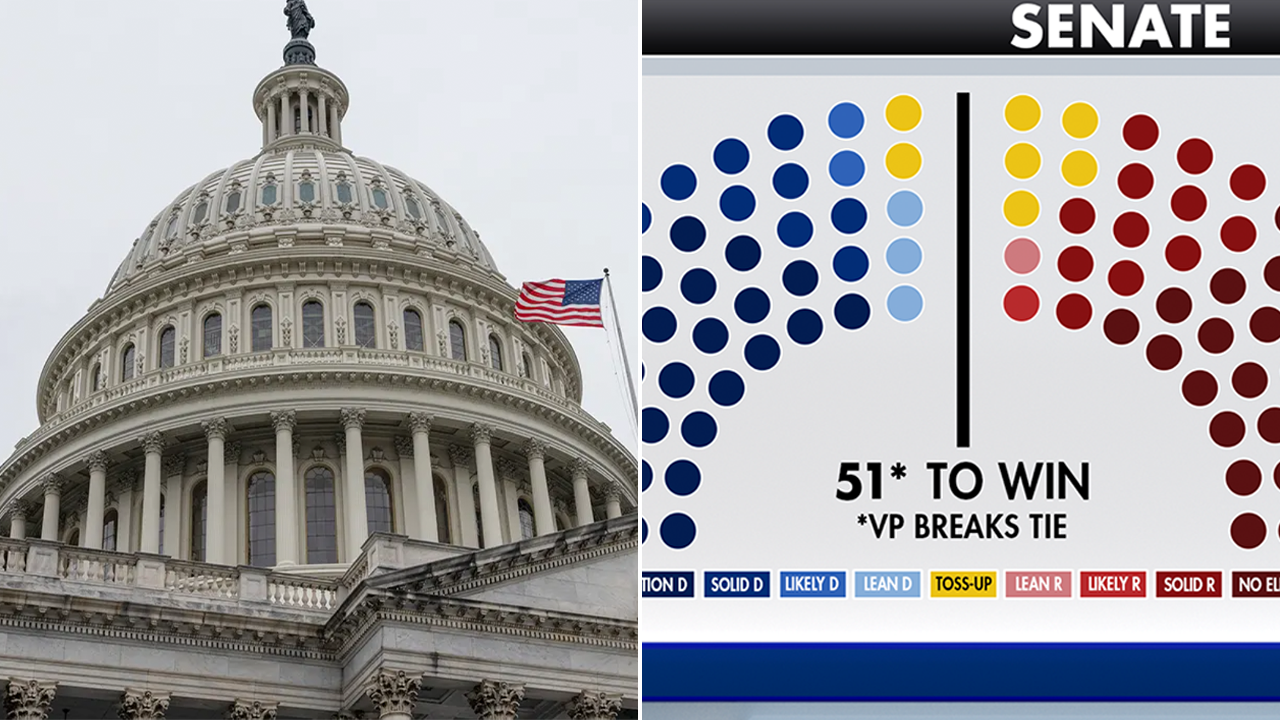
If only there were a method to settle a tie in the U.S. Senate.
THE NINE KEY RACES THAT WILL DECIDE WHO CONTROLS THE SENATE, AND WHERE THEY STAND
Yes. In the case of a tie roll call vote, the vice president — who doubles as president of the Senate – can vote to break a tie vote. In fact, the VP doesn’t even have to cast a ballot if it’s a tie and the roll call vote is going the way he or she wants. By rule, tie votes go down to defeat in the Senate.
But what if we wake up Wednesday morning (if not Friday or Saturday morning or sometime in early December, depending on how hotly contested things are) to discover that the Senate is tied at 50-50?
There is nothing in the Senate’s 44 standing rules which serves as a tiebreaker. The Founders didn’t provide a system to bust up a tie and determine which side is in the majority or minority. And no, it’s not written down anywhere that the party of the President is automatically thrust into the majority.
Maybe soccer is on to something with penalty kicks. At least there’s a system. There’s nothing concrete to sort out which party controls the Senate if things are deadlocked at 50-50.
There was a tie was a Senate tie in 1881 after resignations and political maneuvering. The Senate was also tied for a period in 1954. Nearly ten percent of all senators died during the two-year Congress which stretched from early 1953 to early 1955.
However, the Senate featured two ties in recent Senate history. Both instances reflect what the Senate did to sort out which party captured the majority. One tie came after the 2000 election. The other in 2020. Both elections took a while to sort things out.
In 2026, Alaska, we’re looking at you.
It took until early December, 2000 to determine that Sen. Maria Cantwell, D-Wash., defeated then-Sen. Slade Gorton, R-Wash., establishing a 50-50 Senate.
In fact, the tie for the Senate from the 2020 election wasn’t even established until two days into the new Congress on January 6, 2021. Yes. That was the day of the Capitol riot. Sens. Jon Ossoff, D-Ga., and Raphael Warnock, D-Ga., both won runoffs to set the 50-50 split.
In early December, 2000, the Supreme Court finally settled the Florida election dispute between President George W. Bush and Vice President Al Gore. Republicans had held the Senate. But then Senate Majority Leader Trent Lott, R-Miss., and Senate Minority Leader Tom Daschle, D-S.D., engineered a power-sharing agreement between the parties. This aligned with the election of Vice President Dick Cheney.
Lott would serve as the Majority Leader and the GOP technically had the «majority.» But the bipartisan pact granted Daschle some special floor powers. Republicans chaired each committee. However, there was equal representation by both parties on each panel.
The full Senate had to ratify this agreement. And it did just that.
Such a process is subject to two filibusters requiring 60 yeas. One to bring up the proposal for debate. Another to terminate the debate. Then a simple majority to pass it. But none of that was a problem. The Senate greenlighted it with all 100 senators signing on.
Why such smooth sailing?
Republicans feared Democrats would stall the agenda of President George W. Bush. So they got on board. Democrats agreed because they knew they were kinda, sorta in the majority. Otherwise, they were relegated to an outright minority.
Former Senate Republican Leader Mitch McConnell, R-Ky., was well aware of those same dynamics in 2001. He insisted that Senate Democratic Leader Chuck Schumer, D-N.Y., propound – word-for-word – the same accord in 2021 which Lott and Daschle hammered out.
Which brings us to a potential tie in 2027. Is there the political will in the Senate – let alone the votes – to agree to such a compact? President Trump is still president. And Vice President JD Vance is still President of the Senate. What would they say about that? Unclear.
The Senate isn’t compelled to present a dedicated «majority» or «minority.» The concept of a «Majority Leader» is relatively new – only dating back to the early 20th Century. The Senate is a body of «equals.» Thus, the Founders didn’t expect one senator to wield operational control of the Senate. You won’t find the words «Majority Leader» anywhere in the Constitution. Just Speaker of the House and President of the Senate.
If there’s a 50-50 Senate and an impasse, could Vance suddenly have more power? Maybe. As President of the Senate, he can’t debate. He can only preside over the body and break ties. Moreover, would Vance even want to assert more authority? It’s unclear what that could be. And what would all of this do to his plans to run for president in 2028?
EVERYTHING TO KNOW ABOUT HOUSE AND SENATE CONTROL, BALLOT MEASURES AND 2026 ELECTION DAY POLL CLOSING
In fact, a deadlocked Senate with no power sharing agreement could potentially hamstring Vance. It wasn’t that long ago that the Vice President spent much of his time presiding over daily Senate debates. But not anymore. If there’s no set majority, those responsibilities either fall to Vance, current Senate President Pro Tempore Sen. Chuck Grassley, R-Iowa, or the possible Democratic Senate President Pro Tempore Sen. Patty Murray, D-Wash. The latter two are the most senior senators from their respective parties. The President Pro Tempore is third in line to the presidency, following the Vice President and House Speaker. A power sharing agreement is what helps determine who presides over the Senate. Otherwise, Vance may be moored in the Senate.
So there is precedent for settling a «tie» in the Senate. But it hinges on the political will of senators. And if there are disputes about seating Members – say the Alaska Senate race or another contest becomes a conflagration – one can anticipate a toxic climate on Capitol Hill. Few may be willing to sign on to anything.
The Senate relies a lot on history and precedent to do things. But absent political will, senators may just resort to rock, paper, scissors.
Or maybe, penalty kicks.
senate, midterm elections, donald trump, jd vance, democratic party, republicans, chuck schumer, politics
INTERNACIONAL
El Observatorio Cubano de Conflictos registra presiones a reclusos mediante la negación de medicamentos
Negar medicamentos a reclusos para forzarlos a colaborar con las autoridades o a aceptar el exilio a cambio de su libertad: esa es una de las prácticas que el Observatorio Cubano de Conflictos (OCC) documentó en Cuba durante octubre.
El hallazgo forma parte de un informe mensual que describe un país atravesado por la inseguridad, los cortes de electricidad y agua, y la represión contra la disidencia.
El OCC registró 85 actos represivos durante octubre, entre los que se destacaron el confinamiento en celdas de castigo, la incomunicación y las presiones gubernamentales para que presos políticos acepten salir de la isla como condición para recuperar su libertad.
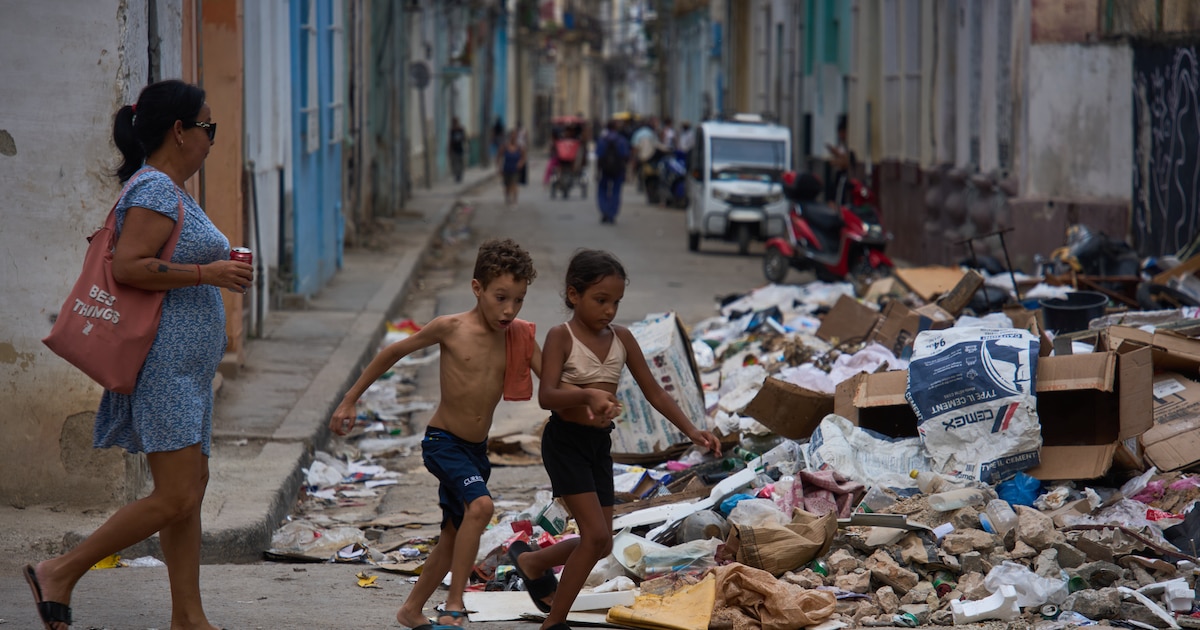
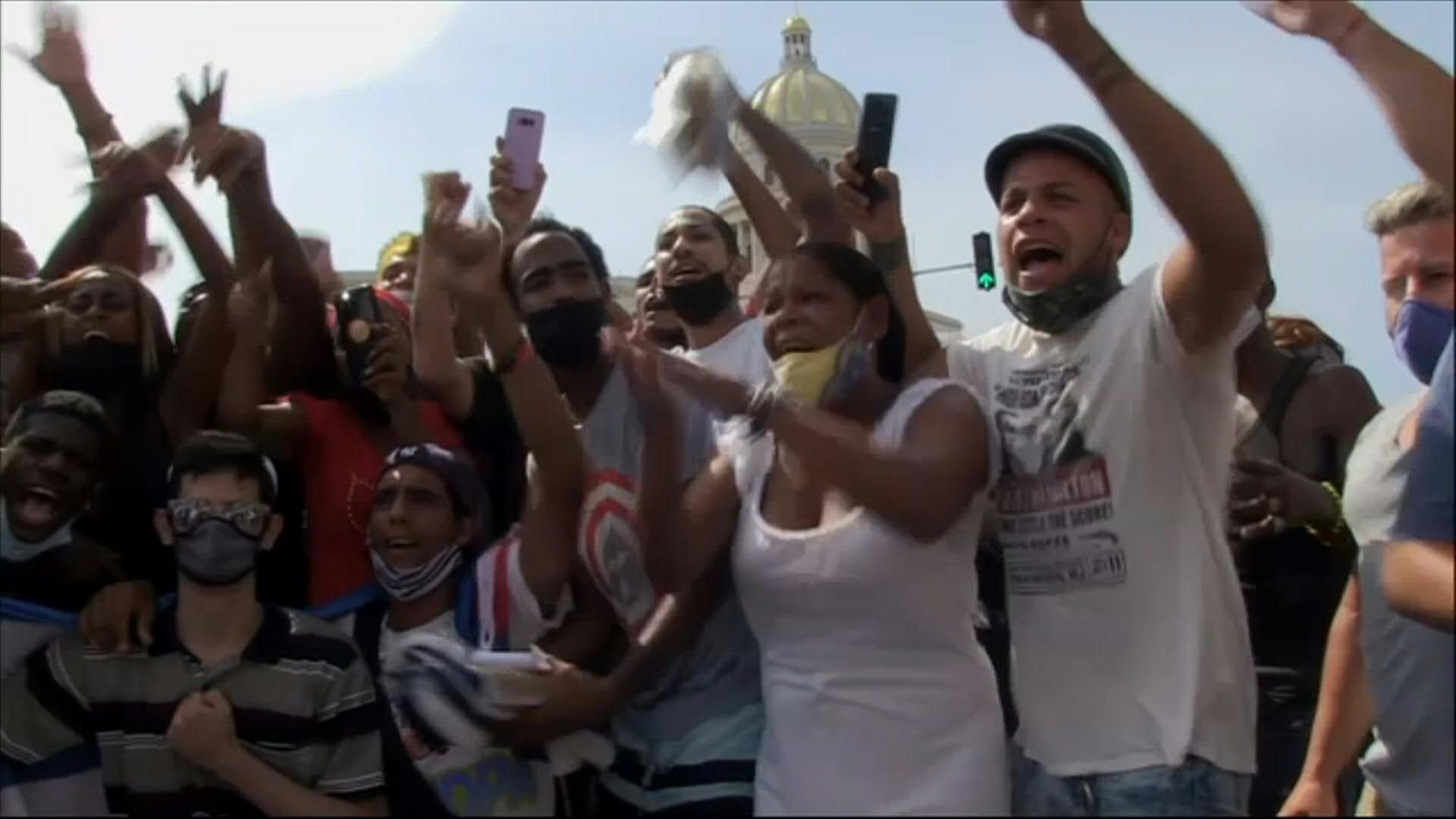
La organización relevó además 542 protestas, denuncias y expresiones críticas en el país, encabezadas por tercer mes consecutivo por la inseguridad ciudadana, en un contexto de apagones prolongados y escasez de agua potable que afecta a millones de cubanos.
La inseguridad ciudadana lidera las denuncias por tercer mes consecutivo
El balance de octubre reunió 119 eventos vinculados a la inseguridad, 104 relacionados con los servicios públicos y 88 catalogados como desafíos al Estado policial, de los cuales 24 fueron protestas presenciales.
Matanzas concentró el mayor número de denuncias por inseguridad, con 30 eventos, seguida de La Habana, con 22.
“Los robos, los asaltos, los homicidios y otros hechos violentos reflejan el creciente deterioro de la seguridad de los ciudadanos cubanos”, declaró a Martí Noticias Oscar Casanella, investigador de la Fundación para los Derechos Humanos en Cuba. El especialista precisó que entre los casos registrados figuran muertes por hechos violentos, incluidos feminicidios.
El total de eventos relevados cayó 18.25% respecto a septiembre, cuando se contabilizaron 663. Sin embargo, el observatorio advirtió que esa baja no implica una mejora en las condiciones de vida de la población.
El informe distingue este registro detallado de un conteo histórico con metodología propia, que se mantuvo casi sin variaciones: 1,143 incidencias en octubre frente a 1,147 en septiembre. Ambas series corresponden a universos distintos y no deben sumarse entre sí.
Apagones y falta de agua provocaron cacerolazos en varias provincias
Casanella explicó a la emisora que los cortes eléctricos, la falta de agua potable y la acumulación de basura golpean de forma simultánea a numerosas comunidades y deterioran la calidad de vida de sus habitantes.
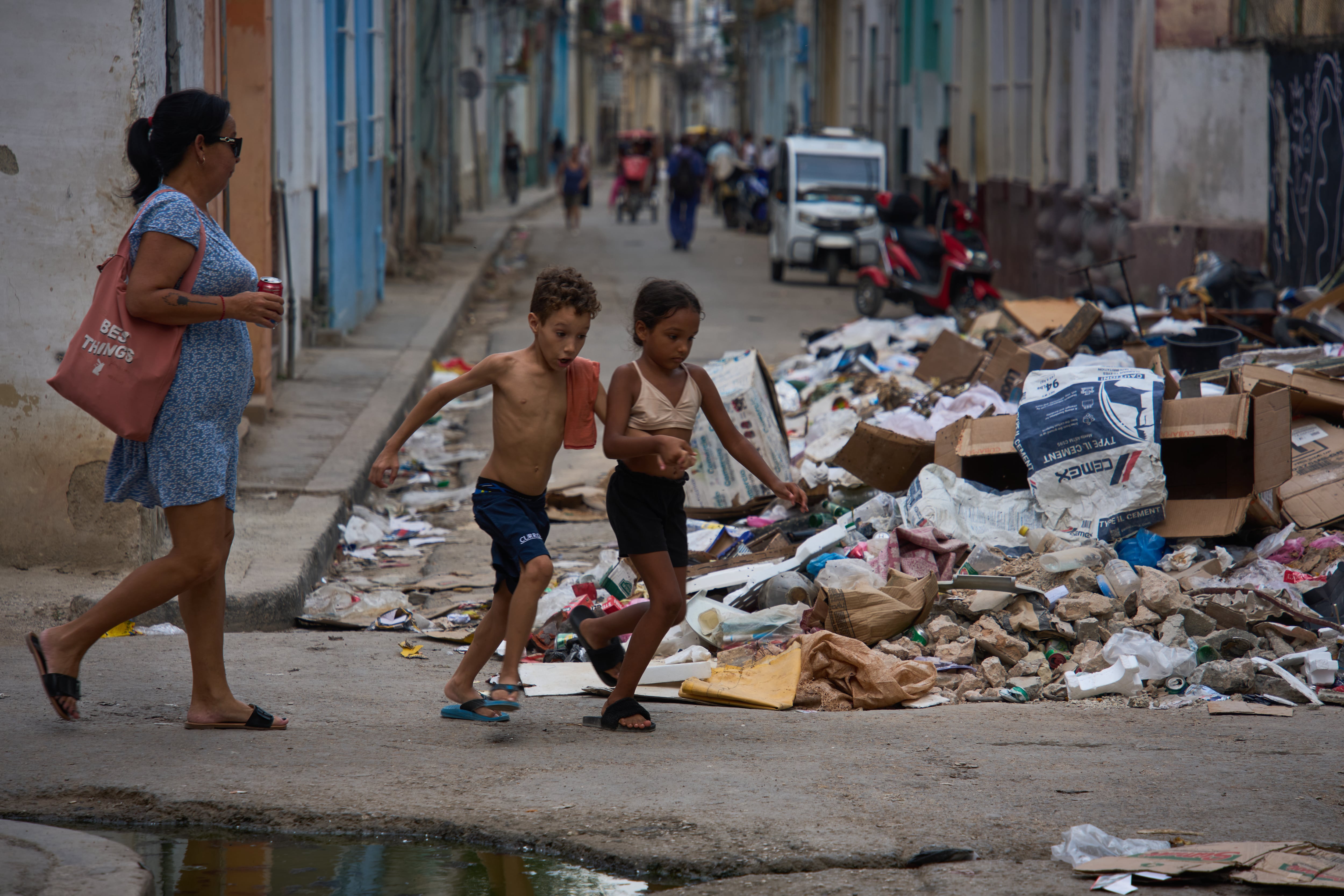
Los apagones derivaron en cacerolazos en Cabañas y en el municipio artemiseño de Mariel los días 9 y 14 de octubre. También hubo manifestaciones en Santa Rita y Jiguaní, y una protesta en La Habana, donde vecinos cerraron la Avenida de Boyeros con contenedores de basura el 30 de octubre.
Según cifras reconocidas por las autoridades y recogidas por el observatorio, unos 2.5 millones de cubanos sufrían interrupciones del suministro de agua durante octubre, de las cuales el 88% se atribuyó a problemas eléctricos.
La única categoría del registro detallado que aumentó respecto a septiembre fue la de alimentación, inflación y agricultura, con 63 eventos, siete más que el mes previo.
Reclusos políticos denuncian aislamiento y presiones para exiliarse
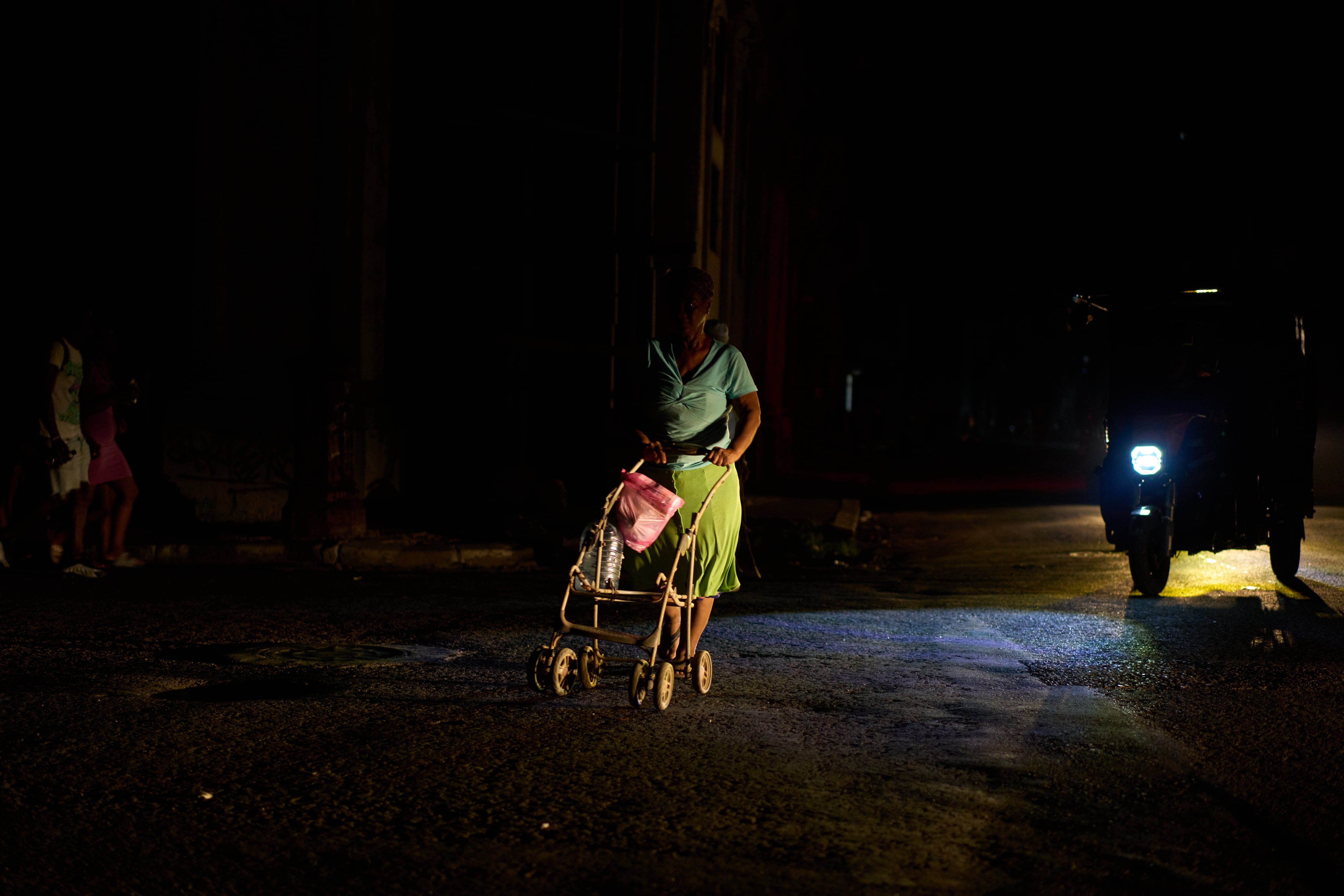
Casanella denunció ante Martí Noticias que la negación de medicamentos y tratamientos médicos a personas encarceladas, incluso cuando sus familiares intentan hacérselos llegar, se utiliza “como mecanismo para doblegarlos”. En el caso de los presos políticos, el investigador sostuvo que estas restricciones forman parte de las presiones para obtener su colaboración o forzar su salida del país.
Entre los casos documentados por el observatorio figura el de Carlos Alain Abrahantes Valdés, enviado a una celda de castigo en la prisión Kilo 7, en Camagüey, donde habría permanecido incomunicado y sin medicamentos básicos.
El reporte también menciona a Saylí Navarro Álvarez, quien afrontaba problemas digestivos sin diagnóstico adecuado en la prisión La Bellotex, en Matanzas. Por separado, recoge las denuncias de Donaida Pérez Paseiro y Loreto Hernández García sobre presiones para aceptar el exilio como condición para salir de prisión.
La organización aclaró que no en todos los casos es posible establecer que la privación de tratamiento médico responda a una orden política puntual. No obstante, remarcó que el aislamiento, las carencias médicas y las restricciones de visitas agravan la vulnerabilidad de los reclusos y de sus familias.
La crisis eléctrica se agrava en los primeros días de noviembre
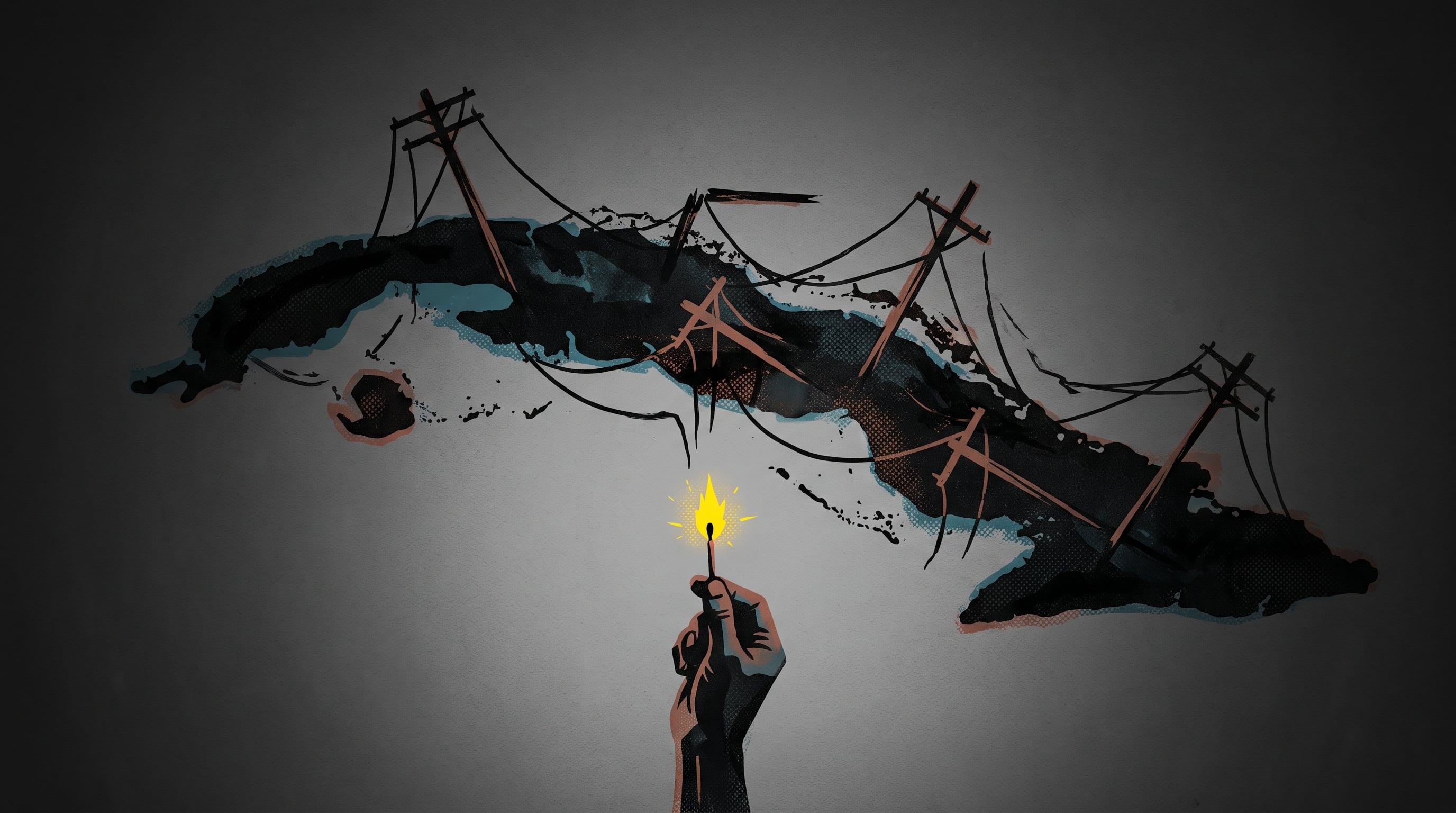
El deterioro del sistema energético que documentó el observatorio durante octubre no se detuvo con el cambio de mes. Según datos de la Unión Eléctrica difundidos por CiberCuba, portal de noticias cubano, Cuba inició noviembre con una afectación prevista de 1.965 megavatios (MW) en el horario pico, con apenas 958 MW disponibles frente a una demanda de 2.850 MW.
El cierre del 31 de octubre ya había marcado 2.022 MW de afectación, uno de varios días del mes con impactos superiores a los 2.000 MW. Entre las causas, CiberCuba citó averías en varias unidades termoeléctricas y la salida de servicio de la planta Energas Varadero por falta de lubricante.
El país acumula ocho desconexiones totales del sistema eléctrico nacional en lo que va de 2026, de acuerdo con el mismo portal.
A la crisis energética se suma el peso del encarcelamiento político. Según datos divulgados por Cubalex, organización de derechos humanos, 679 presos políticos permanecen en Cuba, de los cuales 205 residen en La Habana, la provincia con mayor concentración de casos del país.
daily life around the world,daily life around the world, in photos,in photos

El Centro de Denuncias Defensa Cuba Decide (Defensa CD) documentó 137 violaciones a la libertad religiosa en septiembre y denunció que el pastor Alián López Rodríguez ha sufrido citaciones, detenciones, vigilancia y restricciones para asistir a presos en Cabaiguán, Sancti Spíritus.
Según los datos difundidos por la organización, el régimen cubano persiguió, hostigó o detuvo de forma arbitraria a 90 personas por motivos religiosos, entre ellas 35 mujeres y 55 hombres. El reporte ubicó 50 de esos casos en La Habana, 24 en Villa Clara y 16 en Pinar del Río.
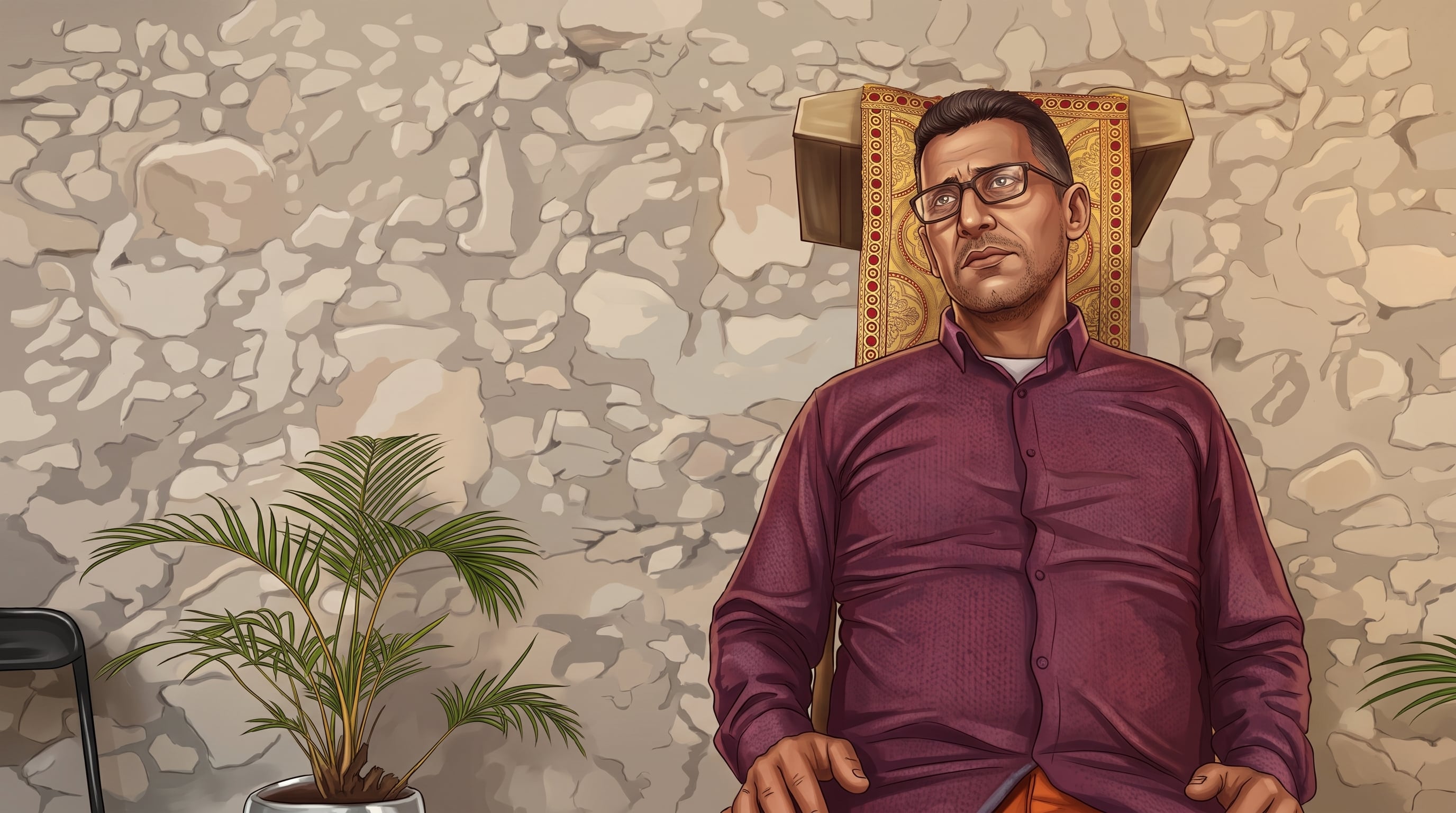
El testimonio de Alián, líder de la Iglesia Apostólica y Profética Tabernáculo de la Promesa, describe una sucesión de presiones contra él, su familia y miembros de la congregación que dirige desde 2014 en el municipio de Cabaiguán.
Alián sostuvo que agentes de la Seguridad del Estado lo convocaron mediante llamadas telefónicas bajo el argumento de una entrevista vinculada con asuntos migratorios. Dijo que se negó a asistir sin una citación escrita y que, más tarde, seis motocicletas con agentes fueron a su vivienda para trasladarlo a Sancti Spíritus.
“Me amenazaron de que me iban a meter un delito por desobediencia”, afirmó el pastor en el testimonio recogido por Defensa CD. Según su relato, los agentes le dijeron que las citaciones verbales tenían validez y le advirtieron que podrían iniciar un proceso penal en su contra.
La iglesia realizó una actividad pública y el pastor fue detenido
El religioso relató que su iglesia organizó un ayuno de 40 días y que, al finalizarlo, los feligreses realizaron una marcha y una oración pública en el paseo de Cabaiguán. Durante la actividad llevaron banderas cubanas y blancas, y expresaron peticiones por un cambio en el país, el fin de la corrupción, la violencia y la intimidación.
Alián aseguró que agentes vestidos de civil y funcionarios locales interrumpieron el acto y lo trasladaron a una unidad policial. Según su versión, integrantes de la congregación siguieron el vehículo y exigieron información sobre su paradero.
El pastor afirmó que uno de sus hijos, de 16 años, fue maltratado durante el operativo. “Lo tomaron por los pelos y por las orejas”, denunció al describir el episodio.
Tras su liberación, dijo que volvió a ser detenido y llevado a una dependencia de la Seguridad del Estado en Sancti Spíritus. Allí, según su testimonio, le exigieron que publicara una retractación en Facebook sobre la actividad religiosa. López Rodríguez sostuvo que rechazó esa petición.
“Nos dijeron que si nosotros no íbamos a irnos del país, que nos fuéramos tranquilos, que no querían hacernos daño ni meternos presos”, relató. El pastor respondió que no había cometido delito alguno y que su actividad se limitaba al ejercicio de su fe y a la defensa de personas encarceladas.
Restricciones para asistir a presos y a sus familias
El líder religioso aseguró que la presión en su contra se intensificó por su labor de acompañamiento a reclusos y familiares de presos, incluidos dos presos políticos a los que su iglesia ayuda con recursos propios.
Alián visitó a familiares de Jonathan David Muir Burgos, al activista Guillermo del Sol Pérez durante una huelga de hambre y a otras personas detenidas tras las protestas del 11 de julio de 2021. También afirmó que ofreció apoyo emocional, oración y ayuda material a internos y a sus familias.
El pastor dijo que las autoridades le prohibieron acercarse a la prisión provincial Ñico Morejón y que lo amenazaron con encarcelarlo si volvía a permanecer en los alrededores del centro penitenciario. Además, afirmó que, desde la prohibición, solo puede mantener contacto con algunos presos a través de llamadas, cartas o familiares.
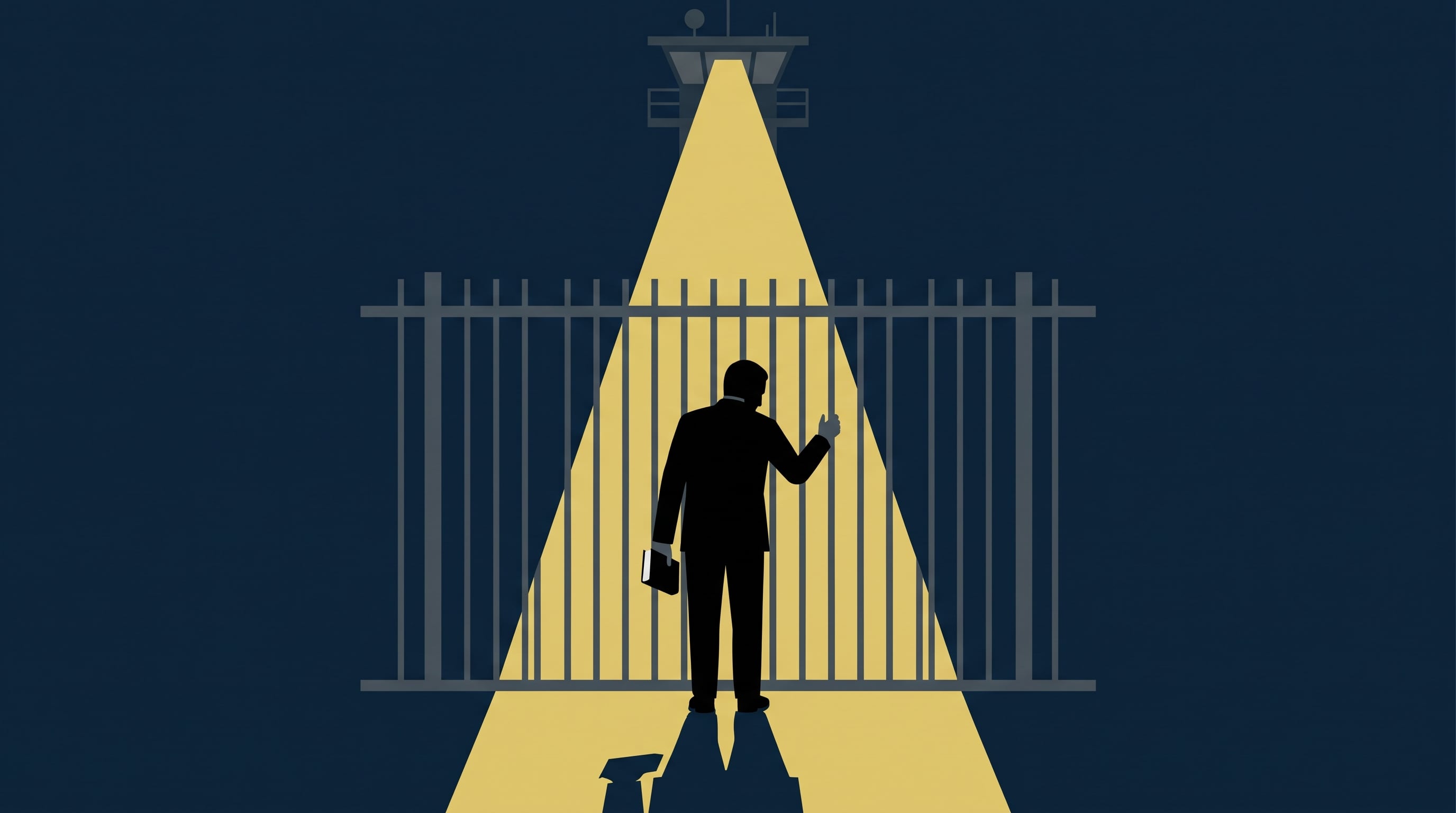
Alián aseguró que él y su familia permanecen bajo vigilancia y que agentes de la Seguridad del Estado impulsaron una campaña para desacreditarlo ante vecinos y otros líderes religiosos. Según dijo, personas vinculadas a la Seguridad del Estado lo acusaron de recibir financiamiento de Estados Unidos y de utilizar la iglesia como cobertura.
El pastor también sostuvo que recibió información sobre un supuesto plan para fabricar una causa penal en su contra. “Cualquier cosa que nos pueda pasar como pastores, a mí, a mi familia o a mi hijo, tendrán que asumir la responsabilidad”, afirmó.
El pastor aseguró que continuará al frente de su congregación y mantuvo su denuncia contra el régimen. “Queremos una Cuba libre y una Cuba de paz”, expresó.
Defensa CD advirtió además sobre un presunto patrón en el que agentes del régimen se presentarían como miembros de otros grupos de fe para provocar tensiones entre distintas comunidades religiosas.
Religion,South America / Central America,Religion / Belief

La UIF pidió la elevación a juicio del ex espía Raúl Martins por lavado de dinero de la prostitución

Revelaron por qué el voto de Messi “tuvo un enorme peso” en la ceremonia del Balón de Oro 2026

El Gobierno confirmó que Villarruel y los gobernadores ya fueron invitados al encuentro con el papa León XIV

La tildan de mala leche en su rubro, le pegó un codazo a una famosa modelo, cobra miles de dólares al mes sin hacer nada y ahora fue mamá por segunda vez

Marco Asensio, ¿de vuelta a LaLiga?

How a midterm tie gets settled in the case of the Senate

Qué pasó con el Refugio de Eli y por qué hizo enfurecer a Santi Maratea: «Fue un desastre, él nunca más le contestó y le prohibió…»

El “efecto Lula” sigue pegando en Argentina: los bonos sintieron el impacto, pero el tipo de cambio aguantó

Darío Barassi reveló el nombre que había elegido en caso de tener un hijo varón: «Tiene personalidad»

El secretario de Culto dijo que Milei recibirá al Papa en el aeropuerto y habló de una cadena nacional

 CHIMENTOS18 horas ago
Qué pasó con el Refugio de Eli y por qué hizo enfurecer a Santi Maratea: «Fue un desastre, él nunca más le contestó y le prohibió…»
- ECONOMIA2 días ago
El “efecto Lula” sigue pegando en Argentina: los bonos sintieron el impacto, pero el tipo de cambio aguantó
- POLITICA3 días ago
Milei visita Neuquén para inaugurar una iglesia evangélica: tensiones internas y señales de cara a las elecciones 2027