INTERNACIONAL
Where’s Macron? French leader blasted for attending concert as riots escalated

NEWYou can now listen to Fox News articles!
French President Emmanuel Macron is facing criticism over his decision to attend a Celine Dion concert Friday night, on the eve of nationwide demonstrations that descended into violence, leaving hundreds of emergency personnel injured and nearly 1,800 people arrested.
Macron and his wife, Brigitte, were spotted at Dion’s concert at the Plenitude Arena in Nanterre, west of Paris, according to French media reports. The couple reportedly arrived and left discreetly and were among roughly 35,000 spectators at the performance.
The concert came after Macron spent Thursday and Friday in Brussels attending a European Council meeting. During a news conference in Brussels on Friday, he called for «calm and respect» ahead of Saturday’s planned demonstrations, saying the right to protest must be exercised with respect for people and property.
By Saturday, demonstrations over rising living costs, school conditions and declining public services had escalated into clashes with police, fires, looting and attacks on public buildings in several cities.
VIOLENCE ERUPTS AT FRANCE PROTESTS AS MACRON WARNS UNREST IS BEING EXPLOITED
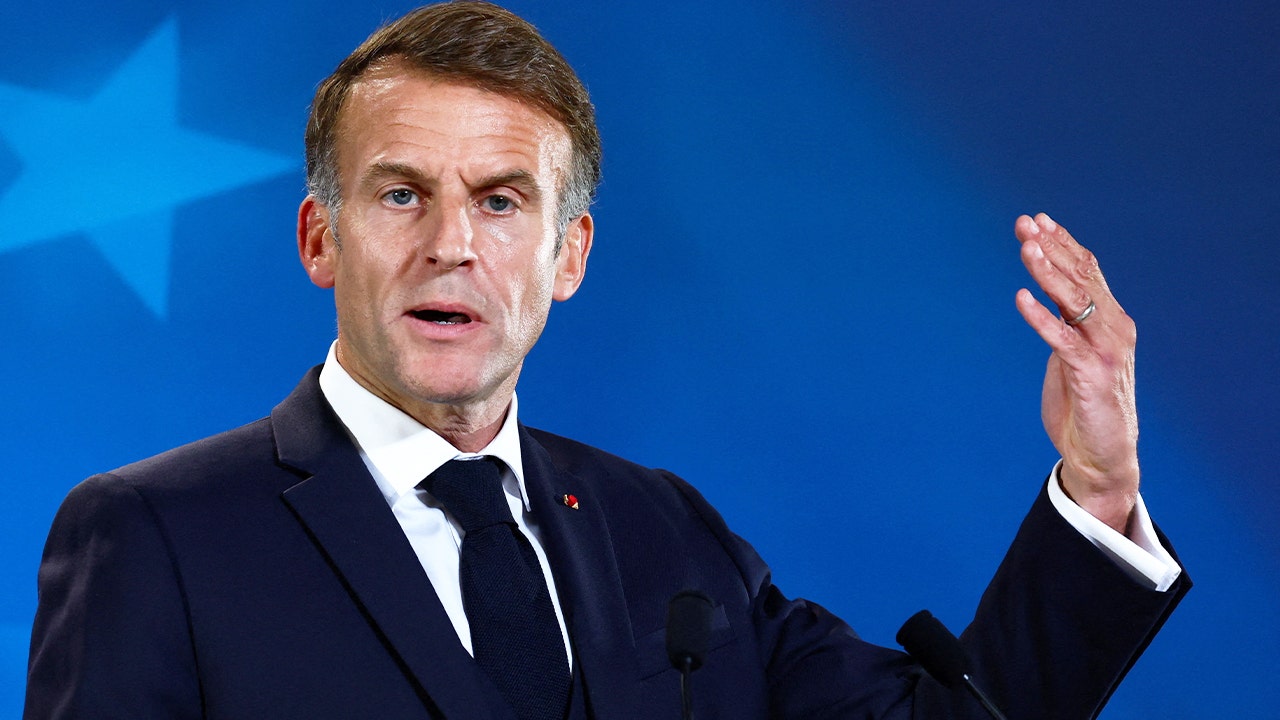
President of France Emmanuel Macron gestures as he speaks during a press conference at a European Union leaders’ summit in Brussels, Belgium, October 16, 2026. (REUTERS/Yves Herman)
French authorities said Sunday that nearly 1,800 people had been arrested nationwide, including 855 in the Paris region. More than 500 police officers, gendarmes and firefighters were injured, according to Interior Minister Laurent Nuñez. One protester died after suffering cardiac arrest during demonstrations in Paris, authorities said.
In Limoges, a fire that authorities said was deliberately set at the city hall caused significant damage to the historic building. Shops were looted in Paris, Bordeaux, Marseille, Lyon and other cities, while public buildings were vandalized or targeted by fires.
Authorities estimated that more than 550,000 people participated in demonstrations across France. Organizers put the figure at roughly 800,000.
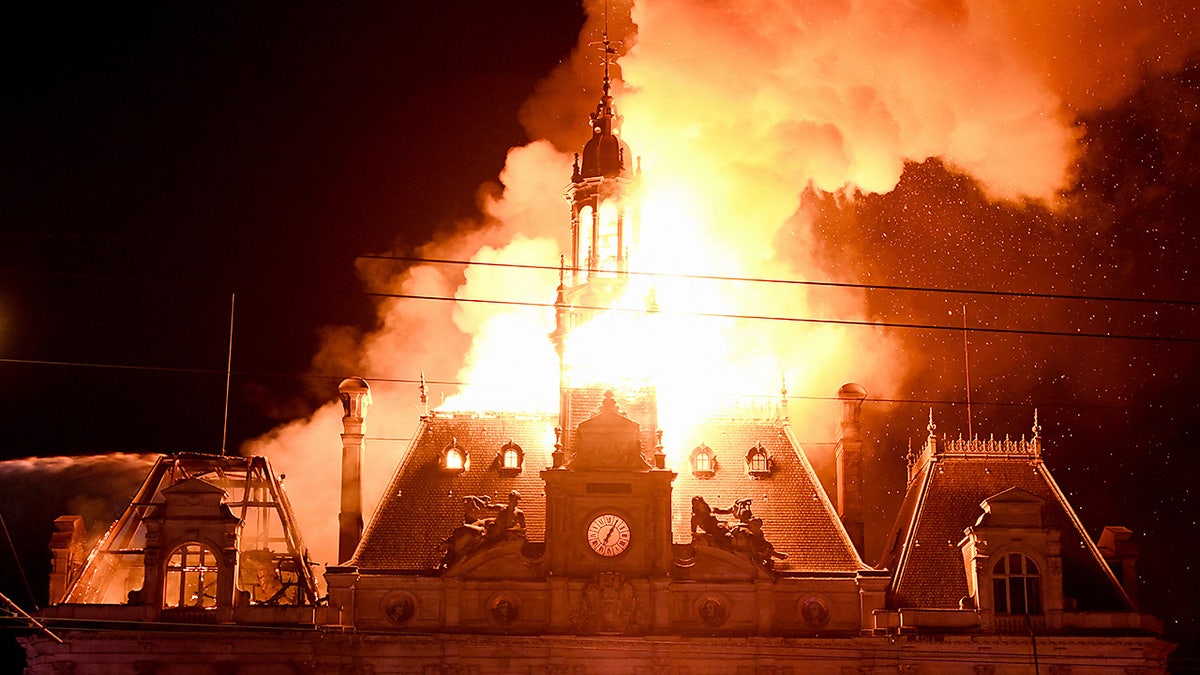
This photograph shows a fire burning and destroying the city hall after a group of individuals forced entry into the building during ongoing protest action against the «high cost of living», in Limoges, central France on October 17, 2026, (Pascal Lachenaud / AFP via Getty Images)
Macron condemned the destruction Saturday evening, writing on X that those responsible for damaging property, attacking public buildings and looting businesses would face prosecution and punishment. He also expressed support for law enforcement and warned against efforts to undermine French institutions.
His statement came after violence had spread through several major cities, raising questions about the government’s preparations for the demonstrations and its ability to contain the unrest.
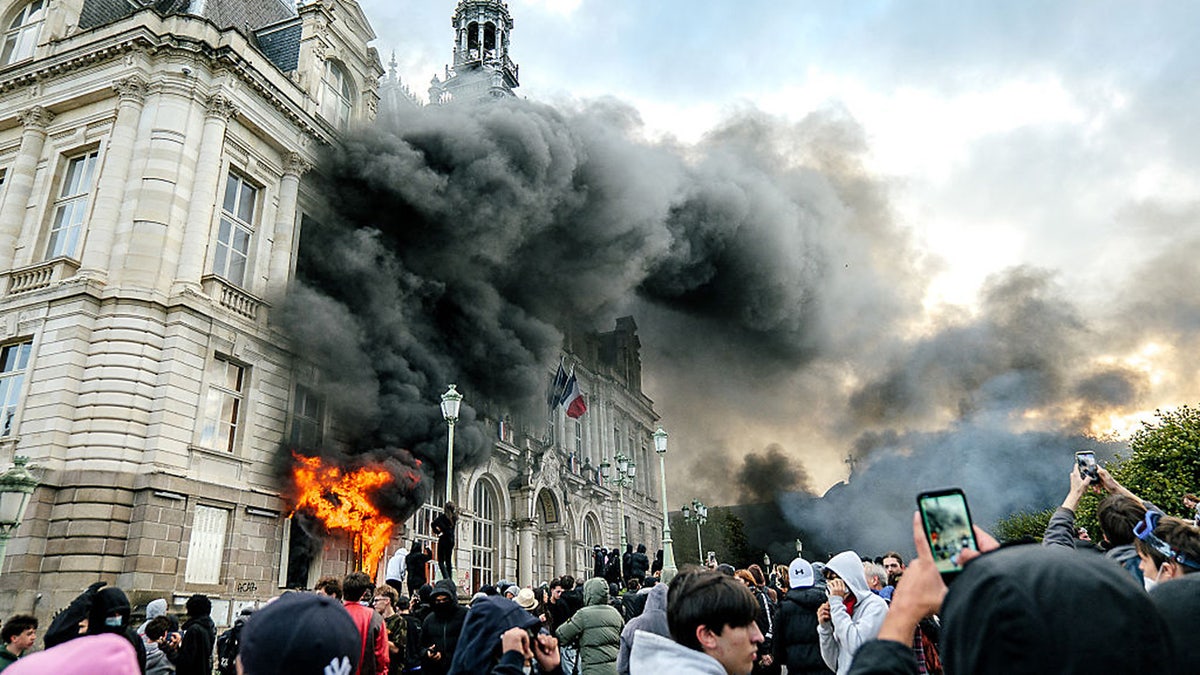
During the demonstration on 17 October in Limoges protesters set fire to the town hall in Limoges Haute-Vienne in the Nouvelle-Aquitaine region of France on 17 October 2026. (Elise Cabane / Hans Lucas / AFP via Getty Images)
The hostilities began as a month-long student movement over school conditions and teacher shortages in working-class suburbs before broadening into a larger protest movement against inequality, public spending cuts and the rising cost of living.
LIMOGES TOWN HALL ‘LARGELY LOST’ AFTER FAR-LEFT RIOTERS SET HISTORIC BUILDING ON FIRE AMID FRENCH UNREST
Government officials have blamed violent groups and looters for the destruction. Prime Minister Sébastien Lecornu attributed the unrest to the «ultra-left» and criminals, while opposition leaders criticized the government’s handling of the violence ahead of next year’s presidential election.
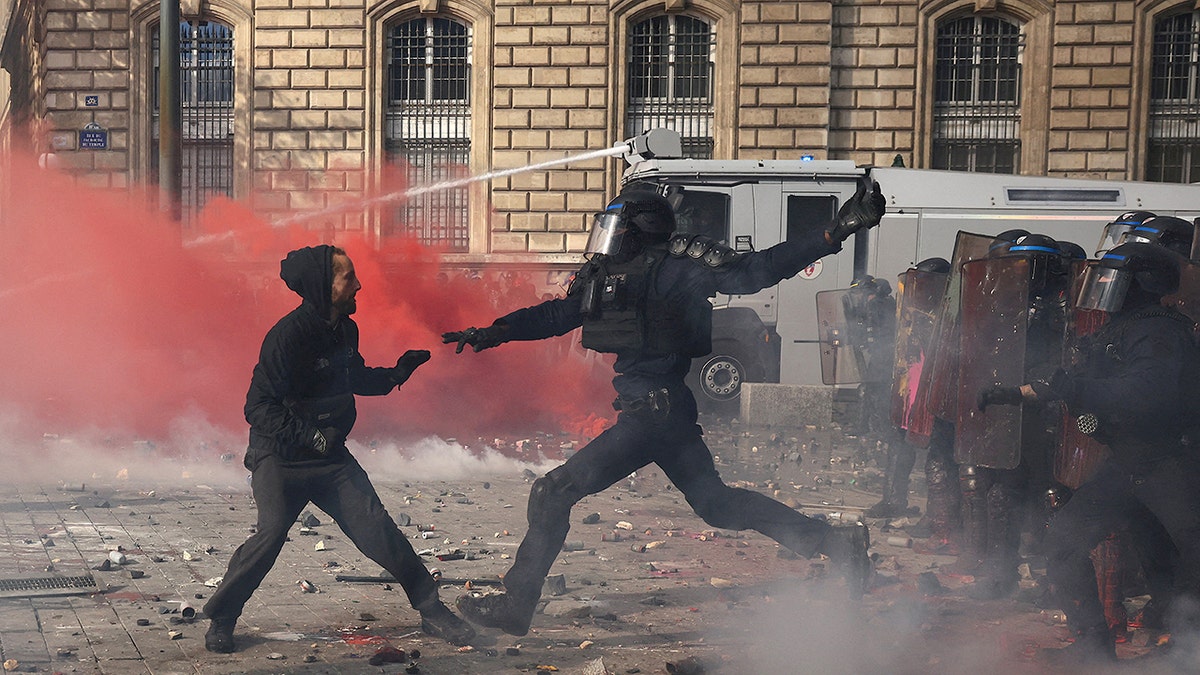
A protester faces off with French riot police amid clashes during a demonstration against the cost of living and rising fuel prices at the Place de la Republique in Paris as part of nationwide protests called by the «Yellow Vests» movement, joined by French high school and university students, teachers and parents demanding better school conditions and government action, as well as labour unions, workers, farmers and retirees, France, Oct. 17, 2026. (Jack Taylor/Reuters)
Right-wing leader Marine Le Pen condemned the looting and destruction, while left-wing leader Jean-Luc Mélenchon defended the protesters’ broader grievances and criticized the government’s handling of the demonstrations. Mélenchon accused Lecornu of «playing with fire,» according to reports.
The violence also left businesses facing extensive damage and mounting financial losses. Carrefour CEO Alexandre Bompard told French television that 50 of the retailer’s stores were damaged, including 20 that were looted, with losses estimated in the tens of millions of euros, according to Reuters.
The mayors of Paris, Marseille and Lyon have requested a meeting with the prime minister to discuss the damage. Local officials in Marseille and Bordeaux have announced or proposed emergency assistance for affected businesses.
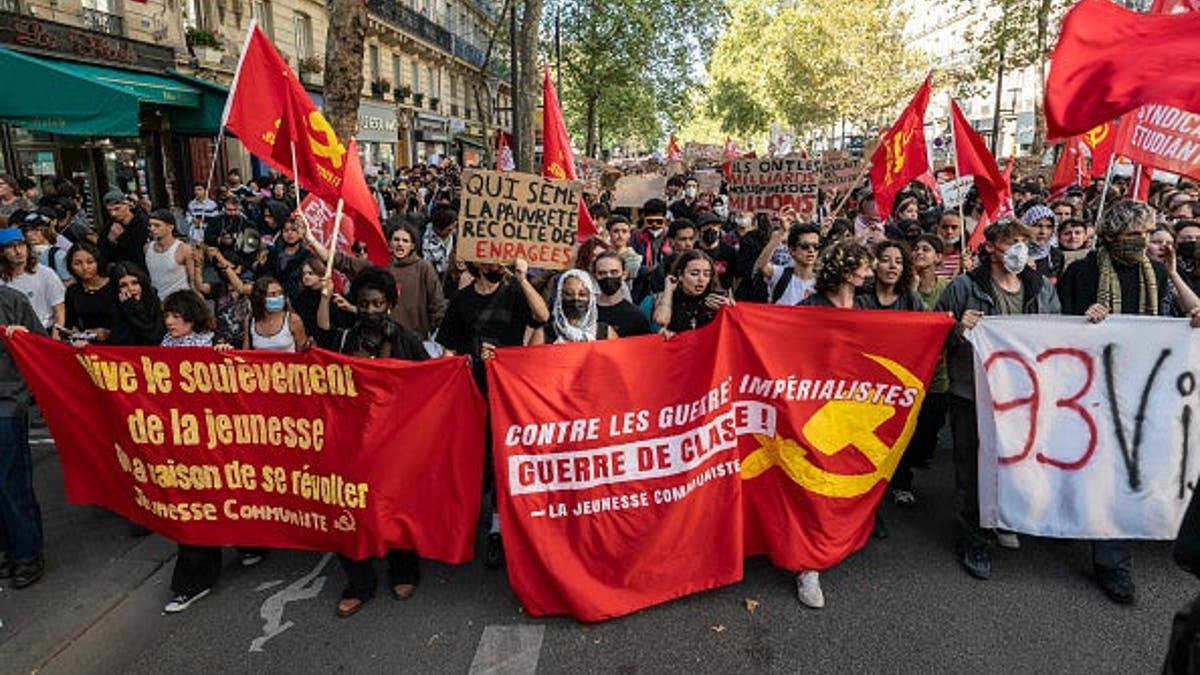
Tens of thousands of secondary school students and their supporters march from Republic to Nation square on Oct. 6, 2026, in Paris, France. (Guy Smallman/Getty Images)
Macron is scheduled to address the nation at 8 p.m. local time Sunday, or 2 p.m. Eastern, after meeting with senior government officials. His speech will come as France begins a nationwide cleanup effort and authorities prepare prosecutions for those arrested.
CLICK HERE TO GET THE APP
The address will mark a critical test for Macron as his government faces mounting pressure over the scale of the destruction, the police response and the economic grievances that fueled the demonstrations.
Reuters and the Associated Press contributed to this report.
france, world, europe, world politics










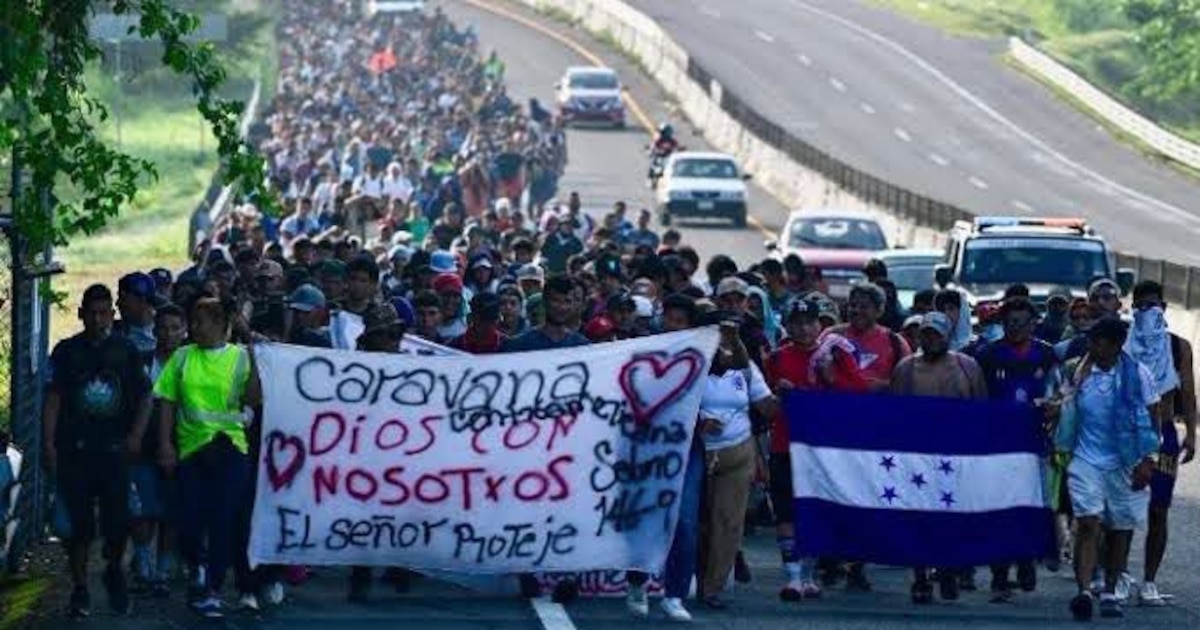
Una nueva caravana integrada por aproximadamente 2,000 migrantes de Honduras, El Salvador, Guatemala y Nicaraguasalió este martes de Tapachula, en el estado mexicano de Chiapas, con la intención de avanzar hacia la frontera de Estados Unidos, en medio de las expectativas de un posible cambio en las políticas migratorias de Washington.
La movilización, que comenzó el pasado sábado desde San Pedro Sula, Honduras, continuó su recorrido desde el sur de México, donde los participantes esperan avanzar de manera pacífica y conseguir mejores oportunidades para sus familias.
El desplazamiento ocurre una semana después de las elecciones de medio mandato en Estados Unidos, cuyos resultados modificaron el escenario político para el presidente Donald Trump, luego de que los demócratas recuperaran el control legislativo, un resultado que despertó expectativas entre los migrantes sobre un posible freno a las políticas migratorias restrictivas.
Sin embargo, aunque los integrantes de la caravana mantienen la esperanza de encontrar oportunidades en territorio estadounidense, organizaciones que acompañan a la población migrante consideran que los resultados electorales no necesariamente provocarán cambios inmediatos en las medidas migratorias.

De acuerdo con información proporcionada a la agencia EFE, uno de los participantes es Álvaro José Vanegas Estrada, migrante de Nicaragua, quien emprendió el recorrido con apenas 20 dólares, dejando atrás sus actividades agrícolas, a su esposa y a sus dos hijos.
El hombre explicó que decidió salir de su país con la expectativa de encontrar una oportunidad laboral que le permita mejorar las condiciones económicas de su familia.
Vanegas considera que la participación de la comunidad latina en diferentes sectores productivos de Estados Unidos podría representar una oportunidad para quienes buscan ingresar al mercado laboral.
«El gobierno estadounidense sabe que el 19 % de la comunidad latina es la que hace el trabajo pesado, lo que es la construcción y la hotelería. Entonces en este momento ha visto que ha bajado ese punto de trabajo y creo que tal vez, nos dé la oportunidad de entrar», expresó a EFE.
No obstante, el migrante explicó que su intención inicial no necesariamente es cruzar de inmediato hacia Estados Unidos, sino llegar al norte de México, permanecer allí durante un tiempo y conseguir trabajo para enviar dinero a su familia mientras espera posibles cambios en las decisiones migratorias estadounidenses.

Entre los participantes de la caravana también se encuentra el hondureño Bili Noe Martínez Colindres, quien hizo un llamado al Instituto Nacional de Migración (INM) de México para que permita el desplazamiento de los migrantes sin obstáculos y de manera pacífica.
El compatriota manifestó que las personas que integran la movilización buscan oportunidades para mejorar la vida de sus familiares y pidió respeto durante el recorrido por territorio mexicano.
«Nosotros solo queremos un sueño para nuestras familias, respeto a nosotros, respetamos a México y Guatemala. Es el llamado que le hacemos como hondureños a usted señora presidenta (Claudia Sheinbaum), que nos apoye con ese permiso», manifestó.
La petición está dirigida a las autoridades mexicanas, particularmente a la presidenta Claudia Sheinbaum, para que los integrantes de la caravana puedan continuar su desplazamiento sin enfrentar dificultades relacionadas con su condición migratoria.
El recorrido hasta la frontera mexicana con Estados Unidos representa un trayecto de aproximadamente 3,000 kilómetros, una distancia que los migrantes deberán cubrir en diferentes etapas y bajo condiciones que pueden complicar su avance.

Entre los migrantes existe la percepción de que el cambio en la composición del Congreso estadounidense podría abrir espacios para revisar algunas de las medidas migratorias impulsadas por el mandatario republicano.
Sin embargo, Luis García Villagrán, representante del Centro de Dignificación Humana A.C., organización que trabaja en la frontera sur de México, consideró que no se esperan modificaciones importantes en la política migratoria estadounidense como consecuencia inmediata de los resultados electorales.
«No creo que vaya a cambiar mucho, pero en ánimo de la gente sí ayudó mucho, para que la gente se anime a salir caminando y tratar de llegar lo más cerca de la frontera norte», señaló el activista.
corresponsal:Desde Tegucigalpa, Honduras
INTERNACIONAL
Trump’s first Iran war escalation post-midterm losses seeks to choke off Tehran’s trade
President Donald Trump isn’t backing off his pressure campaign against Iran despite claims the conflict contributed to sweeping Republican losses in last week’s midterm elections.
In fact, Trump is doubling down by expanding U.S. efforts to choke off the trade routes Tehran increasingly relies on as it tries to rebuild its military in the midst of war.
The new effort, dubbed Task Force Iron Gate, takes aim at a vulnerability that has persisted despite the U.S. naval blockade: the land and Caspian Sea routes Iran can use to bring in goods, dual-use technology and military supplies beyond the reach of American warships.
That approach, one expert claims, fits into a broader administration strategy of tightening the squeeze on Tehran while stopping short of restarting full-scale military operations. Meanwhile, others caution that it could produce escalation rather than an immediate diplomatic breakthrough.
IRAN VOWS ‘ASTONISHING’ STRIKES AND LIFTS MISSILE-RANGE LIMIT AS US TARGETS LAND ROUTES
«We have Operation Iron Gate that just went into effect. That means nothing comes in by land,» Trump said Sunday.
But the roughly 20-person task force established at U.S. Central Command headquarters in Tampa is taking a quieter approach than Trump’s sweeping description might suggest.
«This is not a deployable special operation task force,» Farzin Nadimi, a senior fellow at the Washington Institute for Near East Policy, told Digital, describing Iron Gate instead as a «fusion cell» coordinating military, civilian and intelligence efforts.
US ECONOMIC CHOKEHOLD ON IRAN REACHES PEAK LEVERAGE AS COLLAPSE RISKS EMERGE
Nadimi said its immediate role is likely to center on gathering intelligence about activity along Iran’s borders and building cooperation in the region that could support sanctions and other efforts to disrupt the flow of goods.
Secretary of State Marco Rubio, who heads the department responsible for spearheading the administration’s diplomatic foreign agenda, supports taking action that could decrease military escalation.
«We don’t need to conduct military strikes if we’re achieving the same objective through economic means and economic pressure,» Rubio told reporters on Tuesday.
He rejected the suggestion that the U.S. and Iran were at a stalemate, arguing that sanctions, the naval blockade and other measures were steadily weakening Tehran.
«They’re bleeding. They’re bleeding economically,» Rubio said. «It is an increased pressure on Iran that continues to grow every day.»
The push comes a week after an election in which the war proved a political liability for Republicans.
The Iran war was a crucial factor in the House vote for 34% of voters, according to the Voter Poll, while about six in 10 said the U.S. had made the wrong decision to take military action against Iran.
A separate Fox News/NORC survey conducted around Election Day found 68% said avoiding a prolonged military conflict in Iran was very important. When forced to choose, 61% said ending U.S. military involvement to lower gas prices was more important than restarting military action to stop Iran from developing nuclear weapons, while 35% chose restarting military action.
Yet four days after the election, CENTCOM announced Iron Gate, extending the administration’s pressure campaign to the land routes Tehran could use to blunt the effects of the naval blockade.
CENTCOM said the task force would coordinate efforts to disrupt advanced weapons, dual-use technologies, sanctioned materials and illicit revenue moving across Iran’s land borders and the Caspian Sea.
«We will not allow the Iranian regime to rebuild its weapons factories or replenish its arsenal with materials smuggled across its borders,» CENTCOM commander Adm. Brad Cooper said in announcing the task force.
CENTCOM declined to provide additional details about how Iron Gate would operate beyond its announcement.
The challenge is the sheer scale of the territory involved.
Iran shares land borders with Afghanistan, Armenia, Azerbaijan, Iraq, Pakistan, Turkey and Turkmenistan, spanning roughly 6,000 kilometers, according to Nadimi. While it has dozens of official border crossings, goods can also be smuggled through mountainous and desert terrain.
«It will be extremely difficult to know where and how things get in or out of Iran,» Nadimi said.
Much of Iron Gate’s effectiveness will also depend on governments outside Iran.
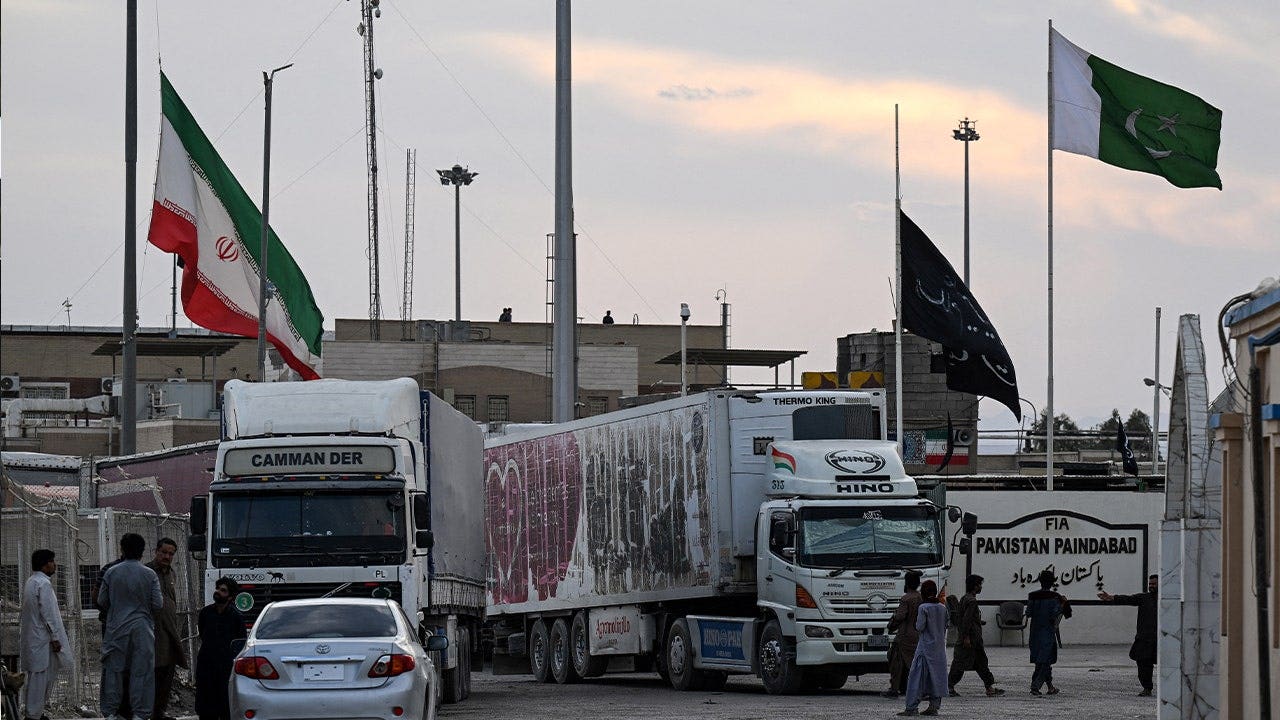
Nadimi said the task force could build relationships with military and intelligence services in neighboring countries to identify and disrupt suspicious shipments. Turkey and Pakistan have already placed some limits on goods moving across their borders with Iran, he said, contributing to long truck lines and higher shipping costs.
But even if neighboring governments cooperate, Iran and the Islamic Revolutionary Guard Corps are likely to look for ways around the restrictions.
Behnam Ben Taleblu, senior director of the Iran program at the Foundation for Defense of Democracies, said the effort should not be judged by whether Washington can completely eliminate Iran’s overland trade.
«That is not going to mean zeroing out this trade overnight,» Taleblu told Digital. Instead, he said the goal is to increase the cost of moving goods, pressure the foreign companies and individuals facilitating Iranian trade and give Washington more leverage over Tehran.
«This is literally akin to boxing in the Islamic Republic,» he said.
The routes have taken on added importance as Iran’s other avenues to the outside world have narrowed.
Taleblu said Iran’s missile program remains dependent on foreign inputs including fuel precursors and high-strength steel. China and Russia are important to those flows, he said, but Iraq, Turkey and Pakistan also represent important regional routes.
Nadimi described effectively restricting Iran’s land trade as a «mid- to long-term project» and predicted Tehran would initially «become more aggressive» as the pressure mounts.
Taleblu issued a similar warning.
«It is entirely plausible that you squeeze them hard enough that they feel like the only way to throw off the strangulation is to throw a punch,» he said.
That leaves the administration trying to increase its leverage over Iran without reigniting the full-scale fighting voters strongly signaled they wanted to avoid — while Trump has publicly described the objective in much starker terms.
«Nothing comes in by land.»
war with iran, national security, politics, foreign policy, middle east foreign policy, iran, sanctions, military
INTERNACIONAL
Gran expectativa por la llegada del papa León XIV a Perú, el país donde vivió 20 años: de la emoción en Chiclayo a la preocupación por su salud en la altura
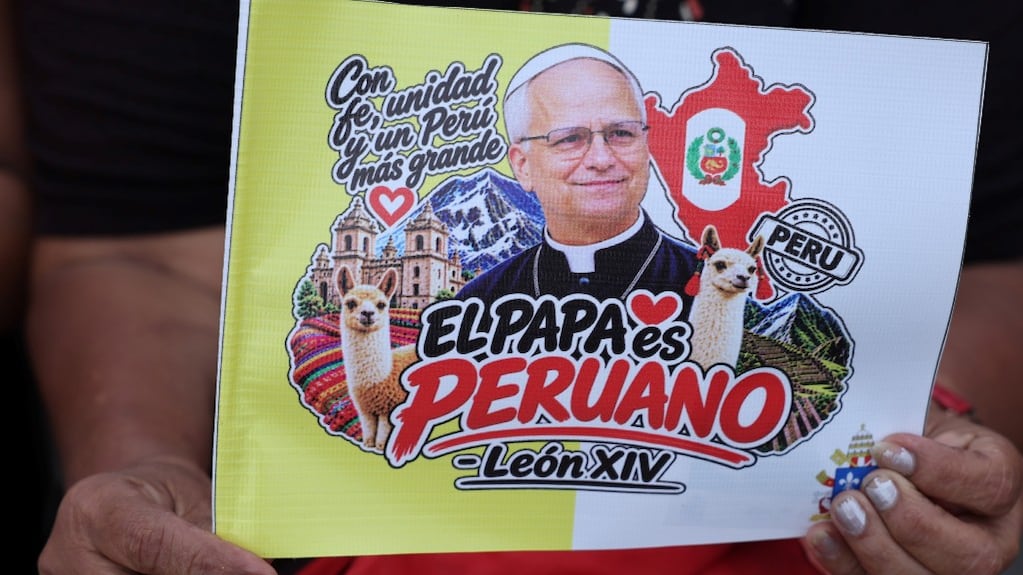
Después de concluir su gira por la Argentina, el papa León XIV viajará este miércoles por la tarde a Perú, en la última etapa de su histórico viaje a la región y entre una enorme expectativa por su regreso al país donde vivió alrededor de 20 años, fue obispo de Chiclayo y hasta se hizo ciudadano.
Robert Prevost llegará a las 17:30 locales (19:30 de la Argentina) a la “Base Aérea del Callao”, en Lima, en el comienzo de una visita que se extenderá durante seis días y que concluirá el lunes próximo.
La presidenta peruana, Keiko Fujimori, recibirá al pontífice una semana después de cumplir sus primeros 100 días de gobierno, en un contexto marcado por un fuerte rechazo a su gestión, según un sondeo de la consultora Imasen al que tuvo acceso TN.
La visita generó un enorme interés entre los peruanos.
“Existe una cercanía especial porque León XIV conoce verdaderamente el Perú: vivió aquí, compartió con su gente y desarrolló gran parte de su misión pastoral en el país. Para muchos peruanos será la visita del Papa, pero también el regreso de alguien que lleva una parte del Perú en su propia historia”, resumió a TN el director del diario El Sol de Cusco, Roy Palomino.
En su histórico viaje, León XIV visitará Lima, Chiclayo, Santa Cruz de Succhabamba, Cusco y Pucallpa.
Dos de esas ciudades tienen una gran altitud. Santa Cruz de Succhabamba está ubicada a 2035 metros sobre el nivel mar y Cusco a 3399 metros de altura. El viaje se realiza a menos de un mes de la operación a la que fue sometido para extraer un tumor maligno de su pulmón derecho, lo que generó preocupación por el esfuerzo que le demandará la visita.
Un viaje marcado por una fuerte tensión política
Como sucedió en la Argentina, el viaje de León XIV estará enmarcado en una fuerte tensión política.
Fujimori, cuya figura genera un fuerte rechazo en un sector de la población opositora al “fujimorismo” encarnado por su padre, el fallecido expresidente devenido en dictador Alberto Fujimori, asumió la presidencia el 28 de julio pasado. Desde entonces su popularidad viene cayendo en picada, según encuestas.
El último sondeo de la consultora Imasen reveló que el 61,2% de los peruanos rechaza su gestión contra el 37,7 que la aprueba a solo 100 días de su asunción. No hay “luna de miel” en su gobierno.
“La visita del Papa será un respiro para Keiko”, dijo a TN la analista peruana Giovanna Peñaflor, directora de la consultora Imasen.
El hecho de que Prevost tenga un fuerte vínculo con Perú, donde vivió casi dos décadas en distintas etapas y fue obispo de Chiclayo, genera una enorme identificación popular con un pontífice que además adoptó la nacionalidad peruana.
“Para los peruanos, León XIV es lo que para los argentinos fue Francisco”, dijo Peñaflor.
Fujimori

La sugestiva canción que eligió Emanuel Ortega luego de su separación de Julieta Prandi: “Algo muy familiar”

Los bancos de Anthropic prevén elevar el precio de su salida a bolsa ante la fuerte demanda

El plan especial que diseñó Ponzio de cara al decisivo duelo que afrontará River Plate ante Lanús por el Torneo Clausura

Vojvoda vuelve a Fortaleza: tres partidos para ascender

Papa León XIV en la Argentina, EN VIVO: la misa en Luján y la despedida en Ezeiza hoy, minuto a minuto

El peronismo cree que los mensajes de León XIV legitiman sus reclamos a Milei, pero esquiva politizar la visita

La queja de Yanina Latorre tras asistir al VIP de la misa del papa León XIV: “Estuve al rayo del sol haciendo nada y…”

Así fue el saludo entre Javier Milei y el papa León XIV en Aeroparque tras la llegada a la Argentina

Franco Colapinto le hizo probar mate a Lewis Hamilton en un evento durante el GP de Brasil: la reacción del piloto de Ferrari

Gimnasia de Mendoza vs Independiente Rivadavia: formaciones, hora y dónde ver por tv

 CHIMENTOS1 día ago
La queja de Yanina Latorre tras asistir al VIP de la misa del papa León XIV: “Estuve al rayo del sol haciendo nada y…”
- POLITICA3 días ago
Así fue el saludo entre Javier Milei y el papa León XIV en Aeroparque tras la llegada a la Argentina
- POLITICA3 días ago
Elecciones desdobladas y lejos de las nacionales: la estrategia de los gobernadores patagónicos en 2027