INTERNACIONAL
White House lawyer’s hardball warning to Dems has legal experts on both sides questioning one key threat

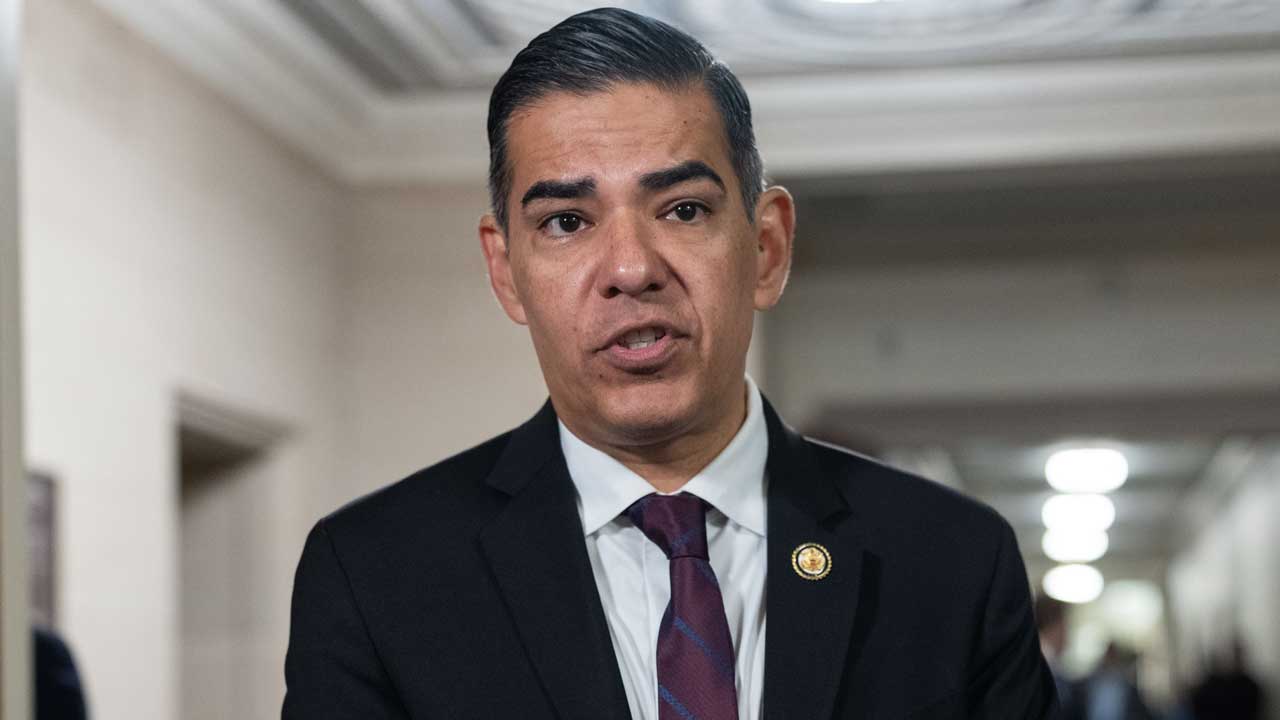
Counsel to the president William Scharf sent a letter to House Committee on Oversight and Government Reform ranking member California Democratic Rep. Robert Garcia Nov. 9, warning Democrats against running afoul of their allotted powers pertaining to investigations and subpoenas.
The letter put Democratic lawmakers on notice to remind them of the «foundational limits that the Constitution imposes on congressional investigations and subpoenas» and suggesting that their actions could cross the line of criminal misconduct. Garcia, who is poised to chair the committee next year when Democrats gain the House majority, responded to the letter suggesting that the president has «something to hide.»
Legal experts from across the political spectrum who spoke to Digital suggested that, while the White House is within its rights to challenge individual subpoenas, it faces significant obstacles if it decides to seek criminal indictments related to Garcia’s oversight activities.
«In short, the administration can assert privileges, negotiate over requests and challenge particular subpoenas through the appropriate legal process, but criminal prosecutions are, to mix metaphors, a very different animal that face a higher bar,» Ilya Shapiro, director of constitutional studies at the right-of-center Manhattan Institute, told Digital.
AG BLANCHE CLASHES WITH ANCHOR ASKING WHETHER IT’S HIS ‘JOB’ TO DEFEND THE TRUMP ADMINISTRATION
Congressional investigations also enjoy protections under the Constitution’s Speech or Debate Clause, which the Supreme Court has held shields lawmakers from judicial interference when their investigative activities fall within the legitimate legislative sphere.
Shapiro explained that Democrats who are «promising indiscriminate subpoenas are inviting challenges to their demands» as congressional committees «must act within their jurisdiction, respect witnesses’ constitutional rights and connect investigations to a legitimate legislative purpose.»
Garcia, however, maintains that his calls for investigation are totally consistent with his constitutional authority as a lawmaker.
«Let’s be clear: Congress’ authority comes from Article I of the Constitution, not from the permission of the White House. Congress has wide latitude to conduct investigations and oversight, an authority inherent in the power to legislate,» Garcia said in his statement.
«The American people voted overwhelmingly for us to pass laws to root out corruption and abuse. The Trump Administration continues to weaponize the government with threats of unconstitutional attacks on Congress. We are a co-equal branch of government and will not be deterred by baseless threats from a weaponized DOJ or from the President’s lawyers,» Garcia stated.
Scharf sent the letter a week after Democrats issued statements and social media posts on calling for subpoenas and impeachment trials for Trump administration officials after Republicans suffered a major loss during the 2026 midterms. At the time, some pointed out that Republicans used similar language to call for investigations into Democratic officials.
Hans von Spakovsky, a senior legal fellow at Advancing American Freedom and a constitutional law expert, told Digital that Scharf is correct in his assertion that Garcia’s investigations cannot be motivated by simple spite, but suggested that the White House may run into problems if they try to get criminal charges to stick.
«Scharf is correct in his citation of Watkins v. U.S. that the Supreme Court has held that congressional investigations not connected to a legitimate legislative purpose and whose only intent is harassment and trying to seize personal, private information are unconstitutional and beyond the power of Congress,» von Spakovsky wrote in an email. «Problem is that I am not sure what criminal statutes, if any, could be applied. There are statutes over harassment of federal officials, 18 U.S.C. 111, 115, but those require physical threats. What the Watkins precedent holds is that the courts cannot enforce subpoenas issued by Congress that are part of an improper, unconstitutional investigation.»
TOP DEM ON COMMITTEE FIRES BACK AFTER WHITE HOUSE COUNSEL WARNS AGAINST OVERREACH AMID INVESTIGATION THREATS
«No statute makes oversight a crime, and Scharf’s letter doesn’t say one does. Its point is that a committee’s process doesn’t shield conduct that would be a crime for anyone else. Conspiring to intimidate federal officers out of doing their jobs falls under 18 U.S.C. 372,» Will Chamberlain, senior counsel at the right-of-center Article III Project, told Digital. «Congress’s oversight authority is broad but not unlimited. There is no congressional power to expose for the sake of exposure and any investigation requires a valid legislative purpose. Congressional investigative activity conducted in an official capacity wouldn’t be prosecutable.»
He added that, what could be prosecutable, would be a separate conspiracy to intimidate federal officials «evidenced by threats, press releases, things of that nature.»
Molly Nixon, a senior fellow at the libertarian Cato Institute, had broadly similar thoughts.
«White House Counsel is correct that courts have required congressional investigations to serve a legitimate legislative purpose, though the constitutional boundaries of that requirement are not as clear as Scharf asserts. I don’t think the letter is on solid ground when it makes the leap to suggesting potential criminality,» she told Digital.
DEMS PIVOT FROM ‘AFFORDABILITY’ PITCH TO DHS PROBE THREATS AFTER MIDTERM WINS
«We are monitoring the abusive and capricious threats that are now proliferating from Democrat legislators who seek to abuse the legislative process to intimidate and to interfere with the lawful functioning of government. Recent public statements underscore these concerns. You and your congressional colleagues have asserted that they will issue subpoenas to harass, threaten, and deter dedicated members of the Administration from further service,» wrote Scharf.
«Compulsory process is a power Congress has for oversight functions, and only for oversight functions. Abusive threats and public statements about the indiscriminate issuance of subpoenas, along with threats directed at prospective targets within the Administration make it abundantly clear that any forthcoming investigative processes will be deployed to harass and aggrandize, rather than to advance any legitimate legislative end,» the letter continued.
«Beyond being inconsistent with the clear, well-recognized constitutional limitations on your investigative functions, threats to executive branch officials designed to deter them from public service, or process designed merely to abuse or instill fear in the recipient may cross the line into blatant criminality,» the letter continued. «And issuing unlawful subpoenas with the intention of depriving citizens of their constitutional rights and privileges may warrant further investigation.»
Those further investigations, however, are unlikely to result in criminal charges, according Devon Ombres, senior director for courts and legal policy at the left-of-center Center for American Progress.
«You know, I don’t think that there is any reasonable basis for the administration to argue that Congress cannot undertake its constitutional obligations of conducting oversight, and I can’t imagine that there’s any type of criminal statute that would apply in this context,» he said in a phone call. «That’s not to say that this DOJ won’t try and shoehorn something in, as they’ve already done, but I don’t think that Scharf has a legal leg to stand on.»
While criminal charges would face significant legal obstacles, Ombres says he fully expects the Trump administration to try blocking the subpoenas through lawsuits.
«The White House and the DOJ is going to throw everything, including the kitchen sink, at subpoenas,» said Ombres.

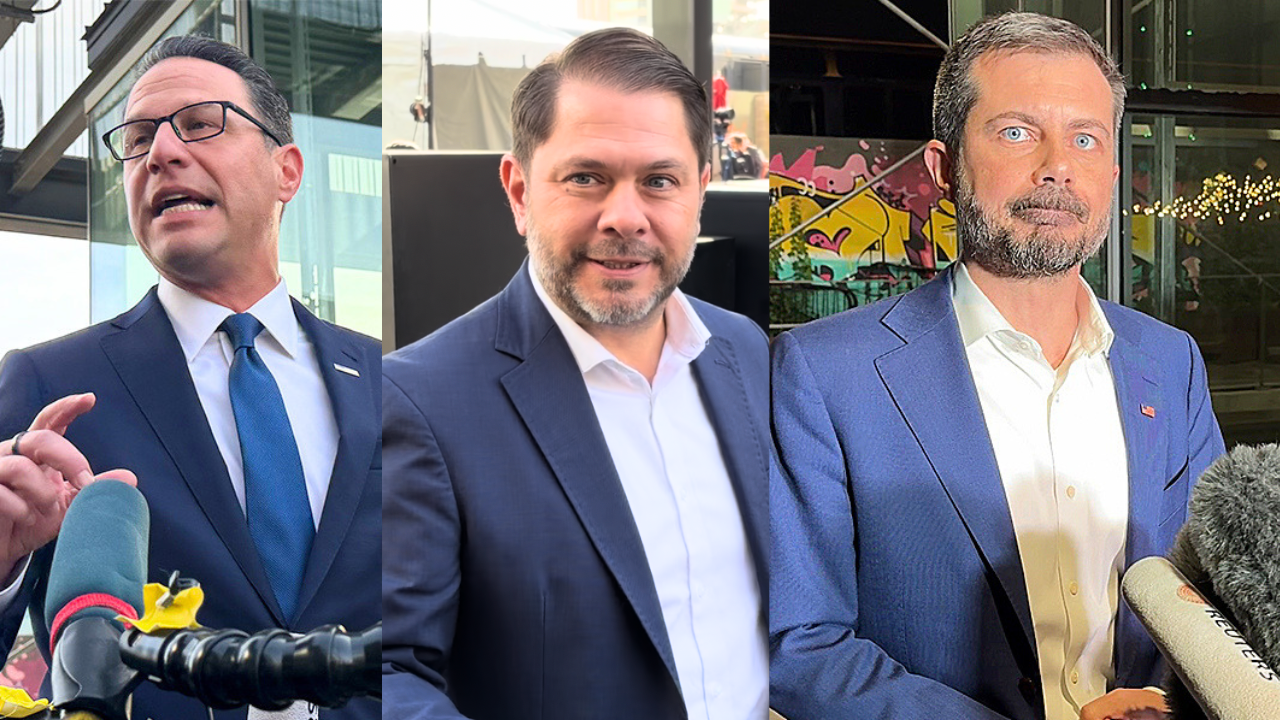
DENVER — Democrats are already making their case for 2028.
Fresh off sweeping midterm victories, party leaders and rising stars descended on Denver for the «What’s Next» conference. Several potential presidential contenders tested their 2028 messaging before a crowd of activists, strategists and operatives.
The conversations offered an early look at who may be considering a run and who is already stepping aside.
Less than 24 hours after announcing a challenge to longtime Senate Democratic leader Sen. Chuck Schumer, D-N.Y., Sen. Chris Van Hollen, D-Md., told reporters he was «no longer pursuing» a presidential bid.
SCHUMER’S LEADERSHIP RIVAL REVEALS MAJOR SENATE RULE CHANGE HE’D PURSUE IF ELECTED
«I believe that the size and scale of these majorities, provides an opportunity for the United States Senate to answer the call of the American people,» Van Hollen told reporters in Denver, as he pointed what will be at least a 55-seat Democratic majority in the chamber.
Van Hollen’s comments came as Sen. Cory Booker, D-N.J., weighed whether to make another run for the White House in 2028.
Booker said he is giving «a lot of hard thought» to a potential 2028 presidential campaign, though he said his focus now is pushing for what he called an «American renewal.»
«My purpose right now, I want to see America in the next five years have the biggest renewal, the biggest resetting of the economic table so it works for all Americans,» Booker told Digital.
He pointed to the cost of housing, healthcare and childcare as evidence that many Americans are struggling to get ahead. «The gap I’m concerned about is not the gap between left and right anymore, it’s a gap between the American people and the American dream, and I want to see that gap close,» he said.
Asked what he might do differently if he ran again after his unsuccessful 2020 campaign, Booker said candidates should be «their authentic self.» He also warned that political divisions are pulling the country apart, saying, «We are not each other’s enemies. We are our fellow patriots. And we all need to start pulling in the same direction.»
While Van Hollen ruled out a presidential bid, former Transportation Secretary Pete Buttigieg, a 2020 Democratic candidate, told reporters in Denver he would not have «any news to make about that anytime soon.»
Even so, Buttigieg has not ruled out another run.
Pennsylvania Gov. Josh Shapiro, fresh off of major victories in his home state, said, «I’ve decided to be a loud voice in this process that we’re going through right now as a party to put ourselves in the best position to compete.»
When asked about his 2028 timeline, Shapiro said «that would be a personal decision my wife and my kids and I make.»
«When we’re ready to say something, we’ll let you know,» he added.
Sen. Elissa Slotkin of Michigan told reporters that she was «seriously» considering a 2028 presidential run.
«I haven’t made any decisions. Whether it’s me or somebody else, I just want to be a part of that next generation of leaders going forward that does things differently and understands who they serve,» she added.
Pointing to a new crop of Democrats elected in the midterms, Slotkin said «we had an amazing election night that elected a whole bunch of new folks who represent that.»
Meanwhile, Sen. Ruben Gallego of Arizona said his young family will be a major consideration in his decision.
«I have three kids, nine, three and a one-year-old. You know, it’s hard to manage that schedule and I have to figure out how to still be a good dad and run for office,» he said.
«If I run I’ll probably be the only one that has kids that age that doesn’t necessarily come from a lot of money. So I’m going to have to figure all that out,» he added.
THE MISTAKE NEWLY ELECTED DEMS ADMIT THEY CAN’T AFFORD TO MAKE WITH TRUMP AFTER SWEEPING 2026 WINS
Sen. Raphael Warnock, D-Ga., who has not said whether he will seek the 2028 nomination, used his speech at «What’s Next» to argue Democrats can build a winning coalition across the country.
«In America, all things are possible,» he said, pointing to Democratic victories from New Hampshire to Mississippi.
California Rep. Ro Khanna said he is «certainly considering» a 2028 presidential run but has not made a decision.
Khanna, one of the few leaders on the progressive left attending a conference organized by a centrist Democratic group, added «I think after the reception here, I’m, more likely to consider it. I mean, but I’m going around the country seeing whether the message will resonate.»
Asked about his timetable, Khanna told Digital, «I think starting next year people will be running.»
«Imagine this, we’ve had three 80-year-old presidents in a row and suddenly you’re going to have a new generation on both sides. I think that’s fantastic for this country,» he said. «I’m excited about some of the people if I do run who would be competitors. It’s going to be great. It’s going to showcase America’s talent.»
With no clear frontrunner in sight, the Denver conference offered an early look at Democrats testing their messages and weighing whether to seek the party’s nomination.
politics, cory booker, democrats senate, democrats elections, elections
INTERNACIONAL
El presidente Arévalo descarta destituir al ministro de Gobernación y mantiene su respaldo tras la masacre en Zacapa

El presidente Bernardo Arévalo descartó destituir al ministro de Gobernación, Marco Antonio Villeda, tras el ataque armado ocurrido este viernes en Zacapa, que dejó al menos cinco muertos y un hombre secuestrado. El mandatario sostuvo que las fuerzas de seguridad analizan una respuesta para el departamento y que el funcionario mantiene su respaldo.
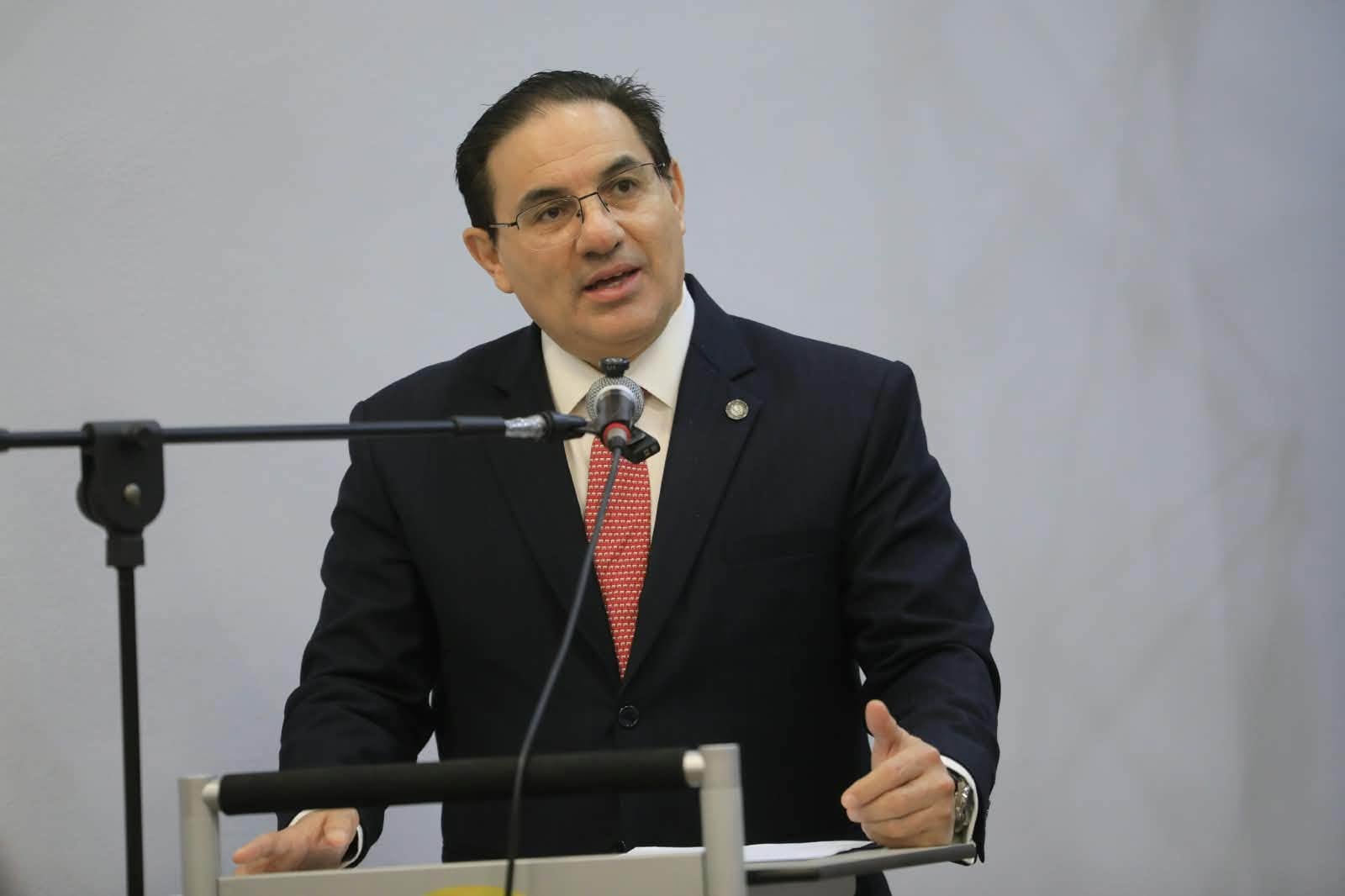
Las autoridades investigan el secuestro de Keneth Estuard Pacheco Perdomo, de 35 años, y el Ministerio de Gobernación desplegó personal en apoyo al Ministerio Público en la zona. Arévalo indicó que los cuerpos de seguridad estaban reunidos para evaluar lo ocurrido: “En este momento están reunidos analizando lo sucedido en el departamento de Zacapa el día de hoy”.
El presidente defendió la gestión de Villeda con datos acumulados durante el año: una reducción del 44 % en las extorsiones, 41 capturas de personas requeridas en extradición, el desmantelamiento de 58 bandas criminales y la aprehensión de 966 integrantes de pandillas. También mencionó el uso reciente de drones en operativos de la Policía Nacional Civil.
El ataque en El Tocino y las víctimas sin identificar
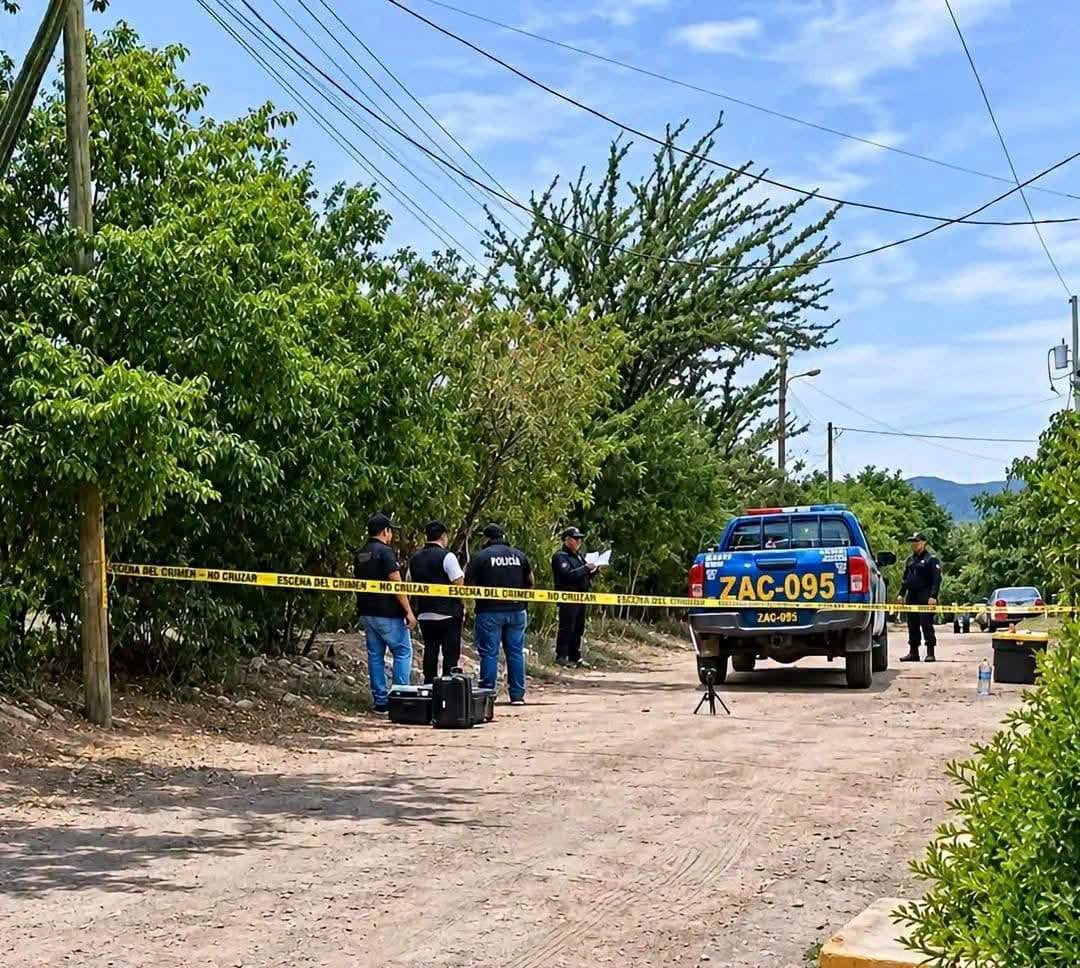
La masacre ocurrió cerca de la 1:10 en el caserío El Tocino, de la aldea La Majada, en el municipio de Zacapa. Un grupo de hombres armados, con uniformes de diseño camuflado, cascos y pasamontañas, llegó en unas diez camionetas agrícolas.
Una mujer que presenció el ataque relató que los agresores preguntaron a gritos por su esposo, Pacheco Perdomo. Los hombres lo localizaron poco después y se lo llevaron hacia un destino desconocido.
Cuatro hombres y una mujer murieron en el lugar. Tres de las víctimas fueron encontradas dentro de un microbús con múltiples impactos de bala, mientras que otra apareció junto a una motocicleta abandonada cerca de un río, donde fueron recolectados indicios balísticos.
Tres mujeres resultaron heridas por disparos y fueron trasladadas a un centro asistencial. La PNC informó que, cuando los agentes llegaron al sitio, fueron recibidos con disparos que impactaron al menos ocho veces contra una patrulla, sin policías heridos.
La identidad de la mayoría de los fallecidos no había sido confirmada oficialmente y se desconocía el paradero de Pacheco Perdomo. Arévalo no confirmó si se abrió una línea específica para determinar una posible relación entre el secuestro y el asesinato del diputado Julio César Portillo Paz, y remitió esa pesquisa al Ministerio Público.
Tres matanzas en menos de dos meses
El ataque se produjo después de otras dos matanzas registradas en menos de dos meses en el departamento. El 6 de noviembre, el diputado Julio César Portillo Paz, de 36 años, murió junto a tres agentes de su escolta en una emboscada en el kilómetro 137 de la ruta al Atlántico, en Río Hondo.
Portillo, legislador de la Unidad Nacional de la Esperanza, contaba con protección policial luego de que una evaluación de riesgo realizada en 2024 detectara amenazas de muerte en su contra. Villeda afirmó que aún no existían elementos para establecer si el crimen tuvo un móvil político y que esa conclusión dependerá de la investigación del Ministerio Público.
A finales de septiembre, ocho personas murieron en otra masacre en el municipio vecino de Huité. El caso permanece bajo reserva judicial e incluye averiguaciones sobre la eventual presencia de integrantes del Ejército en el área durante los hechos.
Las autoridades consideran a Zacapa un territorio relevante para las operaciones del crimen organizado. Medios internacionales han relacionado a la región con la estructura criminal de la familia Lorenzana, señalada como socia del cartel mexicano de Sinaloa.
Arévalo reconoció que el escenario representa un “momento preocupante”, aunque defendió el desempeño general de las instituciones de seguridad. “Tenemos un problema efectivamente de violencia que tenemos que entender y que tiene ciertos puntos específicos en donde estamos poniendo toda la atención”, afirmó.
El mandatario dijo que los operativos deben responder a las características de los delitos en cada zona y no aplicarse de manera uniforme en todo el país. Sobre el aumento de homicidios frente al año anterior, sostuvo que forma parte de una fase de “contención” con variaciones mensuales: “Ahorita estamos un poco más alto que el año pasado, el mes entrante a lo mejor vamos a estar debajo”.
Medidas bajo análisis para la región
La posibilidad de declarar un estado de sitio en Zacapa está bajo evaluación en la mesa de seguridad del Gobierno. Villeda había planteado el miércoles esa alternativa, mientras que Arévalo evitó anticipar los detalles de las decisiones operativas.
“Habrá medidas que en su momento serán anunciadas”, dijo el presidente. Ante la consulta sobre una eventual salida de Villeda del Ministerio de Gobernación, respondió: “No”, y luego añadió: “Porque no creo que sea necesario. Creo que el ministro está haciendo un trabajo”.
Lawrence Bernstein,Guatemala,conferencia de prensa,oratoria
INTERNACIONAL
Anti-Trump Republican courts other defectors as House weighs another vote against Iran war
EXCLUSIVE: House Republicans and Democrats are preparing another effort to challenge President Donald Trump’s military operations in Iran, with lawmakers signaling that additional Republicans could break with the president and support a War Powers resolution.
Rep. Thomas Massie, R-Ky., told Digital that another Iran War Powers resolution could come to the House floor «in the next few legislative days» or around Christmas.
This would mark the fourth attempt this year to restrict Trump’s military actions against Iran.
«I’m offering Republicans a life boat from MAGA,» Massie told Digital, expressing optimism that more members of his party could join the effort.
7 REPUBLICANS REBEL AGAINST TRUMP, VOTE WITH DEMS TO REIN IN IRAN WAR POWERS
House Armed Services Committee Chairman Mike Rogers, R-Ala., told Digital that he would oppose the resolution but acknowledged that «Massie has been having conversations with members» in an effort to secure additional Republican support.
Rep. Jeff Van Drew, R-N.J., echoed Rogers’ assessment, suggesting that «one or two» additional Republicans could join Massie and the Democrats who previously supported the measure.
SWING-DISTRICT REPUBLICAN BREAKS WITH TRUMP, PUSHES LIMITS ON IRAN WAR
Reps. Tom Barrett, R-Mich., Warren Davidson, R-Ohio, and Brian Fitzpatrick, R-Pa., previously voted in favor of an Iran War Powers resolution.
Barrett told Digital on Thursday that he would maintain his support if the new resolution mirrors the previous legislation.
«My position would be consistent for it,» Barrett said.
However, Barrett expressed skepticism that additional Republicans would join the effort, noting that few members appeared willing to shift their positions during the previous vote.
GOP HOLDS WITH TRUMP ON IRAN WAR, BUT CRACKS EMERGE AS DEADLINE NEARS
Massie also acknowledged uncertainty over whether he could secure more Republican votes, criticizing his party’s continued support for Trump’s military operations.
«Congress is paralyzed,» Massie told Digital, accusing Republicans of remaining «still in the suicide pact with this administration.»
TRUMP SUFFERS RARE HOUSE DEFEAT AS BIPARTISAN VOTE MOVES TO WITHDRAW TROOPS FROM IRAN CONFLICT
House Democrats, meanwhile, expressed optimism that Republicans’ losses in the 2026 midterm elections could encourage more GOP lawmakers to break with Trump’s foreign policy agenda.
«If they’re listening to the people that sent them here, yes,» Rep. Ayanna Pressley, D-Mass., told Digital when asked whether additional Republicans could support the effort. «That’s what they should do.»
Rep. Rosa DeLauro, D-Conn., also expressed confidence that more Republicans could join the effort, saying she «thinks they would.»
Meanwhile, Rep. Adelita Grijalva, D-Ariz., suggested that Republicans may feel less pressure to remain aligned with Trump following the midterm elections — especially as many prepare to leave Congress and others hunker down to serve in the minority.
«The threat of Trump dumping a lot of money into Republican districts is over, perhaps more members of Congress we think represent their communities will listen to what constituents are saying about the war,» Grijalva told Digital.
TRUMP PLEDGES TO VETO ‘INSANE’ DEM BILLS, PINPOINTS ISSUE PARTIALLY TO BLAME FOR REPUBLICAN LOSSES
The renewed effort comes as lawmakers continue debating Congress’ constitutional authority over military operations and the president’s ability to conduct sustained hostilities without congressional authorization.
Under the Constitution, Congress holds the power to declare war, while the president serves as commander in chief of the armed forces. The War Powers Resolution of 1973 establishes procedures and limits for military operations conducted without congressional authorization.
Despite growing discussions among lawmakers, no vote on an Iran War Powers resolution has been scheduled or confirmed.
politics, congress, war with iran, national security, republicans elections, foreign policy

Marilina Bertoldi reveló que el beso con Lali y Tini en River no iba a suceder y ella lo propuso: «Era raro que no pasara»

Un futbolista de San Martín de Burzaco recibió un balazo en la pierna y está internado: habría intentado separar una pelea entre amigos

White House lawyer’s hardball warning to Dems has legal experts on both sides questioning one key threat

Presos políticos en Venezuela: la esposa de Germán Giuliani le pidió ayuda al papa León XIV a través de una carta

El Gobierno lanzó un plan de retiros voluntarios para continuar con el cierre de la ex obra social de las FFAA

El homenaje de Portugal a Cristiano Ronaldo: retira ‘su’ 7 y se inventa otro número

PILIPOM: UNA NUEVA HERRAMIENTA EDUCATIVA PARA QUE LOS MÁS CHICOS APRENDAN JUGANDO

El Gobierno toma distancia de los mensajes del papa León XIV, mientras el peronismo intenta capitalizarlos

Es millonario, tiene apenas 22 años, heredó una fortuna enorme, se quedó afuera del VIP del Papa León XIV y la gente ovacionó su actitud

Harry Kane, el gran olvidado

 DEPORTE3 días ago
El juego de la butaca: Haas volvería a cambiar de piloto para el cierre del año en la Fórmula 1 tras el escándalo con Ocon
- CHIMENTOS2 días ago
Escándalo íntimo en el cumpleaños de Emilia Mernes: un número uno, el mejor amigo, la novia del mejor amigo y una confesión que hizo estallar todo: «Me tocó y…»
- ECONOMIA2 días ago
Banco Santander anunció aumento de precio en sus paquetes y esto valdrá desde enero