INTERNACIONAL
Workers erupt over DC plan to bring robotaxis to city streets: ‘This is bulls—’

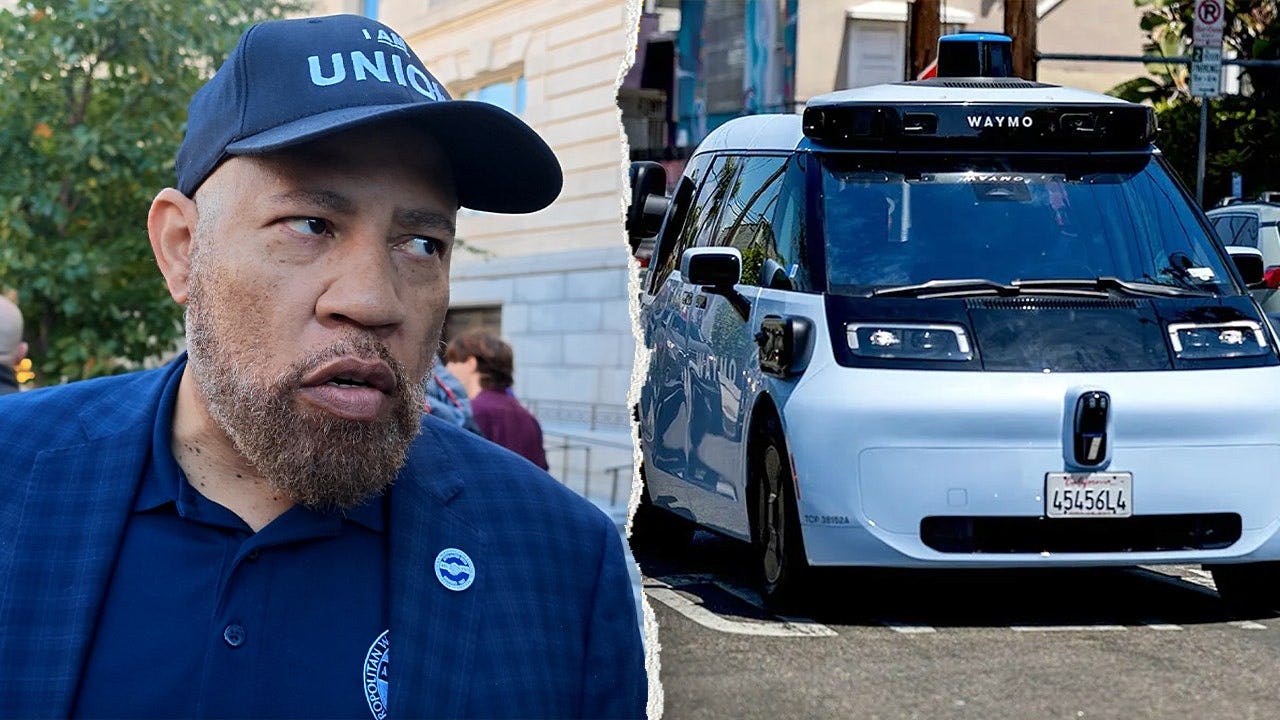
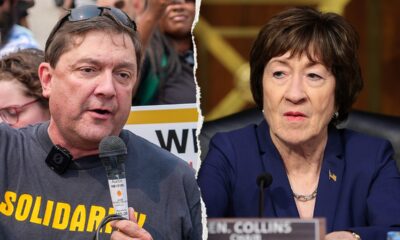
A new proposal that could bring driverless rideshare vehicles to the streets of the nation’s capital is causing an uproar among union workers, drivers and religious leaders who fear the technology could eliminate jobs.
Protesters gathered outside the John Wilson Building as D.C. council members met to discuss legislation that would allow Waymo and other autonomous vehicle operators to offer commercial rides in Washington, D.C.
The protesters urged the council to reject the legislation, arguing that an influx of robotaxis would displace rideshare drivers.
«We came out here today strongly because we feel that these robotaxis will put people out of work,» one protester told Digital. «And people need jobs.»
TERRIFIED PASSENGERS FILM WAYMO AUTONOMOUS VEHICLE DRIVING INTO LIVE FIREWORKS IN SAN FRANCISCO
«I’m against robotaxis because it takes away from the community. It takes away from their jobs. It takes away food from their table,» Frederick from Virginia said.
«People need jobs to be able to support their family.»
«It’s bulls—,» Sabrina from Washington, D.C., said. «Let’s not bring robots taking my neighbor’s jobs. My folks that drive for a living, let’s just not take their jobs.»
Another person at the protest acknowledged that autonomous vehicles could eliminate some driving jobs but argued the city should «take the offensive» by shortening the workweek without cutting pay and expanding employment elsewhere.
«We should take the offensive on job issues,» Michael from Washington, D.C., said. «We should shorten the workweek without a loss in pay. So, we’ll create more jobs in public transportation, in hospitals, in service industries. So, we actually maybe will lose some jobs to taxi drivers, but we’ll create better paying jobs.»
The Autonomous Vehicle Deployment Authorization Amendment Act of 2026 introduced by Councilmember Charles Allen in May would create a program for commercial autonomous vehicles in D.C. that would be run by the District Department of Transportation.
TESLA ROBOTAXI MIAMI LAUNCH COMES WITH LIMITS
Waymo says its latest safety data, covering more than 270 million miles of autonomous driving, shows its vehicles were involved in 82% fewer injury-causing crashes and 95% fewer crashes involving serious injuries or worse compared with human driver benchmarks in the same operating areas.
Supporters of robotaxis have also pointed to the potential for lower fares without a human driver, although current comparisons have found Waymo’s prices can vary widely and are not consistently cheaper than traditional rideshare services like Uber and Lyft.
Protesters claimed that while prices may be lower as the driverless vehicles roll out, the rates will eventually spike.
«That’s just something just to … get our antennas up and have us saying, ‘Yeah, ooh, we’re gonna get cheaper rides,’» Sabrina said. «It might be cheap for the trial periods, and then, all of a sudden, we’ll be paying $50. So, no, I don’t believe that. That’s just some crap just to get people engaged with the Waymo.»
«They seem the same price to me,» Helen from Maryland said. «They’re in other cities, and it seems like not much of a difference in the pricing.»
ZOOX ROBOTAXI REDESIGN BRINGS BIG RIDER UPGRADES
The proposed regulatory framework, which could bring robotaxis to the city by 2028, would initially limit operators to 200 vehicles. Companies seeking commercial permits would have to demonstrate at least 180 days and 250,000 miles of autonomous vehicle testing in the District and submit plans aimed at reducing disparities in service availability and wait times across the city’s eight wards.
There was a public hearing on the bill in July, but no vote has been scheduled. The bill would have to be approved by the entire council before self-driving cars start to hit the city’s streets.
«A worker should be at the table,» Metropolitan Washington Council, AFL-CIO President Samuel Epps told Digital at the protest. «We shouldn’t rush this.»
«I don’t think it’s good for the city,» Eddie said. «If my children gonna get in a car, I would prefer for a human to be driving.»
technology, politics, transportation, jobs, labor unions, washington dc








INTERNACIONAL
Elecciones en Estados Unidos: quiénes son los candidatos que hicieron historia con sus triunfos
Las elecciones de mitad de mandato de Estados Unidos, celebradas este martes, dejaron una serie de resultados históricos que cambiaron el mapa de la representación política del país. Por primera vez, una mujer negra y una mujer indígena fueron elegidas gobernadoras, mientras que el Senado sumará a una representante de un pueblo originario y al primer hombre abiertamente gay elegido para integrar esa cámara.
Los resultados reflejaron una mayor diversidad racial, étnica y de género entre los dirigentes electos, tanto del Partido Demócrata como del Republicano. Además, algunas de las principales contiendas marcaron precedentes en estados que nunca habían tenido gobernadores negros o latinos.
“Estos hitos demuestran cómo está cambiando nuestro país”, afirmó Alexis Anderson-Reed, presidenta y directora general de State Voices, una organización que promueve la participación cívica y la equidad democrática.
“Durante años, las personas no blancas y las comunidades LGBTQ+ se han organizado, han llamado a puertas, han hablado con los votantes, han sostenido conversaciones y han realizado la ardua labor de salvar nuestra democracia”, sostuvo. Y agregó: “Estos triunfos son gracias a ellos”.
Las primeras gobernadoras negra e indígena de Estados Unidos
Uno de los resultados más significativos se produjo en Georgia, donde Keisha Lance Bottoms se convirtió en la primera mujer negra elegida gobernadora en los 250 años de historia de Estados Unidos.
La dirigente demócrata, exalcaldesa de Atlanta, derrotó al empresario republicano Rick Jackson y terminó con una larga sucesión de hombres blancos al frente del estado.
“Esta noche debería recordarnos a todos que, sin importar de qué comunidad vengamos, Georgia no está definida por un solo momento en el tiempo ni por una sola persona”, expresó Bottoms durante la celebración de su victoria.
En Nuevo México, Deb Haaland hizo historia al convertirse en la primera mujer indígena estadounidense elegida gobernadora. La dirigente demócrata, integrante de la comunidad Pueblo de Laguna, se impuso al republicano Gregg Hull.
Haaland ya había marcado otros precedentes: en 2018 fue una de las primeras mujeres indígenas elegidas para el Congreso y posteriormente se convirtió en la primera persona indígena estadounidense en dirigir el Departamento del Interior, durante la presidencia de Joe Biden.
“Esta noche, en el año 250 de nuestra nación, estoy ante ustedes como la primera mujer indígena estadounidense elegida gobernadora en la historia de Estados Unidos”, celebró.
La elección también dejó otros resultados inéditos en distintos estados.
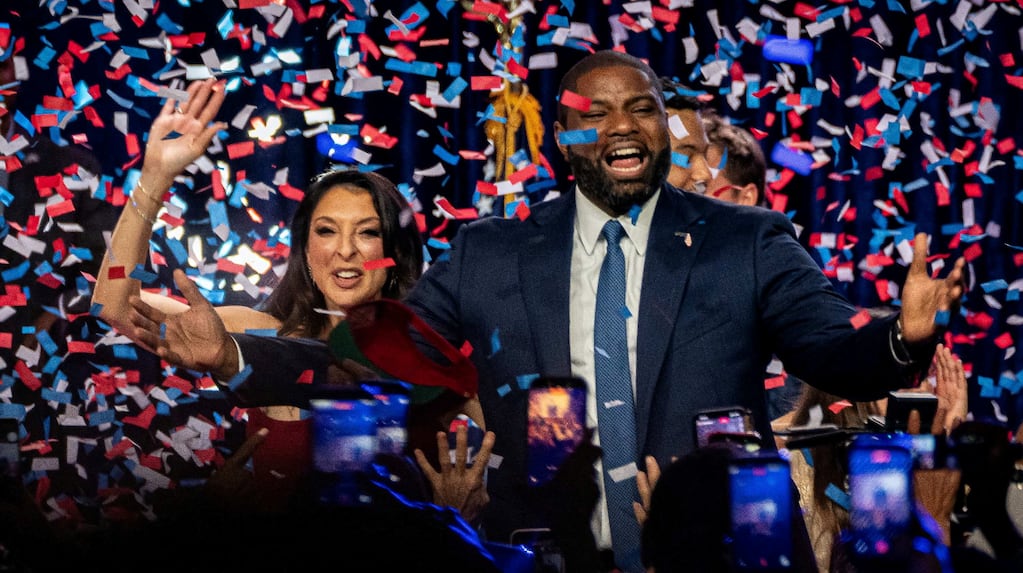
En Florida, el republicano Byron Donalds se convirtió en el primer gobernador negro elegido por voto popular en la historia estatal, mientras que el demócrata David Crowley alcanzó el mismo hito en Wisconsin.
En Texas, la demócrata Gina Hinojosa derrotó al gobernador republicano Greg Abbott y se convirtió en la primera mujer latina elegida para dirigir ese estado.
California también registró un resultado histórico: Xavier Becerra ganó la gobernación y será el primer dirigente latino en ocupar el cargo desde Romualdo Pacheco, en 1875.
En Tennessee, la republicana Marsha Blackburn derrotó a la demócrata Jerri Green y se convirtió en la primera mujer elegida gobernadora del estado.
Los triunfos históricos en el Senado y los resultados que todavía estaban abiertos
La renovación del Senado también dejó hitos inéditos.
Peggy Flanagan, vicegobernadora de Minnesota y miembro de la Banda de la Tierra Blanca del pueblo ojibwe, se convirtió en la primera mujer indígena estadounidense elegida senadora.
La candidata demócrata derrotó a Michele Tafoya, exreportera de la liga profesional de fútbol americano, y contribuyó al avance de su partido en la Cámara Alta.
En Nueva Hampshire, el congresista demócrata Chris Pappas derrotó al republicano John E. Sununu y se convirtió en el primer hombre abiertamente gay elegido senador de Estados Unidos.
Durante la campaña, Pappas había evitado colocar su orientación sexual en el centro de la discusión electoral. “No contiendo para hacer historia”, sostuvo.
Mientras tanto, en Michigan continuaba una de las disputas más observadas. El demócrata Abdul El-Sayed buscaba convertirse en el primer musulmán elegido para integrar el Senado estadounidense, pero todavía debía superar al republicano Mike Rogers en una elección reñida.
El-Sayed, epidemiólogo nacido en Michigan, recibió ataques durante la campaña por parte de dirigentes republicanos, incluido Donald Trump. El presidente lo calificó de “peligrosamente radical” y “demasiado extremista”.
Otra contienda pendiente era la de Alaska, donde la demócrata Mary Peltola, de origen yup’ik, buscaba derrotar al senador republicano Dan Sullivan. Peltola ya había hecho historia en 2022 al convertirse en la primera indígena de Alaska elegida para la Cámara de Representantes.
En Illinois, la demócrata Juliana Stratton derrotó al republicano Don Tracy y ocupará el escaño que deja Dick Durbin. Su victoria permitirá que Illinois sea el primer estado representado en el Senado por dos mujeres pertenecientes a minorías raciales, junto con Tammy Duckworth.
candidatos
As House Democratic leaders prepare to take the reins of power in Congress, they are also poised to reckon with far-left rebels who could make their lives difficult over the next two years.
Democrats are projected to win back the House majority after Tuesday night’s midterm elections.
It comes after a far-left insurgency roiled Democrats’ primary elections, and some of those socialist candidates are now expected to be heading to Capitol Hill next year.
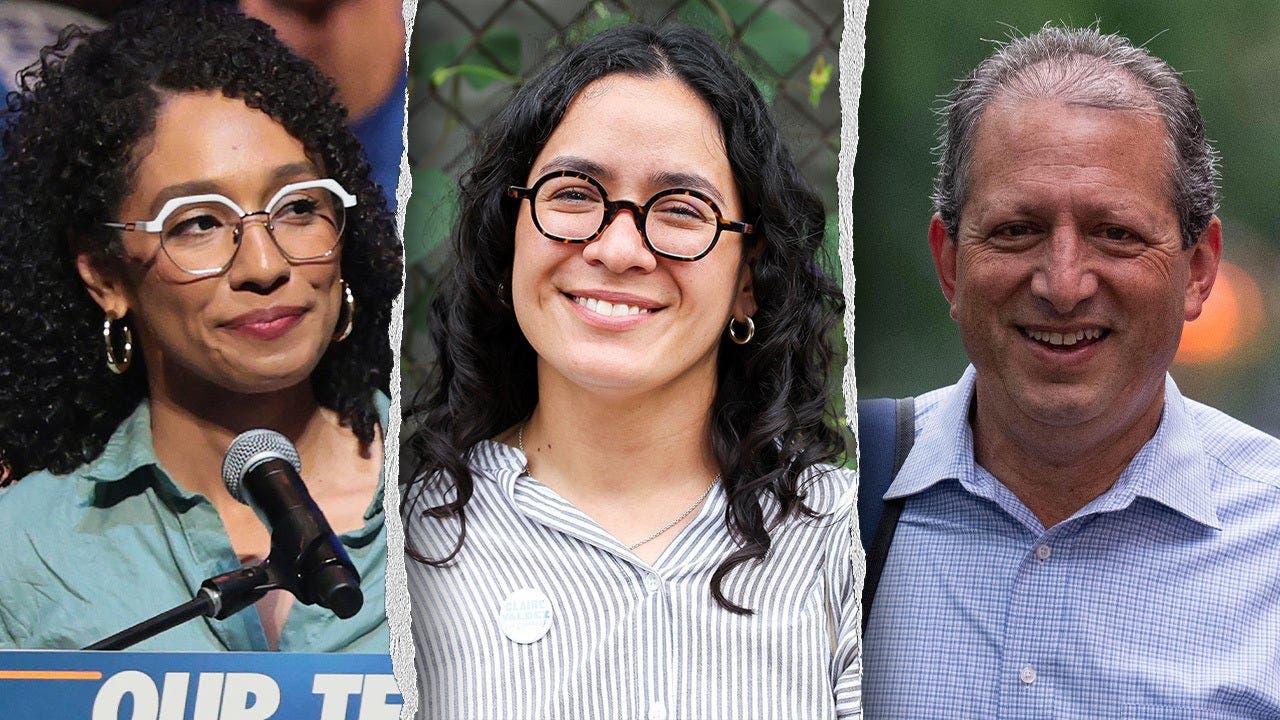
RISING SOCIALIST STARS ON TRACK TO CONGRESS: WHO ARE DARIALIZA AVILA CHEVALIER, BRAD LANDER AND CLAIRE VALDEZ?
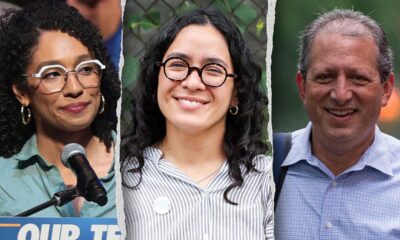
Darializa Avila Chevalier is projected to be the next House representative from New York’s 13th congressional district, which covers Upper Manhattan and parts of the Bronx.
Chevalier’s victory comes after she scored an upset victory over Congressional Hispanic Caucus Chairman Rep. Adriano Espaillat, D-N.Y., amid an anti-incumbent wave that swept Empire State elections.
Born in Florida to immigrant parents from the Dominican Republic, she moved to New York City to attend Columbia University for her undergraduate degree.
Chevalier has already earned criticism from her future Republican colleagues for past comments, including a now-deleted post on X, then Twitter, where she purportedly wrote, «I forgot to get napkins so I just wiped my hand on the American flag behind me.»
She’s notably withheld support from Democratic Leader Hakeem Jeffries, D-N.Y., to be the next speaker of the House, telling Vanity Fair she would need certain «commitments» on progressive issues like Medicare for All.
JEFFRIES WELCOMES DEMOCRATIC SOCIALISTS INTO THE FOLD AS CRITICS WARN PARTY IS REVEALING ‘EXACTLY WHO IT IS’
Claire Valdez is another member of the Democratic Socialists of America (DSA) who scored an upset victory during New York’s primaries, defeating a Democrat backed by retiring Rep. Nydia Velázquez, D-N.Y., for the party’s nomination.
MAMDANI-BACKED SOCIALIST WINS IN NEW YORK EXPOSE GROWING RIFT BETWEEN DEMOCRATIC ESTABLISHMENT, INSURGENT LEFT
Valdez is now projected to take over Velázquez’s seat in New York’s 7th congressional district, which includes parts of Brooklyn and Queens.
Valdez is currently a member of the New York State Assembly. On her campaign website, she touts herself as a «dual citizen of the Ysleta del Sur Pueblo Nation and the United States.»
She also has not confirmed whether she will support Jeffries for speaker, telling New York Magazine she would not «negotiate in public» but that she would «see how the midterms shake out.»
CARVILLE WARNS DEMOCRATS MAY NEED TO BLOCK FAR-LEFT CANDIDATES FROM JOINING CAUCUS, MODERATE GROUP DISAGREES
Donavan McKinney in Michigan’s 13th congressional district is another beneficiary of the anti-incumbency backlash during the 2026 election cycle. He’s now projected to come to Congress after earlier defeating Rep. Shri Thanedar, D-Mich., in the primaries.
McKinney is a DSA member and was backed by other prominent socialists like Rep. Rashida Tlaib, D-Mich.
The district he is poised to represent includes part of Detroit and its suburbs.
He recently told Jacobin Magazine that his biggest policy goals include Medicare for All, universal childcare and getting corporate money out of elections.
Also in the interview, he accused his primary opponent of having taken campaign cash from Immigration and Customs Enforcement contractors, the pro-Israel lobby and other corporate interests.
Israel had been the defining issue in his primary campaign. Thanedar was a former DSA member who left the organization over members’ celebrations of the Oct. 7 terror attack by Hamas.
DSA-BACKED CANDIDATES ARE WINNING PRIMARIES AND THEIR VISION FOR AMERICA IS VERY DIFFERENT
Melat Kiros is a DSA member and former attorney whose upset victory in Colorado’s 1st congressional district is forcing an end to longtime Rep. Diana DeGette’s political career.
DeGette, D-Colo., a progressive who has been in Congress since 1997, lost her Denver-area seat in a shocking primary loss to Kiros, a 29-year-old political newcomer.
Kiros was born in Ethiopia «just weeks before her father was selected by the United States’ Diversity Visa Lottery,» according to her campaign website.
She’s drawn controversy for her fierce anti-Israel stance, which includes calling the Oct. 7 terror attack by Hamas an «inevitable» result of the Jewish country’s own actions, according to multiple reports. She has also opposed its existence as a Jewish state.
Kiros is also among those who will not commit to supporting Jeffries for speaker.
GOP LAWMAKER URGES JOHNSON TO SCRUTINIZE NEW SOCIALIST LAWMAKERS’ ‘ACCESS TO INTELLIGENCE’
Pennsylvania state lawmaker Chris Rabb is poised to enter the House of Representatives to represent the state’s 3rd congressional district next year.
The Democratic socialist has called for the U.S. to «immediately dismantle the military industrial complex, cease all imperialist foreign policy, and end all U.S.-led efforts for regime-change,» according to his campaign website.
Rabb has also called for a universal basic income for Americans as well as guaranteed housing, high-speed internet, free transit and «national grocery stores.»
He previously took aim at establishment Democrats in an interview with CBS’ «Face the Nation» in August, saying, «I think listening to folks who have been institutionalists and corporate Dems is probably the wrong thing to do when what your own poll shows is that there is an exhaustion.»
Former New York City comptroller Brad Lander is no longer a DSA member, having left the organization over its response to the Oct. 7 attack on Israel by Hamas.
But his campaign was backed by some of the DSA’s biggest stars, including New York City Mayor Zohran Mamdani.
Lander’s campaign for New York’s 10th congressional district, which includes downtown Manhattan and parts of Brooklyn, served as a proxy battle between the Empire State’s establishment left and socialist factions.
While Lander was backed by Mamdani, his primary opponent, Rep. Dan Goldman, D-N.Y., was backed by Jeffries. Lander also campaigned alongside Chevalier and Valdez.
While he left the DSA over Israel, Lander has still been a fierce critic of the Jewish state. He was recently detained by Israeli law enforcement during a trip to the occupied West Bank to join Palestinian olive farmers harvesting their crop. Israeli authorities released him upon learning his identity.
Unlike his far-left New York cohorts, however, Lander has said he is inclined to support Jeffries for speaker.
politics, midterm elections, socialism, house of representatives politics, zohran mamdani
INTERNACIONAL
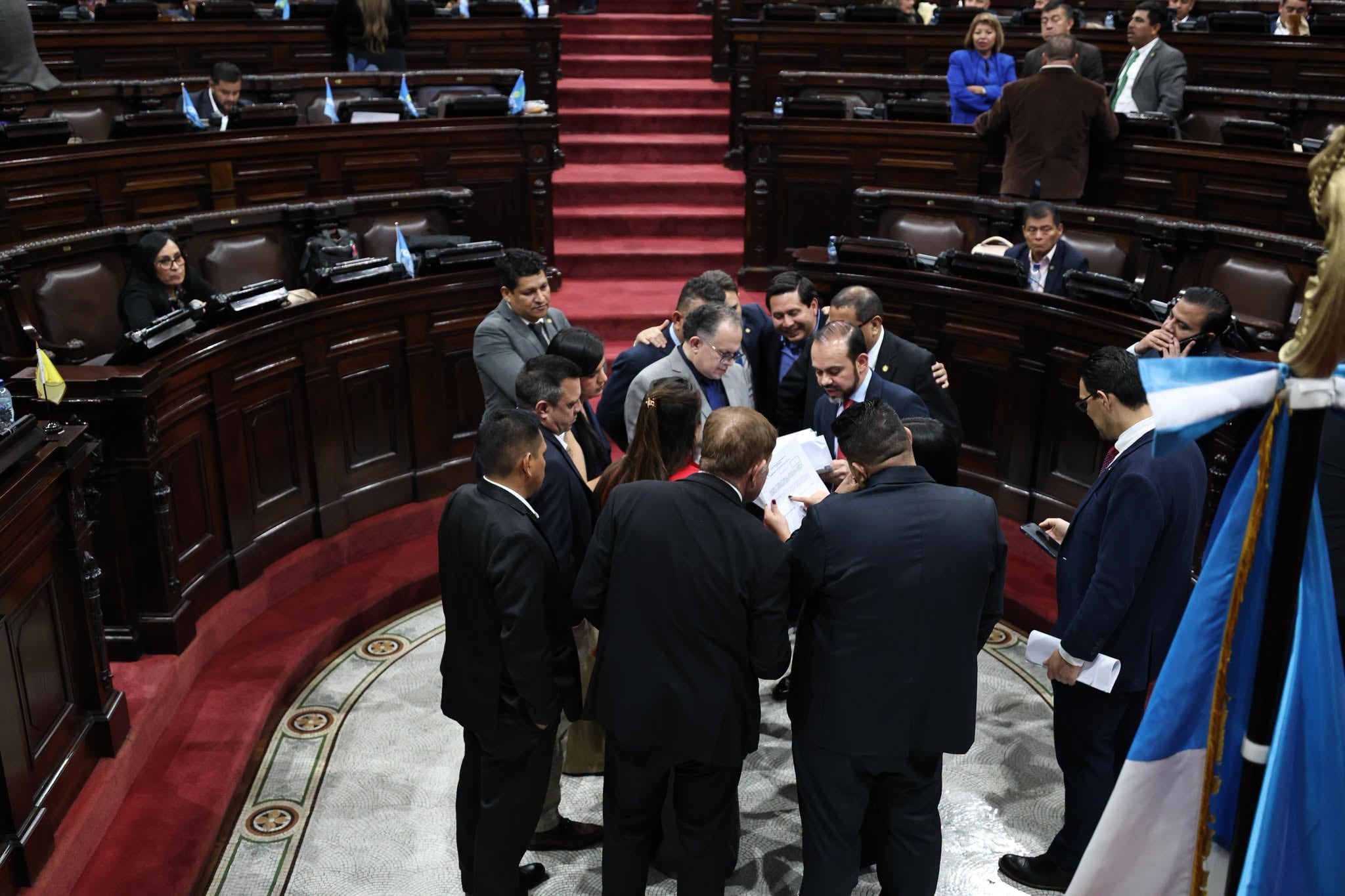
El Congreso de Guatemala aprueba la Ley Marco de Ciberseguridad con 121 votos y crea una estructura estatal

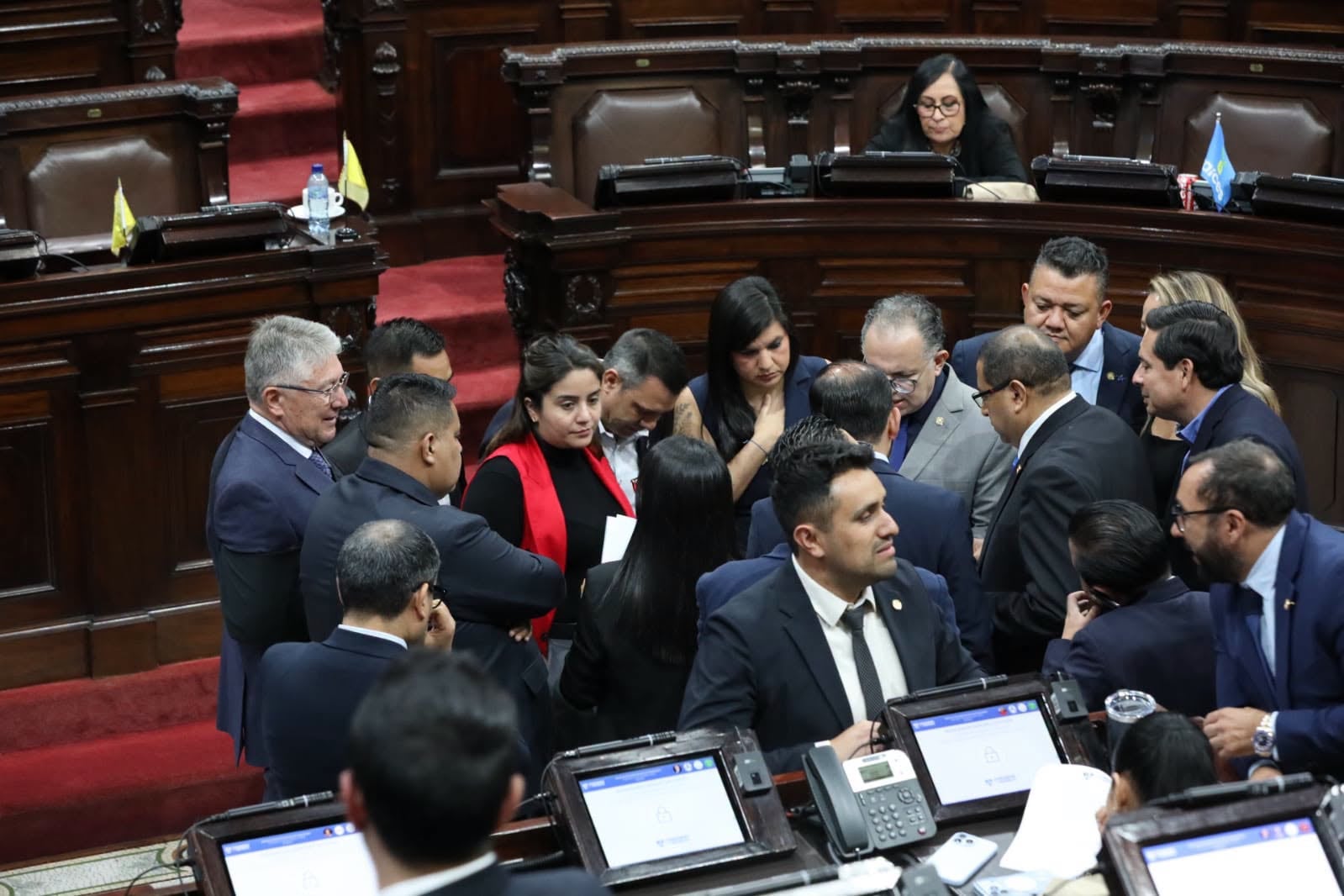
El Congreso de la República de Guatemala aprobó el 3 de noviembre, con 121 votos, la iniciativa 6347 de urgencia nacional, contenida en el Decreto 26-2026, que crea la Ley Marco de Ciberseguridad para establecer una estructura estatal de prevención, respuesta e investigación ante ataques digitales contra instituciones, empresas e infraestructuras críticas.
La norma fue aprobada después de que el pleno avalara una moción privilegiada con 109 votos a favor y 10 en contra. El proyecto, integrado por 96 artículos, recibió dictamen favorable con modificaciones de la Comisión de Asuntos de Seguridad Nacional, presidida por el diputado Jorge Mario Villagrán.
La ley entraría en vigor 30 días después de su publicación en el Diario Oficial. Su alcance incluye disposiciones administrativas, penales y procesales, además de medidas de cooperación internacional, prevención, formación e investigación.
Un sistema estatal para prevenir y atender ataques digitales
El Presidente encabezaría el Consejo Nacional de Ciberseguridad, integrado por varios ministros y el secretario de Inteligencia Estratégica. El Ministerio de Gobernación asumiría la coordinación del sector mediante una Dirección Nacional de Ciberseguridad, responsable de diseñar políticas, protocolos y medidas de respuesta.
También se crearía el Centro de Respuesta a Incidentes de Ciberseguridad de Guatemala (CRIC-GT), que debería operar en un plazo máximo de 18 meses. El Ministerio de la Defensa Nacional tendría una unidad de ciberdefensa, separada de las funciones civiles.
La propuesta incluye una fiscalía especializada en ciberdelitos, una unidad de informática forense, juzgados especializados y una red permanente para cooperar en investigaciones e intercambio de evidencia digital. Además, prevé incorporar contenidos de ciberseguridad en las escuelas, promover capacitación e investigación y crear una mesa técnica con participación estatal, privada, académica y de la sociedad civil.
Penas, registros judiciales y protección de información
Las enmiendas aprobadas precisan los delitos informáticos, las penas y las facultades de investigación. La normativa castigaría el acceso no autorizado a sistemas, la interceptación de información, la manipulación o eliminación de datos y los ataques contra plataformas digitales, con penas de dos a ocho años de prisión.
Las condenas serían mayores si se vulneran datos confidenciales, información de seguridad nacional o infraestructuras críticas. Los funcionarios públicos que ataquen a la institución donde trabajan podrían recibir, además, una inhabilitación de siete años. También se agravarían las sanciones cuando exista lucro ilegal o afectación a servicios de una entidad.
El proyecto penaliza el uso o distribución de programas, contraseñas y otros recursos destinados a cometer ciberdelitos, aunque excluye las pruebas autorizadas y las acciones de protección informática.
Las órdenes judiciales para intervenir sistemas deberán detallar la información buscada, los equipos afectados y el plazo de la medida. La ley prioriza la copia forense de datos antes que la ocupación o suspensión de sistemas completos y exige resguardar la información ajena a la investigación.
Si una intervención puede afectar pagos o servicios financieros críticos, el juez deberá pedir una opinión técnica al Banco de Guatemala o a la Superintendencia de Bancos, salvo en situaciones de riesgo grave e inmediato. Las interrupciones de servicios esenciales deberán revisarse cada 24 horas.
Alertas en tres horas y cooperación internacional
La iniciativa establece plazos para reportar incidentes digitales: tres horas cuando afecten infraestructuras críticas, seis horas para otros casos y hasta 72 horas para presentar un informe completo. El Centro de Respuesta a Incidentes de Ciberseguridad de Guatemala (CRIC-GT) deberá anonimizar los reportes y proteger los datos personales e institucionales.
El intercambio de información entre entidades tendrá límites: no podrá incluir datos protegidos por la Constitución o las leyes financieras sin cumplir los procedimientos legales o contar con una orden judicial. Los datos compartidos deberán ser agregados o anonimizados y tratarse como confidenciales. La información financiera solo podrá enviarse a autoridades extranjeras por las vías previstas en la ley.
El proyecto también plantea mecanismos de cooperación para investigar fraudes y ciberdelitos, incluido el intercambio de alertas y pruebas electrónicas. La propuesta avanzó tras ataques informáticos registrados en Guatemala durante 2026 contra entidades públicas, universidades, la Corte de Constitucionalidad y empresas privadas.
Guatemala no cuenta con una ley integral de ciberseguridad. Los impulsores de la iniciativa sostienen que la reforma permitiría fortalecer la respuesta estatal y facilitar la adhesión al Convenio de Budapest sobre la Ciberdelincuencia.
El Comité Coordinador de Asociaciones Agrícolas, Comerciales, Industriales y Financieras (CACIF) respaldó la necesidad de modernizar la legislación, aunque pidió incorporar ajustes técnicos. La organización advirtió que, sin esos cambios, la norma podría enfrentar cuestionamientos de constitucionalidad y dificultades para alinearse con normas internacionales y la legislación contra el lavado de dinero.
Congreso de la República de Guatemala,legisladores,hemiciclo,sesión plenaria

En-Nesyri vuelve con Marruecos y Zabiri se consolida

El ex capitán de Los Pumas Agustín Creevy visitó la casa en la que vivió Diego Maradona y sus dos lugares favoritos en Nápoles

Elecciones en Estados Unidos: quiénes son los candidatos que hicieron historia con sus triunfos

Meet the far-left socialists coming to Congress next year

En medio de la interna del PJ, Kicillof y Máximo Kirchner dialogaron y dieron signos de acercamiento

Patricia Bullrich advirtió que la recuperación económica no llega a todos los sectores y reclamó más medidas para la industria

Qué pasó con el Refugio de Eli y por qué hizo enfurecer a Santi Maratea: «Fue un desastre, él nunca más le contestó y le prohibió…»

El “efecto Lula” sigue pegando en Argentina: los bonos sintieron el impacto, pero el tipo de cambio aguantó

Milei parte nuevamente a España y en el gobierno dicen que no bajará el tono de sus críticas a Pedro Sánchez

Agustín Caulo: “El Gobierno sigue trabajando para que no se politice la visita de León XIV a la Argentina”

 CHIMENTOS2 días ago
Qué pasó con el Refugio de Eli y por qué hizo enfurecer a Santi Maratea: «Fue un desastre, él nunca más le contestó y le prohibió…»
- POLITICA18 horas ago
Milei parte nuevamente a España y en el gobierno dicen que no bajará el tono de sus críticas a Pedro Sánchez
- POLITICA3 días ago
Karina Milei y Jorge Macri recorrieron los preparativos para la misa del Papa León XIV – Nexofin