INTERNACIONAL
‘Genocide can’t be ignored’: GOP lawmaker backs Trump’s threat of military action in Nigeria

NEWYou can now listen to Fox News articles!
Republican Rep. Riley Moore said the United States could take a range of actions — including sanctions and «even kinetic military action» — in response to what he called the «genocide» of Christians in Nigeria.
Trump designated Moore, a member of the Appropriations Committee from West Virginia, along with Chairman Tom Cole, R-Okla., to lead an investigation into the killing of Christians by Islamist militants in the African nation.
Frustrations with the matter boiled out into the open when Trump this week designated Nigeria as a country of particular concern and ordered the Pentagon to prepare to intervene militarily.
In a video on Truth Social this week, Trump threatened to «do things to Nigeria that Nigeria is not going to be happy about» and «go into that now-disgraced country guns-a-blazing.»
I WAS KIDNAPPED BY BOKO HARAM, AND SURVIVED. NO THANKS TO THE WEST’S SILENCE
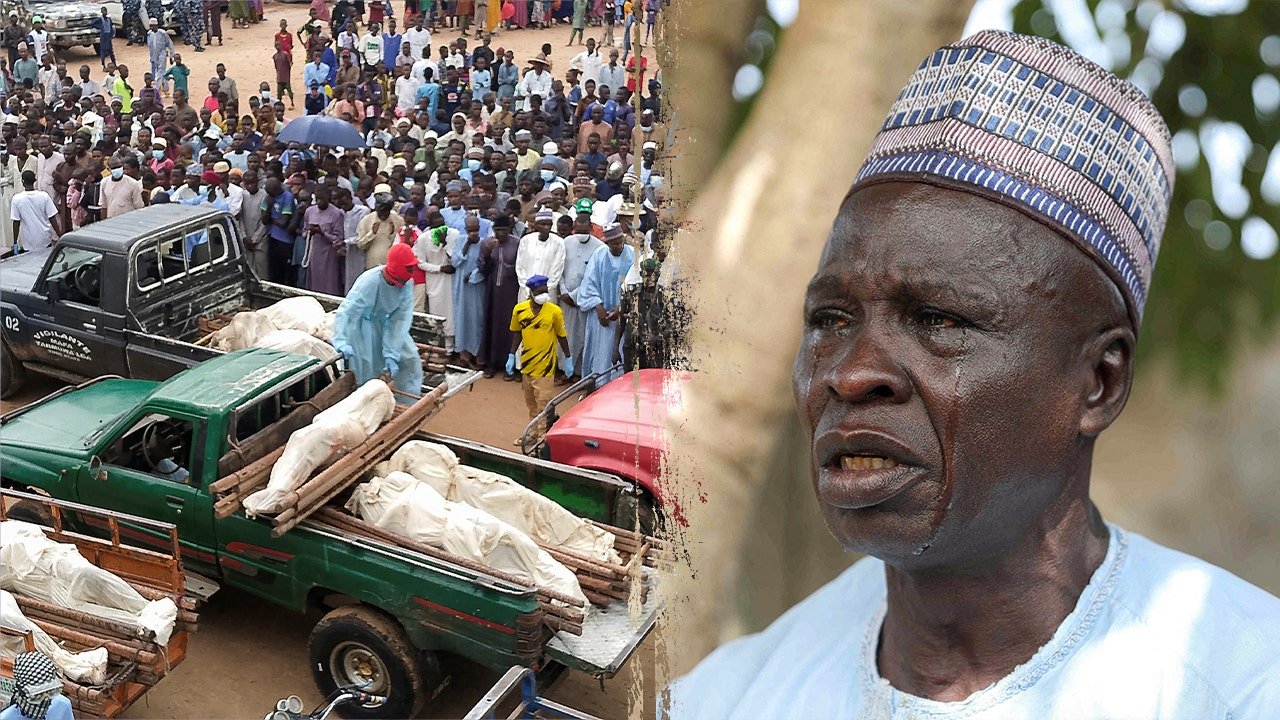
Nigerians watch funeral procession of victims of a Boko Haram attack in Yobe Nigeria in 2024. (Stringer/Reuters)
Moore told Fox News Digital the designation unlocks «15 different levers» the administration can use against Nigeria, including halting arms sales, freezing aid and sanctioning officials or institutions accused of ignoring or enabling religious killings.
«All options are on the table here for this, even kinetic military action,» Moore said. «That could mean targeted, strategic counterterrorism strikes to get rid of some of the top leadership if that’s what it takes to stop the killing.»
«We’ve been providing security assistance to this country since at least 2009 – billions of dollars worth of arm sales, training and equipment that they’ve received. And it’s a question of prioritization in what’s important to them. And clearly this has not been one of the most important things.»
The West Virginia Republican said he has been working with the House Appropriations Committee and the State Department to identify what he called «legislative levers» that could support the administration’s response. Moore said he’s also consulting with NGOs and Christian organizations «on the ground» in Nigeria to document the scale of the violence.
CRUZ CLASHES WITH NIGERIA OVER HIS CLAIMS 50,000 CHRISTIANS KILLED SINCE 2009 IN RELIGIOUS VIOLENCE
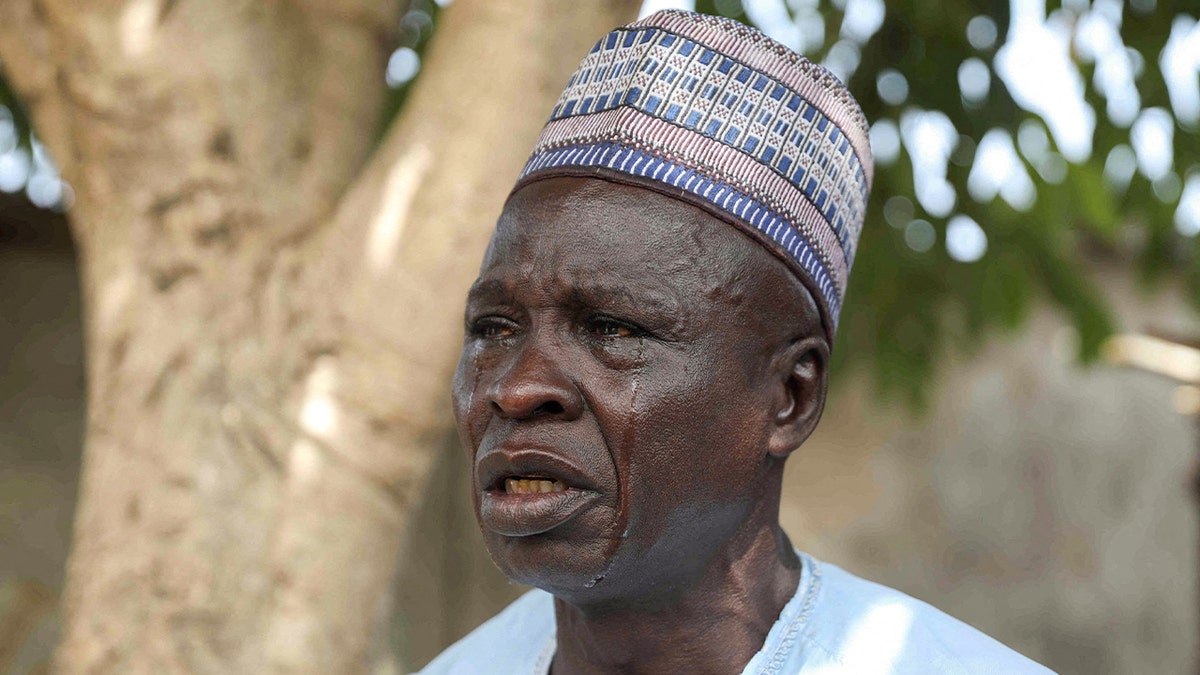
Solomon Maina, father of Debora, one of the 276 schoolgirls kidnapped from their dormitory by Boko Haram Islamist militants in 2014, reacts as he speaks during an interview at his home in Chibok, Nigeria April 7, 2024. (Temilade Adelaja/Reuters)
He described the attacks as a «genocide,» claiming Christians are being killed at a rate of five to one compared with non-Christians. Moore accused Nigeria’s government of «looking the other way» despite receiving billions in U.S. security aid since 2009.
«They’re not taking this seriously,» he said. «We had a pastor warn the government about an impending attack — they called it fake news. Within 24 hours, that pastor and 20 of his congregants were murdered.»
The Nigerian government denies a genocide is taking place. «Portraying Nigeria’s security challenges as a targeted campaign against a single religious group is a gross misrepresentation of reality. Terrorists attack all who reject their murderous ideology — Muslims, Christians, and those of no faith alike,» the office of the presidency wrote on X.
Moore said he and House Appropriations Chairman Tom Cole, R-Okla., plan to meet with Nigerian officials in Washington this month as part of the investigation, and may even send delegations to the nation. He added that the U.S. could still work with Nigeria’s government if it shows a willingness to confront extremist groups.
BOKO HARAM KIDNAPPING SURVIVOR PRAISES TRUMP AS HE WEIGHS ‘VICIOUS’ MILITARY ACTION IN NIGERIA
«It’s not all sticks here — there are some carrots in this,» Moore said. «If they’re willing to work with us, this could actually lead to a stronger relationship between our countries.»
The Nigerian government has denied that the killings amount to religious persecution, arguing that extremist and criminal groups target civilians of all faiths.
With a population of more than 230 million, Nigeria’s vibrant and often turbulent cities and villages are home to people of strikingly diverse backgrounds. The country’s more than 500 languages and mix of Islam, Christianity, and traditional indigenous faiths have long been marred by tension.
I’M A CHRISTIAN FROM NIGER. DON’T IGNORE HORRIFYING ATTACKS ON AFRICAN CHRISTIANS
Nigeria’s faith communities remain sharply divided, with Muslims dominating the northern regions and Christians concentrated in the south.
Christianity took firm root in the 19th century, when freed slaves educated in Sierra Leone returned home as teachers and missionaries — establishing schools, churches, and early congregations that continue to shape southern Nigeria’s identity today.
Despite vast oil and mineral wealth, decades of corruption and mismanagement have left much of the nation impoverished.
Nigeria’s growing cache of lithium, cobalt, nickel, and other rare minerals has drawn quiet U.S. attention as Washington looks to counter China’s dominance in Africa’s critical-minerals market. The Commerce Department and U.S. International Development Finance Corp. have eyed investment opportunities in Nigeria’s nascent lithium industry, but persistent insecurity in mining regions threatens Western access and future development.
For over a decade, Nigeria’s Christians fleeing the nation’s northern half have been subject to the violence of Boko Haram, an Islamist militant group known for its terrorist spectacles. Churches and homes burned, communities vanishing in the group’s night raids.
Numbers are difficult to verify, but the International Society for Civil Liberties and Rule of Law reports at least 52,000 Christians have been killed, some 18,500 abducted and unlikely to have survived, and 20,000 churches and Christian schools attacked between 2009 and 2023.
In 2014, Boko Haram famously kidnapped and enslaved 276 teenage girls in a raid on a high school dormitory. The group regularly arms children as suicide bombers and holds slave markets in captured territories.
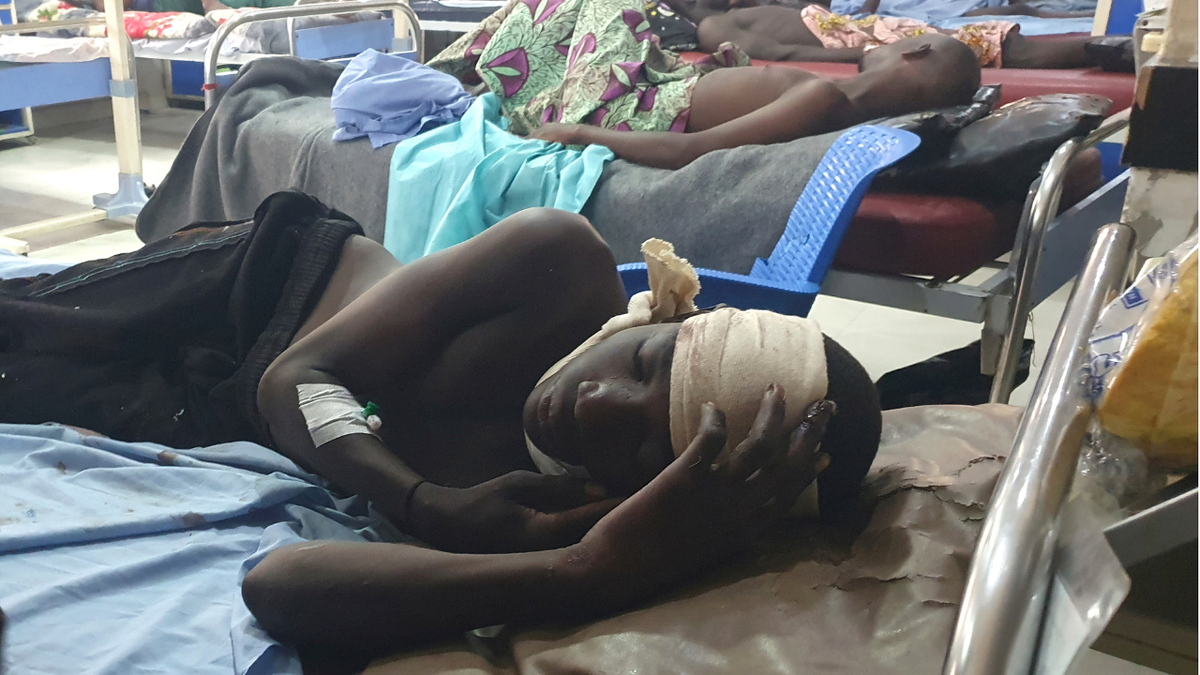
Injured victims of a suicide bomb attack receive treatment at a hospital in Maiduguri, Nigeria, Sunday, June 30, 2024. (AP Photo/Joshua Omiri)
But a direct U.S. military campaign would prove difficult with current U.S. assets in the nation and is unlikely, one defense official told Fox News Digital.
CLICK HERE TO DOWNLOAD THE FOX NEWS APP
The United States currently has no permanent military base in Nigeria, though small teams of U.S. advisors and special operations trainers work periodically with Nigerian forces under AFRICOM programs.
Washington approved about $600 million in security aid to Nigeria over the past decade, mostly focused on counterterrorism in the northeast.
africa,christianity religion,terrorism,politics,world politics










INTERNACIONAL
La izquierda volvió al poder en Perú: la apuesta por el caos se cuela en las luchas electorales de la derecha
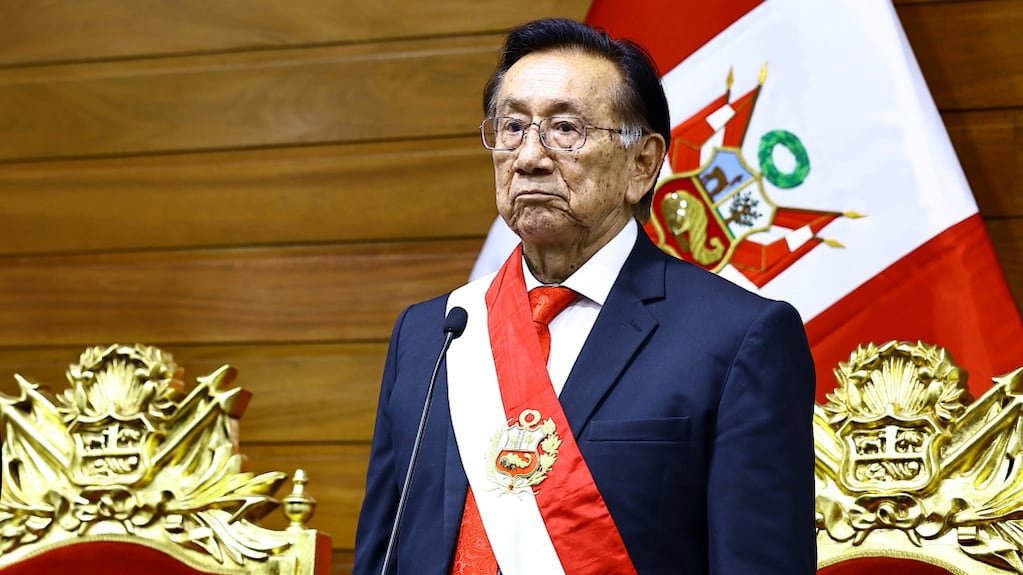
El inesperado regreso de la izquierda al gobierno de Perú, con la elección del nuevo presidente encargado José María Balcázar, reveló una profunda lucha de poder entre la centroderecha fujimorista y la derecha radical a dos meses de las elecciones generales del 12 de abril.
Balcázar, un veterano político de 83 años surgido del partido marxista Perú Libre, fue elegido el miércoles por el Congreso como mandatario interino en reemplazo del destituido presidente derechista José Jeri.
Leé también: El rey Carlos III rompió el silencio tras la detención del príncipe Andrés: “La Justicia debe seguir su curso”
Nadie en el país apostaba por la elección de Balcázar, que gobernará hasta el 28 de julio, cuando asuma el nuevo presidente elegido por el voto popular. Todos los números favorecían a la vocera del derechista Acción Popular, María del Carmen Alva, una dirigente polémica que tuvo enfrentamientos verbales violentos y hasta actitudes racistas con algunos pares.
Pero, ¿por qué un Congreso marcadamente conservador eligió finalmente a un presidente surgido de la extrema izquierda peruana, más allá de que rompió hace dos años con su partido y hoy se presenta como “independiente”?
La respuesta revela la compleja inestabilidad política que atraviesa el país: la centroderecha fujimorista liderada por Keiko Fujimori, y la derecha radical del exalcalde de Lima, Rafael López Aliaga, privilegiaron sus propios intereses y su estrategia electoral. En síntesis, apostar por el caos y desmarcarse de un Congreso desprestigiado.
Sin partidos fuertes, la democracia peruana genera presidentes débiles
La democracia peruana tiene hoy un profundo problema de base: carece de partidos fuertes.
La muestra está en la interminable lista de candidatos presidenciales que lucharán por llegar al poder en las elecciones del 12 de abril. Son 36 en total, la mayoría de ellos desconocidos para el electorado.
De esa manera, el voto se dispersa y los presidentes electos suelen contar con bancadas minoritarias en el Congreso. El resultado es una sucesión de gobiernos débiles que suelen ser destituidos por el Parlamento.
De hecho, Balcázar es el octavo presidente en los últimos 10 años. En julio asumirá el noveno. José María Balcázar (c) recibe la banda presidencial tras ser elegido presidente interino de Perú este miércoles, en Lima, Perú. (Foto: EFE)
Leé también: Trump dijo que en los próximos 10 días decidirá si ataca a Irán y advirtió: “Pueden pasar cosas malas”
López Aliaga, líder del ultraderechista partido de la Revolución Popular, lidera los sondeos a dos meses de las elecciones, seguido de cerca por Keiko Fujimori, hija del fallecido dictador Alberto Fujimori y líder de Fuerza Popular.
Pero ninguno de los dos despega. El último sondeo de Ipsos reveló que López Aliaga tiene el 12% de las intenciones de voto y Keiko, como la conocen todos en su país, apenas el 8%. Es muy poco para aspirar a ser presidente.
Para ser electo en primera vuelta, se necesita alcanzar el 50% más uno de los votos. Un eventual balotaje se realizaría el primer domingo de junio.
En ese escenario, crece cada vez más la percepción de que un “outsider” podría aparecer en el tramo final de la campaña.
Por qué Keiko Fujimori y Rafael López Aliaga le entregaron el poder a la izquierda
Por eso ambos dirigentes prefirieron despegarse de la lucha en el Congreso, no respaldar a otra fuerza derechista como Acción Popular de Alva y dejar el poder en manos de la izquierda.
“Los partidos de derecha han vuelto al enfrentamiento y a la polarización ideológica. Ellos creen que es lo que más les conviene. Esa es la pelea entre Renovación Popular y Fuerza Popular”, dijo a TN la directora de la consultora Imasen, Giovanna Peñaflor.
En ese escenario, las fuerzas conservadores más fuertes no hicieron nada para llegar a consensos.
“En disputa está quien gana el espacio de la derecha. López Aliaga venía ganando y Keiko trata ahora de recuperar terreno. El país es hoy más de derecha que de izquierda”, dijo Peñaflor.
Sin embargo, Perú vuelve a tener un presidente de ese espacio ideológico tres años después de la destitución de Pedro Castillo, de origen marxista. Tanto Balcázar como Castillo -condenado a 11 años, 5 meses y 15 días de cárcel por conspiración- surgieron del mismo partido, Patria Libre.
La mayor paradoja es que Balcázar terminará el período de gobierno del propio Castillo, destituido el 7 de diciembre de 2002 tras intentar disolver el Congreso. En el medio pasaron con mayor pena que gloria los presidentes encargados Dina Boluarte y José Jeri, ambos también removidos.
Para la analista, la estrategia de la derecha es clara: “Keiko apuesta a Balcázar para generar caos y López Aliaga busca responsabilizar a Keiko y desligarse del ´pacto mafioso´ que ha gobernado al país desde el Congreso».
Ahora, empieza la verdadera campaña electoral. La gran incógnita es si Balcázar podrá sobrevivir bajo la espada de Damócles de un Congreso adverso y una pelea de las fuerzas conservadoras por el poder.
Perú, José María Balcázar

NEWYou can now listen to Fox News articles!
President Donald Trump lauded Vice President JD Vance and Secretary of State Marco Rubio as «extraordinary» statesmen who complement each other’s strengths as they take the MAGA platform to the world stage.
Trump’s newly formed Board of Peace — an international forum aimed at funding Gaza’s reconstruction and coordinating a postwar stabilization force — convened its inaugural meeting in Washington, D.C., Thursday with delegations from more than 40 countries participating. Trump lauded the pair as he addressed the massive body of foreign leaders and representatives.
The meeting comes just less than a week after Rubio flew to Germany and delivered a speech before the Munich Security Conference, which earned applause from conservatives at home as he railed against unchecked mass migration and how it is destabilizing Western civilization.
JD VANCE CALLS AOC MUNICH MOMENT ‘MOST UNCOMFORTABLE 20 SECONDS OF TELEVISION’ HE HAS EVER SEEN
Vice President JD Vance and Secretary of State Marco Rubio, as well as their wives, attended the Olympics opening together earlier in 2026. (Kevin Lamarque / POOL / AFP via Getty Images)
Vance led the U.S.’ delegation to the Security Conference in 2025, and delivered a speech that was viewed as a defining moment for the newly inaugurated Trump White House and for Vance himself on the world stage. Vance warned in his 2025 speech that European governments and institutions are drifting toward censorship, citing policies he said police speech, curb religious expression and pressure online platforms.
Trump lauded both of the administration leaders in his remarks, explaining that while the pair approach diplomacy «very differently,» the «result is the same.»
The president first celebrated Vance, remarking that he is «brilliant» and an excellent student.
RUBIO SHINES ON GLOBAL STAGE WHILE AOC, WHITMER, AND NEWSOM TAKE HEAT
«JD graduated in a four-and-a-half-year college in two years, and then he went to Yale, and he graduated at the top of his class, went to the military. Great. But when he went to Yale, there was one person that was marginally ahead of him. So he married her. Can you believe it? He married the person that was ahead,» Trump said, referring to second lady Usha Vance.
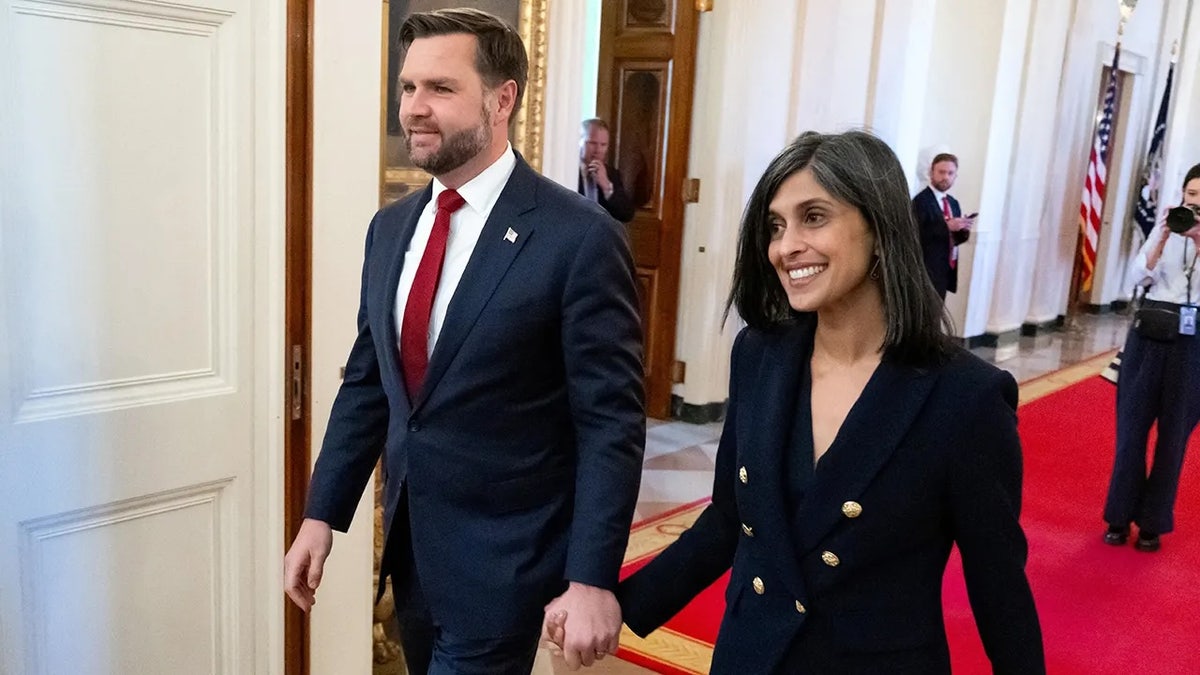
Usha Vance is pregnant with her fourth child. (Getty images)
Trump continued that Vance is «a brilliant guy and a great guy, and he’s been my friend,» before noting that he can be a «little bit tough on occasion.»
LIZ PEEK: AT MUNICH SHOWDOWN AOC SERVES WORD SALAD AS RUBIO CHANNELS STRENGTH
«We gotta slow him down just a little bit on occasion,» Trump said. «He says his mind.»
As for Rubio, Trump called him «the opposite extreme» of Vance.
DAN GAINOR: FROM SECRETARY OF STATE TO SECRETARY OF MEMES, RUBIO WINS OVER MAGA
«Now then we have the opposite extreme,» he said. «We have your friend sitting in the back. Your best friend. Sitting in the back is Marco. Marco does it with a velvet glove, but it’s a kill, right? The result is the same. They do it very differently,» he said.
Vance has previously called Rubio his «closest friend in the administration» or «best friend in the administration» in public remarks, including in October while on a podcast and again while speaking with Fox News earlier in February.
Trump went on to joke that Rubio did such an excellent job delivering his speech before the Munich conference he considered firing him.
«Marco, you really did yourself proud two days ago in Munich. In fact, so proud that I almost terminated his employ because they were saying, ‘Why can’t Trump do this?’ I do, but I say it differently. But Marco, don’t do any better than you did. please. Because if you do, you’re out of here.»
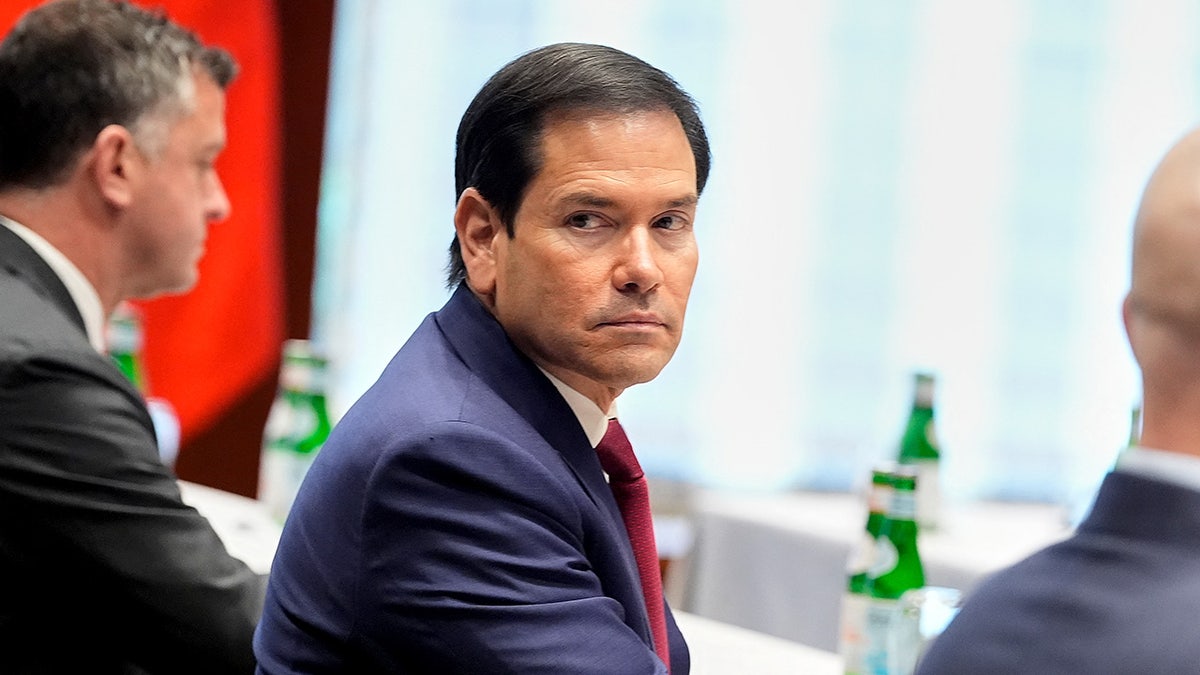
Secretary of State Marco Rubio attends a bilateral meeting with China’s Foreign Minister (not in picture) in Munich, Feb. 13, 2026, on the sidelines of the Munich Security Conference. ( Alex Brandon / POOL / AFP via Getty Images)
«I want my guys to do great. And the acclaim he’s gotten and they claim JD gets is, is great,» he continued.
The praise follows Rubio and Vance joining a bilateral meeting with Prime Minister Giorgia Meloni earlier in February in Italy, and Vance leading a delegation that included Rubio during the Olympics’ opening ceremony in Milan.
Vance’s foreign policy profile became a point of media scrutiny earlier in 2026, when U.S. forces captured Venezuela’s Nicolás Maduro. Vance did not join Trump at Mar-a-Lago in Florida to monitor the operation, while Rubio was with the president.
Vance’s office previously brushed off report over his absence, citing that Trump and Vance limit the «frequency and duration» of time they spend together outside the White House due to «increased security concerns.»
CLICK HERE TO DOWNLOAD THE FOX NEWS APP
«I think it’s so interesting the media wants to create this conflict where there just isn’t any conflict,» Vance told Fox News earlier in February of the media scrutiny.
«Marco’s doing a great job. I’m trying to do as good of a job as I can. The president’s doing a great job. We’re going to keep on working together,» he added.
donald trump,marco rubio,jd vance,germany
INTERNACIONAL
La administración tecnócrata de Gaza anunció el despliegue de 5.000 policías en 60 días para reemplazar a Hamas
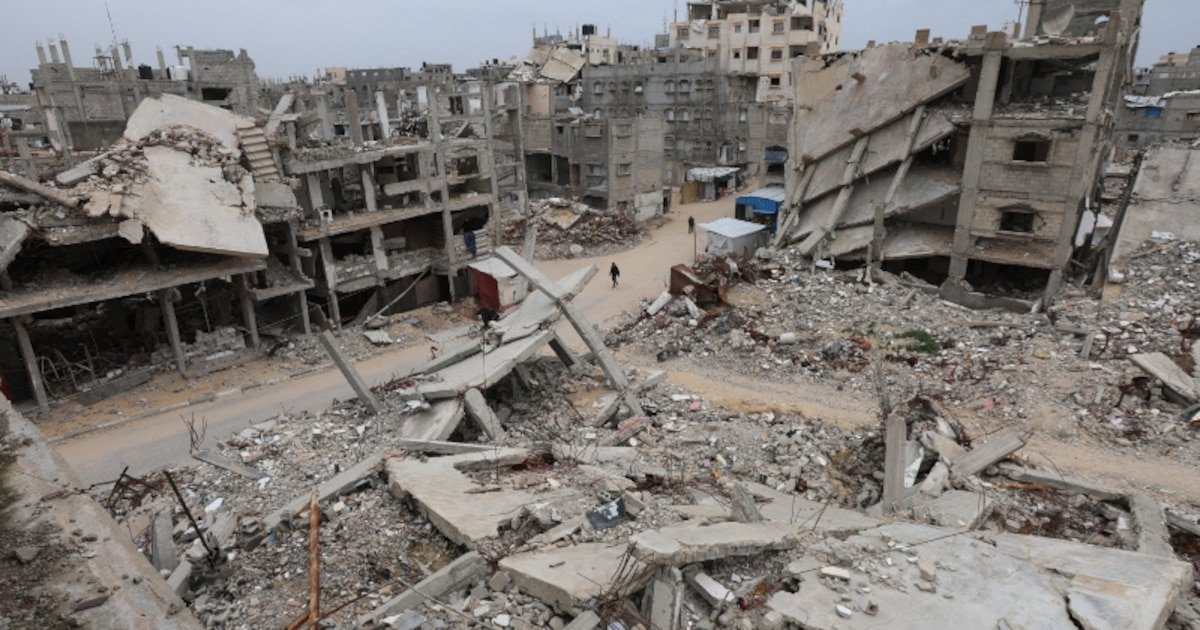
REUTERS/Ramadan Abed
Alí Shaath, economista palestino y director de la Comisión Nacional para la Administración de Gaza (CNAG), anunció el jueves durante la reunión inaugural de la Junta de Paz en Washington el despliegue de una fuerza policial palestina de 5.000 agentes en un plazo de 60 días.
El anuncio se enmarca en la segunda fase del plan de 20 puntos del presidente Donald Trump para Gaza, que busca trasladar el control del enclave devastado desde el grupo terrorista Hamas hacia una estructura de gobernanza internacional supervisada directamente desde Washington.
Shaath, ex viceministro de la Autoridad Palestina, reconoció que la CNAG opera en condiciones extremadamente difíciles. Gran parte de la Franja resultó gravemente dañada tras dos años de guerra que dejaron al menos 70.000 palestinos muertos, según cifras de organismos palestinos confirmadas también por Israel.
La nueva fuerza policial responde a la primera de cuatro prioridades definidas por la comisión tecnócrata: restaurar la seguridad bajo una sola autoridad, una sola ley y una sola arma. Las otras tres áreas prioritarias incluyen reactivar la economía, garantizar ayuda humanitaria sostenible y restablecer servicios básicos como electricidad, agua, salud y educación.

El director de la Junta de Paz, el diplomático búlgaro Nikolai Mladenov, informó que unas 2.000 personas ya solicitaron unirse a esta fuerza de transición, que será entrenada en Egipto y operará bajo la autoridad civil de la CNAG. Mladenov estableció como condición esencial que todas las facciones armadas en Gaza sean desmanteladas y que las armas queden bajo control de una autoridad civil única. Para ello, afirmó, resulta imprescindible la implementación completa del plan de 20 puntos de Trump.
La Junta de Paz, presentada por Trump como una alternativa a Naciones Unidas, celebró su primera reunión con la participación de casi 50 países, superando los 27 miembros fundadores. Sin embargo, la ausencia de potencias europeas occidentales y el rechazo del Vaticano, México y varios países latinoamericanos evidencian las fisuras en el respaldo internacional al mecanismo impulsado por Estados Unidos.
La junta está dirigida por una estructura ejecutiva que incluye al secretario de Estado Marco Rubio, el yerno de Trump Jared Kushner, el exprimer ministro británico Tony Blair y el enviado especial Steve Witkoff, entre otros.
El plan de 20 puntos, presentado por Trump en septiembre de 2025 junto al primer ministro israelí Benjamín Netanyahu, establece un alto el fuego condicionado al desarme completo de Hamas, la liberación de rehenes israelíes y la creación de una zona libre de terrorismo en Gaza.

REUTERS/Mahmoud Issa/Fotografía de archivo
El documento contempla la formación de un gobierno de transición bajo supervisión internacional, un programa masivo de reconstrucción y, eventualmente, la posibilidad de avanzar hacia un Estado palestino, aunque Netanyahu ha rechazado categóricamente esta última perspectiva.
El principal obstáculo para la implementación del plan radica en el desarme de Hamas, que mantiene el control efectivo de Gaza desde 2007. Israel fijó un plazo de 60 días para que el grupo terrorista entregue todas sus armas, incluidas las ligeras como fusiles AK-47. El Departamento de Estado estadounidense reconoció que la desmilitarización constituye el desafío central del proceso.
Sin embargo, Khaled Meshaal, alto dirigente de Hamas, rechazó el desarme total y propuso únicamente un congelamiento de las armas, argumentando que desarmarse equivaldría a despojar al pueblo palestino de su alma.
La tensión se agrava por las continuas violaciones del alto el fuego. El ejército israelí mantiene el control de más del 50% del territorio gazatí y ha dejado claro que no renunciará al objetivo de desmilitarización total de la Franja. El ministerio de Salud de Gaza, operado por Hamas, reportó al menos 601 palestinos muertos por fuerzas israelíes desde el inicio de la tregua en octubre de 2025.

(AP Foto/Abdel Kareem Hana)
Mladenov advirtió que enviar al comité tecnócrata mientras persisten los enfrentamientos solo garantizará su inefectividad. El diplomático búlgaro anunció la creación de una Oficina del Alto Representante para Gaza, que él mismo encabezaría provisionalmente, con el objetivo de eliminar los obstáculos que enfrentará la CNAG al asumir el control civil y administrativo del enclave.
Trump anunció que Estados Unidos contribuirá con 10.000 millones de dólares para la reconstrucción de Gaza, mientras que nueve países árabes comprometieron otros 7.000 millones. Indonesia, Marruecos, Albania, Kosovo y Kazajistán ofrecieron tropas para la Fuerza Internacional de Estabilización prevista en el plan, aunque ningún gobierno ha formalizado compromisos definitivos sobre el número de efectivos ni el alcance de su mandato.
El modelo propuesto recuerda experiencias de administración internacional en Timor Oriental, Kosovo, Bosnia e Irak. Sin embargo, la ausencia de representación palestina en la junta ejecutiva internacional y la imposición vertical de estructuras de gobernanza han generado escepticismo sobre la viabilidad del proyecto. La historia demuestra que cuando el diseño es excesivamente vertical y la legitimidad local resulta limitada, la estabilidad suele ser precaria.
La CNAG, integrada por 15 tecnócratas palestinos, carece de función política y se limitará a la gestión logística y administrativa civil.
Top Pictures,Military Conflicts

La izquierda volvió al poder en Perú: la apuesta por el caos se cuela en las luchas electorales de la derecha

“Le entrego el símbolo de esta ley”: Horacio Pietragalla le dejó una cadena a Martín Menem en el debate de la reforma laboral

El momento en que la diputada Carignano desenchufa micrófonos para interrumpir la sesión

Fate no es la única: la lista de empresas emblemáticas que cerraron o se achicaron por importaciones

El video de la periodista que salió al aire alcoholizada en los Juegos Olímpicos de Invierno y debió pedir perdón: “Avergonzada”

Un paro antimileista dio el marco que el Presidente esperaba para su reforma | La opinión de Marcos Novaro

Reforma laboral bomba: menos indemnización, más horas y despidos más fáciles — el cambio que puede sacudir el empleo en Argentina

Cristian Ritondo: “Vamos a apoyar la ley de modernización laboral, pero no el régimen de licencias por enfermedad”

El dólar no sólo cae en la Argentina: qué pasa con otras monedas emergentes y cuáles son las causas

Tras el anuncio de la CGT, también habrá paro total de los medios de transporte de pasajeros en el país

 POLITICA2 días ago
Reforma laboral bomba: menos indemnización, más horas y despidos más fáciles — el cambio que puede sacudir el empleo en Argentina
- POLITICA3 días ago
Cristian Ritondo: “Vamos a apoyar la ley de modernización laboral, pero no el régimen de licencias por enfermedad”
- ECONOMIA3 días ago
El presidente de Camarco habló tras el mensaje de Caputo a los empresarios: “Apoyamos fervientemente la reforma laboral”