INTERNACIONAL
Esto es lo que sabemos sobre el tiroteo contra soldados de la Guardia Nacional


Una soldada de la Guardia Nacional resultó muerta y otro está gravemente heridos después de que un hombre les disparó a pocas cuadras de la Casa Blanca.
El sospechoso, un hombre de 29 años procedente de Afganistán, también resultó herido después de abrir fuego, según las autoridades que lo detuvieron y dijeron que parecía haber actuado solo.
El sospechoso había trabajado con unidades militares respaldadas por la CIA en Afganistán durante la guerra de Estados Unidos en ese país, según dijo el jueves la agencia. El presidente Donald Trump habla con los periodistas tras hablar con las tropas a través de un vídeo desde su finca Mar-a-Lago el jueves 27 de noviembre de 2025, en Palm Beach, Florida. (Foto AP/Alex Brandon)
En un discurso televisado el miércoles por la noche, el presidente Donald Trump calificó el tiroteo como un acto terrorista y dijo que el sospechoso “pagaría un precio muy alto”.
Esto es lo que sabemos sobre el tiroteo:
A los soldados les dispararon cerca de la Casa Blanca
El tiroteo sucedió alrededor de las 2:15 p. m. cerca de la entrada de la estación de metro Farragut West, a pocas cuadras de la Casa Blanca. Allí, según las autoridades, Rahmanullah Lakanwal, un afgano de 29 años, abrió fuego con un arma del calibre .357. Alcanzó a dos integrantes uniformados de la Guardia Nacional, Wolfe, de 24 años, y Beckstrom, de 20, ambos pertenecientes a la Guardia Nacional de Virginia Occidental, según informaron.
El sonido de los disparos aterrorizó a algunos transeúntes. La enfermera Stacey Walters dijo que viajaba en un Uber cuando oyó los disparos.
“Tenía ganas de llorar”, afirmó. “Nunca había estado tan cerca de algo así, y menos durante las fiestas”.
La fiscala general de Estados Unidos, Pam Bondi, dijo el jueves que el sospechoso podría enfrentarse a una pena de cadena perpetua.
Uno de los guardias se había ofrecido como voluntario para trabajar el jueves, para que otros pudieran estar en casa con sus familias durante el día festivo.
El sospechoso trabajó con unidades respaldadas por la CIA y entró en Estados Unidos como refugiado
Las autoridades identificaron a Rahmanullah Lakanwal, un afgano de 29 años, como el sospechoso del tiroteo. Resultó herido tras recibir disparos de otros miembros de la Guardia Nacional y permaneció en el hospital, donde fue objeto de vigilancia, según informó Jeanine Pirro, fiscala federal de Washington D. C.
Lakanwal trabajó para diversas agencias del gobierno estadounidense en Afganistán, incluida una unidad militar respaldada por la CIA en Kandahar, según dijo la CIA el jueves.
Lakanwal entró en Estados Unidos en septiembre de 2021 a través de la Operación Bienvenidos Aliados, un programa que permitía la entrada a Estados Unidos de ciudadanos afganos que huían de la toma de poder de los talibanes, según Kristi Noem, la secretaria de Seguridad Nacional.
El programa permitía a determinadas personas afganas permanecer en el país durante dos años. No era una vía para obtener la residencia permanente y requería que encontraran otras formas de permanecer en el país, como solicitar asilo.
En el momento del ataque, el sospechoso vivía en Bellingham, Washington, con su esposa y varios hijos, dijo Pirro. Había cruzado el país en coche, afirmó, con la intención de cometer un atentado en la capital del país.
Tras el tiroteo, Trump ordenó el envío de otros 500 soldados de la Guardia Nacional a Washington
El presidente ordenó el envío de otros 500 soldados de la Guardia Nacional a Washington D. C. después del tiroteo.
Trump ya ha enviado a 2000 miembros de la Guardia Nacional a la capital del país, como parte de un intento de despliegue de miles de soldados en ciudades estadounidenses este año en su ofensiva contra la inmigración y la delincuencia. Jueces federales de todo el país, incluido el circuito de Washington D. C., han intentado limitar su autoridad para utilizar a estos soldados.
En Washington D. C., miembros de la Guardia Nacional han patrullado las paradas de metro y las zonas turísticas y han colaborado en la intensificación de las operaciones de inmigración y deportación de la ciudad.
(*) Jin Yu Young reporta desde Seúl sobre Corea del Sur, la región Asia-Pacífico y las últimas noticias mundiales.
The New York Times, Tiroteo, casa blanca







INTERNACIONAL
Iraq War flashbacks? Experts say Trump’s Iran buildup signals pressure campaign, not regime change
NEWYou can now listen to Fox News articles!
As U.S. forces surge into the Middle East amid escalating tensions with Iran, the military posture is drawing comparisons to the 2003 Iraq War buildup. But military experts and former officials say that while the scale of visible force may look similar, the design and intent are fundamentally different.
In early 2003, the United States assembled more than 300,000 U.S. personnel in the region, backed by roughly 1,800 coalition aircraft and multiple Army and Marine divisions staged in Kuwait and Saudi Arabia ahead of Operation Iraqi Freedom. The force was built for invasion, regime removal and occupation.
Today’s deployment tells a different story, as the absence of massed ground forces remains the clearest contrast with 2003.
«I believe there is absolutely no intention to put ground forces into Iran. So the buildup is very different,» retired Gen. Philip Breedlove, former NATO Supreme Allied Commander Europe, told Fox News Digital.
IRAN DRAWS MISSILE RED LINE AS ANALYSTS WARN TEHRAN IS STALLING US TALKS
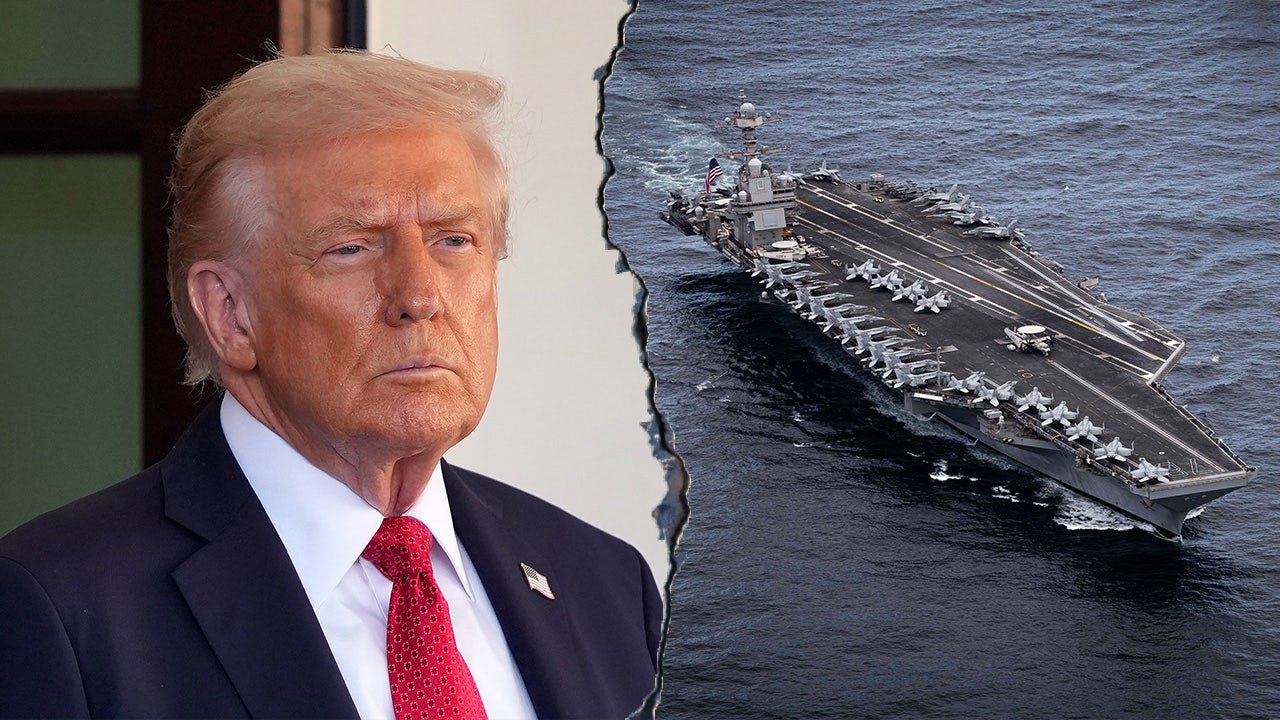
The world’s largest aircraft carrier USS Gerald R. Ford is seen in the North Sea during Exercise Neptune Strike 2025. The photo was taken in the North Sea in September 2025. (Jonathan Klein/AFP via Getty Images)
«What is happening is that both firepower and supplies are being moved to the right places … Amateurs talk tactics; professionals talk logistics. And right now we are getting logistics right, not only in the form of shooters but supplies to sustain an effort,» he said.
John Spencer, executive director of the Urban Warfare Institute, told Fox News Digital that «the strategic objective in both cases is coercion, shaping an adversary’s decision calculus through visible military power, but while the scale of the buildup may appear comparable, what is being mobilized and threatened is fundamentally different.»
«In 2003, the United States assembled a ground-centric force built for regime removal, territorial seizure and occupation,» he said. «Today’s posture is maritime and air-heavy, centered on carrier strike groups, long-range precision strike and layered air defense, signaling clear readiness to act while also sending an equally clear message that there are no boots on the ground planned.»
«The recent U.S. military buildup against Iran — which now includes two aircraft carrier battle groups, in addition to dozens of other U.S. planes that have been sent to bases in the region and air and missile defense systems — provides President Trump with a significant amount of military capability should he authorize military operations against Iran,» said Javed Ali, associate professor at the University of Michigan’s Ford School and former senior counterterrorism official.
Ali noted that U.S. capabilities already in the region at Al Udeid Air Base in Qatar, Diego Garcia in the Indian Ocean and other locations give Washington multiple strike options.
If ordered, he said, operations «would very likely be broad in scope against a range of targets like the ruling clerical establishment, senior officials in the IRGC, key ballistic missile and drone production, storage and launch facilities, and elements of Iran’s nuclear infrastructure, and last for days if not longer.»
IRAN RAMPS UP REGIONAL THREATS AS TRUMP CONSIDERS TALKS, EYEWITNESS ACCOUNTS OF REGIME VIOLENCE EMERGE
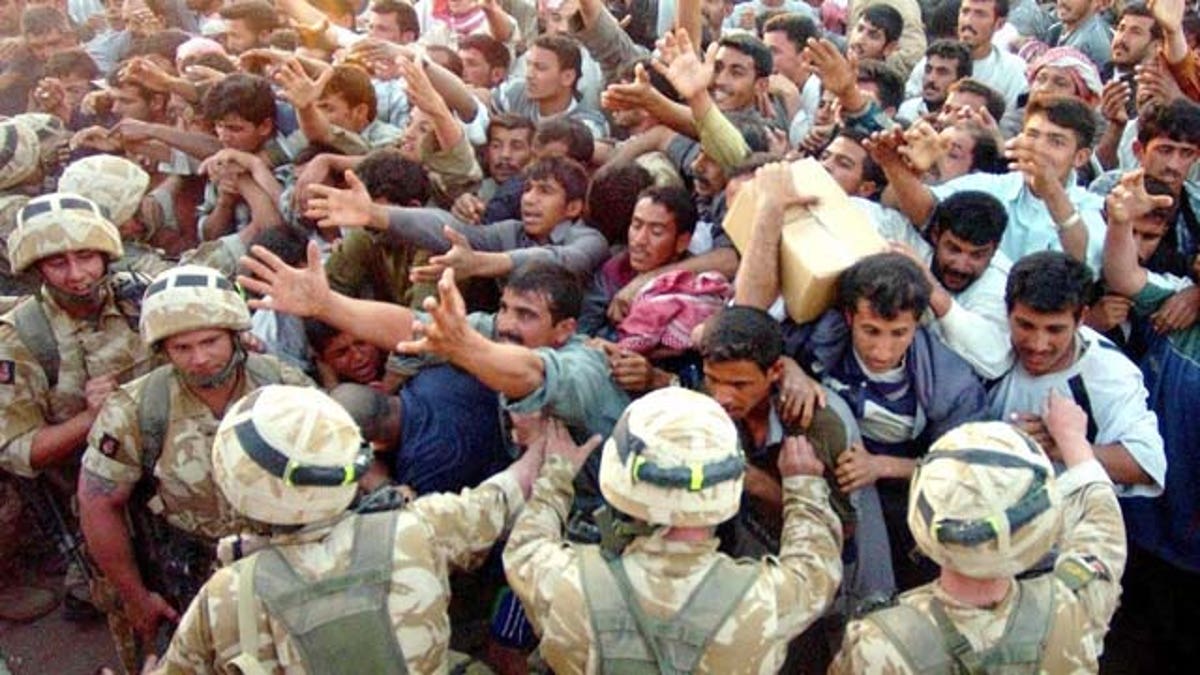
Soldiers of the British Light Infantry distribute aid packages to locals at Zubayr near Basra, southern Iraq. Britain, a key ally in the U.S.-coalition, was in charge of security in Iraq’s southern region until its withdrawal in 2007.
Breedlove said the incremental deployment of carriers and air assets appears designed to increase pressure, not trigger immediate war.
«We brought in one carrier battle group that did not change the rhetoric in Iran… so now the president has started sailing a second carrier battle group to the area. I think all of these things are increasing the pressure slowly on Iran to help them come to the right decision… Let’s sit down at the table and figure this out.»
Ali emphasized another major difference: legal authority and coalition structure. The 2003 Iraq War was authorized by a congressional Authorization for Use of Military Force and backed by a large international coalition, including tens of thousands of British troops. «Currently, no similar AUMF has been approved by Congress for military operations against Iran, which might mean President Trump may invoke his standing authority under Article II of the US Constitution as Commander in Chief as a substitute legal basis, given the threats Iran poses to the United States,» he said.
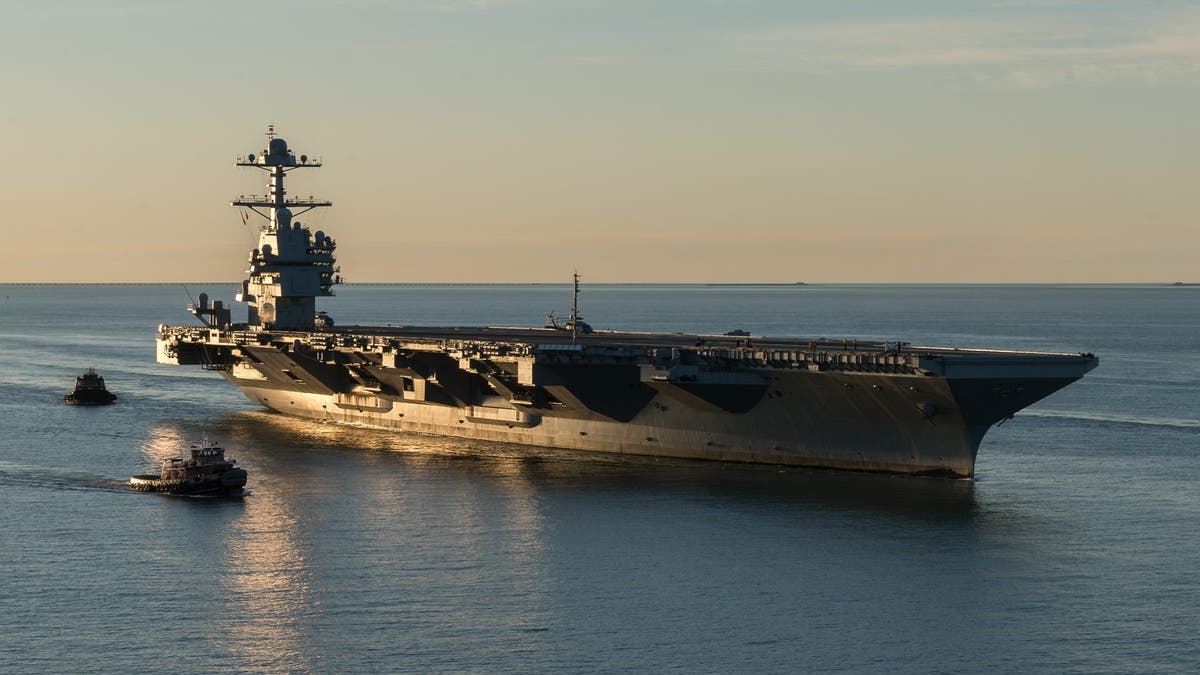
The aircraft carrier Pre-Commissioning Unit (PCU) Gerald R. Ford (CVN 78) pulls into Naval Station Norfolk for the first time. The first-of-class ship — the first new U.S. aircraft carrier design in 40 years — spent several days conducting builder’s sea trials, a comprehensive test of many of the ship’s key systems and technologies. (U.S. Navy photo by Matt Hildreth courtesy of Huntington Ingalls Industries/Released) (©Newport News Shipbuilding 2017)
That does not mean escalation is risk-free. Ali warned Iran could respond with «ballistic missile attacks» in far greater frequency than past strikes, along with drones, cyber operations and maritime disruption in the Persian Gulf.
Breedlove pointed to lessons learned from Iraq. «We want to have a clear set of objectives… we do not want to enter an endless sort of battle with Iran… we need to have a plan for what’s day plus one,» he said, warning against repeating past mistakes where military success was not matched by post-conflict planning.
CLICK HERE TO DOWNLOAD THE FOX NEWS APP

The world’s largest aircraft carrier, the U.S. Navy nuclear-powered Ford-class aircraft carrier USS Gerald R. Ford (CVN 78) arrives in St. Thomas, U.S. Virgin Islands, Dec. 1, 2025. (Seaman Abigail Reyes/U.S. Navy/Handout via Reuters)
The central military distinction, analysts say, is this: 2003 was an invasion architecture. Today is a deterrence and strike architecture.
The force now in place is optimized for air superiority, long-range precision strikes and sustained naval operations — not for seizing and holding territory. Whether that posture succeeds in compelling Iran back to negotiations without crossing into open conflict may depend less on numbers than on how each side calculates the cost of escalation.
iran,iraq,military,pentagon,national security,wars,middle east
INTERNACIONAL
La izquierda volvió al poder en Perú: la apuesta por el caos se cuela en las luchas electorales de la derecha
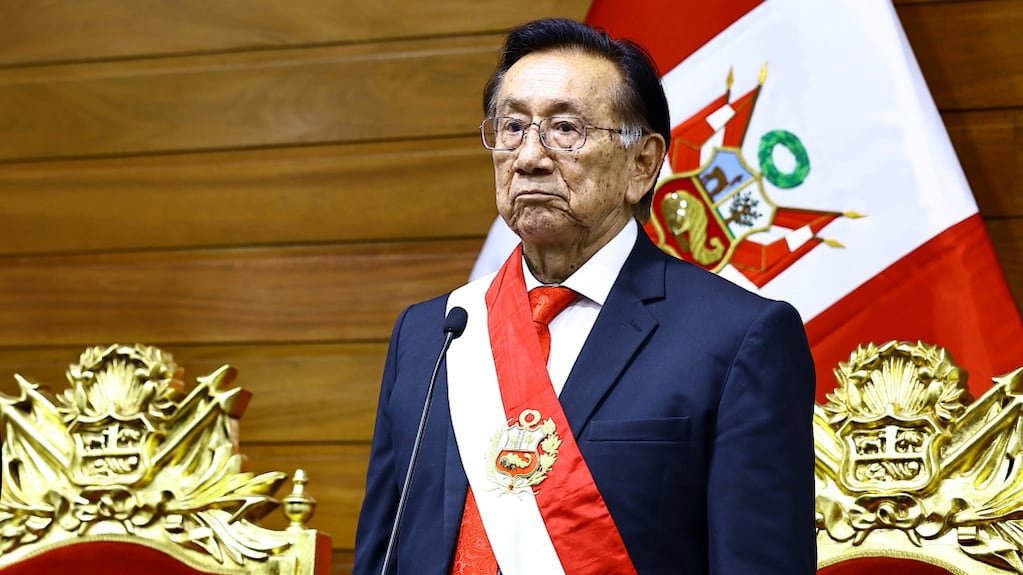
El inesperado regreso de la izquierda al gobierno de Perú, con la elección del nuevo presidente encargado José María Balcázar, reveló una profunda lucha de poder entre la centroderecha fujimorista y la derecha radical a dos meses de las elecciones generales del 12 de abril.
Balcázar, un veterano político de 83 años surgido del partido marxista Perú Libre, fue elegido el miércoles por el Congreso como mandatario interino en reemplazo del destituido presidente derechista José Jeri.
Leé también: El rey Carlos III rompió el silencio tras la detención del príncipe Andrés: “La Justicia debe seguir su curso”
Nadie en el país apostaba por la elección de Balcázar, que gobernará hasta el 28 de julio, cuando asuma el nuevo presidente elegido por el voto popular. Todos los números favorecían a la vocera del derechista Acción Popular, María del Carmen Alva, una dirigente polémica que tuvo enfrentamientos verbales violentos y hasta actitudes racistas con algunos pares.
Pero, ¿por qué un Congreso marcadamente conservador eligió finalmente a un presidente surgido de la extrema izquierda peruana, más allá de que rompió hace dos años con su partido y hoy se presenta como “independiente”?
La respuesta revela la compleja inestabilidad política que atraviesa el país: la centroderecha fujimorista liderada por Keiko Fujimori, y la derecha radical del exalcalde de Lima, Rafael López Aliaga, privilegiaron sus propios intereses y su estrategia electoral. En síntesis, apostar por el caos y desmarcarse de un Congreso desprestigiado.
Sin partidos fuertes, la democracia peruana genera presidentes débiles
La democracia peruana tiene hoy un profundo problema de base: carece de partidos fuertes.
La muestra está en la interminable lista de candidatos presidenciales que lucharán por llegar al poder en las elecciones del 12 de abril. Son 36 en total, la mayoría de ellos desconocidos para el electorado.
De esa manera, el voto se dispersa y los presidentes electos suelen contar con bancadas minoritarias en el Congreso. El resultado es una sucesión de gobiernos débiles que suelen ser destituidos por el Parlamento.
De hecho, Balcázar es el octavo presidente en los últimos 10 años. En julio asumirá el noveno. José María Balcázar (c) recibe la banda presidencial tras ser elegido presidente interino de Perú este miércoles, en Lima, Perú. (Foto: EFE)
Leé también: Trump dijo que en los próximos 10 días decidirá si ataca a Irán y advirtió: “Pueden pasar cosas malas”
López Aliaga, líder del ultraderechista partido de la Revolución Popular, lidera los sondeos a dos meses de las elecciones, seguido de cerca por Keiko Fujimori, hija del fallecido dictador Alberto Fujimori y líder de Fuerza Popular.
Pero ninguno de los dos despega. El último sondeo de Ipsos reveló que López Aliaga tiene el 12% de las intenciones de voto y Keiko, como la conocen todos en su país, apenas el 8%. Es muy poco para aspirar a ser presidente.
Para ser electo en primera vuelta, se necesita alcanzar el 50% más uno de los votos. Un eventual balotaje se realizaría el primer domingo de junio.
En ese escenario, crece cada vez más la percepción de que un “outsider” podría aparecer en el tramo final de la campaña.
Por qué Keiko Fujimori y Rafael López Aliaga le entregaron el poder a la izquierda
Por eso ambos dirigentes prefirieron despegarse de la lucha en el Congreso, no respaldar a otra fuerza derechista como Acción Popular de Alva y dejar el poder en manos de la izquierda.
“Los partidos de derecha han vuelto al enfrentamiento y a la polarización ideológica. Ellos creen que es lo que más les conviene. Esa es la pelea entre Renovación Popular y Fuerza Popular”, dijo a TN la directora de la consultora Imasen, Giovanna Peñaflor.
En ese escenario, las fuerzas conservadores más fuertes no hicieron nada para llegar a consensos.
“En disputa está quien gana el espacio de la derecha. López Aliaga venía ganando y Keiko trata ahora de recuperar terreno. El país es hoy más de derecha que de izquierda”, dijo Peñaflor.
Sin embargo, Perú vuelve a tener un presidente de ese espacio ideológico tres años después de la destitución de Pedro Castillo, de origen marxista. Tanto Balcázar como Castillo -condenado a 11 años, 5 meses y 15 días de cárcel por conspiración- surgieron del mismo partido, Patria Libre.
La mayor paradoja es que Balcázar terminará el período de gobierno del propio Castillo, destituido el 7 de diciembre de 2002 tras intentar disolver el Congreso. En el medio pasaron con mayor pena que gloria los presidentes encargados Dina Boluarte y José Jeri, ambos también removidos.
Para la analista, la estrategia de la derecha es clara: “Keiko apuesta a Balcázar para generar caos y López Aliaga busca responsabilizar a Keiko y desligarse del ´pacto mafioso´ que ha gobernado al país desde el Congreso».
Ahora, empieza la verdadera campaña electoral. La gran incógnita es si Balcázar podrá sobrevivir bajo la espada de Damócles de un Congreso adverso y una pelea de las fuerzas conservadoras por el poder.
Perú, José María Balcázar

NEWYou can now listen to Fox News articles!
President Donald Trump lauded Vice President JD Vance and Secretary of State Marco Rubio as «extraordinary» statesmen who complement each other’s strengths as they take the MAGA platform to the world stage.
Trump’s newly formed Board of Peace — an international forum aimed at funding Gaza’s reconstruction and coordinating a postwar stabilization force — convened its inaugural meeting in Washington, D.C., Thursday with delegations from more than 40 countries participating. Trump lauded the pair as he addressed the massive body of foreign leaders and representatives.
The meeting comes just less than a week after Rubio flew to Germany and delivered a speech before the Munich Security Conference, which earned applause from conservatives at home as he railed against unchecked mass migration and how it is destabilizing Western civilization.
JD VANCE CALLS AOC MUNICH MOMENT ‘MOST UNCOMFORTABLE 20 SECONDS OF TELEVISION’ HE HAS EVER SEEN
Vice President JD Vance and Secretary of State Marco Rubio, as well as their wives, attended the Olympics opening together earlier in 2026. (Kevin Lamarque / POOL / AFP via Getty Images)
Vance led the U.S.’ delegation to the Security Conference in 2025, and delivered a speech that was viewed as a defining moment for the newly inaugurated Trump White House and for Vance himself on the world stage. Vance warned in his 2025 speech that European governments and institutions are drifting toward censorship, citing policies he said police speech, curb religious expression and pressure online platforms.
Trump lauded both of the administration leaders in his remarks, explaining that while the pair approach diplomacy «very differently,» the «result is the same.»
The president first celebrated Vance, remarking that he is «brilliant» and an excellent student.
RUBIO SHINES ON GLOBAL STAGE WHILE AOC, WHITMER, AND NEWSOM TAKE HEAT
«JD graduated in a four-and-a-half-year college in two years, and then he went to Yale, and he graduated at the top of his class, went to the military. Great. But when he went to Yale, there was one person that was marginally ahead of him. So he married her. Can you believe it? He married the person that was ahead,» Trump said, referring to second lady Usha Vance.
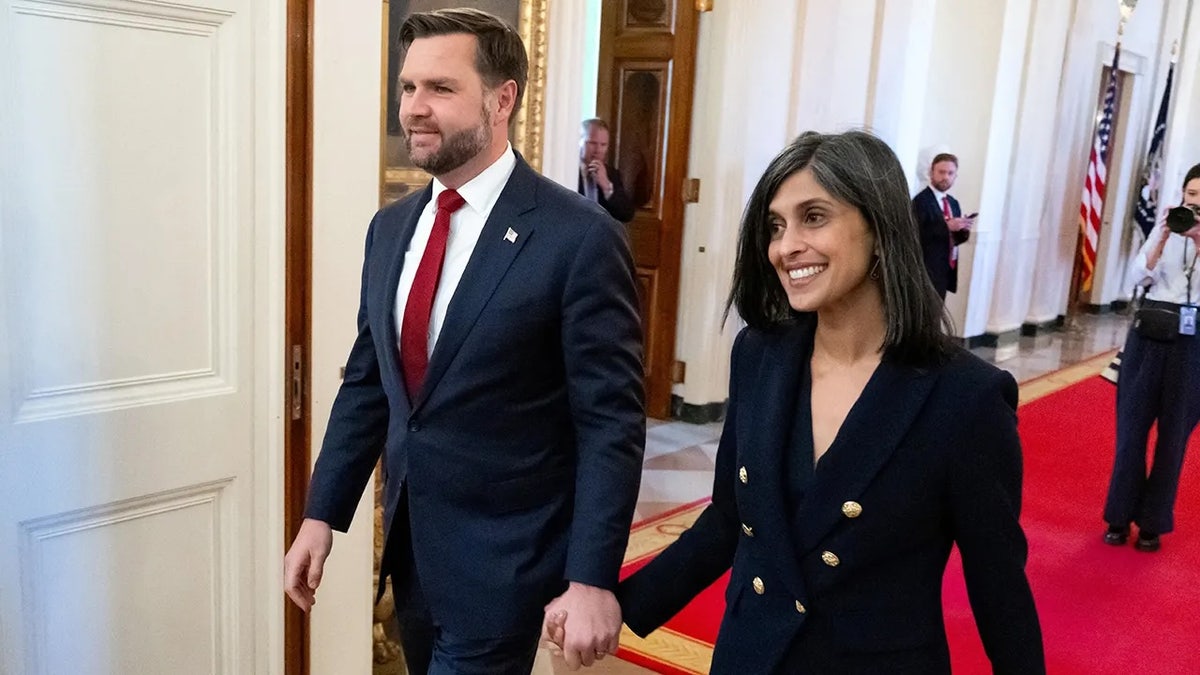
Usha Vance is pregnant with her fourth child. (Getty images)
Trump continued that Vance is «a brilliant guy and a great guy, and he’s been my friend,» before noting that he can be a «little bit tough on occasion.»
LIZ PEEK: AT MUNICH SHOWDOWN AOC SERVES WORD SALAD AS RUBIO CHANNELS STRENGTH
«We gotta slow him down just a little bit on occasion,» Trump said. «He says his mind.»
As for Rubio, Trump called him «the opposite extreme» of Vance.
DAN GAINOR: FROM SECRETARY OF STATE TO SECRETARY OF MEMES, RUBIO WINS OVER MAGA
«Now then we have the opposite extreme,» he said. «We have your friend sitting in the back. Your best friend. Sitting in the back is Marco. Marco does it with a velvet glove, but it’s a kill, right? The result is the same. They do it very differently,» he said.
Vance has previously called Rubio his «closest friend in the administration» or «best friend in the administration» in public remarks, including in October while on a podcast and again while speaking with Fox News earlier in February.
Trump went on to joke that Rubio did such an excellent job delivering his speech before the Munich conference he considered firing him.
«Marco, you really did yourself proud two days ago in Munich. In fact, so proud that I almost terminated his employ because they were saying, ‘Why can’t Trump do this?’ I do, but I say it differently. But Marco, don’t do any better than you did. please. Because if you do, you’re out of here.»
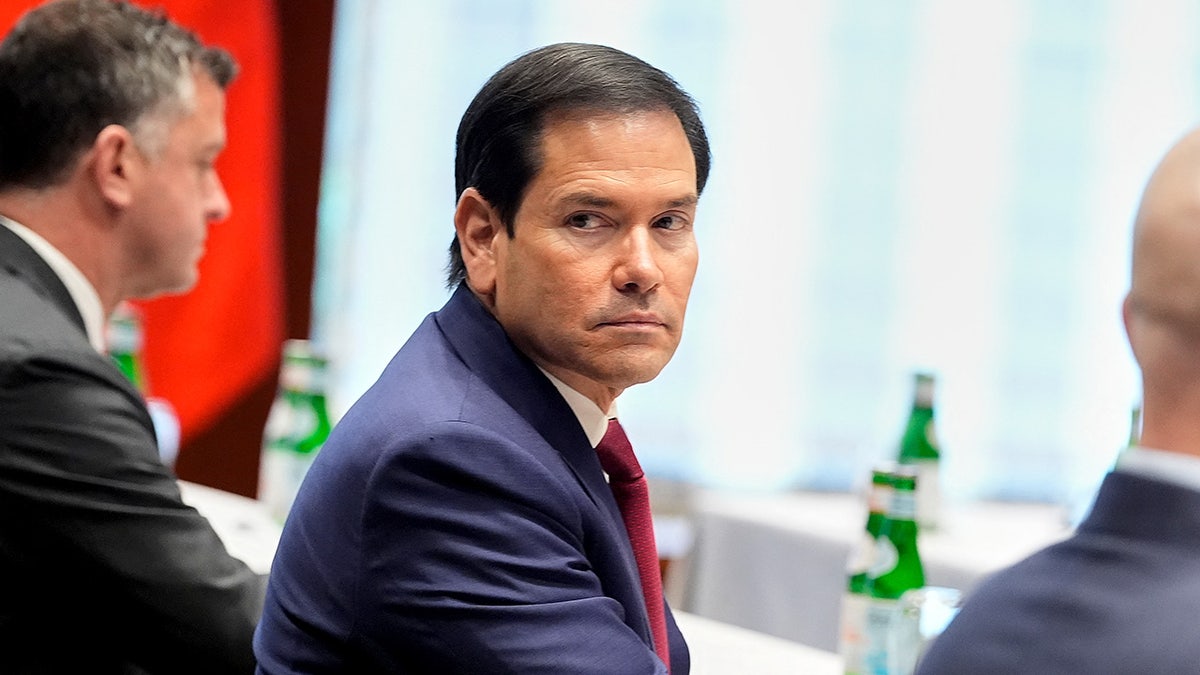
Secretary of State Marco Rubio attends a bilateral meeting with China’s Foreign Minister (not in picture) in Munich, Feb. 13, 2026, on the sidelines of the Munich Security Conference. ( Alex Brandon / POOL / AFP via Getty Images)
«I want my guys to do great. And the acclaim he’s gotten and they claim JD gets is, is great,» he continued.
The praise follows Rubio and Vance joining a bilateral meeting with Prime Minister Giorgia Meloni earlier in February in Italy, and Vance leading a delegation that included Rubio during the Olympics’ opening ceremony in Milan.
Vance’s foreign policy profile became a point of media scrutiny earlier in 2026, when U.S. forces captured Venezuela’s Nicolás Maduro. Vance did not join Trump at Mar-a-Lago in Florida to monitor the operation, while Rubio was with the president.
Vance’s office previously brushed off report over his absence, citing that Trump and Vance limit the «frequency and duration» of time they spend together outside the White House due to «increased security concerns.»
CLICK HERE TO DOWNLOAD THE FOX NEWS APP
«I think it’s so interesting the media wants to create this conflict where there just isn’t any conflict,» Vance told Fox News earlier in February of the media scrutiny.
«Marco’s doing a great job. I’m trying to do as good of a job as I can. The president’s doing a great job. We’re going to keep on working together,» he added.
donald trump,marco rubio,jd vance,germany

Para la CGT, el paro contra la reforma laboral tuvo un acatamiento del 90%: “Recién empieza el plan de acción”

Iraq War flashbacks? Experts say Trump’s Iran buildup signals pressure campaign, not regime change

Incidentes frente al Congreso: manifestantes intentaron derribar una valla y la Gendarmería lanzó gases lacrimógenos

¡Fin del misterio! De qué vive Guido Icardi, el polémico hermano de Mauro Icardi

Por exportaciones récord e importaciones a la baja, el superávit comercial fue de casi USD 2.000 millones en enero

Adriano: ‘Ya no quiero tener esposa, a las mujeres les gusta hablar mucho’

Reforma laboral bomba: menos indemnización, más horas y despidos más fáciles — el cambio que puede sacudir el empleo en Argentina

Cristian Ritondo: “Vamos a apoyar la ley de modernización laboral, pero no el régimen de licencias por enfermedad”

El dólar no sólo cae en la Argentina: qué pasa con otras monedas emergentes y cuáles son las causas

Tras el anuncio de la CGT, también habrá paro total de los medios de transporte de pasajeros en el país

 POLITICA2 días ago
Reforma laboral bomba: menos indemnización, más horas y despidos más fáciles — el cambio que puede sacudir el empleo en Argentina
- POLITICA3 días ago
Cristian Ritondo: “Vamos a apoyar la ley de modernización laboral, pero no el régimen de licencias por enfermedad”
- ECONOMIA3 días ago
El presidente de Camarco habló tras el mensaje de Caputo a los empresarios: “Apoyamos fervientemente la reforma laboral”