INTERNACIONAL
Tensión máxima en Medio Oriente: EE.UU. evacúa a militares de su base en Qatar tras amenazas de Irán


Parte del personal en la base aérea de Al Udeid, el principal enclave militar de Estados Unidos en Qatar, recibió órdenes de evacuar antes del miércoles a la noche. Así lo reveló un funcionario norteamericano, que pidió mantener el anonimato por tratarse de un tema sensible.
La medida, según describió la fuente, es “de precaución” y se tomó luego de que un alto funcionario iraní mencionara el ataque con misiles que Irán lanzó contra esa base en junio, en represalia por bombardeos estadounidenses a instalaciones nucleares iraníes.
Leé también Irán: los escenarios que se abren tras las amenazas de Trump y la sangrienta represión de las protestas
El funcionario evitó dar detalles sobre si la evacuación es obligatoria u opcional, cuántas personas están involucradas o si afecta a militares, civiles o ambos. Argumentó que la seguridad operativa es prioritaria y que no se pueden brindar precisiones en este contexto.
Qatar confirmó la evacuación y habló de “tensiones regionales”
El gobierno de Qatar reconoció que la evacuación se lleva adelante “en respuesta a las tensiones regionales actuales”. En un comunicado oficial, la oficina de prensa aseguró que el país “continúa implementando todas las medidas necesarias para salvaguardar la seguridad y protección de sus ciudadanos y residentes como prioridad principal, incluidas acciones relacionadas con la protección de infraestructura crítica e instalaciones militares”.
Leé también Trump apoyó las protestas en Irán y les pidió a los manifestantes que “tomen el control de las instituciones”
Por su parte, el Pentágono y el Departamento de Estado de EE.UU. evitaron hacer comentarios sobre la situación o sobre posibles alertas de seguridad para diplomáticos y civiles estadounidenses en Qatar. En junio, la embajada norteamericana en Doha solo había emitido un aviso de “refugio en el lugar”, pero no llegó a recomendar la evacuación.
Irán redobla la presión y recuerda el ataque a la base
La tensión escaló después de que Ali Shamkhani, asesor del líder supremo iraní, el ayatolá Alí Jamenei, publicara en la red social X: “El presidente de Estados Unidos, que habla repetidamente sobre la agresión inútil contra las instalaciones nucleares de Irán, haría bien en mencionar también la destrucción de la base estadounidense en Al-Udeid por misiles iraníes. Sin duda ayudaría a crear una comprensión real de la voluntad y capacidad de Irán para responder a cualquier agresión”.
El ataque iraní a la base de Al Udeid en junio, que alberga a miles de militares estadounidenses, marcó un punto de inflexión en la región. Según el Comando Central del ejército de EE.UU., ningún personal estadounidense o qatarí resultó herido, aunque un oficial militar qatarí reconoció que uno de los 19 misiles disparados no fue interceptado y golpeó la base. El entonces presidente Donald Trump minimizó el hecho y aseguró que “apenas se causaron daños”.
Leé también Un manifestante irrumpió en la embajada de Irán en Londres y retiró la bandera oficial durante una protesta
La situación se da mientras continúan las protestas antigubernamentales en Irán y Trump advierte que está dispuesto a tomar acciones militares en apoyo a los manifestantes. En este clima, funcionarios iraníes y qataríes mantuvieron contactos en las últimas horas. El secretario del Consejo Supremo de Seguridad Nacional de Irán, Ali Larijani, habló por teléfono con el primer ministro qatarí, jeque Mohammed bin Abdulrahman Al Thani, quien reafirmó el respaldo de Qatar a “todos los esfuerzos de desescalada y soluciones pacíficas para mejorar la seguridad y estabilidad en la región”.
Qatar también quedó en el centro de otras tensiones regionales, como el ataque israelí en septiembre a la sede del liderazgo político de Hamás en Doha, mientras se discutía una propuesta de alto al fuego para Gaza.
La evacuación en la base de Al Udeid refleja el delicado equilibrio que enfrenta Qatar, atrapado entre las amenazas cruzadas de Irán, Estados Unidos e Israel, y la necesidad de proteger a su población y a las fuerzas extranjeras que operan en su territorio.
Estados Unidos, Irán, Qatar









NEWYou can now listen to Fox News articles!
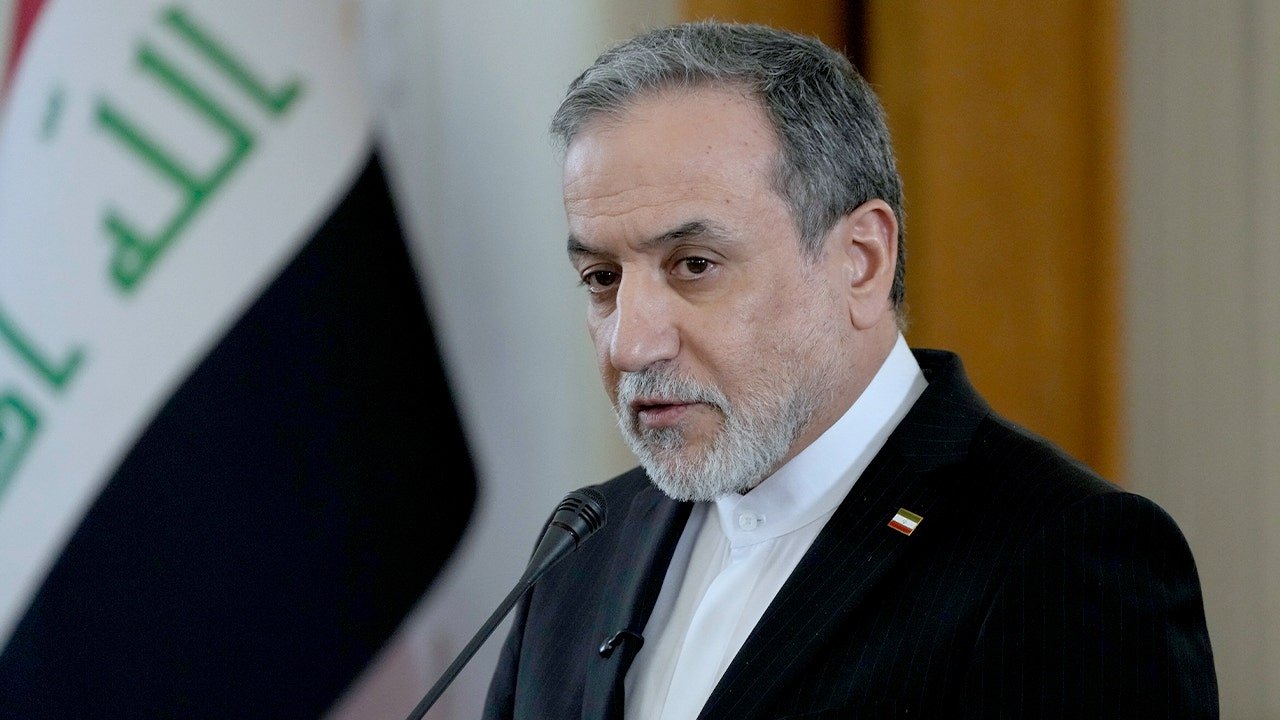
Iranian Foreign Minister Abbas Araghchi said his country would not negotiate on its ballistic missile program, rejecting a core U.S. demand and further dimming prospects for a breakthrough deal.
He again warned in an interview with Al Jazeera that Tehran, Iran, would target U.S. bases in the Middle East if provoked, calling Iran’s missile program «never negotiable.»
The warnings came as U.S. and Iranian negotiators met in early February in Oman, even as Washington continued to build up military forces across the region — a posture U.S. officials say is meant to deter further escalation but which analysts argue also underscores how far apart the two sides remain.
Despite the imbalance in military power, analysts say Iran believes it can withstand U.S. pressure by signaling greater resolve — and by betting that Washington’s appetite for war is limited.
TRUMP SAYS IRAN ALREADY HAS US TERMS AS MILITARY STRIKE CLOCK TICKS
While the U.S. possesses overwhelming military capabilities, Defense Priorities analyst Rosemary Kelanic said Iran is relying on the logic of asymmetric conflict.
Iranian Foreign Minister Abbas Araghchi said his country would not negotiate on its ballistic missile program, rejecting a core U.S. demand and further dimming prospects for a breakthrough deal. (Vahid Salemi/AP)
«One country is much stronger, but the weaker country cares more,» Kelanic said. «And historically, the country that cares more often wins by outlasting the stronger one.»
«Iran is trying to signal resolve as strongly as it can, but it likely doubts U.S. resolve — because from Tehran’s perspective, the stakes for Iran are existential, while the stakes for the United States are not,» she added.
IRAN’S PRESIDENT STRIKES SOFTER TONE ON NUCLEAR TALKS AFTER TRUMP’S WARNING THAT ‘BAD THINGS WOULD HAPPEN’
Behnam Taleblu, a senior fellow at the Foundation for Defense of Democracies, said Tehran’s primary leverage is its ability to threaten wider regional instability, even if it cannot win a prolonged conflict.
«The Islamic Republic’s leverage is the threat of a region-wide war,» Taleblu said, noting that while U.S. and Israeli defenses could intercept most attacks, «something will get hit.»
Iran buying time
Analysts across the spectrum agree that Iran is using negotiations less as a path to compromise than as a way to delay decisive action.
Oren Kessler, analyst at global consulting firm Wikistrat, said Iran is using talks to stabilize its position internally while avoiding concessions on core security issues.
«Both sides want a deal, but their red lines are very hard for the other side to overcome,» Kesler said. «The talks are going well in the sense that they’re happening, but they’re not really going anywhere.»
Taleblu echoed that assessment, arguing that Tehran is treating diplomacy as a shield rather than a solution.
«The regime is treating negotiations as a lifeline rather than a way to resolve the core problem,» he said.
Taleblu added that Iran’s leadership sees talks as a way to deter a strike in the short term, weaken domestic opposition in the medium term, and eventually secure sanctions relief to stabilize its economy.
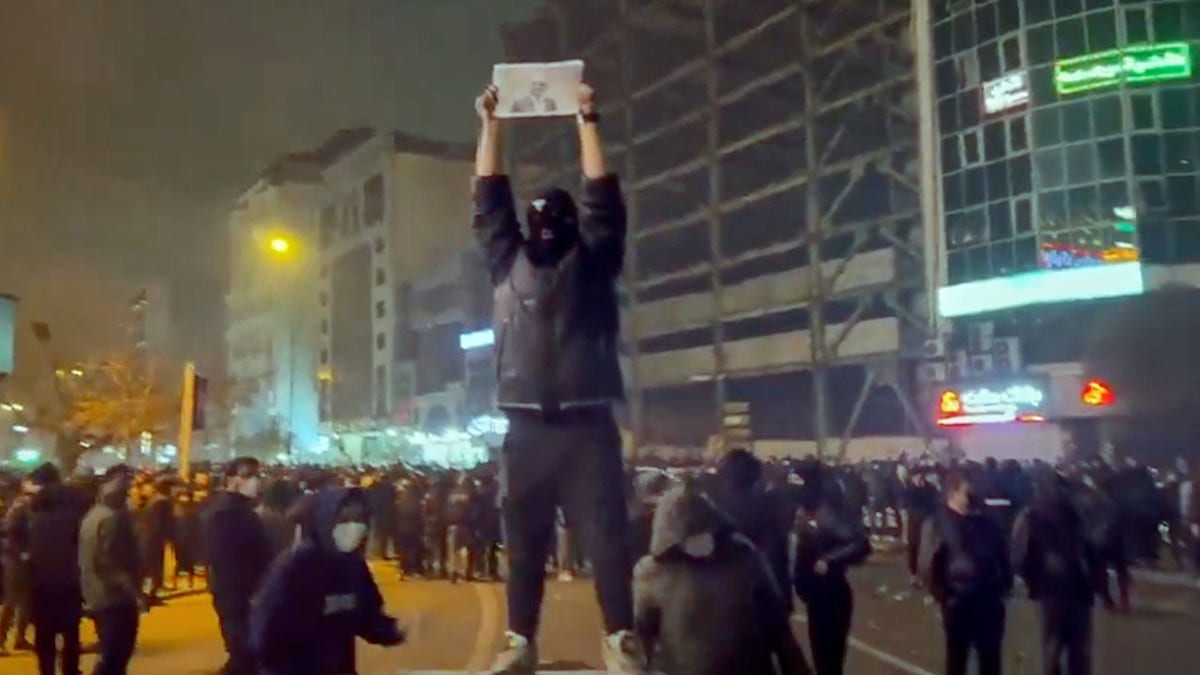
In this frame grab from video obtained by the AP outside Iran, a masked demonstrator holds a picture of Iran’s Crown Prince Reza Pahlavi during a protest in Tehran, Iran, Jan. 9, 2026. (UGC via AP)
Secretary of State Marco Rubio has insisted that limits on Iran’s ballistic missiles must be part of any agreement to avoid military action.
«At the end of the day, the United States is prepared to engage, and has always been prepared to engage with Iran,» Rubio said in early February. «In order for talks to actually lead to something meaningful, they will have to include certain things, and that includes the range of their ballistic missiles. That includes their sponsorship of terrorist organizations across the region. That includes the nuclear program. And that includes the treatment of their own people.»
Anti-government protests beginning at the start of 2026 led to a brutal crackdown in Iran. The regime has admitted to 3,117 deaths linked to the demonstrations, though human rights groups and Iranian resistance organizations peg the death toll as much higher.
The U.S. also has demanded that Iran give up all enriched uranium stockpiles, which can be used for civilian energy at low levels but for nuclear weapons at higher concentrations.
Araghchi told Al Jazeera that Iran is willing to negotiate on nuclear issues but insisted enrichment is an «inalienable right» that «must continue.»
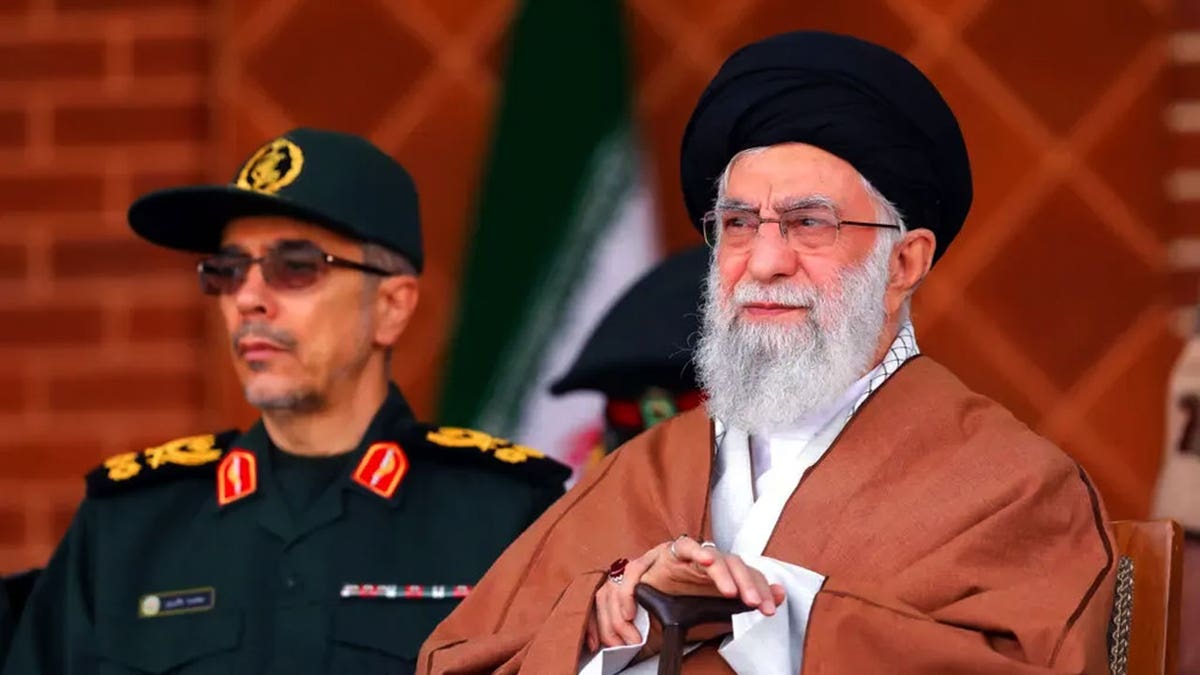
Iran’s Supreme Leader, Ayatollah Ali Khamenei pictured sitting next to senior military official in Iran. (Getty Images)
«We are ready to reach a reassuring agreement on enrichment,» he said. «The Iranian nuclear case will only be resolved through negotiations.»
Iran’s atomic chief said Monday that Tehran would consider diluting its 60% enriched uranium — a level close to weapons-grade — but only in exchange for the lifting of all sanctions.
As negotiations unfolded, the U.S. continued to expand its military footprint in the Middle East.
In late January, the U.S. dispatched a carrier strike group centered on the USS Abraham Lincoln to the North Arabian Sea, accompanied by multiple destroyers and other naval assets. Additional F-15E strike aircraft and air defense systems have also been repositioned at bases across the region, alongside thousands of U.S. troops.
Taleblu said the administration may be using diplomacy to buy time of its own.
CLICK HERE TO DOWNLOAD THE FOX NEWS APP
«The charitable interpretation is that the president is buying time — moving assets, strengthening missile defense, and preparing military options,» he said. «The less charitable interpretation is that the United States is taking Iran’s threats as highly credible and still chasing the optics of a deal.»
In 2025, five rounds of talks similarly stalled over U.S. demands that Iran abandon enrichment entirely — talks that ultimately collapsed into Operation Midnight Hammer, a U.S.-led bombing campaign against Iranian nuclear facilities.
iran,nuclear proliferation,ali khamenei,donald trump,marco rubio
INTERNACIONAL
El rey Carlos III le soltó la mano a su hermano Andrés por el caso Epstein y dijo que está «listo» para ayudar a la policía
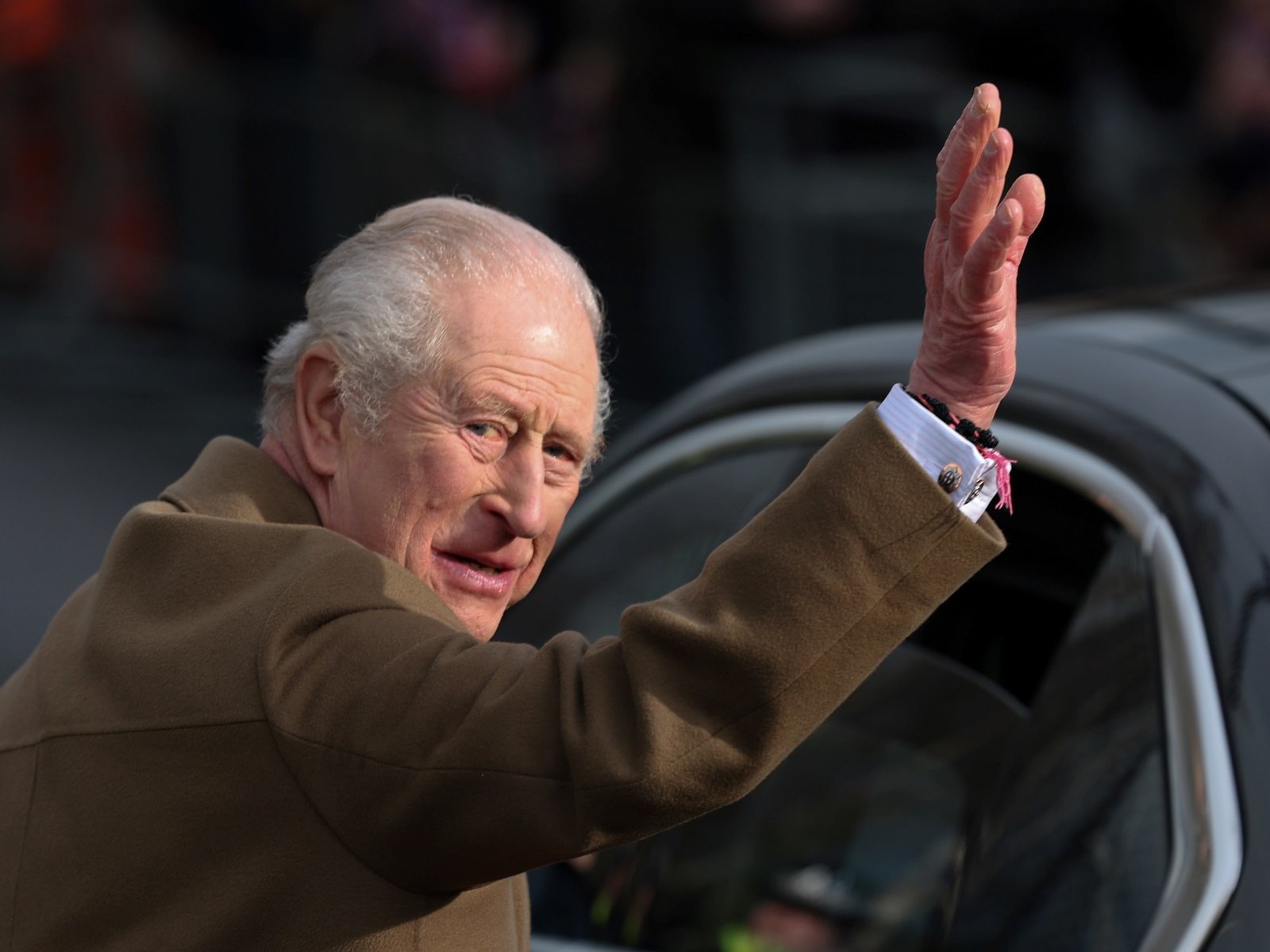
El rey Carlos III está «listo para ayudar» a la policía en las investigaciones para determinar si su hermano menor, Andrés, transmitió informaciones reservadas a Jeffrey Epstein cuando era enviado británico de Comercio, afirmó el palacio real este lunes.
«El rey ha dejado clara (…) su profunda preocupación por las acusaciones que siguen saliendo a la luz respecto a la conducta del señor (Andrés) Mountbatten-Windsor, afirmó el palacio en un comunicado.
Caso la policía solicite la ayuda del rey, «estamos listos a ayudar, como cabría esperar», señala la nota.
En este sentido, el Palacio de Buckingham comentó que, si bien corresponde al expríncipe Andrés abordar las acusaciones específicas que versan sobre su persona y el pedófilo Jeffrey Epstein, en caso de ser contactados por la policía de Thames Valley estarán «dispuestos» a colaborar con ellos..
«Como han declarado anteriormente, los pensamientos y la solidaridad de sus majestades están y estarán con las víctimas de cualquier forma de abuso», agregó el portavoz.
El mensaje en nombre del monarca británico llega horas después de que los príncipes de Gales, Guillermo y Catalina, expresasen por primera vez públicamente su «profunda preocupación» por las recientes revelaciones con respecto al caso.
También supone un paso más de Carlos III para tratar de desvincularse de su hermano Andrés, después de anunciar la retirada de todos sus títulos y honores, incluido el de príncipe, ante las constantes informaciones, correos electrónicos y fotografías que lo vinculan con la trama Epstein.
Que el goteo de revelaciones del caso Epstein está erosionando la imagen de la monarquía lo demuestra una imagen infrecuente como la registrada este lunes en una estación de tren en Lancashire (noroeste inglés), cuando el rey fue abucheado por un grupo de personas después de que alguien gritara: «¿Cuánto hace que sabías lo de Andrés?».
Andrés ha guardado silencio en estos diez fatídicos días en que su imagen ha quedado por los suelos, en sentido literal, tras conocerse las fotografías en las que aparece arrodillado a cuatro patas y descalzo sobre una mujer con el rostro velado a la que toca el estómago, contenidas en los archivos ‘liberados’ del caso Epstein.
A esas fotografías siguieron los mensajes en los que Epstein se coordinaba con él para ‘enviarle’ a una joven rusa de 26 años «bonita, inteligente y de fiar» a pasar la noche con él y a la que Esptein había prometido como ‘guinda’ una visita a tomar el té en el mismo Palacio de Buckingham, la sede simbólica de la monarquía británica.
Investigan al ex príncipe Andrés por haber compartido información oficial a Epstein
Este lunes la Policía británica informó que está «evaluando» si el ex príncipe Andrés compartió informes sensibles como antiguo enviado de comercio del Reino Unido con el pedófilo convicto Jeffrey Epstein. La Policía del llamado Valle del Támesis, a las afueras de Londres -donde reside Andrés-, confirmó que recibió un informe sobre esas supuestas actividades del antiguo duque de York y que son analizadas de acuerdo con «nuestros procedimientos establecidos.»
Según documentos difundidos en Estados Unidos, el ex príncipe compartió en 2010 y 2011 datos confidenciales de su trabajo como enviado de comercio con el financista y pedófilo.
Los correos muestran que Andrés, despojado por el rey de sus títulos nobiliarios el año pasado por sus vínculos con Epstein, le remitió detalles de sus viajes oficiales a Singapur, Vietnam y Hong Kong, así como informes de esas visitas elaborados por su asistente Amit Patel, poco después de recibirlos.
El director de Republic, el grupo que lucha por la abolición de la monarquía, Graham Smith, afirmó este lunes en su cuenta de X que denunció a Andrés a la Policía del Valle del Támesis, lo que parece estar en el origen de la actuación policial.
Dijo que lo denunció por «presunta mala conducta en un cargo público» y por «violación» de secretos oficiales.
Andrés también envió a Epstein, fallecido en prisión en 2019 mientras esperaba juicio por tráfico de menores, datos sobre oportunidades de inversión en Afganistán, que estarían supervisadas por las fuerzas británicas y financiadas por el Gobierno de Londres.
Además de que Virginia Giuffre -la joven reclutada y abusada por Epstein- acusó a Andrés de haberse acostado con ella en tres ocasiones cuando ella era menor, hace una semana los medios divulgaron una foto en la que se ve al ex príncipe con una segunda mujer, a la que toca mientras ella está tumbada en el suelo.
Con información de agencias
NEWYou can now listen to Fox News articles!
The Senate is scrambling to avoid a third government shutdown under President Donald Trump, and after negotiations seemingly appeared to hit a brick wall, lawmakers are cautiously optimistic that a deal could be made.
Senate Republicans received Senate Democrats’ «partisan wishlist» of demands over the weekend, sources familiar with negotiations told Fox News Digital. The White House sent over its own counter-proposal, but several lawmakers weren’t clear what was in package as of Monday night.
Some, including Senate Majority Leader John Thune, R-S.D., wouldn’t say, but noted that congressional Democrats and the White House were «trading papers,» and signaled that the back and forth activity was a good sign of negotiations moving forward.
But lawmakers aren’t out of the woods yet, a reality that Thune warned of since Senate Democrats demanded a two-week funding extension for the Department of Homeland Security (DHS). Congress has until Friday to avert a shutdown and little time to actually move a short-term patch from one side of the building to the other.
REPUBLICANS WARN DEMOCRATS’ ICE REFORM PUSH IS COVER TO DEFUND BORDER ENFORCEMENT
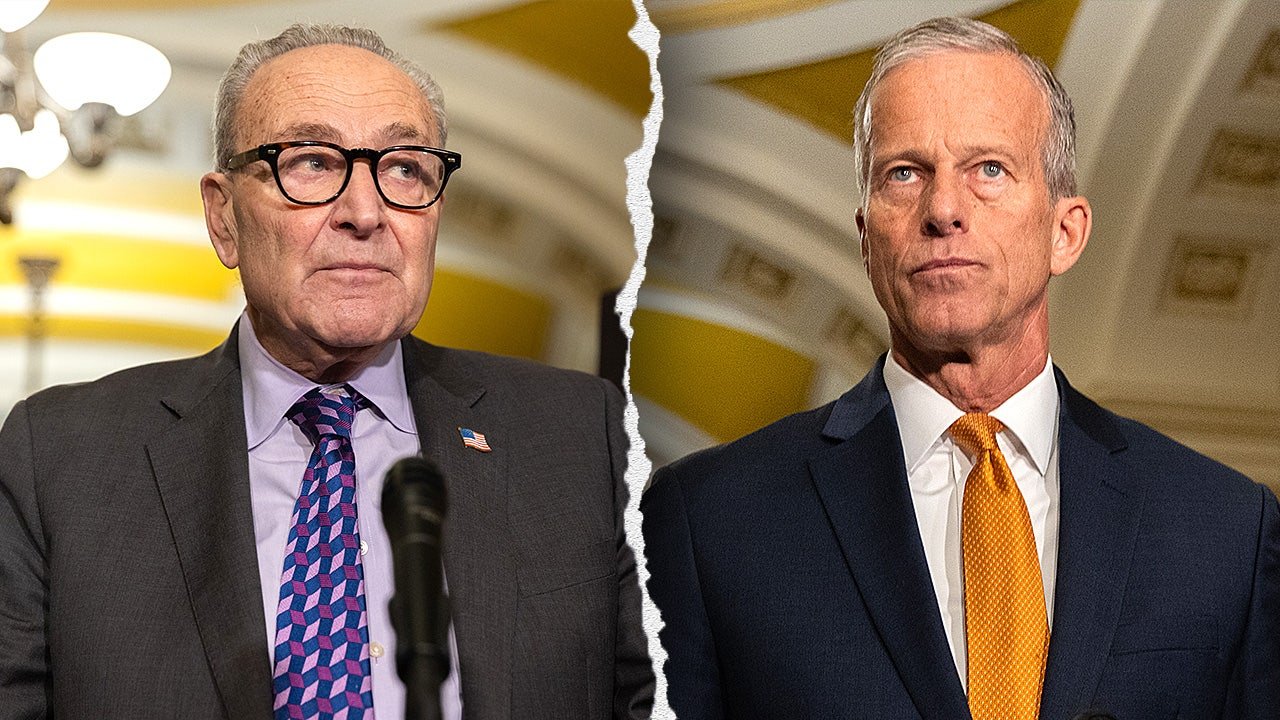
Split image shows Senate Democratic Leader Chuck Schumer, left, and Senate Majority Leader John Thune, right. Senate Republicans and Democrats are, for now, at odds on how to prevent a partial shutdown that would only affect the DHS. (Nathan Posner/Anadolu via Getty Images)
Republicans are mulling another short-term extension, known as a continuing resolution (CR), to avert a partial shutdown. Thune said whether Democrats would sign off depended on how well background negotiations were going, but hinted that so far, things were moving toward a solution.
«I think, based on what I’m familiar with about the discussion so far, I think there is, but we’ll know more when the proposal comes back,» Thune said. «Let’s have a chance to evaluate it.»
Thune later said that he planned to tee up another CR on Tuesday, but noted that the length would «have to be negotiated. But let’s see what the next day brings and we’ll go from there.»
Democrats’ prime objective is reining in Immigration and Customs Enforcement (ICE), following the fatal shootings of Alex Pretti and Renee Nicole Good.
The proposal they submitted included items that are a bridge too far for Republicans, including requiring ICE agents to get judicial warrants, de-mask and have identification ready — some in the GOP warn doing so would lead to more agents being doxxed, or when a person’s private information is made public, like their address.
Senate Minority Leader Chuck Schumer, D-N.Y., warned that the «clock is ticking» for Republicans to respond.
SHUTDOWN AVERTED FOR NOW, BUT SENATE WARNS DHS FIGHT COULD TRIGGER ANOTHER IN DAYS
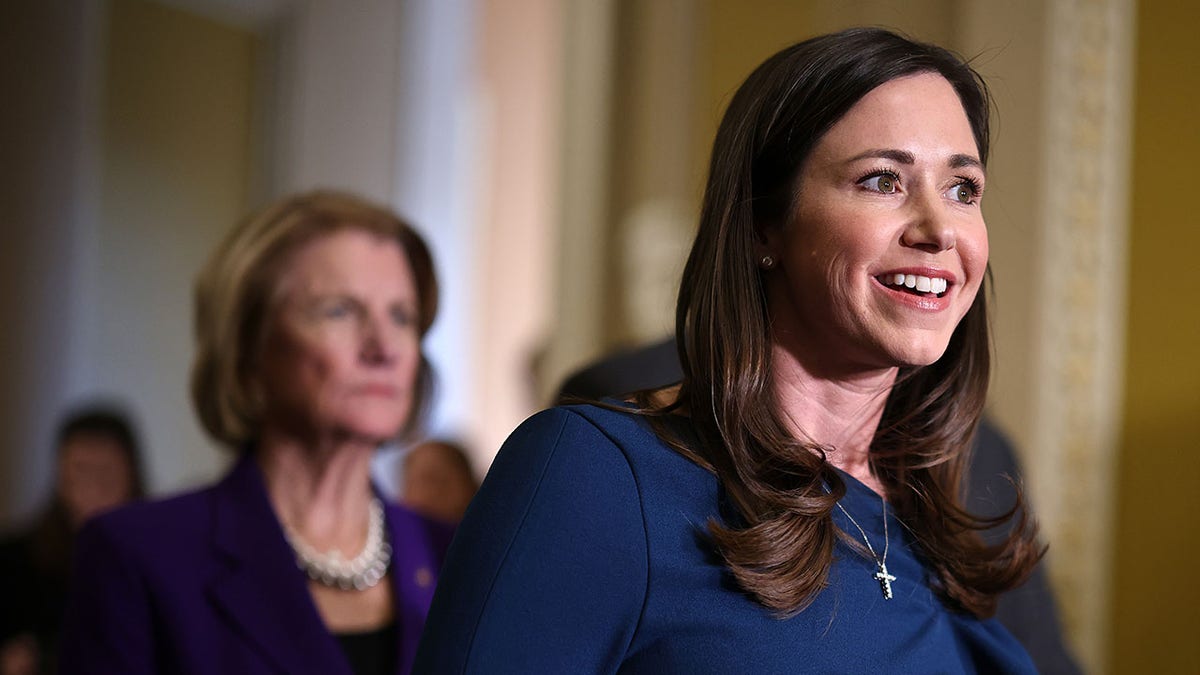
Sen. Katie Britt, R-Ala., talks to reporters following the weekly Senate Republican Caucus policy luncheon at the U.S. Capitol on Jan. 14, 2025, in Washington, D.C. (Chip Somodevilla/Getty Images)
«We have sent you our proposals, and they are exceedingly reasonable,» Schumer said on the Senate floor. «I hope our colleagues on the other side, many of whom, at least here in the Senate, recognize that things need to change, show they’re ready to act in a meaningful way.»
Prior to Democrats finally handing over the legislative version of their demands on Saturday, Republicans publicly questioned if they actually wanted to have serious negotiations. That changed over the weekend.
A White House official told Fox News that «President Trump has been consistent, he wants the government open and the Administration has been working with both parties to ensure the American people don’t have to endure another drawn-out, senseless, and hurtful shutdown.»
Meanwhile, the scope and scale of a possible third closure would be limited to just the DHS, but would really only have an effect on FEMA, TSA, the Coast Guard and other priorities under the agency’s umbrella. That’s because ICE and immigration operations are flush with billions from Trump’s «big, beautiful bill.»
«To say that the security of Americans is not paramount, I think, would be a huge mistake for the Democrats, and I certainly hope that they’ll continue to operate in good faith,» Sen. Katie Britt, R-Ala., and the chair of the Homeland Security spending panel, said.
«Because you do realize, ICE and [Customs and Border Patrol] would continue to be funded,» she continued.
SCHUMER, JEFFRIES MEND RIFT, PRESENT UNITED FRONT ON DHS REFORMS AS DEADLINE NEARS
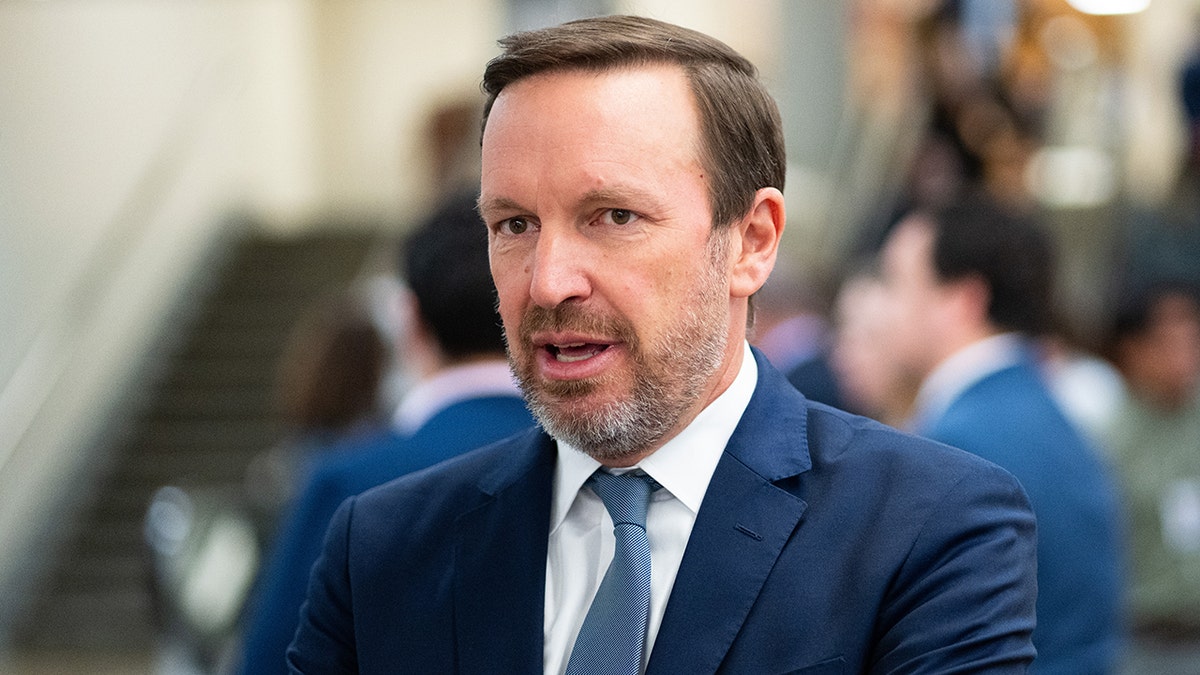
Sen. Chris Murphy, D-Conn., argued that Senate Democrats’ list of demands was reasonable and wanted Republicans to get serious about negotiating. (Bill Clark/CQ Roll Call, Inc. via Getty Images)
Things are also about to get complicated quickly in the upper chamber. Lawmakers are set to leave Washington, D.C., for a weeklong recess this Thursday, and many are headed overseas to the Munich Security Conference.
That starts on the day of the deadline and lasts through the weekend. Thune warned that it was possible he would cancel the upcoming recess, especially if there was little progress toward avoiding a DHS shutdown.
Still, Senate Democrats believe that the ball is in the GOP’s court and are waiting for their counterparts to act.
CLICK HERE TO DOWNLOAD THE FOX NEWS APP
«I mean, I think they’re pretty reasonable,» Sen. Chris Murphy, D-Conn., and the top Democrat on the Senate Homeland Security Appropriations panel, said.
«I mean, we did not ask for the moon,» he continued. «We asked for targeted but impactful changes in the way that ICE is terrorizing American cities. So obviously we’re willing to negotiate.»
politics,senate,government shutdown,homeland security,john thune,chuck schumer

Femicidio de Cecilia Strzyzowski: condenaron a prisión perpetua al clan Sena

El gasto público cayó 5,1 puntos del PBI y alcanzó su nivel más bajo en una década

Iran draws missile red line as analysts warn Tehran is stalling US talks

Reforma laboral: la mesa política del Gobierno se reúne para definir si elimina el artículo de Ganancias tras el pedido de los aliados

Cami Homs celebró el cumpleaños de su hija Francesca: inflables, decoración pastel y familia ensamblada

Franco Colapinto saldrá a pista en los tests de pretemporada de Fórmula 1 en Baréin: horario, cómo verlos en vivo y todo lo que hay que saber

Natalie Weber contó toda la verdad del coqueteo de Sabrina Rojas a Mauro Icardi en un boliche: “Yo sé lo que pasó esa noche y te puedo decir que Sabrina no fue”

Top fiery moments as Democrats clash with Treasury Secretary Bessent in chaotic Hill hearings

Cande Tinelli tiene nuevo novio y casi se matan a piñas con su ex pareja

El sector industrial advierte que la apertura económica exige eliminar las distorsiones internas

 ECONOMIA2 días ago
El sector industrial advierte que la apertura económica exige eliminar las distorsiones internas
- CHIMENTOS2 días ago
Mirtha Legrand se quebró desconsolada al hablar de la renuncia de Jimena Monteverde a su mesaza
- DEPORTE3 días ago
Central Córdoba vs. Unión: formaciones, hora y dónde ver por tv