INTERNACIONAL
Iran regime accused of killing 19 Christians in anti-regime protests as persecution continues: watchdog

NEWYou can now listen to Fox News articles!
The Islamic Republic of Iran’s atrocities against demonstrators opposed to the regime has reportedly resulted in security forces killing at least 19 Iranian Christians, according to Article 18, an organization that promotes religious freedom in Iran.
Article 18 reported on Feb. 9 that «The total number of Christians confirmed to have been killed during the protests is at least 19, including members of Iran’s recognized (Armenians and Assyrians) and unrecognized (converts) communities.»
According to the Article 18 statement, the Islamic Republic’s «brutal response to last month’s mass demonstrations» resulted in the security forces murdering Iranian Christians Nader Mohammadi, 35, and Zahra Arjomandi, 51, who were both shot dead on Jan. 8 in separate protests 1,000 miles apart.
INSIDE TRUMP’S IRAN WARNING — AND THE UNEXPECTED PAUSE THAT FOLLOWED
Iranians gather while blocking a street during a protest in Tehran, Iran on Jan. 9, 2026. (MAHSA / Middle East Images / AFP via Getty Images)
Mohammadi was the father of three young children, and was killed in Babol in northern Iran. Arjomandi, who was a mother of two children, died in her son’s arms on the Persian Gulf island of Qeshm, in southern Iran, noted Article 18.
The Iranian Christian website Mohabat News stated that regime security forces refused to release Arjomandi’s body for six days. Mohabat reported that her body was only released for burial under «strict security measures», which included a media blackout and prohibiting a memorial service.
Mansour Borji, the executive director for Article 18, told Fox News Digital that, «Today, Christians, like millions of other Iranians, seek the freedom and justice that they have been denied for nearly five decades, and they know well that this comes at a price. Every year many Christians are arrested and imprisoned under torturous conditions for practicing their right to religious freedom, where a simple act like praying together in house-churches seems like an act of civil disobedience.»
IRAN WILL RETALIATE ‘WITH EVERYTHING WE HAVE’ IF US ATTACKS, SENIOR DIPLOMAT WARNS
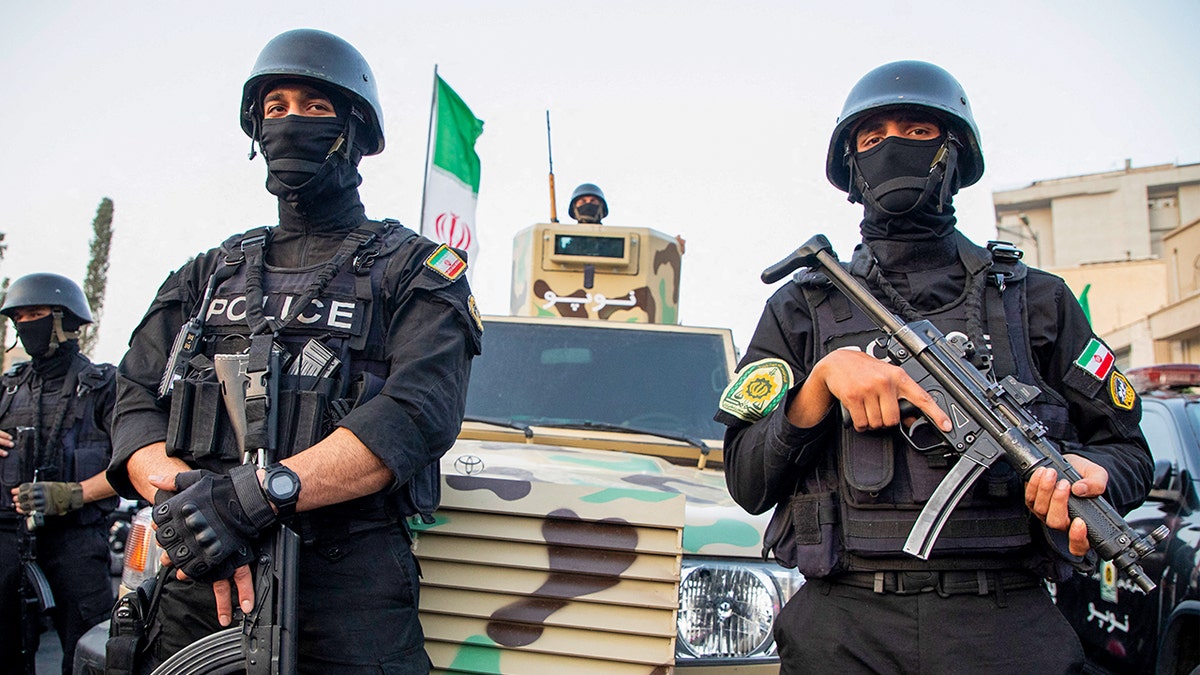
Armed NOPO special police units are on the scene as Iranians take to the streets in the downtown Enghelab (Revolution) Square in Tehran, Iran on June 24, 2025. (Negar Middle East Images/AFP via Getty Images)
He continued, «Our organization considers the Islamic Republic’s massacre of all peaceful protesters a crime against humanity that should not go unpunished. There must be an end to the impunity that, for far too long, has enabled this regime to commit crimes like at home and abroad. Branding peaceful protesters as ‘terrorists,’ and Christians that are persecuted every year as ‘Zionist mercenaries,’ is nothing but scapegoating.»
He warned that «The Islamic Republic’s regime has, since its inception, demonstrated all traits of a totalitarian state. Most Iranians have now come to realize that their fundamental rights have been taken away from them, including the freedom to choose one’s own religion or belief, political self-determination and even their lifestyle choices. Christians were some of the earliest to experience this, when an Anglican priest and convert to Christianity, Rev. Arastoo Sayyah, was killed in his church office less than 200 hours after the 1979 revolution.»
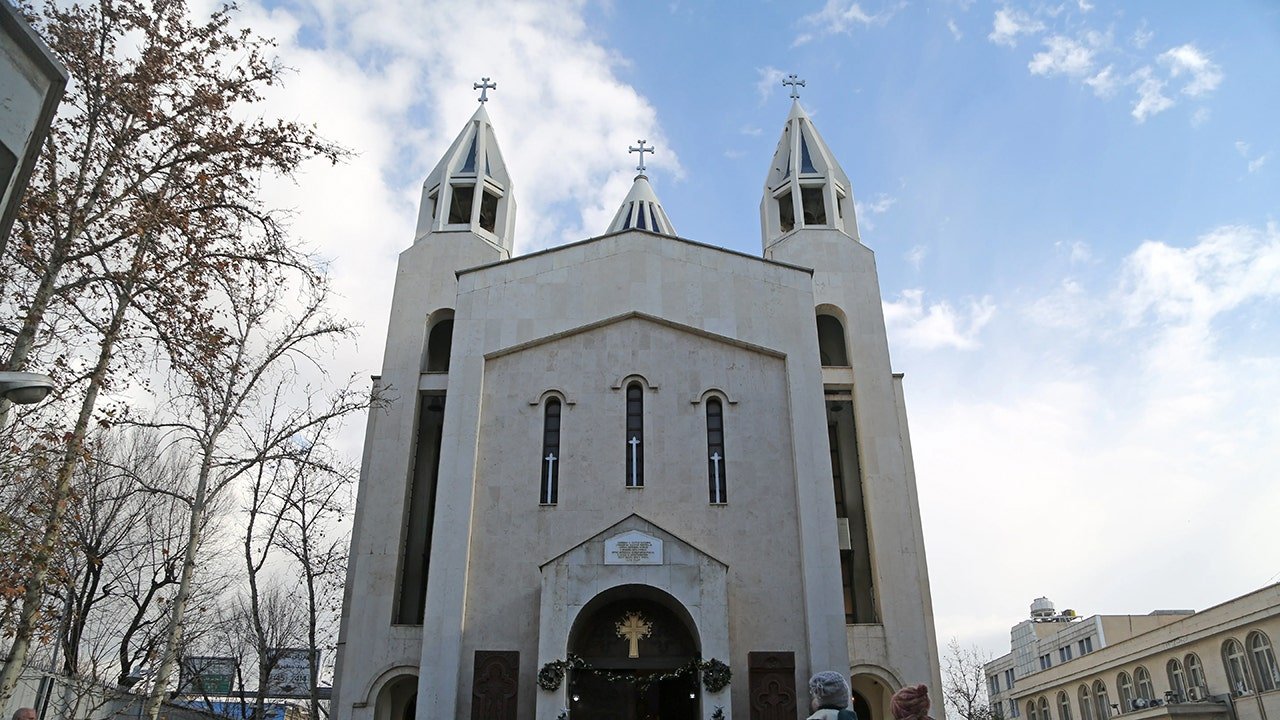
A comprehensive 2025 report titled, «The Tip of the Iceberg» about the persecution of Iranian Christians was released by Article 18 in collaboration with Open Doors, Christian Solidarity Worldwide and Middle East Concern.
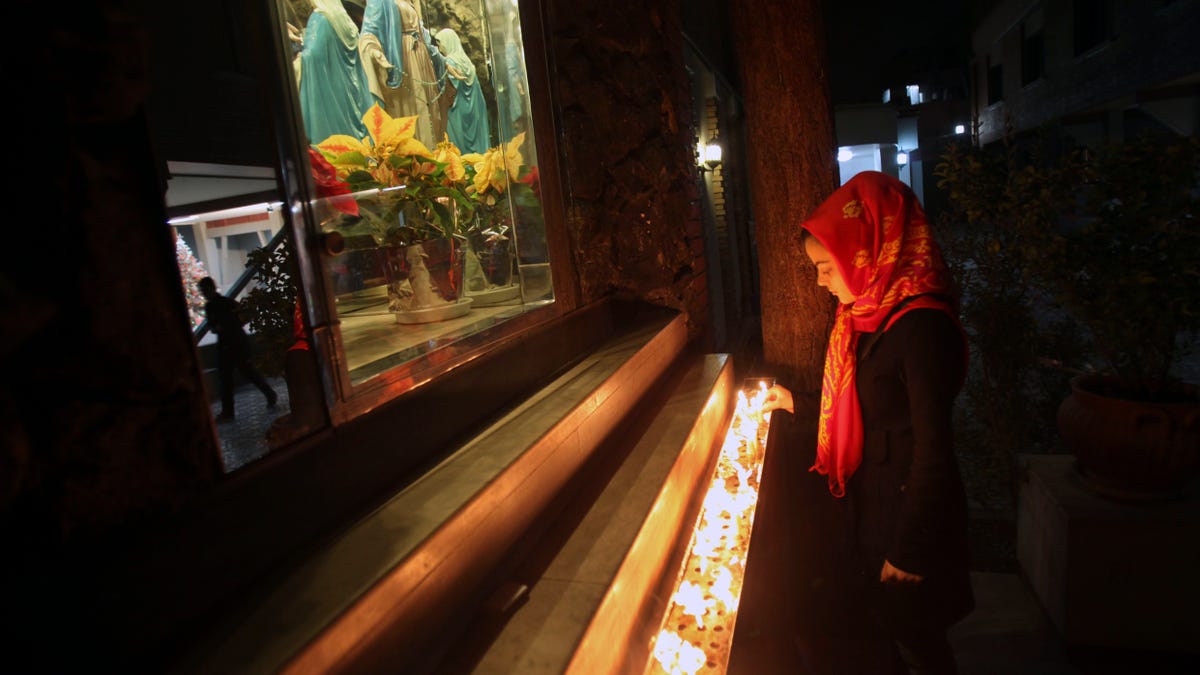
A female Iranian Christian lights a candle at the Saint Mary Chaldean-Assyrian Catholic Church, on Christmas Eve, in downtown Tehran, Iran on Dec. 24, 2012. (AP)
According to the «The Tip of the Iceberg» report, Mohammad Nasirpour, the deputy prosecutor of Tehran and head of the 33rd District Prosecutor’s office, stated in his indictment against four Iranian Christians on June 2022: «Armenian and Assyrian Christians in the Protestant denomination, with their evangelical nature and mission to Christianize Iran, are perceived as a security threat to the Islamic Revolution, aimed at undermining the Islamic foundation of the Islamic Republic. It could be said that Persian-speaking evangelical movements are supported by fundamentalist evangelical Christians and Zionists.»
According to a Feb. 10 report on the website of Christianity Today, Iranian Christians want President Trump to intervene to stop the Ayatollah’s regime from continuing with its massacre of Iranians.
RUBIO REVOKES IRANIAN OFFICIALS’ US TRAVEL PRIVILEGES OVER DEADLY PROTEST CRACKDOWN KILLING THOUSANDS
«That’s probably one of the most frustrating aspects of the whole situation right now,» said Shahrokh Afshar, founder of Fellowship of Iranian Christians. «Everyone was hoping he would do something,» Afshar told the outlet after the Iranian authorities killed thousands of protesters in January, according to some estimates.
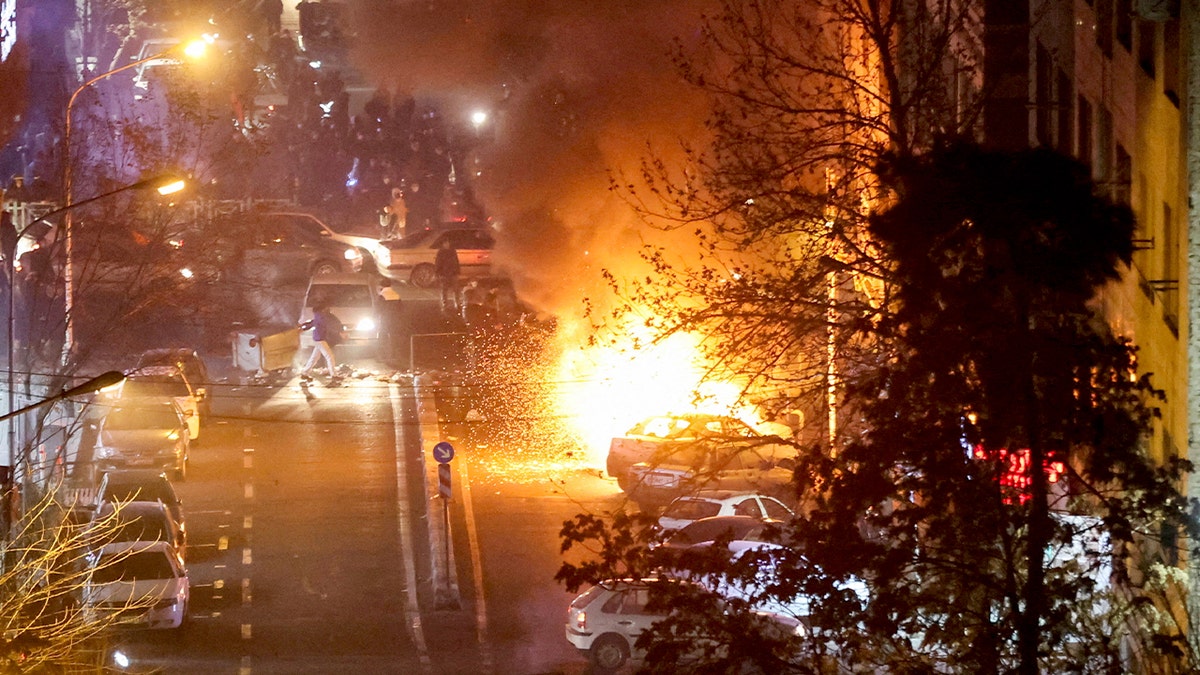
Cars burn in a street during a protest over the collapse of the currency’s value in Tehran, Iran, Jan. 8, 2026. (Stringer/WANA (West Asia News Agency) via REUTERS)
Fox News Digital has reported over the decades on the Islamic Republic’s high-intensity persecution of Iranian Christians in the wake of the growing popularity of Christianity in the Muslim-majority country. Iran’s regime targets diverse groups of Christians, including Evangelicals and Catholics. In 2017, Iran’s Islamic Revolutionary Guard Corps (IRGC) arrested two Christians – a mother and her son – as part of a brutal crackdown on Catholicism in the country’s West Azerbaijan Province.
STATE DEPARTMENT DEMANDS IRAN HALT EXECUTION OF 19-YEAR-OLD WRESTLING STAR AS IOC REMAINS SILENT
The family’s bibles and literature on Christian theology were also seized during the raid.
The United States State Department has designated Iran as a «Country of Particular Concern» (CPC)» because the Islamic regime has «engaged in or tolerated particularly severe violations of religious freedom» with respect to violations of the International Religious Freedom Act of 1998.
The Iranian regime -controlled statistical center of Iran claims there are 117,700 Christians of recognized denominations as of the 2016 census, according to the most recent U.S. State Department report on the plight of Iranian Christians.
CLICK HERE TO DOWNLOAD THE FOX NEWS APP
However, the State Department noted that, «The Christian advocacy NGO Article 18 estimates there are 500,000 to 800,000 Christians in the country, while the Christian advocacy NGO Open Doors International estimates the number is 1.24 million. Christian NGOs report many Christians are converts from Islam or other recognized faiths.» The population of Iran is roughly 92 million.
iran,christianity religion,persecutions,world protests







INTERNACIONAL
Trump ousts judge-installed prosecutor; constitutional expert says Article II leaves no doubt
NEWYou can now listen to Fox News articles!
President Donald Trump has the constitutional authority to fire court-appointed U.S. attorneys, even if judges legally appointed them, according to former Justice Department official John Yoo, who said the Constitution gives the president broad removal power over executive branch officers.
«Otherwise, you could have U.S. attorneys who are enforcing federal law differently than the president would, and it’s the president who all of us in the country elect and to whom the president is accountable,» Yoo told Fox News Digital in an interview.
Trump exercised that power this week by terminating Donald Kinsella just hours after federal judges in the Northern District of New York voted to install him to fill the vacancy left by Trump appointee John Sarcone, whose temporary term had expired.
Deputy Attorney General Todd Blanche revealed the move in a fiery social media post, declaring that judges «don’t pick» U.S. attorneys and thrusting the fight deeper into a constitutional dispute over who ultimately controls them.
FEDERAL JUDGE DISQUALIFIES US ATTORNEY, TOSSES SUBPOENAS TARGETING NY AG LETITIA JAMES
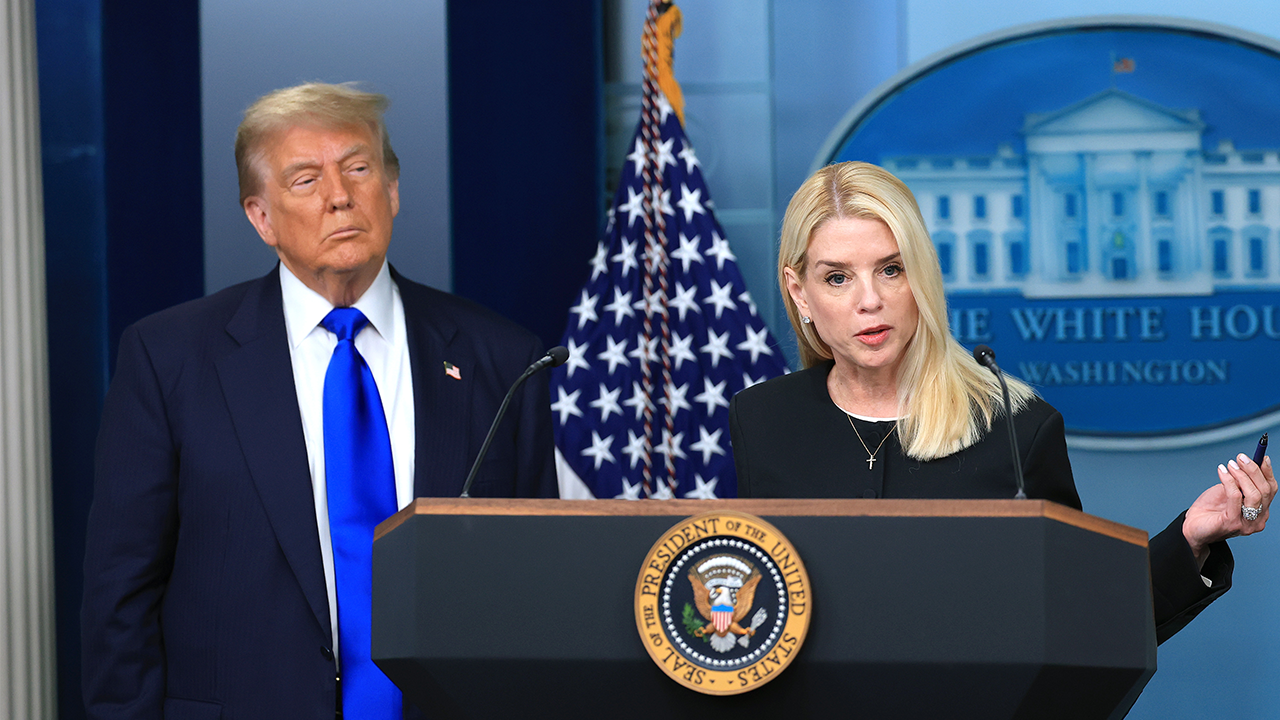
Attorney General Pam Bondi speaks alongside President Donald Trump on recent Supreme Court rulings in the briefing room at the White House June 27, 2025, in Washington, D.C. (Joe Raedle/Getty Images)
At the center of the most recent dispute is a law that allows federal courts to appoint temporary U.S. attorneys when a presidential nominee has not been confirmed by the Senate and an acting official’s term has expired. Blanche suggested the court’s move to fill a U.S. attorney vacancy was unconstitutional, a comment that comes as the DOJ appeals Judge Lorna Schofield’s decision last month to disqualify Sarcone over his expired tenure.
But Yoo, a law professor at University of California, Berkeley, said both that the judges’ actions were legal due to a «quirk» in the law and that the president still has authority to fire Kinsella.
«No matter how an executive officer is appointed … none of these positions under the Constitution have any specific way to remove the officers, and so the president can remove all officers in the executive branch, particularly all officers in the Justice Department,» Yoo said.
Yoo said the Constitution lays out detailed processes for appointing U.S. attorneys but is «silent» on how they are removed.
«It has elaborate procedures … about how you appoint them to office. It doesn’t actually discuss at all how you remove them from office,» Yoo said, referencing the complex federal vacancy laws that govern how interim and acting U.S. attorneys are appointed.
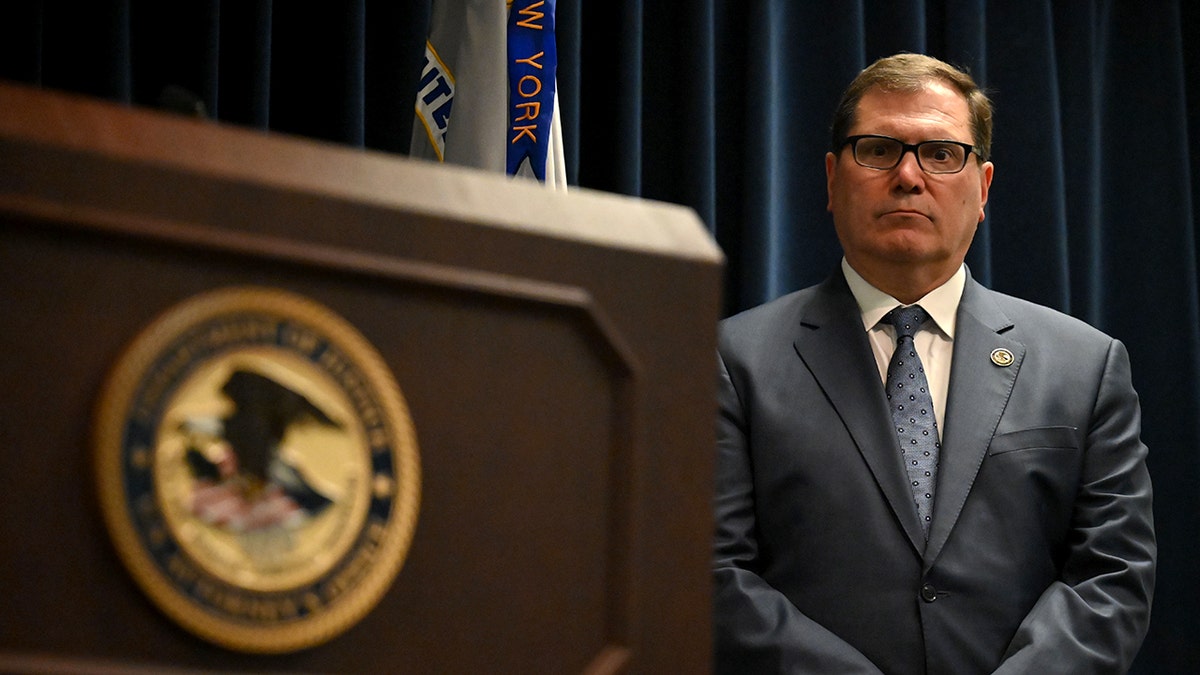
John A. Sarcone III April 28, 2025, in the U.S. Attorney’s Office at the James T. Foley Federal Courthouse in Albany, N.Y. (Will Waldron/Albany Times Union via Getty Images)
He noted that existing law and Supreme Court precedent have long given the president the ultimate power to fire inferior officers in the executive branch, meaning an official like the attorney general cannot remove the appointees chosen by the courts, such as Kinsella, but Trump can.
Kinsella did not respond to a request for comment on his termination.
Under the law, U.S. attorneys are nominated by the president and confirmed by the Senate. But if the Senate does not act, the president can install a temporary U.S. attorney for a limited period, typically 120 days. If that term expires without confirmation of a nominee, the law gives the district court’s judges the power to appoint a replacement to avoid a vacancy in the office.
FORMER TRUMP LAWYER HALLIGAN DEFENDS US PROSECUTOR STATUS IN WAKE OF COMEY, JAMES DISMISSALS
Trump, for his part, has struggled to secure Senate confirmations of his U.S. attorney nominees in blue states, where the upper chamber’s blue slip tradition has meant that home state senators must greenlight his nominees.
His interim appointees in these states, including New York, California, Nevada, New Jersey and Virginia, have faced legal setbacks as federal judges have uniformly found that Trump cannot repeatedly reappoint the same person to consecutive temporary terms.
Senate Minority Leader Chuck Schumer, D-N.Y., has ruled out approving any of Trump’s nominees in New York, for example. After Trump fired Kinsella, a veteran federal prosecutor, Schumer said in a statement the president wanted an unqualified «political loyalist» in office.
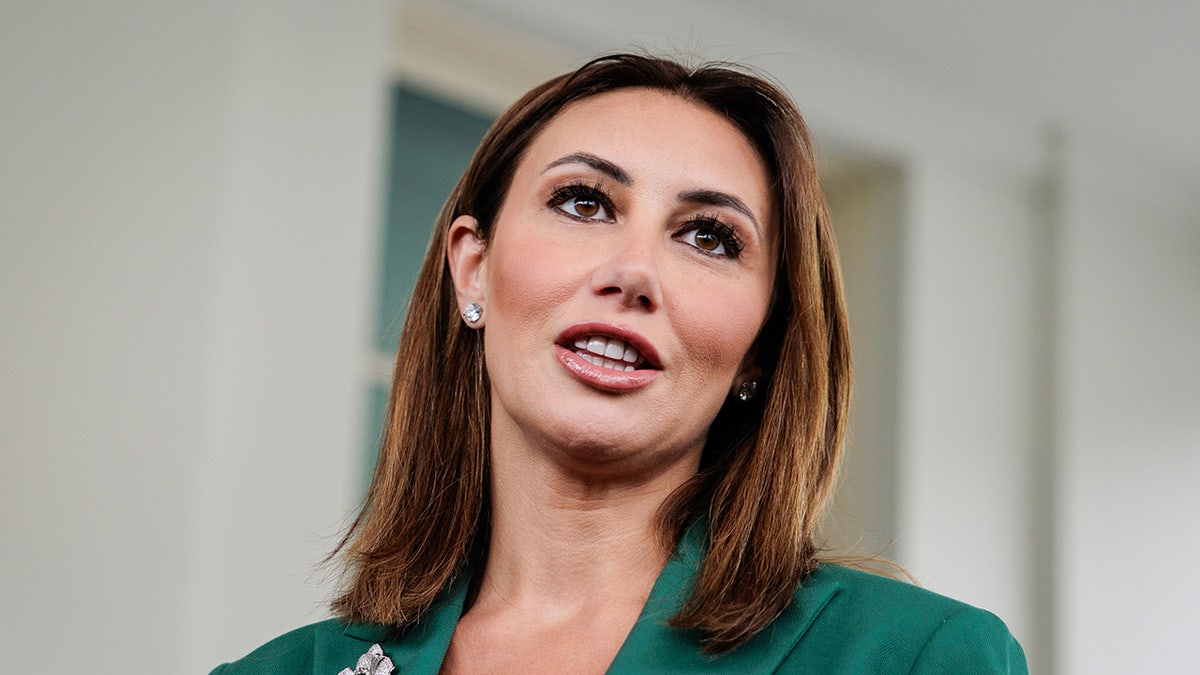
Alina Habba speaks to members of the media outside the West Wing of the White House in Washington, D.C., March 24, 2025. (Samuel Corum/Sipa/Bloomberg via Getty Images)
«Everyone knows Trump only cares about one quality in a U.S. Attorney — complete political subservience,» Schumer said.
In New Jersey, Trump quickly fired a court-appointed U.S. attorney after a lower court found Alina Habba’s temporary term had expired. The U.S. Court of Appeals for the 3rd Circuit upheld the lower court’s finding that Habba was unlawfully serving.
In the Eastern District of Virginia, the top prosecutor’s role also remains in limbo as the DOJ appeals a judge’s decision to disqualify Lindsey Halligan, who brought high-profile indictments against New York Attorney General Letitia James and former FBI Director James Comey. The judge tossed those cases, finding Halligan was improperly appointed.
The Trump DOJ used a variety of loopholes in the law to install Sarcone, Habba, Halligan and others, and has argued in appeals that the judges disqualifying them — and replacing them with U.S. attorneys of the court’s choosing — were misreading the law.
«It is important that a DOJ component is overseen by someone who has the support of the Executive Branch, and that a U.S. Attorney’s Office can continue to function even when there is no Senate-confirmed or interim U.S. Attorney,» DOJ attorneys wrote in court papers in Habba’s case.
Yoo signaled that the courts were right to honor the statutory time constraints on acting and interm tenures, but he reiterated that Trump had sole removal power.
From the founding, he said, officers who enforce federal law have been removable at will by the president under Article II of the Constitution and the take care clause, the duty to «take care that the laws be faithfully executed.»
CLICK HERE TO DOWNLOAD THE FOX NEWS APP
«Any subordinates who are carrying out federal law have to be accountable to him,» Yoo said.
The DOJ has not at this stage elevated any of the U.S. attorney cases to the Supreme Court. Habba’s case is the furthest along, and a spokesperson did not respond to a request for comment on whether the DOJ would appeal that decision.
justice department,donald trump,federal judges,new york,senate
INTERNACIONAL
Terror convict, recently released, shot dead by Paris police after alleged knife attack near Arc de Triomphe
NEWYou can now listen to Fox News articles!
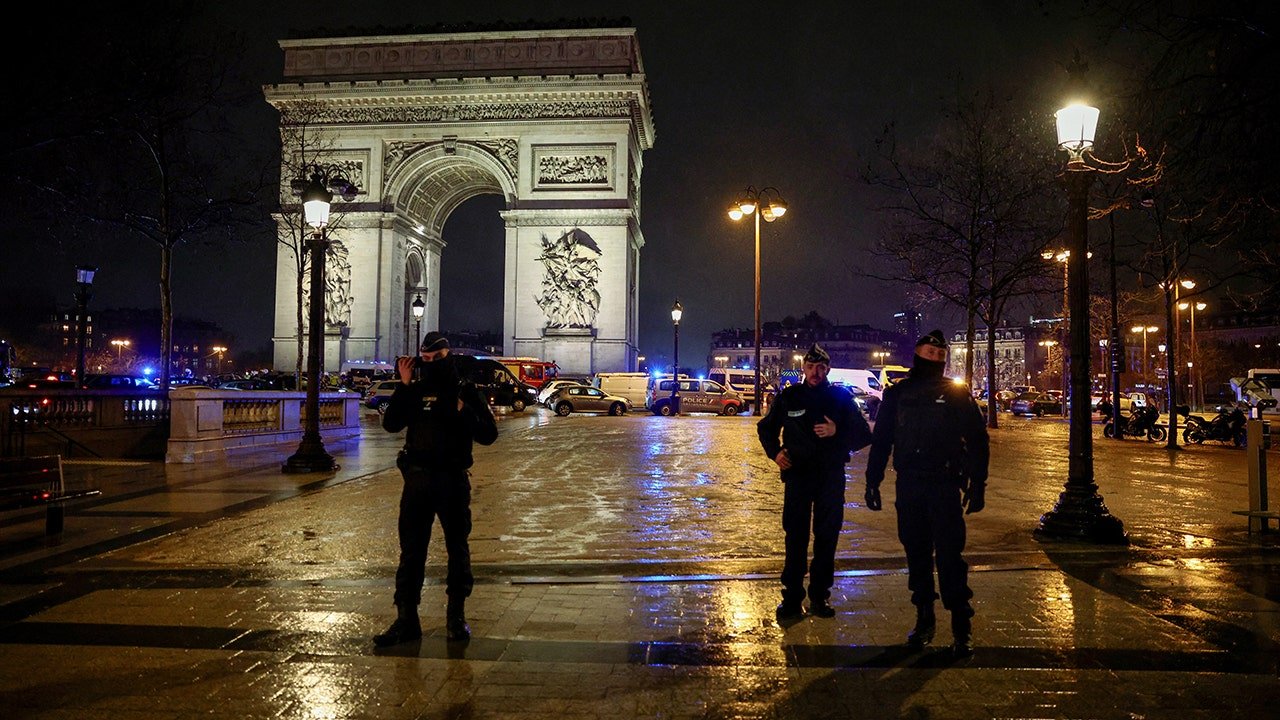
A man who had recently been released from prison on a terrorism charge was shot and killed by a police officer after he allegedly tried to attack another officer with a knife and scissors near the Arc de Triomphe in Paris Friday.
The incident happened near the Tomb of the Unknown Soldier at the ceremony for relighting the eternal flame, which is carried out nightly.
The unidentified man, who is a French national born in 1978, allegedly tried to attack an officer guarding the Tomb of the Unknown Soldier and was shot by another officer.
He died of his wounds at a hospital, the French counterterrorism prosecutor’s office said.
GENEOLOGY COMPANY EXEC SLAMS PIMA SHERIFF’S ‘DEVASTATING’ MOVE TO SHIP NANCY GUTHRIE EVIDENCE TO FLORIDA LAB
French police stand in front of the Arc de Triomphe Friday night after a man allegedly tried to attack an officer with a knife. (Guillaume Baptiste/AFP via Getty Images)
He was sentenced to 17 years in prison in Brussels in 2013 on a terrorist-related offense of attempted murder of three police officers in Belgium and had just been released in December.
The man served 12 years in prison and was placed under police supervision with routine checks, the French prosecution office said.
VIDEO SHOWS THE ‘HEIST OF THE CENTURY’ AT THE LOUVRE
The French counterterrorism prosecutor’s office said it had opened an investigation into the man related to his ties to a «terrorist enterprise» before his death.
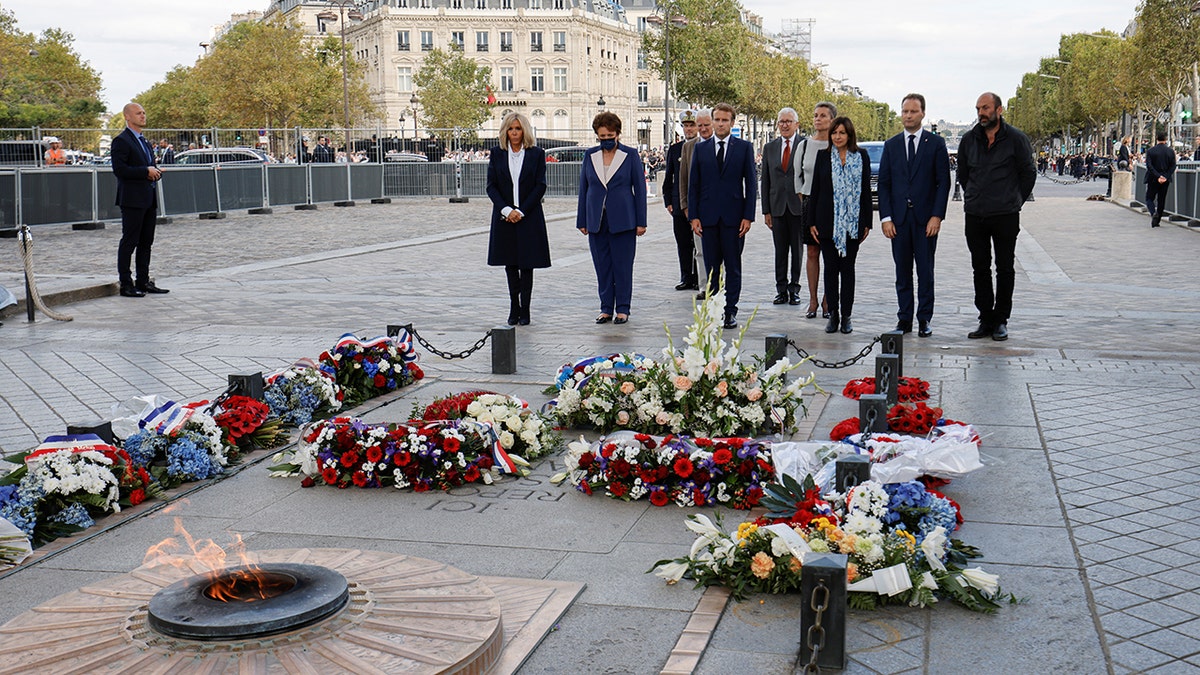
French President Emmanuel Macron visiting the Tomb of the Unknown Soldier in Arc de Triomphe in 2021. ( Ludovic Marin/Pool via Reuters)
The man was held in a Belgian prison until 2015, when he was transferred to France and released on Christmas Eve.
CLICK HERE TO DOWNLOAD THE FOX NEWS APP
The Arc de Triomphe was closed to guests after the incident, which had no other reported injuries.
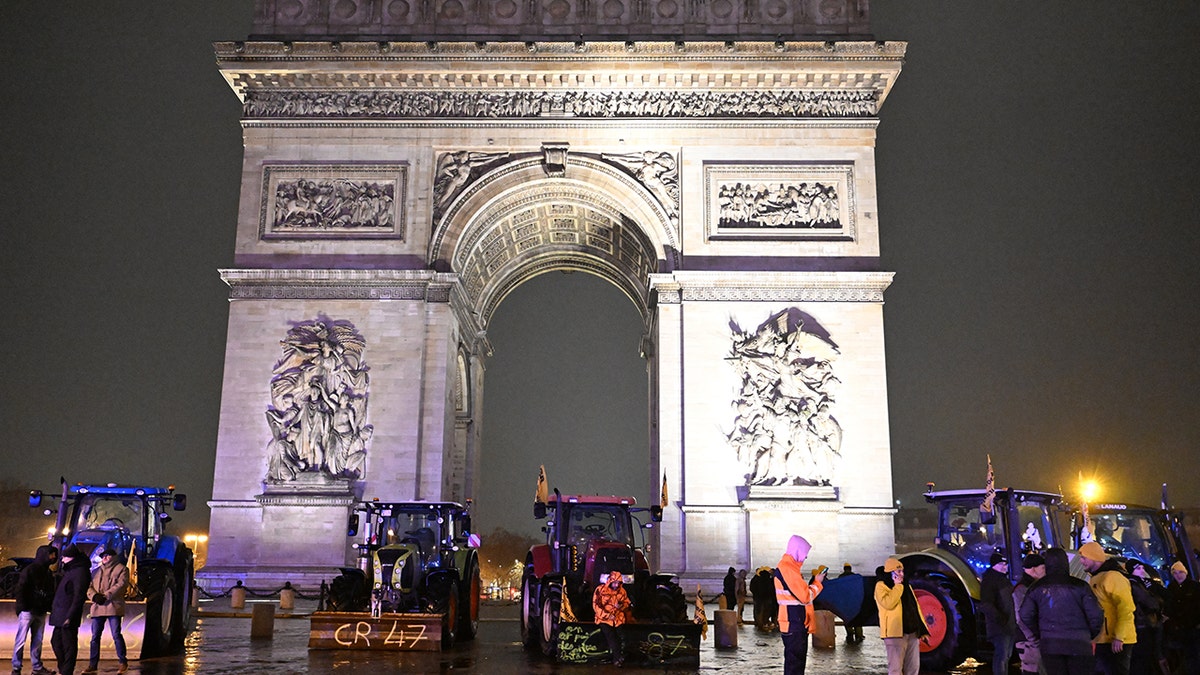
The man was killed in the incident. (AP Photo/Emma Da Silva, File)
The Arc de Triomphe, at the end of the Champs-Élysées, is one of Paris and Europe’s most popular sights, and millions of tourists visit the monument in the heart of the French capital each year.
Reuters and the Associated Press contributed to this report.
france,crime,terrorism
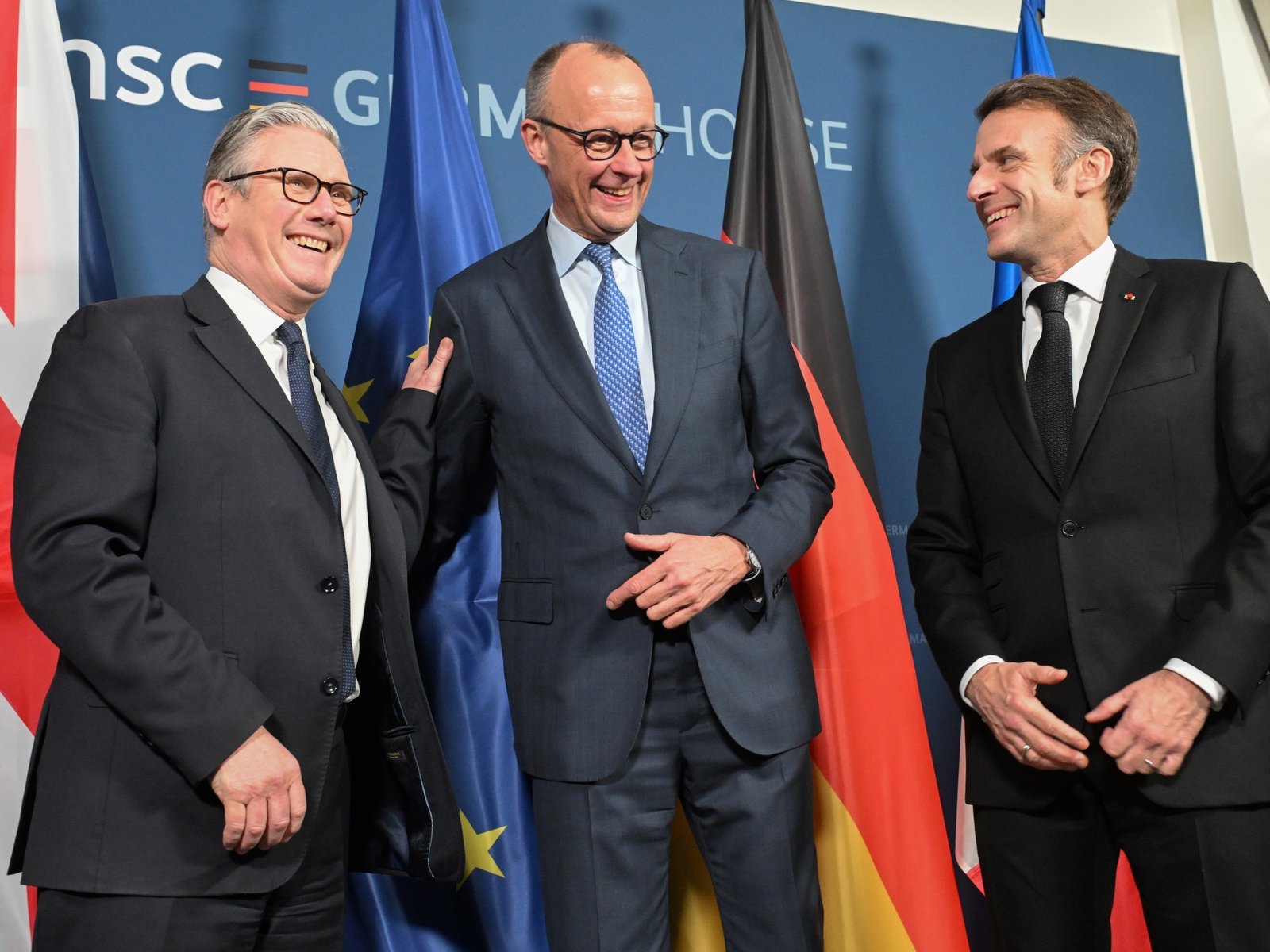
Europa y Estados Unidos miden este fin de semana la profundidad de la fosa atlántica que Donald Trump abrió con su amenaza de tomar por la fuerza la isla danesa de Groenlandia y lanzando una guerra comercial contra los europeos.
Los principales dirigentes de la Unión Europea se dan cita desde este viernes y hasta el domingo en la Conferencia de Seguridad de Múnich, un evento que lleva décadas celebrándose en la ciudad bávara y que ha ganado importancia desde el ataque ruso a Ucrania y la vuelta del magnate republicano a la Casa Blanca.
El año pasado, el vicepresidente estadounidense JD Vance dejó estupefactos a los europeos con un discurso de tintes racistas en el que los acusaba de permitir inmigración sin control y de evitar con formas no democráticas que los partidos de ultraderecha, que son los que quieren destruir la Unión Europea, llegaran al poder.
La situación cambió. Los europeos ya no se verán sorprendidos. Y Washington debería bajar al menos el tono retórico, aunque en el fondo no cambie su discurso, porque en Múnich se espera este sábado al secretario de Estado Marco Rubio, más diplomático que Vance. También porque la relación con Estados Unidos no ha hecho más que deteriorarse entre amenazas.
La última pedrada estadounidense fue la de enviar de gira a Europa a la número dos de Rubio para contactar con centros de pensamiento que ayuden a los partidos ultraderechistas a cambio de financiación estadounidense.
La reunión de Múnich empezó con Alemania dejando claro que la relación está en cuidados intensivos. El jefe de gobierno Friedrich Merz, anfitrión, abrió las jornadas pidiendo trabajar para mantener la relación con Washington: “No me convence cuando se pide que Europa renuncie a Estados Unidos como aliado”. “Juntos somos más fuertes”, añadió.
Pero Merz también hace un análisis realista: “El viejo orden mundial ya no existe”. El alemán pide una “refundación” de la OTAN que dé más peso a los europeos. Y anunció, como ya se había comunicado hace semanas, que está negociando con Francia que el arma nuclear francesa sea el paraguas de seguridad de la Unión Europea.
Marco Rubio, en unas cortas declaraciones a la prensa después de reunirse con su homólogo chino, vino a darle la razón a Merz: “El viejo mundo ha desaparecido. Vivimos en una nueva era geopolítica, y exigirá de todos nosotros que reexaminemos cómo serán las cosas y cuál será nuestro papel”. Rubio aprovecha esta visita para visitar a los dos dirigentes más a la ultraderecha ahora mismo, dos aliados de Moscú, “dos caballos de Troya”, como dice un diplomático escandinavo: el húngaro Viktor Orban y el eslovaco Robert Fico.
El presidente Emmanuel Macron cerró la primera jornada diciendo que “Europa tiene que convertirse en una potencia geopolítica. Tenemos que reducir nuestras dependencias a través de políticas que den preferencia a lo europeo. Y tiene que ser para la inteligencia artificial, la computación en nube, los minerales críticos, las tecnologías limpias, las industrias de defensa y el diseño de nuestros armamentos. En cualquier sector en el que tengamos sobre dependencias, tenemos que eliminar riesgos a nuestro modelo y apoyar la preferencia europea”. Macron apunta al “Buy European” que los gobiernos del bloque están ultimando.
El francés también trató del arma nuclear para decir que dará “más detalles” sobre cómo el arma francesa puede contribuir a la seguridad europea durante un futuro discurso sobre la doctrina nuclear francesa.
Macron no siguió los pasos de Merz defendiendo la importancia de la relación entre Europa y Estados Unidos. El francés, que es el único líder que en los últimos años ha enviado un emisario a Moscú, dijo que Europa no debe “ceder ante Rusia, sino incrementar la presión”. Y que los europeos, también los de fuera de la Unión Europea, deben crear una nueva arquitectura de seguridad para el continente. Es su forma diplomática de rechazar que sean actores ajenos a Europa, como los estadounidenses, los que fijen los marcos del futuro europeo.
Múnich sirve para medir el estado de la relación y, escuchando a los europeos, se para confirmar si ya despertaron al nuevo mundo sin el aliado tradicional estadounidense. La situación en Múnich, según fuentes de la Comisión Europea y de un gobierno que espera pocas amabilidades desde Washington, será diferente: la misma desconfianza, pero también una posición europea más clara a la hora de defender sus intereses. Si en Davos el portavoz de la resistencia contra Donald Trump fue el primer ministro canadiense Mark Carney, en Múnich se espera escuchar ya a los principales dirigentes europeos con discursos que rechacen las políticas estadounidenses. Merz y Macron fueron conciliadores. Este sábado aparecerán el británico Keir Starmer y el español Pedro Sánchez.
Europa también perdió el miedo en otros asuntos. Aunque sigue dependiendo en parte de Estados Unidos para su defensa, ha dado pasos de gigante para recortar esa dependencia. Desde el año pasado los europeos sostienen sin un dólar de Washington el esfuerzo de guerra ucraniano y la financiación de su economía. Las industrias militares europeas despertaron y están aumentando rápidamente su producción. El bloque, además, disparó el gasto militar.
Los europeos argumentan que la ruptura no es circunstancial, que la relación no volverá a ser la misma después de Trump. Porque Trump, y lo que Europa entiende que es una deriva ultraderechista del Partido Republicano, no es una circunstancia puntual y puede volver a ocurrir. El cambio es estructural y no es solamente que Europa esté ante un líder imprevisible, brabucón y que insulta, sino ante una transformación profunda en la forma en que Estados Unidos se mueve en el mundo y el respeto que tiene al Derecho Internacional y al multilateralismo.
Los europeos intentan contener daños. Por eso lanzaron maniobras militares en el Ártico, para mostrar a Trump que se preocupan por la seguridad de Groenlandia. Pero no van a ceder en todo, por eso siguen con su avance contra las plataformas tecnológicas de los amigos de Trump y que trabajan contra la Unión Europea.

El precio de peajes en rutas nacionales sube hasta casi un 200%: cuánto vas a pagar

Histórico triunfo de la Selección Sub 20 femenina frente a Brasil en el Sudamericano

La Justicia declaró inadmisibles los recursos de la comunidad mapuche en la causa por tierras usurpadas a Manu Ginóbili

Trump ousts judge-installed prosecutor; constitutional expert says Article II leaves no doubt

Evelyn Botto confirmó las reglas de la pareja abierta con Fede Bal y sorprendió: “Promiscuidad”

Terror convict, recently released, shot dead by Paris police after alleged knife attack near Arc de Triomphe

Acuartelamiento policial en Santa Fe: reclamo salarial y temor a un conflicto nacional de seguridad

La advertencia de ATE a los gobernadores que apoyan la reforma laboral: “Firmarán su sentencia de muerte”

Cuánto le cuesta a la clase media llenar el changuito y cómo varían los precios de los alimentos entre provincias

A quién afecta la Reforma laboral: estos son los puntos clave del proyecto de Milei

 POLITICA1 día ago
A quién afecta la Reforma laboral: estos son los puntos clave del proyecto de Milei
- ECONOMIA2 días ago
Cayeron 20% las ventas de automóviles en China y el régimen impone medidas para regular el mercado
- POLITICA1 día ago
Reforma laboral: la modificación sobre accidentes o enfermedades ajenas al trabajo