INTERNACIONAL
Maine progressive says he won’t back Schumer even after Democrats unite behind Collins challenger


NEWYou can now listen to Fox News articles!
ELLSWORTH, MAINE — Graham Platner says he still wouldn’t support Sen. Chuck Schumer as Senate Democratic leader going forward, even after holding what he described as a «perfectly cordial conversation» with the top Democrat in the chamber.
Platner, an oyster farmer and Army and Marine veteran who served in the Afghanistan and Iraq wars, will face off in this year’s midterm elections in blue-leaning Maine against longtime Republican Sen. Susan Collins. The high-profile and competitive 2026 race is one of a handful across the country that will likely determine whether Republicans keep control of their slim Senate majority.
Platner, a first-time candidate, who is backed by progressive champions Sens. Bernie Sanders of Vermont and Elizabeth Warren of Massachusetts, became the Democrats’ presumptive nominee after his rival for the nomination, two-term Gov. Janet Mills, ended her campaign two weeks ago after trailing Platner in polling and fundraising.
Mills was supported by Schumer, who recruited the governor to enter the race.
SCHUMER’S ‘NUMBER 1 TARGET’ SAYS VOTERS WILL SEE HER DEMOCRATIC CHALLENGER AS TOO EXTREME
Senate Democratic Leader Sen. Chuck Schumer, right, called Senate candidate in Maine Graham Platner after he became the party’s presumptive nominee (Paul Steinhauser/Fox News Digital; Photo by Nathan Posner/Anadolu via Getty Images)
But Platner said what could have been a difficult conversation was anything but when he had a chance to speak with Schumer on the phone after Mills ended her bid.
«It was not awkward at all. He called to congratulate me on a good race, and nothing brings people together like agreeing that Susan Collins shouldn’t be in the U.S. Senate. So we had a perfectly cordial conversation.»
Platner said that «at this point, it very much feels that the Democratic Party will support us in our continued endeavor.» But he added «we’re going to keep doing what we’ve done up here, because it’s obviously what’s working.»
Platner is one of a small but growing number of progressive Senate candidates who say that, if elected in November, they won’t support Schumer as the Senate’s Democratic leader. Platner added that the topic of his lack of support for the Democratic leader didn’t come up in his conversation with Schumer.
Platner advocates an economically populist agenda as he takes aim at corporate influences and advocates for the working class as he runs for the Senate.
In an interview in Maine with Fox News Digital last week, Collins was asked if she believes Platner is too far to the left and extreme for voters in her northern New England state.
SIX MONTHS TILL MIDTERMS: THE TEN RACES THAT WILL DETERMINE THE SENATE’S MAJORITY
«I believe that will be the conclusion of Maine voters. But, obviously, I don’t take anything for granted,» the senator, who is running for a sixth six-year term in the Senate, answered.
But Platner charges that it’s Collins who is too «radical.»
«My response is that, trying to bring down costs for working Mainers. Trying to make sure that our communities don’t get emptied out because housing has become unaffordable for young people. Trying to create a system in which we are not seeing our health care system utilized as a way of just screwing working people all for the benefit of a health care insurance CEO, I don’t think that’s radical at all,» Platner said. «I think in fact that what most Mainers agree is what we have to be doing.»
And he charged, «What’s radical is somebody like Susan Collins, who, for decades now, has made sure that we pass policies that are going to help corporations and billionaires to the detriment of working people, supporting over and over and over again, illegal and insane foreign wars. She voted to send me to Iraq, and now she continues to vote to support the war in Iran,» Platner said. «I’m sorry that I think is much more radical to the people of Maine than having a health care system that doesn’t collapse before our eyes.»
Platner enlisted in the Marines in 2003 and served three combat tours in Iraq. In 2010, he joined the Maryland Army National Guard for a fourth tour, serving in the infantry in Afghanistan. He returned to Afghanistan eight years later as a security contractor.
DEMOCRACY ’26: STAY UP TO DATE WITH THE FOX NEWS ELECTION HUB
It’s been less than two weeks since Platner became the Democrats’ presumptive nominee, and Republicans didn’t waste any time in taking aim at him.
A Republican group supporting Collins is already blasting Platner in a new ad over controversial comments he made over a decade ago on Reddit about women and rape and a well-publicized tattoo on his chest that resembled a Nazi
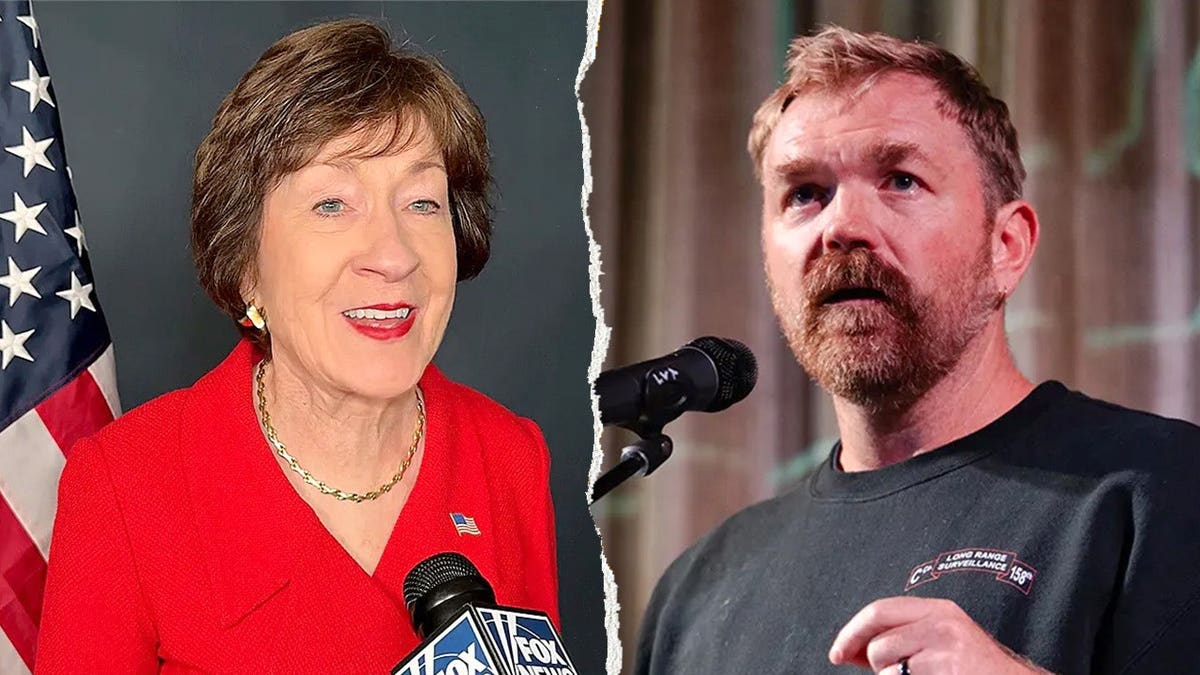
Republican Sen. Susan Collins of Maine, left, and Democratic Senate candidate Graham Platner (Fox News and Getty Images)
Among the comments is one from 2013, which Platner later deleted, that people concerned about rape should not «get so f—ed up they wind up having sex with someone they don’t mean to.»
Platner apologized for his controversial Reddit posts after they made headlines last fall soon after he launched his Senate campaign. And Platner has said he got the skull and crossbones tattoo in 2007 while drinking with fellow Marines stationed in Croatia. He said that he covered up the tattoo with a new design after learning last year that it resembled a Nazi symbol.
The candidate said he’s not concerned about the attack ad, which is likely just a taste of things to come.
«The Democratic establishment tried to use all those attacks against me and failed miserably,» Platner said as he referred to a spot from the Mills campaign before she dropped out of the race. «Now the Republican establishment is going to try to use the exact same attacks, and that will also fail miserably.»
Platner insisted that «the people of Maine understand exactly what this is. They’re not happy to see millions of dollars poured into negative TV ads in a state that, quite frankly, could use million dollars of investment in lots of other things instead of just negative television. And I don’t think it’s going to work, because it hasn’t up until this point.»
And pointing to the Republican attack ad, he said «we knew it was coming the whole time. Look, man, I fought in Iraq and Afghanistan. Somebody wants to say….mean things about me on television, I’m pretty sure I can handle it.»
Platner has also faced scrutiny for more recent Reddit posts, including one from five years ago where he described himself as a «communist» and «socialist.»
«You should read the comments in context. It’s very clear I’m joking,» he told Fox News Digital when asked about them. «It’s called shitposting. It’s when you argue with people on the internet and try to bother them. So, yeah, no, it’s very obviously not true.»
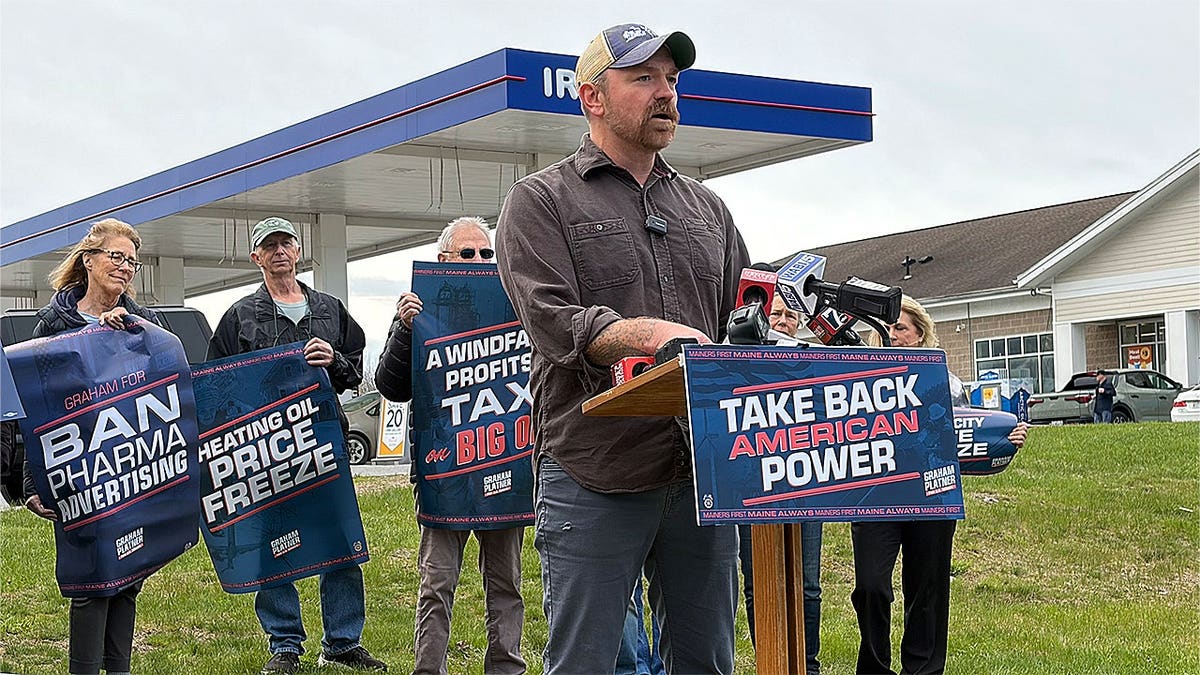
Graham Platner, the Democrats’ presumptive Senate nominee in Maine, holds an energy event in Ellsworth, Maine on Monday, May 11, 2026. (Paul Steinhauser/Fox News)
Platner was interviewed minutes after casting an early voting ballot in Maine’s primary and then holding an event near a gas station to showcase his newly released energy plan, which he says will help reduce people’s bills.
His proposal includes eliminating the national gas and diesel tax, a freeze on electricity rate increases and a fund for clean energy projects.
Platner said his energy plan is «very central» to his campaign. «I think energy costs right now are one of the things that are most damaging working families in this state. It is, in my opinion, essentially an existential crisis that we face.»
Democrats are spotlighting the cost of living as they overperform in special elections, which they hope is a prelude to winning back control of Congress in the midterms.
Republicans — as the party currently in power in Washington, D.C. — were already up against traditional political headwinds that typically lead to a loss of congressional seats. Add to that the challenging climate fueled by persistent inflation, rising gas prices tied to what polls show is an unpopular war with Iran and Trump’s underwater approval ratings.
CLICK HERE TO DOWNLOAD THE FOX NEWS APP
Asked how she can overcome the blame pointed at Republicans over the high cost of living, Collins told Fox News Digital last week that she’s championed the low-income heating assistance program, which «helps low-income families and seniors stay warm during the cold winter months. I just recently made sure the final tranche of money was released because there is a lot of need in the state of Maine, and the cost of living is high here.»
Collins, who was interviewed at a food bank that expanded with federal funding the senator helped obtain, also emphasized her opposition to cuts «in food stamp benefits and in other programs that designed for low-income families because I know how important they are.»
chuck schumer, bernie sanders, midterm elections, elizabeth warren, senate elections, maine, democrats elections











Durante millones de años, los huesos permanecieron ocultos bajo las capas rojizas de la tierra amazónica. Sobre ellos crecieron árboles, pasaron ríos, se formaron comunidades y se levantaron viviendas. Hasta que, en 2018, un deslizamiento en la ribera del río Napo removió los sedimentos y dejó expuesta una parte de un pasado que nadie esperaba encontrar allí.
El descubrimiento ocurrió en Venecia Izquierda, una comunidad de la parroquia Misahuallí, en la provincia de Napo. Robert Román, Álvaro Román y Germán Shiguango fueron los primeros en observar los fragmentos que sobresalían del terreno. Eran huesos grandes, endurecidos por el tiempo y distintos de cualquier resto animal cotidiano. En un principio no sabían que habían encontrado la evidencia del primer dinosaurio registrado en la Amazonía ecuatoriana.
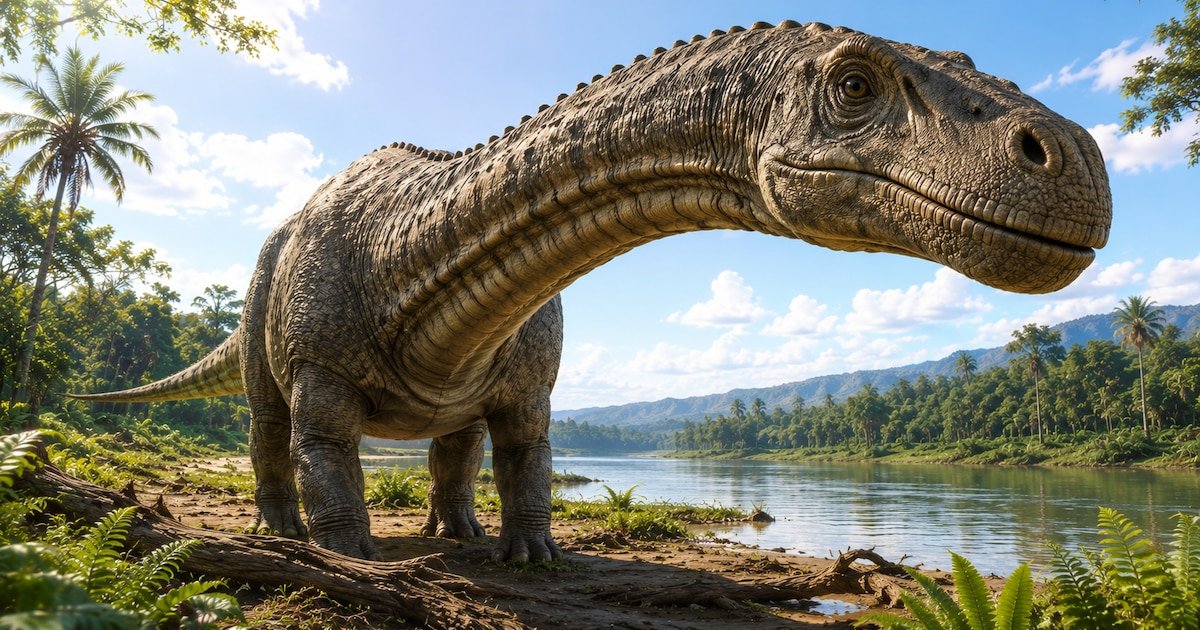
Los fósiles pertenecían a un saurópodo del grupo de los titanosaurios, dinosaurios herbívoros, cuadrúpedos y de largos cuellos y colas que habitaron diferentes regiones del planeta durante el Cretácico. La antigüedad de los restos fue estimada en aproximadamente 67 millones de años, apenas un millón de años antes de la extinción masiva que acabó con los dinosaurios no avianos.

El ejemplar recibió el nombre informal de Wakrayampi. No se trata todavía de una denominación científica, sino de una forma de identificarlo mientras continúan los análisis. El término proviene del napo-kichwa: “wakra” significa vaca y “yampi” se relaciona con iguana. La expresión evoca la imagen de un enorme reptil, un animal cuya presencia en la Amazonía ecuatoriana permaneció desconocida hasta que el suelo decidió mostrar una parte de su esqueleto.
Los investigadores recuperaron fragmentos correspondientes a la extremidad delantera del dinosaurio, entre ellos una parte del húmero y varios metacarpianos. Aunque el material es limitado, la forma y las proporciones de los huesos permitieron ubicar al animal dentro de Titanosauria, uno de los grupos de saurópodos más diversos y extendidos durante los últimos millones de años del Cretácico.
Los titanosaurios incluyeron especies de tamaños muy distintos. Algunos alcanzaron dimensiones colosales, superiores a los 25 o 30 metros de longitud, mientras otros fueron considerablemente más pequeños. En el caso de Wakrayampi, los restos disponibles no permiten calcular con precisión cuánto medía ni cuánto pesaba. Los científicos consideran, sin embargo, que pudo tratarse de un ejemplar de tamaño intermedio dentro de su grupo.

Tampoco es posible determinar todavía si los fósiles corresponden a una especie desconocida para la ciencia. Para describir formalmente una nueva especie se necesitan restos suficientemente completos, rasgos anatómicos distintivos y comparaciones detalladas con otros ejemplares encontrados en Sudamérica. Parte del material expuesto por el deslizamiento se perdió antes de que pudiera ser estudiado, por lo que cada fragmento recuperado adquirió un valor excepcional.
La investigación fue impulsada por especialistas de la Universidad Regional Amazónica Ikiam, con la participación de científicos extranjeros y el apoyo de la Fundación Azara, de Argentina. Entre los investigadores se encuentra el paleontólogo argentino Sebastián Apesteguía, reconocido por sus estudios sobre dinosaurios y otros vertebrados fósiles del continente.
El hallazgo convierte a Wakrayampi en el segundo dinosaurio identificado en Ecuador. El primero fue Yamanasaurus lojaensis, un titanosaurio cuyos restos fueron encontrados en la provincia de Loja y presentados científicamente en 2019. La identificación de ambos animales, separados por cientos de kilómetros, indica que los dinosaurios ocuparon territorios ecuatorianos mucho más amplios de lo que permitía suponer el escaso registro fósil conocido hasta ahora.

La ausencia de descubrimientos anteriores no significaba necesariamente que los dinosaurios no hubieran vivido en Ecuador. La geología del país, la vegetación abundante, la erosión, la actividad volcánica y la dificultad de acceder a determinadas zonas reducen las posibilidades de localizar fósiles. En la Amazonía, además, la cobertura vegetal esconde gran parte de las formaciones rocosas donde podrían aparecer restos.
Wakrayampi cambió esa perspectiva. Su aparición en la Cuenca Oriente demostró que los sedimentos amazónicos conservan información sobre los ecosistemas del final de la era de los dinosaurios y que las riberas de los ríos pueden convertirse en ventanas hacia ese pasado.
Hace 67 millones de años, el paisaje de Napo no se parecía al bosque tropical que cubre actualmente la región. La cordillera de los Andes todavía no había adquirido su configuración moderna y la cuenca amazónica atravesaba profundas transformaciones geológicas.

El territorio donde vivió Wakrayampi habría sido una extensa llanura costera atravesada por ríos, lagunas y humedales. El mar podía ingresar ocasionalmente sobre determinadas áreas, depositando sedimentos y modificando los ecosistemas. En esos ambientes crecían plantas que alimentaban a los grandes herbívoros y circulaban reptiles, peces, tortugas y otros animales aún poco conocidos en el registro fósil ecuatoriano.
Los huesos quedaron sepultados en sedimentos asociados con la Formación Tena, una unidad geológica compuesta principalmente por materiales depositados durante el Cretácico tardío. El enterramiento relativamente rápido y las condiciones químicas del suelo permitieron que parte del esqueleto se mineralizara y sobreviviera a la presión, el agua y los movimientos de la corteza terrestre.
Ese proceso convirtió los restos orgánicos en fósiles. Los minerales fueron ocupando progresivamente los espacios internos de los huesos hasta transformarlos en estructuras pétreas. Millones de años después, la erosión y el deslizamiento ocurrido en la ribera del Napo revirtieron parcialmente el proceso: retiraron las capas que los cubrían y los acercaron nuevamente a la superficie.

El lugar del hallazgo constituye ahora un punto de interés científico, pero también un espacio vulnerable. Los fósiles pueden deteriorarse rápidamente cuando quedan expuestos al sol, la lluvia, la humedad y la manipulación. La participación de las comunidades locales es, por esa razón, fundamental para protegerlos y alertar a las autoridades cuando aparecen nuevos restos.
La elección del nombre Wakrayampi busca reconocer esa relación. El dinosaurio no fue encontrado durante una expedición internacional ni mediante excavaciones planificadas, sino gracias a habitantes de la zona que identificaron algo extraordinario en un terreno familiar. Su descubrimiento demuestra que la paleontología no depende únicamente de laboratorios y universidades: también comienza con la observación de quienes conocen el territorio.
El potencial científico apenas empieza a explorarse. Nuevos hallazgos podrían permitir establecer la especie de Wakrayampi, reconstruir su anatomía y determinar sus vínculos con otros titanosaurios sudamericanos. También podrían aparecer dinosaurios carnívoros, tortugas, cocodrilos, peces o plantas fósiles capaces de completar la imagen del ecosistema amazónico del Cretácico.

Cada resto ayudaría además a responder preguntas más amplias: cómo se desplazaban los dinosaurios por el norte de Sudamérica, qué barreras geográficas existían, cómo cambió el clima y qué ocurrió en la región durante la extinción de hace 66 millones de años.
Por ahora, Wakrayampi permanece incompleto. No existe un cráneo, una columna articulada ni un esqueleto monumental para exhibir. Hay fragmentos, mediciones y una historia enterrada en las riberas del Napo. Pero esos pocos huesos bastaron para modificar el mapa paleontológico del Ecuador.
Bajo la selva, los cultivos y los ríos de la Amazonía todavía pueden conservarse otros gigantes. Wakrayampi fue el primero en emerger. Probablemente no será el último.
INTERNACIONAL
EEUU completó una nueva ronda de ataques contra Irán y alcanzó más de 130 objetivos militares con “municiones de precisión”

El Ejército de Estados Unidos anunció este domingo el fin de su última ronda de ataques contra el régimen iraní, realizados en represalia por el bombardeo de Irán a un buque con bandera de Chipre que transitaba por el estrecho de Ormuz el sábado. El Comando Central de Estados Unidos (CENTCOM) detalló que las fuerzas estadounidenses atacaron «aproximadamente 140 objetivos militares» iraníes empleando municiones de precisión lanzadas desde aviones de combate terrestres y marítimos, drones y buques navales.
Según el CENTCOM, los blancos incluyeron instalaciones de misiles y drones, capacidades navales, depósitos de municiones, redes de comunicaciones y puestos de vigilancia costera. Durante la madrugada, medios iraníes reportaron varias explosiones en la provincia de Bushehr, donde se encuentra una planta nuclear, así como en localidades cercanas al estrecho de Ormuz. Hasta el momento, no se informó sobre daños o víctimas.
En respuesta, Teherán lanzó misiles y drones contra países de Medio Oriente que albergan bases estadounidenses, como Jordania, Kuwait, Qatar y Bahréin. El Ejército estadounidense había anunciado el inicio de la nueva ofensiva tras el ataque iraní a un buque portacontenedores con bandera chipriota, lo que provocó un incendio y daños en la sala de máquinas que detuvieron la navegación. Un miembro de la tripulación permanece desaparecido y los restantes fueron evacuados este domingo.
Las fuerzas estadounidenses argumentaron que el objetivo de los ataques es “degradar la capacidad” de Irán para atacar otras embarcaciones en el estrecho de Ormuz. De su lado, Irán indicó que el paso marítimo permanecerá cerrado “hasta nuevo aviso”.
Días atrás, el presidente estadounidense Donald Trump di por “terminado” el acuerdo de alto el fuego entre ambos países, tras la reanudación de los bombardeos en la región. Estados Unidos e Irán firmaron el 17 de junio el Memorando de Entendimiento de Islamabad para buscar el fin de la guerra, abrir negociaciones sobre el programa nuclear iraní y desbloquear el estrecho de Ormuz.
La vía estratégico, situada entre el Golfo Pérsico y el Golfo de Omán, constituye una de las principales rutas de paso marítimo a nivel mundial, ya que por este corredor circulaba hasta antes del conflicto cerca de una quinta parte del comercio global de petróleo y gas natural licuado. Tras el ataque al buque con bandera de Chipre, Estados Unidos advirtió que impondría “un costo elevado” a Irán con el objetivo de reducir la capacidad militar iraní y proteger tanto a las tripulaciones civiles como a los cargueros que navegan por la región.
Las autoridades estadounidenses subrayaron que estas operaciones buscan preservar la libertad de tránsito marítimo y contener eventuales intentos de Teherán de restringir el paso en una vía estratégica para el comercio internacional.
Previamente, la Guardia Revolucionaria había confirmado a través de la agencia estatal IRNA que el paso marítimo permanecerá cerrado “hasta nuevo aviso”, tras realizar lo que describió como “tiros de advertencia” contra una embarcación que, según su versión, empleaba una ruta no autorizada. “Después de este incidente, el Estrecho de Ormuz permanecerá cerrado hasta que cesen las intervenciones estadounidenses en la región y no se permitirá el paso de ninguna nave”, detalló el comunicado difundido por IRNA.

La tensión en torno al Estrecho de Ormuz complica la posibilidad de reanudar negociaciones diplomáticas entre Estados Unidos e Irán, con el control de la navegación como uno de los principales puntos de fricción. Mientras Teherán reclama el derecho a regular el tránsito y ha manifestado su intención de cobrar tarifas a los buques que utilicen la vía, Washington insiste en que la circulación debe permanecer libre de restricciones y peajes.
La Guardia Revolucionaria advirtió que, si continúan las acciones militares en su contra, responderán contra “nuevas bases enemigas en la región” y reiteraron su negativa a restablecer un sistema de navegación irrestricta, postura rechazada por la administración estadounidense.
INTERNACIONAL
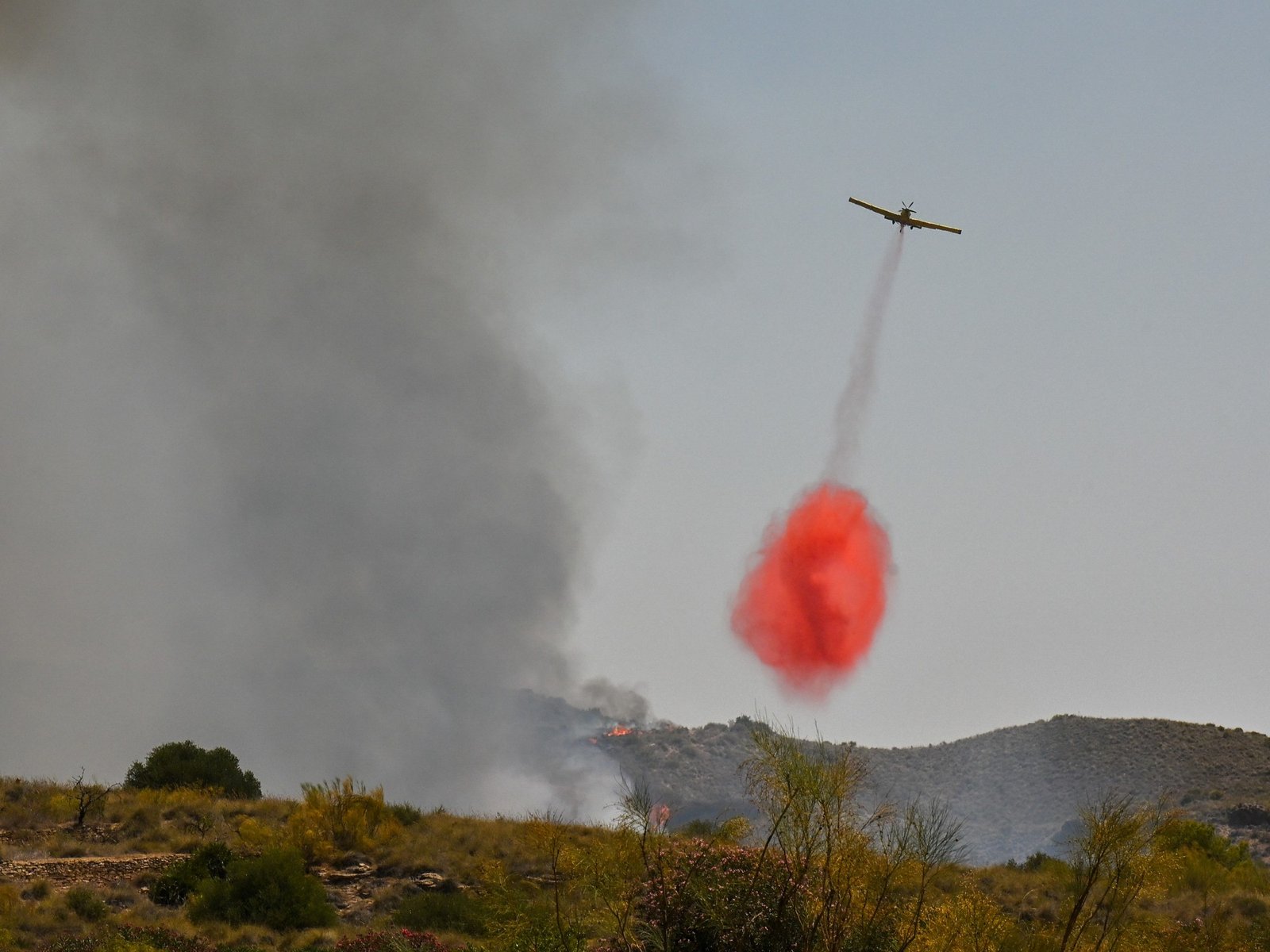
El incendio de Almería lleva activo dos días y crece la desesperación por las 23 personas desaparecidas


El gesto de Scaloni con Samuel por el gol de pelota parada de Mac Allister y la frase de Messi que lo anticipó

La celebración en el Obelisco por la clasificación a semifinales de Argentina: fotos y videos

Clima de Negocios: las empresas argentinas y Pax Silica, el plan de EEUU para ganarle a China la carrera por la IA que rubricó Milei

Milei vs. Kicillof: el trasfondo de la feroz disputa política por la Selección de Messi

Elina Firpo y Lucía Zin Ungaro: la amistad como motor y los secretos de la serie que redefine el amor a los veinte

“Invencible” y “mucho Araña y mucho VAR”: la reacción de los medios del mundo tras el pasaje de Argentina a la semifinal del Mundial

El Gobierno asegura que un buque de guerra británico navegó por aguas argentinas sin permiso y evalúa presentar un reclamo diplomático

Pinamar: restringen la circulación de vehículos motorizados en las playas

“Argentina no gana el Mundial”: el encendido debate en vivo entre Valdano y Casillas sobre el fútbol sudamericano y el europeo

El Gobierno adjudicó inversión millonaria para frenar los cortes de luz con megabaterías

 DEPORTE3 días ago
Contundente respaldo de la FIFA tras las críticas a los árbitros de Argentina-Egipto: “Las acusaciones infundadas no tienen cabida”
- POLITICA2 días ago
Hackearon a la AFA y enviaron correos con falsas denuncias sobre el arbitraje ante Egipto
- INTERNACIONAL3 días ago
‘Preaching as resistance’: Dem minister behind Satanist wedding now linked to anti-Trump sermon guide