
INTERNACIONAL
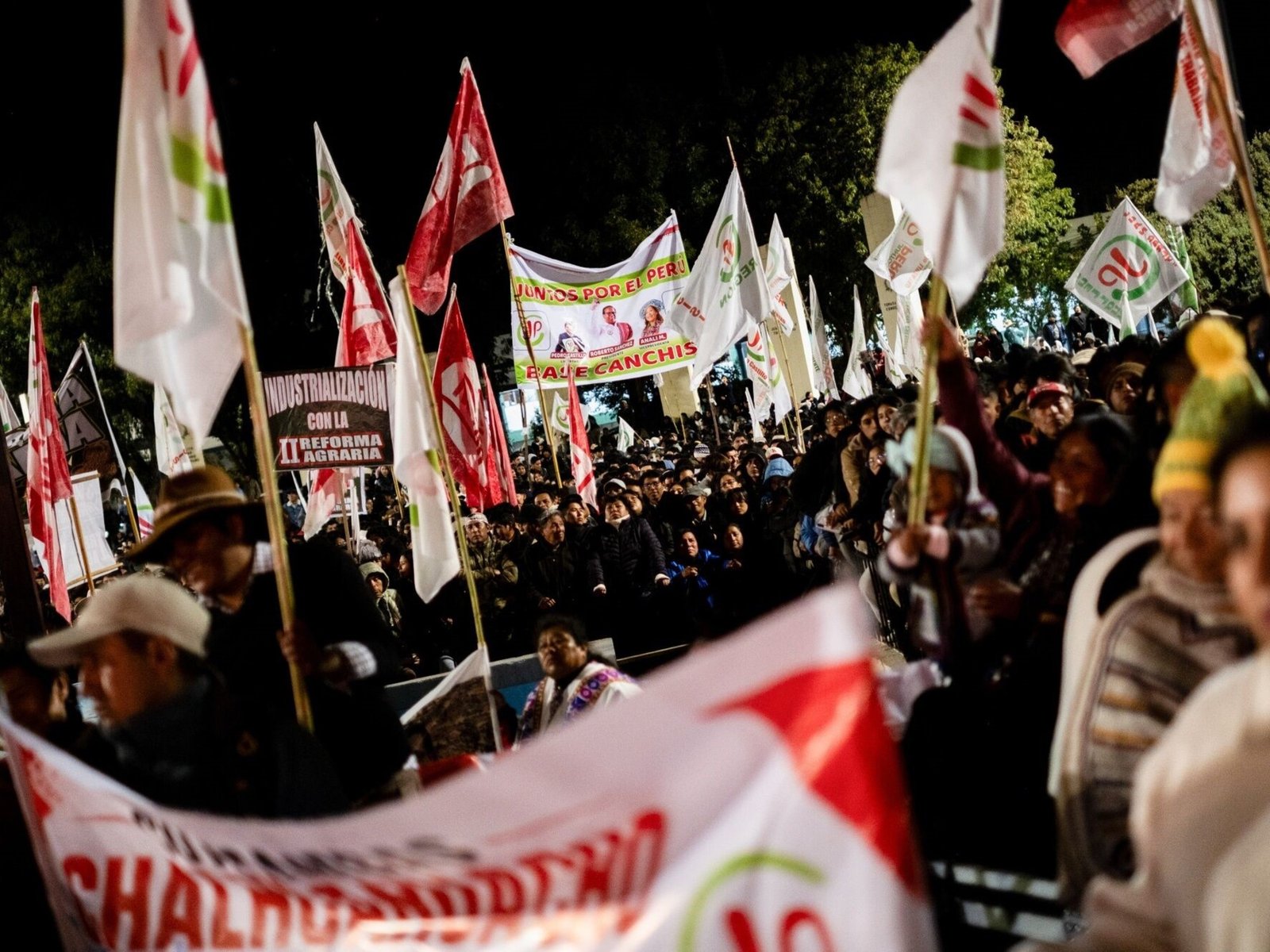
Panorama Internacional: Balotaje en Perú, algo más que una importante elección sudamericana



INTERNACIONAL
Europa: la ola de calor pone a todas las grandes ciudades de Italia en alerta roja y Austria y Eslovaquia baten récords de temperatura

El calor obliga a Italia a declarar alerta
En Italia: Ventiladores y “playa urbana” para refrescar a la gente

Hungría reduce el uso de energía mientras la sequía afecta a central nuclear
Alemania se preocupa por el caudal de los ríos

Los Balcanes combaten los incendios y la sequía
INTERNACIONAL
Mamdani repeatedly sidesteps questions on reported plan to revive tax hikes on wealthy New Yorkers
NEWYou can now listen to Fox News articles!
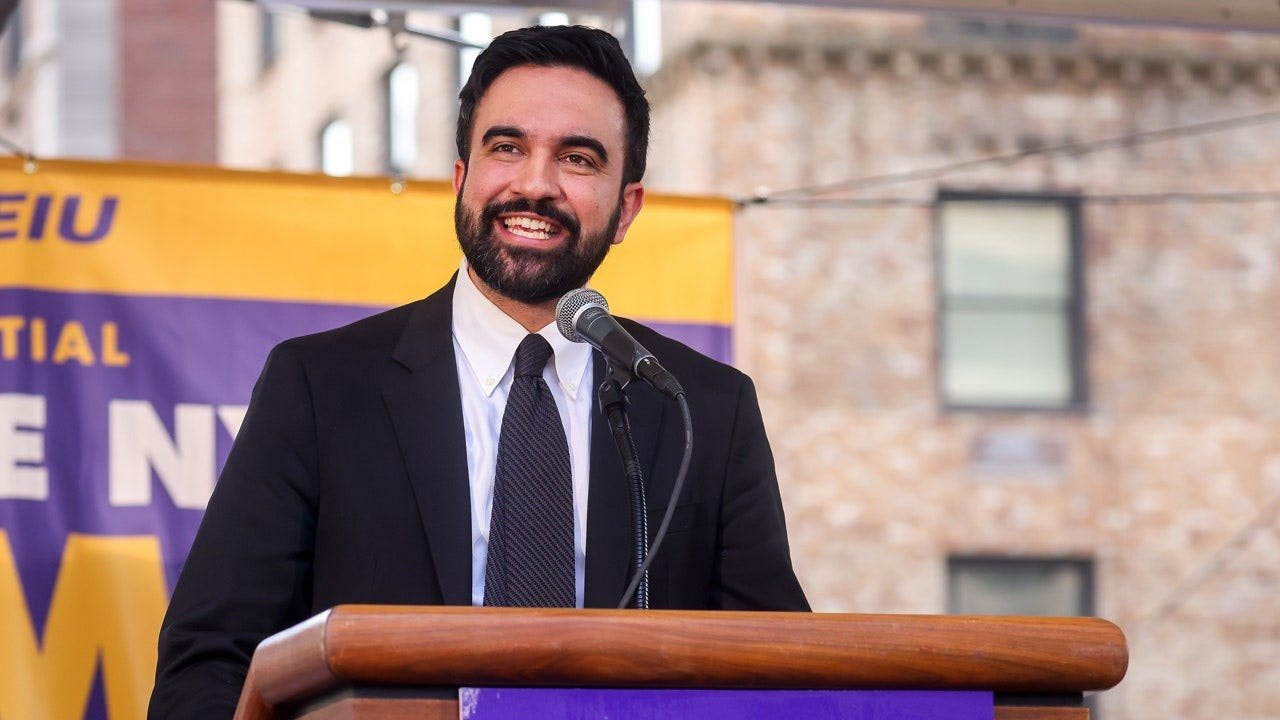
New York City democratic socialist Mayor Zohran Mamdani repeatedly sidestepped questions Thursday about reported plans to launch a public pressure campaign this fall pushing tax hikes on wealthy New Yorkers and corporations.
Mamdani reportedly plans to build public support after Labor Day for similar proposals that Gov. Kathy Hochul previously rejected in early 2026. The reported push is expected ahead of the New York Legislature’s return to Albany in January 2027 and Hochul’s re-election campaign this fall, according to The New York Post.
During an interview with Fox 5 New York, Mamdani repeatedly declined to answer questions about the potential campaign before later saying such discussions would only come after the November election.
Asked whether he had spoken with Hochul about the reported campaign, Mamdani did not answer directly, instead using the opportunity to tout the opening of 2,000 free child care seats for New Yorkers through their policy efforts.
NYC MAYOR MAMDANI CALLS THREAT OF RICH PEOPLE LEAVING NYC OVER TAXES ‘IMAGINED’
Mayor Zohran Mamdani speaks to reporters about the city’s finances during a news conference in New York, Tuesday, Feb. 17, 2026. (Seth Wenig/AP Photo)
«The governor and I are in constant communication and, frankly, I appreciate her partnership because if it wasn’t for the governor, then we wouldn’t have been able to stand together to announce that we had more than 5,000 New Yorkers come forward to apply for these 2,000 free child care seats,» he said. «And I’m so excited about that, and the fact that we’re going to expand to 12,000, and the work that’s still to come.»
The reporter then pressed Mamdani on whether the Democratic Socialists of America would join the potential campaign this fall, but he again declined to answer directly, saying his focus remains on the present.
BERNIE SANDERS, DSA REVEAL DEMANDS FOR DEM PARTY AFTER SOCIALISTS SWEEP NEW YORK ELECTIONS
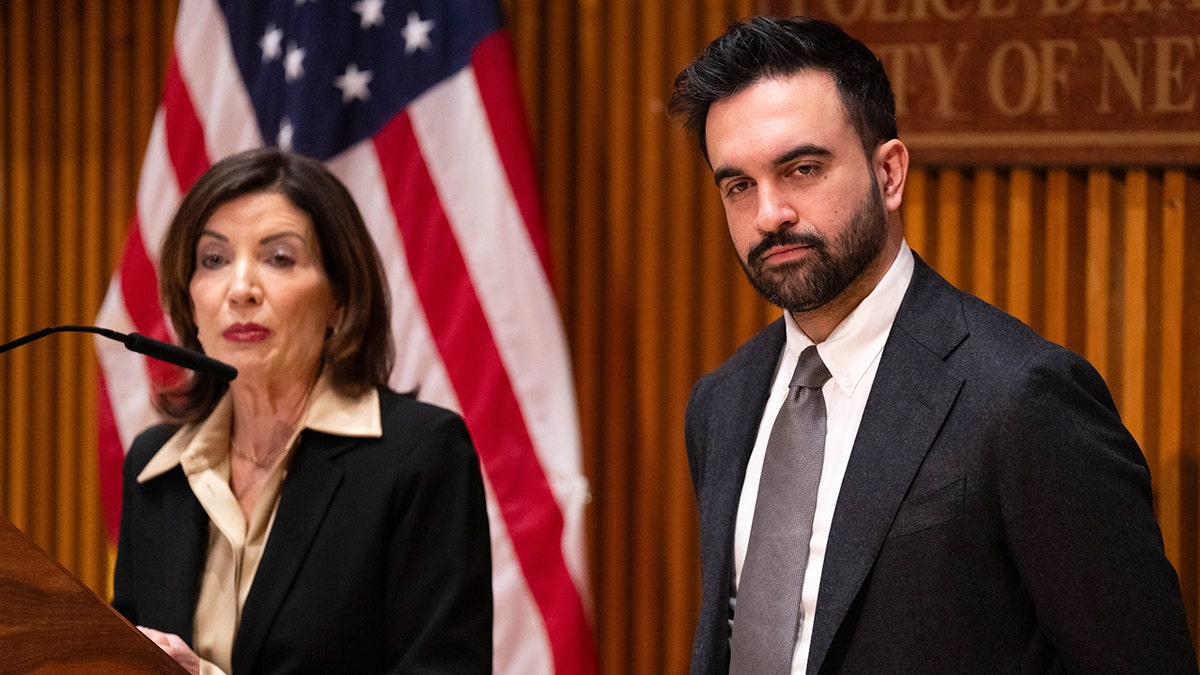
Kathy Hochul, governor of New York, left, and Zohran Mamdani, mayor of New York, speak during an announcement in New York, US, on Tuesday, Jan. 6, 2026. (Adam Gray/Bloomberg via Getty Images)
«My focus right now is where we are, which is August, and ensuring that everything that we’re doing is keeping New Yorkers safe amidst a heat wave and preparing for the school year,» Mamdani said. «A lot of the conversation about what comes after November, I think, is a conversation for what comes after November.»
«So you don’t plan to launch a campaign to tax the rich before the November election?» the reporter asked.
«The conversations I’ve been having with the governor and with my team are about the here and now and there will always be time for the conversations that come after that,» Mamdani said.
MAMDANI EXTENDS DEADLINE FOR NYC HOMEOWNERS TO SEEK EXEMPTION FROM NEW PIED-À-TERRE TAX
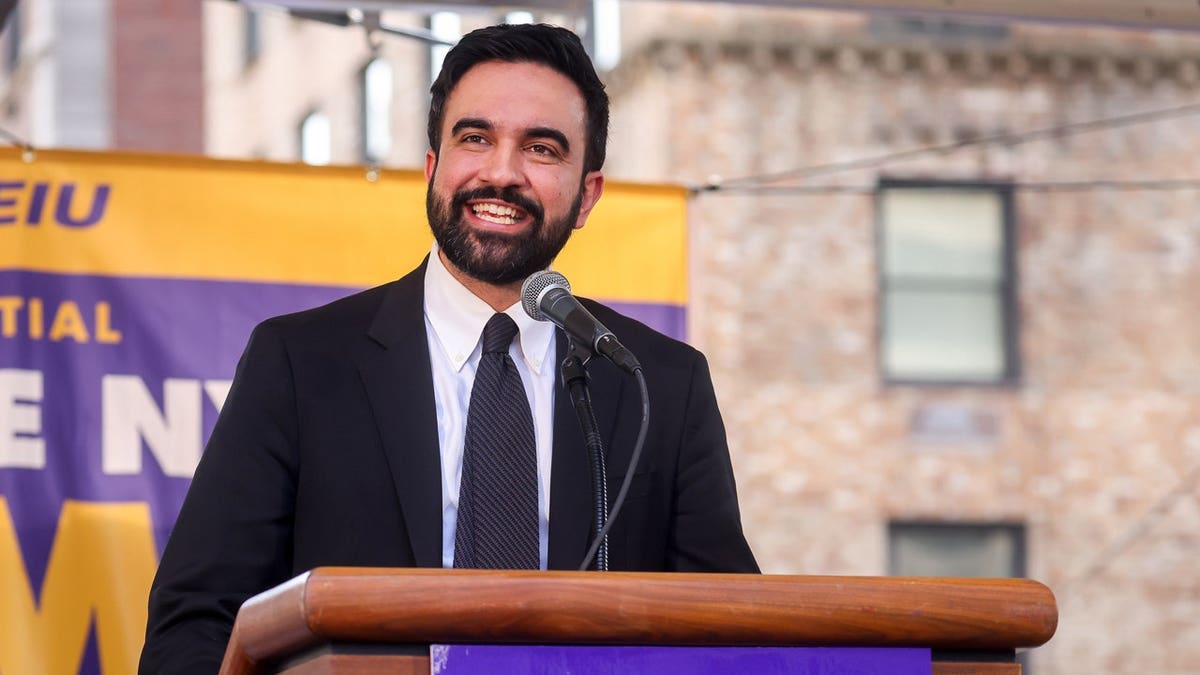
New York City Mayor Zohran Mamdani previously backed a proposal to tax luxury second homes owned by non-residents, targeting ultra-wealthy property owners. (Michael Nagle/Bloomberg via Getty Images)
The reported campaign would revive a previous push by Mamdani to close the city’s multibillion-dollar budget gap through tax increases, a proposal Hochul previously rejected. Mamdani’s earlier plan called for raising the city’s personal income tax rate on filers earning $1 million or more, a move he projected could generate roughly $3 billion annually, while also increasing corporate tax rates.
As an alternative, Hochul and Mamdani jointly advanced the state’s first pied-à-terre tax, an annual surcharge on certain high-value second homes, which passed in May 2026. State and city officials have projected the measure could raise about $500 million annually.
Mamdani also said his May 2026 executive budget closed what his administration described as an inherited $12 billion budget gap, crediting aggressive savings, new investments, his partnership with Albany and new tax revenue, including the pied-à-terre tax.
Mamdani’s office did not immediately respond to a request for comment from Fox News Digital.
zohran mamdani, new york city, elections state and local, taxes, kathy hochul
INTERNACIONAL
Fiscalía prepara escrito de acusación para audiencia intermedia y cierra investigación contra exvicepresidente panameño José Gabriel “Gaby” Carrizo
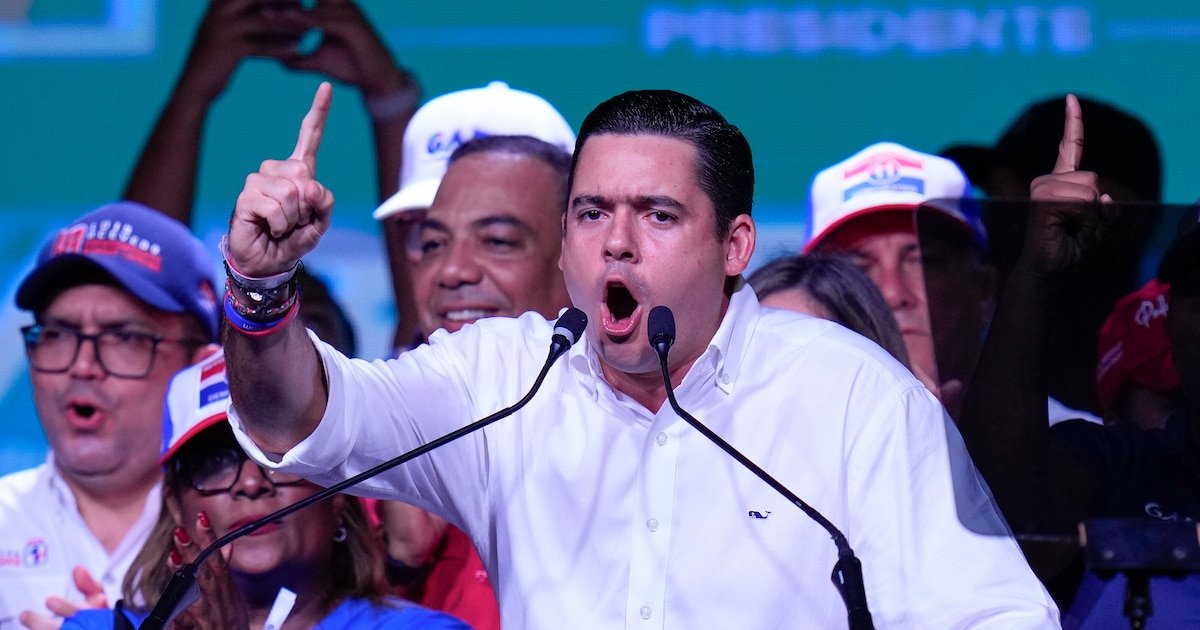
El Ministerio Público de Panamá se encuentra en la etapa decisiva del caso contra José Gabriel “Gaby” Carrizo, exvicepresidente de la República (2019-2024) y excandidato presidencial.
El proceso, que investiga el presunto delito de enriquecimiento injustificado agravado, avanza tras el cierre formal de la investigación, lo que obliga a la Fiscalía Anticorrupción a presentar un escrito de acusación para su revisión judicial.
La defensa de Carrizo, representada por el abogado Víctor Orobio, confirmó a TVN que había recibido la notificación oficial sobre el cierre de la investigación.
“Ya nos notificaron del cierre de la investigación. Estamos esperando la presentación del escrito de acusación y de la fecha de la audiencia intermedia”, detalló Orobio.
El cierre de la investigación responde a la expiración del plazo legal para las pesquisas, después de que los tribunales rechazaran la solicitud fiscal de extender el periodo bajo la figura de “investigación compleja”.

Por tanto, la Fiscalía Anticorrupción debe ahora solicitar formalmente la audiencia y presentar el escrito de acusación, en el que se expondrán los hechos, la calificación jurídica y las pruebas reunidas.
Posteriormente, la defensa tendrá la oportunidad de contestar e introducir sus propias pruebas para la audiencia intermedia.
La causa se originó tras un informe de la Contraloría General de la República, que identificó un supuesto incremento patrimonial injustificado de Carrizo por $1,9 millones durante su gestión pública.
Como consecuencia, el contralor Anel “Bolo” Flores dispuso en noviembre de 2025 el secuestro de bienes y cuentas bancarias pertenecientes al exvicepresidente hasta por $1,3 millones.
El secuestro de bienes, anunciado públicamente el 6 de noviembre, se implementó, según se dijo, como medida cautelar para asegurar fondos en caso de una eventual condena y resarcimiento al Estado panameño.

La decisión de la Contraloría, bajo la gestión de Flores, intensificó la presión sobre Carrizo, quien ya era objeto de dos investigaciones distintas por presuntas irregularidades durante su periodo como vicepresidente entre 2019 y 2024.
La intervención de la Contraloría en este caso marcó la segunda ocasión en la que se aplica una medida similar contra un miembro de alto perfil del Partido Revolucionario Democrático (PRD).
Esta reiteración provocó en su momento especulaciones y aumentó la controversia pública sobre la transparencia y la gestión de los recursos estatales.
El presunto enriquecimiento injustificado constituye una infracción que afecta de manera directa la confianza ciudadana en las instituciones públicas.
Las autoridades buscan determinar si Carrizo obtuvo ventajas económicas ilícitas aprovechando su cargo, un aspecto central para la integridad de la función pública.

La medida de secuestro de bienes tiene como finalidad principal garantizar la posibilidad de reparación al Estado en caso de condena. Los bienes afectados permanecerán bajo custodia judicial hasta que se resuelva el caso en las instancias correspondientes.
El caso de Carrizo se suma a una cadena de escándalos que han sacudido el escenario político panameño, profundizando el malestar social y la desconfianza en la administración pública.
La lucha contra la corrupción se impone como un reto permanente para Panamá, que requiere acciones decididas de todos los sectores para fortalecer el Estado de derecho y la gobernabilidad.
El desenlace del proceso judicial contra el exvicepresidente será determinante para definir el alcance real de la política anticorrupción en el país y marcará un precedente sobre la responsabilidad de los altos funcionarios en la gestión de los recursos públicos.

Camilota presentó a su nueva novia con una fuerte foto: “Podemos dejar de escondernos”

La historia de Aye Diop: De convivir con futbolistas de élite a formar a la nueva generación

Flávio Bolsonaro se sumó al conflicto entre Milei y Lula: la respuesta del mandatario argentino

Caso fentanilo: los chats reveladores que complicaron a las jefas de la Anmat y las alusiones a Mario Lugones

Uno por uno, qué senadores votaron a favor y cuáles en contra de la Ley de Propiedad Privada

Europa: la ola de calor pone a todas las grandes ciudades de Italia en alerta roja y Austria y Eslovaquia baten récords de temperatura

Javier Milei cruzó a Victoria Villarruel y elevó la tensión: “Es una opositora, replica los argumentos kirchneristas”

Dólar hoy en vivo: a cuánto se negocian todas las cotizaciones minuto a minuto este miércoles 5 de agosto

La oposición cuestionó a Benegas Lynch por su empresa para vender campos a extranjeros y el senador libertario se defendió

Inédito boicot a un decreto para bajar costos portuarios: el Gobierno envió intimaciones con Prefectura
-
 ECONOMIA2 días ago
Dólar hoy en vivo: a cuánto se negocian todas las cotizaciones minuto a minuto este miércoles 5 de agosto
-
 POLITICA8 horas ago
La oposición cuestionó a Benegas Lynch por su empresa para vender campos a extranjeros y el senador libertario se defendió
-

 POLITICA2 días ago
Brasil retira a su embajador en la Argentina: qué consecuencias tiene la medida diplomática