INTERNACIONAL
Trump pivots on strikes while dangling Iran deal, testing whether Tehran blinks

NEWYou can now listen to Fox News articles!
After months of predicting a nuclear deal with Iran was just around the corner, President Donald Trump appears to be testing whether military pressure can accomplish what diplomacy alone has not.
The strategy was on full display over the past 24 hours. Trump followed through on his threat to strike Iran again overnight, launching a barrage of Tomahawk missiles and fighter jet attacks against Iranian targets while warning that additional bombing would follow unless Iran agreed to a deal. Hours later, however, he announced he had canceled planned strikes for Thursday evening, saying negotiations had been elevated to the highest levels of Iran’s leadership and that the parties had approved the final contours of an agreement.
The rapid sequence of threats, strikes and renewed diplomacy highlights an increasingly familiar pattern in Trump’s approach to Iran: using military pressure to push negotiations forward while keeping a diplomatic off-ramp open. The question is whether the strategy is increasing Washington’s leverage — or reinforcing Iran’s belief that the United States ultimately wants a deal more than continued confrontation.
«He has made so many threats that he has not carried through on and telegraphed on many occasions his strong desire to end this war as soon as possible, that I think Iran does not take these threats seriously,» Michael Eisenstadt, director of the Military and Security Studies Program at the Washington Institute for Near East Policy, told Fox News Digital.
TRUMP KEEPS FORECASTING AN IRAN DEAL — WHY THE WHITE HOUSE STILL THINKS IT CAN HAPPEN
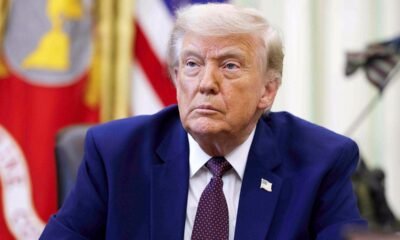
President Donald Trump speaks in the Oval Office of the White House, Wednesday, June 10, 2026, in Washington. (AP Photo/Julia Demaree Nikhinson) (Julia Demaree Nikhinson/The Associated Press )
Trump said Iranian officials contacted him during the strikes and asked for the bombing to stop.
«If they don’t sign the deal, we’ll bomb the sh*t out of them tomorrow night,» he said.
Trump suggested Thursday the campaign could eventually expand to Iran’s energy infrastructure, including Kharg Island, the country’s most important oil export hub.
«At some point in the not too distant future, we will be taking Kharg Island, and other oil infrastructure points, and assume total control of their Oil and Gas Markets, much like we have with Venezuela.»
But later, he sounded less certain. «My preference has always been to take Kharg Island. I don’t know that America has the stomach for it, to be honest,» Trump said on Fox and Friends.
Yet even as he promised additional military action, Trump maintained that negotiations had been on the verge of success.
«We’ll see what happens with the deal. We were really close to a deal,» he said earlier Wednesday.
The comments marked a sharp escalation from a president who only days earlier predicted an agreement could arrive within «two or three days» and has repeatedly suggested a breakthrough remains imminent despite months of unresolved disputes over uranium enrichment, sanctions relief and Iran’s nuclear stockpile.
«They keep tapping us along,» Trump told reporters Wednesday. «They keep playing us for suckers because you know what? They dealt with some very stupid presidents.»
Trump’s latest actions suggest the administration is still offering Tehran an off-ramp through a negotiated nuclear agreement. The question is whether military pressure strengthens Washington’s hand — or whether Iran has concluded it can withstand the costs and outlast the campaign.
Iran «has more resilience,» said James Robbins, dean of academics at the Institute of World Politics, noting that Iran has been forced to work around global isolation for decades. «They’re kind of used to sanctions. They’re used to economic dislocations, much more so than Americans.»
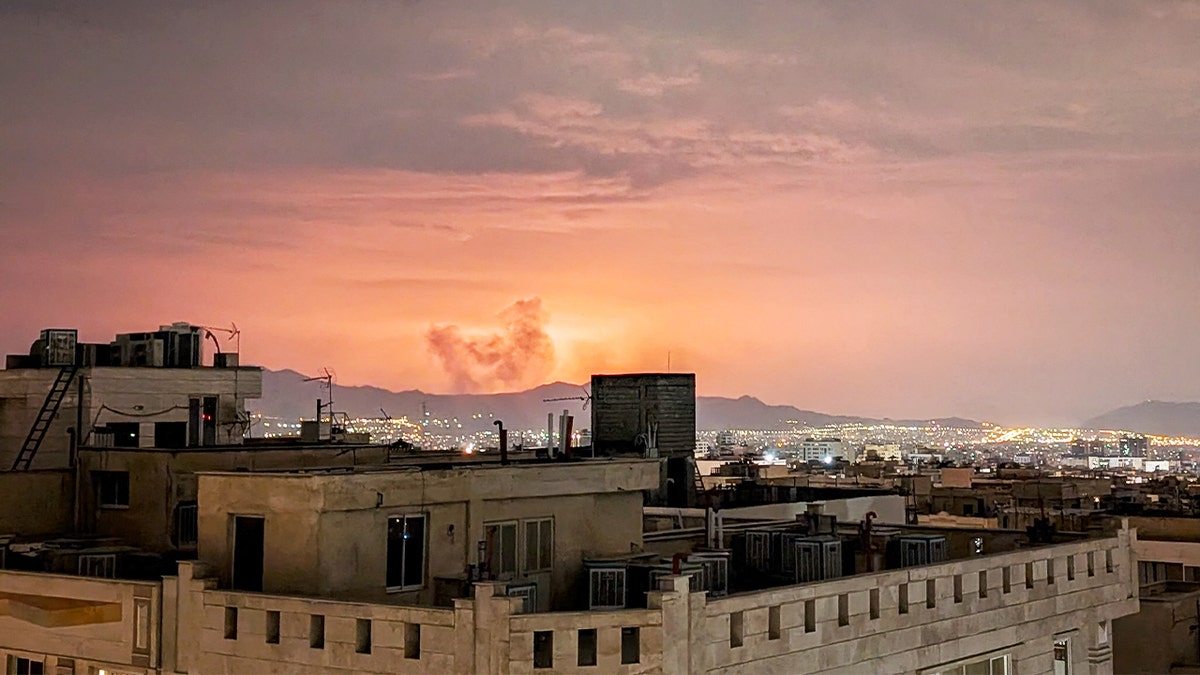
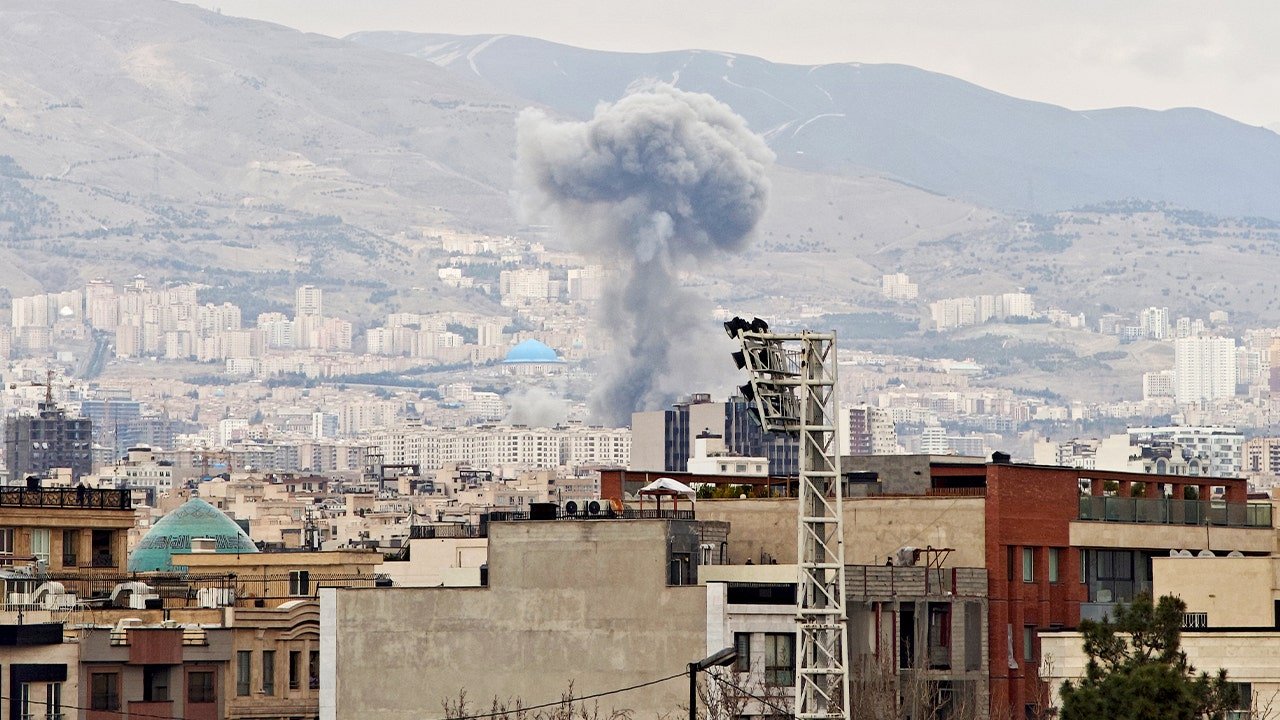
Plumes of smoke rise following reported explosions in Tehran, Iran, on March 2, 2026. (Sohrab/Middle East Images/AFP via Getty Images)
Behnam Taleblu, senior director of the Iran Program at the Foundation for Defense of Democracies, argued that mounting pressure does not necessarily make the regime more willing to compromise.
TRUMP SAYS IRAN IS ‘NEGOTIATING ON FUMES,’ BELIEVES REGIME THOUGHT THEY COULD OUTWAIT HIM
«The more desperate the regime becomes, the more aggressive the regime becomes,» Taleblu told Fox News Digital.
He also questioned whether strikes on bridges, power plants and other infrastructure would fundamentally alter Iran’s decision-making, arguing that the regime is primarily concerned with threats to its own hold on power.
«Until those making the key national security decisions, those enforcing the key national security decisions, and those enforcing the regime’s longest war, which is on its own people, so long as those three are not targeted, we’ll be back where we started,» he said.
Eisenstadt argued that Iran may ultimately believe it can absorb sanctions, withstand military pressure and simply wait for political pressures inside the U.S. to grow.
«I think they believe that time is on their side, given domestic criticism of the war and its economic impacts in the United States,» he said.
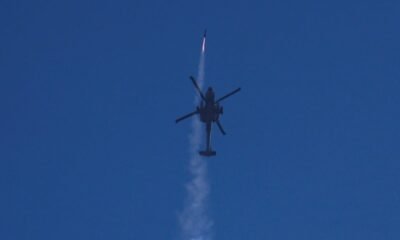
Trump’s lates strike threats came days after an Iranian drone brought down a U.S. Apache helicopter operating near the Strait of Hormuz, triggering retaliatory U.S. strikes on Iranian radar and air-defense sites and threatening to unravel an already fragile ceasefire.
The administration’s goal has long been that sustained military and economic pressure would eventually force Iran to make concessions that months of negotiations alone have failed to produce. Trump and his advisors have repeatedly argued that sanctions, military operations and the U.S.-led blockade of the Strait of Hormuz, which has cut off the pathway for roughly 80% of Iran’s oil exports, have left Iran increasingly isolated and economically vulnerable.
Iranian officials publicly rejected the notion that expanding the target set would force Iran to bend.
Iranian President Masoud Pezeshkian called Trump’s threat to strike power plants and transportation infrastructure a «sign of desperation.»
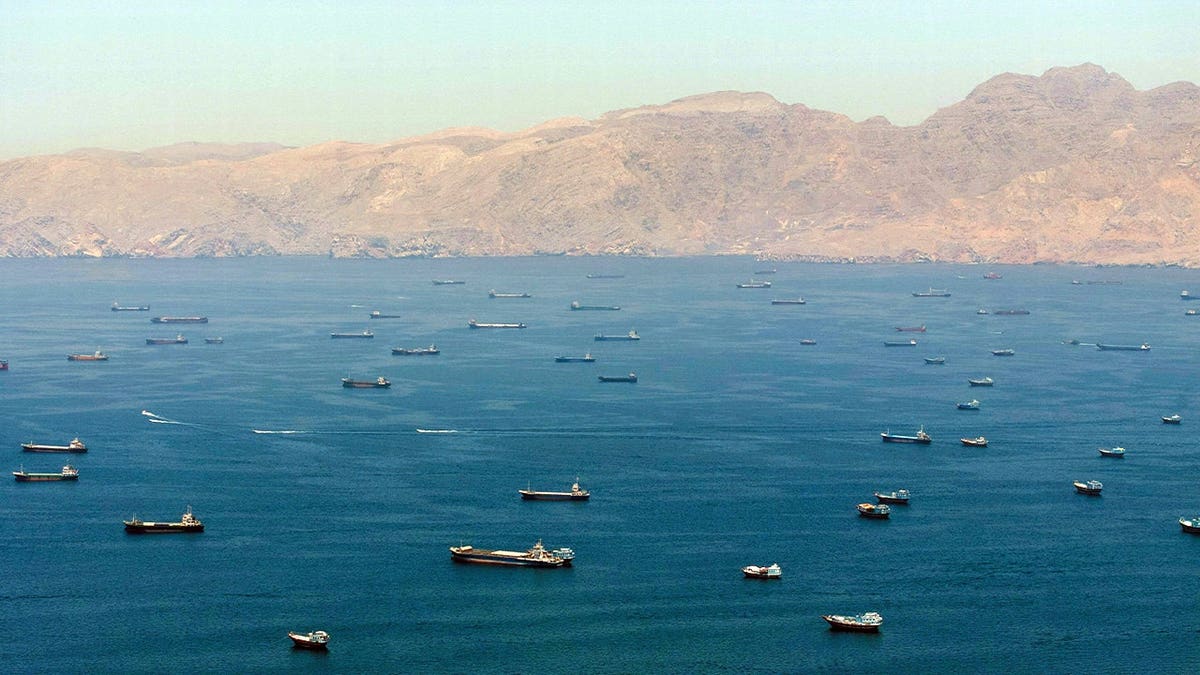
A drone view shows vessels anchored at the Strait of Hormuz, as seen from Musandam, Oman, May 25, 2026. (Stringer TPX IMAGES OF THE DAY via Reuters)
«Critical infrastructures are the lifeblood of the people,» Pezeshkian said in a post on X.
Trump has repeatedly rejected the notion that Iran can wait out his administration.
CLICK HERE TO DOWNLOAD THE FOX NEWS APP
«They thought they were going to out-wait me, you know. ‘We’ll out-wait him. He’s got the midterms.’ I don’t care about the midterms,» Trump said during a Cabinet meeting on May 27.
Despite Trump’s repeated assertions that a deal is near, negotiators remain divided over several core issues, including uranium enrichment, sanctions relief and the future of Iran’s stockpile of highly enriched uranium. Iranian officials have acknowledged progress on some elements of a potential agreement while warning that significant obstacles remain.
Whether the latest round of strikes changes Iran’s calculations may determine whether Trump’s strategy of military pressure succeeds in producing the agreement he insists remains within reach.
war with iran, iran, sanctions, middle east foreign policy, donald trump








INTERNACIONAL
Mundial 2026: México inaugura la Copa bajo una fuerte tensión social, entre protestas y amenazas
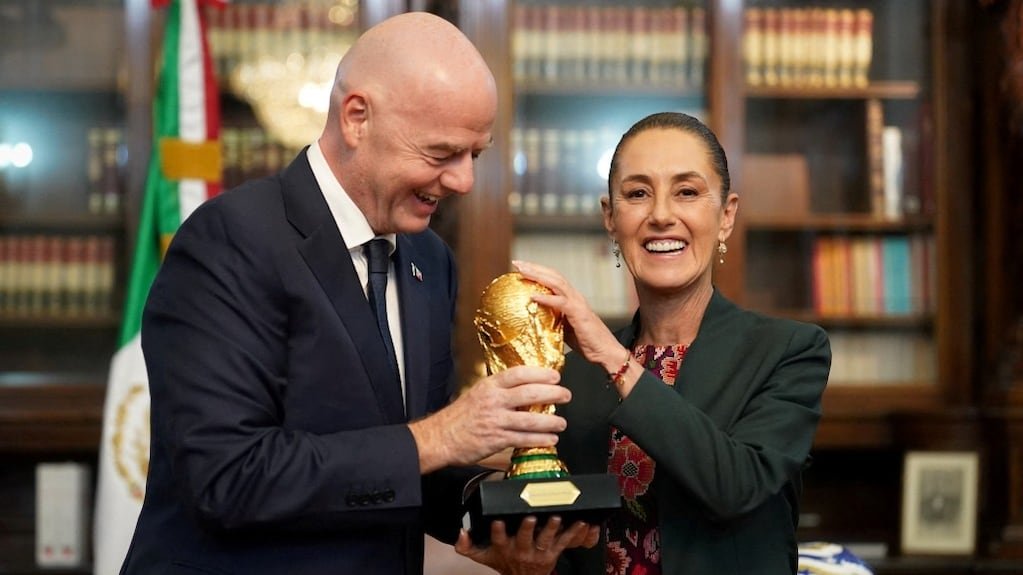
México da inicio al Mundial 2026 bajo una fuerte tensión social que amenaza con ensombrecer la inauguración del torneo con protestas de maestros, agricultores y familiares de desaparecidos.
“Está todo bajo control”, dijo la presidenta Claudia Sheinbaum, que planea en principio ver el partido entre la selección de México y Sudáfrica en el “Fan Fest” levantado en la tradicional plaza del Zócalo, en el centro histórico de la Ciudad de México.
Pero el control no está totalmente garantizado. Hasta allí, y a las mismas inmediaciones del estadio Azteca, prometen llevar sus protestas los maestros de un gremio disidente, campesinos en lucha y familiares de miles de desaparecidos por la ola de violencia que sacudió el país en las últimas décadas.
La situación es tan tensa que la propia mandataria dijo que, si las manifestaciones impiden utilizar la plaza para la transmisión en directo del partido inaugural, se prevén sedes alternativas en la capital.
“Si por alguna razón no se puede (usar) para el día de la inauguración el Zócalo, hay 18 sedes en la Ciudad de México que fueron planeadas con tiempo. Ya tomaré la decisión en su momento si lo vemos aquí o salgo a alguna de las 18 sedes”, dijo.
Sheinbaum no estará en el estadio para presenciar la inauguración del torneo. Sus detractores dicen que tiene miedo a recibir una silbatina generalizada como le sucedió el entonces presidente Miguel de la Madrid en la Copa de 1986. Pero las encuestas de popularidad dicen lo contrario. Su imagen positiva llega al 65,5%, según un sondeo de CB Global Data. En la región solo la supera el salvadoreño Nayib Bukele.
“No hemos renunciado a llegar al estadio”
Los maestros del gremio disidente Coordinadora Nacional de Trabajadores de la Educación (CNTE) están en huelga desde hace una semana. Exigen un aumento salarial y la derogación de una ley de pensiones que consideran desfavorable.
En las últimas semanas realizaron varias protestas y movilizaciones, que incluyeron bloqueos de calles y la vandalización de estatuas de futbolistas de distintas selecciones que adornadan el tradicional Paseo de la Reforma bajo el espíritu de la Copa del Mundo.
La policía bloquea una avenida para prevenir una marcha de maestros hacia el Estadio Azteca, sede del Mundial, el martes 9 de junio de 2026, en la Ciudad de México. (AP Foto/Eduardo Verdugo)
Las estatuas terminaron en el suelo, rotas y con sus uniformes quemados en hogueras improvisadas. El martes miles de maestros bloquearon una avenida que conduce al estadio Azteca, donde este jueves se realizará la ceremonia inaugural del Mundial y poco después, a las 16:00 horas de la Argentina, jugarán México vs. Sudáfrica en el arranque del torneo.
Los docentes intentaron llegar al estadio, pero fueron bloqueados por la policía. En medio de forcejeos y algunos incidentes, volvieron a su compamento levantado en inmediaciones de la Plaza del Zócalo.
Leé también: El lado político del Mundial: qué pone en juego Trump entre polémicas, abucheos y redadas migratorias
Sheinbaum viene acusando a la ultraderecha por este estado de agitación. Hay una provocación para mostrar que hay caos en México. Eso no es cierto, está montado”, dijo la presidenta. Según advirtió, estos sectores buscan forzar una represión en pleno Mundial.
Pero desde la oposición advierten que la situación puede ensombrecer la Copa del Mundo. “Lo que esto nos muestra es una situacion de peligrosa ingobernabilidad y eso va a poner en riesgo el correcto desarrollo de la Copa Mundial. Eso se ha debido a las torpezas y los incumplimientos de los gobiernos de Morena”, el partido oficialista fundado por el expresidente Andrés Manuel López Obrador, dijo a TN el analista y exdiputado de Acción Nacional, Fernando Rodríguez Doval.
¿Qué puede pasar en la ceremonia inaugural?
La mayor preocupación de las fuerzas de seguridad es garantizar este jueves que los accesos a la cancha estén libres para permitir el ingreso del público.
“Se va a llegar al estadio y va a ser una muy buena inauguración. No hay problema, todos los que tienen boleto van a llegar”, dijo Sheinbaum.
Los periodistas acreditados ya fueron advertidos. La FIFA les recomendó salir muy temprano rumbo al Azteca, cinco horas antes del comienzo de la ceremonia, para evitar contratiempos y sortear cualquier movilización y protesta.
Los maestros tienen un plan. “No hemos renunciado a llegar al estadio”, dijo un vocero de los docentes en lucha.
Pero no estarán solos. También saldrán a las calles familiares de personas desaparecidas, liderados por las madres que buscan a sus hijos y los padres de los 43 estudiantes de Ayotzinapa, secuestrados y desaparecidos el 26 de septiembre de 2014 en Iguala, estado de Guerrero, sur del país, en un caso que sacudió al país.
En el monumento conocido como el Ángel de la Independencia alguien colgó en los últimos días una pancarta en memoria de los de los “133.000 desaparecidos” por la violencia narco.
También estarán agricultores que presionan por un aumento en los precios del maíz en alianza con transportistas, víctimas de la inseguridad en las rutas nacionales.
“Seremos miles de docentes, las madres que buscan a sus hijos, los padres de Ayotzinapa, los agricultores que presionan por precios justos a sus productos, los transportistas que se quejan de la inseguridad y el alza del precio de la gasolina. Se va a juntar muchísima inconformidad”, dijo a TN el dirigente Pedro Hernández Morales, secretario general de la seccion 9 del Distrito Federal del gremio docente CNTE.
Mundial 2026, México, Claudia Sheinbaum
INTERNACIONAL
Mamdani stands by fellow socialist candidate despite resurfaced far-left, anti-American posts
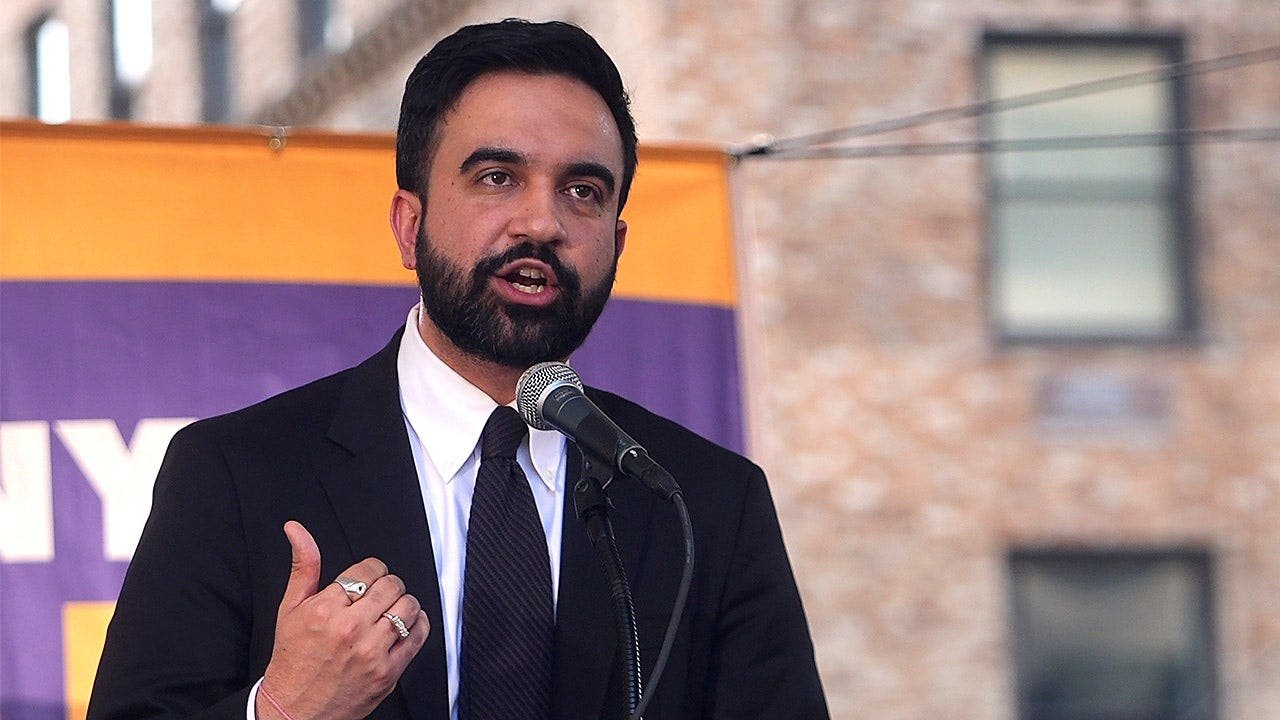
Mullin blasts New York City mayor on sanctuary city policies
DHS Secretary Markwayne Mullin responds forcefully to New York City Mayor Zohran Mamdani’s criticism of ICE raids. Mullin calls Mamdani a ‘socialist communist’ with ‘zero respect,’ asserting that DHS will ‘restore law’ in American cities. He emphasizes that DHS will pursue criminals ‘no matter where they’re at,’ including New York, despite local officials refusing to cooperate.
NEWYou can now listen to Fox News articles!
New York Mayor Zohran Mamdani is standing firmly behind his fellow democratic socialist and candidate for U.S. Congress Darializa Avila Chevalier, despite vile deleted social media posts that recently resurfaced.
Avila Chevalier, 32, a longtime community organizer who led the anti-Israel protests at Columbia University, slammed the United States, the Democratic Party, private property, police, borders and called to nationalize large swaths of the private sector in the now-deleted posts from 2018 to 2022.
She is running a heated race to oust five-term incumbent Rep. Adriano Espaillat, D-N.Y., in the state’s 13th congressional district, which encompasses Upper Manhattan and parts of the west Bronx.
Darializa Auila-Chevalier, Jewel Cadet, Rossanna Mercedes, Alexis Yeboah-Kodie and Jamilah Felix participate in a rally advocating the removal of the statue of Dr. J. Marion Sims in Manhattan, New York, on Aug. 19, 2017. (Howard Simmons/NY Daily News Archive via Getty Images)
In a 2021 repost, Avila Chevalier said that abolishing borders, prisons and police is «possible, necessary, and the only moral way forward,» and later echoed posts that said «all deportation is wrong» and, «Yes, literally abolish the border,» according to one report.
NYC MAYORAL CANDIDATE ZOHRAN MAMDANI DEFENDS PAST TWEETS, SAYS CUOMO ATTACKING ‘MYTHICAL VERSION’ OF HIM
«This country is a f—–g disgrace,» she said in a post.
«I forgot to get napkins so I just wiped my hand on the American flag behind me,» she reportedly said in yet another.
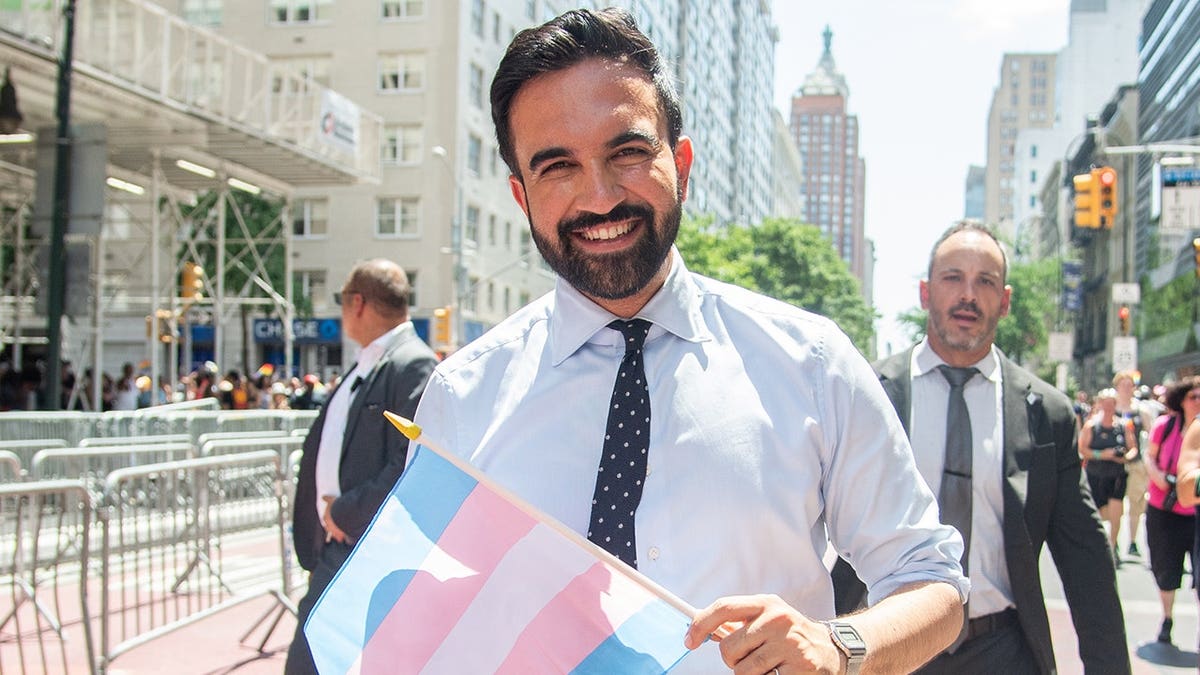
New York City mayoral candidate Zohran Mamdani attends the 2025 New York City Pride March on June 29, 2025 in New York City. (Noam Galai/Getty Images)
She reportedly called former President Joe Biden a «rapist» and «war criminal,» chastised Sen. Bernie Sanders, I-Vt., for his «liberal Zionism,» and said «F–k Kamala Harris.»
NYC VOTERS FLOCK TO SOCIALIST-STYLE FREEBIES AS MAMDANI PUSHES RENT FREEZES, CITY-RUN STORES
During the COVID-19 pandemic, Avila Chevalier demanded the government provide $3,000 per month in universal basic income, nationalizing utilities, pharmaceutical companies and hospitals, suspending mortgages and rent, seizing private property from landlords, dissolving insurance companies and expanding Medicare to every citizen.
None of these past posts deterred Mamdani from supporting his fellow socialist when asked in a Wednesday news conference.
«When it comes to Darializa’s campaign, I had not seen those tweets and what I’ve heard from her and what I know a lot of others in the district that have heard from her is that her views have evolved and that the campaign she is running on is reflective of what she’s going to be fighting for,» Mamdani said.
PROGRESSIVE POWER PLAYERS RALLY VOTERS FOR ZOHRAN MAMDANI AS EARLY VOTING KICKS OFF IN NYC MAYORAL RACE
«And frankly, when I see a candidate who has a record like she does of freeing New Yorkers who are unjustly detained by ICE, of standing up for the working person who has often been left out of our politics, especially in a district that has so many of the same themes that we’re speaking of today — a fear of displacement, a fear of being pushed out of a place you helped to build — I think that she would be an incredible champion for that district and for the city as a whole,» he continued.
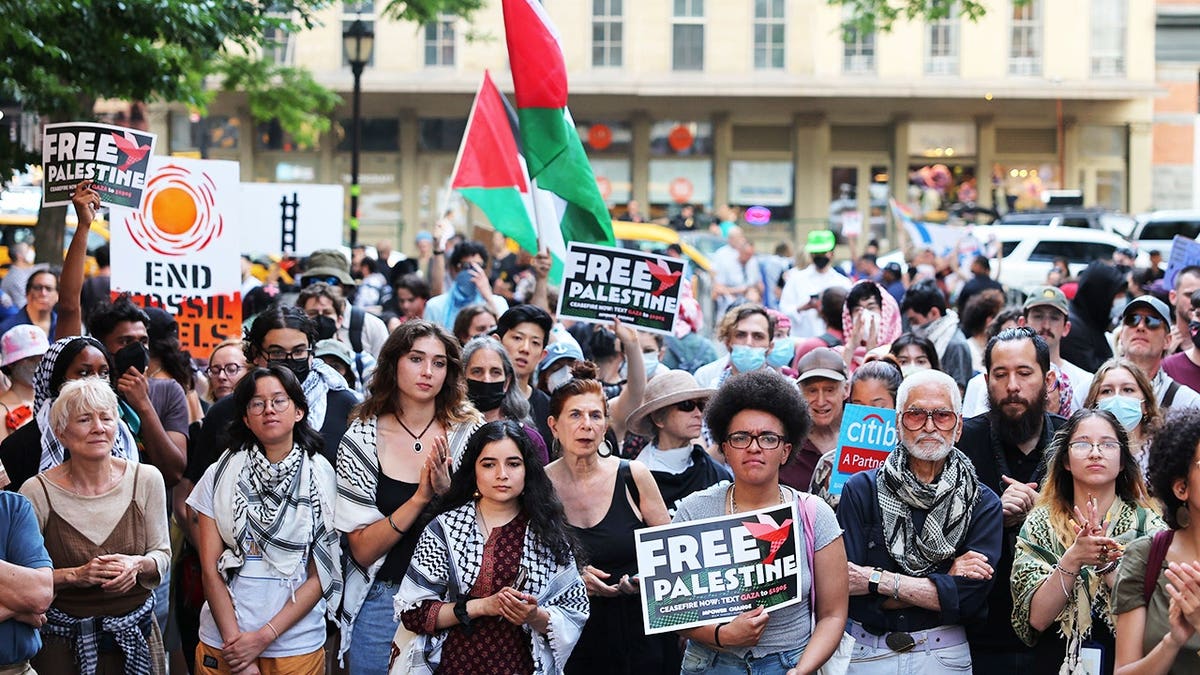
People participate in a «Climate Justice Means Free Palestine» rally outside Citibank headquarters in New York City on June 18, 2024. Protesters carried pro-Palestinian signs and climate justice messaging during the demonstration. (Michael M. Santiago/Getty Images)
Mamdani first endorsed Avila Chevalier in late May.
CLICK HERE TO DOWNLOAD THE FOX NEWS APP
«She grew up with a commitment to the very people that politics have left behind, and what I see in her is that commitment fulfilled,» the progressive mayor said on MS NOW. «I can’t wait for her to be introduced to so many across the city and across this country as we fight for that affordability agenda, from New York City to D.C.»
New York’s primary election date is June 23.
Fox News Digital reached out to the offices of Mamdani, Avila Chevalier and Espaillat. None responded to requests for comment.
democrats elections, zohran mamdani, politics, new york city, socialism, new york, immigrant rights
INTERNACIONAL
Costa Rica condena enérgicamente ataques de Irán en Medio Oriente y exige respeto al Derecho Internacional
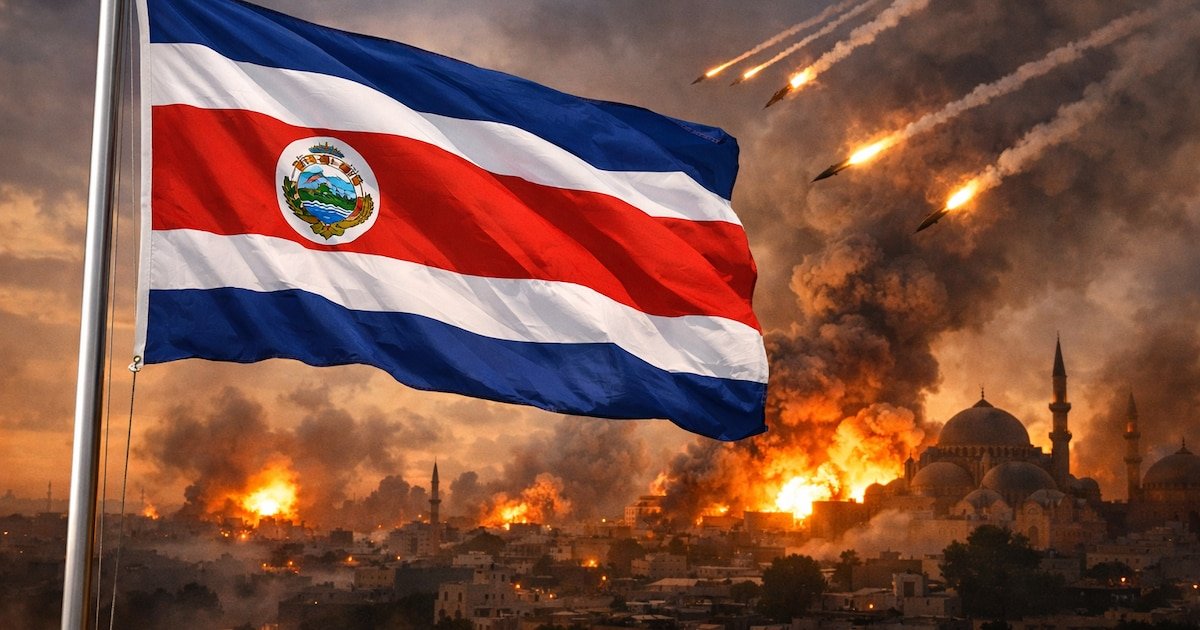
El Gobierno de la República de Costa Rica, por medio del Ministerio de Relaciones Exteriores y Culto, ha emitido un comunicado oficial contundente respecto a la reciente y peligrosa escalada de violencia en el Medio Oriente. En respectivo comunicado el país tico condena de la manera más enérgica los ataques que Irán ha perpetrado en las últimas horas contra las naciones de Baréin, Kuwait y Jordania.
La ofensiva de Teherán, ejecutada mediante múltiples oleadas de misiles balísticos y drones no tripulados, representa una grave alteración al orden internacional y una amenaza directa a la estabilidad de toda la región. La cancillería enfatizó que el país sigue con profunda atención y preocupación la escalada de tensiones en Medio Oriente.
Fiel a su histórica tradición pacifista y de desarme, Costa Rica aboga con vehemencia por la construcción de soluciones basadas exclusivamente en el diálogo y el respeto absoluto al Derecho Internacional, así como a los principios fundamentales de la Carta de las Naciones Unidas. Para las autoridades costarricenses, el cese inmediato de las hostilidades y el retorno a las vías diplomáticas son indispensables para asegurar la recuperación de la paz en la zona geográfica afectada.

Los ataques coordinados por las fuerzas armadas de la República Islámica de Irán tuvieron como objetivos principales diversas bases e infraestructuras militares estratégicas donde operan tropas de los Estados Unidos. La arremetida causó alarma internacional y obligó a una respuesta defensiva inmediata en los tres países árabes afectados:
- Jordania: El Cuerpo de la Guardia Revolucionaria Islámica (CGRI) de Irán confirmó que sus misiles balísticos apuntaron específicamente hacia la Base Aérea Muwaffaq Salti, situada en la localidad de Azraq. Teherán reclamó de manera preliminar la presunta destrucción de hangares destinados a albergar aviones de combate de alta tecnología. Las autoridades jordanas reportaron que la caída de restos de metralla y fragmentos no provocó pérdidas humanas ni daños materiales de consideración.
- Kuwait: El uso de esta artillería defensiva y el peligro circundante forzaron la suspensión y el desvío temporal de múltiples vuelos civiles en la región. Esta situación repitió el clima de caos vivido días atrás, cuando un misil impactó de forma directa el Aeropuerto Internacional de Kuwait.
- Baréin: El Ministerio del Interior de Baréin constató que la interceptación de las amenazas aéreas provocó la caída de fragmentos de drones, los cuales ocasionaron daños estructurales visibles en viviendas particulares de Ciudad Hamad, además de dejar un saldo de varios civiles con heridas leves.
Esta agresión coordinada por parte del Cuerpo de la Guardia Revolucionaria Islámica (CGRI) no se produjo de manera aislada, sino que fue justificada por Teherán como una represalia directa ante los recientes bombardeos aéreos ejecutados por las fuerzas estadounidenses dentro de territorio soberano iraní.
Los ataques cruzados han debilitado drásticamente el frágil alto el fuego que se había pactado previamente en abril de 2026 entre Washington y Teherán, el cual pretendía estabilizar los canales diplomáticos y comerciales de la región.
La tensión entre ambas potencias estalló nuevamente tras un incidente de alta gravedad en el Estrecho de Ormuz, donde un helicóptero Apache de las fuerzas armadas de los EE.UU., fue derribado.
Dicha acción militar provocó una reacción fulminante y masiva ordenada por el presidente estadounidense, Donald Trump, quien autorizó intensos bombardeos de represalia sobre complejos de radares y defensas costeras estratégicas ubicadas en el litoral de Irán. Como contramedida económica y militar, el gobierno iraní declaró el cierre total e indefinido a la navegación en el Estrecho de Ormuz una de las rutas de tránsito de petróleo más importantes del mundo.
Costa Rica,Irán,Medio Oriente,ataque,conflicto,Derecho Internacional,geopolítica,mapa,bandera,Israel

Manuel Adorni presentó su declaración jurada que incluyó el departamento de Caballito y la casa de Indio Cuá

Mundial 2026: México inaugura la Copa bajo una fuerte tensión social, entre protestas y amenazas

La canasta básica tuvo su menor suba en 8 meses: cuánto necesitó una familia para no ser pobre

El Real Madrid confirmó el regreso de Mourinho como entrenador

La Justicia ya pidió a la OA la nueva declaración jurada de Adorni y pone la mira en el origen de los “ahorros en negro”

Villarruel, aliados y el PJ presionan para que Adorni se presente en junio en el Senado

Victoria Villarruel envió una corona de flores al funeral del Indio Solari y buscó diferenciarse del Gobierno

Reforma laboral: qué cambia para los trabajadores con la revisión de más de 100 convenios colectivos vencidos

La advertencia del economista más escuchado por Milei: «Si Argentina tiene éxito, va a ser cara»

Manuel Adorni y su esposa decidieron acogerse al régimen de “inocencia fiscal” aunque aseguran que no declararán dólares

 ECONOMIA1 día ago
La advertencia del economista más escuchado por Milei: «Si Argentina tiene éxito, va a ser cara»
- POLITICA1 día ago
Manuel Adorni y su esposa decidieron acogerse al régimen de “inocencia fiscal” aunque aseguran que no declararán dólares
- ECONOMIA3 días ago
El salario mínimo vale menos que en 2001 y debería triplicarse para recuperar su poder de compra original