INTERNACIONAL
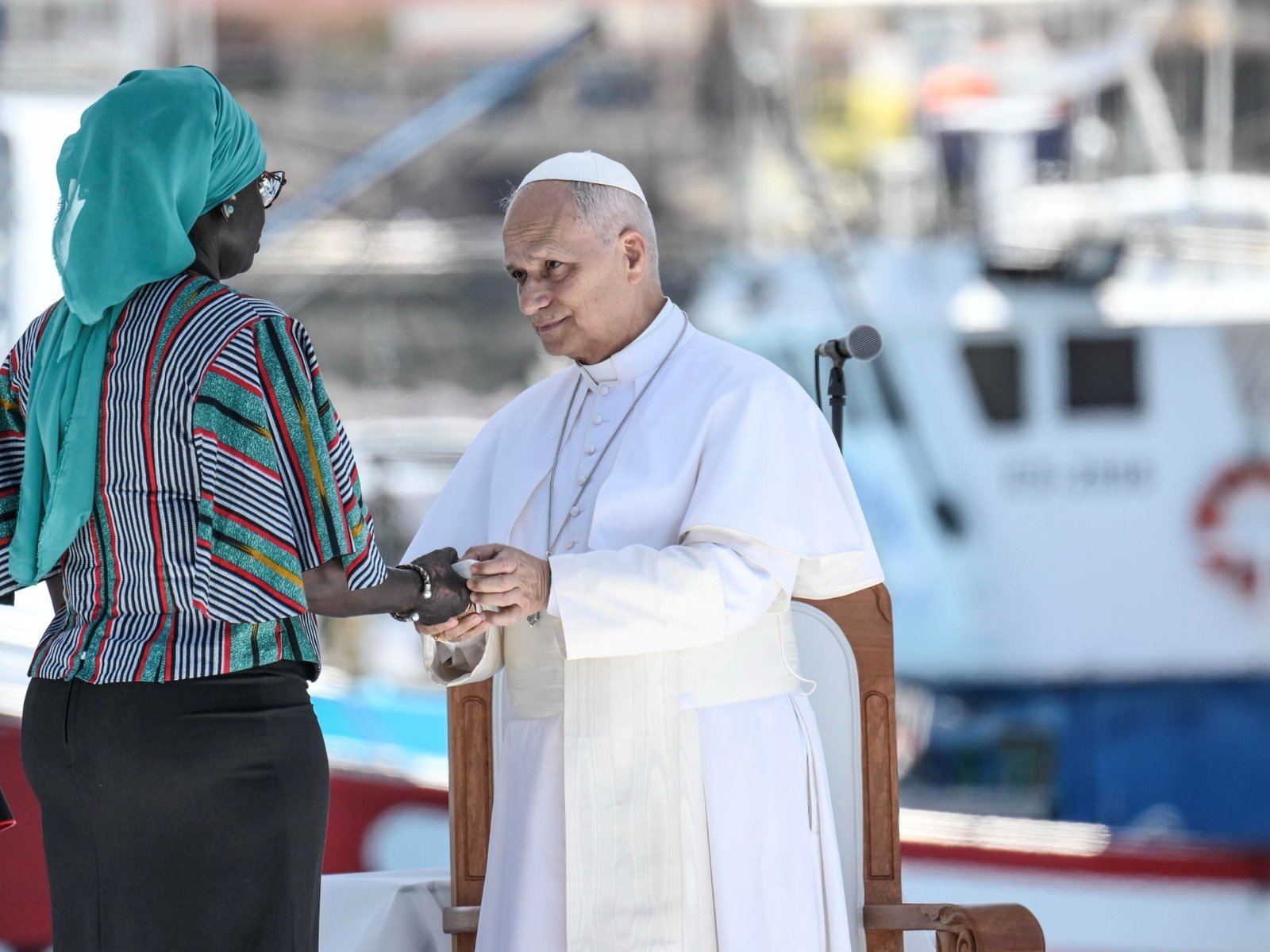
Duro discurso del Papa en las Canarias: “Europa no puede acostumbrarse a que el Mediterráneo y el Atlántico sean cementerios sin lápidas”




Iran’s ‘CRITICAL’ oil blockade: Red Sea CHAOS, crude PRICE SHOCK
Dagen McDowell highlights how Iran’s financial support of terror proxies, including the Houthis in Yemen, has led to a maritime embargo against Saudi Arabia. This significant escalation in the Middle East jeopardizes critical oil shipping lanes in the Red Sea, causing global investors to remain on high alert due to potential economic repercussions.
NEWYou can now listen to Fox News articles!
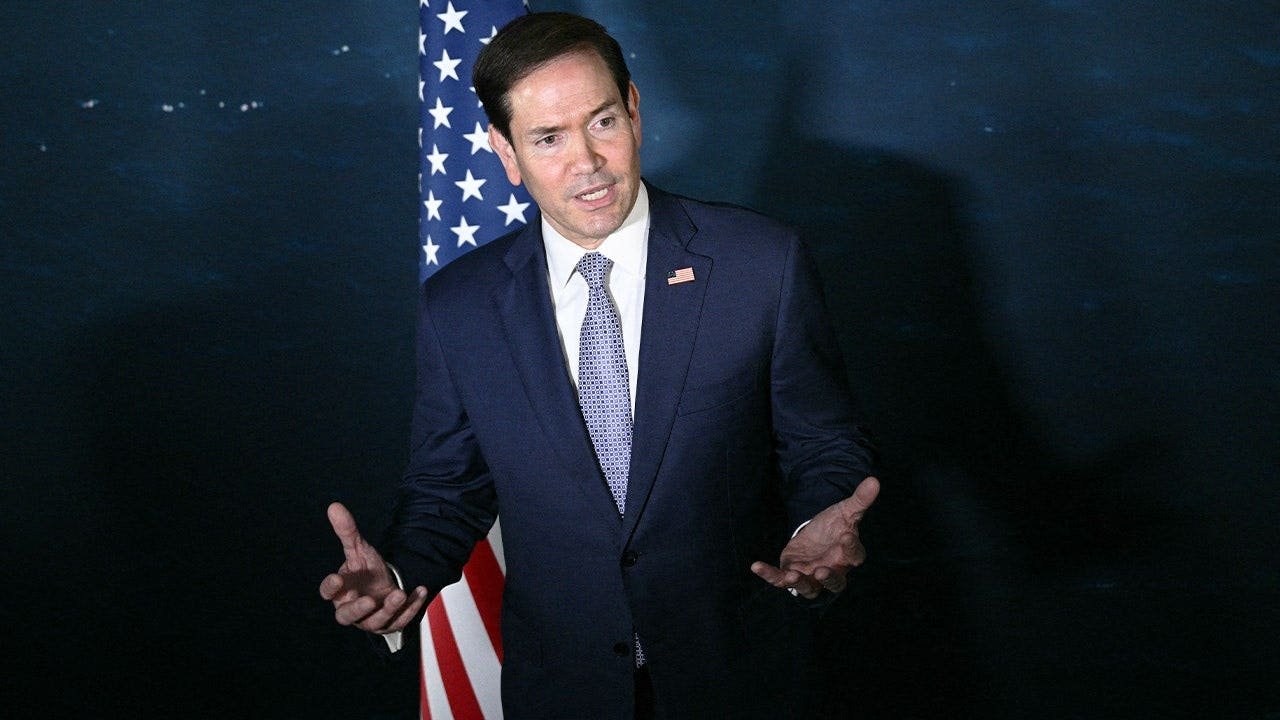
Secretary of State Marco Rubio accused Iran on Wednesday of flying members of its Islamic Revolutionary Guard Corps into Yemen, saying Tehran’s actions helped ignite a renewed confrontation between Saudi Arabia and the Iran-backed Houthi rebels.
«They decided to send direct flights from Tehran into Yemen, carrying IRGC elements and others into the country,» Rubio told reporters. «And the Saudis responded to it.»
Rubio did not identify the flights, specify how many IRGC personnel were allegedly transported or provide evidence supporting the allegation.
RUBIO SAYS US REMAINS OPEN TO IRAN TALKS BUT WARNS THERE ‘WILL BE CONSEQUENCES’
U.S. Secretary of State Marco Rubio speaks during a press conference on the sidelines of the Association of Southeast Asian Nations (ASEAN) Foreign Ministers’ Meeting in Pasay, Metro Manila on July 22, 2026. (Brendan SMIALOWSKI / POOL / AFP via Getty Images)
He made the remarks while attending an annual gathering of Association of Southeast Asian Nations foreign ministers in Manila, Philippines, where the U.S.-Iran conflict and threats to international shipping were among the central security concerns.
The Houthis have declared a blockade targeting Saudi-linked vessels in the Bab el-Mandeb Strait, threatening to widen the conflict and disrupt another critical global trade route.
The rebels say they are targeting ships connected to Saudi Arabia or traveling to and from the kingdom’s Red Sea ports in retaliation for Saudi restrictions on Yemen and a recent attack on the airport in the Houthi-controlled capital of Sanaa.
IRAN-BACKED TERROR PROXY HOUTHIS THREATEN FRESH ATTACKS AFTER YEMEN AIRPORT STRIKE
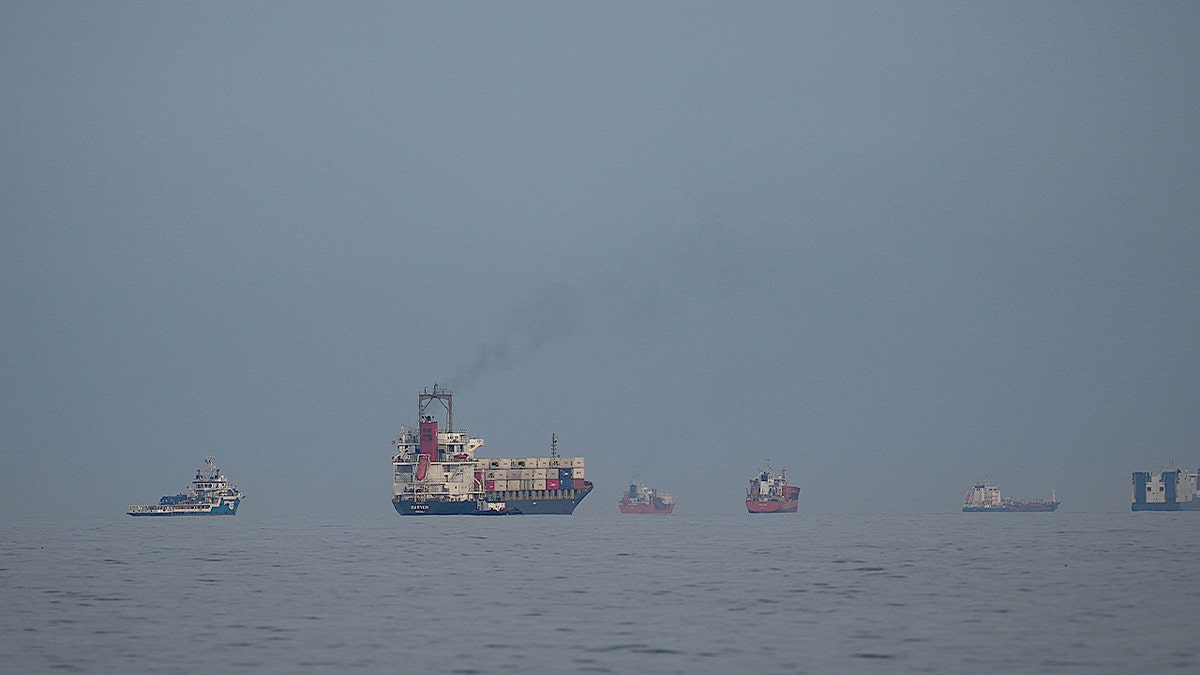
Oil tankers and cargo ships line up in the Strait of Hormuz as seen from Khor Fakkan, United Arab Emirates, Wednesday, March 11, 2026. (AP Photo/Altaf Qadri)
The Houthis blamed Saudi Arabia for the airport attack, which they said was intended to stop a flight carrying Houthi leaders home from Iran. Rubio disputed that account and alleged that Tehran was using direct flights to transport IRGC personnel and others into Yemen.
The Houthis later launched missiles and drones at Saudi Arabia’s Abha International Airport, marking one of the most serious confrontations between the two sides in years.
Rubio said U.S. officials had spoken repeatedly with Saudi officials during the past week about the Houthi threat.
IRAN CALLS ON HOUTHIS TO PREPARE TO CUT OFF RED SEA GATEWAY — CAN THE TERROR GROUP DO IT?
«Anything that restricts shipping through the Red Sea would be problematic for the same reasons that the Strait of Hormuz is problematic,» Rubio said. «So we’re watching that closely.»
Saudi Arabia’s military has vowed to keep Bab el-Mandeb open and respond firmly to Houthi threats against commercial vessels using the waterway.
The narrow strait connects the Red Sea to the Gulf of Aden and serves as a major shipping corridor linking Europe and Asia through the Suez Canal. Around 12% of global trade and roughly one-quarter of worldwide container traffic normally pass through the route.
Its importance has grown as the U.S.-Iran conflict has sharply curtailed shipping through the Strait of Hormuz. Saudi Arabia has increasingly relied on Red Sea export routes to transport oil to international markets.
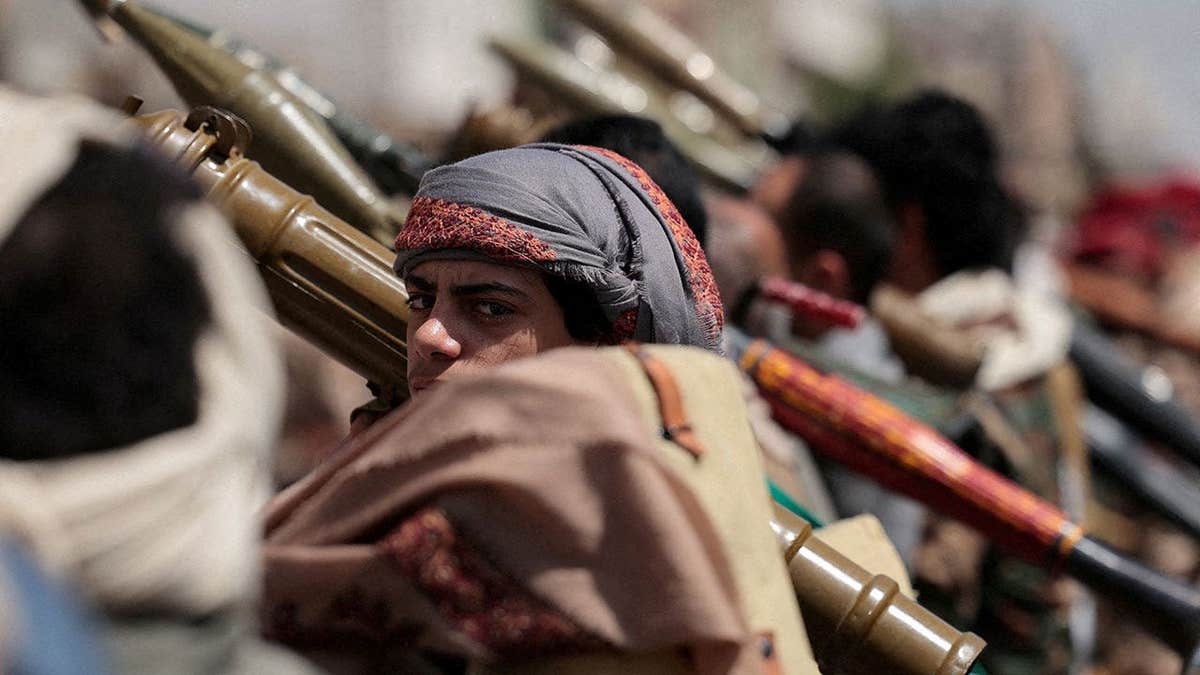
A Houthi follower looks on, during a pro-Iran demonstration, as the U.S.-Israel conflict with Iran continues, in Sanaa, Yemen April 6, 2026. (Khaled Abdullah/Reuters)
The Houthi-run SABA news agency claimed six vessels had altered course after receiving warnings from the group, a claim that could not be independently verified.
The Houthis say the blockade is limited to Saudi-linked shipping. During their earlier campaign connected to the war in Gaza, however, the rebels attacked more than 100 vessels, including ships with little or no apparent connection to Israel.
President Donald Trump said Tuesday that the latest Houthi threat had not materialized.
«So far, it hasn’t happened,» Trump told reporters. «I think that if there is something like that, we’ll just have to take care of business.»
Rubio’s accusation came as the U.S. military carried out an 11th consecutive night of strikes against targets in Iran. U.S. Central Command said the latest targets included aircraft hangars and drone storage sites.
Speaking to Southeast Asian leaders, Rubio also warned that allowing Iran to control the Strait of Hormuz, collect tolls and attack ships that refused to comply would set a dangerous precedent for international waterways around the world.
«If we create a precedent in the Middle East where a nation state can decide that they are going to control an international waterway, charge a toll and, if you don’t pay them, blow up your ships, we have created a very dangerous precedent which will repeat itself in other parts of the world, including in this region,» Rubio said.
CLICK HERE TO DOWNLOAD THE FOX NEWS APP
Rubio said Iran’s support for the Houthis reflects a broader pattern of backing armed groups across the Middle East.
«The Houthis, Hezbollah, the militias in Iraq, Hamas — this is what Iran spends its money on,» Rubio said. «It’s not on its people. It’s on supporting terrorist organizations and destabilizing actors in the region.»
war with iran, marco rubio, iran, saudi arabia, world
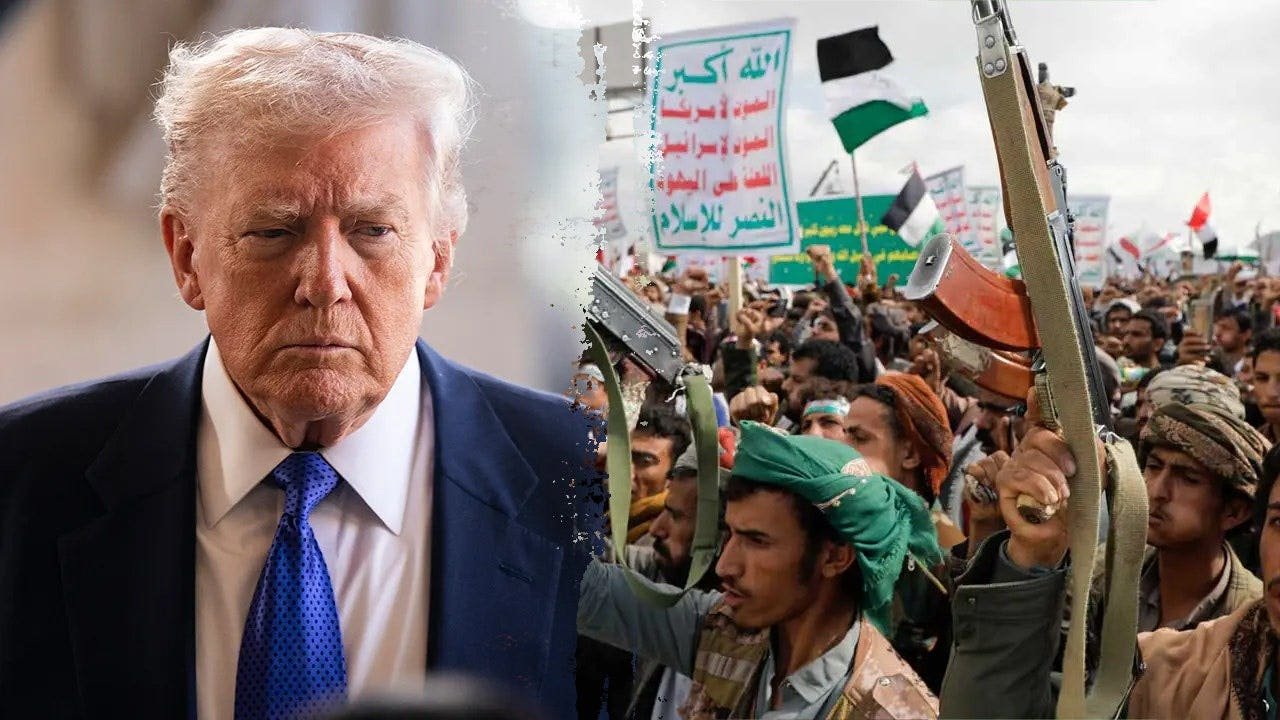
NEWYou can now listen to Fox News articles!
President Donald Trump said Tuesday the U.S. would «take care of things» if Yemen’s Iran-backed Houthis follow through on threats to impose a naval blockade against Saudi Arabia, as his administration reportedly backed Riyadh’s renewed military campaign against the group.
His comments came after the Houthis announced a naval blockade against Saudi Arabia Monday, only days after Saudi forces struck Sanaa International Airport and after Iran reportedly instructed the group to prepare to close the Bab el-Mandeb Strait if the U.S. attacks Iranian power infrastructure.
TRUMP THREATENS TO EXPAND STRIKES ON IRAN, SAYS POWER PLANTS ARE NEXT TO GO: ‘HIT THEM HARD’
«So far, it hasn’t happened, might happen, but we take care of things,» Trump said in the Oval Office. «If something like that happens, we take care of it.»
President Donald Trump announced «major combat operations» in Iran, marking a significant escalation in tensions between Washington and Tehran. (Al Drago/Getty Images)
Saudi forces targeted Sanaa International Airport on Monday after an Iranian Mahan Air flight carrying Houthi officials back from Iran was forced to divert, according to Axios. A U.S. official told the outlet the aircraft was believed to be carrying weapons, missile components and Iranian military personnel intended for the Houthis.
Trump’s warning comes as the administration has expanded military operations against Iran while the Houthis threaten to disrupt shipping in the Red Sea. The developments have fueled concerns that Washington could become increasingly involved in efforts to secure one of the world’s most important maritime trade corridors while simultaneously confronting Tehran in the Persian Gulf.
The prospect of simultaneous disruption at the Strait of Hormuz and the Bab el-Mandeb has become one of the biggest concerns for global shipping markets: together, the routes normally carry roughly one-third of global seaborne oil trade and serve as critical arteries for energy shipments between the Middle East, Europe and Asia, according to U.S. Energy Information Administration data.
The Houthis already have shown they can disrupt one of the world’s busiest shipping corridors. Since late 2023, the group has carried out more than 190 attacks on commercial shipping, forcing major carriers to abandon the Red Sea route in favor of the far longer trip around Africa.
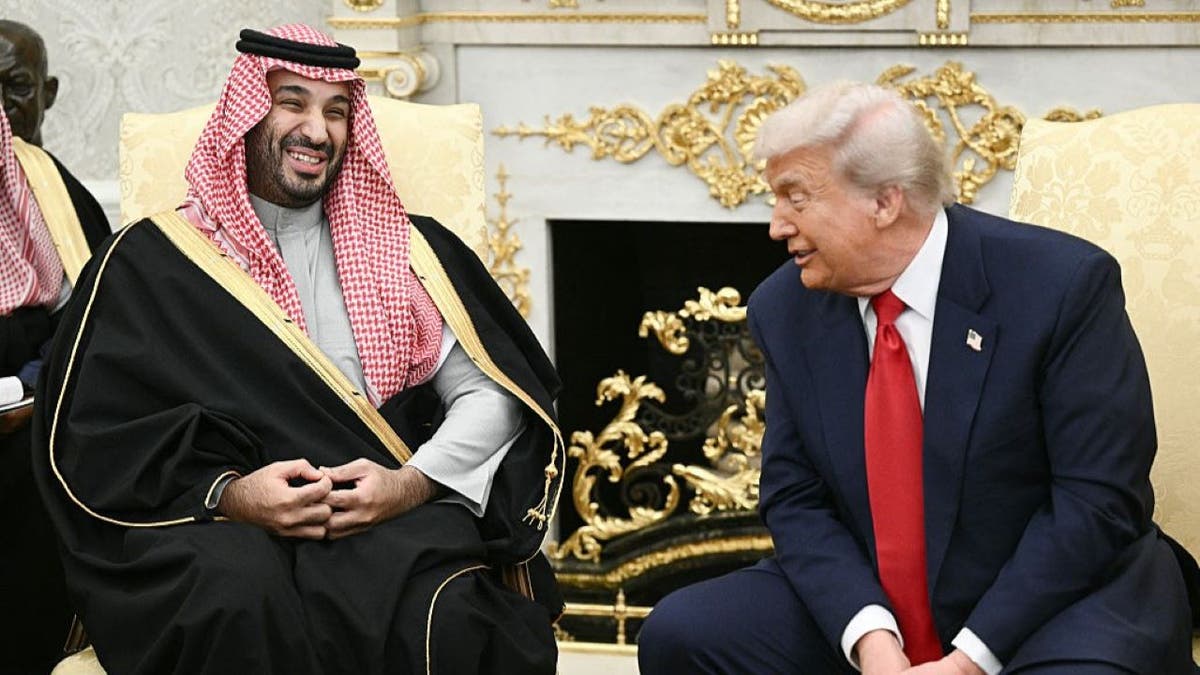
US President Donald Trump meets with Crown Prince and Prime Minister of the Kingdom of Saudi Arabia Mohammed bin Salman in the Oval Office of the White House in Washington, DC on November 18, 2025. Saudi Crown Prince Mohammed bin Salman arrived at the White House to fanfare and a jet flyover Tuesday, in his first visit to the United States since the 2018 murder of journalist Jamal Khashoggi. (Brendan Smialowski/AFP via Getty Images)
Saudi Crown Prince Mohammed bin Salman sought Trump’s approval before launching the latest strikes against the Houthis — and that approval was granted, according to the Axios report.
The White House could not be reached for comment. The Pentagon and U.S. Central Command declined to comment.
For years, the Houthis have evolved into one of Iran’s most effective regional partners, allowing Iran to pressure global commerce while avoiding a direct military confrontation with the United States or its allies. The group has repeatedly launched missiles and drones at commercial vessels transiting the Red Sea, disrupting international shipping and forcing vessels to reroute around southern Africa.
IRAN-BACKED TERROR PROXY HOUTHIS THREATEN FRESH ATTACKS AFTER YEMEN AIRPORT STRIKE
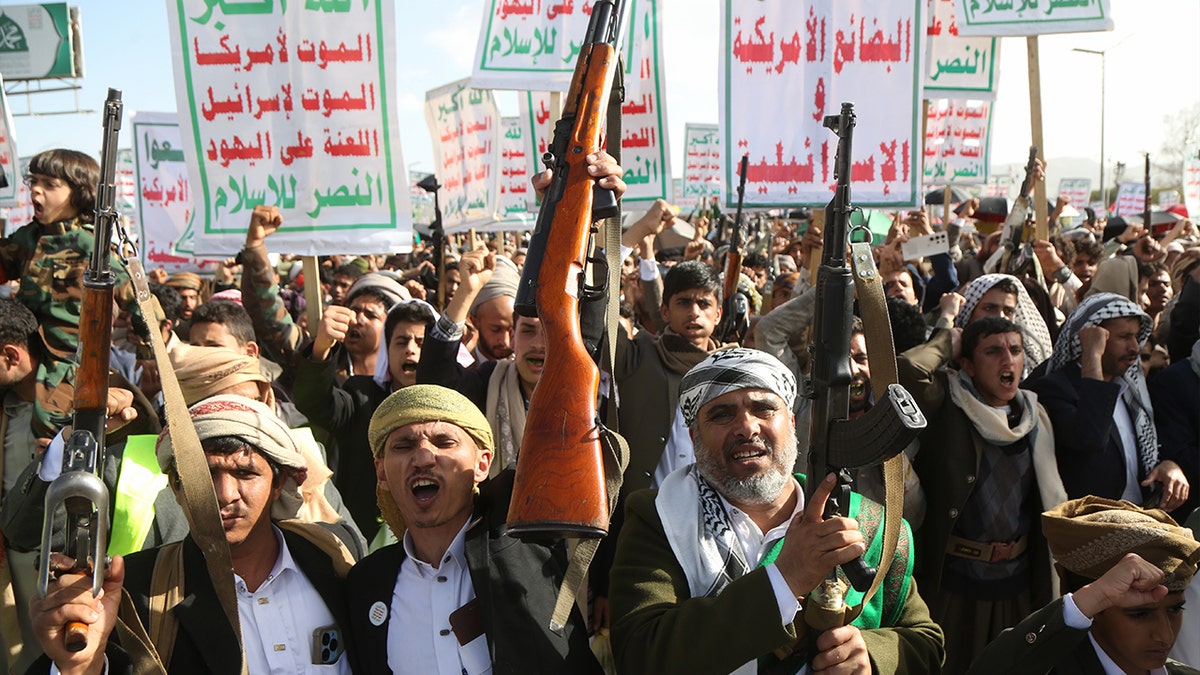
Yemen’s Iran-backed armed Houthi group has warned they will move to shutter the Bab Al-Mandeb Strait through missile-drone attacks if Gulf nations join the US-Israel war on Iran. (Mohammed Hamoud/Getty Images)
Although direct fighting between Saudi Arabia and the Houthis largely subsided following a U.N.-brokered truce in 2022, the group continued expanding its missile, drone and maritime capabilities with Iranian support. This week’s exchange of Saudi airstrikes and Houthi missile attacks marked the most significant cross-border escalation between the two sides in roughly four years.
Bridget Toomey, a research analyst at the Foundation for Defense of Democracies, said the latest escalation was driven by Saudi concerns that Iran and the Houthis were attempting to establish a dangerous new status quo by opening a direct air link between Tehran and Houthi-controlled Sanaa.
She said such flights would create an easier route for Iran to move weapons, drones and Islamic Revolutionary Guard Corps advisers into Yemen, posing a threat not only to Saudi Arabia but also to broader U.S. and international security interests.
TRUMP WON’T RULE OUT KHARG ISLAND TAKEOVER: WHAT A US ASSAULT COULD LOOK LIKE
«A direct air connection between Tehran and Sanaa would be a serious threat, not just to the international community, but also to Saudi Arabia,» Toomey told Fox News Digital.
Rather than signaling a return to the yearslong Saudi-led intervention in Yemen, Toomey described Riyadh’s response as «a measured escalation» intended to demonstrate it would not allow such an air bridge to become normalized.
That objective appeared to shape one of Saudi Arabia’s most consequential strikes this week.
The Bab el-Mandeb Strait, which connects the Red Sea with the Gulf of Aden, is one of the world’s busiest maritime choke points. Nearly 15% of global seaborne trade passes through the corridor each year, making it a critical route for commercial shipping and energy supplies moving between Asia and Europe.
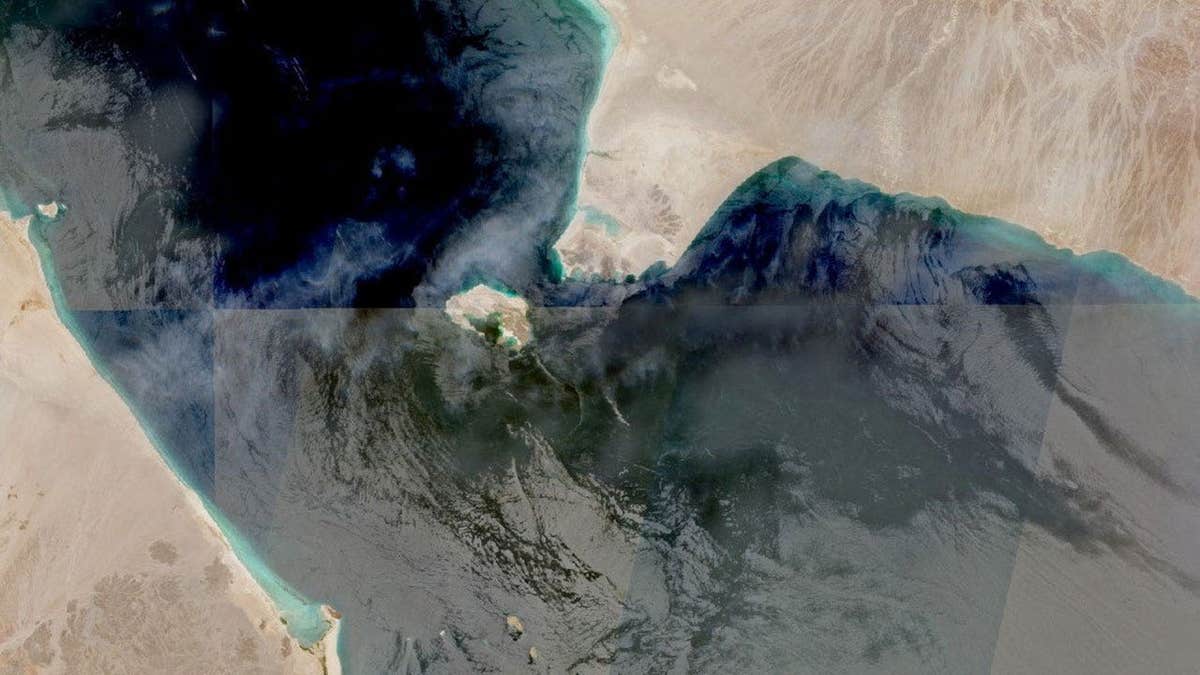
A satellite imagery shows Bab el Mandeb Strait, a key shipping waterway and the gateway to the Red Sea, as Iran threatens using Yemen’s Houthi allies to shut the Bab el-Mandeb gateway to the Red Sea, in this handout picture dated July 12, 2026. (Nasa Worldview/Handout via Reuters)
The latest threat comes as commercial shipping through the Strait of Hormuz has also faced disruption amid escalating tensions between the United States and Iran. While the two waterways are separated by hundreds of miles, together they form the principal maritime corridor linking the Persian Gulf with Europe. Serious disruption to both would place additional pressure on global energy exports, increase shipping costs and deepen supply chain disruptions.
Toomey said the Houthis occupy a unique position within Iran’s regional network because of where they are located.
«They’re crucial to Iran’s broader ability to expand the conflict,» she said. «Iraqi militias or Hezbollah don’t sit on a maritime choke point.»
Still, she cautioned against viewing the Houthis simply as an extension of Tehran, noting that Iran’s command and control over the group has historically been less direct than its relationships with some of its other proxy organizations.
Gregg Roman, executive director of the Middle East Forum, said Trump’s backing of the Saudi operation and his latest warning to the Houthis point to an administration willing to support regional allies while confronting Iranian-backed groups that threaten maritime commerce.
«The Iranians are trying to project power. The president is supportive of any effort to limit that projection,» Roman told Fox News Digital.
Roman said the airport strike reinforced Saudi Arabia’s long-running effort to prevent Iran from establishing a direct supply corridor into Houthi-controlled Yemen.
CLICK HERE TO DOWNLOAD THE FOX NEWS APP
«We’re certainly not going to allow you to have any shipments to reinforce the Houthis,» he said.
If the campaign continues with Washington’s backing, it would place one of Iran’s most strategically valuable regional partners under renewed military pressure while increasing the cost of Tehran’s broader effort to project power across the Middle East.
saudi arabia, donald trump, war with iran, geopolitics, middle east foreign policy

España y sus cuatro primeros partidos confirmados tras ganar el Mundial

El Gobierno oficializó nombramientos en la Justicia, entre ellos, el del juez que se hará cargo de la causa contra Martín Insaurralde

Aumentaron el boleto y los subsidios para colectivos pero los empresarios del sector dicen que no alcanza

El Gobierno recibió al nuevo embajador del Vaticano en medio de la expectativa por la visita de León XIV

Rubio accuses Iran of flying IRGC personnel into Yemen as Houthi threat escalates

Patti Smith también pidió perdón en medio de la polémica anti Argentina: “Siempre respeté el coraje de su gente”

Sin la Copa y sin Messi en el avión, vuelve Tapia y deberá enfrentar tres frentes de tormenta tras la pausa del Mundial

Le ganan a la inflación: los senadores pasarán a cobrar $12 millones brutos a partir de agosto

Escándalo Mundial: Las presiones secretas, la amenaza de la FIFA por Malvinas y la verdad detrás del partido contra España

Samuel L. Jackson llamó a Argentina “el país más racista del mundo”: la contundente respuesta que le dejó Bárbara Lombardo

 POLITICA2 días ago
Sin la Copa y sin Messi en el avión, vuelve Tapia y deberá enfrentar tres frentes de tormenta tras la pausa del Mundial
- POLITICA2 días ago
Le ganan a la inflación: los senadores pasarán a cobrar $12 millones brutos a partir de agosto
- DEPORTE14 horas ago
Escándalo Mundial: Las presiones secretas, la amenaza de la FIFA por Malvinas y la verdad detrás del partido contra España