
INTERNACIONAL
Alcaldía de San Salvador Centro invierte $3.5 millones anuales en limpieza y prevención de inundaciones


La Alcaldía de San Salvador Centro puso en marcha el “Plan Invierno Capital 2026”, con el objetivo de reducir los riesgos de inundaciones y emergencias durante la temporada de lluvias.
Según lo expuesto este 16 de junio en el espacio de entrevistas Frente a Frente, el director de Saneamiento Ambiental, Germán Muñoz, detalló que la estrategia incluyó la limpieza integral de drenajes primarios y secundarios, así como el saneamiento de ríos y quebradas, sumando más de 211 kilómetros lineales intervenidos.
Este esfuerzo permitió evacuar 11 mil toneladas de desechos antes del inicio de las precipitaciones más intensas, acción que la municipalidad considera clave para evitar emergencias mayores. De acuerdo con el director, la respuesta ante las tormentas recientes involucró la activación de más de 500 trabajadores municipales, incluyendo personal de Protección Civil, recolección de desechos y parques.
El municipio habilitó y mantuvo en funcionamiento 14 albergues para evacuaciones preventivas, anticipando escenarios de riesgo en barrios vulnerables. “Nuestro trabajo no fue ir a atender una emergencia, sino prevenirla”, afirmó Muñoz en el programa. El funcionario subrayó que la prevención se tradujo en una reducción de daños materiales y la ausencia de personas lesionadas durante los eventos climáticos más recientes.

En paralelo a la preparación para la temporada de lluvias, la Alcaldía desarrolla la campaña “Los buenos salvadoreños no ensucian”, orientada a fortalecer la conciencia y la responsabilidad ciudadana respecto a la disposición de residuos.
Según explicó el director de Protección Civil Municipal, William Hernández, la iniciativa busca transformar los hábitos cotidianos desde la educación básica, pasando por la vida comunitaria y el entorno laboral. “El desconocimiento no existe, incluso los niños muestran mayor sensibilidad que los adultos”, afirmó Hernández. Añadió que el propósito es consolidar patrones de conducta orientados al cuidado y preservación del espacio público.
En cuanto a la gestión de los desechos, la municipalidad opera con dos sistemas diferenciados:
- Recolección domiciliar (el camión pasa por el frente de las viviendas)
- Servicio casa por casa (en zonas de difícil acceso o de alta densidad).

De acuerdo con la información proporcionada por los funcionarios, más de 36,500 viviendas reciben el servicio personalizado, que incluye la recolección directa en apartamentos, mesones y comunidades donde el acceso convencional no es viable. En total, la alcaldía reporta una recolección anual que oscila entre 214,000 y 325,000 toneladas de desechos, con rutas diarias y operativos especiales en puntos críticos.
Por lo que, el impacto presupuestario de estas acciones es considerable. Según datos del municipio difundidos en Frente a Frente, San Salvador Centro destina aproximadamente 3.5 millones de dólares anuales a la limpieza de calles, tragantes, ríos y quebradas.
Esta inversión cubre tanto el mantenimiento ordinario como las intervenciones extraordinarias tras lluvias o acumulaciones imprevistas. Las autoridades enfatizan que una parte significativa de estos recursos podría orientarse a proyectos de infraestructura o servicios si no existiera el problema de la basura arrojada en la vía pública.
La estrategia municipal incorpora también la instalación de tecnología como cámaras de videovigilancia y sistemas de monitoreo, aunque los protagonistas de la entrevista enfatizaron que el cambio cultural resulta fundamental. Para la alcaldía, la solución no pasa únicamente por ampliar el número de basureros, sino por consolidar la responsabilidad individual de los habitantes.
Una ciudadana es captada por las cámaras de Sivar Seguro mientras intentaba dejar una bolsa de basura en un lugar no autorizado. A través de los altavoces, recibe una advertencia inmediata sobre la infracción y la multa correspondiente, viéndose obligada a recoger sus desechos.
El marco normativo contempla el derecho de defensa para quienes sean sancionados por infracciones relacionadas con la disposición de desechos. Según lo explicado por Muñoz durante la entrevista, los ciudadanos pueden presentar recursos de revisión si consideran injusta la multa recibida.
Las autoridades reiteraron que la meta principal de estos esfuerzos es construir una cultura de corresponsabilidad entre el gobierno local y la ciudadanía, donde el cumplimiento de las normas y el cuidado del entorno redunden en una mejor calidad de vida para todos los habitantes de San Salvador Centro.
corresponsal:Desde San Salvador, El Salvador














The AI data center backlash
Paul Gigot, Kim Strassel, Allyssia Finley, and Jason Riley discuss the growing progressive backlash against AI data centers. Citing environmental concerns, increased electricity prices, and potential job displacement, Bernie Sanders and AOC introduced legislation for a nationwide moratorium on new data center construction. The panel explores the economic implications and highlights the lack of clear evidence supporting claims of rising energy costs directly tied to data centers.
NEWYou can now listen to Fox News articles!
Former Democratic Senator Sherrod Brown once praised data center expansion, records show, even as he now runs on a platform opposing their development in a bid to return to the Senate.
In 2015, Brown put out a press release celebrating the construction of a third data center in Central Ohio.
«This new data center is great news for New Albany and central Ohio. Amazon’s growth in central Ohio signals that this region is not only a great place to do business, but a place where people want to live and raise a family,» Brown said.
Now, just over 10 years later, Brown is painting Ohio’s 226 data centers as a drain on the state’s resources — a reversal that demonstrates how many Democrats have aligned themselves on the issue to press the case for affordability.
WATCH: GOP SENATOR UNLOADS ON ‘CREATURE OF WASHINGTON’ CHALLENGER IN CRITICAL SENATE SHOWDOWN
Sen. Sherrod Brown, D-Ohio, is seen during senate votes in the U.S. Capitol on Tuesday, January 23, 2024. (Tom Williams/CQ-Roll Call, Inc via Getty Images)
«Ohio’s electric grid — big corporations treat it like a game,» Brown said in a recent campaign video.
«[They’re] gobbling up energy to feed their data centers no matter how much it raises our prices. It’s the latest way they’ve rigged the system.»
Brown, who was originally elected to the U.S. Senate in 2006, lost re-election in 2024 to Sen. Bernie Moreno, R-Ohio. Now he is waging a comeback bid for Ohio’s other Senate seat against incumbent Sen. Jon Husted.
Husted, who has not yet won a full term in the Senate, was appointed by Ohio Gov. Mike DeWine to fill the seat of now-former Sen. J.D. Vance, R-Ohio, when Trump tapped him to become vice president.
In the 2026 midterms, Democrats have hammered President Donald Trump and what they see as unfulfilled promises to bring down the cost of everyday items like food, fuel and housing.
While slightly removed from those specific items, an increasing number of Democrats, like Brown, have tied data centers to the issue, arguing that they do little to pay for their own costs in terms of water and electrical use. In their view, data centers are being subsidized by the communities where they’re being built.
FOX NEWS POLL: DEMOCRATIC UNITY, REPUBLICAN CROSSOVERS SHAPE OHIO SENATE RACE

Democratic senate candidate, U.S. Sen. Sherrod Brown, D-Ohio, addresses volunteers at a campaign office on Nov. 4, 2024 in Cleveland Heights, Ohio. (Stephen Maturen/Getty Images)
Debates remain about whether their consumption has meaningfully changed utility rates in local communities and, if so, whether the companies should pay for the costs of their consumption.
Brown said he would support legislation along those lines.
«I’ll require the data centers to pay the full cost of their own electricity — not you,» Brown said.
Ohio, in particular, has become an increasingly important state in the data center conversation as companies like Amazon and Google have sought out state incentives for their construction.
In 2013, the state legislature passed tax exemptions for the «sale, storage, use or other consumption of computer data center equipment.» The law gives the Ohio Tax Credit Authority (TCA) the power to approve tax exemptions for companies that invest more than $100 million over three consecutive years. Not all centers are automatically qualified to participate in the benefit and can receive a partial exemption.
The move has attracted sizeable investment but also cost the state $1.6 billion in forgone revenue in 2025, according to the Ohio 2026-2027 Tax Expenditure Report.
It’s unclear if Brown would support more than just a requirement that data centers pay for their electricity and whether he would consider other legislation to slow their development. In his 2015 press release, Brown noted that the centers had created new job opportunities with their openings.
TOP ENERGY GROUP WARNS WEALTHY FOREIGNERS ARE POTENTIALLY BANKROLLING ANTI-DATA CENTER CAMPAIGNS ACROSS US
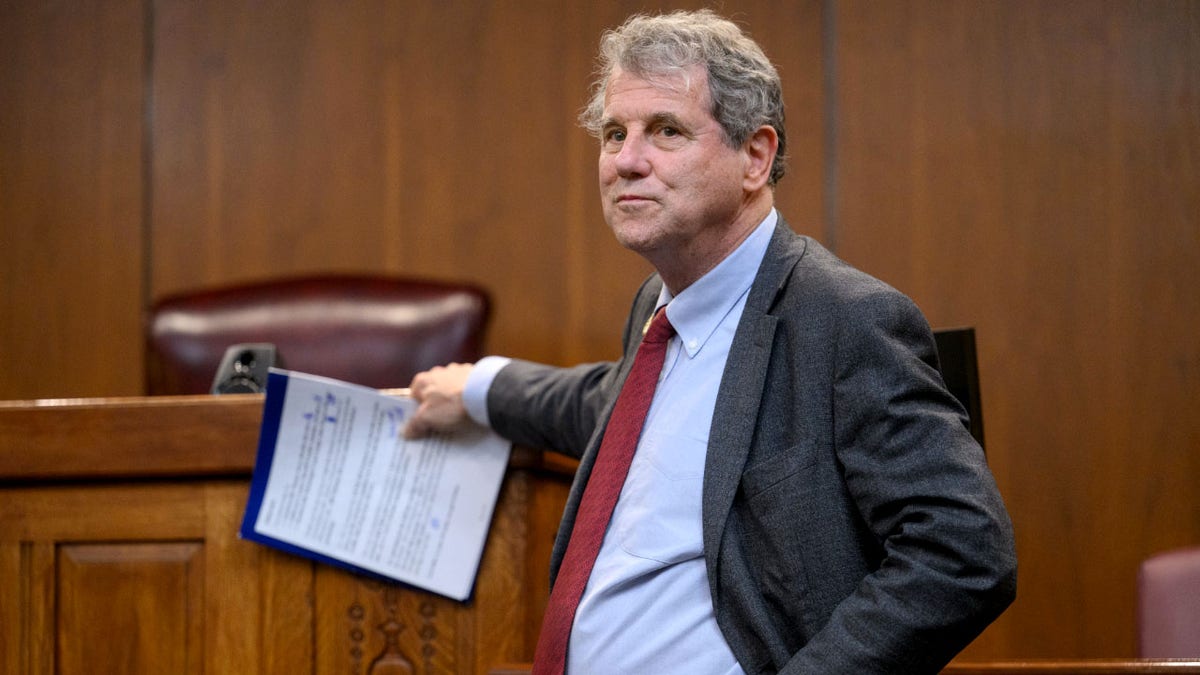
Senator Sherrod Brown, a Democrat from Ohio, during a campaign event at the Steubenville City Building in Steubenville, Ohio, US, on Friday, Oct. 11, 2024. (Justin Merriman/Bloomberg via Getty Images)
«I look forward to working to ensure that our region’s burgeoning logistics hub continues to grow – creating good jobs for Ohioans and helping businesses prosper,» Brown wrote.
His office did not respond to requests for comment from Fox News Digital about the scope of his objections to data center developments in Ohio.
Having secured his party’s nomination for the seat, Brown will face Husted in the state’s Nov. 3 general election.
state and local, ohio, senate
INTERNACIONAL
El amor clandestino que hizo escritora a Victoria Ocampo vuelve cuarenta y dos años después

Vuelven, cuarenta y dos años después, los tres primeros tomos de la Autobiografía de Victoria Ocampo. Originalmente se publicaron de manera póstuma, entre 1979 y 1984, en seis volúmenes de Ediciones Revista Sur: El archipiélago, El imperio insular, La rama de Salzburgo, Viraje, Figuras simbólicas. Medida de Francia y Sur y Cía. Hubo reimpresiones en esa misma década y después, nada. Su reedición plantea varios temas interesantes. El archipiélago (1979) cubre la infancia. Genealogía de las dos ramas, los Ocampo y los Aguirre, con antepasados en las actas de mayo, la casa de Viamonte y Florida, los veranos en San Isidro, el gobierno de tías, abuelas e institutrices francesas e inglesas, las cinco hermanas menores. Ahí se instala el dato que ordena toda la obra: el francés como primera lengua de lectura y de escritura, aprendido antes que cualquier idea de país. El título describe una familia dispersa en islas que se tocan sin unirse. El imperio insular (1980) va de la adolescencia al casamiento. El viaje familiar a París, las clases oídas de prestado en la Sorbona y el Collège de France, Bergson entre ellas, la amistad y la correspondencia con Delfina Bunge, las lecturas fundacionales, la vocación de actriz que el padre le prohíbe, Marguerite Moreno, y el noviazgo con Luis Bernardo “Mónaco” de Estrada hasta la boda del 8 de noviembre de 1912. Cierra donde abre el tomo tercero.
El título del tercer tomo es una cita. En De l’amour, Stendhal cuenta que en las minas de sal de Salzburgo los mineros arrojaban una rama deshojada al fondo de un pozo abandonado y la recuperaban meses después cubierta de cristales, irreconocible, deslumbrante. A eso llamó cristalización: la operación por la cual el enamorado recubre al otro de perfecciones que el otro no tiene. Ocampo tomó esa rama y la puso en la portada del volumen donde iba a contar los trece años que pasó con Julián Martínez, primo de su marido, en la clandestinidad más vigilada de Buenos Aires. La rama de Salzburgo se lee, cuarenta y cinco años después, con una incomodidad que los otros tomos no producen. Beatriz Sarlo tituló su ensayo sobre ella “Victoria Ocampo o el amor de la cita”, y la fórmula sirve aquí exactamente al revés de como suele usarse: no se trata de que ella amara citar, sino de que solo podía amar citando. Cuando le tocó escribir el deseo propio, fue a buscar quién se lo había escrito antes.
Victoria Ocampo tenía veintidós años cuando se casó, el 8 de noviembre de 1912, con Luis Bernardo de Estrada, Mónaco, abogado, católico, celoso, de una familia todavía más conservadora que la suya. El matrimonio se deshizo durante la luna de miel. En Roma, en 1913, conoció al primo del marido, que trabajaba en la embajada. El resto ocurrió en el único registro disponible: cartas, teléfono, un departamento alquilado, taxis, chofer, encuentros del lado sur de la ciudad, lejos de las miradas del Barrio Norte. Aparecen la calle Garay, el Parque Lezama, Leandro Alem. La geografía del amor de Victoria Ocampo es la geografía de dónde no la iban a ver.

No existía el divorcio. No había tampoco lengua. Para una mujer de esa clase, en ese Buenos Aires, existían dos vocabularios para nombrar lo que le estaba pasando: el del confesionario, que lo llamaba pecado, y el de la crónica social, que lo llamaba escándalo. Ninguno de los dos servía para describir la experiencia desde adentro. Ocampo hizo lo que había aprendido a hacer con todo lo demás: importó. Stendhal para la mecánica del enamoramiento, Dante para la dignidad de la falta, Proust para los celos, Jung para el fondo del asunto. El libro está lleno de esos nombres y no los usa como ilustración. Los usa a manera de defensa.
En 1924, en plena relación con Martínez, Ocampo publicó su primer libro: De Francesca a Beatrice, una lectura de la Comedia que Ortega y Gasset le editó en Madrid, en Revista de Occidente, con epílogo propio. Francesca es la adúltera del canto V del Infierno, condenada junto a Paolo. Y es, sobre todo, la mujer que cae leyendo: Dante hace que el pecado empiece en un libro, en la página sobre Lanzarote, en el momento en que dos lectores levantan la vista. Ocampo, adúltera y lectora, escribió su primer libro sobre la lectora adúltera, y lo tituló como un itinerario de salida: de Francesca a Beatrice, del amor que condena al amor que salva. El tercer tomo de la Autobiografía es ese mismo libro escrito cuarenta años después y sin el itinerario de salida. Ahí hay solo Francesca, sostenida, argumentada, y una mujer de más de sesenta años que ya sabe cómo terminó todo y que igual se niega a arrepentirse.
Ahora bien, hay una ironía en la elección de la cita elegida. La cristalización de Stendhal es una teoría del error. La rama que sale del pozo no se volvió preciosa: se cubrió de sal. El enamorado ve lo que no hay. Al ponerle a su historia de amor el nombre de la teoría que explica por qué los enamorados se equivocan, Ocampo está admitiendo, en la tapa, que su Julián podía ser una invención suya. Y lo escribe desde la única posición desde la cual eso puede decirse sin cinismo: la de quien vio caerse los cristales ya que la historia termina mal de la manera menos romántica posible. La pasión no la mataron la familia ni la Iglesia ni el marido. La mató la libertad. Mientras hubo que esconderse, hubo incendio. Cuando el obstáculo desapareció, la cosa se enfrió y quedó la amistad. Ese es el dato duro del libro y el que le da su valor de documento: Ocampo relata, sin querer demostrarlo, que su amor había sido inseparable de su ilegalidad. Denis de Rougemont escribió en 1939 que la pasión occidental necesita la espada entre los cuerpos, que Tristán ama el obstáculo más que a Isolda. Ocampo lo comprobó en su propia vida veinte años antes de que Rougemont lo publicara.

Este tercer volúmen es muy diferente a los dos anteriores y vale la pena mirar el vocabulario, porque ahí se ve trabajar la mano. Conviven en él dos lenguas. En los diálogos aparece el voseo porteño, con sus querés, sabés, tenés: Buenos Aires entra al libro por la boca de la gente, en un registro que la Victoria pública casi nunca usaba. Y en las zonas de mayor temperatura aparecen palabras francesas sin traducir, coeur, sang, joie. La distribución no es caprichosa. Lo que se habla, se habla en argentino; lo que se siente, cambia de idioma. Ocampo escribió el cuerpo en la lengua de las institutrices, que era la lengua en la que había leído todo lo que sabía del amor y también la única en la que esas cosas podían decirse sin sonar a médico o a confesor.
Stendhal distingue cuatro especies de amor y Ocampo se queda con el amor-pasión: al inscribirse allí cambia de tribunal. En la grilla moral, lo suyo es adulterio; en la grilla stendhaliana, es una especie con leyes propias, descriptibles, que no admiten juicio porque no admiten voluntad. Pero dada la naturaleza de esta mujer, este amor-pasión es también según sus palabras “Abdicación”: amar como abdicar: ceder soberanía. Victoria Ocampo fundó, financió, dirigió, presidió y decidió durante sesenta años. Este es el único territorio de su obra donde se narra a sí misma como súbdita. Stendhal y Jung conviven en el volumen. La cristalización dice que el enamorado cubre al otro de perfecciones inexistentes; la teoría junguiana de la proyección dice, con otro vocabulario, exactamente lo mismo. Ocampo se dotó de dos aparatos que coinciden en que el amado es una pantalla. Sumale Proust, también presente, cuyos celos son un problema de conocimiento antes que de posesión: se cela porque el otro es incognoscible. La consecuencia es dura y ella la asume: el tomo es una autobiografía de una pasión y de una abdicación, no un retrato de un hombre. Julián Martínez queda escrito casi sin atributos. Es coherente. La rama no se describe, se describe la sal.

Y es en los años de clandestinidad exactamente los años en que Ocampo se vuelve escritora. Primer artículo en La Nación sobre la Comedia, 1920. De Francesca a Beatrice, 1924. La laguna de los nenúfares, 1926. La mujer que no podía firmar su vida empezó a firmar su prosa en el mismo momento. Que la vida clandestina y la vida pública nacieran juntas no es un dato menor: el amor con Julián no fue un episodio dentro de una carrera, fue la condición que la produjo.
Otro de los puntos fuertes de este tercer tomo es el tema de los terceros. El adulterio de una mujer de esa clase era una operación de logística ejecutada por terceros. Un chofer que sabía las direcciones. Una mucama que llevaba las cartas y que, en un episodio célebre, dejó una de esas cartas sobre el escritorio del marido. El teléfono, la tecnología nueva, entra al libro como instrumento erótico y como riesgo, porque del otro lado de la línea siempre había alguien más en la casa. La intimidad de Victoria Ocampo dependía de la discreción de personas a las que ella les pagaba un sueldo, y esa dependencia está escrita, aunque no esté pensada. Es uno de los pocos lugares de la obra donde su clase se le nota sin que ella la administre.
Los editores de 2026 decidieron reemplazar por nombres completos las iniciales con que el original protegía a personas hoy públicamente identificadas. En un libro construido sobre iniciales: Victoria escribía J., y quienes contaron la historia después hablaron de “V. y J.”. La discreción tipográfica era el último resto vivo de la clandestinidad que había hecho posible la pasión: mientras la letra sola resistiera, algo del secreto seguía funcionando. Deshacer la inicial es terminar de hacer lo que la libertad ya le había hecho a ese amor. El libro que enseña que la pasión necesita el obstáculo acaba de perder el suyo.
INTERNACIONAL
Demandan a Zohran Mamdani por un polémico impuesto inmobiliario que podría afectar a miles de personas

Un grupo de propietarios demandaron este viernes a Zohran Mamdani, el alcalde de la Ciudad de Nueva York, luego de que entrara en vigencia un impuesto a la segunda vivienda de lujo para personas no residentes.
La denuncia, presentada en Staten Island, no cuestiona al impuesto en sí, sino a las notificaciones que envió el gobierno local a los propietarios afectados y al registro de valuación que hizo la ciudad. Ese registro es de consulta pública en la web. Expone nombres, direcciones y valor de las propiedades identificadas en la lista.
Según los demandantes, la lista ha generado una «confusión masiva» y dio lugar a un «escrutinio injustificado» de su información personal.
En gobierno de Mamdani envió 17.000 notificaciones a los propietarios de algunas de las zonas más caras de Nueva York. La mayoría están concetradas en el Upper East y Upper West Side (5.000), pero también están marcadas 5.600 residencias de otros barrios de Manhattan como Hudson Yards, SoHo, West Village y Tribeca. La medida incluye, además, a unas 1.300 viviendas de Park Slope, Brooklyn.
La medida apunta a viviendas monofamiliares valuadas en US$5.000.000 o más, y departamentos a partir del millón de dólares. Mamdani espera recaudar alrededor de US$500.000.000 al año con este impuesto, conocido como ‘pied-a-terre’, que fue aprobado en mayo y se comenzó a aplicar en julio.
Los tres demandantes alegan que han recibido notificaciones de que sus viviendas podrían estar sujetas a este gravamen pese a que, afirman, estas son sus residencias principales. Los demandados instaron a ignorar este registro ya que «no formaba parte de los requisitos legales» sujetos al gravamen.
«Su publicación no solo provocó una gran confusión, sino que también facilitó, propició y amplificó un escrutinio indeseado de la información personal de los propietarios«, apunta la demanda.
Los demandantes solicitan al tribunal que invalide el listado con los nombres, direccciones y valor del inmueble de más de 900.000 propietarios, que el Departamento de Finanzas (DOF, por sus siglas en inglés) publicó en su web, y que obligue a la ciudad a no imponer el gravamen mientras se resuelve la querella.
El objetivo de la demanda -que está impulsada por el abogado Randy Mastro, vicealcalde de Rudolph Guliani- es retrasar la implementación del impuesto, que fue aprobado en mayo. Los demandantes esperan conseguir una fallo judicial que establezca que los propietarios no están obligados a responder a las notificaciones antes de la fecha límite del 18 de septiembre, y que el DOF retire de su web la lista de propietarios.
«El Departamento de Finanzas ha estado trabajando sin descanso para responder preguntas, brindar asistencia y garantizar que quienes están sujetos al recargo cuenten con la información que necesitan», dijo Matt Rauschenbach, vocero de Mamdani.
El documento, en el que también se acusa al Departamento de Finanzas y a su jefe, Richard Lee, agrega que los demandados «han admitido que enviaron cartas de notificación a unas 17.000 residencias», una cifra «aproximadamente tres veces mayor que el número de viviendas que la excomisionada del DOF, Martha Stark, estima que realmente están sujetas al impuesto».
En este sentido, la querella asegura que solo hay 24.000 propiedades en la ciudad que cumplen con los requisitos de valor de mercado que requiere el gravamen, de las cuales la mayoría son primeras residencias, pero que la ciudad envió notificaciones a más del 70% de estas viviendas.
Muchos neoyorquinos criticaron la lista, ya que contempla residencias principales, y miembros del Concejo Municipal que señalaron que su publicación los había tomado por sorpresa.
Aproximadamente 2.000 personas han presentado solicitudes para quedar exentos del impuesto, según informó el DOF. A comienzdos de agosto, la Ciudad extendió por cuatro semanas (hasta el 18 de septiembre) el período para prensentar las solicitudes de excención del impuesto.
Si bien algunas notificaciones ya fueron enviadas, la lista definitiva de las propiedades afectadas se conocerá recién el 31 de diciembre. Por ahora, la lista provisional es bastante más grande de la que se estimaba inicialmente -entre 10.000 y 13.000 propiedades- y se cree que podría afectar hasta 31.000 inmuebles.
Con información de EFE y Bloomberg

El bioeticista argentino Fishel Szlajen presentó en Lima un modelo de gobernanza de la IA para la libertad religiosa

La dura historia familiar de Caua Reymond, el protagonista de Avenida Brasil: “Mi madre tenía HIV y mi abuela discapacidad”

Dem Senate hopeful flip-flops on emerging issue impacting communities across US

El amor clandestino que hizo escritora a Victoria Ocampo vuelve cuarenta y dos años después

Valle Hermoso: el pueblo que fue vendido por completo y se convirtió en un antecedente histórico de la Ley de Tierras

El día que el fútbol cambió para siempre: hace 20 años, Lionel Messi debutaba en el Barcelona

La oposición cuestionó a Benegas Lynch por su empresa para vender campos a extranjeros y el senador libertario se defendió

Dólar hoy en vivo: a cuánto se negocian todas las cotizaciones minuto a minuto este miércoles 5 de agosto

Brasil retira a su embajador en la Argentina: qué consecuencias tiene la medida diplomática

Las centrales obreras y los movimientos sociales anunciaron dos días de conflicto callejero
-
 POLITICA2 días ago
La oposición cuestionó a Benegas Lynch por su empresa para vender campos a extranjeros y el senador libertario se defendió
-
 POLITICA3 días ago
Brasil retira a su embajador en la Argentina: qué consecuencias tiene la medida diplomática
-
 POLITICA3 días ago
Las centrales obreras y los movimientos sociales anunciaron dos días de conflicto callejero