INTERNACIONAL
Obama Center isn’t a traditional presidential library. Critics say it’s an activism center.

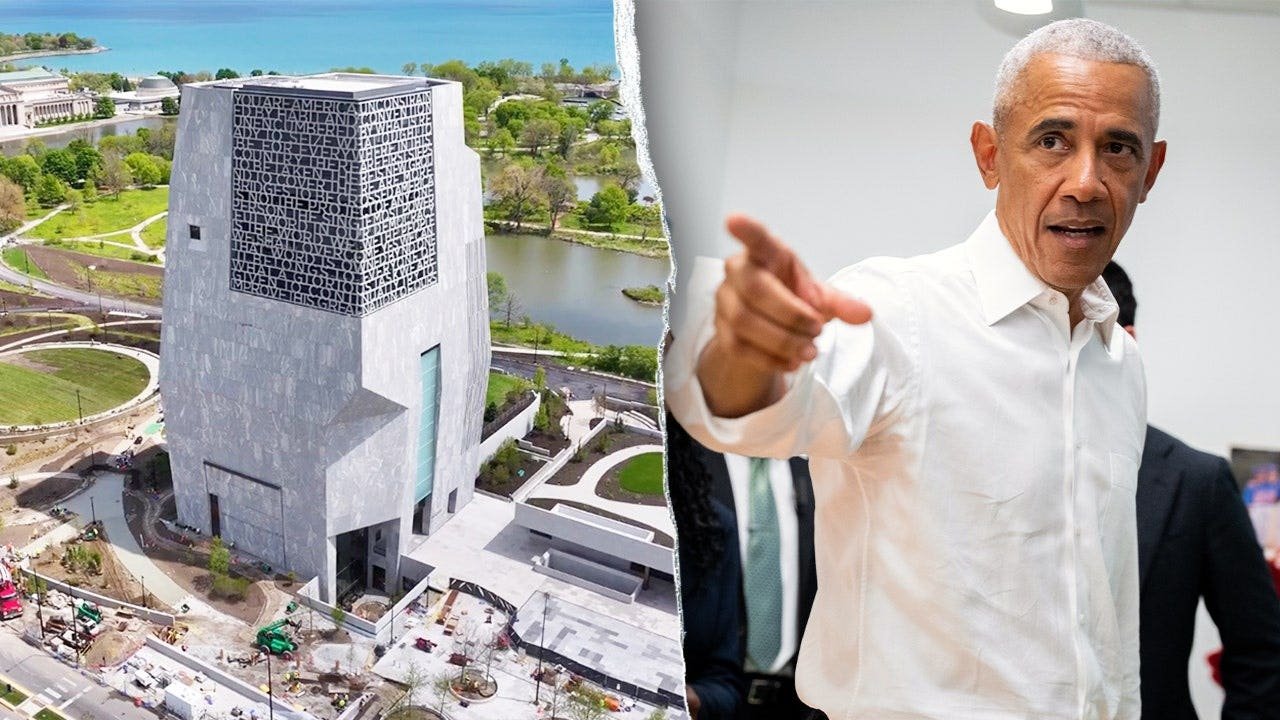
NEWYou can now listen to Fox News articles!
Don’t call it a library.
The $1 billion Obama Presidential Center opened with huge fanfare last week in a park near the shore of Lake Michigan, but critics say what the public thinks is a library will function as the headquarters of Barack Obama’s private foundation, promoting the 44th president’s left-wing worldview to future generations.
While every other modern presidential library houses that former commander-in-chief’s papers for public viewing, the Obama Presidential Center has no such component. Instead, Obama’s presidential records are being stored elsewhere, though digital versions may one day be available there.
SUBCONTRACTORS SAY THEY’RE OWED MILLIONS, FACE FINANCIAL RUIN, AFTER HELPING BUILD OBAMA PRESIDENTIAL CENTER
Signs reading «Home For Action» and «Bring Change Home» are displayed outside the Obama Presidential Center in Chicago on June 19, 2026. Critics point to the messaging as evidence the Center functions as more than a traditional presidential library. (Michael Dorgan/Fox News Digital)
At its core, the center serves two purposes: a museum dedicated to Obama’s presidency and the headquarters of the Obama Foundation, Obama’s private nonprofit organization.
The sprawling 19.3-acre campus will host various leadership programs, while spaces there include a «Democracy in Action Lab,» conference facilities, foundation offices and a major athletic complex designed for youth sports and community programs — features not typically associated with a presidential library.
Signs reading «Bring Change Home» and «A Home For Action» surround the perimeter of the campus. The messaging mirrors how the Obama Foundation has described the center in its annual reports — not as a traditional presidential library, but as a «campus» and «living institution.»
«We are building more than a campus. We are creating a living institution that will inspire, empower, and connect the next generation of leaders,» the foundation’s 2024 annual report reads.
The center, which as of 2021 had cost well over $800 million and is believed to have eclipsed the $1 billion mark, is a departure from presidential libraries, in both scale and purpose.
«Usually, these libraries are a monument to a presidency and the presidency is in the past, it’s in the rear-view mirror,» Tevi Troy, a presidential historian and former George W. Bush administration aide, told Fox News Digital. «It looks like Obama wants to use it as some kind of activism center, something that continues to promote his ideas and his political views.»
Troy said the direction did not surprise him.
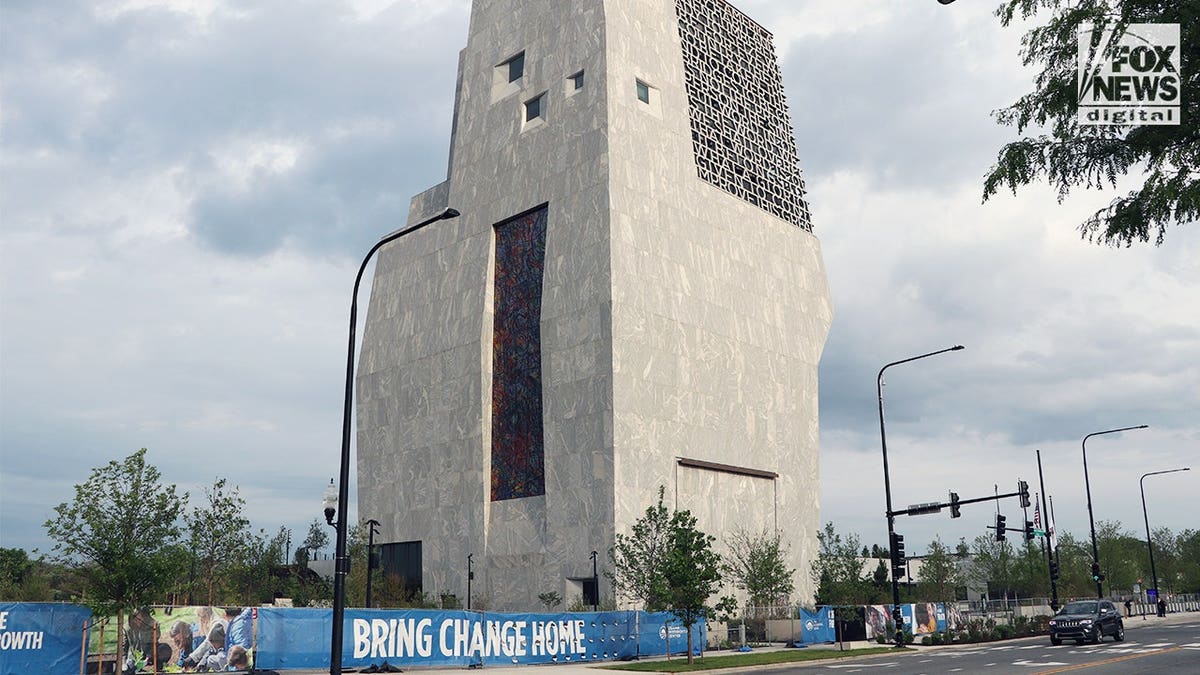
A «Bring Change Home» banner is displayed outside the Obama Presidential Center in Chicago. (Michael Dorgan/Fox News Digital)
«Obama was a community organizer. He’s an activist. That’s how he came up, and it doesn’t surprise me that he wants to go in this direction,» Troy said.
Obama himself offered a glimpse into how he views the center’s mission during Thursday’s opening ceremony.
«We designed the center not to be some lifeless mausoleum,» Obama said, while highlighting Obama Foundation leaders from around the world.
Among them was a Polish human-rights lawyer behind more than 30 lawsuits involving refugees, climate policy, LGBTQ rights and anti-discrimination litigation.
«This center is devoted to lifting up their stories, giving them the tools and support they need to expand their impact,» Obama said.
Obama later underscored that mission in his speech.
«While we are non-partisan, we are not value-neutral. We have a point of view,» he said
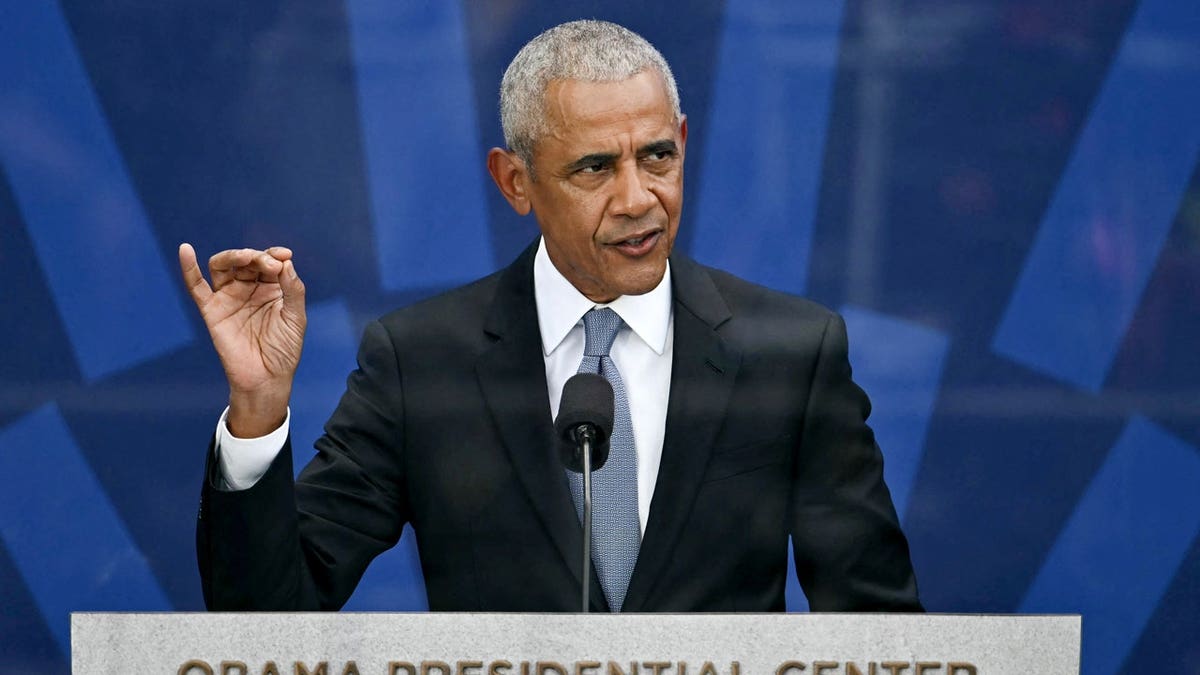
Barack Obama speaks during the dedication of the Barack Obama Presidential Center in Chicago, Illinois. (Kent NISHIMURA / AFP via Getty Images)
OBAMA PRESIDENTIAL CENTER WANTS 100 UNPAID VOLUNTEERS AS VALERIE JARRETT EARNS $740K
Critics say Thursday’s ceremony confirmed what they feared all along: The center seems designed not just to preserve Obama’s presidency, but to carry his vision into the future.
The center’s opening has reignited debate over whether the project evolved far beyond the traditional presidential library model for which many Chicagoans originally believed they were handing over their historic parkland.
The public land fight
The distinction matters because the center occupies roughly 19 acres of Jackson Park — Chicago’s equivalent of New York’s Central Park — under a controversial 99-year agreement city leaders approved for a one-time $10 payment.
Opponents argue that transferring public parkland to a private foundation violated the public trust doctrine, a legal principle intended to preserve public assets for the public benefit.
Those challenges were ultimately unsuccessful in court, although critics note that the central public trust arguments were never fully tested on the merits.
«When we were defeated, we weren’t told that we were wrong on the merits,» Richard Epstein, a New York University law professor and one of the nation’s foremost experts on the public trust doctrine, who represented the local Protect Out Parks group.
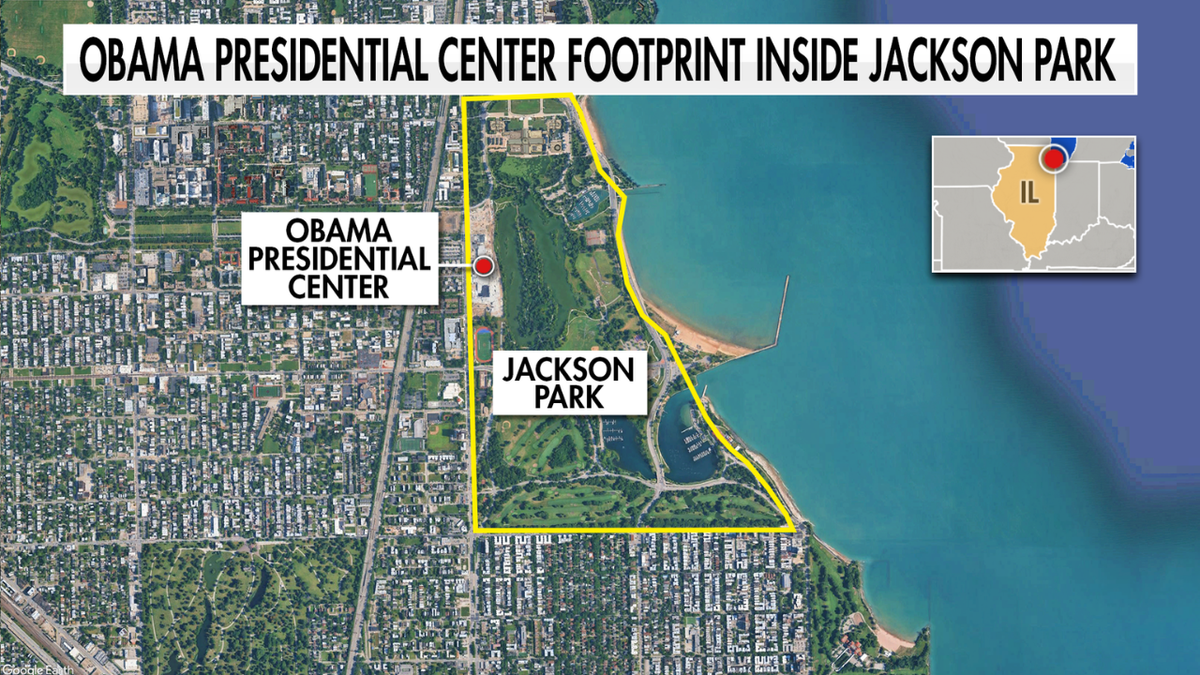
A map graphic shows the footprint of the Obama Presidential Center inside Jackson Park on Chicago’s South Side along Lake Michigan. (Fox News Digital)
«We were told that we had no right to bring the complaint at all.»
The Chicago City Council approved the deal with Obama, but Epstein said lawmakers were not free to simply set aside the public trust doctrine.
«The public trust doctrine is meant to be a restraint on the legislature,» Epstein told Fox News Digital. «This has been an epic frustration.»
Epstein said his concerns extend beyond the use of public land. Courts never fully examined whether the foundation had sufficient financial safeguards in place before receiving control of the site, including a long-promised $470 million reserve fund intended to shield taxpayers from future liabilities, Epstein said. A Fox News Digital investigation found that just $1 million has been deposited into the fund.
Epstein warned that handing over public land without fully vetting the foundation’s finances could expose taxpayers to future risks if the center encounters financial trouble down the road.
WATCH: NYU law professor Richard Epstein says courts never ruled on key Obama Center claims
Those concerns resurfaced after a Fox News Digital investigation found minority-owned and local subcontractors who worked on the center say they were stiffed for millions of dollars.
Critics also point out that the public land transfer was only part of the taxpayer contribution. Hundreds of millions of taxpayer dollars were spent on surrounding road, utility and transportation improvements tied to the project. Supporters say those upgrades modernized the area, but opponents argue they were done to serve a privately run institution.
Bait and switch?
Bob Grogan, chairman of the Illinois Republican Party, said the project was initially promoted as a presidential library to win public support and secure the land, but then morphed into something very different.
«This isn’t a presidential library. It’s a Democratic headquarters on the South Side,» Grogan told Fox News Digital outside the facility.
Grogan described the shift as a classic Chicago politics bait-and-switch.
«They go and sell it with the most palatable thing,» Grogan said. «Then they just incrementally, drip by drip, make it worse until they get back to the reality.»
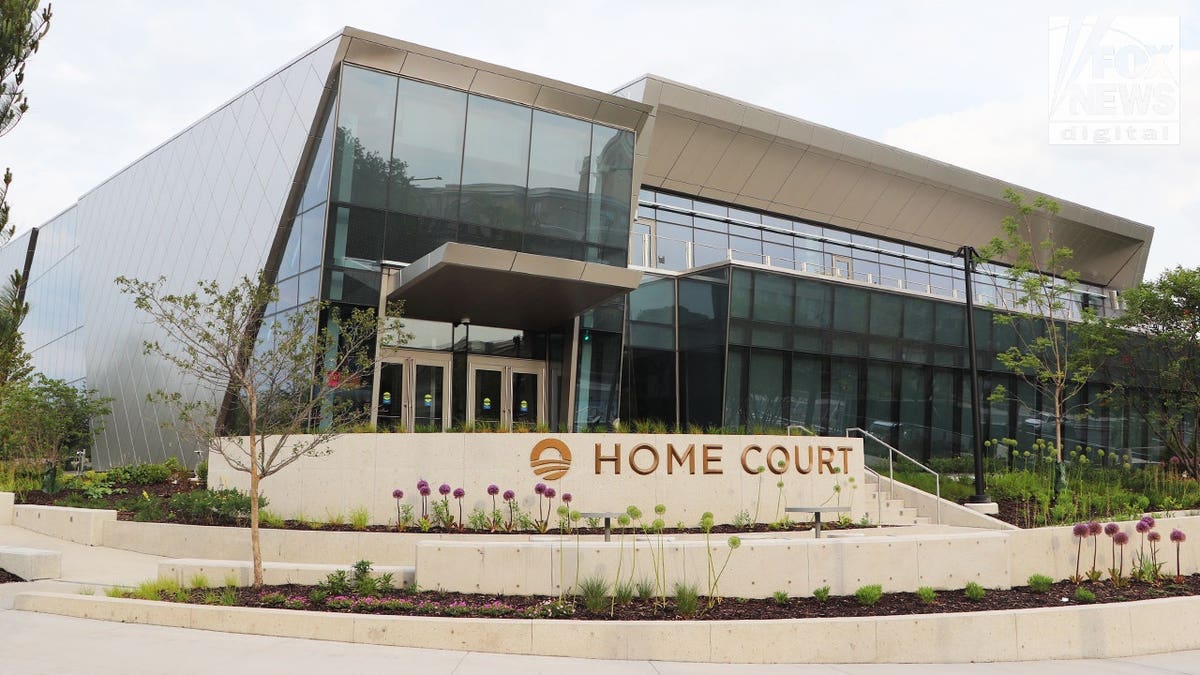
The Home Court athletic facility is seen at the Obama Presidential Center in Chicago on June 19, 2026. The facility is designed for youth sports, mentoring programs and community events. (Michael Dorgan/Fox News Digital)
«It’s not just a museum. It’s the home base for the foundation and everything it does,» he added. «They’re not going to go and pay rent someplace else when they’re going to have this big mausoleum here to go and hold their meetings and plot their plans.»
The National Archives and Records Administration — which has oversight on all other presidential libraries — told Fox News Digital that the Obama Center is operated entirely by the Obama Foundation and sits outside the federal presidential library system.
That means the foundation — not the federal government — decides how the center is run, what exhibits visitors see and how Obama’s legacy is presented.
The campus does include a branch of the Chicago Public Library.
WATCH: Illinois GOP chair says Obama Center is political operation on public land
Troy: A mixed verdict
Troy said presidential libraries have evolved over time and that making records available digitally could ultimately benefit historians if the system works as intended. Presidential researchers like himself may no longer need to travel across the country to review presidential records, he noted.
Troy also acknowledged that presidents have traditionally had broad discretion over the non-archival portions of their presidential libraries.
«At the end of the day, presidents raise the money for these things and they have leeway to do what they wish with that part of it,» Troy said.
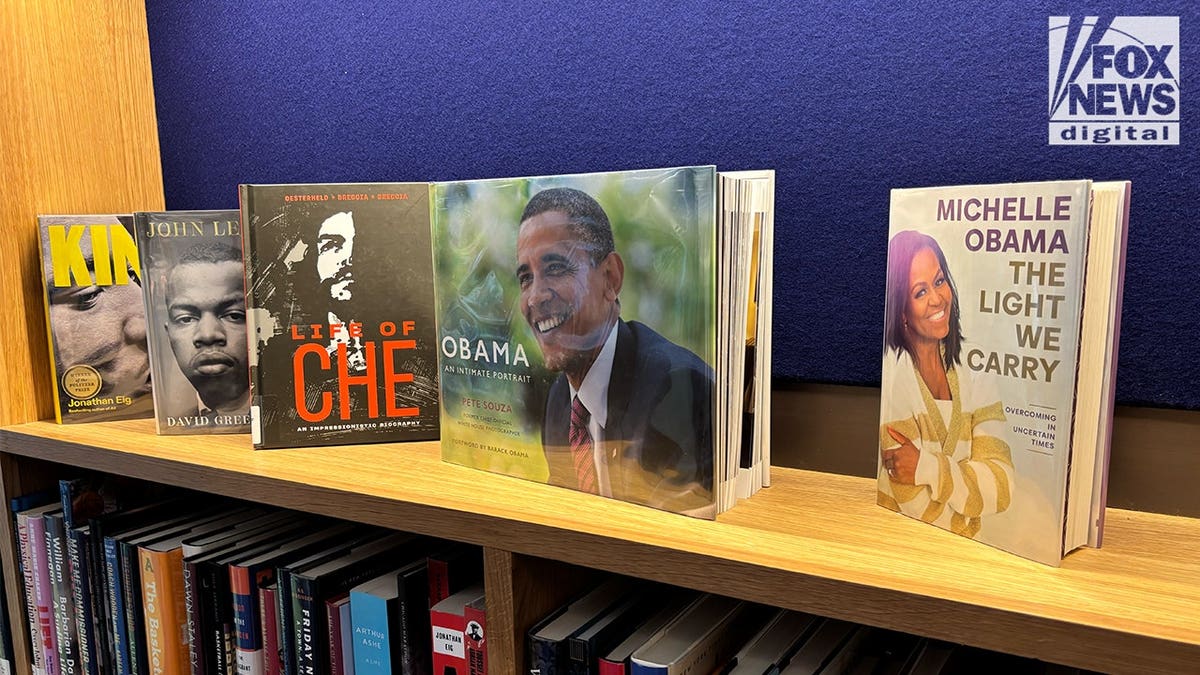
Books including biographies of Barack Obama, Michelle Obama, civil rights leader John Lewis and revolutionary figure Che Guevara are displayed inside the Chicago Public Library branch at the Obama Presidential Center in Chicago on June 19, 2026. The branch is part of the Chicago Public Library system and operates within the Center campus. (Michael Dorgan/Fox News Digital)
CLICK HERE TO DOWNLOAD THE FOX NEWS APP
«It’s not the direction I would choose, but he raises the money,» Troy said. «He gets to do what he wants.»
But Troy cautioned that the center should not lose sight of the traditional purpose of presidential libraries.
«I worry about getting too far afield from the purpose of what these things are supposed to be, which are memorials to a presidency and a repository for all their documents,» he said.
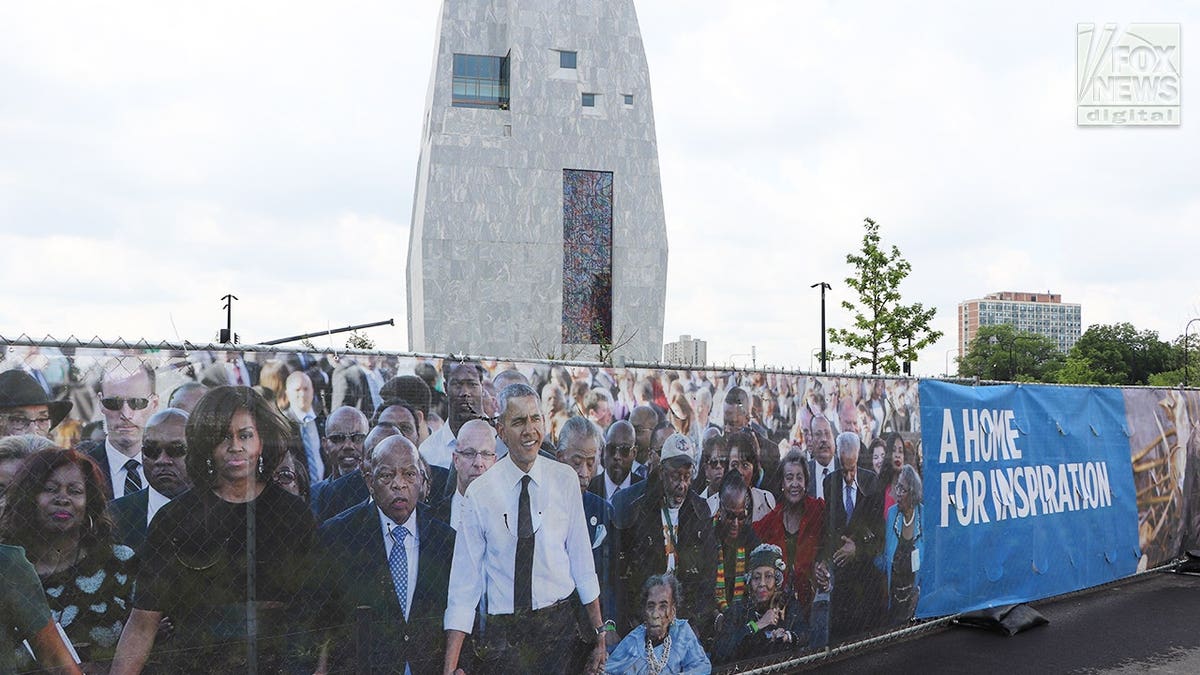
A fence banner featuring former President Barack Obama is displayed outside the Obama Presidential Center in Chicago. (Michael Dorgan/Fox News Digital)
leadership, presidential, barack obama, fox news investigates, parks









INTERNACIONAL
Chicago resident living in shadows of Obama Presidential Center reveal chaos caused by years-long construction

NEWYou can now listen to Fox News articles!
CHICAGO – A man who has lived on Chicago’s South Side for 18 years and now lives in the shadow of the newly opened Barack Obama Presidential Center described to Fox News Digital the havoc he says the years-long construction project wreaked on his housing complex.
Akoma Amanze is a local cab driver who lives in Jackson Park Terrace, a low-income housing community directly across the street from the 19.3 acre campus dedicated to the 44th president.
Over the weekend, while thousands of people from across the country — celebrities and ordinary folks alike — swarmed the area to visit Obama’s new campus that features a museum, library, gardens and recreational activities, Amanze and other residents took in the spectacle.
But Amanze told Fox News Digital the buzz across the street was nothing new. While he made it very clear that he supports Obama, and described living at Jackson Park Terrace as a «very good experience,» Amanze and others in his complex dealt with massive headaches caused by the construction.
OBAMA CENTER EMBEDS ‘INDIGENOUS’ LAND MESSAGE ON CONTROVERSIAL SITE
Jackson Park Terrace resident Akoma Amnaze speaks with Fox News Digital from his housing complex across the street from the Obama Presidential Center on June 19, 2026. (Peter D’Abrosca/Fox News Digital)
He described the construction process, which began in 2021, as «sometimes very, very disturbing.»
SUBCONTRACTORS SAY THEY’RE OWED MILLIONS, FACE FINANCIAL RUIN, AFTER HELPING BUILD OBAMA PRESIDENTIAL CENTER
«He’s my man, and I’m excited that this site is here» said Amanze, referring to Obama, «but as a resident, there has been a lot of things [that] have stopped us here.»
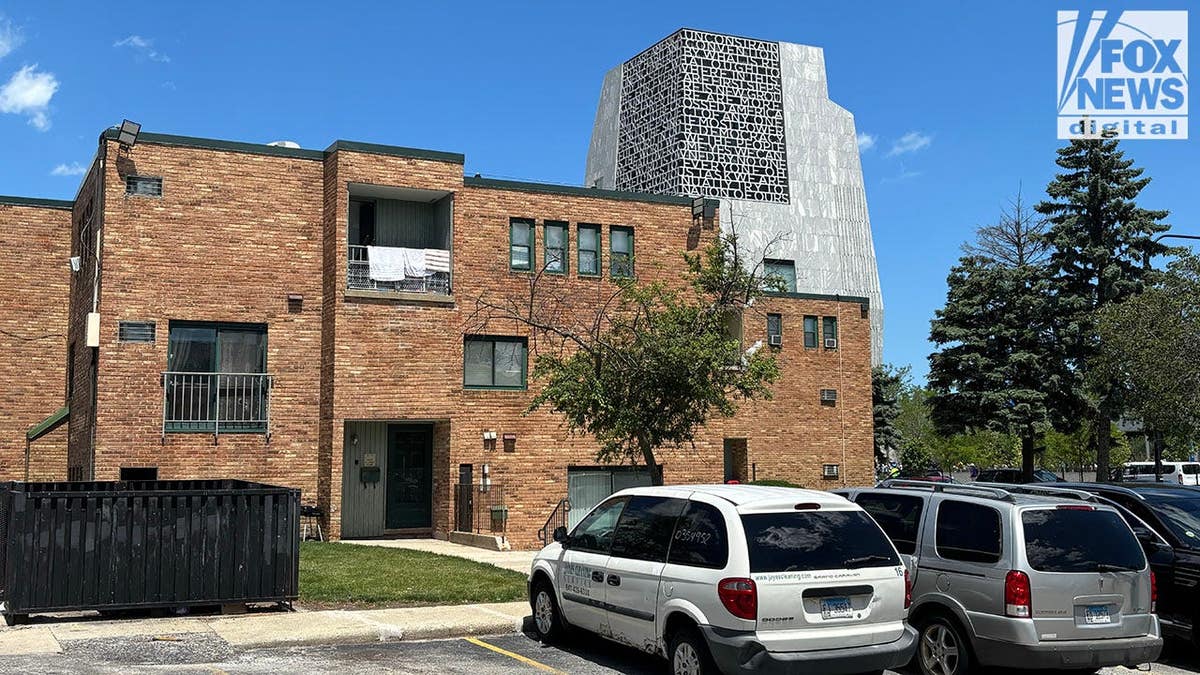
The Barack Obama Presidential Center towers over Jackson Park Terrace, a low-income housing complex across the street, on June 20, 2026. (Peter D’Abrosca/Fox News Digital)
«On two occasions, my apartment flooded while they were digging the lower level of that project,» he said. «Two times. And I had to deal with the ramifications of that twice. Those ramifications were that all my apartment was flooded, and I had to throw away everything on the floor. Boxes, papers, clothes, I had to throw them away.»
BUREAUCRATS HIDE TRUE PRICE OF OBAMA PRESIDENTIAL CENTER AS TAXPAYERS HIT WITH INFRASTRUCTURE BILL
He said he had to suck the water out of his home himself, and then clean the entire mess up himself. Despite the destruction, according to Amanze, neither the complex’s management nor representatives from the Obama Center offered to help deal with the fallout, financially or otherwise.
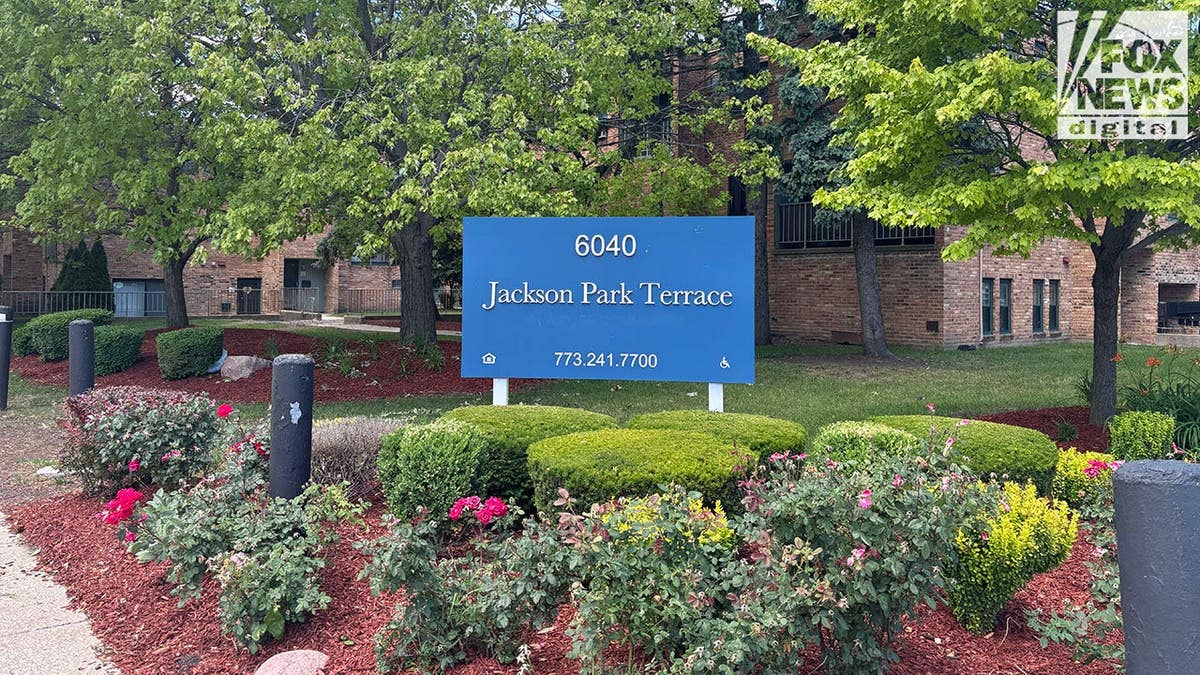
A sign outside Jackson Park Terrace, a low-income housing community across the street from the Obama Presidential Center in Chicago. Photo taken on June 20, 2026. (Peter D’Abrosca/Fox News Digital)
Then there was the reverberation from the digging, he said.
«Sometimes, you stay in bed or in the apartment, [and] the digging — sometimes when they were digging deep— [it] would be shaking your bed,» he said. «I had that experience all through the construction.»
OBAMA’S LEGACY PROJECT OFFERS LITTLE HOPE FOR CHICAGO’S SOUTH SIDE RESIDENTS
Across the street used to be a community park where Amanze said he «more or less raised all [his] children.»
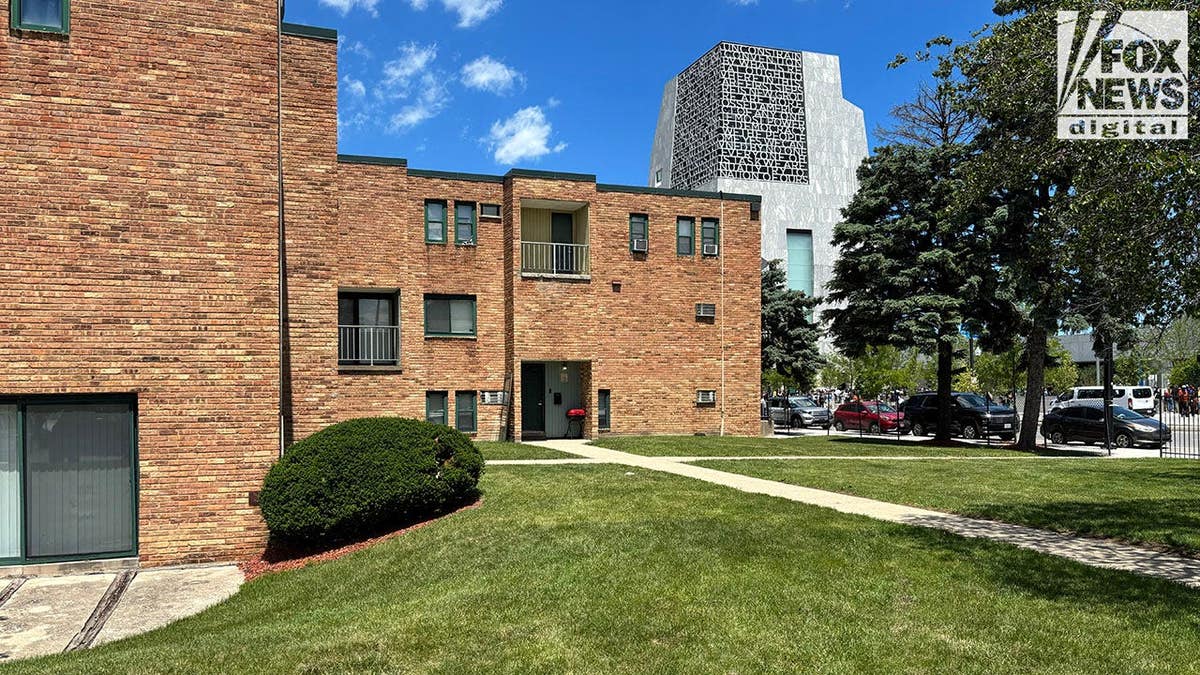
The Barack Obama Presidential Center towers over Jackson Park Terrace, a low-income housing complex on Chicago’s South Side, on June 20, 2026. (Peter D’Abrosca/Fox News Digital)
«In fact, my last child, that is 14 today, there used to be a favorite swing on that park where I took him every time he starts crying or he starts showing signs of stress,» Amanze said. «I take him there, and I put him on that swing, and I swing him up and down, and then he will fall asleep, and then I bring him back home.»
The park is gone now, but Amanze is not bitter.
CLICK HERE TO DOWNLOAD THE FOX NEWS APP
«When things are happening that you do not have the power to stop, you just have to learn to live with it,» he said. «I just learned to live with it. I’m not upset. I’m excited that my brother Obama was able to establish something this big in my neighborhood. At least in my mind, I’m a part of the history.»
barack obama, chicago, local, housing, parks, politics


INTERNACIONAL
Violencia, déficit fiscal y crisis sanitaria: los desafíos que enfrentará Abelardo de la Espriella en Colombia

De confirmarse su triunfo en el escrutinio definitivo, Abelardo de la Espriella asumirá el poder el 7 de agosto próximo en un país sacudido por el recrudecimiento de la violencia armada, una grave crisis sanitaria y un déficit fiscal que pondrá en jaque al nuevo gobierno de Colombia.
El abogado y mediático outsider ganó el balotaje de este domingo con menos de un punto de ventaja sobre su rival de izquierda, el senador Iván Cepeda, heredero del presidente Gustavo Petro, según el conteo provisorio. El escrutinio final se conocerá en los próximos días. Cepeda adelantó que pedirá la impugnación de más de 30 mil mesas por “irregularidades”.
En poco menos de dos meses, y de ratificarse el resultado, De la Espriella jurará como nuevo mandatario por los próximos cuatro años con promesas de “mano dura” contra la inseguridad. Pero ese es solo uno de los problemas urgentes que deberá afrontar en el corto plazo.
Los tres grandes desafíos del nuevo gobierno colombiano
Colombia iniciará el 7 de agosto una nueva era marcada por tres grandes desafíos:
- Violencia armada. De la Espriella ha centrado su campaña en sus planes contra la violencia armada y la inseguridad. En los últimos tiempos, el país vivió un recrudecimiento del accionar de los grupos ilegales a pesar de la política de diálogo llevada adelante por el gobierno saliente.
El asesinato del precandidato presidencial Miguel Uribe Turbay el año pasado marcó un punto de inflexión en la violencia política que sacude el país desde hace décadas.
Se estima que hay unos 27.000 hombres y mujeres en armas desparramados en 16 zonas en disputa territorial entre las disidencias de las históricas Fuerzas Armadas Revolucionarias de Colombia (FARC), el Ejército de Liberación Nacional (ELN), grupos paramilitares, carteles del narcotráfico y otras organizaciones criminales.
Abelardo De La Espriella en campaña (Foto: REUTERS/Jair Coll)
Son zonas donde la presencia del Estado es casi nula y donde retenes de grupos armados mantienen el control territorial, a menudo sacudido por combates entre los mismos grupos ilegales. Así, en los últimos meses se reportaron enfrentamientos, atentados y hasta ataques con drones en distintas zonas asoladas por la violencia.
Pero además hay un aumento de la violencia urbana. “La criminalidad hoy es mucho más fuerte. Es un problema cada vez mas importante. Hay ciudades como Cali y Barranquilla que están experimentando tasas de homicidio muy elevadas”, dijo a TN el analista Carlos Moreno, docente de la Universidad Javieriana de Bogotá.
De la Espriella prometió un modelo de “mano dura” inspirado en el presidente salvadoreño, su admirado Nayib Bukele, que en pocos años logró pacificar su país tras décadas de dominio de distintas pandillas. Lo logró con arrestos masivos de decenas de miles de supuestos delincuentes y un tendal de denuncias de violaciones a los derechos humanos, torturas y víctimas.
Leé también: A tres meses y medio de las elecciones en Brasil, un escándalo de corrupción amenaza al gobierno de Lula
De la Espriella promete replicar el modelo con la construcción de megacárceles como el polémico Centro de Confinamiento del Terrorismo levantado en las afueras de San Salvador para albergar a decenas de miles de presuntos pandilleros. También prometió “bombardear” a los grupos ilegales y poner fin a las políticas de diálogo impulsadas por el presidente saliente.
Pero Bukele, según las denuncias de la oposición, avanzó también sobre la democracia con un control absoluto de los tres poderes del Estado, un escenario que, según analistas, le sería muy difícil de replicar a De la Espriella.
“En Colombia, las instituciones y los contrapesos son más fuertes. No va a poder hacer lo mismo, pero intentará imitarlo”, dijo Moreno.
- Crisis sanitaria. Este es otro de los grandes desafíos que enfrentará el nuevo gobierno.
“El sistema sanitario está al borde del abismo y el nuevo presidente va a tener que hacer algo de manera urgente para evitar que toda la estructura colapse”, dijo Moreno.
El analista afirmó, en este escenario, numerosas instituciones de salud no atienden a enfermos con cierto tipo de seguro médico. “Estas empresas no están pagando”, comentó. Así, se rompe la cadena de pagos y los colombianos están sufriendo serios inconvenientes a la hora de atenderse ante cualquier dolencia. “Hay centros que comenzaron a cerrar servicios y hay clínicas que ya no atienden partos”, dijo Moreno.
- Déficit fiscal. Otro de los problemas urgentes que afrontará de la Espriella es el frente económico.
En ese marco, Colombia sufre un pronunciado déficit fiscal del 7% del PBI. Además, la deuda pública que supera el 64% del producto bruto interno. La inflación en Colombia cerró el año 2025 en 5,10 %, en baja en relación al año anterior. En tanto, la economía registró un crecimiento interanual del 2,2% en el primer trimestre de 2026.
“El problema fiscal es serio. De la Espriella ha prometido fuertes recortes, quitando ministerios e instituciones”, dijo Moreno.
Sin embargo, el nuevo presidente no tendrá mayoría en el Congreso para aprobar sus iniciativas, por lo que estará obligado a negociar alianzas con la derecha tradicional.
“Deberá armar acuerdos con por lo menos cuatro partidos para generar una mayoría suficiente para encarar transformaciones radicales”, concluyó el analista.
Colombia, Abelardo de la Espriella

Una nutricionista advirtió sobre los riesgos de comer una picada en el partido contra Austria: “Hay que estar atento”

Es el periodista del momento, se casó hace nueve meses y protagonizó el mayor escándalo del fin de semana: «Insultos, amenazas y manotazos»

Pullaro: «Si Adorni fuera funcionario de Santa Fe, no estaría desde hace rato en su cargo»

Sistema con luces para cuidar el césped y refrigeración: los detalles del impactante estadio en Dallas donde jugará Argentina

La industria energética impulsa el empleo en economías regionales con sueldos de $2,5 millones

Chicago resident living in shadows of Obama Presidential Center reveal chaos caused by years-long construction

LA DOBLE VARA ZURDA: Militantes K prefieren el pasado dictatorial y los excesos de Maradona antes que el éxito limpio de Messi

Preocupación en el oficialismo por el impacto digital del caso Adorni y la insuficiencia del “efecto Mundial”

El lapidario posteo de Javier Milei contra Florencia Peña por la fake news sobre la muerte del papá de Messi

Difundieron videos en los que Jésica Cirio aparece junto a miles de dólares

 POLITICA22 horas ago
LA DOBLE VARA ZURDA: Militantes K prefieren el pasado dictatorial y los excesos de Maradona antes que el éxito limpio de Messi
- POLITICA1 día ago
Preocupación en el oficialismo por el impacto digital del caso Adorni y la insuficiencia del “efecto Mundial”
- POLITICA2 días ago
Difundieron videos en los que Jésica Cirio aparece junto a miles de dólares