
INTERNACIONAL
Maryland’s lone congressional Republican blasts Moore’s redistricting push as alleged 2028 White House play

NEWYou can now listen to Fox News articles!
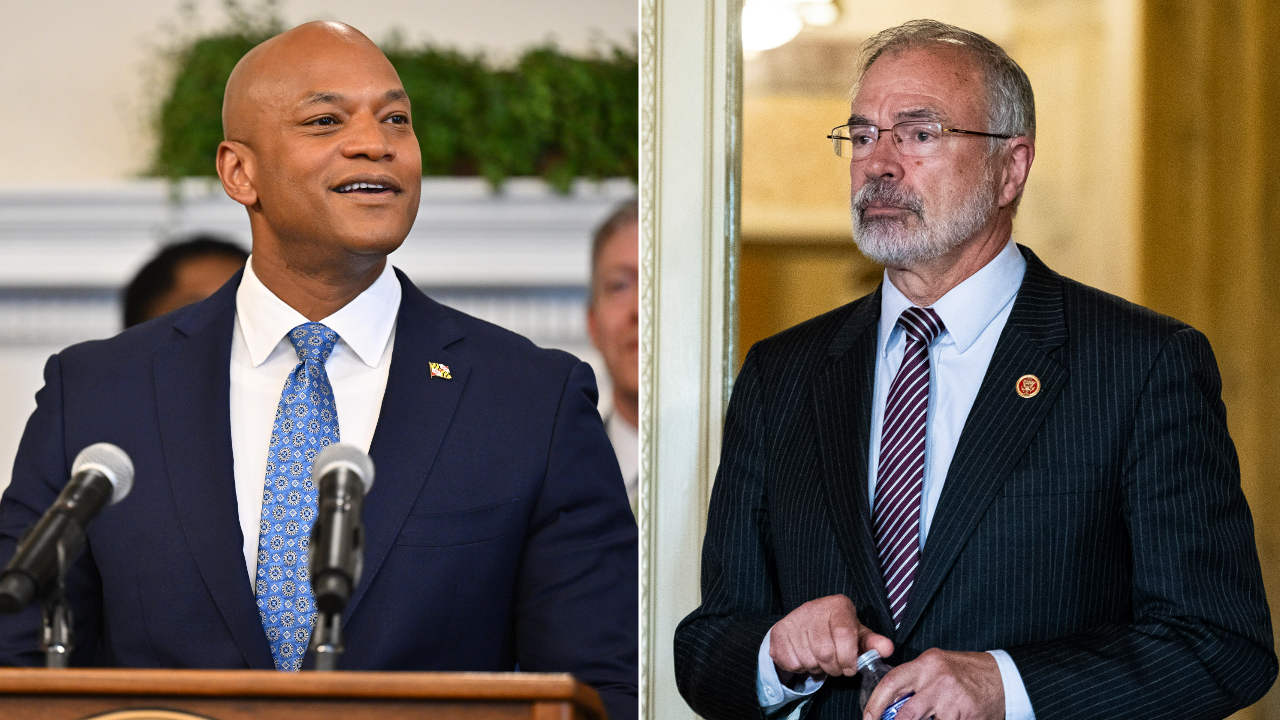
U.S. Rep. Andy Harris, R-Md., the only Republican in Maryland’s congressional delegation, is accusing Gov. Wes Moore of backing an amendment to the state constitution that could eliminate his district through redistricting, arguing that the push is driven by the governor’s alleged presidential ambitions.
The amendment, if approved by voters in November, would give the Democratic-controlled General Assembly far greater latitude to redraw the state’s congressional districts ahead of the 2028 election.
«The governor certainly led the charge in trying to eliminate the only Republican in the Maryland delegation in furtherance of his presidential aspirations,» Harris told Fox News Digital in an interview. «It’s obvious that this is not being done for Maryland, it is being done for a national agenda.»
Moore has repeatedly said he is not running for president in 2028, but speculation around his potential White House bid remains.
EXCLUSIVE: OVERSIGHT PROJECT SUES TO BLOCK MARYLAND DEMOCRATS’ REDISTRICTING MEASURE BACKED BY GOV MOORE
Rep. Andy Harris, R-Md., the only Republican in Maryland’s congressional delegation, says Democrat Gov. Wes Moore is backing an amendment to the state constitution that could eliminate his district through redistricting. (Graeme Sloan/Bloomberg via Getty Images, File)
Harris also called out Moore for engaging in a «photo-op» on Wednesday by publicly signing the bill that will put the amendment on the ballot this fall.
The bill passed Tuesday with three-fifths majorities in both chambers, which is the only requirement for an amendment to become a ballot question, according to Article XIV of the Maryland Constitution.
«Gov. Moore, never missing a photo op for his presidential aspirations, convened a signing ceremony, which is a little unusual considering there’s really nothing to sign for the governor,» Harris said. «But again, this is all for show. This is to make sure that he can look Gavin Newsom in the eye and say, ‘Yeah, I did something too, for mid-cycle redistricting.’»
Fox News Digital reached out to Moore’s office for comment.
Harris, who worked as an anesthesiologist before getting into politics, has represented Maryland’s first congressional district since 2011. The district includes the entire Eastern Shore, a relatively rural part of the state, as well as parts of Baltimore County.
TRUMP-BACKED INCUMBENT OUSTED IN HOUSE PRIMARY AS GOP REDISTRICTING PUSH SET TO RESHAPE TENNESSEE
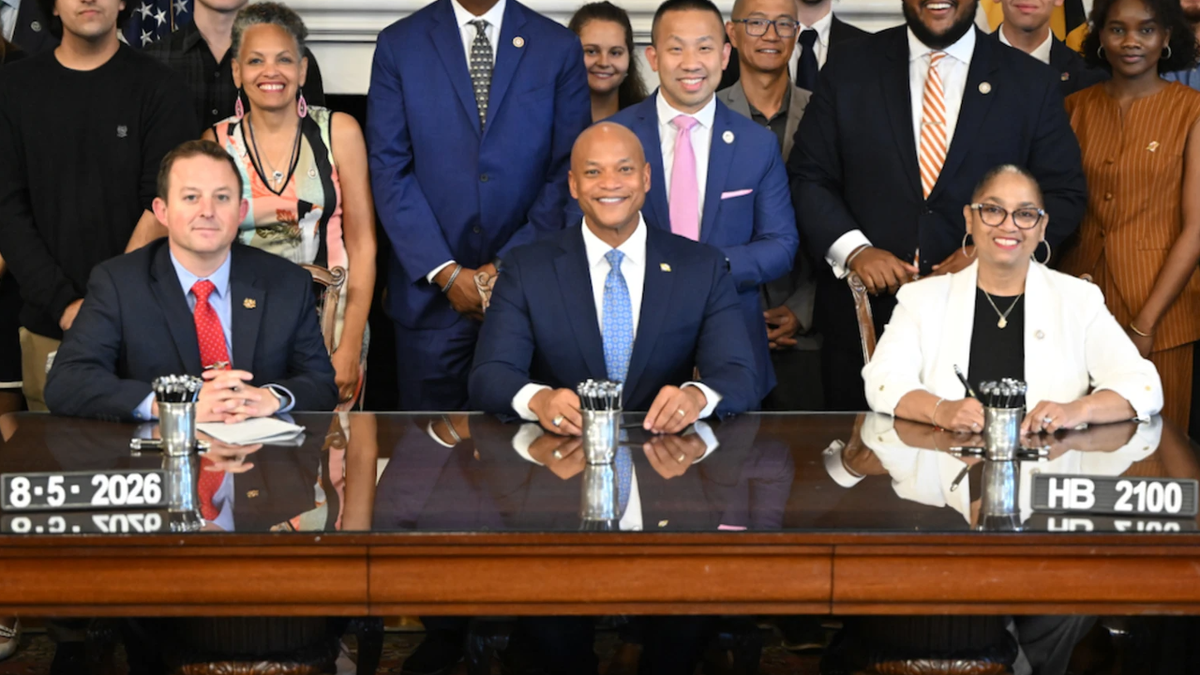
Maryland Gov. Wes Moore, center, sits between state Senate President Bill Ferguson and House Speaker Joseline Peña-Melnyk during a signing ceremony for HB2100 on Wednesday. The bill Moore signed puts a question on the November ballot to amend the state’s redistricting practices. (Maryland Governor’s Office)
The proposed amendment Harris is fighting against could allow state lawmakers to carve up his district and make it untenable for a Republican to win.
As it stands, the Maryland Constitution requires General Assembly districts and U.S. House districts to respect natural boundaries and existing county and municipal lines.
The amendment would remove those requirements for congressional districts while leaving them in place for state legislative districts.
«It absolutely sets up a double standard for redistricting in the state of Maryland. And again, the blatant attempt is to eliminate the Republican representation,» Harris said.
MARYLAND BALLOT BLUNDER SPARKS HOUSE GOP PROBE AHEAD OF PRIMARY
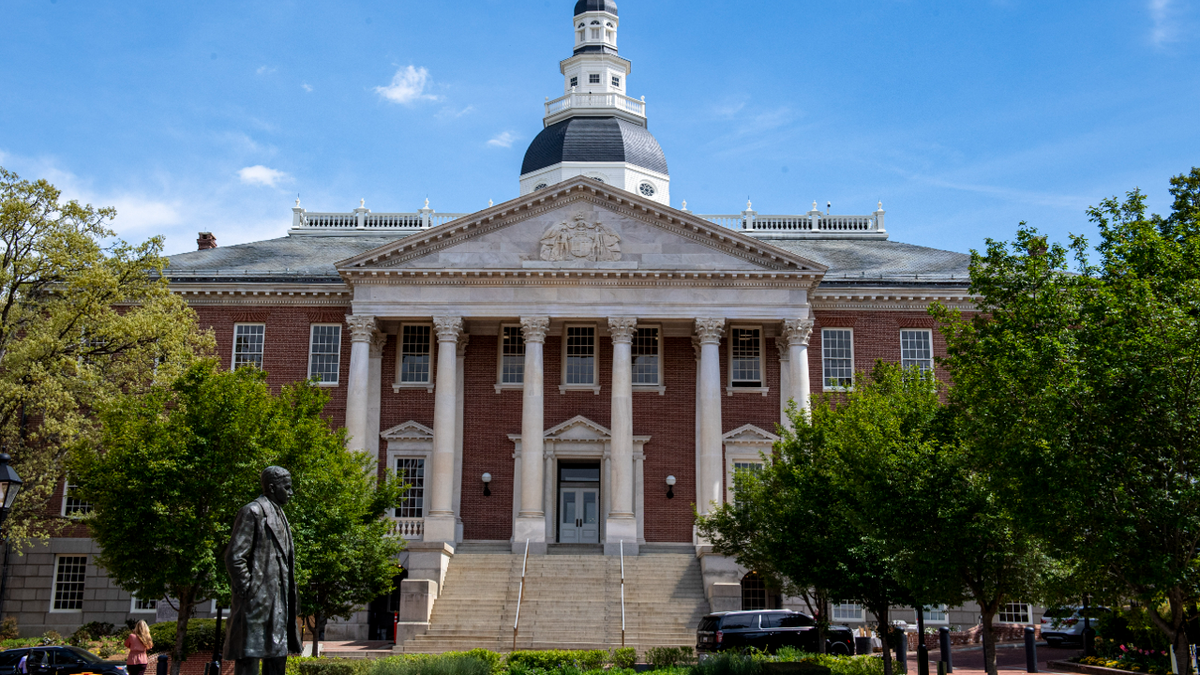
The Maryland State House, which houses the General Assembly, in Annapolis. If the amendment Gov. Moore supports is approved by voters, state legislators would be granted far greater leeway to redraw congressional maps. (Jonathan Newton/For The Washington Post via Getty Images, File)
As first reported by Fox News Digital, the amendment is already facing a court challenge from the Oversight Project, a conservative watchdog group that filed a complaint Thursday night in Anne Arundel County Circuit Court seeking to keep it off the November ballot.
The Oversight Project accused state legislators of bypassing the established July 1 deadline to introduce statewide ballot questions.
The ballot question for the amendment was introduced by Maryland House Speaker Joseline Peña-Melnyk and Senate President Bill Ferguson on Aug. 3, more than a month after the deadline.
Fox News Digital reached out to Peña-Melnyk and Ferguson for comment.
The move by Peña-Melnyk and Ferguson at the tail end of the legislative session is a response to a 2022 court ruling that struck down Democratic lawmakers’ proposed congressional map at the time.
Judge Lynne Battaglia found that the map — which added more Democratic voters to Harris’ district — failed to give sufficient regard to the natural boundaries and political subdivisions throughout the state.
VIRGINIA VOTERS CEMENT SWING DISTRICT REMATCH AFTER DEMS’ REDISTRICTING FAIL

An aerial view of Chesapeake City, a city in Maryland’s mostly-rural Eastern Shore that has been represented by Rep. Harris since 2011. (Visions of America/Joseph Sohm/Universal Images Group via Getty Images, File)
Amending the state constitution could be a way to get around this, but Harris said that even if voters approve the amendment, it would not guarantee that the courts would approve subsequently drawn maps that have «hyper-partisan gerrymandering.»
If the state legislature tried to eliminate or substantially dilute Republican voting power his district, Harris said he would sue based on the precedent set by Battaglia’s 2022 ruling.
Meanwhile, Moore has framed his support of the amendment as a necessary response to GOP redistricting around the country, which he called «political redlining.»
«For over a year, I have warned that Donald Trump and Republicans across the country are working to rig the system, weaken voting rights, and make this pain permanent. I am proud that today we united and took action,» Moore said. «I continue to believe that our country needs national redistricting reform. But until that happens, inaction is not an option.»
DEMOCRATS TARGETING 12 ADDITIONAL RED DISTRICTS IN MIDTERMS PUSH TO RETAKE HOUSE
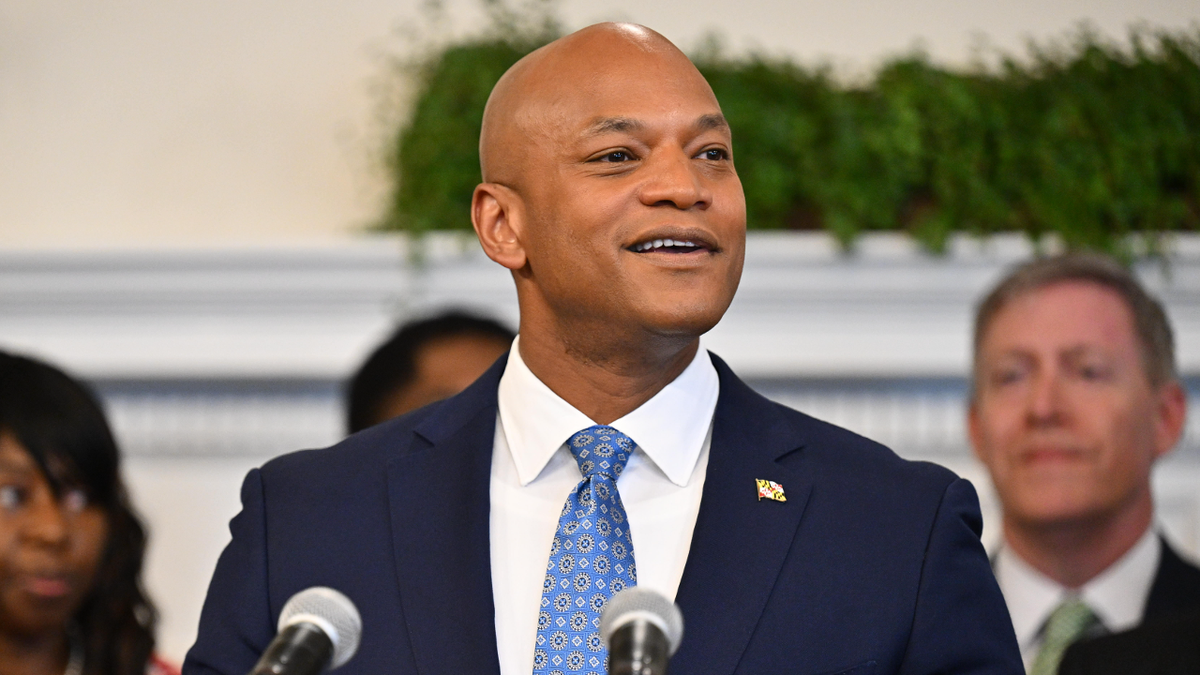
Maryland Gov. Wes Moore speaks during a news conference at the Maryland State House on Wednesday in Annapolis. (Jamie Sabau/Getty Images)
Harris pushed back on Moore’s assertion that Republicans are responsible for the current redistricting battle playing out in dozens of states.
He pointed out that the redistricting organization founded by Eric Holder, who served as attorney general under President Obama from 2009 to 2015, aggressively pursued litigation to change legislative and congressional maps in North Carolina and Alabama.
However, a mid-decade congressional redraw was successfully enacted by Texas Republicans in 2003. The Supreme Court largely upheld the redraw in 2006 but said one district violated the Voting Rights Act because it diluted Latino voting strength.
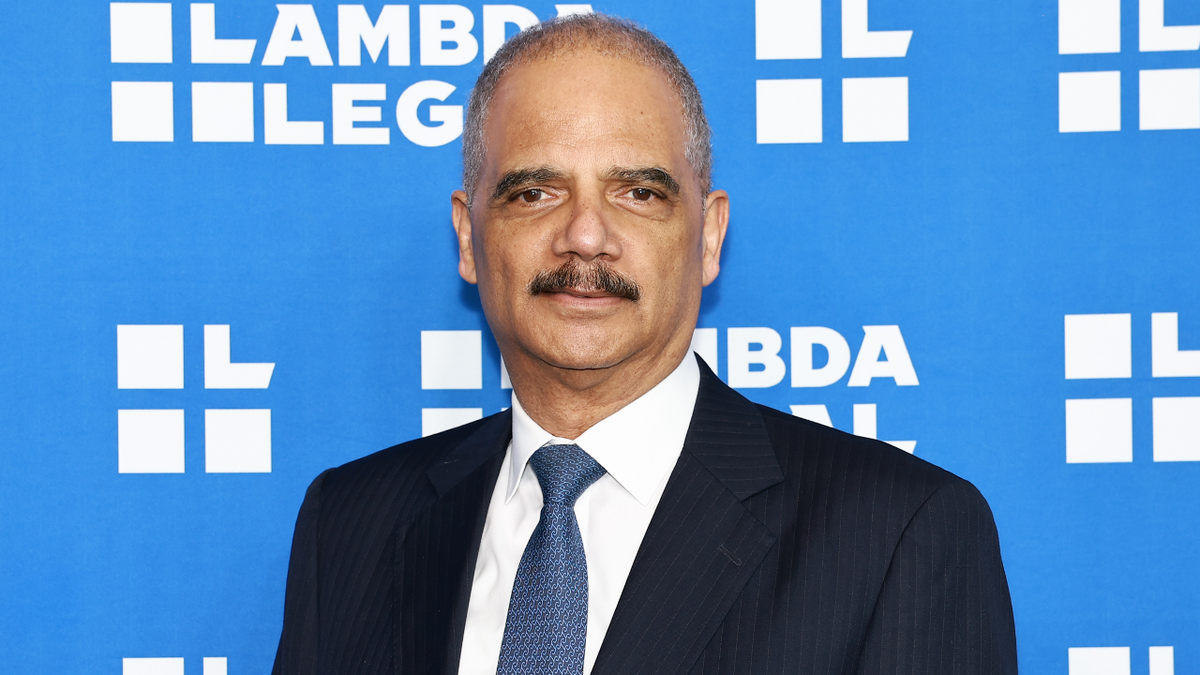
Eric Holder, who served as attorney general under President Obama, has also pursued redistricting, Rep. Harris says. (Arturo Holmes/Getty Images, File)
Although courts have upheld the legality of redrawing congressional maps between the decennial censuses, Harris said he would like to move away from the practice in the future.
«I don’t think it is good for anyone,» Harris said. «It’s not good for democracy. You get to know your constituents, your constituents get to know their representative. That’s important in a representative government like we have.»
Fox News Digital’s Jasmine Baehr contributed to this report.
maryland, politics, congress, elections, republicans, midterm elections, democrats elections









INTERNACIONAL
Polémica en Chile: quieren obligar a las mujeres que decidan hacer un aborto a escuchar antes el latido del corazón del feto

La asunción del presidente ultraderechista José Antonio Kast renovó en Chile el debate sobre el aborto, uno de los tantos temas que dividen y polarizan hoy a los chilenos. En medio de una fuerte polémica, un proyecto de ley busca obligar a las mujeres a escuchar los latidos del feto antes de someterse a esa práctica despenalizada solo parcialmente en el país.
La iniciativa fue presentada por seis diputados de los Partidos Republicano, fundado por el propio Kast; Renovación Nacional y Nacional Libertario, todos de derecha dura. La bautizaron: “Escuchar mi corazón”.
“Esperamos que el presidente de la República y el Gobierno den su apoyo a una iniciativa que lo único que busca es salvar vidas”, dijo su impulsor, el diputado libertario Cristóbal Urruticoechea.
Pero el gobierno se mostró reticente a entrar en este debate después de solo cinco meses de gestión y con una popularidad por el piso, según sondeos, a pesar de la firme postura histórica contra el aborto del mandatario.
En tanto, las combativas organizaciones sociales y movimientos feministas se declararon en alerta.
“El proyecto ‘Escucha mi corazón’ es cruel, por decir lo menos. Impone a las mujeres una barrera inhumana para acceder a una prestación garantizada por ley”, dijo a TN la vocera de la Coordinadora Feminista 8M, Laura Manzi Araneda.
¿Está permitido abortar en Chile?
La libre interrupción del embarazo está permitida en Chile solo bajo tres causales desde 2017: para salvar la vida de la madre, por inviabilidad fetal o violación.
El proyecto busca modificar el artículo 119 del Código Sanitario, que regula el procedimiento del aborto. De avanzar la ley en el Congreso, las mujeres que se sometan a una interrupción del embarazo deberán escuchar antes los latidos del corazón del feto.
Si se niegan, el médico no deberá realizar la intervención.
Una mujer chilena participa en una marcha a favor del aborto en Santiago (Foto de archivo: AP)
Desde el gobierno, la ministra de Salud, May Chomali, se desmarcó de la iniciativa.
“No entiendo cuál es el sentido. Científicamente no hay sentido que la mujer vaya a cambiar de decisión. No existe, y hemos buscando, evidencia científica de que un acto como ese pueda reducir la probabilidad de que la mujer quiera hacerse un aborto”, afirmó a Tele13 Radio.
Kast se mantuvo al margen de toda polémica. En campaña, prometió no dar una “batalla cultural” y dijo que centraría en las dos principales preocupaciones de la sociedad: la delincuencia y la economía. Los sondeos no lo favorecen y entrar en este tema solo le traería más polarización y críticas.
Desde la Iglesia Católica, el arzobispo de Santiago, cardenal Fernando Chomali, reiteró su rechazo a cualquier forma de aborto y dijo que le duele que una iniciativa de este tipo haya causado “una división, una polarización y una ira impresionante”.
“Lo otro que me duele (…) es que haya médicos que se presten para realizar un aborto. Esto lo encuentro terrible. En vez de mostrarle el latido del corazón a una mujer que está en una situación muy muy difícil, muy compleja, que yo reconozco, pienso que sería muy bueno que ese latido lo escuchara un médico que se comprometió a curar, a sanar, a preocuparse de la vida”, afirmó.
“Escucha mi corazón” vs. “Escucha mi decisión”
El debate pasó enseguida a la calle. El plan de la ultraderecha chilena generó una oleada de cuestionamientos en el ala progresista de la sociedad. La semana pasada, miles de mujeres se manifestaron en Santiago y otras ciudades del país bajo el lema: “Escucha mi corazón”, “Escucha mi decisión”.
En su diálogo con TN, Manzi Araneda afirmó: “El oficialismo intenta condicionar nuestras libertades a su moral. Una moral contradictoria, por lo demás: se dicen provida, pero nos niegan acceso a sala cuna universal o a jornadas laborales que permitan el cuidado”.
Dijo además: “Esta es una ley que, si bien no fue presentada por el gobierno, es claro que es parte del mismo proyecto cultural. Buscan reducir al mínimo las posibilidades de una vida digna”.
“El viernes (31 de julio) fuimos miles en las calles de todo el país diciendo: vamos por más. Es por esto que el proyecto no avanzará, porque las mujeres y personas gestantes no permitiremos que iniciativas como esta sean viables. Nosotras lo hemos dicho por años y lo seguiremos diciendo, Chile necesita aborto legal, seguro y gratuito”, sostuvo.
Chile, Aborto, Sumario
Sen. Bill Cassidy announces ‘yes’ vote on Todd Blanche nomination
Sen. Bill Cassidy, Republican from Louisiana, secures support for Todd Blanche’s nomination as attorney general by announcing his critical yes vote on the Senate floor. Chief congressional correspondent Chad Pergram breaks down how Cassidy’s decision impacts the upcoming Department of Justice confirmation process.
NEWYou can now listen to Fox News articles!
Once thought doomed, President Donald Trump’s pick to lead the Justice Department has survived the Senate and now will take the helm as the nation’s top law enforcement official.
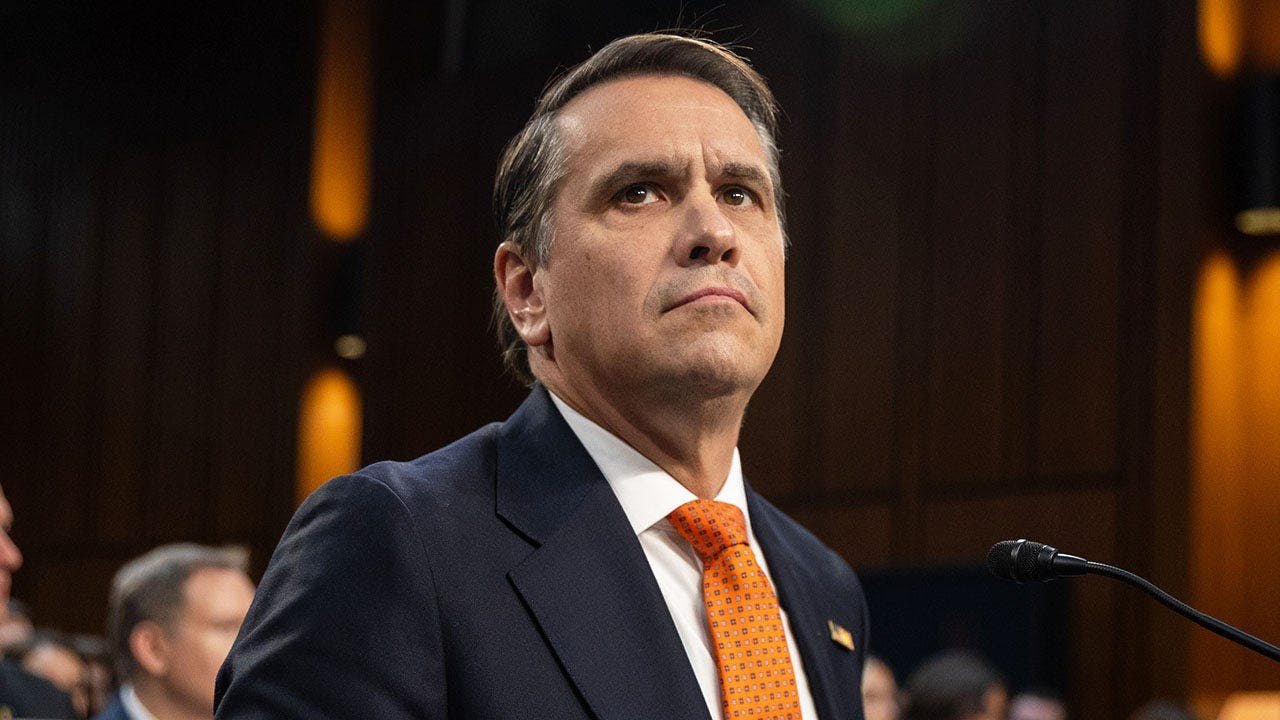
Acting Attorney General Todd Blanche was confirmed early Saturday morning as part of a mad blitz by lawmakers to wrap up their work and jet from Washington, D.C. Now, he’ll officially replace Pam Bondi as attorney general.
Blanche, who is Trump’s former personal lawyer, nearly saw his confirmation hopes go up in smoke as Republicans struggled to swallow his role in rolling out the nearly $2 billion anti-weaponization and sweeping IRS audit immunity for the president and his family.
TRUMP’S AG PICK SURVIVES — FOR NOW — AS REPUBLICANS QUESTION IF WHITE HOUSE DEAL WILL HOLD
Acting Attorney General Todd Blanche appears before a Senate Judiciary Committee confirmation hearing for his nomination to be attorney general at the Dirksen Senate Office Building in Washington, D.C., on July 15, 2026. (Anadolu via Getty Images)
However, a last-minute ally emerged: Sen. Bill Cassidy, R-La., who announced on Friday that he would back Blanche’s confirmation after spending days keeping tight-lipped on his decision.
Though he was concerned about weaponization at the Department of Justice (DOJ) and just how binding an agreement to nix the anti-weaponization fund and limit Trump’s audit immunity would be, he argued that having a Senate-confirmed attorney general was a better option than a placeholder.
«Mr. Blanche is not perfect, and he will tell you this,» Cassidy said on the Senate floor. «But the choice is not between perfection and Mr. Blanche. It is between Mr. Blanche and another acting attorney general, who may not run the department effectively under President Trump.»
TRUMP’S PICK FOR TOP LAW ENFORCEMENT OFFICIAL GETS CRUCIAL LAST-MINUTE LIFELINE FOR CONFIRMATION
Still, Sens. Lisa Murkowski, R-Alaska, and Susan Collins, R-Maine, joined all Senate Democrats to oppose Blanche’s confirmation.
Murkowski announced her opposition hours before Cassidy’s lifeline. She contended that despite Blanche’s trek to Alaska and numerous meetings with him, she could not support him to be the next attorney general.
She was worried about his connection to the anti-weaponization fund, a weaponized Justice Department, Blanche’s role in the Epstein Files release, and the uncertain future of the fund, which several Republicans have raised concerns about over whether taxpayer dollars would flow to rioters who stormed the Capitol on Jan. 6, 2021.
TRUMP ADMIN PUSHES BACK ON ‘SLUSH FUND’ ATTACKS AGAINST ANTI-WEAPONIZATION FUND AND LAYS OUT WHO QUALIFIES
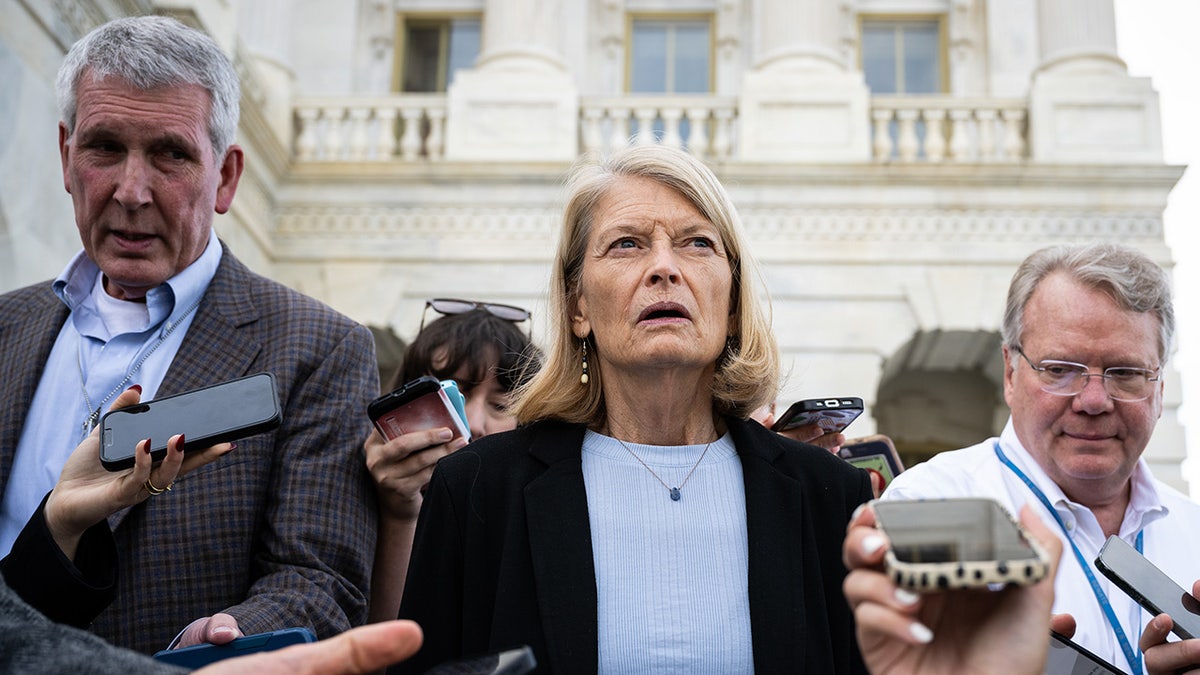
Senator Lisa Murkowski, a Republican from Alaska, speaks to members of the media following a vote outside the US Capitol in Washington, DC, US, on Friday, Oct. 3, 2025. (Graeme Sloan/Getty Images)
«The country needs an Attorney General who will check the worst impulses of this administration,» Murkowski said. «I hope Mr. Blanche is able to achieve that, if confirmed, but I simply do not have confidence that will be the case.»
Collins raised similar concerns earlier in the week, and was the first Republican out of the gate to cast doubt on Blanche’s chances of confirmation.
«While I believe Mr. Blanche is a capable lawyer, the Department of Justice has become increasingly political,» Collins said. «Mr. Blanche has taken several actions that have further eroded the Department’s independence, and that is the basis for my vote to oppose his confirmation.»
politics, todd blanche, justice department, senate elections, attorney general
INTERNACIONAL
Año a año: así cayeron las exportaciones de gas en Bolivia que derivaron en la peor crisis económica de la era democrática
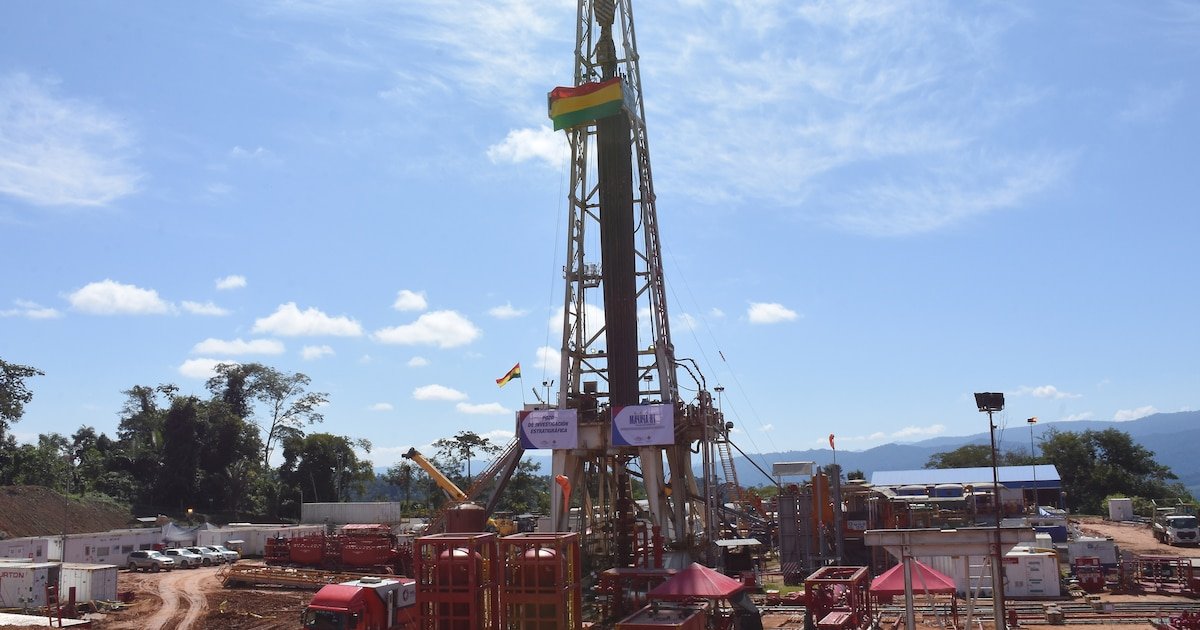
Bolivia vivió más de una década de bonanza económica gracias al auge la industria de los hidrocarburos: entre 2006 y 2014 recibió cerca de USD 30.000 millones por exportaciones de gas natural, impulsadas por los contratos con Brasil y Argentina y los elevados precios internacionales.
Ese ciclo de ingresos fue posible gracias a los descubrimientos de grandes campos gasíferos y la infraestructura de exportación desarrollados en las décadas previas, mientras que la nacionalización de los hidrocarburos, decretada en 2006, incrementó la participación del Estado en la renta extraordinaria.
El pico más alto, entre 2012 y 2014, hizo que el país tuviera la mayor cantidad de reservas internacionales en relación con su Producto Interno Bruto (PIB) de toda la región y la economía creció a tasas cercanas al 6% anual. En esos años Bolivia registró superávits externos, circulación regular de divisas y un tipo de cambio estable, lo que permitió financiar bonos sociales, inversión pública y expandir el gasto estatal.
Diez años después de la época dorada, el panorama es opuesto: las reservas internacionales se redujeron a una fracción de aquel récord, las exportaciones de gas se desplomaron y el país enfrenta una escasez crónica de dólares, dificultades para importar combustibles, presiones inflacionarias, un déficit fiscal persistente y una inflación que alcanzó niveles no vistos en décadas.

Un informe del Instituto Nacional de Estadística (INE) difundido esta semana revela que las exportaciones de gas del primer semestre volvieron a caer: 498,1 millones de dólares, una reducción del 12,9% en comparación con el mismo periodo el año anterior.
Aunque los efectos de la crisis se sintieron hace un par de años, la desaceleración de la economía inició después de 2014 cuando se alcanzó un pico de 6.011 millones de dólares por las exportaciones de gas natural.
Los años siguientes fueron una disminución sostenida que durante algunos años, como en 2015, se agravó por la caída de los precios internacionales o situaciones excepcionales como la pandemia de 2020. Los datos del INE, procesados por el Instituto Boliviano de Comercio Exterior (IBCE), reflejan esta caída:
· 2014: USD 6.011millones
· 2015: USD 3.770 millones (Hubo una fuerte caída de los precios internacionales)
· 2016: USD 2.049 millones
· 2017: USD 2.581 millones
· 2018: USD 2.970 millones
· 2019: USD 2.719 millones
· 2020: USD 1.989 millones (Efecto pandemia mundial)
· 2021: USD 2.249 millones
· 2022: USD 2.973 millones (Alza temporal por la crisis energética global)
· 2023: USD 2.049 millones
· 2024: USD 1.614 millones
· 2025: USD 1.082 millones

Esta baja continua se debe a la declinación natural en la capacidad de producción de los principales pozos petroleros, a la falta de exploración y ausencia prolongada de nuevos yacimientos y a la finalización del contrato con Argentina, luego de que lograra la autosuficiencia energética con el campo Vaca Muerta.
Las exportaciones bolivianas de gas natural, cuyos mercados principales eran Brasil y Argentina, se vieron severamente afectadas en septiembre de 2024 cuando concluyó el contrato con Argentina que se había extendido a lo largo de 18 años y representaba entre el 40% y el 45% del total del gas exportado.
Tras el fin del contrato, el gas boliviano tocó mínimos históricos y aunque en junio de 2025 se reanudaron algunos envíos marginales bajo la modalidad de contratos interrumpibles con empresas privadas, el negocio no sustituye a su antiguo comprador.

En este escenario, el Estado que por años dependió de la renta hidrocarburífera busca nuevas fuentes de financiamiento para sostener el gasto público y evitar un ajuste más severo de la economía.
El expresidente Luis Arce, que como ministro de Economía manejó las cuentas de un país con prosperidad efímera y como presidente vio explotar la crisis a inicios de 2023, impulsó una política de industrialización que nunca llegó a despegar, con empresas estatales deficitarias que hoy enfrentan cierres inminentes o ajustes en su organización administrativa para sobrevivir sin generar costos al Estado.
El nuevo gobierno de Rodrigo Paz busca estabilizar las cuentas fiscales mediante el acceso a créditos externos y nuevas fuentes de ingresos. El ministro de Economía, José Gabriel Espinoza, señaló en varias entrevistas que no se puede reemplazar los ingresos de los hidrocarburos con otro recurso natural sino con una economía diversificada que incluya la exploración de nuevos campos, mayor productividad, inversión privada y el desarrollo simultáneo de sectores exportadores como la minería, la agroindustria y los servicios.
Ese proceso, que se anticipa largo y requiere la modificación de una serie de leyes estratégicas, avanza bajo la presión de una eventual crisis energética que diversos especialistas sitúan entre 2027 y 2028 si no se revierte el declive de la producción de gas.
La discusión, por tanto, trasciende la búsqueda de nuevas reservas: implica definir un marco regulatorio que combine incentivos para la inversión, seguridad jurídica y ambiental, mecanismos que aseguren la repatriación de divisas, protección del medioambiente y una distribución equilibrada de la renta de los recursos naturales.

Polémica en Chile: quieren obligar a las mujeres que decidan hacer un aborto a escuchar antes el latido del corazón del feto

El Gobierno busca dejar atrás los traspiés de una semana compleja y se concentra en profundizar la baja de la inflación

Así será el súper sábado de la televisión: el regreso de Andy, la mesaza de Mirtha y la sorpresa de Teté

El Gobierno relativiza los ataques a Villarruel y reconoce un impacto electoral “potencialmente riesgoso”

Acuerdo histórico del Arsenal para ponerse a la altura del Barça

Blanche survives Republican defectors as Trumps gets his new attorney general

Dólar hoy en vivo: a cuánto se negocian todas las cotizaciones minuto a minuto este miércoles 5 de agosto

La oposición cuestionó a Benegas Lynch por su empresa para vender campos a extranjeros y el senador libertario se defendió

Brasil retira a su embajador en la Argentina: qué consecuencias tiene la medida diplomática

Las centrales obreras y los movimientos sociales anunciaron dos días de conflicto callejero
-
 ECONOMIA3 días ago
Dólar hoy en vivo: a cuánto se negocian todas las cotizaciones minuto a minuto este miércoles 5 de agosto
-
 POLITICA1 día ago
La oposición cuestionó a Benegas Lynch por su empresa para vender campos a extranjeros y el senador libertario se defendió
-
 POLITICA3 días ago
Brasil retira a su embajador en la Argentina: qué consecuencias tiene la medida diplomática