INTERNACIONAL
La belleza de la semana: por qué nos atrapan tanto los personajes que nos dan la espalda

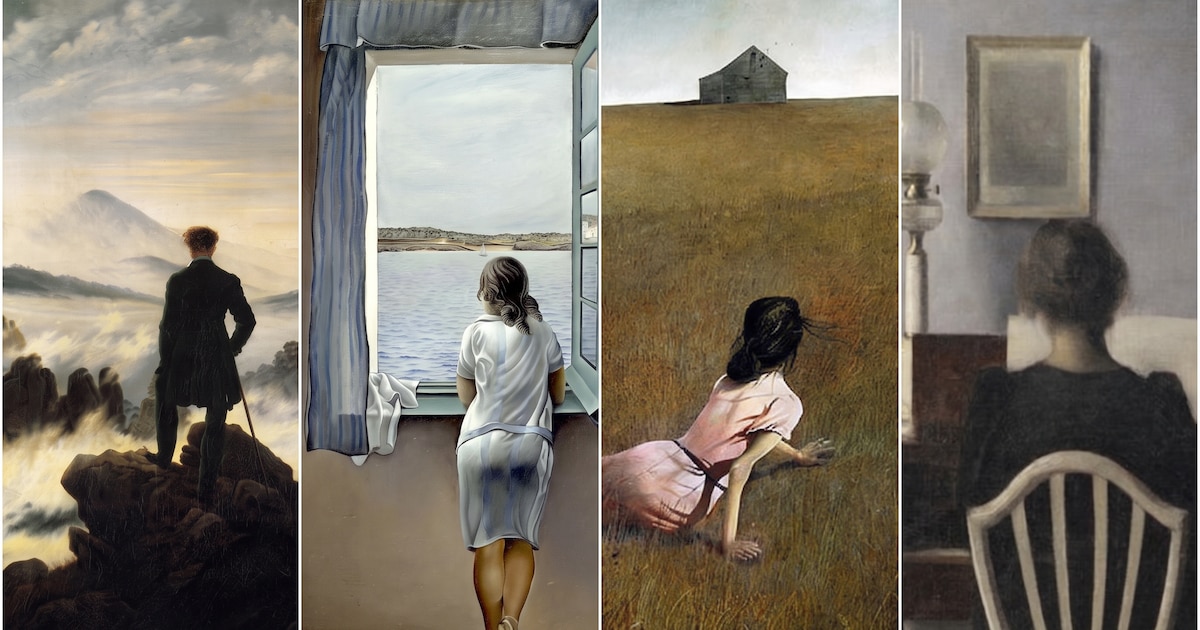
Por definición, el retrato en la historia del arte nació para buscarnos la cara. El rostro es el espejo del alma, el mapa de las emociones y el centro de gravedad de cualquier lienzo. Sin embargo, existe un puñado de obras maestras que deciden activar el mecanismo inverso: ocultarnos el rostro del protagonista y obligarnos a mirarlo por detrás.
En la tradición pictórica alemana esto se conoce como Rückenfigur (literalmente, “figura de espaldas”). Cuando un pintor decide darnos la espalda, no nos está rechazando; al contrario, nos está invitando a entrar al cuadro. Al no poder descifrar los ojos del personaje, nos vemos obligados a ponernos en sus zapatos y mirar el mundo a través de su mirada oculta. Dejamos de ser simples espectadores para convertirnos en sus cómplices silenciosos. A continuación, recorremos cuatro pinturas inolvidables donde un único personaje solitario, de espaldas al mundo, nos demuestra que a veces el mayor misterio del arte se esconde justo detrás de la mirada.
El manifiesto del abismo
En el año 1818, el pintor Caspar David Friedrich dio vida a Caminante sobre el mar de nubes, el punto de partida obligatorio y el ícono absoluto del Romanticismo alemán. Friedrich creó esta obra en una época marcada por el fin de las guerras napoleónicas, un momento histórico donde el ser humano buscaba reconectar con la espiritualidad y la inmensidad de la naturaleza tras la devastación. El lienzo nos muestra a un viajero solitario que, subido a una roca escarpada, contempla un indómito océano de niebla que cubre los picos montañosos.
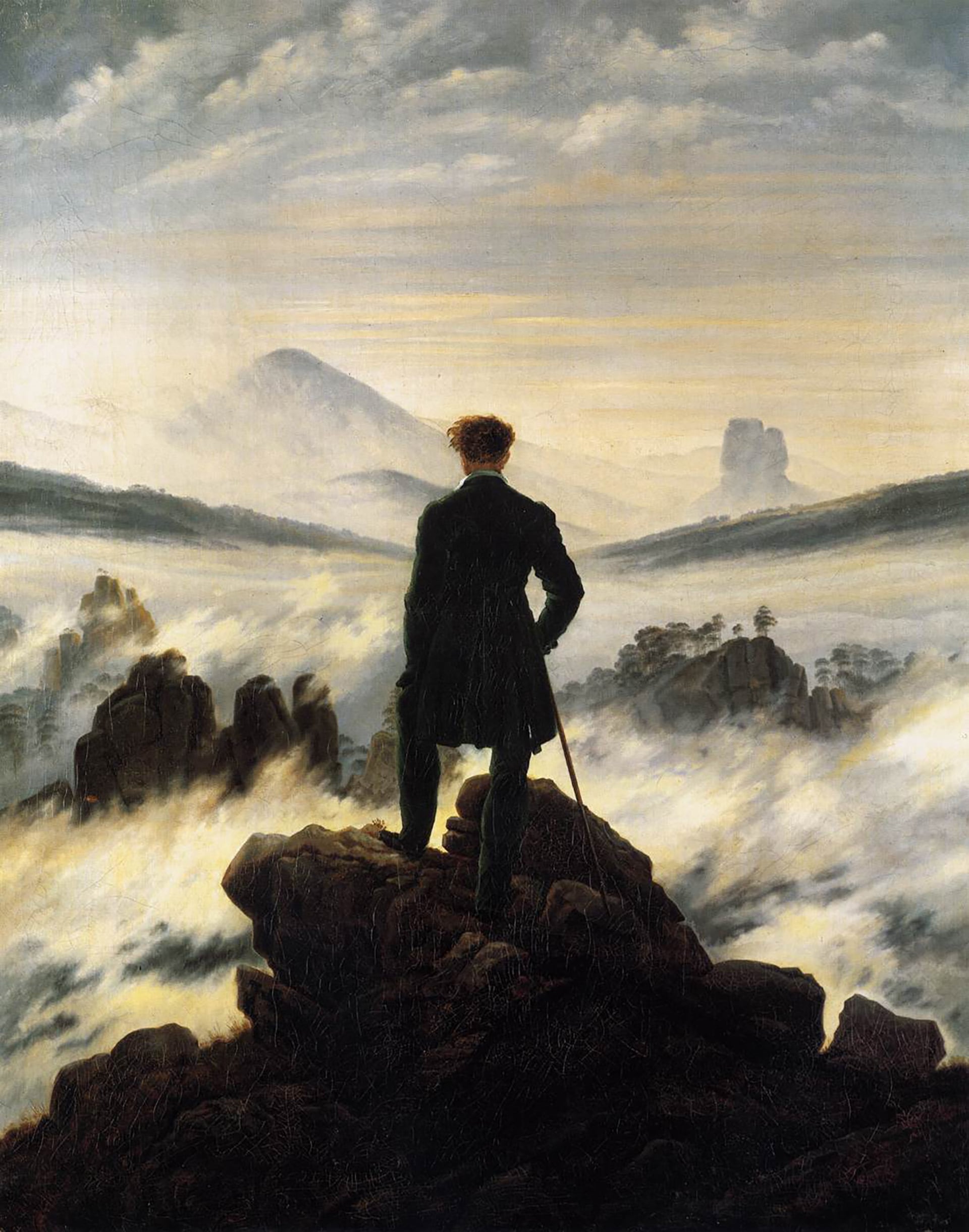
Si el artista hubiera pintado a este hombre de frente, estaríamos atrapados analizando sus facciones, su edad o la épica de su expresión. Al ocultarnos su rostro, el caminante deja de ser un individuo específico para convertirse en un símbolo de toda la humanidad. Esa espalda rígida y esa melena al viento nos interpelan directamente: somos nosotros los que estamos parados frente al abismo de la existencia, proyectando nuestros propios miedos, dudas y asombros sobre ese paisaje infinito.
La melancolía azul
Mucho antes de convertirse en el excéntrico líder del surrealismo, un joven Salvador Dalí de apenas 21 años pintó Muchacha en la ventana en 1925 durante unas vacaciones familiares en Cadaqués. La modelo es su hermana Ana María, quien fue su musa más importante antes de la llegada de Gala. El cuadro captura un instante doméstico y suspendido en el tiempo: una adolescente que asoma su cuerpo hacia la luz del Mediterráneo, rodeada por los tonos azules y grises de una habitación austera.
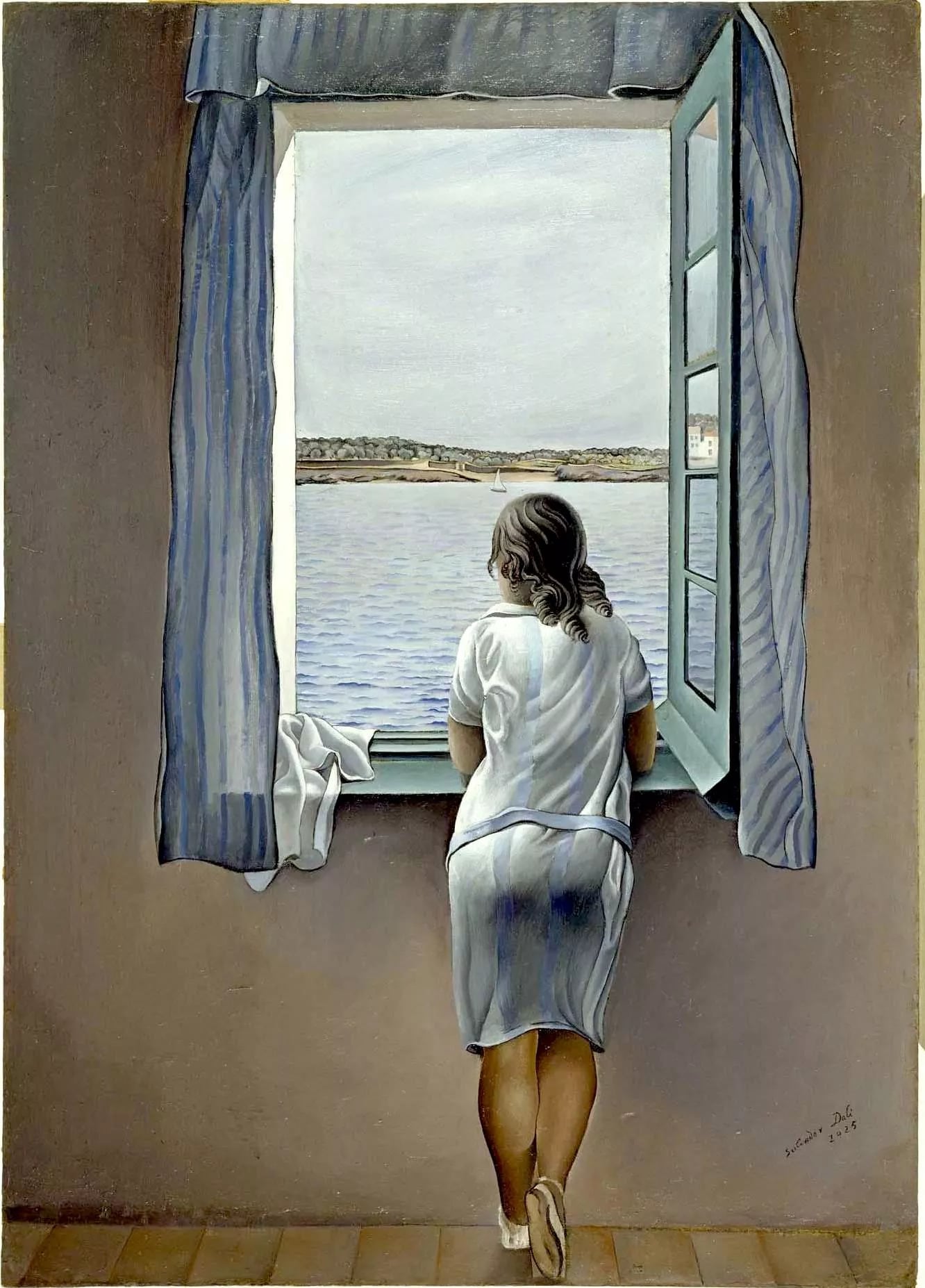
La obra nos atrapa porque la espalda de Ana María funciona como una barrera de intimidad que el espectador viola silenciosamente. No podemos ver si sonríe, si llora o si simplemente sueña despierta, pero la sutil tensión física de sus hombros y la caída de su cabello nos contagian inmediatamente una calma nostálgica. Al darnos la espalda, ella no nos mira; nos obliga a mirar con ella, convirtiéndonos en compañeros de su añoranza por el mar abierto.
El misterio de la fragilidad
En 1948, el pintor Andrew Wyeth concibió El mundo de Christina, una de las cumbres del realismo estadounidense del siglo XX, ambientada en su granja de Maine. La protagonista está inspirada en Christina Olson, una vecina de Wyeth que padecía una enfermedad neuromuscular degenerativa y se negaba a usar silla de ruedas, prefiriendo arrastrarse por los campos. El cuadro nos ubica a ras del suelo, mostrando a una mujer delgada, vestida de rosa, que mira hacia una casa gris y distante en el horizonte.
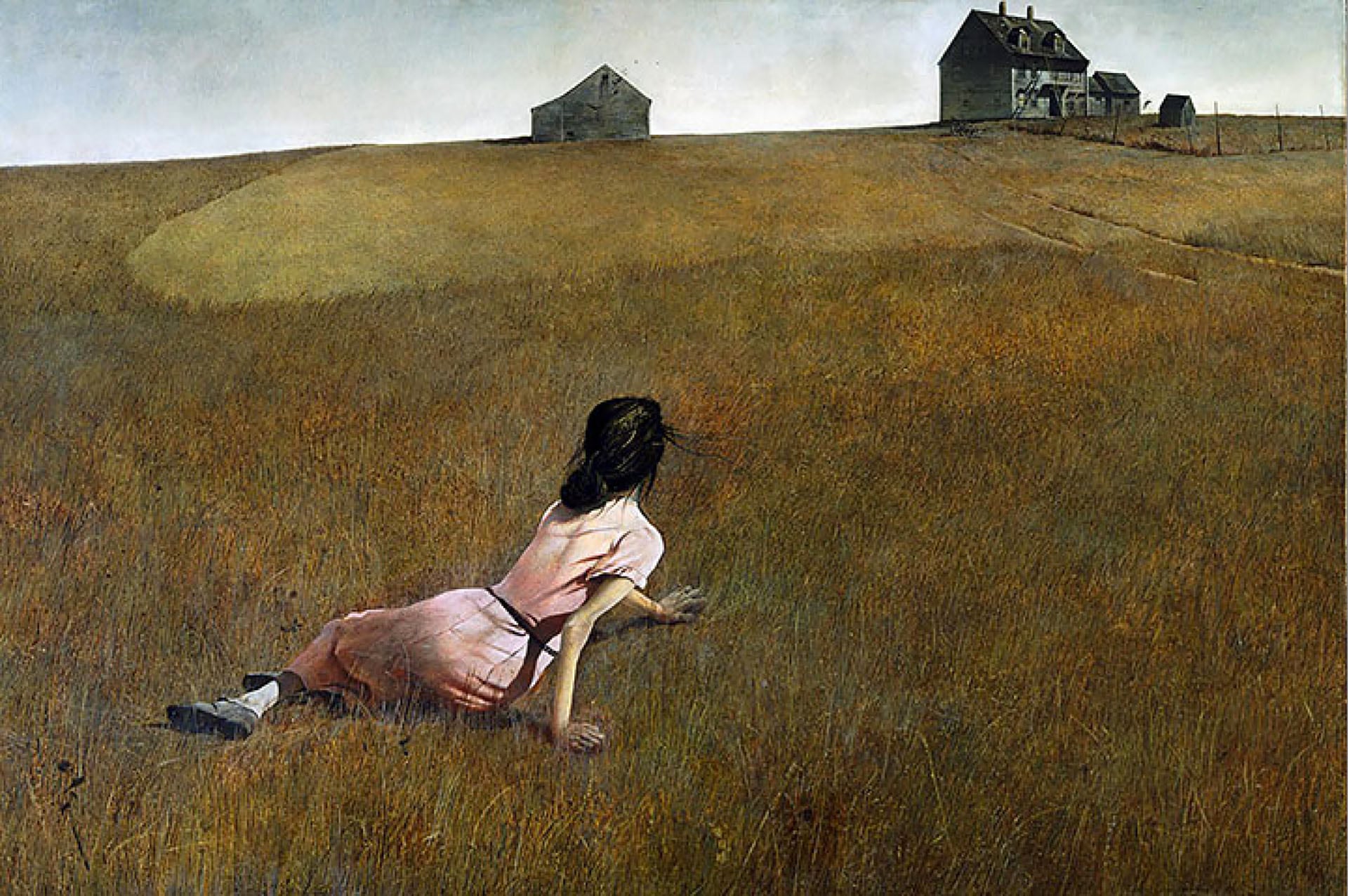
La genialidad del artista radica en que no necesitamos ver el rostro demacrado por el esfuerzo para entender el drama de la escena. Su espalda, tensa y arqueada sobre la hierba seca, transmite una fuerza y una vulnerabilidad sobrecogedoras. Esta postura interpela al espectador desde la intriga y la empatía: la silueta nos oculta su dolor físico para enfocarse en su meta, transformando una pose de aparente derrota en una batalla monumental por alcanzar su hogar.
El silencio de las habitaciones vacías
Vilhelm Hammershøi, el maestro absoluto de la luz grisácea y el realismo danés, pintó en 1898 su célebre Interior con mujer de espaldas, construyendo su carrera al retratar los rincones silenciosos de su propia casa en Copenhague. En esta pintura, la protagonista es su esposa, Ida Ilsted, quien aparece sola en un salón de estética minimalista, rodeada de paredes desnudas y una sobria vajilla. La luz invernal entra de lado, recortando la silueta de la mujer, que nos da la espalda de forma impecable y matemática.
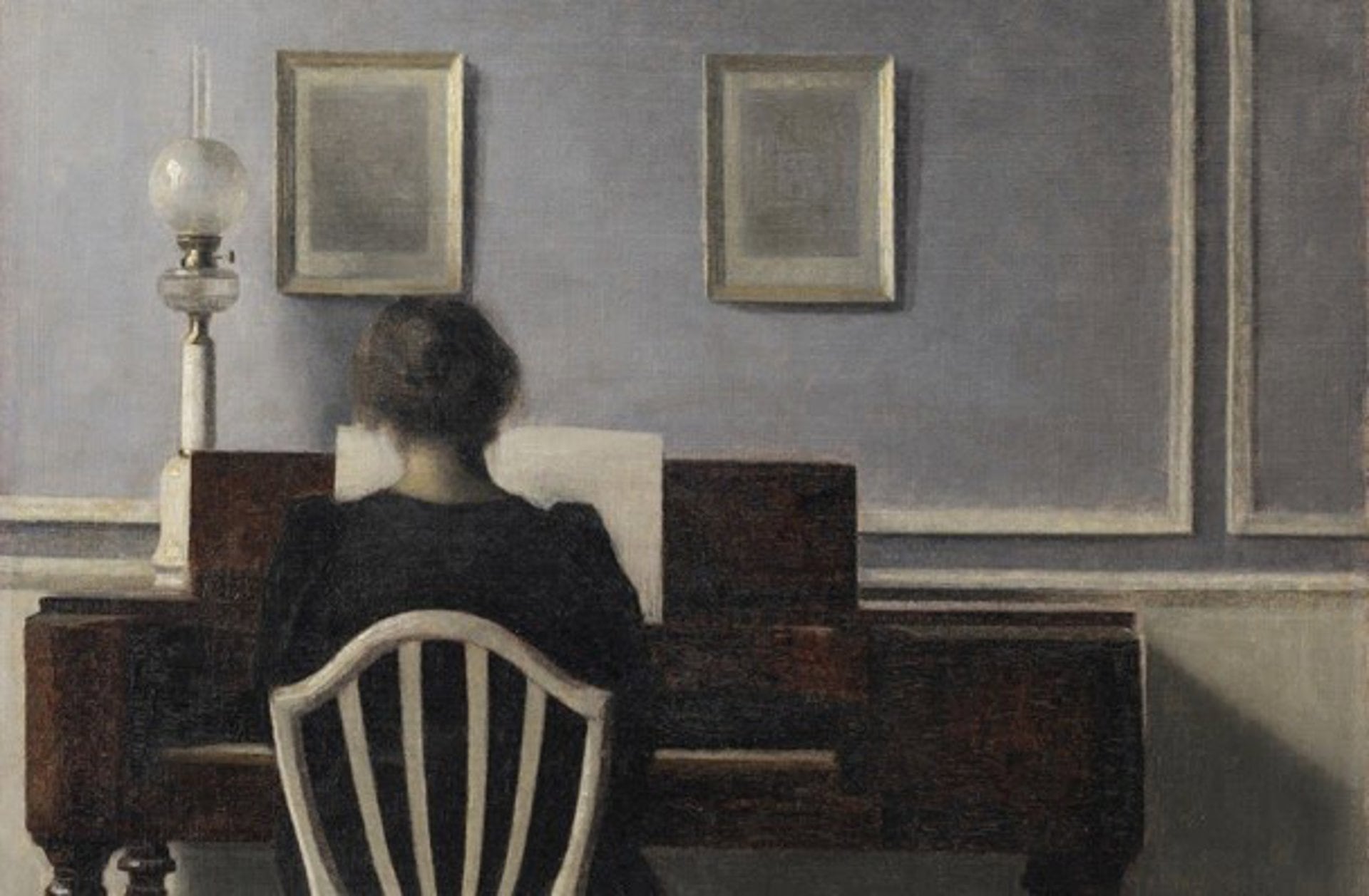
Esta obra provoca una fascinación casi magnética porque nos convierte en voyeurs de una soledad radical. La nuca expuesta de Ida y su figura inmóvil generan una atmósfera densa, casi fantasmal, donde el tiempo parece haberse detenido. Al negarnos su rostro, Hammershøi transforma la espalda de su mujer en un enigma psicológico: nos interpela dejándonos afuera de sus pensamientos, obligándonos a habitar ese vacío y a escuchar el silencio absoluto que inunda la habitación.
Caspar David Friedrich,Salvador Dalí,Andrew Wyeth,Vilhelm Hammershøi,pintura








INTERNACIONAL
“Pretenden silenciarnos”: periodista cubana Camila Acosta denunció una nueva citación policial junto a su esposo
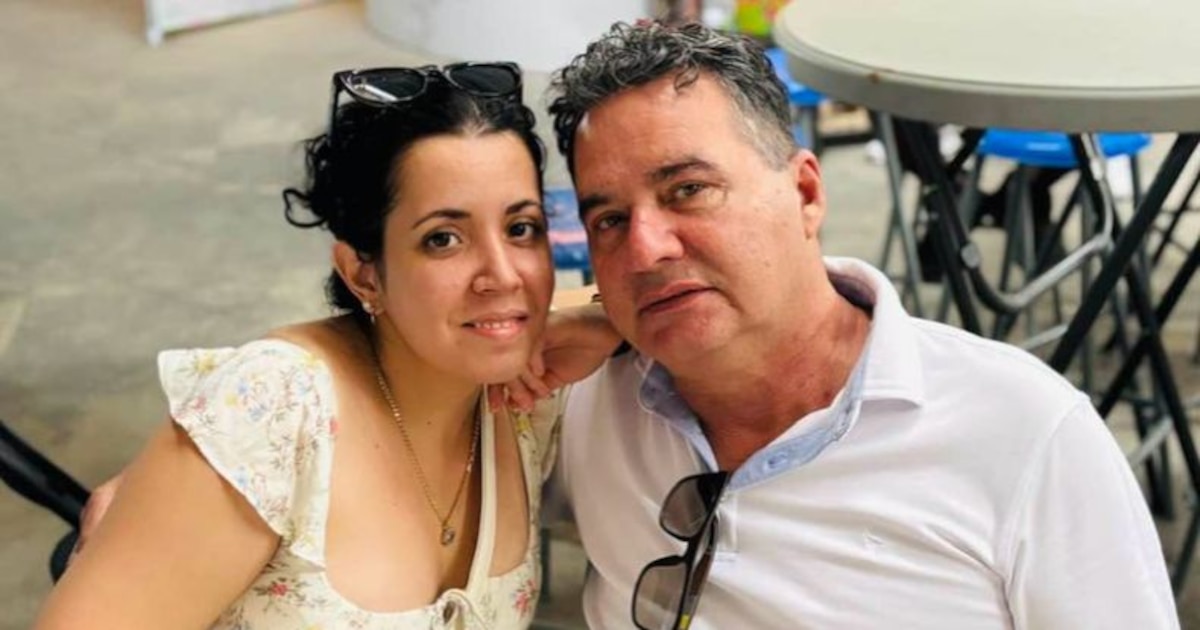
La periodista cubana Camila Acosta denunció este martes que ella y su esposo, el escritor Ángel Santiesteban-Prats, fueron citados para comparecer el jueves 19 de noviembre, a las 10:00, en la estación policial de Zapata y C, en La Habana, bajo una denuncia por presunto “atentado”, un delito que puede acarrear penas de entre dos y cinco años de prisión en Cuba.
Según una publicación de Acosta en Facebook, recibió una llamada telefónica de un hombre que se identificó como coronel Márquez, jefe de esa unidad policial. Durante la comunicación, el funcionario le informó que tanto ella como su pareja enfrentan una denuncia y que el capitán Pileta les daría detalles cuando se presentaran en la estación.
La comunicadora afirmó que la citación podría tener como objetivo informarles sobre posibles cargos. “Desconocemos los motivos de esta nueva acción represiva en nuestra contra”, escribió Acosta, quien trabaja para el medio independiente CubaNet Noticias.
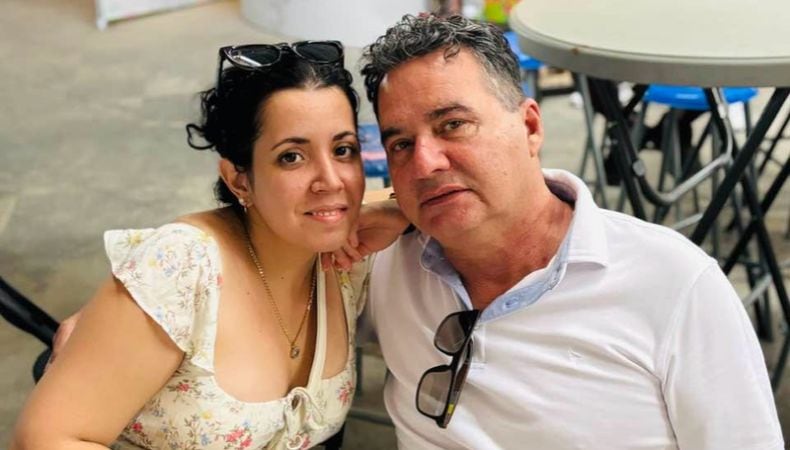
La acusación por “atentado” contempla penas de hasta cinco años de prisión
Acosta explicó que el artículo 182 del Código Penal cubano establece penas de prisión de dos a cinco años por el delito de atentado. La norma contempla sanciones contra quienes empleen violencia o intimidación contra una autoridad, un funcionario público o sus agentes.
Aparte de esto, incluye la protección de testigos, víctimas y familiares. Para que se configure el delito, la agresión o la amenaza debe tener el propósito de impedir un acto oficial, obligar a una autoridad a ejecutarlo o castigarla por el cumplimiento de sus funciones.
Acosta rechazó haber cometido algún delito y vinculó la denuncia con su trabajo periodístico y con las denuncias públicas sobre la situación de los derechos humanos en la isla. “Nuestra única ‘infracción’ se basa en ejercer la libertad de expresión y denunciar las violaciones de derechos humanos en Cuba”, sostuvo.
“El régimen cubano ha iniciado una ola represiva al estilo ‘cacería de brujas’ contra todas las voces disidentes dentro de la isla. Con ello, pretenden silenciarnos, llevarnos a prisión o forzarnos al exilio”, indicó Acosta
De acuerdo con CubaNet, Acosta fue detenida el 3 de noviembre y salió con un acta de advertencia. Mientras que Santiesteban-Prats, fue sancionado el 5 de noviembre a dos años de limitación de libertad, en un proceso que él atribuye a presiones de la Seguridad del Estado.
El Instituto Cubano por la Libertad de Expresión y Prensa (ICLEP) recordó que informar no constituye un delito. La organización exigió que las autoridades aclaren de inmediato los motivos de la acusación, garanticen que ambos puedan comparecer con asistencia legal y eviten el uso de procesos penales para presionar a periodistas y activistas por su labor.
Activistas cubanos denunciaron nuevas citaciones e interrogatorios de la Seguridad del Estado
El caso se suma a otros episodios denunciados esta semana por sectores críticos al régimen cubano. En Pinar del Río, el integrante del Centro de Estudios Convivencia (CEC), Yoandy Izquierdo Toledo, fue citado por la Seguridad del Estado los días 16 y 17 de noviembre.
De acuerdo con la información difundida por el CEC, Izquierdo Toledo permaneció durante varias horas en dependencias de ese organismo. Las autoridades investigan una supuesta denuncia relacionada con su lugar de trabajo, aunque no se precisaron los hechos ni una posible figura penal.
El activista forma parte de una organización dedicada a promover propuestas de participación cívica y análisis sobre la realidad cubana. La citación coincidió con otros llamados a interrogatorios de periodistas, opositores y defensores de derechos humanos.
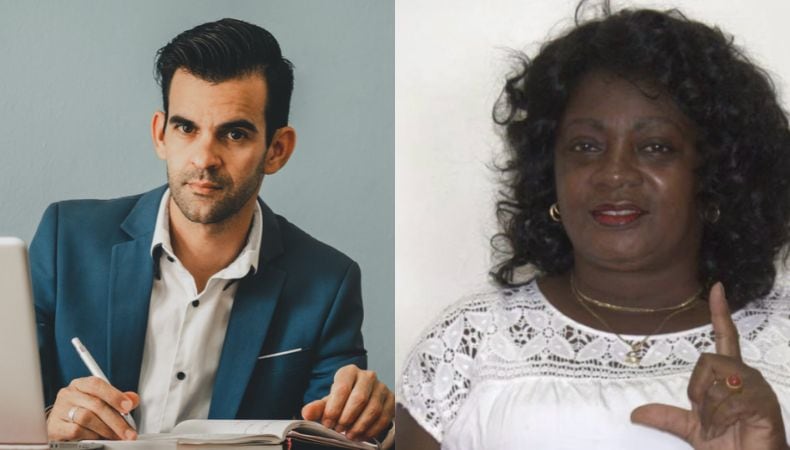
También el 17 de noviembre, Berta Soler, líder de las Damas de Blanco, compareció ante una instructora en Villa Marista, sede de la Seguridad del Estado en La Habana. Según la denuncia, fue interrogada por una protesta realizada el 7 de noviembre en los alrededores de la sede de la organización.
La manifestación estuvo relacionada con la falta de agua en la zona.
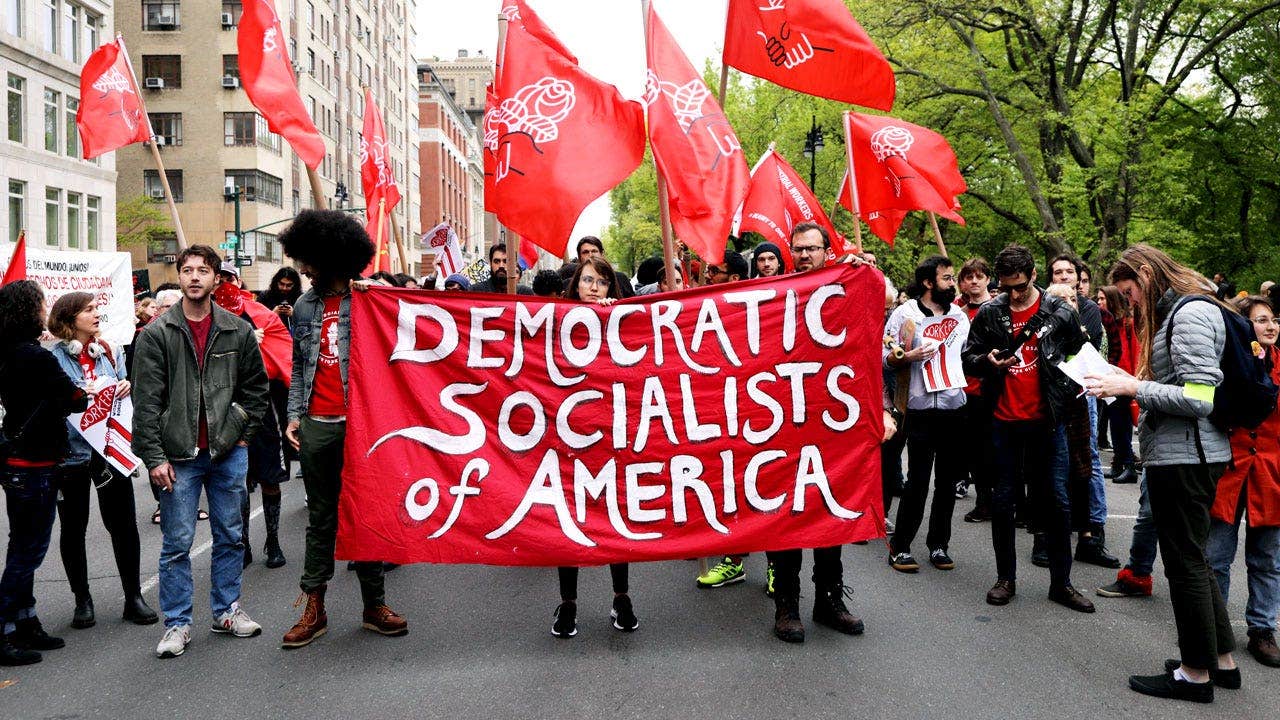
FIRST ON FOX: A conservative organization has launched a nationwide campaign of more than $10 million targeting at least 30 Democratic strongholds to combat the growing popularity of socialism among young Americans ahead of the 2028 presidential election.
The Young America’s Foundation (YAF), led by former Wisconsin Gov. Scott Walker, announced its «Freedom Not Socialism» initiative, which will bring prominent conservative leaders, including possible 2028 contenders, scholars and activists, to schools and communities across the country to challenge the influence of democratic socialism among younger voters.
«Our mission is to explain to people that their high cost of living is due to big government,» Walker told Digital, explaining that the initiative will mobilize speakers to engage directly with young Americans at colleges, high schools and other institutions.
SOCIALISM’S GROWING APPEAL MEETS AN AWKWARD REALITY CHECK ON COLLEGE CAMPUS
The announcement comes after Democrats captured the majority of the youth vote in Tuesday’s midterm elections. The group launched its first event in Santa Barbara, Calif., over the weekend.
«YAF’s initiative is vital for the future of our country because young Americans continue to get behind these false narratives of free this and free that, and they don’t realize that the reason they are in the place where they cannot afford to live is because of big government,» Rep.-elect Michael Alfonso, R-Wis., said.
During his interview with Digital, Alfonso, the 26-year-old grandson of immigrants who escaped communist Cuba, argued that the American education system had failed the next generation by not teaching the history of socialist regimes.
«The American education system has failed us,» Alfonso said. «Young Americans do not know the truth about communist Cuba, communist Russia and communist Venezuela. All it takes is a simple look at these countries to realize how prosperous they were before communism came, and then what happened to them after.»
«If we started teaching kids real history in the schools, maybe we wouldn’t have so many people that come out hating this nation,» said the congressman-elect, who will become the youngest member of Congress.
The group also announced plans to host a Freedom Conference in Dallas in early 2027 to prepare young conservatives to promote free-market principles and challenge socialist policies on college campuses.
«Young Americans are going to be the majority of voters in 2028, and they are increasingly being sold the promises of socialism without understanding the devastating consequences that follow,» Walker, YAF’s president, told Digital.
JD VANCE WARNS REPUBLICANS NOT TO BLAME YOUNG AMERICANS FOR THE APPEAL OF SOCIALISM
«As socialism gains ground in cities and states across the nation, we must teach the next generation what it truly is and act today,» he continued. «The next generation cannot afford to sit on the sidelines while socialism infiltrates our communities and our schools.»
The organization expects prominent Republican figures and potential 2028 presidential contenders to help carry its message, including former Virginia Gov. Glenn Youngkin, Sen. Ted Cruz, R-Texas, and Florida Gov. Ron DeSantis.
«I can’t think there’s a more challenging place than college campuses to make this decision to embrace our foundational principles that not only laid the groundwork for the greatest nation ever, but were the foundational principles that guided us when we were lost,» Youngkin said at the initiative’s inaugural event on Sunday.
MAGA VOTERS REVEAL WHO THEY WANT TO SEE LEAD GOP IN 2028
YAF argues that young Americans are increasingly exposed to socialist ideas in schools, universities and communities without learning about what the organization describes as socialism’s historical failures.
Walker attributed the growing appeal of socialism among younger voters to a lack of understanding of its consequences, arguing that many are embracing the ideology without fully considering its implications.
AMERICA’S QUIET SOCIALIST TAKEOVER IS SPREADING FROM TOWN HALLS TO CLASSROOMS
«Freedom, not socialism, is about informing people of those ideas,» Walker said.
Among the speakers expected to participate are Daniel Di Martino, a Columbia University graduate who fled socialist Venezuela, and Yeonmi Park, a North Korean defector who has spoken publicly about her experiences under the country’s communist regime.
Walker said their firsthand accounts will help demonstrate why he believes socialist policies, including those championed by progressive leaders in Seattle and New York, «do not work.»
The initiative is expected to expand throughout 2027 as conservatives seek to regain support among younger voters ahead of the 2028 presidential election.
politics, rise of socialism, campus radicals
INTERNACIONAL
Pope Leo breaks silence on rosary striking his face in Peru, reveals details about cancer: ‘Major surgery’
NEWYou can now listen to Fox News articles!
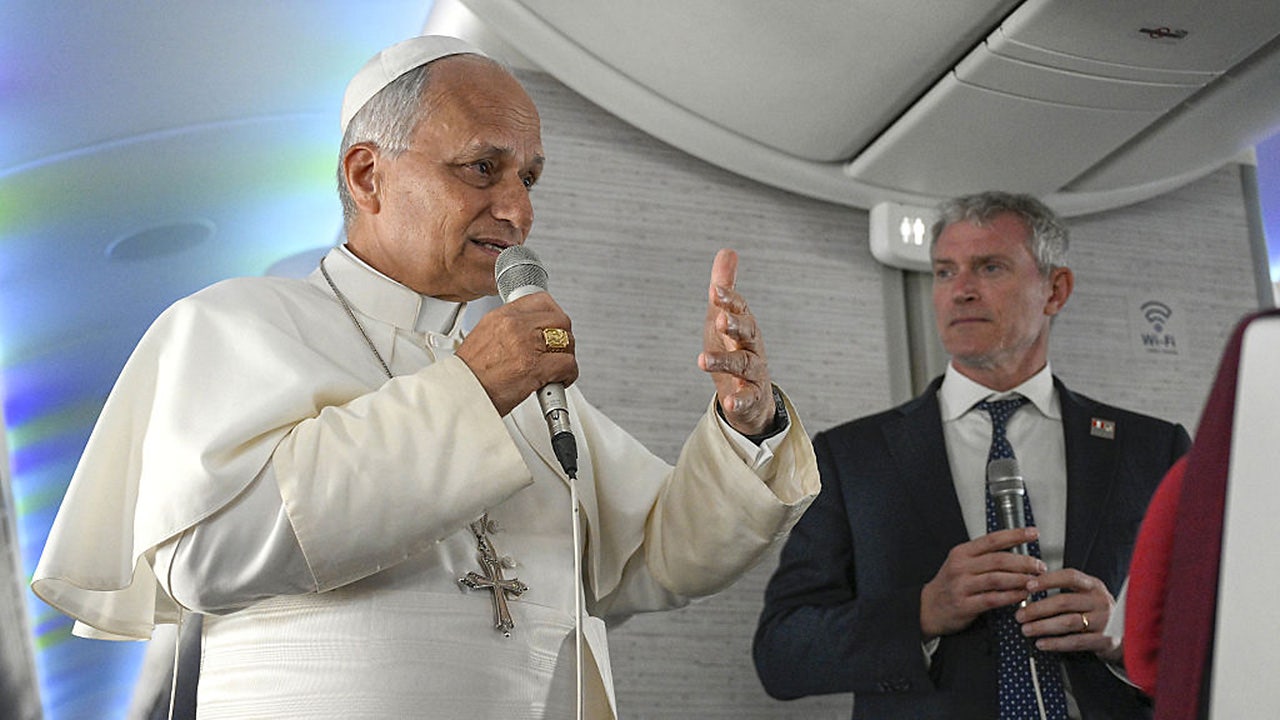
Pope Leo XIV broke his silence Monday after being struck in the face by a rosary thrown by a worshipper in Peru, joking about the incident while also revealing details for the very first time about his cancer diagnosis and major surgery which took place before his recent trip to South America.
The pope, who had the lower lobe of his right lung removed Oct. 13, after doctors found a cancerous tumor, told reporters on the flight home to Rome that he has not fully recovered, but said he was determined to complete the long-planned 12-day journey.
«Just over a month ago, as everybody knows, I underwent rather major surgery,» Leo, 71, said during a roughly 45-minute news conference on board the papal plane returning from Lima, Peru.
POPE LEO WELCOMED BACK AS HE DELIVERS ANGELUS PRAYER DAYS AFTER LUNG CANCER SURGERY
Pope Leo XIV, flanked by Director of the Holy See Press Office Matteo Bruni, meets with journalists on the return flight from Latin America, Monday, in Lima, Peru. (Elisabetta Trevisan/Vatican Media via Vatican Pool/Getty Images)
«But from the very beginning, I had in mind that this trip had been planned and that I was going to make it happen.»
The pontiff credited his recovery to prayer, medical care and personal determination.
«So, with God’s help — and I firmly believe in the power of prayer, as I have literally received messages from all over the world — together with a certain personal determination, which I also have, and with the help of the doctors, it proved to be possible.»
Despite the demanding itinerary that included multiple flights and appearances before massive crowds in Uruguay, Argentina and Peru, Leo acknowledged that he is still regaining his strength.
POPE LEO XIV SEEN FOR FIRST TIME SINCE LUNG CANCER SURGERY AMID MAJOR RECOVERY MILESTONE

Pope Leo’s 12-day tour began in Uruguay and went through Argentina before ending in Peru. (Andrew Medichini/AP Photo)
«I must say that I am not at 100%, but I am doing quite well. Stamina is a gift I have received from the Lord,» he said.
The pope also revealed that his cancer diagnosis came as a shock after doctors found an abnormality during a routine annual medical examination.
«The initial news came as a surprise. There were no symptoms — I felt fine,» he said.
«It was discovered during some medical tests, as part of what you might call a check-up: a routine annual examination that I have been having for many years.»
Leo said the abnormality initially appeared as a shadow on his lung before additional testing revealed a tumor.
POPE LEO UNDERGOES BLOOD TESTS, X-RAY FOLLOWING CANCER SURGERY, VATICAN SAYS

Pope Leo XIV addresses the media aboard the flight from Lima to Rome. (Simone Risoluti/Vatican Media via Vatican Pool/Getty Images)
«A biopsy then confirmed that it was a tumor,» he said, before adding that he had decided to get it done «right away.»
«By the grace of God, I remained calm,» he added.
The surgery removed the lower lobe of his right lung after doctors diagnosed lung adenocarcinoma, a type of lung cancer. The pope was discharged four days later.
«No further treatment is necessary. However, as a precaution, I will need to continue having these routine check-ups, simply to keep an eye on things, as is normal,» he explained.
The Vatican cleared the pontiff to move forward with his South American trip after medical evaluations in late October.
The journey, which began Nov. 6, marked Leo’s first papal visit to Latin America. He also holds Peruvian citizenship and spent roughly two decades serving as a missionary and bishop in Peru before taking on leadership roles at the Vatican.
POPE LEO XIV HIT IN THE FACE BY FLYING ROSARY DURING FAREWELL MASS IN PERU, VIDEO SHOWS

Pope Leo XIV appeared to be struck near the eye by a rosary Monday as he reached out to catch prayer beads tossed toward his popemobile ahead of a farewell Mass in Lima, Peru. (Pilar Olivares/Reuters)
It was while riding in the popemobile through huge crowds toward the Mass in Lima on Nov. 16 that Leo was struck near the eye by a rosary thrown from the crowd.
«The affection shown by the Peruvian people, including the person who, with such great faith, simply wanted to offer me a rosary, is something one carries in one’s heart — or perhaps in one’s eye,» he joked about the incident.
«These are experiences that leave a lasting mark on one’s life.»
«They bear witness to genuine enthusiasm, deep faith, and the desire to receive the Lord’s blessing,» he added before describing the crowds’ devotion.
«Some even tried to get past the National Police barricades. They simply wanted to live, feel, and experience this faith,» he said.
pope leo xiv, vatican, cancer, roman catholic, health, faith, religion, world

Griezmann se rinde a Cristiano Ronaldo: ‘Será muy difícil reemplazarlo’

El factor político que podría darle aire al riesgo país y que el mercado ve como un “evento positivo”

El Gobierno le presta atención al rearme del peronismo: los escenarios en carpeta y el riesgo para Milei

Triple lesbicidio en Barracas: se conocerá hoy el veredicto contra el único acusado

Calendario electoral 2027: cuándo se vota gobernador en Salta

“Pretenden silenciarnos”: periodista cubana Camila Acosta denunció una nueva citación policial junto a su esposo

La inflación de octubre: el dato que sorprendió a casi todos y la distancia que persiste con los parámetros internacionales

U2 vuelve con 12 nuevas canciones y una pregunta incómoda sobre si el rock todavía puede decir algo nuevo

Democrats seize on midterm wins to push massive minimum wage hikes, but economists see trouble ahead

La respuesta sin filtro de Wanda Nara a la China Suárez: «Le pidió al bobo que necesitaba una familia en Turquía»

 ECONOMIA2 días ago
La inflación de octubre: el dato que sorprendió a casi todos y la distancia que persiste con los parámetros internacionales
- POLITICA1 día ago
Milei dijo que el riesgo país sube por el miedo a "Orcolandia" y afirmó: "Los argentinos no van a votar hacia el pasado"
- INTERNACIONAL1 día ago
Caída de sistemas, fallas y sospechas: qué hay detrás de la suspensión del tráfico aéreo y los problemas en los bancos de EE.UU.