INTERNACIONAL
Houthis enter US ‘kill box’ after seizing Red Sea ‘cork,’ former Pentagon official warns

NEWYou can now listen to Fox News articles!
Iran-backed Houthi rebels captured Perim Island in the Bab el-Mandeb Strait Sept. 11, opening a new front at a vital global shipping chokepoint as a former Pentagon official warned Sunday the militants had entered a «kill box.»
The island’s capture came after a month-long offensive along Yemen’s western coast that killed more than 1,500 soldiers and forced Yemen’s government to acknowledge a «painful» defeat, according to The Associated Press.
«With Perim, they have gained what we could call the cork in the Red Sea bottle,» Morgan Murphy, a former Pentagon press secretary and retired Navy captain, told Fox News Digital.
«But they’ve put themselves into a kill box. They’re nowhere near the capability of the United States and if the president so chooses, he can wipe them off the face of that rock pretty easily,» Murphy warned.
SAUDI ARABIA TELLS TRUMP NOW IS THE TIME FOR MILITARY ACTION AS IRAN-BACKED HOUTHIS ADVANCE
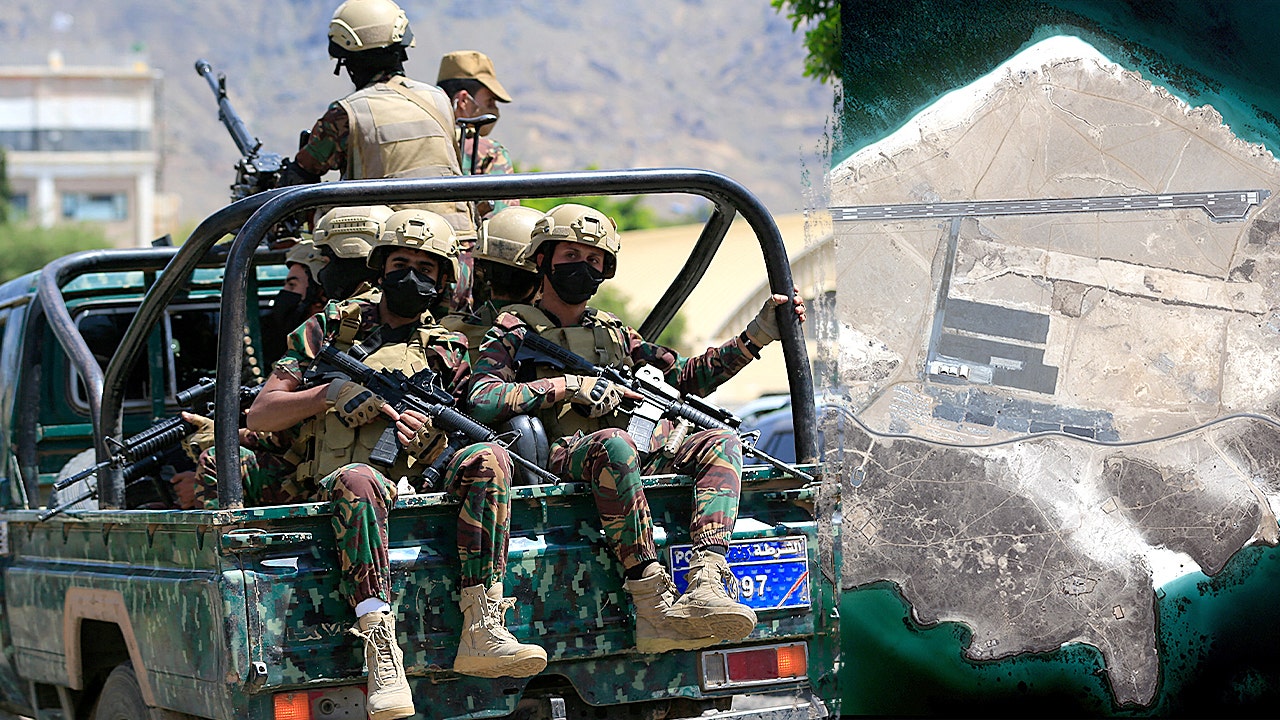
The Houthis reached the strategic island of Perim in the Bab el-Mandeb Strait on September 11 in a move to tighten their grip on a vital global shipping route. (Reuters)
Despite Perim sitting in the middle of the narrow maritime passage, Murphy detailed how the Houthis had effectively placed themselves in an area that is vulnerable to concentrated fire.
«Perim cuts that chokepoint right in half, and it’s only 18 miles wide there,» Murphy said.
He said the island has served as a pivotal maritime vantage point for hundreds of years, previously targeted for control by French forces and held by the British Empire for over a century.
Perim — a desolate volcanic island also known as Mayun — also sits roughly 20 miles off the Horn of Africa, placing it in proximity to Camp Lemonnier in Djibouti, home to one of the largest U.S. military installations on the continent.
«We have incredible firepower in that region, and that’s a little rock in the middle of that strait. It’s a volcanic rock. It doesn’t have any water. It’s uninhabitable,» Murphy warned.
«There’s no vegetation to speak of. And the Houthis have just massed their troops on that rock. So what that is, what we would call that in the Navy, is a kill box.»
Satellite imagery of the island shows a 1.85-kilometer (6,070-foot) runway alongside three military hangars, which regional intelligence reports attribute to past construction by the United Arab Emirates.
«There’s a 6,000-foot airstrip on that island. I think that Emiratis built it,» Murphy said.
‘GATE OF TEARS’ AT RISK: IRAN THREATENS MAJOR NEW GLOBAL CHOKEPOINT IF US MOVES ON HORMUZ
«It’s nice to have an airstrip, and especially a long runway, but we don’t know the condition of that runway. We don’t know how they could possibly use that runway, and they certainly don’t have the sophisticated air power that the United States and its allies have to project power from that runway.»
He added that the U.S. military holds overwhelming force options if commanders elect to target the island.
«We could wipe that rock into glass, just blast it into a smooth glass surface, put skates back on our feet, and skate all over it,» Murphy said.
«That’s why the Houthis have kind of played coy with the president, and they know that even if they fortify that rock they’re not going to be able to hold it in the face of the United States Navy.»
The developments come amid diplomatic maneuvering between Washington, Riyadh and the Houthis in recent days.
Sources confirmed to Fox News Digital that Saudi Crown Prince Mohammed bin Salman had called President Donald Trump twice Sept. 10 to urge him to authorize U.S. military strikes against Houthi positions.
Trump declined direct intervention, with U.S. officials noting the administration has no immediate plans for direct combat involvement but will continue offering intelligence assistance.
IRAN AND HOUTHI TERROR PROXY FACING RED SEA THREAT FROM PRO-US AFRICAN NATION
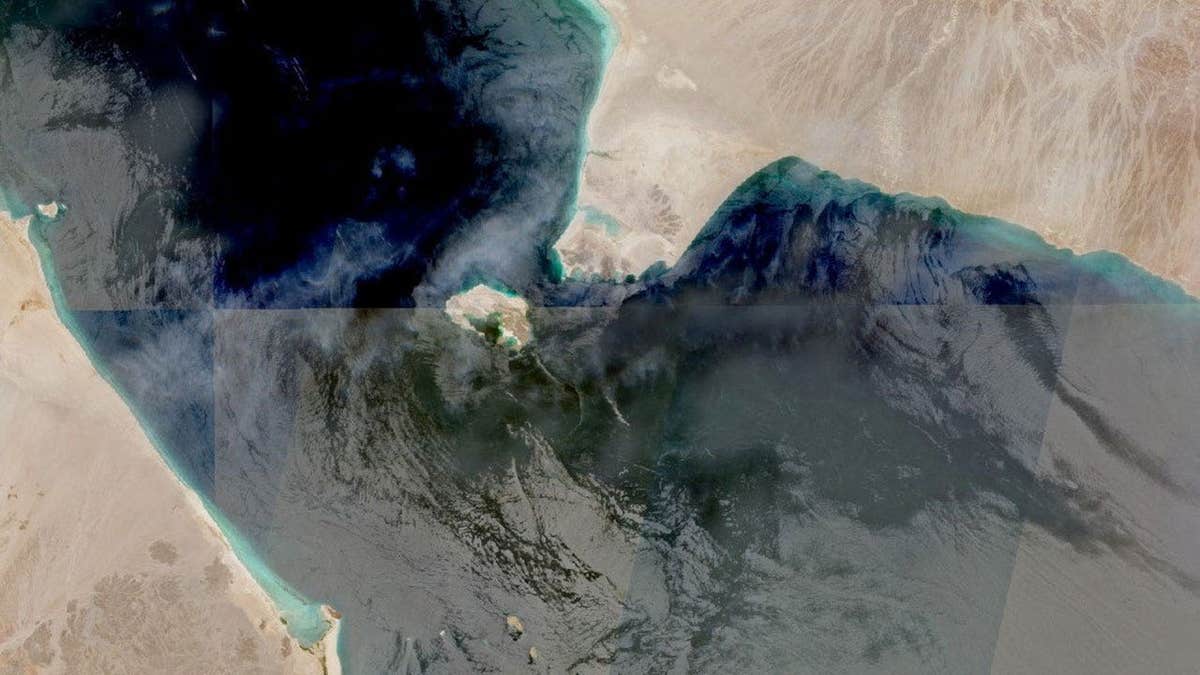
Satellite imagery shows Bab el-Mandeb Strait, a key shipping waterway and the gateway to the Red Sea, as Iran threatens using Yemen’s Houthi allies to shut the Bab el-Mandeb gateway to the Red Sea, in this handout picture dated July 12, 2026. (Nasa Worldview/Handout via Reuters)
Speaking to reporters in Dublin on Sept. 12, Trump also indicated the Houthis had signaled a desire to avoid direct confrontation with American forces.
«The Houthis called us, and they don’t want to fight with us. They let us know, they don’t want to fight with us… they don’t want us to go after them,» Trump said.
Murphy suggested, however, that Washington’s restraint should not be mistaken for inaction.
«I can’t speak for the president. But this administration has not shown a lack of resolve to use force,» Murphy said.
«I wouldn’t doubt at all if the president took steps to pound some of these folks into the sand if they continue to really disrupt the global energy supply.»
Yemeni government, regional and Iranian sources told Reuters the Houthi advance was sustained by Iranian weaponry and tactical direction from the Islamic Revolutionary Guard Corps, or IRGC, with U.S. officials estimating hundreds of IRGC officers remain active in Yemen.
Murphy noted that Tehran’s strategy appears designed to drive up global fuel prices by choking critical shipping lanes.
TRUMP THREATENS ‘MAJOR MILITARY PUNISHMENT’ FOR IRAN OVER FUTURE HOUTHI ATTACKS
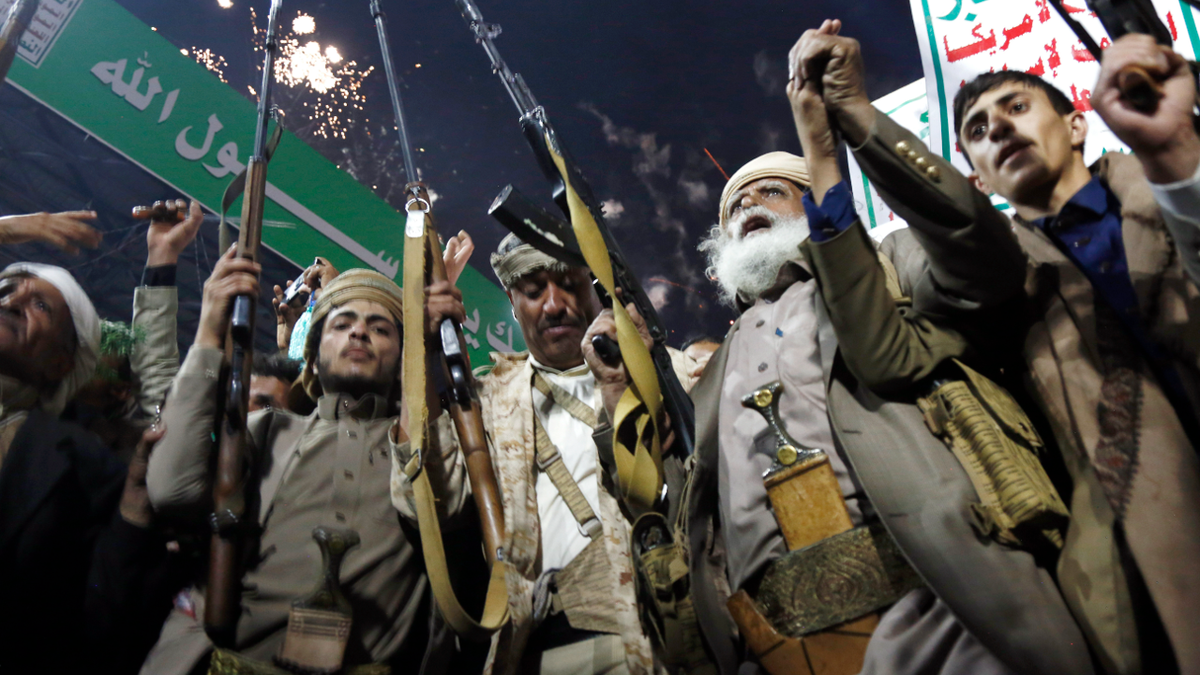
Protesters who support Yemen’s Houthi group brandish weapons and shout slogans as they celebrate the ban imposed against the maritime shipping of Saudi Arabia on July 20, 2026, in Sana’a, Yemen. (Mohammed Hamoud/Getty Images)
Comparing the conflict to historical naval power struggles, Murphy emphasized the strategic mismatch.
«We’re in a different era. They are nowhere near the sophistication of the world’s major powers. The Houthis are using a 19th-century playbook. They are not using 21st-century warfare,» he said.
«So, yes, they’ve caught a critical cork in the Red Sea bottle, but how they use it remains to be seen,» Murphy concluded.
«This is an example of why great powers really have to have a strong Navy. This is why Great Britain had a strong navy. This is why the United States has a strong navy, because there’s so many regional powers who want to try to bottle up shipping, whether it is in the Strait of Malacca, whether it is in the Strait of Hormuz, and here, in this case, in the Red Sea.»
«I think what we’re going to see in the next several days and weeks is a coordinated effort by the Trump administration to make sure our allies are on board in helping us keep these critical waterways open, free, and clear for freedom of navigation,» he said.
middle east, geopolitics, us navy, world, foreign policy, military, saudi arabia, iran








INTERNACIONAL
El regreso de María Corina Machado sacude a Venezuela: la pulseada con Delcy Rodríguez y el rol de Donald Trump
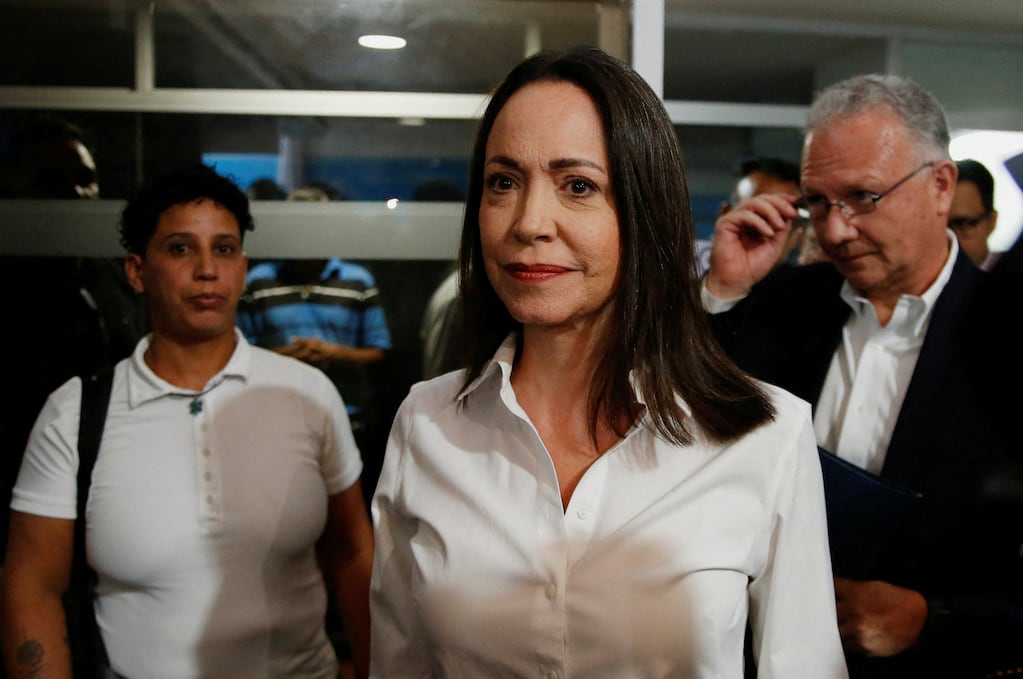
Venezuela empezó este domingo un nuevo período de transición, cuyas repercusiones políticas internas empezarán a verse en las próximas semanas.
La inesperada llegada al país de la líder opositora, María Corina Machado, aumentará la presión sobre la presidenta interina Delcy Rodríguez y la Casa Blanca.
La acción, de un fuerte contenido simbólico, podría mover el tablero de poder chavista y ya hay algunos exdirigentes que aventuran la salida del poderoso ministro del Interior y Justicia, Diosdado Cabello, el gran titiritero de enorme influencia en el ala militar del gobierno.
El arribo de Machado a Venezuela estuvo enmarcado por un hermetismo total. Ni su gente más cercana en el país estaba enterada. Desde Washington, el presidente estadounidense, Donald Trump, fue cauto y prefirió no confirmar si el viaje contó con su autorización. Esa es la gran clave de todo este asunto.
“Es una mujer muy agradable. Me dio su premio Nobel, así que ¿cómo puedo decir otra cosa? Y espero que esté a salvo. Nos está yendo muy bien en Venezuela”, afirmó.
Para Trump, los negocios son más importantes que cualquier proceso de transición y esta no parece ser una excepción, más allá del diálogo abierto entre un sector de la oposición y el chavismo bajo el ala de la embajada estadounidense.
“Es una oportunidad importante para dar una muestra significativa de los pasos hacia la reconfiguración del pluralismo político. Esto va a dar una nueva dinámica a lo que ya está encaminado y puede incidir en un aceleramiento de estos procesos de negociación que reconfiguren el sistema político venezolano”, dijo a TN el analista venezolano Piero Trepiccione, subdirector Del Centro Gumilla de Análisis.
¿Qué puede pasar ahora en Venezuela?
La vuelta de Machado sorprendió a todos.
“Creo que es una de las mejores noticias que he recibido últimamente. Su presencia representa un giro directo a la dinámica de transición del país. Jamás representa una desestabilizacion, muy al contrario, justamente da un piso muy fuerte a la esperanza. Se mueve el tablero político tanto nacional como internacional”, dijo a TN la excandidata presidencial opositora Corina Yoris.
Pero también fue un sacudón para la oposición interna que mantiene diferencias con el liderazgo de la premio Nobel de la paz 2025.
“Después del 3 de enero (cuando se produjo la acción militar estadounidense y la captura de Nicolás Maduro) las dos personas claves sobre cuya actuación se soporta la transición política venezolana son Delcy Rodríguez y Donald Trump, que afortunadamente tienen un buen nivel de comunicación y cooperación reciprocas”, dijo a TN desde Caracas el dirigente Agustín Berrios, presidente del opositor Partido de la Reconciliación Nacional.
Berríos dejó en evidencia que la figura de Machado genera cautela en el arco opositor interno, más allá de un claro respaldo popular: “Yo he tomado la determinación personal de no opinar sobre ella ni para bien ni para mal”.
“Todo el esfuerzo debemos concentrarlo en consolidar la estrategia de Estabilización, Recuperación Económica y Transición Política como vía de superacion de la crisis. Todo lo que abone a esa ruta es positivo, todo lo que lo perturbe o interrumpa es negativo”, alertó.
La gran pregunta ahora si la presencia de Machado en el país actuará como una olla a presión difícil de mantener en el corto plazo.
Desde su exilio en Europa, el exministro de Información del chavismo, Andrés Izarra, vaticinó la salida de Cabello. “Si entró Machado con apoyo de los gringos, Diosdado sale pronto”, aventuró.
El analista Andrés Cañizalez, investigador de la Universidad Católica Andrés Bello, de Caracas, dijo a TN que la llegada de Machado “dinamiza el momento político en Venezuela”.
“Me llama la atención poderosamente que el regreso de María Corina se haya aprobado” desde el chavismo, indicó.
Rodriguez
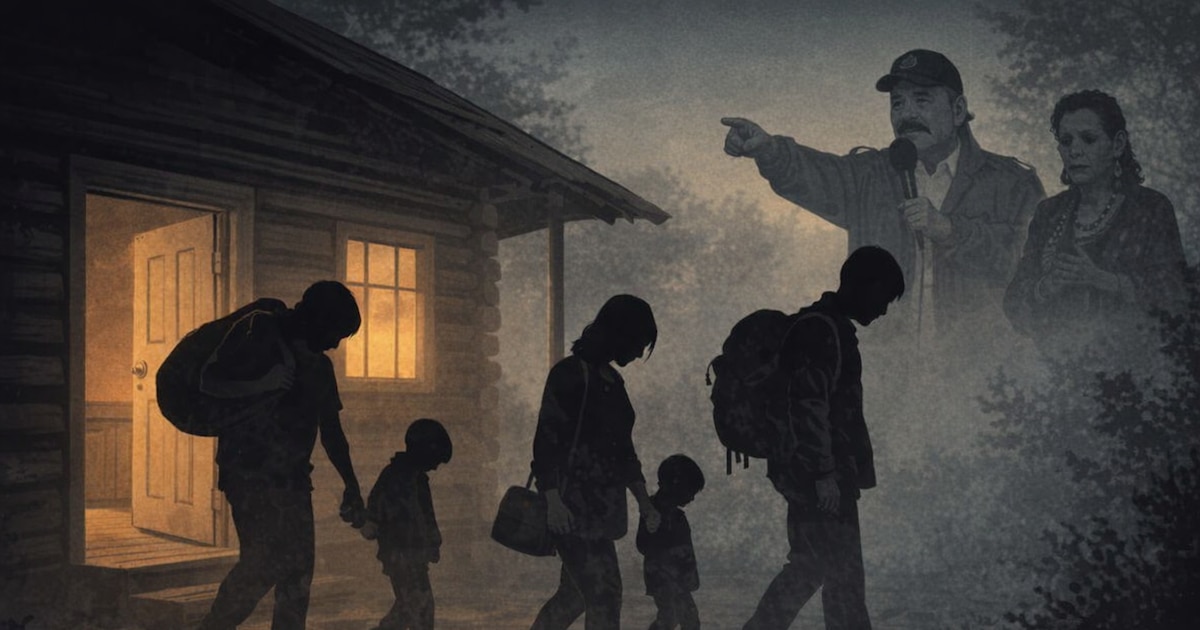
Para numerosos nicaragüenses en el exilio, la posibilidad de regresar a Nicaragua responde a motivos familiares, personales, laborales o administrativos. Los casos conocidos muestran que las condiciones de ingreso pueden variar y que, para algunas personas, el retorno ha estado acompañado por requisitos, controles posteriores o procesos judiciales.
En ese contexto, Cristóbal Giovanny López, conocido en TikTok como “Tropigamer”, y el abogado Harry Valle expresaron públicamente su interés en volver. Ambos plantearon su disposición a aceptar las condiciones que definan las autoridades, mientras sus pedidos reabrieron el debate sobre las experiencias de quienes salieron al exilio, fueron desterrados o encontraron impedimentos para regresar.
López salió de Nicaragua en septiembre de 2024 junto con otros 134 presos políticos que fueron trasladados a Guatemala. Más adelante llegó a Estados Unidos con apoyo de Naciones Unidas y, a inicios de octubre, anunció que quería regresar a Managua y registrar su llegada al aeropuerto. Tras ese anuncio circularon versiones sobre un posible “perdón” negociado por personas próximas al oficialismo, aunque no se confirmó de algún acuerdo, Según Diario La Prensa.
Valle, penalista de Matagalpa e identificado como militante sandinista, se exilió en 2026 después de conocer que existía una orden de captura en su contra. Desde TikTok solicitó que las autoridades revisaran también su caso si se estudiaba la situación de López, afirmó que no había cometido delitos y señaló que sus intervenciones correspondían a opiniones emitidas como abogado.
Los relatos de retornados describen requisitos y controles posteriores
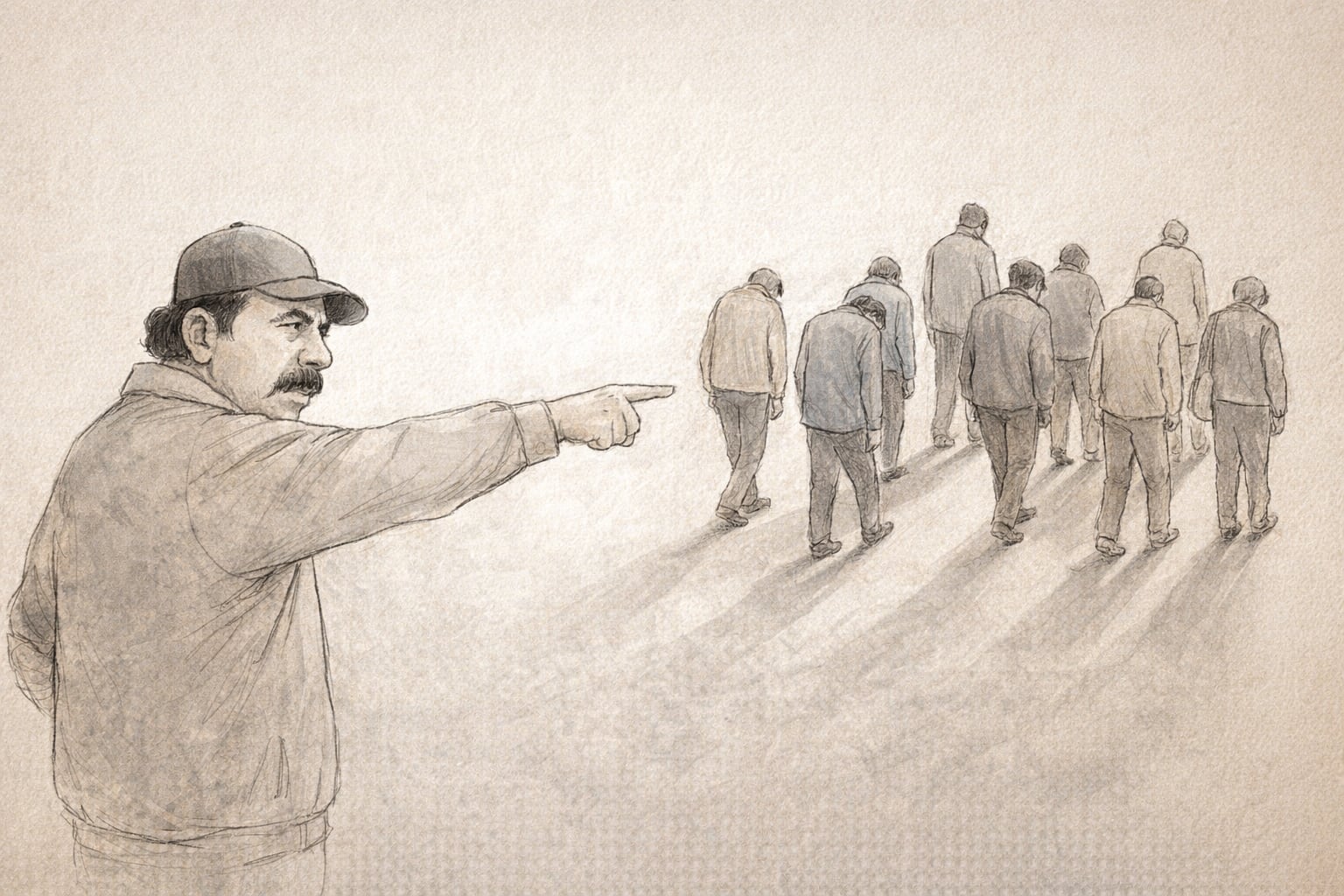
El periodista exiliado Emiliano Chamorro relató el caso de una integrante de una congregación religiosa que viajó a Estados Unidos por dos semanas en 2022. Cuando preparaba su regreso, supo que no podría ingresar a Nicaragua por vía aérea, por lo que decidió trasladarse a Honduras y acudir a una frontera terrestre para solicitar autorización.
Según el relato, la mujer pidió a policías y militares que le permitieran entrar, ofreció disculpas por cualquier expresión que hubiera podido ofender a Daniel Ortega y Rosario Murillo, firmó documentos, respondió interrogatorios y entregó sus maletas y pertenencias. Luego de varias horas de espera, recibió permiso para cruzar hacia Nicaragua.
El ingreso estuvo acompañado por condiciones: debía acudir cada semana a firmar en una estación de Policía de su localidad, apartarse de su congregación religiosa y mantener una conducta reservada. Después de volver, cambió de teléfono, borró sus redes sociales, dejó de participar en actividades religiosas y redujo el contacto con sus amistades; Chamorro resumió que “se volvió anónima y distante”.
El Colectivo de Derechos Humanos Nicaragua Nunca Más reunió en Costa Rica testimonios de personas retornadas bajo exigencias similares. A mitad de 2026, la organización tenía relatos de cerca de 200 personas de 13 departamentos que debían presentarse en estaciones policiales, y algunas de ellas tenían que hacerlo a diario.
De acuerdo con los testimonios recogidos por el colectivo, quienes lograban regresar también podían necesitar permiso para salir de su municipio. Algunas personas fueron fotografiadas durante sus visitas a las delegaciones y reportaron seguimientos al salir de sus viviendas o al volver a ellas.
Algunas personas afirmaron que pagaron para obtener autorización de ingreso
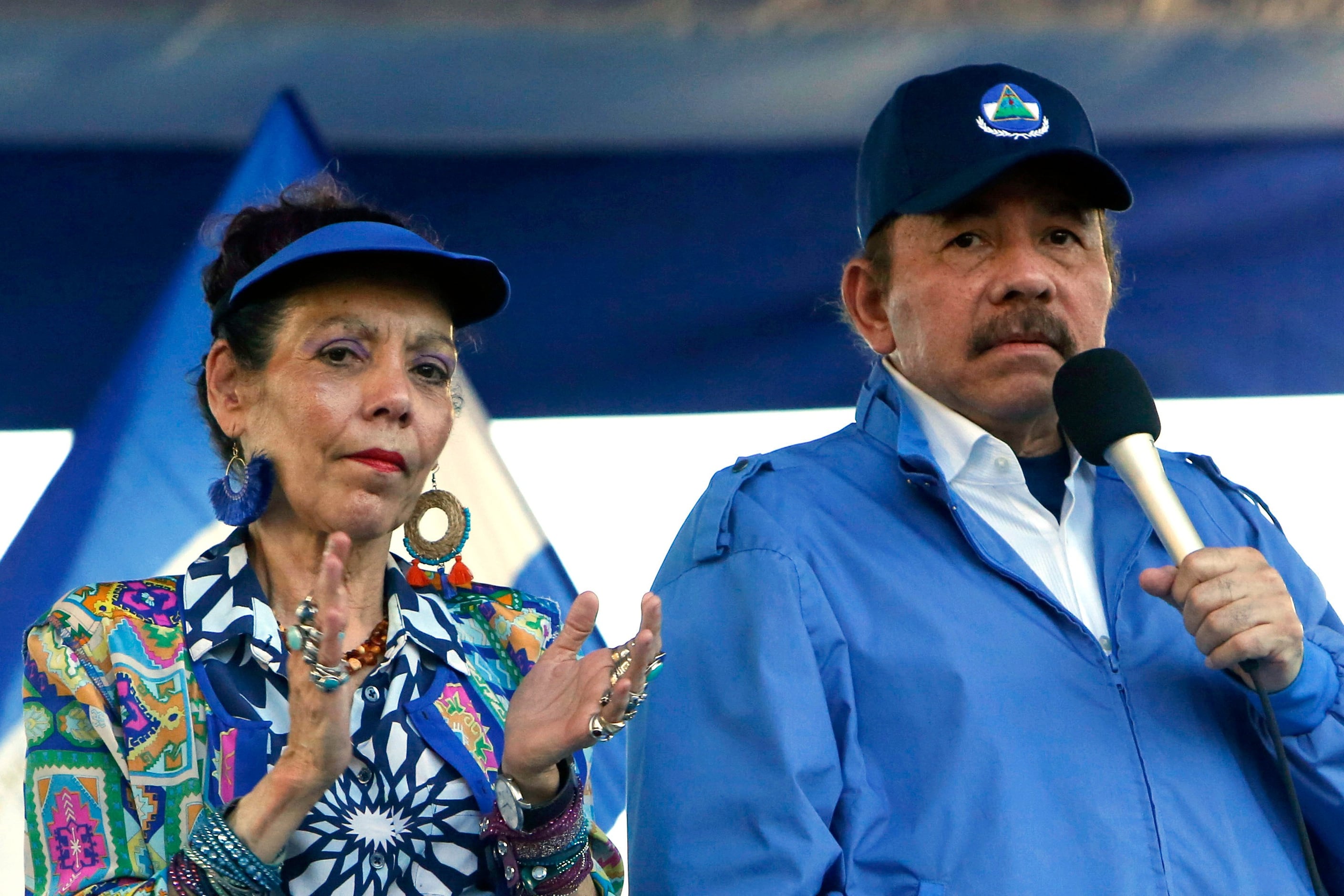
Desde 2024, nicaragüenses que viajaron al exterior por razones personales o laborales encontraron impedimentos cuando intentaron volver. En algunos casos, recibieron la notificación por correo electrónico de la aerolínea y, en otros, durante el proceso de prechequeo, sin una explicación pública sobre el motivo de la medida.
En abril de 2026, Diario La Prensa publicó testimonios de personas que aseguraron haber pagado montos de dinero para recibir permiso de ingreso. El diario también informó sobre cartas de perdón, documentos de compromiso para reportar actividades económicas y solicitudes de incorporación a actividades del Frente Sandinista.
La publicación reconstruyó seis casos en 2025, con relatos de empresarios, trabajadores de empresas privadas y comerciantes que habían salido por viajes de negocios. Los montos mencionados fueron de USD 2,500 a USD 10,000, según los testimonios citados.
Joshwell Martínez, presidente de la Asociación Intercultural de Derechos Humanos, ASIDEHU, señaló que su organización documenta este tipo de mecanismo desde 2018. Según indicó, los casos continuaban en 2026 y los cobros para ciudadanos comunes oscilaban entre USD 2,000 y USD 10,000, mientras que las sumas podían ser mayores en situaciones vinculadas a empresarios.
ASIDEHU tuvo conocimiento de al menos dos personas que depositaron USD 2,000 cada una en una cuenta del Ministerio del Interior. Martínez sostuvo que el pago de esos montos o la firma de una carta no garantizaban condiciones estables para quienes retornaban, porque la autorización podía quedar sujeta a decisiones posteriores.
Algunos retornos fueron seguidos por detenciones
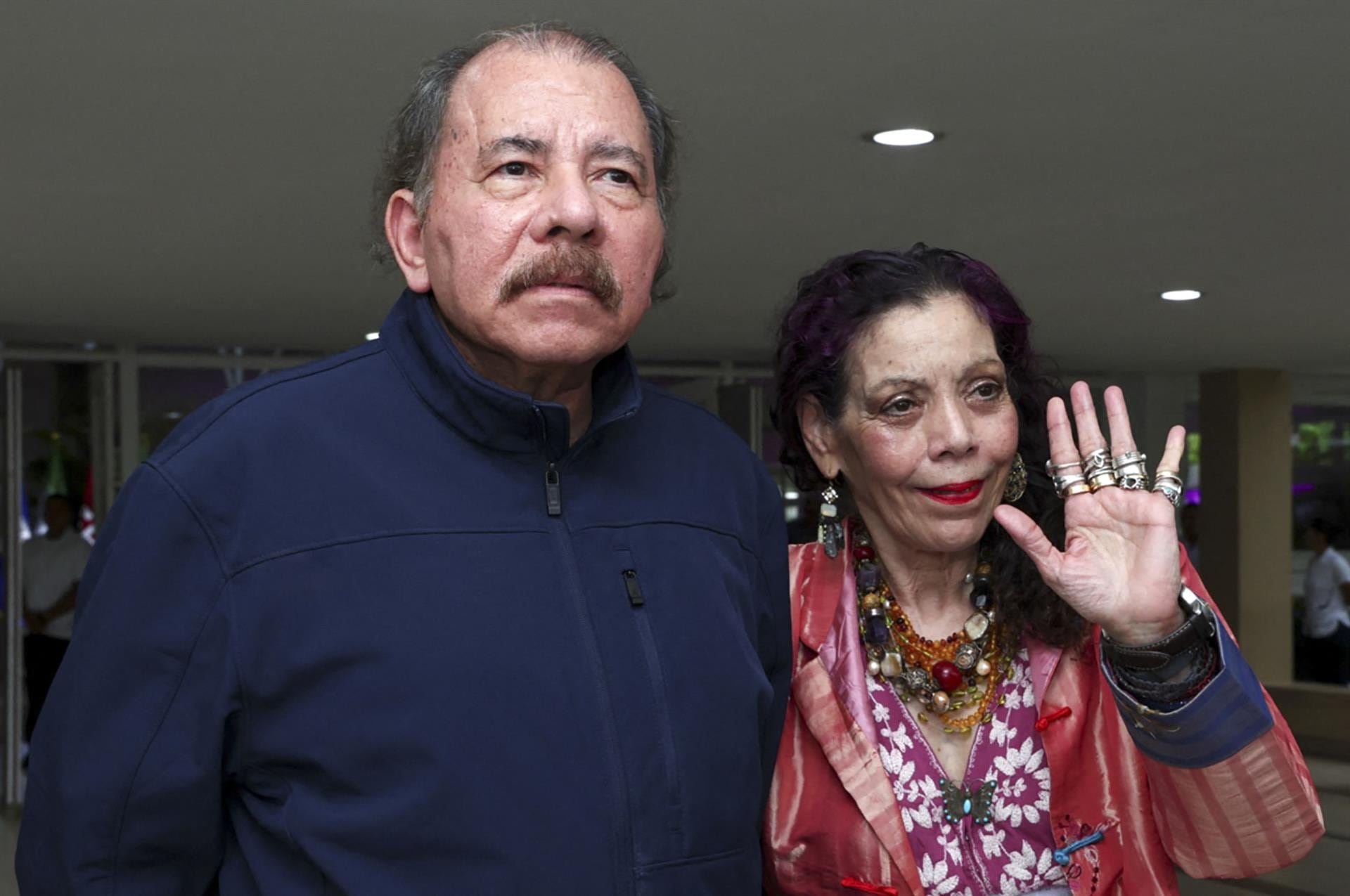
Kevin Josué Martínez Alemán salió hacia Costa Rica el 31 de diciembre de 2022, cuando tenía 17 años, luego de recibir amenazas de policías. El joven había sido monaguillo del sacerdote Manuel Salvador García, quien había sido encarcelado y acusado de forma falsa, según el material aportado.
En septiembre de 2023, familiares de Martínez Alemán recibieron de la Policía sandinista el mensaje de que podía volver. El joven regresó a Diriomo, en Granada, para visitar a su familia, pero el 21 de septiembre fue detenido en su casa.
Personas allegadas señalaron que, durante la detención, recibió presiones para acusar a otras personas y brindar información sobre refugiados nicaragüenses en Costa Rica. Días después recuperó la libertad, regresó a Costa Rica y no dio más detalles públicamente por temor a posibles consecuencias para sus familiares.
Juan Carlos Baquedano había estado 11 meses detenido tras las protestas de 2018 y, después de recuperar la libertad en 2019, se exilió en México. Cuando regresó en agosto de 2023 para resolver un trámite personal, fue arrestado otra vez en su vivienda y permaneció detenido durante más de un año.
En septiembre de 2024, Baquedano fue enviado a Guatemala y perdió la nacionalidad nicaragüense. Amnistía Internacional informó que quedó sin acceso a sus bienes ni a su pensión de jubilación y que presentaba secuelas de torturas.
El activista Yaser Morazán volvió a Nicaragua en abril de 2021, después de vivir en Costa Rica y Estados Unidos. Según article 66, antes de ingresar había cerrado sus redes sociales y se había alejado de la actividad política, pero fue detenido en febrero de 2025 y desde entonces no se difundieron nuevos datos públicos sobre su situación.
Las organizaciones registraron procesos por delitos comunes
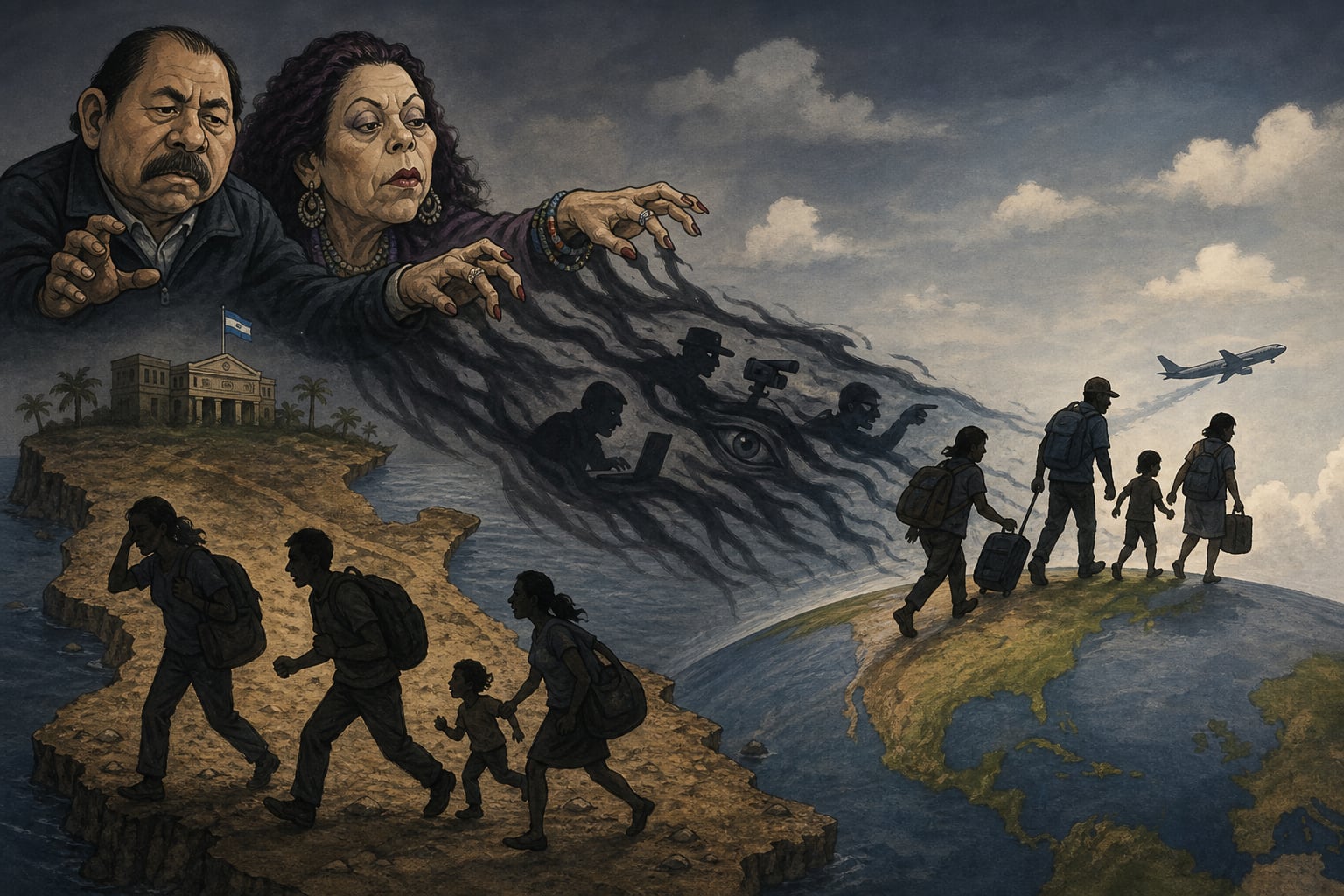
Naciones Unidas documentó en 2019 el caso de Ulises Rivas, quien volvió a Nicaragua después de exiliarse en 2018. Tras su captura, la Fiscalía lo acusó de robo y lesiones, lo condenó y años después fue desterrado junto a otros presos políticos.
El Colectivo de Derechos Humanos Nicaragua Nunca Más considera que algunos retornados son procesados por delitos comunes en vez de enfrentar acusaciones vinculadas de manera explícita con su activismo o sus posturas políticas. La organización interpreta que este tipo de procesos da una apariencia de legalidad a medidas de persecución.
Jeffrey Isaac Jarquín, conocido como “el Nene”, fue deportado desde Estados Unidos el 1 de octubre de 2026. Había estado preso en La Modelo entre 2018 y 2019, salió luego del país y solicitó asilo; al aterrizar en Managua, fue trasladado nuevamente a esa cárcel, donde antes había denunciado torturas.
El dirigente indígena Brooklyn Rivera viajó a Nueva York en abril de 2023 para asistir al Foro Permanente de la ONU para las Cuestiones Indígenas. El 24 de abril no pudo abordar el vuelo de regreso y, a finales de mayo, anunció que había ingresado a Nicaragua por la Mosquitia, el territorio miskito que comparte frontera con Honduras.
La Policía lo detuvo en su vivienda de Bilwi el 29 de septiembre de 2023. Durante 14 meses, sus familiares no recibieron información sobre su situación, ni tuvieron acceso a visitas o abogados, hasta que el Gobierno informó el 20 de noviembre de 2024, durante un examen ante Naciones Unidas, que se encontraba bajo custodia y enfrentaba acusaciones de traición a la patria, menoscabo a la integridad nacional y conspiración.
El 27 de mayo de 2026 se difundieron imágenes de Rivera hospitalizado en Managua, conectado a un respirador y con signos de malnutrición. Murió tres días después, a los 73 años, tras más de 970 días de detención y desaparición forzada; el Ministerio de Salud atribuyó el fallecimiento a complicaciones de una bacteria asociada al covid-19.
Los motivos familiares influyen en algunas decisiones de retorno
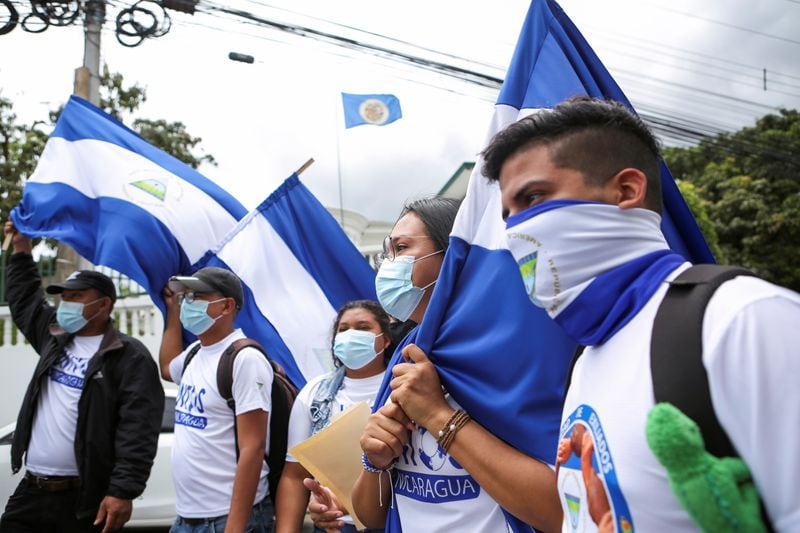
La ambientalista Salvadora Morales, desterrada en 2025, contó que evaluó entrar a Nicaragua desde Costa Rica o Honduras sin usar pasos regulares. Según relató, imaginó una vida de bajo perfil, alejada de las redes sociales y de la actividad pública, pero activistas de derechos humanos le advirtieron de los riesgos que podría enfrentar si era identificada y decidió permanecer en el país donde vive exiliada.
El periodista Houston Castillo regresó a Nicaragua en agosto de 2022 para asistir al funeral de su madre. Exiliado en Costa Rica desde 2021, cruzó por un punto ciego de Peñas Blancas durante la madrugada, llegó a su comunidad, participó en el sepelio y volvió hacia Costa Rica ese mismo día.
“Tenía miedo de que me apresaran”, recordó Castillo sobre el viaje. Más tarde, le informaron que patrullas policiales llegaron a la comunidad para preguntar por él poco después de su salida.
Las organizaciones plantean la necesidad de mayores garantías
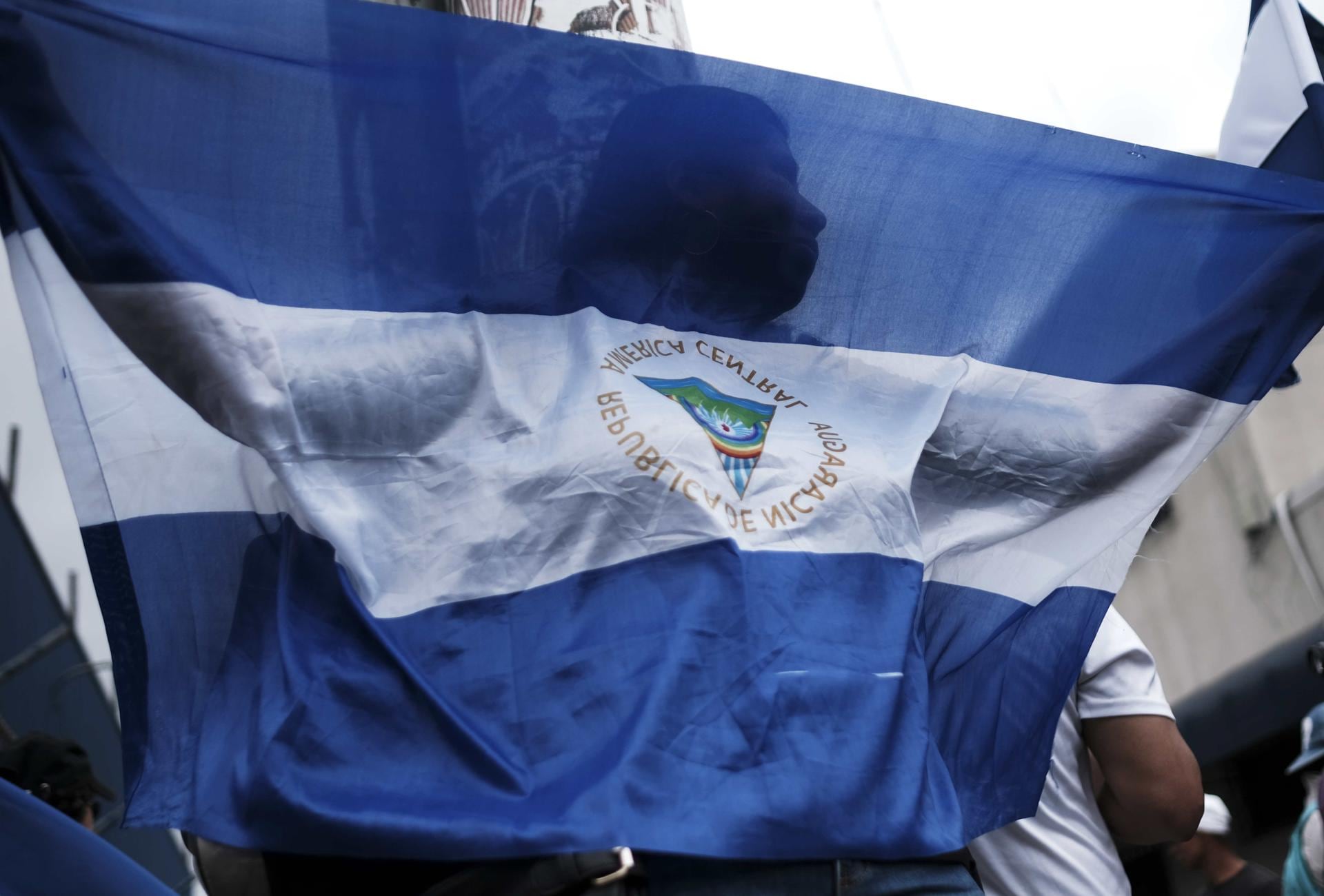
José Denis Cruz, coordinador general de la Asociación Centroamericana para la Democracia y el Desarrollo, ACDD, sostuvo que toda persona nicaragüense tiene derecho a regresar al país. A su juicio, ese derecho no debería depender de retractaciones públicas, pedidos de perdón o acuerdos individuales con las autoridades.
Cruz afirmó que no observa condiciones para un retorno seguro y con garantías para quienes fueron perseguidos, desterrados u obligados a exiliarse. También indicó que algunos regresos parecen estar vinculados a compromisos de autocensura o a limitaciones para ejercer libertades, una situación que describió como una forma de control.
La Fundación por la Libertad de Expresión y Democracia, FLED, informó el 13 de octubre que al menos tres periodistas que habían regresado a Nicaragua durante los meses previos salieron nuevamente del país. Según el informe, esas personas recibieron amenazas, persecución y advertencias que alcanzaron a sus familiares.
La organización también registró propuestas dirigidas a periodistas en el exilio. Esas ofertas incluían facilidades para volver y apoyo económico, a cambio de dejar de informar sobre Nicaragua y abstenerse de difundir críticas en redes sociales.
Cruz señaló que cada decisión de retorno está marcada por circunstancias particulares. Añadió que mayores garantías requerirían medidas de no represalia, libertad de expresión, restitución de derechos, instituciones independientes y respeto por las libertades fundamentales.
Daniel Ortega,Rosario Murillo,Nicaragua,exilio,familia,migración
INTERNACIONAL
Venezuelan opposition leader María Corina Machado makes surprise return home after nearly a year abroad
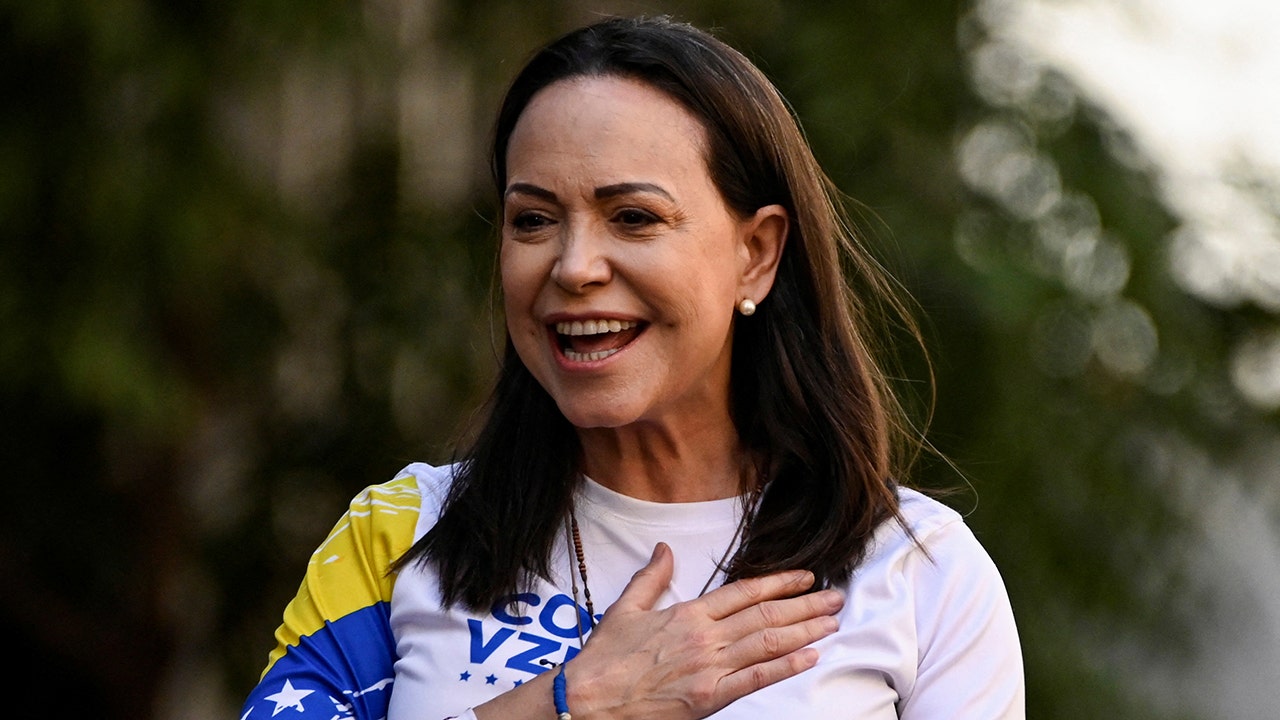
María Corina Machado warns Americans of the dangers of socialism
Venezuelan opposition leader María Corina Machado joins Rachel Campos-Duffy in Panama to warn Americans about the dangers of socialism ahead of the midterms. Machado shares a direct message to President Donald Trump, praising his leadership and stating that capturing Maduro would be his legacy. She also criticizes Delcy Rodriguez over the response to devastating earthquakes in Venezuela.
NEWYou can now listen to Fox News articles!
Venezuelan opposition leader María Corina Machado made returned to her home country on Sunday after nearly a year abroad, re-entering a political landscape transformed by the U.S. ouster of Nicolás Maduro.
«I’m here. With you all,» Machado wrote on social media, announcing her return for the first time since December. Her homecoming comes as Venezuela remains under the leadership of acting President Delcy Rodríguez, a longtime Maduro ally backed by the Trump administration, with no presidential election scheduled.
President Donald Trump, asked about Machado’s return by reporters in Port Huron, Michigan, said he was unaware of the development but expressed hope for her safety.
TRUMP TOUTS ACCESS TO 65 BILLION BARRELS OF VENEZUELAN OIL IN DEAL HE SAYS WILL SLASH GAS PRICES
Venezuelan opposition leader Maria Corina Machado arrives at a church after returning to the country following nearly a year abroad, in Lara, Venezuela, Oct. 25, 2026. (Vente Venezuela Press/Handout via REUTERS)
«I don’t know anything about it, but I think she’s a very nice woman,» Trump said. «She gave me her Nobel Prize. So how can I say anything else? And I hope she’s safe. She’s a very nice woman. But we’re doing really well in Venezuela.»
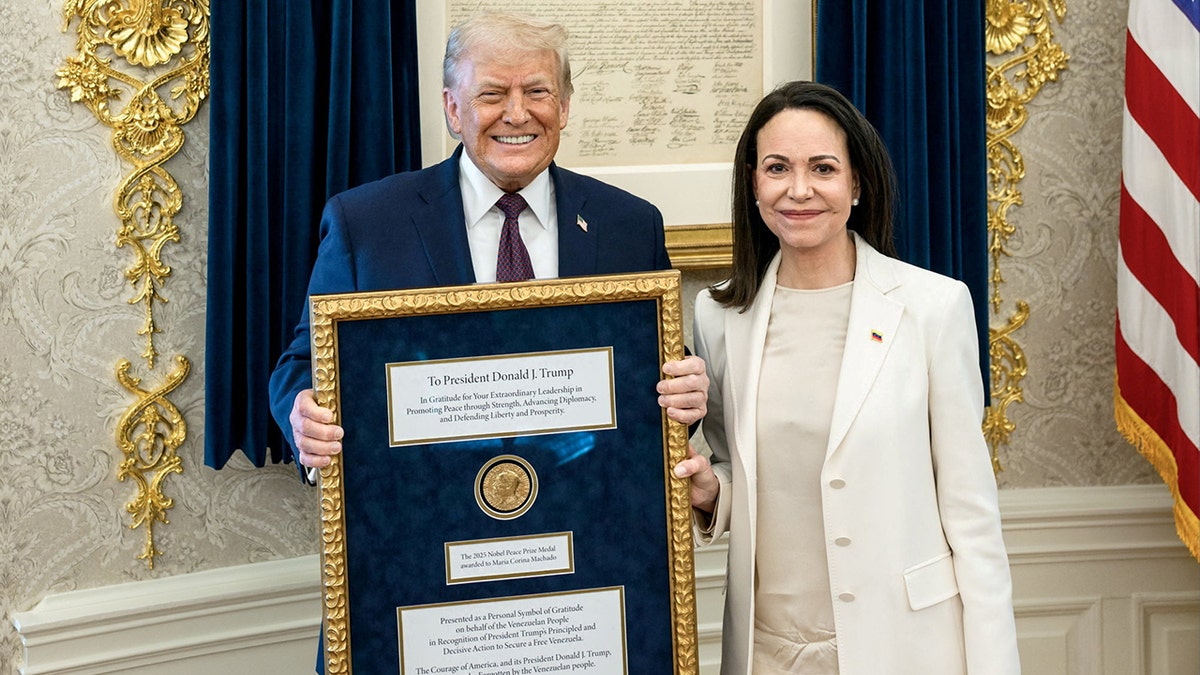
Machado presented the Nobel Peace Prize she won to President Trump last week. (White House handout via Reuters)
Machado, who was awarded the Nobel Peace Prize in 2025 for her peaceful opposition to Maduro’s government, did not disclose her exact location or provide details about how she returned.
Fellow opposition leader Edmundo González, who ran for president in 2024 after Machado was barred from seeking office, confirmed her arrival on social media and said he would join her «very soon.»
«Today is a very important day for Venezuelans. Our sovereign voice returns with her to lead and guide this process!» González wrote on X. «You know it, this is until the end.»
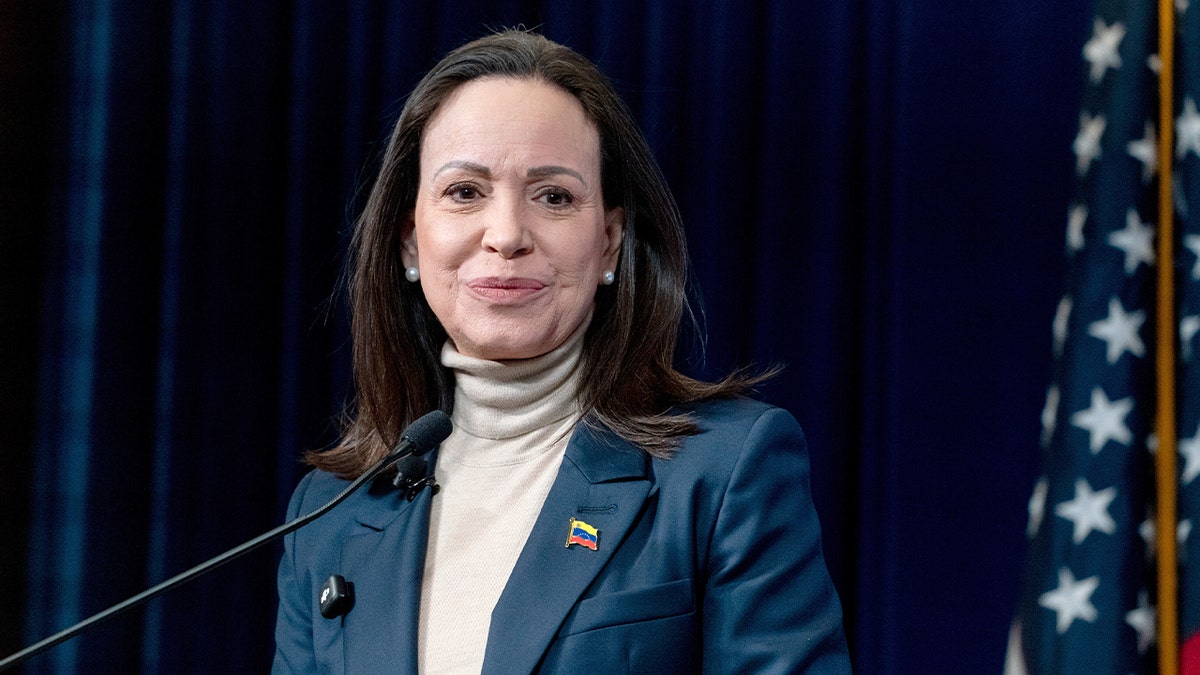
Venezuelan opposition leader Maria Corina Machado speaks during a news conference at The Heritage Foundation in Washington, DC, on Jan. 16, 2026. (Stefani Reynolds/Bloomberg via Getty Images)
Machado’s return comes nearly 10 months after U.S. forces captured Maduro in January, removing the longtime leader from power.
Rodríguez, Maduro’s former vice president, has remained in power with the Trump administration’s support, despite exceeding the period she was initially authorized to serve as acting president.

Opposition leader Maria Corina Machado displays vote tally sheets during a protest against the reelection of President Nicolás Maduro one month after the disputed presidential vote which she says the opposition won by a landslide, in Caracas, Venezuela, Wednesday, Aug. 28, 2024. (Cristian Hernandez/AP Photo)
Trump has repeatedly praised his administration’s relationship with Rodríguez, highlighting agreements involving Venezuelan oil production and other business ventures with American companies.
NICOLAS MADURO AND WIFE CILIA FLORES FACE NEW CHARGES OF CONSPIRACY TO TORTURE AMERICANS
In September, Trump said it was too soon to consider holding democratic elections in Venezuela, with U.S. officials prioritizing economic stabilization. Machado and her allies, meanwhile, have pushed for an election date, arguing that democratic governance is essential to the country’s long-term stability.
Her return could complicate relations between the Venezuelan opposition, the interim government and Washington. Reuters reported in June that U.S. officials had asked Machado to delay her return.
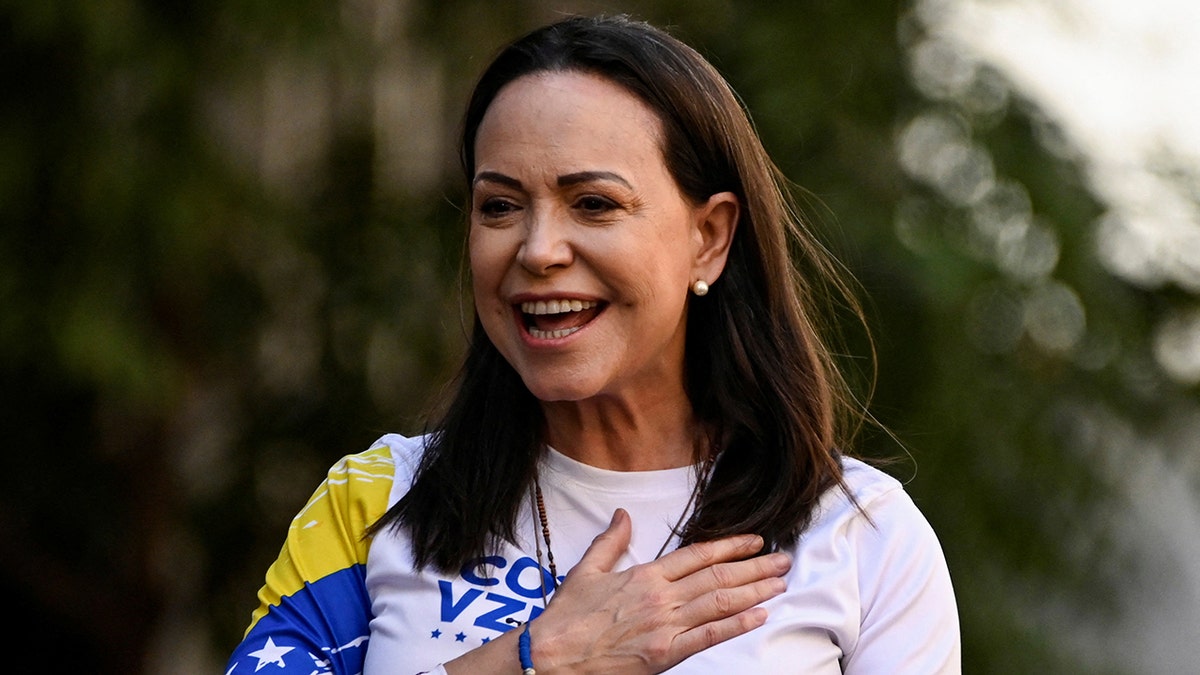
Venezuelan opposition leader Maria Corina Machado gestures at a protest ahead of the Friday inauguration of President Nicolas Maduro for his third term, in Caracas, Venezuela January 9, 2025. (REUTERS/Maxwell Briceno)
Machado spent much of 2025 in hiding after being briefly detained following an opposition protest that January. She later secretly left Venezuela and resurfaced in Norway in December to receive the Nobel Peace Prize.
Meanwhile, a faction of the Venezuelan opposition and Rodríguez’s government held another round of talks this month focused on reforms to the country’s Supreme Court and electoral authorities ahead of eventual elections, Reuters reported.
Machado’s political movement has not participated in those negotiations.
The Associated Press and Reuters contributed to this report.
venezuelan political crisis, south america, world, nicolas maduro, politics, world politics

Libertarios, peronistas y radicales viajaron a Brasil por la segunda vuelta: impresiones de una elección que tiene en vilo a la región

El regreso de María Corina Machado sacude a Venezuela: la pulseada con Delcy Rodríguez y el rol de Donald Trump

Levantaba casi 200 kilos y sufrió un accidente escatológico que se volvió viral: “No controlás todo lo que sucede”

Viraje en el PJ: el peronismo revisa su relación con la Justicia y disputa los espacios de poder del kirchnerismo

En plena interna con el kirchnerismo, Kicillof suma apoyos para 2027 y se mostró con Grabois en la UBA

Jaime tras el escándalo por su gesto de Fair Play: «Dentro de casa» :: Olé

Javier Milei y sus medidas, en vivo: el mandatario dijo que piensa un proyecto a “100 años” para la Argentina

Escándalo con Sancor Salud: Cuotas millonarias por un servicio nefasto que abandona a los pacientes en urgencias

Cuánto debería crecer la economía argentina en septiembre para no caer en recesión técnica

Estudiantes de La Plata busca su sexta final de Copa Libertadores: la tabla histórica del torneo y la disputa Argentina-Brasil que podría dirimir

 POLITICA3 días ago
Javier Milei y sus medidas, en vivo: el mandatario dijo que piensa un proyecto a “100 años” para la Argentina
- SOCIEDAD2 días ago
Escándalo con Sancor Salud: Cuotas millonarias por un servicio nefasto que abandona a los pacientes en urgencias
- INTERNACIONAL3 días ago
“Cualquier negociación sólo puede ocurrir después de liberar a los presos políticos”: la petición de 140 expresos cubanos al régimen