INTERNACIONAL
El regreso de María Corina Machado sacude a Venezuela: la pulseada con Delcy Rodríguez y el rol de Donald Trump

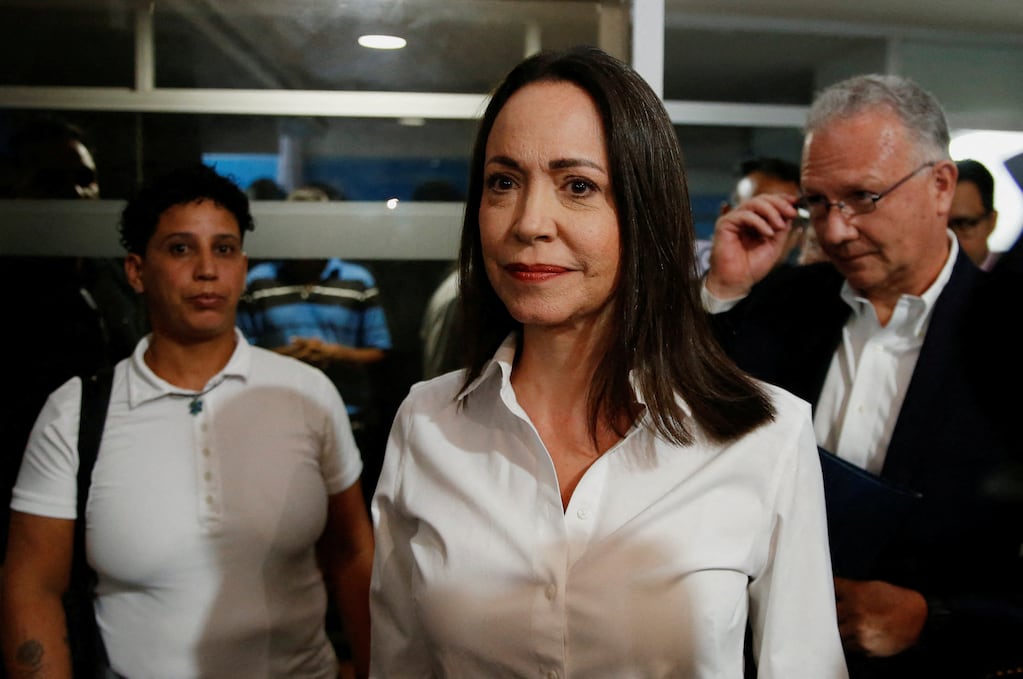
Venezuela empezó este domingo un nuevo período de transición, cuyas repercusiones políticas internas empezarán a verse en las próximas semanas.
La inesperada llegada al país de la líder opositora, María Corina Machado, aumentará la presión sobre la presidenta interina Delcy Rodríguez y la Casa Blanca.
La acción, de un fuerte contenido simbólico, podría mover el tablero de poder chavista y ya hay algunos exdirigentes que aventuran la salida del poderoso ministro del Interior y Justicia, Diosdado Cabello, el gran titiritero de enorme influencia en el ala militar del gobierno.
El arribo de Machado a Venezuela estuvo enmarcado por un hermetismo total. Ni su gente más cercana en el país estaba enterada. Desde Washington, el presidente estadounidense, Donald Trump, fue cauto y prefirió no confirmar si el viaje contó con su autorización. Esa es la gran clave de todo este asunto.
“Es una mujer muy agradable. Me dio su premio Nobel, así que ¿cómo puedo decir otra cosa? Y espero que esté a salvo. Nos está yendo muy bien en Venezuela”, afirmó.
Para Trump, los negocios son más importantes que cualquier proceso de transición y esta no parece ser una excepción, más allá del diálogo abierto entre un sector de la oposición y el chavismo bajo el ala de la embajada estadounidense.
“Es una oportunidad importante para dar una muestra significativa de los pasos hacia la reconfiguración del pluralismo político. Esto va a dar una nueva dinámica a lo que ya está encaminado y puede incidir en un aceleramiento de estos procesos de negociación que reconfiguren el sistema político venezolano”, dijo a TN el analista venezolano Piero Trepiccione, subdirector Del Centro Gumilla de Análisis.
¿Qué puede pasar ahora en Venezuela?
La vuelta de Machado sorprendió a todos.
“Creo que es una de las mejores noticias que he recibido últimamente. Su presencia representa un giro directo a la dinámica de transición del país. Jamás representa una desestabilizacion, muy al contrario, justamente da un piso muy fuerte a la esperanza. Se mueve el tablero político tanto nacional como internacional”, dijo a TN la excandidata presidencial opositora Corina Yoris.
Pero también fue un sacudón para la oposición interna que mantiene diferencias con el liderazgo de la premio Nobel de la paz 2025.
“Después del 3 de enero (cuando se produjo la acción militar estadounidense y la captura de Nicolás Maduro) las dos personas claves sobre cuya actuación se soporta la transición política venezolana son Delcy Rodríguez y Donald Trump, que afortunadamente tienen un buen nivel de comunicación y cooperación reciprocas”, dijo a TN desde Caracas el dirigente Agustín Berrios, presidente del opositor Partido de la Reconciliación Nacional.
Berríos dejó en evidencia que la figura de Machado genera cautela en el arco opositor interno, más allá de un claro respaldo popular: “Yo he tomado la determinación personal de no opinar sobre ella ni para bien ni para mal”.
“Todo el esfuerzo debemos concentrarlo en consolidar la estrategia de Estabilización, Recuperación Económica y Transición Política como vía de superacion de la crisis. Todo lo que abone a esa ruta es positivo, todo lo que lo perturbe o interrumpa es negativo”, alertó.
La gran pregunta ahora si la presencia de Machado en el país actuará como una olla a presión difícil de mantener en el corto plazo.
Desde su exilio en Europa, el exministro de Información del chavismo, Andrés Izarra, vaticinó la salida de Cabello. “Si entró Machado con apoyo de los gringos, Diosdado sale pronto”, aventuró.
El analista Andrés Cañizalez, investigador de la Universidad Católica Andrés Bello, de Caracas, dijo a TN que la llegada de Machado “dinamiza el momento político en Venezuela”.
“Me llama la atención poderosamente que el regreso de María Corina se haya aprobado” desde el chavismo, indicó.
Rodriguez









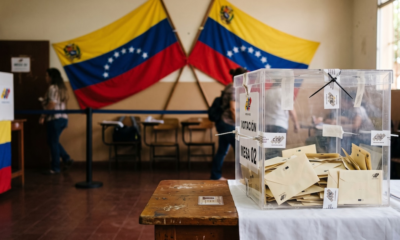


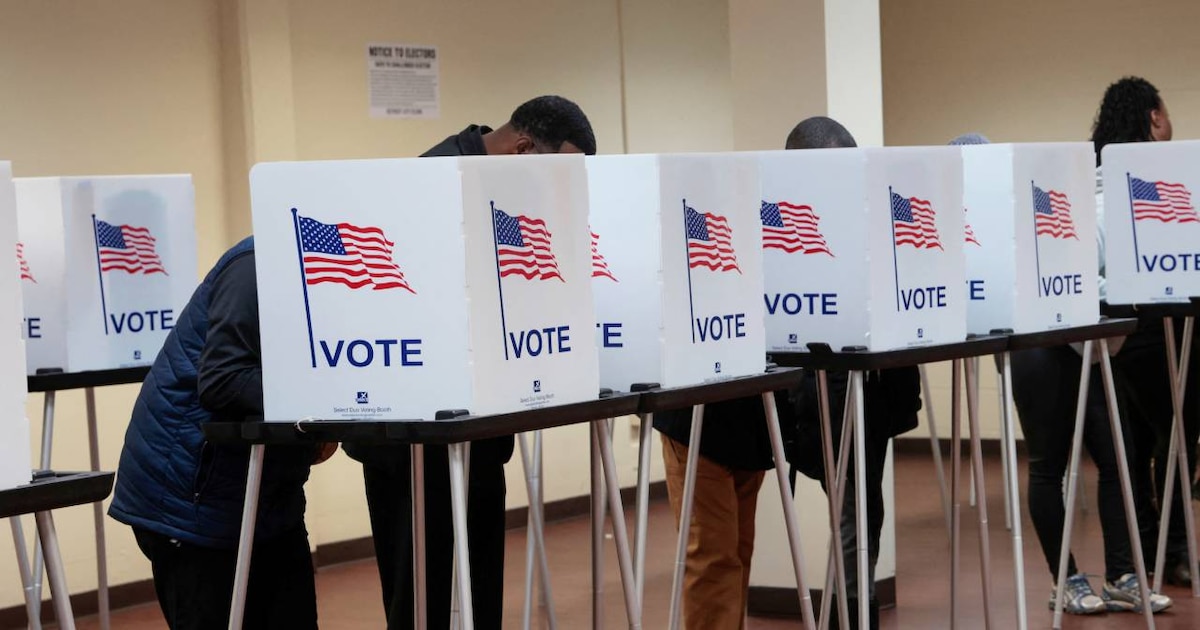
En la década de los noventa, los políticos se disputaban el apoyo de las “soccer moms”. En la década de los 2010, competían por los votos de los votantes blancos de clase trabajadora. Ahora está claro: los latinos son el grupo de votantes indecisos más importante de la década de 2020.
Los demócratas han ganado terreno entre los latinos en los últimos dos años, recuperando la confianza de un grupo crucial de votantes que contribuyó al regreso del presidente Trump a la Casa Blanca en 2024. Los votantes latinos prefieren ahora a los demócratas frente a los republicanos por 30 puntos porcentuales, según la última encuesta del New York Times y Siena.
Este cambio supone un giro sorprendente después de que Trump lograra avances significativos entre los latinos, sentando las bases de una coalición multirracial que muchos creían que podría marcar el inicio de un reajuste político a largo plazo.
Pero ese cambio de tendencia parece ahora limitado y, posiblemente, efímero.
Aunque los demócratas aún no han alcanzado el nivel de apoyo entre los votantes hispanos que tenían hace una década, han logrado avances importantes que podrían ayudarles a hacerse con el control del Congreso.
Los votantes hispanos representan al menos el 20 % de los votantes registrados en casi dos docenas de circunscripciones muy reñidas para la Cámara de Representantes en Arizona, California, Colorado, Florida, Pensilvania y Texas, así como en otros estados. Los votantes latinos también podrían resultar decisivos en varias contiendas por el Senado, entre ellas la de Texas, donde los republicanos obtuvieron avances históricos en las dos últimas elecciones. En Iowa y Kansas, estados tradicionalmente republicanos en los que los demócratas ven ahora la oportunidad de dar la vuelta a los escaños del Senado, los votantes hispanos también podrían desempeñar un papel fundamental.
Los votantes latinos han demostrado repetidamente en las encuestas que ninguno de los dos partidos se ha ganado su lealtad inquebrantable.
En la encuesta del Times/Siena, el 42 % afirmó estar insatisfecho con ambos partidos, y el 45 % dijo que no veía una gran diferencia entre ellos.
Camilo Cruz, de 19 años, independiente, afirmó que no confiaba en que ninguno de los dos partidos mejorara la situación en todo el país. “Está claro que en realidad no están intentando ayudar”, dijo. “Están haciendo todo lo contrario”.
Cruz, estudiante en Fort Myers (Florida), tiene dos trabajos para llegar a fin de mes. “Realmente no parece que ninguno de los dos partidos tenga en mente el interés de la gente”, afirmó.
Durante las últimas dos décadas, los demócratas han tenido ventaja entre el electorado hispano. Y muchos en el partido habían dado por sentado que el crecimiento del electorado latino perjudicaría inevitablemente a los republicanos. Pero en los últimos años, la ventaja de los demócratas entre este colectivo se ha reducido considerablemente.
En 2024, Trump contó con el apoyo del 44 % de los votantes hispanos, según el informe “Times Voter Trends”, lo que supone un notable aumento respecto a 2016, cuando le apoyaba el 28 %.
En la última encuesta, ese apoyo volvió a reducirse hasta el 31 %.
Los republicanos manipularon los límites de varios distritos electorales en Texas y Florida partiendo de la premisa de que mantendrían su ventaja entre los votantes hispanos. Pero las encuestas recientes sugieren que el cambio de tendencia en el apoyo latino podría provocar pérdidas para los republicanos en distritos electorales en los que Trump ganó por un margen de dos dígitos.
El 61 % de los votantes hispanos afirma ahora que apoyará a los demócratas en las elecciones de mitad de legislatura, lo que supone una mejora, aunque no alcanza el 68 % que los demócratas obtuvieron en 2016.
La encuesta sugiere que los demócratas están captando una pequeña pero significativa parte de los partidarios de Trump de 2024, ya que el 11 % de los votantes hispanos que apoyaron a Trump afirman que ahora tienen previsto apoyar a los demócratas.
Según muchos indicadores, Trump impulsó tanto el auge como la caída del apoyo de los votantes hispanos a los republicanos. Una encuesta de Equis Research, especializada en votantes hispanos, reveló que el índice de aprobación de Trump había alcanzado un nuevo mínimo entre ese electorado.
“Me gustaba Trump porque iba a mejorar la economía”, afirmó Janet Fuentes, de 34 años, una independiente que vive en Chicago y que dijo haber votado a Trump en 2024. “Pero los precios no dejan de subir”.
Gran parte de los avances de los demócratas entre los latinos se han concentrado entre los votantes más jóvenes y las personas sin título universitario —dos grupos que se decantaron claramente a favor de Trump hace tan solo dos años—.
En todos los temas objeto de la encuesta, los demócratas cuentan ahora con una amplia ventaja entre los votantes hispanos, lo que ilustra cómo han recuperado su confianza.
El coste de la vida es la principal preocupación de los votantes latinos, y es el tema en el que los demócratas cuentan con su mayor ventaja. Por un margen de casi 30 puntos, son más los votantes hispanos que afirman confiar en los demócratas para gestionar la economía —un cambio radical respecto a hace dos años, cuando Trump tenía una ligera ventaja en este tema—.
Y hay señales claras del impacto político de la agresiva política de control de la inmigración del presidente Trump: casi el 20 % de los votantes hispanos afirma ahora que la inmigración es una de sus principales preocupaciones, frente al 6 % del mes pasado.
Mientras que en 2024 los votantes hispanos estaban divididos sobre en qué partido confiar en materia de inmigración, ahora otorgan a los demócratas una ventaja de 27 puntos en este tema.
“La forma tan inhumana en que nuestra actual Administración aborda la aplicación de la ley de inmigración es terrible”, afirmó Víctor Torres, de 42 años, un ingeniero que vive en Houston. “Se trata a las personas como si fueran delincuentes reincidentes, cuando en realidad no han hecho nada malo mientras están aquí”.
Torres, demócrata, afirmó que la inmigración fue el tema principal que determinó su voto este año, y que confiaba más en los demócratas para abordarlo.
Algo más de una cuarta parte de los votantes latinos afirmó conocer a alguien que hubiera sido deportado o detenido por el Servicio de Inmigración y Control de Aduanas de EEUU (ICE) en los últimos dos años, según una encuesta de NBC News/Telemundo. La encuesta sugiere que esto podría tener repercusiones en la participación electoral. Alrededor del 17 % de los votantes hispanos afirmó que ellos mismos o alguien cercano a ellos estaban considerando no votar en persona este año debido a la preocupación por el ICE.
Aun así, los latinos se muestran más entusiasmados que los votantes blancos, negros o asiático-estadounidenses de cara a las elecciones de mitad de mandato, según la encuesta del Times/Siena. Alrededor del 30 % de los votantes latinos describieron sus sentimientos como de emoción, alegría o esperanza.
“Mucha más gente de mi edad —la Generación Z— está alzando la voz y, de hecho, votando”, afirmó Paola Paredes, de 21 años, estudiante y miembro de la Guardia Nacional que vive en San Antonio y está inscrita como independiente. Tiene previsto votar por James Talarico, el candidato demócrata al Senado por Texas. “Muchos de mis amigos se apresuraron a inscribirse para votar”, añadió.
En medio de estas noticias alentadoras para los demócratas, hay indicios de que no pueden contar necesariamente con un apoyo inquebrantable por parte de los votantes hispanos. Aunque el partido ha logrado avances desde 2024, ese apoyo no ha vuelto a los niveles de 2016, cuando los demócratas tenían una ventaja de casi 40 puntos.
Además, durante la última década, las opiniones negativas sobre el Partido Demócrata han ido en aumento entre los votantes latinos, según la encuesta de NBC/Telemundo, aunque se han estabilizado en los últimos años. Al mismo tiempo, las opiniones negativas sobre el Partido Republicano aumentaron considerablemente a partir de 2024.
© The New York Times 2026.
elecciones,voto,Estados Unidos,votantes,democracia,sufragio,urnas,cabinas,bandera,ciudadanía
INTERNACIONAL
Who is Itamar Ben-Gvir, the Israeli firebrand rising with the populist right across the globe?
NEWYou can now listen to Fox News articles!
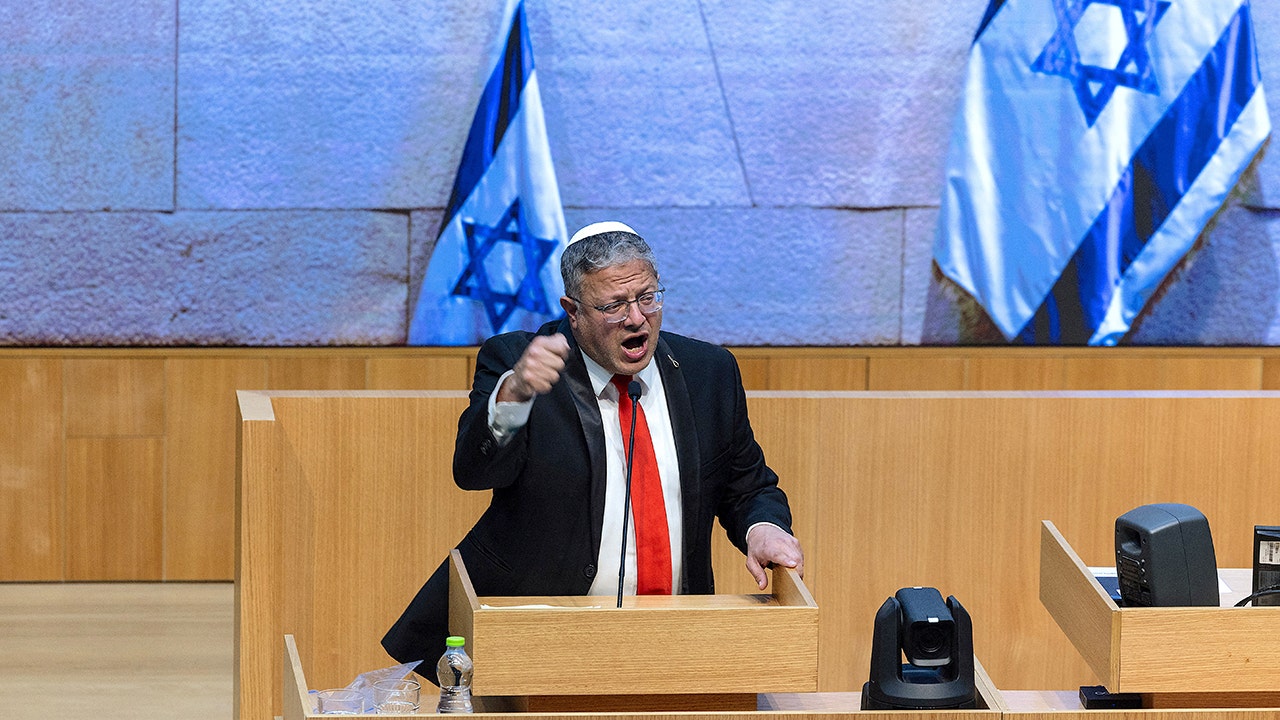
Polling ahead of Israel’s Oct. 27 election projects that National Security Minister Itamar Ben-Gvir’s Otzma Yehudit Party will win between seven and ten seats in the 120-member Knesset, potentially making any future government led by Benjamin Netanyahu’s Likud Party contingent on his support and positioning him to secure senior ministerial portfolios.
His political rise mirrors a broader trend across Europe and the West, where parties such as Marine Le Pen and Jordan Bardella’s National Rally in France, Geert Wilders’ Party for Freedom in the Netherlands, Australia’s One Nation leader, Pauline Hanson, Italy’s Matteo Salvini and Germany’s Alice Weidel of the AfD have all gained ground on traditional conservative political parties.
The highly controversial Ben-Gvir, as national security minister, oversees the ministry responsible for internal security, including the Israel Police, Israel Prison Service and civilian firearms licensing.
«I always say that Minister Ben-Gvir, if he were in America, he would just be called a Texan,» Yishai Fleisher, international spokesman for the Jewish community of Hebron and a candidate ranked No. 12 on the Otzma Yehudit list, told Fox News Digital.
NETANYAHU PRAISES TRUMP’S ‘WICKED SENSE OF HUMOR,’ DEFENDS IRONCLAD ALLIANCE AHEAD OF HISTORIC ISRAEL VOTE
Israel’s Minister of National Security Itamar Ben-Gvir speaks with Prime Minister Benjamin Netanyahu, during a session at the Knesset, Israel’s parliament, before it dissolves ahead of the 2026 Israeli elections, in Jerusalem, July 16, 2026. (Ronen Zvulun/Reuters)
In a video interview with Fox News Digital, Fleisher continued, «Meaning law and order, the death penalty for murderers, tough conditions for jihadists in our prisons and gun rights for the average Jewish person to be able to defend themselves in our national state. That’s what Itamar Ben-Gvir stands for,» he added.
Fleisher said that mass immigration had fueled Islamist extremism and unrest in parts of Europe, saying Israelis want to avoid similar developments.
«There is a jihadist takeover that has come in through immigration, and now the streets of Paris are burning, and the people of Belgium and the U.K. want their countries back,» Fleisher said. «In Israel, we don’t want to see Tel Aviv burning,» prompting politicians to embrace what are known in the United States as «law-and-order» and «tough-on-crime» candidates.

Israeli National Security Minister Itamar Ben-Gvir visits the Al-Aqsa compound, also known to Jews as the Temple Mount, during Jerusalem’s Day, in Jerusalem’s Old City May 26, 2025. (Ammar Awad/Reuters)
FORMER IDF CHIEF GADI EISENKOT EMERGES AS NETANYAHU’S LEADING ELECTION CHALLENGER
Former Israeli Ambassador to Washington Danny Ayalon said that Ben-Gvir had missed an opportunity to change course despite his lack of military service and past conviction, arguing that his tenure had instead had a damaging impact, including on Israel’s diplomatic standing.
«Ben-Gvir spoke in a way that turned the entire world against Israel, portraying it as a racist country by making statements that made Israel a pariah state,» Ayalon said.
«I always say that Minister Ben-Gvir, if he were in America, he would just be called a Texan…Meaning law and order, the death penalty for murderers.
Fleisher praised Ben-Gvir, who he said has cracked down on protection rackets in southern Israel and made significant progress toward what he described as greater equality for Jews on the Temple Mount in Jerusalem, Judaism’s holiest site.
«Minister Ben-Gvir was an activist from a very young age. He saw the dangers and evils of the Oslo process with the Palestinians and tried to stop it. He was arrested and stopped many times because of that, and he faced the court many times. It was then-Chief Justice Aharon Barak who once told him, ‘Why don’t you go study to be a lawyer?’» Fleisher said.
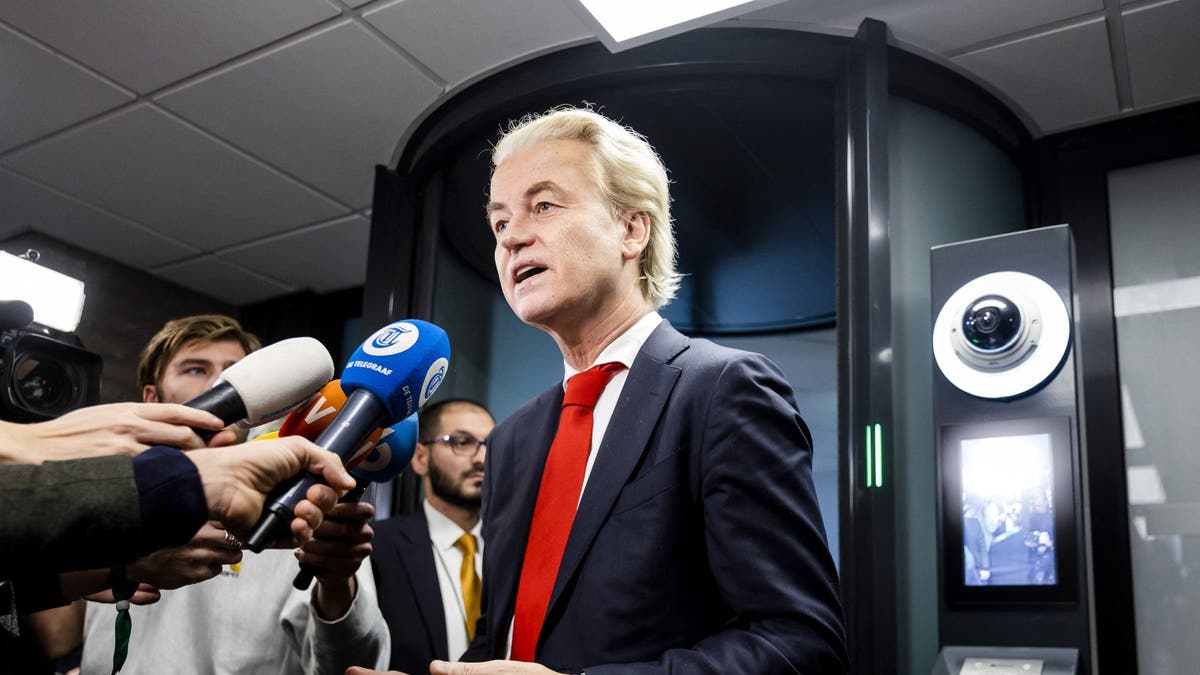
Leader of the Party for Freedom (PVV) Geert Wilders speaks to the press after a meeting with Speaker of the House at the House of Representatives in The Hague, on November 24, 2023. After his shock election win, far-right Dutch firebrand Geert Wilders on Friday kicked off the formal process of building a government coalition, battling to convince reluctant rivals to serve under him as premier. (Sem van der Wal/ANP/AFP via Getty Images)
«Ben-Gvir spoke in a way that turned the entire world against Israel, portraying it as a racist country by making statements that made Israel a pariah state.»
Ben-Gvir, who studied law, became active in public and political affairs and was first elected to the Knesset in 2021. Following the 2022 elections, he was appointed minister of national security by Prime Minister Benjamin Netanyahu.
His many critics have taken issue with his firebrand style and what many view as a lack of political correctness. Ambassador Ayalon, a former deputy foreign minister, told Fox News Digital that he also viewed Ben-Gvir’s performance as national security minister negatively.
EUROPEAN PARLIAMENT VOTES TO CONFRONT MUSLIM BROTHERHOOD, ‘ISLAMIST ENTRYISM’ IN OVERWHELMING VOTE
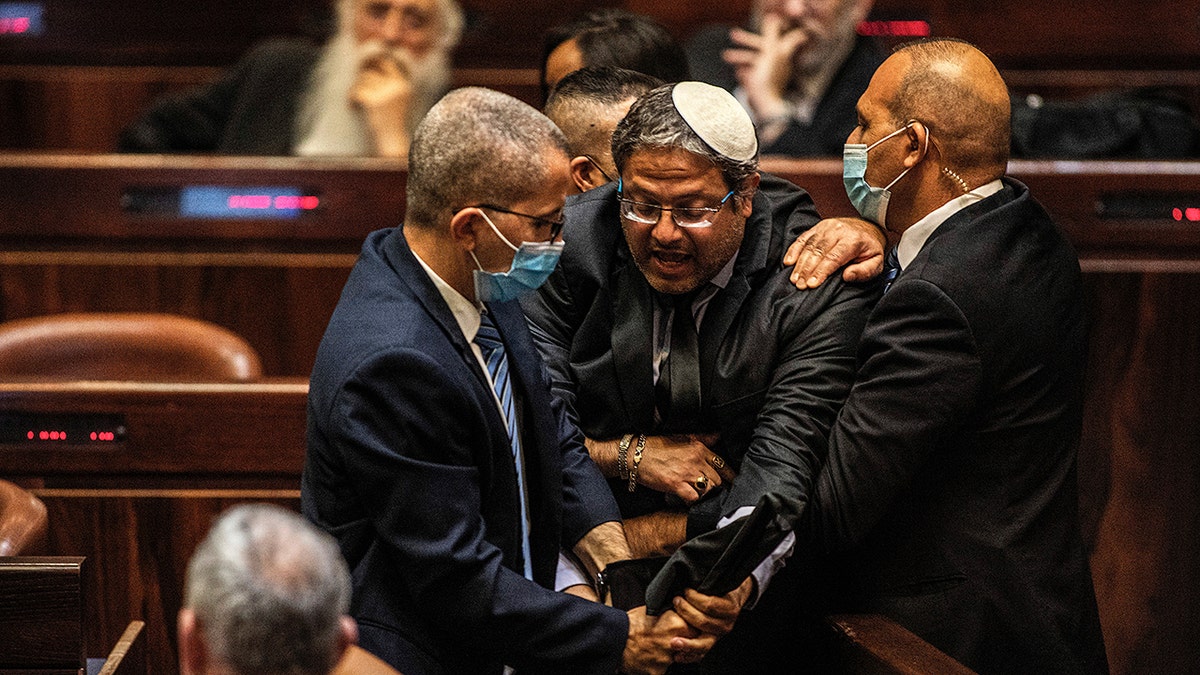
Security attempted to prevent Knesset member Itamar Ben-Gvir from holding up signs reading «Shame’ during a session at the Israeli Parliament (Knesset), which had convened to vote on the country’s next government under Naftali Bennett, who became Israel’s new Prime Minister by leading a fragile coalition of eight parties. Jun. 13, 2021 (Ilia Yefimovich/picture-alliance/dpa/AP Images)
«During his tenure, Israel has become less secure internally because crime is rising. Many young people believed in the last election that he would bring governability and authority to areas such as the Negev and the Galilee, on the outskirts of the country, where there is almost no law,» Ayalon said.
In 2007, Ben-Gvir was convicted of supporting a terrorist organization and inciting racism.
His campaign told Fox News Digital that the conviction stemmed from displaying a sticker of the late Rabbi Meir Kahane, whose Kach party was outlawed in 1994, and reflected his support for a Jewish nationalist movement.
«As a young man, Minister Ben-Gvir was an intense Jewish nationalist. He has said many times, publicly, that he has matured since then and moved on from those positions.»
ABBAS DELAYS PALESTINIAN ELECTIONS AGAIN, MAKING MORE THAN TWO DECADES WITHOUT VOTE
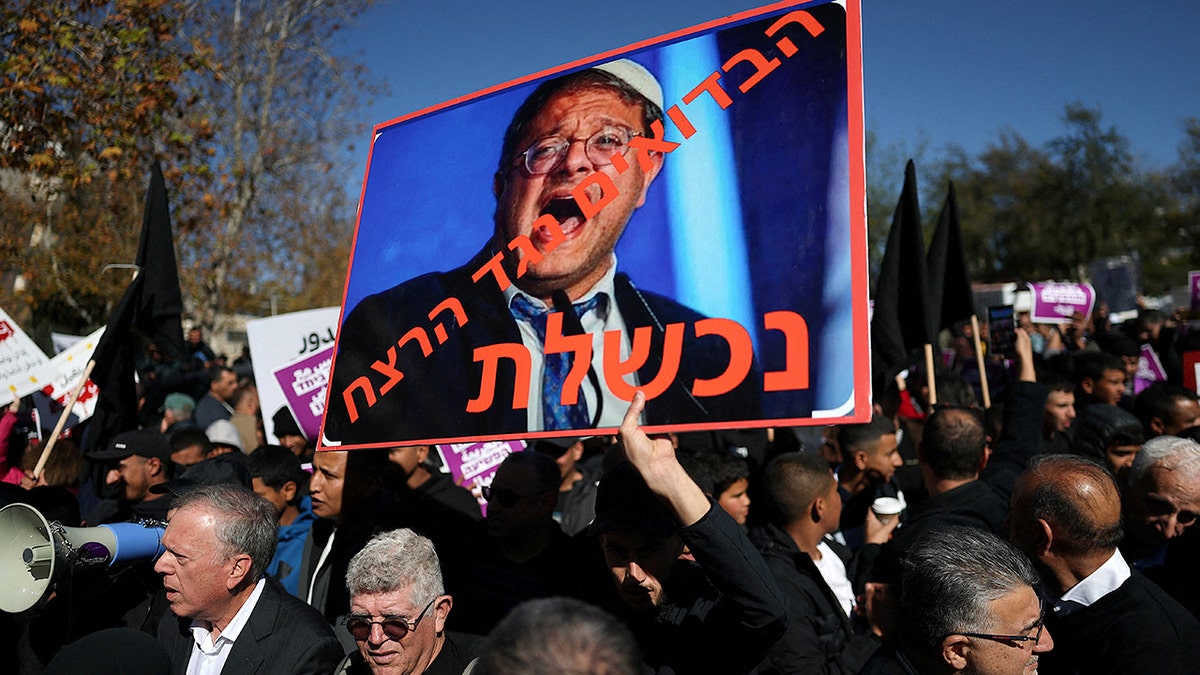
A demonstrator holds a sign with an image of Israeli National Security Minister Itamar Ben-Gvir and the words «The Bedouins against the murder, You failed» as members of Israel’s Arab minority protest, calling on the Israeli government to protect Arab communities of the Negev desert from crime and killings from within the community through effective law and order, outside the Prime Minister’s Office in Jerusalem, January 11, 2026. REUTERS/Ammar Awad (Ammar Awad/Reuters)
Recent posts on Ben-Gvir’s social media accounts, along with statements issued through Netanyahu’s and Likud’s official channels, have raised questions about whether the two remain fully aligned.
On Oct. 15, Ben-Gvir shared a Hebrew-language media report quoting Netanyahu as saying that he would not serve again as national security minister. In response, Ben-Gvir wrote: «Dear Prime Minister, only the people will decide. Ben Gvir is strong, Israel is strong!»
TRUMP SAYS NETANYAHU NEEDS TO BE RE-ELECTED, OR ELSE US WILL HAVE TO ‘FINISH THE JOB’ AGAINST IRAN ALONE
Last Wednesday, Netanyahu’s Likud party appeared to reverse course, posting a message on its official WhatsApp channel stating: «Ben-Gvir is a senior minister in our government, and he will remain so in the next government — provided that the bloc consisting of the Left and Arab parties does not win.»
Despite the public statements, Ayalon said Netanyahu could opt not to include Ben-Gvir in the next government, even if it meant forming an alliance with opposition parties such as Gadi Eisenkot’s Yashar.
«Netanyahu is brilliant. He kept Ben-Gvir because it suited him. If he could, he would get rid of him in a minute. Bibi is capable of changing his mind on a dime,» Ayalon said.
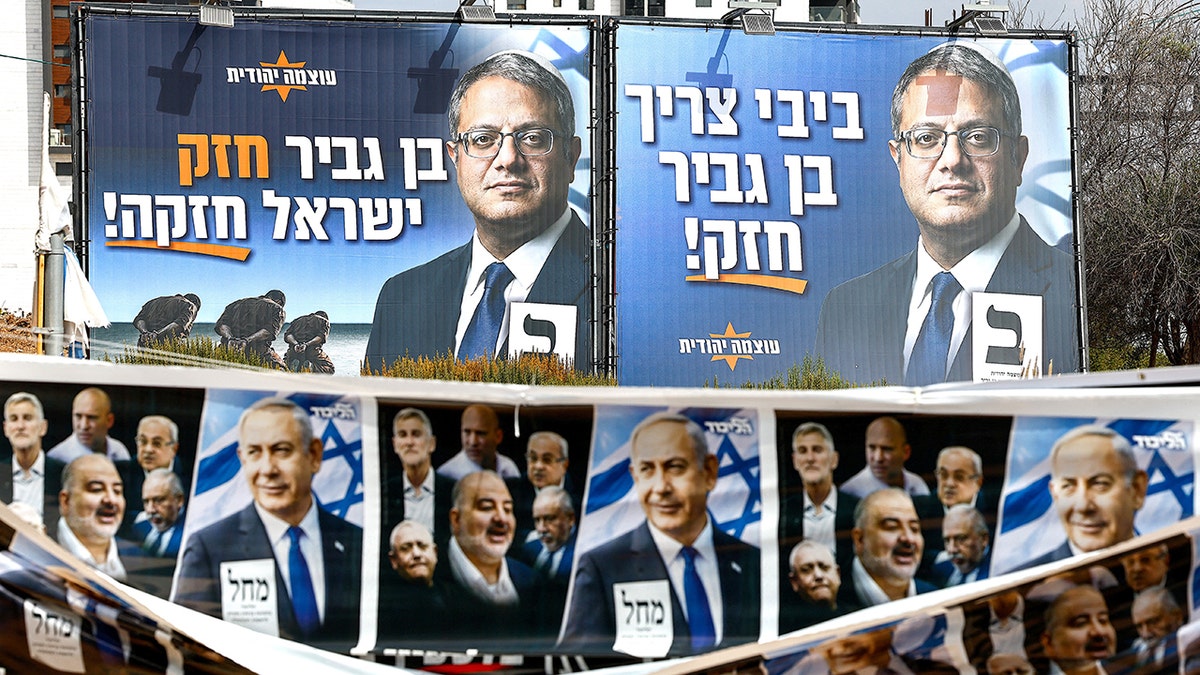
Election banners with images of Israel’s National Security Minister Itamar Ben-Gvir, leader of Jewish Power (Otzma Yehudit) party, and Prime Minister Benjamin Netanyahu, leader of Likud party, in Sderot, near Israel’s border with Gaza, in southern Israel, Oct.18, 2026. (Reuters/Amir Cohen)
Fleisher credited Ben-Gvir with tripling the number of personal firearms and firearms licenses issued to Israelis over four years, establishing 1,000 rapid-response teams, overhauling the prison system and demolishing 9,000 illegally built homes, particularly in the Negev.
In March, the Knesset approved a death-penalty law sponsored by Otzma Yehudit and other lawmakers, a measure Ben-Gvir has strongly championed.
«No more hotel-like conditions in our prisons. You’ll know you are being punished for your crime, and these simple policies ultimately deter jihadism,» Fleisher told Fox News Digital.
«They understand that he represents a full-throated pushback against the jihadist takeover of our land. Ben-Gvir also represents a strong Jewish identity, strong policies and strong laws to ensure that we don’t lose control of our country,» he said.
The latest polls show Netanyahu’s bloc slightly behind the opposition, led by Yashar party chief Gadi Eisenkot, but neither side has a clear path to the 61 seats needed for a governing majority.
israel, benjamin netanyahu, world elections, anti semitism, terrorism, elections
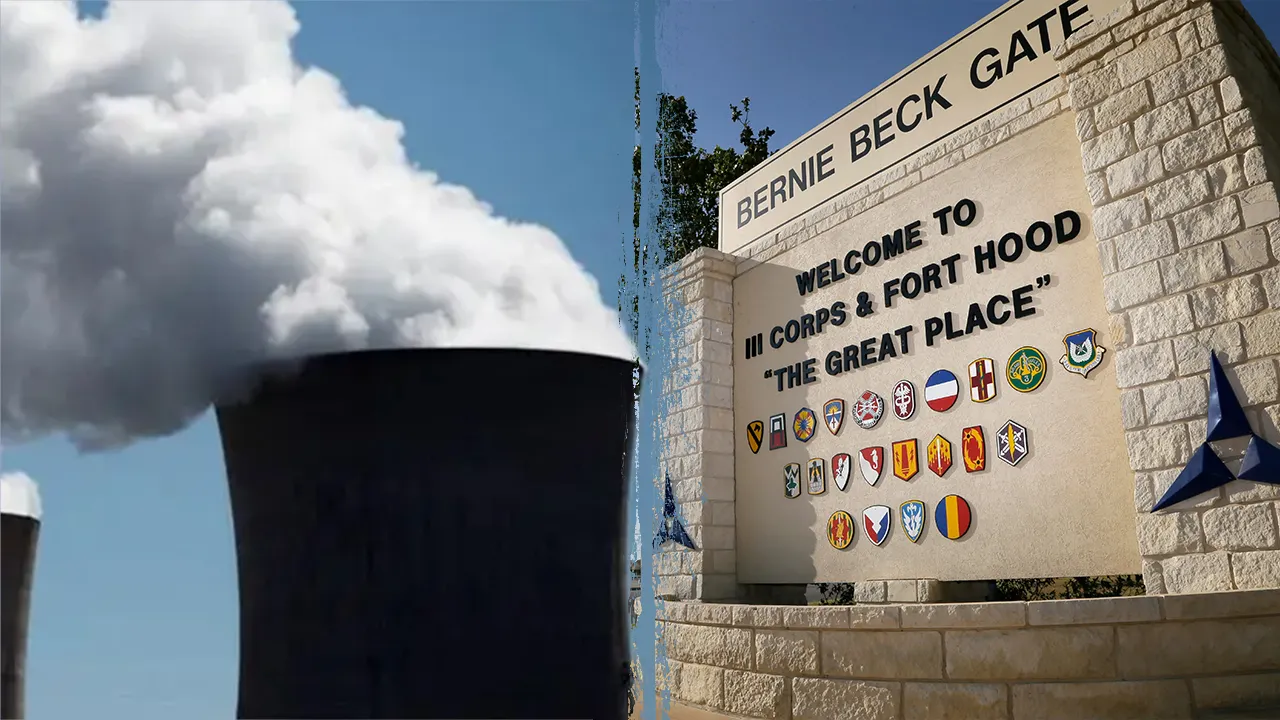
FIRST ON FOX — The Pentagon is preparing U.S. military bases to keep operating for at least 90 days without outside support as it prepares for the possibility of a major war that could cripple power grids, disrupt supply chains and threaten critical infrastructure on American soil.
The new requirement is part of FORTRESS, a broader military initiative aimed at ensuring American forces can continue fighting even if the civilian systems they depend on are disrupted, according to documents reviewed by Digital.
AMERICA’S NEXT WAR COULD REACH US SOIL, TOP ARMY GENERAL WARNS
«We don’t want to rely on standard civilian municipal infrastructure to run our national defense. We just simply can’t. It’s an intolerable risk,» Pentagon chief spokesperson Sean Parnell told Digital.
The Pentagon is also laying the groundwork for civilian factories to shift to defense production during a crisis, while preparing alternative supply chains and strategic reserves to keep weapons, fuel and other essential materials flowing.
«Power is combat now. Without electricity, you lose communications, water, logistics, assembly lines and just basic military command structures,» Parnell said.
Under FORTRESS, every major military installation in the continental United States would be expected to sustain essential operations independently for at least 90 days, including access to electricity, water, fuel and communications.
TRUMP PENTAGON LAUNCHES COMPETITION FOR AMERICA’S NEXT GREAT MILITARY BASE
The requirement reflects a broader shift in how the Pentagon is preparing for threats to the American homeland, including the possibility that a major conflict could disrupt the infrastructure supporting military operations inside the United States.
«I realized that a lot of the way we think about homeland defense was built around the antiquated assumption that two oceans would protect us,» Parnell said. «President Trump understands that world is gone, and he’s already paved the way for new thinking: Golden Dome, a renewed focus on the Western Hemisphere, Greenland, Panama.»
A central concern is the military’s reliance on civilian power grids, which support everything from communications and logistics to weapons manufacturing.
FORTRESS envisions portable nuclear reactors, large-scale battery storage and microgrids capable of disconnecting military installations from the civilian electrical grid, allowing them to continue operating during prolonged power disruptions.
«Mission-critical power must be independent, hardened, and redundant,» Parnell said.
The Pentagon has already announced plans to reduce major military installations’ dependence on civilian power grids. The 90-day self-sufficiency standard goes further, extending the requirement beyond electricity to other essential services needed to sustain military operations.
The strategy also anticipates major disruptions to the global supply chains that provide the military with weapons, equipment and critical materials.
«The next conflict will likely be fought on multiple fronts. Look at the geopolitics behind any major war. When that happens, global supply chains will break,» Parnell said.
To prepare, FORTRESS calls for strategic reserves of munitions, fuel, critical minerals, electronics, spare parts and medical supplies that could sustain military operations if international supply routes are disrupted or domestic manufacturers cannot keep pace with wartime demand.
Reserve targets would vary depending on how quickly supplies are consumed during a major conflict and how long manufacturers would need to replace them.
STARTUPS BRING INNOVATION TO DEFENSE INDUSTRIAL BASE
For the military’s most critical defense dependencies, the initiative also establishes a requirement for at least two qualified supply or production pathways, reducing the risk that the loss of a single factory, supplier or industrial capability could interrupt military operations.
Another major component involves preparing America’s civilian manufacturing sector to support a wartime mobilization.
Through the Civil Reserve Manufacturing Network, an existing initiative incorporated into FORTRESS, the Pentagon plans to identify commercial factories capable of shifting to defense production during a crisis.
The new details describe plans to assess manufacturers’ capabilities and establish technical specifications, cybersecurity protections, contracting arrangements and conversion procedures in advance, rather than waiting until a conflict begins.
FORTRESS also calls for recurring industrial stress tests and mobilization exercises to assess whether manufacturers could maintain production through prolonged disruptions.
Beyond energy and manufacturing, the initiative includes efforts to strengthen military communications, navigation and satellite capabilities against interference, including preparations to maintain operations when GPS signals are jammed or space-based assets are disrupted.
Together, the measures are intended to reduce the military’s dependence on civilian infrastructure and vulnerable supply networks during a prolonged conflict.
«You don’t want to be making these decisions in the middle of a global multi-front conflict. We have to have a plan,» Parnell said.
He described FORTRESS as an insurance policy for the homeland, designed to ensure American forces can continue operating even if a major war disrupts the infrastructure and supply chains they rely on.
military tech, pentagon, pentagon defense, military

“Cruzó un límite”: Bullrich criticó los ataques de Milei a la prensa y volvió a tomar distancia del Gobierno

Patricia Bullrich volvió a diferenciarse de Milei y cuestionó sus ataques a la prensa: “Cruzó un límite”

Canales para ver el Central Córdoba vs. Vélez Sarsfield por el Torneo Clausura

Doce diputados libertarios viajaron a Brasil para respaldar a Flavio Bolsonaro y esperan los resultados en Río de Janeiro

Los latinos son ahora los votantes indecisos más importantes de Estados Unidos

El proyecto de Malvinas pierde impulso y no hay una fecha clara para la sesión en Diputados

Javier Milei y sus medidas, en vivo: el mandatario dijo que piensa un proyecto a “100 años” para la Argentina

Escándalo con Sancor Salud: Cuotas millonarias por un servicio nefasto que abandona a los pacientes en urgencias

Cuánto debería crecer la economía argentina en septiembre para no caer en recesión técnica

Estudiantes de La Plata busca su sexta final de Copa Libertadores: la tabla histórica del torneo y la disputa Argentina-Brasil que podría dirimir

 POLITICA3 días ago
Javier Milei y sus medidas, en vivo: el mandatario dijo que piensa un proyecto a “100 años” para la Argentina
- SOCIEDAD2 días ago
Escándalo con Sancor Salud: Cuotas millonarias por un servicio nefasto que abandona a los pacientes en urgencias
- INTERNACIONAL3 días ago
“Cualquier negociación sólo puede ocurrir después de liberar a los presos políticos”: la petición de 140 expresos cubanos al régimen