INTERNACIONAL
La opositora venezolana María Corina Machado calificó de corrupto al nuevo socio petrolero de Trump


La líder opositora venezolana en el exilio, María Corina Machado, dijo en una extensa entrevista esta semana que el nuevo socio petrolero de Washington en Venezuela, Alejandro Betancourt, era responsable de una “corrupción obscena” y no lo consideraría un socio comercial viable si ella asumiera el poder.
Fue la primera vez que Machado opinó de manera pública sobre Betancourt, quien hace poco concretó un lucrativo acuerdo con el gobierno de Donald Trump para controlar alrededor de una quinta parte de las reservas de petróleo de Venezuela.
El acuerdo puso a Betancourt, un adinerado empresario objeto de investigaciones de corrupción, en el centro de la estrategia de Washington para Venezuela y a la transformación del país en un Estado vasallo de facto por parte del gobierno de Trump.
La conversación con Machado tuvo lugar después de meses en los que el gobierno de Estados Unidos la ha mantenido a cierta distancia, pasándola por alto al favorecer en enero a una líder autocrática, Delcy Rodríguez, como dirigente del país y concretando acuerdos a puerta cerrada con figuras controvertidas como Betancourt.
Betancourt hizo una fortuna gracias a contratos sin licitación para plantas eléctricas, los cuales implicaban sobrefacturar a entidades estatales, según un auditor de energía independiente de Venezuela.
A Machado, una excongresista que ha liderado la oposición durante los últimos tres años, no se le ha permitido volver a su país, ni siquiera con el enorme control que Washington ejerce ahora sobre Venezuela y a pesar de las repetidas declaraciones del secretario de Estado, Marco Rubio, de que el objetivo final es una transición democrática.
En la entrevista, realizada en Panamá, donde la líder se hospeda por ahora, Machado dijo que Estados Unidos no la había incluido en las negociaciones actuales entre el gobierno venezolano y otra facción de la oposición, mismas que se están llevando a cabo esta semana en Caracas, la capital.
Trump









INTERNACIONAL
Democrats’ latest gun-control push runs into inconvenient fact about how school killer was stopped
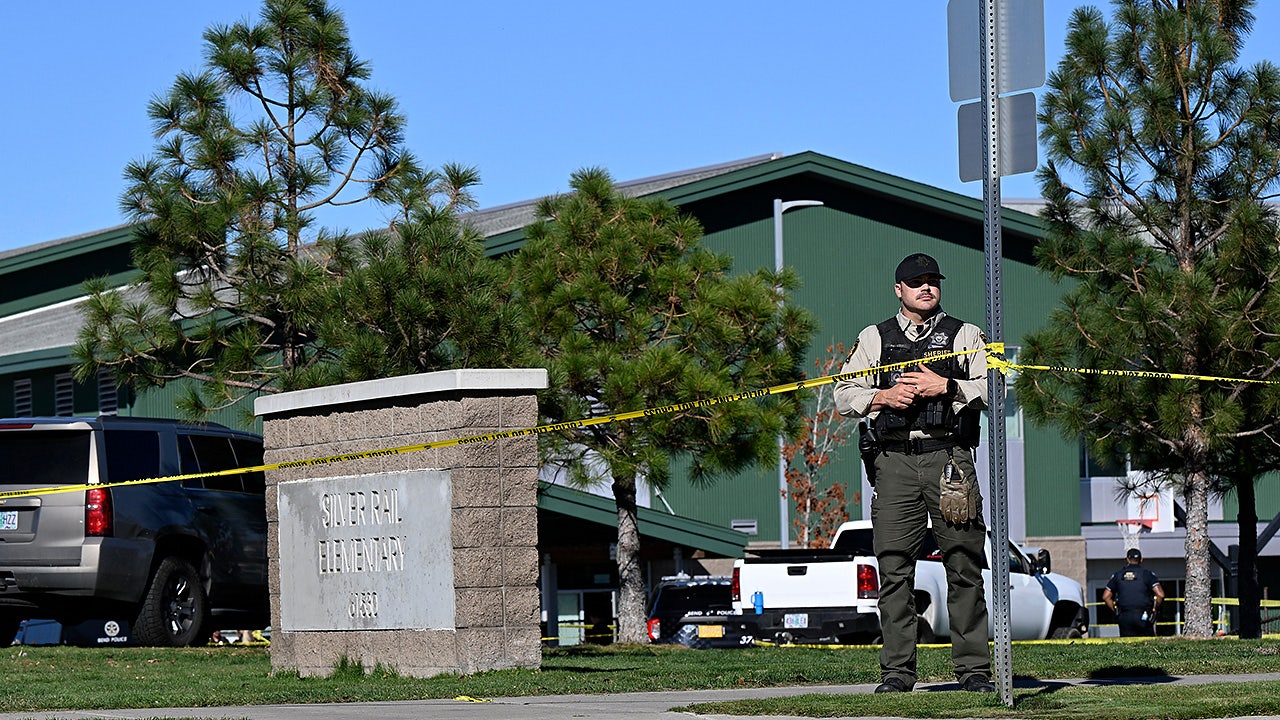
Democrats renewed calls for tougher gun laws after three children and a teacher were killed in an Oregon school shooting, but gun-rights advocates say the circumstances of the attack bolster their case against new restrictions.
The teenage shooter reportedly opened fire with a shotgun purchased by his mother before armed father-of-two-students Kaylub Giamanco pursued him into Silver Rail Elementary School and fatally shot him. Second Amendment advocates argue additional gun restrictions would not have stopped the killer and could make it harder for armed civilians like Giamanco to intervene.
«Democrats are shamefully weaponizing this tragedy in Oregon to advance their political agenda on gun control,» Aidan Johnston, director of federal affairs for Gun Owners of America, told Digital.
«But more gun control isn’t the solution: the school was a gun-free zone and the killer didn’t use a so-called ‘assault weapon.’ What did stop the mass murderer and save lives was an armed bystander with good aim.»
FEDERAL APPEALS COURT UPHOLDS CONTROVERSIAL ILLINOIS BAN ON SEMIAUTOMATIC GUNS
Gun-rights researcher John Lott, president of the Crime Prevention Research Center, separately argued that restrictions on carrying firearms can leave potential victims defenseless.
«These gun-free zones actually serve as a magnet for these attacks rather than stopping them from occurring,» Lott told Digital.
Lott pointed to CPRC research examining active shootings from 2014 through 2024, which he said found that legally-armed civilians stopped more attacks than police did.
The National Rifle Association similarly questioned whether new restrictions would have changed the outcome.
«Oregon already has nearly every gun-control measure on the anti-gun wish list—including an A- rating from groups that push them—yet that did not prevent this attack,» the NRA said in a statement to Digital. «The armed bystander who pursued the shooter inside and ended the threat is the clearest reminder that when seconds count, a prepared law-abiding citizen can stop a killer.»
Sen. Ron Wyden, D-Ore., was among the lawmakers calling for action after the shooting at Silver Rail Elementary School in Bend, where Bend-LaPine school policy bans firearms, including concealed ones.
«The best way to honor these victims is to at long last pass common-sense gun laws that reduce the risks of more children, parents, teachers and staff forced to live in fear of similar nightmares for their schools,» Wyden said in a statement.
JONATHAN TURLEY: JAMES TALARICO’S DEFENSE OF GUN CONTROL LEAVES OUT A KEY WORD
Rep. Janelle Bynum, D-Ore., whose district includes Bend, also called for action while acknowledging the armed bystander’s intervention.
«When are we going to practice that same bravery that that bystander had?» Bynum asked during a vigil, after urging action to keep firearms away from people who should not have them.
Senate Armed Services Committee ranking member Jack Reed, D-R.I., also cited the shooting in calling for additional gun laws and urging the Supreme Court to change course:
«It is far past time for the Roberts Court to make it clear their decision on guns does not endorse unfettered and unregulated access to weapons,» Reed said.
«In the absence of the Supreme Court ceasing its pro-gun rulings, Republicans need to join Democrats in enacting commonsense policies that could prevent these kinds of tragedies,» Reed added.
The Roberts Court has issued consequential gun-rights rulings, including District of Columbia v. Heller — which struck down the District of Columbia’s handgun ban in 2008 — and New York State Rifle & Pistol Assn. v. Bruen, which struck down New York’s requirement that applicants show a special need to obtain a license to carry a handgun in public.
LA GUN OWNERS STUCK WAITING YEARS FOR CONCEALED CARRY PERMITS SCORE MAJOR DOJ VICTORY
The political fighting is unfolding as investigators examine how the teenage gunman gained access to his mother’s shotgun — a key question in determining whether existing or proposed gun laws could have made a difference.
Asked specifically about universal background checks and red-flag laws, the NRA argued that neither would likely have prevented the shooting, citing initial reports that the teenager obtained a family member’s firearm.
The organization noted that background checks generally apply to firearm transfers, not unauthorized access to a firearm already owned by someone else. It also argued that a red-flag order would likely have been ineffective, although the circumstances surrounding the teenager’s access to the shotgun remain unclear.
Lott also pointed to a 2021 change in Oregon law that allowed individual school districts to prohibit concealed carry permit holders from bringing firearms onto school property, arguing that such restrictions can leave schools more vulnerable.
Before that change, Lott said, Oregon teachers with concealed carry permits generally could carry firearms at schools, although some districts imposed employment-related restrictions. He estimated that roughly 25 of the state’s 197 school districts have adopted prohibitions since then.
SIGN UP TO GET THE POLITICS NEWSLETTER
«All the school shootings where anybody has been wounded or killed have occurred in places where people, teachers and staff are banned from having guns,» Lott said, citing CPRC research.
Lott said his organization is updating the research through 2025. He also argued that uniformed school resource officers face tactical disadvantages because attackers can identify them, avoid them or target them first.
«Having somebody in uniform is like having a neon sign above them that says, shoot me first,» Lott said.
Lott also questioned whether penalties for violating gun-free-zone restrictions would deter someone already facing multiple life sentences for murder.
«They may be facing six or seven life sentences [on murder counts and the like]. Does taking five years away from their seventh or eighth life [sentence] going to matter? Is that a penalty for them? And the answer is no,» he said.
The NRA also cited research finding that 94% of mass shootings since 1950 occurred in gun-free zones, echoing Lott’s argument.
«Law-abiding Americans have the right to defend themselves and their communities rather than rely solely on a sign or sticker. The tragedy in Bend is a clear example of how an armed citizen who is prepared and willing to act can stop an attacker and save lives. Policies that keep responsible people disarmed near schools leave those locations more vulnerable, not safer,» an NRA spokesperson said.
Lott maintained that gun-free-zone restrictions can therefore disadvantage lawful gun owners without meaningfully deterring someone planning a mass shooting.
James Cirrone and the Associated Press contributed to this report.
mass shootings, oregon, second amendment, state and local, politics, police and law enforcement
INTERNACIONAL
‘Buck’ stops at Walz: Flanagan ducks Minnesota fraud blame as GOP rival exposes glaring contradiction
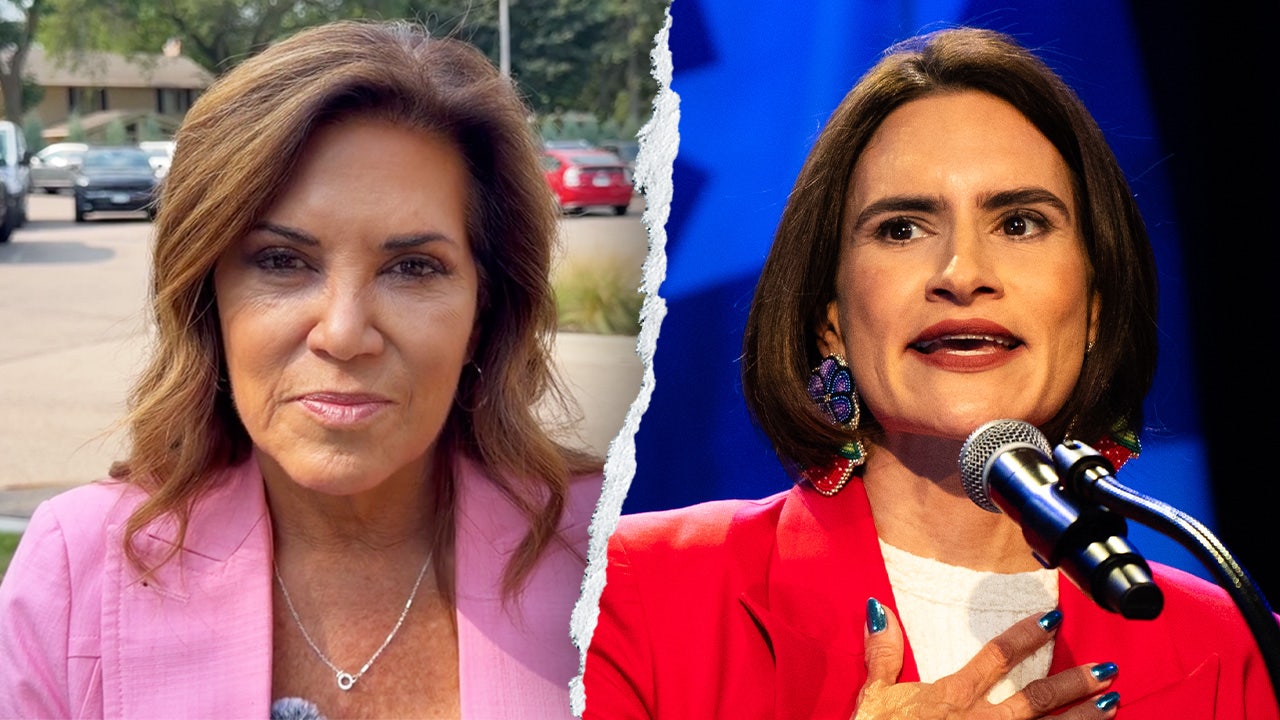
Michele Tafoya, the Republican nominee for U.S. Senate in Minnesota and a former broadcaster, aggressively sought to put her opponent, Democratic Lt. Gov. Peggy Flanagan, on the defensive during a Friday afternoon debate over the billion-dollar fraud schemes that drew national attention to the state earlier this year.
Early in the debate, Tafoya pressed Flanagan on her qualifications for federal office, pointing to her record as lieutenant governor.
«My opponent has been second in command in this state for eight years, drawing a taxpayer-funded paycheck. And what do we have to show for that? We have massive fraud, historic fraud. We have test scores down. We have crime spiking. We have a massive surplus turned into a deficit,» Tafoya said.
TAFOYA MAKES ‘COMMON SENSE’ PITCH TO DISAFFECTED DEMOCRATS AS SHE VOWS TO FIGHT MINNESOTA’S ‘SOCIALIST LURCH’
«This election is about Peggy Flanagan.»
Local and federal investigators have uncovered myriad fraud schemes involving daycare centers, food programs, health clinics and other operations accused of defrauding the state of up to $9 billion. Investigators say fraudsters either inflated the number of people they allegedly helped or fabricated their services altogether — all while receiving government dollars.
When the issue resurfaced later in the debate, the moderator asked Flanagan directly whether, in her view, she had «any ownership over the fraud.»
Flanagan sought to distance herself from the issue, pointing to Walz’s acknowledgment that responsibility for oversight rested with him.
«The governor has been very clear that the buck stops with him,» Flanagan said.
«He was the one who had oversight here. I’ve led on issues like paid family and medical leave, nation-leading child tax credit, making sure that kids get breakfast and lunch at school. Those are the things and those are the areas where I took the lead.»
When Flanagan then redirected the conversation to criticism of President Donald Trump, Tafoya went on the attack.
DAVID MARCUS: PEGGY FLANAGAN’S DEI RECORD AND FRAUD SCANDAL PUT MINNESOTA SENATE RACE IN THE SPOTLIGHT
«Peggy, Donald Trump isn’t on the ballot. You and I are on the ballot, and only one of us let $9 billion walk out the door to fraud to suggest that we that she somehow is going to be a fraud czar all of a sudden,» Tafoya said.
«My goodness, she was second in charge in this state, and she’s just going to point her finger at Gov. Tim Walz when she demanded to be in the room where everything happened. But suddenly she has nothing to do with this. Again, sell it to someone else,» she added.
Flanagan has served as Minnesota’s lieutenant governor for nearly eight years, taking office in 2019. By the time Walz announced that he would not run for re-election as governor amid political scrutiny for the fraud, Flanagan had already announced her bid for U.S. Senate.
Responding to Tafoya, Flanagan doubled down on her criticism of Trump, noting that the president had recently endorsed Tafoya.
«Donald Trump doesn’t just endorse anybody. In fact, he endorses against people in his own party if they dare to take him on. Michele Tafoya passed his litmus test with flying colors,» Flanagan said.
Tafoya then laid out her own proposals for combating fraud, including tougher consequences for noncitizens who defraud Americans.
«Number one, if you’re a guest of this country and you defraud Americans, you must leave. You must leave, and you should have no pathway back,» she said.
FRAUD EXPERT EXPOSES HOW HIDDEN NETWORKS DROVE MINNESOTA FRAUD, OTHER MAJOR SCAMS: ‘CRIMINAL ENTERPRISE’
SIGN UP TO GET THE POLITICS NEWSLETTER
«Number two, if you’re an American and you defraud your fellow Americans, we should be talking about mandatory prison minimums. Tough sentences, not an easygoing slap on the wrist. And number three, if you’re a state like Minnesota who cannot keep your financial house in order, why would the federal government release billions and billions of dollars to you, only to see it go to fraud?» Tafoya said.
After securing their respective parties’ nominations earlier this year, Flanagan and Tafoya will face off in the state’s Nov. 3 general election.
midterm elections, minnesota fraud exposed, politics, tim walz, senate
INTERNACIONAL
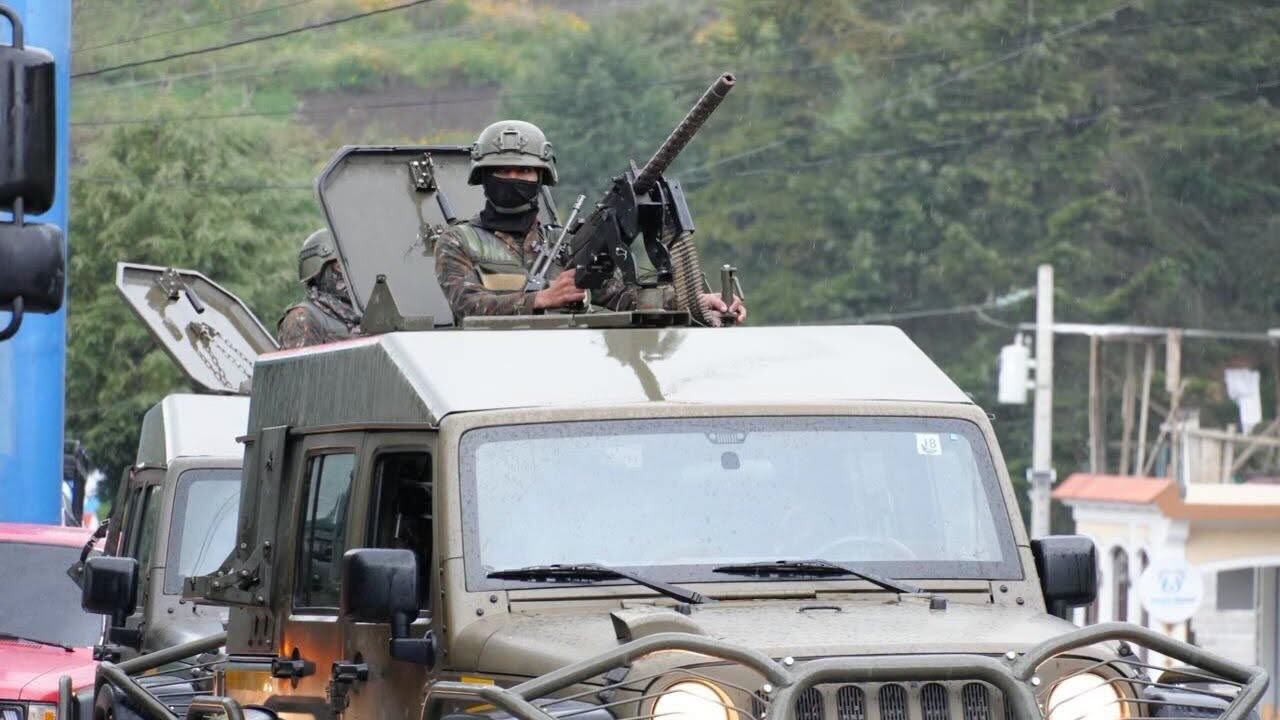
Guatemala despliega 700 efectivos para retomar el control en Tajumulco e Ixchiguán ante presiones del narcotráfico para retirar a militares
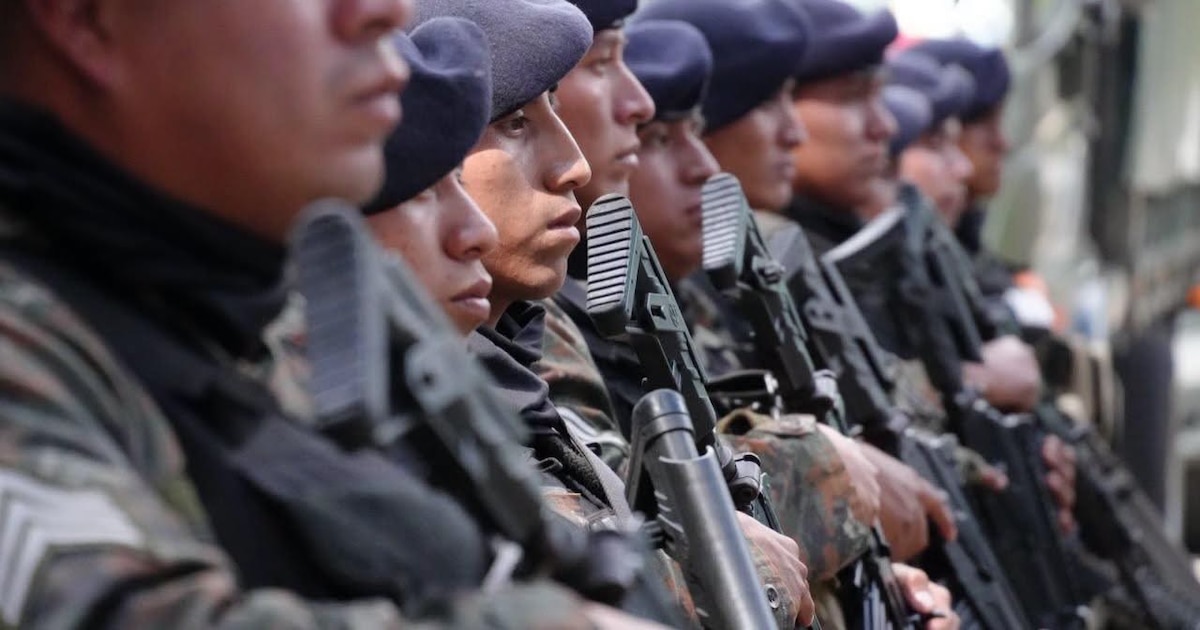
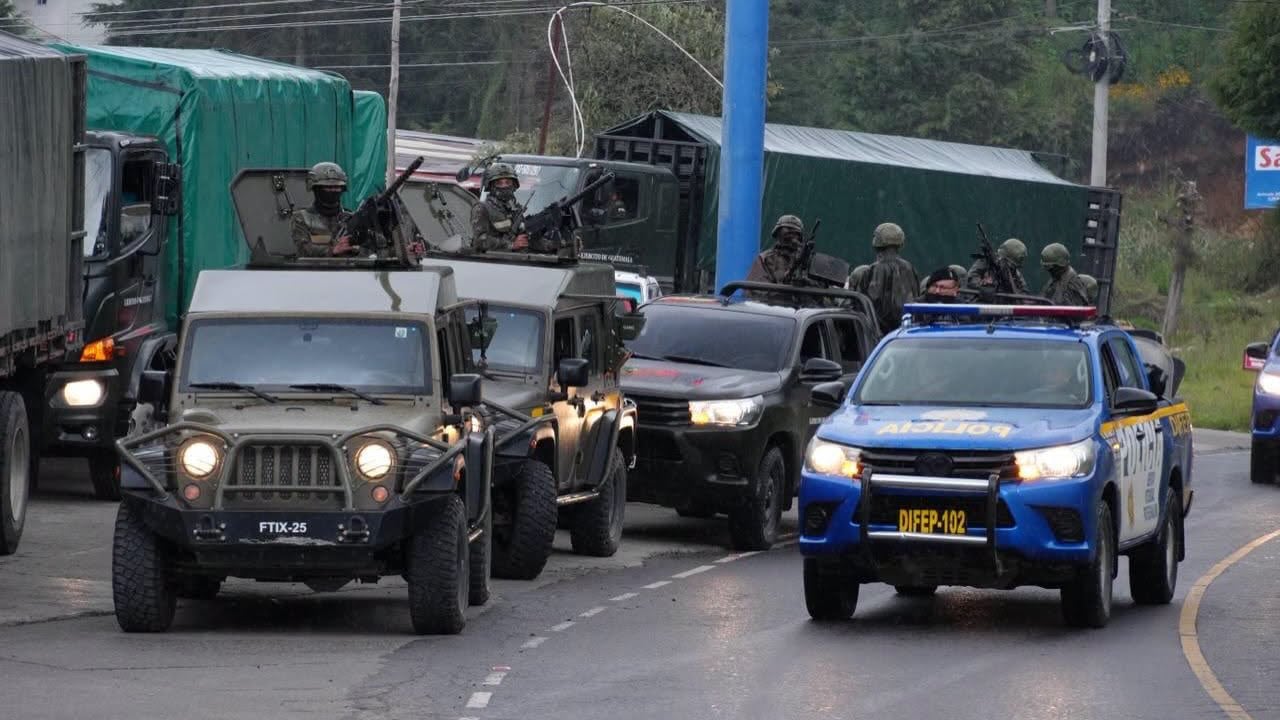
El Ejército de Guatemala y la PNC desplegaron 700 efectivos desde el jueves 15 de octubre en Tajumulco e Ixchiguán, municipios de San Marcos ubicados en la frontera con México, para recuperar el control territorial ante la presión de estructuras del crimen organizado que buscan el retiro de posiciones militares estratégicas.
La operación podría extenderse entre 15 y 20 días, según evolucione el conflicto armado que afectó a comunidades de ambos municipios. El despliegue se produjo después de ataques con armas de fuego que interrumpieron la actividad escolar y dejaron a un soldado muerto, de acuerdo con información oficial.
Más de 400 militares y cerca de 300 agentes ingresaron a la zona pasado el mediodía del 15 de octubre. El subdirector general de Operaciones de la Policía Nacional Civil, Esvin Jacinto Quiché, explicó que el contingente instaló puestos de control, realiza patrullajes a pie y motorizados y cuenta con equipos de investigación criminal. Según reporte de medios locales.
Las pesquisas buscan determinar si organizaciones delictivas guatemaltecas o mexicanas participaron en los ataques contra pobladores y fuerzas de seguridad. También apuntan a identificar a quienes emplean fusiles de alto poder y rifles con miras de precisión para disparar desde posiciones distantes contra comunidades rivales y personal militar.
Los ataques armados y la muerte de un soldado
La violencia obligó el 13 de octubre a suspender las clases presenciales en establecimientos situados en el cantón Las Brisas y el caserío Villa Linda, ambos en la aldea Tuichán. Videos registrados durante los enfrentamientos mostraron a niños y niñas resguardados bajo sus pupitres mientras se oían ráfagas de disparos en las cercanías.
El Ministerio de Educación dispuso que las escuelas afectadas continuaran con clases a distancia mediante guías de trabajo y el acompañamiento de supervisores educativos, docentes y familias. La Dirección Departamental de Educación de San Marcos mantiene el seguimiento junto con autoridades locales hasta que existan condiciones para el retorno a las aulas.
La escalada había cobrado una víctima mortal cinco días antes. El soldado Isaías Valentín Ramírez Salvador recibió un disparo en la cabeza el 8 de octubre mientras resguardaba una posición militar en la elevación conocida como “tres mil”, en el municipio de El Tumbador.
De acuerdo con reportes de medios de comunicación en Guatemala, el ministro de la Defensa Nacional, Henry Sáenz, atribuyó el ataque a un francotirador que disparó desde una ubicación lejana. El Ministerio Público inició diligencias para establecer de dónde procedió el tiro y quiénes fueron los responsables.
El Ministerio de la Defensa sostiene que grupos criminales pretenden que sea retirado un búnker construido junto con el Ministerio de Gobernación en un punto limítrofe entre Guatemala y México. Informes de inteligencia militar vinculan esas presiones con organizaciones relacionadas con el Cartel de Sinaloa, que buscan la salida de los soldados destinados en Tajumulco e Ixchiguán.
Una disputa territorial abierta desde 1933
El conflicto entre ambos municipios comenzó en 1933, cuando Ixchiguán fue elevado a la categoría de municipio sin una delimitación precisa de sus fronteras con Tajumulco. La falta de una resolución oficial derivó durante décadas en desplazamientos de familias y enfrentamientos esporádicos por tierras y nacimientos de agua.
La fertilidad de los terrenos, aptos para el cultivo de amapola y marihuana, y la proximidad con México transformaron la zona en una ruta para el trasiego de drogas. La disputa histórica entre las comunidades se entrelazó así con los intereses de organizaciones dedicadas al narcotráfico.
El enfrentamiento del 13 de octubre ocurrió cuando pobladores de la aldea Villa Real, en Tajumulco, intentaban destruir búnkeres situados en la aldea Tuichán, en Ixchiguán, de acuerdo con la Comisión Presidencial de Atención a la Conflictividad. El organismo señaló que el crimen organizado habría aprovechado la disputa para reclutar habitantes destinados al microtráfico de drogas entre ambos países.
La comisión advirtió que los choques armados funcionan como “un distractor” para las operaciones de narcotráfico en la frontera. También consideró agotadas las posibilidades de diálogo directo entre las comunidades y propuso trasladar el caso al Consejo Nacional de Seguridad.
La propuesta contempla la participación del Organismo Judicial para gestionar allanamientos y evaluar una eventual declaratoria de Estado de Sitio. La Gobernación Departamental de San Marcos indicó que la presencia conjunta de militares y policías busca “garantizar el orden y la tranquilidad de las familias marquenses” y generar condiciones para retomar el diálogo y la gobernabilidad.
Sáenz afirmó que las operaciones militares afectaron el traslado de estupefacientes en la región, aunque reconoció que aún no han debilitado de manera sustancial a las estructuras criminales. “Reconfiguración no ha habido, lo que ha habido es diferentes niveles de permanencia u operación en el territorio”, sostuvo.
El ministro señaló que el Gobierno buscará actuar de forma más directa contra esos grupos, además de impedir el traslado de droga hacia territorio mexicano. El Ministerio de la Defensa informó en la red social X que mantiene patrullajes y puestos de control conjuntos con la PNC en San Marcos para reducir la capacidad de acción de las organizaciones criminales.
soldados,fuerzas armadas,uniforme militar,Paul W. S. Anderson,Soldier

Democrats’ latest gun-control push runs into inconvenient fact about how school killer was stopped

Asesinó a su pareja en La Plata, viajó a Jujuy a dejar a su hijo con un familiar y volvió para entregarse

La Justicia remata camionetas, camiones y propiedades que pertenecieron a Lázaro Báez

Así están las tablas de posiciones en el Torneo Clausura: se empiezan a definir los playoffs, la Anual y los ingresos a las copas internacionales

Canales para ver el Boca Juniors vs. Talleres por el Torneo Clausura

Arrancó la subasta de bienes de la constructora de Lázaro Báez en la página oficial de la Corte Suprema

Más de 2.000 islas sin hospitales: así funciona la red de clínicas flotantes de India

La angelita de LAM que reveló la peor infidelidad que sufrió en un matrimonio: «Encontré mensajes con otras mujeres y…»

Autos chinos en Argentina: el caso de Noruega reaviva las alertas por espionaje y riesgos para la seguridad nacional

Milei tildó a Lula de comunista, ratificó su alineamiento con Trump y pidió “defender el legado de occidente”

 CHIMENTOS3 días ago
La angelita de LAM que reveló la peor infidelidad que sufrió en un matrimonio: «Encontré mensajes con otras mujeres y…»
- POLITICA2 días ago
Autos chinos en Argentina: el caso de Noruega reaviva las alertas por espionaje y riesgos para la seguridad nacional
- POLITICA2 días ago
Milei tildó a Lula de comunista, ratificó su alineamiento con Trump y pidió “defender el legado de occidente”