INTERNACIONAL
Obama, Biden judges draw fresh fire as Trump’s immigration court clashes heat up: ‘Almost impossible’

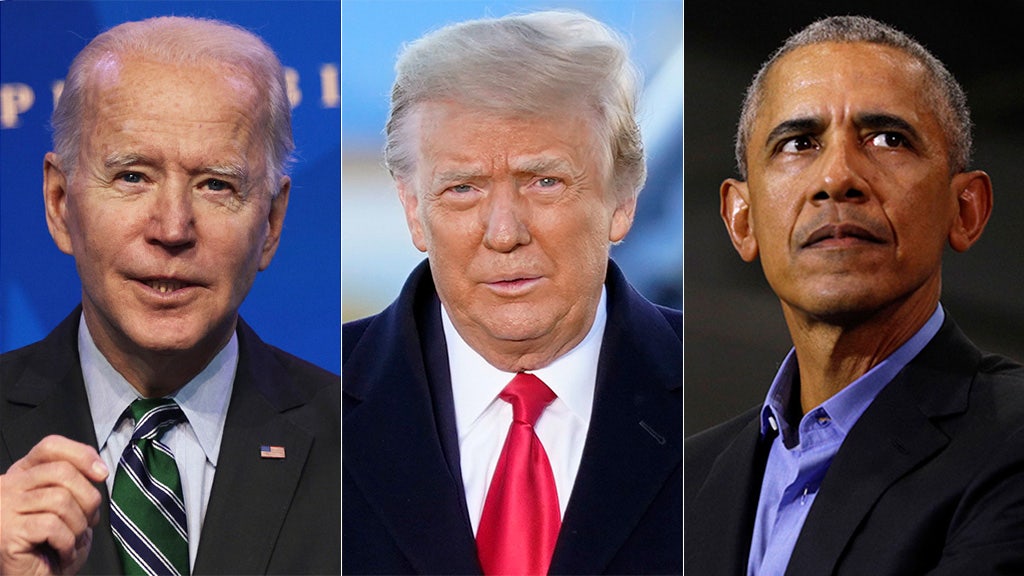
Homeland Security Secretary Markwayne Mullin is drawing a distinction between the federal judges he says the Trump administration can work with and those he says are «almost impossible» to deal with, singling out judges appointed by President Joe Biden as the administration continues to fight immigration battles in federal court.
«We find judges, for the most part, honestly, that we can work with in almost every area. But you’ve got some of the judges that were appointed underneath Obama and definitely, if they’re appointed by Biden, they are almost impossible to work with,» said Mullin on the sidelines of the RNC Midterm Convention on Thursday.
Mullin’s comments come as the Trump administration has repeatedly run into federal judges over its immigration policies, including recent rulings involving birthright citizenship and immigrant visa issuance. But while those court fights have received significant attention, Mullin offered a broader assessment of the judges he believes are most difficult for DHS to work with, specifically pointing to judges appointed by Biden — and, to a lesser extent, Obama.
WHITE HOUSE RIPS ‘ACTIVIST’ BIDEN JUDGE WHO UPENDED TRUMP BIRTHRIGHT CITIZENSHIP ORDER
In April, Biden-appointed Judge Brian Murphy blocked the Trump administration from ending temporary protected status for more than 5,000 Ethiopians, while in September, Biden-appointed Judge Deborah Boardman blocked enforcement of Trump’s August executive order limiting birthright citizenship, finding the order likely unconstitutional.
Mullin said immigration cases should be «cut and dry,» arguing that they ultimately come down to whether an individual entered the country legally and has the proper paperwork.
He compared the issue to homeownership, asking whether someone has «the deed of the house you’re living in» and whether they legally own it.
Mullin also criticized state and local officials in blue states for limiting cooperation with ICE detainer requests, including in cases in which DHS alleges that detainees are violent criminals, drug dealers or known terrorists.
«It makes absolutely zero sense,» Mullin said.
Beyond the court system, DHS is also facing battles with elected leaders in blue cities and states.
SPANBERGER’S ICE RESTRICTIONS DEALT MAJOR SETBACK AS JUDGE WARNS OTHER BLUE STATES
«Virginia is out of control right now. I mean, when you start looking at the great state of Virginia, who had a great governor in Governor Youngkin … and now what they have, they canceled their 287(g) programs, they’re not allowing any cooperation with ICE or any of DHS’s law enforcement push to make sure we get the criminals off our streets,» said Mullin.
Within weeks of taking office, Virginia Democratic Gov. Abigail Spanberger directed the state’s law-enforcement agencies to terminate their existing 287(g) agreements with ICE, which her administration said placed participating officers under federal supervision to conduct civil immigration enforcement.
Mullin claimed that 50% of recent deaths in Fairfax County were «at the hands of an illegal.»
«I’ve said this multiple times, every death that happens at the hands of an illegal is 100% preventable. So why the governor of Virginia, why they wouldn’t participate with us being DHS and forcing our nation’s laws and getting their criminals off the streets make no sense,» he said.
DHS BOSS REVEALS OVAL OFFICE PLAN TO ‘WITHHOLD FUNDING’ FROM SANCTUARY CITIES AFTER AGGRESSIVE NEW YORK BUST
Still, Mullin said the Trump administration would not force blue cities to accept federal assistance, arguing that DHS would remain ready to help communities that request it.
«What we’re not gonna do is force our way in. You’re gonna have to decide that,» Mullin said, leaving the decision to individual communities.
In Danbury, Connecticut, the City Council amended its police hiring ordinance to allow lawful permanent residents and DACA recipients to apply to become police officers.
«I don’t understand how you can be in law enforcement and yet you have no legal status. I just don’t know what, in some of these very liberal towns and liberal states, what are they thinking,» said Mullin.
«They’re prioritizing criminals over law-abiding citizens. We are a nation of laws, and either we respect them or we don’t,» he added. «What separates us from a third world country is we don’t believe in lawlessness and when you came in this country illegally, you chose to skip the line because we have a legal process.»
immigration, joe biden, barack obama, homeland security








INTERNACIONAL
Smithsonian’s dark take on America exposed: Washington dubbed ‘town destroyer,’ Revolutionary War ‘dangerous’
NEW YORK — A Smithsonian museum in Manhattan presents a sharply critical account of George Washington, the Revolutionary War and America’s early years, while some historical context that complicates that narrative is omitted or given less prominent treatment, Fox News Digital found.
The findings come as the Smithsonian faces heightened scrutiny from the Trump administration over how it presents American history. President Donald Trump has ordered a review of the institution’s exhibits and educational materials as part of an effort to change what his administration says is an overly negative portrayal of the country’s history.
Fox News Digital visited the Manhattan branch of the National Museum of the American Indian earlier in September and found exhibits that emphasize the destruction suffered by Native communities while offering comparatively little context about the conflicts and events surrounding American military campaigns.
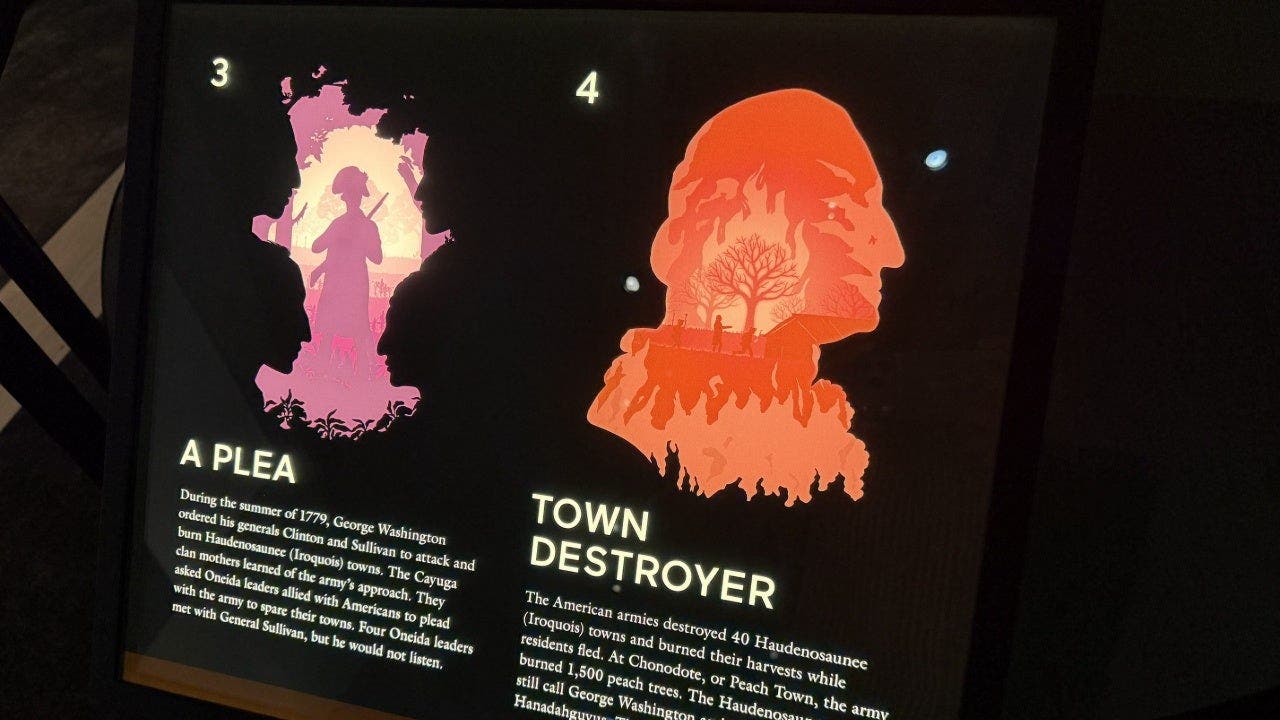
One display near the center of the museum’s «Native New York» exhibit features an illustration of Washington’s profile — similar to the one that appears on quarters — over a label that reads «town destroyer.»
TRUMP GIVES SMITHSONIAN DAYS TO REPLACE ‘STRANGE MODERNIST SCULPTURE’ WITH FOUNDING FATHER
The description underneath the image recounts how «American armies destroyed 40 Haudenosaunee (Iroquois) towns and burned their harvests while residents fled,» noting that «the Haudenosaunee still call George Washington and all U.S. presidents Hanadahguyus. The name means ‘town destroyer.’»
The panel does not mention the raids on American settlements that led to the campaign or explain why Washington ordered the attack.
«The American destruction of the Six Nations’ homelands came as a result of the destructive raids carried out by the Indians and American loyalists on the frontiers of New York and Pennsylvania in 1778,» an excerpt from the National Park Service reads. «The raids crippled the American Continental Army by depriving it of food and manpower and spread terror by destroying frontier settlements and taking prisoners.»
The exhibit comes as the Trump administration continues its broader dispute with the Smithsonian over how the institution presents American history. Specifically, the president has taken issue with the institution allegedly seeking to divert the telling of American history «away from America’s Founding and the Founders and towards a narrative of a deeply flawed creation of the country.»
SMITHSONIAN SHOWDOWN INTENSIFIES AS TRUMP ADMINISTRATION ISSUES A STARK NEW WARNING
The administration has threatened changes to Smithsonian funding and federal-agency support as it presses the institution to alter what it describes as divisive or historically inaccurate portrayals of the country.
Many of the other exhibits in the museum take a similar line to the display on Washington, highlighting the alleged brutality of American settlers while downplaying the violence of natives.
One placard, recounting the history of the Iroquois between 1779 and 1804 from the point of view of a native woman, states that «it was peaceful, she said, until the white men began their revolution.»
For roughly 100 years, between 1609 and 1701, the Iroquois were engaged in a series of conflicts with other native tribes over access to animal pelts.
Even before the Trump administration’s current dispute with the Smithsonian, the National Museum of the American Indian in Washington, D.C., attracted criticism over how it presents American history.
«In recent years, I have been chronicling the evolution of the ‘identity museum’ … designed to affirm a particular group’s claims, outline its accomplishments, boost its pride,» a cultural critic wrote for the New York Times in 2010. «The National Museum of the American Indian in Washington — a pioneering example of the genre — jettisons Western scholarship and tells its own story, leading one tribe to solemnly describe its earliest historical milestone: ‘Birds teach people to call for rain.’»
LEGAL EXPERT CALLS FOR SMITHSONIAN LEADERSHIP OVERHAUL OVER ‘SELF-LOATHING’ PORTRAYAL OF HISTORY: ‘IT’S BILE’
«Through a gauze of romance, that museum portrays an impossibly peace-loving, harmonious, homogeneous, pastoral world that preceded the invasion of white people — a vision with far less detail and insight than the old natural history museums once provided,» the critic continued.
The exhibits acknowledge some conflicts involving Native tribes but focus far more heavily on the violence inflicted on them than on the events that led to the fighting.
The museum also maintains a catalog of online materials geared towards middle school students that generally take the same editorial line.
Teachers, for instance, are instructed to show a video to students that opens by saying that «the American War for independence was such a disruptive and dangerous project.» It goes on to frame the actions of American colonists negatively, referring to them as trespassers and squatters.
WATCH: SMITHSONIAN DIRECTOR ADMITS SHE SEES HISTORY AS ‘TOOL’ OF ‘SOCIAL JUSTICE’ AFTER EXPLOSIVE HEARING
In several displays dealing with the Revolutionary War, the exhibit portrays American actions toward Native allies in sharply negative terms.
A video display near the beginning of the exhibit claims, unequivocally, that an American soldier shot and killed Chief White Eyes, a Lenape chief who had allied with the Americans. The cause of White Eyes’ death, however, is historically contested — something the museum outlines in relatively small text underneath the video display, which states that White Eyes was «probably» murdered by an American soldier.
The museum is housed within the Alexander Hamilton U.S. Custom House, a building formerly used for collecting trade duties and named after the founding father to commemorate his role as the first secretary of the Treasury.
HISTORIAN BLASTS SMITHSONIAN’S ACTIVISM SHIFT AFTER FIRST VISIT IN OVER A DECADE: ‘COMPLETELY DIFFERENT PLACE’
Just before exiting the building, visitors pass a museum store where several books present sharply critical accounts of American history. «An Indigenous Peoples’ History of the United States,» for instance, is displayed prominently on the store shelves.
Among other things, the book criticizes Americans for having a «cult-like» dedication to the Constitution, suggests that the United States was founded upon White supremacy and genocide and claims that the federal government is still carrying out ethnic cleansing against natives. A graphic novel adaptation of the text marketed toward younger readers was also available.
Other titles on display included «Stealing America: The Hidden Story of Indigenous Slavery in US History,» «An Afro-Indigenous History of the United States,» a tome about the «two spirit» gender identity and a children’s picture book about Deb Haaland, President Joe Biden’s interior secretary.
The Smithsonian did not respond to a request for comment when reached by Fox News Digital on Monday.
smithsonian, new york city, museums exhibits, politics, history
INTERNACIONAL
Seven-figure blitz as GOP embraces push to compete with China in booming new tech space
NEWYou can now listen to Fox News articles!
FIRST ON FOX: Three sitting Republican lawmakers, all facing midterm elections for U.S. Senate in less than two months, are paving the way for a pro-artificial intelligence push as Washington looks to balance regulation with American innovation despite the public’s increasing skepticism over the emerging technology.
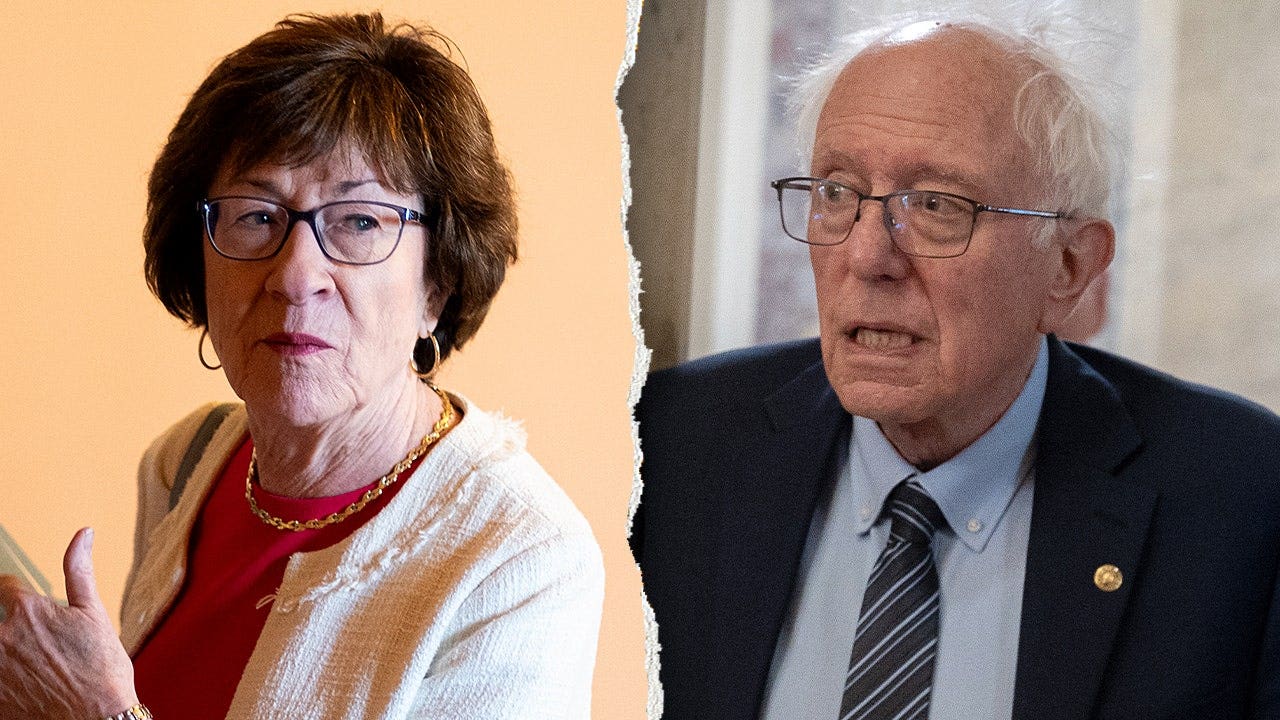
The conservative Alliance for a Better Future (ABF) is pouring millions into backing the campaigns of Sen. Susan Collins, R-Maine, Sen. Roger Marshall, R-Kan., and Rep. Ashley Hinson, R-Iowa, according to new ads shared exclusively with Fox News Digital ahead of their release.
The lawmakers, ABF says, mirror President Donald Trump’s balanced stance on applying both safeguards and common sense to AI developments. When speaking on the topic in June, Trump said, «[AI] can be used for tremendous good, mostly good and some bad. And the bad we have to stop.»
TRUMP-BACKED CANDIDATES SCORE MAJOR BOOST FROM DEEP-POCKETED AI SUPER PAC IN UPCOMING PRIMARIES
President Donald Trump is seen during a meeting at Farmleigh House in Dublin, Ireland, on Saturday, Sept. 12, 2026. (Julia Demaree Nikhinson/AP)
The advertisements come as Anthropic CEO Dario Amodei over the weekend warned the industry that his company helps lead to give safety measures more time to catch up with rapidly advancing AI capabilities. Just days earlier an Anthropic researcher resigned while publicly raising concerns about the technology’s risks. Anthropic is most known for its LLM AI Claude, one of the leading chatbots in the U.S.
OpenAI CEO Sam Altman, the father of ChatGPT, Tesla and SpaceX CEO Elon Musk and Google DeepMind CEO Demis Hassabis all expressed support for Amodei’s stance on slowing the pace of AI development.
Trump on Monday rejected the calls for implementing safeguards and restrictions on AI, arguing the technology needs a «STRONG AND SMART» president rather than added restraints.
The new advertisements, which will run throughout September, follow the ABF’s previously unreported $1 million donation made to MAGA Inc. last week to promote candidates who share the group’s values of pushing both innovation and security in emerging technologies like AI.
But the ads aren’t limited to praising Republicans — they also take shots at the perceived risks ABF believes could result from allowing socialist lawmakers like Sen. Bernie Sanders, I-Vt., to lead policies dictating the direction of AI.
SANDERS PUSHES ‘DEATH PENALTY’ FOR CRUCIAL US INDUSTRY THAT COULD GIVE ADVANTAGE TO FOREIGN ADVERSARIES
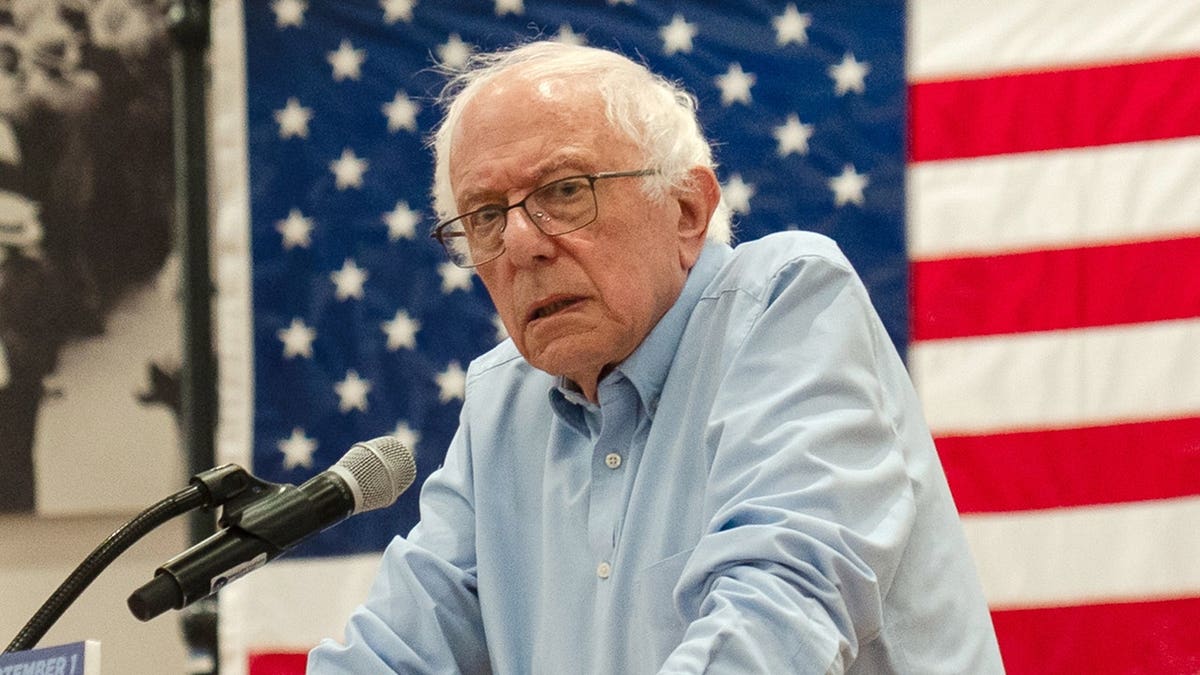
Senator Bernie Sanders, an Independent from Vermont, speaks during a campaign event with Senator Ed Markey, a Democrat from Massachusetts, not pictured, ahead of a primary election at IBEW Local 103 in the Dorchester neighborhood of Boston, Massachusetts, US, on Saturday, Aug. 29, 2026. (Sophie Park/Bloomberg via Getty Images)
«The same people who consistently fail you will write an AI rulebook for their benefit,» the advertisement reads as images ofs of Sanders, Rep. Alexandria Ocasio-Cortez, D-N.Y., and Rep. Rashida Tlaib, D-Mich., appear on screen.
Security concerns have been top of mind for many Americans and AI experts as the United States races to stay ahead of China in technology developments, with worry that the rapidly increasing growth of AI poses national and cybersecurity threats.
«The only way we win the AI race against China is to build a technology that is trusted by the American people,» ABF CEO Janet Kelly said in a statement to Fox News Digital on the new ad buys.
«We cannot cede this responsibility to Socialists like Bernie Sanders who have a track record of destroying our economy and palling around with our enemies,» she continued. «Conservatives like Susan Collins, Roger Marshall, and Ashley Hinson know the time is now to enact an agenda that ensures AI is built with American values.»
Sanders’ office did not reply to Fox News Digital’s request for comment on being singled out in the campaign ads.
MIKE JOHNSON REJECTS AI MORATORIUM OVER CHINA THREAT AS CONSERVATIVE ACTIVIST DEMANDS GUARDRAILS

Sen. Susan Collins, R-Maine, departs the chamber at the Capitol in Washington, on July 24, 2025. (J. Scott Applewhite/AP Photo)
Kelly, the former Secretary of Health in Virginia, warned that China will «cheat and steal and lie» to beat the U.S. in the AI race in a policy event hosted by Breitbart news last week. She emphasized the need for America to be both diligent and urgent in developing this technology at a pace that puts the U.S. above foreign adversaries.
Collins, Marshall and Hinson have each backed policies that align with ABF’s goal to pursue AI development with protections that work to combat any emerging risks.
Hinson has argued that the U.S. must maintain its technological edge over Beijing while being thorough in analyzing AI’s risks. Marshall acknowledged AI as a tool to assist, not replace American workers — also backing measures addressing its workforce and energy impacts.
Collins has supported federal investment in advanced computing while championing in Maine safeguards against deceptive AI-generated election content.
TRUMP-ENDORSED HINSON SECURES IOWA SENATE NOMINATION AS DEMOCRATS EYE GOP SEAT
ABF is a conservative AI policy organization that believes that as the technology continues to rapidly develop, American values should be prioritized — protecting children, the economy and national security.
The three GOP lawmakers are all Republican nominees for Senate seats in the upcoming midterm elections for their respective states.
Collins, Marshall and Hinson’s offices did not reply to Fox News Digital’s request to comment on the new advertisements and clarify their stances on AI.
politics, republicans elections, campaigning, bernie sanders, congress
INTERNACIONAL
El espía que traicionó a la KGB por su disfunción eréctil y cambió la historia de la Guerra Fría

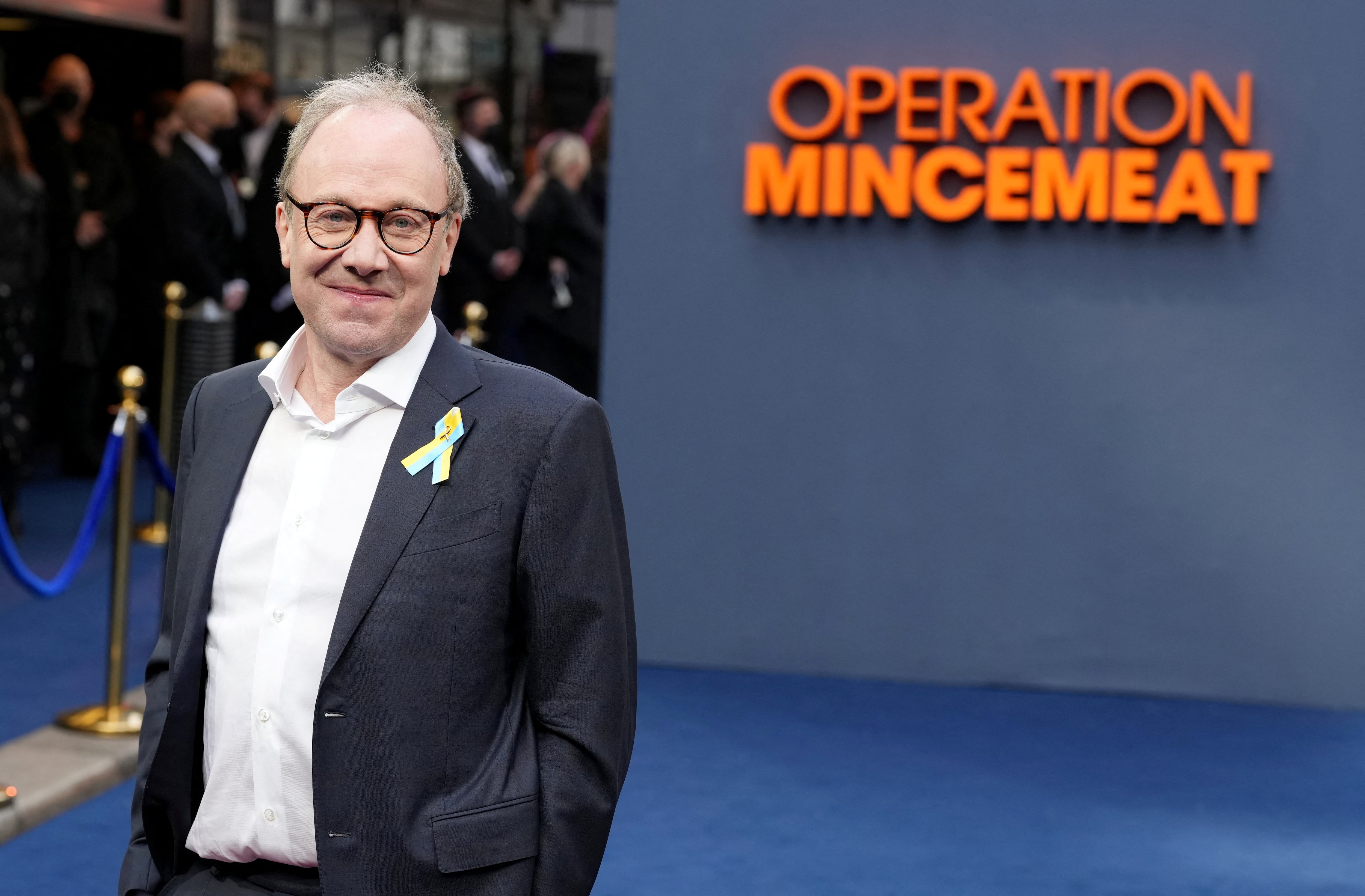
El escritor británico Ben Macintyre ha construido una ilustre carrera tomando polvorientos archivos gubernamentales y transformándolos en trepidantes thrillers de no ficción. Su Operation Mincemeat fue adaptada tanto para la pantalla como para el teatro, y A Spy Among Friends se convirtió en una serie de televisión. Con su último libro, Redwood, lo ha vuelto a hacer. La historia se centra en la deserción del mayor de la K.G.B. Vladimir Kuzichkin, destinado en Teherán durante el caos posterior a la Revolución iraní de 1979.
El motivo de su deserción no fue la ideología ni el dinero, sino el sexo. Más precisamente, padecía disfunción eréctil. Kuzichkin estaba convencido de que la causa era “anatómica”, un prepucio demasiado estrecho, y de que una circuncisión resolvería el problema. Temiendo que los iraníes o los soviéticos descubrieran su impedimento, insistió en que la operación se realizara en Occidente. “Kuzichkin fue el primer espía de la historia”, escribe Macintyre, “en exigir, como precio de su deserción, la extirpación de su prepucio”. Esa exigencia, sostiene Macintyre, alteró la historia de Oriente Medio.
Lo que estaba en juego era enorme. La caída del sha había privado a Washington de su aliado más cercano en la región; la crisis de los rehenes había roto las relaciones con Teherán, y la invasión soviética de la vecina Afganistán había incrementado los temores de una mayor expansión del Kremlin. Irán, que compartía una larga frontera con la Unión Soviética y estaba entonces en guerra con Irak, parecía especialmente vulnerable. La inteligencia occidental estaba particularmente preocupada por el Tudeh, el partido comunista prosoviético iraní, que se había infiltrado en el gobierno y las Fuerzas Armadas. Lo que no sabían era hasta qué punto llegaba esa penetración ni cuándo Moscú pretendía aprovecharla.
El 1 de octubre de 1981, Kuzichkin entró en la Embajada británica en Teherán, se presentó como vicecónsul con un asunto “urgente” que discutir y le dijo a Nicholas Barrington, el diplomático británico de mayor rango en Teherán, que quería espiar para el Reino Unido.
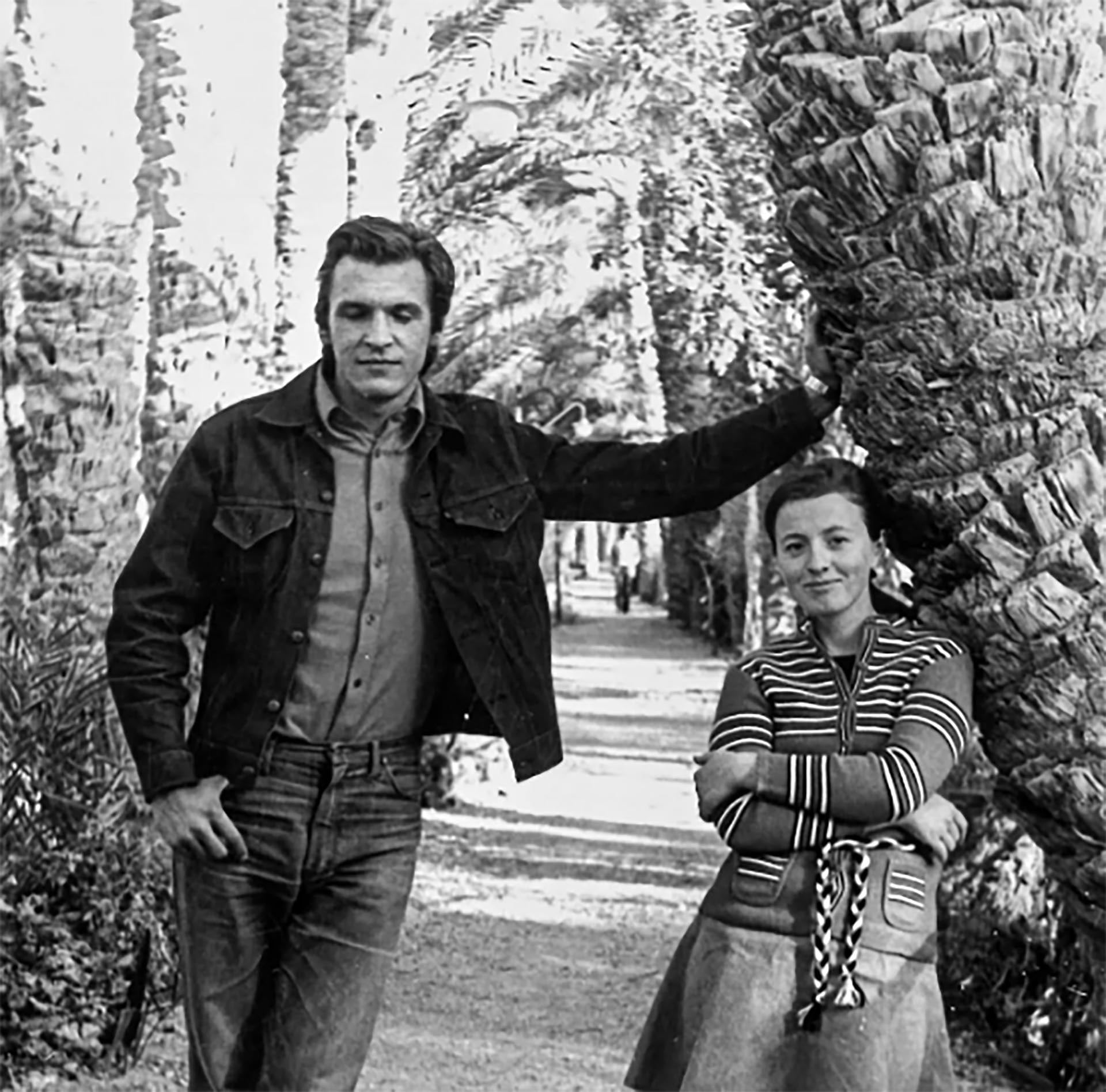
El MI6 le asignó el nombre en clave REDWOOD. Medía más de 1,93 metros, una cabeza más que su oficial de enlace; el criptónimo fue elegido por el árbol más alto del mundo —la regla habitual de que los nombres en clave no revelen nada es, como observa Macintyre, ignorada por todos los servicios de inteligencia del planeta—. Nadie en Londres advirtió el doble sentido adicional hasta más tarde: RED, por comunista; WOOD, por aquello que no podía lograr.
Durante ocho meses, Kuzichkin espió desde la Embajada soviética, y lo que produjo fue extraordinario. Su información describía al Partido Tudeh como una marioneta financiada por los soviéticos, dirigida —y muy probablemente armada— por la K.G.B.
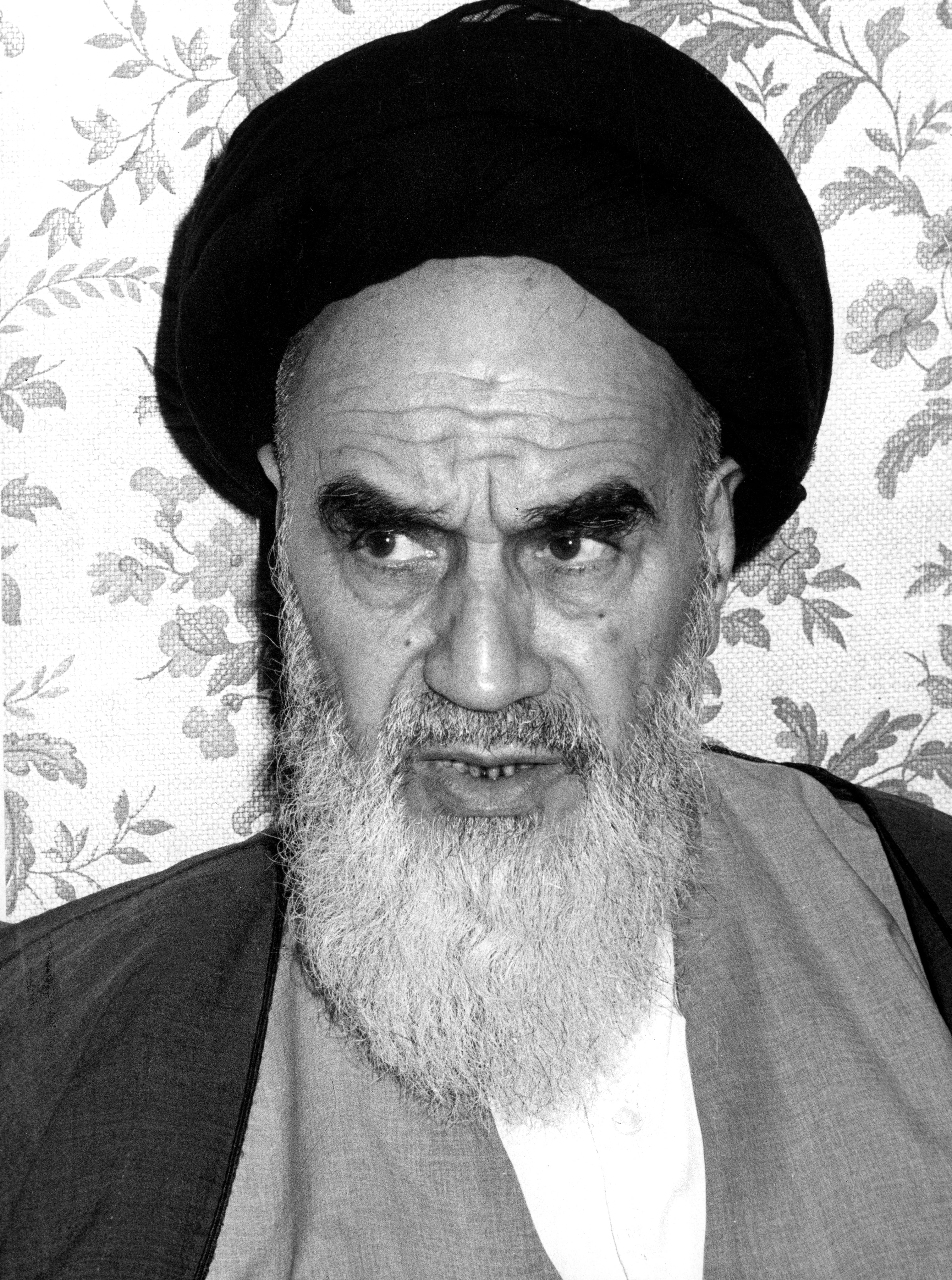
De manera asombrosa, escribe Macintyre, el MI6 entregó al ayatolá todo lo que Kuzichkin había revelado: “cada líder del Tudeh, cada informante dentro del gobierno, cada miembro de la estructura militar clandestina, cada oficial y espía de la K.G.B. en Irán”. El propio Kuzichkin presentó las pruebas en una reunión secreta en Islamabad.
El MI6 también había revelado su fuente y sus planes al director de la C.I.A., William Casey. En 1982, Casey dio a la operación un “apoyo estadounidense pleno”, convencido de que con ello estaba “firmando la sentencia de muerte del Partido Comunista en Irán”, escribe Macintyre, lo que implicaba poner “en riesgo las vidas de varios miles de personas”.
Es probable que Casey mantuviera oculta la participación de la C.I.A. no solo ante los soviéticos, sino también ante su propio gobierno, explica Macintyre, para que el presidente Reagan pudiera alegar con sinceridad que desconocía el hecho comprometedor de que Estados Unidos denunciaba públicamente al régimen de Jomeini mientras cooperaba en secreto con él. “No está claro”, matiza Macintyre, “si Bill Casey solicitó u obtuvo la autorización de Ronald Reagan”.
En el relato de Macintyre, el jefe del espionaje estadounidense actuaba a partir de un memorando interinstitucional que advertía que los soviéticos podían tomar Irán en un plazo de nueve a catorce semanas, un escenario que planteaba la posibilidad de una respuesta nuclear estadounidense. Pero no todos compartían ese pánico. El propio Macintyre duda de que Moscú pretendiera invadir. Las pruebas de un plan de ese tipo eran escasas. El Partido Tudeh era demasiado débil para tomar el poder por sí solo y, al menos a corto plazo, el Kremlin también tenía razones para tolerar a Jomeini: por hostil que fuera al comunismo, lo era aún más hacia Estados Unidos.
Para prevenir un peligro que pudo haber sido en gran medida imaginario, entre 6.000 y 10.000 miembros del Tudeh fueron detenidos y encarcelados, sostiene Macintyre, y cientos o quizá miles de personas murieron. Los dirigentes del Tudeh fueron torturados, obligados a realizar confesiones televisadas y, en algunos casos, ejecutados o linchados. Una ola de asesinatos mucho más amplia siguió en 1988, cuando Jomeini emitió una fatua contra quienes “hacen la guerra contra Dios” y fueron ejecutados prisioneros que ya habían cumplido sus condenas. “Es posible que nunca se conozca el número exacto de muertos del Tudeh”, escribe Macintyre. “Los verdugos no llevaban la cuenta”.
El veredicto de Macintyre es que “el caso REDWOOD fue a la vez un éxito y un fracaso, una maniobra que terminó en victoria y derrota, un logro significativo y un grave error, prueba del caprichoso patrón de las consecuencias no deseadas”. Al alimentar la paranoia y la brutalidad de la República Islámica y ayudar a los mulás a consolidar su poder, escribe, Estados Unidos y el Reino Unido “contribuyeron involuntariamente a crear al monstruo” que hoy condenan.
La idea más amplia de Macintyre —que el Irán de 2026 no era previsible desde Century House en 1982— es indiscutible, y su paralelismo con el armamento de los muyahidines en Afganistán está bien planteado.
Pero, desde luego, las consecuencias fueron previstas, al menos por algunas de las personas que llevaron a cabo el plan. Dos altos funcionarios dijeron que renunciarían. Uno de ellos predijo que las personas identificadas en los archivos REDWOOD sufrirían “finales espantosos”. Los agentes británicos anticipaban la represión. Se les advirtió y, aun así, siguieron adelante.
Esto no significa que Casey y los miembros del MI6 que respaldaron el plan evaluaran con claridad sus posibilidades de éxito. Según la lógica de la Guerra Fría, la liquidación de un grupo de comunistas apenas importaba, especialmente si podía impedir que Irán se convirtiera en un satélite soviético.
Una de las conclusiones más audaces de Macintyre es que, si el Viagra hubiera existido en 1981, Kuzichkin quizá no habría desertado y, después de todo, podría haber habido un golpe exitoso del Tudeh con ayuda del poder de fuego soviético. La Guerra Fría podría haber terminado de otra manera, o de forma catastrófica.
Es un contrafactual sorprendente y algo contradictorio con el propio escepticismo de Macintyre respecto de la amenaza soviética. De hecho, el Partido Tudeh no era popular, ni siquiera dentro de la fragmentada izquierda iraní, especialmente después de que se sumara a la represión contra los izquierdistas seculares e islamistas independientes que se volvieron contra el ayatolá inmediatamente después de la revolución. Y, pese a esa demostración de lealtad, la República Islámica pronto empezó a cerrar el espacio político en el que operaba el Tudeh. A comienzos de los años ochenta, su periódico había sido clausurado y su protección oficial comenzaba a tambalearse. Dado el aislamiento del partido y el creciente control del régimen sobre el poder, una toma del poder por parte del Tudeh estaba lejos de ser inevitable.
Las últimas páginas del libro son las más tristes. Reinstalado como Alexander Larkin, ciudadano británico, Kuzichkin bebía, despotricaba sobre sicarios y una vez fue encontrado desnudo en una estación de servicio de Somerset. Una noche de 2009 se sentó con una botella de vodka y la película “Amadeus”, una historia de traición. A la mañana siguiente no quedaba nada en la botella y Kuzichkin estaba muerto. (Al momento de escribir esto, Wikipedia todavía lo da por vivo). “Bajo los efectos de la bebida”, relata Macintyre, lamentaba a las personas a las que había ayudado a enviar a la tumba. El desertor llegó a un veredicto más severo que el de su historiador. Pero solo uno de los dos estuvo allí.
Fuente: The New York Times
Vladímir Kuzichkin,KGB,Jardín Botánico Nacional de Teherán,Teherán

"Esa mancha no se borra más": Mayra Mendoza arremetió contra Kicillof por negar su pertenencia al kirchnerismo, lo acusó de desleal y de dividir al PJ

No hace falta un acuerdo para controlar la IA

Así es el auto eléctrico del futuro que busca revolucionar los viajes de larga distancia

El Gobierno ajusta su estrategia en el Congreso para evitar complicaciones con el Presupuesto 2027 y los proyectos por Malvinas

Dani La Chepi habló de la deuda alimentaria del padre de su hija: “No había recibido un peso hasta ayer”

“Milei es un malvinero de mecha corta”, aseguró Maximiliano Ferraro antes del debate en el Congreso

Entre arroyos y countries: vecinos intentan salvar el último pulmón rural del conurbano antes de que cambie para siempre

Más allá de la música, el nuevo negocio de Pablito Lescano, el líder de Damas Gratis

Trump habló de una posible guerra por Malvinas y dijo que podría intervenir para resolverla

El polémico video de Tiago PZK con La Joaqui cuando ella aún estaba de novia con Luck Ra que desató un escándalo

 SOCIEDAD2 días ago
Entre arroyos y countries: vecinos intentan salvar el último pulmón rural del conurbano antes de que cambie para siempre
- ECONOMIA2 días ago
Más allá de la música, el nuevo negocio de Pablito Lescano, el líder de Damas Gratis
- POLITICA2 días ago
Trump habló de una posible guerra por Malvinas y dijo que podría intervenir para resolverla