INTERNACIONAL
Colombia se queda sin gas: importaciones ya cubren el 34% del suministro y Promigas advierte que el sistema opera “al límite”

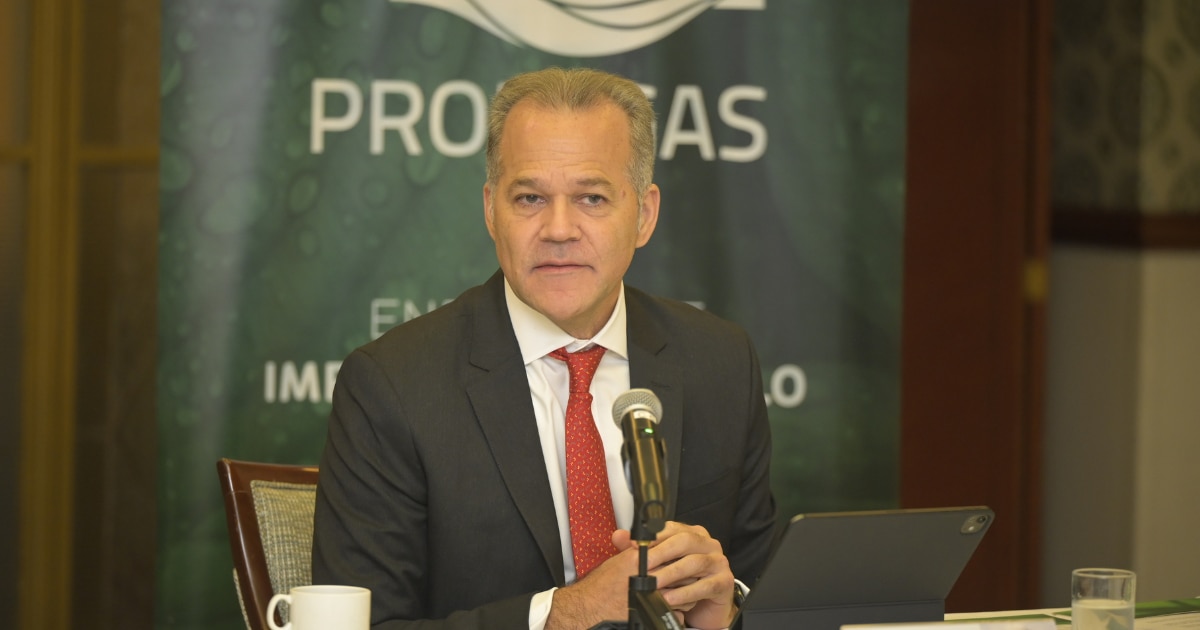
Colombia enfrenta un escenario crítico para garantizar su abastecimiento de gas natural. Mientras la producción y las reservas nacionales siguen una tendencia descendente, la dependencia del gas importado crece y la industria ya comienza a sentir el impacto de esta situación.
De acuerdo con cifras del más reciente Informe del Sector Gas Natural en Colombia, de Promigas, las reservas probadas cayeron 46% entre 2021 y 2025, mientras la producción se redujo 31% en ese mismo periodo. En paralelo, el gas importado llegó a representar 34% del suministro nacional en agosto de 2026, reflejo de la creciente dependencia del país de las compras externas.
Durante la presentación del informe, Juan Manuel Rojas, presidente de Promigas, explicó qué llevó a Colombia a perder capacidad de autoabastecimiento. A su juicio, uno de los factores determinantes fue la caída de la actividad exploratoria, una situación que calificó como “malapraxis” en la conducción de la política pública del sector.
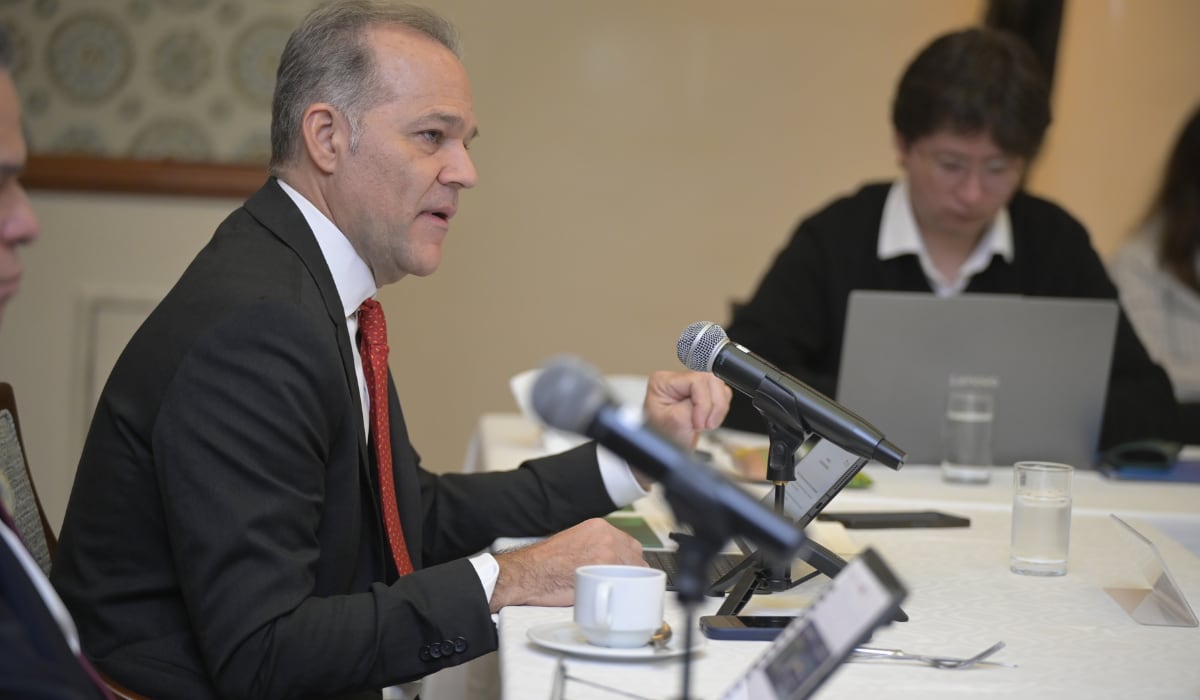
“Dejamos de explorar. No hubo una sola ronda exploratoria en los últimos cuatro años. El que no busca, no encuentra y por eso nos volvimos importadores”, afirmó Rojas durante la rueda de prensa.
La menor oferta limita la capacidad de respuesta ante eventos como sequías, aumentos de la demanda térmica o fallos en infraestructuras críticas. “Hoy nuestro sistema opera sin respaldo, estamos operando al límite”, advirtió Rojas al describir el panorama.
El problema: recuperar el gas nacional toma años
Colombia dispone de recursos que podrían incrementar la oferta, pero llevarlos a producción efectiva requiere tiempo. Un caso emblemático es Sirius, uno de los descubrimientos más importantes de gas natural en la historia del país anunciado en 2022, cuya primera molécula podría llegar recién entre finales de 2030 y 2031.
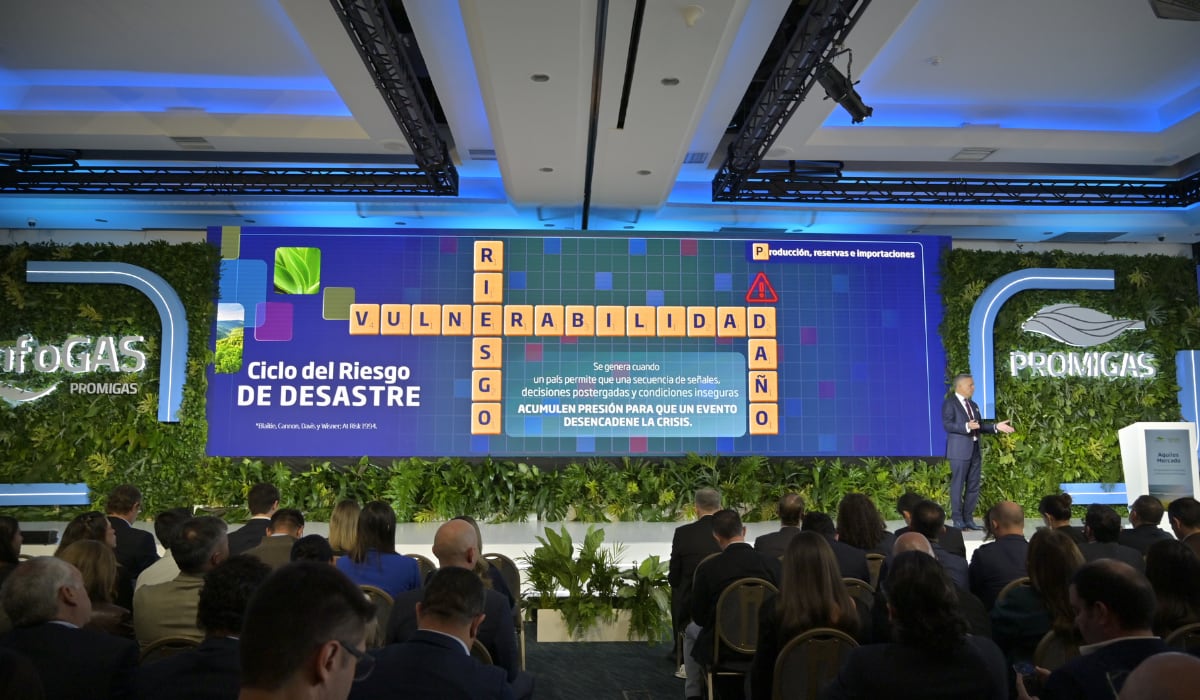
Los largos periodos asociados al contexto del país, consultas, licencias y desarrollo de infraestructura retrasan la entrada en operación de proyectos estratégicos. “Diez años desarrollando un campo. Eso a nivel internacional es demasiado”, señaló Rojas.
Ante esta realidad, Promigas plantea actuar en dos frentes: resolver el déficit inmediato mediante importaciones e infraestructura, y en paralelo, reactivar la exploración y producción nacional.
La industria ya siente el impacto de la escasez
El problema dejó de ser una discusión exclusiva del sector energético. Entre enero y agosto de 2026, la demanda no térmica cayó 7 % y el segmento industrial registró una reducción de 23 %. Según Promigas, parte de esta caída obedece a la menor disponibilidad de gas.
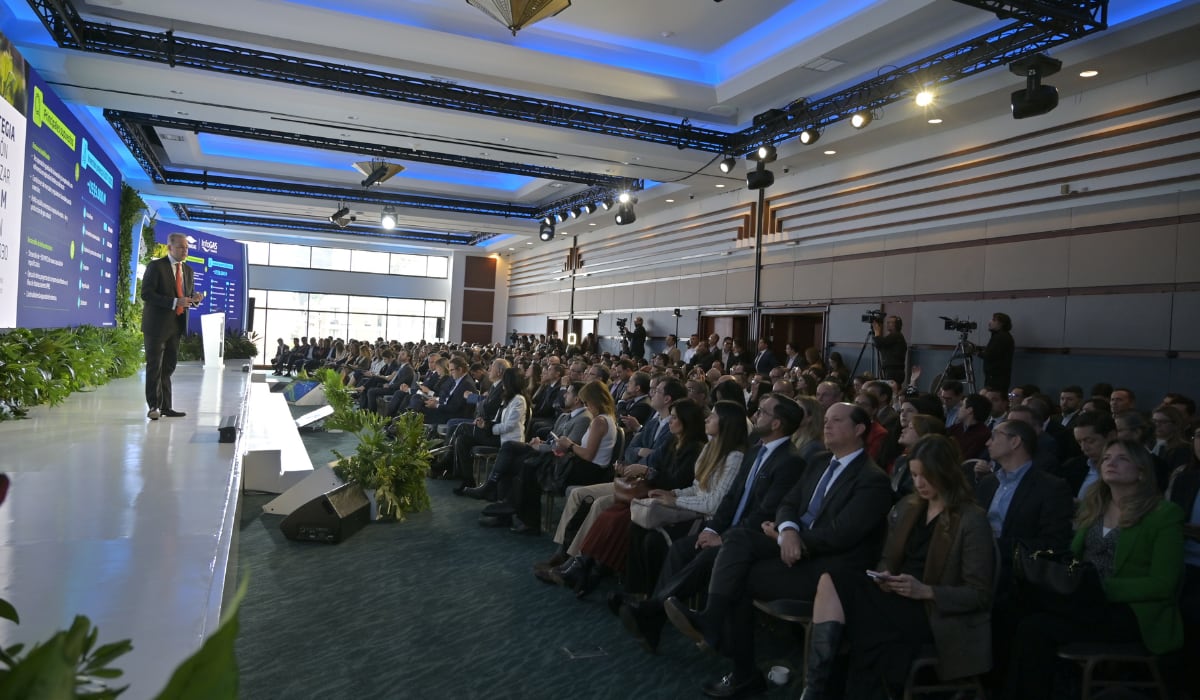
La preocupación es que las empresas terminen reduciendo su producción o sustituyendo el gas natural por otros combustibles, con potenciales efectos sobre los costos, la competitividad y las emisiones.
El impacto también puede sentirse en los hogares. De los usuarios residenciales, cerca del 85 % pertenece a los estratos 1, 2 y 3, por lo que cualquier aumento en los costos de abastecimiento podría tener un efecto directo sobre millones de familias.
¿Colombia puede volver a ser autosuficiente?
Rojas considera que sí, pero condiciona esa posibilidad a que el país reactive la inversión y la exploración.
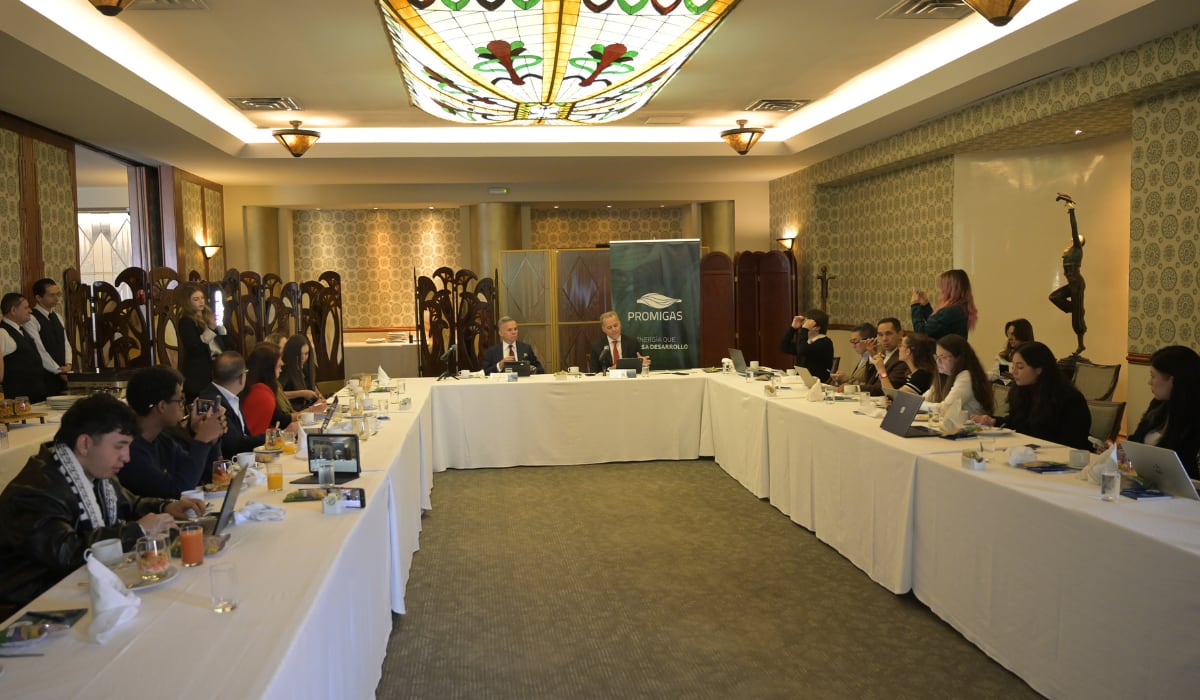
“¿La vamos a recuperar? Sí, si hacemos las cosas bien”, respondió. El informe estima que una reactivación del sector de hidrocarburos podría movilizar más de US$23.000 millones entre 2027 y 2030.
Esta cifra contempla inversiones en exploración y producción de petróleo y gas, así como proyectos de regasificación, transporte y ampliación de la cobertura del servicio.
En cuanto al gas natural, Rojas señaló que alrededor de US$9.000 millones en inversiones podrían traducirse en entre 500 y 750 millones de pies cúbicos diarios (Mpcd) adicionales de gas. El presidente de Promigas contrastó ese potencial con un consumo nacional cercano a los 1.000 Mpcd.
Las decisiones que propone Promigas
El informe InfoGas 2026 plantea una hoja de ruta con cinco prioridades para recuperar la seguridad energética del país:
- Asegurar y diversificar las importaciones.
- Recuperar la oferta nacional.
- Fortalecer el transporte y la confiabilidad del sistema.
- Recuperar la estabilidad regulatoria.
- Proteger la competitividad y a los consumidores.
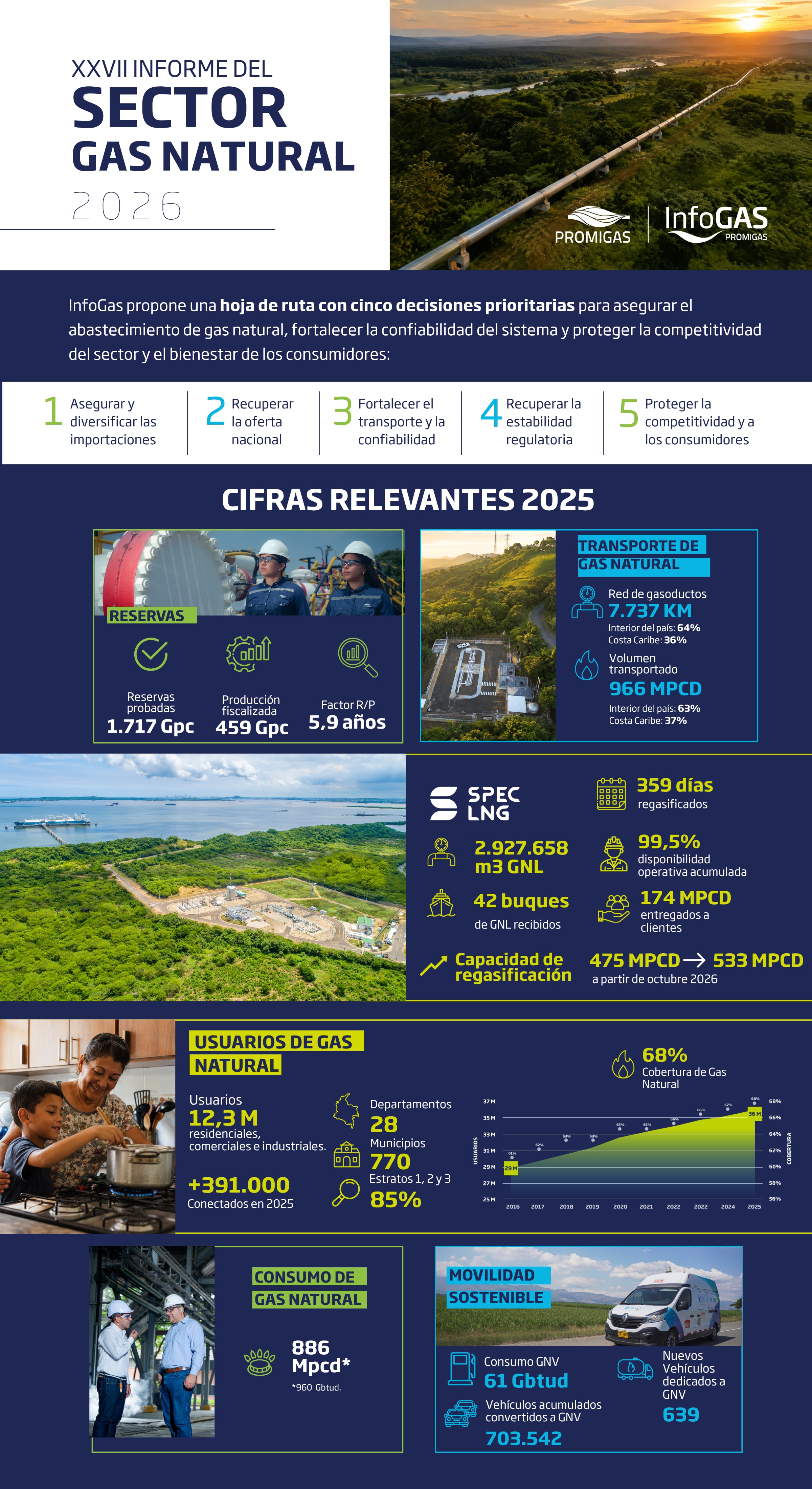
La primera de estas tareas ya muestra avances. En octubre de 2026, la terminal SPEC LNG de Cartagena alcanzará una capacidad de 533 Mpcd, tras adelantar una ampliación que estaba prevista para 2027. También se proyecta ampliar la infraestructura de transporte, incluida la conexión VIM-Interior (Jobo-Vasconia), que podría habilitar hasta 400 Mpcd y mejorar el flujo de gas entre la Costa Caribe y el interior.
El reto, según Promigas, es evitar que la dependencia de las importaciones se convierta en permanente. Colombia necesita gas para responder a las necesidades inmediatas, pero también nuevas inversiones y exploración para recuperar su capacidad de producirlo.
La advertencia central es que el problema ya no es solo cuánto gas tiene Colombia bajo tierra, sino qué tan rápido puede convertir esos recursos en moléculas disponibles para hogares, industrias y el sistema eléctrico.
Infogas,Promigas,Gas Natural







INTERNACIONAL
El-Sayed grilled on Piker, Israel and socialist ties after Mike Rogers skips Senate debate
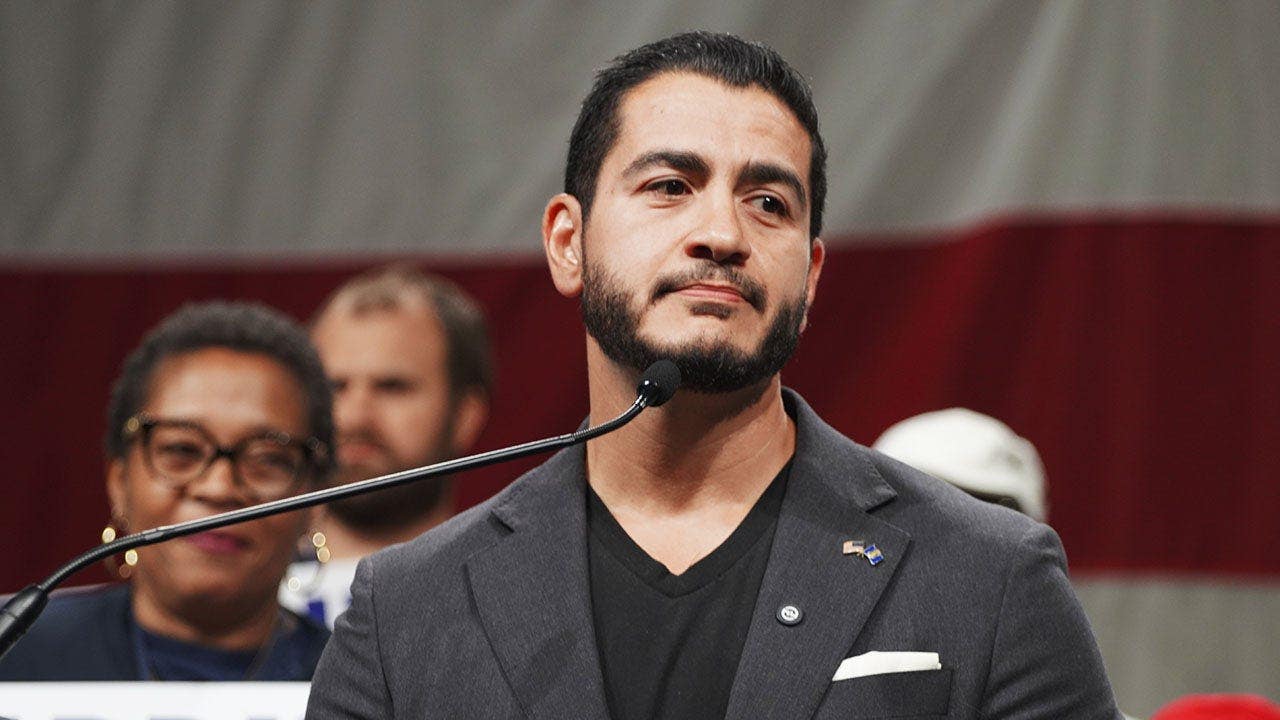
Michigan Democratic Senate nominee Abdul El-Sayed faced roughly an hour of pointed questions Tuesday over his ties to controversial streamer Hasan Piker, his views on Israel, campaign money and his socialist ties after his Republican rival Mike Rogers declined to participate in a scheduled debate in Detroit Tuesday night.
El-Sayed offered one of his most explicit condemnations yet of Piker’s controversial rhetoric, declined to give a yes-or-no answer when pressed on U.S. recognition of Israel as a Jewish state and pushed back on questions about his relationship with the Democratic Socialists of America (DSA) during the wide-ranging conversation with the moderator.
Rogers did not attend Tuesday’s event after declining the station’s invitation earlier in the day, leaving El-Sayed to field questions from moderator Roop Raj, viewers and members of the studio audience.
2 said both campaigns were invited on Aug. 5, the day after Michigan’s primary, and that El-Sayed quickly accepted, while Rogers did not formally decline until the morning of the Tuesday debate due to objections over Raj serving as the moderator, arguing he was biased.
EL-SAYED’S LIBERAL AGENDA CLASHES WITH MUSLIM VOTERS WHO BACK HIM ANYWAY: ‘MALE VERSION’ OF ILHAN OMAR
On Tuesday evening, Raj pressed El-Sayed on whether he could «completely, 100%» disavow offensive comments Piker had made. The question came just two days after El-Sayed resisted questioning about Piker during an appearance on CBS News’ «Face the Nation.»
«Absolutely,» El-Sayed responded to Raj about disavowing Piker’s controversial comments, before specifically addressing the streamer’s recent remarks about Jewish Americans.
«When Hasan made these comments about Jewish Americans and Jewish Michiganders, I disavowed them entirely,» El-Sayed said.
EL-SAYED DISTANCES HIMSELF FROM HASAN PIKER AFTER DISTURBING REMARKS ABOUT JEWISH AMERICANS
El-Sayed went further Tuesday when Raj continued pressing him, saying there were «many, many things» Piker has said that he disagreed with and specifically pointing to the streamer’s comments about 9/11 and Jewish Americans. Still, El-Sayed defended his decision to engage with Piker, arguing that speaking with someone does not amount to endorsing all of that person’s views and saying he wanted to offer Piker’s millions of followers «a pathway back into our politics.»
Meanwhile, El-Sayed declined to give a yes-or-no answer when pressed on whether the United States should continue recognizing Israel as a Jewish state, instead saying he believes «in equal rights to peace, dignity and self-determination for Palestinians and Jewish Israelis alike.»
«People ask this question about the right of the state that actually exists to exist, but I never get asked about the right of the state that does not exist to exist,» he continued. «I don’t get asked about whether or not the state that exists has a right to use our tax dollars to do heinous things. I don’t get asked about whether or not the kids in Detroit have a right to their tax dollars, so I just think the premise of the question is built around trying to ask people to agree to the current status quo that we have seen become a deeply unstable, deeply violent equilibrium.»
ABDUL EL-SAYED PROTESTED AGAINST ‘EX-TERRORISTS’ WHO CONVERTED TO CHRISTIANITY, UNEARTHED REPORT REVEALS
At another tense point, El-Sayed accused Rogers of trying to turn the race into a «culture war» focused on El-Sayed’s ethnicity and Muslim faith. The accusation came as El-Sayed bypassed a direct answer on whether he would return campaign contributions from individuals affiliated with the Council on American-Islamic Relations (CAIR).
Digital previously reported that El-Sayed’s campaign received more than $115,000 from at least 41 individuals who worked for, previously worked for or held leadership roles with CAIR, which has faced longstanding controversy over alleged ties to Hamas and was named as an unindicted co-conspirator by federal prosecutors in the 2007 Holy Land Foundation terrorism-financing case. CAIR has also been designated a terrorist organization by the United Arab Emirates and formally designated or labeled as such in Florida and Texas.
MICHIGAN SENATE HOPEFUL CALLS AIPAC DONATIONS ‘LEGALIZED BRIBERY,’ REMAINS SILENT ON OTHER DONATIONS
El-Sayed defended the organization as a civil rights group and accused Rogers of trying to make the election «about the color of my skin or how I pray.»
The exchange came after El-Sayed repeatedly criticized Rogers over his own campaign funding, accusing the Republican of being beholden to corporations. El-Sayed also questioned Rogers earlier in the event over his attendance at American-Israel Public Affairs Committee (AIPAC) fundraisers while discussing Israel.
«I believe in an America that is big enough for all of us: Mike Rogers, Donald Trump, JD Vance,» El-Sayed said Tuesday night. «They believe that some people are more American than others. They think that if you pray a different way, your family comes from a different place, that somehow there’s an asterisk on your American identity.»
Raj, the moderator, followed up, noting that, «JD Vance is the father of the children to an Indian American,» and adding that the «second lady is an Indian woman who came to this country.»
EL-SAYED’S HASAN PIKER PROBLEM FOLLOWS HIM TO DEM CONVENTION AS JEWISH VOTERS BREAK RANKS
«I think there is diversity amongst that party,» he said.
El-Sayed also pushed back Tuesday night when he was questioned about his relationship with the DSA and whether he shares significant values with the group.
«I’m not a part of the organization,» El-Sayed responded before defending his view of capitalism and arguing that corporate consolidation, rather than government regulation, poses the greater threat to free markets.
«We don’t live in capitalism. We live in corporatism,» he continued. «You don’t have to be a socialist to believe that people deserve health care. You don’t have to be a socialist to believe that we need good roads.»
El-Sayed has repeatedly rejected the socialist label and described himself as a capitalist. The DSA did not endorse his Senate campaign, though prominent democratic socialists have supported, or have been affiliated with his candidacy. CBS News reported last month that El-Sayed said he was not part of DSA but believed the group’s supporters should be welcomed into the Democratic Party’s coalition.
Digital previously reported that El-Sayed spoke at six events held by DSA chapters between 2017 and 2020, including a 2019 fundraiser where he served as a keynote speaker. Socialist organizers have also described El-Sayed as a «longtime friend of Detroit DSA,» while El-Sayed told the Wall Street Journal in July that he was «not technically or practically DSA.»
The candidates are scheduled to meet Oct. 8 at WOOD-TV in Grand Rapids and again Oct. 21 at WXYZ in Detroit ahead of the November general election.
elections, abdul el sayed, michigan, senate elections, politics, hasan piker, midterm elections
INTERNACIONAL
Norway faces backlash over ‘deeply racist’ proposal to jail citizens for West Bank business
NEWYou can now listen to Fox News articles!
Critics are slamming Norway over new legislation that they say singles out Jews. The proposed law could send individuals to prison for up to three years for knowingly conducting certain forms of business with Israeli communities in the West Bank.
The proposal, introduced by Norway’s Ministry of Foreign Affairs, would prohibit the importation of goods originating in Israeli communities in the West Bank, including East Jerusalem and the exportation of goods to those communities. It would also restrict certain real estate transactions, construction and engineering services and investments in businesses headquartered and operating there.
Intentional violations could result in fines, imprisonment for up to three years or both, while negligent violations could carry fines, imprisonment for up to six months or both, according to Section 7 of the Norwegian Ministry of Foreign Affairs’ official consultation document.
ISRAEL’S E1 PLAN EXPLAINED: THE JERUSALEM-AREA CORRIDOR SPARKING INTERNATIONAL BACKLASH
(L-R) Palestinian Prime Minister Mohammad Mustafa, EU High Representative for Foreign Affairs and Security Policy Kaja Kallas, and Norwegian Foreign Minister Espen Barth Eide addressed the media following the 9th Global Alliance for the Two-State Solution Meeting and the Ad Hoc Liaison Committee (AHLC) Meeting, focusing on international aid for Palestinians and the revitalization of the peace process. (Dursun Aydemir/Anadolu via Getty Images)
The measure remains under public consultation, with responses due Sept. 19, and has not yet been enacted.
Israeli Ambassador to the United Nations Danny Danon condemned the proposal in a statement to Fox News Digital.
«Norway’s proposal to criminalize trade with Israeli communities in Judea and Samaria is the latest expression of their obsessive and openly hostile policy toward Israel. Instead of contributing to peace or regional stability, Norway has chosen political grandstanding, selective outrage and punitive measures against Israel,» Danon said. «This approach damages bilateral relations, encourages rejectionism, and exposes just how detached Norwegian policy has become from the realities of the Middle East.»
The Israeli Foreign Ministry’s Northern Europe Department also referred Fox News Digital to a statement it posted on X condemning the proposal.
US AMBASSADOR HUCKABEE SLAMS EXTREME GROUP OF ISRAELI SETTLERS FOR SEIZING PALESTINIAN HOMES ON WEST BANK
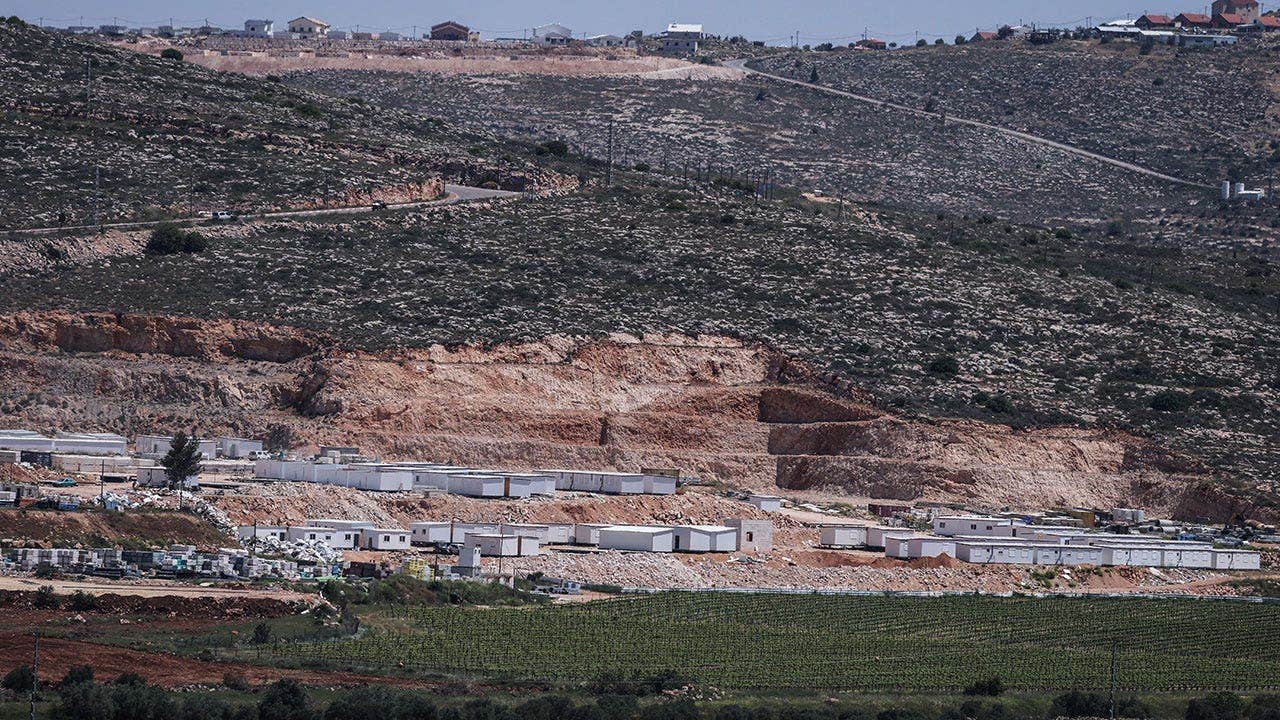
The Libi Infrastructure and Construction factory in the Israeli settlement of Shilo in the West Bank, April 30, 2026. (Reuters/Ammar Awad)
«Norway’s legislative proposal to criminalize trade with Israeli communities in Judea and Samaria is the latest example of the Norwegian foreign minister’s obsessive anti-Israel activism on the global stage. Norway has repeatedly chosen to sacrifice its bilateral relationship with Israel in favor of one-sided rhetoric and hostile actions that serve domestic interests, undermine efforts to reach peaceful solutions, and are completely detached from the reality in the Middle East.»
In response to a request for comment from Fox News Digital, Norway’s Ministry of Foreign Affairs referred the outlet to its June 19 press release announcing the proposed legislation. The release states that Israeli settlements violate international law and undermine prospects for a two-state solution in which Israelis and Palestinians can live in peace and freedom.
«By proposing legally binding prohibitions, the government makes it clear that Norwegian citizens and Norwegian companies must not profit from or support activities that help sustain Israel’s unlawful settlement activity in Palestine,» Foreign Minister Espen Barth Eide said in the release.
Eide also said the settlements contribute to «displacement, extreme violence and a situation that makes a peaceful solution impossible.»
UN AGENCY ACCUSED OF HAMAS TIES SEES ANOTHER EUROPEAN NATION CUT FUNDING
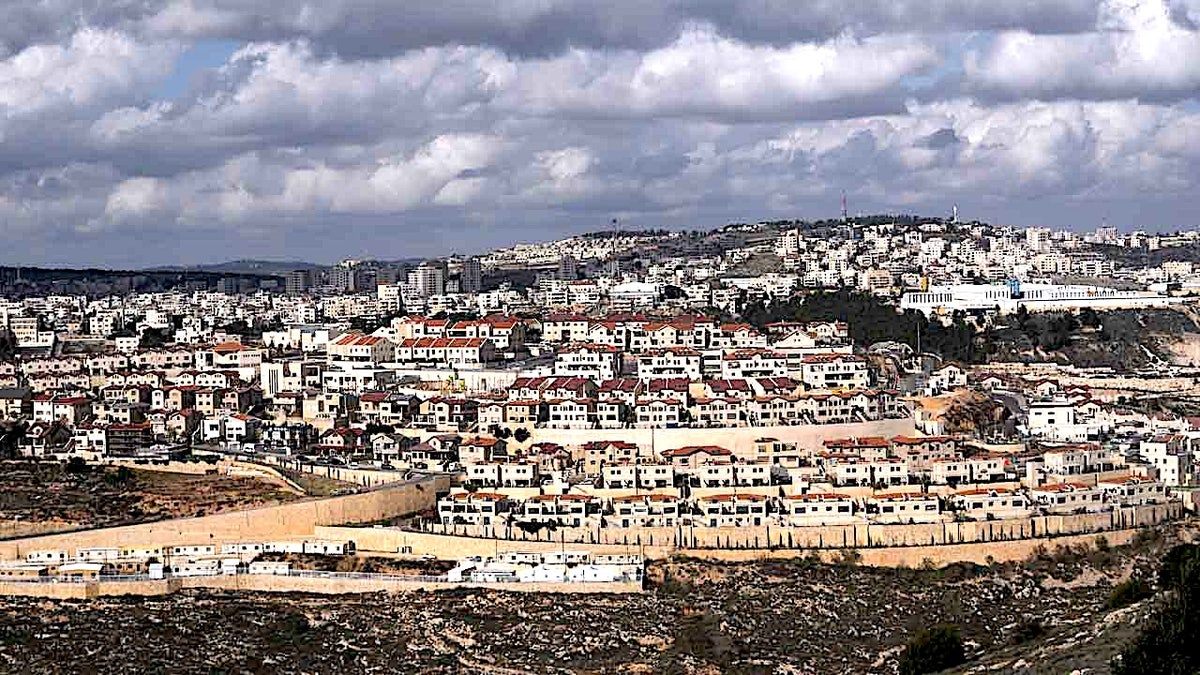
The West Bank, also known as Judea and Samaria, is home to some 500,000 Israelis. (Mahmoud Illean/AP)
The ministry cited United Nations Security Council findings and International Court of Justice advisory opinions supporting its position on the settlements’ illegality. It said the proposed restrictions would cover imports and exports, property purchases, certain property-related services and acquisitions of businesses with headquarters and production in the settlements, while safeguarding legitimate Palestinian activities and humanitarian assistance.
The proposed legislation would exempt humanitarian activities, as well as transactions the government determines have «sufficient Palestinian ties» and do not contribute to the construction, expansion or maintenance of Israeli communities.
Dag Juliussen, national director of the Norwegian branch of the International Christian Embassy Jerusalem, said that the exemption could permit business with Palestinian residents while criminalizing comparable transactions involving Jewish residents in the same territory.
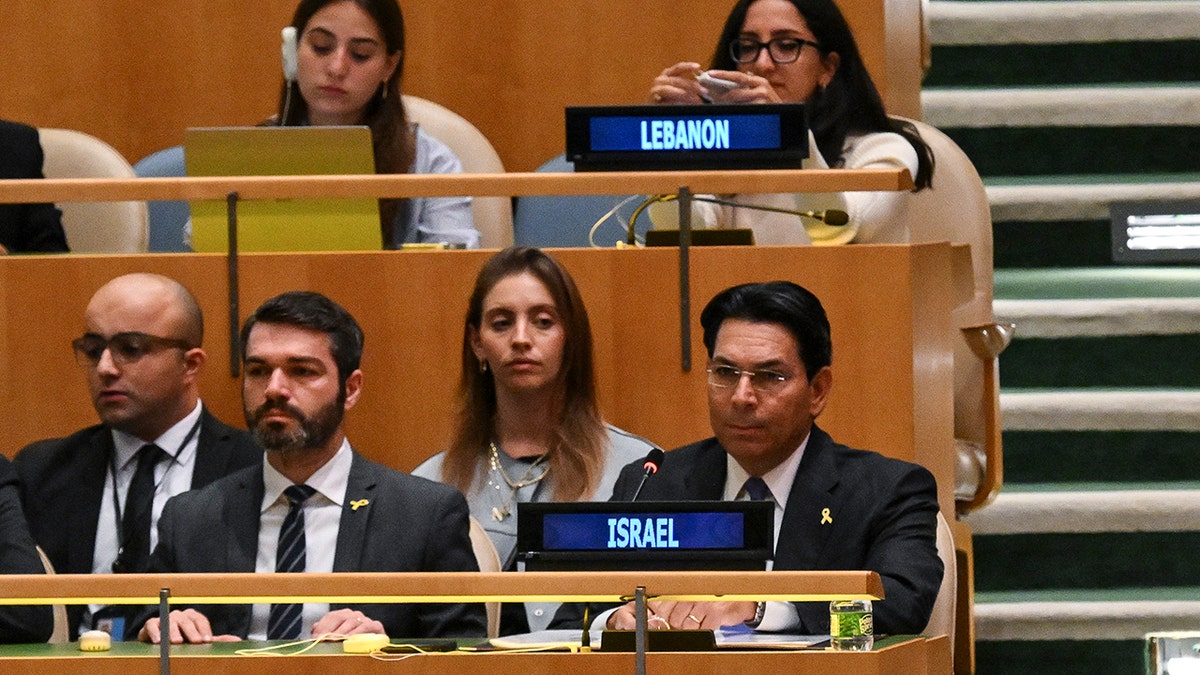
Israel’s Ambassador to the UN Danny Danon (bottom-R) speaks during a General Assembly meeting to vote on a two-state solution to the Palestinian question at United Nations headquarters on Sept. 12, 2025 in New York City. (Angela Weiss /AFP via Getty Images)
«The bill is based on a fundamentally misguided understanding of the Middle East conflict, which in turn rests on a rewriting of history,» Juliussen said in a statement to Fox News Digital. «In addition, such a law would effectively serve as a reward for terrorism and, at its core, is deeply racist toward Jews.»
CHRISTIAN ZIONISTS TAKE ON ANTI-ISRAEL ‘PROPAGANDA’ FROM BIBLICAL HEARTLAND
The consultation document does not characterize the proposal as targeting Jews. Instead, it says the measure is intended to prevent commercial activity that helps maintain Israeli communities beyond the pre-1967 lines, while shielding qualifying Palestinian commerce and humanitarian assistance.
Under the proposal, exemptions would be evaluated according to the people involved who benefit from the transaction and whether the activity contributes to the construction, expansion or maintenance of an Israeli community.
Juliussen said purchasing agricultural products from Muslim, Christian, Arab or Bedouin residents could be permitted, while purchasing similar products from Jewish residents could become a criminal offense. He argued that the determining factor would effectively be the identity of the seller.
Norway formally recognized a Palestinian state in 2024 and has become one of Israel’s strongest European critics since the Hamas-led terrorist attacks of Oct. 7, 2023.
Juliussen warned that the proposed legislation would not bring Israelis and Palestinians closer to peace but could instead deepen divisions and encourage extremist forces in the region.
anti semitism, israel, trade, international law, europe
Panamá refuerza su atractivo para la inversión productiva orientada al mercado de Estados Unidos tras quedar fuera del nuevo esquema de aranceles adicionales aplicado por Washington.
La condición abre una oportunidad para que empresas internacionales utilicen al país como plataforma de fabricación y exportación.
Desde el Ministerio de Comercio e Industrias se informó que la ventaja combina el acceso preferencial al mercado estadounidense con la conectividad logística panameña.
Ese escenario puede impulsar proyectos de nearshoring, en especial entre compañías que buscan producir más cerca de su destino final y reducir costos comerciales.
Panamá no figura desde el 24 de julio entre las economías alcanzadas por el recargo adicional establecido por Estados Unidos. La medida aplica tasas de entre 10% y 12,5% a los países incluidos en la lista, un costo que los bienes panameños pueden evitar si cumplen los requisitos previstos.
Para los productos de Panamá que califican bajo el Tratado de Promoción Comercial entre ambos países, la exclusión permite conservar las tarifas preferenciales, incluido el arancel de 0% cuando corresponde. Esto mejora la capacidad de competir frente a exportaciones regionales sujetas al nuevo gravamen.
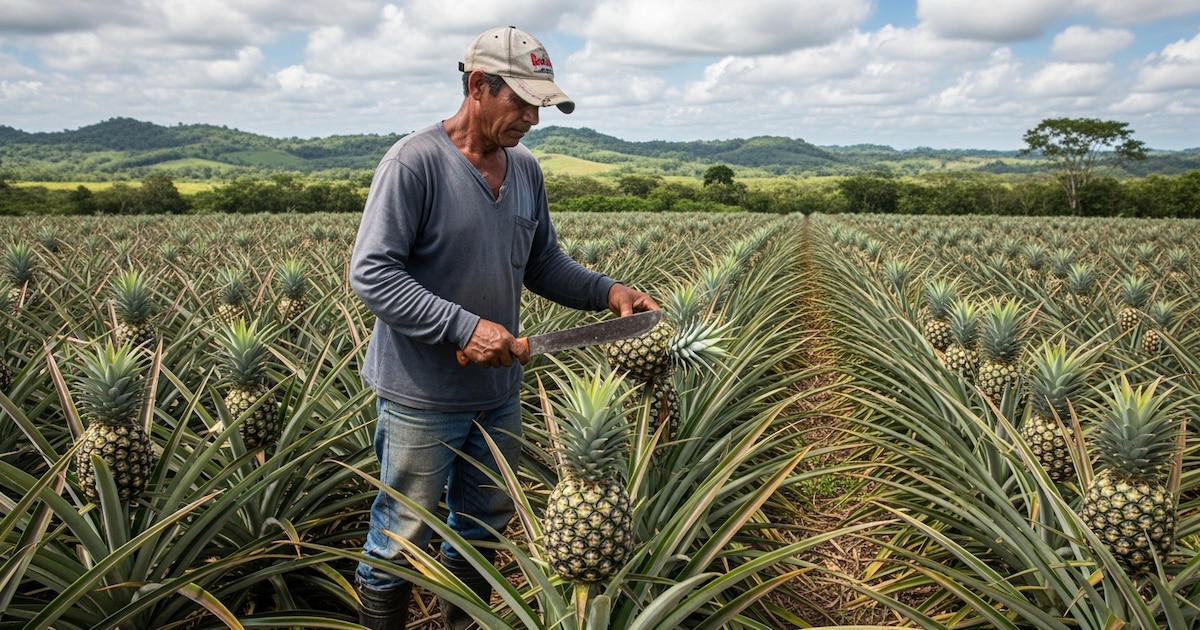
La agroindustria panameña aparece entre las actividades con mayores posibilidades de aprovechar la diferencia arancelaria.
En el mercado de supermercados de Estados Unidos, donde el precio incide de forma directa en las decisiones de compra, evitar el recargo puede favorecer la presencia de la oferta nacional.
El beneficio puede trasladarse a las negociaciones entre exportadores e importadores. También puede reflejarse en precios más competitivos o en un margen comercial mayor para las empresas que participan en la cadena de suministro.
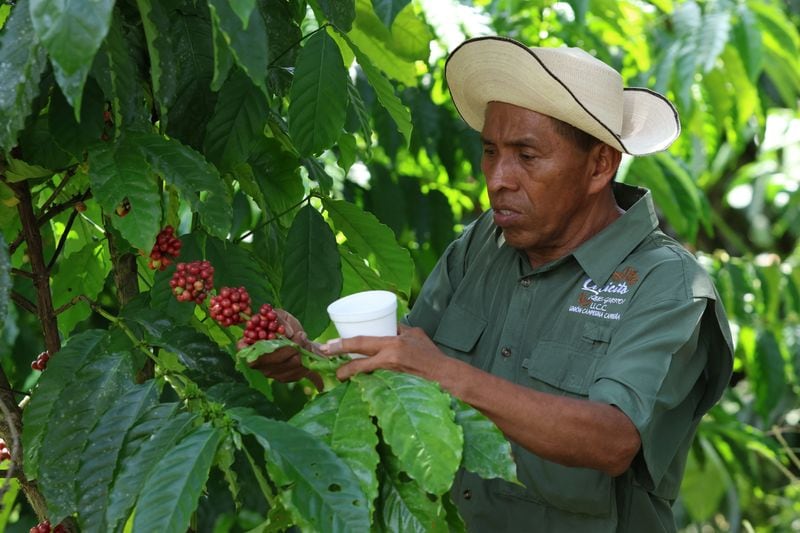
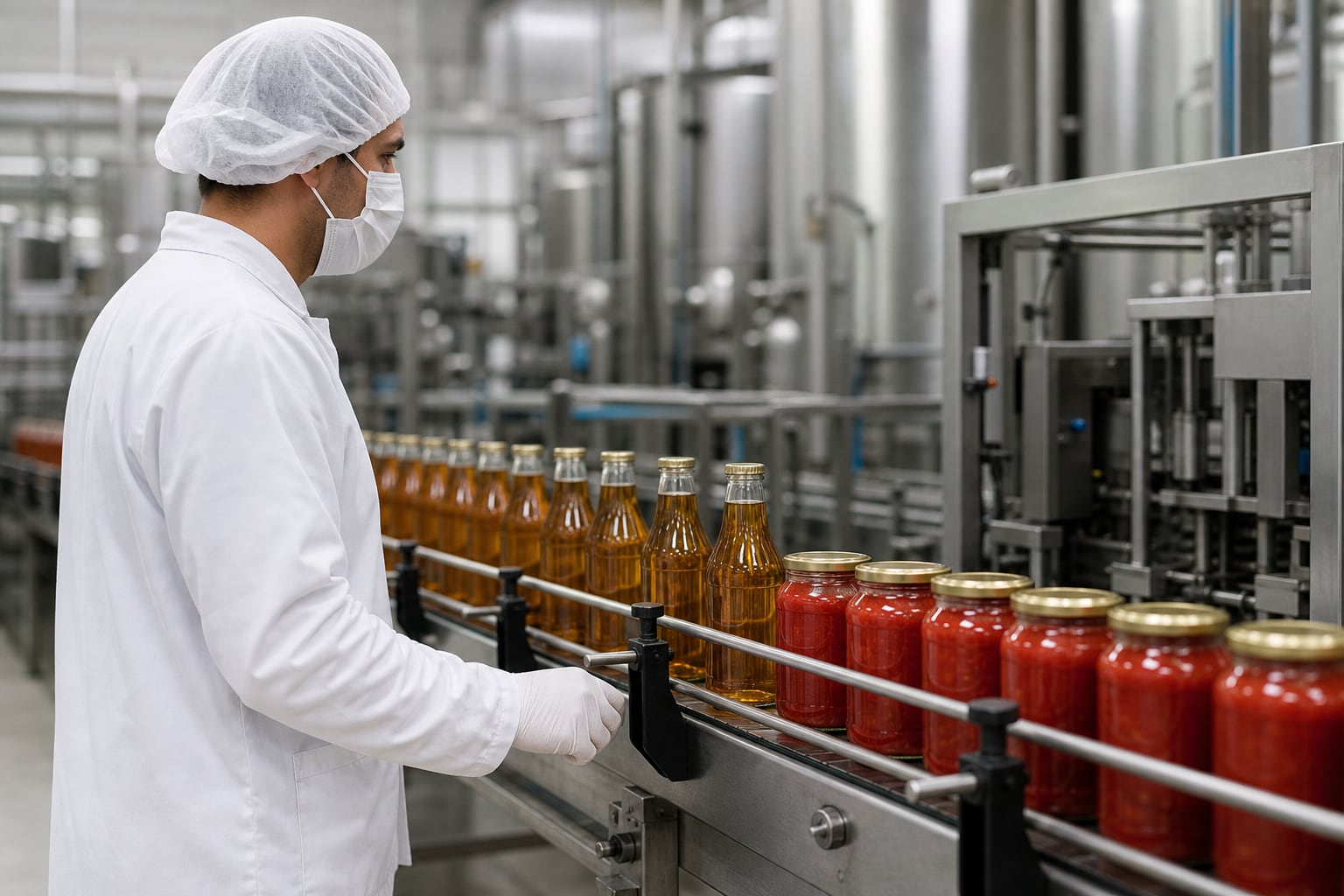
Entre los productos panameños que ya tienen presencia en Estados Unidos se encuentran el azúcar de caña, el pescado, los mariscos, el banano, la sandía, el café y la papaya. La lista también incluye alimentos procesados y manufacturados, como vinagre, salsas y pastas.
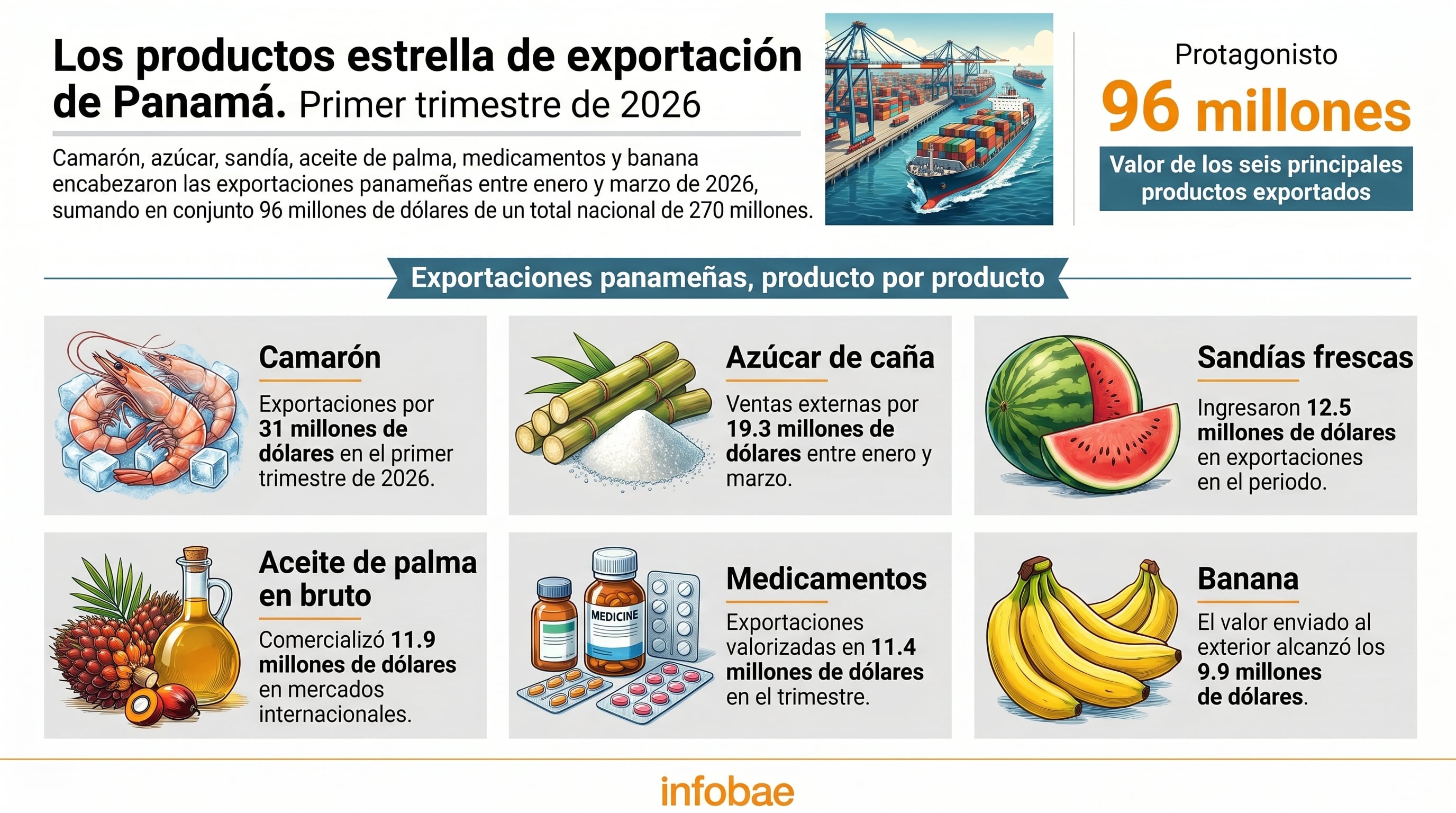
Estos bienes podrían encontrar mejores condiciones para ampliar sus ventas mientras competidores de otros países absorben el impacto de las nuevas tasas. La diferencia adquiere relevancia en rubros donde pequeños cambios en los costos pueden alterar la elección de proveedores.
Estados Unidos mantiene su condición de principal socio comercial de Panamá y concentra el 18% de las exportaciones panameñas de bienes.
La continuidad de las preferencias arancelarias, de acuerdo con el Ministerio de Comercio e Industrias, preserva una ventaja para un mercado que ya ocupa un lugar central en la estrategia exportadora del país.
Exención no se limita al comercio tradicional, pues también ofrece un argumento para atraer capital extranjero hacia actividades de transformación, ensamblaje y producción destinadas al mercado estadounidense.
Las empresas que evalúan instalar operaciones en Panamá pueden considerar la posibilidad de fabricar allí y exportar bajo las condiciones previstas en el acuerdo comercial. La conectividad del país se suma a ese acceso preferencial como parte de su propuesta para captar nuevas inversiones.
De igual manera, la oficina para la promoción de inversiones y exportaciones ProPanamá inauguró oficialmente el Pabellón de Panamá en la trigésima edición del Americas Food & Beverage Show (AF&BS 2026), celebrado en el Miami Beach Convention Center.
El pabellón de Panamá es un espacio que reúne a 15 empresas locales, exportadoras y en vías de exportación, que presentan al mercado internacional la calidad, innovación y diversidad de nuestra oferta exportable.
La delegación panameña asiste a este encuentro global respaldada por una estrategia institucional orientada a la competitividad logística y comercial, donde los empresarios tendrán la oportunidad de dar a conocer productos de alta calidad y con potencial para conquistar nuevos mercados, fortaleciendo la presencia de Panamá en la escena internacional frente a miles de compradores, distribuidores y especialistas del sector de alimentos y bebidas.
agricultor,piña,cultivo,Panamá,campo,cosecha

Las peleas sin fin limitan la unidad del PJ Bonaerense y ponen en duda la solidez de un acuerdo electoral

El-Sayed grilled on Piker, Israel and socialist ties after Mike Rogers skips Senate debate

Condenaron a un famoso tiktoker a 16 años de prisión por matar a una madre y su hija

Norway faces backlash over ‘deeply racist’ proposal to jail citizens for West Bank business

Un donante de órganos le salvó la vida: ahora se casará con su hermano.

Revelaron nuevas imágenes de la pelea con cuchillos entre un intendente y su antecesor en Neuquén: “Te voy a matar”

Entre arroyos y countries: vecinos intentan salvar el último pulmón rural del conurbano antes de que cambie para siempre

Más allá de la música, el nuevo negocio de Pablito Lescano, el líder de Damas Gratis

El polémico video de Tiago PZK con La Joaqui cuando ella aún estaba de novia con Luck Ra que desató un escándalo

Trump habló de una posible guerra por Malvinas y dijo que podría intervenir para resolverla

 SOCIEDAD3 días ago
Entre arroyos y countries: vecinos intentan salvar el último pulmón rural del conurbano antes de que cambie para siempre
- ECONOMIA3 días ago
Más allá de la música, el nuevo negocio de Pablito Lescano, el líder de Damas Gratis
- CHIMENTOS3 días ago
El polémico video de Tiago PZK con La Joaqui cuando ella aún estaba de novia con Luck Ra que desató un escándalo