INTERNACIONAL
Transformación de hábitats y disponibilidad de alimentos favorecen concentración de cocodrilos en Panamá

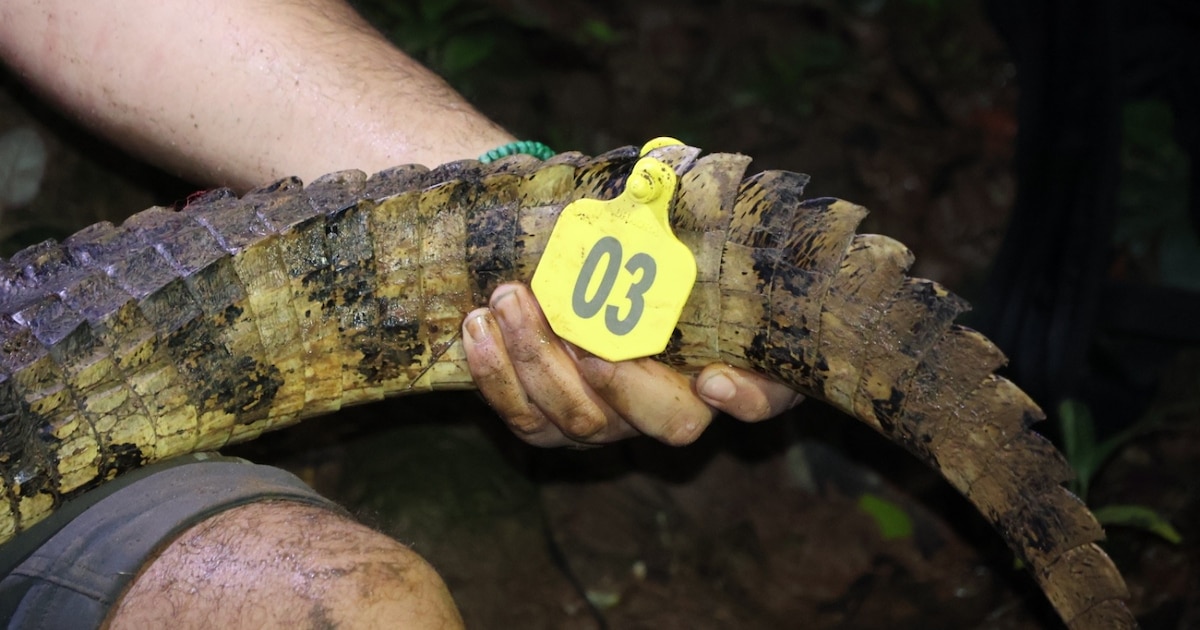
La presencia de cocodrilos en ríos panameños no responde a una sola causa ni puede explicarse únicamente por los avistamientos recientes.
La investigadora Miriam Venegas Anaya sostiene que las poblaciones fueron reducidas durante décadas por la cacería y que las medidas de protección modificaron ese escenario.
La especialista del Centro de Investigaciones Hidráulicas y Técnicas de la Universidad Tecnológica de Panamá indicó que la transformación de los hábitats y la oferta de alimento también contribuyen a que los reptiles se agrupen en sectores determinados.
La concentración de cocodrilos en áreas puntuales de Panamá está relacionada con la recuperación de sus poblaciones, la disponibilidad de comida y las condiciones creadas por la actividad humana.
La prevención requiere evitar que reciban alimento de manera directa o indirecta, controlar los residuos y reconocer las conductas que incrementan el riesgo de encuentros con estos animales.
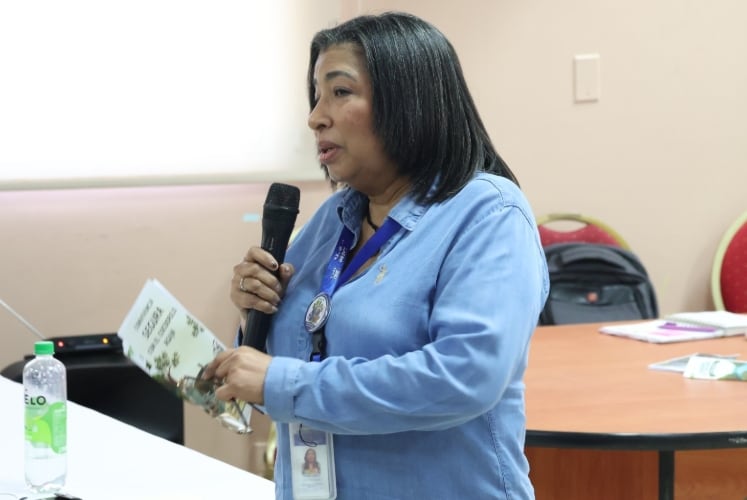
Venegas Anaya, conocida como la “doctora cocodrilo”, pidió a la población que no alimente a los ejemplares y que tampoco arroje al agua restos de pescado ni otros desperdicios orgánicos.
“Lo primero que hay que hacer es no alimentar a los cocodrilos. No limpiar los peces ni tirar los desechos al río”, explicó la investigadora.
La experta recomendó habilitar espacios apropiados para depositar los residuos y evitar la limpieza de peces cerca de los puertos.
Esas prácticas pueden convertir determinados puntos de los ríos en sitios donde los animales encuentran comida con facilidad.
La acumulación de materia orgánica también puede deteriorar las condiciones del agua y perjudicar a otras especies acuáticas.
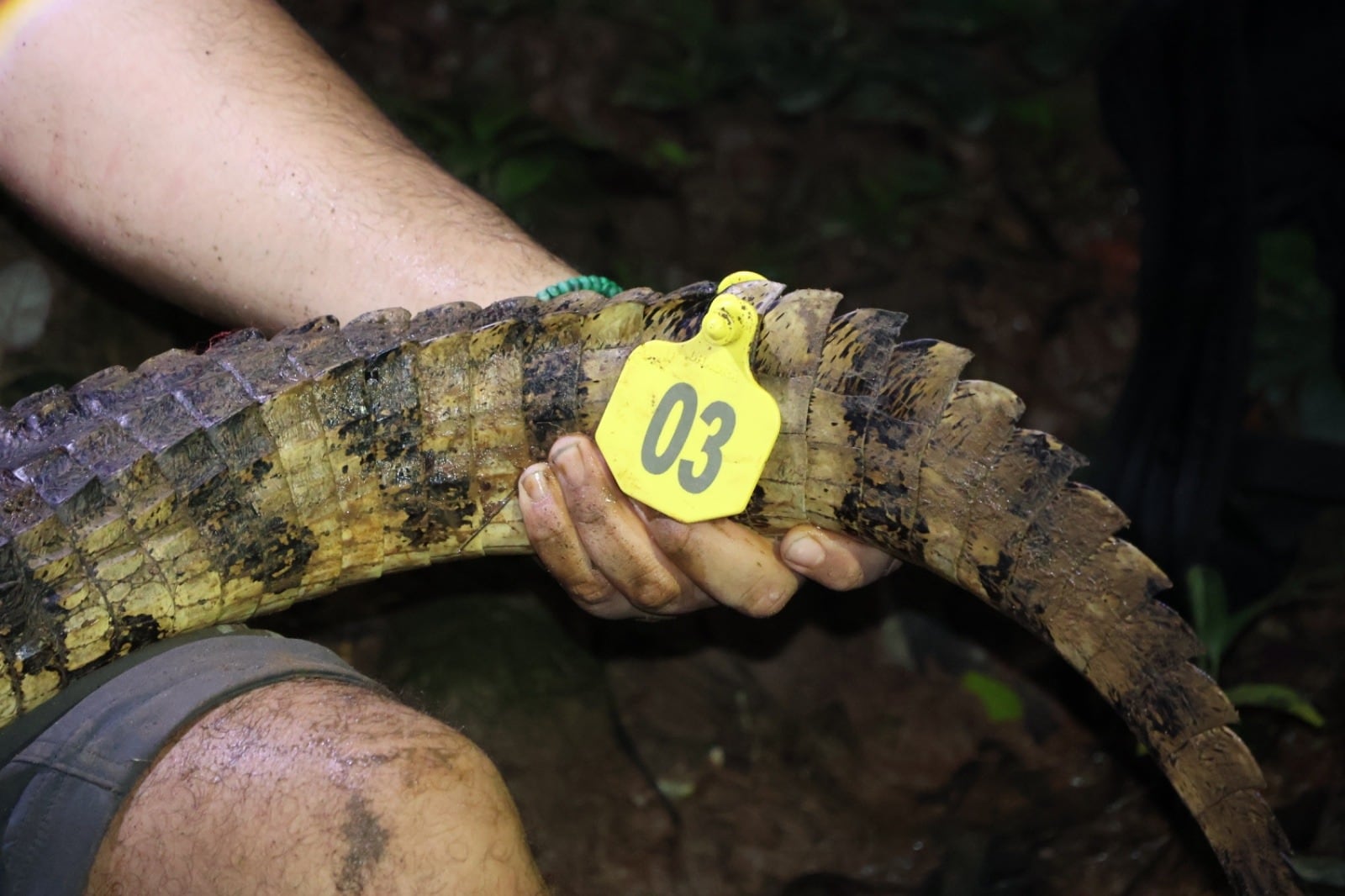
Venegas Anaya advirtió que el problema no se limita a la presencia de reptiles en zonas de actividad humana.
“Si la gente sigue botando los desechos al río, va a contaminarse con materia orgánica y eso produciría la mortandad de peces, de larvas de peces y de camarones”, comentó.
El caso del puerto de Coquira puso el tema en discusión, luego de que un cocodrilo hiriera en una pierna a un pescador. Para la investigadora, la respuesta ante este tipo de episodios debe contemplar tanto al animal como las condiciones que favorecen su permanencia.
La especialista consideró que retirar ejemplares de un lugar no garantiza una solución si persisten los factores que los atraen. “Retirar a los animales sin resolver esas causas podría no solucionar el problema”, señaló.
El Protocolo de Contingencia para el Manejo de las Interacciones Negativas entre Cocodrilos y Seres Humanos prevé tareas de vigilancia, evaluación y seguimiento de los ejemplares que generan conflictos.
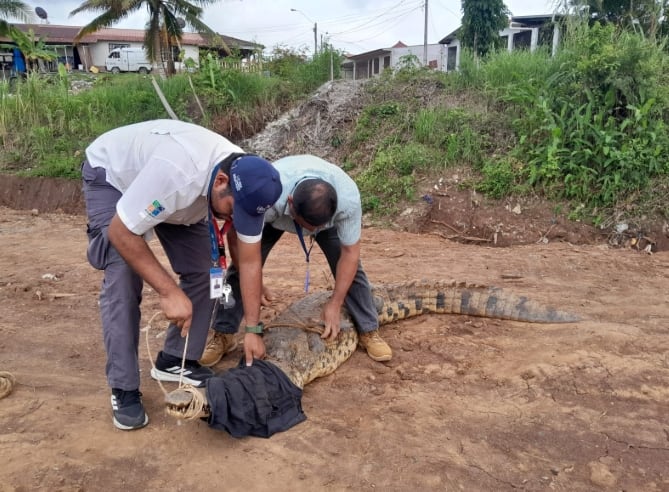
El documento también incorpora el control de las fuentes de alimentación que mantienen a los animales en ciertos sectores.
Los investigadores de la Universidad Tecnológica de Panamá realizan monitoreos en ríos de las principales cuencas del Pacífico panameño junto con el Ministerio de Ambiente de Panamá (MiAmbiente). El proyecto cuenta además con el apoyo de la Secretaría Nacional de Ciencia, Tecnología e Innovación (Senacyt).
Los resultados de ese trabajo están próximos a publicarse, según informó Venegas Anaya. Las observaciones muestran mayores concentraciones en ríos que cuentan con puertos pesqueros y en zonas próximas a instalaciones camaroneras.
El río Grande de Coclé figura entre los ejemplos relevados por el equipo científico. Allí identificaron 36 cocodrilos en un kilómetro de recorrido en el área de la desembocadura.
La disponibilidad de alimento en ese sector aparece vinculada con la cantidad de animales detectados. El registro permite dimensionar por qué el manejo de desperdicios se convirtió en uno de los ejes de las recomendaciones dirigidas a las comunidades.
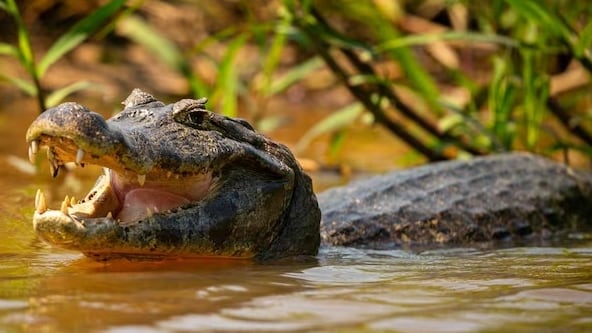
Para MiAmbiente, los espacios de conversación con la población permiten explicar cómo se comporta la especie, reconocer situaciones que pueden derivar en incidentes y promover hábitos que reduzcan los conflictos con la fauna silvestre.
Un encuentro reciente reunió a estudiantes universitarios y a alumnos graduandos del Bachiller en Ciencias y Agropecuario del Instituto Profesional y Técnico México-Panamá. La actividad abordó medidas de prevención ante los incidentes ocurridos en la región de Chepo.
Durante la jornada se trataron las conductas que pueden aumentar el peligro, el destino correcto de los desechos derivados de la pesca y las medidas de mitigación que debe adoptar la población cuando hay reptiles en el entorno.
La directora regional de MiAmbiente en Panamá Este, Aida Magaña, remarcó la necesidad de trasladar la información científica a las comunidades y a los centros educativos. La funcionaria aludió a los contenidos que circulan en redes sociales y que pueden alimentar interpretaciones equivocadas sobre estos animales.
La directora nacional de Cultura Ambiental de la entidad, Zorayda Jiménez, planteó que la educación ambiental es una herramienta de prevención. “Conocer el comportamiento de la especie es clave para prevenir incidentes”, afirmó.
fauna silvestre,cocodrilo americano,aligátor americano

INTERNACIONAL
COVID cash meant to get kids back on track took surprising detour in blue-state school district

Hundreds of thousands of dollars in pandemic-era federal relief funding, including money intended to help students recover from learning loss, instead went toward «anti-racism» training for teachers and administrators in Albuquerque Public Schools.
The district approved $336,500 in American Rescue Plan funds in 2021 for training tied to the People’s Institute for Survival and Beyond (PISAB), while accounting records obtained by America First Legal show APS ultimately spent nearly $700,000 on the training program.
School district officials told Digital they could not confirm the spending or how much came from federal COVID relief funds because they did not have immediate access to the records.
PISAB, which has received grants from George Soros’ Open Society Foundations, has distributed training materials instructing «White folks» to «learn how [they] became white» and defining race as a «specious classification of human beings created by Europeans (whites)» to assign human worth and social status and maintain «power and privilege.»
GEORGIA DISTRICT QUIETLY TRAINED TEACHERS TO BLAME ‘WHITENESS,’ ‘DECOLONIZE’ UNDER FEDERAL CRACKDOWN: REPORT
At APS, the programming included «Community Conversations,» an introductory course centered on «core equity and anti-racism principles,» as well as «Introduction to Undoing Racism» and a multi-day «Undoing Racism» workshop.
The training was delivered through the Anti-Racism Training Institute of the Southwest (ARTI), which had a 23-year relationship with PISAB.
The effort reached hundreds of district employees after initially focusing on school leadership. During the 2020-21 school year, APS principals and assistant principals participated in «Community Conversations,» a course ARTI «specifically designed» for the district which incorporated PISAB’s organizing principles.
By July 2022, at least 721 APS staff members, ranging from teachers to senior district officials, had attended an ARTI training, according to records obtained by AFL.
«Leftist groups infiltrate schools because they know that they will have the opportunity to shape and control children’s minds and social behavior,» Bobby Crossin, counsel at America First Legal, said in a statement. «Here, the Albuquerque Public Schools took money intended by Congress to help students harmed by government lockdowns, and spent it on critical race theory indoctrination sessions.»
EXCLUSIVE: SPLC’S ‘FAR-LEFT’ ‘ANTI-RACISM’ CURRICULUM FOUND IN CLASSROOMS AS EARLY AS KINDERGARTEN: WATCHDOG
Julie Levin, senior counsel at America First Legal, said the group’s concerns centered in part on the use of pandemic relief money at a time when schools were trying to help students recover from COVID-era disruptions.
«You had all of this money that Congress was giving to school districts to get children back on track after the COVID pandemic,» Levin told Digital. «Instead of using that money to help the students, they were using it to pay for these anti-racism trainings.»
«What was happening was taxpaying dollars were being used to pay for training sessions that were supposed to be espousing anti-racism, but were actually being used to indoctrinate the teachers and administrators with respect to racism,» Levin continued.
The records show APS had even bigger plans for the program, proposing nearly $1 million in DEI training through 2024 that would reach nearly 2,000 people each year.
District officials later considered extending the effort beyond employees and directly to students.
In fall 2022, APS officials proposed adding «a student component to our equity/anti-racism model,» which would have involved 20 to 30 students per school at up to 10 middle and high schools, according to internal memos obtained by AFL.
TRUMP ADMINISTRATION TOUTS ‘HARD RESET’ FOR AMERICAN SCHOOLS, VOWS TO PUT PARENTS ‘BACK IN CHARGE’
The proposal envisioned first introducing participating students to «foundational equity/anti-racism principles» before having them develop projects of their own.
APS, however, told Digital the student component was never implemented.
The district’s relationship with ARTI continued after the student proposal. In 2023, ARTI provided APS with a $27,000 estimate for in-person «Undoing Racism» training.
APS defended its use of PISAB and ARTI trainings, saying the programs were intended to help improve student outcomes.
«We haven’t received criticism about this,» a spokesperson for the district wrote in an email to Digital. «But generally speaking, we used the program to help with attendance and academic achievement for students.»
The training highlighted in Albuquerque is also part of a greater effort, according to Levin, who said PISAB continues to offer classes in cities including Seattle, Washington, D.C., Atlanta and Brooklyn,
«The People’s Institute to this day is offering these classes throughout the United States,» Levin said. «All you have to do is go to their website and see that month by month there’s the calendar of these training classes that they are offering either directly in person, virtually, or through third parties.»
«America First Legal will continue exposing where public-school dollars are being diverted away from our children’s education toward ideological programs that divide Americans by race and reshape our schools around an insidious political agenda,» Levin said.
Digital reached out to PISAB for comment.
critical race theory, education, trending news, new mexico, politics
INTERNACIONAL
Trump, Iranian president converge on NYC for ‘dramatic’ UN showdown as Tehran faces tight restrictions
NEWYou can now listen to Fox News articles!
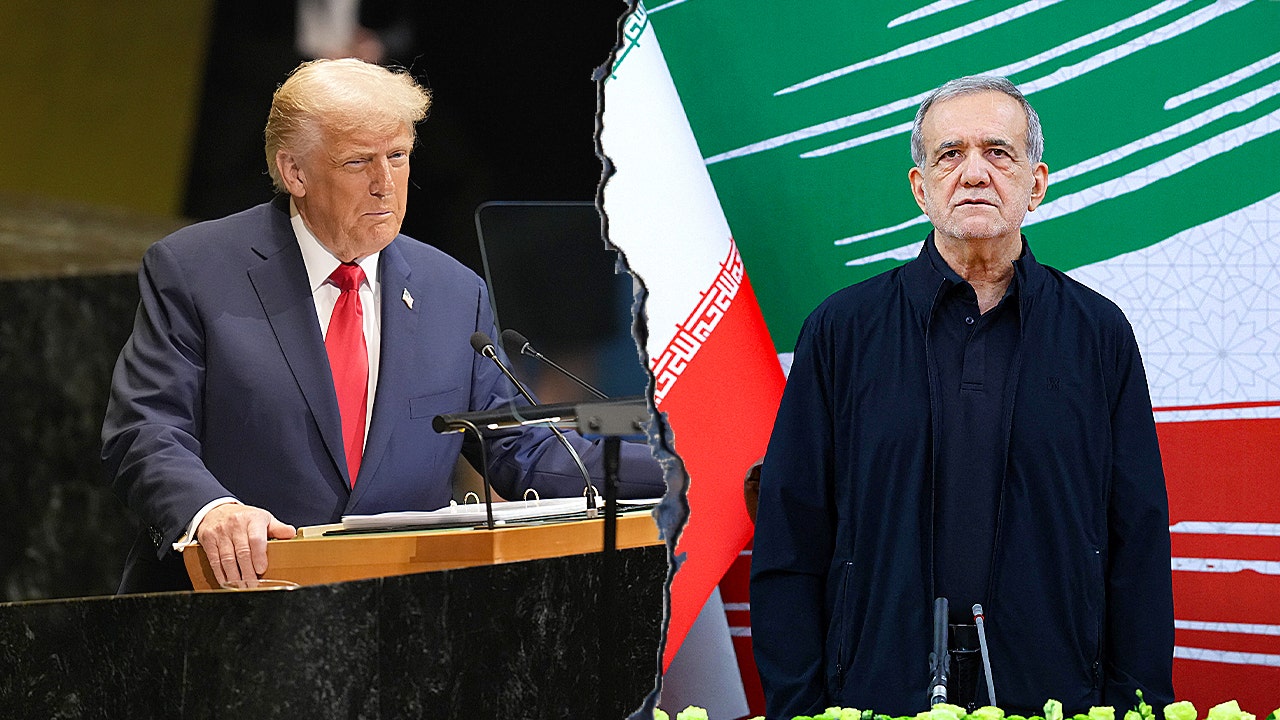
President Donald Trump and Iranian President Masoud Pezeshkian are set to converge on New York City for the U.N. General Assembly (UNGA) this week, setting up what former White House officials describe as a «dramatic» diplomatic moment, with Tehran’s delegation effectively «captive» under U.S. restrictions amid heightened Middle East tensions.
Pezeshkian, for one, is scheduled to address the assembly on Wednesday, Reuters and Iran’s semi-official news agency, Mehr, reported Sunday, with Trump at the rostrum on Tuesday.
«The choreography here is going to make for a fairly dramatic moment,» Theo Wold, former acting assistant attorney general and White House domestic policy advisor, told Fox News Digital.
PUTIN, XI AND IRAN’S PEZESHKIAN DESCEND ON INDIA FOR HIGH-STAKES BRICS SUMMIT AMID ESCALATING GLOBAL TENSIONS
President Donald Trump addresses the 80th United Nations General Assembly in New York, Sept. 23, 2025. (Reuters/Shannon Stapleton)
«For the Iranians, the limitation is going to be that there’s going to be less access to the international press and less ability for them to essentially poke the Trump administration in the eye,» Wold added before noting that it is «pretty sensible to allow them to participate in the international forum and to discuss whatever issues they think are pertinent to their regime and then tell them to go home.»
The high-profile gathering also comes as Trump weighs renewed strikes on Iran amid the almost seven-month war. Tehran, meanwhile, has set seven conditions for talks with Washington, according to Supreme National Security Council Secretary Mohsen Rezaei.
Iran also warned on Sunday against any big new attack by the United States and its allies, saying it had information such a move was being prepared, Reuters reported.
While the U.S. approved visas for Iran’s delegation earlier this week, including Pezeshkian and Foreign Minister Abbas Araghchi, the State Department has placed strict limits on Iranian movements while in Manhattan.
As the host country under a 1947 U.N. agreement, the United States generally must facilitate the entry and transit of foreign representatives traveling to U.N. headquarters, including officials from adversarial nations.
«While ordinary Iranians endure brutal repression, water and electricity shortages, and soaring inflation, the regime’s officials want to go on shopping sprees in New York. Not on our watch,» U.S. State Department spokesperson Tommy Pigott said on X.
UN WATCHDOG SLAMS POTENTIAL ELECTION OF IRAN TO PANEL WITH HUMAN RIGHTS SWAY: ‘LUNATICS RUNNING THE ASYLUM’
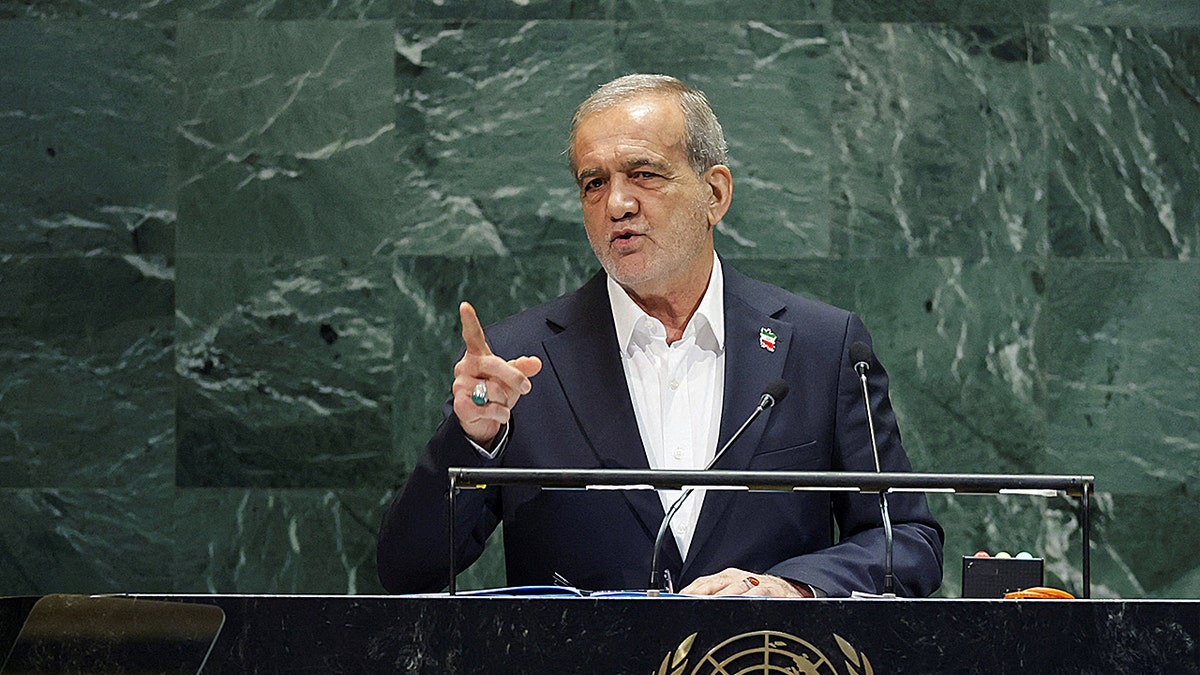
Pezeshkian accused the U.S. of a «grave betrayal» at the United Nations General Assembly on Sept. 24, 2025, in New York City. (Jeenah Moon/Reuters)
For Washington, Wold said the U.S. is not obligated to give them unrestricted access beyond diplomatic responsibilities.
«Here, the delegation will be restricted to their accommodation in New York City and the U.N. headquarters there in Manhattan,» Wold clarified.
He characterized the move by Washington as a way of telling the delegation it could participate in official discussions but not «go and buy a bunch of microwaves or a small car at Costco or a dealership in the greater New York area.»
«Some of the restrictions fully recognize that when Iran comes to New York for UNGA, really it’s about them lining their pockets and going on shopping sprees to get household appliances and Rolex watches,» Wold said. «They’re not going to be going on shopping sprees. They’re certainly not going to be hitting up Michelin-starred restaurants in greater Manhattan.
«They also go to Sam’s Club and Walmart and Costco. And that was one of the specific prohibitions issued by the State Department this week: to contact those big-box retailers that require a basic membership and say, ‘You’re not to transact or do any business with Iranians when they arrive, and you’re to notify us when they do.’»
KUSHNER TOUTS UNPRECEDENTED IRAN CONTACTS AS TEHRAN DENIES TRUMP BACKCHANNEL
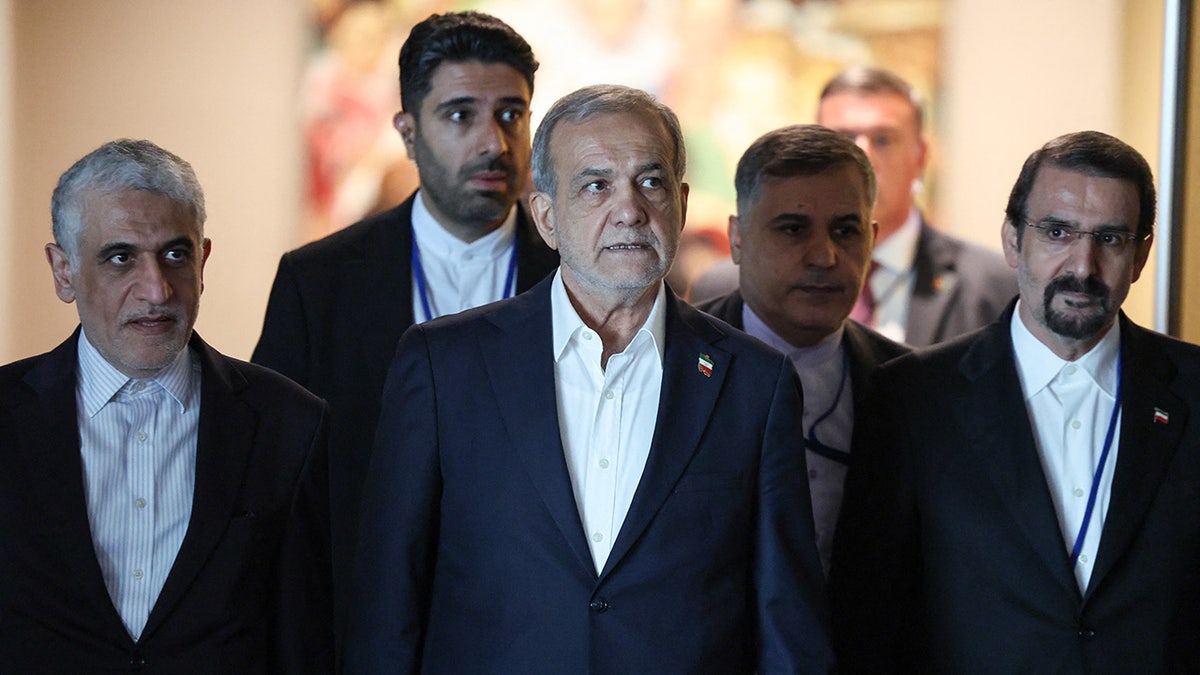
Iran’s President Masoud Pezeshkian walks to meet with France’s President Emmanuel Macron during the General Assembly at U.N. headquarters in New York City on Sept. 24, 2025. (Ludovic Marin/AFP via Getty Images)
Despite the restrictions, Wold said UNGA gives Washington the opportunity it has «wanted for quite some time to have a large enough audience, and a sort of captive Iranian delegation» to make some of the essential points for why the administration pursued the actions it did against the Iranian regime.
Iranian state media also reported Sept. 19 that Foreign Ministry spokesperson Esmaeil Baghaei said New York held «absolutely no charm» for the Iranian delegation.
Baghaei, Mehr News Agency reported, went on to accuse the U.S. of using every tool to block the delegation’s participation, asserting that Iran’s attendance is a legal right rather than a favor.
Wold went on to criticize the U.N. for hosting state representatives hostile to American interests while raising security concerns.
«It’s going to be one of those things that’s fairly perplexing to most Americans,» Wold said. «How is it that the representatives of what we have long identified as a hostile regime, but now one that we’re actually engaged in combat operations against, one that has killed American service members, why is it that their diplomats get to come to the United Nations and exchange niceties with other kleptocrats or some of their other allies on the international scene?»
TWO US SERVICE MEMBERS KILLED IN IRANIAN STRIKES ON JORDAN, CENTCOM SAYS
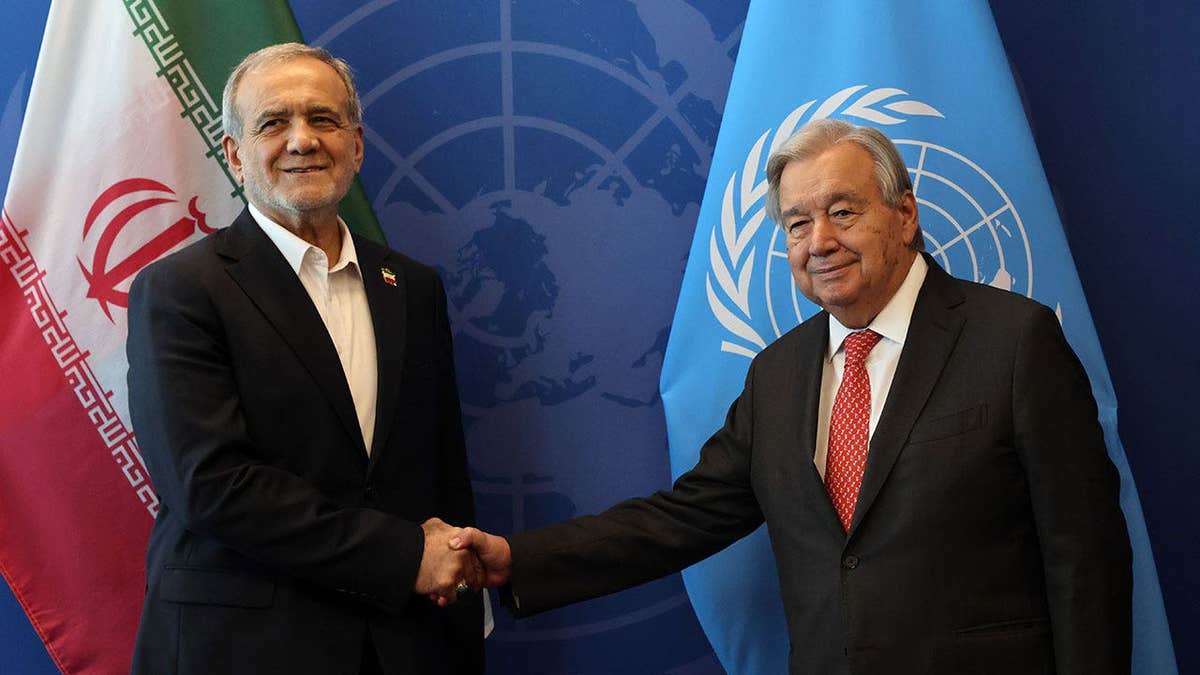
Iranian President Masoud Pezeshkian, left, shakes hands with the U.N. Secretary-General Antonio Guterres during the General Assembly on Sept. 25, 2025, in New York City. (Spencer Platt/Getty Images)
Wold also added that the United Nations wants to «lecture us about international climate change or the need to trans children, but the other is happy to sort of serve as a forum for obvious violators of human rights and obvious regimes that are contrary to any number of internationally agreed-upon protocols.»
Amid the hostility between Washington and Tehran, Wold said the gathering could also provide an opening for diplomacy. Trump is also slated to hold bilateral and sideline meetings with leaders from the Gulf Cooperation Council (GCC) to discuss regional security and the Strait of Hormuz.
«There’s the hope that there’ll be an opportunity for real discussion,» Wold said of UNGA. «Everyone’s hope, especially from State Department leadership, is that there’ll be an opportunity to have a fulsome, sort of meaningful discussion with the Iranians, freed from some of the theatrics the Iranians have engaged in.
«There’s a hope that there’ll be an opportunity for closed-door private discussions between the United States and Iranians and really try to hammer out some kind of agreement about what a cessation of hostilities will look like.»
Wold expressed confidence in Washington’s posture heading into the summit.
«The president is best equipped for these moments. This is really where he sort of shines as a natural leader,» he said. «He’s not one to bend or to break. It’s a precarious time for President Trump, but I have no doubt at all that he’ll rise to the moment.»
world, donald trump, iran, united nations, foreign affairs, state department, middle east foreign policy, politics
INTERNACIONAL
Misión internacional exige a Honduras cumplir fallos de la Corte IDH a favor del pueblo garífuna
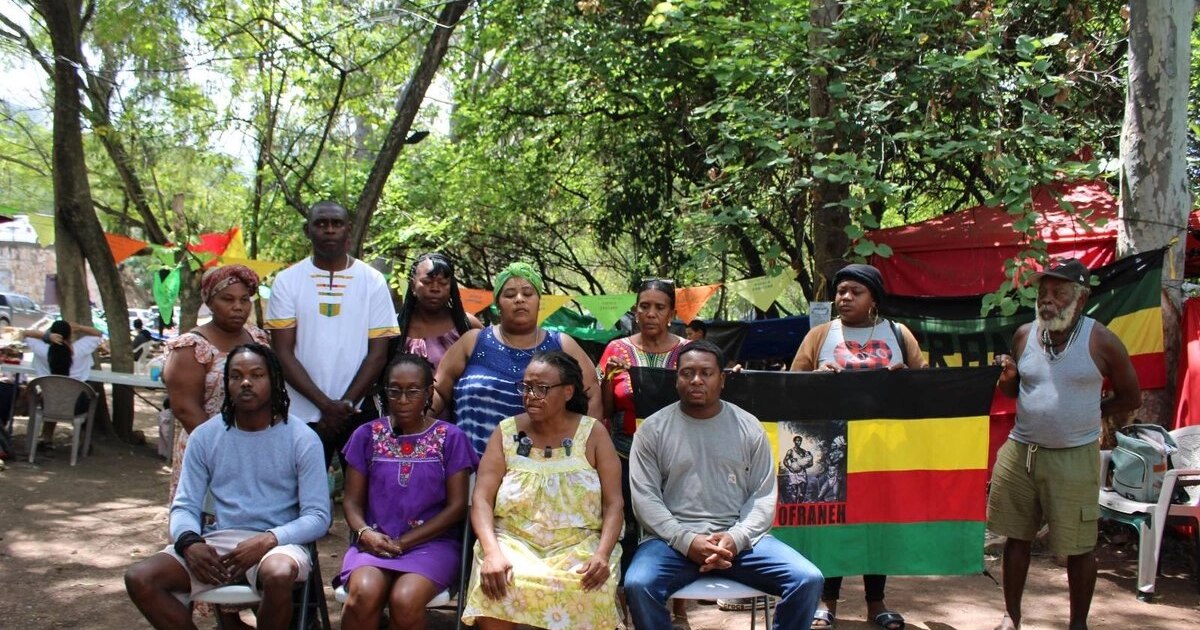
Una Delegación Internacional de Solidaridad pidió este sábado al Estado de Honduras acelerar el cumplimiento de cuatro sentencias dictadas por la Corte Interamericana de Derechos Humanos (Corte IDH) a favor de comunidades garífunas del Caribe hondureño.
Las resoluciones corresponden a Triunfo de la Cruz y Punta Piedra, ambas de 2015; San Juan, de 2023; y Cayos Cochinos, de 2025, notificada en 2026. Las cuatro reconocen violaciones a distintos derechos colectivos y territoriales y obligan al Estado a adoptar medidas de reparación.
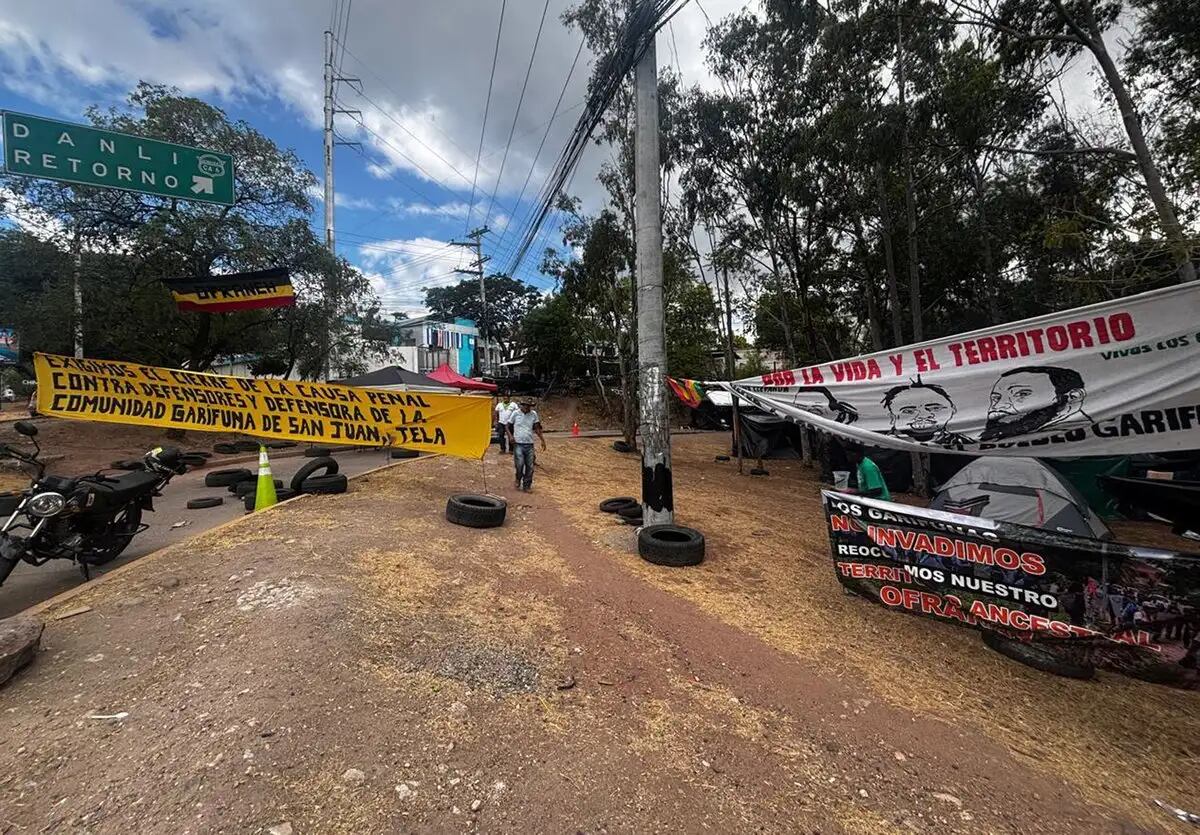
El reclamo internacional ocurre mientras integrantes de la Organización Fraternal Negra Hondureña (OFRANEH) mantienen desde hace más de un mes un campamento frente a la Corte Suprema de Justicia en Tegucigalpa.
Aunque cada expediente tiene hechos propios, las cuatro sentencias comparten un eje: la protección de la propiedad colectiva y del territorio tradicional de las comunidades garífunas.
En el caso de San Juan, la Corte determinó que Honduras incumplió su obligación de titular, delimitar y demarcar el territorio, además de no garantizar plenamente su uso y goce ni la participación de la comunidad en decisiones que la afectaban.
En Triunfo de la Cruz, el tribunal analizó problemas vinculados con ventas de tierras, ampliación urbana, proyectos turísticos y decisiones sobre áreas protegidas dentro de territorios reclamados por la comunidad.
Punta Piedra también obtuvo sentencia en 2015, y el Estado incluso creó posteriormente una comisión intersectorial encargada de coordinar el cumplimiento de esos fallos junto con el de San Juan.
La misión internacional pidió que Honduras avance en el saneamiento del registro y titulación de las tierras ancestrales, de modo que las comunidades puedan ejercer plenamente sus derechos sobre esos territorios.
También cuestionó que intereses privados puedan imponerse sobre derechos colectivos ya reconocidos internacionalmente.
Ese señalamiento corresponde a la delegación y a organizaciones acompañantes; establecer si existe favorecimiento ilegal a actores privados requiere evidencia y decisiones de las autoridades competentes.
El caso de Cayos Cochinos agregó una dimensión más reciente.
La Corte IDH determinó que Honduras vulneró derechos de la comunidad al adoptar decisiones sobre el área protegida, planes de manejo, actividades pesqueras y producciones televisivas sin garantizar adecuadamente una consulta previa, libre e informada.
La situación volvió a tensarse en septiembre con denuncias de intentos de desalojo de miembros de la comunidad que protestaban en el archipiélago.
La Corte incluso emitió el 11 de septiembre de 2026 una nueva resolución conjunta relacionada con medidas provisionales y supervisión del cumplimiento de las cuatro sentencias garífunas contra Honduras.
La coordinadora de OFRANEH, Miriam Miranda, aseguró que el campamento frente al Poder Judicial continuará de forma indefinida.
Según su versión, las comunidades han presentado decenas de acciones judiciales sin obtener las respuestas que esperan y enfrentan procesos que califican como criminalización y persecución.
Esas acusaciones representan la posición de OFRANEH y no equivalen por sí mismas a conclusiones judiciales sobre la actuación de las instituciones o de funcionarios específicos.
Uno de los puntos centrales del conflicto es que una sentencia internacional no se cumple únicamente mediante su reconocimiento formal.
Las reparaciones pueden exigir titular tierras, sanear registros, investigar hechos, garantizar consulta previa, evitar nuevas afectaciones y adoptar medidas institucionales de no repetición, dependiendo de cada expediente.
Honduras ya cuenta con una estructura estatal para coordinar parte de ese cumplimiento, pero la persistencia de reclamos muestra que las comunidades consideran insuficiente el avance alcanzado hasta ahora.
El desafío ya no está en determinar si existen obligaciones internacionales: las cuatro sentencias ya lo establecieron. La discusión es cuánto ha cumplido Honduras, qué reparaciones continúan pendientes y qué medidas deberá adoptar para que esos derechos se traduzcan en control efectivo y seguro sobre los territorios.
Corresponsal:Desde Tegucigalpa, Honduras

Diputadas de la UCR denuncian “adoctrinamiento” en una escuela de un pueblo de Formosa

Manuel Adorni deberá explicar su patrimonio ante la Justicia esta semana en la causa por presunto enriquecimiento ilícito

Clima extremo: elevan a naranja la alerta por tormentas fuertes para hoy en el AMBA y mañana impactará otro fenómeno

COVID cash meant to get kids back on track took surprising detour in blue-state school district

Trump, Iranian president converge on NYC for ‘dramatic’ UN showdown as Tehran faces tight restrictions

Misión internacional exige a Honduras cumplir fallos de la Corte IDH a favor del pueblo garífuna

La Justicia confirmó las fechas de los juicios contra Cristina y Máximo Kirchner por las causas Los Sauces y Hotesur

"Atendiendo a los kukas mentirosos": el presidente Javier Milei opinó sobre las reservas en el oro del Banco Central

Tras los cruces por Discapacidad, Javier Milei y Patricia Bullrich se reencuentran en la reunión de Gabinete para delinear la agenda legislativa

Provocativo gesto de Patricia Bullrich: publicó un video con una canción de Lali Espósito tras sus críticas al interior del Gobierno

 POLITICA2 días ago
La Justicia confirmó las fechas de los juicios contra Cristina y Máximo Kirchner por las causas Los Sauces y Hotesur
- ECONOMIA3 días ago
"Atendiendo a los kukas mentirosos": el presidente Javier Milei opinó sobre las reservas en el oro del Banco Central
- POLITICA1 día ago
Tras los cruces por Discapacidad, Javier Milei y Patricia Bullrich se reencuentran en la reunión de Gabinete para delinear la agenda legislativa