INTERNACIONAL
Missouri’s redistricting mess created an election problem Supreme Court has days to untangle


Missouri’s congressional map fight is hurtling toward another potential Supreme Court showdown, with courts at odds over which districts should govern the November election after more than 1.2 million Missourians voted in the August primary under a different map.
The U.S. Court of Appeals for the Eighth Circuit ruled Monday that Missouri must use its 2025 congressional map in November, finding that switching to the state’s 2022 districts after the primary would violate the U.S. Constitution. But the appeals court paused its order until Sept. 28, 2026, opening a narrow window for another visit to the U.S. Supreme Court.
Abhishek Kambli, a partner at Holtzman Vogel and former deputy associate attorney general at the Justice Department, told Digital the Supreme Court’s previous intervention does not necessarily signal how the justices will handle the latest ruling.
«It’s unpredictable how they’ll rule, mostly because we didn’t get their reasoning in the last order,» Kambli said. «So, we don’t know the precise reason why they decided to stay at that time.»
ELECTION CHAOS IN THIS RED STATE JUST GOT EVEN STRANGER FOR REPUBLICANS AFTER SUPREME COURT RULING
The Supreme Court previously stayed a federal district court’s temporary restraining order requiring Missouri to use the 2025 map. The Eighth Circuit has now directed the lower court to enter a permanent injunction requiring the newer districts, putting the dispute in a different procedural posture.
«So unless the Supreme Court steps in again, the state will be required to use the seven-one map for this election,» Kambli said.
Missouri held its Aug. 4, 2026, primary under the 2025 map. Roughly a month later, the Missouri Supreme Court ruled that voters could challenge the map through a referendum, leaving the 2022 districts in place for the November election.
Kambli said switching congressional maps between the primary and general election raises serious constitutional concerns.
«You would have had a large number of Missourians who would have been disenfranchised because they voted for one set of candidates in the primary and will be voting for another set in the general,» Kambli said.
MISSOURI AG FILES PETITION ASKING SUPREME COURT TO REVIVE TRUMP-BACKED REDISTRICTING MAP
«And what’s even more concerning is sometimes those candidates are unopposed so that they miss their only chance to vote as a result of what the Missouri Supreme Court did here,» Kambli continued. «So that’s what’s really at issue — is whether everyone gets an equal voice in a situation where the primary election is integral to the electoral system of the state.»
But Yale law professor Akhil Amar and University of California, Davis, law professor Vikram Amar have argued the opposite. After the Supreme Court’s earlier stay, Vikram wrote on SCOTUSblog that using the 2025 map in November would not protect anyone’s right to vote if those lines were never legally in effect. Akhil agreed with his analysis.
«HB1’s district lines lack the force of law, full stop,» Vikram wrote. «These lines cannot be used wrongly in November just because they were previously used wrongly in the primary. Two wrongs do not make (or vindicate) a right (to vote).»
Meanwhile, Kambli placed much of the blame for the eleventh-hour legal scramble over which map to use on the Missouri Supreme Court, arguing the turmoil was «entirely preventable.»
VIRGINIA GOP, DEMS BATTLE IT OUT OVER REDISTRICTING BEFORE STATE SUPREME COURT
Kambli argued that the Missouri Supreme Court could have resolved the map dispute earlier, noting that the issue remained unsettled even after the candidate filing deadline passed.
Alicia Bannon, senior director of the Judiciary Program at the Brennan Center for Justice, pointed instead to delays by Missouri Secretary of State Denny Hoskins as a key reason the dispute dragged on.
Opponents of the 2025 map submitted more than 300,000 signatures in December 2025, but Hoskins did not formally reject the referendum petition until Aug. 4, the day of the primary.
«Time passed. And passed further,» Bannon wrote for State Court Report. «As early as December 2025, Hoskins asserted in separate federal litigation that a referendum on redistricting was not authorized by the state constitution. But he held off on issuing a certificate on that basis — which would have triggered judicial review — instead going through a lengthy process of verifying petition signatures.»
Bannon wrote that the Missouri Supreme Court’s criticism of Hoskins’ delays stood out, particularly the court’s rejection of his argument that it had waited too long to intervene.
SIGN UP TO GET THE POLITICS NEWSLETTER
The Missouri Supreme Court ultimately ruled that the referendum could proceed and faulted Hoskins for the delay, saying he had «created the confusion, expense, and practical difficulties of which he complains.»
Kambli argued the Purcell principle, under which federal courts generally avoid changing election rules close to Election Day because of the potential for disruption, weighs in favor of keeping the 2025 map because Missouri already used it for the primary.
«The Eighth Circuit said that the Purcell principles support the injunction, not go against it,» Kambli said.
Bannon also warned that courts being too cautious can create its own problems.
«It’s an approach that’s understandable in some circumstances but can also incentivize shenanigans to evade judicial review while harming voters’ rights,» Bannon wrote.
Bannon suggested earlier court action in Missouri could have helped avoid the last-minute dispute, including by moving the primary or setting a firm deadline for the referendum petition.
But regardless of whether the Supreme Court decides to weigh in, the referendum will still be on the ballot.
«If the Supreme Court does not stay the Eighth Circuit injunction, there’s no doubt that the 7-1 map is what will be in effect for this election. There’s still going to be a referendum on the ballot deciding that issue for future elections, but for this one, that’s how it’ll be decided,» Kambli said.
federal courts, midterm elections, elections disputes, elections state and local, voting, missouri, congress, judiciary











INTERNACIONAL
Órdenes de captura contra exdirectivos del Comité Olímpico Guatemalteco, entre ellos Gerardo Aguirre y la esposa del exalcalde de la Ciudad
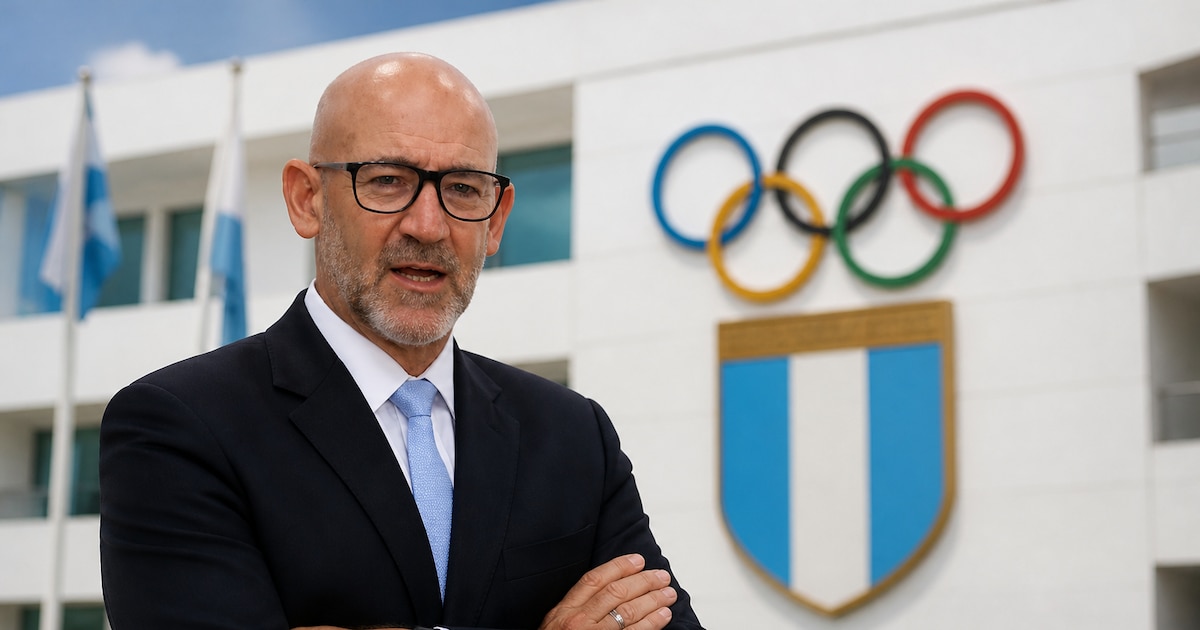
El Ministerio Público (MP) y la Policía Nacional Civil (PNC) buscan ejecutar siete órdenes de captura contra exdirectivos del Comité Olímpico Guatemalteco (COG), entre ellos el exdirigente Gerardo René Aguirre Oestmann y María del Carmen Lorena Toriello Arzú de García Gallont, esposa del exalcalde de Ciudad de Guatemala Fritz García Gallont.
Las diligencias incluyen ocho allanamientos que se desarrollan este martes 24 de noviembre, uno de ellos en el Palacio de los Deportes, sede del organismo deportivo en la zona 5 de la capital guatemalteca.
El caso está bajo reserva judicial, por lo que las autoridades no han divulgado los detalles de los hechos que sustentan las órdenes.
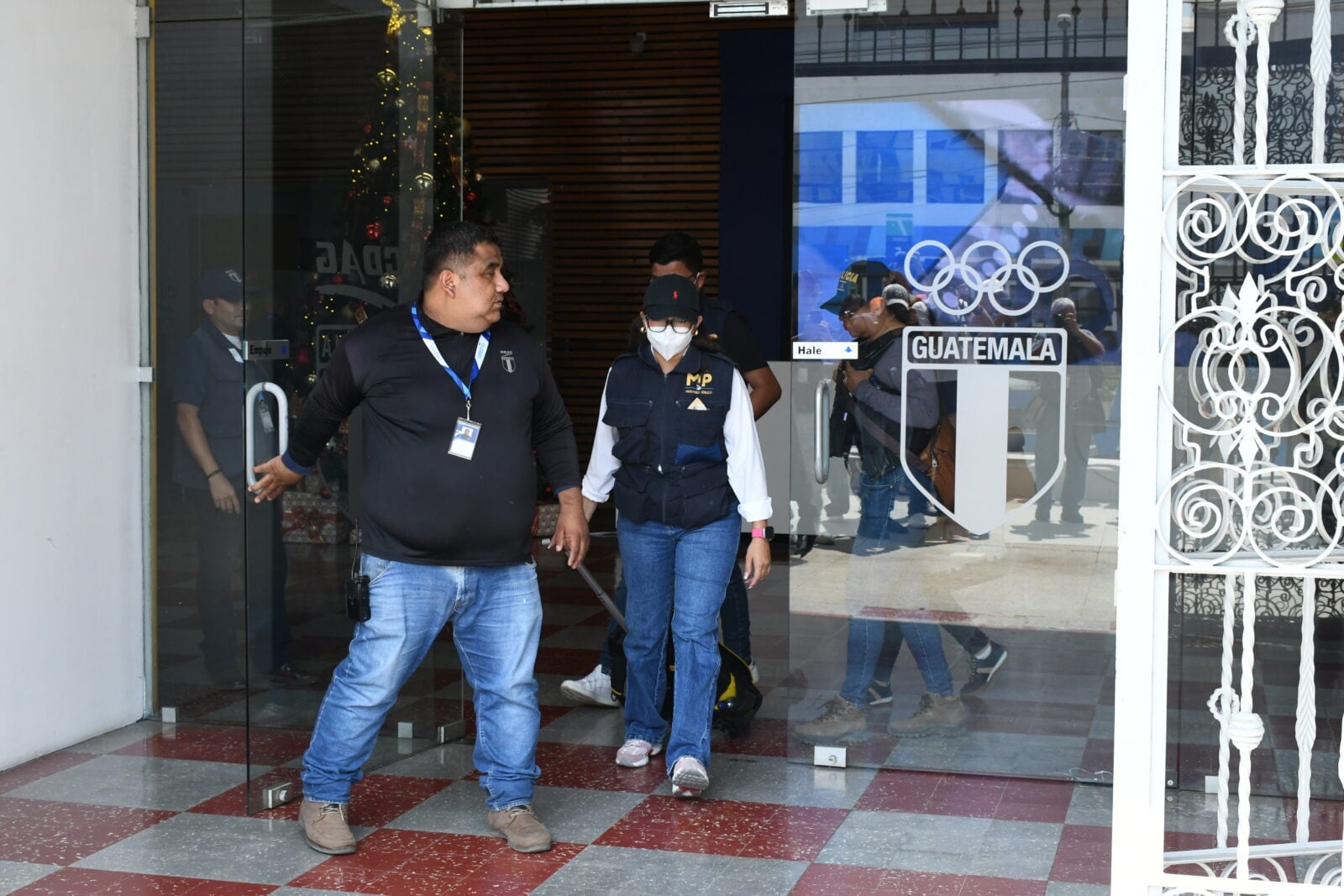
Fuentes policiales y judiciales comentaron que las capturas fueron solicitadas por la presunta comisión del delito de abuso de autoridad. El Ministerio Público confirmó que los operativos están en curso y señaló que brindará información adicional una vez concluyan las diligencias.
Las siete personas señaladas formaron parte de la dirigencia anterior
Además de Gerardo Aguirre y Toriello Arzú de García Gallont, las órdenes alcanzarían a Juan Carlos Sagastume Bendaña, Claudia Lorena Rivera Lucas, Rafael Antonio Cuestas Rölz, Gerardo Estrada Mayorga y Helen Jeanyra González Orellana.
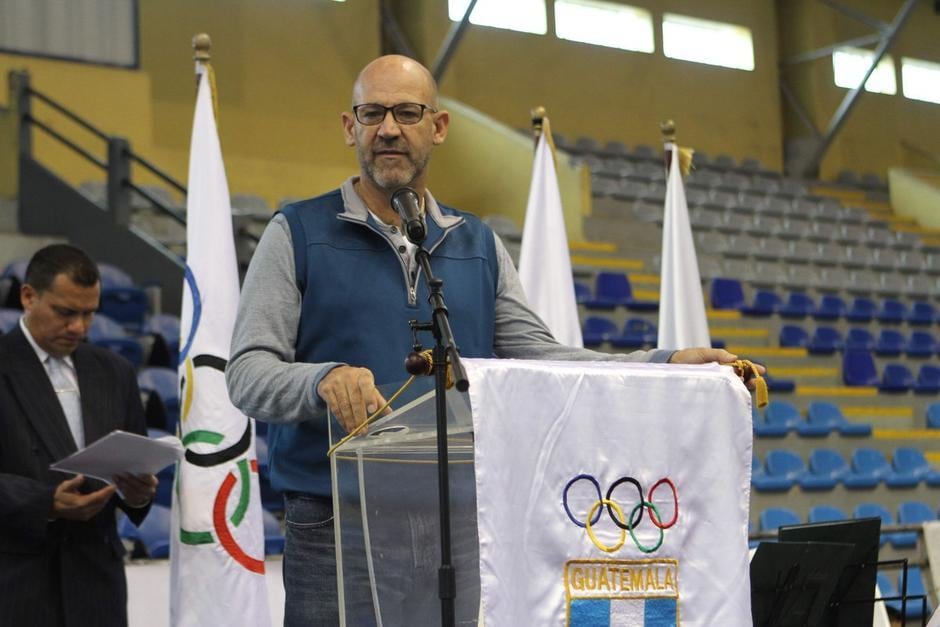
Aguirre presidió el Comité Ejecutivo del COG durante 2022. Sagastume ocupaba los cargos de vicepresidente y secretario general, mientras que Toriello Arzú de García Gallont, Rivera Lucas, Soto Abril y Cuestas Rölz integraban la directiva como vocales.

La investigación se originó a partir de una denuncia de la Asociación Deporte Limpio por posibles irregularidades administrativas y alteraciones de documentos vinculados con el manejo del presupuesto del organismo durante el ejercicio fiscal de 2022.
Los señalamientos apuntan a cambios en documentación que habrían favorecido a integrantes de la dirigencia.
El 16 de noviembre, fiscales del MP y agentes de la PNC realizaron un primer allanamiento en el Palacio de los Deportes para recopilar indicios dentro del expediente y ejecutar una orden de captura contra Helen Jeanyra González Orellana, quien se desempeñaba como secretaria administrativa del COG.
El MP realizó tres operativos en menos de diez días
Las acciones de este martes representan el tercer operativo relacionado con el caso en los últimos días. El 19 de noviembre hubo nuevas diligencias en instalaciones del Comité Olímpico Guatemalteco y de la Confederación Deportiva Autónoma de Guatemala.
El expediente se encuentra bajo reserva por disposición del juez Mario Hichos, titular del Juzgado Segundo Penal. Esa medida limita la divulgación de información sobre los hechos concretos que motivaron las órdenes de aprehensión y sobre el resultado de los allanamientos.
Fuentes policiales indicaron que algunas de las personas vinculadas con el proceso podrían haber salido de Guatemala antes de que se emitieran las órdenes. Hasta el momento, las autoridades no confirmaron de manera oficial si alguno de los siete señalados está fuera del país ni si alguna captura ya fue ejecutada.

Las personas que sean localizadas deberán comparecer ante el órgano jurisdiccional correspondiente, donde se definirá su situación procesal y si existen elementos para que sean ligadas a proceso.
El COG cambió de autoridades antes de las nuevas diligencias
La Asamblea General del Comité Olímpico Guatemalteco sustituyó el 19 de noviembre a la dirigencia presidida por Aguirre y designó un Comité Ejecutivo interino. La nueva estructura quedó encabezada por Julio Fernando Cáceres Grajeda como presidente interino.
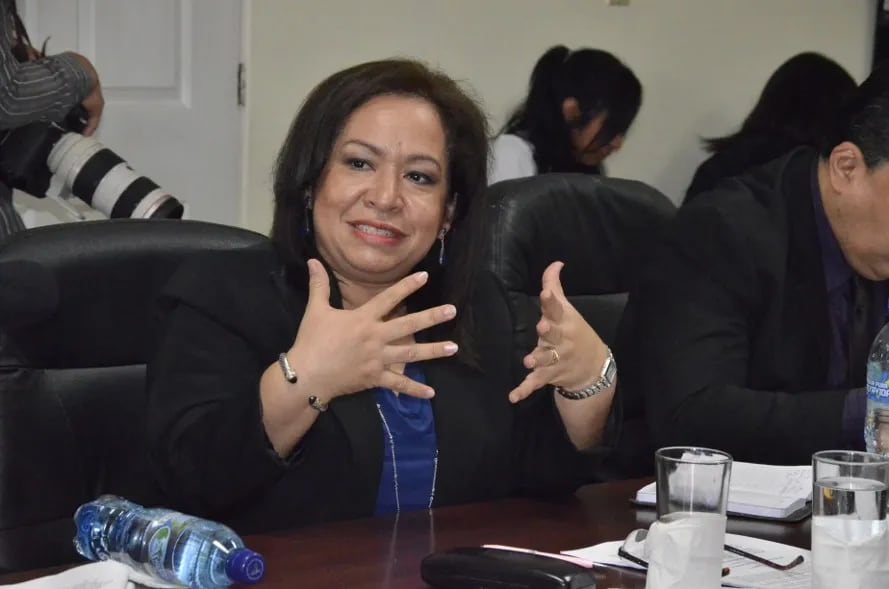
Mientras que la excontralora General de Cuentas, Nora Liliana Segura Monzón de Delcompare fue nombrada vicepresidenta y secretaria general. También fueron designados como vocales Ana Waleska Soto Abril, Tulio Armando Contreras Roldán, Aída Virginia Boesche Pedrero y José Alejandro Barrondo.
La Asamblea justificó los cambios como una medida para preservar la autonomía del deporte y evitar injerencias políticas. Las diligencias de este martes continúan en desarrollo y el MP no ha informado aún el resultado de los operativos ni la situación de las siete órdenes de captura.
Gerardo Aguirre,Comité Olímpico Guatemalteco,Guatemala,dirigente deportivo
INTERNACIONAL
Trump administration weighs targeting Iran’s top regime leaders in bid to end war: report
NEWYou can now listen to Fox News articles!
The Trump administration has renewed internal discussions about potentially targeting senior Iranian regime leaders in strikes that some officials believe could end the ongoing war, according to reports.
Citing a U. S. official and another source, NBC News reported Tuesday that some officials believe eliminating senior figures could pressure Tehran to end the conflict by showing that Washington can locate and strike the regime’s leadership at any time.
Though the option has long been under consideration, it has «been under renewed discussion in recent weeks» as President Donald Trump deliberates over the next phase of the war, two sources told the outlet.
The deliberations come amid reports that Iran could be developing a radioactive «dirty bomb» and a report citing U. S. intelligence assessments of potential Iranian plots involving chemical weapons aimed at senior officials in Washington.
TRUMP WARNS IRAN ABOUT REPORTED PLOT AGAINST ADMIN OFFICIALS: ‘WE TAKE IT VERY SERIOUSLY’
Iran’s new supreme leader, Mojtaba Khamenei, the second son of late Iranian Supreme Leader Ayatollah Ali Khamenei, attends a meeting in Tehran, Iran, in a photo from March 2016. (Rouhollah Vahdati/ISNA/WANA/Reuters)
«We know a lot about what’s happening in Iran. We know everything they say. We know who they are, where they are. We’ll find out about it. We will not allow that,» Trump had told reporters at the White House Nov. 20.
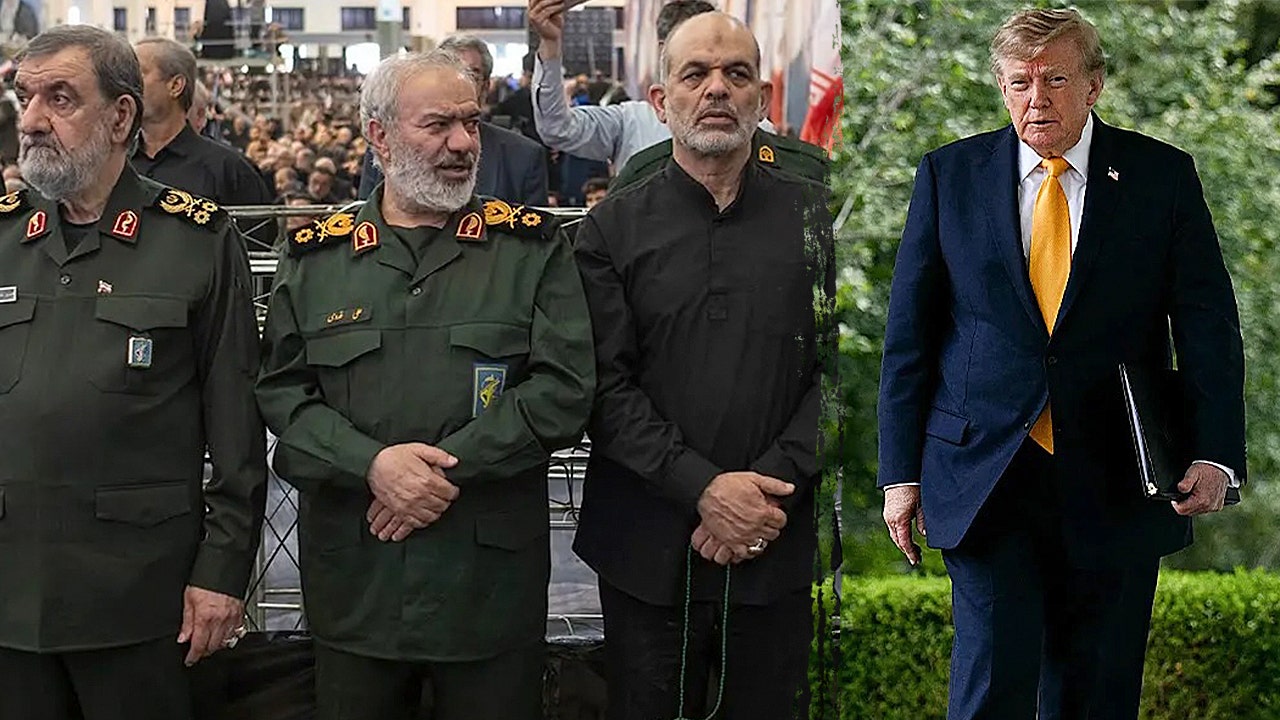
Iran’s surviving leadership includes Supreme Leader Mojtaba Khamenei, who succeeded his father, Ayatollah Ali Khamenei, after the elder Khamenei was killed in the opening strikes of the war Feb. 28.
Other senior figures in Iran’s military and national security apparatus include Islamic Revolutionary Guard Corps (IRGC) Commander Ahmad Vahidi, armed forces chief of staff Ali Abdollahi, army chief Amir Hatami and Mohsen Rezaei, a former IRGC commander in chief reportedly appointed secretary of Iran’s Supreme National Security Council in August 2026.
AFTER 6 MONTHS OF WAR, US MUST PREPARE FOR A FUTURE AFTER IRAN’S GOVERNMENT FALLS
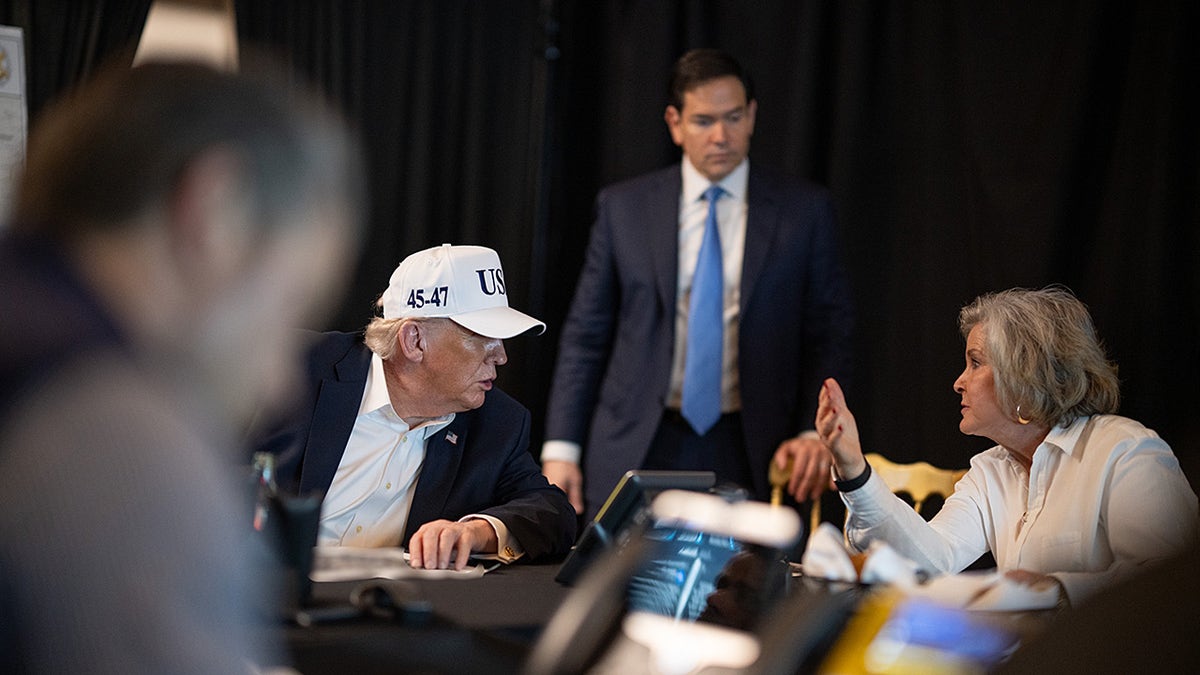
President Donald Trump monitors U.S. military operations in Iran after an Israeli strike in Tehran Feb. 28, 2026. (@WhiteHouse/X)
NBC News did not identify any of those officials as specific targets of the operations under discussion.
Administration officials opposed to the proposal have reportedly warned that targeting Iranian leaders could expose American officials to retaliatory attacks, stiffen the resolve of surviving regime figures and undermine future diplomatic efforts to end the conflict, now in its ninth month.
The administration continues to weigh military options, enforce its naval blockade and assert control over the strategically vital Strait of Hormuz.
The debate comes months after U. S. and Israeli strikes killed Iran’s supreme leader and other senior military and intelligence officials, igniting a prolonged conflict centered on Tehran’s nuclear program, ballistic missile capabilities and regional military activities.
Mojtaba Khamenei, who was reportedly injured in the strikes that killed his father, has not been seen publicly since assuming power, though he has warned Washington and Jerusalem against resuming major attacks on Iranian leadership.
MOJTABA KHAMENEI DEFIES ‘MALICIOUS’ ATTACKS AS US ARMY ZEROES IN ON IRAN’S 350,000 TROOPS
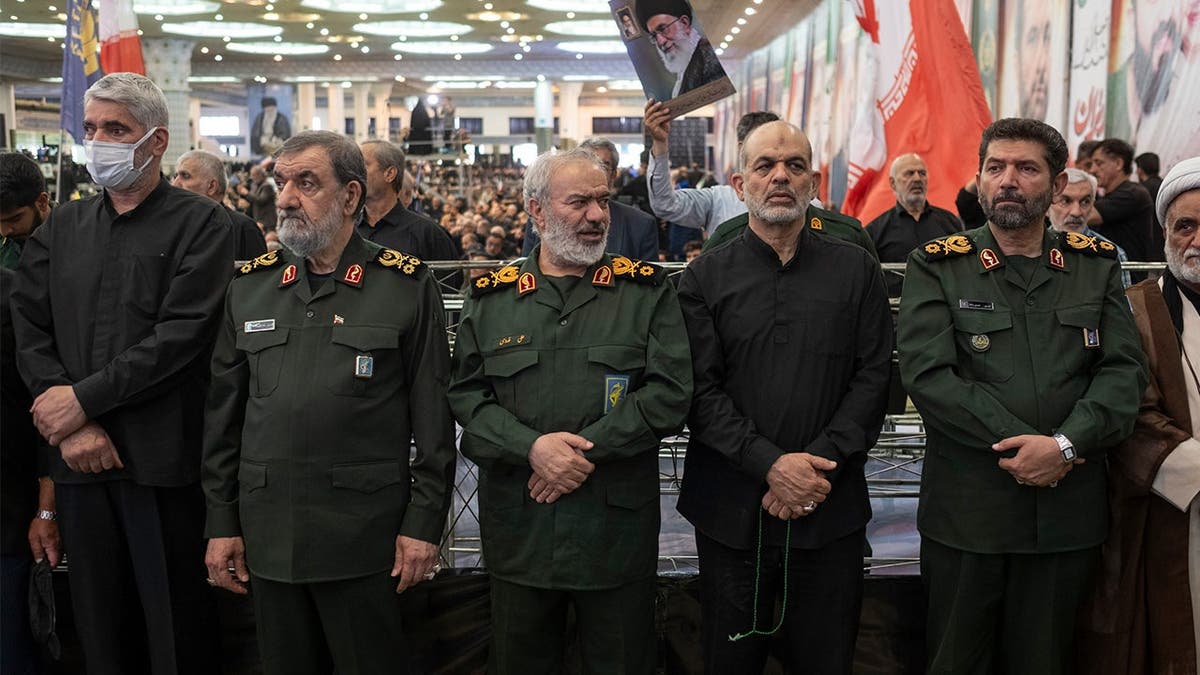
Islamic Revolutionary Guard Corps (IRGC) generals and commanders Mohsen Rezaei, second left; Ali Fadavi, third left; Ahmad Vahidi, second right; and Hassan Hassanzadeh, right, attend a memorial ceremony for IRGC commanders, nuclear scientists and civilians killed in the Iran-Israel war at the Imam Khomeini Grand Mosque in downtown Tehran, Iran, July 2, 2025. (Morteza Nikoubazl/NurPhoto via Getty Images)
«If the enemies once again launch military or terrorist attacks, it is the armed forces of the Islamic Republic and the Iranian nation that will determine the time and conditions for ending them,» a statement attributed to Khamenei said.
The warning reportedly followed a meeting with senior Iranian military commanders, including Abdollahi, Hatami and Vahidi. On Oct. 31, Khamenei also directed Iran’s armed forces to prepare an «immediate, impactful and geographically unrestricted response» to any future threats.
«The United States is in a very strong position with control of the Strait of Hormuz and the Iranian economy collapsing,» a White House official told Fox News Digital Tuesday.
«The president has been clear that the greatest naval blockade in history, Operation Economic Outcast, and the new Task Force Iron Gate will continue with full effect.
«President Trump has many options at his disposal and will make the best possible decision to ensure Iran can never possess a nuclear weapon. «
world, war with iran, iran, national security, foreign policy, geopolitics, middle east foreign policy
INTERNACIONAL
Por qué una suricata sola en el desierto puede brindar claves sobre la memoria a largo plazo
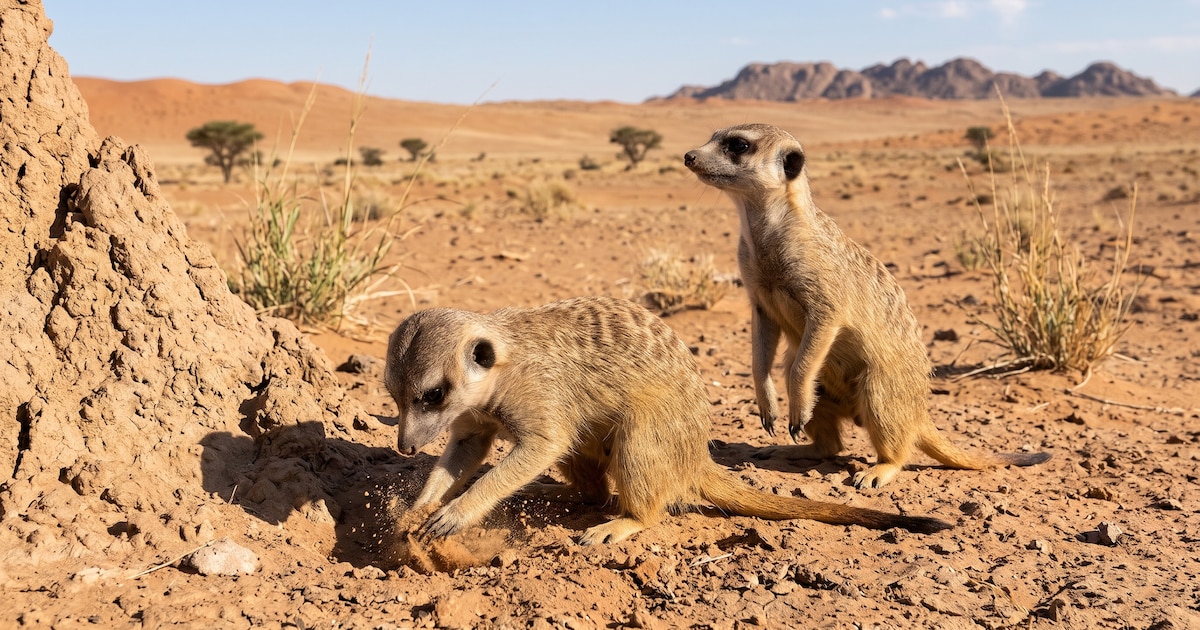
Un estudio realizado entre enero y marzo de 2025 reveló que las suricatas (Suricata suricatta) son capaces de orientarse solas en el desierto del Kalahari tras ser separadas de su grupo, utilizando la memoria a largo plazo para regresar a su madriguera o reunirse con sus compañeros. La investigación fue liderada por Mathilde Martin, de la Universidad de Zúrich, en colaboración con el Proyecto Kalahari Meerkat (PKM).
El equipo trasladó a 20 suricatas adultas hasta 1,5 kilómetros desde el punto donde fueron capturadas, una distancia mayor a la que recorre un grupo en un día completo. 18 de los 20 animales lograron llegar a un lugar conocido o reencontrarse con sus compañeros tras ser liberados. Los resultados, publicados en el Journal of Experimental Biology, desafían la idea de que dependen exclusivamente del grupo para moverse por su territorio.
Catorce suricatas se dirigieron primero a la madriguera donde habían dormido
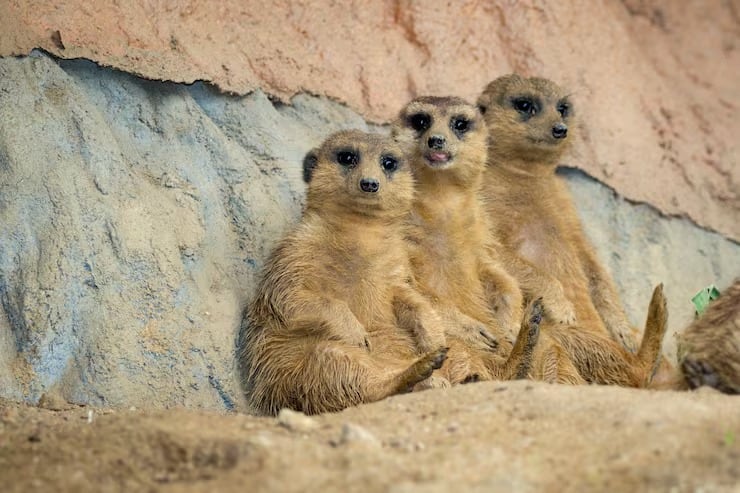
Luego de ser liberadas, 16 de las 18 suricatas que abandonaron el lugar de liberación se orientaron hacia un destino fijo. De ellas, 14 eligieron como primer destino la madriguera donde el grupo había pasado la noche, según constató el equipo de investigación.
La distancia en línea recta hasta el objetivo representó, en promedio, el 82% del camino real recorrido por cada animal, este dato indica que los trayectos fueron notablemente directos una vez que cada suricata tomó una dirección.
Dos machos nunca abandonaron el punto de suelta y debieron ser devueltos a sus colonias por los científicos tras 90 minutos. Los investigadores atribuyeron este comportamiento al estrés y no a una falta de conocimiento del territorio.
Las zonas de suelta no habían sido visitadas en al menos 30 días
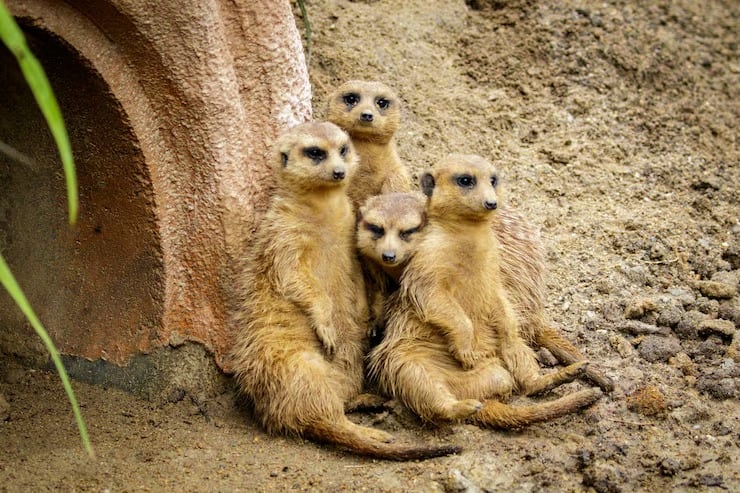
Los sitios de liberación fueron elegidos dentro del espacio de cada agrupación, pero en áreas que no habían sido recorridas en al menos un mes. Esto llevó al equipo a concluir que las suricatas se guiaron por su memoria a largo plazo del territorio y no por rastros recientes de sus compañeros.
El PKM trabaja con alrededor de 15 grupos silvestres habituados a la presencia humana, lo que facilitó la captura y el equipamiento de los animales. “Nuestro trabajo con las suricatas nos permite distraerlas con una botella de agua y colocarles el collar en pocos segundos mientras beben de pie; una mera formalidad para ellos”, explicó Martin en declaraciones recogidas por earth.com.
Cada individuo recibió una etiqueta GPS que registraba su posición una vez por segundo, además de un transmisor de radio y una pequeña grabadora de audio para registrar sus llamados.
Las suricatas exploraron el terreno mirando diez veces más de lo que olfatearon

Durante el trayecto de regreso, las suricatas dedicaron aproximadamente dos tercios de su tiempo a buscar señales del entorno, mientras que la mayor parte del tiempo restante fue empleado en desplazarse. Pocos individuos se detuvieron a comer; los que lo hicieron solo tomaron milpiés que se arrastraban sobre la arena.
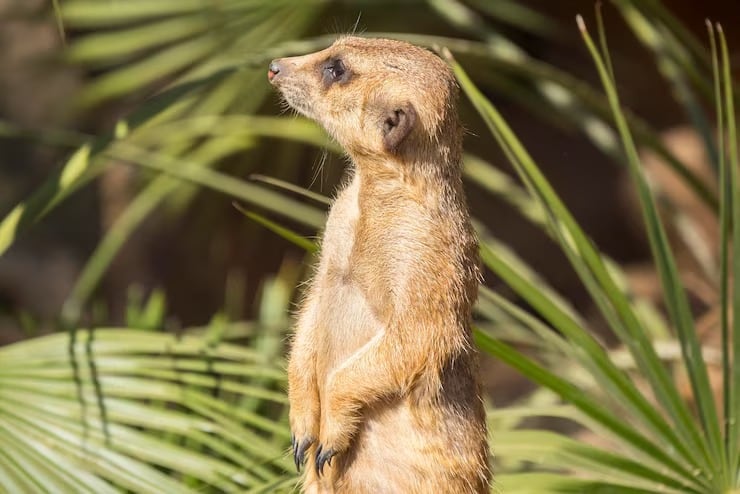
Para orientarse, los animales se paraban sobre sus patas traseras o trepaban arbustos y troncos para examinar el paisaje. En total, invirtieron 10 veces más tiempo mirando que olfateando. Sin embargo, esta proporción cambió al acercarse al destino: en esa etapa final, el olfateo ocupó más del 20% del tiempo dedicado a buscar señales.
Los investigadores también observaron que las suricatas olfateaban con frecuencia los pequeños refugios que los animales excavan a lo largo de su territorio. Un experimento previo ya había demostrado que estos ejemplares recuerdan dónde están esas excavaciones, por lo que el equipo sugirió que podrían funcionar como puntos de referencia en su mapa mental.
La experiencia individual previa no predijo el desempeño de cada animal
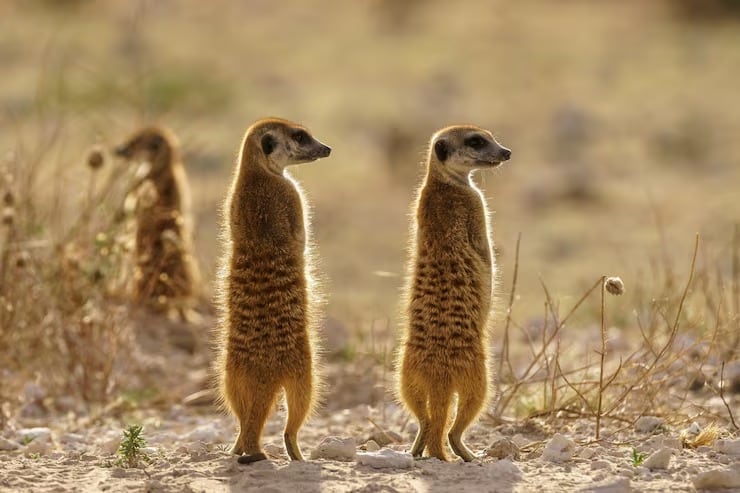
El equipo evaluó si ciertos factores individuales podían anticipar cuál ejemplar navegaría mejor. Se analizaron la edad, el tiempo dedicado a tareas de vigilancia, la frecuencia con la que marcaban el espacio con feromonas y cuánto excavaban en los refugios. También se consideró si era subordinado y si había realizado desplazamientos solitarios previos en busca de pareja o por haber sido expulsado temporalmente del grupo por la hembra dominante.
Ninguno de esos factores resultó predictivo, tampoco se encontró una diferencia clara entre machos y hembras, aunque el estudio contó con solo cinco ejemplares femeninos frente a 15 masculinos.
Los autores consideran que la explicación está en la estabilidad del territorio: con una superficie que la comunidad recorre entre 0,5 y 1 kilómetro por día, es probable que cada adulto haya cruzado la totalidad del espacio varias veces antes de alcanzar la madurez. En ese sentido, señalaron que las palomas de distintas edades también son capaces de regresar a su hogar con igual eficacia.
Trece suricatas lograron reunirse con su grupo de forma autónoma
Al finalizar el recorrido, 13 de los 20 animales encontraron a su grupo por sus propios medios. El más lento tardó casi tres horas. Otros cinco llegaron a la madriguera o al punto de captura, pero no lograron encontrar a la comunidad dentro del límite establecido y debieron ser asistidos por el equipo.
El coinvestigador Benjamin Robira indicó que los especialistas tienen previsto profundizar en la comprensión del mapa mental que las suricatas construyen de su zona, así como en los mecanismos que emplean para moverse de un punto a otro.
Los autores reconocieron que una muestra de 20 individuos es reducida y que todos los evaluados eran adultos subordinados mayores de 10 meses; los cachorros y los animales dominantes no fueron incluidos en el estudio. Además, todas las sueltas se realizaron dentro del territorio familiar, por lo que los hallazgos no permiten saber cómo se comportaría un ejemplar en un entorno desconocido.
suricata,Suricata suricatta,desierto

Órdenes de captura contra exdirectivos del Comité Olímpico Guatemalteco, entre ellos Gerardo Aguirre y la esposa del exalcalde de la Ciudad

La llamativa condición de Matías Palleiro a Jimena Barón para comprar una nueva casa: “Para mí, acaba de cometer un error”

La Cámara de Casación reabrió una causa por las coimas de Odebrecht que había sido declarada prescripta

La Facultad de Ciencias Sociales de la UBA suspendió el polémico homenaje al terrorista Mario Santucho

Primer comunicado de la CAF tras la decisión del TAS: ‘Se tomarán todas las medidas necesarias para implementarlo’

Atento Boca Juniors: la sorprendente frase de Paulo Dybala sobre su futuro

Financial Times duda de la economía argentina: riesgo país, financiamiento e imagen Milei

Agustín “Rada” Aristarán se despide de Chanta: “Con esta obra dejé de ser un impostor”

NYC college put on notice after Jewish campus group shunned by student government: ‘rude awakening’

Tras algunos gestos de distensión, Bullrich y Milei podrían reencontrarse esta noche en un evento

 ECONOMIA2 días ago
Financial Times duda de la economía argentina: riesgo país, financiamiento e imagen Milei
- CHIMENTOS3 días ago
Agustín “Rada” Aristarán se despide de Chanta: “Con esta obra dejé de ser un impostor”
- INTERNACIONAL3 días ago
NYC college put on notice after Jewish campus group shunned by student government: ‘rude awakening’