INTERNACIONAL
SCOTUS detention fight could unleash dangerous criminal migrants onto US streets, experts warns


A Supreme Court battle over whether certain noncitizens with criminal records are entitled to bond hearings during lengthy deportation proceedings could become a public safety concern by making it harder for the federal government to keep some detainees behind bars, legal experts warn.
The Trump administration is asking the justices to take up Genalo v. D.C., a case involving a Dominican citizen with four criminal convictions who has been detained by Immigration and Customs Enforcement while fighting removal.
The dispute centers on a Second Circuit precedent requiring a bond hearing when mandatory immigration detention becomes «unreasonably prolonged.» At that hearing, the government must prove by clear and convincing evidence that the detainee poses a flight risk or danger to the community.
MACHETE-WIELDING MS-13 GANGSTER WANTED FOR MURDER WALKS FREE AFTER BIDEN-APPOINTED JUDGE RELEASES HIM: DHS
Chad Mizelle, chair of litigation at the America First Policy Institute and a former acting associate attorney general and Justice Department chief of staff, told Digital the implications extend beyond immigration law.
«We are talking about criminal aliens here,» Mizelle said. «Those are individuals who have been accused of or convicted of an aggravated felony. Accused or convicted of murder. Accused or convicted of child rape. Accused or convicted of grievous harm upon another human being.»
«So these are the worst of the worst individuals,» Mizelle continued. «Do we want those individuals walking the streets, re-committing, harming other individuals?»
Mizelle argued Congress imposed mandatory detention on certain noncitizens with criminal records to keep them detained during removal proceedings, while the Second Circuit’s prolonged-detention rule could incentivize some detainees to drag out their cases long enough to seek bond.
DOJ MOVES TO STRIP CITIZENSHIP FROM 17 PEOPLE ACCUSED OF HIDING DISTURBING CRIMES
The man at the center of the administration’s latest petition, identified in court papers as D.C., is a 62-year-old Dominican citizen who illegally entered the United States and has four criminal convictions, according to court records.
In 1997, D.C. was charged with multiple drug offenses, including selling and possessing a controlled substance. He failed to appear for trial, was convicted by a jury and sentenced in absentia to three to nine years in prison, but did not serve that sentence until 2024. In 2007, he was charged with possessing a forged instrument after presenting false identification to police and again failed to appear in court.
In 2016, D.C. faced several charges stemming from a domestic dispute, including second-degree strangulation, third-degree assault and acting in a manner to injure a child under 17. He pleaded guilty to criminal obstruction of breathing or blood circulation and also resolved his earlier forged-instrument case with a guilty plea. Later that year, he pleaded guilty to criminal contempt.
D.C. was finally arrested on the outstanding warrant from his 1998 drug conviction in April 2024. After completing his state sentence in September 2025, ICE immediately detained him while his removal proceedings continued.
FEDERAL APPEALS COURT COMPARES TRUMP MIGRANT DETENTION POLICY TO JAPANESE AMERICAN INTERNMENT
The district court subsequently ordered that D.C. receive a bond hearing under binding Second Circuit precedent but denied his separate request for immediate release. The government is now asking the Supreme Court to take the case before the Second Circuit itself rules — an unusual procedure known as certiorari before judgment.
The administration turned to D.C.’s case after two other noncitizens at the center of the same legal fight saw their cases become moot.
One, Carol Williams Black, had been detained for roughly seven months. His case became moot after he received a final order of removal and permanently left the United States. Black was convicted of sexually abusing a child in 2000. The Supreme Court therefore granted review in June only as to the second detainee, G.M.
G.M., a lawful permanent resident from the Dominican Republic, pleaded guilty to second-degree assault in May 2015 after being accused of attacking and robbing a man during a 2012 incident in New York City. He was sentenced to two years in prison and was released early on parole in December 2016 after serving 19 months. ICE arrested G.M. at his home on Oct. 5, 2020, and detained him for 21 months without a bond hearing while removal proceedings continued.
TRUMP’S FIGHT OVER RARELY USED 18TH-CENTURY DEPORTATION LAW LIVES ON IN LATEST COURT CLASH
The Supreme Court was scheduled to hear his case Oct. 13. But in late August, New York Democratic Gov. Kathy Hochul granted G.M. a full and unconditional pardon for the assault conviction that had formed the basis for his deportation proceedings and mandatory detention. Solicitor General John Sauer agreed the case was moot, and the Supreme Court dismissed it Sept. 11 without ruling on the merits.
The administration then identified D.C. as its replacement vehicle and asked the justices to hear the same constitutional questions this term.
FEDERAL JUDGE TIES ICE AGENTS’ HANDS WITH RULING ON WARRANTLESS SOUTHERN CALIFORNIA ARRESTS
Carrie Severino, president of Judicial Crisis Network (JCN), said the dispute is likely to affect many similar immigration cases nationwide.
«This is not a question that’s only going to affect D.C., the criminal Dominican national at issue in this case,» Severino told Digital. «This is an issue that’s going to affect criminal aliens across the country.»
A victory by D.C. would impose new hurdles on the government, including additional hearings and use of resources, Severino said.
«As we know, immigration cases, skipping out on showing up for court dates is incredibly common,» she added. «This is not something that I think the court ought to be granting on a regular basis that they’d be letting people out on bond simply on their word that they’re going to be coming back when they know that they are likely to be removed.»
The case also raises questions about who must prove whether continued detention is necessary. The Second Circuit ruled that the government must prove by clear and convincing evidence that a detainee should remain in custody.
«And so, if the Supreme Court winds up affirming what the Second Circuit held, that means it’s going to be harder for the government to be able to detain this particular population of criminal aliens or terrorism-linked aliens,» Florida State University law professor Michael Morley told Digital. «There are going to be situations where the government is not able to show that a particular person is either likely to flee or poses a risk of danger and this dangerousness by a heightened or clear and convincing standard.»
«It means that these criminal aliens who are already subject to removal proceedings are more likely to be released into the community while those underlying removal proceedings continue to make their way slowly through the adjudicative process,» Morley continued.
The Supreme Court has not yet agreed to hear D.C.’s case.
immigrant rights, migrant crime, federal courts, supreme court, deportation, illegal immigrants, judiciary, law











INTERNACIONAL
La guerra en Ucrania se extiende más allá de las fronteras: Moscú amenazó a Estonia y Kiev atacó barcos rusos en Libia

La guerra de Ucrania se está expandiendo en forma peligrosa más allá de las fronteras, en medio de nuevas amenazas y ataques en territorios tan alejados del área de conflicto como Libia.
“Estamos alarmados por los ataques que se extienden cada vez más allá de las aguas territoriales de Ucrania y la Federación de Rusia”, advirtió la secretaria general adjunta de Asuntos Políticos y de Consolidación de la Paz de la ONU, Rosemary DiCarlo, durante una sesión del Consejo de Seguridad sobre Ucrania.
En ese escenario, Polonia denunció que tres misiles rusos de crucero Kh-101 violaron el viernes su espacio aéreo y cayeron en el sudeste del país durante un ataque ruso masivo contra Ucrania. Además, la semana pasada, Moldavia alertó sobre una incursión con drones.
A su vez, Ucrania reivindicó este lunes ataques contra dos barcos rusos efectuados el domingo frente a la costa de Libia, en el norte de África.
En tanto, Rusia amenazó con lanzar una “guerra abierta” contra Estonia, uno de los tres países Bálticos junto a Letonia y Lituania, frente a acciones que Moscú consideró “peligrosas” y “provocadoras” tras el cierre de la frontera terrestre con su país.
Qué dijo la ONU sobre la guerra en Ucrania
En la ONU, DiCarlo denunció además que Muscú intensificó los ataques contra las instalaciones eléctricas, los sistemas de agua y calefacción y las infraestructuras ferroviarias y agrícolas de Ucrania.
“Si los ataques continúan a este ritmo o se intensifican, es probable que las necesidades humanitarias superen la capacidad y los recursos disponibles”, alertó.
Según dijo, los ataques contra la infraestructura energética son “aún más extensos y sistemáticos” que en el mismo periodo del año pasado.
Por eso, la secretaria adjunta advirtió de un invierno crítico para miles de ucranianos, que se pueden verse expuestos a cortes prolongados de electricidad, agua y calefacción. La funcionaria sostuvo que estos ataques van en contra del derecho internacional humanitario y “deben cesar”.
Rusia amenazó a Estonia
Mientras tanto, Rusia advirtió este lunes a Estonia que sus acciones “peligrosas” y “provocadoras” amenazan con desatar una guerra abierta entre ambos países. Por ello, citó al encargado de negocios del país báltico, Marek Juhtogi, después de la decisión de Tallin de cerrar la frontera terrestre con Rusia.
“El diplomático estonio fue informado nuevamente de que tales acciones provocadoras y extremadamente peligrosas están a punto de desencadenar una guerra abierta con Rusia”, señaló el Ministerio de Exteriores ruso en un comunicado.
Según Moscú, el cierre de la frontera con Rusia “supondrá principalmente otro golpe para la economía estonia y tendrá consecuencias negativas tanto para Tallin como para sus aliados de la UE y la OTAN”.
Rusia
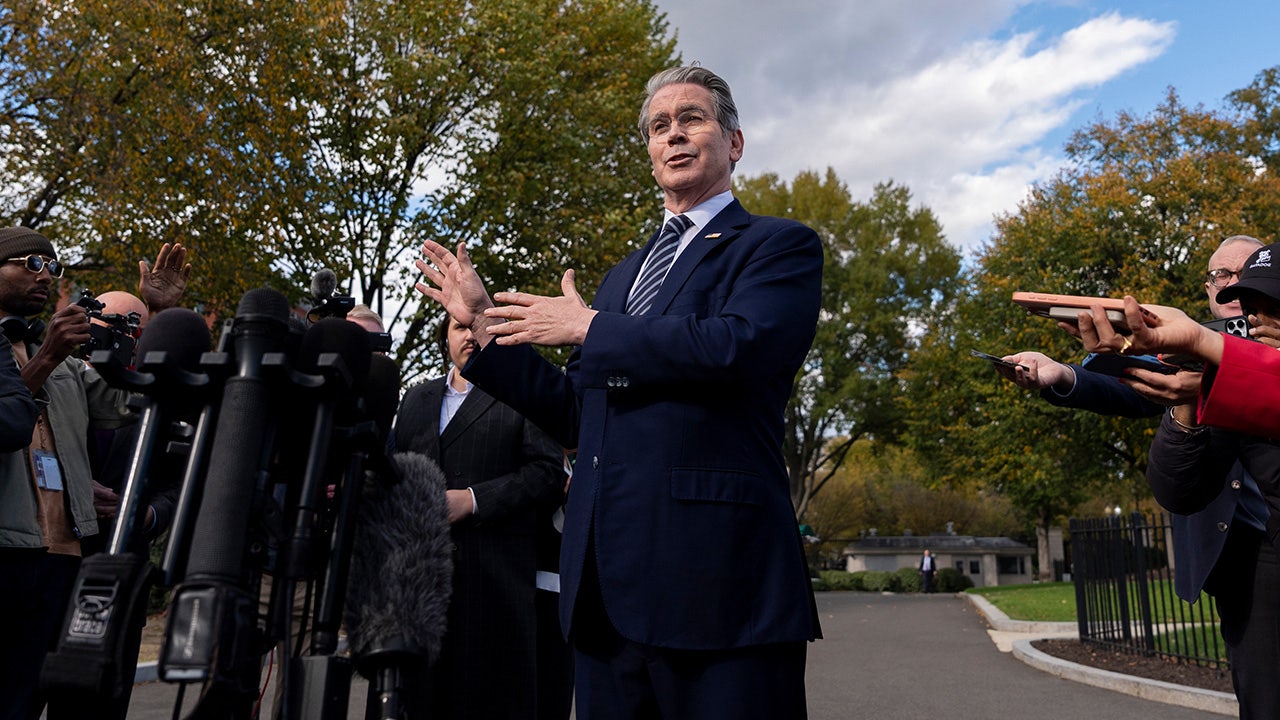
FIRST ON FOX: The Treasury Department on Monday imposed sweeping new sanctions against more than two dozen Iranian exchange houses, overseas front companies and financial operatives accused of moving billions of dollars through a global «shadow banking» network to keep Iran connected to international trade.
The action, carried out by the Treasury’s Office of Foreign Assets Control (OFAC), targeted «financial plumbing» spanning Iran, Dubai, Hong Kong and Turkey that officials say enables Tehran to bypass U. S. restrictions, sell oil and petrochemicals, and settle transactions in Russian rubles and Chinese yuan.
«Iran’s economy is underwater, and its leaders are panicking,» Treasury Secretary Scott Bessent wrote in a statement Monday before the news release. «Iran’s shadow banking system is the last financial lifeline of a bankrupt regime. Treasury will continue dismantling these illicit networks until we have buried the head of the snake.»
TRUMP’S IRAN CRACKDOWN ‘SUFFOCATING’ REGIME AS OIL WELLS COULD SHUT WITHIN DAYS, BESSENT SAYS
Monday’s designations mark the latest escalation under Operation Economic Outcast, a maximum financial pressure campaign Bessent launched on Aug. 24, to cut off the regime’s remaining revenue streams and heighten secondary sanctions risks for foreign banks and brokers that continue doing business with Tehran.
TRUMP’S FIRST IRAN WAR ESCALATION POST-MIDTERM LOSSES SEEKS TO CHOKE OFF TEHRAN’S TRADE
According to the Treasury Department, Iran’s «shadow banking» apparatus is overseen by the Central Bank of Iran and relies on domestic currency exchange houses paired with bank-affiliated «rahbar companies» that manage sanctions-evasion networks through thousands of foreign shell firms. As declining oil revenues and existing sanctions squeeze the Iranian economy, Treasury said shadow banking facilitators have increasingly failed to repatriate export earnings while enriching themselves with state funds.
The Treasury also revealed Monday that its Financial Crimes Enforcement Network (FinCEN) «identified approximately $14.7 billion of financial activity from January 2025 to August 2026 potentially linked to Iranian shadow banking.»
MILLIONS OF BARRELS OF IRANIAN OIL SIT BEYOND TRUMP BLOCKADE AS HE VOWS ‘ZERO LEAKAGE’
Among the highest-profile targets in Monday’s package is the Iran-based Iran Center for Exchange of Currency and Gold, which matches Iranian exporters holding foreign currency with importers seeking to buy goods abroad across tens of billions of dollars in annual trade. Treasury noted that the Central Bank of Iran also uses bonds issued by the exchange center to facilitate cross-border trade in Russian rubles and Chinese yuan without relying on the U.S. dollar.
BESSENT WARNS IRAN’S OUTSIDE BACKERS TO ‘STAY AWAY’ AS TRUMP SEEKS TO ‘ASPHYXIATE’ TEHRAN’S ECONOMY
The OFAC package sanctions Rahbar Bazargani Nesim Baharan Qeshm Company — the rahbar affiliate for Iran’s Bank Sarmayeh — along with three of its senior officials, Sayyed Mohammad Jalali, Valiollah Hemmati and Ali Kalhor, for facilitating transactions on behalf of major Iranian oil companies. Two Iran-based currency dealers, Mina Fashki and Partners Exchange Company and Mellat Exchange Company, were blacklisted alongside five of their owners and officials.
US TARGETS CHINESE REFINERY IN SWEEPING IRAN OIL CRACKDOWN, SANCTIONS ‘SHADOW FLEET’ TANKERS
To choke off Tehran’s overseas payment channels, Treasury targeted 10 exchange house front companies across the United Arab Emirates, Turkey and Hong Kong accused of moving billions of dollars for Iranian clients. Those include Dubai-based Recaz Star General Trading LLC, which sent and received hundreds of payments totaling more than $170 million tied to Sadaf Exchange, and OGA Global General Trading L. L. C, which oversaw millions of dollars in payments for the state-owned National Iranian Tanker Company.
Other newly sanctioned front companies include Hong Kong-based Grandez Trading Limited, Turkey-based Bogazici Gumrukleme Ithalat Ihracat Turizm Petrol Urunleri Sanayi Ve Ticaret Limited Sirketi and several Dubai-based trading firms — including Gespl International General Trading LLC, which Treasury alleged was used by the National Iranian Oil Company to launder oil and petrochemical proceeds, and Robust Trading LLC for processing payments for the sanctioned National Iranian Copper Industries Company.
IRANIAN ‘GHOST FLEET’ FILMED EVADING US BLOCKADE EN ROUTE TO CHINA, UANI SAYS
Treasury also invoked counterterrorism authorities to sanction Dubai-based H N B Trading Co LLC, alleging it received hundreds of thousands of dollars from a front company tied to Iran’s Armed Forces General Staff to help pay for the charter of a vessel alongside sanctioned shipping firm Dragon Road Ltd.
Under Monday’s order, any U.S.-based assets or property interests belonging to the designated individuals and entities — as well as any businesses 50% or more owned by them — will be frozen, and Americans are barred from transacting with them.
Treasury also warned that foreign financial institutions risk losing access to U.S. correspondent accounts if they knowingly facilitate significant transactions for the sanctioned networks.
Whistleblowers who report sanctions violations resulting in penalties exceeding $1 million might ultimately qualify for federal awards.
war with iran, scott bessent, sanctions, iran, politics, national security
INTERNACIONAL
Los arrestos de salvadoreños por ICE casi triplicaron en un año la cifra registrada en el período previo, según datos universitarios

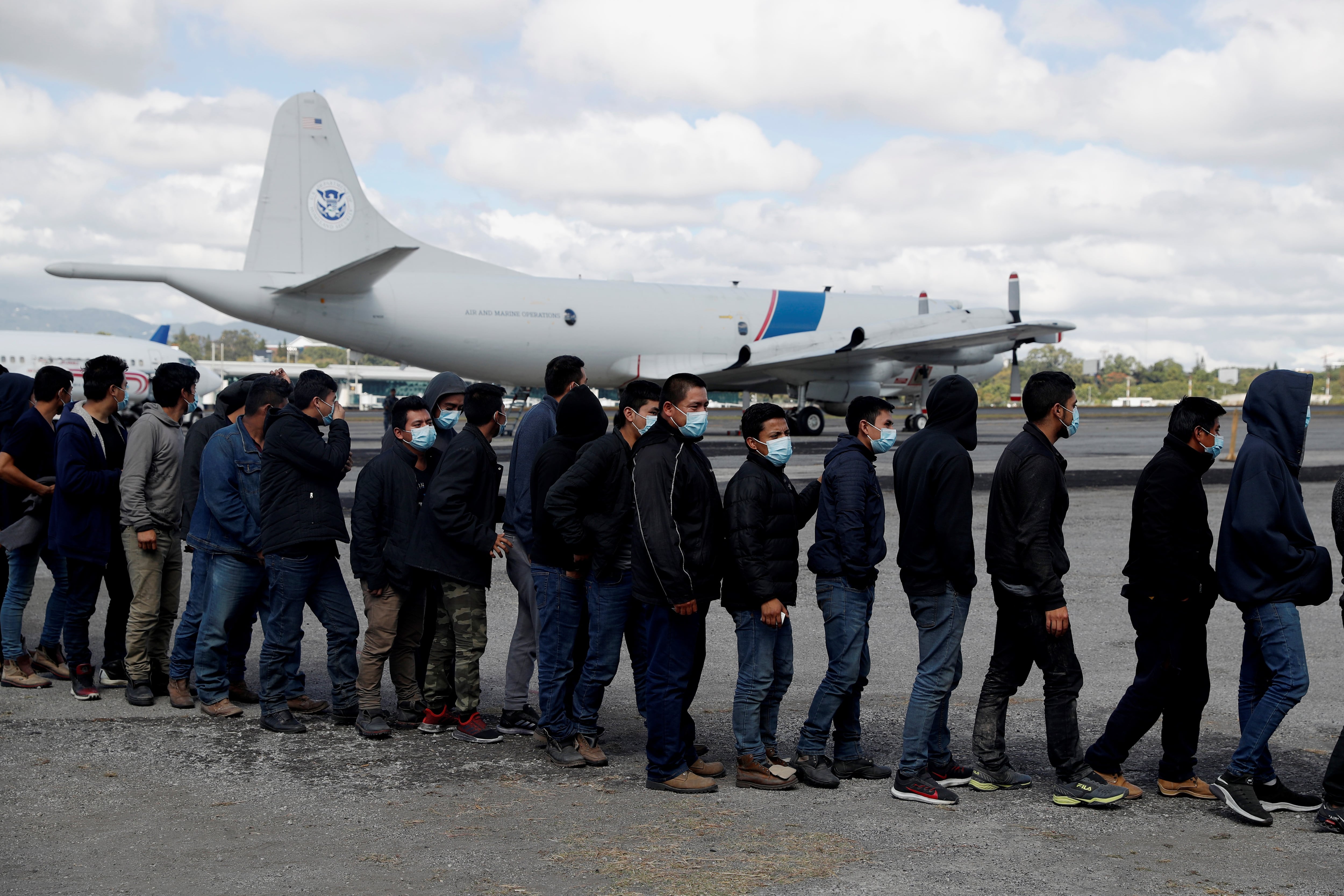
ICE detuvo a 22,728 salvadoreños entre enero de 2025 y julio de 2026, una cifra que casi triplica los arrestos de connacionales registrados en los dos años previos. El aumento no es un caso aislado: guatemaltecos y hondureños también multiplicaron sus detenciones dentro de Estados Unidos en el mismo período.
Los datos provienen de registros internos del Servicio de Control de Inmigración y Aduanas, obtenidos por las universidades de UC Berkeley y UCLA y publicados en el portal Deportation Data Project, que recopila estadísticas migratorias desde octubre de 2022 hasta julio de 2026.
El interior del país concentra el mayor aumento de arrestos
Según La Prensa Gráfica, que accedió a los registros del Deportation Data Project, ICE detuvo a 4,017 salvadoreños en 2023 y a 4,263 en 2024. La cifra se disparó en 2025, con 13,395 arrestos, y en los primeros siete meses de 2026 ya sumaba 9,333, frente a los 6.340 del mismo período del año anterior.
Cuando comenzó ese período, la cifra mensual de salvadoreños detenidos rondaba entre 300 y 400. En enero de 2025 fueron 484. Desde mayo de ese año, el conteo mensual no volvió a bajar de 1,000.
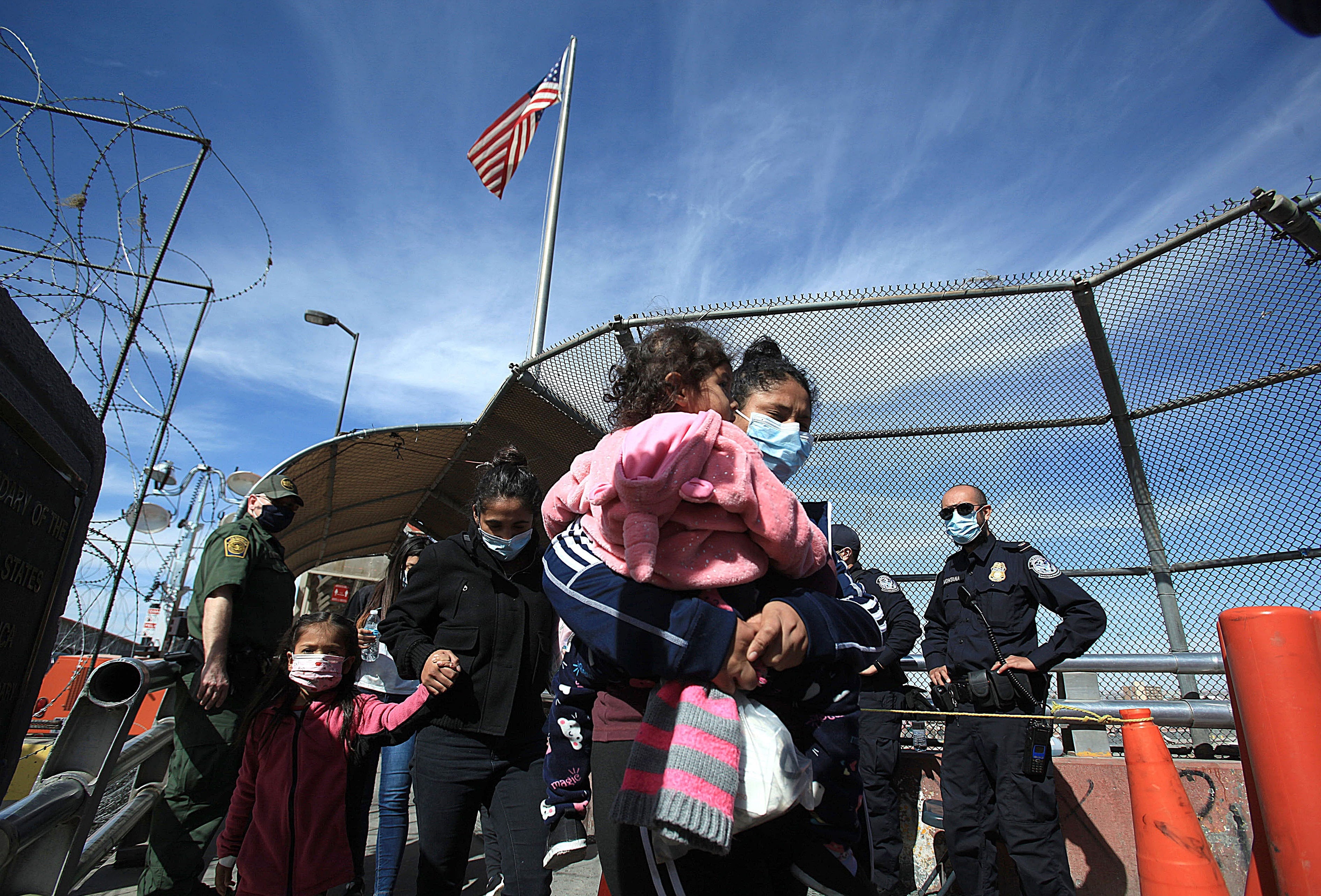
Ese endurecimiento interno contrasta con lo que ocurre en la frontera. La Patrulla Fronteriza detuvo a 2,090 salvadoreños en el año fiscal 2026, una reducción del 83% frente a los 12,282 del año anterior, según expuso el consultor migratorio Óscar Díaz en el programa Punto de Vista de YSKL, de acuerdo con Infobae.
Díaz añadió que la caída llega a 96.1% al comparar con el año fiscal 2023, cuando se habían registrado 61,515 detenciones en la línea fronteriza.
El patrón se repite en Guatemala y Honduras
El fenómeno no es exclusivo de El Salvador. En 2025, ICE detuvo también a 41,557 guatemaltecos y 32,144 hondureños, frente a 10,743 y 10,598, respectivamente, en 2024, de acuerdo con el mismo registro del Deportation Data Project citado por el diario salvadoreño.
Hasta julio de 2026, la cifra conjunta del Triángulo Norte ya llegaba a 67,688 detenidos, por encima de los 39.532 contabilizados en el mismo período de 2025. Con esa tendencia, el año podría cerrar por encima de los 87,096 arrestos totales registrados en la región durante 2025.
Un análisis de La Nación, diario costarricense, sobre el mismo portal amplía el panorama regional: entre octubre de 2022 y agosto de 2026, Estados Unidos registró 554,007 salidas de personas de Latinoamérica y el Caribe, de las cuales México, Guatemala, Honduras, Venezuela, El Salvador y Nicaragua concentraron 486,472, el 87.8% del total.
El diario detalló que, de esas salidas regionales, el 76% —casi 370 mil casos— ocurrió a partir de enero de 2025. Los arrestos mensuales de esas seis nacionalidades pasaron de 10,705 a 28,494 en promedio, 2,66 veces más, y junio y julio de 2026 fueron los meses con más arrestos de toda la serie, con 39,946 y 45,243 registros.
Las deportaciones hacia Centroamérica marcan récord
El Departamento de Seguridad Nacional informó, en un comunicado del 12 de noviembre de 2026, que ICE ejecutó 483,200 deportaciones y más de 491 mil arrestos migratorios durante el año fiscal 2026, con lo que superó la marca anterior de 442,640 deportaciones del año fiscal 2025, según recogió El Diario de Hoy.
Ese récord se refleja en los vuelos de retorno hacia la región. Entre enero y septiembre de 2026 aterrizaron 133 vuelos con deportados en El Salvador, el 76% del total registrado durante todo 2025, de acuerdo con los registros de Human Rights First, organización de defensa de derechos humanos, a través de su plataforma ICE Flight Monitor, citados por el mismo diario.
En el mismo lapso, Guatemala recibió 454 vuelos de deportación y Honduras, 376, ambas cifras superiores a las del período equivalente de 2025. El monitoreo detalla que Guatemala sumó 48,904 personas deportadas hasta septiembre, con picos de 7,035 en julio y 6,684 en septiembre, mientras que Honduras registró de forma parcial 22,280 retornados.
Las proyecciones apuntan a un cierre de año al alza
Diálogo Interamericano, organización de análisis de políticas hemisféricas, estima que las deportaciones hacia El Salvador cerrarán 2026 en alrededor de 17 mil personas, por encima de las 16,051 de 2025, según el reporte difundido por El Diario de Hoy. Para Guatemala la proyección es de 73 mil deportados y para Honduras, de 51,150.
El mismo estudio señala que las personas retornadas habían residido, en promedio, cinco años en Estados Unidos antes de su deportación. El organismo vincula el aumento de retornos con una desaceleración de al menos 500 mil transacciones de remesas hacia la región desde 2025.
Un informe de Mixed Migration Centre sobre movilidad en las Américas durante 2026 aporta otro ángulo: Honduras recibió a 55 mil nacionales deportados desde Estados Unidos, muchos de ellos residentes allí durante años, y el movimiento transfronterizo hondureño cayó 75% en el primer semestre del año frente al mismo período de 2025.
Guatemala, según el mismo informe, recibió una cifra similar de retornados en 2025, la mayoría también procedentes de territorio estadounidense.
horizontal

De la caída libre al rebote: cronología de la crisis que hundió a Nvidia 40% y devolvió a Huang al mando tras el escándalo

Lucas Pratto con Olé: campeón en Chile, qué tan cerca ve el retiro y «Siempre pensé que Ponzio iba a ser manager» :: Olé

El Gobierno le envió una carta formal a la UBA para que impida el homenaje al terrorista Mario Santucho y exigió sanciones

Dólar sube casi 20% en menos de 1 mes en Brasil y mete presión al plan económico de Caputo

Así fue el momento exacto de la explosión e incendio de un local de comidas en Ezpeleta: hay 7 heridos

Danilo y el Flamengo perpetúan su dominio en Brasil: ‘Hay que mantener alta la ambición’

Javier Milei destacó el desembarco de Tesla en el país y aseguró: “Esto también es devolverle la libertad a los argentinos”

El burbujeante ping pong de Colapinto con un actor argentino: de la puja entre Senna y Riquelme a la comida que le falta a la Fórmula 1

Agustín “Rada” Aristarán se despide de Chanta: “Con esta obra dejé de ser un impostor”

Financial Times duda de la economía argentina: riesgo país, financiamiento e imagen Milei

 POLITICA3 días ago
Javier Milei destacó el desembarco de Tesla en el país y aseguró: “Esto también es devolverle la libertad a los argentinos”
- CHIMENTOS1 día ago
Agustín “Rada” Aristarán se despide de Chanta: “Con esta obra dejé de ser un impostor”
- ECONOMIA19 horas ago
Financial Times duda de la economía argentina: riesgo país, financiamiento e imagen Milei