INTERNACIONAL
Unearthed audit exposes vulnerable Dem’s handling of COVID relief funds: ‘Gross oversight’

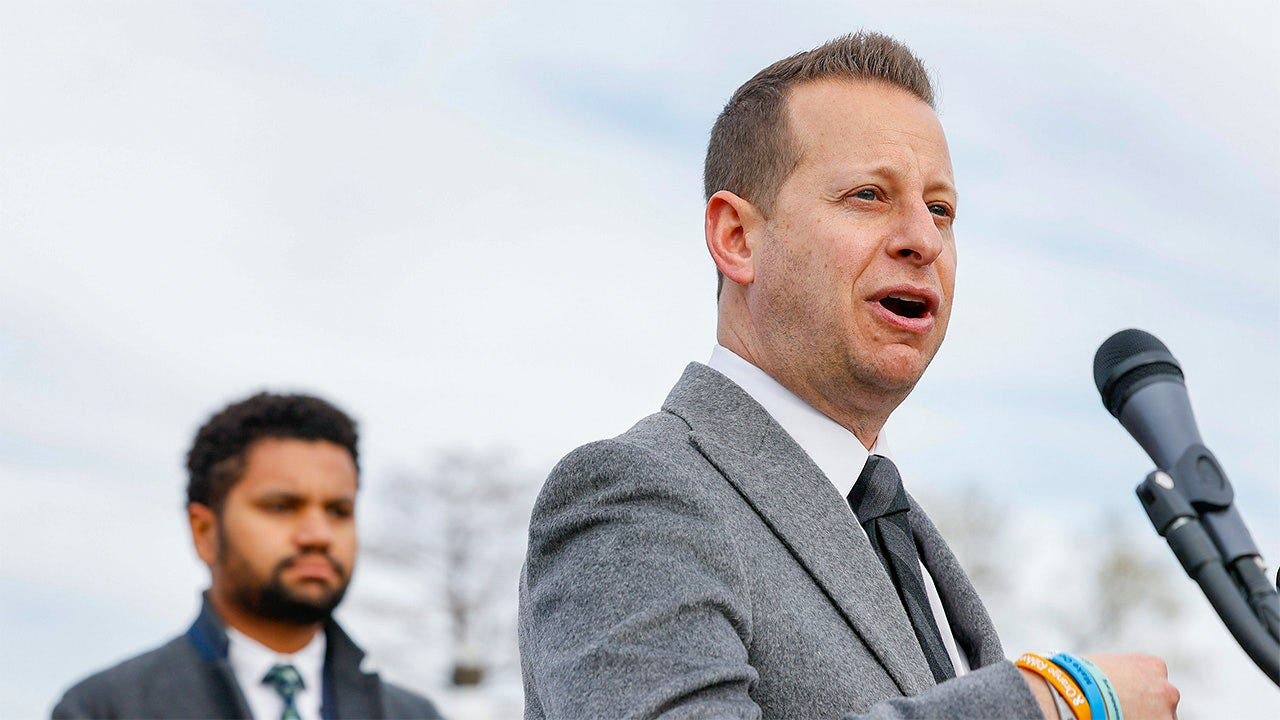
During his time as director for the Florida Division of Emergency Management (FDEM), Rep. Jared Moskowitz, D-Fla., allowed over $1 billion in COVID-19 relief funding to go out the door without required monitoring, records reveal.
The 2022 State of Florida Compliance and Internal Controls over Financial Reporting and Federal Awards flagged the weakness in its annual audit, stating, «FDEM did not monitor the activities of any subrecipients.»
While Digital is not aware of fraud that may have been committed with those funds, the resurfaced audit casts an unflattering light on Moskowitz as he pursues re-election in one of the country’s most competitive districts.
It also raises questions about oversight efforts for state-level allocations for government funds, an issue Republicans have signaled merits more attention.
COVID CASH MEANT TO GET KIDS BACK ON TRACK TOOK SURPRISING DETOUR IN BLUE-STATE SCHOOL DISTRICT
Moskowitz’s FDEM approved $210,562,500 in funding to 39 local government recipients in the 2020-2021 fiscal year from the Coronavirus Relief Fund (CRF), according to the audit. The next year, it distributed $1,026,225,200 to 55 locations.
Taken together, the grants add up to $1.23 billion.
«Contrary to Federal regulations, the FDEM did not monitor the activities of CRF subrecipients,» the audit states. «Such monitoring is to include, for example, reviewing subrecipient audit reports and determining whether management decisions are required for any audit findings related to the federal award.»
According to the report, an acceptable level of oversight would normally include inquiries of the recipients as well as checks like onsite evaluations.
«Monitoring of the subrecipient must include reviewing financial and performance reports, following up and ensuring that the subrecipient takes timely and appropriate action on all deficiencies pertaining to the federal award detected through audits, on-site reviews and other means,» the audit states.
MOSKOWITZ REJECTS RICK SCOTT’S CLAIMS HE’S ‘SCARED TO DEATH’ OF SOCIALISTS, BEHOLDEN TO HASAN PIKER
Notably, Moskowitz wasn’t head of FDEM for the entire 2020-2021 fiscal year. He resigned from the post at the end of April, two months before the end of the fiscal year in June, making him the head of the FDEM for the vast majority of the 2020-2021 audit cycle but not the complete window.
Even so, his congressional opponent, Republican candidate Scott Singer, believes the responsibility lies squarely on Moskowitz’s shoulders.
«When Jared Moskowitz ran a state agency, federal regulators and state auditors found that there was a gross lack of oversight of billions of dollars of taxpayer funds, a lack of reporting, a lack of review of where the funds were going,» Singer said in a statement to Digital.
«And that’s unacceptable, especially with public tax dollars. But it’s not surprising.»
Singer argued the audit echoed earlier questions about Moskowitz’s work involving disaster recovery funds.
He pointed to an incident in 2017, when Moskowitz, as an attorney for AshBritt, a disaster-cleanup company, had renegotiated compensation from the City of Parkland after Hurricane Irma. Disclosure reports showed that he was being paid over $400,000 by the company while also serving as a state legislator.
«When Jared was a state representative, he went to his own city and demanded that they pay more for hurricane cleanup that went to a disaster recovery company that paid him millions,» Singer said.
«We can’t afford people who are continuing to do the same thing. A gross oversight of funds and self-dealing.»
When asked about Singer’s criticisms, Moskowitz’s campaign fired back, stating that the congressman was proud of the work that he did, noting that he had been reappointed to the role by a Republican governor.
«As Director of FDEM, I worked directly for Governor DeSantis and his administration. Florida had one of the best COVID responses in the country,» Moskowitz told Digital.
TRUMP ANTI-FRAUD DIVISION’S FUTURE RESTS WITH SENATE DEMS AFTER BIPARTISAN HOUSE WIN
«I left almost a year before this report was issued as I had to leave the agency to be with my dad, who was battling cancer. Governor DeSantis appointed me again to the Broward County commission. To my knowledge, Florida COVID spending has passed the FEMA audit for reimbursements,» he added.
Moskowitz also pointed out that he had received praise from even Republicans for his disaster-related work, including from Singer himself. Moskowitz shared communications between them in which Singer said the state was «in a much better place because of what you’ve done.» Singer also highlighted a second communication from Singer to Moskowitz stating, «seriously, thank you for all of the amazing work you’ve done and all the help you’re providing to our stay [sic].»
Having cleared their parties’ respective primaries, Moskowitz and Singer will face off in the Florida general election Nov. 3.
politics, state and local, ron desantis, florida, democrats elections








INTERNACIONAL
Un ciberataque masivo afectó a 178 empresas de todo el mundo: buscaban robar datos bancarios y criptomonedas

Un ciberataque a gran escala alcanzó los sitios web de 178 empresas de todo el mundo, entre ellas algunas de las empresas y medios de comunicación más conocidos, como CNN, Fox News, BBC, Zoom, HSBC y Salesforce.
Los atacantes utilizaron una vulnerabilidad en una plataforma de terceros para distribuir un código malicioso con el objetivo de robar información financiera, acceder a datos de tarjetas de crédito y apropiarse de criptomonedas.
La campaña fue detectada por investigadores en ciberseguridad, que identificaron modificaciones no autorizadas en archivos utilizados por los sitios afectados. El código también incluía herramientas diseñadas para atacar dispositivos de Apple, especialmente iPhones y iPads que funcionan con versiones vulnerables de iOS.
El incidente puso en evidencia los riesgos de seguridad que pueden generar los servicios externos que utilizan grandes compañías para administrar sus páginas web. Aunque los sitios involucrados son de organizaciones reconocidas, eso no impidió que los visitantes quedaran potencialmente expuestos a las amenazas.
Cómo fue el ciberataque que afectó a CNN, Fox News y Zoom
Los atacantes aprovecharon una vulnerabilidad en Optimizely, una plataforma que las empresas utilizan para probar distintas versiones de sus páginas web, realizar modificaciones y personalizar la experiencia de los usuarios.
Según explicó la compañía a BleepingComputer, una persona no autorizada explotó una falla en el proceso de registro de cuentas de su servicio Experimentation. De esa manera, consiguió insertar código JavaScript malicioso en los proyectos de algunos clientes.
El problema es que las páginas de las empresas afectadas cargaban esos archivos desde los servidores legítimos de Optimizely. Por eso, el código malicioso podía llegar a los visitantes a través de una herramienta que los sitios ya utilizaban habitualmente.
El investigador de seguridad Scott Helme, de Report URI, detectó 188 archivos infectados correspondientes a 178 organizaciones, después de analizar 1611 scripts de la plataforma. Los especialistas advirtieron que la cantidad real de sitios involucrados podría ser mayor.
Qué información buscaban robar los hackers
El código malicioso estaba preparado para ejecutar distintas acciones según el dispositivo y la actividad de cada visitante. Entre sus principales objetivos estaban:
- Robar criptomonedas: podía reemplazar las direcciones de billeteras digitales que aparecían en una página o que los usuarios copiaban para realizar transferencias. Así, el dinero podía terminar en cuentas controladas por los atacantes.
- Capturar datos bancarios: buscaba obtener números de tarjetas de crédito, fechas de vencimiento y códigos de seguridad ingresados en formularios de pago.
- Acceder a información de navegación: podía recopilar cookies del navegador y tomar capturas de pantalla de los dispositivos.
- Atacar dispositivos Apple: incluía herramientas de explotación conocidas como Coruna y DarkSword, destinadas a aprovechar vulnerabilidades en versiones anteriores de iOS.
De acuerdo con los investigadores, las billeteras vinculadas a los atacantes recibieron alrededor de US$7000 en criptomonedas durante el período analizado. Sin embargo, todavía no se pudo determinar cuánto dinero consiguieron robar efectivamente ni cuántos datos personales o financieros lograron obtener.
Qué empresas fueron afectadas y qué medidas tomaron
La investigación identificó páginas de organizaciones de distintos sectores, entre ellas medios de comunicación, compañías tecnológicas, entidades financieras y empresas comerciales.
Además de CNN, Fox News, BBC y Zoom, en el listado aparecen HSBC, Equifax, IKEA, GitLab, Salesforce, Air France y UNICEF USA, entre otras.
Algunas compañías comenzaron a tomar medidas preventivas. Salesforce informó que desactivó los scripts de Optimizely en sus entornos de prueba y producción mientras investigaba las modificaciones no autorizadas.
Hackeo
INTERNACIONAL
Bush-appointed judge torpedoes Trump immigration rule, rips DHS for overstepping its authority
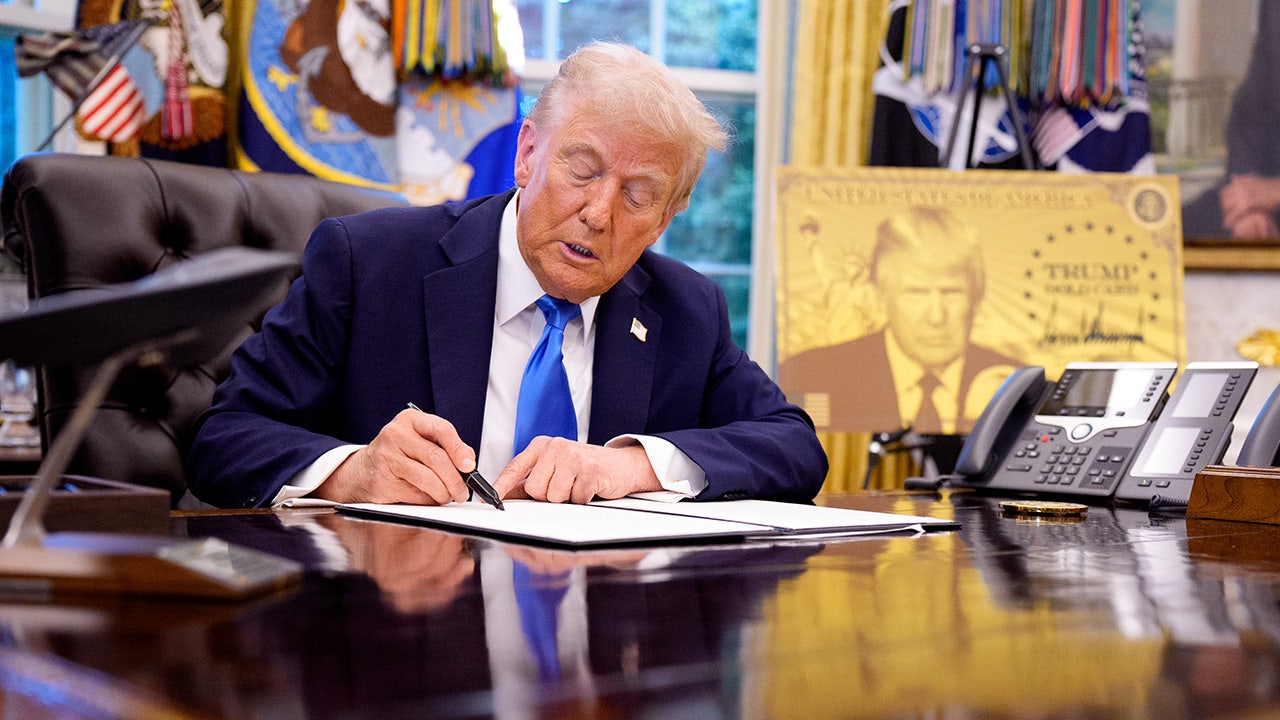
An immigration rule drafted by the Trump administration to plug an alleged gap in the visa system has met its end at the hands of a federal judge appointed by former President George W. Bush.
District Judge F. Dennis Saylor IV of Massachusetts ruled Monday that the Department of Homeland Security overstepped its authority by promulgating a rule that placed greater restrictions on visas for international students, exchange visitors and foreign journalists. His ruling represents a victory for the labor unions and university presidents that challenged the rule, and another loss in the Trump administration’s legal crusade to crack down on immigration.
The DHS rule would have replaced a longstanding policy by only allowing international students to study in America for a fixed timeframe, generally capped at four years, requiring them to apply for an extension if they wish to continue their studies. Previously, there was no fixed time limit for international students so long as they remained enrolled in a university and otherwise maintained legal status. The rule also would have imposed new restrictions on transferring schools, changing academic programs and pursuing additional degrees, while subjecting students to additional immigration reviews intended to combat fraud and national security threats.
TRUMP ADMIN SUED OVER VISA TIME RESTRICTIONS FOR FOREIGN STUDENTS, JOURNALISTS
«DHS acknowledges that there are legitimate reasons why a student may pursue another academic degree at the same or lower level as the one he or she has completed — for example, pursuing an M.B.A. after a J.D.,» the judge wrote. «But the Final Rule would effectively prohibit such a student from entering the United States to pursue those studies. And the purported reasons given by DHS for doing so — protecting national security and preventing fraud — are not reasonably related to the nature and purpose of the F-1 visa program.»
«Put bluntly, DHS is seeking to prevent or discourage the very activity — providing educational opportunities for foreign students in the United States — that Congress sought to permit and encourage,» Saylor continued. «The statute simply does not grant DHS such broad and open-ended authority to undermine the F-1 visa program.»
US STATE DEPARTMENT HAS YANKED MORE THAN 175K VISAS UNDER TRUMP ADMINISTRATION SO FAR
Saylor had already blocked the rule from taking effect in September, but Monday’s ruling went further by striking it down entirely after finding that DHS violated federal administrative law.
Lawyers representing the department disagreed with the judge’s characterization, arguing that indefinite admission periods prevent immigration officials from periodically reassessing whether foreign nationals are complying with the conditions of their visas. Mandatory extensions, in the telling of the agency, would create additional opportunities to identify fraud, security risks and immigration violations — risks it says are substantiated by past cases of fraud and abuse in the student visa system.
«The performative outrage is incredible. Where was the outrage when foreign nationals were abusing the system, violating the terms of their student visas, and making a mockery of our immigration laws? If the media really cared about legitimate international students, they would be thanking President Trump for cracking down on the rampant fraud to ensure only those truly intending to study in the United States are given the privilege,» a DHS spokesperson told Digital.
Saylor, however, further argued that DHS failed to establish how its new rule would constitute an improvement over existing systems meant to catch visa fraud.
«But DHS has not adequately explained how implementing an unreviewable, completely discretionary renewal system — after a foreign student has already been in the country for four years — meaningfully enhances the ability of DHS to root out cases of fraud, or how the benefits of such a system outweigh the immense costs of abandoning the existing system,» he wrote.
DHS PROPOSES MASSIVE $70K FEE FOR FOREIGN STUDENTS SEEKING WORK AUTHORIZATION
Currently, DHS relies on the Student and Exchange Visitor Information System (SEVIS) to monitor student visa fraud. SEVIS is a federal database that monitors international students and exchange visitors, tracking their enrollment, immigration status and compliance with visa requirements through information reported by schools and program sponsors. The agency argued that the system is a «data-reporting system for schools» that is «not designed for performing all relevant fraud and security screening.»
Saylor was identified as a Republican in a 2014 profile piece. The same piece noted Saylor had close ties to former Massachusetts Gov. Mitt Romney and that he was reportedly considered for a position in the Bush administration. He was confirmed by a bipartisan vote in the Senate, even winning the support of Democratic Sen. Ted Kennedy, a noted liberal, who praised him for his fair-mindedness and independence.
DHS did not tell Digital whether it intended to appeal Saylor’s ruling.
politics, immigration, federal courts, law, homeland security, national security, education
INTERNACIONAL
Alerta en Ecuador: las inundaciones elevan el riesgo de dengue, leptospirosis y hepatitis A

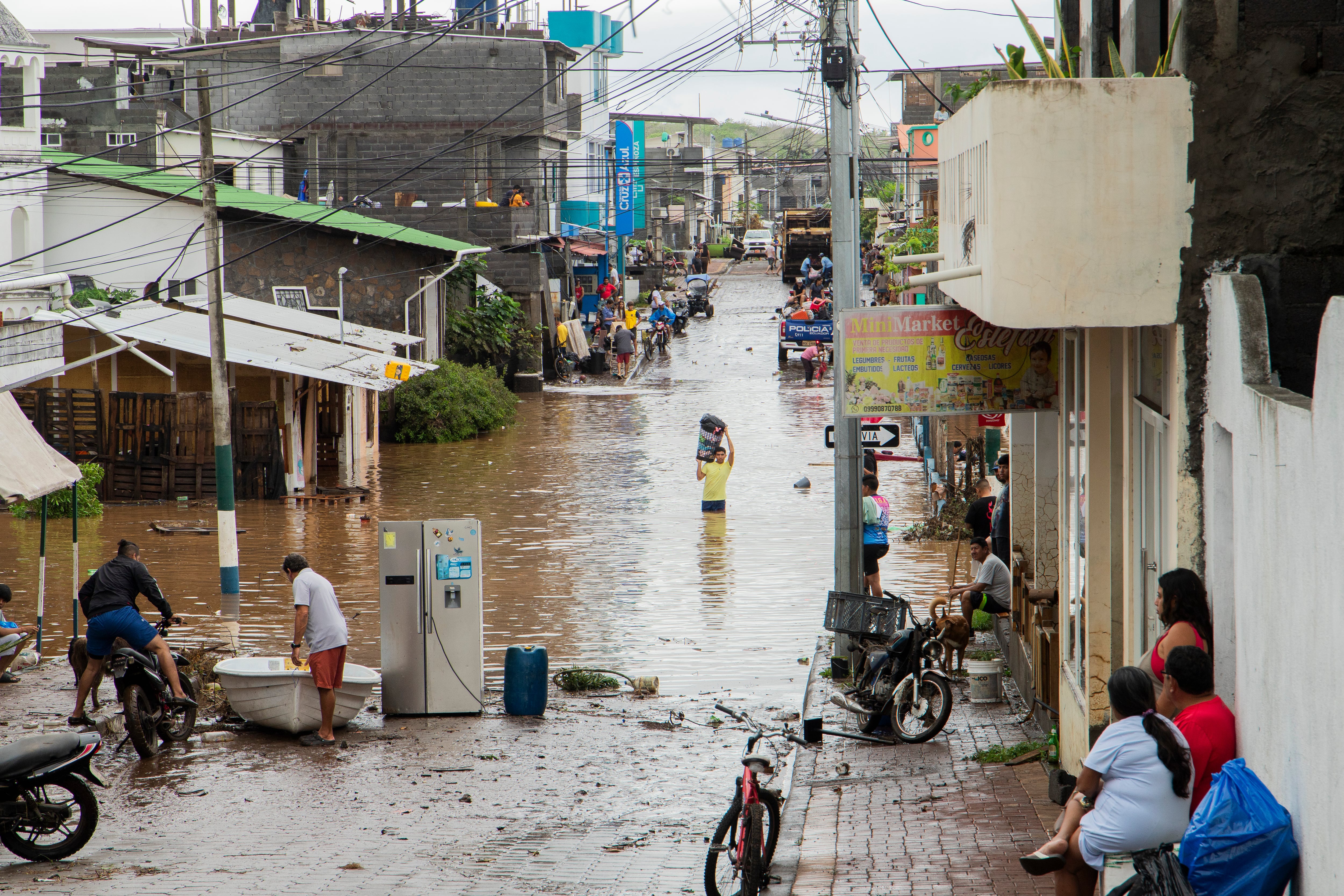
Las inundaciones que afectan a distintas zonas de Ecuador han encendido las alertas sanitarias por el riesgo de propagación de enfermedades infecciosas en comunidades expuestas a aguas contaminadas, acumulación de desechos y proliferación de mosquitos. El dengue, la leptospirosis y la hepatitis A concentran las principales preocupaciones de los especialistas, en un país que acumula casi 45.000 casos de dengue durante 2026 y enfrenta nuevas emergencias provocadas por las precipitaciones.
Según la información del Ministerio de Salud Pública, difundida por El Comercio, Ecuador registró 44.984 casos de dengue y 47 fallecidos hasta el 31 de octubre de 2026, correspondientes a la semana epidemiológica 43. La cifra representa un incremento del 26,37 % frente al mismo período del año anterior y evidencia la persistencia de esta enfermedad transmitida por mosquitos, particularmente en las provincias de la Costa.
Manabí encabeza los registros nacionales con 12.977 contagios, seguida de Guayas, con 10.559; Los Ríos, con 4.760; Santo Domingo de los Tsáchilas, con 3.485; y Esmeraldas, con 2.120. Aunque estas provincias concentran el mayor número absoluto de pacientes, Galápagos presenta la incidencia más elevada, con 2.230,03 casos por cada 100.000 habitantes, de acuerdo con los reportes epidemiológicos oficiales.
Las lluvias intensas pueden favorecer la reproducción del mosquito Aedes aegypti, transmisor del dengue, cuando dejan depósitos de agua estancada en recipientes, neumáticos y otros objetos. Sin embargo, las cifras acumuladas durante el año no permiten atribuir directamente los contagios a las inundaciones recientes, cuya repercusión epidemiológica requiere un seguimiento específico.
La preocupación también alcanza a la leptospirosis, una infección bacteriana transmitida principalmente mediante el contacto con agua o suelo contaminados por orina de animales infectados. Según la gaceta epidemiológica del Ministerio de Salud correspondiente a la semana 42, Ecuador contabilizaba 814 casos probables y confirmados, con una concentración importante en Manabí, Guayas y Orellana.
Manabí registraba 238 casos; Guayas, 109; Orellana, 75; Esmeraldas, 66; Loja, 42; y Santo Domingo de los Tsáchilas, 41. Estas cifras corresponden a una categoría de vigilancia que incluye tanto casos probables como confirmados y, por tanto, no deben confundirse con los 421 contagios confirmados mencionados en reportes periodísticos recientes.
El presidente del Colegio de Médicos del Guayas, Héctor Rosero, advirtió, según declaraciones recogidas por Ecuavisa el 16 de noviembre, que los niños que caminan descalzos por sectores inundados enfrentan una exposición particular cuando las aguas se mezclan con residuos de alcantarillado y desechos asociados a la presencia de roedores.
La leptospirosis puede comenzar con fiebre, dolores musculares y malestar general, síntomas que dificultan su diferenciación inicial de otras infecciones. En sus manifestaciones graves puede provocar insuficiencia renal, hemorragias y complicaciones hepáticas, por lo que el diagnóstico oportuno resulta determinante.
Otra enfermedad bajo vigilancia es la hepatitis A, cuya transmisión ocurre principalmente mediante el consumo de agua o alimentos contaminados con materia fecal. De acuerdo con información epidemiológica citada por Ecuavisa, el país acumulaba 1.105 casos, mientras que el Ministerio de Salud identifica el saneamiento deficiente y el acceso insuficiente a agua segura como factores relacionados con su propagación.

En Guayaquil, las consecuencias sanitarias de las inundaciones ya generan inquietud entre los habitantes de sectores vulnerables. Según información publicada por Diario Extra, familias de Las Orquídeas reportaron episodios de fiebre, vómitos, diarrea y dolores abdominales después de las precipitaciones registradas a principios de noviembre.
Las inundaciones también han dejado víctimas y daños materiales. Según el balance de Segura EP difundido por Ecuavisa, las precipitaciones del 14 y 15 de noviembre ocasionaron dos fallecidos y afectaciones en 135 inmuebles de Guayaquil, una de las principales ciudades del país y especialmente vulnerable a los anegamientos en determinados sectores urbanos.
El escenario obliga a diferenciar entre enfermedades que ya registran una circulación importante en Ecuador y nuevos contagios que podrían estar asociados a las emergencias climáticas. Los datos oficiales documentan la magnitud del dengue y la presencia de leptospirosis y hepatitis A, pero todavía no establecen que las inundaciones de noviembre hayan provocado brotes simultáneos de estas tres enfermedades.
calles inundadas,damnificados,daños materiales,el niño,enos,exterior,fenómenos climáticos,gente,inundaciones,oscilación del sur,paisaje urbano

Condenaron a 11 meses de prisión a un hincha por insultos racistas a Kylian Mbappé

El live-action de Solo Leveling ya está a mitad del rodaje y la actriz de Cha Hae-in ha dado algunas pistas sobre el proyecto

Senado: se reúne una comisión clave para tratar la reforma electoral, pero el Gobierno no tiene aún los votos

Suspensión de las PASO: LLA afirma que no tiene los apoyos para lograr dictamen hoy y continúa las negociaciones

¡Sobre llovido, mojado! En medio del escándalo de Wanda y la China Suárez, la separación que sacude a la familia Nara: «Se seguía viendo con la ex»

Las acciones de Nvidia amplían las pérdidas antes de un reporte clave para los mercados financieros

La inflación de octubre: el dato que sorprendió a casi todos y la distancia que persiste con los parámetros internacionales

U2 vuelve con 12 nuevas canciones y una pregunta incómoda sobre si el rock todavía puede decir algo nuevo

Democrats seize on midterm wins to push massive minimum wage hikes, but economists see trouble ahead

La respuesta sin filtro de Wanda Nara a la China Suárez: «Le pidió al bobo que necesitaba una familia en Turquía»

 ECONOMIA2 días ago
La inflación de octubre: el dato que sorprendió a casi todos y la distancia que persiste con los parámetros internacionales
- INTERNACIONAL3 días ago
U2 vuelve con 12 nuevas canciones y una pregunta incómoda sobre si el rock todavía puede decir algo nuevo
- POLITICA18 horas ago
Milei dijo que el riesgo país sube por el miedo a "Orcolandia" y afirmó: "Los argentinos no van a votar hacia el pasado"