INTERNACIONAL
Mamdani praised over move to dismantle controversial NYC industry — but insiders say there’s more to the story

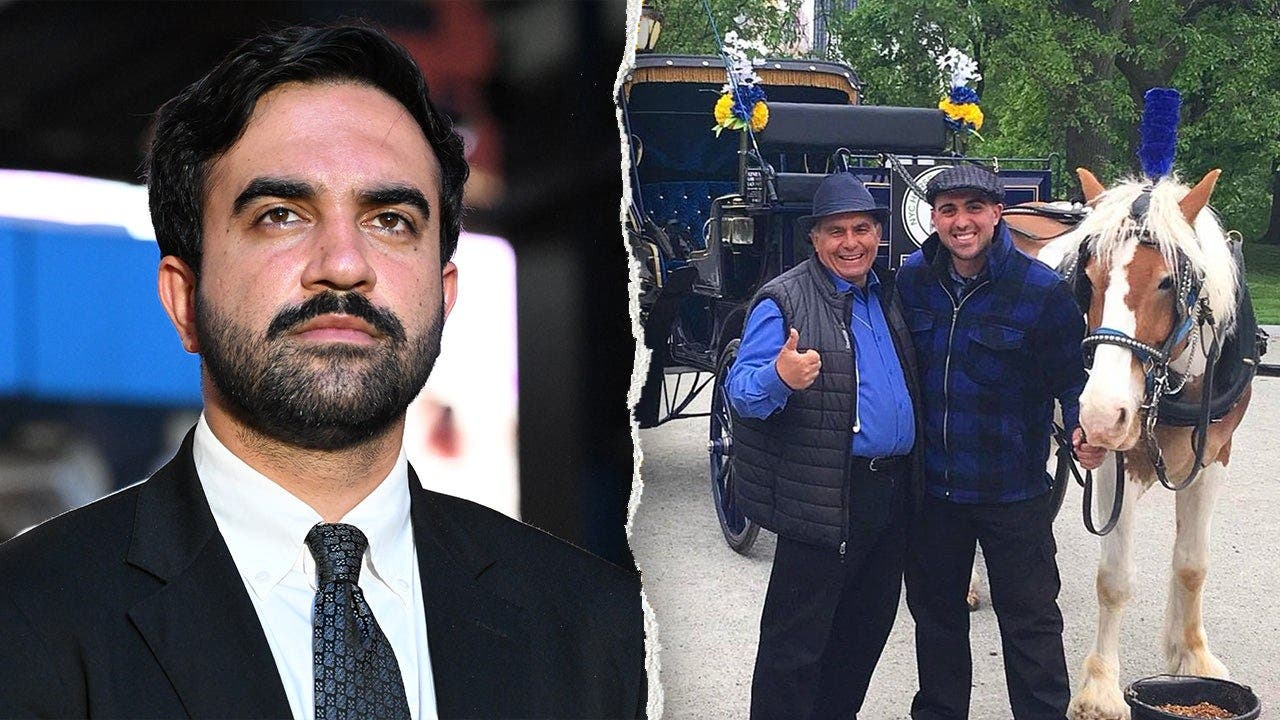
A century-old tradition is on the line in New York City, and horse carriage drivers are speaking out about who will ultimately pay the price if Mayor Zohran Mamdani succeeds in ending the iconic industry.
Mamdani and City Council Speaker Julie Menin announced Tuesday that they had reached a deal to phase out horse-drawn carriages in the Big Apple, with a vote expected next week on a bill that would ban carriage operations beginning in June 2028.
A longtime source of controversy, the horse-drawn carriages lined up at Central Park to take families and tourists for rides are at the center of a public safety debate after 18-year-old Romanch Mahajan was killed from a fall in June. The bill was later renamed «Romanch’s Law.»
Animal rights activists have targeted the industry, accusing carriage drivers of mistreating horses and even heckling some on the streets over concerns about proper care, food and water. Viral videos of horses collapsing and escaping into traffic have prompted calls to terminate the industry for good.
MAN KILLED AFTER HORSE-DRAWN CARRIAGE BOLTS AND FLIPS NEAR POPULAR NEW YORK CITY TOURIST DESTINATION
But Digital spoke to leaders in the industry who pushed back on the criticisms and argued that the New York City tradition is being unfairly maligned, and that livelihoods will be destroyed thanks to Mamdani’s efforts.
«You have pedicabs flying around, so why are they permitted to have a business?» Frank Riccobono, owner and manager of NYC Horse Carriage Rides, told Digital. «And now a 168-year-old tradition, attraction is being forced to surrender, which is very taboo. I want my investment to stay there for the next 20 years, 50 years, 100.»
Riccobono, who owns 12 horses and three carriages, said raising horses is like raising a child, and that «non-horse people» will never understand that bond.
«I had horses give birth in front of me,» he said. «I’ve owned their mom and I have their baby and it’s like taking a child away from me.»
The bill would not take the horses away from their owners. Owners could keep, sell or transfer them as long as they are not sent to slaughter, another carriage business or an «inhumane purposes,» but Riccobono could no longer use his horses for carriage rides in the city.
He called the criticism «brainwashing,» adding his horses receive «the most perfect lifestyle» and regularly see certified veterinarians.
«That’s what this bill shows,» he said. «It shows they’re trying to criminalize us because a horse is working.»
Riccobono said he will also lose a huge investment after purchasing a medallion for nearly $400,000. Medallions are licenses that allow horse carriage drivers to legally operate in New York City.
«I am going to take a very, very big loss here and there’s no reimbursement in this bill,» he said.
MAMDANI, CITY COUNCIL MOVE TO END ICONIC NYC HORSE-DRAWN CARRIAGE INDUSTRY AS WORKERS FACE UNCERTAIN FUTURE
The ban means much more than just losing a business, according to Riccobono, who said it threatens a family legacy with horses spanning generations. Riccobono has spent more than two decades driving horse-drawn carriages after falling in love with the career through his father, who spent 47 years in the business.
«I have a father that has medical conditions,» he said. «I have colleagues that are on dialysis. These people rely on these medallions for income, for retirement. But they’re trying to strip this away from us and they don’t even know how much they’re gonna give us.»
Riccobono’s wife, Natalie, said that without her husband’s income, the family will not be able to «sustain what we have right now.»
«By taking away these businesses from us, they are literally taking food off of our table and possibly a shelter from over our heads,» she said.
However, what comes next remains up in the air to drivers who say their voices have been left unheard. Mamdani, who has made waves with his socialist agenda, and Menin have vowed to help the city’s roughly 200 carriage drivers transition into new jobs.
MAMDANI’S LATEST FREEBIE SETS OFF ONLINE FURY AS CRITICS RIP CITY PRIORITIES: ‘OPERA SOCIALISM’
«I think that we have a civic responsibility to ensure that we are not leaving anybody out to dry,» Mamdani told reporters Wednesday. «They should not be ones that are simply left as an afterthought of what comes after this.»
Christina Hansen, a veteran New York City horse carriage driver and Transport Workers Union (TWU) Local 100 shop steward, told Digital drivers have yet to hear directly from Mamdani and are being treated «as if we don’t matter, as if we don’t count.»
«The only cruelty in the New York City carriage industry has always been the way that the people in it, the way the carriage drivers and carriage owners and stable owners are treated,» she said.
In a statement to Digital, a spokesperson for Menin said she will remain involved in the transition that «must include meaningful protections for the workers» and said she invited TWU and the administration to join a new working group.
«Through thoughtful conversations with labor and other stakeholders, the Council developed a framework to ensure better economic opportunities for these New Yorkers,» she said.
With the city anticipating the horses will go to rescues or sanctuaries, Hansen warned those facilities already struggle to care for the horses they have because of declining donations and a lack of resources.
Once the national attention fades, Hansen worries the horses could be left behind.
«There’s no funding from the city or anything like that to say, we’re going to make sure that, you know, the city pays for the horse’s retirement,» she said.
MAMDANI PLEDGES MILLIONS TO COMBAT ANTISEMITISM WHILE LEAVING KEY QUESTION UNRESOLVED
This isn’t the first time carriage drivers have feared the industry could disappear. Former New York City Mayor Bill de Blasio pledged to ban horse-drawn carriages after taking office in 2014 and backed vintage-style electric cars as an alternative. The effort, like others over the years, failed.
Hansen encouraged Mamdani to sit down for lunch with the drivers or meet their horses to get a different perspective.
«He hasn’t and he probably won’t, because he’d get so much blowback on social media or whatever,» Hansen said.
Riccobono said the fight doesn’t end here and he will continue pushing back on the «unconstitutional» bill.
«We’re gonna fight for our rights, number one, we’re gonna fight for our horses, and we’re gonna fight for fairness and justice,» he said.
Digital reached out to Mamdani’s offices for comment.
politics, new york city, zohran mamdani, local, transportation, controversies state and local








INTERNACIONAL
European Parliament votes to confront Muslim Brotherhood, ‘Islamist entryism’ in overwhelming vote
NEWYou can now listen to Fox News articles!
Following the sanctioning of foreign Muslim Brotherhood groups by the Trump administration, the European Parliament recently took its own action against the transnational radical Islamist group.
As Europe begins to respond to the threat of radical Islam across the continent, an overwhelming majority of the European Parliament voted for a resolution that condemned the Muslim Brotherhood and its actions.
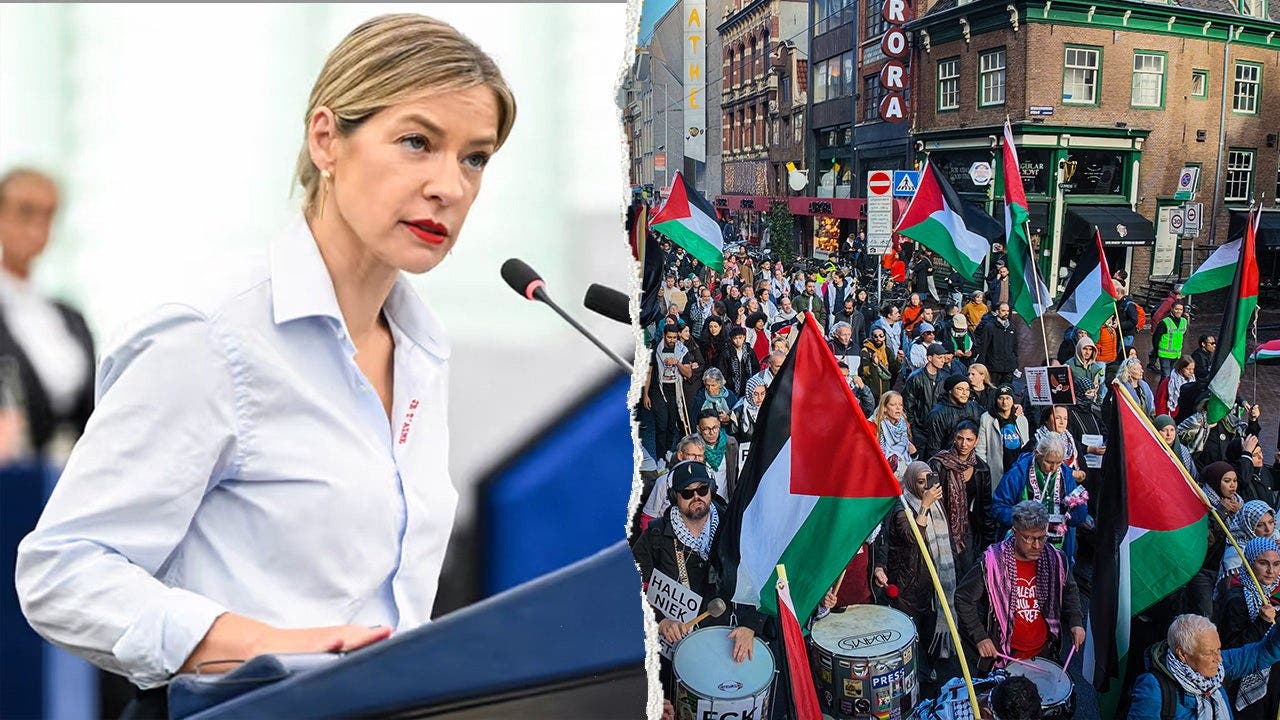
European Parliament member Céline Imart of France, who sponsored the resolution, called the vote «a historic victory because it is a European first. For the first time, Europe has voted on a text that tackles Islamist entryism and the Muslim Brotherhood.»
EUROPE’S LEFT COURTS MUSLIM VOTERS AS ANTI-ISRAEL POLITICS RESHAPE CONTINENT
MEP Céline Imart at European Parliament session confronting the Muslim Brotherhood and Islamist entryism for the first time on Oct. 7 (Jeremy Baumert / European Parliament )
Imart posted on X that she had «broken a taboo that Europe has been dragging around like a chain: this victory signifies a major doctrinal shift in the institutions… We were able to transcend partisan divides on a major issue for our societies and our youth.»
Lorenzo Vidino, director of the program on extremism at George Washington University, told Fox News Digital that, «This is something that the French and the Austrian governments have been pushing for almost a decade,» noting a growing consensus across Europe that wants action.
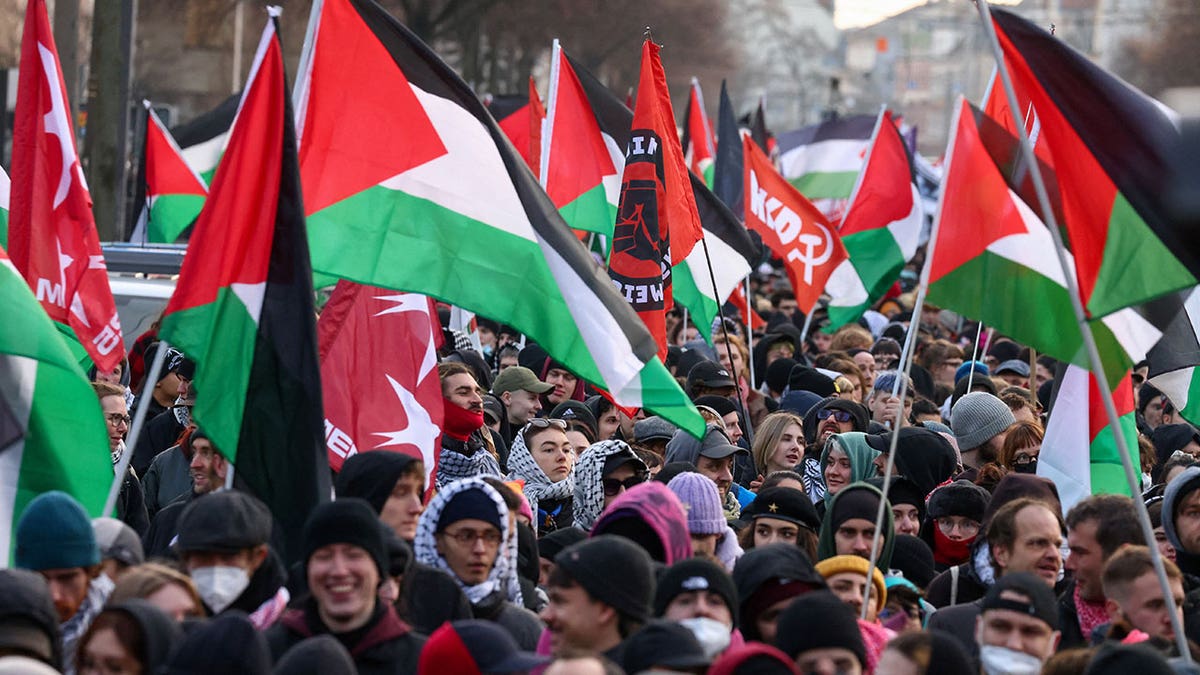
Protesters attend an anti-Israel demonstration in Leipzig, Germany Jan. 17, 2026. (Christian Mang/Reuters)
The resolution was led by the European People’s Party, or EPP, a center-right coalition that is the largest group in the European Parliament. «The voting does reflect a gap between the right and the left,» said Vidino, «with the right voting almost entirely in favor of the resolution, and a good part of the left, although with some notable exceptions, voting against it.»
As part of her post on X, Imart made it a point to thank «the negotiators from the other groups with whom I had the pleasure of working – excluding the socialists and the far left, who boycotted the text.»
Vidino said, «The Brotherhood remains something that is seen through the political lenses of our own political debates, where it shouldn’t be… because it’s a challenge to our societies.»
DENMARK’S LEFT-WING PM WARNS: ‘BIG ENEMY HAS STARTED TO GROW FROM WITHIN’ AS EUROPE FACES MIGRANT RECKONING
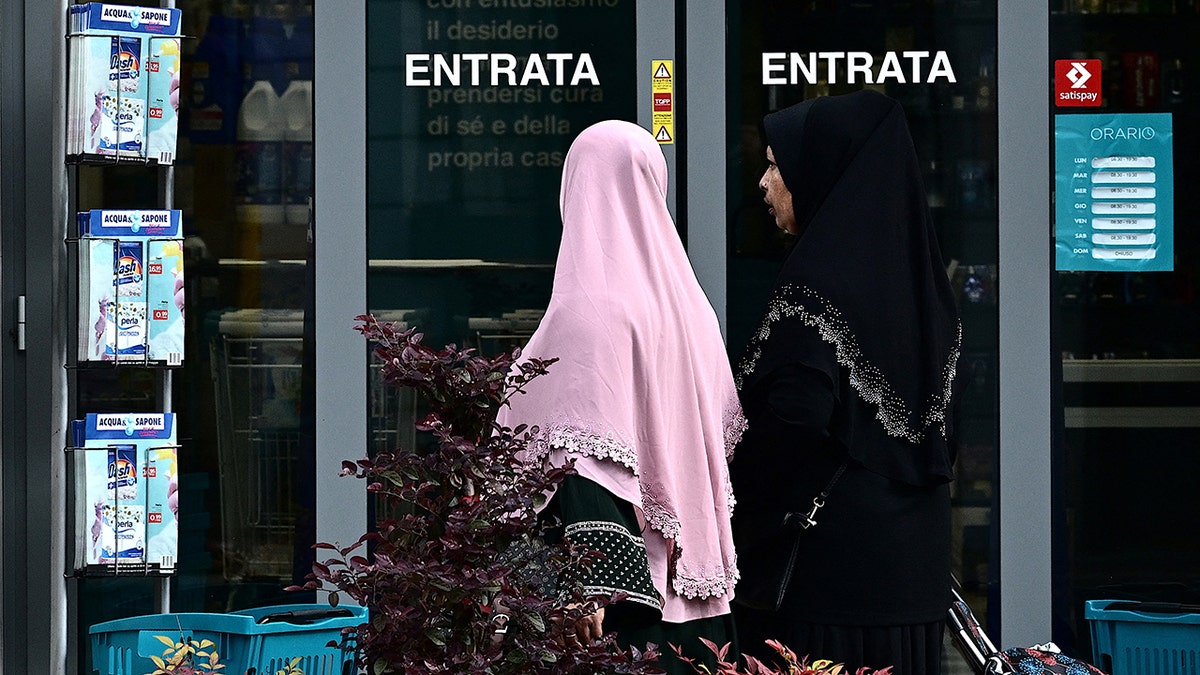
Veiled women walk in a street of Monfalcone, on April 26, 2024. (Alberto Pizzoli via Getty Images)
A press release on the resolution issued by the European Parliament’s news website stated that Islamist entryism targets «democratic institutions, the rule of law, equality between women and men and fundamental freedoms.» It stressed that Muslim citizens must be protected from discrimination as «a democratic obligation,» while «warning against treating organized Islamist networks as representative interlocutors.»
The release also stated, «While Europe must remain free, open and faithful to its principles, it can ‘no longer fund, consult or legitimize networks that use its language, procedures and funding to weaken its values from within,’» but «MEPs stress that anti-discrimination policies must not be used to shield Islam from criticism or legitimize organized Islamist networks.»
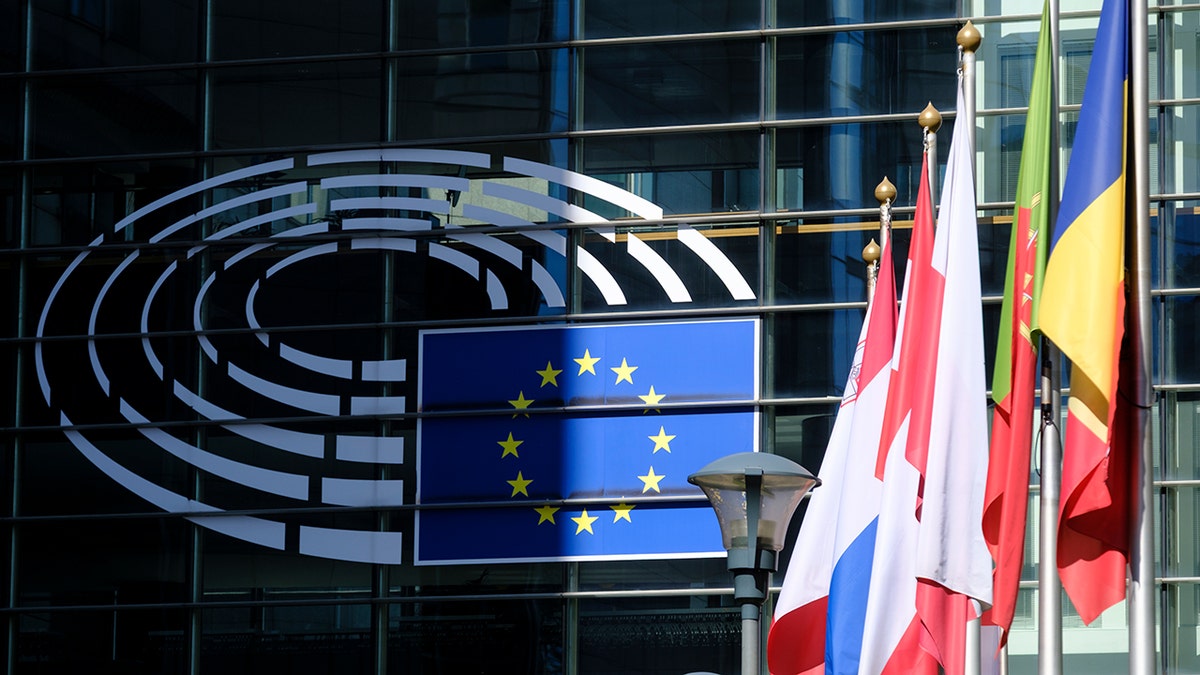
Flags from the 27 countries of the EU fly in the wind in front of the European Parliament on April 5, 2025, in Brussels, Belgium. (Thierry Monasse/Getty Images)
The resolution was slammed by ENAR, a pan-European anti-racism network, which released a statement following its passage. «ENAR condemns in the strongest possible terms the racist and Islamophobic resolution «on the need for an EU strategy to counter Islamist entryism and the influence of the Muslim Brotherhood network» proposed by the European People’s Party (EPP) and passed by the European Parliament today, including its targeting of ENAR and its members like FEMYSO through sham allegations and falsehoods seeking to associate our network with the Muslim Brotherhood. ENAR categorically rejects these claims.»
It added in part, «This resolution is a stain on the European Parliament and marks a profoundly shameful day in Europe’s history. A Parliament that should defend democracy, equality and fundamental rights has instead given institutional legitimacy to a racist politics of suspicion that casts Muslim communities, Muslim-led civil society, organizations combating Islamophobia, and those who defend their rights as inherently suspect.»
Edmund Fitton-Brown, a senior fellow at the Foundation for Defense of Democracies (FDD), told Fox News Digital «This resolution is where the pushback begins against Islamist entryism in Europe. It is admirably clearly worded. The task of converting it into binding legislation begins now and will be difficult.»
The former UK ambassador to Yemen, Fitton-Brown added, «Europe regularly imagines that «legal», «non-violent» Islamism is in conflict with, and a potential antidote to, violent Islamist terrorism. It is not, it is a gateway to it, it creates the climate for it, and the two are pursuing the same goals, only via different tactics.»
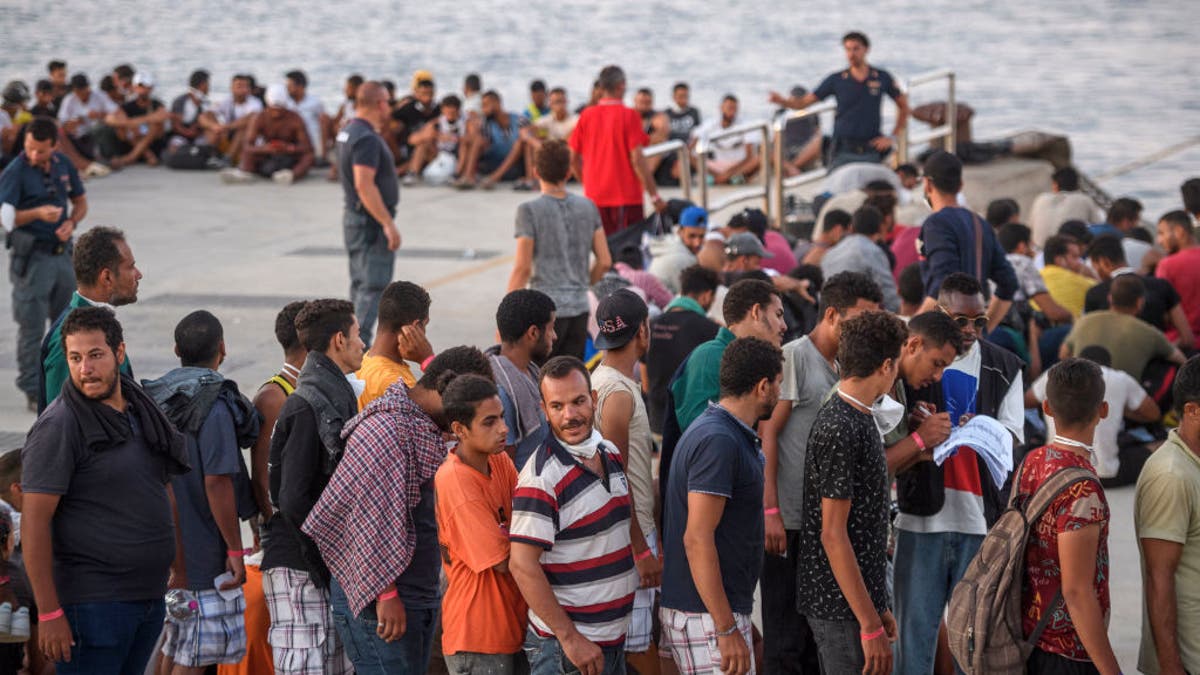
Migrants wait to board the Coast Guard ship «Diciotti» before being transferred to Porto Empedocle from the so-called «Hotspot» operational facility, containing over 1,700 people, on August 3, 2022, in Lampedusa, Italy. (Photo by Antonio Masiello/Getty Images)
He added, «Europe fails to prioritize subversion as a threat, whereas during the Cold War it understood that threat and took serious measures to counter it. Europe also seeks to appease Islamist entryism by adopting hostile policies towards Israel, and sometimes by passing blasphemy-adjacent and anti-«Islamophobia» laws, thinking they are protecting the Muslim community. In fact, the main victims of these laws are liberal Muslims trying to escape the confines of their community and enjoy Western freedoms.»
Asked about the differences between Europe and the U.S. approach to the Brotherhood, Vidino said the European way is «a bit more nuanced» than that of the U.S., where the Trump administration has designated the Muslim Brotherhood and 4 of its branches as terrorist organizations. He says Europe sees the Muslim Brotherhood «mostly through the lenses of entryism, of subversion, of a group that destroys the fabrics of society… a matter of a threat to democracy, but a lot of the activities of the Brotherhood might be legal if taken individually.»
TRUMP ADMIN ACCUSES HAMAS OF BACKING GAZA FLOTILLA, SANCTIONS ACTIVIST AND MUSLIM BROTHERHOOD NETWORKS
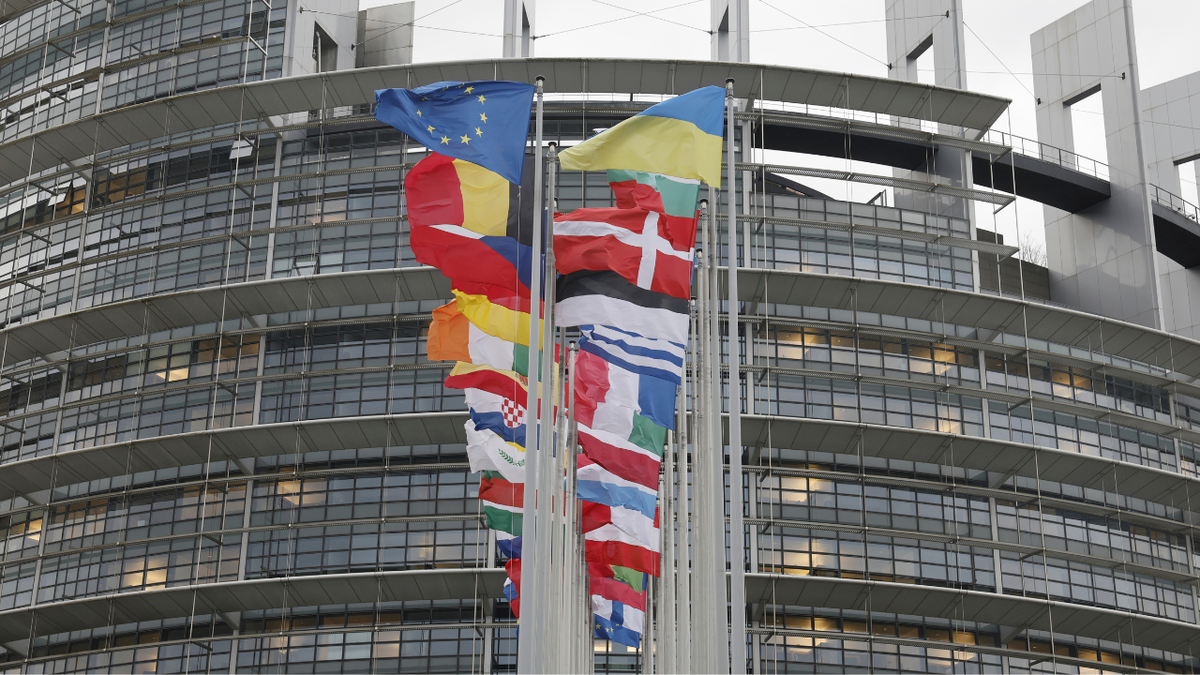
European flags fly outside the European Parliament on Feb. 7, 2024 in Strasbourg, eastern France. (AP Photo/Jean-Francois Badias, File)
While noting that numerous security services across Europe have been warning about the Muslim Brotherhood for some time, Vidino says the resolution «sets the tone. It gives a political push,» suggesting agencies and governments «might feel more legitimized in seeing the Brotherhood in negative ways.»
«I’m a bit skeptical on whether this resolution would have a major tangible impact,» Vidino added. «Islamist groups are very good at camouflaging their activities.» While there is «no organization that calls itself Muslim Brotherhood in Europe,» he said if and when funding is pulled from an Islamist organization by the EU, «They will make a fuss… They fight back. They have an ability to also leverage what could be a crisis, but turn it to their advantage by playing the victim card and the Islamophobia card.»

A man is led by two federal police officers to two waiting emergency vehicles. The Federal Public Prosecutor General had three suspected members of the Islamist terrorist organization Hamas arrested. The men will be brought before the investigating judge of the Federal Court of Justice in Karlsruhe in Oct, 2 2025. (Philipp von Ditfurth/Picture Alliance via Getty Images.)
As part of the resolution, the European Council was asked to assess whether entities or individuals linked to the Muslim Brotherhood should be added to the EU list of terrorist organizations. It called for full traceability of EU funding and a European Commission overview of EU funds awarded to people or entities suspected of links to the Muslim Brotherhood or political Islam.
It also welcomed initiatives by member states to draw up national lists of hate preachers and calls for the establishment of such a list at EU level, while also calling for stronger scrutiny of foreign funding and transnational partnerships, particularly involving actors linked to Qatar or Turkey and greater use of Schengen tools and EU databases.
«This vote is a victory, but it is also a starting point,» Imart said. «The Commission and the Council must now take action, and I will make sure they do.»
the european union, europe, france, islam, terrorism
INTERNACIONAL
Adriana Riva: “No existe la madre pura, casta, buena, perfecta; cada uno hace lo que puede”
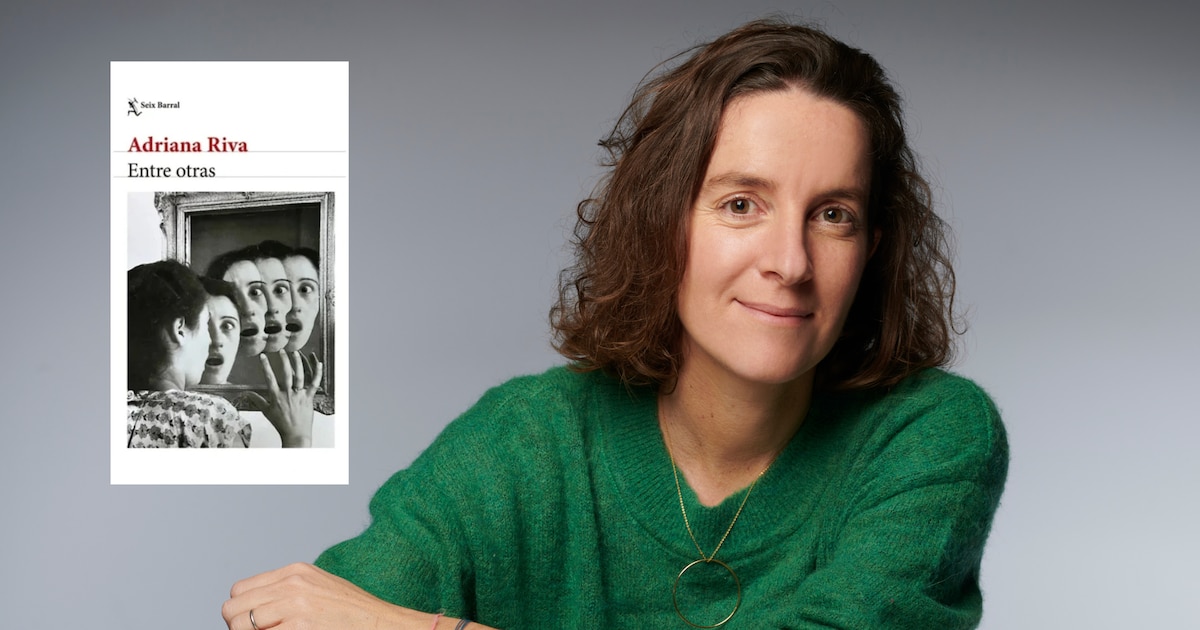
Hace dos años, frente al monitor de su computadora, Adriana Riva recibió una consigna. Desde Traslasierra, en un taller literario vía Zoom, Federico Falco le pedía un trabajo en serie. “Ahora no recuerdo específicamente, pero sí que se basaba en un artista visual que le sacaba fotos cada vez que veía en la vía pública algo amarillo”. Cuando terminó la clase, agarró Punto de fuga de David Markson, y encontró ésta frase subrayada: “Joseph Cornell vivió con su madre toda su vida”. Entonces se le ocurrió una idea.
“Tal vez podía usar el mismo dispositivo de Markson, pero a madres que yo ya venía acumulando por lecturas”, dice. A la clase siguiente del taller llevó cuatro carillas escritas. “Vi que generaba mucho entusiasmo”, recuerda. A las pocas horas ya estaba, otra vez, buceando en su biblioteca. “La maternidad es siempre el tema que me está rondando y sobre el que yo escribo”, agrega del otro lado del teléfono, en un día de lloviznas y ansiedad, como los que se apilan en las vísperas del Día de la Madre.
Efectivamente, su literatura está completamente atravesada por la maternidad: aparece en algunos de los relatos de su primer libro, Angst (2017), y es central en su novela La sal: “Es una deconstrucción del rol materno”, asegura. También aparece en Ahora sabemos esto (“es un poemario donde, con mi madre, leemos en pandemia La Odisea, y a partir de las cosas que vamos charlando surgen todos esos versos”), y en Ruth, su libro anterior, la protagonista es una viuda de 82 años con hijos ya adultos.
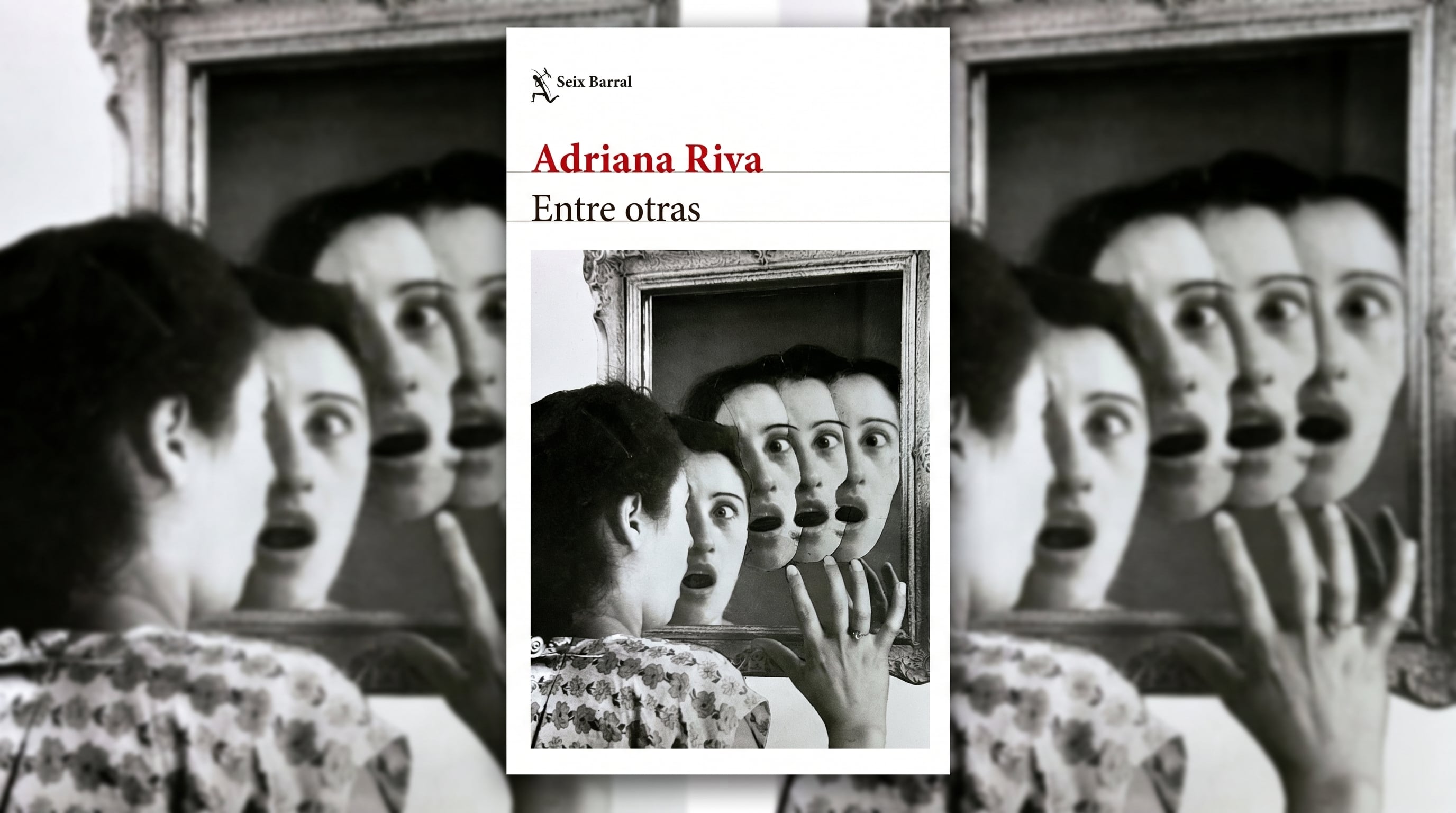
En Entre otras la narradora recorre la casa de su madre: la cocina, el baño, la mesa de luz. Busca cosas, hace un inventario, y naufraga en sus libretas: páginas de anotaciones diarias e inservibles, tachaduras, mandados, nombres, horarios, lugares. “Su caligrafía es apurada, calca la urgencia de la vida”, escribe. “Estoy escribiendo sobre mi madre y tengo la esperanza de que si junto suficientes notas voy a poder construir una madre”. Y más adelante: “Es más fácil reconocer las pertenencias de una madre que a una madre”.
Ese plano íntimo y enigmático se superpone con el de las citas, que funcionan como microcuentos de celebridades artísticas. Por ejemplo: “Constantino Cavafis vivió con su madre hasta que ella murió. Roland Barthes vivió con su madre hasta que ella murió. Jorge Luis Borges vivió con su madre hasta que ella murió. Nunca hay suficiente madre”. O también: “¡No lo hagas! ¡No puedes! ¡No debes!, le respondió Mary Foley a su hijo Arthur Conan Doyle, cuando le confesó que quería matar a Sherlock Holmes«.
“Cuando su hijo David murió a los 13 años, en un accidente, Margaret Ogilvy se metió en la cama y se abrazó a la ropa de bautismo de David. Su otro hijo, James Matthew Barrie, de 6, entró a la habitación en puntas de pie e intentó hacerla reír. Ese es el primer recuerdo del autor de Peter Pan sobre su madre: una sonrisa robada al llanto”, leemos, pero también: “Una madre es una complejidad de por vida. La ausencia de una madre, también. ¿Qué no voy a recordar de mi madre cuando ya no esté?»
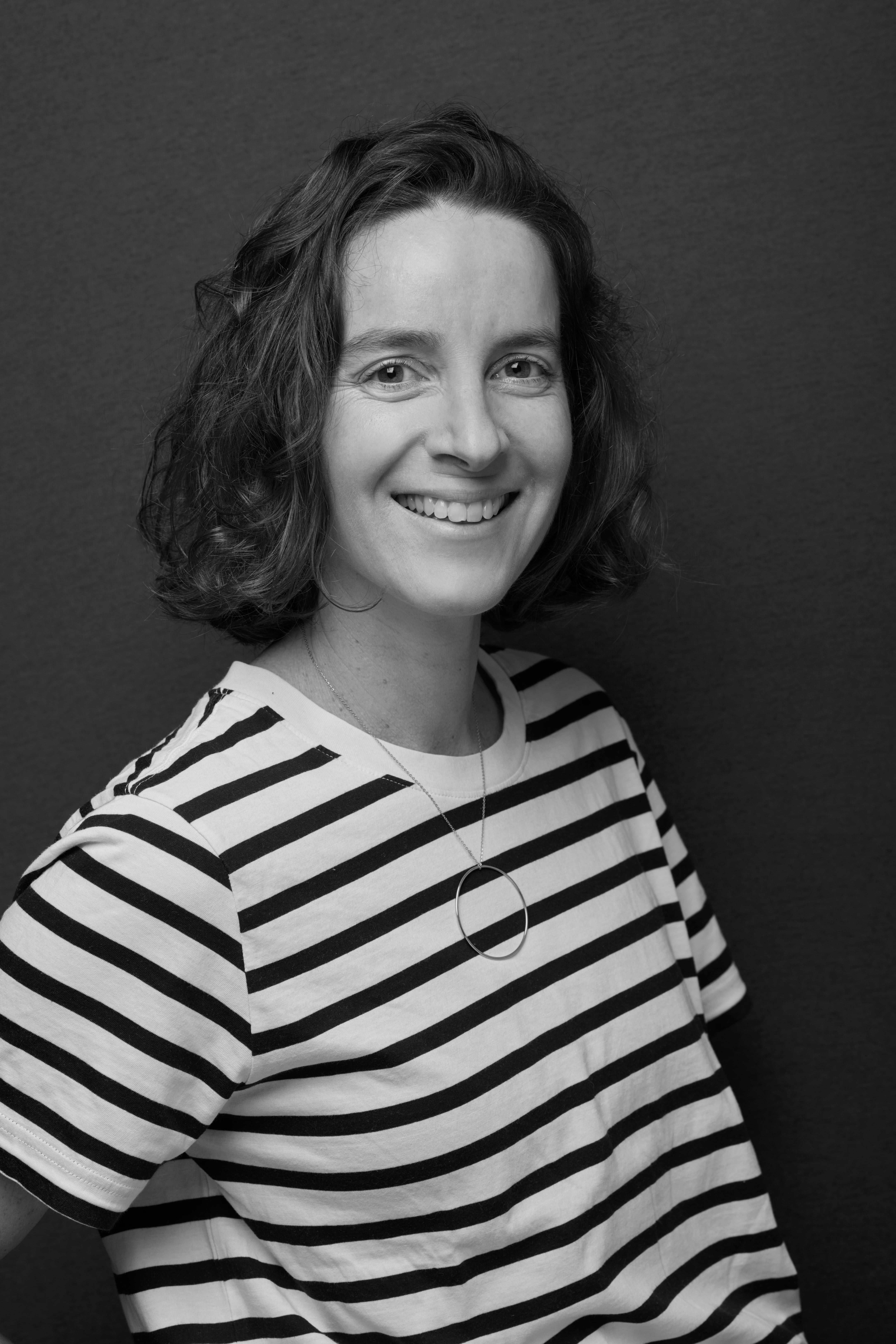
“Mi madre leyó y le encantó. Es el que más le gustó, porque no es tan afín a la literatura. Se demoró mucho porque iba a buscar cada una de las referencias. Eso le encanta”. Adriana Riva es hija pero también madre de tres mujeres. “Me encanta el mundo femenino. Todo ese linaje materno me interesa. Tengo una debilidad por las madres de todo tipo: hay madres muy violentas y dañinas, hay madres muy amorosas, hay madres muy locas, madres depresivas. Hay para todos los gustos”, dice y se ríe.
“Siento que es una figura que le pega más a las mujeres, en el sentido de que eventualmente puede reproducir y, si una después se convierte en madre, puede replicar o no a la madre que tuvo. Cosa que un hombre no, porque no puede concebir, no tiene el órgano reproductivo de la mujer. Ahí hay algo que me interesa. Se ve siempre cuando uno charla con amigas o con hermanas o con primas: el miedo a repetir los errores y hasta dónde uno quiere parecerse a la madre que conoció”, continúa.
La fascinación de una transformación: “Cuando uno pasa de ser hija a ser madre”. Pero además: “Incluso si uno no tiene hijos, también es un vínculo que me parece muy complejo y fundacional. Además, todos tenemos una madre. No hay nadie que no tenga una madre. Aunque esté muerta, aunque no haya estado. Nadie nace de un huevo. Incluso siendo huérfano, uno ha tenido una madre: ha sido gestado nueve meses en un vientre materno. Y sin embargo, es una figura que cae muy rápido en clichés”.

“No son lo mismo los padres de ahora que los padres de mitad del siglo pasado o que los padres de fin del siglo XIX. Uno necesita a veces hablar de estereotipos, de generalizaciones, pero siempre hay que poder ver la particularidad de cada uno de estos casos”, dice y marca, otra vez, la transformación: “Antes había un corte mucho más grande entre niños y adultos. Los niños por un lado, los adultos por otro. Y hoy esa brecha se achicó. Los padres van con los hijos a recitales o comparten la misma ropa”.
“Antes había una cosa más de autoridad, más vertical. Se han modificado muchísimo los vínculos”, dice y menciona el feminismo: “Si uno se pone a leer Un cuarto propio de Virginia Woolf, por supuesto que ha habido muchísimos avances, desde el voto, pero siempre queda mucho más por recorrer, por conquistar. Y siempre atento a que hay muchas cosas que se conquistan y después se vuelven a perder. De todos modos, creo que no hay un verdadero retroceso, que siempre se avanza”.
“Hoy el patriarcado sigue vigente. Basta con ver sueldos, cupos, cargos. Sin embargo, hay un montón de conquistas. Prefiero ser mujer ahora que en 1810 o 1910. Creo que sí se van corriendo y se van conquistando ciertas batallas que se han dado”, comenta y vuelve a subrayar que la riqueza está en “la particularidad de cada caso”: “La madre idealizada me parece un delirio. No existe la madre pura, casta, buena, perfecta. Cada uno hace lo que puede, tanto en la maternidad como en los otros aspectos de la vida”.
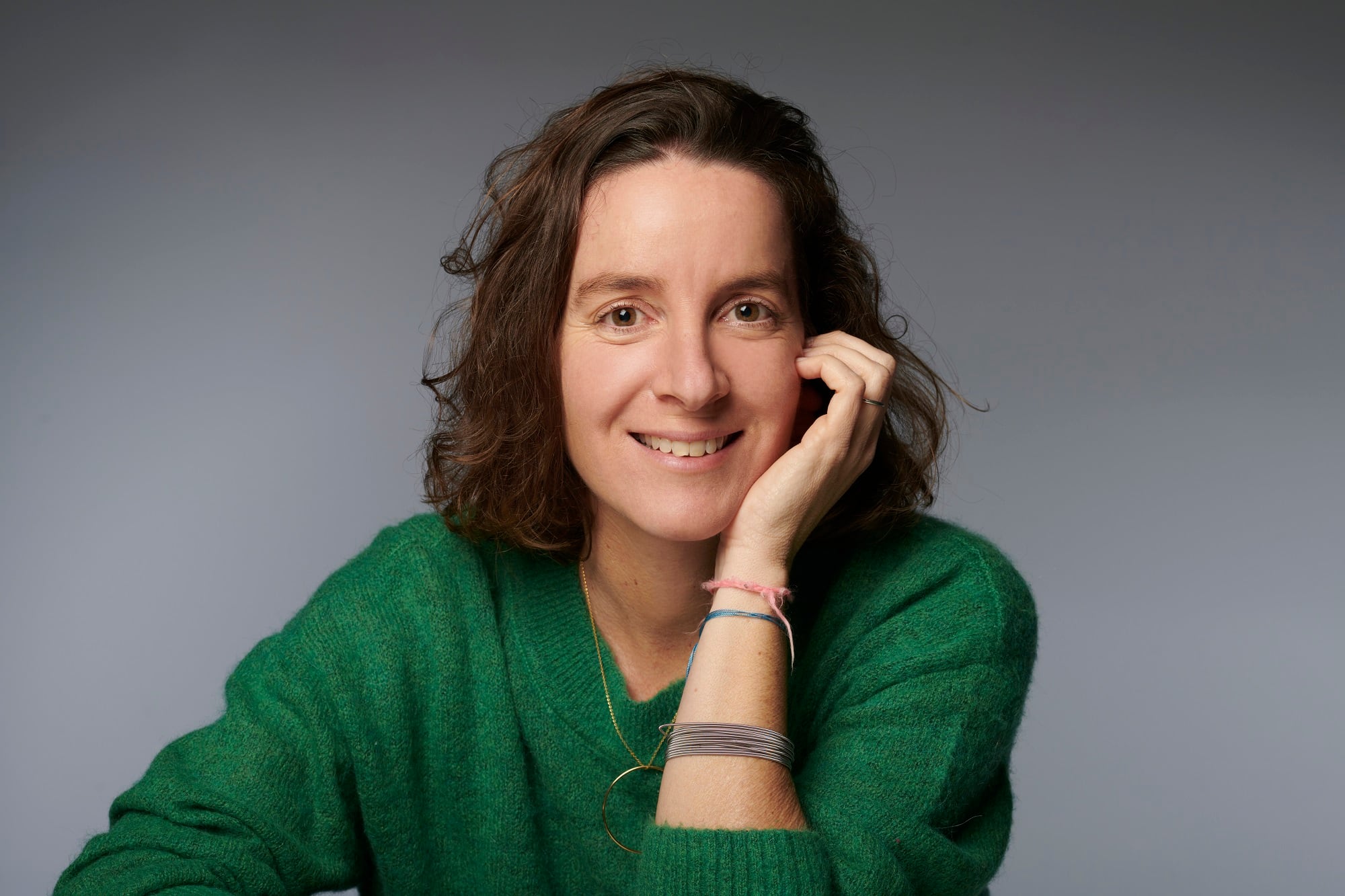
En el mar de citas, escenas y micronarraciones que se despliegan en Entre otras, Riva elige, ahora, eventualmente, una, que es del escritor búlgaro Elías Canetti: “No hay otra forma más intensa de poder”. “Me gusta mucho porque señala que siempre hay algo medio asimétrico en esa relación. Hay que ver cómo uno maneja ese poder para que no lastime, o para que no lastime tanto. Es una responsabilidad enorme, porque hay una asimetría al principio. Es un vínculo que se va modificando con el tiempo”.
“Cuando uno habla de madre la imagina con hijos pequeños, con niños que no se pueden valer por sí mismo. A diferencia de los animales, los humanos necesitan durante mucho tiempo de alguien que lo cuide. Un bebé no puede sobrevivir solo. Hay que andarse con cuidado de ese poder que uno tiene para que sea algo amoroso y no abusivo. También me conmueven todos los fracasos, porque es difícil. Los hijos siempre van a venir a reclamar algo”, dice Riva, y concluye: “Uno siempre equivoca: es parte de la vida”.
(Fotos: Alejandra Lopez)
Adriana Riva,Cultura
INTERNACIONAL
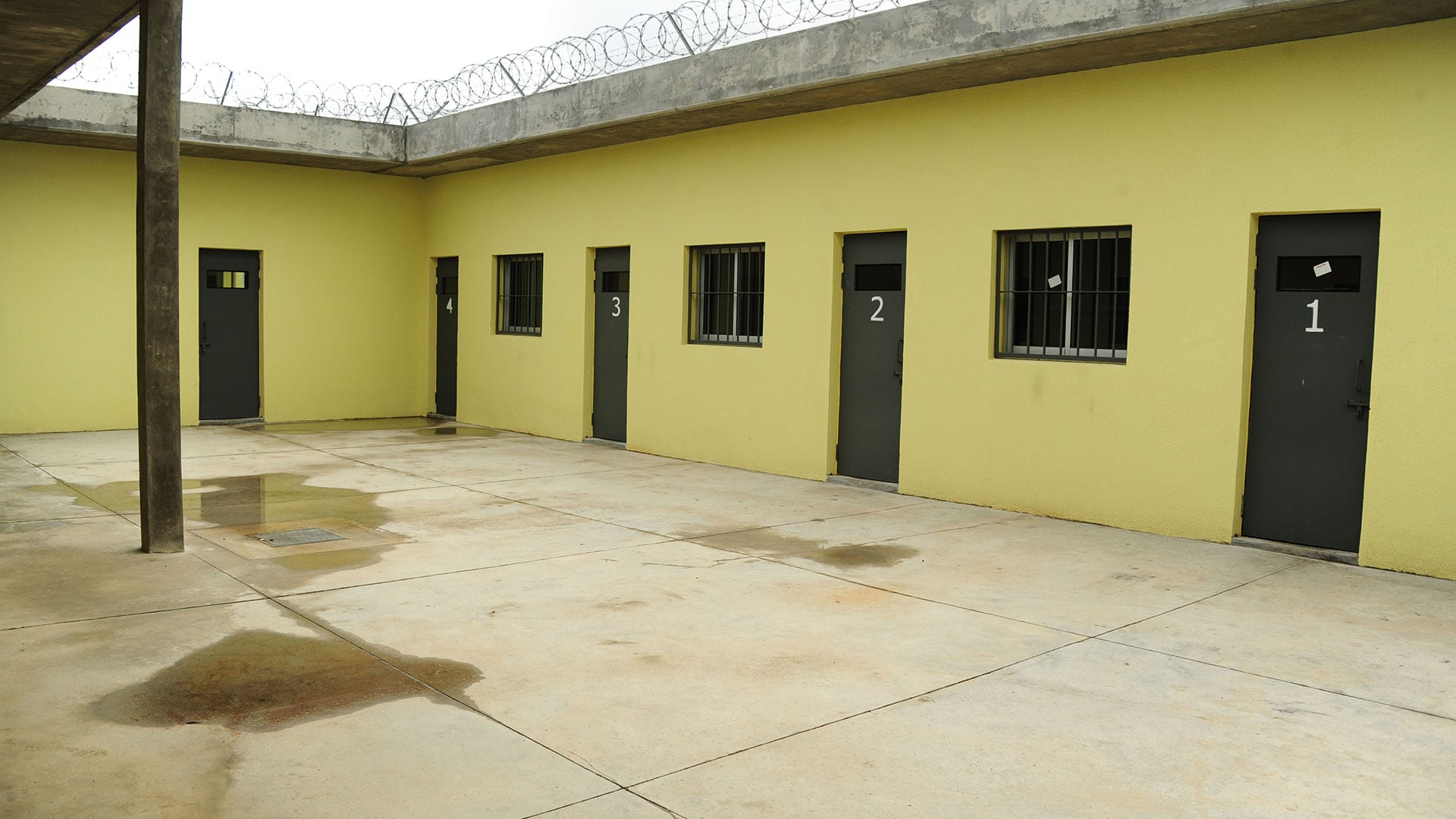
Nueve presos salen por día de la cárcel en Uruguay sin un lugar adonde ir: el círculo que los expone a volver al penal
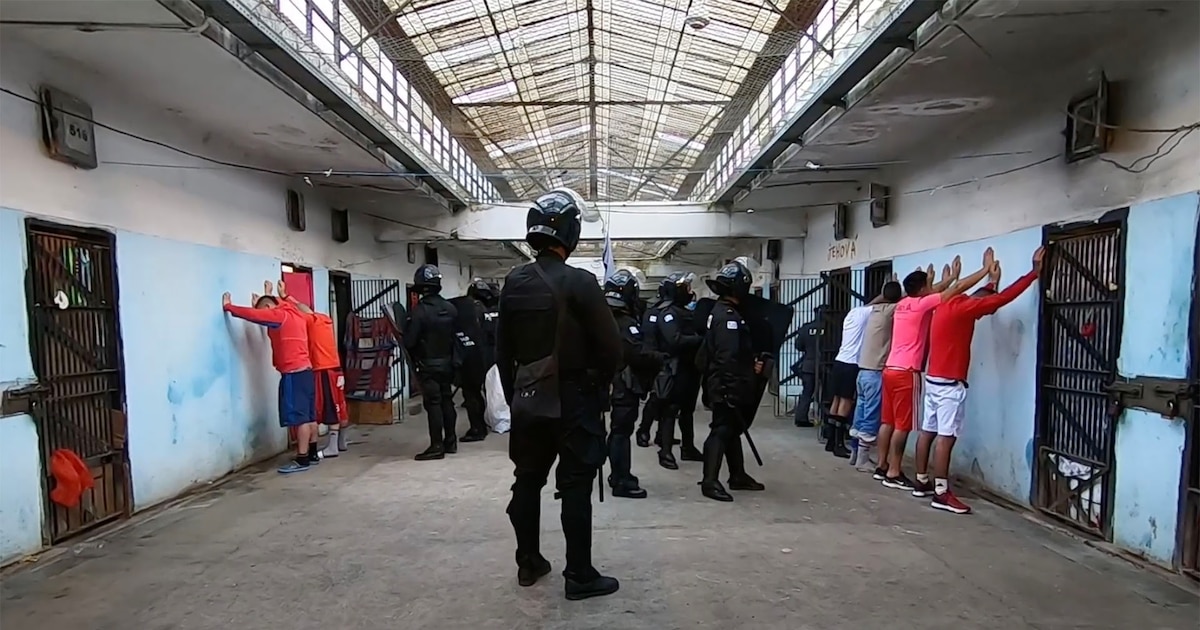
Un tercio de los presos que son liberados por día en Uruguay son parte de un círculo que parece nunca romperse: como no tienen un lugar al que ir, terminan viviendo en la calle, expuestos a delinquir de nuevo y volver a prisión. Cada día salen, en promedio, 33 presos de los penales y nueve de ellos no tienen un domicilio registrado. En muchos casos, tampoco tienen un familiar que se haga cargo.
Esta realidad fue expuesta por la directora del Instituto Nacional de Rehabilitación (INR), Ana Juanche, al exponer en la Comisión de Derechos Humanos de la Cámara de Diputados. Este instituto es el encargado de gestionar las cárceles en el país. En ese ámbito se debate un proyecto de ley llamado Liberación de personas privadas de libertad en la ciudad del último domicilio conocido.
La cantidad de presos liberados en Uruguay no tiene grandes diferencias según los meses. Solo hay dos excepciones: en diciembre, en la previa de la feria judicial, aumentan las libertades; en enero, se reducen porque la Justicia está en su receso. Son 886, en promedio, las excarcelaciones mensuales en el país, según cifras presentadas por Juanche.
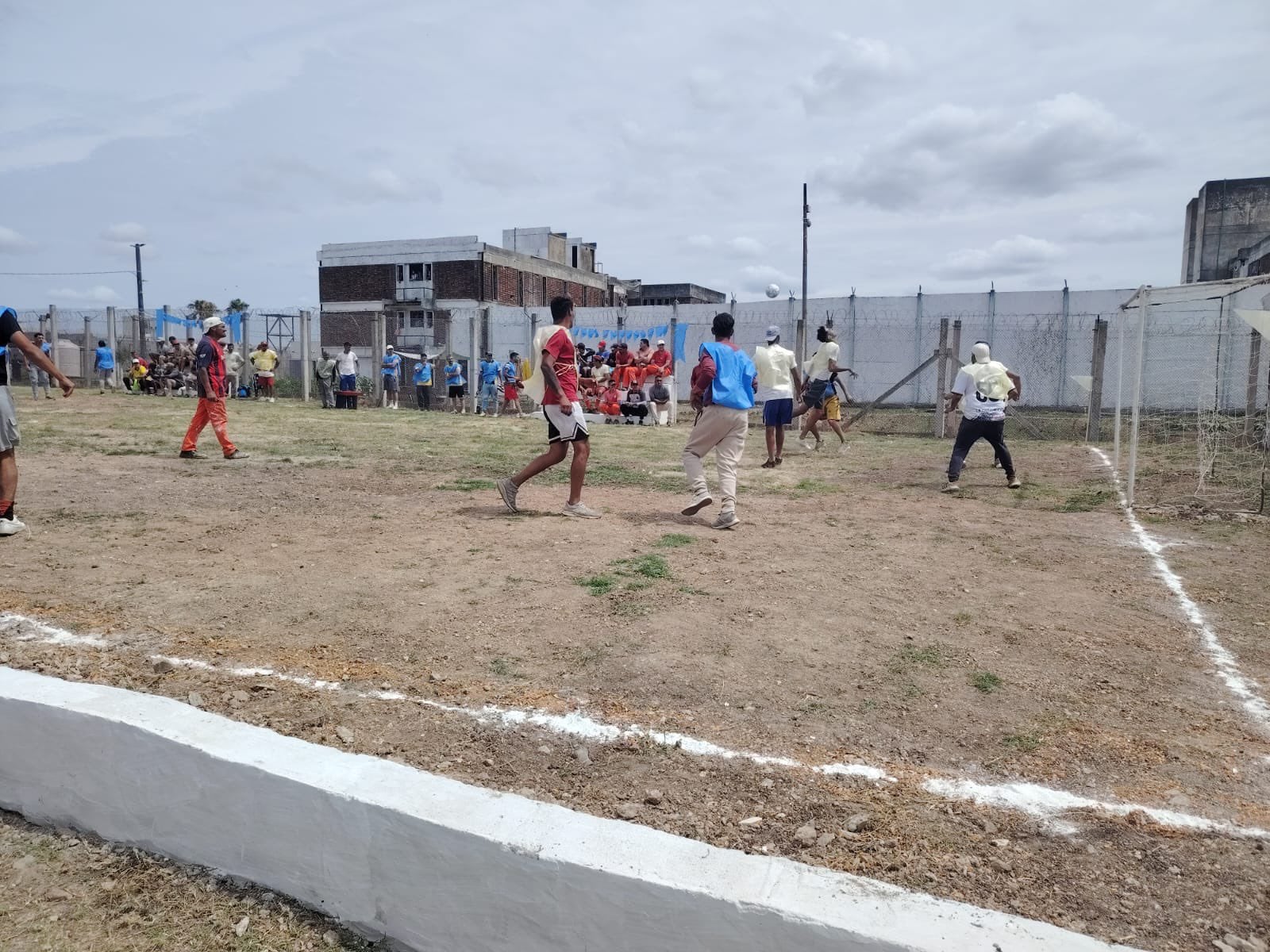
El 60% de las liberaciones se produce en el área metropolitana y el restante 40% en el interior del país.
La falta de arraigo
Unas 4.500 personas fueron liberadas entre enero de 2025 y junio de 2026 de las cárceles uruguayas y dijeron no tener un domicilio registrado. Representan un 28% del total. El restante 72%, la gran mayoría, sí supieron establecer una dirección.
¿Qué significa que estos presos no tengan domicilio? Juanche los describió: “Son personas que transitan por distintos arreglos habitacionales, muchas en situación de calle, muchas cambian de domicilio frecuentemente, característica bastante connotada de los perfiles criminológicos de nuestro país”.
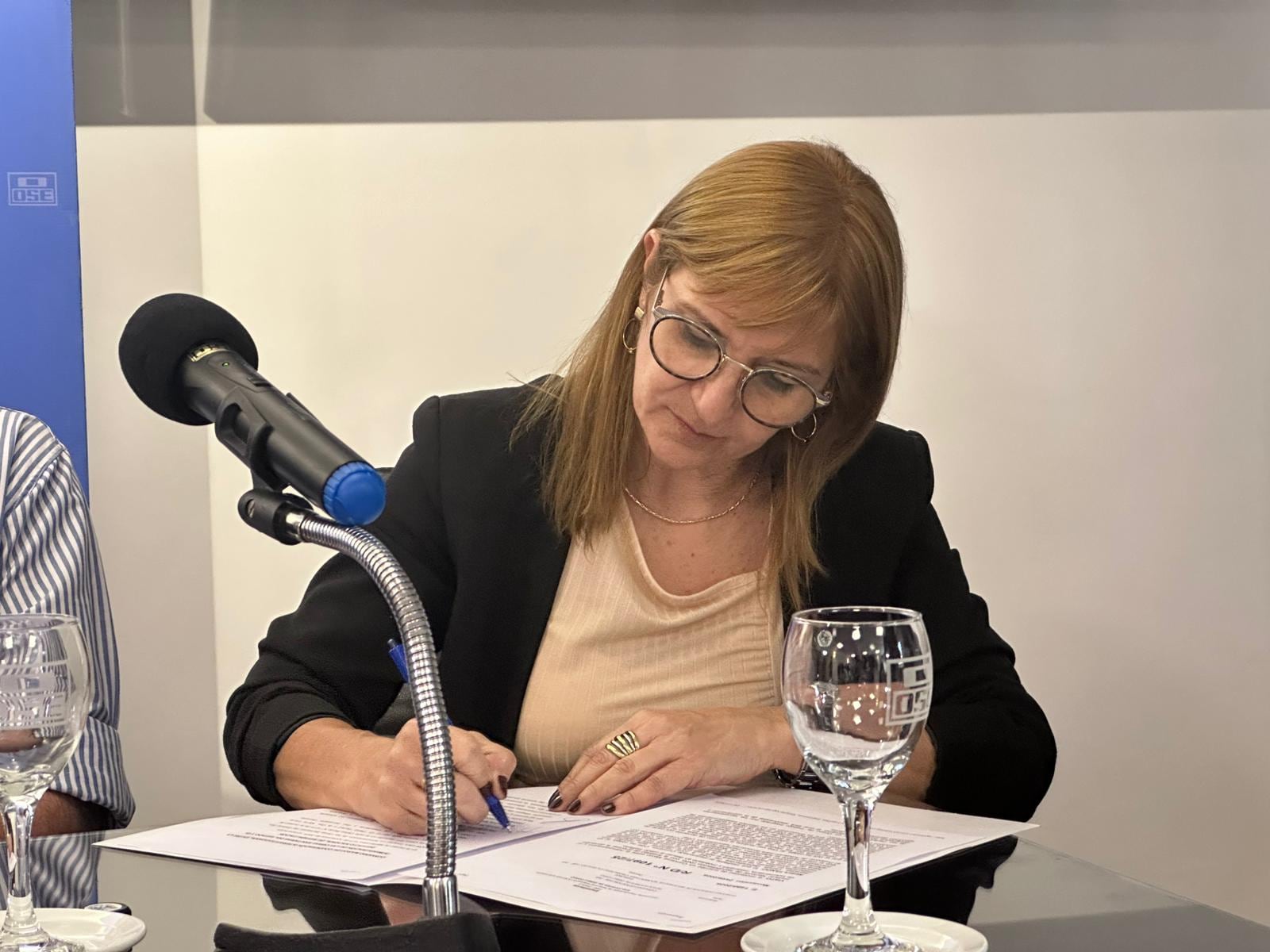
En otras palabras, continuó, andan como “a salto de mata”: viven huyendo, sin tener un plan fijo, improvisando y aprovechando cualquier casualidad.
“Esto también va aparejado con la ruptura de las redes socioafectivas y de los vínculos familiares y explica que un gran porcentaje, casi el 30 %, no tenga el arraigo”, describió Juanche.
Estas personas quedan viviendo en la calle, deambulando y “proclives a cometer nuevos delitos fuera de sus ciudades”.

A veces ocurre que ni los propios familiares se quieren hacer cargo. A las autoridades de las cárceles muchas veces les pasa que, cuando se contactan con un pariente del preso, la respuesta del otro lado es: “No, acá no me lo mandes porque yo no me voy a hacer cargo de él”.
Presos sin documentos
Pero más allá de la cantidad de presos que no tiene dirección, hay un porcentaje aun mayor que no tiene un documento de identidad: ocho de cada 10 presos tienen su cédula (como se le llama en Uruguay a esta identificación) vencidas o directamente no tienen cédula.
Las autoridades se han encontrado con presos que tienen todavía el documento de identidad con la foto de cuando eran niños, graficó el secretario del INR, Fabián Rosano.

El gobierno uruguayo se puso como meta que el 35% de los presos tengan su cédula de identidad vigente.
Un alto porcentaje de los privados de libertad en Uruguay tampoco tiene credencial cívica, el documento requerido para las elecciones. Esto quiere decir que todavía no han votado.
Más del 40% de la población privada de libertad es menor de 30 años y tiene, en palabras de Juanche, “trayectorias bastante robustas de exclusión”. “Es altamente probable que haya un enorme porcentaje que nunca votó y que ni siquiera nunca tramitó la credencial cívica. Esto es altamente probable”, comentó ante legisladores.
Más cárceles en Montevideo
La mayor cantidad de cárceles de Uruguay se encuentra en Montevideo y sus alrededores. Esto responde a un fenómeno histórico que muestra que en el interior del país los delitos son menos “menos severos” –como los llamó Juanche– respecto a la capital del país. Sin embargo, en algunas zonas del interior los niveles de violencia también se han agudizado.
Además, en general, las cárceles de Montevideo reciben los traslados de los criminales con perfiles más complejos. Son aquellos que están vinculados al crimen organizado, que cometen los delitos más graves o que son responsables de casos que generaron una importante conmoción en sociedades locales.
De todas las personas que son imputadas en Uruguay, casi la mitad (el 52%) lo es en Montevideo y se queda en la capital; en tanto, un 34 % es imputada en el interior y es liberada también en el interior. Las personas que son formalizadas en el interior y van a una cárcel en Montevideo representan al 10%. El restante 4% es de delincuentes imputados en el área metropolitana y liberados en el interior.

European Parliament votes to confront Muslim Brotherhood, ‘Islamist entryism’ in overwhelming vote

La próxima batalla legislativa que alerta al Gobierno, la puja Bullrich-Pettovello pensando en 2027 y el temor por el Papa León XIV

Adriana Riva: “No existe la madre pura, casta, buena, perfecta; cada uno hace lo que puede”

Estudiantes de La Plata vs. San Lorenzo: formaciones, hora y dónde ver por tv

A corazón abierto, Matías Alé habla de los años de vértigo, el delirio místico y la oscuridad, pero también de su renacer, su casamiento y su presente: «Vivo totalmente al día»

Rápel fallido en el Alamodome: un militar cayó desde más de 30 metros de altura en una exhibición previa al partido UTSA-Navy

Autos chinos en Argentina: el caso de Noruega reaviva las alertas por espionaje y riesgos para la seguridad nacional

El Índice de Incertidumbre Económica de septiembre alcanzó el nivel más alto de 2026, según la UCA

La FIFA busca justificar el indulto a Balogun tras la llamada de Trump