INTERNACIONAL
Costa Rica inició traslado de 123 reclusos a megacárcel CACCO: ingresaron rapados y con uniformes naranja


El Gobierno de Costa Rica inició el traslado de los primeros 123 privados de libertad al Centro de Alta Contención y Crimen Organizado (CACCO), una nueva prisión de máxima seguridad construida para albergar a personas consideradas de alta peligrosidad y vinculadas con estructuras criminales.
Uno de los aspectos que más llamó la atención fue la apariencia de los reclusos. Las imágenes difundidas por las autoridades muestran a los internos con la cabeza rapada, vestidos con uniformes de color naranja y arrodillados, mientras mantenían la mirada hacia el suelo durante el procedimiento de ingreso.
Las escenas guardan similitudes con las difundidas desde el Centro de Confinamiento del Terrorismo (CECOT) de El Salvador, una instalación que sirvió de inspiración para el proyecto penitenciario costarricense.
Reclusos ingresaron con el cabello rapado
El corte de cabello fue uno de los elementos más visibles del primer operativo. Los privados de libertad aparecieron con el pelo cortado prácticamente al ras, una imagen que contrasta con la presentación habitual de los internos en otros centros penitenciarios del país.
Aunque las fotografías y grabaciones permiten confirmar que los primeros trasladados estaban rapados, la información difundida hasta ahora no establece si todos fueron sometidos al corte durante el procedimiento de traslado, si se trata de una disposición obligatoria para futuros ingresos o cuáles son las excepciones que podrían aplicarse.
Los nuevos internos también fueron presentados con la vestimenta naranja contemplada para el funcionamiento del CACCO. Este uniforme forma parte de las medidas de identificación y control establecidas para la población penitenciaria que permanecerá en las instalaciones.

Sospechosos del asesinato de un policía estuvieron entre los primeros trasladados
Entre los primeros internos que ingresaron al CACCO se encuentran tres sospechosos del asesinato del oficial de la Fuerza Pública Gerson Rosales Cascante, ocurrido el 13 de mayo en Batán, Limón.
Los hombres, identificados por los apellidos Menocal, Mora y Vílchez, permanecen bajo prisión preventiva por su presunta participación en el crimen.
Su traslado había sido solicitado expresamente por la presidenta de Costa Rica, Laura Fernández Delgado, durante la inauguración del establecimiento penitenciario, realizada el pasado 14 de octubre.
El ministro de Justicia y Paz, Gabriel Aguilar Vargas, anunció posteriormente que este grupo estaría entre los primeros en ingresar al complejo, como parte de la estrategia gubernamental para fortalecer el control sobre personas vinculadas con delitos de especial gravedad.
Una megacárcel con capacidad para 5,100 personas
El CACCO está ubicado dentro del complejo penitenciario de La Reforma, en San Rafael de Alajuela. Su construcción representó una inversión de aproximadamente 33.1 millones de dólares, equivalentes a ₡16,774 millones.
La infraestructura tiene capacidad para 5,100 privados de libertad, distribuidos en cinco módulos de 1.020 espacios cada uno. Las celdas están diseñadas para alojar hasta 60 personas e incluyen literas de tres niveles.
Entre las medidas de seguridad se encuentran cámaras de vigilancia, controles biométricos, equipos de escaneo y pasarelas de supervisión para los agentes penitenciarios.
Según el Ministerio de Justicia, el objetivo es impedir que cabecillas de organizaciones criminales continúen dirigiendo actividades ilícitas desde las prisiones y mejorar la capacidad de respuesta del sistema penitenciario.

Traslados continuarán durante las próximas semanas
La llegada de los primeros 123 internos representa el comienzo de un proceso que las autoridades pretenden desarrollar de manera progresiva, con la expectativa de alcanzar la capacidad total del establecimiento durante diciembre.
El Gobierno sostiene que la ocupación del CACCO contribuirá a reducir la sobrepoblación penitenciaria. Sin embargo, el proyecto también ha generado cuestionamientos.
La Asociación Ayudando a los Privados de Libertad y sus Familias presentó un recurso de amparo ante la Sala Constitucional, en el que cuestionó las condiciones de temperatura, privacidad, seguridad y atención médica del establecimiento.
La agrupación solicitó suspender los traslados mientras se analizan los riesgos denunciados. Por su parte, el Ministerio de Justicia sostiene que las nuevas instalaciones permitirán fortalecer la vigilancia y el control de la población penitenciaria considerada de mayor riesgo.
Con el inicio de las operaciones, Costa Rica puso en funcionamiento uno de sus proyectos penitenciarios más ambiciosos.
corresponsal:Desde San José, Costa Rica













INTERNACIONAL
Piotr Ilich Chaikovski, compositor ruso: “La música es el lenguaje más sutil para expresar los mil diferentes momentos de los estados de ánimo del alma”
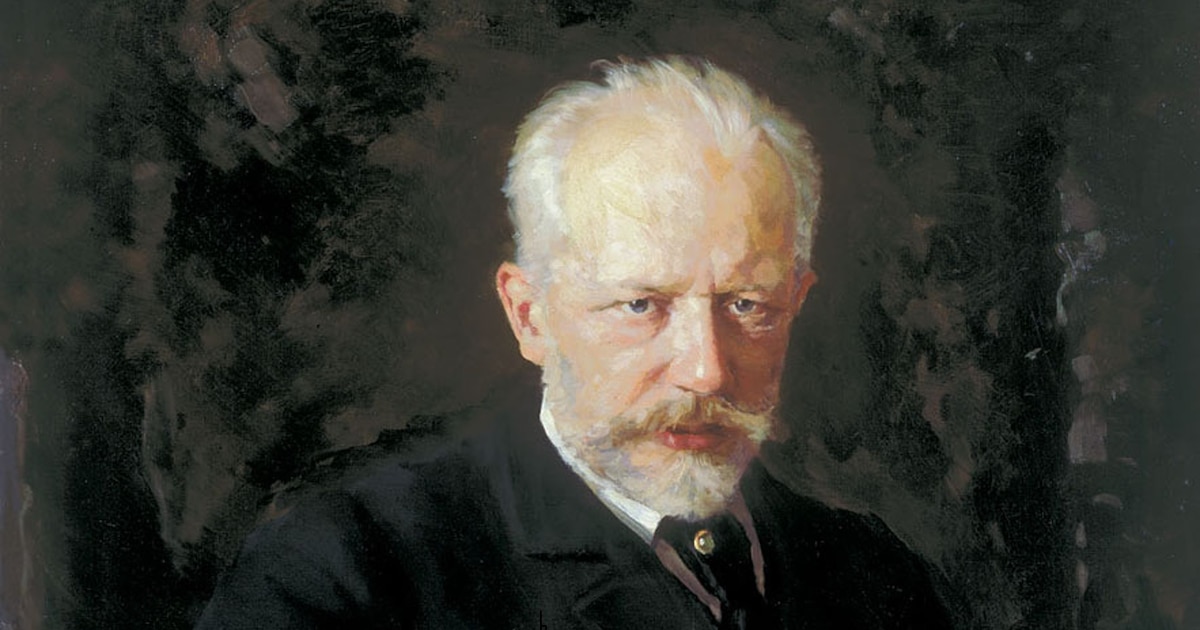
Febrero de 1878 no era un mes fácil para Piotr Ilich Chaikovski. El compositor ruso, que ya había regalado al mundo partituras memorables, venía de escapar de Rusia tras un matrimonio relámpago con Antonia Miliukova, una antigua alumna cuya obsesión lo empujó a un intento de suicidio en las gélidas aguas del río Nevá. Refugiado en Florencia y Clarens bajo una severa depresión y ataques de pánico, encontró un único cable a tierra: su correspondencia con la baronesa Nadezhda von Meck.
Fue en ese contexto de aislamiento y fragilidad donde Chaikovski tomó la pluma para responder una pregunta que su mecenas le había hecho con insistencia: ¿qué significa realmente su nueva obra, la Cuarta Sinfonía? La respuesta del compositor no solo iluminó la partitura, sino que sentó las bases de una revolución estética: “La música posee medios incomparablemente más poderosos y es un lenguaje mucho más sutil para expresar los mil diferentes momentos de los estados de ánimo del alma”.
Esta declaración aparece en la Carta N.º 763 del epistolario entre el músico y la baronesa, un corpus de más de 1.200 cartas que, tras la muerte de ambos, fue recopilado y publicado bajo títulos como Cartas a Nadezhda von Meck. Este monumental archivo epistolar es considerado hoy por los historiadores como el verdadero “libro de vida” de Chaikovski. Su importancia es radical por una regla inquebrantable que rigió esa relación: ambos acordaron jamás conocerse en persona.
Ese pacto de distancia física convirtió a las cartas en un confesionario libre de máscaras sociales. En una Rusia zarista donde la homosexualidad del compositor era un secreto a voces que podía costarle el destierro a Siberia, el papel pautado y las cartas a Von Meck eran los únicos territorios donde el artista no se veía obligado a mentir. Y es en ese intercampo epistolar donde se revela la médula del Romanticismo musical decimonónico. Para Chaikovski la música era un desahogo psicológico inevitable.
Para el creador de El lago de los cisnes, el lenguaje verbal estaba limitado por las convenciones sociales y la hipocresía de la época. Las palabras etiquetan las emociones de forma estática (“tristeza”, “alegría”, “melancolía”), mientras que la música, al ser un arte temporal y abstracto, es capaz de transitar las microtonalidades del sufrimiento, la euforia o la ansiedad en un solo compás. En esa misma carta escribió: “Como bien remarcó Heine: ‘Donde las palabras terminan, empieza la música’”.
Al apoyarse en el poeta Heinrich Heine, Chaikovski deja en claro que la composición instrumental no es un ejercicio formal, sino una traducción directa del inconsciente. Si un sentimiento pudiera explicarse con un poema o un ensayo, la sinfonía carecería de sentido. Toda la producción madura de Chaikovski —desde la desesperación implacable de la Sinfonía n.º 6 “Patética” hasta el lirismo contenido de la ópera Eugenio Oneguín— es un intento de hacer hablar a los instrumentos allí donde él tuvo que callar.
En una era hiperconectada donde parecemos obligados a etiquetar, postear y verbalizar cada fragmento de nuestra intimidad en las redes, la advertencia del genio ruso cobra una vigencia perturbadora. Chaikovski nos recuerda que las capas más profundas de la psiquis humana, aquellas que albergan nuestros indecibles dolores y nuestras bellezas más puras, no caben en un diccionario. Siguen necesitando, hoy como en 1878, de ese refugio sutil y misterioso que solo se activa cuando los instrumentos empiezan a sonar.
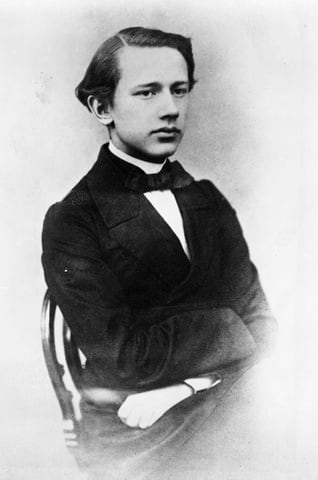
¿Quién es Piotr Ilich Chaikovski?
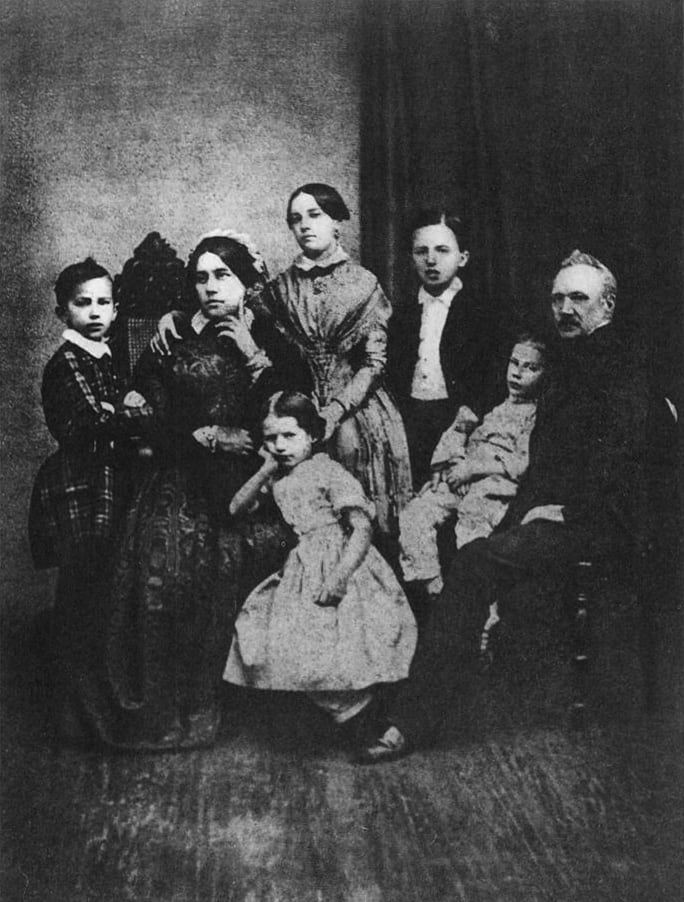
Piotr Ilich Chaikovski (1840-1893) fue el primer compositor ruso en lograr un reconocimiento verdaderamente internacional, transformando para siempre la historia de la música clásica occidental durante el apogeo del Romanticismo. Nacido en Vótkinsk bajo el seno de una familia de la burguesía funcionaria, se vio obligado a estudiar jurisprudencia por mandato familiar antes de seguir su verdadera vocación e ingresar al Conservatorio de San Petersburgo.
Entre sus obras inmortales están los icónicos ballets El lago de los cisnes, La bella durmiente y El Cascanueces, la ópera Eugenio Oneguín, y su célebre Obertura 1812. Detrás del brillo de sus triunfos artísticos en teatros de la talla de Rusia, Europa y Estados Unidos, su vida privada estuvo marcada por profundas crisis depresivas, una hipersensibilidad patológica y el constante tormento de tener que ocultar su homosexualidad en la represiva sociedad de la Rusia zarista.
Tras el estreno de su obra más oscura, desgarradora y premonitoria, la Sinfonía n.º 6 “Patética”, el compositor falleció de manera repentina en San Petersburgo en noviembre de 1893, a los 53 años. Aunque la causa oficial de su muerte se atribuyó al cólera tras beber agua sin hervir, su deceso sigue rodeado de misterio y controversia histórica, instalando el mito de que pudo tratarse de un suicidio inducido por un tribunal de honor para evitar un escándalo público sobre sus secretos íntimos.
Piotr Ilich Chaikovski,Cultura
INTERNACIONAL
Inside the Somali mall safe haven where Ilhan Omar reappeared after feds raided her DC home

MINNEAPOLIS — It’s the largest Somali mall in the world, according to its owner.
It’s also where Rep. Ilhan Omar, D-Minn., spent a significant chunk of her Friday — marking her first day back in the public eye after the Oct. 12 raid on her Washington, D.C., home.
Digital got a look inside the Karmel Mall of Somalia, which isn’t like typical American malls that sport brand-name shops situated around a vast food court and end-capped by large department stores.
Rather, the building that boasts four floors of shops and 900 vendors resembles more of a storage facility. When shop owners arrive, they lift their metal garage doors, signifying that their stores are open. Scheduled opening and closing times don’t appear particularly stringent for shop owners.
SOMALIS IN MINNESOTA UNLEASH FURY ON TRUMP AFTER FEDS RAID ILHAN OMAR’S DC HOME
It was in the mall’s dining area, adorned with the Somali, Palestinian and American flags flying at the same height, that Omar dined among friends in the Somali community for lunch on Friday. State Attorney General Keith Ellison was also present. The ceiling of the food vendor area is painted light blue and emblazoned with a white star resembling the Somali flag.
Somali cafes sell traditional food, including sambusas, a flaky fried pastry filled with meat and spices, bijaye, which is fried cornmeal similar to a hush puppy or falafel, and goat meat and basmati rice. Many Somalis in the mall ate only with their hands, though Omar and her acquaintances could be seen using forks during their Friday lunch.
ILHAN OMAR ISSUES STUNNING ADMISSION WHEN CONFRONTED WITH BROTHER MARRIAGE RUMORS
Omar — who’s «real name» is Ilhan Nur Said Elmi, according to sources familiar with the criminal investigation into the congresswoman — was greeted by smiling patrons at the mall, some of whom she chatted with briefly and posed for photographs.
All the while, she and Ellison were surrounded by security guards.
Digital was allowed access into the mall by its Gaza-born owner, Basim Sabri, in order to film the congresswoman’s visit just after she and Ellison voted early at a Minneapolis polling station.
ILHAN OMAR’S TURBULENT WEEK EXPLAINED: THE DUELING PROBES THAT THREW THE SOMALI-BORN PROGRESSIVE INTO CHAOS
Prominently featured among the stores in the mall are shops selling prepaid electronic SIM cards for overseas calling and money transfer stores, including World Direct Link Corp., which advertises simple ways to send money to Somalia, Kenya and other East African nations.
There are also several travel agencies offering arrangements from the United States to the Middle East and East Africa. Traditional Somali clothiers sell their goods in the mall, while Somali barbers tend to customers in their own shops. English is the mall’s second language.
Elderly men, adorned in traditional Somali clothing and brimless white caps called koofiyad, sit in silence in metal chairs alongside the open walls of the mall, many staring onward, as if lost in thought.
«You are standing at the Karmel Mall, and the surrounding community next to us, and its referred to as [the] Islamic Peace Village by many other people as well,» Sabri told Digital in an interview outside his mall. «Karmel Mall is the largest Somali mall in the world, and it’s also the largest mall in the city of Minneapolis.»
The largest mall in the United States, the Mall of America, is located in nearby Bloomington, Minnesota.
«It is kind of an incubator setting where many businesses start in here, and then many succeed and grow and move somewhere else, to a bigger space,» said Sabri.
The mall isn’t explicitly for Somalis, though Sabri, a high-profile local figure, once banned Democratic Minneapolis Mayor Jacob Frey from the premises in February 2024 after Frey vetoed an Israel-Gaza ceasefire resolution passed by the City Council.
ILHAN OMAR CALLS TRUMP ‘CREEP’ AS PRESIDENT REVIVES ‘FAKE NAME,’ MARRIAGE ALLEGATIONS
However, there appears to be an implicit understanding that the mall is for Somalis. Outsiders, especially those with cameras, are scrutinized by security guards and mall patrons alike. Sabri told guards to stand down while Digital walked the mall earlier last week.
Sabri is friends with Omar, and also knew her late father, though he did not share details about the rumored Somali National Army colonel’s life or their relationship.
The congresswoman and Sabri posed for a photo alongside Ellison and a fourth, unidentified man, during the congresswoman’s luncheon. The mall owner and Ellison shared a brief but cordial conversation during the midday affair.
Digital spoke with Sabri for about an hour outside the mall in two informal interviews last Tuesday, without cameras rolling. He told stories about growing up poor in the Middle East and eventually moving to study in Minneapolis, where he later built a vast real estate empire that includes the mall. Sabri owns several apartment complexes in the vicinity of his Lake Street mall, occupied mostly by Somalis.
During the interviews, Sabri was often interrupted as he directed employees, most Somalis, to tasks which they in turn hustled to accomplish. Members of the Somali community stopped to greet him, including a man described as Rep. Omar’s «security.» Sabri also solicited conversations with passersby, all of whom recognized him.
The jovial character is clearly well-liked by his staff and known throughout the community.
He has the ear of local politicians, too, whom he repeatedly called «whores.» He arranged an interview for Digital with Minneapolis City Council Vice President Jamal Osman.
Sabri also has an air of worldly sophistication. He sends his son to Institut Le Rosey, known as the «School of Kings,» one of the most elite secondary schools in the world. It is located in Switzerland and has a price tag of about $184,000 per year.
But the mall owner has also faced troubles in the past.
In 2005, Sabri was sentenced to 33 months in federal prison for bribing a local Minneapolis public official. He told Digital about his time in prison, which included a brief stay at the infamous Federal Correctional Institution, Leavenworth in Kansas, almost boastfully.
Sabri bragged that the siloed Somali mall is evidence of assimilation on behalf of his foreign-born tenants and part of living the «American dream,» though the opposite seemed true.
«You can see [the] Somalis not only integrating in the community, but also prospering,» he said. «Somalis are very smart business individuals.»
«Yes, there’s some crooks in every society … just like every other community,» he said, apparently nodding to the massive fraud scandals that have plagued the Somali community in Minnesota in the national headlines.
«But my experience is that Somalis are very, very intelligent and extremely hard-working people.»
«So, I would invite anybody to come into the mall, and know that there are many people doing a great job and making a good living, and learning the American dream, and doing business, and opening businesses that eventually tend to be very successful for them.»
ilhan omar, politics, somali immigrant community, minneapolis st paul, minnesota, middle east, middle eastern
NEWYou can now listen to Fox News articles!
TEL AVIV, ISRAEL — Campaign banners bearing the faces of Israel’s political leaders cover buildings and roadsides, while in homes, coffee shops and family gatherings, the same question dominates conversations: Will Prime Minister Benjamin Netanyahu remain in power?
With Israelis heading to the polls Tuesday, the country is bracing for a closely contested election that could end in another political deadlock. But this vote is unlike any other in Israel’s recent history.
For many Israelis, the election has become a referendum on accountability for the failures that allowed Hamas terrorists to carry out the Oct. 7, 2023, massacre — the deadliest attack in Israel’s history.
TRUMP SAYS NETANYAHU NEEDS TO BE RE-ELECTED, OR ELSE US WILL HAVE TO ‘FINISH THE JOB’ AGAINST IRAN ALONE
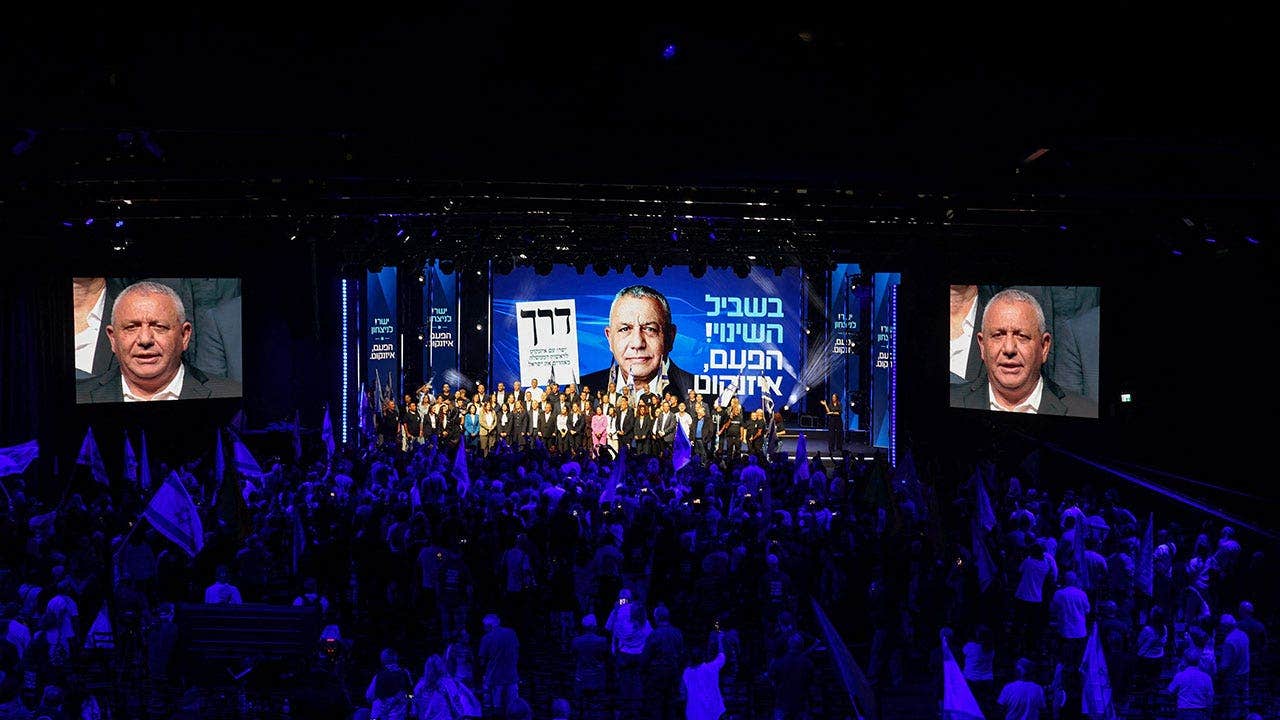
Former Israeli military chief Gadi Eisenkot attends an event for his Yashar party, ahead of Israel’s national election in Tel Aviv, Israel, October 25, 2026. (Ronen Zvulun/Reuters)
Netanyahu, who has dominated Israeli politics for decades, has resisted calls to accept personal responsibility for the security failures and establish an independent state commission of inquiry. His government instead sought a politically appointed investigation, a proposal fiercely opposed by many bereaved families.
Yet Israel’s divisions began long before Oct. 7.
In the months preceding the attacks, hundreds of thousands of Israelis took to the streets to protest Netanyahu’s proposed judicial overhaul, which critics argued would undermine the country’s democracy. The confrontation spilled into the military, where reservists threatened to suspend volunteer service, raising alarms about Israel’s preparedness. Some critics have argued that the turmoil projected weakness to the country’s enemies, although the extent to which it influenced Hamas’s decision to attack remains disputed.
Three years after the massacre, those divisions have only deepened, transforming Tuesday’s vote into something intensely personal. Political allegiances have strained friendships and divided families, with much of the national debate reduced to a single question: Are you for Netanyahu, widely known as «Bibi,» or against him?
DANNY DANON: FROM OCT 7 TO FLIGHT 1073: THE RESILIENCE THAT KEEPS ISRAEL STANDING
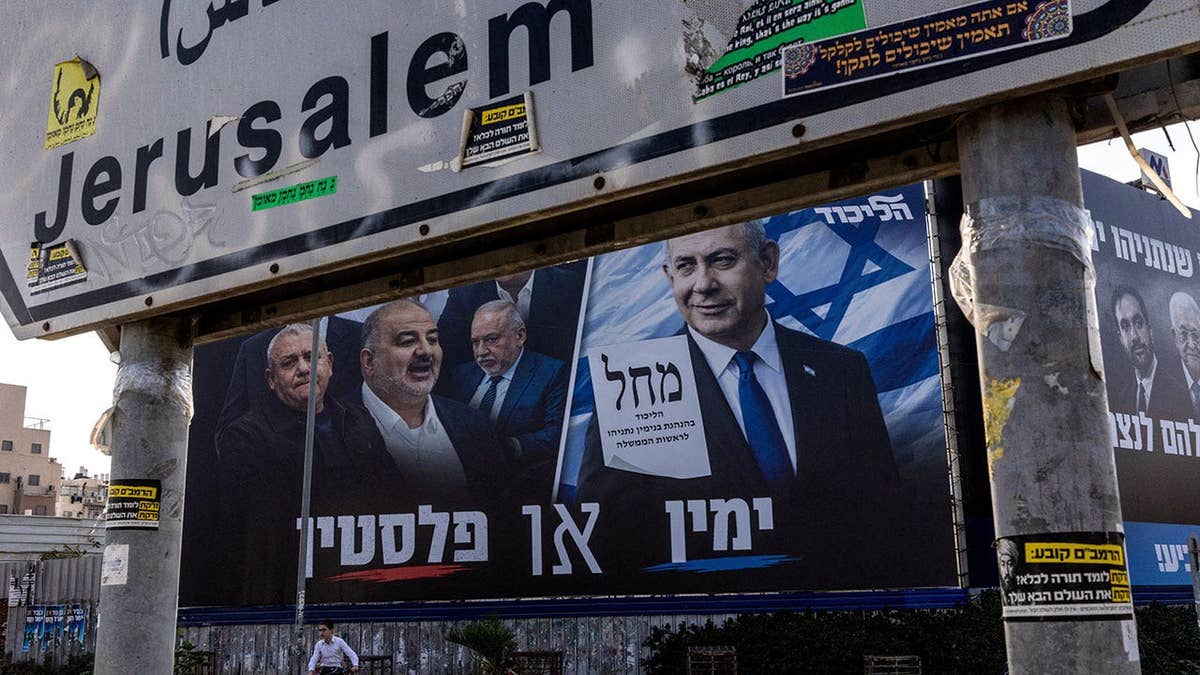
A boy sits on his bicycle next to a campaign banner of Netanyahu’s Likud party, ahead of the Israeli parliamentary election, in Bnei Brak, Israel, October 25, 2026. (Nir Elias/Reuters)
For some families who lost loved ones on Oct. 7, the answer is painfully clear.
Shir Shai, whose brother Yaron Shai, an Israeli soldier, was killed battling Hamas terrorists that day, delivered a stark message to those considering another vote for Netanyahu.
«If you nevertheless decide to vote again for the man who brought disaster upon us and his accomplices, I have one personal request: Don’t come here anymore,» Shai said over her brother’s grave in his memorial ceremony on October 7
«You still have 20 days to be part of the process of putting things right. But if you choose to perpetuate the failure rather than honor the fallen, it would be better if you stayed home next year,» she added.
NETANYAHU PRAISES TRUMP’S ‘WICKED SENSE OF HUMOR,’ DEFENDS IRONCLAD ALLIANCE AHEAD OF HISTORIC ISRAEL VOTE
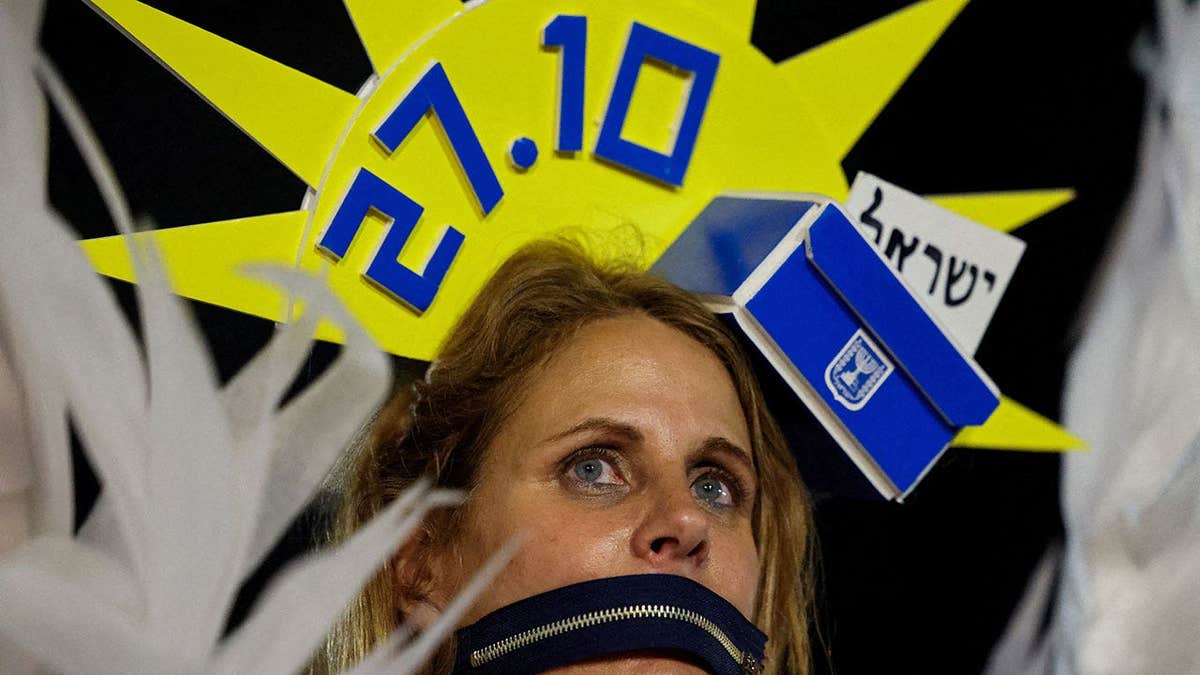
A woman looks on as people attend a rally to demand the establishment of an independent state commission of inquiry into the October 7, 2023, Hamas-led attacks and the events leading up to them, ahead of Israel’s parliamentary election on October 27, in Tel Aviv, Israel, October 24, 2026. (Nir Elias/Reuters)
Yet other bereaved families have reached the opposite conclusion, crediting Netanyahu with standing firm through years of war on multiple fronts and arguing that Israel’s military and intelligence establishment bears the principal responsibility for failing to anticipate the Hamas assault.
The deeply polarized atmosphere has been intensified by an increasingly bitter campaign. Just two days before the election, Netanyahu shared an AI-generated image depicting a nuclear explosion over Tel Aviv, warning of the existential threat posed by Iran if the country elects a leader unable to confront Tehran.
Concerns now extend beyond the election results themselves. Israeli police are preparing for possible unrest after the polls close, while experts have warned about the potential for disputes over the legitimacy of the results — including an extreme scenario resembling the Jan. 6, 2021, attack on the U.S. Capitol.
With the opposition united in its ambition to replace Netanyahu but divided over how to govern afterward, neither political bloc is assured of a parliamentary majority and the final outcome could take weeks to determine.
JD VANCE DECLINES TO ENDORSE NETANYAHU DESPITE TRUMP’S STRONG BACKING

When do polls open and close?
Israelis will vote Tuesday, Oct. 27, with most polling stations opening at 7 a.m. and closing at 10 p.m. local time.
Election Day is a national holiday in Israel, giving voters the opportunity to cast their ballots. Some smaller communities and special polling locations operate on different schedules.
Eligible voters must be Israeli citizens at least 18 years old and generally vote at their assigned polling station. Most Israelis living abroad cannot vote remotely, although exceptions apply to certain official representatives overseas.
How does Israel’s election system work?
Israel has a parliamentary system in which voters select a political party rather than an individual candidate for prime minister.
The country’s parliament, known as the Knesset, has 120 seats, distributed through a system of nationwide proportional representation.
Each party submits a ranked list of candidates, and the number of seats it receives depends on its share of the national vote.
To enter parliament, a party must win at least 3.25% of the valid votes. Parties falling below that threshold receive no seats, potentially changing the balance between rival political blocs.
IRAN IS TRYING TO ‘CREATE A ROT FROM WITHIN’ THROUGH ‘INFORMATION WARFARE,’ ANALYST WARNS

Yair Golan of the Democrats party speaks during a rally to demand the establishment of an independent state commission of inquiry into the October 7, 2023, Hamas-led attacks and the events leading up to them, ahead of Israel’s parliamentary election on October 27, in Tel Aviv, Israel October 24, 2026. (Kevin Coombs/Reuters)
When will election results be announced?
Israel’s major television networks are expected to release exit polls immediately after voting ends at 10 p.m. Tuesday (4 p.m. EST).
Those projections will provide the first indication of how many seats each party may win and whether Netanyahu or his rivals appear better positioned to assemble a coalition.
But exit polls are not official results, and even small differences in the final vote could determine whether parties cross the electoral threshold.
Actual vote counts will emerge as ballots are counted, with preliminary results developing after polls close and over the following days.
Israel’s Central Elections Committee has scheduled the publication of official results for Wednesday, Nov. 4 , eight days after the election.
Who are the main candidates?
Prime Minister Benjamin Netanyahu, 77, leads the conservative right-wing Likud party and is seeking to extend his record tenure as Israel’s longest-serving prime minister.
His main challenger is Gadi Eisenkot, 66, a former chief of staff of the Israel Defense Forces who leads the centrist Yashar party and has positioned himself as an alternative to Netanyahu’s leadership.
Former Prime Minister Naftali Bennett, 54, is also seeking a political comeback, running on a joint ticket with former Prime Minister Yair Lapid.
Other significant political figures include former Defense Minister Avigdor Lieberman, Democrats leader Yair Golan, and Netanyahu’s right-wing populist allies Itamar Ben-Gvir and Bezalel Smotrich.
Arab political parties, including Ra’am and the Joint List, could also play a crucial role in determining the final parliamentary balance.
How many seats does a party need to win?
The key number in Israeli politics is 61 — a majority of the 120-seat Knesset.
No single Israeli party has ever won enough seats to control parliament alone, meaning parties generally need to form coalitions with other political factions.
This means the party that wins the most seats does not automatically get to lead the government.
Instead, the decisive question is which political leader can secure enough parliamentary support to govern.
How is Israel’s next prime minister chosen?
Once the official results are published, Israeli President Isaac Herzog will consult representatives of the newly elected parliamentary factions.
Within seven days, the president must assign a member of the Knesset the task of forming a government.
The president generally selects the politician considered most likely to assemble a governing coalition, who is not necessarily the leader of the largest party.
That candidate initially has 28 days to reach agreements with other parties, with the possibility of an extension of up to 14 additional days.
The proposed government must then win a confidence vote in the Knesset before taking office.
What happens if nobody can form a government?
If the first candidate fails, the president can ask another lawmaker to attempt to form a government, giving that person 28 days without an extension.
If that effort also fails, a majority of 61 lawmakers can request that another candidate be given 14 days to try.
If no government emerges, Israel could face another national election.
Coalition negotiations can take weeks or months. According to the Israel Democracy Institute, the process of forming an Israeli government has historically taken between 20 and 100 days.
Until a new government is sworn in, the outgoing government remains in office.
Why is this election particularly consequential?
Tuesday’s vote is the first national election since the Oct. 7, 2023, Hamas-led attacks, which triggered the war in Gaza and raised profound questions about Israel’s security leadership.
Beyond Netanyahu’s political future, the next government will face decisions over Israel’s national security, the future of Gaza, military conscription, relations with the United States and the country’s regional diplomatic relationships.

With pre-election polling showing no clear path to a parliamentary majority for either major political bloc, the contest could remain unresolved long after Tuesday’s votes are counted.
israel, elections, benjamin netanyahu, politics, world

Milei hizo el “six seven” en el balcón de la Rosada: cuál es el origen del meme

¿Dónde ver EN VIVO y ONLINE el Instituto vs Deportivo Riestra?

Paritarias: qué gremios negociaron aumentos de sueldo para noviembre 2026

Acaba de cumplir 87 años, fundó los Monty Python, nos regaló uno de los sketches más famosos de la comedia y también fue un personaje inolvidable de Harry Potter

El Gobierno asegura que Milei no se pronunciará sobre el triunfo de Lula y suma tensión a la crisis diplomática con Brasil

El emotivo mensaje de Enzo Fernández para su hijo Benjamín por su cumpleaños: “Mi príncipe”

Escándalo con Sancor Salud: Cuotas millonarias por un servicio nefasto que abandona a los pacientes en urgencias

CFK, Axel Kicillof, Sergio Massa y otros referentes del PJ celebraron el triunfo electoral de Lula da Silva

El riesgo país volvió a superar los 700 puntos y la volatilidad internacional golpeó a los bonos argentinos

Javier Milei ratificó su intención de buscar la reelección en 2027: “No veo a los argentinos votando para atrás”

 POLITICA2 días ago
CFK, Axel Kicillof, Sergio Massa y otros referentes del PJ celebraron el triunfo electoral de Lula da Silva
- POLITICA3 días ago
Javier Milei ratificó su intención de buscar la reelección en 2027: “No veo a los argentinos votando para atrás”
- DEPORTE3 días ago
Julián Álvarez le dio el triunfo al Atlético Madrid y terminó con otra extensa racha negativa: el gesto de los fanáticos