INTERNACIONAL
Pakistan’s top court upholds Christian man’s death sentence for blasphemy


NEWYou can now listen to Fox News articles!
Shock and anger greeted the Pakistani Supreme Court’s decision to uphold the conviction and death sentence of a Christian man accused of blasphemy against the Prophet Muhammad.
Supporters say the decision has far-reaching implications for human rights in Pakistan and for the country’s standing on the international stage. The Open Doors 2026 World Watch List included the Asian nation in its top 10 list of countries where Christians face the most extreme persecution.
CeCe Heil, senior counsel and international legal director for the American Center for Law and Justice (ACLJ), told Fox News Digital the case against brothers Amoon and Qaisar Ayub began in 2014.
AMERICANS TRAVEL TO PAKISTAN TO FREE CHRISTIANS TRAPPED IN MODERN-DAY SLAVERY: ‘GOD’S HAND WAS IN IT’
The Supreme Court of Pakistan building in Islamabad, March 26, 2026. (Yasir Rajput/Reuters)
Qaisar was arrested after a WordPress site displayed the Ayub brothers’ contact information and shared content that insulted the Prophet Muhammad. Amoon was arrested the following year. Heil says that in the 12 years of legal wrangling that followed, the Pakistani legal system has never presented evidence proving that either brother was truly affiliated with the offending WordPress blog site.
The ACLJ, through its Pakistani counterpart, the Organization for Legal Aid (OLA), began representing Amoon shortly after his arrest in 2015. Both brothers were sentenced to death in 2018. They unsuccessfully sought appeal in the Lahore High Court in 2022. After a continuation at the Supreme Court in 2025, Qaisar asked the OLA to represent him.
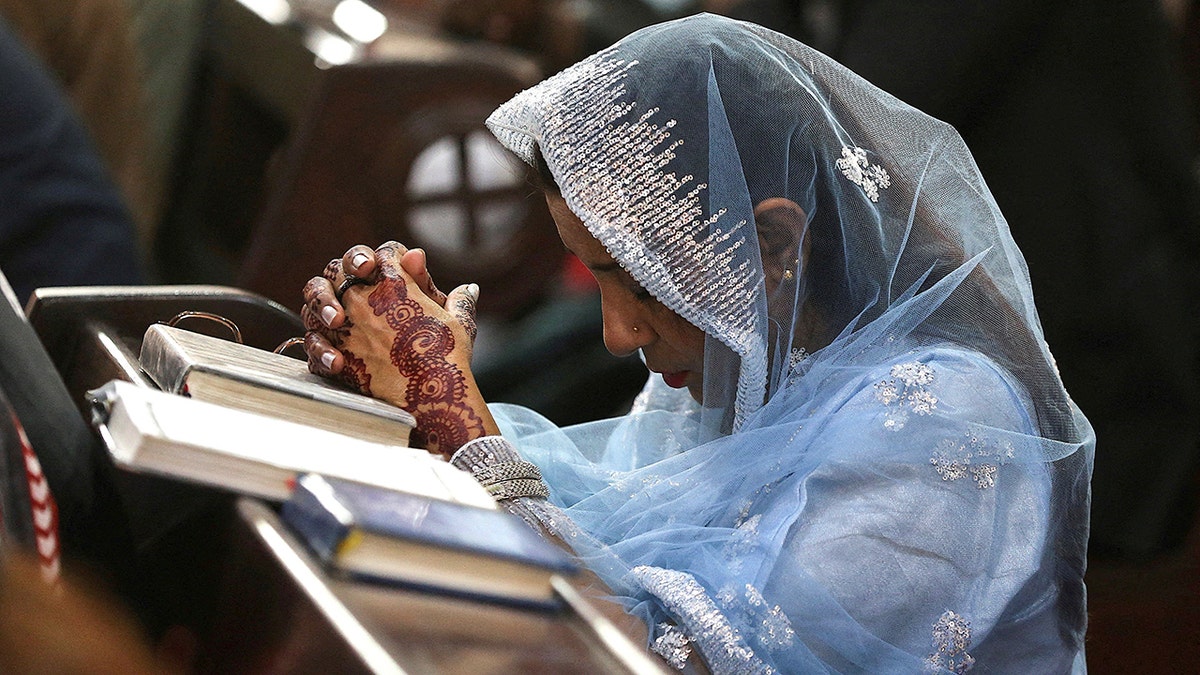
A Christian worshiper attends an Easter prayer at the St. John’s Cathedral, in Peshawar, Pakistan, April 5, 2026. (Khuram Parvez/Reuters)
Following years of arguments and 13 postponed hearings, an Oct. 7 verdict from the Supreme Court saw Amoon acquitted after some 10 years in prison, while Qaisar’s conviction and death sentence was upheld.
Heil said a threatening atmosphere now attends many blasphemy hearings, where she says «mobs» commonly show up in courtrooms.
In one trial, she said a mob filmed themselves saying that «if the judge does not enforce death by hanging, we will kill him by our own hands.» She said another video shows a prominent lawyer involved in numerous blasphemy cases celebrating the 15-year journey that led to Qaisar’s sentencing. A translation of the description reads, «There is only one punishment for one who insults the Prophet: The death penalty for Qaisar Ayub.»
Heil said the precedent set by the Supreme Court’s decision could impact «every single person that is sitting in prison right now on blasphemy charges,» which includes at least three OLA clients.
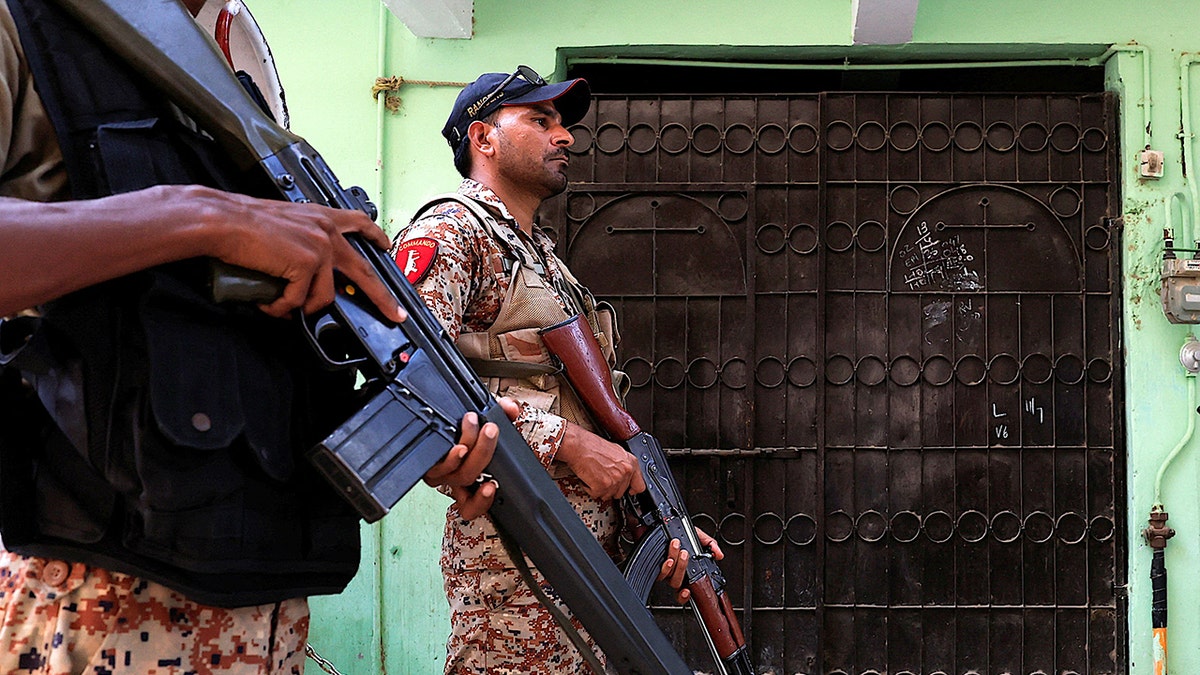
Pakistani Rangers stand guard on a street where a Christian family lives, following allegations of blasphemy and alleged desecration of the Koran, in Karachi, July 17, 2026. (Akhtar Soomro/Reuters)
Other Christian men facing death include Shahzad Masih, who was 16 years old when he was accused of blasphemy in 2017. He was sentenced to death five years later. His appeals have repeatedly been postponed since 2022.
Intizar Masih is awaiting trial for a blasphemous post he is said to have shared on WhatsApp in 2023. Ahsan Masih was accused of posting blasphemous content to TikTok in 2023, and was sentenced to death the following year. His appeal hearings have also been postponed.
The OLA plans to file a review petition with the Supreme Court as early as this week, addressing the lack of evidence convicting Qaisar. They also plan to reach out directly to the Government of Pakistan to request support, including a presidential pardon for Qaisar.
Heil said she finds it «very strange» for a country posturing itself as a «more tolerant» negotiator between world powers in the ongoing conflict in Iran to fail to protect the religious freedoms of its people.
CHRISTIAN FARMING COMMUNITIES UNDER SIEGE AS US REPORT NAMES FULANI MILITANTS NIGERIA’S DEADLIEST THREAT
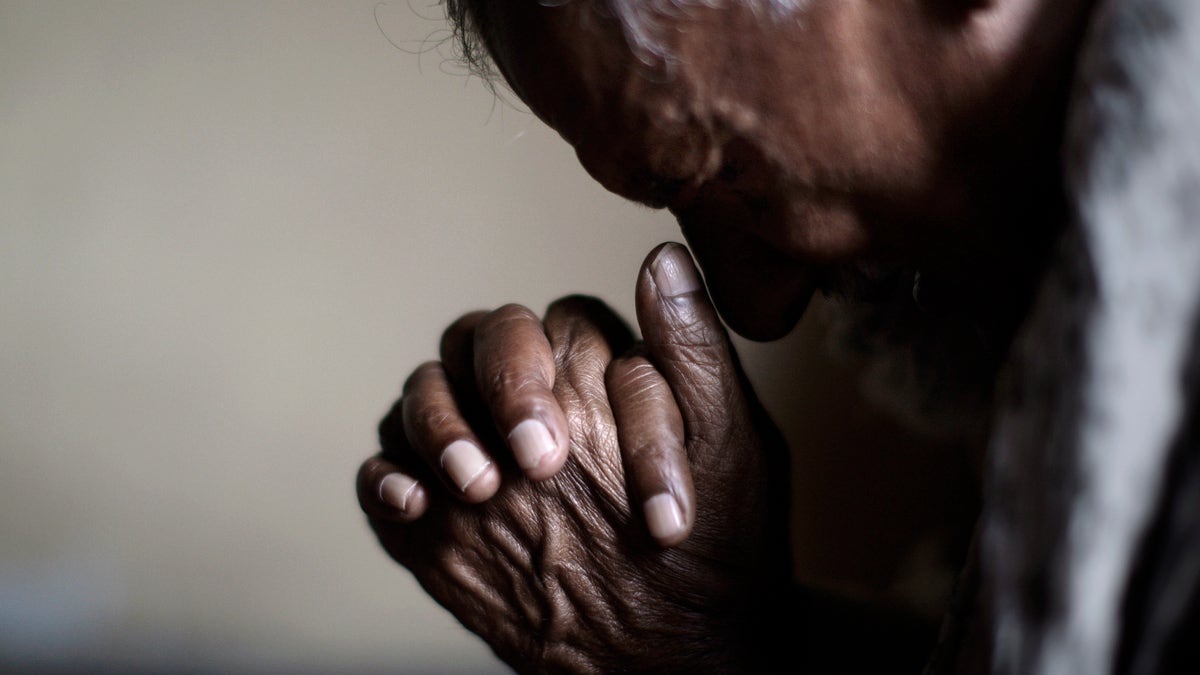
File photo shows an elderly Christian man praying during a Mass on Good Friday in a church in Islamabad, Pakistan. (AP Photo/Muhammed Muheisen)
The Pakistani Embassy in Washington, D.C., did not respond to Fox News Digital’s questions about the possibility of a presidential pardon for Qaisar, or whether the Supreme Court’s decision could impact Pakistan’s perception in the West, or if justice can prevail in courtrooms mobbed with threatening onlookers.
A State Department spokesperson told Fox News Digital that the U.S. «is concerned about religious freedom in Pakistan and throughout the world» and «we regularly discuss this concern with Pakistan, as we would with any country.»
Heil said the ACLJ has requested that Morris Tidball-Binz, the United Nations special rapporteur on extrajudicial, summary or arbitrary executions, intercede on Qaisar’s behalf.
Tidball-Binz did not respond to Fox News Digital’s questions about whether he held concerns about the precedent set by the Supreme Court upholding Qaisar’s conviction.
The Human Rights Council secretariat provided a letter that Tidball-Binz and other U.N. officials wrote to the Government of Pakistan in September 2025, emphasizing their concerns about the cases of the Ayub brothers and Shahazad Masih.
It stated, «Without making any judgment as to the accuracy of the information made available to us, we would like to express our grave concern about the imposition of the mandatory death penalty for blasphemy related charges against Mr. Shahzad Masih, Mr. Qaiser Ayub and Mr. Amoon Ayub, despite an apparent lack of conclusive evidence against them for acts and for offenses which do not qualify as ‘most serious crimes.’»
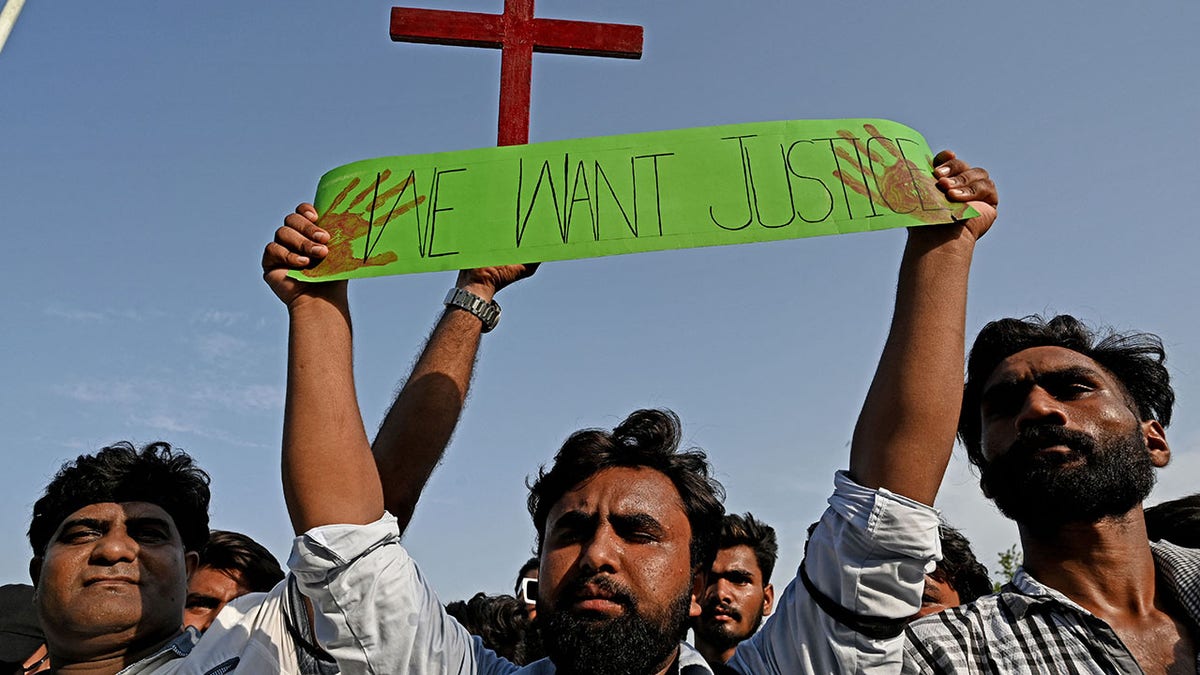
Christians demanded justice during a protest in Islamabad condemning attacks on churches in Pakistan on Aug. 20, 2023. Pakistan is one of the top 10 worst countries for Christian persecution, according to a new report. (Aamir Qureshi/AFP via Getty Images)
The U.N. officials concluded, «If the above allegations prove to be accurate, they would be in contravention of Mr. Shahazad Masih´s, Mr. Qaiser Ayub’s and Mr. Amoon Ayub’s rights to life, not to be subjected to torture or to cruel, inhuman or degrading treatment or punishment, not to be deprived arbitrarily of their liberty and to be afforded fair proceedings before an independent and impartial tribunal, to freedom of thought, conscience and religion or belief, the right to express their opinion in a peaceful manner and the right to be equal before the law and are entitled to the equal protection of the law without any discrimination.»
The Government of Pakistan responded earlier this year, and outlined how «Under Pakistan’s Constitution, such matters fall within the judicial domain, and the Executive is constitutionally prohibited from intervening in individual cases.»
Heil said that while Amoon has been spared from the death penalty, their work is ongoing to keep him safe from reprisals.
pakistan, controversies religion, human rights, christianity religion, religion us












NEWYou can now listen to Fox News articles!
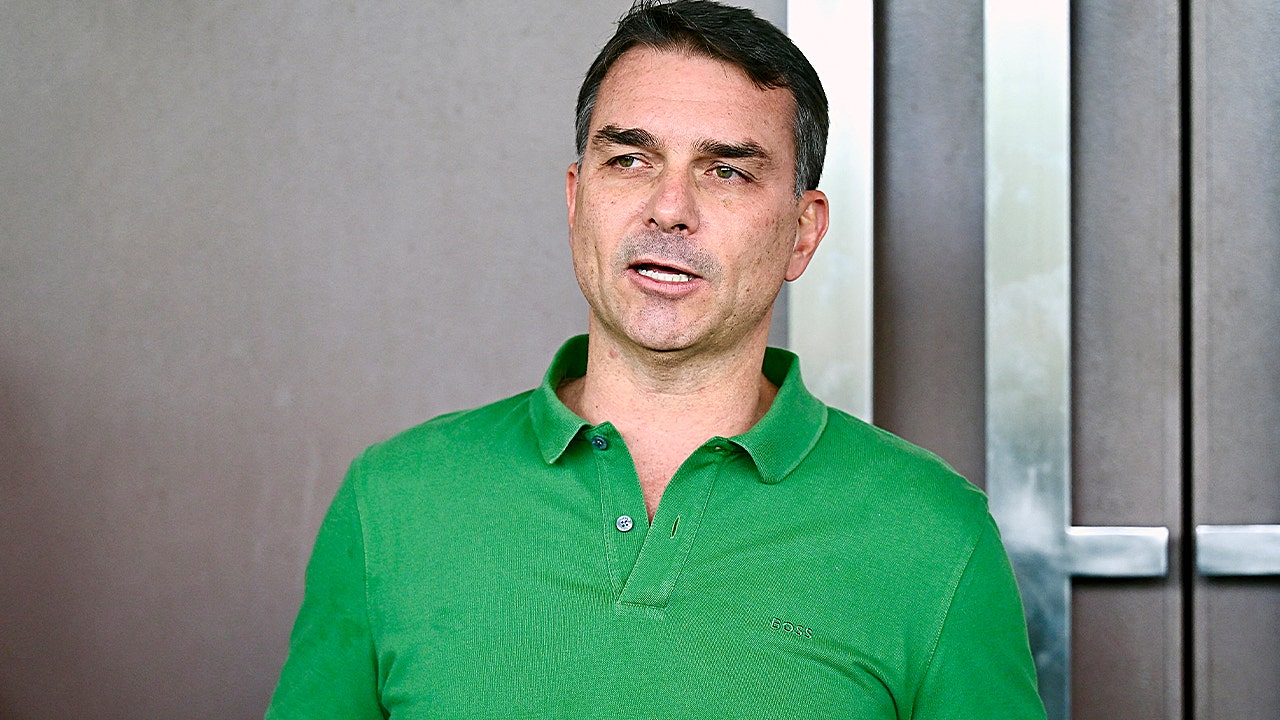
Brazilian Sen. Flávio Bolsonaro has reportedly left Brazil for the United States on Tuesday, two days after losing the country’s presidential runoff to leftist incumbent President Luiz Inácio Lula da Silva.
An ally of the far-right conservative senator confirmed his departure to Reuters on Tuesday.
Bolsonaro’s flight is reportedly headed to Florida, according to Brazilian outlet Metropoles, citing people close to his family.
The 45-year-old lawmaker had been out of public view since Tuesday morning, the outlet reported.
BRAZIL’S RAPID ELECTION COUNT PUTS SPOTLIGHT ON VOTING SECURITY AHEAD OF US MIDTERMS
Brazilian Sen. Flávio Bolsonaro reportedly left Brazil for the U.S. on Tuesday after losing his bid to become the nation’s next president. (Evaristo Sa / AFP via Getty Images)
His reported departure came as a deadline for him to surrender his regular and diplomatic passports expired at noon Tuesday. Brazilian newspaper Folha de São Paulo reported Bolsonaro was under investigation for alleged money laundering and other crimes.
It remained unclear whether Bolsonaro had complied with the order, The Associated Press reported.
Bolsonaro was served with the order Monday, one day after Lula defeated him in Sunday’s presidential runoff.
BRAZIL BECOMES NEXT TEST FOR LATIN AMERICA’S SURGING CONSERVATIVE MOVEMENT

With 100% of the vote counted, Lula won 51.8% of the vote. (Amanda Perobelli/Reuters)
With 100% of the vote counted, Lula won 51.8% of the vote, defeating Bolsonaro by nearly 4.4 million votes.
He has refused to concede the election and has called for the election results to be annulled, alleging fraud, according to The Associated Press.
Lula addressed supporters after winning re-election to a fourth, nonconsecutive term, expressing gratitude to the Brazilian people.
CONSERVATIVE WAVE HITS ROADBLOCK IN BRAZIL AS LULA HOLDS OFF BOLSONARO CHALLENGE
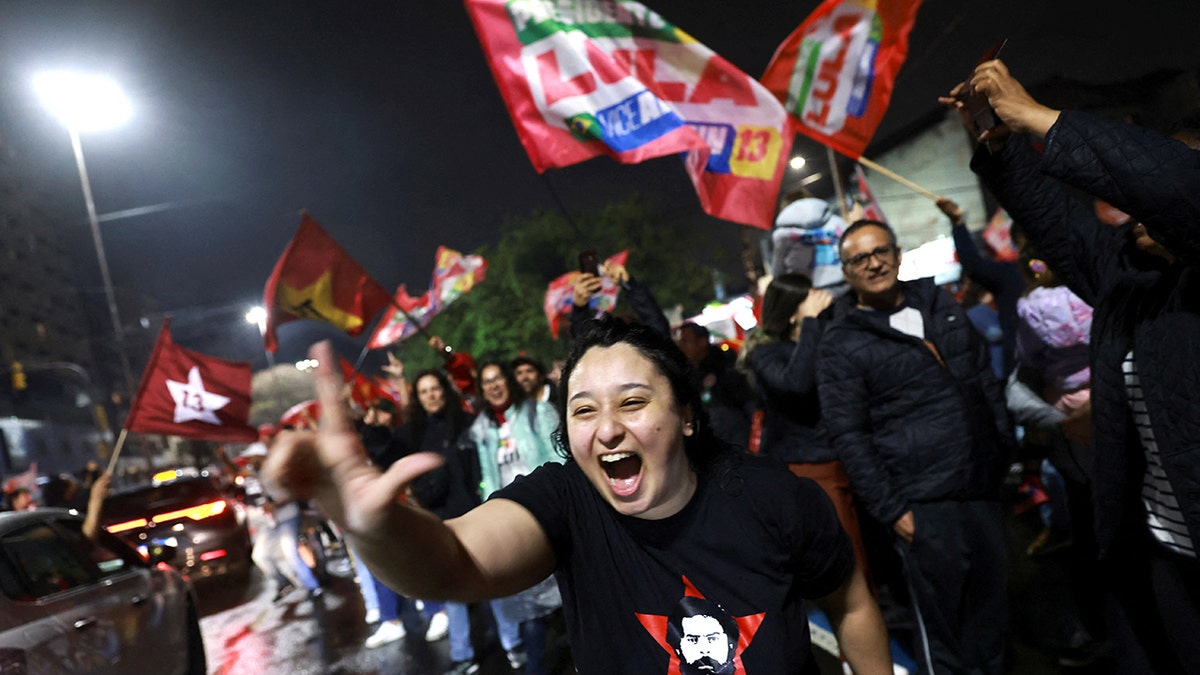
Lula addressed supporters after winning re-election to a fourth, nonconsecutive term, expressing gratitude to the Brazilian people. (Diego Vara/Reuters)
«No one is required to like the president-elect, but he must govern for everyone,» Lula said.
Referring to his opponent, Lula said, «This was a defeat for denialism and lies.»
The White House could not immediately be reached by Fox News Digital for comment.
Fox News Digital’s David Unsworth and Michael Sinkewicz, as well as Reuters and The Associated Press contributed to this report.
brazil, world elections, politics, world
INTERNACIONAL
Britain’s sweeping new crackdown on ‘antisocial’ behavior sparks free speech backlash: ‘Peak insanity’

The United Kingdom introduced new «respect orders» across England and Wales on Monday, giving authorities expanded powers to crack down on persistent «antisocial» behavior and drawing criticism from free speech advocates concerned about potential government overreach.
The U.K. government’s order enables police and councils to take stronger «enforcement action» against «adult offenders» of persistent «antisocial» behavior, according to a government news release.
Under the new restrictions, U.K. courts could ban offenders from town centers or prohibit them from drinking in «public hot spots» like local parks, the announcement states. Courts can impose restrictions and requirements through a civil Respect Order, while individuals who breach an order without a reasonable excuse can face criminal prosecution, including potentially unlimited fines or imprisonment.
Under the legislation governing the Respect Orders, antisocial behavior is defined as conduct that has caused, or is likely to cause, harassment, alarm or distress to any person. The definition has prompted concerns from critics that the powers could be applied too broadly, although the law requires judicial approval before an order can be imposed.
UK PRIME MINISTER SAYS FOOTBALL FANS ‘SINGLED OUT’ BY ALCOHOL BAN NOT IMPOSED ON RUGBY MATCHES
«Unchecked, antisocial [behavior] blights our communities,» Home Secretary Shabana Mahmood said in a statement. «But it is not inevitable, and I won’t accept it. For too long, we have lacked the powers we need to deal with this problem properly. From today, that changes: authorities will be able to take tough action against these offenders.
«This delivers on a commitment we made to the British people in our manifesto,» Mahmood continued. «And, most importantly, those who make life a misery for others will now face the consequences of their actions.»
Some offenders may be required to «tackle» the «root causes» of their behavior by participating in drug or alcohol treatment or anger-management programs, according to the announcement.
Violating a respect order is considered a criminal offense, giving police the power to arrest anyone on charges of violating the rules, according to the press release. Those who defy an order could also face up to two years of jail time.
When reached for comment, the U.K. Cabinet Office referred Digital to the Home Office, which could not immediately be reached for comment.
Alan Mendoza, co-founder and executive director of U.K.-based think tank the Henry Jackson Society, told Digital Tuesday that «vague» definitions under the government’s respect orders could result in such enforcement actions being wrongfully «applied to lawful speech or protest.»
«I think the breadth of these orders deserves scrutiny, particularly in the case of potentially unlimited fines,» Mendoza explained.
«The government has a legitimate duty to tackle genuinely antisocial behaviour, but the powers need to be tightly defined and proportionate. Vague or elastic definitions could allow measures intended for serious nuisance or harassment to be applied to lawful speech or protest. We have already seen similar after all with social media posts and police investigations that follow.
«There should be clear statutory limits, proper evidence requirements, judicial oversight and an effective right of appeal,» he added. «Online criticism, however unwelcome, should not be treated as antisocial [behavior] simply because it is unpopular or embarrassing to those in authority.»
UK POLICE APOLOGIZE TO ‘FATHER TED’ CREATOR GRAHAM LINEHAN FOR ARREST OVER TRANS SOCIAL MEDIA POSTS
Mendoza said the U.K. government «should be able to demonstrate that these powers are necessary and contain adequate safeguards against arbitrary or disproportionate use.»
The orders notably replace civil injunctions for adult offenders and grant U.K. police more enforcement powers, «including the ability to arrest anyone who breaches an order,» according to the announcement.
The new restrictions have drawn intense criticism across social media, with one X user claiming in a post Monday that the orders are «mental,» while another X account referred to the rules as «peak insanity.»
«Laugh all you want at what a joke England has become, but understand that the U.S. will follow right behind if Democrats ever take full power again,» the Federalist CEO and co-founder Sean Davis wrote Monday in an X post.
Tech and free speech lawyer Preston Byrne similarly took to social media to criticize the orders, saying that U.K. residents should «keep in mind that one can cause ‘harassment, alarm, or distress’ in England and Wales by uttering a true statement of fact to someone who doesn’t want to hear it, or by offering an honestly-held opinion or belief, spoken or written, which also offends.»
British political commentator Calvin Robinson wrote in an X post Monday responding to the orders that «this tyranny must end.»
The U.K. has notably enacted a spate of laws restricting free speech in recent years, including the 2023 Online Safety Act, which gives the country’s regulator the authority to impose major fines on digital platforms if they fail to comply with certain requirements.
The new restrictions come amid growing tensions across Europe, where protests and riots have rocked countries, most notably France.
politics, united kingdom, social policy, personal freedoms, controversies state and local, enforcement, world
INTERNACIONAL
Ejército de Ecuador interviene una planta de procesamiento de oro presuntamente vinculada con Los Lobos y captura a cuatro sospechosos en la Amazonía

El Ejército ecuatoriano paralizó una planta de procesamiento de material aurífero presuntamente vinculada con la organización criminal Los Lobos en la provincia de Cotopaxi, en el centro del país, y reportó la captura de cuatro ciudadanos venezolanos que también estarían relacionados con esa estructura delictiva durante una operación independiente en la Amazonía. Las intervenciones forman parte de los despliegues militares contra las economías ilícitas y el crimen organizado, en los que las autoridades han identificado actividades de extracción y procesamiento de minerales, además de otras operaciones bajo investigación.
La intervención de mayor impacto económico se desarrolló en el sector de Estero Hondo, cantón La Maná, provincia de Cotopaxi, a partir de información obtenida por Inteligencia Militar. Según un comunicado remitido por el Ejército a periodistas, en el lugar funcionaba una planta de beneficio destinada al tratamiento de material aurífero cuya procedencia no habría sido justificada mediante las correspondientes guías de movilización y documentación de respaldo.
Durante el procedimiento, los militares paralizaron una planta de procesamiento e inhabilitaron aproximadamente 80 toneladas de material aurífero. La institución calculó una afectación económica de USD 3,5 millones por la infraestructura intervenida y otros USD 3,24 millones correspondientes a la producción asociada con el material encontrado. La suma de ambas estimaciones alcanza los USD 6,74 millones, aunque las autoridades no difundieron un informe técnico que permita establecer los criterios empleados para determinar esos valores.
El Ejército también señaló que, considerando la capacidad productiva de la instalación, la interrupción de sus actividades podría representar una afectación adicional de aproximadamente USD 60 millones en un mes. Esta última cifra constituye una proyección institucional sobre el potencial económico de la planta y no corresponde a recursos efectivamente decomisados ni a pérdidas verificadas de la organización criminal.
De acuerdo con Inteligencia Militar, las actividades desarrolladas en el establecimiento estarían presuntamente relacionadas con Los Lobos. Sin embargo, el comunicado no precisó quién administraba la planta, qué personas fueron identificadas como responsables de su funcionamiento ni qué elementos sustentan la atribución de vínculos con el grupo delictivo. Tampoco informó sobre personas detenidas durante esta intervención específica.
En paralelo, el Ejército ejecutó operaciones en las provincias amazónicas de Napo, Pastaza y Morona Santiago. Según la información publicada por el diario Extra el 25 de octubre, cuatro ciudadanos venezolanos fueron aprehendidos en Napo durante un procedimiento de control de armas, municiones y explosivos, conocido como CAMEX. Los detenidos fueron señalados como presuntos integrantes de Los Lobos, aunque no se divulgaron sus identidades ni los indicios que fundamentan esa vinculación.
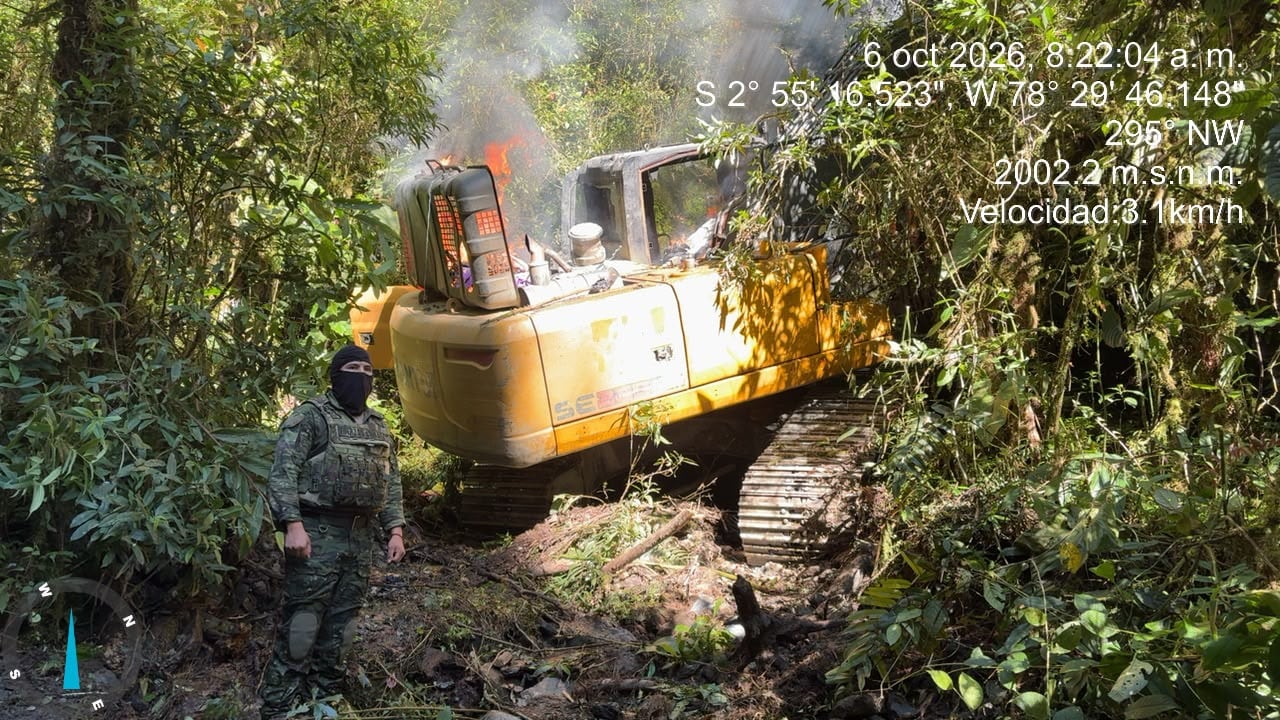
Los operativos amazónicos incluyeron intervenciones contra la minería ilegal en los cantones Tena y Carlos Julio Arosemena Tola, en Napo; Mera y Arajuno, en Pastaza; y Palora, en Morona Santiago. En Napo, los militares inhabilitaron una excavadora, una clasificadora tipo Z, ocho dragas y dos balsas flotantes. También intervinieron una bomba de succión y cuatro depósitos de combustible con capacidad de 1.000 galones cada uno.
En Morona Santiago, las Fuerzas Armadas reportaron la inutilización de otra draga, una clasificadora y una bomba de succión. Asimismo, retuvieron un vehículo con placas colombianas y encontraron 80 gramos de marihuana. En Pastaza, los uniformados retuvieron un camión que transportaba 12 metros cúbicos de madera de pigüe y realizaron una intervención en un centro penitenciario, donde encontraron objetos no autorizados.
El balance de estas operaciones amazónicas estableció una afectación económica estimada en USD 225.820. Esta cantidad corresponde al conjunto de los procedimientos y es independiente de las estimaciones económicas difundidas sobre la planta intervenida en Cotopaxi. Los reportes tampoco establecen que los cuatro ciudadanos aprehendidos en Napo estuvieran directamente involucrados en las actividades mineras identificadas durante los despliegues.
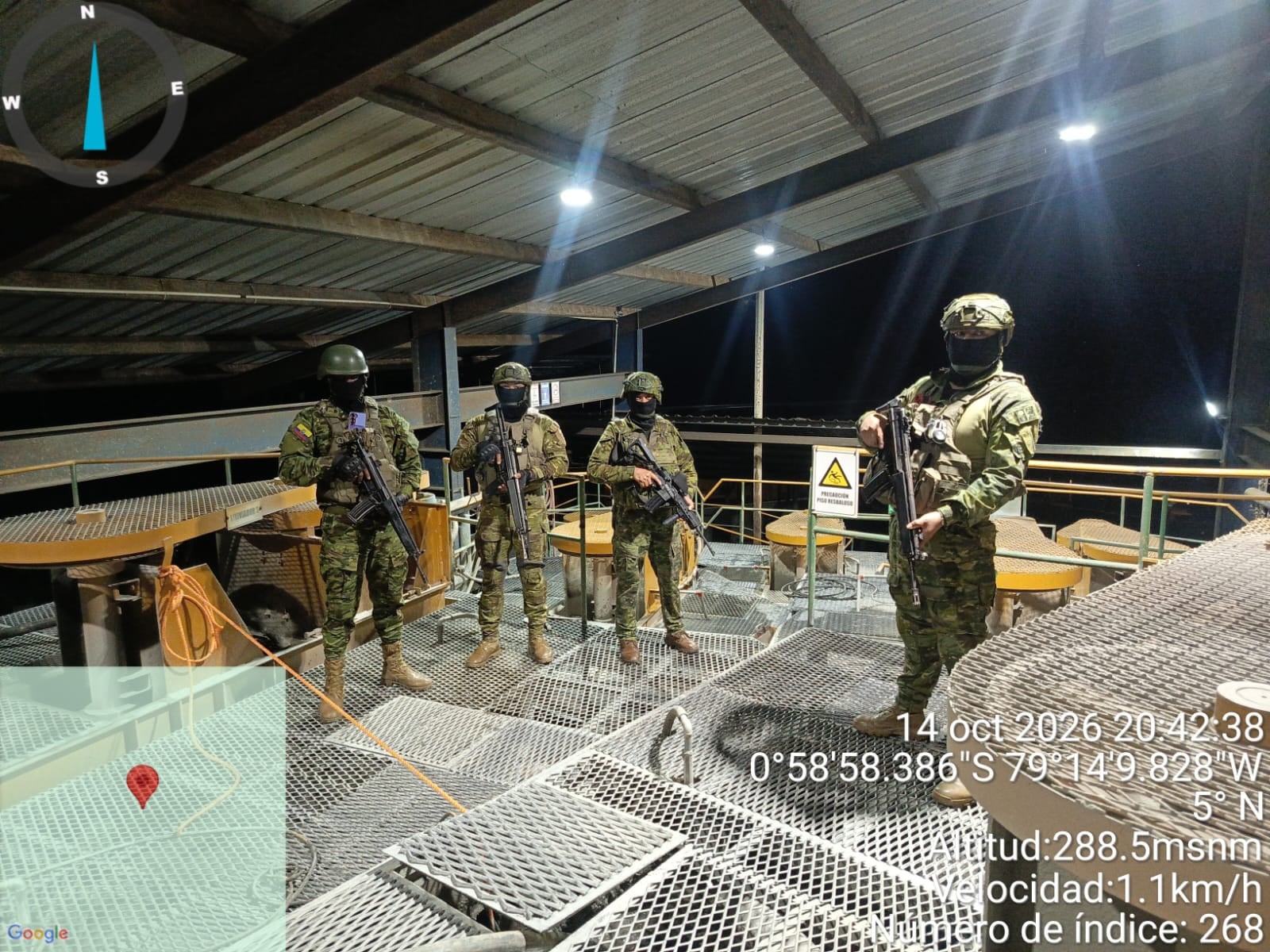
Las intervenciones se producen mientras las autoridades ecuatorianas mantienen operativos contra distintas estructuras criminales. Según el Ministerio del Interior, entre el 19 y el 25 de octubre la Policía ejecutó 751 intervenciones a escala nacional, con 260 personas aprehendidas y 119 detenidas. Entre las organizaciones investigadas durante ese período figuran Los Lobos, Los Choneros, Los Tiguerones, Los Águilas y R7.
Hasta el 27 de octubre, no se había difundido información sobre la situación judicial de los cuatro sospechosos capturados en Napo ni sobre eventuales procesos penales derivados de la paralización de la planta en Cotopaxi. Las autoridades tampoco han presentado públicamente documentación que permita determinar si existe una relación operativa entre ambos casos, más allá de la presunta vinculación con Los Lobos señalada en los respectivos reportes militares.
El Ejército ecuatoriano capturó a cuatro ciudadanos venezolanos presuntamente vinculados con la organización criminal Los Lobos durante una serie de operaciones militares ejecutadas en la provincia amazónica de Napo. Las intervenciones, que también se extendieron a Pastaza y Morona Santiago, estuvieron dirigidas a combatir actividades ilícitas, principalmente la minería ilegal, y dejaron maquinaria inhabilitada, vehículos retenidos y materiales decomisados. Las Fuerzas Armadas estimaron en USD 225.820 la afectación económica ocasionada por el conjunto de los operativos.
Según la información difundida por el diario La Hora el 26 de octubre, los cuatro sospechosos fueron aprehendidos en Napo, aunque las autoridades no precisaron el lugar exacto de las capturas ni las circunstancias en las que se produjeron. Tampoco se divulgaron sus identidades, antecedentes judiciales o las funciones que presuntamente desempeñaban dentro de Los Lobos, una de las organizaciones delictivas identificadas por las autoridades ecuatorianas en sus operaciones contra el crimen organizado.

Las intervenciones militares se desarrollaron en los cantones Tena y Carlos Julio Arosemena Tola, en Napo; Mera y Arajuno, en Pastaza; y Palora, en Morona Santiago. De acuerdo con los reportes atribuidos al Ejército, los uniformados identificaron infraestructura y equipos utilizados para actividades extractivas no autorizadas, particularmente en zonas de la Amazonía donde la minería ilegal constituye uno de los principales objetivos de los operativos de seguridad.
En Napo, los militares inhabilitaron una excavadora, una clasificadora de material tipo Z, ocho dragas y dos balsas flotantes. También intervinieron una bomba de succión y cuatro depósitos de combustible con capacidad de 1.000 galones cada uno. Estos equipos son utilizados en procesos de extracción y procesamiento de material aurífero, aunque los reportes disponibles no especifican el volumen de minerales extraídos ni el tiempo durante el cual habría funcionado la infraestructura intervenida.
En Morona Santiago, las operaciones permitieron inutilizar otra draga, una clasificadora tipo Z y una bomba de succión. Los uniformados también retuvieron un vehículo con placas colombianas y reportaron el hallazgo de 80 gramos de marihuana. Las autoridades no detallaron si estos elementos estaban relacionados con las personas capturadas en Napo o si correspondían a investigaciones independientes desarrolladas durante el despliegue militar.
En Pastaza, los efectivos retuvieron un camión que transportaba 12 metros cúbicos de madera de pigüe. Además, realizaron una intervención en el Centro de Privación de Libertad número 1 de esa provincia, donde encontraron objetos no autorizados, entre ellos audífonos, hojas de afeitar, pinzas artesanales y un frasco de disolvente. El procedimiento penitenciario formó parte del balance de las operaciones, aunque no se informó de una conexión directa con las cuatro capturas.
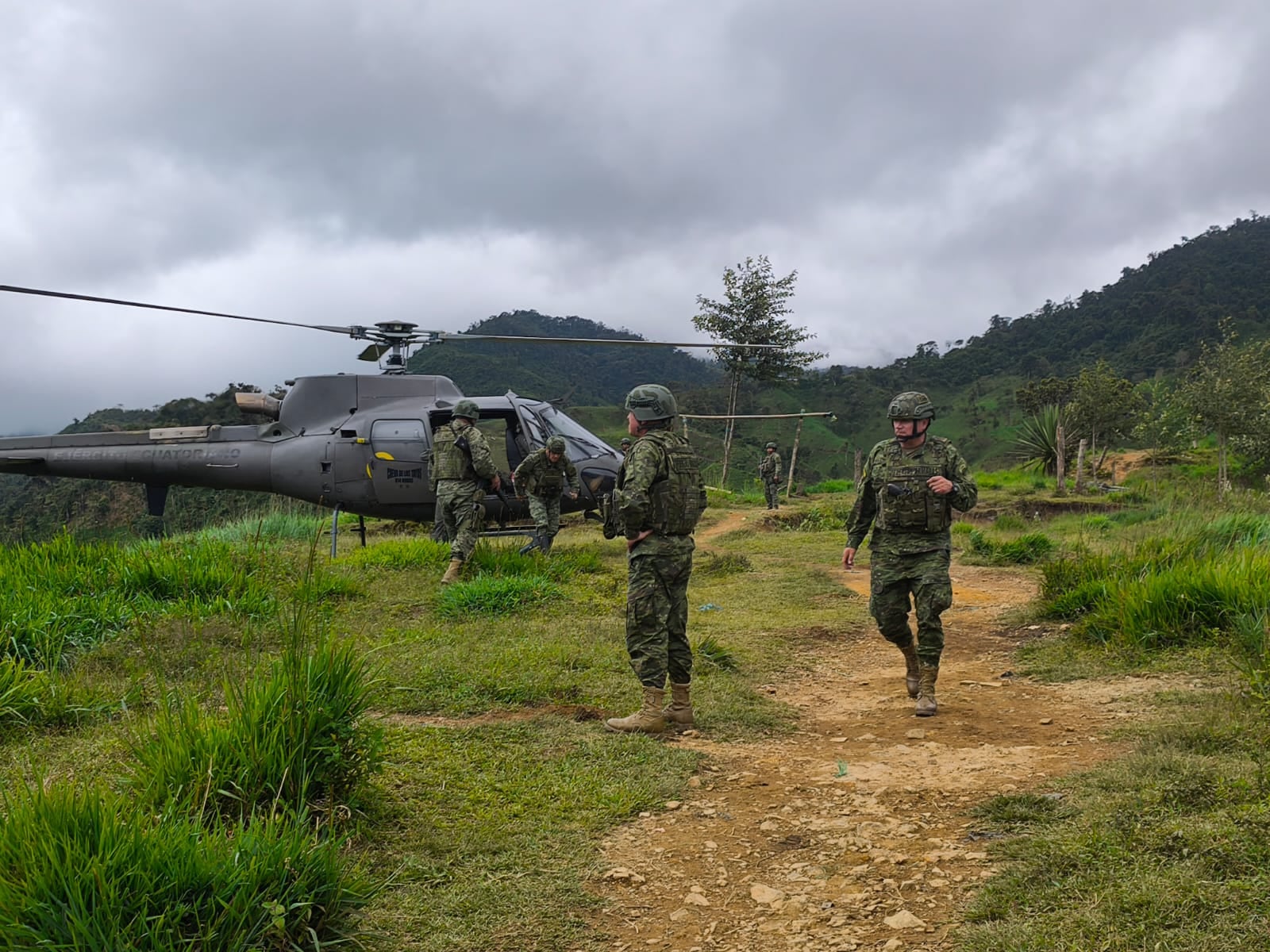
La afectación económica estimada en USD 225.820 corresponde a la totalidad de las intervenciones reportadas por las Fuerzas Armadas y no exclusivamente a los equipos encontrados en Napo. Los informes difundidos hasta el 27 de octubre no incluyen un desglose de esa valoración ni explican los criterios empleados para calcular el impacto sobre las actividades ilícitas.
La operación ocurre en un contexto de intervenciones recurrentes contra la minería ilegal en la Amazonía ecuatoriana. El 15 de octubre, durante otro procedimiento militar en Napo, un grupo de personas atacó vehículos de las Fuerzas Armadas y destruyó sus ventanas, según los reportes difundidos sobre ese incidente. Los uniformados también informaron entonces de la inutilización de maquinaria encontrada en el área intervenida.
Los operativos coinciden con una ofensiva nacional contra estructuras del crimen organizado. Según el balance publicado por el Ministerio del Interior el 26 de octubre, la Policía ejecutó 751 intervenciones entre el 19 y el 25 de ese mes, con 260 personas aprehendidas y 119 detenidas. La institución también reportó el decomiso de 77 armas de fuego, 2.544 municiones y aproximadamente 1.830 kilogramos de drogas.
El Ministerio identificó entre las organizaciones investigadas a Los Lobos, Los Choneros, Los Tiguerones, Los Águilas y R7. Estas estadísticas corresponden a operaciones policiales nacionales y son independientes de los resultados militares anunciados en la Amazonía.
Hasta el cierre de este reporte, no se había difundido información oficial sobre una eventual formulación de cargos contra los cuatro ciudadanos venezolanos ni sobre las medidas judiciales adoptadas tras su aprehensión.
corresponsal:Desde Quito

Espert apeló en la Justicia su procesamiento por lavado de dinero y acusó un fallo “falto de prueba y de tintes políticos”

Sen Flávio Bolsonaro reportedly flees Brazil for US after election loss

Britain’s sweeping new crackdown on ‘antisocial’ behavior sparks free speech backlash: ‘Peak insanity’

Florencia Raggi homenajeó a su hija Renata por su cumpleaños y mostró fotos de la intimidad familiar: “La vida con vos es mucho mucho mejor”

El mensaje de Harry Kane tras ganar el esperado Balón de Oro

Qué MiPyMEs pueden acceder al crédito de hasta $800 millones a tasa fija en UVA+7%

CFK, Axel Kicillof, Sergio Massa y otros referentes del PJ celebraron el triunfo electoral de Lula da Silva

El riesgo país volvió a superar los 700 puntos y la volatilidad internacional golpeó a los bonos argentinos

Julián Álvarez le dio el triunfo al Atlético Madrid y terminó con otra extensa racha negativa: el gesto de los fanáticos

Javier Milei ratificó su intención de buscar la reelección en 2027: “No veo a los argentinos votando para atrás”

 POLITICA2 días ago
CFK, Axel Kicillof, Sergio Massa y otros referentes del PJ celebraron el triunfo electoral de Lula da Silva
- DEPORTE3 días ago
Julián Álvarez le dio el triunfo al Atlético Madrid y terminó con otra extensa racha negativa: el gesto de los fanáticos
- POLITICA3 días ago
Javier Milei ratificó su intención de buscar la reelección en 2027: “No veo a los argentinos votando para atrás”