INTERNACIONAL
Por qué las olas de calor dejaron de ser episodios aislados y ya se extienden a casi todo el planeta

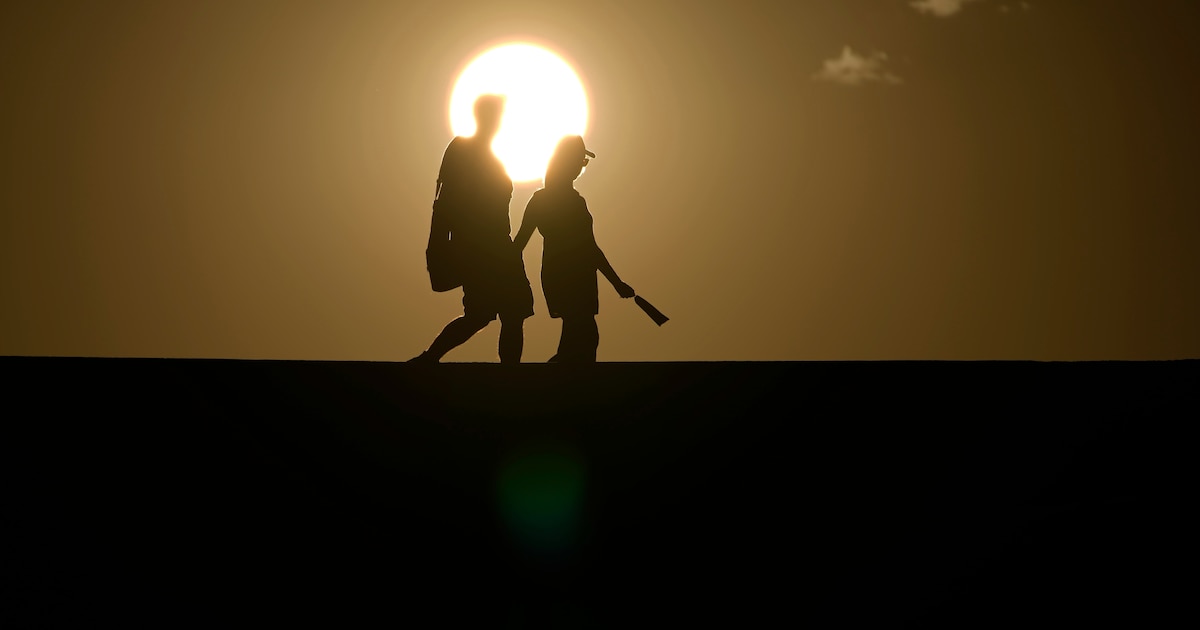
Las olas de calor son períodos prolongados de temperaturas anormalmente elevadas para un lugar y una época del año. No existe un umbral único: cada región las define según su clima habitual, aunque el fenómeno suele implicar varios días y noches consecutivos con calor por encima de los valores esperados. La falta de alivio nocturno agrava el riesgo, porque el cuerpo, los edificios y los sistemas de salud no logran disipar el calor acumulado.
Europa atravesó en 2026 uno de los veranos más calurosos desde que hay registros. La sucesión de episodios de temperaturas extremas afectó a amplias zonas del continente, aumentó el riesgo de incendios y dejó decenas de miles de muertes asociadas al calor en áreas urbanas, según estimaciones científicas. Los adultos mayores concentraron una parte importante de las víctimas, aunque el impacto también alcanzó a personas jóvenes y trabajadores expuestos a altas temperaturas.
La comparación con lo ocurrido hace 50 o 60 años muestra una transformación: las olas de calor pasaron de ser episodios más aislados y acotados a fenómenos más frecuentes, extensos y persistentes, capaces de afectar simultáneamente a regiones muy distantes.

La evolución de las olas de calor: un fenómeno que se volvió habitual
Seis décadas atrás, las grandes olas de calor eran eventos poco frecuentes, más acotados y, en muchos casos, concentrados sobre los océanos. Según un análisis de Reuters, durante la década de 1960 se registraban en promedio cinco fenómenos de gran escala por año.
El mayor de ese período afectó cerca del 6% de la superficie del planeta durante 46 días, con impacto sobre el Atlántico, partes de América Latina y África Occidental.
El escenario comenzó a modificarse en las décadas posteriores. En los años 90, las mayores olas de calor ya se extendían por varias regiones del mundo, aunque Asia y América del Norte todavía permanecían relativamente al margen de los eventos más amplios. La expansión geográfica acompañó un aumento de la frecuencia y de la duración de los períodos con temperaturas por encima de los valores habituales para cada zona.
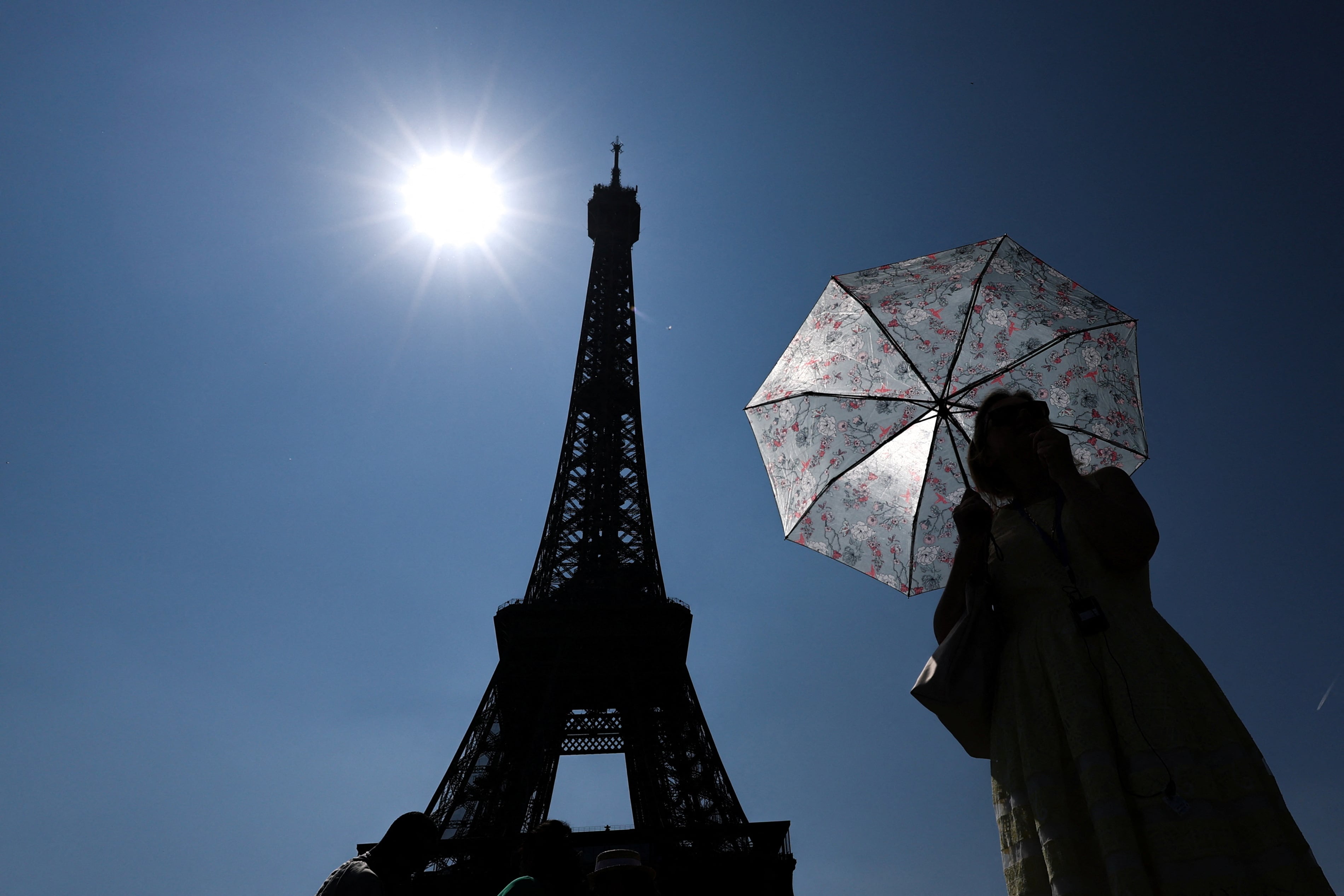
En la década de 2020, el fenómeno adquirió otra escala. Reuters identificó un promedio de unas 102 “tormentas de calor” por año, una categoría que utiliza para las olas de calor que, en su punto máximo, abarcan al menos el 1% de la superficie terrestre. La mayor registrada entre 2023 y 2024 persistió 367 días y alcanzó casi el 85% del planeta. Además, desde el 6 de julio de 2008, al menos una de estas grandes extensiones de calor ha estado activa de forma ininterrumpida en algún punto del mundo.
El cambio se vincula con el aumento de los gases de efecto invernadero en la atmósfera, que elevan la temperatura media del planeta y desplazan los rangos considerados normales. Desde la década de 1960, la concentración de dióxido de carbono aumentó más de 30%, mientras que la superficie promedio expuesta a olas y tormentas de calor se multiplicó más de 12 veces, de acuerdo con los datos analizados por la agencia. Los episodios de El Niño también pueden amplificar temporalmente esa tendencia al alterar patrones climáticos globales.
La Organización Meteorológica Mundial (OMM) advierte que el peligro no depende solo de la temperatura máxima. Las noches inusualmente cálidas impiden que el cuerpo, las viviendas y la infraestructura liberen el calor acumulado durante el día. La humedad, la radiación solar y el viento también influyen en el estrés térmico, que puede provocar desde deshidratación y desmayos hasta golpes de calor mortales y agravamiento de enfermedades cardiovasculares, respiratorias y renales.

Las personas mayores, los bebés, los niños, las embarazadas, quienes padecen enfermedades previas y los trabajadores expuestos al aire libre figuran entre los grupos más vulnerables. La situación se agrava en ciudades con pocas áreas verdes, gran densidad de asfalto y edificios que retienen la temperatura. Durante el verano europeo de 2026, una investigación citada por Smithsonian Magazine estimó 50.391 muertes asociadas al calor en 854 áreas urbanas de 30 países, con una alta proporción de víctimas entre mayores de 85 años.
Los efectos también aparecen lejos de Europa. La gran tormenta de calor de 2023-2024 coincidió con temperaturas de hasta 38 °C en Filipinas, donde alumnos asistían a escuelas sin aire acondicionado; agravó una sequía y los incendios forestales en Luisiana; y elevó los registros en La Meca hasta 51,8 °C durante el Hajj, en el que murieron más de 1.300 peregrinos.
La comparación con las olas de calor de hace 50 o 60 años muestra que hoy abarcan más territorio, duran más tiempo y pueden encadenarse con sequías, incendios, inundaciones y crisis sanitarias.
Cuál es el futuro de las olas de calor, según expertos

Los especialistas prevén que las olas de calor serán más frecuentes, largas e intensas si continúa el aumento de la temperatura global. El Grupo Intergubernamental de Expertos sobre el Cambio Climático (IPCC) advierte que cada incremento del calentamiento amplifica los extremos de calor, prolonga las temporadas cálidas y reduce los períodos de frío. Con 2 °C de aumento respecto de la era preindustrial, el riesgo para la salud y la agricultura crecerá de forma marcada.
Las regiones tropicales y subtropicales figuran entre las más expuestas, en especial donde el calor se combina con humedad alta. En esas condiciones, el cuerpo pierde capacidad para enfriarse mediante la transpiración. Un informe de la Organización de las Naciones Unidas para la Alimentación y la Agricultura (FAO) y la Organización Meteorológica Mundial (OMM) estima que algunas áreas del sur de Asia, África subsahariana y América Central y del Sur podrían enfrentar hasta 250 días al año demasiado calurosos para trabajar al aire libre.
Las ciudades también concentran riesgos por el efecto de isla de calor: el asfalto, los edificios y la falta de vegetación retienen temperatura y dificultan el descenso térmico nocturno. Los adultos mayores, niños, embarazadas, personas con enfermedades previas, trabajadores al aire libre y quienes viven en viviendas precarias estarán entre los grupos más vulnerables.
Para reducir la intensidad futura de las olas de calor, los expertos señalan la necesidad de recortar las emisiones de dióxido de carbono, metano y otros gases de efecto invernadero mediante una menor dependencia de los combustibles fósiles. A la vez, plantean medidas de adaptación: alertas tempranas, planes sanitarios, espacios refrigerados, protección laboral, más árboles y parques urbanos, techos claros y construcciones preparadas para temperaturas más altas.
climate,climate change,environment,heat,heat wave,heatwave,temperatures,weather












The Justice Department’s Antisemitism Task Force Chairman Leo Terrell is taking the Trump administration’s fight against antisemitism directly into Jewish communities on a 15-city nationwide tour, and he says he means business.
Terrell told Digital that local leaders have too often failed to respond while Jewish Americans face threats in their schools, workplaces and houses of worship.
«The whole purpose of this tour is to go to where the problem is at, to address their needs, and to provide them with federal support,» Terrell said. «Antisemitism is now, and we have to come up with solutions for the future.»
ANTISEMITIC VIOLENCE REACHES DEADLIEST LEVEL SINCE 1994, NEW GLOBAL REPORT FINDS
The «American Tour Against Hate» began Oct. 14 in Michigan, bringing representatives from the Justice Department, FBI and Labor Department together with Jewish residents, students, educators and religious leaders. The federal officials addressed antisemitism in workplaces and schools, as well as the enforcement of hate-crime laws.
Terrell said the tour was created to reach communities that feel ignored or abandoned by local officials and to connect them directly with federal resources.
«We had the FBI at the first tour meeting because some of these cities have failed to prosecute hate crimes,» Terrell said, naming Los Angeles, Boston, San Francisco, New York and Detroit. He did not identify specific unprosecuted cases.
Terrell said every stop on the tour would include a public event followed by visits to synagogues, Jewish schools and community centers.
WOMAN BUSTED IN NYC RABBI SYRINGE ATTACK ALLEGEDLY STABBED ANOTHER JEWISH MAN HOURS EARLIER: REPORT
«The tour is really two days,» he said. «We have a two-hour tour event where the community is invited. You know what we do the next day? I spend the next day, all day in the Jewish community.»
The tour comes as Jews remain disproportionately targeted in religiously motivated hate crimes. According to the latest FBI data, law enforcement agencies reported 1,528 single-bias anti-Jewish hate-crime incidents in 2025. The data also showed that 62.4% of victims of religious-bias hate crimes were targeted because of anti-Jewish bias.
Terrell characterized protecting Jewish students and religious communities as a «24-7 obligation,» encompassing colleges, K-12 schools and synagogues. He also criticized the financial burden Jewish institutions face to protect students and worshipers, describing security expenses as a «Jewish tax.»
Universities remain a major focus of Terrell’s work. He warned university presidents that federal scrutiny would continue if Jewish students remained unprotected, saying potential violations would not disappear with a change in administration.
JEWISH CAMPUS LIFE AT A ‘CROSSING POINT’ AS STUDENTS WEIGH ANTISEMITISM RISKS, NEW REPORT SHOWS
«All these campus presidents are on notice,» he said. «You know what I think they’re trying to do? I think they’re trying to wait out President Trump. It’s not gonna happen.»
He added, «Because if they fail to take care of Jewish American students, all students, we’re going back at them, each school, because those are ongoing violations,» he said.
«My philosophy is quite simple. Don’t cut deals with these guys,» Terrell added. «Force them to go to court, get a court order settlement to make sure they are under the gun to protect Jewish American students.»
Asked about professors and those allegedly encouraging harassment, Terrell pointed to what he described as overseas influence on campuses.
«I think, first of all, there’s a lot of money being brought in from overseas to influence the administration, the faculty members and what I call professional harassers,» he said.
Asked specifically whether foreign funding and organizational coordination were being investigated, Terrell said, «That is one of the tools.»
BIPARTISAN DUO LAUNCHES CONGRESSIONAL CAUCUS TO CONFRONT ANTISEMITISM AT COLLEGES
«The influence of overseas money as it impacts college campuses and really throughout this country to promote antisemitism. Let me tell you right now, that’s being investigated,» he said.
His call for broader participation extended to young Christians. Terrell spoke to more than 200 students at the Christian Leaders Summit Forum in Lynchburg, Virginia, hosted by the Combat Antisemitism Movement.
Asked why their participation mattered, Terrell called it «probably the most important meeting I’ve ever had in my job,» emphasizing the students’ youth and Christian faith.
SIGN UP FOR ANTISEMITISM EXPOSED NEWSLETTER
«This fight against antisemitism has to include everyone in this country,» he said. «Antisemitism is not a Jewish issue. It’s an American issue. It’s a Western civilization issue.»
«So I need these young people to join me on the stage, telling the Jewish community, telling all Americans we are together in fighting antisemitism,» he added. «Religious freedom must be available to all Americans.»
Asked what Jewish Americans who feel abandoned could count on him to deliver, Terrell urged them to seek help.
«I will never say no,» he said. «I will never say no to help. Call my office, call the Department of Justice.»
anti semitism, justice department, hate crime, campus radicals, fbi, politics
INTERNACIONAL
Brasil: Michelle Bolsonaro emerge como la nueva cara del clan, pero la derecha se reorganiza bajo el liderazgo del gobernador de San Pablo
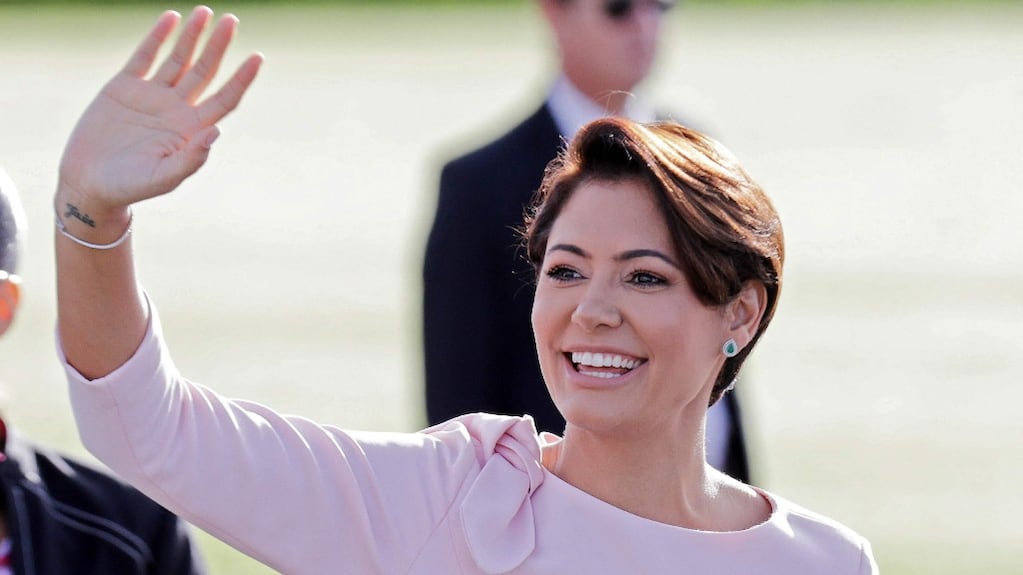
El autoexilio de Flávio Bolsonaro en Estados Unidos puso a la ex primera dama brasileña Michelle Bolsonaro como cabeza política activa del clan familiar, en un clima de reorganización de la derecha brasileña después de la histórica reelección de Lula da Silva.
Michelle Bolsonaro es la gran ganadora de la dinastía creada por el expresidente Jair Bolsonaro, hoy en prisión domiciliaria por una condena a 27 años de cárcel por golpismo y con sus hijos Eduardo y Flávio en la Florida para escapar de la justicia.
Michelle de Paula Firmo Reinaldo Bolsonaro, de 44 años, había perdido la interna familiar con el derrotado candidato presidencial fugado a Estados Unidos. Incluso, mantuvo con él una fuerte disputa pública con acusaciones de maltrato que se saldó con una disculpa de su hijastro.
Ahora, como senadora electa, es la única integrante del clan que aún sonríe para las fotos. Así se la vio en una imagen publicada en la influyente revista Veja junto al presidente nacional de su Partido Liberal (PL), Valdemar Costa Neto. Ambos se reunieron el martes para dialogar sobre el futuro del partido y los desafíos que enfrenta después de la derrota en el balotaje.
Las dos vías del “bolsonarismo”
El “bolsonarismo” quedó virtualmente partido en dos después del duro golpe en las urnas.
“Todavía hay incertidumbre en relación a la estrategia del Partido Liberal (PL) después de la salida de Flavio. Por ahora, el contexto es de desunión”, dijo a TN el analista brasileño Rafael Cortez, de Tendencias Consultoria.
Desde Florida, el derrotado candidato se declaró “líder de Brasil” y denunció fraude en el balotaje que ganó Lula da Silva.
“En contrapartida -señaló Cortez-, el PL camina hacia un escenario de pragmatismo. En su liderazgo, el presidente Valdemar de Costa Neto reconoció el resultado de las elecciones”.
Silva
INTERNACIONAL
Netanyahu alleges fraud as Arab parties score record gains — emerge as potential kingmakers
NEWYou can now listen to Fox News articles!
TEL AVIV, Israel: Israel’s two Arab parties are in a position to have a say in who the country’s next prime minister and government will be — but not if Prime Minister Benjamin Netanyahu has anything to do with it, after he alleged serious criminal activities took place during voting in the Arab areas of the nation.
The two parties were projected to win a combined 19 Knesset seats, according to preliminary results. With both Prime Minister Benjamin Netanyahu’s Likud-led right-wing bloc and the opposition leader Gadi Eisenkot’s centrist bloc falling short of the 61 seats needed for a parliamentary majority.
On Wednesday, Prime Minister Netanyahu wrote on X that Israel’s election had been «stolen by Arab parties that support terrorism and the elimination of the Jewish state,» alleging serious criminal offenses, including bribery, threats, violence, forgery and the use of prohibited software to mobilize voters.
NETANYAHU GAINS OVERNIGHT AS ISRAEL ELECTION HEADS TOWARD POLITICAL DEADLOCK
People cast their votes at a polling station during Israel’s legislative election in the Arab town of Taibe in northern Israel on Oct. 27, 2026. (Gil Cohen-Magen/picture-alliance/dpa/AP Images)
«The Likud party is transferring to the police, the Shin Bet, and the Central Elections Committee hundreds of testimonies and pieces of evidence regarding election theft in many Arab polling stations,» he wrote.
He cited allegations of thousands of envelopes containing cash and Ra’am ballot slips, threats and violence against polling station staff, multiple votes cast behind the voting curtain, voting under multiple identities, discrepancies between the number of ballot envelopes and the number of voters, the use of prohibited voter-mobilization software and other offenses.
«We demand from the police and the Shin Bet a thorough investigation into the election theft by the Arab parties and the full prosecution of the criminals. We demand from the Central Elections Committee an immediate response to investigate these criminal offenses that have severely damaged the integrity of the elections in Israel and the election results,» he added.
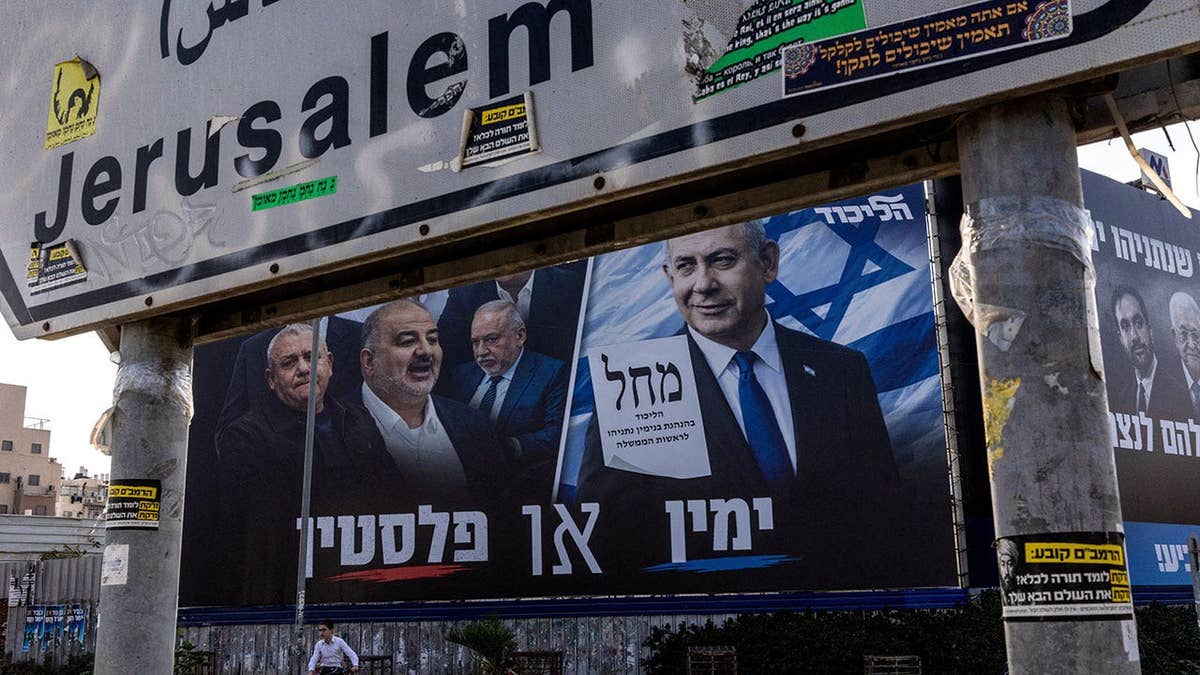
A boy sits on his bicycle next to a campaign banner of Netanyahu’s Likud party, ahead of the Israeli parliamentary election, in Bnei Brak, Israel, October 25, 2026. (Nir Elias/Reuters)
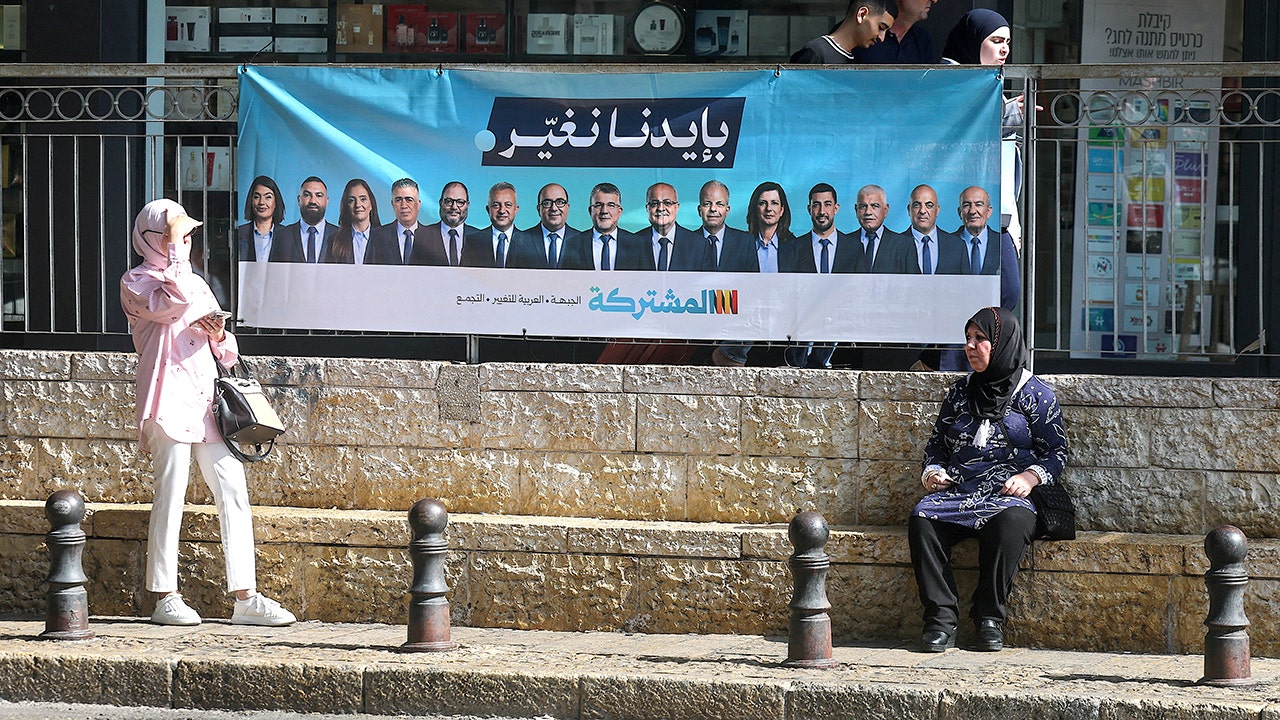
One Arab political alliance, the Joint List, brings together three parties: Hadash, a predominantly Arab-Jewish left-wing party rooted in Israel’s communist movement, and the Arab nationalist parties Ta’al and Balad. With over 90% of ballots counted, the alliance was projected to win 12 seats.
The other Arab party, the United Arab List (Ra’am), led by Mansour Abbas and affiliated with the Southern Branch of the Islamic Movement in Israel, was projected to win seven seats.
Arab citizens make up approximately 21% of Israel’s population. Turnout in this election reached a near record high between 75% to 80%.
«They are a political force to be reckoned with,» Dahlia Scheindlin, a former policy fellow at the Mitvim Institute and a senior analyst at Haaretz, told Fox News Digital.
NETANYAHU DEFIES EXIT POLLS AS VOTE SHIFTS IN HIS FAVOR, BUT MAJORITY REMAINS ELUSIVE
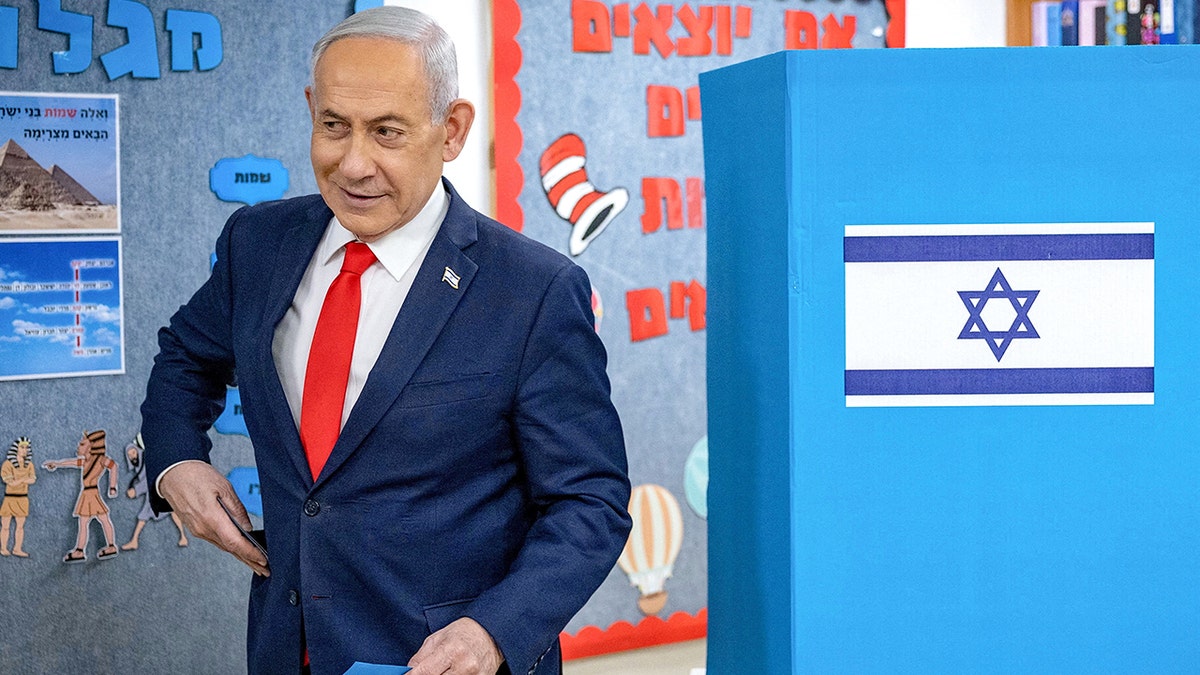
Israel’s Prime Minister Benjamin Netanyahu reacts after filling out his ballot before voting at a polling station in Jerusalem on Oct. 27, 2026, on the day of Israel’s legislative election. (Yonatan Sindel/Pool via Reuters)
Scheindlin said that Netanyahu framed his campaign around the claim that the opposition is prepared to form a government dependent on Arab parties’ support, which he argues would lead to the establishment of a Palestinian state that would become a terror state and ultimately bring about Israel’s destruction.
«This is the most consistent message, and he never stopped saying it, including on election day,» she said.
Scheindlin said that the issue had become politically sensitive, prompting leading Zionist opposition parties to pledge not to cooperate with the Arab parties.
«They have sworn they would not build a coalition that depends on Arab votes, either from within the coalition or from outside it. If they receive any help, they will have to break that promise,» she added.
It is not inconceivable, though highly unlikely, that Netanyahu could reach out to one of the Arab parties to explore the possibility of cooperation, Scheindlin said.

People gather near a pre-election campaign banner featuring leaders of the Joint List, ahead of Israel’s national election, in Nazareth, Israel Oct. 10, 2026. (Ammar Awad/Reuters)
ISRAEL HEADS INTO DEEPLY DIVIDED ELECTION AS OCT. 7 RECKONING LOOMS: WHAT TO KNOW
Dr. Arik Rudnitzky, a researcher in the Israel Democracy Institute’s Arab Society in Israel Program, said that Arab parties had historically remained in the opposition and had not joined governing coalitions.
During the governments of Yitzhak Rabin and, later, Shimon Peres in the 1990s, Arab parties provided a parliamentary safety net from outside the coalition. This enabled the government to remain in office and complete its term even after it effectively became a minority government amid opposition to the Oslo Accords, as the Haredi Shas party left the government.
«Historically, Arab parties were always in the opposition for many reasons. It was quite uncommon to believe Arab parties could [support] the government. It’s a novelty of recent years, plus the fact that their political strength in terms of the number of seats was not as significant as it is today,» Rudnitzky said.
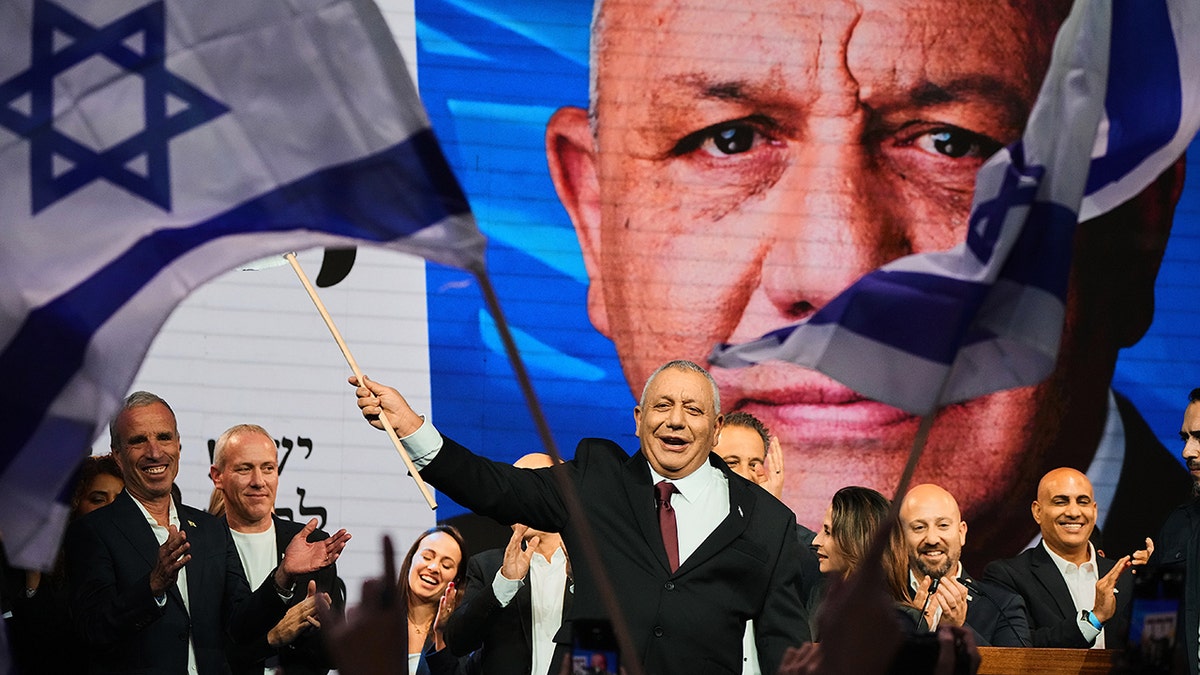
Gadi Eisenkot, leader of the Yashar («Straight») party, waves an Israeli flag onstage following the release of the first exit poll results in Israel’s general election in Tel Aviv, Israel, Wednesday, Oct. 28, 2026. (Ariel Schalit/AP Photo)
Demographic changes alone do not explain the Arab parties’ growing political strength, Rudnitzky said; shifting voting patterns have also played a role.
«In the past, Arab voters supported both Arab and Jewish parties. In the 1980s and 1990s, approximately half voted for Jewish parties,» he continued.
Rudnitzky said historical developments, the impact of the Oslo Accords and the entry of new Arab representatives into the Knesset contributed to a gradual shift away from Jewish parties, with more Arab voters turning to Arab parties.
«Today, we can say that between 85% and 90% of Arab voters support Arab parties. This is the main reason for their increased political strength,» he added.
Any support Arab parties might provide to a prospective coalition would come in exchange for political concessions, Rudnitzky said. Their demands would likely include a government decision and a plan to combat crime in Arab communities, as well as a new socioeconomic development plan for the Arab sector involving budget allocations.
Ultimately, he said, such arrangements would involve allocating public goods and resources in exchange for political support. «There is no free lunch in politics. Every collaboration, either within a coalition or from the outside, has its political price.»
TRUMP SAYS NETANYAHU NEEDS TO BE RE-ELECTED, OR ELSE US WILL HAVE TO ‘FINISH THE JOB’ AGAINST IRAN ALONE
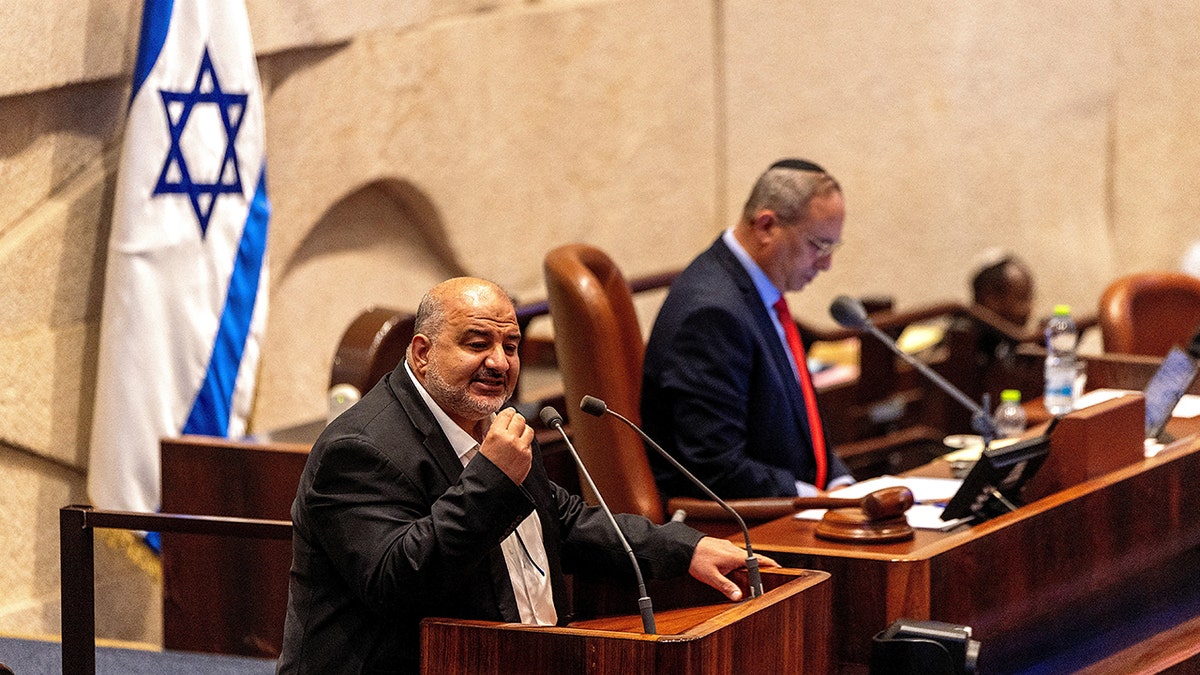
Mansour Abbas, leader of the Ra’am party, speaks at the plenum at the Knesset, Israel’s parliament, in Jerusalem, July 13, 2026 (Ronen Zvulun/Reuters)
Scheindlin noted that while the Joint List would not be invited to join a governing coalition — and its members would not want to do so anyway — Mansour Abbas and his United Arab List have pursued a different, more controversial approach. The party has accepted Israel as a Jewish state and seeks to improve the lives of Arab citizens within that framework, she said.
«They are expecting equality as citizens. They accepted Israel’s identity and are willing to work within that framework to improve the lives of their citizens. They are the only ones who have a chance of being invited into a coalition, as they were in 2021,» she said.
In September, the Central Elections Committee (CEC) voted to disqualify the Joint List and the United Arab list from competing in the Oct. 27 elections. On Oct. 2, Israel’s Supreme Court overturned the CEC’s decisions against both parties.
Section 7A of the Basic Law: The Knesset bars candidates who deny Israel’s existence as a Jewish and democratic state, incite to racism, or support the armed struggle of an enemy state or terrorist organization against Israel from participating in Knesset elections.
Martin Sherman, founder and executive director of the Israel Institute for Strategic Studies, told Fox News Digital that Arab parties in Israel are essentially illegal and should be barred from participating in elections.

A man walks by an election campaign billboard showing Sami Abu Shehadeh, head of the nationalist Balad party, in the northern Israeli city of Umm al-Fahm, Friday, Oct. 21, 2022. (Mahmoud Illean/AP Photo.)
«They have different social agendas, perhaps, but on the political level, they all oppose Israel as the nation-state of the Jewish people. One can only hope that politicians in Israel will realize that and that political ambitions and animosity toward Netanyahu will not prevail,» he said.
One former Israeli diplomat noted the irony and said it was a good teaching moment for those who don’t understand the country. «Arab Israelis voted in huge numbers and, according to the exit polls, won more Knesset seats than ever before. That is the answer to the ridiculously ignorant accusation that Israel is a supposed ‘apartheid’ state,» Shahar Azani, veteran israeli diplomat and former spokesperson of Israel’s consulate in New York, told Fox News Digital.
He added, «Arab citizens are shaping the government and taking part in the Jewish state’s democratic celebration, and we welcome it. But with great power comes great responsibility: they must now take the next step and reject the extremist positions some voiced as soon as the results came in, that would alienate them from Israel’s Jewish majority.»
israel, benjamin netanyahu, hamas, middle east foreign policy, world elections

Las capas invisibles del sistema financiero: tecnología y soberanía digital en Argentina

Leo Terrell takes Trump administration’s antisemitism fight nationwide on 15-city tour

"Nos falta una maestra": los sindicatos docentes se movilizan hoy a la casa de Corrientes en el centro porteño

Los Brewers conquistaron la Serie Mundial tras vencer a los Rays y pusieron fin a 57 años de sequía

Gonçalo Ramos: ‘Quería irme del PSG, deseaba marcharme ya en enero’

El feroz escándalo que sacude a Wanda Nara, con uno de los matrimonios más importantes de la farándula: «Un trasfondo siniestro»

Medios brasileños afirman que Flávio Bolsonaro escapó del país y está en vuelo a Estados Unidos

CFK, Axel Kicillof, Sergio Massa y otros referentes del PJ celebraron el triunfo electoral de Lula da Silva

Edgerunners 2 ha vuelto a poner a David Martinez en el centro de la conversación. Su showrunner tiene algo que aclarar sobre su destino

El boom de Vaca Muerta no para: aporta más del 70% del crudo y empuja a la Argentina hacia el millón de barriles diarios

 INTERNACIONAL2 días ago
Medios brasileños afirman que Flávio Bolsonaro escapó del país y está en vuelo a Estados Unidos
- POLITICA2 días ago
De Bullrich a Lula da Silva: a Milei se le abrieron dos frentes de conflicto con resolución incierta
- DEPORTE3 días ago
Facundo Bagnis vuelve al tenis tras un año de suspensión por doping: “Dejó una cicatriz enorme en mí”