INTERNACIONAL
How Obama appointee and Trump nemesis Boasberg ended up overseeing Ilhan Omar warrant, other key cases

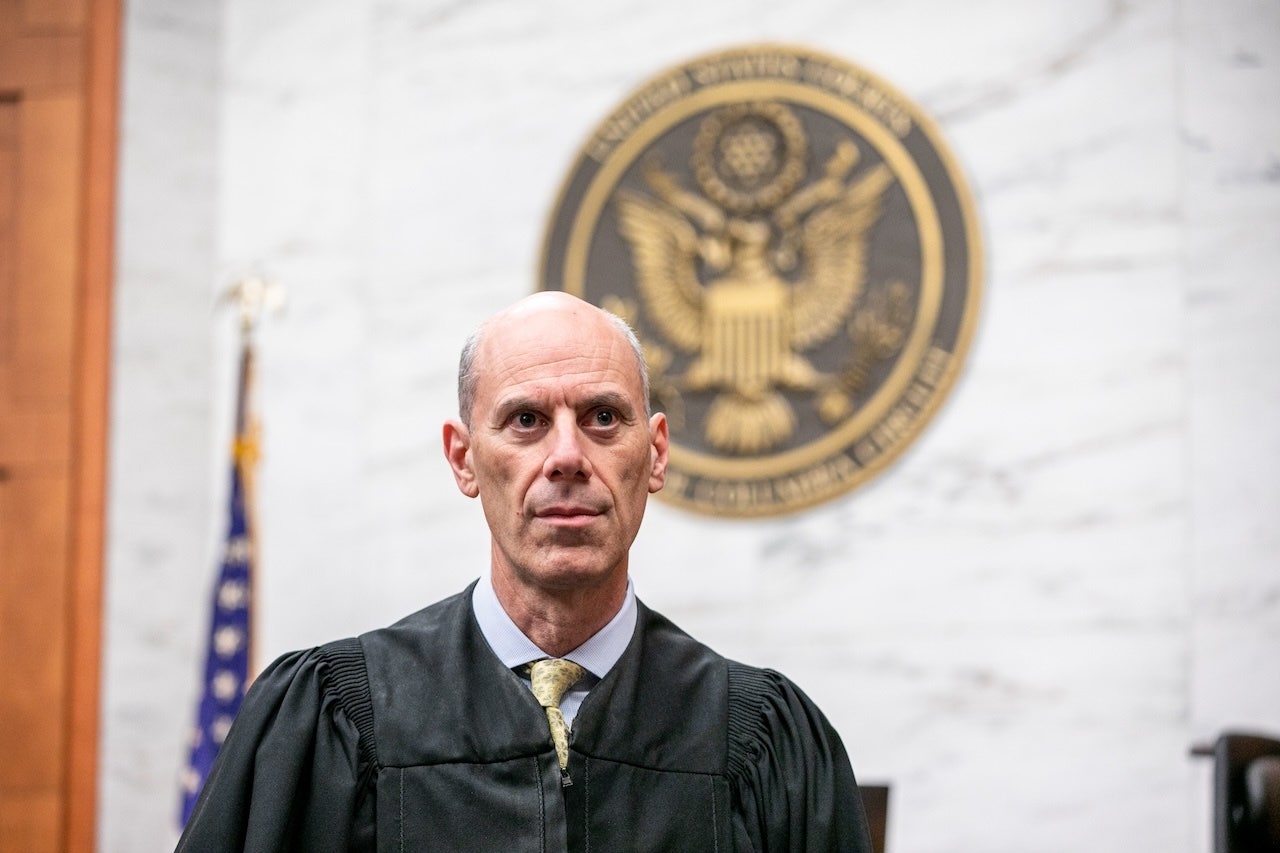
Federal Judge James Boasberg, dubbed a «Radical left lunatic» by President Donald Trump, is presiding over several high-profile cases challenging actions made by the Trump administration, raising questions about how judges are assigned to cases.
The scrutiny comes as Boasberg, an Obama-appointed chief judge of the Washington, D.C., district court, oversees a challenge brought by several media outlets seeking to force the Justice Department to unseal the search warrant on the home of Rep. Ilhan Omar, D-Minn.
«Judge James Boasberg is now involved with the Ilhan Omar case,» Steve Ferguson, a self-described business owner with more than 250,000 followers on X, wrote in a social media post. «Is everything rigged?»
In the federal court of the District of Columbia, cases are assigned to judges randomly by an electronic system managed by the clerk’s office operating under the direction of the Calendar and Case Management Committee, according to the rules of the court. The committee consists of three to five judges appointed by the chief justice.
FEDERAL AGENTS RAID ILHAN OMAR’S DC HOME AMID IMMIGRATION FRAUD INVESTIGATION
There are exceptions to the random-assignment process. For example, criminal grand jury matters are assigned to and overseen by the chief judge, currently Boasberg. This means Boasberg’s assignment to oversee the fight over unsealing the search warrant for Omar was «not a surprise» to Eric Wessan, Iowa’s solicitor general.
«But there are a lot of cases that seem to be going to judges maybe based on those cases having similarities, which is not what the local rules say,» Wessan told Digital.
When a case needs to be reassigned, the Calendar and Case Management Committee will determine how the reassignment is made.
Wessan suggested that concerns over how case assignments are made are valid, considering some of the high-profile cases against the Trump administration which have appeared in Boasberg’s docket.
«If one is just following anecdotally, there does seem to be a lot of high-profile cases in front of judges that seem to be expressing unusual amounts of frustration or disagreement with the administration,» Wessan said, urging greater transparency in how case assignments are made.
TRUMP’S FIGHT OVER RARELY USED 18THCENTURY DEPORTATION LAW LIVES ON IN LATEST COURT CLASH
The fight over unsealing the release of Omar’s search warrant is just one of several cases involving the Trump administration and now on Boasberg’s docket. Boasberg is also overseeing California’s lawsuit against the Trump administration over voter roll disputes.
On Friday, he ordered the administration to provide the state with the names and supporting information for roughly 20,000 people whom the DOJ claims are noncitizens on California’s voter rolls by the end of the day.
Boasberg has issued several consequential rulings against the Trump administration, including a high-profile March 2025 order directing the administration to turn around deportation flights carrying alleged Venezuelan gang members to El Salvador. The Trump administration fought against the order, pointing to the Alien Enemies Act as legal justification for the deportations.
The dispute over the administration’s use of the Alien Enemies Act eventually reached the Supreme Court, which vacated Boasberg’s temporary restraining order blocking deportation flights, ruling that the case was brought in the wrong jurisdiction.
That same month, Boasberg was assigned a lawsuit seeking to preserve Signal messages after top Trump administration officials discussed plans for a Yemen strike in a group chat that accidentally included Atlantic editor-in-chief Jeffrey Goldberg. The judge later ordered the administration to preserve the messages.
The string of cases prompted Reps. Jim Jordan, R-Ohio; Darrell Issa, R-Calif.; and Chip Roy, R-Texas, to send a letter in May 2025 to the court clerk asking for greater clarity on how judicial assignments are made. The lawmakers questioned whether assignments were truly random as the court’s rules state.
«The Committee cannot independently verify the randomness of case assignments because the composition of assignment decks is kept secret,» the lawmakers wrote.
«We must understand the nature of the case assignment process in the District Court — which is considering a number of cases challenging the Trump Administration’s policy decisions — to consider and develop appropriate legislation.»
FEDERAL JUDGE KICKED OFF ‘BOTCH JOB’ ANTI-DEI CASE AFTER STUNNING APPEALS COURT REBUKE
Meanwhile, Sen. Eric Schmitt, R-Mo., introduced legislation in July that would require federal district courts to assign cases randomly, without exceptions, naming it the Boasberg Act. The bill is stalled in committee.
«Judge Boasberg is the poster child for a rogue judge and exposed serious loopholes in our judicial system. Randomly assigning cases among judges ensures the American people can have confidence in the impartiality of our courts,» Schmitt said in a statement.
Under the rules of the D.C. Court, the chief justice does not have the power to reassign a case. The Calendar and Case Management Committee handles case reassignments. The court must notify the judges and attorneys involved, but it does not have to publicly explain why a case was reassigned. Wessan has called for greater transparency.
«The rules shouldn’t say one thing if it’s not true. But if it is true, they could just say so. I think the issue is with the exceptions. What happens in those exceptional cases and how often do they occur?» Wessan said.
«Given the frequency of the concerning episodes in the district court, erring on the side of transparency is probably prudent to the extent that there are exceptions to the normal random-assignment system.»
judiciary, federal courts, federal judges, ilhan omar, justice department, politics









INTERNACIONAL
‘Toxic cocktail’ of renter protections destroyed $39M affordable housing investment as Dem cities follow suit

Seattle’s effort to protect renters allegedly helped destroy a $39 million investment meant to provide affordable housing, sending a 254-unit apartment complex that served lower-income residents into receivership. Now, its owners have scored a court victory in a battle that could influence similar fights in Philadelphia and other Democrat-led cities.
The Washington Court of Appeals ruled Monday that GRE Downtowner LLC, the company behind Seattle’s 254-unit Addison on Fourth affordable housing development, can proceed with claims that the city’s sweeping rental regulations amounted to an unconstitutional taking of private property. GRE alleges the restrictions, including an ordinance requiring landlords to accommodate certain additional occupants without their consent, sent rent collections plummeting, triggered millions in losses and ultimately made the once-viable affordable housing investment financially unsustainable.
The development operated under the federal Low-Income Housing Tax Credit program, which offers tax incentives to private investors in exchange for providing rent-restricted apartments to lower-income residents. Sean Flynn, executive director of the Rental Housing Association of Washington, explained that while such developments typically generate relatively modest profits, the federal tax credits make them financially attractive to investors, helping bring private money into affordable housing projects that might otherwise struggle to get built.
Flynn, who is working with GRE Downtowner in its case against the City of Seattle, told Digital that the city’s successive ordinances targeting landlords ultimately created a «toxic cocktail of legislation» that took a functioning affordable housing property and «destroyed it.»
PROPERTY OWNER ADVOCACY GROUPS PUSH BACK ON MAMDANI’S ‘RENTAL RIPOFF REPORT,’ PUBLIC DATABASE OF LANDLORDS
According to court filings, GRE’s investment initially proved financially viable, with the property generating positive cash flow from 2015 through 2018. But as Seattle enacted a series of ordinances restricting criminal-background checks, expanding tenants’ ability to bring additional occupants into their apartments, limiting certain evictions and requiring relocation assistance following qualifying rent increases, GRE alleges its rent collections collapsed from 93.9% in 2018 to just 44.1% in 2023, contributing to nearly $5.8 million in cumulative operating losses.
The financial deterioration ultimately culminated in a federal judge appointing a receiver in January 2026 to take control of the property following a mortgage default.
«The policies they’re passing are detrimental to the folks they’re actually trying to help,» Flynn warned, arguing that excessive restrictions on landlords ultimately hurt renters by discouraging housing investment. «No one will invest to build more housing if they believe that the government can come in and effectuate a taking – to take the property out from under them – and they have no legal recourse.»
OREGON DEMOCRATS PROPOSE ‘RIGHT TO REST ACT’ DECRIMINALIZING PUBLIC CAMPING AS HOMELESS CRISIS SURGES
«What this decision says is government, you can regulate, you can regulate to your heart’s content,» Flynn added. «But if your regulations amount to the point of which you take my real property, I’m allowed to sue you for it.»
Ilya Somin, a George Mason University law professor specializing in constitutional law and property rights, told Digital that the ruling is more consequential than a routine procedural decision but cautioned against overstating its broader impact.
«This is only moderately significant, but it’s more significant than just a routine legal decision that only affects the people immediately involved,» Somin said, explaining that courts in other states could consider the Washington ruling when weighing similar constitutional challenges. He also said the case could theoretically go to the U.S. Supreme Court, but said that was fairly unlikely.
Seattle is hardly alone in imposing sweeping restrictions on landlords. San Francisco has long enforced rent controls and limits on evictions, and New York City expanded eviction protections in 2024 under the state’s Good Cause Eviction law, limiting landlords’ ability to remove certain tenants or refuse lease renewals while allowing renters to challenge excessive rent increases. Portland, Oregon, limits landlords’ use of criminal histories when screening prospective tenants and requires relocation payments following certain rent increases of 10% or more. Philadelphia has also adopted restrictions involving criminal-history screening. These policies reflect a broader push to strengthen renters’ rights in major Democrat-led cities, even as property owners raise concerns about the consequences of increasingly restrictive housing regulations.
OBAMA-ERA MANDATE SLASHED AFTER BEING BLAMED FOR ‘SKYROCKETING’ HOUSING COSTS
Flynn warned that the consequences of Seattle’s housing policies extend well beyond Addison on Fourth, arguing that mounting restrictions have driven developers and smaller landlords away from Seattle — a city once bustling with residential construction.
«Once upon a time in Seattle, you could stand from my office and you could see crane after crane after crane building housing,» Flynn said. «They’re gone, and they’re not coming back.»
Flynn argued that the resulting decline in investment ultimately hurts ordinary renters, leaving them with fewer housing options and higher costs.
«When you take the investment incentive out of providing a product, you get worse products at a higher cost,» he said. «Investors listen and they vote with their feet. And as a result, there’s less housing and the housing that is available is of lesser quality.»
NYC RENT BOARD DISSENTER WARNS MAMDANI-BACKED FREEZE COULD HURT AFFORDABLE HOUSING OVER TIME: ‘SLOW BURN’
GRE’s lawsuit seeks compensation under a legal principle known as inverse condemnation, which allows property owners to pursue payment when they believe government actions have effectively taken or damaged their property without providing just compensation. GRE argues that Seattle’s ordinances, individually and collectively, went so far in restricting its property rights that the city should be held financially responsible for the resulting losses.
The Seattle City Attorney’s Office told Digital that officials are reviewing the appellate ruling and weighing their next steps. «We haven’t made a decision on an appeal yet,» Chief of Staff Dan Nolte said in an email Thursday.
«I believe the plaintiffs in this case deserve to win at least on that roommate provision,» Somin told Digital, referring to Seattle’s restrictions on landlords’ ability to exclude certain additional occupants from rental properties.
Somin pointed to the Supreme Court’s 6-3 decision in Cedar Point Nursery v. Hassid , which ruled that a California regulation requiring agricultural employers to allow union organizers onto their private property constituted a physical taking under the Fifth Amendment. He argued that Seattle’s Roommate Ordinance raises a similar constitutional question because it requires landlords to accommodate additional occupants with whom they never entered into a rental agreement.
SIGN UP TO GET THE POLITICS NEWSLETTER
«I think the strongest per se argument is simply an argument against this provision of the ordinance, which says they have to take these people who they never made any contract with at all, never screened, and so on,» Somin said. «The additional requirement to let them on their land is going beyond what’s in the contract, and the same thing you know would apply here in the Seattle case.»
seattle, housing, property, real estate, state and local, washington, rental, politics
INTERNACIONAL
El voto latino le da la espalda a Trump y se perfila como un factor clave en las elecciones legislativas de Estados Unidos
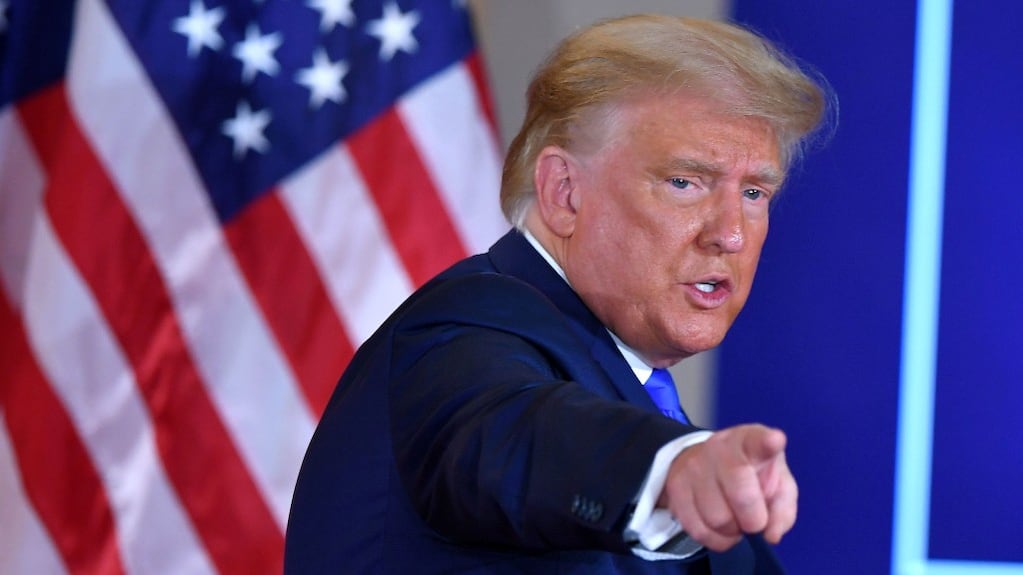
El voto latino se perfila como un factor clave en las elecciones de medio término del próximo martes en Estados Unidos y puede incidir en forma directa en la nueva configuración del Congreso.
El resultado de los comicios moldearán los últimos dos años de mandato del presidente Donald Trump, al que las encuestas vaticinan una derrota que podría condicionar la segunda mitad de su gestión.
La guerra de Irán y su impacto negativo en la economía estadounidense, con el alza de precios de combustibles y productos esenciales, se suma al fuerte rechazo a la política migratoria en la comunidad hispana.
Un sondeo de Pew Research Center reveló que la mitad de los electores latinos (51%) respalda a los candidatos demócratas en las elecciones, más del doble (24%) de quienes apoyan a los republicanos. En las elecciones de 2024, casi el 50% de los latinos votó por Trump.
Ahora, solo dos años después, tres de cuatro hispanos (74%) desaprueba la labor del presidente.
Otra encuesta hecha por The New York Times, a mediados de septiembre, señaló que el 78% de los votantes hispanos prefiere un control demócrata del Congreso.
Pero fiel a su estilo, Trump no se inmuta. “Creo que lo estamos haciendo bien. Tengo un tremendo voto hispano”, aseguró.
A dónde irá el voto de 36 millones de latinos
El martes se renovarán la totalidad de la Cámara de Representantes (435 escaños) y un tercio del Senado (35 sobre 100). Ambas cámaras están hoy bajo control republicano. Pero los demócratas son grandes favoritos. El gobierno tiene como gran objetivo retener el Senado. Si pierde el Congreso, Trump tendrá graves dificultades para imponer su agenda.
Seis de cada diez electores se muestran descontentos con Trump, según un reciente sondeo de Gallup. Las encuestas le vaticinan derrotas clamorosas, por ejemplo en el conservador estado de Texas, que se encaminaría a elegir a su primer senador demócrata en tres décadas.
Pero Trump se aferra a las ya habituales “pifias” de las grandes encuestadoras. De hecho se convirtió en presidente en 2016 cuando nadie daba un peso por su triunfo y repitió en 2024 con victorias en estados dudosos.
En ese escenario, son 36 millones de latinos los que están habilitados para sufragar.
María Bilbao, activista de la American Friends Service Committee Experience, una organización que ayuda a los inmigrantes, dijo a TN que “la economía va a tener un peso enorme en estas elecciones. El costo de vida, los alimentos, la vivienda y la dificultad que enfrentan muchas familias para llegar a fin de mes son preocupaciones muy concretas dentro de la comunidad latina”.
Para la activista, “Trump perdió apoyo, pero la comunidad latina no es homogénea y no todos votan por las mismas razones”.
“Desde mi trabajo en Florida veo mucha preocupación por el impacto de las políticas migratorias. Las detenciones, las deportaciones y el miedo están afectando no solamente a las personas indocumentadas, sino también a familias enteras con estatus migratorios mixtos”, indicó.
Las redadas contra inmigrantes siguen en marcha en todo el país. En los últimos cuatro meses se registró un récord de casi 200.000 arrestos. El número total de deportaciones, en el segundo gobierno de Trump, asciende a unas 980.000 personas, según un informe del Migration Policy Institute (MPI). Otras decenas de miles evitan salir de sus casas o lo hacen solo para trabajar por miedo a ser detenidos por patrullas del Servicio de Control de Inmigración y Aduanas (ICE).
“Hay dos cuestiones que van a pesar en la evaluación que hagan los votantes: cómo está afectando la economía su vida cotidiana y qué consecuencias están teniendo las políticas migratorias en sus comunidades”, resumió Bilbao.
Unidos
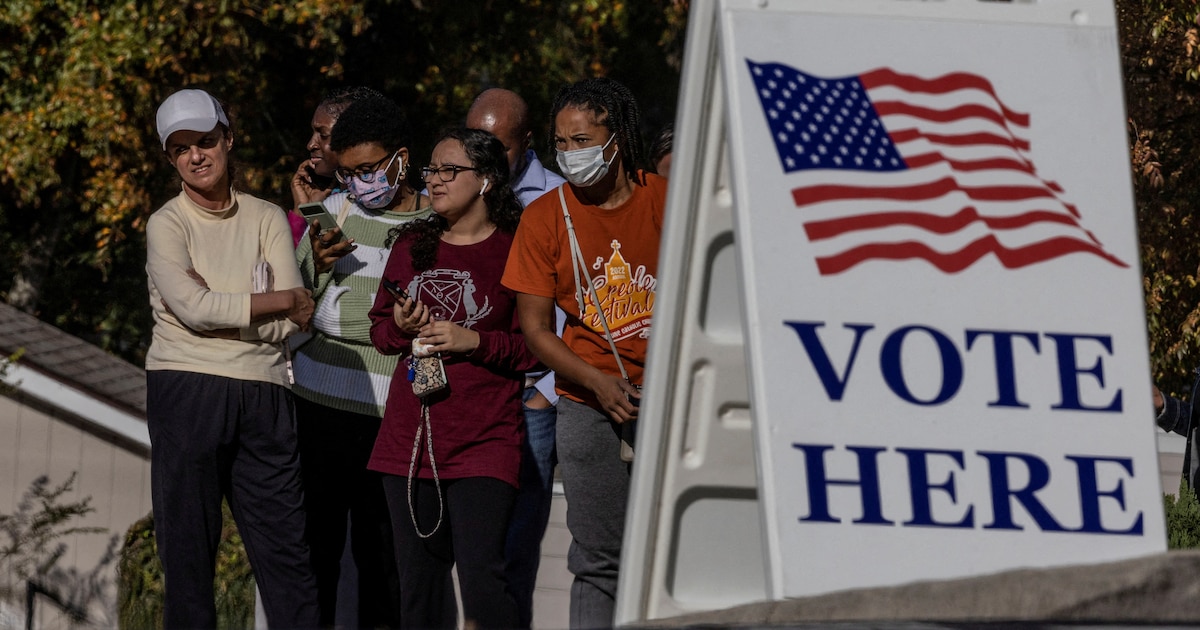
El próximo martes habrá elecciones de medio término en Estados Unidos y un par de temas excluyentes han marcado los meses previos a los comicios. En primer lugar, el costo de vida. En segundo, la inmigración. Hay indicios de que los resultados serían la manifestación de un cambio de paradigma al que los mismos tal vez contribuirían a acelerar el costo de vida y la inmigración.
A mediados de 2005 comencé a enseñar en Northwestern University, en las afueras de Chicago. Pagaba 1 dólar por la limpieza de cada camisa en la tintorería del barrio. Hoy el mismo servicio cuesta 4,65. Esto es un incremento del 465% en 21 años, seis veces más que el cálculo de 72% de inflación del Bureau of Labor Statistics para este período.
Seguramente los cálculos de los economistas son correctos. Pero a veces esos números abstractos no reflejan la realidad de la economía cotidiana. Y es la plata que sale del bolsillo para pagar los gastos corrientes la que suele tener un rol decisivo a la hora de votar, más que aquello que los ciudadanos escuchan de los candidatos o leen en los medios.
El aumento en el costo de vida viene sucediendo desde hace muchos años, pero se ha incrementado de manera notable recientemente. A mi compañera y a mí nos gustan mucho los pistachos. Hace un par de años una bolsa de casi 700 gramos costaba 15.99 dólares en Costo, un supermercado mayorista que tiene muy buenos precios. Esta semana pagamos 21.99 por el mismo producto. Un incremento del 37.5%, muy por encima del 7% de inflación acumulada durante este período según aquel organismo estatal.
Antes de enseñar en Northwestern University, daba clases en el Massachusetts Institute of Technology (MIT), cerca de Boston. El presidente del MIT de aquel entonces, Charles “Chuck” Vest, tenía la costumbre de reunirse con el plantel docente de cada escuela una vez al año. Comencé a trabajar allí en 2001. Durante la reunión de 2002 uno de mis colegas le preguntó sobre temas de políticas inmigratorias del gobierno luego de los acontecimientos del 11 de septiembre, y si las mismas afectaban al MIT.
Chuck contestó que no se podía hacer ciencia de primer nivel sin el aporte de extranjeros (alrededor de un 30% del personal de MIT, aclaró) y que las restricciones que había impuesto la administración de Bush atentaban contra la competitividad del sistema científico norteamericano—y por ende su poderío económico y geopolítico. Agregó que por eso él y su colega David Baltimore, presidente del California Institute of Technology durante esos años, estaban viajando a menudo a Washington DC para convencer a la administración de modificar las restricciones que había impuesto. No solo tuvieron éxito, sino que el presidente Bush luego le ofreció a Chuck el puesto de director de la Oficina de Políticas de Ciencia y Tecnología del país, oferta que declinó por temas personales.
La cantidad de visas F1 para estudiantes universitarios otorgadas por el gobierno norteamericano tuvo una reducción de aproximadamente el 50% comparando los meses de verano—el período de mayor actividad en esta área—de 2024 y 2025, según un artículo del New York Times. Esta merma sugiere que muchos estudiantes extranjeros posiblemente se sientan en la actualidad no tan bienvenidos como antes. Menos estudiantes extranjeros hoy llevaría a menos científicos extranjeros en unos años, lo cual redundaría en menos innovación, competitividad económica e influencia geopolítica en unas décadas.
Las redadas en busca de inmigrantes en situación ilegal que lleva a cabo regularmente la agencia de Immigration and Customs Enforcement (ICE) son otro indicador de esta tendencia. Buena parte de la ciudadanía ha reaccionado negativamente tanto a los modos mediante los cuales las mismas son llevadas a cabo como a la extensión de los criterios que se aplican para identificar a quienes deportar. A esta altura muchos votantes conocen de manera directa personas detenidas por ICE, o han escuchado historias al respecto de sus familiares y amigos. Esto es algo que suelen vivir como una experiencia traumática. Esta tendencia es particularmente pronunciada entre los votantes latinos, quienes fueron un pilar importante de apoyo al presidente Trump en 2024. Según las encuestas muchos de estos votantes parecieran estar reorientando su apoyo a los candidatos del Partido Demócrata en la actualidad.
Cambio de paradigma
Dos temas excluyentes y mucho en juego para ambos partidos. El presidente Trump fue elegido con el mandato de encauzar la economía y ordenar la situación inmigratoria, dos temas sobre los cuales una porción importante del electorado juzgó como deficiente la gestión del presidente Biden. Al cabo de los dos primeros años de su segunda administración, la sensación que se respira en la calle es que un amplio sector de la población está descontento con el desempeño de Trump en estos temas. La ciudadanía está menos ideologizada que los políticos: quiere soluciones eficaces para sus problemas cotidianos.
Según las encuestas, es muy probable que el Partido Republicano pierda la mayoría en la cámara baja y también hay una probabilidad más baja pero no menor que pase lo mismo en la cámara alta. Si bien el partido en el poder suele retroceder en las elecciones de medio término, las encuestas indican que este retroceso sería mayor que en el promedio de este tipo de comicios. Estas tendencias se relacionan no solo con la percepción del desempeño del presidente sino con una dinámica general de cambio de paradigma en los republicanos y los demócratas.
Por un lado, el presidente Trump y su movimiento MAGA pasaron de ser relativamente periféricos dentro del Partido Republicano antes de 2016 a convertirse en su centro de gravedad en menos de una década. De hecho, la influencia del presidente se ha hecho sentir fuertemente en la elección de muchos candidatos republicanos en estos comicios. Por el otro, el Partido Demócrata pasó del eje de la batalla cultural en las elecciones de 2024 a una dualidad entre las alternativas socialistas y de centro en los comicios de 2026. Abdul El-Sayed y James Talarico, los candidatos a senador en Michigan y Texas, respectivamente, representan esta dualidad entre socialismo y centrismo.
El caso de Texas es particularmente instructivo respecto de los cambios de paradigma en ambos partidos. El candidato republicano, Ken Paxton, quien cuenta con el aval del presidente Trump, le ganó la interna a su rival, el veterano senador John Cornyn. El candidato demócrata, Talarico, prevaleció sobre la congresista Jasmine Crockett, quien fue co-directora del comité de campaña de Kamala Harris en la elección presidencial de 2024, oradora destacada en la convención del partido ese año y recibió el apoyo de Harris en la interna hace unos meses.
Los demócratas no conquistan una banca en el senado en Texas desde 1988. Si Talarico superase a Paxton, sería un triunfo de altísimo impacto no solo en el estado sino a nivel nacional y le daría fuerte envión a la alternativa de centro de cara a las elecciones de 2028.
Los comicios de medio término serán, por un lado, el emergente del cambio de paradigma, y por el otro es de esperar que los resultados intensifiquen el cambio. Esto, a su vez, incidiría en las elecciones presidenciales de 2028. ¿Habrá un candidato MAGA o una alternativa de otras características dentro del Partido Republicano? ¿Cuál será el rol del presidente Trump, quien difícilmente se comporte como un pato rengo, en el proceso? ¿Prevalecerá una opción de centro o socialista dentro del Partido Demócrata?
El martes la ciudadanía expresará su voluntad en las urnas, con la cabeza pensando en el bolsillo y la mirada puesta en la frontera. Y al día siguiente comenzará en la primera potencia de Occidente el largo camino hacia el recambio presidencial.
Politics,Elections,US

‘Toxic cocktail’ of renter protections destroyed $39M affordable housing investment as Dem cities follow suit

Diego Páez Vilaró adelanta cómo es su documental Argentina Stone: “Los Rolling son mi vida”

La logística es casi un tercio del costo lácteo

El voto latino le da la espalda a Trump y se perfila como un factor clave en las elecciones legislativas de Estados Unidos

Romano Floriani, bisnieto de Mussolini, aterriza en la Serie A: “Siempre habrá algún prejuicio”

Lula se queda con casi toda la conversación regional y relega a Milei

Avanza la búsqueda de los hermanos desaparecidos que fueron arrastrados por la corriente de un río en Santa Cruz

Malvinas: tras aceptar modificaciones, el Gobierno buscará llevar al recinto el proyecto de Ley de Soberanía el 12 de noviembre

Luis Enrique no tiene al gran ‘killer’ de París: una ‘bestia’ supera a Ferran Torres

El “efecto Lula” sigue pegando en Argentina: los bonos sintieron el impacto, pero el tipo de cambio aguantó

 ECONOMIA10 horas ago
El “efecto Lula” sigue pegando en Argentina: los bonos sintieron el impacto, pero el tipo de cambio aguantó
- CHIMENTOS2 días ago
Darío Barassi reveló el nombre que había elegido en caso de tener un hijo varón: «Tiene personalidad»
- ECONOMIA2 días ago
BCRA asegura que ya no hay freno monetario para la economía pero la reactivación no llega