INTERNACIONAL
‘Toxic cocktail’ of renter protections destroyed $39M affordable housing investment as Dem cities follow suit


Seattle’s effort to protect renters allegedly helped destroy a $39 million investment meant to provide affordable housing, sending a 254-unit apartment complex that served lower-income residents into receivership. Now, its owners have scored a court victory in a battle that could influence similar fights in Philadelphia and other Democrat-led cities.
The Washington Court of Appeals ruled Monday that GRE Downtowner LLC, the company behind Seattle’s 254-unit Addison on Fourth affordable housing development, can proceed with claims that the city’s sweeping rental regulations amounted to an unconstitutional taking of private property. GRE alleges the restrictions, including an ordinance requiring landlords to accommodate certain additional occupants without their consent, sent rent collections plummeting, triggered millions in losses and ultimately made the once-viable affordable housing investment financially unsustainable.
The development operated under the federal Low-Income Housing Tax Credit program, which offers tax incentives to private investors in exchange for providing rent-restricted apartments to lower-income residents. Sean Flynn, executive director of the Rental Housing Association of Washington, explained that while such developments typically generate relatively modest profits, the federal tax credits make them financially attractive to investors, helping bring private money into affordable housing projects that might otherwise struggle to get built.
Flynn, who is working with GRE Downtowner in its case against the City of Seattle, told Digital that the city’s successive ordinances targeting landlords ultimately created a «toxic cocktail of legislation» that took a functioning affordable housing property and «destroyed it.»
PROPERTY OWNER ADVOCACY GROUPS PUSH BACK ON MAMDANI’S ‘RENTAL RIPOFF REPORT,’ PUBLIC DATABASE OF LANDLORDS
According to court filings, GRE’s investment initially proved financially viable, with the property generating positive cash flow from 2015 through 2018. But as Seattle enacted a series of ordinances restricting criminal-background checks, expanding tenants’ ability to bring additional occupants into their apartments, limiting certain evictions and requiring relocation assistance following qualifying rent increases, GRE alleges its rent collections collapsed from 93.9% in 2018 to just 44.1% in 2023, contributing to nearly $5.8 million in cumulative operating losses.
The financial deterioration ultimately culminated in a federal judge appointing a receiver in January 2026 to take control of the property following a mortgage default.
«The policies they’re passing are detrimental to the folks they’re actually trying to help,» Flynn warned, arguing that excessive restrictions on landlords ultimately hurt renters by discouraging housing investment. «No one will invest to build more housing if they believe that the government can come in and effectuate a taking – to take the property out from under them – and they have no legal recourse.»
OREGON DEMOCRATS PROPOSE ‘RIGHT TO REST ACT’ DECRIMINALIZING PUBLIC CAMPING AS HOMELESS CRISIS SURGES
«What this decision says is government, you can regulate, you can regulate to your heart’s content,» Flynn added. «But if your regulations amount to the point of which you take my real property, I’m allowed to sue you for it.»
Ilya Somin, a George Mason University law professor specializing in constitutional law and property rights, told Digital that the ruling is more consequential than a routine procedural decision but cautioned against overstating its broader impact.
«This is only moderately significant, but it’s more significant than just a routine legal decision that only affects the people immediately involved,» Somin said, explaining that courts in other states could consider the Washington ruling when weighing similar constitutional challenges. He also said the case could theoretically go to the U.S. Supreme Court, but said that was fairly unlikely.
Seattle is hardly alone in imposing sweeping restrictions on landlords. San Francisco has long enforced rent controls and limits on evictions, and New York City expanded eviction protections in 2024 under the state’s Good Cause Eviction law, limiting landlords’ ability to remove certain tenants or refuse lease renewals while allowing renters to challenge excessive rent increases. Portland, Oregon, limits landlords’ use of criminal histories when screening prospective tenants and requires relocation payments following certain rent increases of 10% or more. Philadelphia has also adopted restrictions involving criminal-history screening. These policies reflect a broader push to strengthen renters’ rights in major Democrat-led cities, even as property owners raise concerns about the consequences of increasingly restrictive housing regulations.
OBAMA-ERA MANDATE SLASHED AFTER BEING BLAMED FOR ‘SKYROCKETING’ HOUSING COSTS
Flynn warned that the consequences of Seattle’s housing policies extend well beyond Addison on Fourth, arguing that mounting restrictions have driven developers and smaller landlords away from Seattle — a city once bustling with residential construction.
«Once upon a time in Seattle, you could stand from my office and you could see crane after crane after crane building housing,» Flynn said. «They’re gone, and they’re not coming back.»
Flynn argued that the resulting decline in investment ultimately hurts ordinary renters, leaving them with fewer housing options and higher costs.
«When you take the investment incentive out of providing a product, you get worse products at a higher cost,» he said. «Investors listen and they vote with their feet. And as a result, there’s less housing and the housing that is available is of lesser quality.»
NYC RENT BOARD DISSENTER WARNS MAMDANI-BACKED FREEZE COULD HURT AFFORDABLE HOUSING OVER TIME: ‘SLOW BURN’
GRE’s lawsuit seeks compensation under a legal principle known as inverse condemnation, which allows property owners to pursue payment when they believe government actions have effectively taken or damaged their property without providing just compensation. GRE argues that Seattle’s ordinances, individually and collectively, went so far in restricting its property rights that the city should be held financially responsible for the resulting losses.
The Seattle City Attorney’s Office told Digital that officials are reviewing the appellate ruling and weighing their next steps. «We haven’t made a decision on an appeal yet,» Chief of Staff Dan Nolte said in an email Thursday.
«I believe the plaintiffs in this case deserve to win at least on that roommate provision,» Somin told Digital, referring to Seattle’s restrictions on landlords’ ability to exclude certain additional occupants from rental properties.
Somin pointed to the Supreme Court’s 6-3 decision in Cedar Point Nursery v. Hassid , which ruled that a California regulation requiring agricultural employers to allow union organizers onto their private property constituted a physical taking under the Fifth Amendment. He argued that Seattle’s Roommate Ordinance raises a similar constitutional question because it requires landlords to accommodate additional occupants with whom they never entered into a rental agreement.
SIGN UP TO GET THE POLITICS NEWSLETTER
«I think the strongest per se argument is simply an argument against this provision of the ordinance, which says they have to take these people who they never made any contract with at all, never screened, and so on,» Somin said. «The additional requirement to let them on their land is going beyond what’s in the contract, and the same thing you know would apply here in the Seattle case.»
seattle, housing, property, real estate, state and local, washington, rental, politics










NEWYou can now listen to Fox News articles!
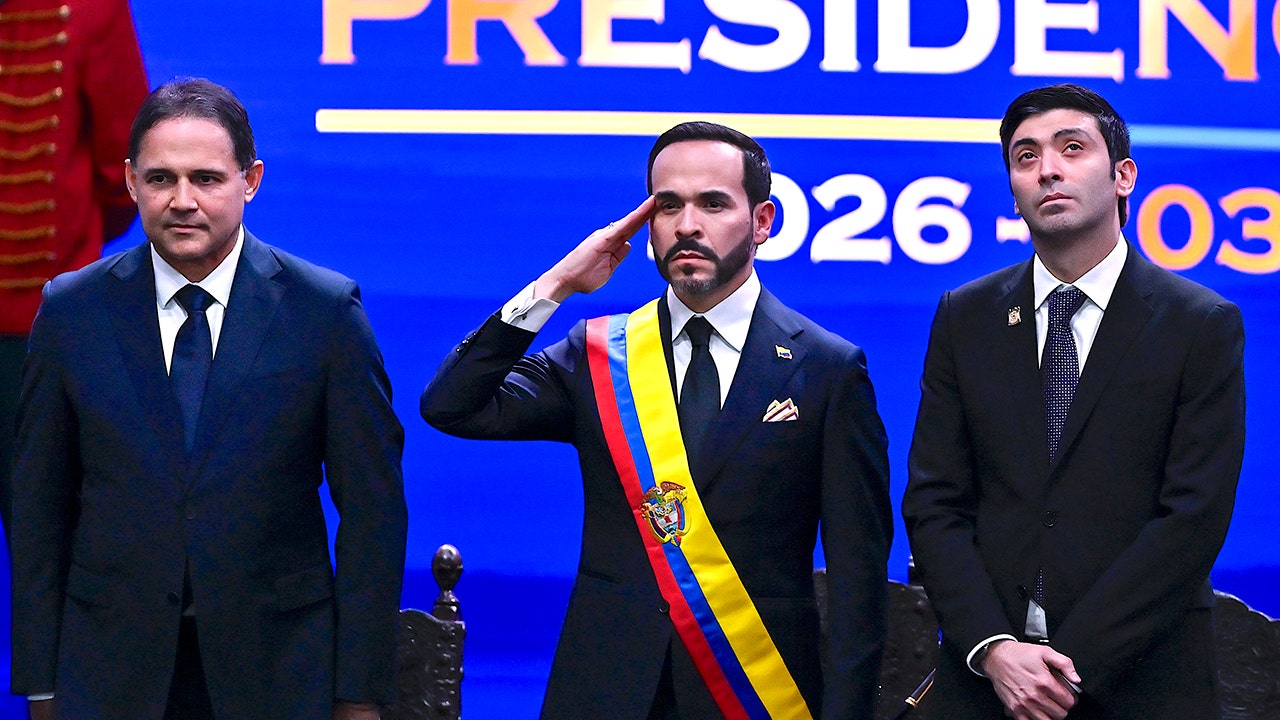
President Abelardo de la Espriella means business when it comes to his war against the cartels. Colombia’s new president, known by the nickname of ‘El Tigre’, was voted in on a law and order ticket and so far his actions in fighting the cartels are seemingly paying dividends — not just in Colombia but in Washington too.
Recently, he arrived at the Barranquilla police command around the early hours of the morning as 587 police officers and soldiers raided 50 locations across the Caribbean port city and its suburbs in Operation Blindaje 360. A few days earlier, domestic Colombian news outlets had widely publicized a recording intercepted by Colombian police of «Keko», the alleged leader of a gang called «Los del Freseo» boasting that de la Espirella had nothing on him.
«The Tiger’s got nothing. Let him come out, and we’ll put lead in him,» Keko allegedly said on the recording.
Then, before dawn, Colombia’s president had tracked him down and was face to face with him, all caught on tape.
According to a video released by his presidential office, El Tigre told Keko the gang leader was «a tough guy on the phone… but the look of the fear on his face matched that of his many victims». The sweep ended with 72 arrests.
ANTI-CARTEL HARDLINER CHANNELS TRUMP IN BID TO END COLOMBIA’S LEFTIST ERA IN PIVOTAL ELECTION
Colombia’s President Abelardo de la Espriella delivers a speech during the change of command ceremony at the Jose Maria Cordova Military School in Bogota on August 26, 2026. Colombia’s new hard-right government announced on August 25, 2026, plans to classify guerrilla fighters, drug traffickers and other criminal groups as «terrorists.» (Raul ARBOLEDA / AFP via Getty Images)
The theatrics played to a large audience who long argued that former leftist Gustavo Petros’s policy of pursuing engagement with drug traffickers and through conversation and peace talks had left Colombia more vulnerable to organized crime and further articulation between Colombian and Venezuelan cartels that had been dominating the space left by the power vacuum which emerged from effective law-enforcement control.
His government is also seeking to reverse former President Gustavo Petro’s «total peace» policy, which pursued negotiations with several armed organizations. Before taking office, de la Espriella announced that he would dismantle key elements of the policy and reactivate arrest warrants against members of illegal armed groups.
Nearly three months into his term, the 48-year-old lawyer has scrapped his leftist predecessor’s «total peace» talks, ordered every armed group treated as a terrorist organization and claims more than 32,000 arrests. He is doing it arm in arm with Washington.

Colombia’s President Abelardo de la Espriella personally showing up in the aftermath of the raid in Barranquilla to confront Keko face-to-face on Oct. 16 2026. (Abelardo De La Espriella @ABELAESPRIELLA)
A dual U.S.-Colombian citizen who lived in Miami before running for president, he has brought Colombia into President Donald Trump’s anti-cartel coalition. Last month, he personally handed a guerrilla boss accused of supplying Mexico’s Sinaloa Cartel to DEA agents with his hands and feet shackled.
The prisoner, Geovany Andrés Rojas, alias «Araña,» is alleged to have led the «Comandos de la Frontera» dissidents and now faces narco-terrorism charges in Southern California.
«The option of dialogue is completely exhausted,» de la Espriella told troops after his Aug. 7 inauguration. In an Oct. 12 address, he put the tally at 32,503 arrests, 33 ringleaders taken out of action and 679 drug-production sites destroyed or disabled. He has signed more than 100 extradition orders, including five for former armed-group peace negotiators wanted in the U.S. whose handovers the previous government had frozen.
‘DONROE’ DOCTRINE AND CONSERVATIVE VICTORIES SQUEEZE CARTELS IN LATIN AMERICA
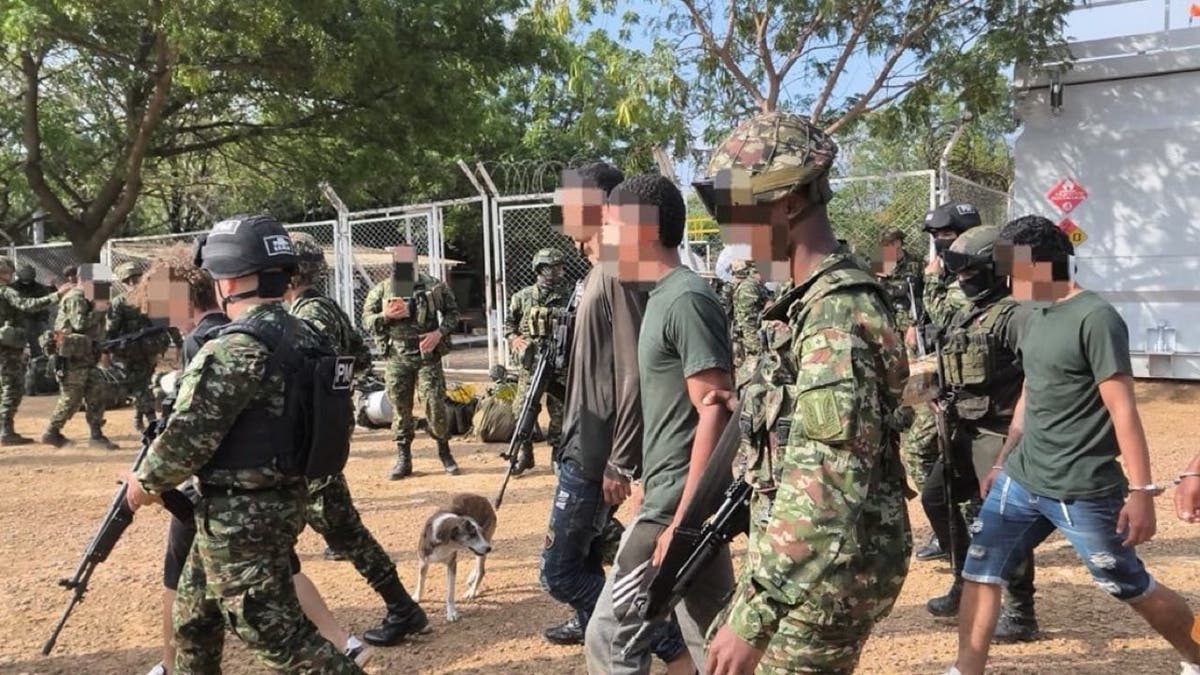
Army operation in La Gabarra, Tibú, resulting in the detention of five FARC dissidents and the seizure of weapons and communications equipment on Oct. 6, 2026. (Abelardo De La Espriella @ABELAESPRIELLA)
The offensive reaches deep into the countryside, where conflict monitor ACLED counted August as the deadliest month for clashes between security forces and armed groups since it began tracking Colombia in 2018.
In late August he warned FARC dissident chief Iván Mordisco: «When you least expect it, a bomb is going to fall on you.» Two days later, he walked among the bagged bodies of 23 suspected dissidents at an army base in Guaviare, and troops killed the top commander of a paramilitary-rooted trafficking group in La Guajira.
Colombia became the 19th member of Trump’s Shield of the Americas coalition in August, and War Secretary Pete Hegseth said Bogotá had authorized «joint military operations to destroy terrorists and terror networks domestically.» The administration has pledged $1 billion in security aid, pending congressional approval, and Marine Gen. Francis Donovan, head of U.S. Southern Command, has toured Colombian bases.
However, speaking on-camera to Fox News Digital, Colombian Vice President José Manuel Restrepo said while his country is embracing President Donald Trump’s push for a new security alliance across the Western Hemisphere, he drew a clear line on the role American forces would play inside Colombia, saying Colombian troops — not U.S. forces — will carry out operations against the country’s armed groups.
PENTAGON SENDS HUNDREDS OF ARMY TROOPS TO LATIN AMERICA FOR TRAINING AS DRUG-TRAFFICKING CAMPAIGN EXPANDS

US President Donald Trump and US Defense Secretary Pete Hegseth (L) look on during the «Shield of the Americas» Summit at Trump National Doral in Miami, Florida, March 7, 2026. (SAUL LOEB / AFP via Getty Images)
According to Benjamin Gedan, a senior fellow and director of the Latin America Program at the Stimson Center in Washington who previously served as a South America Director in the White House, the last few years were an outlier:
«For decades, the United States and Colombia closely cooperated to fight guerrillas and organized crime. Plan Colombia was celebrated by both Republicans and Democrats. The Colombian military is well-trained and battle-tested. Renewed close cooperation between Bogotá and Washington is a cornerstone of the renewed U.S. focus on security in Latin America,» he said.
«Still, flashy military strikes on criminal targets will not answer the mail. These groups are well-armed, well-funded, and thrive in regions with little state presence. Images of criminals in body bags may give the impression of forward progress after the failed strategy of Colombia’s last leader, much as videos of exploding speedboats have become the calling card of the Shield of the Americas. In both cases, a more sophisticated strategy is needed to deal lasting blows to criminal groups,» Gedan argued.
CRIME, KIDNAPPINGS AND DRONE ATTACKS FLAGGED IN US WARNING FOR BORDER REGION

Americans are urged not to travel within five miles of the Colombia-Venezuela border due to crime, kidnapping and armed conflict. (Schneyder Mendoza / AFP via Getty Images)
Oscar Palma, a professor of Security Studies at the University of Rosario in Bogotá, said it is still a little too early to assess the change in policies and affirm they will be fruitful within the Colombian context. «Beyond the policing acts themselves, there is the subjective feeling of security with debates within Colombian society on whether this open war strategy brings more or less security to the population. Many argue that the gangs are acting now more forcefully to defend their territories and business deals, while others believe that a strong police presence will eventually lead to less organized crime.»
Palma said there is a false dichotomy between having to choose all-out war or dialogue in order to achieve peace with groups such as the FARC and other gang leaders: «It is a fiction that you will come to zero combatants simply pursuing one strategy or the other—all-out war will never zero down those combating in the FARC and organized crime just as peace talks, especially if carried out in a misguided policy such as the one led by [Gustavo] Petros, will achieve real results.»
He said, «A better example is the strategy carried out by President [Juán Manuel] Santos during the dealings with the FARC, which led to a much safer Colombia: there were talks, but those were part of a bigger strategy of also fighting these groups with arms and bringing them to justice,» he added.
«There is a wave of freedom, a wave of democracy, a wave of free market… There is a new momentum for the region and we have to take advantage of that momentum. That’s what I said to President Trump,» Restrepo told Fox News Digital. «If we want to keep and preserve democracy in the region, the Shield of the Americas is going to be the best opportunity to do it.»
world, colombia, narco terror, donald trump
INTERNACIONAL
Los nombres detrás de la guerra narco en Uruguay: uno a uno, los líderes criminales que la Policía logró capturar
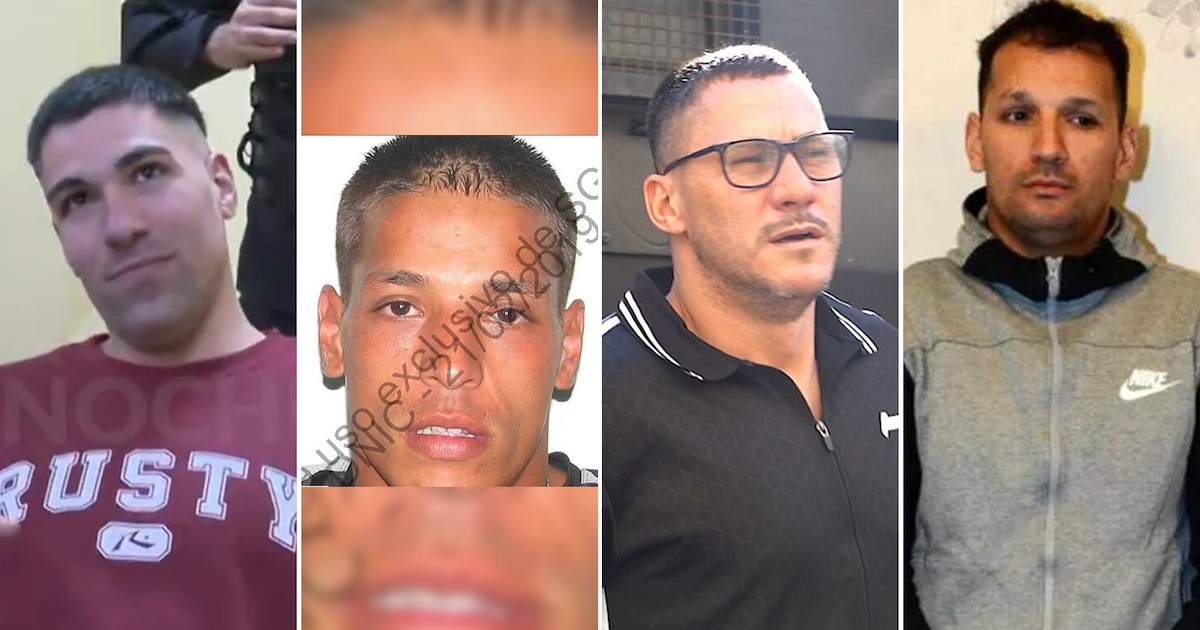
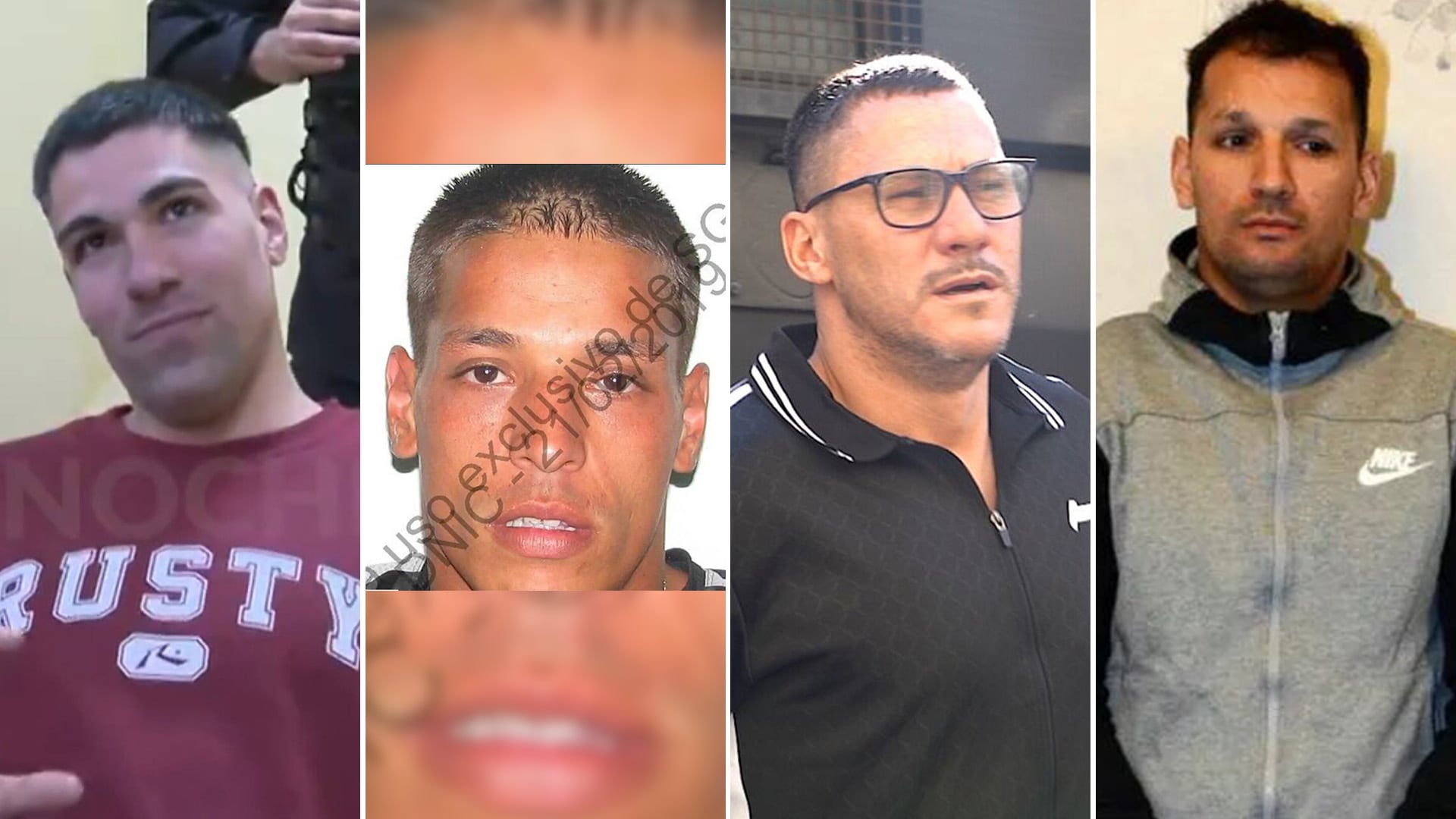
Seis de cada 10 homicidios que ocurren en Uruguay tienen su origen en conflictos entre grupos criminales, según datos oficiales. Son personas que se matan por represalias, por disputas entre grupos o porque acumulan años –y hasta décadas– de violencia. Conocer las historias detrás de estos asesinatos es clave, para el Ministerio del Interior del país, para intentar prevenir una próxima agresión.
El ministro del Interior, Carlos Negro, se basó en este dato para explicar por qué los homicidios crecieron un 14% en el primer semestre del año y para defender en el Parlamento la estrategia de su cartera.
Los asesinatos por disputas criminales se han duplicado en los últimos 12 años al tiempo que otras patologías disminuyeron. Por ejemplo, los crímenes ocurridos por conflictos interpersonales y altercados espontáneos bajaron un 5%; por violencia doméstica, un 10%; por rapiñas, un 21%; por otros motivos o causas desconocidas, un 1%.
Las víctimas con antecedentes penales, en tanto, se han duplicado en los últimos 12 años.
“La violencia letal sufrió un aumento en los últimos meses, concentrándose la mayoría de los homicidios en la zona metropolitana”, detalló Negro ante los legisladores.
La estrategia del gobierno uruguayo para hacer frente a esta realidad son las intervenciones policiales a través de distintos operativos, que hasta ahora ha derivado en “afectar capacidades operativas” de 22 estructuras criminales uruguayas, informó Negro. Fueron un total de 1.800 los allanamientos realizados.
Los narcos que cayeron
Las organizaciones criminales en Uruguay tienen tres “flancos más sensibles”, según el ministro del Interior uruguayo. Son sus líderes, las drogas y el dinero. Es por eso que las intervenciones de la Policía apuntan a capturas, incautaciones y lavado de activos. Pero, ¿quiénes son los líderes criminales que fueron capturados en Uruguay? El ministro Carlos Negro mencionó sus nombres en el Parlamento.
Luis Fernando Fernández Albín fue uno de los mencionados por Negro. El narcotraficante fue detenido en argentina y está preso en Uruguay, condenado por tráfico de drogas y lavado.

Luis Alberto Betito Suárez fue recientemente condenado a tres años y ocho meses por tenencia de estupefacientes. Es considerado uno de los delincuentes más peligrosos del país y, si bien decía estar retirado del mundo delictivo, la Policía nunca dejó de prestarle atención.

Loly Suárez Correa fue la tercera líder criminal mencionada por Negro ante los legisladores. Es la hermana del Betito y fue a fines de 2025 por varios delitos relacionados a las drogas.
Rodrigo Lescano era un socio de Betito y también fue condenado.
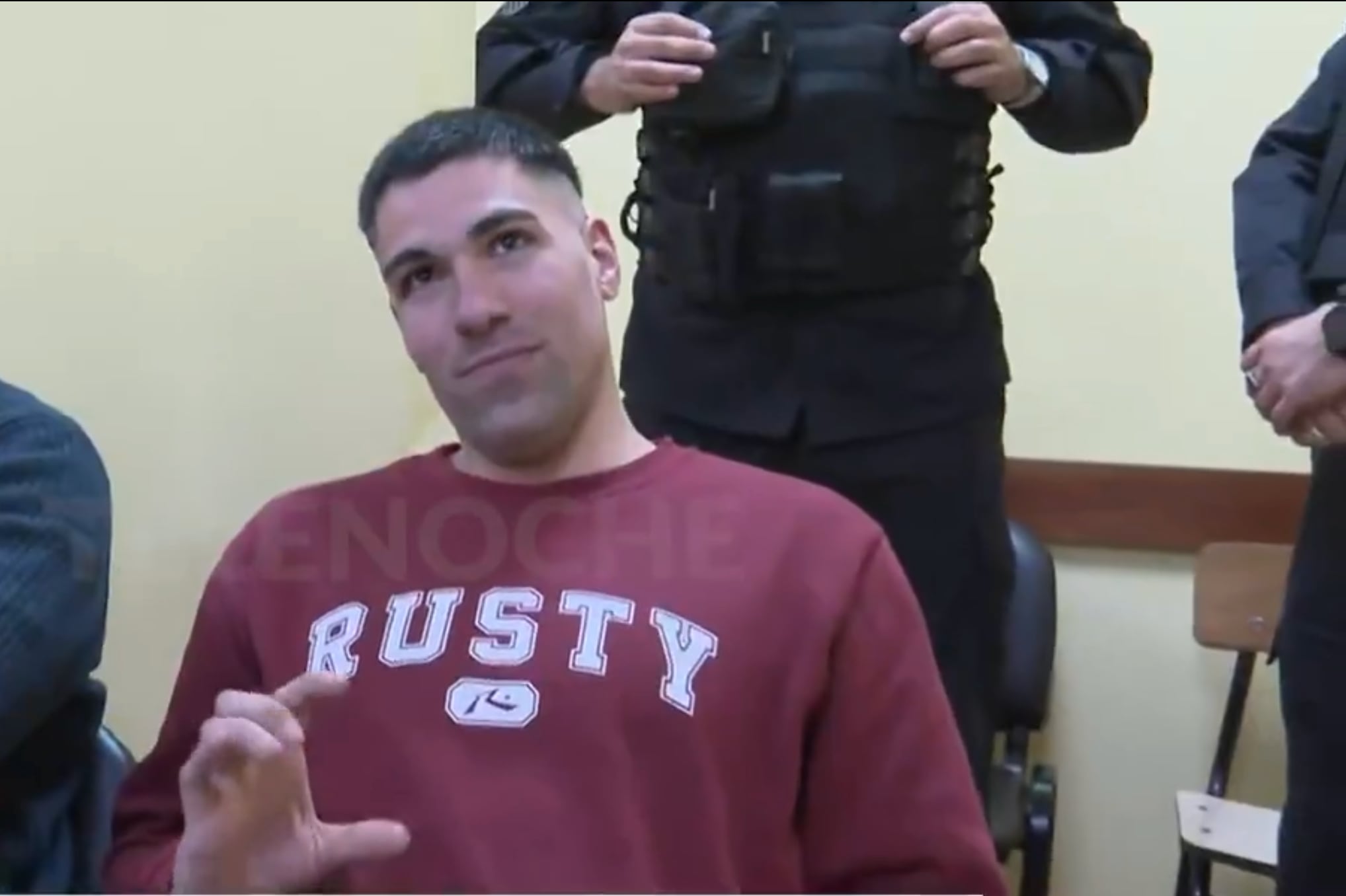
Ricardo Cáceres Correa, conocido como Ricardito, fue condenado en julio de 2026. Este conocido delincuente dirigió torturas desde la cárcel por videollamada y estuvo vinculado a un triple crimen.
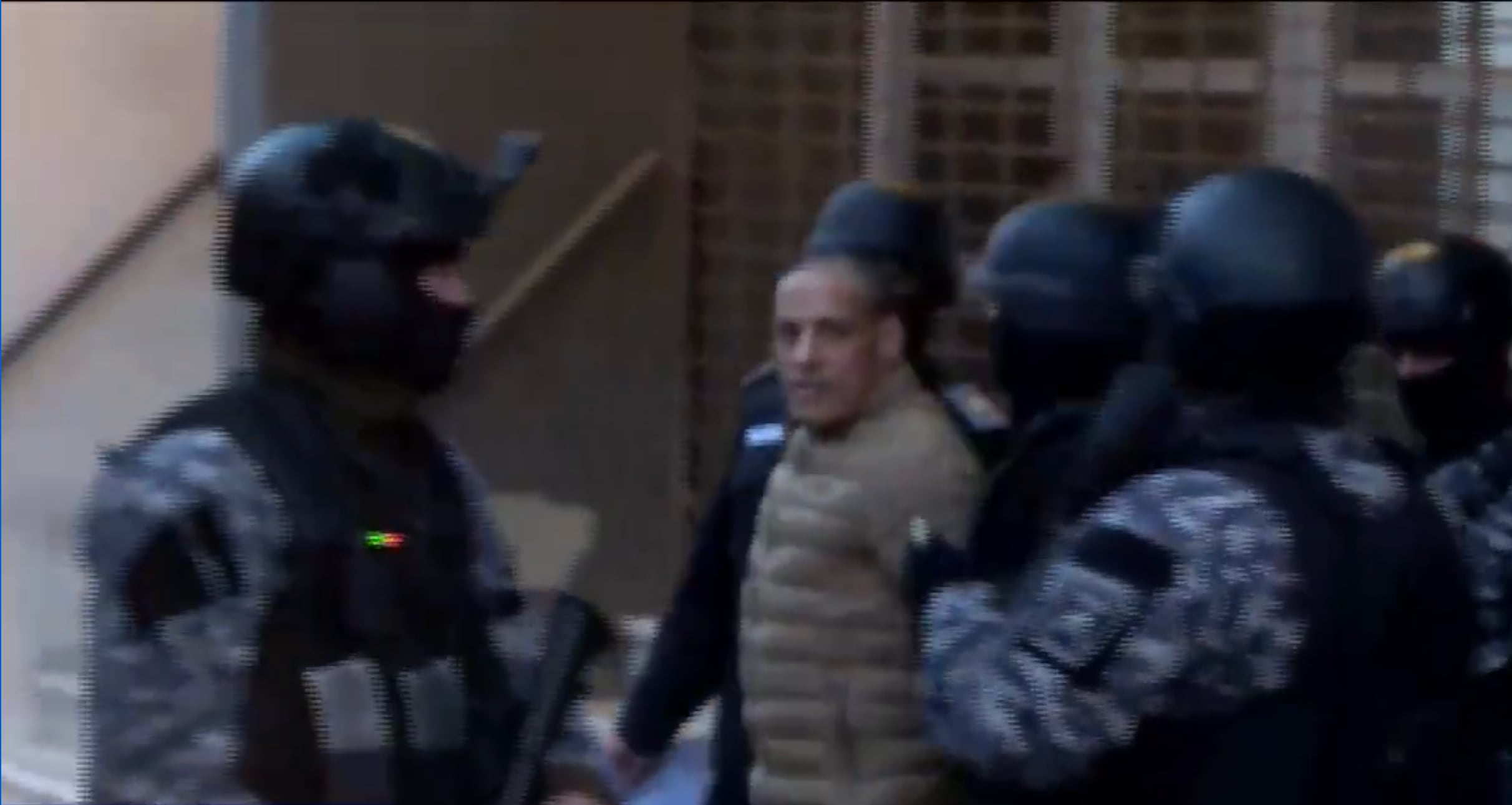
José Carlos Machado, el Pelón, fue condenado a la pena máxima en septiembre. El fiscal que investigó el caso lo definió como el asesino serial “más prolífico”. Había matado desde adolescente.
Axel Joel Mattos, el líder de Los Colorados, un grupo criminal que disputa el mercado tradicional de venta de drogas. Él esta guerra personalmente. En octubre de 2024 fue asesinado su hijo, un bebé de un año, sobre un pasillo angosto de Cerro Norte. El ataque iba dirigido hacia él.
Eduardo Félix Farías y Raimundo de Souza, dos integrantes del Primer Comando Capital (PCC) y de la banda que planificó el “robo del siglo”, como se conoció al intento de ingresar a una sucursal de BBVA del casco histórico de Montevideo.

La lista de “líderes narcos” mencionada por Negro se completaba por: Fiorella Albín; Carlos Damián Araújo; Matías Suárez Barbero –de la banda Los Calidad, de Casabó–; Andrés Díaz –perteneciente a los Puglia–; Santiago Nicolás Rosa, el Dibu –de la zona metropolitana de San José–, Gustavo Edgardo Casari, Piolín –detenido recientemente–, Gabriel Jiménez Mattos –también de los Colos–; Kevin Moroto –conocido por varios episodios y delitos de homicidio, Emanuel Pintos, Manu; Agustín Cuello –perteneciente a los Fraga, de La Cruz de Carrasco–, Diego Ezequiel Carballo –de los Priti–; Marcelo Surraco; y Ruben Darío Goncalves, alias el Sapo, de la zona del Marconi.
“Estos son solo algunos nombres de las personas que fueron detenidas en este período. Cada una de ellas ocupa importantes lugares en las estructuras criminales atacadas”, describió Negro después de mencionar a cada uno de ellos.

El ministro del Interior mencionó también varios líderes que fueron capturados en el interior del país.
En Maldonado, por ejemplo, fueron apresados los principales líderes de las organizaciones de la zona, como Nicolás Montelongo Porley, líder de la organización, vinculado a los Patas Blancas. Se estima que decenas de bocas de venta de droga en todo el departamento eran abastecidas por esta organización.
El Tonga, como se conoce a Mario Gastón Fernández Pascal, era uno de los principales líderes del Primer Comando de la Frontera, que operaba en los departamentos de Treinta y Tres, Lavalleja y Canelones.
Tras mencionar estos –y otros nombres–, el ministro insistió con la explicación de que muchos homicidios ocurren “en contextos vinculados al crimen organizado y al narcotráfico”. “Muchas de las personas asesinadas tenían importantes antecedentes delictivos”, expresó.

“En este punto quiero ser muy claro: el ‘¡Que se maten entre ellos!’ no puede ser una respuesta del Estado. No podemos aceptar que haya muertes que nos importen menos por quienes son sus víctimas o por las circunstancias en las que ocurren. Cada homicidio nos interpela como Estado y como sociedad, y frente a cada uno tenemos la misma responsabilidad: investigar, esclarecer y trabajar para evitar que vuelva a ocurrir un hecho similar. Ninguna vida puede quedar fuera de la responsabilidad del Estado”, expresó el ministro.
Negro dijo que el objetivo del gobierno es “perseguir a los autores” de los homicidios y seguir la ruta del dinero, “la causa definitiva del tráfico y de las muertes”.
Los operativos realizados
Uno de los operativos que puso en marcha el Ministerio del Interior para capturar a estos delincuentes se denominó Atenea. Negro explicó que está orientado a “la presencia policial, el patrullaje y la investigación en zonas de alta exposición de violencia letal”. En los cuadrantes donde se aplica esta intervención, los homicidios se redujeron un 42% y las personas heridas por arma de fuego un 27%, según las cifras oficiales.
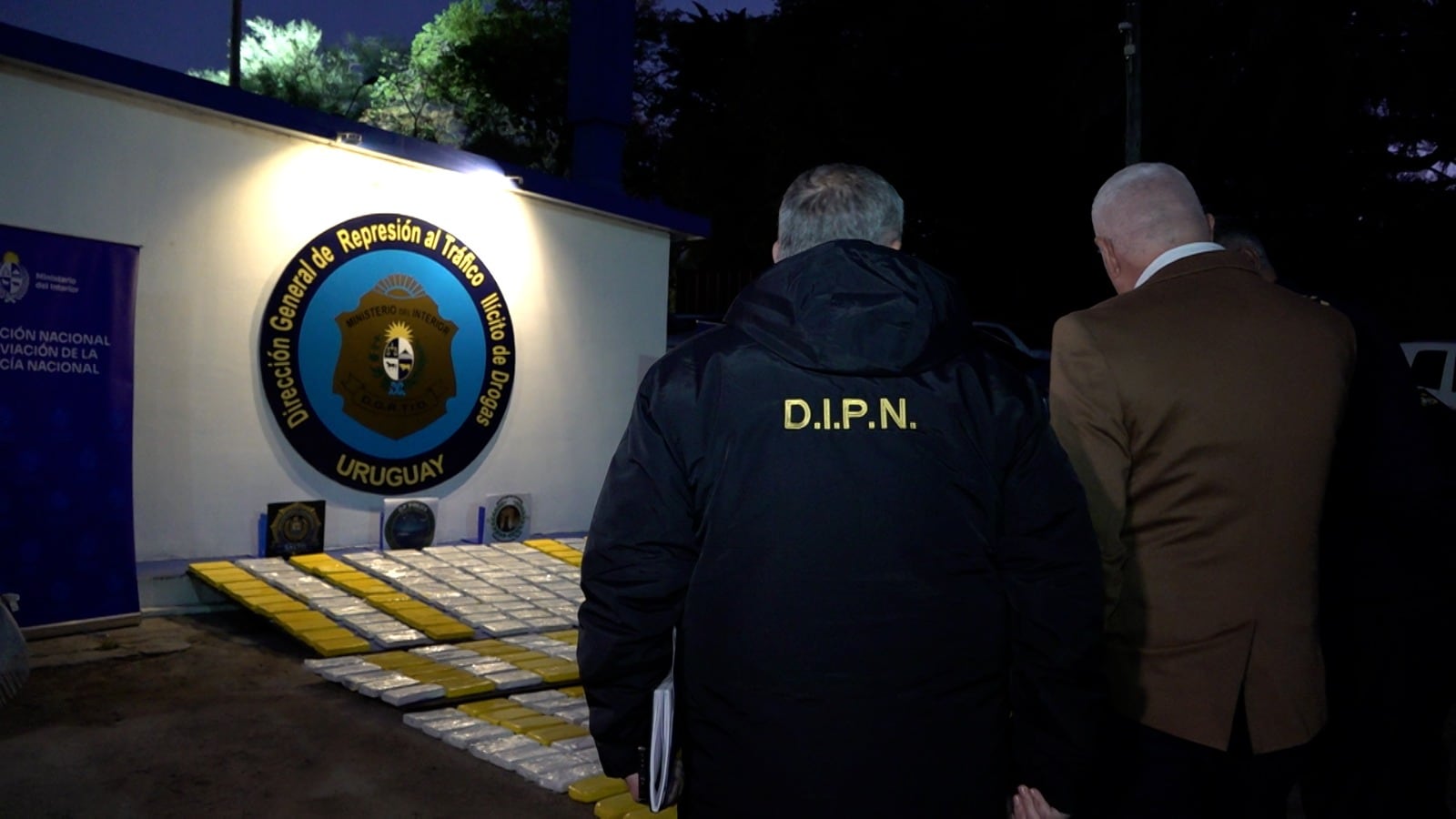
El operativo Argos, en tanto, está pensado como un complemento de este trabajo en áreas con homicidios recientes, personas heridas y balaceras. Un tercer operativo es el Dominó que “aporta una respuesta inmediata en territorios en conflicto luego de hechos de violencia armada”.
Negro informó que en Maldonado se han realizado 130 allanamientos tras los cuales hubo 140 imputados o condenados por la Justicia. Varias de las bocas de drogas allanadas fueron tapiadas o demolidas y se incautaron 90 armas de fuego, más de 85 kilos de cocaína y pasta base y más de 30 kilos de marihuana.
corresponsal: Desde Montevideo
INTERNACIONAL
El voto latino le da la espalda a Trump y se perfila como un factor clave en las elecciones legislativas de Estados Unidos
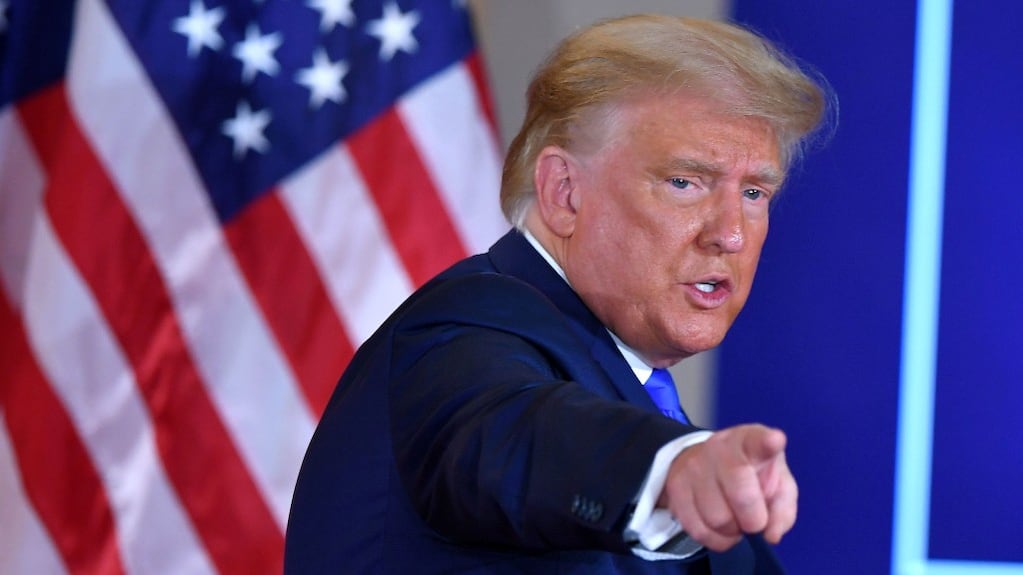
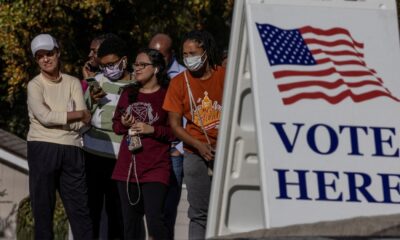
El voto latino se perfila como un factor clave en las elecciones de medio término del próximo martes en Estados Unidos y puede incidir en forma directa en la nueva configuración del Congreso.
El resultado de los comicios moldearán los últimos dos años de mandato del presidente Donald Trump, al que las encuestas vaticinan una derrota que podría condicionar la segunda mitad de su gestión.
La guerra de Irán y su impacto negativo en la economía estadounidense, con el alza de precios de combustibles y productos esenciales, se suma al fuerte rechazo a la política migratoria en la comunidad hispana.
Un sondeo de Pew Research Center reveló que la mitad de los electores latinos (51%) respalda a los candidatos demócratas en las elecciones, más del doble (24%) de quienes apoyan a los republicanos. En las elecciones de 2024, casi el 50% de los latinos votó por Trump.
Ahora, solo dos años después, tres de cuatro hispanos (74%) desaprueba la labor del presidente.
Otra encuesta hecha por The New York Times, a mediados de septiembre, señaló que el 78% de los votantes hispanos prefiere un control demócrata del Congreso.
Pero fiel a su estilo, Trump no se inmuta. “Creo que lo estamos haciendo bien. Tengo un tremendo voto hispano”, aseguró.
A dónde irá el voto de 36 millones de latinos
El martes se renovarán la totalidad de la Cámara de Representantes (435 escaños) y un tercio del Senado (35 sobre 100). Ambas cámaras están hoy bajo control republicano. Pero los demócratas son grandes favoritos. El gobierno tiene como gran objetivo retener el Senado. Si pierde el Congreso, Trump tendrá graves dificultades para imponer su agenda.
Seis de cada diez electores se muestran descontentos con Trump, según un reciente sondeo de Gallup. Las encuestas le vaticinan derrotas clamorosas, por ejemplo en el conservador estado de Texas, que se encaminaría a elegir a su primer senador demócrata en tres décadas.
Pero Trump se aferra a las ya habituales “pifias” de las grandes encuestadoras. De hecho se convirtió en presidente en 2016 cuando nadie daba un peso por su triunfo y repitió en 2024 con victorias en estados dudosos.
En ese escenario, son 36 millones de latinos los que están habilitados para sufragar.
María Bilbao, activista de la American Friends Service Committee Experience, una organización que ayuda a los inmigrantes, dijo a TN que “la economía va a tener un peso enorme en estas elecciones. El costo de vida, los alimentos, la vivienda y la dificultad que enfrentan muchas familias para llegar a fin de mes son preocupaciones muy concretas dentro de la comunidad latina”.
Para la activista, “Trump perdió apoyo, pero la comunidad latina no es homogénea y no todos votan por las mismas razones”.
“Desde mi trabajo en Florida veo mucha preocupación por el impacto de las políticas migratorias. Las detenciones, las deportaciones y el miedo están afectando no solamente a las personas indocumentadas, sino también a familias enteras con estatus migratorios mixtos”, indicó.
Las redadas contra inmigrantes siguen en marcha en todo el país. En los últimos cuatro meses se registró un récord de casi 200.000 arrestos. El número total de deportaciones, en el segundo gobierno de Trump, asciende a unas 980.000 personas, según un informe del Migration Policy Institute (MPI). Otras decenas de miles evitan salir de sus casas o lo hacen solo para trabajar por miedo a ser detenidos por patrullas del Servicio de Control de Inmigración y Aduanas (ICE).
“Hay dos cuestiones que van a pesar en la evaluación que hagan los votantes: cómo está afectando la economía su vida cotidiana y qué consecuencias están teniendo las políticas migratorias en sus comunidades”, resumió Bilbao.
Unidos

Colombia’s ‘El Tigre’ takes fight to cartels as Trump alliance takes shape

Franco Colapinto largará desde el puesto 11 el Gran Premio de México de la Fórmula 1: todo lo que hay que saber

El extraño pedido de Milei que incomodó al Vaticano y la decisión política de León XIV que descolocó a la Casa Rosada

Agustín Caulo: “El Gobierno sigue trabajando para que no se politice la visita de León XIV a la Argentina”

Con una duda: La formación de Boca Juniors vs. River Plate, por la fecha 15 del Torneo Clausura

Los nombres detrás de la guerra narco en Uruguay: uno a uno, los líderes criminales que la Policía logró capturar

Avanza la búsqueda de los hermanos desaparecidos que fueron arrastrados por la corriente de un río en Santa Cruz

Malvinas: tras aceptar modificaciones, el Gobierno buscará llevar al recinto el proyecto de Ley de Soberanía el 12 de noviembre

Luis Enrique no tiene al gran ‘killer’ de París: una ‘bestia’ supera a Ferran Torres

El “efecto Lula” sigue pegando en Argentina: los bonos sintieron el impacto, pero el tipo de cambio aguantó

 ECONOMIA12 horas ago
El “efecto Lula” sigue pegando en Argentina: los bonos sintieron el impacto, pero el tipo de cambio aguantó
- CHIMENTOS2 días ago
Darío Barassi reveló el nombre que había elegido en caso de tener un hijo varón: «Tiene personalidad»
- ECONOMIA2 días ago
BCRA asegura que ya no hay freno monetario para la economía pero la reactivación no llega