INTERNACIONAL
Los nombres detrás de la guerra narco en Uruguay: uno a uno, los líderes criminales que la Policía logró capturar

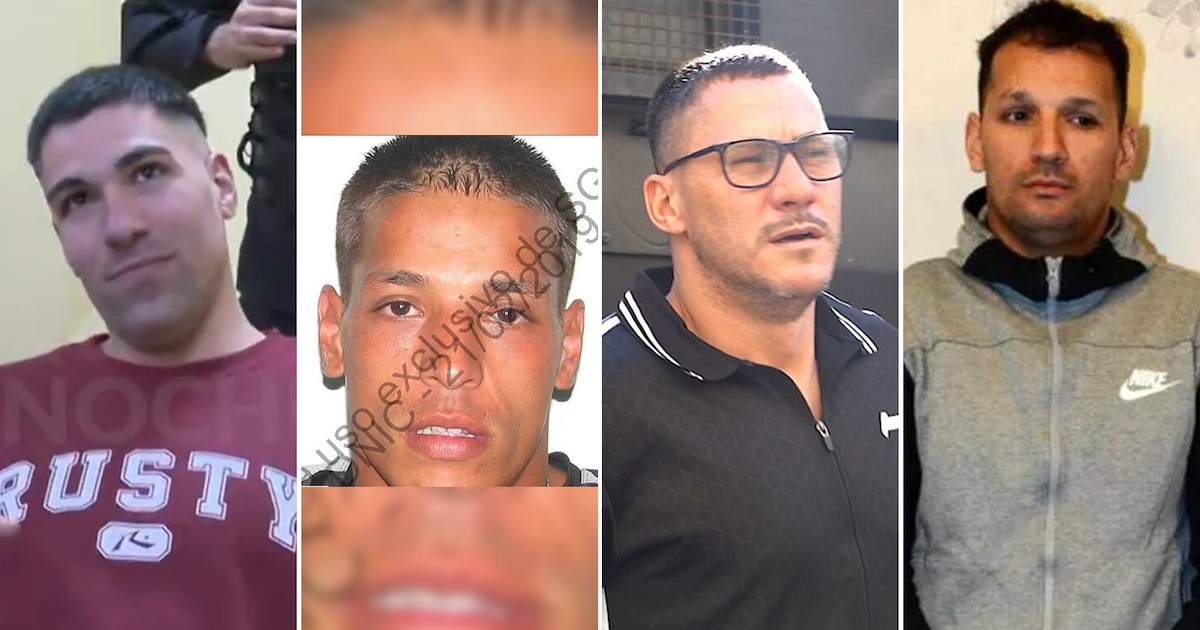
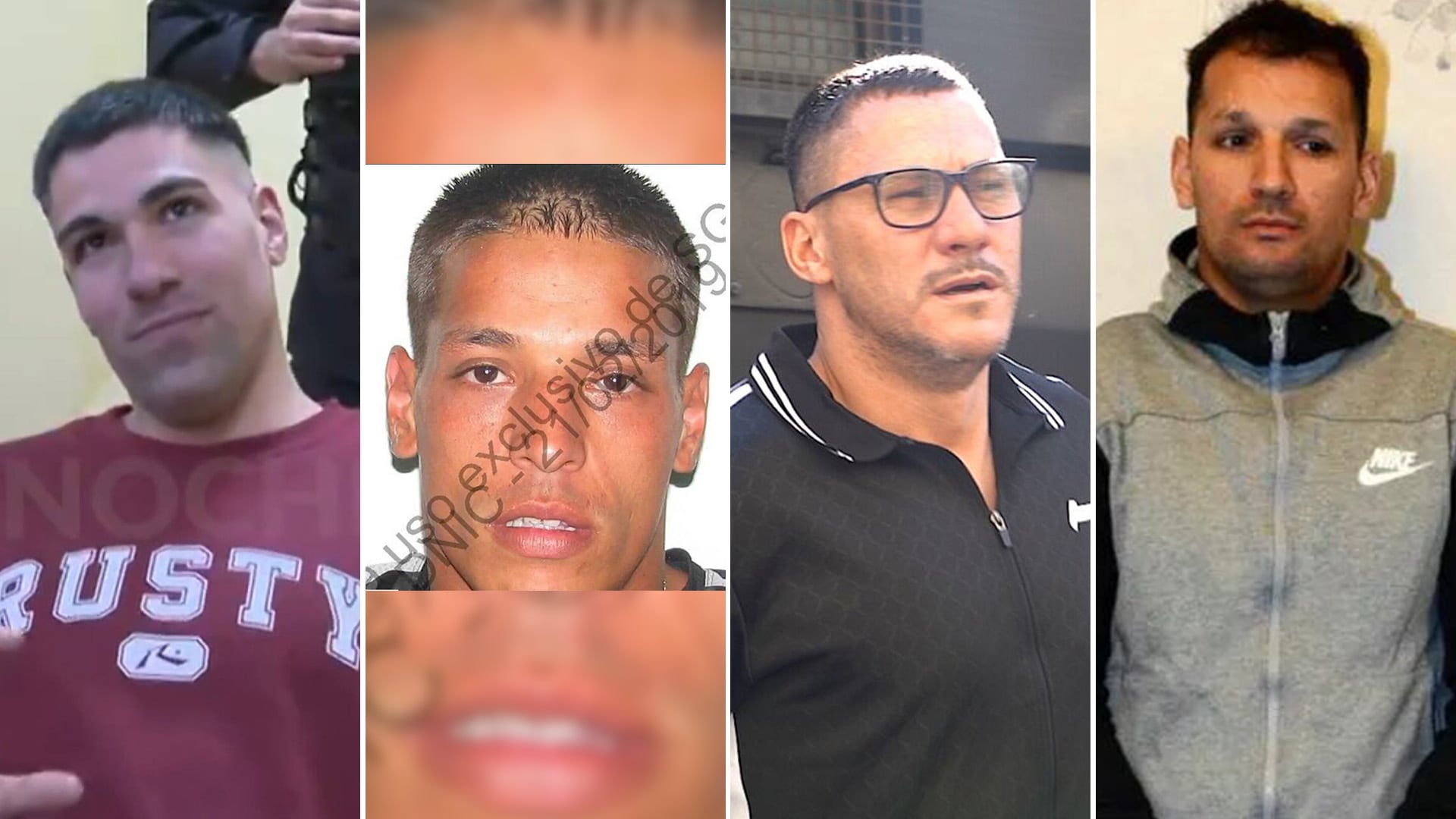
Seis de cada 10 homicidios que ocurren en Uruguay tienen su origen en conflictos entre grupos criminales, según datos oficiales. Son personas que se matan por represalias, por disputas entre grupos o porque acumulan años –y hasta décadas– de violencia. Conocer las historias detrás de estos asesinatos es clave, para el Ministerio del Interior del país, para intentar prevenir una próxima agresión.
El ministro del Interior, Carlos Negro, se basó en este dato para explicar por qué los homicidios crecieron un 14% en el primer semestre del año y para defender en el Parlamento la estrategia de su cartera.
Los asesinatos por disputas criminales se han duplicado en los últimos 12 años al tiempo que otras patologías disminuyeron. Por ejemplo, los crímenes ocurridos por conflictos interpersonales y altercados espontáneos bajaron un 5%; por violencia doméstica, un 10%; por rapiñas, un 21%; por otros motivos o causas desconocidas, un 1%.
Las víctimas con antecedentes penales, en tanto, se han duplicado en los últimos 12 años.
“La violencia letal sufrió un aumento en los últimos meses, concentrándose la mayoría de los homicidios en la zona metropolitana”, detalló Negro ante los legisladores.
La estrategia del gobierno uruguayo para hacer frente a esta realidad son las intervenciones policiales a través de distintos operativos, que hasta ahora ha derivado en “afectar capacidades operativas” de 22 estructuras criminales uruguayas, informó Negro. Fueron un total de 1.800 los allanamientos realizados.
Los narcos que cayeron
Las organizaciones criminales en Uruguay tienen tres “flancos más sensibles”, según el ministro del Interior uruguayo. Son sus líderes, las drogas y el dinero. Es por eso que las intervenciones de la Policía apuntan a capturas, incautaciones y lavado de activos. Pero, ¿quiénes son los líderes criminales que fueron capturados en Uruguay? El ministro Carlos Negro mencionó sus nombres en el Parlamento.
Luis Fernando Fernández Albín fue uno de los mencionados por Negro. El narcotraficante fue detenido en argentina y está preso en Uruguay, condenado por tráfico de drogas y lavado.
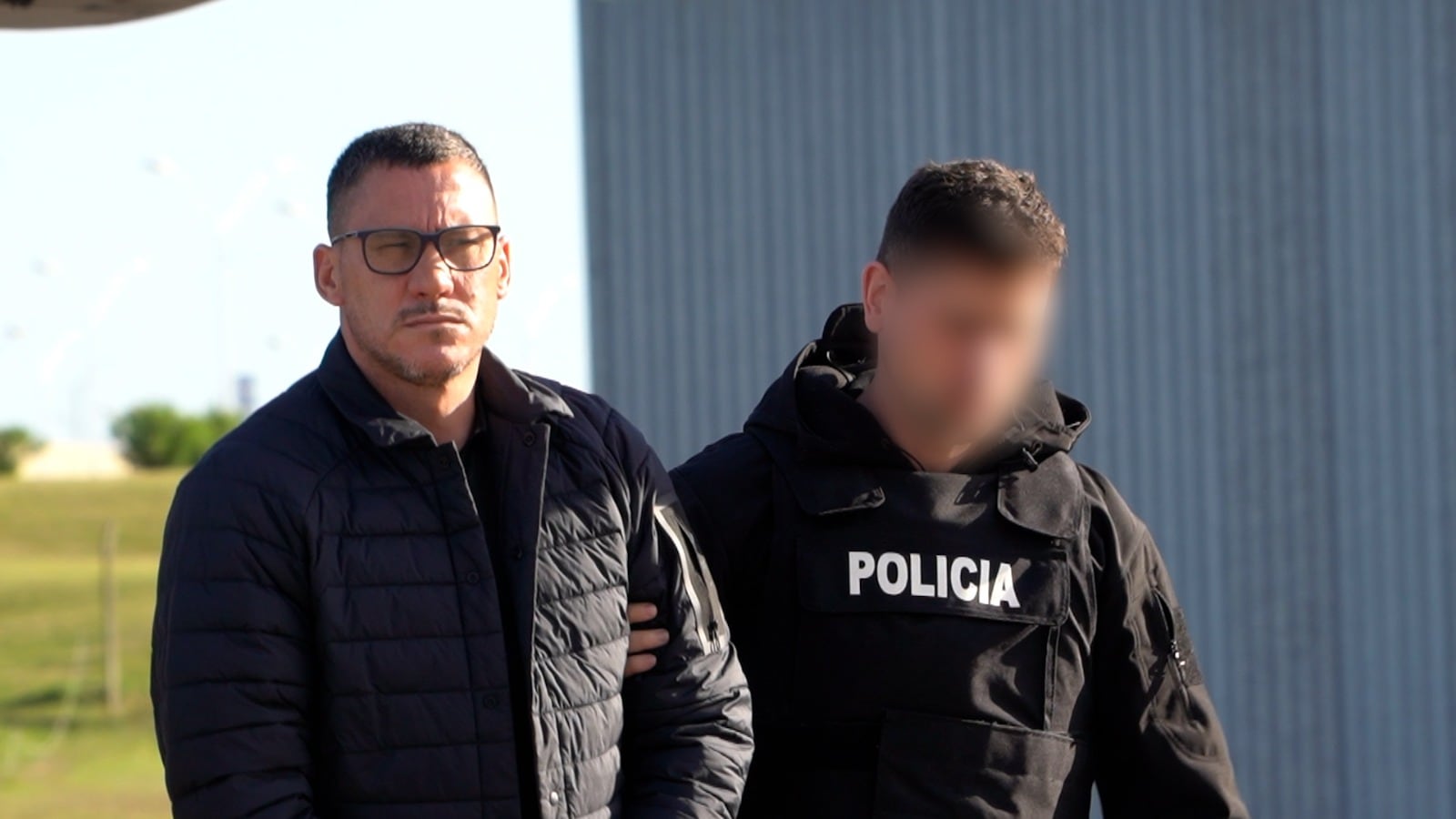
Luis Alberto Betito Suárez fue recientemente condenado a tres años y ocho meses por tenencia de estupefacientes. Es considerado uno de los delincuentes más peligrosos del país y, si bien decía estar retirado del mundo delictivo, la Policía nunca dejó de prestarle atención.
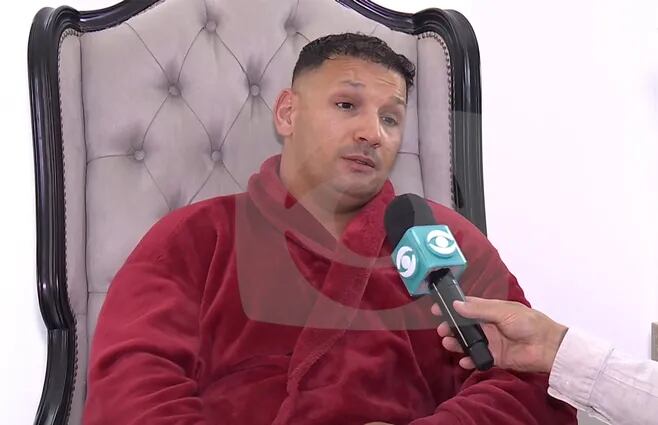
Loly Suárez Correa fue la tercera líder criminal mencionada por Negro ante los legisladores. Es la hermana del Betito y fue a fines de 2025 por varios delitos relacionados a las drogas.
Rodrigo Lescano era un socio de Betito y también fue condenado.
Ricardo Cáceres Correa, conocido como Ricardito, fue condenado en julio de 2026. Este conocido delincuente dirigió torturas desde la cárcel por videollamada y estuvo vinculado a un triple crimen.
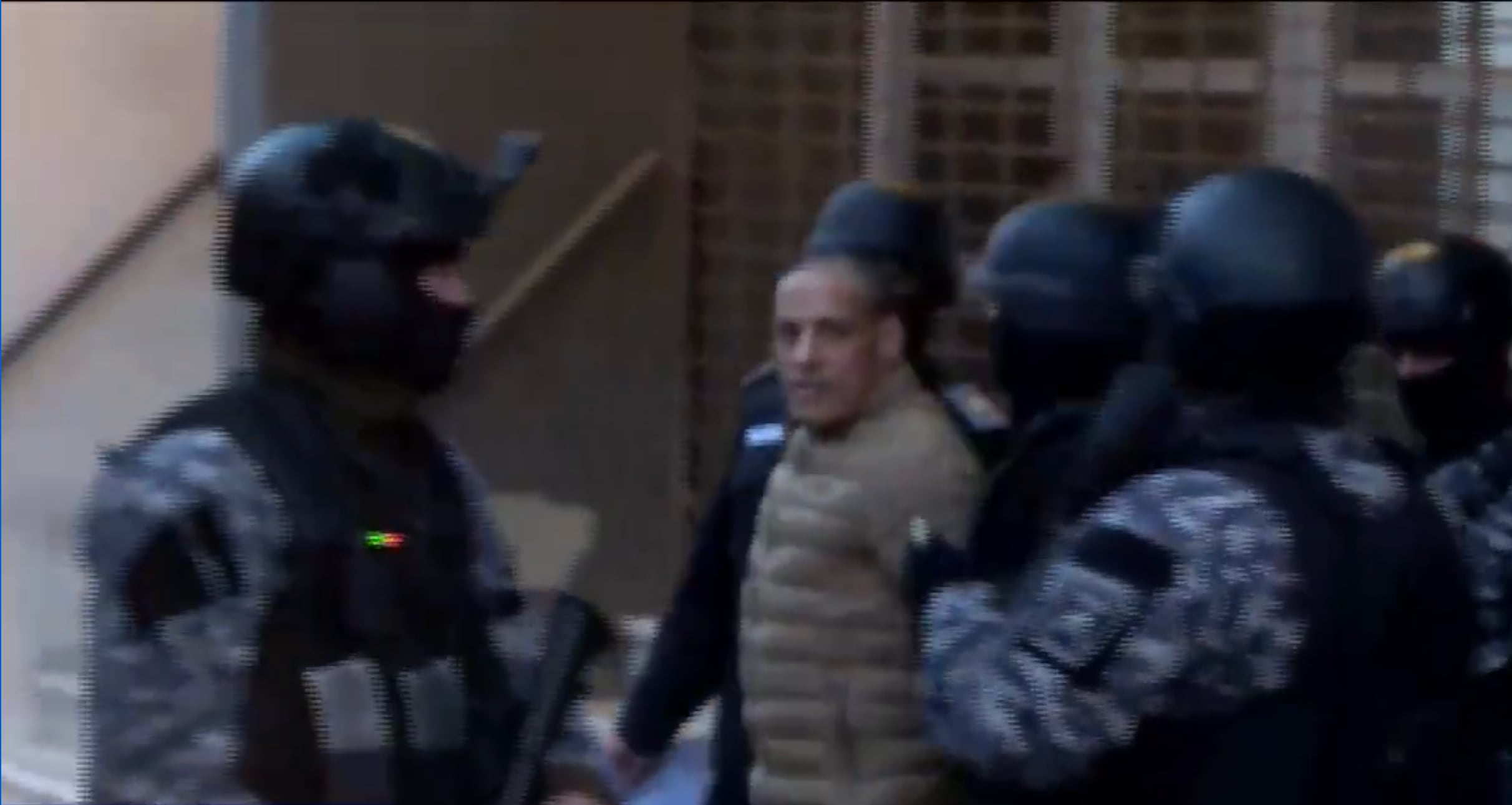
José Carlos Machado, el Pelón, fue condenado a la pena máxima en septiembre. El fiscal que investigó el caso lo definió como el asesino serial “más prolífico”. Había matado desde adolescente.
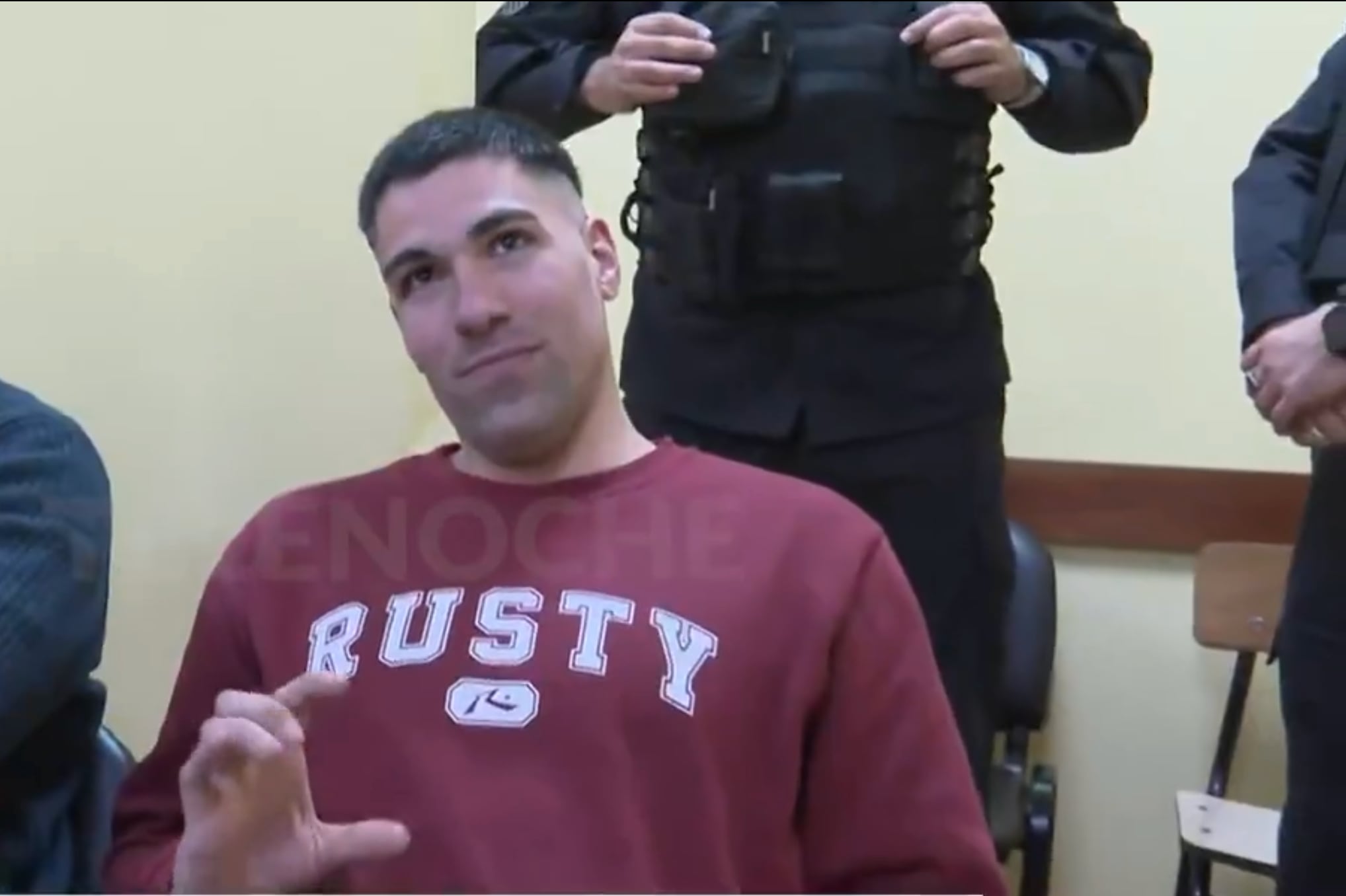
Axel Joel Mattos, el líder de Los Colorados, un grupo criminal que disputa el mercado tradicional de venta de drogas. Él esta guerra personalmente. En octubre de 2024 fue asesinado su hijo, un bebé de un año, sobre un pasillo angosto de Cerro Norte. El ataque iba dirigido hacia él.
Eduardo Félix Farías y Raimundo de Souza, dos integrantes del Primer Comando Capital (PCC) y de la banda que planificó el “robo del siglo”, como se conoció al intento de ingresar a una sucursal de BBVA del casco histórico de Montevideo.

La lista de “líderes narcos” mencionada por Negro se completaba por: Fiorella Albín; Carlos Damián Araújo; Matías Suárez Barbero –de la banda Los Calidad, de Casabó–; Andrés Díaz –perteneciente a los Puglia–; Santiago Nicolás Rosa, el Dibu –de la zona metropolitana de San José–, Gustavo Edgardo Casari, Piolín –detenido recientemente–, Gabriel Jiménez Mattos –también de los Colos–; Kevin Moroto –conocido por varios episodios y delitos de homicidio, Emanuel Pintos, Manu; Agustín Cuello –perteneciente a los Fraga, de La Cruz de Carrasco–, Diego Ezequiel Carballo –de los Priti–; Marcelo Surraco; y Ruben Darío Goncalves, alias el Sapo, de la zona del Marconi.
“Estos son solo algunos nombres de las personas que fueron detenidas en este período. Cada una de ellas ocupa importantes lugares en las estructuras criminales atacadas”, describió Negro después de mencionar a cada uno de ellos.
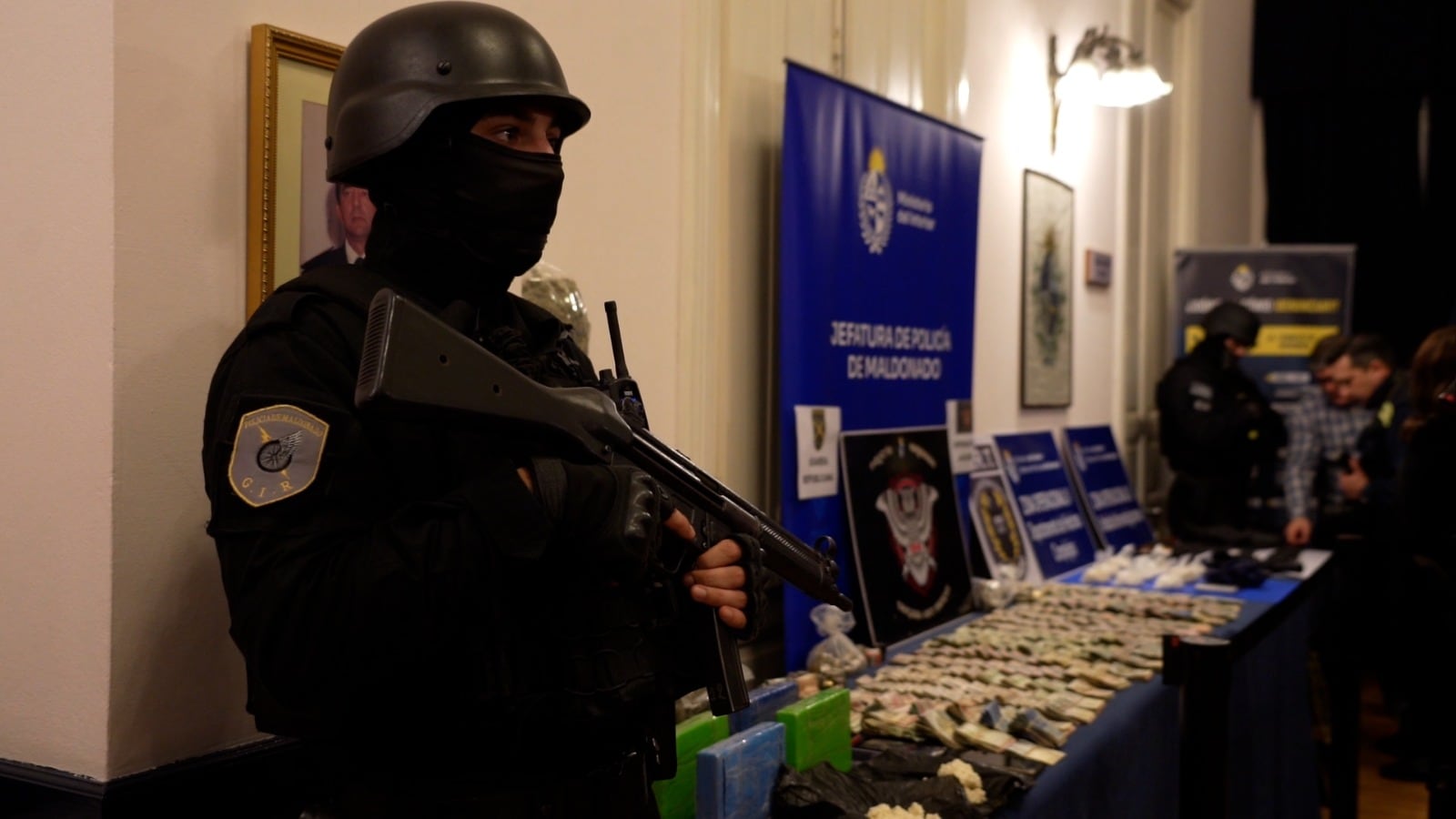
El ministro del Interior mencionó también varios líderes que fueron capturados en el interior del país.
En Maldonado, por ejemplo, fueron apresados los principales líderes de las organizaciones de la zona, como Nicolás Montelongo Porley, líder de la organización, vinculado a los Patas Blancas. Se estima que decenas de bocas de venta de droga en todo el departamento eran abastecidas por esta organización.
El Tonga, como se conoce a Mario Gastón Fernández Pascal, era uno de los principales líderes del Primer Comando de la Frontera, que operaba en los departamentos de Treinta y Tres, Lavalleja y Canelones.
Tras mencionar estos –y otros nombres–, el ministro insistió con la explicación de que muchos homicidios ocurren “en contextos vinculados al crimen organizado y al narcotráfico”. “Muchas de las personas asesinadas tenían importantes antecedentes delictivos”, expresó.
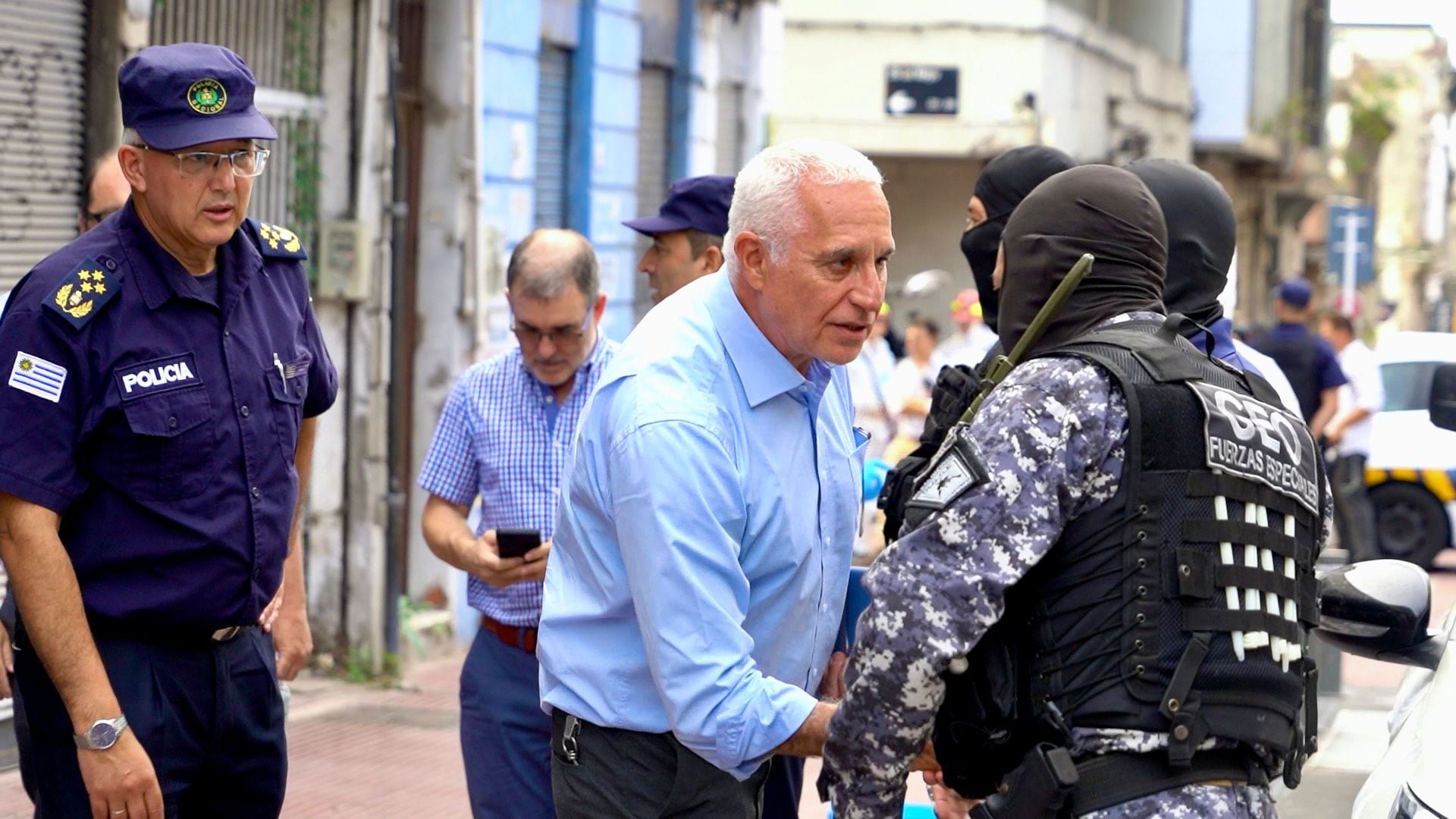
“En este punto quiero ser muy claro: el ‘¡Que se maten entre ellos!’ no puede ser una respuesta del Estado. No podemos aceptar que haya muertes que nos importen menos por quienes son sus víctimas o por las circunstancias en las que ocurren. Cada homicidio nos interpela como Estado y como sociedad, y frente a cada uno tenemos la misma responsabilidad: investigar, esclarecer y trabajar para evitar que vuelva a ocurrir un hecho similar. Ninguna vida puede quedar fuera de la responsabilidad del Estado”, expresó el ministro.
Negro dijo que el objetivo del gobierno es “perseguir a los autores” de los homicidios y seguir la ruta del dinero, “la causa definitiva del tráfico y de las muertes”.
Los operativos realizados
Uno de los operativos que puso en marcha el Ministerio del Interior para capturar a estos delincuentes se denominó Atenea. Negro explicó que está orientado a “la presencia policial, el patrullaje y la investigación en zonas de alta exposición de violencia letal”. En los cuadrantes donde se aplica esta intervención, los homicidios se redujeron un 42% y las personas heridas por arma de fuego un 27%, según las cifras oficiales.
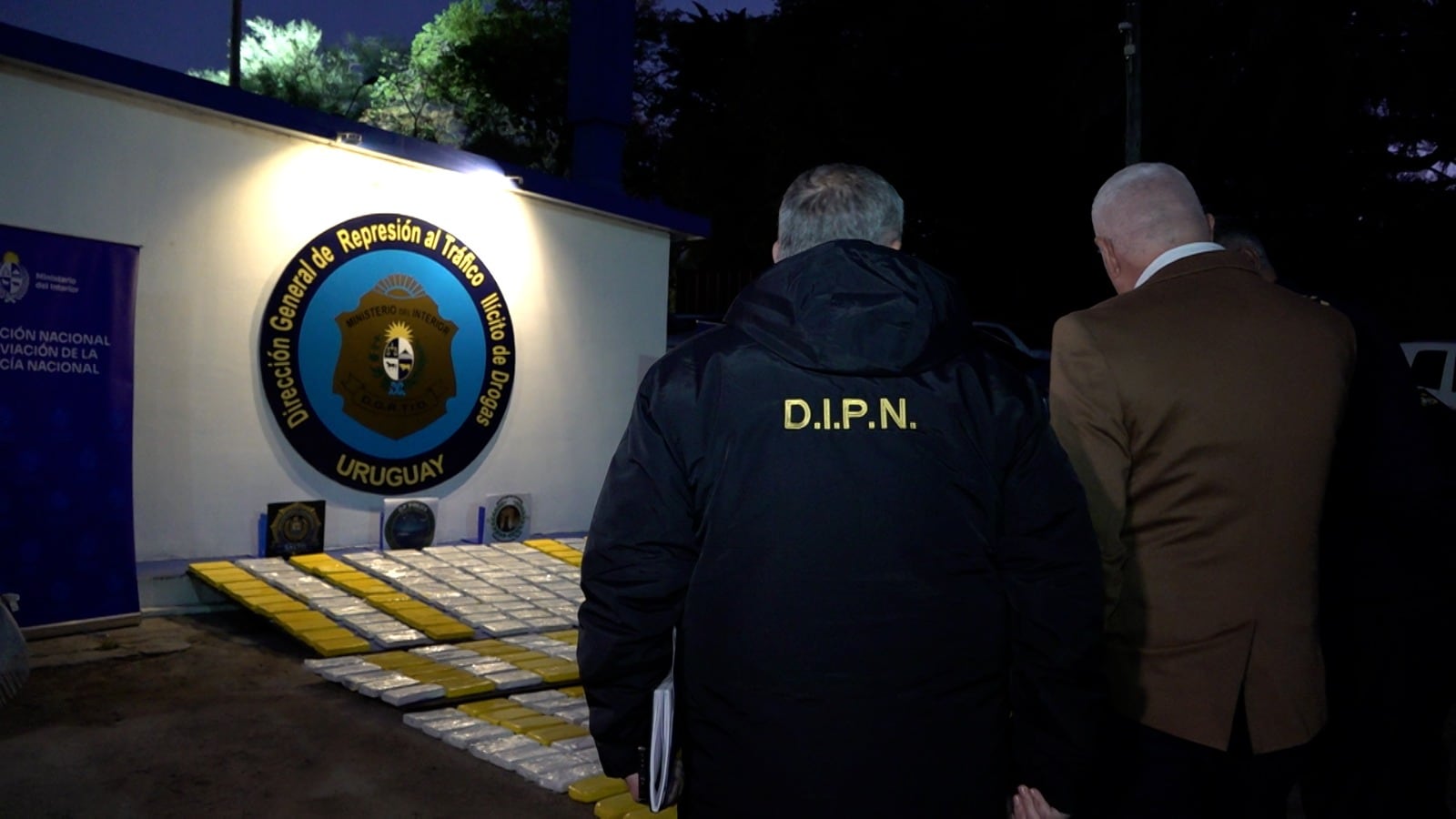
El operativo Argos, en tanto, está pensado como un complemento de este trabajo en áreas con homicidios recientes, personas heridas y balaceras. Un tercer operativo es el Dominó que “aporta una respuesta inmediata en territorios en conflicto luego de hechos de violencia armada”.
Negro informó que en Maldonado se han realizado 130 allanamientos tras los cuales hubo 140 imputados o condenados por la Justicia. Varias de las bocas de drogas allanadas fueron tapiadas o demolidas y se incautaron 90 armas de fuego, más de 85 kilos de cocaína y pasta base y más de 30 kilos de marihuana.
corresponsal: Desde Montevideo












INTERNACIONAL
Why Mamdani’s move to close infamous NYC jail could be ‘massive hit’ that reverberates for years: expert

Democratic New York City Mayor Zohran Mamdani announced that Rikers Island would be closed «once and for all» by 2032, a promise one crime expert said doesn’t add up and could release violent criminals back onto streets.
Mamdani pledged to replace the city’s largest jail with four smaller prisons across different boroughs, and corrections officers and criminal justice scholars have raised concerns that lowering the population of more than 6,000 inmates could carry lasting consequences.
Rafael Mangual, head of research for policing and public safety at the Manhattan Institute, told Digital there won’t be enough beds to accommodate a city of nearly 9 million people.
«If New York City gets this wrong, make no mistake, there will be a massive hit to public safety,» Mangual said.
MAMDANI IN HOT SEAT OVER POST MOURNING DEATH OF INMATE CHARGED WITH CALLOUS CRIME: ‘ABSOLUTELY SHAMEFUL’
The replacement jails in Manhattan, Brooklyn, Queens and the Bronx will have a capacity of 4,160 beds, with an additional 340 therapeutic beds for inmates with mental illnesses and other medical needs. They will be placed closer to public transit and courthouses.
Mamdani said the decision to push the closure of Rikers back by five years was because of «prior administration delays.» The city will also invest $146 million in support services.
The mayor’s office directed Digital to its Rikers Island closure plan and Mamdani’s remarks at a news conference last week, where he defended his position by saying, «We are making a conscious decision to advance a new model of a criminal legal system in our city, one that takes on that problem head-on.»
Mangual maintained the plan could lead to significant overcrowding and trigger more «violence and other kinds of contraband problems.»
«You can expect that the jails will continue to operate at 100% of capacity for as long as they exist if that project actually comes to fruition,» he said.
He added that the city’s jail population dropped below 4,000 in April 2020 during the COVID-19 pandemic. However, shootings and homicides spiked.
That year, there were 1,531 shootings, up 97% from 2019, and 462 murders, up from 319 in 2019, according to the New York City Police Department (NYPD).
HOUSE REPORT SAYS NYC PROSECUTORS TAILORED PLEA DEALS TO SHIELD ILLEGAL IMMIGRANTS FROM DEPORTATION
«The experiment is not going to be a pretty one, and that’s the thing that I think people need to be most concerned with,» he said. He added that Rikers had between 9,000 and 10,000 inmates during 2017 and 2018, which were some of the city’s safest years.
Despite the city seeing record-low murders and shootings so far this year, according to NYPD data, Mangual said other major crimes, like felony assaults, remain high.
«That’s a major problem that is only going to get worse,» he said.
He said previous efforts to bring down the jail population have posed additional risks to public safety, pointing to the city’s bail reform law and Manhattan District Attorney Alvin Bragg’s limits on low-level prosecutions that have made it easier to avoid jail.
«We certainly haven’t been able to get it down to where it is now without compromising public safety,» he said.
ILLEGAL IMMIGRANT SUSPECTS WITH LENGTHY CRIMINAL RECORDS ARRESTED IN STABBING OF OFF-DUTY NYPD DETECTIVE
Mangual said repeat offenders like Alexander Florentino could now be put back on the streets. Florentino, a homeless illegal immigrant, was arrested this month on a murder charge in the death of a 62-year-old woman inside her Chinatown apartment, one day after a judge released him without bail, according to the Department of Homeland Security (DHS) and court records.
Warning that reducing the jail population will only «erode the incapacitation benefits that incarceration provides,» Mangual said the city will be left with no other solutions.
«The idea that there’s an alternative to incarceration is one of the most misguided notions in criminal justice policy debates,» he said.
Rikers has faced years of controversy, with many inmates and activists criticizing harsh conditions, trial delays and limited access to family members and support services. The city’s goal is «to build a safer and more humane jail system,» according to a Nov. 20 press release.
But Mangual believes city officials still aren’t looking at the full picture, arguing that building multiple jails with the same systems, inmates and guards will not solve the problem and that some criminals are «simply too dangerous to coexist with the rest of society.»
«What they ought to have done was invest in refurbishing the jails that already existed, building new ones with adequate space, and then moving the inmate population around as required,» he said.
If the plan moves forward, Mangual said the city could see crime surge on a «much larger scale.»
«We’re already seeing what that could possibly look like when you have individuals who are out walking the streets with 30, 40, 50, 100 prior arrests, and they eventually kill somebody or shove somebody in front of a subway train,» he said.
Digital reached out to Bragg’s office for comment but did not receive a response before publication.
zohran mamdani, politics, new york city, blue city crime, immigration
INTERNACIONAL
British government confirms cyberattack on welfare department, systems pulled offline as precaution

Tech turmoil deepens as cyberattack breaches FBI crime database
Former White House Chief Information Officer Theresa Payton examines the national security implications of this hack. Payton outlines why seventeen government agencies remain highly vulnerable to sophisticated cyberattacks amid a wider string of high-profile technology outages.
NEWYou can now listen to Fox News articles!
The British government on Saturday confirmed that its Department for Work and Pensions was hit by a cyberattack this week, which prompted it to pull some of its systems offline as a safety precaution.
The department said there’s no evidence any personal information had been compromised and payments for pensions and benefits continued to be paid out as normal.
The attack was first identified on Thursday evening by the department which manages payments for retirees and those on welfare.
«We are working with the National Cyber Security Centre and Government Cyber Coordination Centre to understand the cause of an attempt to gain unauthorized access to our systems,» the department said in a release.
«We did the right thing by taking those systems offline because the top priority in these circumstances is to protect the public,» Work and Pensions Secretary Pat McFadden said a video posted to the department’s Facebook page.
SWIFT ASSURANCES FROM OFFICIALS AFTER WAVE OF NATIONWIDE OUTAGES RAISES QUESTIONS, EXPERT SAYS
A notice on a Department for Work and Pensions webpage informs users of disruption to some online services on a laptop in London on Friday. (Yui Mok/PA via AP)
«I understand people’s concern and distress if they didn’t receive a payment that they were expecting on Friday. We don’t believe any delays like that are to do with this cyberattack,» he said, adding that payments are cleared several days in advance.
The department handles 2.5 million payments every day, McFadden said.
The prime minister’s office said on Friday that there was no evidence that a «malicious actor» had targeted other government departments.
GROCERY STORE CYBERATTACKS ARE ‘PSYCHOLOGICAL WARFARE’ THAT COULD STRIKE US, FORMER FBI AGENT WARNS

The Department for Work & Pensions sign stands outside Caxton House in Whitehall, London. (Getty Images, File)
The attack comes on the heels of numerous others and outages in the U.K., the U.S. and other places, including the nationwide ground stop in the U.S. two weekends ago that was caused by an equipment upgrade, the government said, and a Microsoft outage. Neither of those appear to be connected to cyberattacks.
The Air Force, the FBI, the CIA, and the Treasury Department were all recently targeted in cyberattacks also.
COLLEGE BOARD HACKED AS CYBERATTACK EXPOSES USER DATA, DISRUPTS FINANCIAL AID SERVICE

The prime minister’s office said on Friday that there was no evidence that a «malicious actor» had targeted other government departments. (AFP via Getty Images, File)
Earlier this month and in October, a cyberattack on commercial refrigerators that use software in several European countries was targeted by hackers who heated them up, destroying millions worth of food.
U.K. meat suppliers were included in an early November attack, but the fridges were empty at the time, so nothing was destroyed.
The Associated Press and Reuters contributed to this report.
cybercrime, security, hackers, united kingdom, technologies, world
INTERNACIONAL
Russian-born conservative activist faces criminal charge after ‘embarrassing’ political foe online: warrant

A Russian-born conservative activist in North Carolina says she is being targeted for her political speech after she was charged with a crime stemming from online interactions with a local Democratic Party official.
Liuba Wofford-Keller is an outspoken activist for local Republican candidates and has spoken out against Congressman-elect Richard Ojeda, D-N.C., during this year’s election cycle.
But Wofford-Keller’s online interactions with Lisa Wells, the secretary of the Moore County Democratic Party, led to the Republican activist being charged with cyberstalking under North Carolina law. Wofford-Keller says the charges remind her of the communist regime she left behind in Russia.
PROSECUTOR DROPS CASE AGAINST WOMAN ACCUSED OF THREATENING TRUMP ON TIKTOK
Over the course of the year, Wofford-Keller engaged multiple times online with Wells.
Wofford-Keller describes meeting Wells only twice in person, on North Carolina’s primary election day in March and on Election Day in November. She says that, between those two dates, the online fight ensued. Wells is also local precinct chair in Moore County.
Those interactions are the basis for a state charge against Wofford-Keller for «embarrassing» Wells online.
«On or about the date of offense shown and in the county named above the defendant unlawfully and willfully did knowingly permit an electronic communication device, SOCIAL MEDIA under the defendant’s control to be used for a purpose prohibited by G.S. 14-196.3, REPEATEDLY POSTING FOR THE PURPOSE OF ANNOYING, HARRASSING (sic), EMBARRASSING [the complainant],» a warrant for Wofford-Keller’s arrest says.
‘MONEY OUT OF POLITICS’ BALLOT MEASURE SPARKS FIRST AMENDMENT FIGHT IN BATTLEGROUND STATE
The statute listed in the warrant prohibits repeated communication «with the intent to abuse, annoy, threaten, terrify, harass, or embarrass any person.»
But that law offends Wofford-Keller’s sensibilities, who says it reminds her of the country she fled.
«Freedom of speech is very important in our society because, without the freedom of speech, we have a totalitarian regime when the government dictates to you and tells you what you can say, what you cannot say,» she told Digital.
«One of the reasons I moved away from the communist totalitarian regime of the USSR is just to be able to say things, to have the freedom to speech, to have constitutional rights which Russian citizens unfortunately do not have.»
She says she never predicted running into such problems in the United States.
«It’s very disconcerting to me because, coming from a communist country which I escaped, coming here for freedom in 1992, I would have never imagined that I would be arrested in America for a post that dates March 4th,» she said, referring to the time when the post was made compared to when the criminal claim was made.
TODAY’S LEFTISTS ARE DANGEROUSLY WRONG ABOUT COMMUNISM. JUST LISTEN TO THE SURVIVORS
Wells told Digital she «presented months of documented conduct, including screenshots of electronic communications and social media activity,» to a local magistrate judge, who, in turn, «independently found probable cause and issued criminal process.» She added that she is waiting for the local Democratic Party to find a new secretary before she officially leaves the role.
«I fully support free speech, including political criticism,» Wells said. «My concern was a prolonged pattern of conduct that went beyond political disagreement and affected my sense of safety at home and in my community.»
During the same period of time, however, Wofford-Keller says Wells also posted online to her and about her.
«[I] met the woman twice in my life, both on election days, and we had a heated political debate on social platforms,» Wofford-Keller told Digital. «That’s about the quintessence of my knowing the Democrat secretary for Moore County, Lisa Wells.»
In a separate application for a protective order, Wells claims that Wofford-Keller frequently mentioned the town where she lived on social media, identified her publicly as a precinct chair in Whispering Pines, North Carolina, and said that posts on Facebook made by Wofford-Keller about shooting AK-47s at a gun range, which were not directed at Wells, made her «afraid that her conduct could escalate into physical violence.»
There has not yet been a hearing on the protective order.
Asked if Wofford-Keller ever directly threatened or doxxed her, Wells steered the conversation back toward the cyberstalking charge.
TPUSA REPORTER SAYS FAMILY CHARGED WITH ASSAULTING HER IS NOW TRYING TO SILENCE HER WITH RESTRAINING ORDERS
«Her behavior and what she did for eight months fit the elements of cyberstalking,» she said, noting the posts felt threatening to her. She declined to share the posts with Digital, citing advice from her attorney.
Wofford-Keller, who has no criminal record and possesses a clearance for contract work that she does as a language services provider for the Department of War, says Wells has no reason to be afraid or feel threatened by her. She accused Wells of using her pro-gun posts as a way to «craft an image of me of somebody who is unstable, somebody who has threatened her life.»
She believes Democrats in the U.S. today are no different than communists in Soviet Russia.
«The people that we have now who call themselves Democrats are full-blown, unhinged communists, and they act in no way different than the Soviet apparatus did when they put people in labor camps,» Wofford-Keller said.
But Wells says it’s not about party affiliation.
«Political disagreement is something I deal with constructively every day,» she said. «This was never about anyone’s party affiliation. It was about conduct I believed crossed a line, which is why I sought legal advice and, on my attorney’s recommendation, went to the magistrate on a Sunday to have the evidence reviewed.»
The Moore County Sheriff’s Office explained that it was tasked with executing the search warrant by the magistrate and did not play a role in investigating any potential crime.
The magistrate court did not return a request for comment.
politics, north carolina, first amendment, cybercrime, russia

Diego Maradona en la Copa Davis: los cruces con los rivales de Argentina y su recordada presencia en la final de 2016

Clima de Negocios: dólar récord, riesgo país en 950 puntos y las preguntas que se hacen los empresarios en medio de la “tormentita”

Mansión de Pilar: el Colegio de Abogados de CABA pidió el juicio político de los dos jueces que favorecieron a la AFA

Alexander Medina: de «el fútbol nos dio la espalda» a «hoy se termina un ciclo» :: Olé

La secuela de Dragon Ball GT ya está disponible en streaming en España – Nintenderos

La mujer de Toviggino cobra desde 2023 una comisión por todos los partidos de la Selección en el país

Efecto reforma electoral: la suspensión de las PASO divide la estrategia de los “outsiders”

“Estoy preparada para ser presidenta”: fuerte desafío de Patricia Bullrich a Javier Milei

“Lo real es que estamos estancados”: el análisis de un economista tras la caída de la actividad

El juez retó a Chiqui Tapia y le subió el monto que debe pagar para salir del país

 POLITICA2 días ago
Efecto reforma electoral: la suspensión de las PASO divide la estrategia de los “outsiders”
- ECONOMIA2 días ago
Cerraron más de 50.000 kioscos en los últimos tres años y el sector perdió casi la mitad de sus locales
- POLITICA3 días ago
Presupuesto 2027: el oficialismo encamina el quórum en Diputados, pero persisten las diferencias por los fondos para discapacidad