INTERNACIONAL
Uruguay: el campo moderó su reclamo por el dólar pero lanzó críticas por el déficit fiscal y el conflicto en el puerto

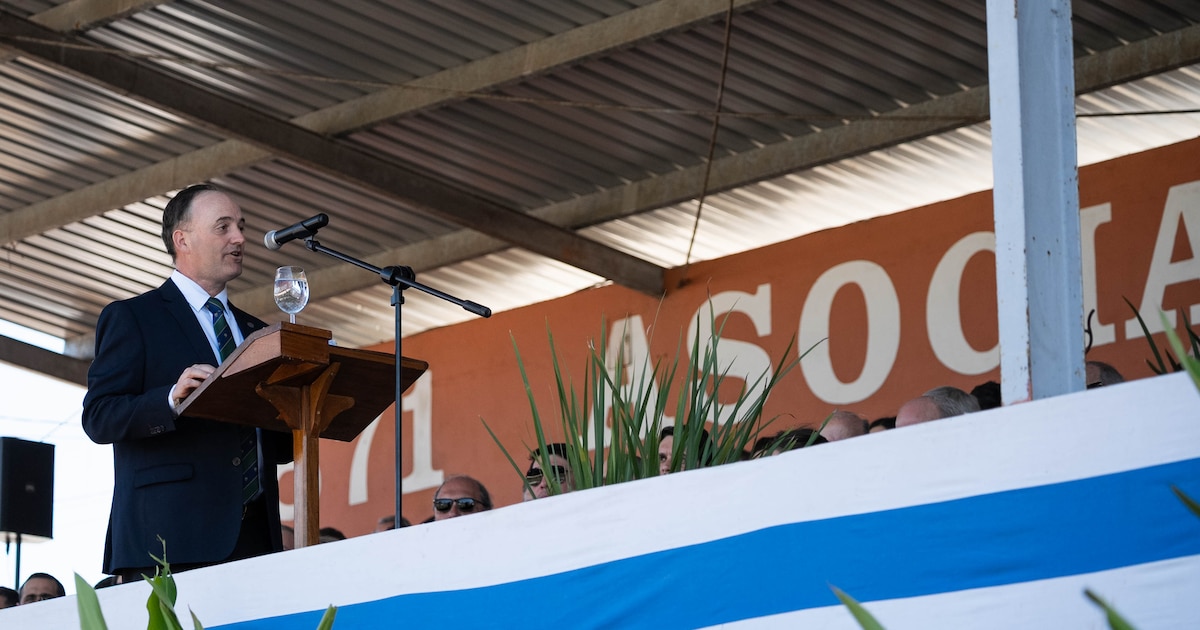
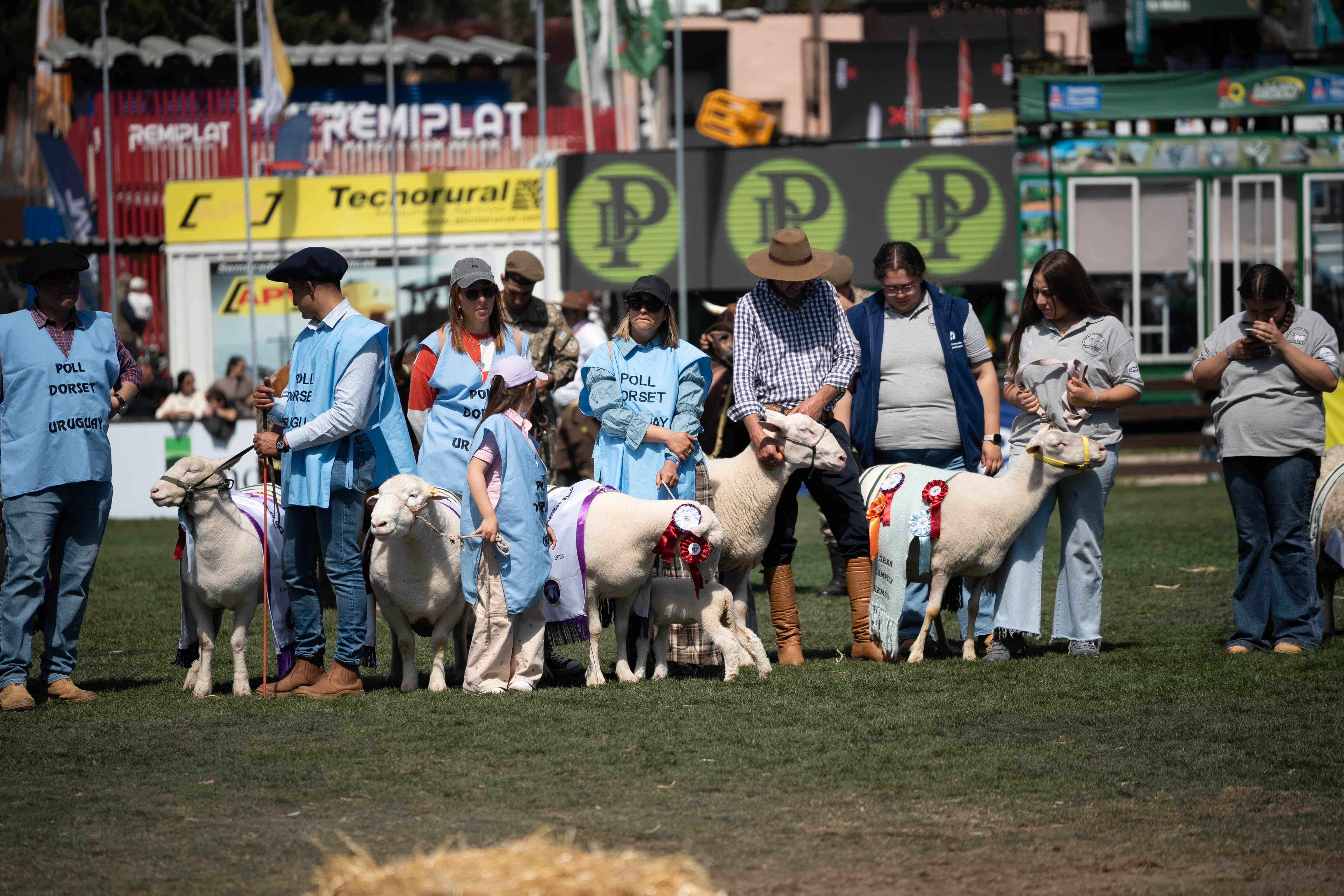
La Asociación Rural del Uruguay (ARU), la principal gremial de productores del agro uruguayo, culminó este fin de semana la Expo Prado, la mayor exposición industrial y ganadera que se organiza en el país. En su discurso de cierre, el presidente de la organización, Rafael Ferber, reclamó acciones al gobierno de Yamandú Orsi por el conflicto del puerto de Montevideo y destacó que el “atraso cambiario” del país “dista mucho” de los números de los últimos años.
Ferber destacó las fortalezas que suelen ser mencionadas de Uruguay, entre las que mencionó sus instituciones sólidas, su capacidad de producir alimentos y su ubicación. Pero marcó que tiene que pasar a la acción para dar un “salto de calidad” en un país reconocido como “caro”.
La Asociación Rural pidió una reforma estatal. “No se puede exigir eficiencia y adaptación al sector privado mientras el sector público posterga esos mismos cambios. La inteligencia artificial y las nuevas tecnologías permiten simplificar trámites, mejorar controles, reducir costos y utilizar mejor los recursos públicos. Esta reconversión tendrá resistencias, pero no puede postergarse. Antes de pedir más recursos, el Estado debe demostrar que está dispuesto a gestionar y mejorar los que ya tiene”, dijo el presidente de la gremial en su discurso.
La ARU valoró el proyecto de ley sobre competitividad y reducción del costo de vida, cuya discusión incluyó un “intercambio ágil con el sector privado”. Para Ferber, los resultados que tendrá esta norma serán limitados pero implica “por fin” discutir sobre competitividad. Pero para profundizar esta discusión, la gremial considera que es necesario resolver un problema previo: el déficit fiscal. Lo cuantificó en USD 3.880 millones de dólares.
“Ese déficit sostiene un nivel de gasto por encima de los ingresos y genera una presión adicional sobre nuestra economía. Ahí está una de las principales explicaciones de nuestros problemas de competitividad y de la persistente apreciación de nuestra moneda frente a la de nuestros competidores”, planteó Ferber.
El sector agropecuario ha reclamado en los últimos años por el “atraso cambiario”, que se explica por el encarecimiento del país en dólares. Sin embargo, este concepto, desde hace poco, ha comenzado a perder relevancia dentro del discurso de los ruralistas.
“Con respecto al atraso cambiario, hoy manejamos estimaciones que ubican al tipo de cambio real aproximadamente un 4% por debajo de sus fundamentos. Cada peso cuenta para quien produce y exporta, y no debemos minimizarlo. Dicho esto, vale la pena poner ese número en contexto: hemos atravesado períodos de este siglo con desalineamientos cercanos al 25%. La magnitud actual, aunque real, dista de los niveles más críticos que vivimos”, planteó Ferber.

Además, la ARU valoró de forma positiva que el Banco Central del Uruguay (BCU) no recurra a la tasa de interés para incidir en la cotización del dólar.
En otro tramo de su discurso, el presidente de la ARU se refirió al conflicto en el puerto de Montevideo. El sindicato de la Terminal de Contenedores Cuenca del Plata ha realizado más de 40 paros en medio de la negociación por un convenio colectivo. Los empresarios uruguayos han advertido por el daño reputacional que genera esta decisión sindical.
“Resulta inaceptable que el país permanezca rehén de un conflicto entre una empresa concesionaria y un sindicato. Pero también corresponde decir que, cuando el interés general está comprometido, el Estado debe ejercer plenamente la autoridad que la sociedad le ha confiado”, reclamó el presidente de la ARU.
El gobierno de Orsi definió que debe haber “servicios mínimos” en cada paralización del puerto, pero para la ARU esta decisión fue tardía.
“Ahora falta comprobar si alcanza para evitar que los uruguayos sigamos siendo perjudicados de manera sistemática. Y esto adquiere todavía mayor gravedad cuando, hace apenas unos días, conocimos públicamente que ese perjuicio formaba parte de la estrategia buscada con estas medidas sindicales, y que esa forma de actuar encontraba respaldo en importantes autoridades del Ministerio de Trabajo”, expresó.
corresponsal: Desde Montevideo







INTERNACIONAL
Uruguay busca equiparar a ciudadanos naturales y legales por ley: “Que el país termine de abrazarte”
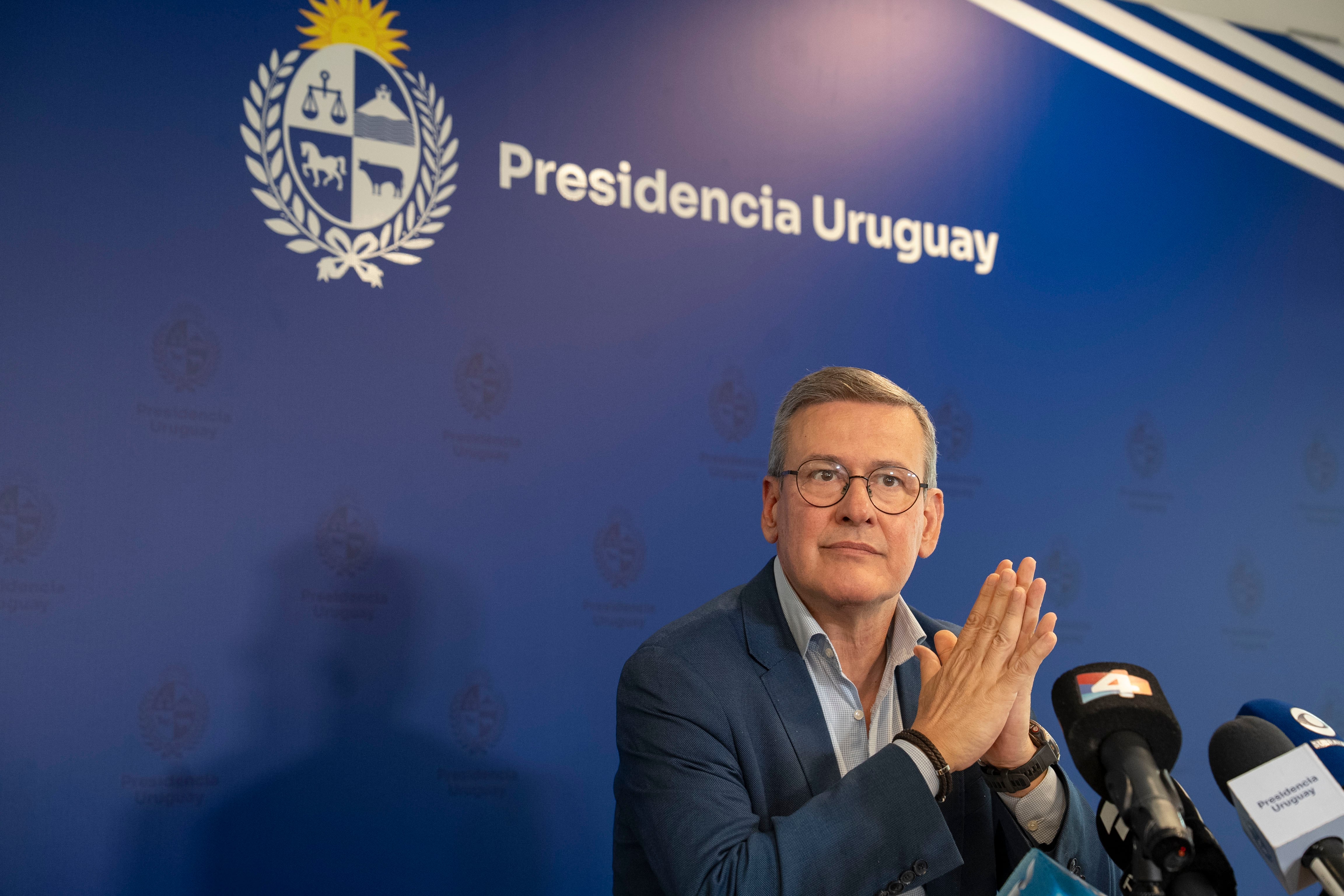
El gobierno de Yamandú Orsi enviará en los próximos días al Parlamento un proyecto de ley interpretativo de la Constitución para igualar a los ciudadanos naturales uruguayos de los ciudadanos legales y que ambos puedan tener nacionalidad, informó el prosecretario de Presidencia, Jorge Díaz.
Esta iniciativa surgió por el reclamo de organizaciones sociales, que alertaron que tenían algunos problemas prácticos por la interpretación que se hace de los conceptos de nacionalidad y ciudadanía. En particular, los mayores inconvenientes se generaban en la expedición de los pasaportes.
La Constitución de Uruguay establece dos categorías: los ciudadanos naturales –nacidos en territorio uruguayo o hijos de ciudadanos naturales nacidos en el extranjero– y los ciudadanos legales –quienes, habiendo nacido en el extranjero, adquieren la ciudadanía–.

La carta magna no habla de nacionalidad, pero se entiende que quienes tienen nacionalidad uruguaya son los que la Constitución considera ciudadanos naturales. Y no se cree que son nacionales los legales.
Con este proyecto de ley interpretativo de la Constitución, lo que el gobierno busca es que los ciudadanos legales también sean considerados nacionales uruguayos.
“Muchos de estos ciudadanos al adquirir la ciudadanía uruguaya se ven obligados a renunciar a su nacionalidad de origen porque hay países que no reconocen la doble nacionalidad. Por ende quedan prácticamente en una situación de apátridas”, explicó Díaz el viernes 9, en conferencia de prensa.
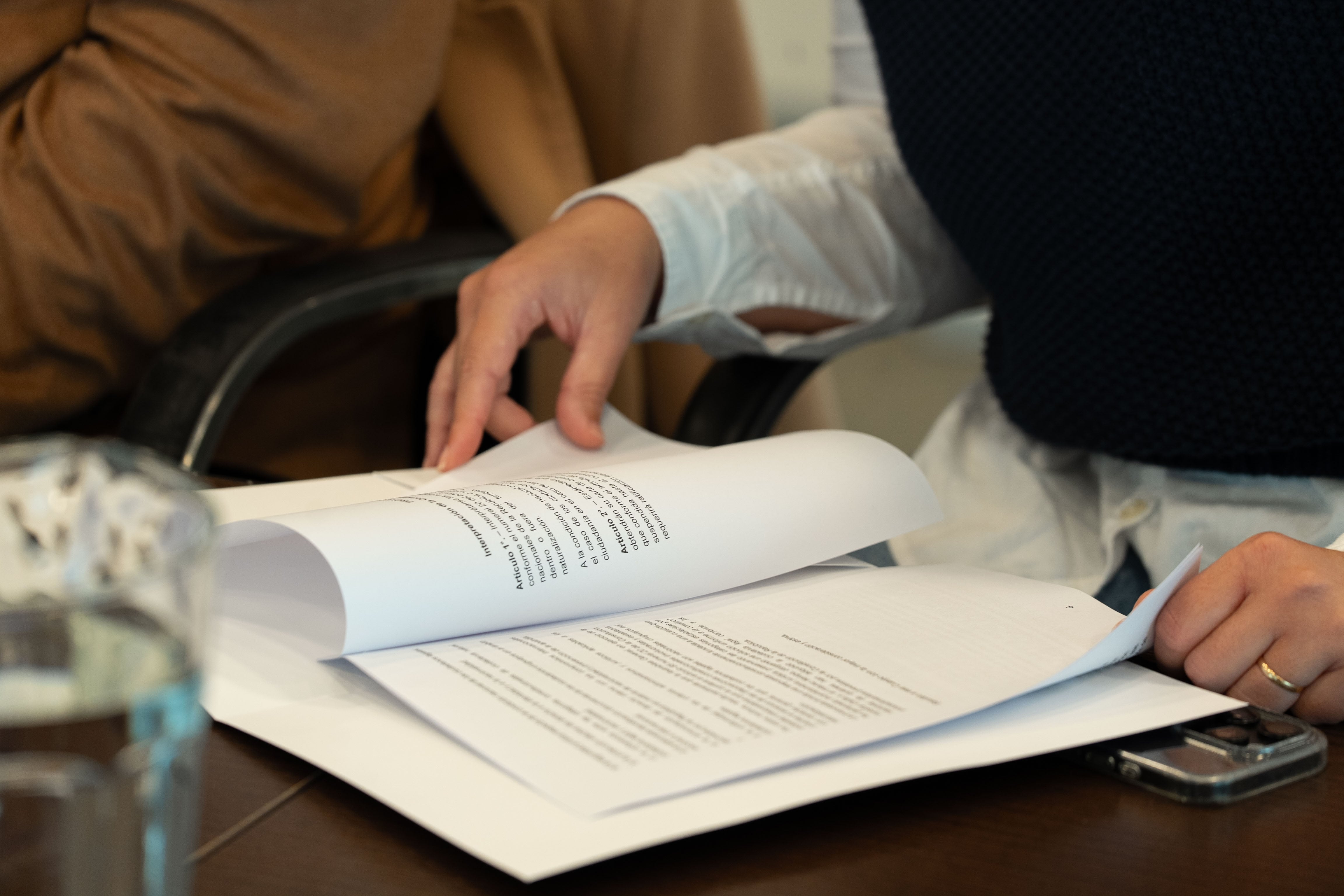
Si se aprueba el proyecto de ley, pasarán a ser nacionales y uruguayos tanto los ciudadanos legales como los naturales.
Díaz sostuvo que el artículo 2 del referido documento también resuelve la problemática planteada con los menores de edad, mediante una habilitación para que accedan a la Carta de Ciudadanía a través de sus representantes legales, que luego deberán ratificar cuando cumplan la mayoría.
Son entre 16.000 y 20.000 personas que se encuentran en esta situación, informó Díaz, en base a datos de la sociedad civil. Una de las organizaciones que presentó este reclamo fue la ONG Todos somos uruguayos.
“Podemos hablar de 1.000 formas en la que esto nos impacta, pero la principal que nos afecta a todos es el sentido de pertenencia. Es hacer vida, echar raíces en este lugar, en este país, trabajar y buscarse una mejor vida acá, pero que haya algo del país que no termine de abrazarte”, comentó Adriana Ovalle, integrante de esta organización, en el programa Puesta a punto de Canal 12.
Ovalle comentó que el proceso para obtener la ciudadanía legal en Uruguay es “justo y robusto”, e incluye varias etapas pero no tiene el final que esperan porque no pueden decir “somos uruguayos”.
Uno de los problemas se da con los menores de edad, que tienen que esperar unos 20 años para iniciar el trámite de la ciudadanía. “Estamos hablando de niños que no conocen otra tierra que no sea Uruguay y son considerados extranjeros”, explicó.
“Hemos sabido de casos de niños que no han podido ser abanderados por ser extranjeros. Por suerte este tipo de casos son pocos, pero no deja de ser la infancia de un niño que se ve afectada por algo completamente aleatorio”, expresó.
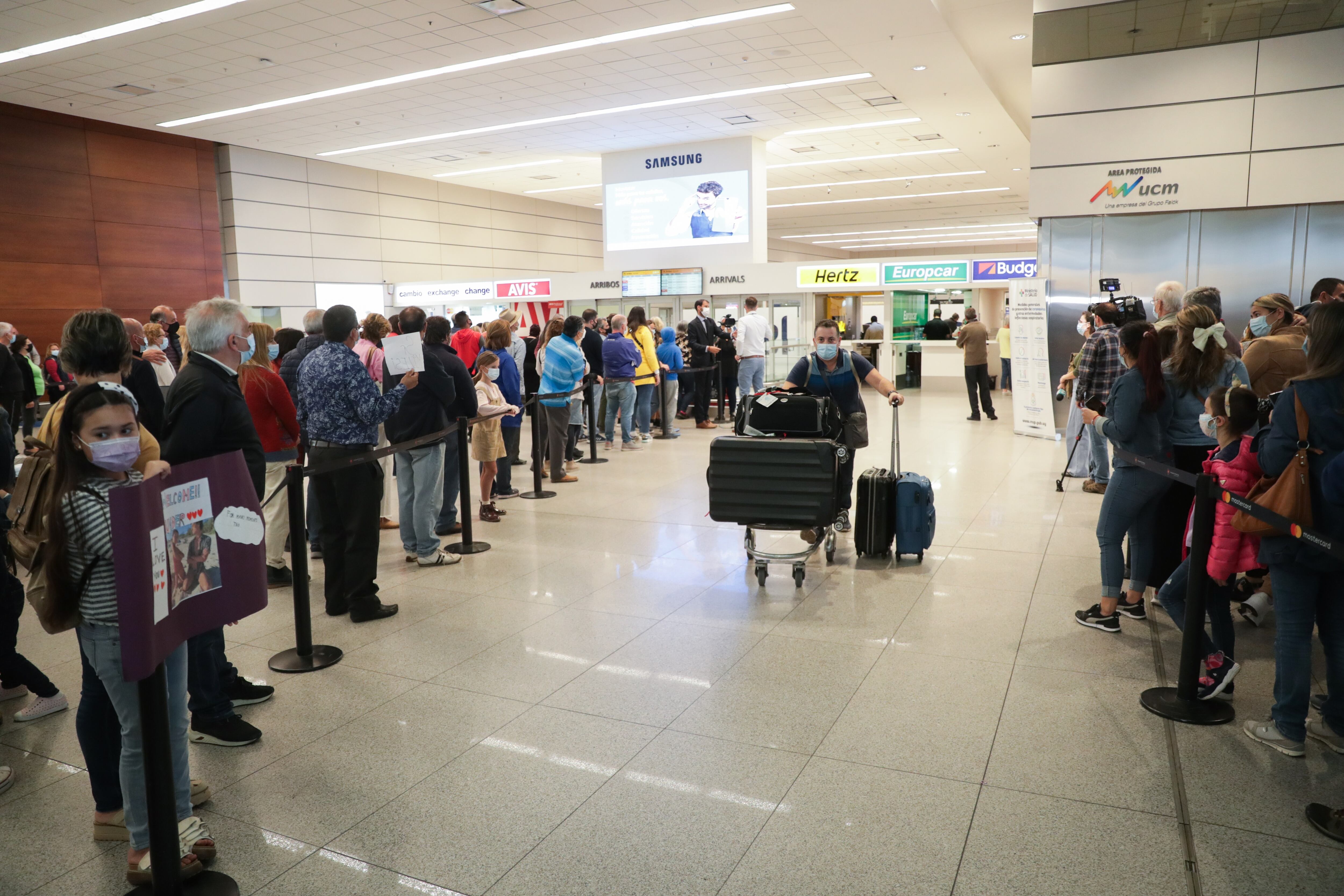
Otro ejemplo que mencionó Ovalle es el de una futbolista de Peñarol que fue convocada a la Selección Uruguaya y no pudo porque era menor de edad y extranjera.
La integrante de la organización señaló que el lugar de nacimiento es “completamente distinto” al concepto de nacionalidad y relató que la inclusión de estos conceptos en el pasaporte les genera inconvenientes.
“Si en el campo de nacionalidad ponés el lugar de nacimiento va a saltar error cuando lo pasás por la máquina (…) Se han visto casos que acusan a la persona de un documento falso y eso no se refleja necesariamente en la realidad de la persona que tiene el pasaporte. Estamos expuestos a la arbitrariedad del agente migratorio”, comentó.
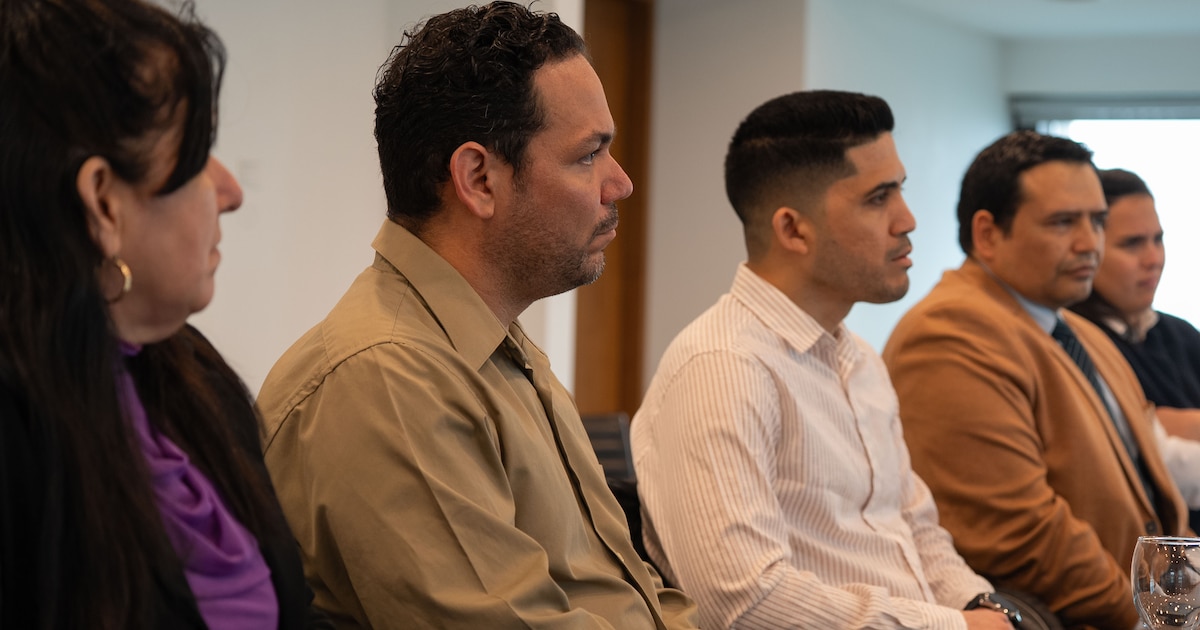
Representantes de la sociedad civil Todos Somos Uruguayos reunidos recibieron con agrado ley interpretativa de la Constitución
pasaporte
INTERNACIONAL
Americans clash over Supreme Court expansion as fight over 9 justices heats up: ‘Let’s pack it now’
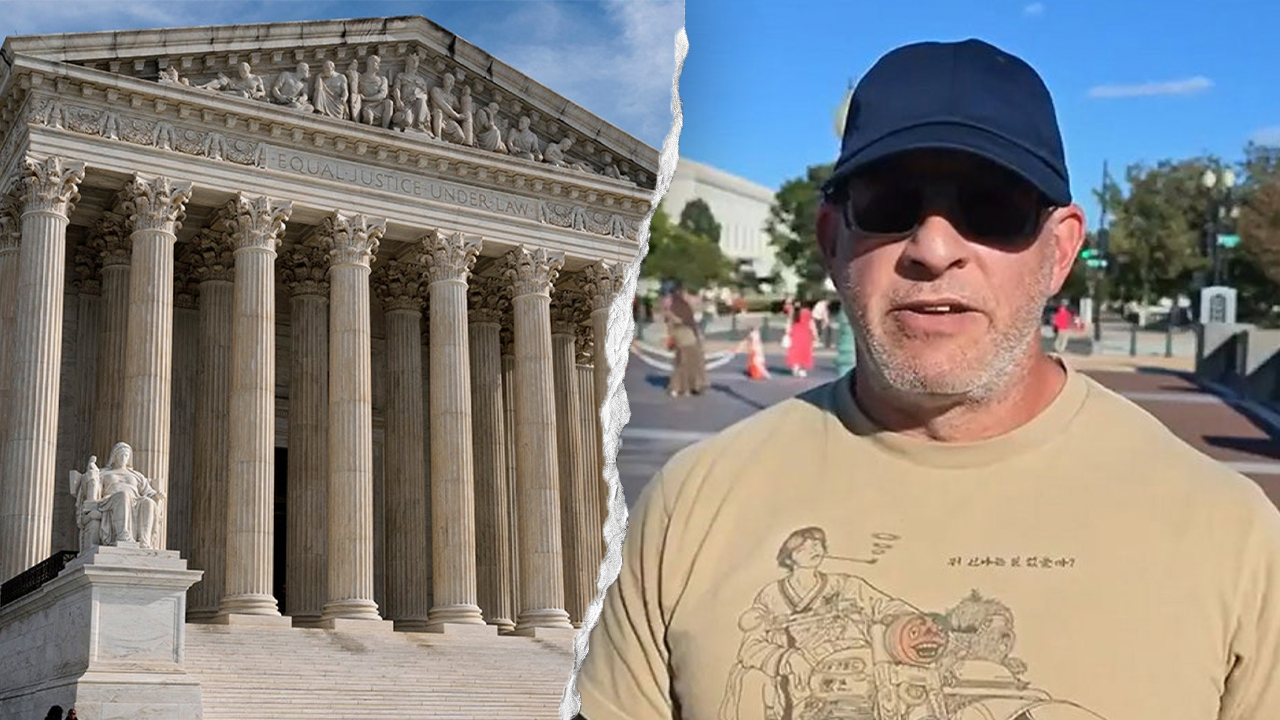
As lawmakers spar over whether to expand the U.S. Supreme Court beyond nine justices, Americans interviewed by Digital on Capitol Hill had competing views on whether the nation’s highest court needs a shake-up at all.
«If it’s not broken, don’t fix it,» Tim from Washington, D.C., told Digital.
«If you had more justices, you could have more differing opinions there,» Derek, also from Washington, said. «So you’d have to have more of a consensus on whatever they’re voting on.»
The debate comes after a Republican-backed constitutional amendment to permanently fix the court at nine justices failed in the House in September, falling short of the two-thirds majority required for passage.
MORNING GLORY: DSA DEMOCRATS’ RADICAL PLAN TO RESHAPE AMERICA STARTS WITH THE SUPREME COURT
Democratic lawmakers have also introduced proposals to reshape the court, including legislation to expand its membership, establish term limits and impose additional ethics requirements.
» If we’re gonna change the size, we need to do it now,» said Carl from Texas. «If you’re going to pack the court, let’s pack it now.»
One person Digital spoke with questioned the motives behind efforts to increase the number of justices.
«I think those who want to increase the size, maybe just have a bias to it, if it be Republican or Democrat,» Tim said about the idea of expanding the number of justices. «I say just leave it as it is, man.»
JOHN YOO: THE LEFT’S SUPREME COURT PANIC COLLAPSES UNDER THE WEIGHT OF THE FACTS
Democrats have become increasingly angry over many of the court’s votes, and many have alleged their rulings to be rooted in politics rather than law.
«The more people weigh in, the more accurate the results would be, right?» an interviewee said.
One also argued that while he would be in favor of potentially expanding the Supreme Court, it would be dependent on how many additional justices were to be added.
«It depends on how much more they add,» Derek said. «One or two more doesn’t seem like it’s that much, but if they’re like, ‘Double it.’ Well, starting to just kind of go overboard at that point.»
REPUBLICANS SOUND ALARM OVER HIDDEN MIDTERM STAKES THAT COULD RESHAPE SUPREME COURT FOR DECADES
Several proposals by Democrats have been introduced to reshape the court, including legislation from Rep. Al Green, D-Texas, to expand the bench from nine to 13 justices, and a separate measure from Rep. Ro Khanna, D-Calif., to establish 18-year terms of active service for newly appointed justices.
«I think that more substantial change would be putting in term limits,» Mark from Washington, D.C., said. «The size would allow for the next several presidents to appoint more people. I don’t know that it changes the political bent of the current situation, whereas a term limits might be more effective.»
Other Democratic proposals would impose enforceable ethics standards and require greater transparency surrounding the court’s emergency rulings, often referred to as its «shadow docket.»
Republicans argue Democrats’ proposals to overhaul the Supreme Court are a reaction to the party’s anger at rulings not being in their favor.
LIBERAL JUSTICE HAMMERS SUPREME COURT FOR FAST-TRACKING EMERGENCY DOCKET CASES
House Republicans sought to permanently cap the court at nine justices, casting their proposed constitutional amendment to reject Democratic efforts to expand the court.
It failed to secure the required two-thirds majority needed to pass the House. Amending the Constitution would then also require a two-thirds majority vote in the Senate and then ratification by three-fourths of the states.
Article III, Section 1 of the Constitution establishes the Supreme Court but does not specify how many justices should serve on it, leaving Congress with the authority to determine its size.
Congress initially established six seats under the Judiciary Act of 1789. The court’s size changed several times throughout the 19th century, reaching as many as 10 justices before Congress established the current nine-justice structure in 1869.
supreme court, congress, constitution, democratic party, republicans elections, reform, politics
INTERNACIONAL
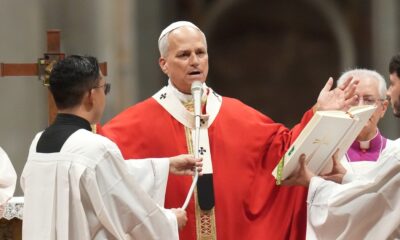
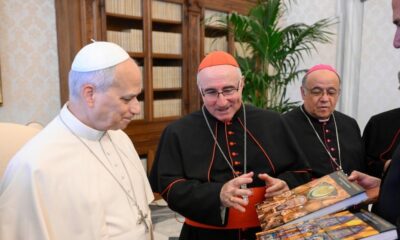
Iglesia Católica uruguaya ratificó la agenda de León XIV en el país tras el anuncio de su operación por un nódulo pulmonar
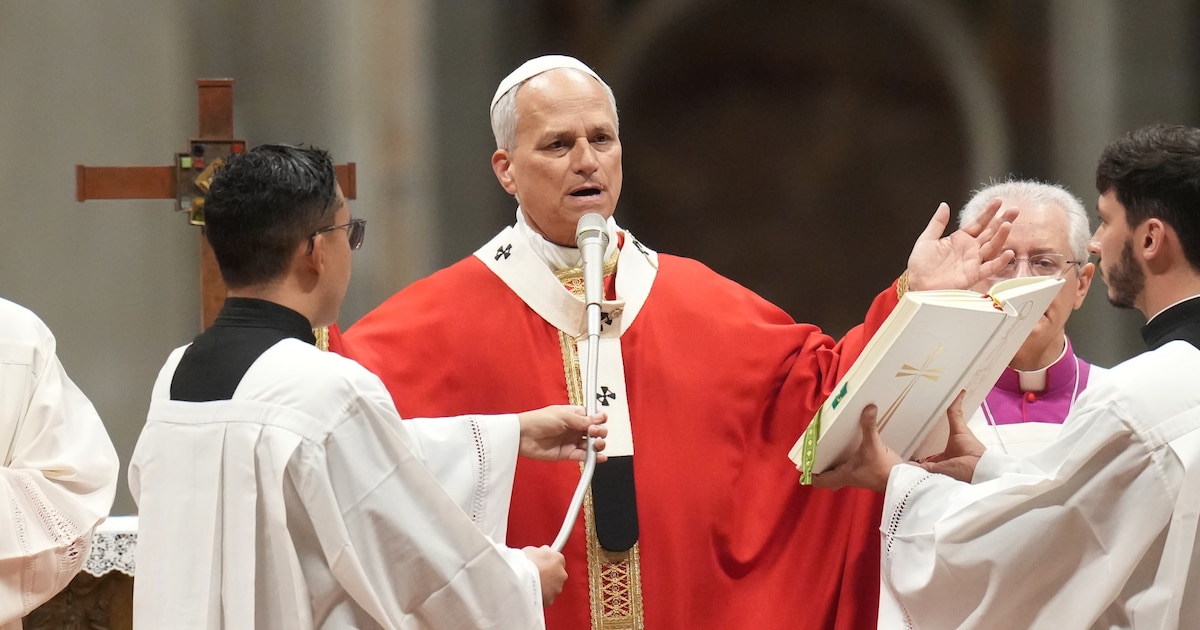
La Iglesia Católica de Uruguay confirmó que la agenda prevista por el Vaticano para la visita del papa León XIV se mantiene incambiada, de momento, pese al anuncio del pontífice de este domingo de que será operado para que le extirpen un nódulo que tiene en el pulmón.
La llegada a Uruguay, prevista para dentro de 25 días, dará comienzo a una gira por América Latina que se extenderá hasta el 17 de noviembre y que incluye las llegadas a Argentina y Perú.
“La agenda de su Viaje Apostólico a Uruguay, previsto del 6 al 8 de noviembre, se mantiene sin cambios por el momento, y continúan los preparativos para recibirlo”, comunicó la Iglesia Católica de Uruguay en sus redes sociales.
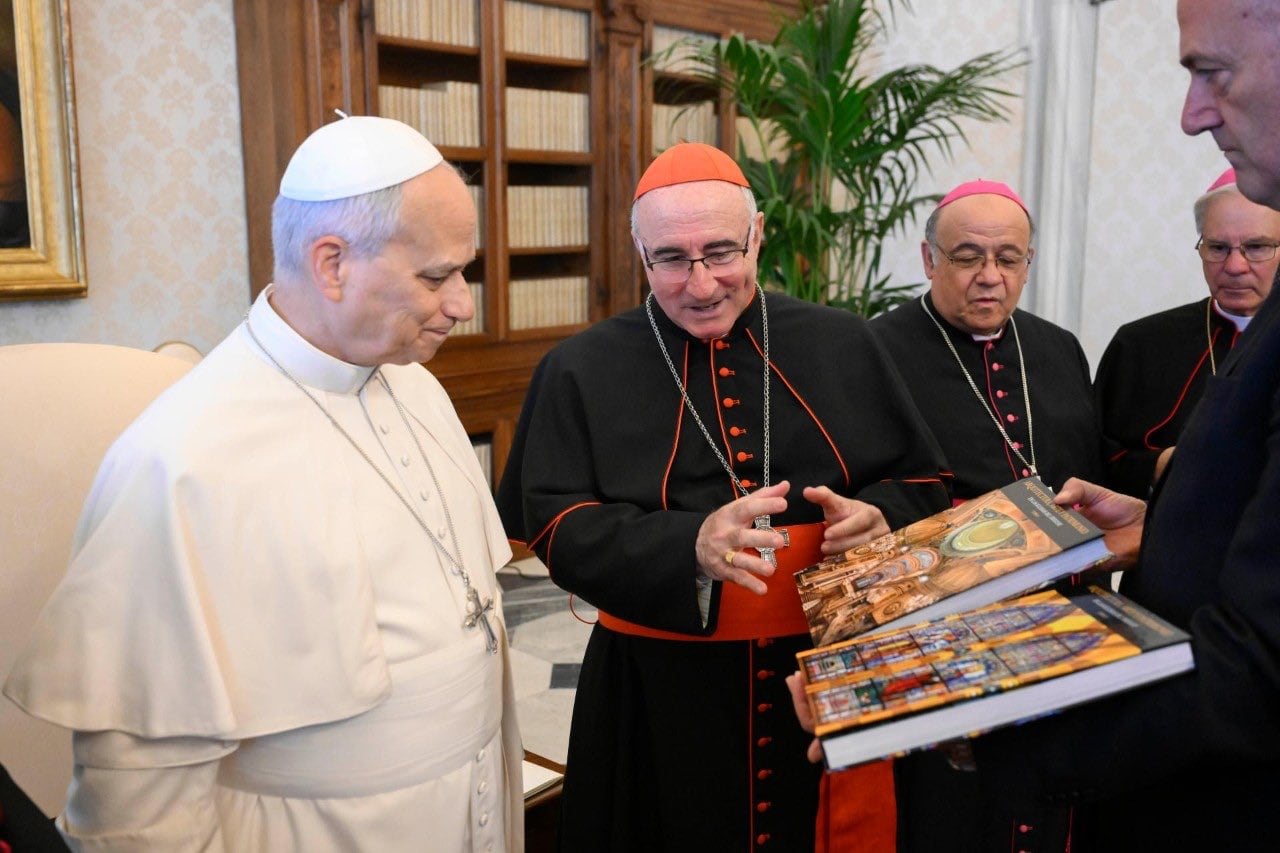
“La Iglesia en Uruguay se une en oración por el Santo Padre, quien será sometido a una intervención quirúrgica en los próximos días. Con cercanía y afecto, invitamos a todas las comunidades, parroquias, movimientos y fieles a rezar por el buen desarrollo de la intervención y la pronta recuperación del Papa León XIV”, agregó su mensaje.
El portavoz vaticano, Matteo Bruni, confirmó este domingo que el procedimiento ya tiene fecha prevista y que el ingreso posterior a la cirugía durará aproximadamente siete días. La precisión llegó después de que el pontífice comunicara públicamente su diagnóstico al término del rezo del Ángelus.
León XIV, de 71 años y papa desde mayo de 2025, explicó desde la ventana del Palacio Apostólico que los médicos detectaron el nódulo durante controles recientes. Según indicó, la lesión está circunscrita y fue localizada en una etapa temprana.
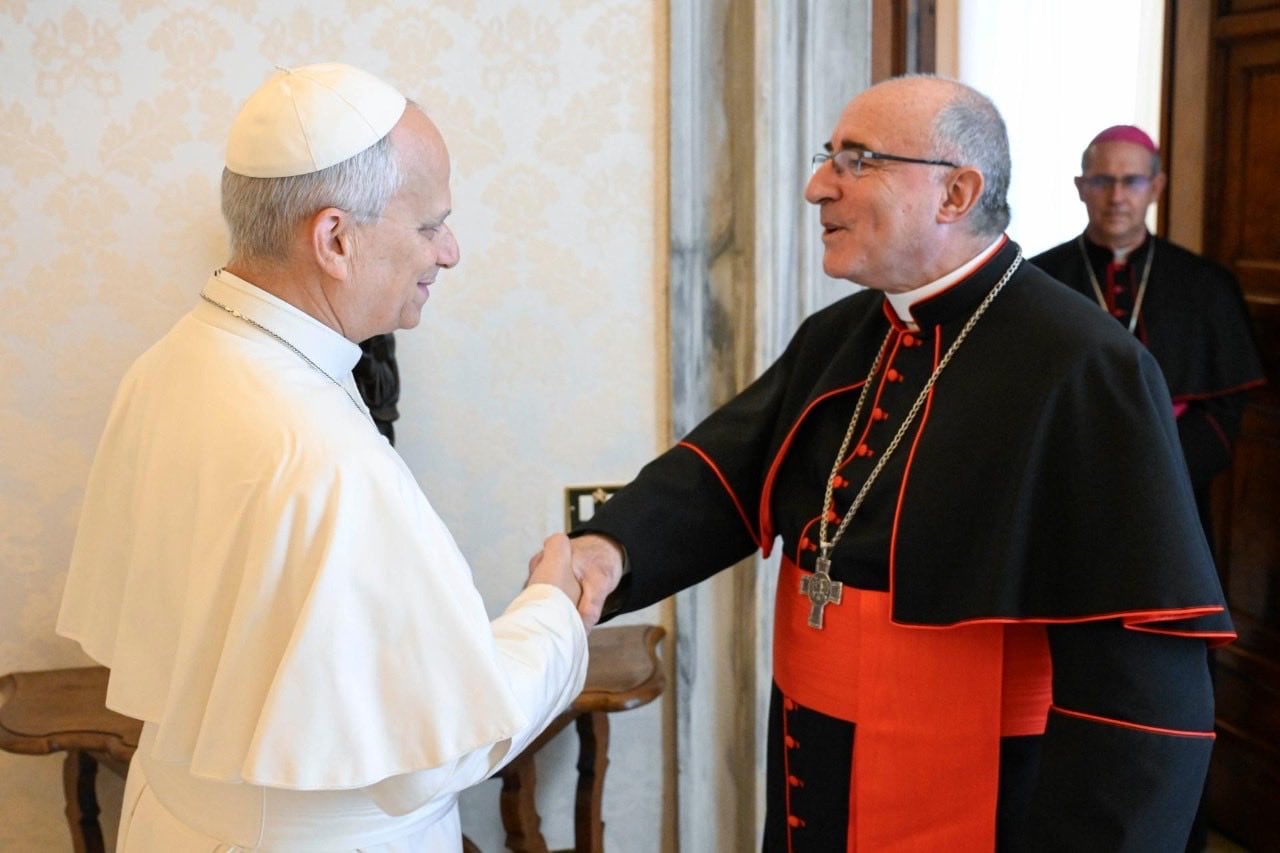
El arzobispo de Montevideo, Daniel Sturla, llamó a rezar por el pontífice y se refirió a su agenda en el país.
“Los planes siguen tal cual. Obviamente todos rezamos por la salud del papa. Confiamos que irá todo bien, se recuperará y podrá estar acá en la fecha prevista”, dijo Sturla en una rueda de prensa.
El cardenal detalló que el papa siempre viaja acompañado de su médico personal y de otros integrantes del equipo de salud. “Entiendo que habrá que tener algún cuidado y se nos indicará en los próximos días. Estaremos muy atentos a eso, pero confiamos que irá todo bien y que seguimos adelante”, expresó Sturla.
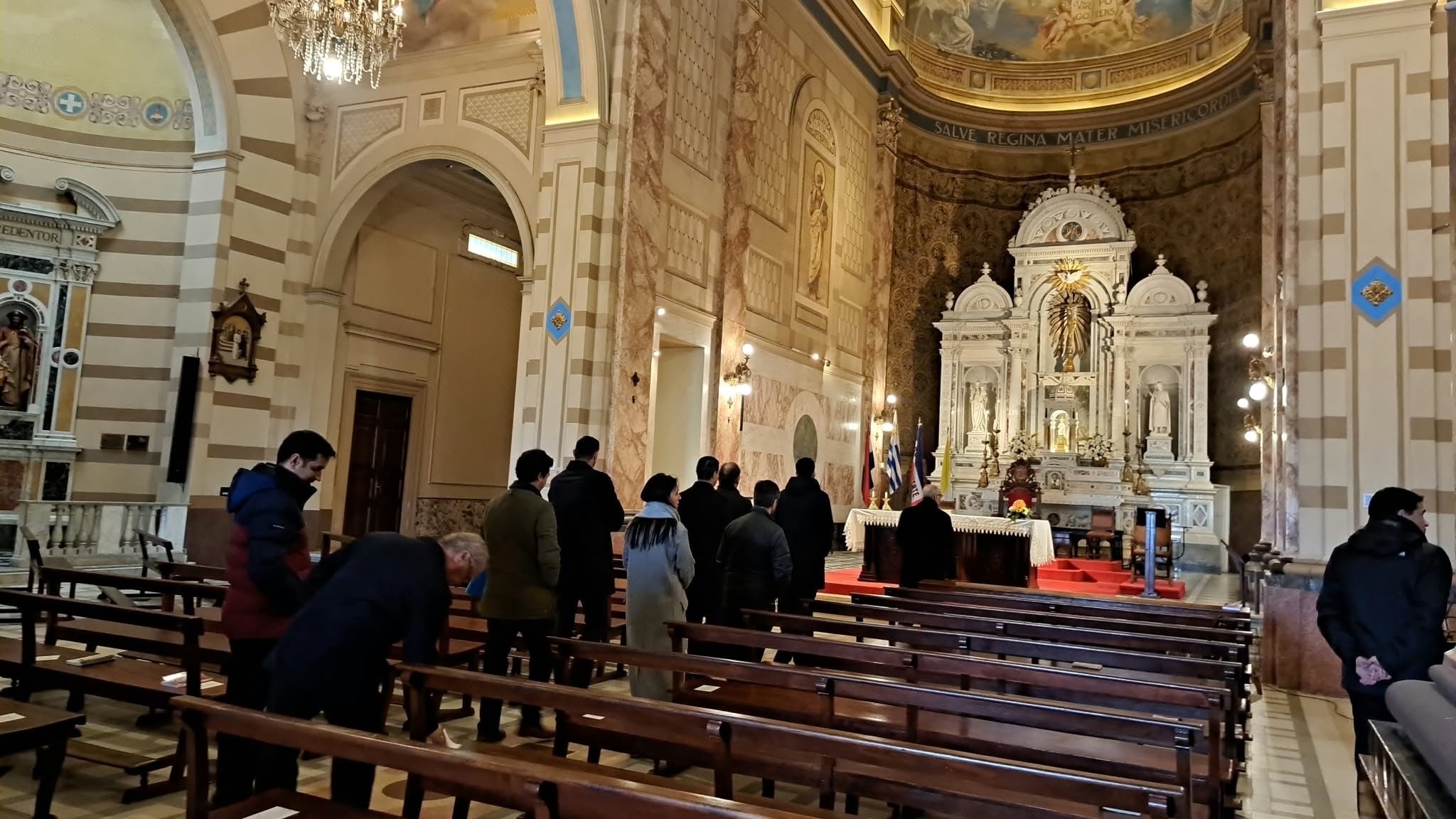
Tampoco se modifican los planes de la iglesia uruguaya para la llegada del papa. Para esta semana está previsto que se habilite el registro de las entradas –que serán gratuitas– para eventos que serán masivos, como la celebración en el Estadio Centenario. Además, la institución pondrá a la venta números de rifa para financiar una visita que tendrá un costo cercano a los tres millones de dólares.
Días atrás, el mismo Sturla había reconocido que el papa quedará “extenuado” tras uno de los días de su agenda en el país.
El viernes 6 de noviembre, el papa partirá en avión desde Roma a las 07.00 (hora uruguaya) y llegará al aeropuerto internacional de Carrasco a ocho horas y media después. A las 17.30 se realizará la ceremonia de bienvenida en la Plaza Independencia de Montevideo, la que da acceso al casco histórico de la capital uruguaya. Allí habrá un encuentro con autoridades, representantes de la sociedad civil y del cuerpo diplomático. Luego, León XIV se reunirá con el presidente de la República, Yamandú Orsi.
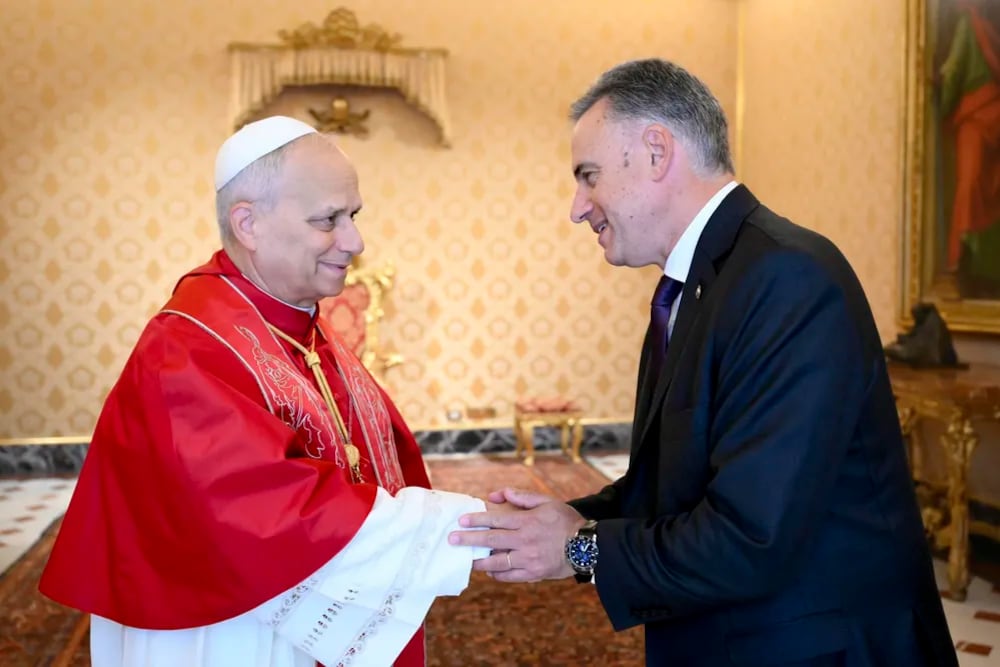
El pontífice recorrerá los 450 metros que separan la Plaza Independencia de la Plaza Matriz, en donde se encuentra la Catedral Metropolitana. En esa iglesia, a las 19.05, celebra las vísperas junto a obispos, sacerdotes, diáconos, religiosos y seminaristas.
El sábado 7 será un día intenso para la agenda del pontífice. Por la mañana, se trasladará en avión hasta Paysandú, un departamento limítrofe con Argentina ubicado a 375 kilómetros de Montevideo. A las 10.00 celebrará la Santa Misa en el Parque París Londres. Se espera que varios argentinos lleguen hasta allí.
De regreso a Montevideo, recorrerá obras de la Iglesia Católica en Casavalle, un barrio de la periferia de Montevideo que sufre importantes problemas de seguridad. El papa estará en la parroquia Nuestra Señora de Guadalupe.
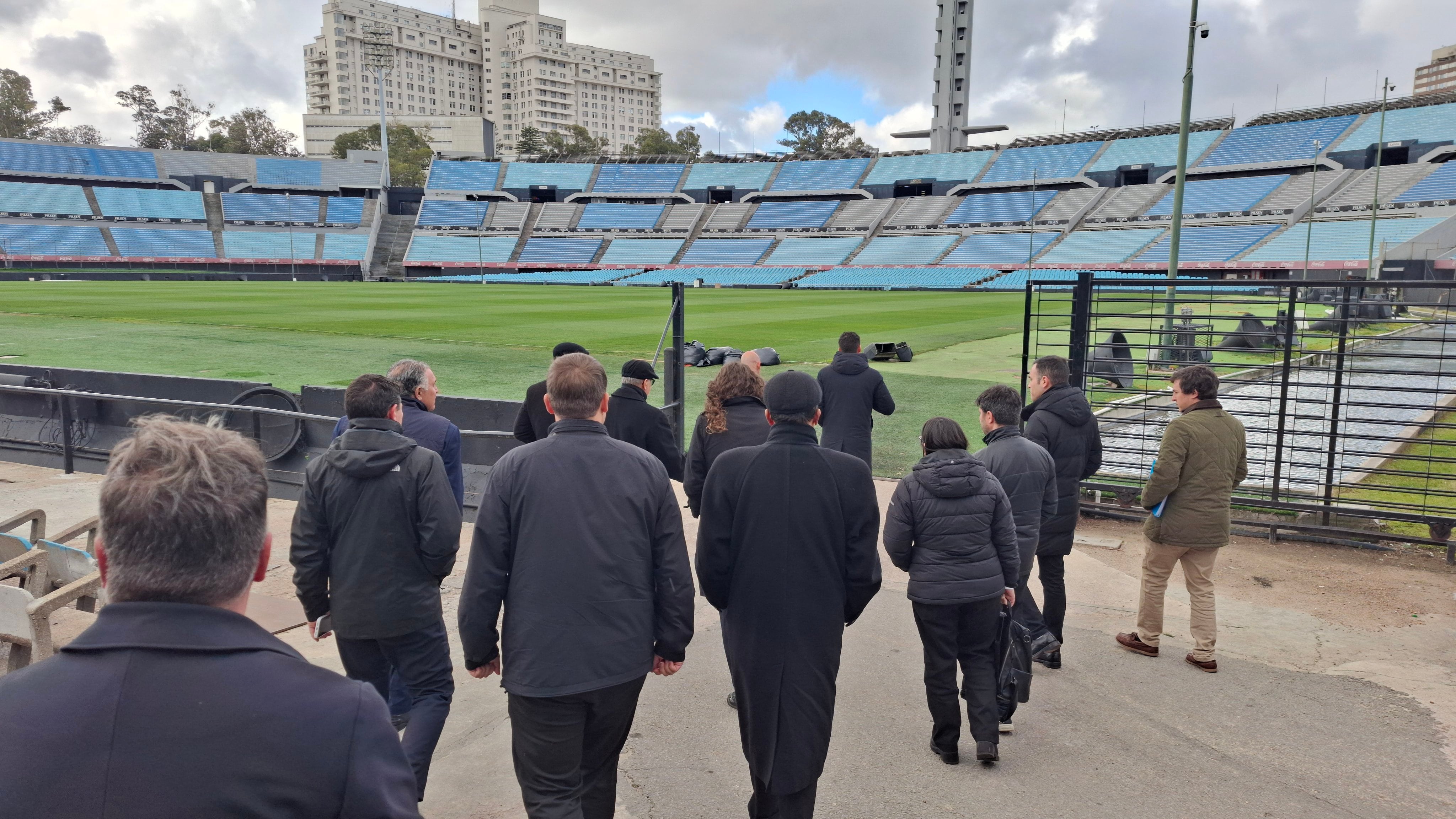
El itinerario establece que permanecerá allí una hora porque luego tiene que ir hasta la Universidad Católica del Uruguay. En esta casa de estudios, a las 18.00, está previsto que se encuentre con el mundo de la educación. Una hora más tarde, León XIV se trasladará hasta el Estadio Centenario para participar de una vigilia de oración.
El domingo 8, el pontífice cerrará su visita por Uruguay. León XIV celebrará una misa a las 10.30 en la Plaza Asamblea, frente a la Catedral Basílica, donde está el santuario de la Virgen de los Treinta y Tres, la patrona del Uruguay.
corresponsal: Desde Montevideo

En medio del horror que causaron las confesiones del hijo de Romina Yan, una actriz admitió que dejó a sus hijas por su carrera y escandalizó a Yanina Latorre: «No puedo creer esto»

Crece la interna en Ferrari: Lewis Hamilton ignoró una orden del jefe de equipo en el GP de Singapur de F1

De Texas a Neuquén: por qué Vaca Muerta es atractivo para las empresas de la cuenca petrolera más grande de EEUU

"¡Joder! ¿Pero vosotros quiénes sois?". PlayStation hizo exclusivo temporal al RPG de acción más esperado de 2026 tras una sola reunión

El Gobierno espera un clima tenso en la marcha universitaria y prepara una denuncia contra dirigentes opositores por la toma del Palacio Pizzurno

El picante posteo que hizo Enzo Fernández tras la goleada del City ante Liverpool

GOP accuses Walz allies of burying $52M Medicaid fraud report before election

El crudo diagnóstico de Tagliafico sobre la derrota con España en el Mundial y la revelación del himno contra Inglaterra

La CGT sale a la calle “en defensa de la industria nacional” y posterga la definición sobre un paro general

Javier Milei aprovechó la toma del Palacio Pizzurno para volver a insultar al director de LA NACION

 INTERNACIONAL3 días ago
Conciliaciones entre comercios y consumidores resuelven reclamos por más de $12.5 millones en Panamá
- DEPORTE3 días ago
Regresos importantes y una duda clave: Arruabarrena definió el equipo de Boca Juniors para visitar a Instituto
- ECONOMIA3 días ago
El nuevo mapa del mercado automotor: qué marcas ganaron y cuáles perdieron con la apertura de las importaciones