INTERNACIONAL
Tras 38 días de protesta, la Policía desalojó el campamento de la Puerta del Sol en Madrid y detuvo a dos personas

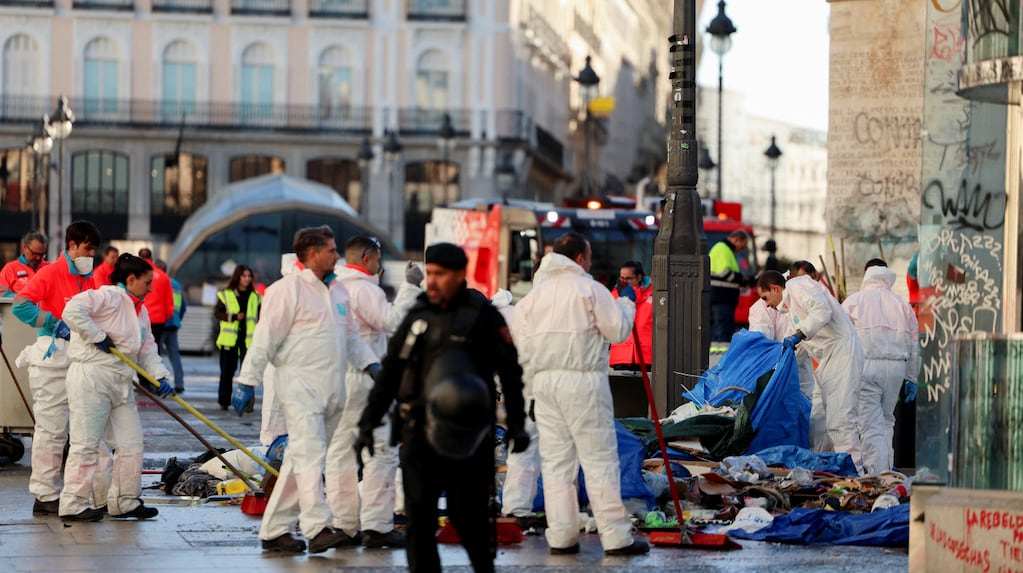
La Policía Nacional y la Policía Municipal de Madrid desalojaron durante la madrugada de este martes el campamento en reclamo por el derecho a la vivienda instalada en la Puerta del Sol. El procedimiento se desarrolló sin incidentes de gravedad, aunque dos personas fueron detenidas por resistencia a la autoridad.
La Delegación del Gobierno en Madrid justificó la intervención al señalar que los organizadores habían comunicado que daban por terminada la protesta y que existían “hechos presuntamente delictivos e incidentes”.
En un comunicado, el organismo sostuvo que el desalojo se realizó de manera gradual y sin violencia. Además, explicó que el objetivo fue “garantizar el ejercicio pacífico de los derechos fundamentales, proteger a las personas y los bienes y recuperar el uso ordinario de la Puerta del Sol”.
Alrededor de 300 personas dormían en el campamento cuando se llevó adelante el operativo. Parte de los organizadores ya había anunciado el desmantelamiento progresivo de la instalación para preparar la huelga general del próximo 11 de noviembre, convocada por los principales sindicatos en reclamo de viviendas y salarios que permitan afrontar su costo.
En el operativo participaron 400 agentes. Una vez que las personas que todavía permanecían en las tiendas de campaña abandonaron el lugar, los equipos de limpieza del Ayuntamiento de Madrid comenzaron a retirar los elementos que habían quedado en la plaza.
Minutos antes de las 9, los restos se concentraban en una pequeña franja frente a la Real Casa de Correos. En la zona trabajaban varios operarios con dos excavadoras y tres camiones utilizados para cargar los materiales.
Una protesta que comenzó tras el caso de una mujer de 87 años
La acampada había comenzado el 26 de septiembre para reclamar medidas frente al aumento de los precios de los alquileres. La protesta surgió después del desahucio y posterior fallecimiento de Maricarmen Abascal, una mujer de 87 años que había vivido durante siete décadas en la misma vivienda.
Con el correr de los días, la convocatoria incorporó otros reclamos y reunió a distintos grupos, entre ellos colectivos que se identificaban como antifascistas, anticomunistas, propalestinos y defensores de los derechos de las personas LGTBI. También se instalaron en el lugar personas sin hogar.
La permanencia del campamento generó tensiones políticas entre las autoridades de Madrid. Tanto el gobierno regional como el municipal reclamaban que se desmantelara, mientras que el entonces delegado del Gobierno central, Francisco Martín, se oponía a la medida mientras no estuvieran comprometidas la seguridad y el orden público.
La Puerta del Sol es uno de los puntos de mayor actividad comercial de la capital española y recibe un flujo constante de turistas nacionales y extranjeros.
Ayuso y Feijóo celebraron el desalojo
La presidenta de la Comunidad de Madrid, Isabel Díaz Ayuso, responsabilizó al presidente del Gobierno español por la permanencia de la acampada durante 38 días. “Esto es lo que Pedro Sánchez ha consentido durante 38 días en la plaza de todos los españoles. O comunismo o libertad”, escribió en sus redes.
En la misma plataforma, Carlos Díaz-Pache, portavoz del Grupo Parlamentario Popular en la Asamblea de Madrid, sostuvo que el desalojo era posible y cuestionó que no se hubiera realizado antes. Afirmó que existían problemas de seguridad, insalubridad y daños al patrimonio, y consideró que las autoridades deberían explicar sus decisiones ante la Justicia.
Por su parte, el líder del Partido Popular, Alberto Núñez Feijóo, calificó el operativo como “una buena noticia para la salubridad pública” y celebró que “vuelva a funcionar el Estado de derecho”.
Durante un desayuno informativo organizado por Europa Press, también destacó que la medida beneficiaba a los comerciantes, al sector de la hostelería y a la imagen de Madrid.
Feijóo consideró que las decisiones adoptadas por el Ayuntamiento y la Comunidad de Madrid habían surtido efecto y que las demandas y denuncias presentadas ante la Justicia habían generado preocupación entre los destinatarios.
España, Madrid, reclamo, Protesta








INTERNACIONAL
“Perdiendo también se gana”: la inspiradora historia de perseverancia de Mia Dio rumbo a Miss Universo 2026

En el competitivo universo de los certámenes de belleza, las segundas oportunidades suelen estar reservadas únicamente para quienes logran convertir el tropiezo en combustible.
Ese es precisamente el caso de Mia Donadio, conocida en el mundo digital como Mía Dio, la actual Miss Universe Cuba 2026, quien se prepara para representar a la isla el próximo 24 de noviembre en Puerto Rico tras protagonizar una de las historias de resiliencia más comentadas de la temporada.
Recientemente, en una íntima conversación en el pódcast Cara a cara con Rodner, conducido por el presentador venezolano Rodner Figueroa, la modelo, influencer y graduada en Relaciones Internacionales y Ciencias Políticas abrió su corazón sobre el camino de aprendizaje, sanación personal y disciplina que la llevó de quedarse a un paso de la corona en 2025 a alzarse con el título nacional este año.
En 2025, Mia pisó por primera vez el escenario de Miss Universe Cuba con el respaldo de una comunidad digital que supera los seis millones de seguidores en TikTok e Instagram.
Sin embargo, aquella noche la corona terminó en manos de Lina Luaces, hija de la presentadora Lili Estefan. Lejos de guardar resentimiento o ver aquel resultado como un fracaso definitivo, Mía asegura que experimentó una profunda paz.

Según confesó en la entrevista, durante su primer intento estuvo tan obsesionada con encajar en el molde tradicional de una reina de belleza que dejó de lado su autenticidad.
A esto se sumó la barrera del idioma: nacida en Miami, de padre argentino —el reconocido exproductor de Univisión, “Chacho” Donadio— y madre cubana, Mía reconoció que el año pasado le costó expresarse con total fluidez en español durante la ronda de preguntas.
Inspirada por la disciplina de la propia Lina, quien le aconsejó enfocarse al 100% en el idioma, Mía decidió regresar en 2026 con una estrategia radical: sumergirse por completo en la cultura hispana, consumir contenido exclusivamente en español y rodearse de un entorno que la obligara a pensar y comunicarse en la lengua de sus raíces.
El cambio fue tan notorio que incluso el director de la organización, Prince Julio César, le confesó tras su coronación que había visto a una mujer completamente transformada y sanada.
Una batalla silenciosa contra el SOP y la pérdida gestacional
Más allá del brillo de las pasarelas, la reina cubana reveló que padece Síndrome de Ovario Poliquístico (SOP), una condición hormonal que le ha provocado fluctuaciones drásticas de peso llegando a aumentar entre 15 y 50 libras en distintos episodios y que en 2023 derivó en una dolorosa pérdida gestacional a las nueve semanas de embarazo.
Aquel episodio no solo le dejó una herida emocional, sino también un trauma físico tras sufrir una infección severa que requirió una intervención médica de emergencia sin anestesia debido a su alergia a la anestesia general.
Durante meses, Mia lidió con la inseguridad y el rechazo hacia su propio cuerpo, hasta que comprendió que su vulnerabilidad podía ser su mayor escudo. Hoy, desde su plataforma como Miss Cuba, utiliza su testimonio para visibilizar una condición que afecta a millones de mujeres en silencio, demostrando que la feminidad y la fortaleza no dependen de estándares irreales.
Orgullo de la diáspora y temple a prueba de contratiempos en Puerto Rico
En medio de la exigente agenda previa a la gala final, la cubana sufrió una fuerte intoxicación alimentaria que puso a prueba su resistencia física. Lejos de darse por vencida o bajar el ritmo, la representante cubana recibió atención médica, se recuperó y retomó de inmediato sus actividades oficiales con la sonrisa intacta, reafirmando por qué figura entre las grandes favoritas de los missólogos para entrar al cuadro de finalistas.
Con cerca de 20 maletas cargadas de ilusión, un traje típico diseñado a partir de su propia visión y el rosario que le regaló su abuela como amuleto inseparable, Mia Dio demuestra que, como ella misma afirma, a veces perdiendo también se gana. Su revancha ya está en marcha y el escenario de Puerto Rico será testigo de una mujer que decidió creer en sí misma cuando más difícil parecía el camino.
INTERNACIONAL
States rally behind Catholic church in first-of-its-kind Supreme Court fight over prayer shrine

FIRST ON FOX: A Catholic religious community’s plans to build a small shrine to the Virgin Mary on its own property have triggered a years-long legal battle with two neighbors, drawing a coalition of state attorneys general into a potential landmark religious liberty showdown before the U.S. Supreme Court.
Kentucky Attorney General Russell Coleman is leading an 18-state coalition urging the justices to reverse a ruling that blocked the roughly 600-square-foot prayer grotto in Park Hills, Kentucky, despite the project initially receiving approval from local zoning officials.
The dispute pits the Missionaries of St. John the Baptist against neighboring property owners Joel and Elizabeth Frederic, who challenged the city’s approval of the outdoor shrine and ultimately prevailed in Kentucky’s appellate courts.
YOU SHOULDN’T NEED A PERMIT TO PRAY IN YOUR OWN HOME — THE SUPREME COURT SHOULD AGREE
«I’m proud to stand with other Attorney General colleagues from across the country in defense of these Kentuckians’ religious liberty,» Coleman said in a statement provided to Digital. «This fundamental American freedom cannot be brushed away simply by a heckler’s veto, and I’m confident the justices will agree.»
The coalition’s intervention comes as the Supreme Court prepares to consider whether blocking a religious structure on an organization’s property constitutes a «substantial burden» on religious exercise under the Religious Land Use and Institutionalized Persons Act (RLUIPA).
The case marks the first time the Supreme Court is considering the federal law’s land-use protections, according to Coleman’s office, raising the stakes for churches and religious organizations nationwide.
The controversy began in 2021 when the Missionaries sought permission to construct a 16-by-39-foot grotto honoring the Virgin Mary’s apparition to Saint Bernadette in Lourdes, France.
SUPREME COURT SHOWDOWN LOOMS OVER ST MICHAEL STATUE BLOCKED FROM PUBLIC SAFETY BUILDING
The proposed structure would include a shrine, plaza, walking path and retaining wall, offering a quiet place for prayer and meditation.
The church building has stood on the property for nearly a century, predating Park Hills’ zoning ordinance adopted in 1974, according to previous Digital reporting.
The Park Hills Board of Adjustment approved the project in April 2021. But the Frederics challenged the approval in court, arguing that the proposed construction violated local zoning requirements.
A trial court initially upheld the city’s decision before the Kentucky Court of Appeals reversed, finding that the zoning board exceeded its authority in granting the necessary permits.
SUPREME COURT TO HEAR CATHOLIC PARISH’S CHALLENGE AFTER COLORADO BARRED SCHOOLS FROM UNIVERSAL PRE-K PROGRAM
The Kentucky Supreme Court affirmed the rejection of the Missionaries’ federal religious land-use claim in December 2025.
Coleman previously defended the religious organization’s position before Kentucky’s highest court and led a 20-state effort in April urging the U.S. Supreme Court to take up the dispute.
The justices agreed in October to hear the case, with oral arguments scheduled for Jan. 20, 2027.
Ryan Gardner, senior counsel at First Liberty Institute, which represents the Missionaries, previously told Digital that the stakes extend far beyond the proposed Catholic shrine.
«This is a massive case for religious liberty because it has the potential to impact every single zoning law in this country,» Gardner said in an October Digital exclusive.
Gardner compared the grotto’s footprint to a swimming pool, underscoring the modest size of a project that has since reached the nation’s highest court.
«RLUIPA is at the intersection of two very critical rights in this country: the rights of religious liberty and property rights,» Gardner said.
Congress enacted RLUIPA in 2000 to protect religious institutions from certain burdens imposed through zoning and land-use regulations.
The Missionaries argue that preventing them from constructing a religious structure on their property substantially burdens their religious exercise.
The Frederics, however, have disputed that interpretation, arguing in their Supreme Court opposition brief that the religious organization failed to demonstrate why alternative locations for the grotto were unavailable.
They also challenged claims that lower courts are fundamentally divided over the legal standard for determining substantial burdens under RLUIPA.
The Supreme Court agreed to consider the substantial-burden question, rather than every issue raised in the underlying zoning dispute.
Kentucky Solicitor General Matt Kuhn, Principal Deputy Solicitor General Jack Heyburn and Deputy Solicitor General Jacob Abrahamson prepared the multistate brief, according to Coleman’s office.
What began as a proposal for a quiet place to pray has become a national battle over religious liberty, property rights and how far neighbors can go in challenging religious construction on private property.
first amendment religion us, supreme court, religion us, faith, kentucky, law
INTERNACIONAL
Russia could launch nuclear-capable satellite within weeks, Western intelligence warns: report

US confirms weapons deployed in space as Russia, China issue new warnings
Chief national security correspondent Jennifer Griffin joins ‘The Faulkner Focus’ to discuss the growing threat of orbital warfare after the U.S. confirmed it has deployed weapons in orbit. She examines the security implications as concerns over China and Russia’s space capabilities continue to mount.
NEWYou can now listen to Fox News articles!
Russia could launch a nuclear-armed satellite into orbit within less than 60 days according to new Western intelligence assessments reported Monday, raising fears that Moscow is preparing to deploy a weapon capable of crippling thousands of satellites used by the United States and its allies.
The intelligence reports emerged just four days after President Donald Trump met with Russian President Vladimir Putin and Chinese President Xi Jinping at a high-profile summit in Shenzhen, China, where nuclear arms control was a central topic.
The three leaders issued a joint declaration affirming that nuclear war should never be fought, but stopped short of announcing binding arms-control commitments.
NEXT GENERATION OPIR GEO: BUILDING AMERICA’S GATEWAY TO THE FUTURE OF SPACE-BASED MISSILE WARNING AND TRACKING
Advanced satellite launch (Amazon)
On Monday, NATO Secretary General Mark Rutte and German Chancellor Friedrich Merz publicly addressed the reports, while the Kremlin dismissed the allegations.
According to a joint investigation published Nov. 23 by German broadcasters WDR and NDR and the newspaper Süddeutsche Zeitung, Western intelligence agencies believe Russia has assembled a satellite known as «Sputnik-S,» which has reportedly been stored in the Moscow region for several years.
Intelligence warnings shared among several NATO countries in early November indicated that the satellite, reportedly designed to carry a nuclear warhead, could be launched within 60 days. Germany’s military Space Command reportedly assessed that a December launch was possible.
The German investigation also reported that military officials had briefed senior government figures, including German Defense Minister Boris Pistorius, about the threat.
The reports prompted an immediate response from European leaders.
Speaking alongside Rutte in Berlin on Monday, Merz described the allegations as «shocking,» while noting that concerns about Russia’s nuclear space ambitions were not entirely new.
PUTIN LAUNCHES UKRAINE BARRAGE HOURS AFTER TRUMP MEETING AMID ALLEGED RUSSIAN MISSILE BREACH OF NATO AIRSPACE
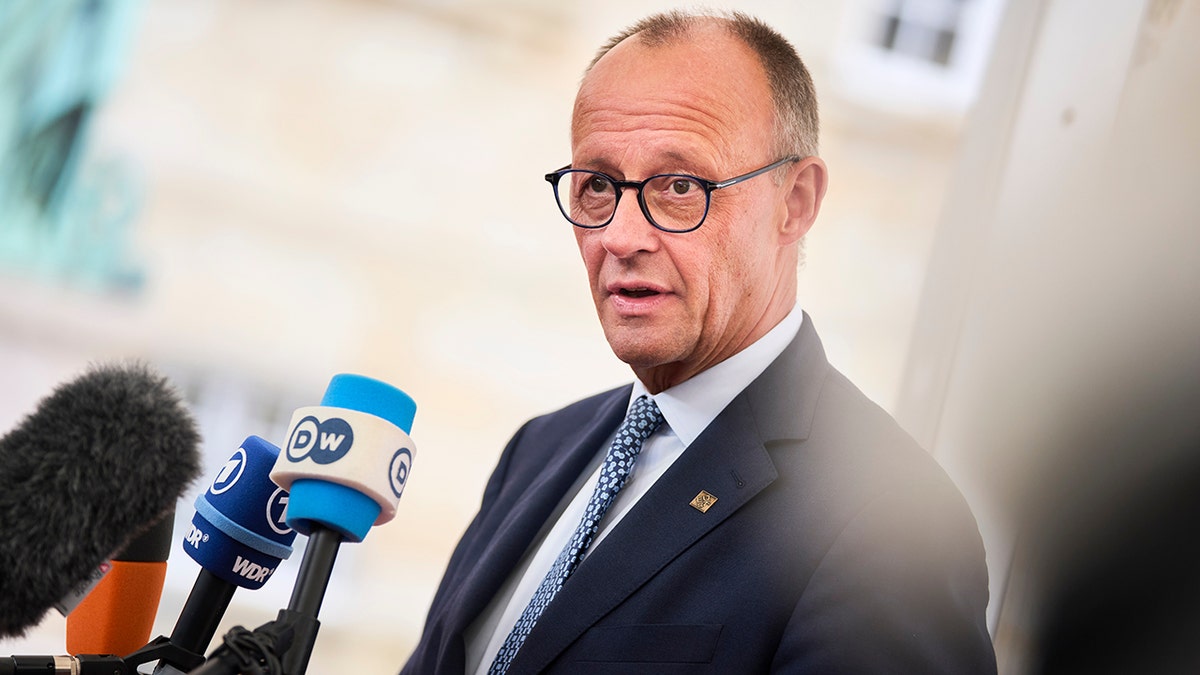
German Chancellor Friedrich Merz sparked backlash while remarking about the country’s migration policies. (Thomas Traasdahl/Ritzau Scanpix via AP)
Rutte, meanwhile, stressed that NATO was continually assessing its defensive capabilities.
«I can assure you, we will always make sure that we defend every inch of NATO territory,» Rutte said, according to Reuters.
He added that the alliance’s defense planning included threats in space and said NATO had response options that were not always visible to the public.
The Kremlin rejected the allegations. Russian presidential spokesperson Dmitry Peskov questioned the credibility of the intelligence reports, saying they contained numerous unsubstantiated claims that were «hardly worth taking seriously,» according to The Moscow Times.
«We haven’t seen the report. But there are so many ‘alleged’ and ‘possible’ claims in it, attributed to who knows whom, that it’s certainly hardly worth taking them seriously,» Kremlin spokesman Dmitry Peskov told reporters during a daily briefing.
Russia’s Embassy in Berlin separately dismissed the reporting as part of a propaganda campaign and maintained that Moscow’s space activities were peaceful and consistent with international obligations.
The latest warnings follow an earlier assessment by the U.S. Defense Intelligence Agency , which publicly identified Russia’s development of a nuclear-capable satellite in October. «Russia is developing a satellite designed to carry a nuclear weapon,» the DIA stated in its 2026 Challenges to Security in Space assessment.
NATO WARNS RUSSIA: ‘WE WILL BREAK’ FORCES, DESTROY ‘ANYTHING AND EVERYTHING’ IF YOU ATTACK

FILE – Russian President Vladimir Putin chairs a meeting aboard the missile cruiser Varyag in Russia’s far eastern Sakhalin region on Wednesday, Aug. 12, 2026. Putin previously said Russia is not waging a sabotage campaign against Europe. (Reuters)
As Fox News Digital reported on October 29, the agency warned that such a weapon could cause the rapid loss or degradation of thousands of satellites operated by governments and private companies.
Unlike a conventional anti-satellite weapon targeting an individual spacecraft, a nuclear detonation in orbit could potentially disable large numbers of satellites through radiation and electromagnetic effects.
The consequences could extend far beyond the military. Satellites support GPS navigation, international communications, financial transactions, weather forecasting and critical infrastructure.
The threat also has implications for Ukraine, whose military relies heavily on satellite communications, including SpaceX’s Starlink network, during its war with Russia.
The concern was initially addressed on February 2024 when the Biden administration publicly acknowledged that Russia was developing a troubling anti-satellite capability, although officials said at the time that no such weapon had been deployed.
Placing a nuclear weapon in orbit would violate the 1967 Outer Space Treaty, which prohibits stationing nuclear weapons or other weapons of mass destruction in space.
The latest German reporting suggests the threat could be approaching a more immediate stage, but critical questions remain unanswered, including whether the satellite already carries a nuclear warhead and whether Western intelligence has independently verified the reported launch preparations.

A Defense Intelligence Agency graphic shows the number of satellites operating at different orbital altitudes around Earth, including more than 15,000 in low-Earth orbit. (Defense Intelligence Agency)
Fox News Digital has reached out to the White House, Pentagon, U.S. Space Command and German Embassy for comment.
russia, air and space, nuclear proliferation, national security, nato

Flor de la V se ausentó de su programa tras el escándalo y sus panelistas lloraron y reclamaron por el destrato: “Me quedé muda”

El Colegio Público de la Abogacía repudió el homenaje a Santucho en la UBA

Agitado debate en la CGT sobre la nueva modalidad de protesta que estrenarán en diciembre

El presidente de FIFPRO carga contra el Bayern por Musiala: ‘Revela una profunda falta de humanidad y de tacto’

“Perdiendo también se gana”: la inspiradora historia de perseverancia de Mia Dio rumbo a Miss Universo 2026

Mercado Pago para menores de edad: cómo abrir una cuenta, requisitos y qué pueden hacer

Javier Milei destacó el desembarco de Tesla en el país y aseguró: “Esto también es devolverle la libertad a los argentinos”

Agustín “Rada” Aristarán se despide de Chanta: “Con esta obra dejé de ser un impostor”

Financial Times duda de la economía argentina: riesgo país, financiamiento e imagen Milei

NYC college put on notice after Jewish campus group shunned by student government: ‘rude awakening’

 POLITICA3 días ago
Javier Milei destacó el desembarco de Tesla en el país y aseguró: “Esto también es devolverle la libertad a los argentinos”
- CHIMENTOS1 día ago
Agustín “Rada” Aristarán se despide de Chanta: “Con esta obra dejé de ser un impostor”
- ECONOMIA21 horas ago
Financial Times duda de la economía argentina: riesgo país, financiamiento e imagen Milei