INTERNACIONAL
Ex-Chicago FBI chief sues DOJ, claims he was ousted over failed anti-ICE prosecutions

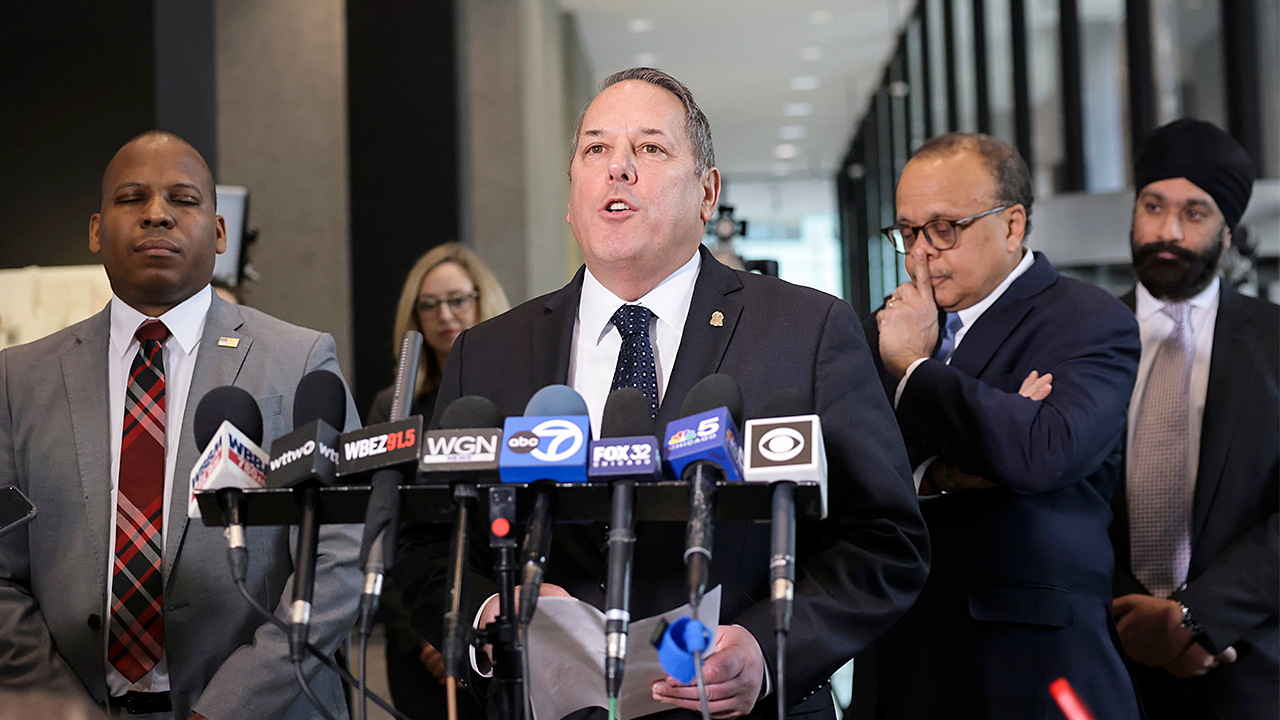
The former chief of the FBI’s Chicago Field Office said he was forced out of his job after he said he was wrongly blamed for the failed prosecution of six people who protested against the Trump administration’s immigration crackdown in the Windy City, according to a lawsuit he filed on Monday.
Douglas DePodesta sued top Justice Department officials, alleging that federal prosecutors pushed «politically motivated prosecutions» against Chicago demonstrators before gathering evidence, according to the lawsuit. He said his superiors notified him that FBI Director Kash Patel pushed for his ouster before he was forced to resign over the summer.
«I saw the writing on the wall,» DePodesta told The Associated Press.
DePodesta accused the top federal prosecutor in Illinois, U.S. Attorney for the Northern District of Illinois Andrew Boutros, of launching a «campaign» within the DOJ to blame him after the so-called «Broadview Six» case fell apart earlier this year.
TRUMP ADMINISTRATION HAS LOST OR ABANDONED HUNDREDS OF LAWSUITS AGAINST ANTI-ICE PROTESTERS, MIGRANTS: REPORT
Hours after the lawsuit was filed, U.S. District Judge April Perry ordered Boutros and three of his assistant attorneys to testify under oath on Nov. 16 in the failed «Broadview Six» case.
«There is more than an adequate factual basis for the Court to pursue an inquiry as to whether willful false statements were made to the court,» Perry wrote in the order.
Federal prosecutors brought charges against roughly 30 protesters during the federal immigration enforcement operation in Chicago, dubbed Operation Midway Blitz, but many of those charges have since been dropped or dismissed.
DePodesta’s lawsuit alleges that Boutros faced pressure from the DOJ throughout the immigration crackdown to slap protesters with felony charges.
«Boutros sent DePodesta emails demanding that DePodesta open FBI investigations into individuals with political views or affiliations in opposition to the Trump administration,» DePodesta’s attorneys wrote in the complaint.
Boutros often pressured assistant U.S. attorneys to press charges «before investigating the objective evidence,» according to the lawsuit, which says he wanted felony charges when assistant U.S. attorneys «favored misdemeanors or no charges at all.»
Last October, Boutros charged six people with conspiring to obstruct a federal officer, a felony, in connection with their actions during a protest at an Immigration and Customs Enforcement facility in the Chicago suburb of Broadview.
Grand jury transcripts later turned over to the court showed that grand jurors twice declined to indict the six people as prosecutors sought charges, according to The Associated Press. Boutros dropped all charges against the six people in May as the court moved to investigate possible prosecutorial misconduct.
Boutros «repeatedly complained to his superiors in Washington» that the failure was DePodesta’s fault «to deflect attention from his own malfeasance,» DePodesta’s attorneys wrote in the lawsuit.
DePodesta denied Boutros’ claims to his superiors at the FBI, and they conceded that he was only being forced out of his job due to the «political pressure Boutros created,» according to the suit.
The complaint alleges Boutros told DOJ leadership that DePodesta and his sister-in-law, Nancy DePodesta, who is an attorney representing one of the six former defendants, «conspired to destroy» the case.
PRITZKER CALLS FOR CRIMINAL INVESTIGATIONS INTO ICE AGENTS OVER ‘MIDWAY BLITZ’ CONDUCT
«There is no one at the FBI who took their oath of office and their ethical and moral responsibilities more seriously than Doug,» Nancy DePodesta said in a statement to The Associated Press, adding that it is «both heartbreaking and shameful that he was forced out of his position based on what appear to be utterly false rumors spread by» Boutros.
In September, one of the prosecutors on the «Broadview Six» case abruptly resigned, writing in a resignation letter that Boutros had «scapegoated and publicly vilified» her. She filed a motion asking the court to treat her as an independent party moving forward.
The former defendants have asked the judge to appoint a special counsel to probe possible misconduct by prosecutors. At an Oct. 1 hearing, Perry ordered further «fact-finding» about communications between Boutros’ office and DOJ leadership.
Boutros has previously denied that politics played a role in charging decisions.
Digital reached out to the DOJ for comment.
The Associated Press contributed to this report.
fbi, politics, justice department, kash patel, us protests, donald trump, immigration







INTERNACIONAL
Tras 38 días de protesta, la Policía desalojó el campamento de la Puerta del Sol en Madrid y detuvo a dos personas
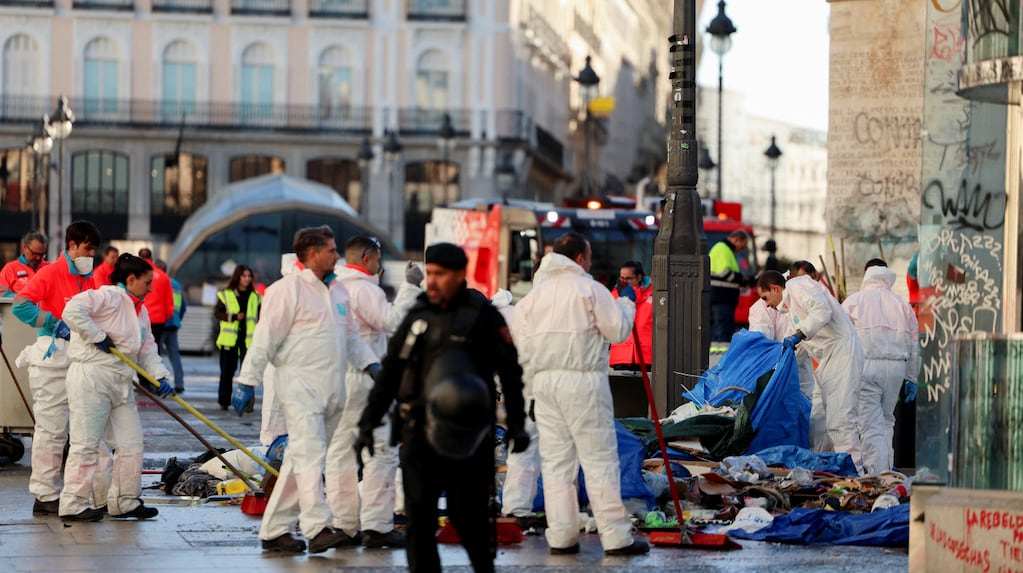
La Policía Nacional y la Policía Municipal de Madrid desalojaron durante la madrugada de este martes el campamento en reclamo por el derecho a la vivienda instalada en la Puerta del Sol. El procedimiento se desarrolló sin incidentes de gravedad, aunque dos personas fueron detenidas por resistencia a la autoridad.
La Delegación del Gobierno en Madrid justificó la intervención al señalar que los organizadores habían comunicado que daban por terminada la protesta y que existían “hechos presuntamente delictivos e incidentes”.
En un comunicado, el organismo sostuvo que el desalojo se realizó de manera gradual y sin violencia. Además, explicó que el objetivo fue “garantizar el ejercicio pacífico de los derechos fundamentales, proteger a las personas y los bienes y recuperar el uso ordinario de la Puerta del Sol”.
Alrededor de 300 personas dormían en el campamento cuando se llevó adelante el operativo. Parte de los organizadores ya había anunciado el desmantelamiento progresivo de la instalación para preparar la huelga general del próximo 11 de noviembre, convocada por los principales sindicatos en reclamo de viviendas y salarios que permitan afrontar su costo.
En el operativo participaron 400 agentes. Una vez que las personas que todavía permanecían en las tiendas de campaña abandonaron el lugar, los equipos de limpieza del Ayuntamiento de Madrid comenzaron a retirar los elementos que habían quedado en la plaza.
Minutos antes de las 9, los restos se concentraban en una pequeña franja frente a la Real Casa de Correos. En la zona trabajaban varios operarios con dos excavadoras y tres camiones utilizados para cargar los materiales.
Una protesta que comenzó tras el caso de una mujer de 87 años
La acampada había comenzado el 26 de septiembre para reclamar medidas frente al aumento de los precios de los alquileres. La protesta surgió después del desahucio y posterior fallecimiento de Maricarmen Abascal, una mujer de 87 años que había vivido durante siete décadas en la misma vivienda.
Con el correr de los días, la convocatoria incorporó otros reclamos y reunió a distintos grupos, entre ellos colectivos que se identificaban como antifascistas, anticomunistas, propalestinos y defensores de los derechos de las personas LGTBI. También se instalaron en el lugar personas sin hogar.
La permanencia del campamento generó tensiones políticas entre las autoridades de Madrid. Tanto el gobierno regional como el municipal reclamaban que se desmantelara, mientras que el entonces delegado del Gobierno central, Francisco Martín, se oponía a la medida mientras no estuvieran comprometidas la seguridad y el orden público.
La Puerta del Sol es uno de los puntos de mayor actividad comercial de la capital española y recibe un flujo constante de turistas nacionales y extranjeros.
Ayuso y Feijóo celebraron el desalojo
La presidenta de la Comunidad de Madrid, Isabel Díaz Ayuso, responsabilizó al presidente del Gobierno español por la permanencia de la acampada durante 38 días. “Esto es lo que Pedro Sánchez ha consentido durante 38 días en la plaza de todos los españoles. O comunismo o libertad”, escribió en sus redes.
En la misma plataforma, Carlos Díaz-Pache, portavoz del Grupo Parlamentario Popular en la Asamblea de Madrid, sostuvo que el desalojo era posible y cuestionó que no se hubiera realizado antes. Afirmó que existían problemas de seguridad, insalubridad y daños al patrimonio, y consideró que las autoridades deberían explicar sus decisiones ante la Justicia.
Por su parte, el líder del Partido Popular, Alberto Núñez Feijóo, calificó el operativo como “una buena noticia para la salubridad pública” y celebró que “vuelva a funcionar el Estado de derecho”.
Durante un desayuno informativo organizado por Europa Press, también destacó que la medida beneficiaba a los comerciantes, al sector de la hostelería y a la imagen de Madrid.
Feijóo consideró que las decisiones adoptadas por el Ayuntamiento y la Comunidad de Madrid habían surtido efecto y que las demandas y denuncias presentadas ante la Justicia habían generado preocupación entre los destinatarios.
España, Madrid, reclamo, Protesta
INTERNACIONAL
El juicio por el crimen que conmovió a Uruguay llega a un punto clave: los detalles que estremecieron a los investigadores
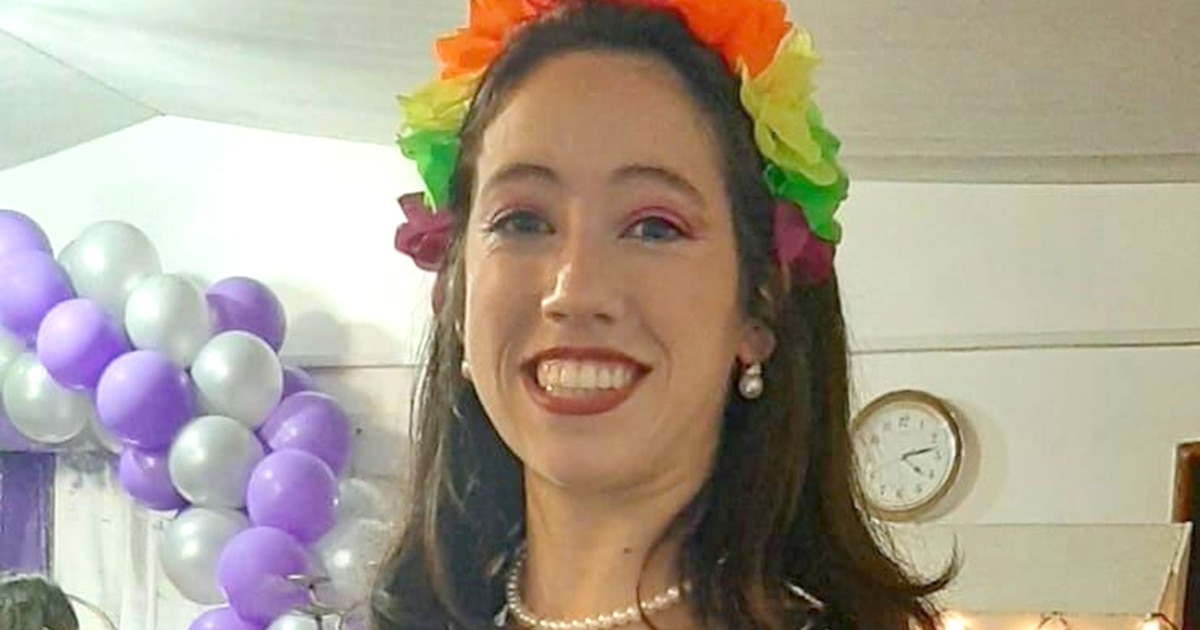
Los investigadores del femicidio de Mariana Rivero –ocurrido hace tres años y que generó una fuerte conmoción en Uruguay– no podían creer lo que se habían encontrado: el cuerpo de la joven de 24 años había aparecido desmembrado, entre bolsas y pertenencias, 19 días después del inicio de su búsqueda. Parecía un “rompecabezas”, dijo el policía que la encontró, y pidió disculpas por la expresión.
A este policía le costaba describir lo que había encontrado, según surge de la reconstrucción de las audiencias judiciales informadas por el diario El País. Los testimonios permitieron conocer la persecución que sufrió Rivero por parte de su novio, Luciano Ledesma, y sus últimos movimientos. La Fiscalía, por su parte, pide 30 años de prisión y 15 años de medidas de seguridad, la máxima pena prevista en el Código Penal uruguayo.
La fiscal Alicia Abreu lo acusa por homicidio muy especialmente agravado por femicidio y vilipendio de cadáver.

El vínculo comenzó como una amistad que continuó como una relación amorosa, que se fue convirtiendo en tóxica de parte de él: la comenzó a vigilar, la extorsionaba, se creó perfiles falsos en redes sociales para hostigarla. Y la terminó matando con un serrucho y haciéndola desaparecer durante días.
Esa toxicidad quedó reflejada en los testimonios de los familiares. La madre de Mariana recordó que durante una visita de su hija a Paysandú (una ciudad del litoral uruguayo) Ledesma quería saber “todo lo que Mariana hacía”. Se comunicaban mediante una videollamada; ella le pidió que la dejara comer.
Cuando Mariana intentaba terminar la relación, recibía insultos y presión de parte de Ledesma, según el relato de amigos.
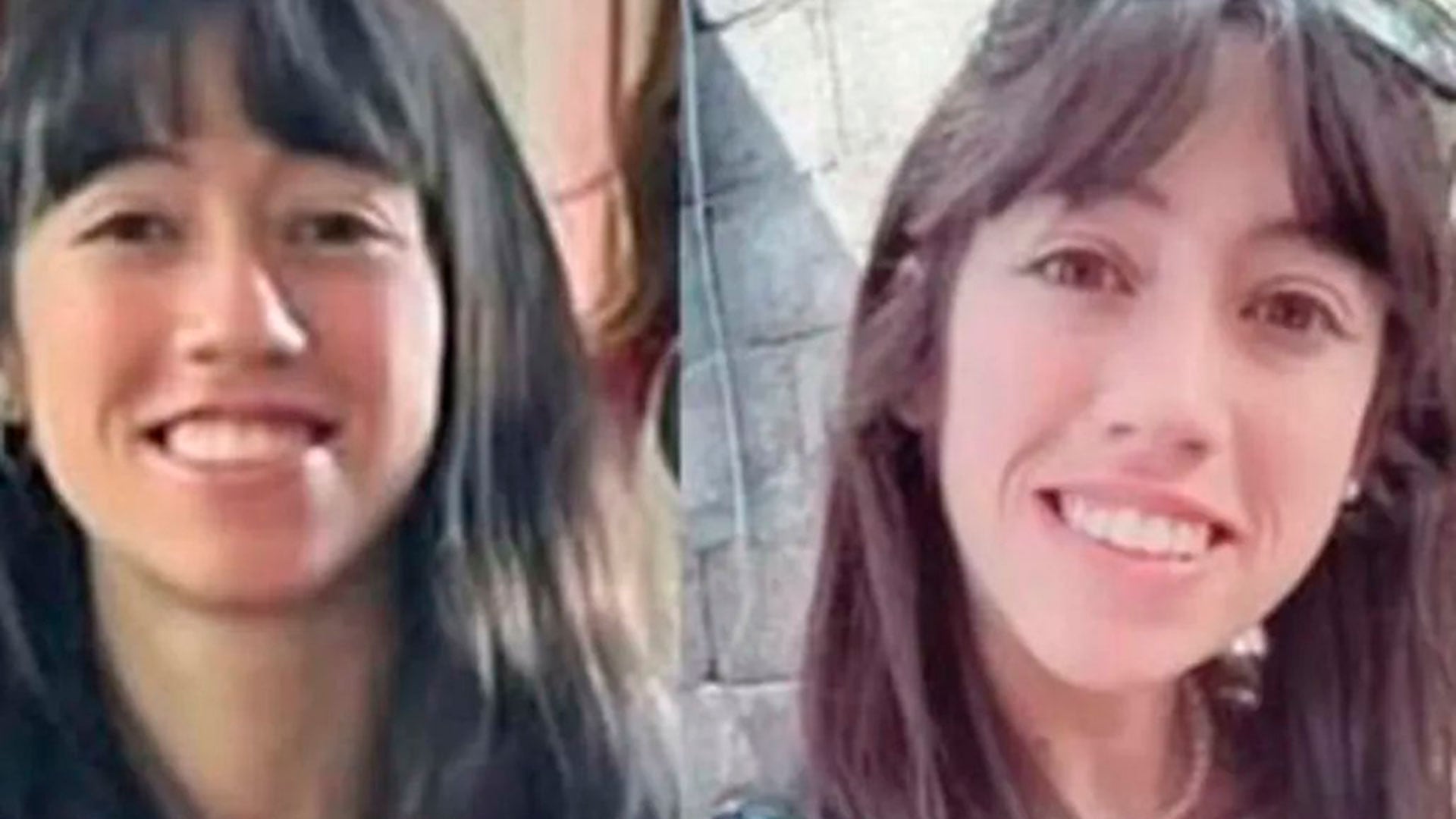
Una amiga de la joven contó que estuvo meses sin poder comunicarse con ella porque su pareja le pidió que cortara los vínculos con otros hombres. También contó que él la amenazó con suicidarse si no continuaban con la relación.
Muchas veces ella lo bloqueaba –según la crónica de El País– pero él se las ingeniaba para comunicarse por otras vías, ya sea a través de correos electrónicos, mensajes de texto y desde otros números, según este testigo.
El hostigamiento llegaba a las redes sociales. Una amiga de la infancia de Mariana relató que la tuvo que ayudar a cambiar sus contraseñas porque sus cuentas fueron intervenidas. También aparecía en lugares en los que ella estaba y luego le escribía para hacérselo saber.
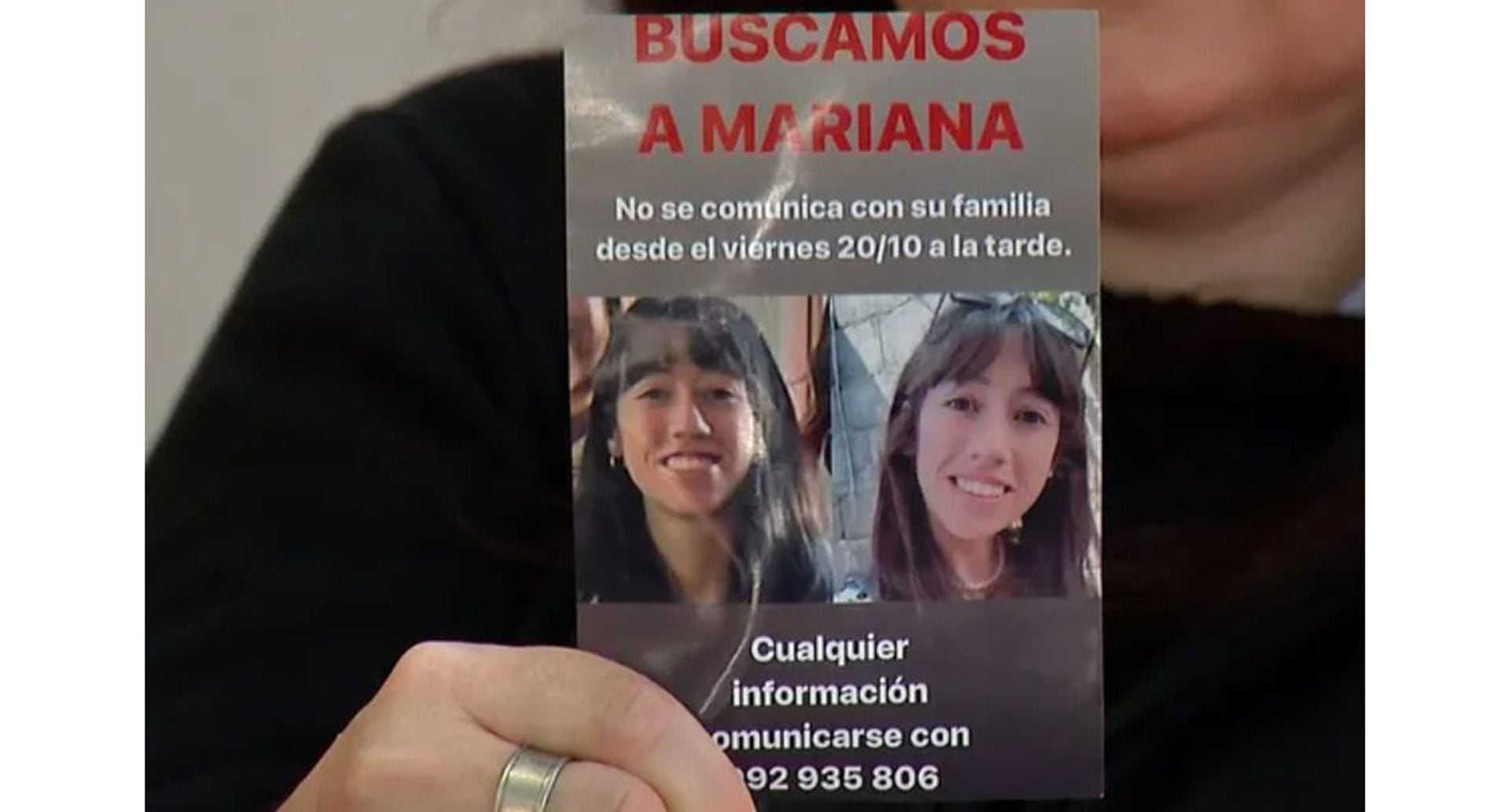
El 20 de octubre de 2023 fue el último día que Mariana fue vista con vida. Ese día había coordinado con Ledesma para que él retirara algunas pertenencias de la casa.
El padre de Mariana recibió un mensaje desde su celular que decía que había salido a comer con una amiga. Y este elemento fue clave para la acusación: los registros de los teléfonos de ella y de Ledesma los ubicaban en el mismo lugar.
Cámaras de videovigilancia, por su parte, registraron movimientos de Ledesma. Hubo desplazamientos hasta la casa de su madre en bicicleta y luego un viaje con una mochila rosada y una valija. Un taxista declaró que había levantado al pasajero con ese equipaje y también un bolso negro.
La Fiscalía vinculó el viaje con las filmaciones y los registros de los teléfonos. En los alegatos detalló que una bolsa aparecía en las imágenes del acusado y fue encontrada posteriormente en el lugar en el que estaba el cuerpo.
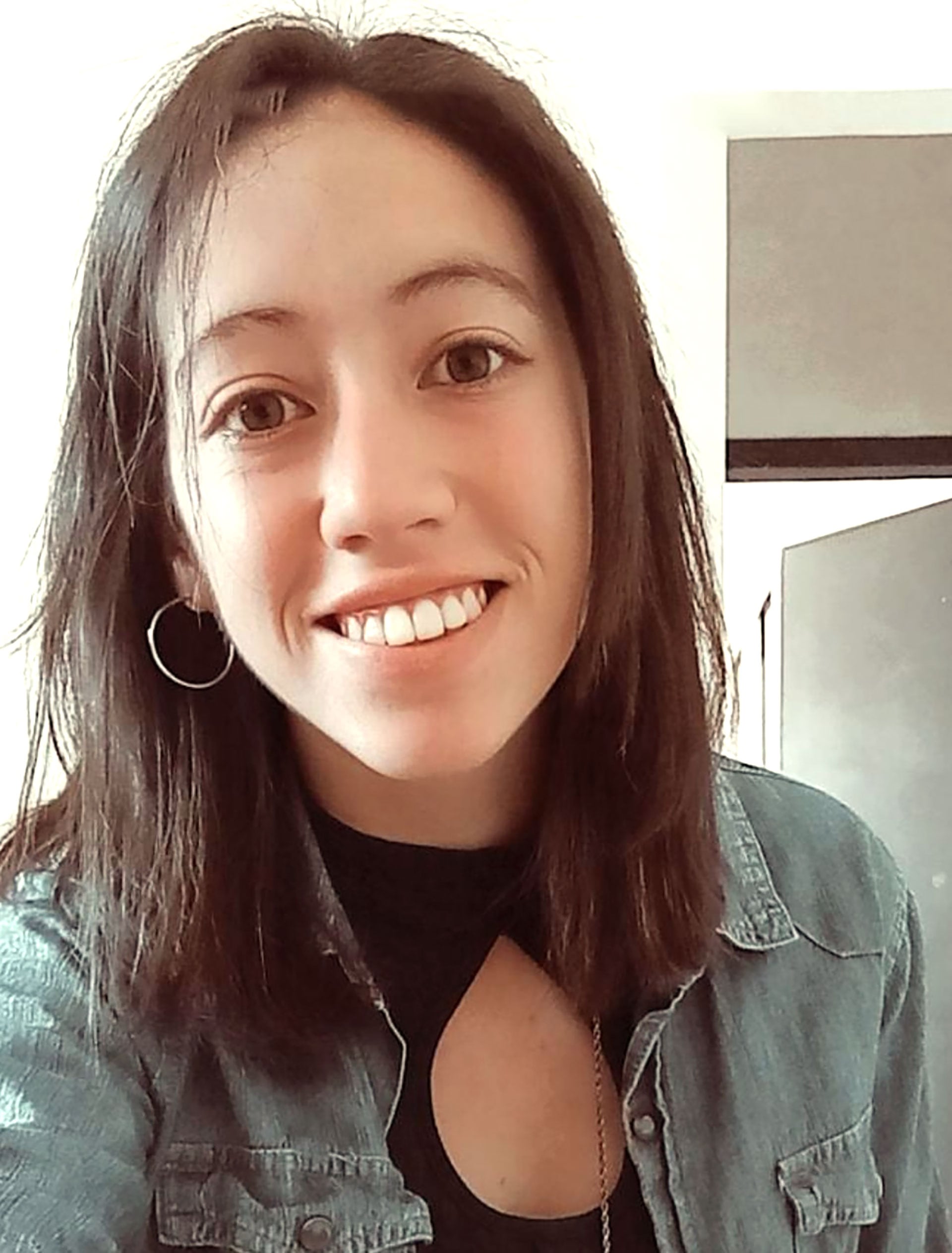
Fue el 8 de noviembre –19 días después de la desaparición– que Ledesma indicó dónde estaba el cuerpo. Los policías ingresaron a un monte y removieron la tierra. Cuando vieron lo que había dentro de la bolsa preservaron el lugar. En el lugar había documentos que pertenecieron a Mariana, una funda de su celular y un cuchillo.
El funcionario que hizo la pericia aseguró que el crimen no ocurrió allí. Y su relato se interrumpía al observar las imágenes, según la crónica.
La médica forense, por su parte, describió que las lesiones se produjeron en diferentes momentos. Mariana recibió un golpe en el rostro cuando estaba viva y una lesión de degüello, que la asfixió. El desmembramiento ocurrió después de su muerte.
Las abogadas del acusado argumentaron que la prueba forense no permite identificar al autor. Además, pidieron que algunos problemas psíquicos sean valorados al momento de determinar la pena.
corresponsal: Desde Montevideo
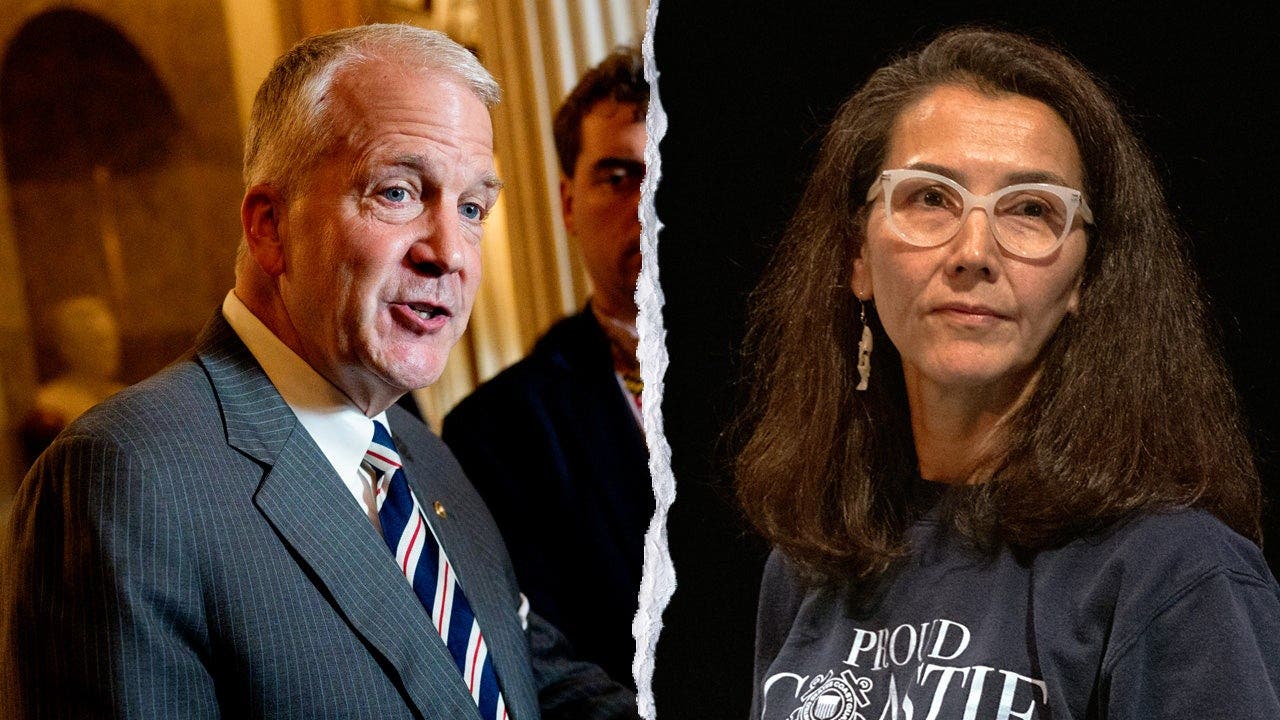
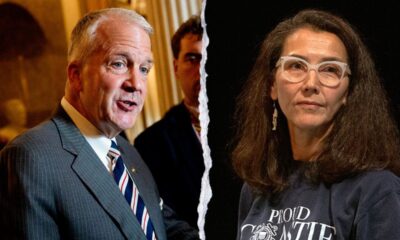
The Justice Department faces an uphill legal battle in its bid to overturn a federal judge’s dismissal of its Alaska Senate election lawsuit, according to legal experts who questioned whether the government can secure meaningful relief before voting ends Tuesday — even as a separate criminal investigation continues.
DOJ filed a notice of appeal after Obama-appointed U.S. District Judge Sharon Gleason dismissed its lawsuit Sunday over the presence of two candidates named Dan Sullivan on Alaska’s Senate ballot. The judge ruled that federal officials lacked standing because they had not demonstrated how their proposed remedy could address potential voter confusion without compromising ballot secrecy.
With voting ending Tuesday, attorneys told Digital that even a successful appeal could leave the government scrambling to obtain an injunction or return to district court, while a defeat would leave the civil case dismissed without necessarily affecting potential criminal charges arising from the alleged recruitment of the second Sullivan.
DOJ SET TO APPEAL RULING IN ALASKA SENATE RACE DISPUTE OVER ‘DECOY DAN’
«The federal judge dismissed on a procedural issue — standing,» election attorney Jason Torchinsky of Virginia-based firm Holtzman Vogel told Digital. «So if the government were to prevail, it would either have to seek injunctive relief from the appeals court in the first instance, a very high bar, or go back down to the district court to seek relief.»
«Given the time available between now and close of polls [Tuesday], this is a heavy lift for the government,» Torchinsky added.
A reversal would not automatically change Alaska’s election results. DOJ would still need to obtain specific judicial relief, potentially requiring further proceedings in district court.
Former federal prosecutor and ex-Pentagon official Cully Stimson similarly said that DOJ will have difficulty securing any immediate relief in its effort to pause the Sullivan-Peltola contest.
While Gleason was appointed by Obama, Stimson suggested the ruling did not appear partisan and said uncertainty remains because voting had not yet concluded.
«I’m not surprised that the judge did this. I don’t think it would matter whether an Obama judge or any other judge appointed by any other president,» Stimson told Digital.
«Asking for injunctive relief way before anything even happens is a reach,» he said, adding Alaska falls under the San Francisco-based Ninth Circuit, which will hear any appeal.
But Stimson suggested DOJ may have a longer-term objective beyond winning an immediate injunction: establishing a legal record that could support further proceedings after the election, once the votes are counted.
TRUMP PROSECUTIONS UNDER BIDEN SET PRECEDENT FOR DOJ’S ALASKA ‘DECOY DAN’ PROBE, EX-FEC CHAIR SAYS
«They may be filing these suits to establish a record and force Alaska and others supporting the status quo to defend what’s happening, knowing that there’s some level of confusion, and they have the legal wheels churning,» he said. «So after the vote is [over], they’ve started the legal wheels rolling.»
Former Assistant U.S. Attorney for North Florida Zack Smith added that if the Ninth Circuit does not hear the case promptly, DOJ could seek emergency review from the U.S. Supreme Court.
While the Alaska case is considered unprecedented, according to the experts, the idea of a Supreme Court expedition at election time is not.
On Dec. 9, 2000, one day after the Florida Supreme Court ordered a manual recount of disputed ballots in the Bush v. Gore presidential election dispute involving «hanging chads,» then-Texas Gov. George W. Bush’s legal team successfully sought emergency intervention.
The court ultimately decided in Bush’s favor within a week.
Since the disputed 2000 election, which featured «hanging chads» on hole-punched paper ballots and the Brooks Brothers Riot at the Miami-Dade elections office, DOJ has become well-accustomed to the expedited-review process, the experts said.
FEDERAL JUDGE BLOCKS TRUMP DOJ’S THREATS AGAINST ELECTION WORKERS AHEAD OF 2026 MIDTERMS
«DOJ is familiar with kind of working quickly, getting things to the Supreme Court, and so I wouldn’t be completely surprised if you were to see something like that,» Smith said.
Bush v. Gore offers a procedural parallel because federal courts were asked to intervene in the administration of a state-run election.
«Florida was conducting the election in the manner under Florida law, under this time, place and manners set out by Florida law even though it was a federal election,» Stimson said. «They used a particular type of ballot, which had those so-called dangling chads, which were punch-holes that didn’t come the whole way off, so the hole was left with a little tag, essentially like a skin tag, and eventually the Supreme Court of Florida ruled.»
«But because there were federal violations, eventually the Supreme Court weighed in and stopped it. And at no point in time had the vice president’s (Albert Gore) vote count ever surpassed that of the governor (Bush) and because it was a federal interest, the Supreme Court stepped in and stopped this counting at the state level.»
Alex Charns, an attorney who has argued in federal court, told Digital that the clock has run out and DOJ’s goal of segregating ballots based on voter intent is no longer possible.
«I’ve litigated against the USDOJ for over thirteen years in federal court. I’ve practiced law in Durham, N.C., for 43 years. The USDOJ filed a case without legal merit and its appeal is likely to fail,» he said.
«In addition, voting ends [Tuesday]. The relief they seek isn’t possible — ballots already cast can’t be segregated. Also, one cannot tell why any voter voted in a particular way. The appeal is unlikely to be successful.»
SIGN UP TO GET THE POLITICS NEWSLETTER
In a statement from the DOJ’s «Rapid Response» (DOJ-RR) office, a spokesperson said the court «dismissed the case on procedural grounds but did not dispute the argument of the United States that Daniel J. Sullivan (a/k/a Decoy Dan) entered the race as a frivolous candidate to confuse voters.»
«Alaskan voters deserve a fair election, not to be misled in an attempt to rig outcomes,» DOJ-RR said, announcing their appeal.
Stimson cautioned that the outcome of the civil litigation would have little bearing on the separate criminal investigation, which could uncover evidence supporting additional legal action even if DOJ’s appeal fails.
«As long as that criminal investigation is going on, you’re not breathing easy,» he said, adding that evidence uncovered by federal investigators could potentially provide grounds for a separate civil lawsuit.
elections, elections disputes, justice department, federal courts, alaska, law, appeals, politics, elections state and local

Sandra Pettovello: "De ninguna manera va a venir el Papa a hacer un comentario sobre la política local"

Economía anunció la suspensión de embargos de ARCA para pymes y otras tres medidas para impulsar la actividad

Tras 38 días de protesta, la Policía desalojó el campamento de la Puerta del Sol en Madrid y detuvo a dos personas

Evangelina Anderson se emocionó con los mensajes de sus seguidores: “Me encanta cuando me cuentan estas cosas”

El mensaje de Lionel Messi tras la muerte del futbolista español Jesús de Miguel

¿Dónde ver EN VIVO y ONLINE el Defensa y Justicia vs Independiente?

Qué pasó con el Refugio de Eli y por qué hizo enfurecer a Santi Maratea: «Fue un desastre, él nunca más le contestó y le prohibió…»

El secretario de Culto dijo que Milei recibirá al Papa en el aeropuerto y habló de una cadena nacional

El “efecto Lula” sigue pegando en Argentina: los bonos sintieron el impacto, pero el tipo de cambio aguantó

Estrella de Star Trek, Patrick Stewart confesó que fichó por la saga de ciencia ficción por una razón

 CHIMENTOS1 día ago
Qué pasó con el Refugio de Eli y por qué hizo enfurecer a Santi Maratea: «Fue un desastre, él nunca más le contestó y le prohibió…»
- ECONOMIA3 días ago
El “efecto Lula” sigue pegando en Argentina: los bonos sintieron el impacto, pero el tipo de cambio aguantó
- POLITICA2 días ago
Agustín Caulo: “El Gobierno sigue trabajando para que no se politice la visita de León XIV a la Argentina”