INTERNACIONAL
Una madre y una abuela planearon durante días el asesinato de cuatro chicos: el padre estaba a punto de reencontrarse con ellos


Una tragedia familiar que conmocionó a una pequeña ciudad de Estados Unidos tuvo un desenlace todavía más estremecedor cuando los investigadores reconstruyeron lo que había ocurrido dentro de un departamento de Mechanicville, en el estado de Nueva York. Una madre y una abuela planearon durante varios días el asesinato de cuatro chicos de entre 10 y 13 años. Después de concretarlo, ambas se quitaron la vida.
Las víctimas fueron identificadas como Harper Harmon, de 13 años; Hudson, de 11; y los mellizos Gavin y Gracelynn, de 10. Sus cuerpos fueron encontrados el 23 de junio en el departamento de Amy Steadman, la abuela materna, de 64 años. Allí también estaba su hija, Sarah Myers, de 44.
El caso comenzó a esclarecerse el 4 de agosto, cuando el jefe de la Policía de Mechanicville, William Rabbitt, brindó detalles de la investigación. Según explicó, se cree que las dos mujeres habían comenzado a planear los crímenes el 5 de junio. Los mensajes intercambiados entre ellas permitieron reconstruir cómo coordinaron los pasos para matar a los chicos.
De acuerdo con la reconstrucción policial, Steadman y Myers compraron medicamentos en distintas farmacias durante los días previos al crimen. También investigaron en internet los efectos de distintas sustancias y sus posibles reacciones.
Los investigadores establecieron que el ataque ocurrió el 10 de junio. Los mensajes entre ambas indicaban que tenían previsto administrarles los medicamentos a los chicos entre las 10.30 y las 12, antes de una comunicación telefónica que tenían programada con su padre para las 18.
crimenes












INTERNACIONAL
¿Cuánto territorio y por cuántos años podrá operar Cobre Panamá? Las preguntas que inquietan al mercado financiero
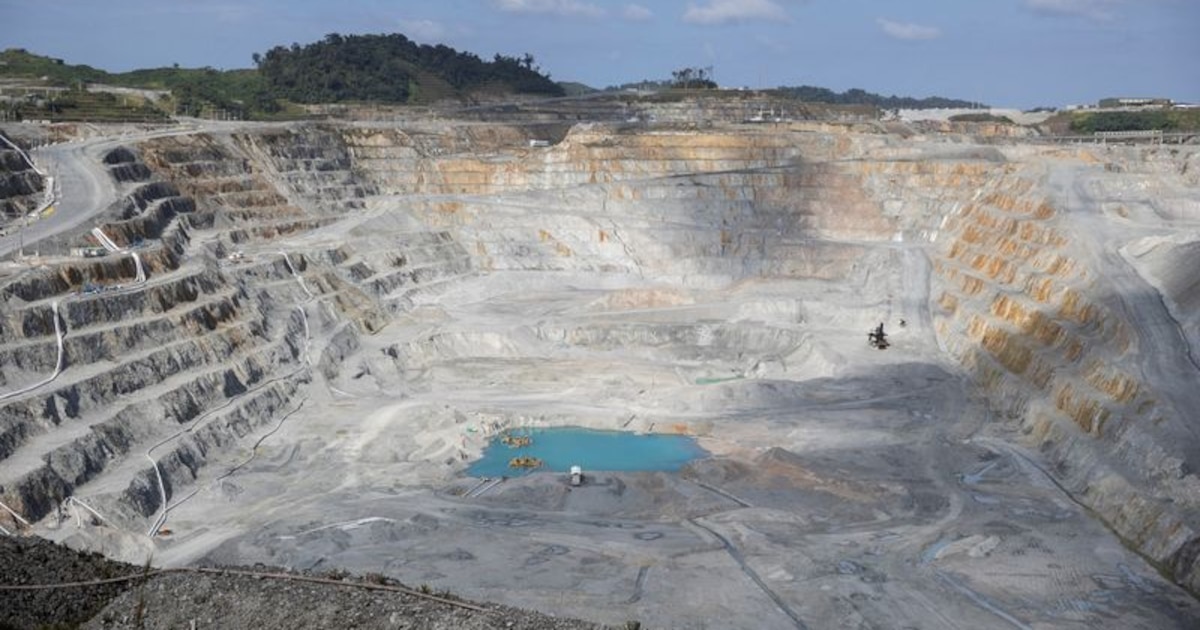
El tamaño que podría tener una nueva concesión de Cobre Panamá, los años de explotación permitidos y las condiciones económicas que exigiría el Gobierno concentraron las inquietudes de analistas financieros internacionales durante la presentación de resultados de First Quantum Minerals.
La compañía reconoció que todavía desconoce las restricciones definitivas y que esos asuntos deberán resolverse mediante negociaciones con las autoridades panameñas.
La conferencia permitió conocer las preocupaciones del mercado sobre el futuro de la mina, paralizada desde noviembre de 2023. Las preguntas estuvieron relacionadas con las recomendaciones de la Comisión Interministerial, entregadas el 30 de septiembre, que plantean un cierre progresivo y autofinanciado, acompañado de condiciones ambientales y territoriales para cualquier eventual actividad minera.
Uno de los principales puntos de discusión fue la recomendación de impedir nuevas expansiones del área ocupada por la mina y reducir progresivamente su superficie. Esta condición podría modificar las posibilidades de aprovechamiento del yacimiento, aunque el Gobierno todavía no ha definido los límites específicos que estaría dispuesto a aceptar en un eventual acuerdo.

Myles Allsop, analista de UBS, preguntó a la administración de First Quantum cuánto terreno podría conservar la operación y cómo afectarían las restricciones su vida útil. La inquietud apunta a determinar si la empresa tendría acceso a todos los recursos originalmente contemplados o si una delimitación más estricta reduciría su potencial productivo.
Tristan Pascall, director ejecutivo de First Quantum, respondió que la delimitación territorial deberá aclararse durante las conversaciones con Panamá. Aunque reconoció las recomendaciones de la comisión, evitó anticipar una superficie definitiva y señaló que todavía existen interrogantes sobre las condiciones bajo las cuales podría desarrollarse una eventual operación.
El ejecutivo explicó que el estudio de impacto ambiental original contemplaba aproximadamente 32 años de explotación, considerando tres áreas mineras principales. Sin embargo, el aumento de las tasas de producción había reducido ligeramente ese horizonte, mientras otras posibilidades de desarrollo del yacimiento no estaban incorporadas en la autorización ambiental original.
La duración de la operación también fue abordada por Anita Soni, analista de CIBC Capital Markets, quien preguntó si la vida útil podría quedar limitada a 25 años y si existiría espacio para nuevas fases de desarrollo. Pascall aclaró que la comisión interministerial no estableció un plazo específico, por lo que no correspondía interpretar sus recomendaciones como una decisión definitiva.

No obstante, el directivo reconoció que el Gobierno ha planteado una reducción de la huella ambiental respecto de la contemplada bajo la Ley 406, que aprobó el contrato posteriormente declarado inconstitucional. La interrogante es si esa condición permitirá aprovechar únicamente las áreas ya desarrolladas o también recursos que requerirían nuevas intervenciones.
La incertidumbre territorial tiene consecuencias económicas porque la extensión autorizada influye directamente en la cantidad de mineral recuperable y en los años durante los cuales podría mantenerse la producción. Para los inversionistas, conocer esos límites resulta fundamental al momento de evaluar el valor futuro de Cobre Panamá y los recursos necesarios para operar.
Durante el intercambio, Allsop también preguntó por la reacción negativa de las acciones de First Quantum después de conocerse las recomendaciones gubernamentales. Pascall atribuyó parte del movimiento bursátil a operaciones automatizadas y órdenes de venta ejecutadas en un contexto de bajo volumen de negociación, sin establecer una relación exclusiva con alguna recomendación específica.
La respuesta refleja la sensibilidad del mercado ante las decisiones que puedan modificar las perspectivas económicas del proyecto panameño.
Para First Quantum, el informe interministerial representa una base para iniciar conversaciones, no un acuerdo definitivo sobre la explotación. La empresa considera necesario conocer las prioridades del Gobierno antes de establecer compromisos sobre superficie, duración, producción y las obligaciones económicas que asumiría una eventual operación.

Otro asunto planteado fue la posibilidad de establecer una estructura jurídica compatible con el fallo de la Corte Suprema de Justicia, que declaró inconstitucional la Ley 406 en noviembre de 2023. Pascall identificó este aspecto como una de las condiciones esenciales para avanzar, junto con los requerimientos ambientales y los términos comerciales.
Richard Garchitorena, analista de Barclays, preguntó cuáles serían los siguientes pasos gubernamentales y cuánto tiempo necesitaría First Quantum para reactivar la mina. La respuesta distinguió entre alcanzar un acuerdo político y completar los procedimientos técnicos, legales y ambientales necesarios para reanudar una explotación que permanece suspendida.
Pascall sostuvo que cualquier acuerdo debe encontrar un equilibrio entre generar beneficios más tangibles para los panameños, especialmente a nivel local, y reconocer la magnitud de la inversión realizada en Cobre Panamá. El ejecutivo también destacó la importancia de preservar la reputación del país como destino de inversión.
Otros inversionistas también esperan una solución
La participación de terceros vinculados financieramente a Cobre Panamá surgió cuando Anita Soni preguntó por los contactos de First Quantum con Franco-Nevada después de la publicación de las recomendaciones. Pascall no confirmó conversaciones específicas, pero recordó que Franco-Nevada y KOMIR tienen intereses relacionados con el proyecto y deberán considerarse en su resolución.
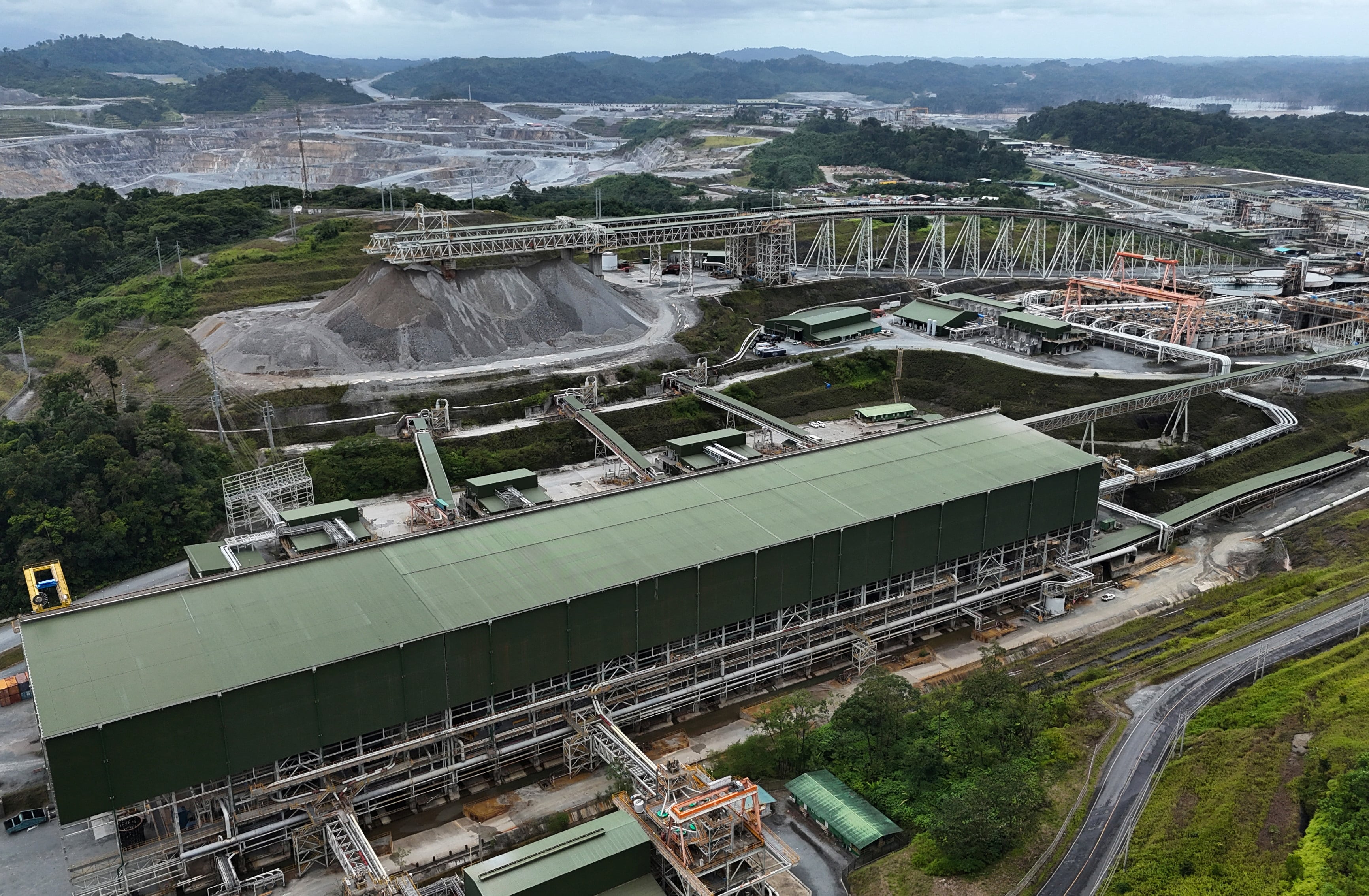
Este elemento amplía el alcance de las negociaciones porque el futuro de la mina no afecta exclusivamente a First Quantum y al Estado panameño. También existen compromisos e intereses financieros de otros participantes, aunque la compañía no detalló qué condiciones podrían plantear ni cómo intervendrían en un eventual acuerdo.
Las preguntas de los analistas reflejaron además la necesidad de conocer el calendario de una posible solución. Alain Gabriel, de Morgan Stanley, consultó sobre el tiempo disponible para negociar, considerando que el procesamiento del mineral almacenado tiene una duración limitada y no constituye una autorización para reanudar la extracción.
First Quantum calcula que el material previamente extraído permitirá mantener las actividades autorizadas hasta mediados de 2027. Actualmente quedan aproximadamente 38 millones de toneladas de mineral almacenado, con un contenido estimado de 70.000 toneladas de cobre recuperable, según el informe financiero correspondiente al tercer trimestre.
La empresa comenzó en mayo de 2026 el procesamiento del material acumulado antes del cierre de noviembre de 2023, después de recibir autorización del Gobierno. El permiso permite procesar y exportar ese mineral, pero no contempla nuevas excavaciones, perforaciones ni voladuras, por lo que no representa una reapertura de la explotación minera.
Pascall explicó que la compañía ha preparado distintos escenarios para abordar los asuntos pendientes, aunque necesita conocer las condiciones que establecerán las autoridades. También recordó que First Quantum mantiene suspendidos sus procedimientos de arbitraje y que los ingresos actuales contribuyen a financiar las actividades de conservación de las instalaciones.

Otro interrogante estuvo relacionado con las garantías económicas que podría exigir Panamá para asegurar la rehabilitación ambiental. Christopher LaFemina, analista de Jefferies, preguntó si el Gobierno podría solicitar fondos restringidos, reservas de efectivo u otros mecanismos que permitan cubrir las obligaciones futuras sin trasladar sus costos al Estado.
Ryan MacWilliam, director financiero de First Quantum, explicó que existen diferentes alternativas para garantizar los recursos necesarios para un cierre minero, incluidos fondos específicos y otros instrumentos financieros. Sin embargo, reconoció que la estructura definitiva dependerá de las negociaciones y de las exigencias que establezca el Gobierno panameño.
Este aspecto resulta especialmente relevante porque la comisión interministerial recomendó que el cierre sea ordenado y autofinanciado, sin comprometer recursos del Presupuesto General del Estado. La propuesta contempla evaluar actividades económicas que permitan cubrir la rehabilitación, aunque todavía no se ha establecido cómo funcionarían las garantías ni quién administraría los recursos.
El planteamiento también enfrenta la oposición de organizaciones ambientalistas que rechazan reactivar la explotación para financiar su clausura. Estos sectores consideran que una nueva operación podría contradecir el sentido del fallo de inconstitucionalidad y sostienen que la prioridad debe ser la restauración ambiental, sin otorgar una nueva concesión minera.
En cuanto a la capacidad operativa, Pascall estimó que la mina podría recuperar aproximadamente el 80% de su capacidad entre seis y nueve meses después de recibir las autorizaciones necesarias. Ese período permitiría rehabilitar equipos, incorporar maquinaria y preparar al personal para retomar la extracción, actualmente prohibida.odono
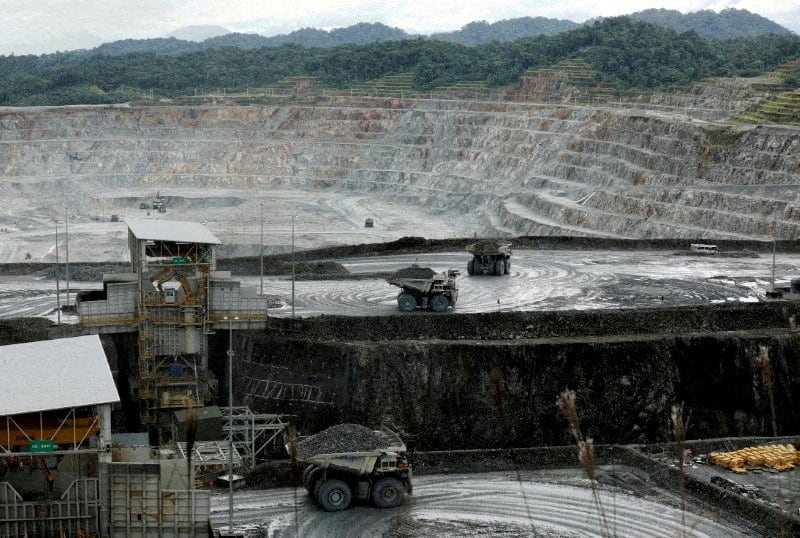
La compañía calcula que una reactivación plena requeriría aproximadamente 250 millones de dólares adicionales, independientes de los recursos destinados al programa de procesamiento autorizado. First Quantum ya rehabilitó sus tres líneas de procesamiento y mantiene 18 de sus 36 camiones de gran capacidad nuevamente en servicio, mientras continúa el mantenimiento.
La empresa reportó que Cobre Panamá generó ingresos por 203 millones de dólares durante el tercer trimestre de 2026, principalmente por la comercialización de concentrado de cobre. Entre julio y septiembre vendió 13.463 toneladas del metal, mientras la producción acumulada entre mayo y septiembre alcanzó 16.445 toneladas, además de oro y plata.
Estos resultados corresponden exclusivamente al aprovechamiento de mineral que había sido extraído antes de la paralización, no a una nueva fase de explotación.
El terremoto también influye en el calendario
La emergencia provocada por el terremoto de magnitud 7.5 del pasado 9 de octubre también surgió durante las preguntas de los analistas. LaFemina consultó si el desastre podría retrasar las conversaciones, considerando que el Gobierno panameño ha concentrado esfuerzos en atender a las comunidades afectadas.
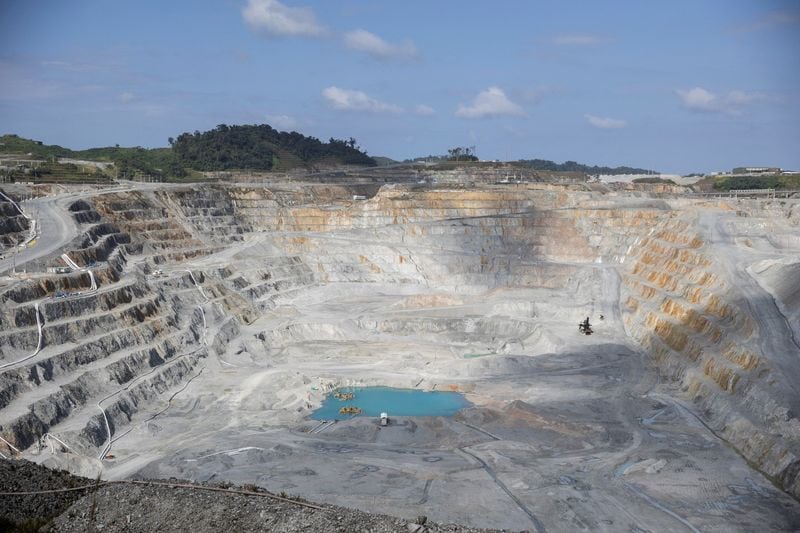
Pascall confirmó que el terremoto no ocasionó daños significativos en la infraestructura minera ni en los sistemas de protección ambiental, aunque informó que 19 trabajadores perdieron sus viviendas. Reconoció además que la emergencia y las festividades patrias de noviembre podrían influir en el calendario de las conversaciones con las autoridades.
Por ahora, el presidente José Raúl Mulino continúa evaluando las recomendaciones de la Comisión Interministerial junto con sus asesores y el Consejo de Ministros. El documento contiene 17 recomendaciones y seis criterios rectores, pero todavía no existe una decisión gubernamental definitiva sobre el mecanismo que podría aplicarse a Cobre Panamá.
Las preguntas formuladas por UBS, CIBC, Barclays, Morgan Stanley y Jefferies dejan planteados los principales asuntos que determinarán el futuro económico del proyecto: cuánto territorio podrá utilizarse, durante cuántos años, qué beneficios recibirá Panamá y cómo se garantizará el financiamiento de la rehabilitación ambiental.
Hasta que esas condiciones se definan, First Quantum continuará procesando el mineral almacenado bajo la autorización vigente, mientras espera que el Gobierno establezca el camino para una eventual negociación. La discusión ya no gira únicamente alrededor de si la mina podría volver a operar, sino de los límites jurídicos, territoriales, financieros y ambientales que Panamá estaría dispuesto a aceptar.
South America / Central America
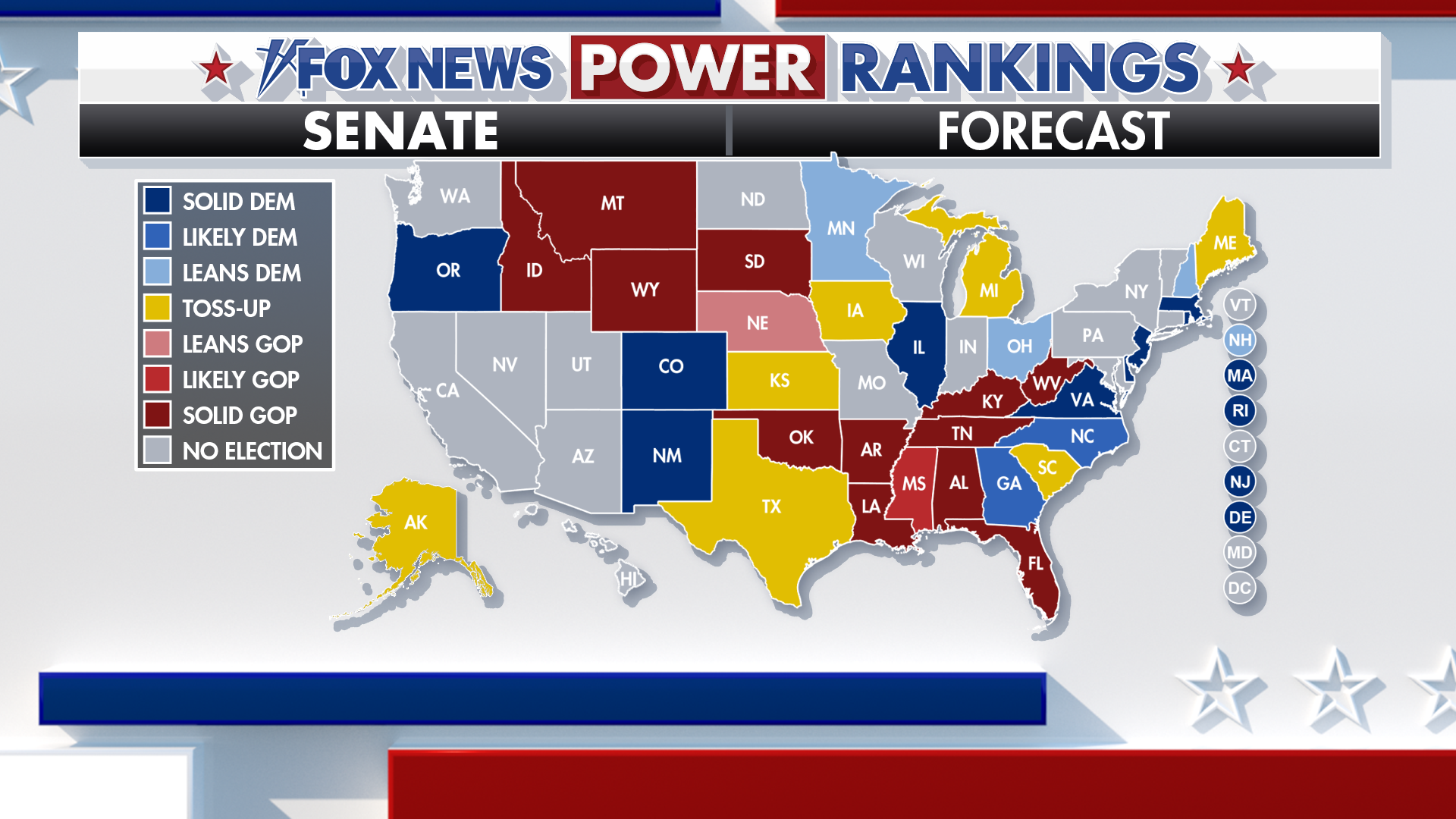
Updated Nov. 1:
We’re updating this forecast to move Kansas from Lean R to Toss-up, and Nebraska from Likely R to Lean R.
Kansas is a conservative stronghold, but Republicans are spending too much time and money relative to other states to conclude that Sen. Roger Marshall has an edge over Democrat Adam Hamilton.
The odds remain in Republican Sen. Pete Ricketts’ favor in Nebraska. A larger-than-expected swing against the GOP could open the door for independent Dan Osborn to pull off an upset.
We still consider Senate control a toss-up.
Seven states are most likely to decide the majority. On a good night for the Democrats, their ceiling rises to 55 seats. A good night for the Republicans could see them retain control with up to 52 seats.
TRUMP-BACKED SENATOR ADMITS GOP FACES NIGHTMARE SCENARIO IN STATE REPUBLICANS HAVEN’T LOST IN 90 YEARS
—
It seems like there are two electorates in these midterms.
SCHOEN, COOPERMAN: DEMOCRATS COULD BE RIDING A MIDTERM WAVE. THESE NUMBERS SHOULD TERRIFY THE GOP
The first is frustrated with President Donald Trump and ready to reject Republicans. It includes growing numbers of independent, rural and Hispanic voters who say they’ll vote for a Democrat.
That’s what the latest round of House polling shows, including a survey last week that had Democrats up 11 points on the generic ballot, and Fox’s most recent national poll.
The second electorate is wavering on Republicans but won’t necessarily hand Democrats the Senate. These are the voters in the Midwest and a few other places. They say they prefer the Democrat or Republican in their states by a point or two at most.
That’s the right conclusion from most of the battleground Senate polling.
How could both things be true? In other words, if Democrats have such a wide lead in the House, won’t the Senate fall too?
Both are true, and a big lead in the House doesn’t necessarily translate to the Senate. These voters are all in the same electorate, and they only seem divorced from each other because the House and Senate maps are so far apart this year.
POWER RANKINGS: FOR THE DEMOCRATS, WHERE COULD IT POSSIBLY GO WRONG?
The president’s declining approval rating and Democratic advantages on the issues will likely deliver them the House, and possibly by many seats.
Those advantages have also allowed the blue team to play in a lot of Senate races that Republicans thought were unreachable, but only to the point of making them battlegrounds.
GOP SENATE MAJORITY FACES FRESH UNCERTAINTY AS 2 KEY RACES TIGHTEN DAYS BEFORE MIDTERMS
The road to a Senate majority goes through several states that Trump won by 11 points or more. Democrats can win any of these races. If Republicans turn out and stay loyal to their party, the climb for the left will be steep.
That’s why the Senate is a toss-up. Voters could give Democrats a majority, and maybe with several seats to spare. They could also let the Republicans keep control.
We’ll find out next week.
In his 11-year political career, Trump has triumphed over almost all the threats to his power. The exception was the coronavirus pandemic, which was the top issue for voters in the 2020 election and ushered in the Biden presidency.
It was also one of the few threats that Trump has faced from abroad.
This time, Trump and the Republicans face a new foreign opponent: Iran. The administration’s decision to start joint U.S.-Israeli military strikes against the nation in February has cast a shadow over the GOP.
First, it has impacted Trump’s approval rating, which will decide the fate of many congressional Republicans and has fallen since the war began. It was 44% in the last pre-war survey and sits at 36% now.
The war has also given Democrats advantages on the top issues. In Fox’s October survey, Iran played a role in four issues that more than two-thirds of voters said they were concerned about: inflation (85%), gas prices (83%), government leadership (79%), and the war in Iran itself (75%).
Most voters said they preferred the Democrats to handle those issues: 16 points on inflation, 12 points on gas prices, 11 points on leadership, and 9 points on foreign policy.
Still, voters are not convinced that the Senate should change hands.
That comes down to the territory. Trump won seven of the 11 battleground states in 2024, and seven of them by double digits. That includes Alaska, Iowa, Kansas, Nebraska, Ohio, South Carolina and Texas.
Democrats don’t need to win all of those states to take the Senate, but it’s hard to see how they get to 51 seats without at least two of them.
While former Democratic Sen. Sherrod Brown leads in Ohio, the other states are close. Turnout, a polling error in either direction or both could decide them.
There are also a lot of undecided voters. In Alaska, Iowa and Kansas, three states with recent high-quality polling, an average of 10% of voters say they haven’t decided who they will support or won’t support the major candidates.
Any guess on how those voters will break at the ballot box is only a guess. All we know from prior results is that the overall electorate leans conservative, so the Democrats have the tougher assignment to bring them over to their side (or keep them at home).
There are far fewer undecided voters in Texas, where last week’s Poll showed a tied race at 49%-49%.
If Democrats only win two Trump-won battlegrounds, they’ll need to win three other races where former Vice President Kamala Harris delivered single-digit victories in 2024: Maine, Minnesota and New Hampshire.
Democrats are ahead in the latter two. Maine could go either way. While Democrats win its presidential races, it could just as easily be considered a Republican state when Susan Collins is on the ballot.
Both parties are short of a majority in this forecast. Democrats are favored in 48 seats and Republicans are ahead in 45.
On a good night for Democrats, the party would win most or all the toss-ups, taking the majority with up to 55 seats. In that scenario, other competitive states would also come into focus, including Nebraska, and possibly Mississippi.
A good night for the Republicans would see them simply hold on to most of the states they already have, up to a ceiling of 52 seats. The party also has opportunities to flip a couple of states, including Minnesota and New Hampshire.
Five states have moved in Power Rankings forecasts this week.
In Ohio, Brown has enjoyed a lead in three polls this year, including last week’s survey, which had him five points ahead of Republican incumbent Sen. Jon Husted at 52%-47%.
Ohio voters are very familiar with Brown, having sent him to the Senate three times. That has made it hard for Husted to campaign on socialism and woke politics, themes that Republicans elsewhere see as their strongest cards to play.
Ohio moves from Toss-up to Lean D.
(«Lean D» means the Democrat has an edge, but it’s still a highly competitive race. We define every ranking and the process for setting them on FoxNews.com.)
As this week’s Power Rankings previously reported, Republicans already viewed this as an uncomfortably close race. That belief is now widely shared.
The president headed back there to help Sen. Darline Graham in the Upstate, where she underperformed in her primary runoff against Rep. Ralph Norman.
South Carolina moves from Lean R to Toss-up.
Kansas is a conservative stronghold, but Republicans are spending too much time and money relative to other states to conclude that Sen. Roger Marshall has an edge over Democrat Adam Hamilton.
Kansas moves from Lean R to Toss-up.
The odds remain in Republican Sen. Pete Ricketts’ favor in Nebraska. A larger-than-expected swing against the GOP could open the door for independent Dan Osborn to pull off an upset.
Nebraska moves from Likely R to Lean R.
Mississippi is a Republican stronghold, but Trump’s decision to rally there over other deep red states is a sign that the party thinks it’s competitive.
GOP Sen. Cindy Hyde-Smith faces Democratic District Attorney Scott Colom in a race where protein choice has become a breakout issue.
Mississippi moves from Solid R to Likely R.
Democrats are still likely to flip the House this November, and in this forecast, they’re predicted to take at least 223 seats.
Since a good night for the Democrats would see them take most of the toss-up races, they could end up with as many as 240 seats.
(On a great Democratic night, the party would pick up most of the Lean R districts as well, taking them as high as 252 seats.)
Republicans have 195 seats in their columns. A good night for them would take that total up to around 212. That’s six short of a majority, but enough to make life difficult for the next Democratic House speaker, who would have to balance the demands of the moderate and far-left wings of the party.
Nineteen more races have shifted in the Democrats’ direction this week, all on the same themes outlined in the last House update: national and district polling, top-of-the-ticket strength, and rural voter erosion.
The earliest-closing districts on election night will give some sense of the House’s future. Keep an eye on Kentucky’s 6th District, which covers Lexington and a large central area of the state. Trump won here by 15 points in the last presidential election. Thanks to a combination of left-leaning college voters and farmers grappling with higher costs, it looks close this cycle. The district moves from Lean R to Toss-up.
Finally, Ohio’s gubernatorial race is also on the move. The campaign between Democrat Amy Acton and Republican Vivek Ramaswamy was the top story in politics last week after Ramaswamy ran an ad featuring Acton’s mother, who called her daughter a liar.
Acton has been estranged from her mother since age 12, when she says she and her brother left her family home because her mother’s husband was sexually abusing her. Acton’s brother now appears in a response ad discussing their family history.
This ratings change is less about the response to the ad (Ramaswamy and President Trump are supportive of the commercial; most others, including Husted and Gov. Mike DeWine are against it) than it is about the fact that the Ramaswamy campaign felt the need to run it.
While Ramaswamy sat only two points behind Acton in last week’s Fox poll, he’s an average of seven points behind in other high-quality polls since September.
The businessman and onetime presidential hopeful has struggled in favorability ratings throughout his political career. This ad is unlikely to help.
The Ohio governor’s race moves from Toss-up to Lean D.
SIGN UP TO GET THE POLITICS NEWSLETTER
—
Fox News’ special coverage of the 2026 midterm elections begins at 6 p.m. ET Tuesday, Nov. 3, anchored by Bret Baier and Martha MacCallum. Tune in for the latest race calls and projections for control of the House and Senate from the Decision Desk.
power rankings, politics, midterm elections, senate, elections
INTERNACIONAL
Everything to know about House and Senate control, ballot measures and 2026 Election Day poll closing
In two days, Americans voting in the midterm elections will decide control of the U.S. House and Senate for the next two years.
Republicans are defending their slim congressional majorities, but President Donald Trump predicts the GOP will hold the House and Senate.
«If you elect a Republican House and a Republican Senate on Nov. 3, we will continue to put America first every single day,» the president pledged on the campaign trail last week. And he claimed if the Democrats take control, «this country will go to hell.»
CHECK OUT THE FINAL POWER RANKINGS IN THE MIDTERM ELECTIONS
Republicans are fighting political history, as the party in power in Washington has traditionally lost seats during midterm election years. The GOP also faces a challenging political climate fueled by persistent inflation tied in part to what polls show is an unpopular war with Iran and Trump’s increasingly negative approval ratings.
Also up for grabs in this year’s midterm elections — governorships in 36 of the 50 states (as well as the territories of Guam, the Northern Mariana Islands and the U.S. Virgin Islands). Plus, all but four states are holding legislative elections. And voters will also weigh in on 145 statewide ballot measures in states from coast to coast.
Here’s a closer look at what’s up for grabs on Election Day 2026.
Republicans currently control the chamber 53-47, with the final Power Rankings ahead of Election Day rating the race for Senate control a toss-up.
Both parties are three seats short of a majority, according to the forecast. Democrats are favored in 48 seats and Republicans are ahead in 47. The GOP needs to hold 50 seats to retain control of the chamber, since Republican Vice President JD Vance is the tie-breaking vote in the Senate.
WHO’S UP AND DOWN IN THE FINAL MIDTERM ELECTION POLLS
If Democrats ride a blue wave to victory by winning most or all of the competitive races, they could potentially come away from the midterms with up to 54 seats. But if Republicans have a good night and defy expectations, the GOP could hold the majority with up to 52 seats, according to the forecast.
Republicans are playing defense in Alaska, Iowa, Maine, South Carolina and Texas, which are all rated toss-ups in the Power Rankings. They’re also defending seats in competitive races in Kansas, which is rated Lean Republican, and Ohio, which is rated Lean Democrat.
Democrats are on defense in Michigan, which is rated a toss-up, and in Minnesota and New Hampshire, which are listed as Lean Democrat.
HOUSE OF REPRESENTATIVES
The GOP is hanging on to a razor-thin majority in the House, and the Power Rankings point to the Democrats retaking control of the chamber.
A good night for the Democrats could see them ending up with as many as 240 seats in the 435-seat chamber. But if Republicans have a good night, they could end up with 212 seats. That’s six short of a majority, but enough to make life difficult for the next Democratic House speaker, who would have to balance the demands of the moderate and far-left wings of the party.
SIGN UP TO GET THE POLITICS NEWSLETTER
The earliest-closing districts on election night will give some sense of the House’s future.
«Keep an eye on Kentucky’s 6th District, which covers Lexington and a large central area of the state. Trump won here by 15 points in the last presidential election. Thanks to a combination of left-leaning college voters and farmers grappling with higher costs, it looks close this cycle,» Remy Numa, a contributor who steers the network’s Power Rankings, said.
There are currently 26 Republican and 24 Democratic governors.
The Power Rankings list three states where the GOP controls the governor’s office – Alaska, Nevada and Georgia – as toss-ups. Wisconsin, which has an open Democratic-controlled governor’s office, is also rated a toss-up.
The gubernatorial races in red states Florida, Kansas and Texas are rated Lean Republican, according to the Power Rankings.
DEMOCRACY 2026: STAY UP TO DATE WITH THE ELECTION HUB
Five other races are also seen as competitive and rated Lean Democrat. They are Arizona, Michigan and Oregon, where Democrats are playing defense, and Iowa and Ohio, where the GOP is defending open governor’s offices.
Referendums requiring voters to present identification when they show up at the polls, or bans on noncitizen voting, are on the ballot in 11 states: Alaska, Arizona, Arkansas, California, Colorado, Kansas, Nevada, North Carolina, Ohio, South Dakota and West Virginia.
Voters in Alaska will also decide if they want to repeal the state’s ranked choice voting system, open primaries and a campaign finance disclosure rule. Voters approved the current system in 2020 and narrowly kept it in 2024.
But the voting system has come under fresh scrutiny amid the controversy over a potential spoiler candidate in Alaska’s U.S. Senate race.
Voters in Virginia will decide whether the right to vote should be restored to convicted felons upon their release.
California’s Proposition 40 is making national headlines.
The measure, the first of its kind, would slap a one-time 5% tax on wealth for Californians worth over $1 billion, with the vast majority of the revenue generated going to pay for healthcare.
Also in the spotlight is a millionaires’ tax in Washington state. If passed, the referendum would repeal a 9.9% tax on income over $1 million a year, which state lawmakers recently approved. Washington state currently does not have a personal income tax.
Voters in Maryland, Missouri and Colorado weigh in on ballot measures on congressional redistricting, as the mid-decade redistricting fight between Democrats and Republicans will be waged again in 2028.
Arizona, Colorado, Nebraska and Washington state have referendums on transgender students’ participation in sports. Colorado also has a referendum on blocking gender transition surgeries for minors and preventing state or federal funding from being used for those operations.
Voters in Missouri weigh in on repealing a right to abortion and banning gender transition medical care for children. Meanwhile, an Idaho initiative would overturn one of the nation’s strictest abortion bans, while Virginia and Nevada voters decide on establishing a right to abortion in their state constitutions.
California, Colorado and Arizona hold ballot measures on policy around energy, transportation and development.
The first poll closings come at 6 p.m. ET on Election Day, with the final poll closings happening at 1 a.m. ET.
6 p.m. ET: Polls close in parts of Kentucky and Indiana.
7 p.m. ET: Polls close in Georgia, South Carolina, Vermont and Virginia. The final polls in Kentucky and Indiana close. And most polls in Florida and New Hampshire close.
7:30 p.m. ET: Polls close in North Carolina, Ohio and West Virginia.
8 p.m. ET: Polls close in Alabama, Connecticut, Delaware, Illinois, Maine, Maryland, Massachusetts, Mississippi, Missouri, New Jersey, Oklahoma, Pennsylvania, Rhode Island, Tennessee and Washington, D.C. The remaining polls in Florida and New Hampshire close. Most polls close in Texas, Michigan, Kansas, North Dakota and South Dakota.
8:30 p.m. ET: Polls close in Arkansas.
9 p.m. PT: Polls close in Arizona, Colorado, Iowa, Louisiana, Minnesota, Nebraska, New Mexico, New York, Wisconsin and Wyoming. The final polls close in Texas, Michigan, Kansas, North Dakota and South Dakota.
10 p.m. ET: Polls close in Montana and Utah. Most polls also close in Idaho and Oregon.
11 p.m. ET: Polls close in California and Washington state, with the remaining polls in Idaho and Oregon also closing.
Midnight ET: Polls in all of Hawaii and most of Alaska close, with the remaining polls in Alaska closing at 1 a.m. ET.
politics, midterm elections, elections, house of representatives, senate elections, gubernatorial, donald trump

El ministro Mahiques impulsa el ascenso de un juez y se podría abrir una nueva vacante en Comodoro Py

¿Cuánto territorio y por cuántos años podrá operar Cobre Panamá? Las preguntas que inquietan al mercado financiero

50 sindicatos irán a la Justicia en reclamo de $688 mil millones de las obras sociales que retiene el Gobierno

Newell’s enfrenta a Unión en la continuidad de la fecha 15 del Torneo Clausura

El paraíso de João Félix: donde sus defectos ya no importan

Javier Milei opinó sobre el tenso cruce entre Santiago Maratea y la China Ansa: “Una emboscada por no ser kuka”

Europa entre Escila y Caribdis

El “efecto Lula” sigue pegando en Argentina: los bonos sintieron el impacto, pero el tipo de cambio aguantó

La reflexión de Gabriel Rolón sobre la felicidad: “Es ese momento de eternidad donde lo que fuiste, querés ser, te atormenta y temés coexisten”

Goleada en contra y apenas 22 minutos para el Chango Zeballos en Monza

 ECONOMIA23 horas ago
El “efecto Lula” sigue pegando en Argentina: los bonos sintieron el impacto, pero el tipo de cambio aguantó
- CHIMENTOS2 días ago
Darío Barassi reveló el nombre que había elegido en caso de tener un hijo varón: «Tiene personalidad»
- ECONOMIA2 días ago
BCRA asegura que ya no hay freno monetario para la economía pero la reactivación no llega