INTERNACIONAL
¿Cómo superar el duelo y la culpa?: “No es lo mismo verlo de lejos que vivirlo”

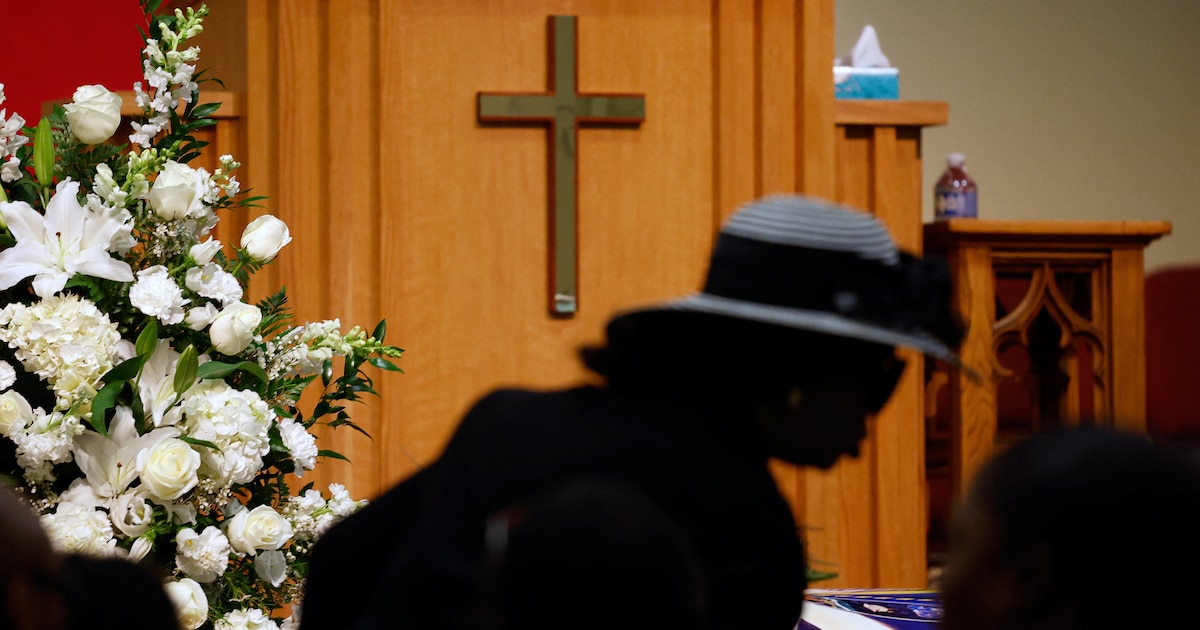
La muerte de un familiar puede convertir en experiencia personal aquello que, hasta entonces, parecía una certeza distante. El dolor, los recuerdos y las preguntas por lo que se hizo o se dejó de hacer forman parte de un proceso de duelo que cada persona transita de forma diferente.
“No es lo mismo verlo de lejos que tenerlo cerca”, afirmó la terapeuta familiar Yuli de Sosa al describir el impacto que puede provocar la muerte de un ser querido. La especialista hizo la reflexión durante el programa de entrevistas Diálogo 21, emitido el 2 de noviembre en el marco del Día de los Fieles Difuntos.
Para Sosa, comprender de forma racional que la muerte es parte de la vida no elimina las reacciones emocionales que genera una despedida. Explicó que frases frecuentes, como que la persona fallecida está en un lugar mejor o que el tiempo aliviará el dolor, pueden resultar insuficientes para alguien que atraviesa una pérdida.
La terapeuta relató que la muerte de su padre le permitió entender la diferencia entre conocer esa realidad y vivirla. Según señaló, el luto supone permitir un diálogo interno entre las emociones y la razón para asimilar que el familiar ya no está físicamente, aunque permanece en la memoria, los aprendizajes y los vínculos de quienes lo conocieron.

La tristeza no responde a una fecha determinada
El duelo no sigue un mismo ritmo para todas las personas. Sosa sostuvo que cada pérdida tiene una vivencia particular y que la presión social puede dificultar la expresión de la tristeza. En ese contexto, se refirió al duelo no resuelto, que puede aparecer cuando una persona intenta mostrar hacia afuera que ya superó la muerte, aunque por dentro conserva un dolor que no ha podido procesar.
“Hay que dejar vivir la emoción de la tristeza, no suprimirla”, expresó. Para la especialista, recordar no equivale a olvidar a quien murió, sino a integrar los momentos compartidos, los consejos y el legado que dejó dentro de una familia.
El sacerdote y comunicador Edwin Baños, quien también participó de la entrevista matutina, señaló que las experiencias previas pueden influir en la manera en que cada persona enfrenta una muerte. Indicó que, para algunos, los funerales, los cementerios o el contacto con una persona fallecida se viven como parte natural del final de la vida, mientras que para otros esas escenas quedan asociadas a imágenes difíciles de procesar.
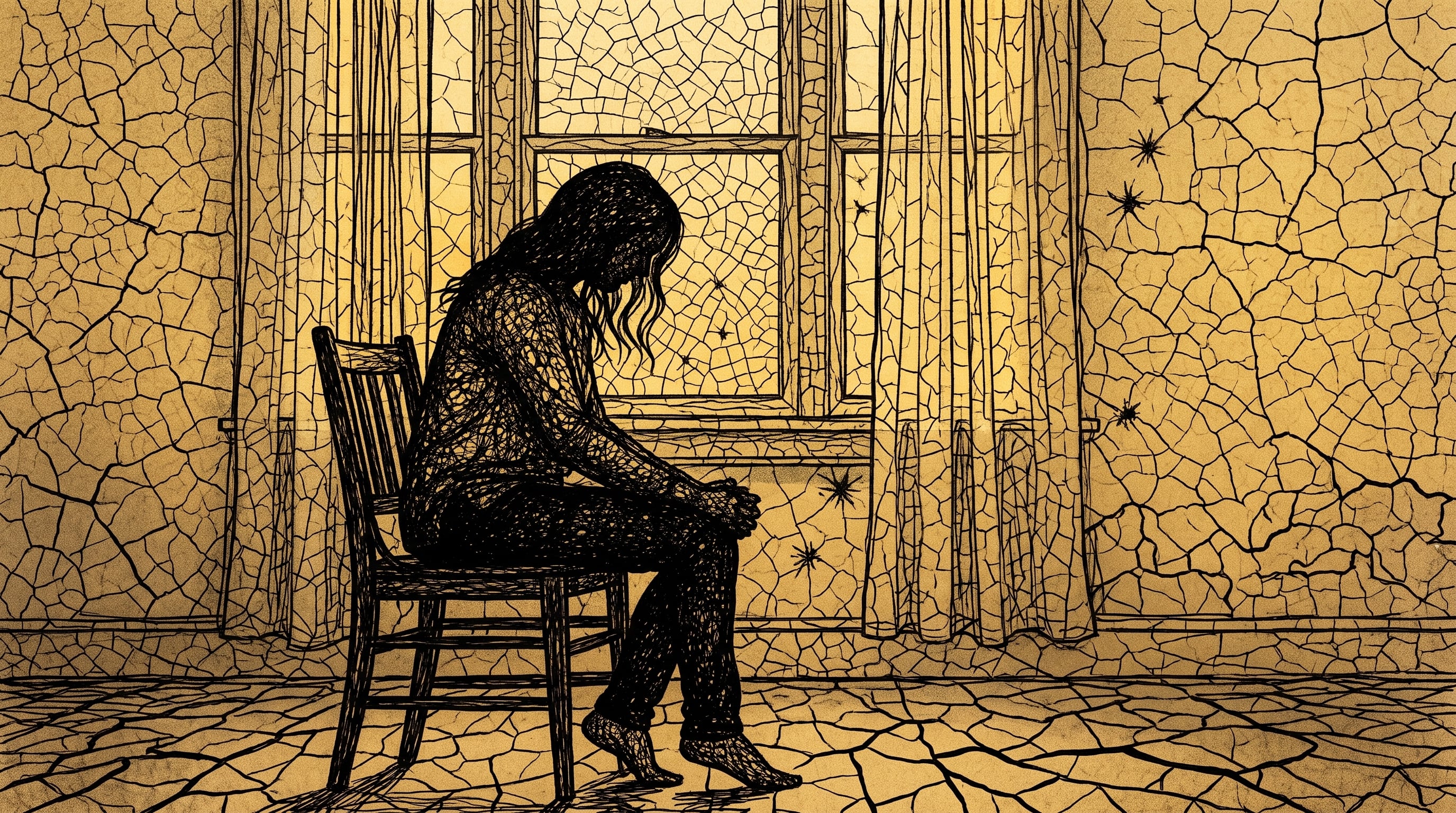
La culpa puede extender el dolor durante años
La culpa fue otro de los aspectos abordados durante la conversación. Baños indicó que ese sentimiento puede aparecer incluso en personas que acompañaron a un familiar enfermo o anciano de forma constante. “Siempre pudiste hacer más”, resumió al describir una percepción frecuente después de una muerte.
Ese cuestionamiento puede intensificarse cuando hubo distancia familiar, llamadas que no se hicieron, visitas postergadas o conflictos pendientes. Baños planteó que la sensación de no haber estado presente puede prolongarse en el tiempo y reaparecer en fechas significativas o visitas al cementerio.
Sosa mencionó que la culpa puede tener una dimensión más intensa ante una muerte por suicidio. En esos casos, madres, padres, parejas o hijos suelen preguntarse si pudieron advertir señales previas o intervenir de otra manera. “¿Cómo no lo vi?, ¿cómo no me enteré?”, son algunas de las preguntas que, según explicó, quedan presentes entre quienes sobreviven a esa pérdida.
Baños añadió que el duelo también puede quedar atravesado por resentimientos hacia una persona que murió. Diferenció entre conservar un recuerdo afectuoso y mantener heridas vinculadas con conflictos familiares o daños del pasado. En ese punto, consideró que el perdón puede entenderse como una forma de liberarse de sentimientos que afectan a quien permanece con vida.
El legado permanece entre los recuerdos y los vínculos
Ambos coincidieron en que la ausencia no borra la influencia de una persona dentro de una familia. Sosa explicó que padres, madres, abuelos y otros referentes continúan presentes a través de valores, consejos y formas de relacionarse que pasan de una generación a otra.
“En nuestras manos está dejar cicatrices o huellas”, sostuvo la terapeuta. La frase condensó una idea que atravesó la entrevista: la memoria de quienes ya no están puede conservar afectos, enseñanzas y también conflictos que no llegaron a resolverse.
Immigration,Asylum / Immigration / Refugees,North America













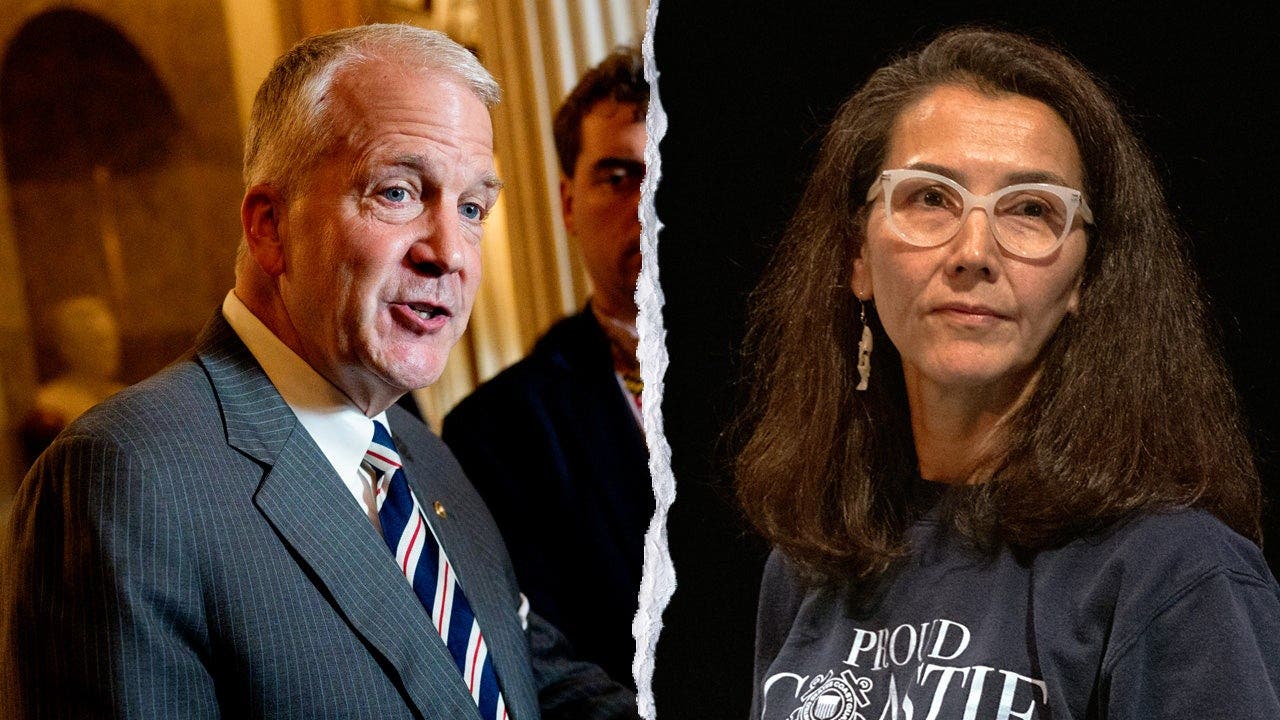
The Justice Department faces an uphill legal battle in its bid to overturn a federal judge’s dismissal of its Alaska Senate election lawsuit, according to legal experts who questioned whether the government can secure meaningful relief before voting ends Tuesday — even as a separate criminal investigation continues.
DOJ filed a notice of appeal after Obama-appointed U.S. District Judge Sharon Gleason dismissed its lawsuit Sunday over the presence of two candidates named Dan Sullivan on Alaska’s Senate ballot. The judge ruled that federal officials lacked standing because they had not demonstrated how their proposed remedy could address potential voter confusion without compromising ballot secrecy.
With voting ending Tuesday, attorneys told Digital that even a successful appeal could leave the government scrambling to obtain an injunction or return to district court, while a defeat would leave the civil case dismissed without necessarily affecting potential criminal charges arising from the alleged recruitment of the second Sullivan.
DOJ SET TO APPEAL RULING IN ALASKA SENATE RACE DISPUTE OVER ‘DECOY DAN’
«The federal judge dismissed on a procedural issue — standing,» election attorney Jason Torchinsky of Virginia-based firm Holtzman Vogel told Digital. «So if the government were to prevail, it would either have to seek injunctive relief from the appeals court in the first instance, a very high bar, or go back down to the district court to seek relief.»
«Given the time available between now and close of polls [Tuesday], this is a heavy lift for the government,» Torchinsky added.
A reversal would not automatically change Alaska’s election results. DOJ would still need to obtain specific judicial relief, potentially requiring further proceedings in district court.
Former federal prosecutor and ex-Pentagon official Cully Stimson similarly said that DOJ will have difficulty securing any immediate relief in its effort to pause the Sullivan-Peltola contest.
While Gleason was appointed by Obama, Stimson suggested the ruling did not appear partisan and said uncertainty remains because voting had not yet concluded.
«I’m not surprised that the judge did this. I don’t think it would matter whether an Obama judge or any other judge appointed by any other president,» Stimson told Digital.
«Asking for injunctive relief way before anything even happens is a reach,» he said, adding Alaska falls under the San Francisco-based Ninth Circuit, which will hear any appeal.
But Stimson suggested DOJ may have a longer-term objective beyond winning an immediate injunction: establishing a legal record that could support further proceedings after the election, once the votes are counted.
TRUMP PROSECUTIONS UNDER BIDEN SET PRECEDENT FOR DOJ’S ALASKA ‘DECOY DAN’ PROBE, EX-FEC CHAIR SAYS
«They may be filing these suits to establish a record and force Alaska and others supporting the status quo to defend what’s happening, knowing that there’s some level of confusion, and they have the legal wheels churning,» he said. «So after the vote is [over], they’ve started the legal wheels rolling.»
Former Assistant U.S. Attorney for North Florida Zack Smith added that if the Ninth Circuit does not hear the case promptly, DOJ could seek emergency review from the U.S. Supreme Court.
While the Alaska case is considered unprecedented, according to the experts, the idea of a Supreme Court expedition at election time is not.
On Dec. 9, 2000, one day after the Florida Supreme Court ordered a manual recount of disputed ballots in the Bush v. Gore presidential election dispute involving «hanging chads,» then-Texas Gov. George W. Bush’s legal team successfully sought emergency intervention.
The court ultimately decided in Bush’s favor within a week.
Since the disputed 2000 election, which featured «hanging chads» on hole-punched paper ballots and the Brooks Brothers Riot at the Miami-Dade elections office, DOJ has become well-accustomed to the expedited-review process, the experts said.
FEDERAL JUDGE BLOCKS TRUMP DOJ’S THREATS AGAINST ELECTION WORKERS AHEAD OF 2026 MIDTERMS
«DOJ is familiar with kind of working quickly, getting things to the Supreme Court, and so I wouldn’t be completely surprised if you were to see something like that,» Smith said.
Bush v. Gore offers a procedural parallel because federal courts were asked to intervene in the administration of a state-run election.
«Florida was conducting the election in the manner under Florida law, under this time, place and manners set out by Florida law even though it was a federal election,» Stimson said. «They used a particular type of ballot, which had those so-called dangling chads, which were punch-holes that didn’t come the whole way off, so the hole was left with a little tag, essentially like a skin tag, and eventually the Supreme Court of Florida ruled.»
«But because there were federal violations, eventually the Supreme Court weighed in and stopped it. And at no point in time had the vice president’s (Albert Gore) vote count ever surpassed that of the governor (Bush) and because it was a federal interest, the Supreme Court stepped in and stopped this counting at the state level.»
Alex Charns, an attorney who has argued in federal court, told Digital that the clock has run out and DOJ’s goal of segregating ballots based on voter intent is no longer possible.
«I’ve litigated against the USDOJ for over thirteen years in federal court. I’ve practiced law in Durham, N.C., for 43 years. The USDOJ filed a case without legal merit and its appeal is likely to fail,» he said.
«In addition, voting ends [Tuesday]. The relief they seek isn’t possible — ballots already cast can’t be segregated. Also, one cannot tell why any voter voted in a particular way. The appeal is unlikely to be successful.»
SIGN UP TO GET THE POLITICS NEWSLETTER
In a statement from the DOJ’s «Rapid Response» (DOJ-RR) office, a spokesperson said the court «dismissed the case on procedural grounds but did not dispute the argument of the United States that Daniel J. Sullivan (a/k/a Decoy Dan) entered the race as a frivolous candidate to confuse voters.»
«Alaskan voters deserve a fair election, not to be misled in an attempt to rig outcomes,» DOJ-RR said, announcing their appeal.
Stimson cautioned that the outcome of the civil litigation would have little bearing on the separate criminal investigation, which could uncover evidence supporting additional legal action even if DOJ’s appeal fails.
«As long as that criminal investigation is going on, you’re not breathing easy,» he said, adding that evidence uncovered by federal investigators could potentially provide grounds for a separate civil lawsuit.
elections, elections disputes, justice department, federal courts, alaska, law, appeals, politics, elections state and local
INTERNACIONAL
Estados Unidos vota en las elecciones de medio término y Trump enfrenta una prueba clave para el futuro de su gestión

Donald Trump se juega este martes el futuro de su segunda presidencia en las elecciones de medio término en Estados Unidos.
En un escenario de guerra inconclusa con Irán que tuvo efectos negativos en la economía estadounidense, el presidente republicano se someterá a un virtual referéndum sobre su mandato bajo el riesgo latente de perder el control del Congreso.
Los republicanos dominan hoy ambos cuerpos legislativos, pero los sondeos vaticinan un triunfo demócrata holgado en la Cámara de Representantes. La lucha está puesta en el Senado, donde la oposición también es favorita.
Un eventual revés republicano condicionará los dos últimos años de gestión de gobierno y pondrá trabas a la administración republicana.
“Una derrota amplia abre la puerta a investigaciones, posibles ‘impeachment’, dificultad en confirmar jueces y cargos claves, y posibles cierres de gobierno por diferencias presupuestarias con el Partido Demócrata”, advirtió a TN el analista Mariano de Alba, investigador venezolano asociado del Instituto Internacional para Estudios Estratégicos en Reino Unido.
Trump, en campaña, ya abrió el paraguas: “Supongo que me convertiré en el ‘señor Veto’”, dijo el mandatario a la cadena Fox News.
Qué se elige este martes en Estados Unidos
Este martes los estadounidenses renovarán las 435 bancas de la Cámara de Representantes y 35 escaños del Senado (sobre un total de 100).
Hoy el Partido Republicano es dueño de 219 bancas en la Cámara de Representantes contra 214 en poder demócrata. En el Senado, el oficialismo cuenta con 53 senadores contra 47 de la oposición.
Pero habrá más poder en juego. También se elegirán 36 gobernadores y cientos de legisladores estatales en 46 estados, así como distintos cargos como fiscales, miembros de juntas escolares y sheriffs. Además, habrá numerosas consultas que van desde el aborto a cuestiones impositivas en ámbitos locales.
Los sondeos vaticinan una dura derrota republicana. La firma de pronósticos Decision Desk HQ señala que el Senado cambiaría a una mayoría de 52-48 a favor de los demócratas con una cómoda ventaja opositora de 241-194 en la Cámara de Representantes.
El oficialismo se arriesga a perder senadores en territorios tradicionalmente conservadores como Texas y Kansas, donde los demócratas no ganan una banca en la cámara alta desde 1932, hace 94 años.
Incluso, el ala socialista de los demócratas busca colocar a un número récord de diputados y senadores. De ser así, podría abrir el debate sobre el futuro de la política y la policía migratoria (ICE) que causó enormes cuestionamientos en la comunidad hispana y que influye mucho en el voto latino, más inclinado hacia la oposición.
Trump se aferra a las habituales “pifias” de las distintas encuestadoras en el mundo entero y asegura que sigue siendo un presidente muy popular, aunque los sondeos coinciden en que seis de cada diez estadounidenses rechazan su labor en la Casa Blanca.
Elecciones
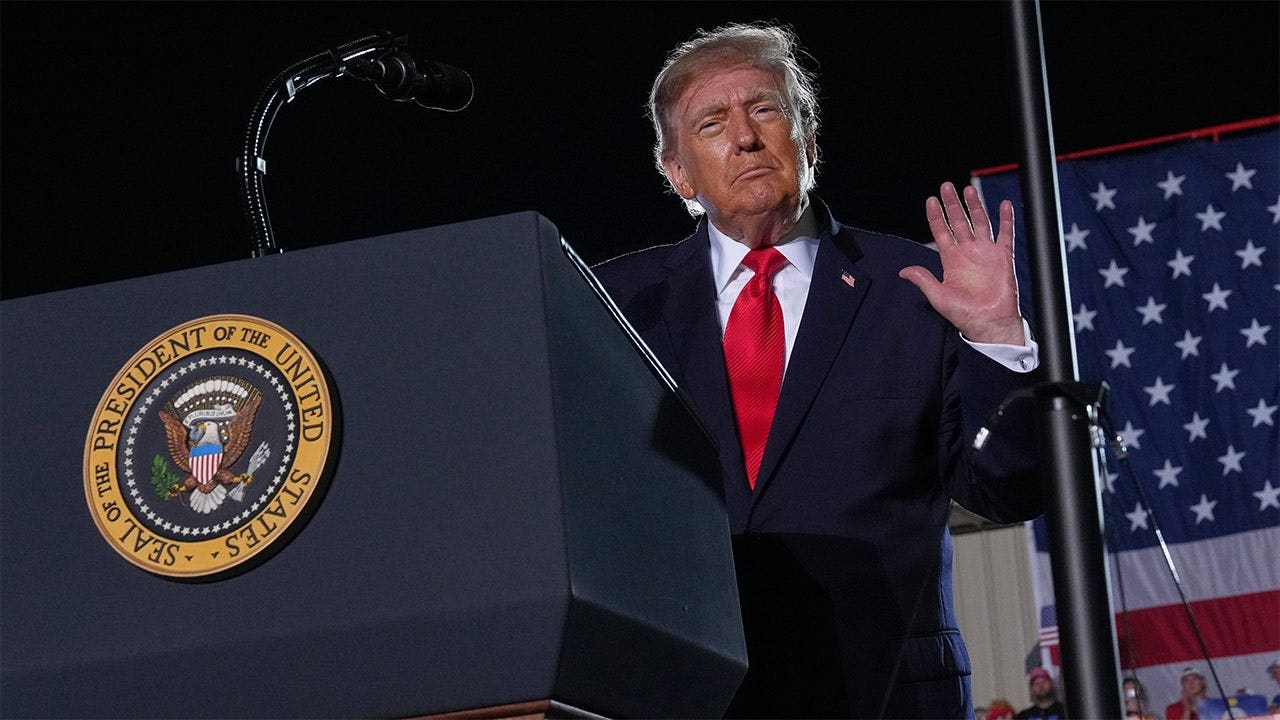
It’s Election Day in America, with voters heading to the polls to determine control of the U.S. House and Senate for the next two years.
Republicans are defending their slim congressional majorities, but President Donald Trump predicts the GOP will hold the House and Senate for the final two years of his presidency.
«We’re going to win and let’s make the next two years bigger and better and stronger than ever before,» Trump told supporters Sunday night at a rally in Kansas.
But Republicans are fighting political history, as the party in power in Washington has traditionally lost seats during midterm election years. The GOP also faces a challenging political climate fueled by persistent inflation tied in part to what polls show is an unpopular war with Iran and Trump’s increasingly negative approval ratings.
DEMOCRACY 2026: STAY UP TO DATE WITH THE ELECTION HUB
The GOP is also facing a potential turnout deficit, with public opinion polls indicating Democrats are more energized than Republicans to cast ballots in the midterms.
Early voting in the midterms has shattered previous records, with more than 54 million people already casting ballots, according to the Associated Press. That’s nearly nine million more ballots cast in early voting than in 2022, the previous midterm elections.
With early voting traditionally favoring Democrats, Republican National Committee Chair Joe Gruters, pointing to Election Day turnout, recently told Digital, «If our voters turn out, we win.»
SIGN UP TO GET THE POLITICS NEWSLETTER
The political climate has the GOP playing plenty of defense on the campaign trail, as the president tries to energize the GOP base.
Trump’s event in red-leaning Kansas, which he touted as his 30th rally over the past month, came hours after the Power Rankings shifted the state’s Senate race from Lean Republican to Toss-up. Democratic pastor Adam Hamilton, who is challenging GOP Sen. Roger Marshall, is aiming to become the first Democrat in nearly a century to win a Senate election in Kansas.
The Power Rankings, as well as many of the leading nonpartisan political handicappers, point to Democrats retaking control of the House, with the majority in the Senate a toss-up heading into Election Day.
«Think of what is possible tomorrow: Democrats can flip the House, take back the Senate, and stop Trump’s harmful agenda,» Democratic National Committee Chair Ken Martin spotlighted, in an Election Eve social media post.
Also up for grabs in this year’s elections — governorships in 36 of the 50 states. Plus, all but four states are holding legislative elections. And voters will also weigh in on 145 statewide ballot measures in states from coast to coast.
The big question with Election Day upon us — have the public opinion polls that point to a potential blue wave undercounted Republican voters?
LEAVITT SAYS TRUMP DEFYING MIDTERM HEADWINDS AS HE BARNSTORMS COUNTRY
We’ll find out in the coming hours.
Until then, here’s a closer look at what’s up for grabs on Election Day 2026.
Republicans currently control the chamber 53-47, which means Democrats need a net gain of four seats to win back the majority. The GOP needs to hold at least 50 seats to retain control of the chamber, since Republican Vice President JD Vance is the tie-breaking vote in the Senate.
Besides Kansas, Republicans are also playing defense in Alaska, Iowa, Maine, Nebraska, Ohio, South Carolina and Texas, which are all rated toss-ups in the Power Rankings. They’re also defending seats in competitive races in Kansas, which is rated Lean Republican, and Ohio, which is rated Lean Democrat.
Democrats are on defense in Michigan, Minnesota and New Hampshire.
The GOP is hanging on to a razor-thin majority in the House, with Democrats needing a net gain of just three seats to reach 218, which would hand them the majority.
A good night for the Democrats could see them ending up with as many as 240 seats in the 435-seat chamber, according to the Power Rankings. But if Republicans have a good night, they could end up with 212 seats. That’s six short of a majority, but enough to make life difficult for the next Democratic House speaker, who would have to balance the demands of the moderate and far-left wings of the party.
The earliest-closing districts on election night will give some sense of the House’s future.
«Keep an eye on Kentucky’s 6th District, which covers Lexington and a large central area of the state. Trump won here by 15 points in the last presidential election. Thanks to a combination of left-leaning college voters and farmers grappling with higher costs, it looks close this cycle,» Remy Numa, a contributor who steers the network’s Power Rankings, said.
There are currently 26 Republican and 24 Democratic governors.
The Power Rankings list three states where the GOP controls the governor’s office – Alaska, Nevada and Georgia – as toss-ups. Wisconsin, which has an open Democratic-controlled governor’s office, is also rated a toss-up.
The gubernatorial races in red states Florida, Kansas and Texas are rated Lean Republican, according to the Power Rankings. Meanwhile, the showdowns in Arizona, Iowa, Michigan, Ohio and Oregon are rated Lean Democrat.
Referendums requiring voters to present identification when they show up at the polls, or bans on noncitizen voting, are on the ballot in 11 states: Alaska, Arizona, Arkansas, California, Colorado, Kansas, Nevada, North Carolina, Ohio, South Dakota and West Virginia.
Voters in Alaska will also decide if they want to repeal the state’s ranked choice voting system, open primaries and a campaign finance disclosure rule. Voters approved the current system in 2020 and narrowly kept it in 2024.
But the voting system has come under fresh scrutiny amid the controversy over a potential spoiler candidate in Alaska’s U.S. Senate race.
Voters in Virginia will decide whether the right to vote should be restored to convicted felons upon their release.
California’s Proposition 40 is making national headlines.
The measure, the first of its kind, would slap a one-time 5% tax on wealth for Californians worth over $1 billion, with the vast majority of the revenue generated going to pay for healthcare.
Also in the spotlight is a millionaires’ tax in Washington state. If passed, the referendum would repeal a 9.9% tax on income over $1 million a year, which state lawmakers recently approved. Washington state currently does not have a personal income tax.
Voters in Maryland, Missouri and Colorado weigh in on ballot measures on congressional redistricting, as the mid-decade redistricting fight between Democrats and Republicans will be waged again in 2028.
Arizona, Colorado, Nebraska and Washington state have referendums on transgender students’ participation in sports. Colorado also has a referendum on blocking gender transition surgeries for minors and preventing state or federal funding from being used for those operations.
Voters in Missouri weigh in on repealing a right to abortion and banning gender transition medical care for children. Meanwhile, an Idaho initiative would overturn one of the nation’s strictest abortion bans, while Virginia and Nevada voters decide on establishing a right to abortion in their state constitutions.
California, Colorado and Arizona hold ballot measures on policy around energy, transportation and development.
The first poll closings come at 6 p.m. ET, with the final poll closings happening at 1 a.m. ET.
6 p.m. ET: Polls close in parts of Kentucky and Indiana.
7 p.m. ET: Polls close in Georgia, South Carolina, Vermont and Virginia. The final polls in Kentucky and Indiana close. And most polls in Florida and New Hampshire close.
7:30 p.m. ET: Polls close in North Carolina, Ohio and West Virginia.
8 p.m. ET: Polls close in Alabama, Connecticut, Delaware, Illinois, Maine, Maryland, Massachusetts, Mississippi, Missouri, New Jersey, Oklahoma, Pennsylvania, Rhode Island, Tennessee and Washington, D.C. The remaining polls in Florida and New Hampshire close. Most polls close in Texas, Michigan, Kansas, North Dakota and South Dakota.
8:30 p.m. ET: Polls close in Arkansas.
9 p.m. ET: Polls close in Arizona, Colorado, Iowa, Louisiana, Minnesota, Nebraska, New Mexico, New York, Wisconsin and Wyoming. The final polls close in Texas, Michigan, Kansas, North Dakota and South Dakota.
10 p.m. ET: Polls close in Montana and Utah. Most polls also close in Idaho and Oregon.
11 p.m. ET: Polls close in California and Washington state, with the remaining polls in Idaho and Oregon also closing.
Midnight ET: Polls in all of Hawaii and most of Alaska close, with the remaining polls in Alaska closing at 1 a.m. ET.
politics, midterm elections, elections, voting, polls, republicans elections, donald trump

Dolor en el deporte por la muerte de Jesús de Miguel: el video de la brutal patada que abrió un debate en el fútbol

DOJ faces ‘heavy lift’ in Alaska election appeal as separate criminal probe continues

El peronismo oficializó su disputa electoral: del anuncio de Cristina Kirchner a la postura inquebrantable de Kicillof

Científicos advierten sobre el alcohol: “Sabemos que las personas que beben entre media copa y una copa al día son las que viven más tiempo, por lo que mueren menos de infartos”

Estados Unidos vota en las elecciones de medio término y Trump enfrenta una prueba clave para el futuro de su gestión

Reducido de la Primera Nacional 2026: así quedaron los cruces y cómo se jugará por el segundo ascenso

Qué pasó con el Refugio de Eli y por qué hizo enfurecer a Santi Maratea: «Fue un desastre, él nunca más le contestó y le prohibió…»

El secretario de Culto dijo que Milei recibirá al Papa en el aeropuerto y habló de una cadena nacional

El “efecto Lula” sigue pegando en Argentina: los bonos sintieron el impacto, pero el tipo de cambio aguantó

Estrella de Star Trek, Patrick Stewart confesó que fichó por la saga de ciencia ficción por una razón

 CHIMENTOS1 día ago
Qué pasó con el Refugio de Eli y por qué hizo enfurecer a Santi Maratea: «Fue un desastre, él nunca más le contestó y le prohibió…»
- ECONOMIA3 días ago
El “efecto Lula” sigue pegando en Argentina: los bonos sintieron el impacto, pero el tipo de cambio aguantó
- POLITICA2 días ago
Agustín Caulo: “El Gobierno sigue trabajando para que no se politice la visita de León XIV a la Argentina”