INTERNACIONAL
Elon Musk’s Austin home targeted by well-funded leftist groups aboard party buses

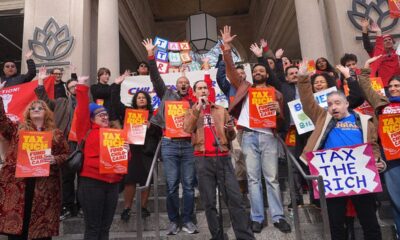
Three far-left nonprofits with combined annual revenues of $56.1 million escalated their protests against SpaceX and Tesla CEO Elon Musk this week by targeting his Austin-area home with a seemingly innocuous post-election «party» featuring two chartered buses, music, speeches, theatrical Cybertruck piñatas and dancing to Queen’s «We Will Rock You.»
The event’s organizers – VOCAL-TX, the fiscally-sponsored project of a New York 501(c)(3) nonprofit; the Center for Popular Democracy Inc., a 501(c)(3) nonprofit based in Brooklyn; and People’s Action, a 501(c)(4) political nonprofit based in Chicago – framed the Saturday event as a tame «People Over Billionaires Election After Party.»
The demonstration reflected growing coordination among leftist networks worldwide, from Paris to Portland, Ore., supplying organizers, transportation, coalition partners, event platforms, messaging and other logistical support for actions presented as «grassroots.» As Democratic politicians threaten investigations into Trump’s corporate backers, including Musk, the street protests help create the appearance of bottom-up support.
The leaders of the organizations behind the «After Party,» held in West Lake Hills, Tex., where Musk owns a sprawling home, didn’t provide comment in response to queries from Digital, but they have insisted in the past that their local protests are the result of «organic» organizing in communities.
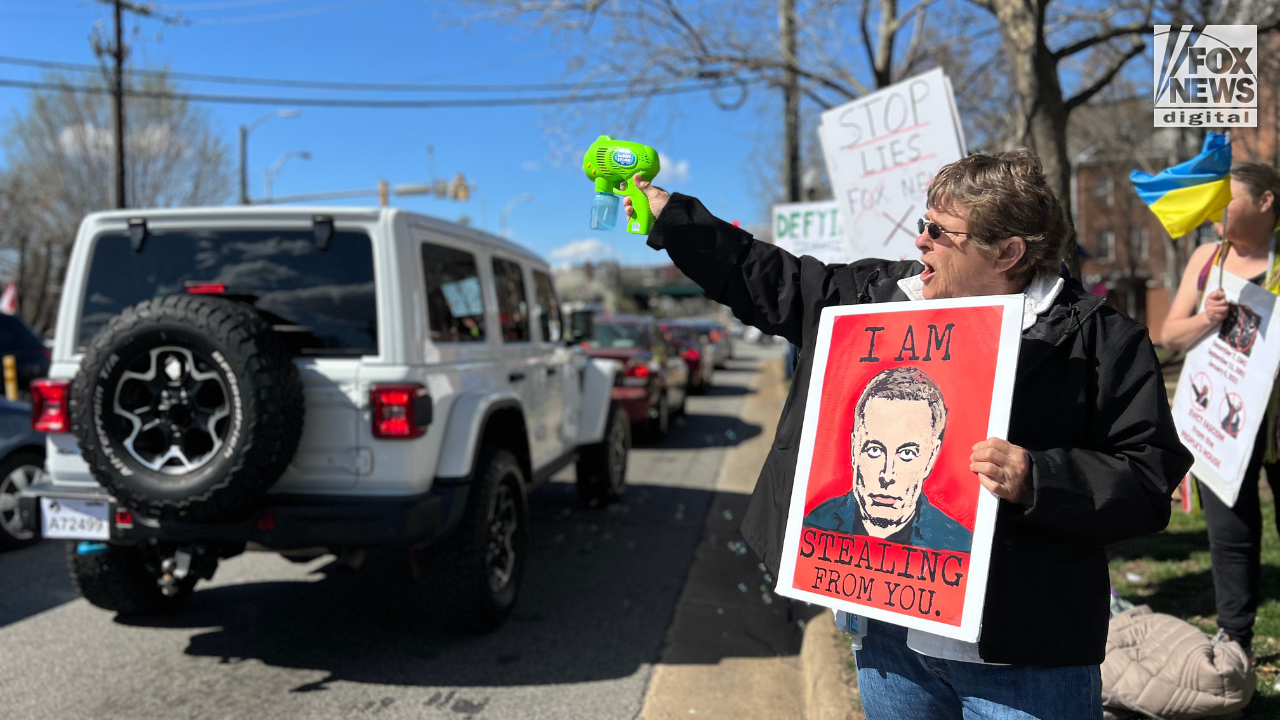
A now-ubiquitous, mass-produced anti-Musk «I AM STEALING FROM YOU» poster, featuring the tech billionaire with creepy eyes, has appeared at demonstrations nationwide and was also on display at the Austin protest outside his home.
WHO’S FUNDING AMERICA’S PROTEST UNREST? NATION’S NEW ‘RIOT INC.’ FOLLOWS THE MONEY TO FIND OUT
This weekend’s organizers helped lead the «Tesla Takedown» protests that sometimes turned ugly last year. According to a Digital investigation, 258 organizations with combined annual revenues of an estimated $2.6 billion were behind those protests.
At Saturday’s event, participants arrived at the property in two blue Fly-Rides party buses and additional vehicles. Organizers blasted music including Queen’s «We Will Rock You,» over loudspeakers.
«We’ll bring the music, you bring the dance moves! This is family friendly, peaceful and FUN event!» the organizers wrote, promoting the event.
The Austin American-Statesman covered the event and cast it playfully, with the headline «Dozens party outside Elon Musk’s West Lake Hills home after campaign donations fell flat.» It wrote about how organizers led a «Love Train» conga line and distributed party hats and refreshments, including cider.
The organizations behind the campaign are veterans of the professional protest industry. While this event was peaceful, the rhetoric of demonization and polarization at protests causes researchers at organizations like the Network Contagion Research Institute to conclude that that they can create a «permission structure» for political violence.
‘ASTROTURF’: CRITICS SPECULATE TESLA PROTESTS ARE NOT A GRASSROOTS MOVEMENT, BUT A CAREFULLY ORGANIZED CAMPAIGN
The three nonprofits behind this weekend’s protests are part of a powerful national tax-exempt nonprofit industry that has increasingly taken to the streets over the past decade in coordinated, orchestrated campaigns in local communities, creating the image of homegrown organic demonstrations.
The three groups reported $56.1 million in combined 2024 revenue, according to their most recent tax filings.
Organizers promoted the event as a peaceful celebration of voters rejecting the influence of wealthy donors. About 60 people attended, according to estimates.
The demonstration followed in the spirit of the very coordinated «Tesla Takedown» protests launched at Texas dealerships in early 2025, when activists organized demonstrations against Tesla and Musk over his political activities and role in the new Trump administration and the Department of Government Efficiency, called DOGE. Those protests led to vandalism against Tesla vehicles and dealerships. A wider network of openly pro-communist groups, including Freedom Road Socialist Organization, carried posters with messages like «DOWN WITH BILLIONAIRES. WE NEED SOCIALISM.»
Congressional lawmakers and Justice Department prosecutors are investigating an American-born, Shanghai-based tycoon, Neville Roy Singham, for funding and backing pro-communist groups. Some of those groups, including the Party for Socialism and Liberation, ANSWER Coalition, CodePink and People’s Forum, have supported the regular protests that have hit America’s streets, including the anti-Musk demonstrations.
.
DEMOCRATS SET SIGHTS ON ELON MUSK PROBE AFTER MIDTERM WINS, BUT PRITZKER DRAWS A SURPRISING LINE
Much like the networks behind «No Kings,» «Hands Off,» «ICE Out» and other protests over the past year, the financial filings of the organizations behind this weekend’s demonstration show the scale of the infrastructure behind these groups.
The Center for Popular Democracy reported $40.9 million in 2024 revenue. People’s Action Institute reported $2.1 million, and Voices of Community Activists and Leaders Inc., or VOCAL-NY, which fiscally sponsors VOCAL-TX, reported $13.1 million. The organizations are separate entities, and the figures don’t represent a shared operating budget.
VOCAL-TX’s donation page identifies VOCAL-NY as its 501(c)(3) fiscal sponsor and sister organization. VOCAL-NY describes the organization as a statewide grassroots membership group focused on «building the power of low-income people» impacted by «HIV/AIDS, drug policy, mass incarceration, the war on drugs and homelessness.» It says its work is «accomplished through community organizing, campaigns & harm reduction services.»
The Center for Popular Democracy Inc. lists VOCAL-TX among its affiliates and describes itself as a network of «grassroots» organizations operating across dozens of states, building a «representative, multiracial society and government where all thrive, no exceptions,» according to its nonprofit mission statement.
SOCIALIST, COMMUNIST GROUPS COORDINATE, PROMOTE ‘SPONTANEOUS’ ANTI-ICE PROTESTS IN AUSTIN
The Center for Popular Democracy reported $38.2 million in contributions and $14.6 million in other salaries and compensation in 2024. Its two co-executive directors received an average total compensation of $234,026, including bonuses in 2024, according to their latest tax filings, about four times more than the $63,360 median annual earnings of full-time, year-round U.S. workers that year.
VOCAL-NY reported nearly $3.5 million in other salaries and wages and listed its Texas co-director among its highest-paid employees, earning $113,842 in salary and $21,854 in bonuses in 2024.
People’s Action describes itself as a national network of grassroots groups «organized to promote economic, racial and social equity through national, regional and local advocacy campaigns.»
Saturday’s gathering transformed a political victory «party» into a theatrical public spectacle, using buses, coordinated messaging, music and symbolic props to deliver a broader message: that billionaire wealth shouldn’t determine the direction of American politics. Protesters didn’t specifically address the millionaires and billionaires that funnel money to Democratic politicians such as George Soros, Reid Hoffman and Pierre Omidyar, to name just a few.
Participants carried signs reading «Texas is not for sale» and «Alright Texas! Now let’s tax Musk.» Attendees also smashed star-shaped and piñatas shaped like a Tesla Cybertruck.
CHAOS INC.: COMMUNISTS, ANTIFA, AGITATORS IN THE RED-GREEN ALLIANCE
Eli Cortez, a VOCAL-TX bus captain, told attendees that the event was intended to celebrate voters rejecting the political influence of billionaires, according to coverage by the Austin American-Statesman. Cortez didn’t respond to a request for comment.
The demonstration focused on Musk’s spending during the 2026 election cycle. A New York Times analysis placed Musk’s total disclosed political spending at approximately $474 million, while other analyses based more narrowly on Federal Election Commission filings put the figure at roughly $445 million. About $212 million supported Texas Republican Ken Paxton’s unsuccessful Senate campaign through allied political committees.
May Day Strong, another far-left coalition tagged in the social media promotion of the event, describes itself as a «constellation» of more than 600 labor and community organizations, many of them socialist and communist. Its stated demands include taxing the rich, opposing ICE, expanding «democracy» and organizing workers to «protest, refuse to comply, and take the economic actions» needed to oppose the Trump administration.
Austin protesters carried a trademark poster with a creepy image of Musk and the message, «I Am Stealing From You,» now a mainstay at protests, not as a spontaneous grassroots creation but a strategic asset. The Progressive Change Institute, the 501(c)(3) sister organization of the Progressive Change Campaign Committee, has taken credit for commissioning the art early last year by Washington, D.C., political street artist Absurdly Well.
The graphic became part of the propaganda of the broader «Hands Off» protest network, which distributed thousands of copies of the poster. CNN, the Associated Press, the New York Times, Axios, TIME, Reuters, The Hill and MSNBC host Rachel Maddow have splashed photos of the poster in its coverage Progressive Change Campaign Committee’s online member engagement director has said the merchandise was intended to serve an organizing purpose beyond fundraising, with the goal of making Elon Musk «a real liability for the administration.»
The group now gives donors «5- or 10-pack of anti-Elon Musk rally posters» in exchange for donations: $135 for a five-pack, $250 for a $10-pack and $30 for a single poster.
At least two of the iconic posters landed in the «party» protest outside Musk’s home, held overhead by demonstrators.
politics, us protests, elon musk, rise of socialism, socialism, democrats elections










INTERNACIONAL
Trump’s proposed Russia deal raises NATO alarm as ex-commander warns Putin seeks influence over Europe
NEWYou can now listen to Fox News articles!
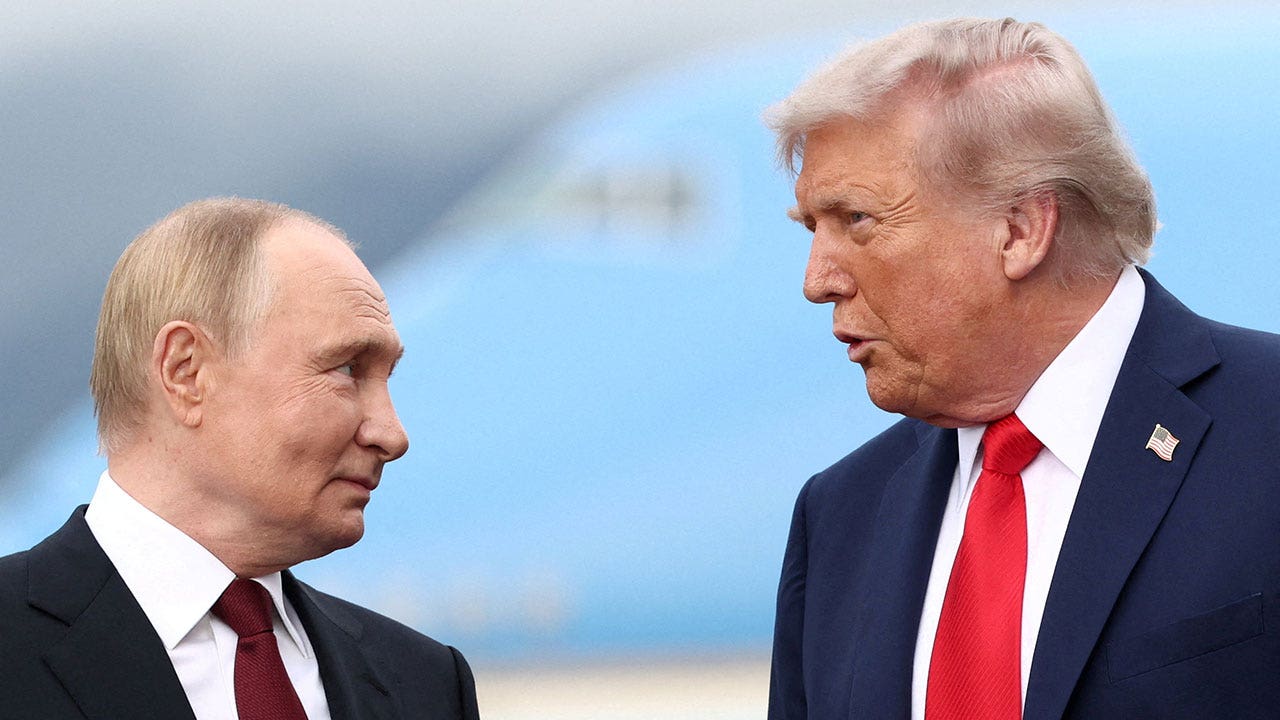
President Donald Trump’s push for a deal with Russia to end the war in Ukraine and potentially reshape European security has raised alarm among NATO allies, with a former top alliance commander warning Fox News Digital that President Vladimir Putin has long sought to divide the world into competing spheres of influence.
The warning came as President Volodymyr Zelenskyy also appeared to reject what he called a potential «Yalta 2.0,» and NATO allies debated direct outreach to Putin ahead of delegations preparing for talks in Abu Dhabi on Nov. 10-11.
Retired Gen. Philip Breedlove, the former Supreme Allied Commander Europe, warned that Putin’s ambitions extend far beyond Ukraine and reflect a broader vision for how global powers should divide influence.
«Putin has a plan for the world, and he has pushed that plan on leaders several times,» Breedlove warned before adding: «He talks about it and he writes about it.»
ZELENSKYY TO SEEK OFFRAMP FOR YEARS-LONG RUSSIA WAR IN UN SPEECH AFTER TRUMP REVEALS PEACE DEAL IS CLOSE
Finnish President Alexander Stubb, Polish Prime Minister Donald Tusk, French President Emmanuel Macron, German Chancellor Friedrich Merz, Ukraine’s President Volodymyr Zelenskyy, Steve Witkoff, Jared Kushner, Italian Prime Minister Giorgia Meloni, front row from left, and Jonas Gahr Støre, NATO Secretary General Mark Rutte, Danish Prime Minister Mette Frederiksen, Ursula von der Leyen, Dutch Prime Minister Dick Schoof, and Swedish Prime Minister Ulf Kristersson, back row from left, stand together in the chancellery in Berlin, Germany, on Dec. 15, 2025. (Markus Schreiber, Pool/AP)
Trump had suggested Thursday that an agreement with Moscow could extend beyond ending Russia’s nearly five-year war in Ukraine.
«It’s going to be a big agreement, and it’s going to involve more than Ukraine… I could even say it might involve all of Europe,» Trump told reporters after meeting Russian presidential envoy Kirill Dmitriev at the White House.
«It’s going to be a big, beautiful agreement, and everyone’s going to be thrilled,» Trump added.
Breedlove said Putin has repeatedly promoted a vision of dividing global power among Russia, China and the United States.
«The plan is three spheres of influence whereby China controls the Far East, Russia controls Europe, and America controls the Western Hemisphere. I do not expect there’s going to be a lot of cooperation from the countries of Europe,» he said.
«The Western world is waiting to see what this big plan is, and they are very concerned because it is about them,» Breedlove added.
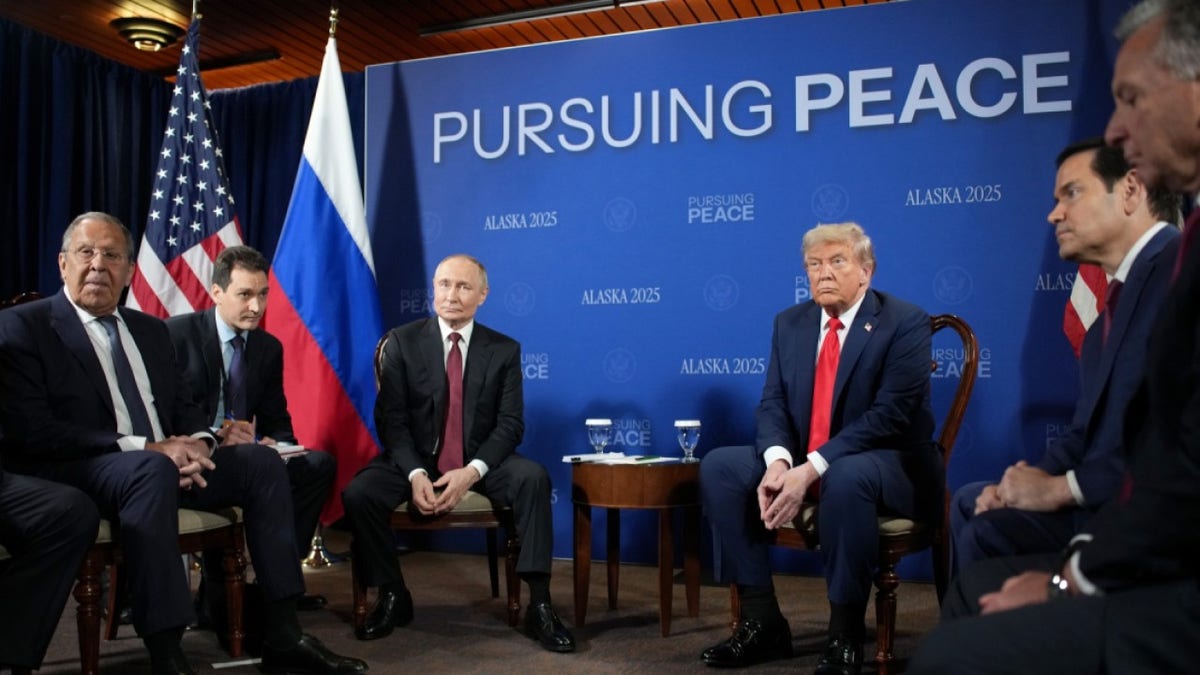
President Donald Trump (R) and Russian President Vladimir Putin (L) hold a meeting at Joint Base Elmendorf-Richardson on August 15, 2025 in Anchorage, Alaska. (Andrew Harnik/Getty Images)
Zelenskyy also warned Friday against repeating the 1945 Yalta Conference, where Allied leaders negotiated Europe’s postwar order before the Soviet Union consolidated control over Eastern Europe.
«We don’t want to have Yalta 2.0,» the Ukrainian leader told CNN. «We don’t want to be divided by Russia,» he said before adding: «For me, it’s not simple and it can be dangerous.»
On Sunday, Secretary of State Marco Rubio told reporters that discussions on how Europe would look after the Ukraine war were already underway.
«It’s one of the key topics that’s been raised repeatedly in every conversation, anytime negotiations have been discussed,» he said ahead of traveling to Paris for the G7 meeting.
RUBIO SOUNDS CAMPAIGN-READY AS HE RAILS AGAINST OPEN BORDERS, GLOBALISM IN SPEECH FROM ANCIENT GREEK RUINS

Secretary of State Marco Rubio talks to reporters at NATO Headquarters in Brussels, Belgium, on Friday, April 4. (Jacquelyn Martin/Pool/AP)
«So I think that’s what the president is alluding to, is that there’s been some advances made and what that architecture could look like post-conflict. We obviously have to get past the conflict to get to that point,» he added, clarifying Trump’s comments.
Breedlove, however, questioned whether European governments and Ukraine would even accept a broader agreement negotiated without their involvement.
«I do expect that when we get a peek under the hood of what Mr. Putin and Mr. Trump have devised that there may be European partners and allies to include Ukraine that may or may not be enthralled with the proposed solution.»
«We have always said nothing about Ukraine without Ukraine,» the expert said.
«Neither have we heard anything about the EU or NATO being in this conversation. And yet the EU, NATO and Ukraine are central and the heart of the matter that apparently is going to be discussed.»
Tensions also appeared to mount further after Finnish President Alexander Stubb and Norwegian Prime Minister Jonas Gahr Støre held a rare 90-minute telephone conversation with Putin on Oct. 27, according to reports.
TRUMP NEGOTIATORS WITKOFF, KUSHNER MEET WITH PUTIN IN MOSCOW AS US PUSHES FOR END TO RUSSIA-UKRAINE WAR
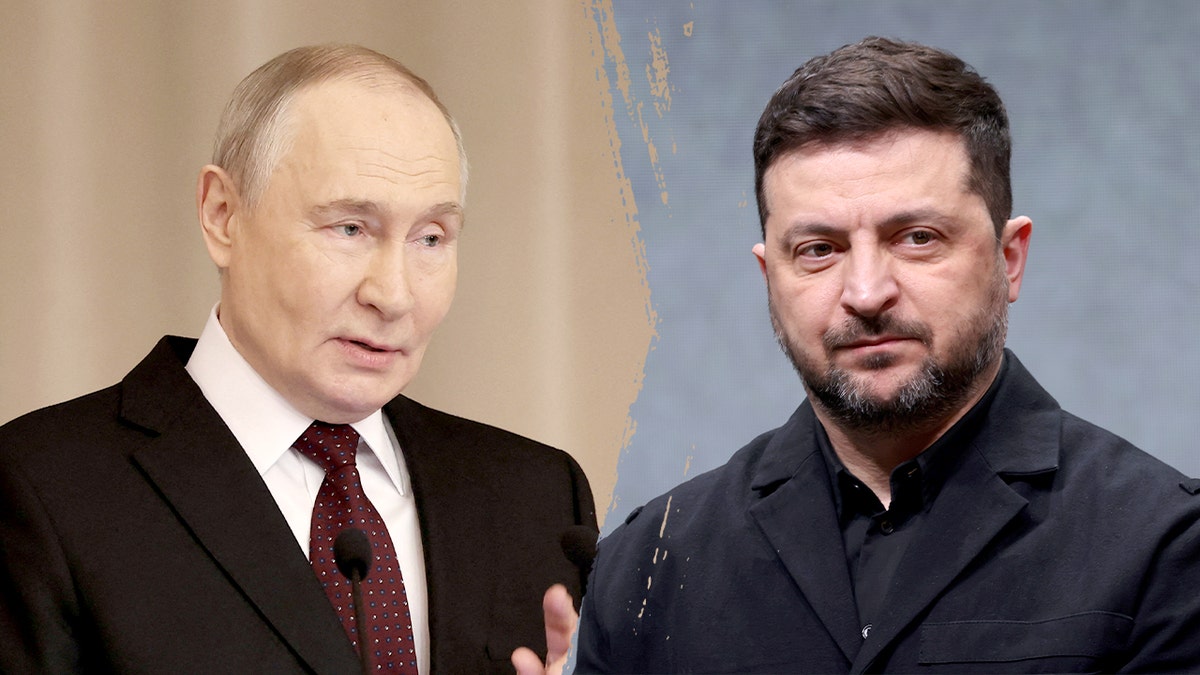
A composite image shows Russian President Vladimir Putin (L) and Ukrainian President Volodymyr Zelenskyy (R) as peace talks continue. (Valery Sharifulin/Pool/AFP via Getty Images; Sean Gallup/Getty Images)
Danish Prime Minister Mette Frederiksen criticized the separate European diplomatic initiatives.
«I think Europe should stick together rather than going solo,» she said as Breedlove went on to defend the outreach.
«The two calls that recently took place between Northern leaders in the NATO alliance and Russia, I don’t think that they’re out of place at all,» he said. «I think they’re entirely appropriate.»
«The great powers of Europe are getting very concerned that someone is dealing with their security without including them in the conversation,» he added.
Meanwhile, French Foreign Minister Jean-Noël Barrot confirmed Sunday that France would participate in the Abu Dhabi negotiations.
«The Europeans will be well represented; France will be in Abu Dhabi to take part in these discussions,» Barrot said, according to Reuters.
FORMER UK PRIME MINISTER TONY BLAIR WARNS EUROPE ‘WE DON’T WIN’ IN WAR WITHOUT US SUPPORT
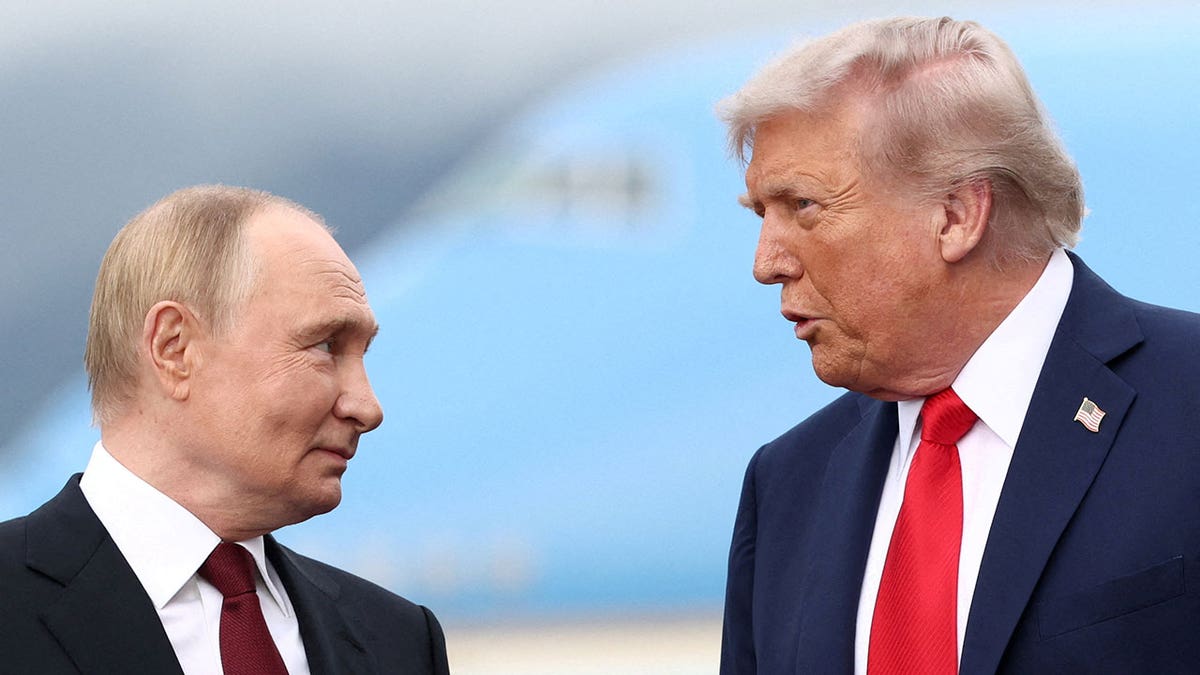
President Donald Trump speaks with Russian President Vladimir Putin, as they meet to negotiate for an end to the war in Ukraine, at Joint Base Elmendorf-Richardson in Anchorage, Alaska, U.S., August 15, 2025. (Kevin Lamarque/Reuters)
Breedlove warned that any agreement requiring European nations to sacrifice their security to satisfy Moscow would still face fierce resistance.
«If the maximalist demands of Russia remain intact and in order to find peace, all the rest of Europe has to give up its security, sacrifice its security, make itself more susceptible to Russian attack, then this is not going to go well,» he said.
«Putin has never been a partner for peace in Ukraine. Putin is not now a partner for peace in Ukraine.»
«The EU nations, the NATO nations, and Ukraine are not going to sign up to a plan that suggests that Russia will be able to once again amass its armies, march across borders and intervene in its neighbors’ internal business.»
«We need to understand that we are in a war. Mr. Putin is at war with the West,» he warned.
world, donald trump, vladimir putin, nato, ukraine, russia, europe, foreign policy
INTERNACIONAL
En Panamá buscan garantizar la protección social y el acceso a servicios de salud para pacientes con enfermedades raras

Panamá registra apenas 500 personas con diagnóstico confirmado de alguna enfermedad rara, pero las proyecciones basadas en prevalencias internacionales elevan esa cifra a 240.000 habitantes.
La brecha entre el dato oficial y la estimación revela un sistema de información incompleto.
El país no cuenta todavía con un registro nacional consolidado para este grupo de patologías.
A diferencia del dengue, la malaria, el mpox (antes llamada viruela símica) o el hantavirus, que se vigilan y reportan de forma sistemática, las enfermedades raras carecen de una cuantificación detallada en las estadísticas oficiales.
El Ministerio de Salud (MINSA) ya cuenta con un Programa de Atención a las personas con enfermedades raras, poco frecuentes y huérfanas.

Sin embargo, la ausencia de un sistema de notificación obligatorio limita el conocimiento real de la magnitud del problema.
La Asamblea Nacional dio tercer debate al Proyecto No. 257, que modifica y adiciona artículos a la Ley 28 de 2014.
Esa norma garantiza protección social y acceso a servicios de salud para pacientes con enfermedades raras, pero varias de sus disposiciones nunca se implementaron.
Ahora, el Proyecto 257 actualiza el marco jurídico de 2014 para tratar de mejorar la prevención, el diagnóstico, el tratamiento y la investigación de las enfermedades raras.
También regula el funcionamiento de la Comisión Intersectorial y establece mecanismos para incorporar nuevas patologías al listado oficial.

Entre los puntos pendientes de validez jurídica figuran disposiciones sobre medicamentos, diagnóstico, tamizaje y la creación de un registro oficial de pacientes.
La propuesta reconoce que estas condiciones constituyen un problema de especial interés en salud por su baja prevalencia, la complejidad de sus manifestaciones y el elevado costo de su atención.
Uno de los ejes centrales de la reforma obliga a todos los establecimientos de salud, públicos y privados, a reportar anualmente al MINSA la información sobre los casos de enfermedades raras.
El reporte deberá incluir datos de incidencia, prevalencia, mortalidad, diagnóstico y tratamiento, desagregados por área geográfica según lo defina la reglamentación.
Esa información serviría como base para la planificación y evaluación de políticas públicas, además de orientar la asignación de recursos para la atención integral.

El texto subraya la aparición de numerosos medicamentos novedosos que mejoran y extienden la calidad de vida de los pacientes, lo que exige un marco jurídico acorde a esa realidad.
Panamá cuenta con 22 enfermedades raras identificadas hasta ahora, un número que la propia iniciativa busca ampliar mediante nuevos mecanismos de incorporación al listado oficial. La actualización legal llega con una mora de once años respecto a la sanción original de la Ley 28.
En el mundo existen alrededor de 7.000 enfermedades raras identificadas, y se estima que unos 300 millones de personas, cerca del 5% de la población global, viven con alguna de estas patologías.
Menos del 10% de ellas cuenta con un tratamiento aprobado, una limitación que expone las brechas en investigación, diagnóstico oportuno y acceso terapéutico en todo el planeta.
Las prevalencias internacionales que sitúan estas enfermedades entre el 6% y el 8% de la población general son, precisamente, la base de las proyecciones que Panamá utiliza para estimar sus 240.000 casos potenciales.

La diferencia con los 500 diagnósticos confirmados expone las dificultades estructurales del país para el diagnóstico, la notificación y el seguimiento de estas condiciones.
Aunque cada enfermedad rara afecta individualmente a un número reducido de personas, el conjunto representa un desafío significativo para los sistemas de salud.
El Proyecto 257 insiste en que estas condiciones requieren respuestas diferenciadas, oportunas y especializadas.
El texto también prevé un componente de seguimiento administrativo, asistencial y clínico orientado a garantizar la continuidad de la atención.
La meta declarada es mejorar la calidad de vida de las personas afectadas mediante una atención integral que hoy no está plenamente garantizada en la práctica, pese al marco legal existente desde 2014.
estetoscopio,cuaderno,escritorio,libros de medicina
INTERNACIONAL
Tras la derrota en las elecciones de medio término, Trump admitió que su política migratoria fue “demasiado dura”
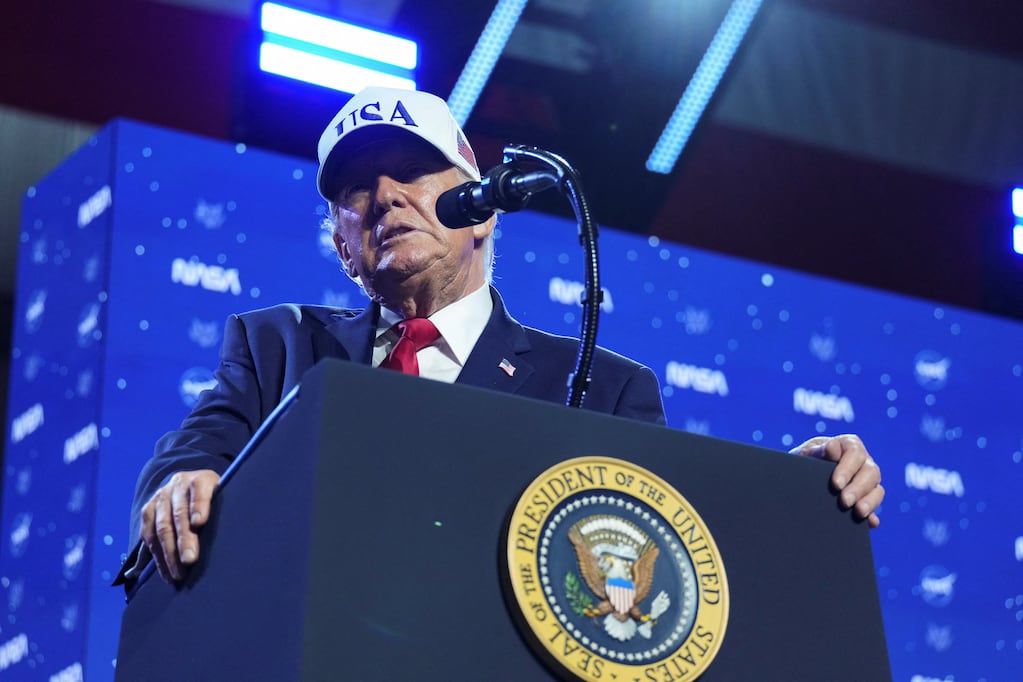
El presidente estadounidense, Donald Trump, admitió que su política de deportaciones masivas de inmigrantes fue “demasiado dura”. Lo dijo en una entrevista este domingo con la cadena CBS, cinco días después de la derrota de su partido republicano en las elecciones legislativas de mitad de mandato.
“Pienso que fue demasiado dura”, respondió el mandatario cuando se le preguntó sobre sus políticas hacia los inmigrantes, según apartes difundidos por la cadena en las redes sociales.
El número total de deportaciones de inmigrantes, en el segundo gobierno de Trump, asciende a unas 980.000 personas, según un informe del Migration Policy Institute. En los últimos cuatro meses se registró un récord de casi 200.000 arrestos.
El Partido Republicano sufrió una aplastante derrota en las elecciones de medio término cebebradas el martes pasado. La oposición demócrata logró hacerse con el control de ambas cámaras del Congreso.
Trump perdió el voto latino
El voto latino se convirtió en uno de los factores clave para la derrota de Trump en los comicios que condicionarán la última parte de su mandato.
La política migratoria, la guerra de Irán y su impacto negativo en la economía estadounidense, con el alza de precios de combustibles y productos esenciales, llevaron a la comunidad latina a inclinarse en su mayoría por los demócratas.
El respaldo republicano cayó 14 puntos en 64 condados de mayoría latina de Estados Unidos durante las elecciones del martes.
Este desplazamiento contribuyó a cambiar el mapa electoral en territorios donde Trump había ganado ampliamente en 2024 y que se tradujo en victorias demócratas en distritos que los republicanos habían rediseñado para ampliar su representación.
Entre los cambios más pronunciados figura el del condado de Hidalgo, en el valle del río Grande, Texas, donde el respaldo republicano cayó unos 25 puntos porcentuales respecto a las presidenciales de 2024.
En el vecino condado de Starr, el margen electoral se desplazó unos 72 puntos hacia los demócratas, el mayor giro registrado en el estado, según datos del Houston Chronicle.
El giro también se reflejó en las contiendas por la Cámara de Representantes. En el distrito 23 de Texas, que se extiende a lo largo de la frontera con México, la demócrata Katy Padilla Stout derrotó al republicano Brandon Herrera con el 52,1 % de los votos frente al 44 %.
inmigracion

David Sánchez lo tiene claro: ‘Si Marruecos tiene un estadio mejor que en España para la final, te fastidias y punto’

Trump’s proposed Russia deal raises NATO alarm as ex-commander warns Putin seeks influence over Europe

En Panamá buscan garantizar la protección social y el acceso a servicios de salud para pacientes con enfermedades raras

La foto de unidad, la multiplicidad de lecturas del mensaje y un desplante de Milei: lo que dejó el acto de León XIV en el Palacio Libertad

Juan Manuel Cerúndolo y Thiago Tirante debutaron con un triunfo en el ATP de Estocolmo

La oposición reivindicó el mensaje de unidad de León XIV, aunque cada sector puso el acento en sus propias demandas

El embajador de EEUU ratificó el apoyo de Trump a la Argentina tras la derrota republicana: “Nuestro compromiso es firme”

Santiago Peña renunció a la Presidencia de Paraguay por el escándalo del Ueno Bank

Intendentes reclaman al Gobierno una mejor distribución de los subsidios al transporte y amenazan con ir a la Corte Suprema

Una estrella mundial sorprendió al revelar su fanatismo extremo por Boca: el increíble pedido que le hizo su hijo al cumplir 18 años

 POLITICA3 días ago
El Ministerio de Economía pasó a disponibilidad a más de diez empleados de planta permanente
- INTERNACIONAL2 días ago
Artemis IV: los detalles de cómo será la misión de la NASA que busca llevar astronautas a la superficie lunar en 2028
- POLITICA3 días ago
Pedro Sánchez le respondió a Milei: “El insulto no forma parte de mi forma de entender la política. Ahí lo dejo”