INTERNACIONAL
After GOP’s brutal midterms, ‘Chuck Norris of Florida politics’ tells party to ‘get up and fight’

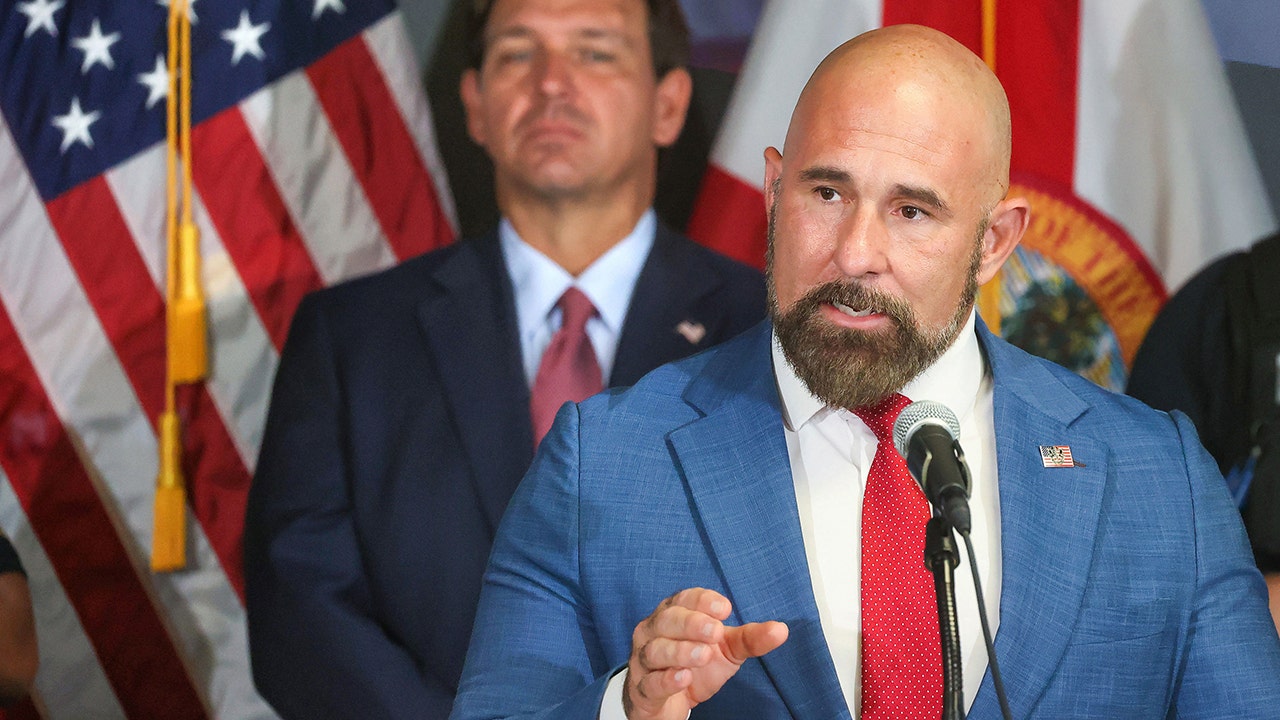
When an insurgent’s bullet shattered his arm in combat, Republican Florida Lt. Gov. Jay Collins did not wait around for an evacuation team; the Green Beret performed emergency surgery on himself to save the limb.
After the midterms that Gov. Ron DeSantis called a «near extinction-level» event for Republicans, Collins sees a national GOP lying bloodied on the field. He advises his battered and beaten party to show the same refusal to die, and get up like a warrior.
«Where we go from here is up to us as a Republican Party,» Collins, dubbed the «Chuck Norris of Florida politics» by DeSantis, told Digital in an interview just days after the midterm «bloodbath.»
«This can be a definitive death blow if we allow it to be, but I believe in what we stand for.» he continued. «I believe in our Constitution. I believe in our founding fathers’ vision. I believe that God blessed this nation. I think we have to knuckle down, learn, apply this, and we have come out with a relentless dedication and fury to focus on what matters: To lead our state, to lead our country, and be what we need to be for the American people. That is what we should choose to do.»
«Hard times happen. Warriors, leaders get up and fight. That’s what we have to do now.»
DESANTIS CALLS GOP MIDTERM LOSSES ‘EXTINCTION-LEVEL EVENT’ — AND EXPLAINS WHY FLORIDA SURVIVED
The metaphor is not subtle. It is a road map, set forth by DeSantis’ two four-year terms – the last year of which was supplemented by Collins as his No. 2.
HUGH HEWITT: THE GOP IS WOUNDED, NOT DEAD — BUT RECOVERY HAS TO START NOW
Collins said his home state’s recent history of going from a purple state to a GOP stronghold is an example the rest of the country can follow.
«Florida’s been the road map,» he said. «I think we’ve been what I call the conservative proving grounds. I think that it’s time for many here in Florida to use our voice and to be out there and help our party get back on their feet. Be resilient. Yeah, man, you got popped. You got hurt. Get back up, dust it off, and let’s go lead. Let’s learn.»
While congressional Republicans scramble to assign blame for a devastating cycle of national losses – including the loss of Texas to Democrats – Florida has positioned itself as the country’s preeminent conservative fortress, now the largest red state on the 2028 map.
«Losing sucks, winning is awesome: Let’s get back to more winning,» he said. «We’ve just got to figure out how we’re going to do that, and that’s achievable. I think Florida is a blueprint. I think we have a responsibility to lead.»
DAVID MARCUS: HOW ASHLEY MOODY SURVIVED THE BLUE TSUNAMI AND EMERGED AS A GOP STAR
Under DeSantis, Florida shed its long-held «purple» swing-state identity to become the nation’s largest, most disciplined red bastion. Collins looked back on how he pulled in the no party affiliated voters (NPAs), the valued middle that can flip races and states, in his state Senate race before being tapped to serve under DeSantis.
«Republicans showed up, but the NPAs showed up and they overwhelmingly did not align with Republicans,» Collins said, admitting that even Florida’s heavy Republican registered voter edge led to slim margins in the tough midterm environment. «What does that tell us? Well, the biggest gap we had was that we didn’t spend enough time communicating to our NPAs.»
Collins pointed back to how he won a Tampa race in a district «that is not a conservative juggernaut in terms of Florida,» running against the Tampa mayor’s mother-in-law.
«This was my very first race,» he recalled. «We didn’t talk to a single Republican out there. We only knocked NPA’s and light D’s, and we won by 10. What does that tell you? In a community like Tampa, I didn’t hide from my views. I told people I’m conservative, I’m a Republican.»
JASON CHAFFETZ: FIVE TIMELESS POLITICAL LESSONS THAT GOT LOST IN 2026
«What I realized is if you’re honest with people, you agree on more than you don’t, but you have got to be willing to step in there and have that conversation,» he said. «And we did that over and over and again. And we built a base of people who trust us, because I don’t play games.»
«As a party, we need to go back to being the party that welcomes folks in – a little bit more of a big tent – but we have to stand on our conservative values,» he added.
Collins is termed out of office along with DeSantis in January, but he will evaluate his future in the state or the national party apparatus. For now, he is committing to nothing and merely saying, «Stay tuned.»
TREY GOWDY: THE MIDTERMS WERE A PAINFUL LESSON THAT REPUBLICANS CAN’T SKIP LEARNING
Regardless of candidate or party, Collins goes back to his military background and having risked his life and literally sacrificed limb for unity.
«I wore a flag on my shoulder every single day that I served in uniform,» he said. «I wore the flag on my suit, really every single day that I was out there, serving in our state or serving our nation in any way that I could. We’re the American people; we are blessed.»
Once the party picks its 2028 candidate, Republicans need to be all-in against the opposition, Collins said.
«We have to row the boat,» he said. «Sept. 11 was a big day in our life. Sept. 12 was incredible because we saw the power and the might of what America can be. When we rowed the boat, our enemy was fearful. They were on their heels because they saw an absolute juggernaut standing righteously to defend our people and our way of life. What our enemy fears, what other nations fear is Americans coming together.»
TRUMP-BACKED BYRON DONALDS TO MAKE HISTORY AS FLORIDA’S FIRST BLACK GOVERNOR
«We have to come together and realize that our nation is blessed,» he continued. «It will fall if we don’t come together. But it won’t happen if we don’t start uniting and remind ourselves that this is America, we’re allies, internal in our country, and we’re going to make sure that it’s the greatest country moving forward. America’s worth fighting for.»
«We need to focus on getting through this, the aftermath of this cycle, wrap it up, transition, and make sure that we understand exactly what happened,» he concluded. «You know, when we started the war on terror, and I was a young soldier, we spent two years trying to fight the last war. It wasn’t very great, to be honest with you.
«Let’s not fight the last war. Let’s understand the operational environment. Let’s under our gaps. Our weaknesses and how we can clearly address those. And then we’re going to have to move with a righteous fury.»
politics, florida, ron desantis, midterm elections, republicans











INTERNACIONAL
Tras la derrota en las elecciones de medio término, Trump admitió que su política migratoria fue “demasiado dura”
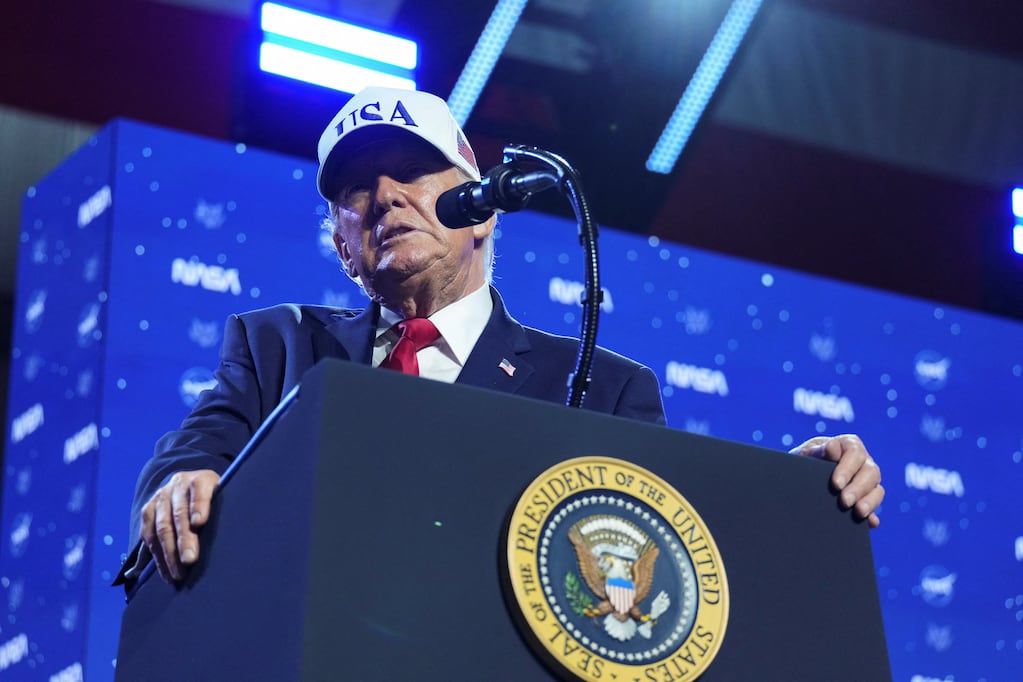
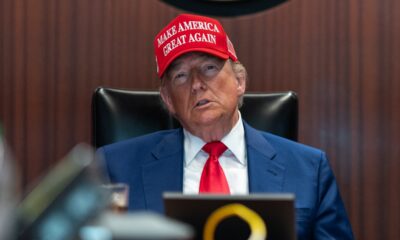
El presidente estadounidense, Donald Trump, admitió que su política de deportaciones masivas de inmigrantes fue “demasiado dura”. Lo dijo en una entrevista este domingo con la cadena CBS, cinco días después de la derrota de su partido republicano en las elecciones legislativas de mitad de mandato.
“Pienso que fue demasiado dura”, respondió el mandatario cuando se le preguntó sobre sus políticas hacia los inmigrantes, según apartes difundidos por la cadena en las redes sociales.
El número total de deportaciones de inmigrantes, en el segundo gobierno de Trump, asciende a unas 980.000 personas, según un informe del Migration Policy Institute. En los últimos cuatro meses se registró un récord de casi 200.000 arrestos.
El Partido Republicano sufrió una aplastante derrota en las elecciones de medio término cebebradas el martes pasado. La oposición demócrata logró hacerse con el control de ambas cámaras del Congreso.
Trump perdió el voto latino
El voto latino se convirtió en uno de los factores clave para la derrota de Trump en los comicios que condicionarán la última parte de su mandato.
La política migratoria, la guerra de Irán y su impacto negativo en la economía estadounidense, con el alza de precios de combustibles y productos esenciales, llevaron a la comunidad latina a inclinarse en su mayoría por los demócratas.
El respaldo republicano cayó 14 puntos en 64 condados de mayoría latina de Estados Unidos durante las elecciones del martes.
Este desplazamiento contribuyó a cambiar el mapa electoral en territorios donde Trump había ganado ampliamente en 2024 y que se tradujo en victorias demócratas en distritos que los republicanos habían rediseñado para ampliar su representación.
Entre los cambios más pronunciados figura el del condado de Hidalgo, en el valle del río Grande, Texas, donde el respaldo republicano cayó unos 25 puntos porcentuales respecto a las presidenciales de 2024.
En el vecino condado de Starr, el margen electoral se desplazó unos 72 puntos hacia los demócratas, el mayor giro registrado en el estado, según datos del Houston Chronicle.
El giro también se reflejó en las contiendas por la Cámara de Representantes. En el distrito 23 de Texas, que se extiende a lo largo de la frontera con México, la demócrata Katy Padilla Stout derrotó al republicano Brandon Herrera con el 52,1 % de los votos frente al 44 %.
inmigracion
INTERNACIONAL
De los contenedores de banano a las entregas en alta mar: así evolucionaron los métodos del narcotráfico desde Ecuador

El narcotráfico internacional ha transformado sus mecanismos para movilizar cocaína desde Ecuador, uno de los principales puntos de tránsito de esta droga en América Latina. Las organizaciones criminales han pasado de utilizar principalmente embarcaciones clandestinas y contenedores contaminados a desarrollar estructuras logísticas más complejas, que incluyen empresas de fachada, compartimentos ocultos en mercancías, entregas en alta mar y redes de corrupción que operan en distintos eslabones del comercio internacional.
La evolución de estos métodos aparece documentada en informes de organismos internacionales y en investigaciones policiales realizadas durante los últimos años. Lejos de sustituir completamente las modalidades tradicionales, las organizaciones han incorporado nuevas técnicas que funcionan de manera simultánea y les permiten diversificar las rutas, los puntos de salida y los mecanismos de ocultamiento.
Según la información de la Junta Internacional de Fiscalización de Estupefacientes (JIFE), publicada en su informe anual de 2025, difundido en febrero de 2026, las autoridades ecuatorianas han identificado cambios en las estrategias utilizadas para introducir sustancias ilícitas en los circuitos comerciales. Entre ellas figuran el ocultamiento dentro de mercancías legales, la utilización de estructuras modificadas y las operaciones marítimas coordinadas mediante dispositivos de localización.
Durante años, uno de los principales mecanismos consistió en contaminar contenedores destinados a la exportación, especialmente aquellos que transportaban banano. En estas operaciones, los traficantes introducen paquetes de cocaína entre productos legítimos o en espacios de las unidades de carga, aprovechando el movimiento constante de mercancías desde los puertos ecuatorianos hacia los mercados internacionales.
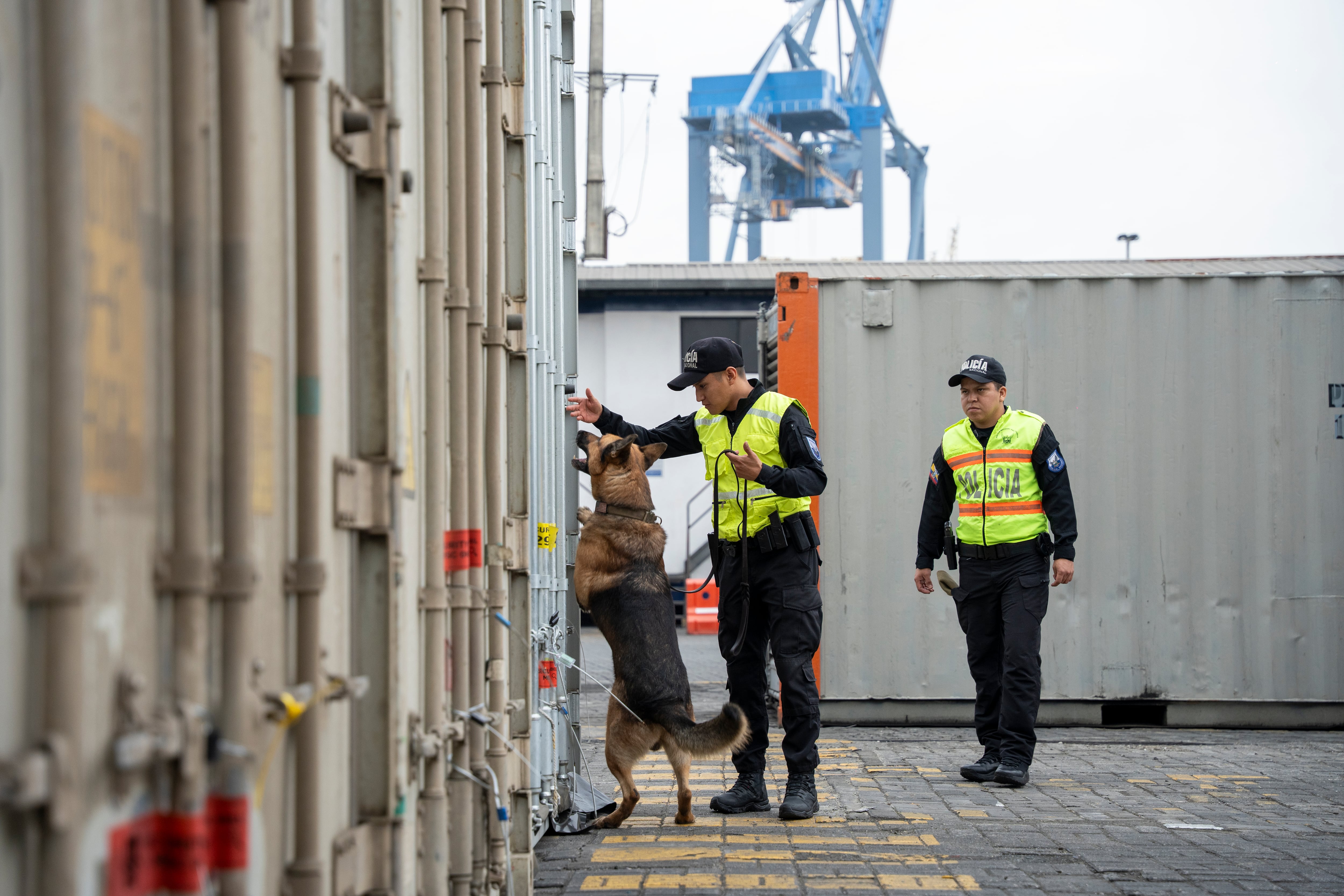
Sin embargo, las investigaciones recientes evidencian que la intervención criminal puede producirse en diferentes momentos de la cadena logística, incluso antes de que los contenedores ingresen a las terminales portuarias. Un informe de la Oficina de Naciones Unidas contra la Droga y el Delito (UNODC), difundido en 2026, identifica modalidades de alteración y sustitución de mercancías durante el transporte terrestre hacia los puertos.
Este mecanismo representa un desafío adicional para las investigaciones, debido a que la presencia de droga en un cargamento no implica necesariamente la participación de la empresa exportadora. Las autoridades deben determinar en qué momento se produjo la contaminación, quién tenía acceso a la mercancía y qué personas participaron en la operación.
La magnitud de estas estructuras quedó expuesta en octubre de 2024, cuando las autoridades españolas decomisaron 13 toneladas de cocaína procedentes de Ecuador en el puerto de Algeciras. La droga estaba oculta en un cargamento comercial de banano y constituyó el mayor decomiso de cocaína registrado hasta entonces en España.
El caso permitió examinar las conexiones entre empresas exportadoras, operadores comerciales e intermediarios vinculados con el transporte internacional de mercancías. También evidenció la capacidad de las organizaciones para movilizar cargamentos de gran volumen mediante operaciones que, documentalmente, podían presentarse como actividades comerciales ordinarias.
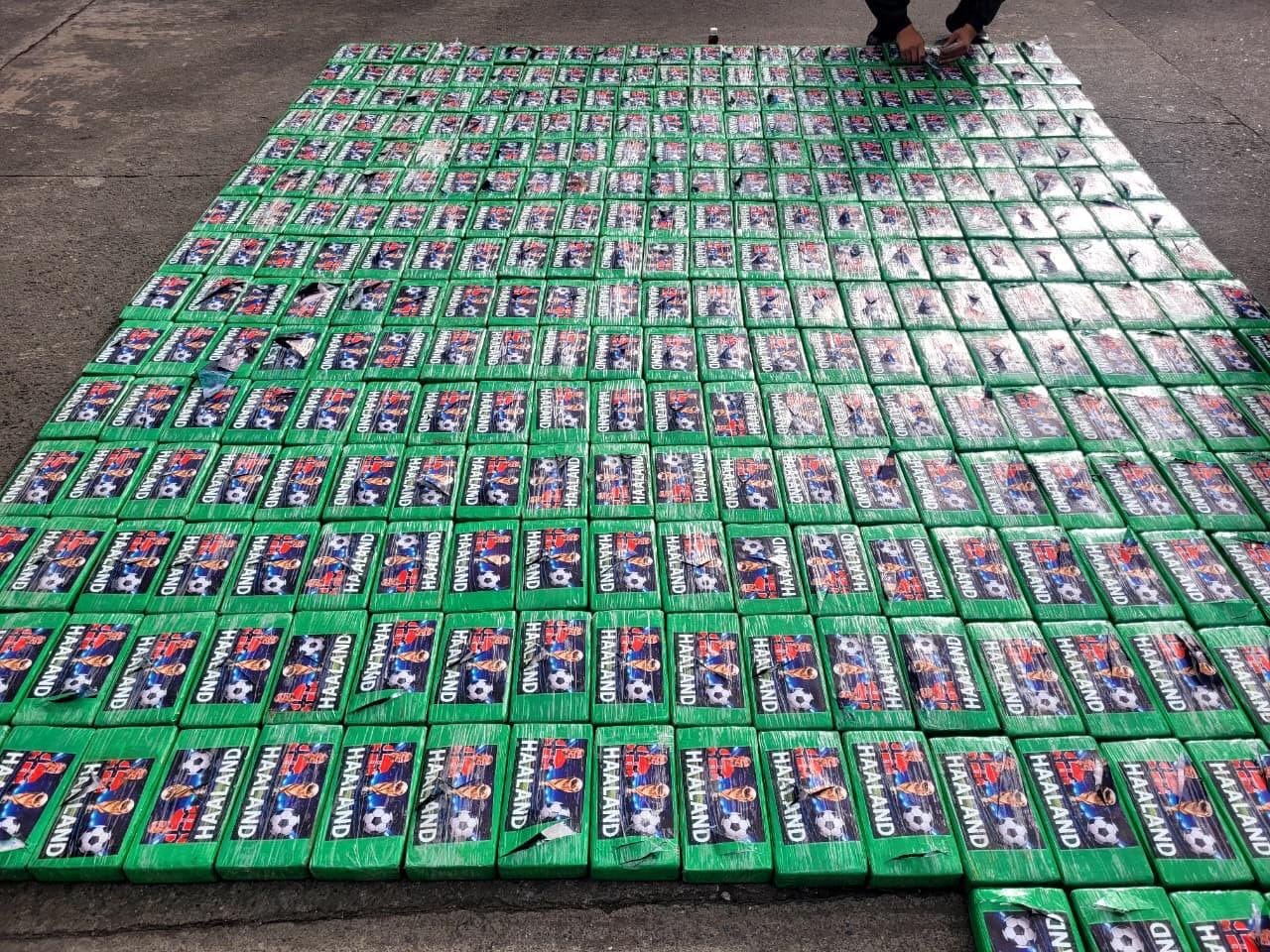
Otro ejemplo se produjo en mayo de 2026, cuando el Ministerio del Interior ecuatoriano informó sobre la operación Jaguar, desarrollada después de dos años de investigaciones. Las autoridades anunciaron la detención de siete personas presuntamente vinculadas con una estructura dedicada al tráfico internacional de cocaína mediante contenedores de exportación. Entre los detenidos figuraba un exgerente de una empresa exportadora de banano, identificado por los investigadores como presunto cabecilla de la organización.
La infiltración de las cadenas comerciales constituye una preocupación internacional. Según un informe de la Organización Mundial de Aduanas (OMA), publicado en julio de 2025, el 68% de las detecciones de drogas examinadas en cadenas de transporte marítimo presentaba algún grado de participación de personal interno. El estudio analizó más de 2.600 incautaciones a escala mundial, equivalentes a unas 1.347 toneladas de sustancias ilícitas.
Aunque estas cifras no corresponden exclusivamente a Ecuador, muestran la importancia que ha adquirido el acceso a instalaciones, información y procedimientos logísticos para las organizaciones criminales. La participación de trabajadores o colaboradores dentro de la cadena de transporte puede facilitar la manipulación de contenedores y la recuperación de cargamentos en los países de destino.
Paralelamente, las organizaciones han desarrollado mecanismos que buscan reducir su dependencia de las terminales portuarias. Entre las modalidades identificadas por la inteligencia policial ecuatoriana figuran las entregas de droga en alta mar, mediante operaciones coordinadas entre embarcaciones y apoyadas en sistemas de geolocalización.
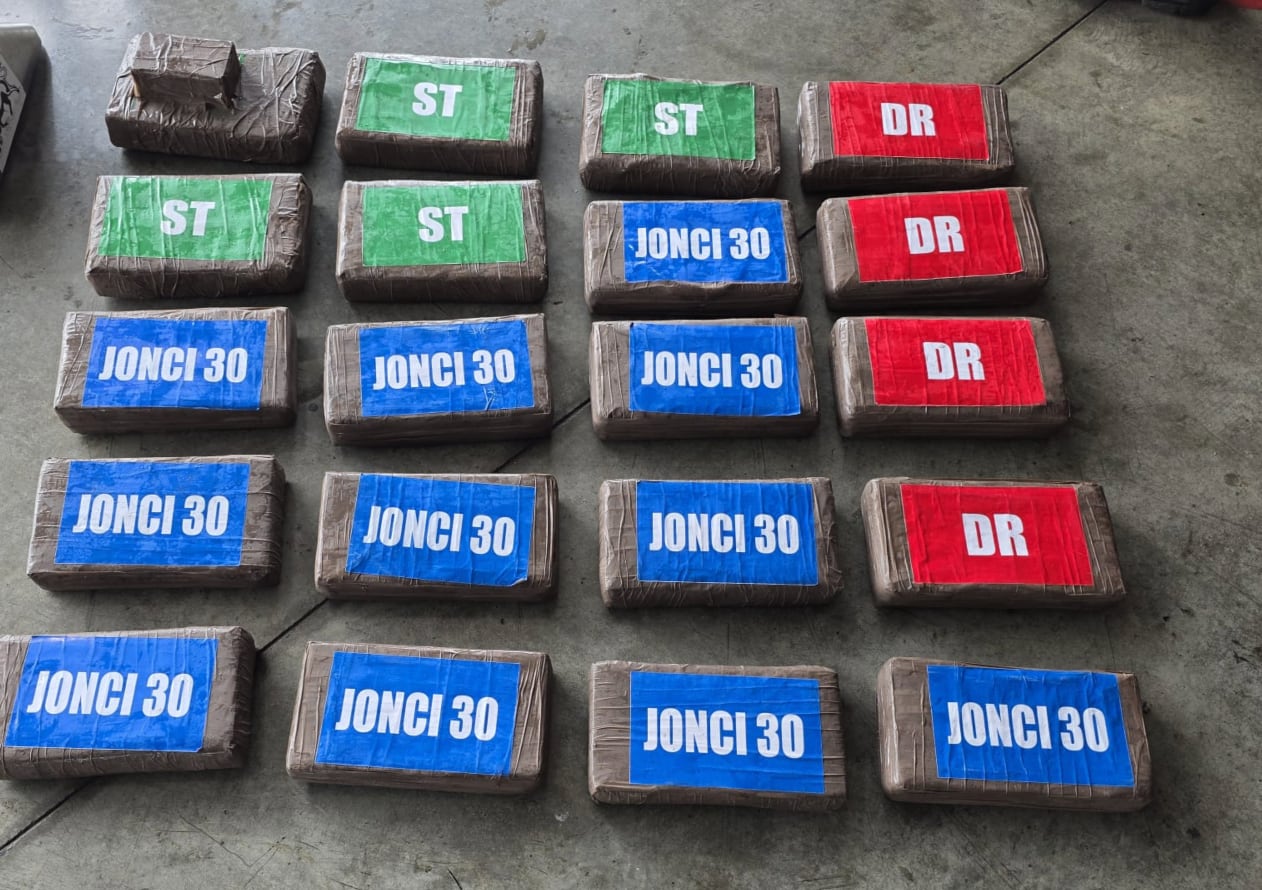
Las rutas marítimas tradicionales también continúan activas. En agosto de 2026, el Departamento del Tesoro de Estados Unidos anunció sanciones contra 15 objetivos radicados en Ecuador e identificó diez embarcaciones como bienes bloqueados. Según las autoridades estadounidenses, una red vinculada con empresas pesqueras habría facilitado el traslado de cocaína por el Pacífico oriental hacia México.
Las investigaciones muestran que las organizaciones pueden aprovechar actividades económicas legales para proporcionar cobertura a operaciones ilícitas. En estos casos, las empresas y embarcaciones investigadas forman parte de estructuras que, de acuerdo con las autoridades, permiten conectar puntos de salida, intermediarios y receptores internacionales.
La diversificación también alcanza los destinos. En julio de 2026, la Policía ecuatoriana encontró 64 kilogramos de cocaína en un contenedor de banano destinado a Shanghái, China. Los paquetes habían sido acondicionados con materiales que, según los investigadores, buscaban dificultar su identificación durante las inspecciones.
El hallazgo evidenció la utilización de rutas comerciales hacia Asia, aunque las autoridades no han establecido públicamente qué proporción del tráfico procedente de Ecuador corresponde a ese mercado.
En Europa, las investigaciones recientes también han permitido identificar estructuras transnacionales. En octubre de 2026, Europol anunció los resultados de la operación Cantabria, desarrollada contra una red que utilizaba el comercio de frutas tropicales para introducir cocaína en el continente.
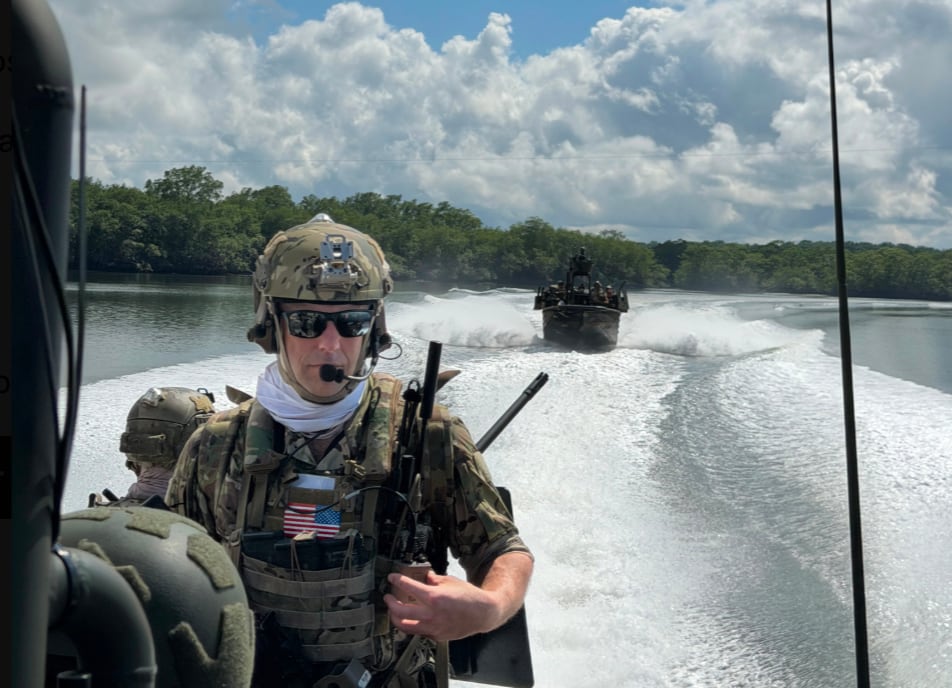
De acuerdo con la agencia europea, las investigaciones permitieron relacionar a la organización con más de 43 toneladas de cocaína incautadas en 13 operaciones realizadas entre 2022 y 2026. Europol informó de 20 detenciones durante la jornada del 8 de octubre, mientras que el Ministerio del Interior ecuatoriano comunicó 21 capturas.
Estos procedimientos reflejan la dimensión internacional de las estructuras investigadas, que involucran a personas y empresas en países de origen, tránsito y destino.
Las estadísticas nacionales también permiten dimensionar el fenómeno. Según el informe de la JIFE, Ecuador registró aproximadamente 294 toneladas de drogas incautadas durante 2024, de las cuales 259,6 toneladas correspondieron a clorhidrato de cocaína. Para 2025, los balances oficiales recogidos por la prensa ecuatoriana situaron las incautaciones totales alrededor de 214 toneladas.
La reducción de los decomisos no demuestra por sí sola una disminución del tráfico, debido a que las cifras pueden variar por cambios en los mecanismos de detección, las rutas utilizadas y los resultados de las operaciones policiales.

El análisis de InSight Crime, por ejemplo, identificó un incremento de las incautaciones de cocaína realizadas en alta mar o en operaciones internacionales vinculadas con Ecuador, que pasaron de 99,4 toneladas en 2024 a 124 toneladas en 2025, según los criterios empleados por esa organización.
En conjunto, los informes y procedimientos policiales documentan una transformación de los mecanismos del narcotráfico desde Ecuador, caracterizada por la coexistencia de rutas clandestinas, contaminación de exportaciones, utilización de estructuras empresariales y operaciones marítimas cada vez más diversificadas.
Para las autoridades ecuatorianas y sus contrapartes internacionales, las investigaciones abarcan ahora no solamente la detección de cocaína en puertos y embarcaciones, sino también la identificación de las personas, empresas y conexiones logísticas que intervienen en su traslado desde los puntos de acopio hasta los mercados de destino.
corresponsal:Desde Quito
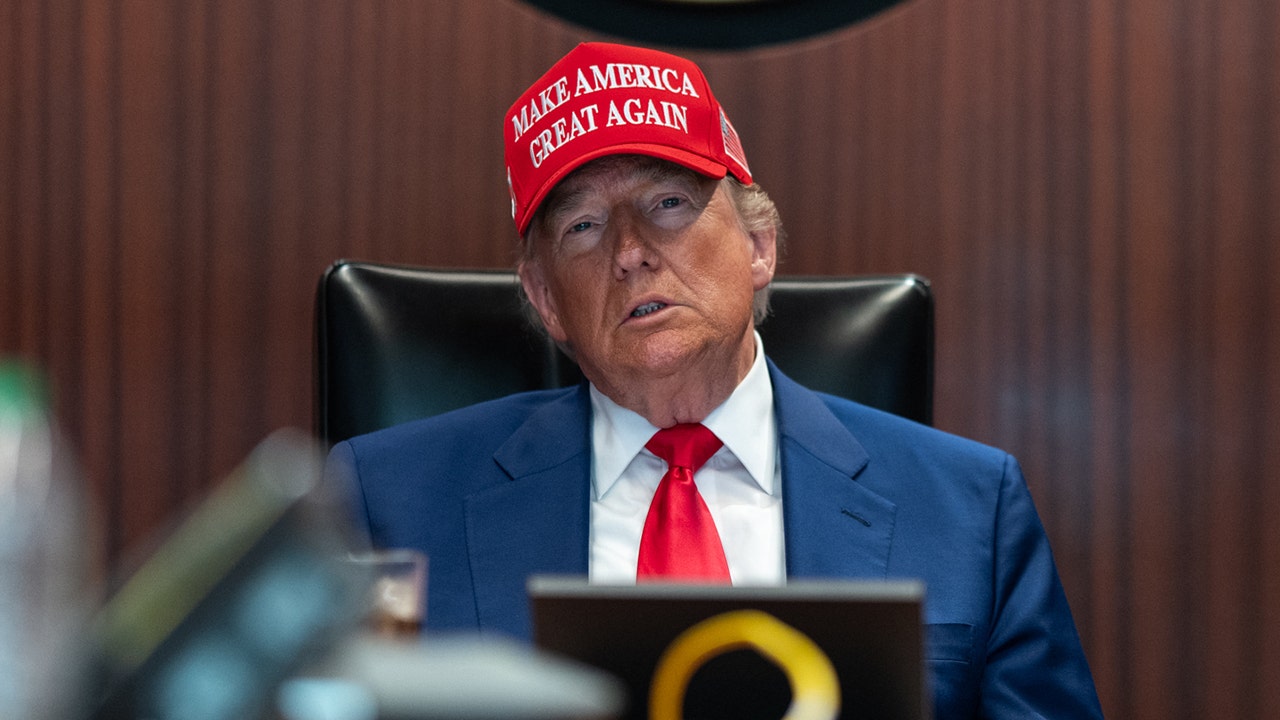
JERUSALEM — With Iran’s missing-in-action Supreme Leader Ayatollah Mojtaba Khamenei taunting Americans about the «collapse» of the U.S. after the midterm elections, the White House and Middle East experts argue President Donald Trump is positioned to defeat the remnants of the rogue regime.
The remaining two years of Trump’s Iran policy have profound implications for his legacy and could lay the foundation for a new Middle East devoid of the region’s worst state sponsor of terrorism, the Islamic Republic of Iran, should Trump pursue new military actions to dislodge Khamenei’s regime, according to experts.
Khamenei, who has not been seen in public since a joint U.S.-Israel airstrike killed his father, former Supreme Leader Ali Khamenei, and members of his family, boasted on X following the Republican defeat in the midterms: «The process of the US’s collapse has accelerated.»
IRAN TAKES A VICTORY LAP OVER STUNNING US ELECTION RESULTS, CLAIMS ‘COLLAPSE HAS ACCELERATED’
The radical Islamist clerical ruler’s braggadocio was met with tough statements from the White House and leading Middle East experts on Iran’s theocratic state.
A White House spokesperson told Digital, «The United States is in a very strong position with control of the Strait of Hormuz and the Iranian economy collapsing. Iran has been decimated, and things will go one of two ways; the easy way or the hard way. President Trump holds all the cards and will do whatever is best for the United States.»
TRUMP REVIVES IRAN REGIME CHANGE SPECULATION WITH CRYPTIC CALL FOR PEOPLE TO ‘RISE UP’
The spokesperson added, «Only President Trump knows what he will do and when.»
The Islamic Republic ramped up its bellicose anti-American and anti-Western rhetoric and activities over the last week. Tehran presented a «Trump in a Cage» exhibit with a mock execution of Trump to coincide with the regime’s anniversary of its illegal seizure of the U.S. Embassy and kidnapping of its personnel on Nov. 4, 1979.
TRUMP CALLS IRAN CONFLICT A ‘SOFT WAR,’ INSISTS US HOLDS THE CARDS AHEAD OF MIDTERM ELECTIONS
The ayatollahs did not restrict their jingoism to the U.S. An AI-generated video published by state-controlled Iranian media outlets shows the spokesperson of the headquarters of the Islamic Republic of Iran Armed Forces threatening Western Europe.
«We are not like you,» the spokesperson said. «Iran does not harm innocents. You are not our enemy. But anyone, anywhere in Europe, who assists America in harming our women and children is our enemy, and we will punish them.»
The video features military targets in France, Germany and Britain.
Navid Mohebbi, who worked as a Persian media analyst for the State Department’s Public Affairs Bureau, told Digital that Mohsen Rezaei, secretary of Iran’s Supreme National Security Council, went so far as to claim that Iran had inflicted a political defeat on Trump in Washington, in addition to its supposed victories on the battlefield and in the Strait of Hormuz.
«Parliament Speaker Mohammad Bagher Ghalibaf similarly portrayed the election results as an American rejection of the war,» Mohebbi said.
TRUMP CAN’T LET IRAN TURN A MILITARY DEFEAT TURN INTO A DIPLOMATIC VICTORY
He argued it was part of a broader psychological and political campaign.
«Tehran, along with commentators sympathetic to the regime in the United States, is trying to promote the wildly exaggerated narrative that confronting the Islamic Republic carries an unbearable electoral cost for American politicians,» Mohebbi said. «Evidence does not support the claim that the Iran war alone caused the Republican defeat. According to national exit polling, only 4% of voters identified foreign policy as the country’s single most important issue.»
The phrase «finish the job» has become synonymous with toppling the 47-year ironclad totalitarian rule of the Islamic Republic.
IRAN’S REGIME WON’T NEGOTIATE IN GOOD FAITH. TRUMP MUST BREAK ITS GRIP
«I believe President Trump should finish the job, because the fundamental threats posed by the Islamic Republic remain unresolved,» Mohebbi said, adding the nuclear file is far from closed.
«Iran’s highly enriched uranium stockpile remains unaccounted for under international verification, and the regime has retained the ability to rebuild elements of its ballistic missile program,» he said. «More importantly, its underlying strategic behavior and hostility toward the United States and its regional allies have not fundamentally changed.»
Former Pentagon official Simone Ledeen told the London-based Iran International news organization the Islamic Republic «needs to end» and the regime will never change its behavior. She called for support for Iran’s people on the ground and opposes putting American troops on the ground.
TRUMP IS DISMANTLING IRAN’S WAR MACHINE, BUT AMERICA STILL NEEDS AN ENDGAME
Veteran Iran observers and experts have noted Trump was the first U.S. leader not to kick the Iran nuclear weapons problem down the road. His decision to confront Iran’s illegal atomic weapons system was one of the most decisive foreign policy achievements of his administration, according to popular American commentators like Ben Shapiro.
Shapiro termed Trump’s Operation Epic Fury campaign against Iran «the single bravest foreign policy move of my lifetime.»
«What you’re watching him [Trump] do in Iran is not only unprecedented in terms of its political courage. I think that it is and has the potential to be a true game changer for America’s role in the world, not only for the next 10 or 20 years, but for the coming century,» Shapiro told Lara Trump on Fox News’ «My View» in March.
AFTER 47 YEARS OF CONFRONTING IRAN, DOES AMERICA HAVE A STRATEGY FOR ENDING THIS WAR?
Mohebbi said there is also a critical factor that Washington must understand: the Islamic Republic is attempting to wait out the Trump administration. Even if Trump were to negotiate the strongest possible agreement today, he believes Tehran would view it as a temporary arrangement rather than a permanent change in its strategic direction.
«The regime calculates that a future Democratic administration would not resort to military action against it,» he said. «Once Tehran believes the threat of military force is off the table, it will become even more defiant in its behavior and more brazen at the negotiating table.»
Another school of thought is to subcontract military actions to Israel against Iran’s regime.
IRAN REGIME CHANGE TALK RESURFACES AS TRUMP SAYS TEHRAN ‘WANTS TO MEET’ AMID US STRIKES
Mardo Soghom, an Iran expert who has written extensively about the Islamic Republic, told Digital that Tehran’s strategy has always been to wait out U.S. pressure.
«They were hoping to ride out the Trump administration’s pressures for two more years. Now they believe they have it,» Soghom said. «I think he should give full support to Israel to do the job and not interfere. The U.S. should continue to maintain its blockade of Iran and facilitate shipping from the Persian Gulf, but except hitting well-protected and highly dangerous targets, such as nuclear sites if needed, the U.S. should stay out of continuous attacks because its internal political situation is messed up.»
Soghom, who tracks Iranian regime media, added the Iranian state radio is celebrating the Democratic victory.
«Incidentally, 47 years ago today, the new Islamic regime in Tehran gave the green light to its supporters to attack and seize the U.S. embassy,» he said. «This election result will embolden them, and they’ll not be inclined to compromise with the Trump admin — or even a future Democrat. Like in most other things, Trump did not finish the job when he could.»
Jason Brodsky, policy director at United Against Nuclear Iran (UANI), told Digital that Iran sees the midterm election results as exacting a political cost from the Trump administration for launching Operation Epic Fury.
«It hopes these electoral losses will deter this and future administrations from launching military operations against Tehran over its aggression and terrorism,» Brodsky said, adding that at the same time, Iranian decision-makers are likely eyeing Trump warily.
«President Trump has proven unpredictable and, with over two years left in office, that is a lot of time for the U.S. to continue to damage the Iranian regime,» Brodsky said.
He noted that while Congress can complicate and raise objections, historically, without a veto-proof majority, it retains limited options for checking executive branch operations in this space.
«The 2006 midterm elections are instructive here, where, despite the prevailing anti-war sentiment at the time, President Bush still authorized a surge in the Iraq War,» Brodsky said.
politics, war with iran, iran, donald trump, middle east foreign policy, foreign policy

El papa León XIV recordó a Francisco en su primer discurso en la Argentina: “Vengo a la patria donde él comenzó la historia”

Tras la derrota en las elecciones de medio término, Trump admitió que su política migratoria fue “demasiado dura”

Jorge Macri le entregó las llaves de la ciudad de Buenos Aires al papa León XIV

Racing Club prepara una profunda limpieza en el plantel para el año que viene

Así fue el saludo entre Javier Milei y el papa León XIV en Aeroparque tras la llegada a la Argentina

Así recibió el presidente Javier Milei al papa León XIV a su arribo a Buenos Aires

El embajador de EEUU ratificó el apoyo de Trump a la Argentina tras la derrota republicana: “Nuestro compromiso es firme”

Santiago Peña renunció a la Presidencia de Paraguay por el escándalo del Ueno Bank

Intendentes reclaman al Gobierno una mejor distribución de los subsidios al transporte y amenazan con ir a la Corte Suprema

Una estrella mundial sorprendió al revelar su fanatismo extremo por Boca: el increíble pedido que le hizo su hijo al cumplir 18 años

 POLITICA3 días ago
El Ministerio de Economía pasó a disponibilidad a más de diez empleados de planta permanente
- INTERNACIONAL2 días ago
Artemis IV: los detalles de cómo será la misión de la NASA que busca llevar astronautas a la superficie lunar en 2028
- POLITICA3 días ago
Pedro Sánchez le respondió a Milei: “El insulto no forma parte de mi forma de entender la política. Ahí lo dejo”