INTERNACIONAL
Inside Senate GOP’s tense post-election reckoning as Thune clashes with Republican critics

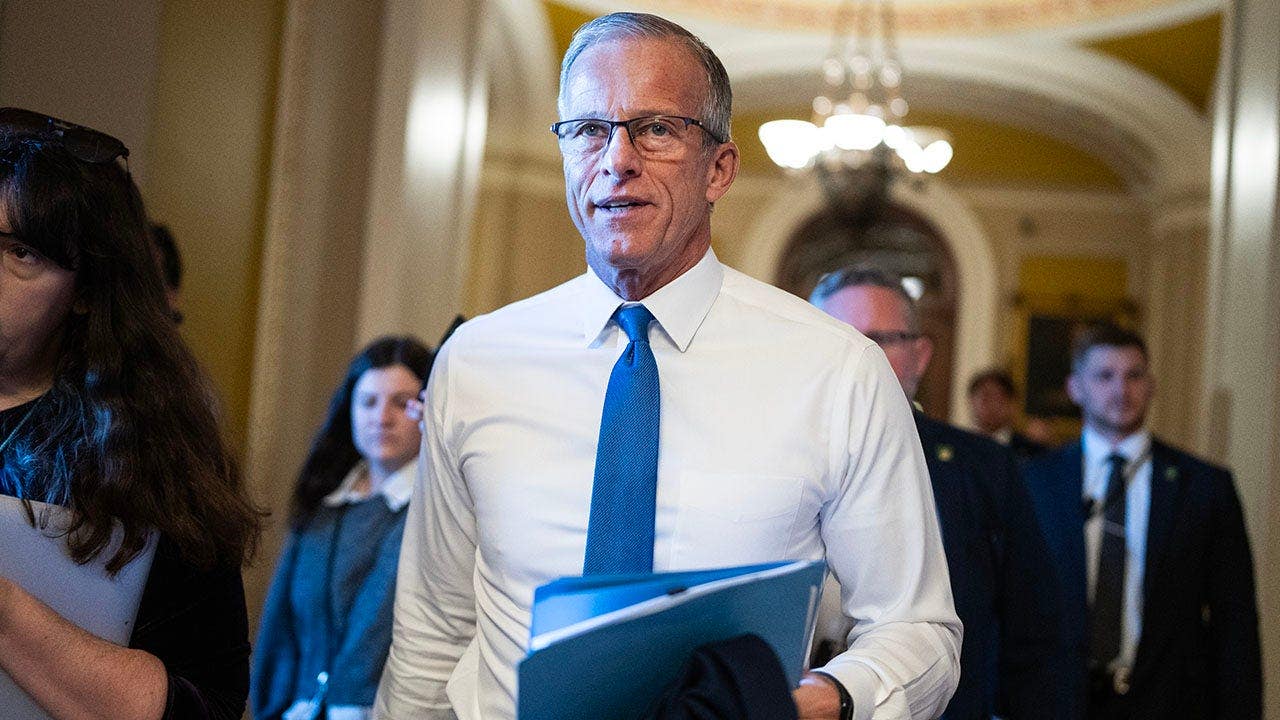
Senate Republicans huddled for hours on end to define their remaining time in power and determine if the leadership they had backed so far was the right choice moving forward into a new era in Washington, D.C.
Some closed-door meetings over the last nearly two years Republicans have controlled the Senate have been animated, with policy pitches devolving into shouting matches — President Donald Trump and Sen. Bill Cassidy, R-La., infamously sparred over the Iran war earlier this year.
This confab, their first since Senate Minority Leader Chuck Schumer, D-N.Y., and Democrats roared back into the majority, was different. In part, it was meant to develop a plan that would carry them through the final weeks of this year — that was agreed upon during the meeting, but not without its own drama after the fact on who could lay claim to the GOP’s 54-day blitz.
SENATE GOP REBELLION FIZZLES AS THUNE KEEPS POWER DESPITE HISTORIC MIDTERM MASSACRE
It was also a test to see if Republicans wanted to keep Senate Majority Leader John Thune, R-S.D., as their leader, or delay until a challenger appeared.
But Republicans pushing for a delay acknowledged part of the problem: Who would want the job?
«I got the job because nobody else wants it,» Thune told Digital after the dust settled in the Old Senate Chamber.
And he did, along with much of the same leadership team that Senate Republicans elected when they won the majority two years ago, by acclamation, meaning no lawmaker objected to their leadership slate.
Some told Digital it was like «Festivus,» the holiday etched into Gen-Xers’ brains from «Seinfeld» known for its airing of grievances. Others described it as a frank, needed debrief as the GOP picks through the debris of Election Night.
GOP SENATOR WITHHOLDS SUPPORT FOR THUNE AS LEADERSHIP SHOWDOWN LOOMS
«It really was, to be honest with you, as profound as the loss was last week. I would have expected more emotions, which I consider to be a good sign,» Sen. Thom Tillis, R-N.C., told Digital. «But I think it’s almost — It’s self-governing because nobody can dispute that it’s a problem.»
«Now it’s not like you’re looking for the silver lining,» he continued. «It doesn’t exist. It is what it is, and you’ve got to react.»
But there were some «testy» moments, particularly between Thune and Sen. Ron Johnson, R-Wis., the driving force behind the push to delay leadership elections.
For Thune, the main question was what anyone else in the Senate GOP would have done differently in his shoes.
«I just think that you come through an election like this and everybody’s looking for scapegoats and there’s a lot of blame casting that goes on, and I just wanted to get up and basically defend what we had done and accomplished,» Thune said.
«And I think the operative question is, tell me what you would do differently? Both on the political side and the legislative side. So we had a good, we had a robust conversation, and it does. It always gets a little bit testy in the back and forth, but I thought that, by and large, the discussion was very candid, and certainly gave everybody an opportunity to be heard.»
CONGRESS RETURNS TO BRUTAL LAME-DUCK STRETCH WITH SHUTDOWN DEADLINE, LEADERSHIP RACES: ‘CLOSET IS FULL OF S—’
Johnson acknowledged that he was «prone to interrupting, I’m rude that way,» and told Digital that he was sure Thune was «not happy that I did that,» but assured that there was no «animus» between the two.
«In politics, everything has to be so black and white, and, unfortunately, for our base, the way to really rev them up is inter-conference fighting, which is not helpful,» Johnson said.
«So, again, I didn’t really like doing this, but it had to be done,» he continued. «I mean, we had to, and in the end, I think, resulted in a very, very good conversation and pretty well revealed we’re just lucky to have anybody who wants those jobs.»
Sen. Steve Daines, R-Mont., told Digital that Thune showed «moments of exceptional leadership» in the heat of the meeting.
He noted that the top Republican’s rebuttal reminded lawmakers of the «ebb and flow of the politics in our country,» dating back to 1986, when former President Ronald Reagan, then entering his final midterm election similar to Trump, lost eight seats in the upper chamber.
«Obama lost nine Senate seats in 2014, it looks like we’re going to lose eight, depending on what happens in Alaska,» Daines said. «So it’s within the kind of the historic norms of going back and forth.»
«And the leader forcefully laid that out and then talked about what he needed to do going forward to unify and eventually reclaim the majority,» he continued.
politics, senate, john thune, republicans elections, congress











INTERNACIONAL
El Camino del Tiempo: una nueva forma de hacer turismo en Guatemala que conectará tres municipios de Quiché con 14 kilómetros de senderos culturales
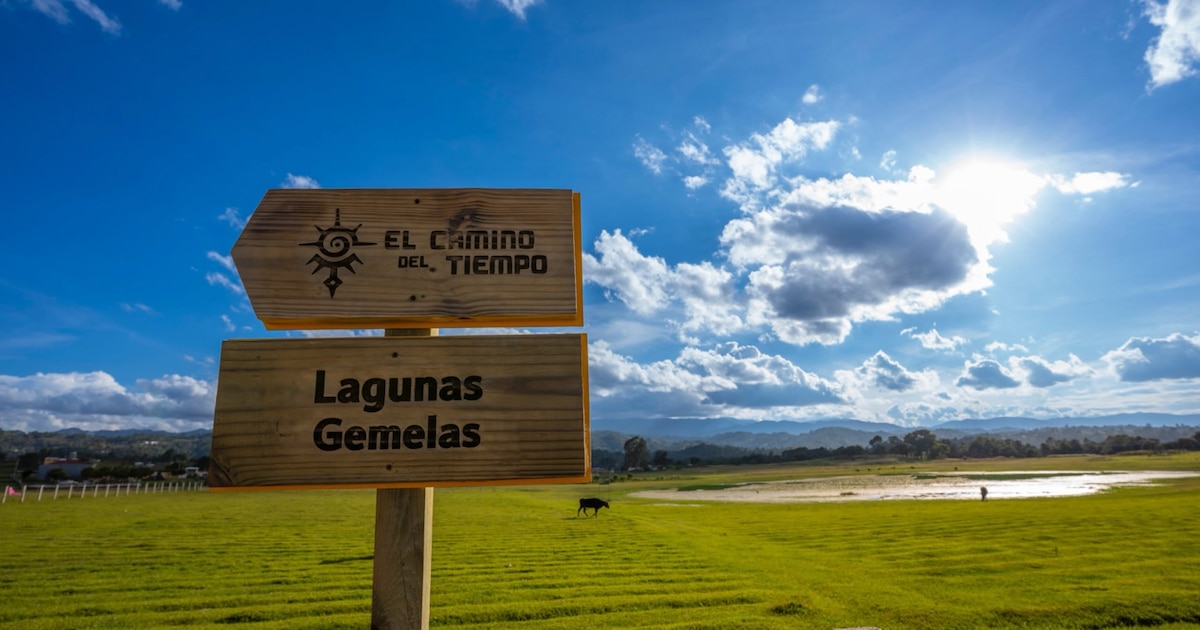
El Camino del Tiempo, una iniciativa comunitaria en las montañas de Quiché, articula a Chichicastenango, Santa Cruz del Quiché y Patzité mediante recorridos culturales y naturales que buscan generar empleo local, preservar el patrimonio maya k’iche’ y convertir a los habitantes en anfitriones de sus propios relatos. El proyecto avanza con el acompañamiento del Instituto Guatemalteco de Turismo (INGUAT) y, en su primera fase, prevé cerca de 14 kilómetros de senderos.
Los tres municipios reúnen cerca de 225.990 habitantes y forman parte de una propuesta que conecta sitios históricos, mercados, talleres artesanales, actividades rurales y espacios ceremoniales. El recorrido se encuentra en construcción y dependerá de acuerdos comunitarios, condiciones técnicas y servicios necesarios para habilitarlo.
Quiché recibió 47.338 visitantes internacionales en 2025 y para 2026 se proyecta la llegada de 49.889. El 93 % de los turistas no residentes pasa al menos una noche en el departamento, con una estadía promedio de 4,48 noches.
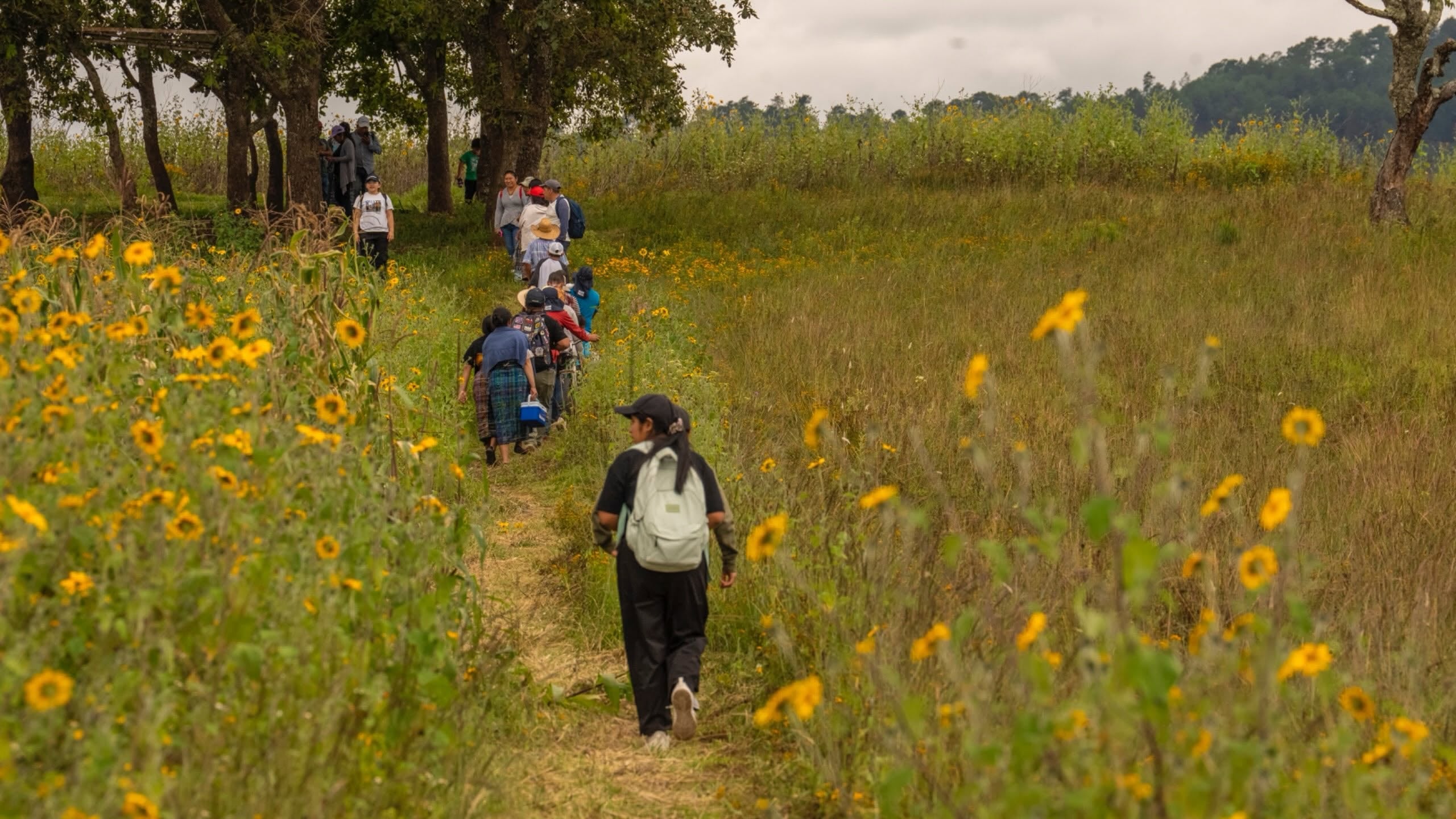
Senderos, artesanías y espacios sagrados del pueblo k’iche’
Las caminatas permitirán conocer la cultura viva del pueblo maya k’iche’ a través de senderos naturales, talleres de tejido, morerías donde se confeccionan máscaras y vestuarios para danzas tradicionales, mercados, producción artesanal y experiencias gastronómicas. El ingreso a centros ceremoniales y lugares sagrados deberá realizarse según las disposiciones de las autoridades y comunidades.
Chichicastenango integra su mercado tradicional, las iglesias de Santo Tomás y El Calvario, el Museo Regional, galerías de arte y talleres artesanales. También incorpora espacios de espiritualidad maya como el cerro Pascual Abaj, además de propuestas vinculadas con la gastronomía tradicional y el temascal, un baño de vapor de profundo significado cultural.
En Santa Cruz del Quiché, el trayecto reúne el sitio arqueológico Tinamit Q’u’ma’rkaj K’iche’, antigua capital del reino k’iche’, la laguna de Lemoa y el patrimonio arquitectónico local. Las comunidades ofrecen saberes sobre tejido tradicional, artesanías de palma, elaboración artesanal de chocolate, gastronomía y vida rural.
Los talleres familiares de tejido en jaspe y telares, el uso de plantas medicinales y las actividades agrícolas y ganaderas forman parte de las experiencias previstas. Entre los atractivos figuran la iglesia de la Virgen de Candelaria y un Centro Interpretativo Turístico en desarrollo, dedicado a la historia, la indumentaria, la vida cotidiana y la cosmovisión maya k’iche’, con contenidos relacionados con el Popol Wuj.
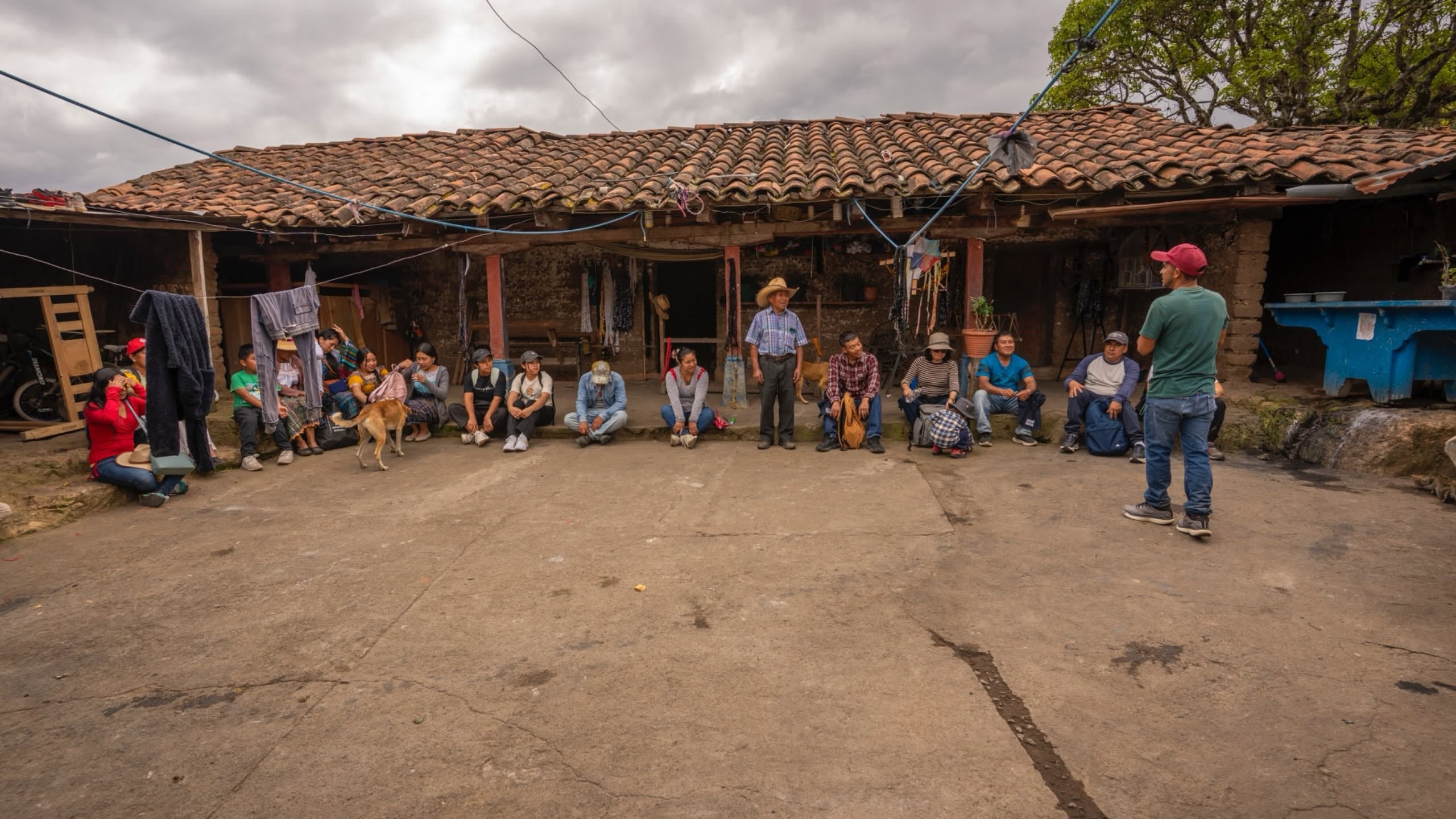
La participación local como condición del desarrollo turístico
El proyecto busca que los ingresos del turismo lleguen directamente a las comunidades mediante empleos, emprendimientos y nuevas fuentes de recursos para las familias. Mujeres que transmiten conocimientos de tejido, agricultores que comercializan productos, familias dedicadas a la gastronomía tradicional y jóvenes que se forman como anfitriones podrían participar en actividades de alimentación, hospedaje, guiado, artesanías y comercio local.
La conexión entre los municipios apunta también a fortalecer los vínculos comerciales entre productores y prestadores de servicios, ampliar las oportunidades para mujeres y jóvenes y distribuir de manera más equilibrada los recursos generados por la actividad turística.
Las autoridades indígenas y ancestrales, las municipalidades y las comunidades coordinan la identificación de senderos, el reconocimiento de espacios históricos y naturales, el diseño de experiencias y las condiciones para el funcionamiento futuro. De acuerdo con el Instituto Guatemalteco de Turismo, ya se realizaron capacitaciones para jóvenes y mujeres sobre atención al visitante, cultura turística, turismo comunitario y manejo de alimentos.
También se instaló señalización turística e interpretativa y áreas de descanso a lo largo del trayecto. El Museo Regional de Chichicastenango fue remozado, mientras continúa la creación del centro interpretativo de Patzité y la elaboración de un catálogo de experiencias con participación de anfitriones locales.
La protección de sitios sagrados, prácticas espirituales, conocimientos ancestrales y entorno natural ocupa un lugar central en el proyecto. La incorporación de estas expresiones dependerá del respeto, el consentimiento y las decisiones de las autoridades y comunidades maya k’iche’.
El plan contempla herramientas tecnológicas para compartir relatos históricos y contenidos en español, k’iche’ e inglés. Con El Camino del Tiempo se busca aumentar la llegada de turistas nacionales e internacionales, extender su permanencia y diversificar las actividades para ampliar la derrama económica entre comunidades, emprendimientos y prestadores locales.
El Camino del Tiempo,Lagunas Gemelas,señalización turística,senderismo,turismo rural
INTERNACIONAL
En un escenario de fragmentación geopolítica, León XIV consolida su liderazgo global con la gira por América Latina
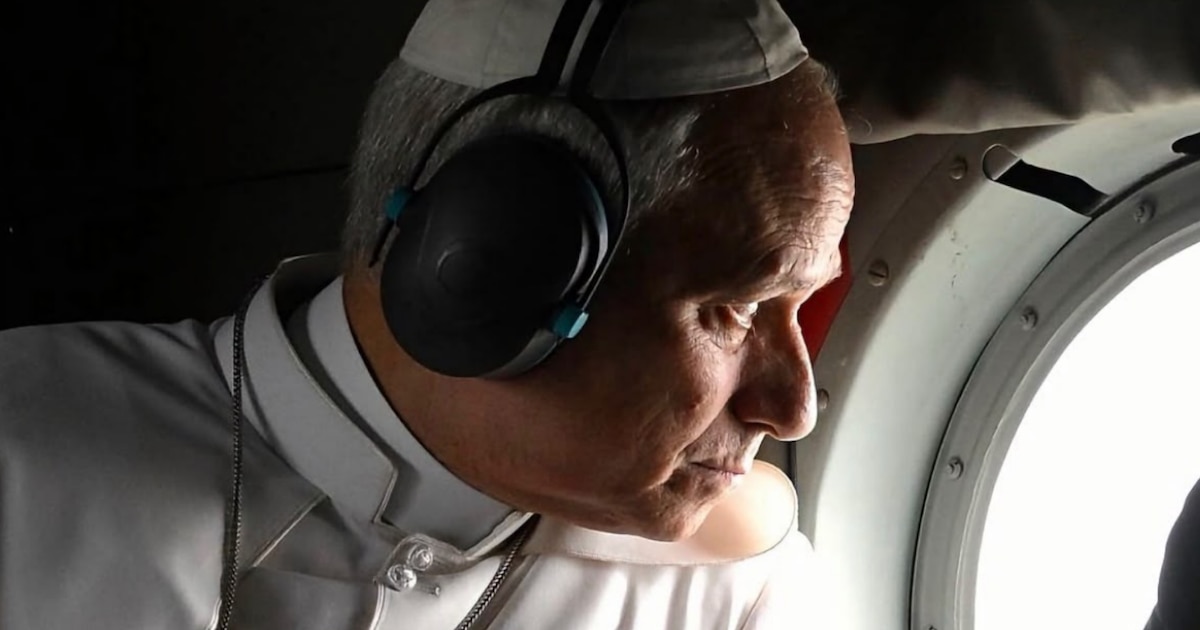
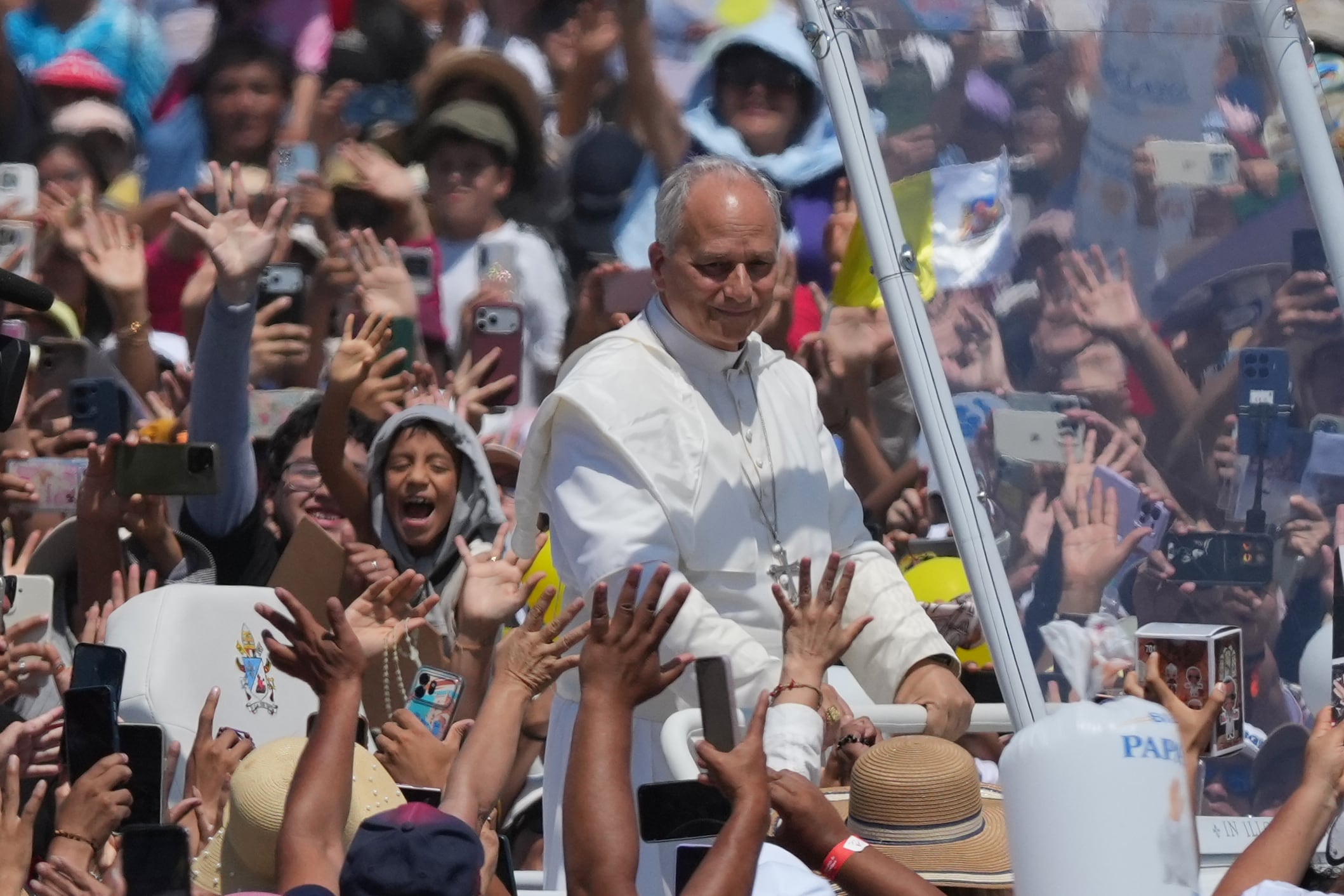
(Desde Cuzco, Perú) Una sucesión acontecimientos inesperados y expectativas cumplidas instaló definitivamente a Leon XIV en el centro del escenario internacional, tras su histórica gira por América Latina que hoy alcanza su apogeo frente a la Catedral de Cusco.
La derrota de Donald Trump en los comicios de medio termino, el epílogo de Benjamín Netanyahu en Israel y la presión constante de Xi Jinping para capturar posiciones a favor de China, definen al Papa como una firme variable de balance de poder.
No se trata de una esquema posible analizado en un laboratorio académico: con la gira a Uruguay, Argentina y Peru, Su Santidad demostró que tiene una propuesta a nivel mundial que es acompañada por millones de fieles.
León XIV movilizó a millones de feligreses en diez días de campaña pastoral, una repercusión popular que Trump, Xi y Netanyahu no están en condiciones de igualar.
El Papa une discurso global con respaldo popular, una ecuación que podría transformar al Vaticano en un mecanismo de disuasión diplomática frente a las actuales debilidades estructurales de las Naciones Unidas, la Casa Blanca, el G7, el G20, la OEA y la Unión Europea.
Fue inesperado que Trump perdiera tanto poder; era muy posible que la gira de León XIV impactará globalmente por su contenido social y su respaldo popular.
Trump se adueñó de las posibles soluciones para resolver la crisis en Medio Oriente, y propuso un mecanismo de guerra por capítulos junto a Netanyahu que tuvo escasos resultados frente a la resistencia táctica de Irán.
Entre el 27 de octubre y el 4 de noviembre, la situación de política doméstica varió en Estados Unidos e Israel. Trump y Netanyahu fueron derrotados en los comicios y su poder global se redujo a la mínima expresión. Ya no son un mecanismo de posible solución para Medio Oriente.
No es una anomalía diplomática que el Vaticano participe en las negociaciones de paz entre israel, la Liga Árabe e Irán. Francisco, antecesor de León XIV, lo hizo en silencio y fue efectivo.
Ahora, el Papa espera que se decante la situación electoral en Israel -aún no hay gobierno- y que Arabia Saudita, Emiratos y Qatar insinúen que el Vaticano puede actuar como fixer allí donde Trump y Netanyahu fracasaron.
Nadie promete resultados tangibles en Medio Oriente. Se trata de evitar que una guerra promovida desde Washington y Jerusalén sirva simplemente para ocultar que una nueva etapa histórica ya inició en Estados Unidos e Israel.
“Las guerras y tensiones que afligen a tantos pueblos reclaman una diplomacia paciente, que mantenga abierto el diálogo, respete el derecho internacional y busque acuerdos”, sostuvo el Papa en Lima.
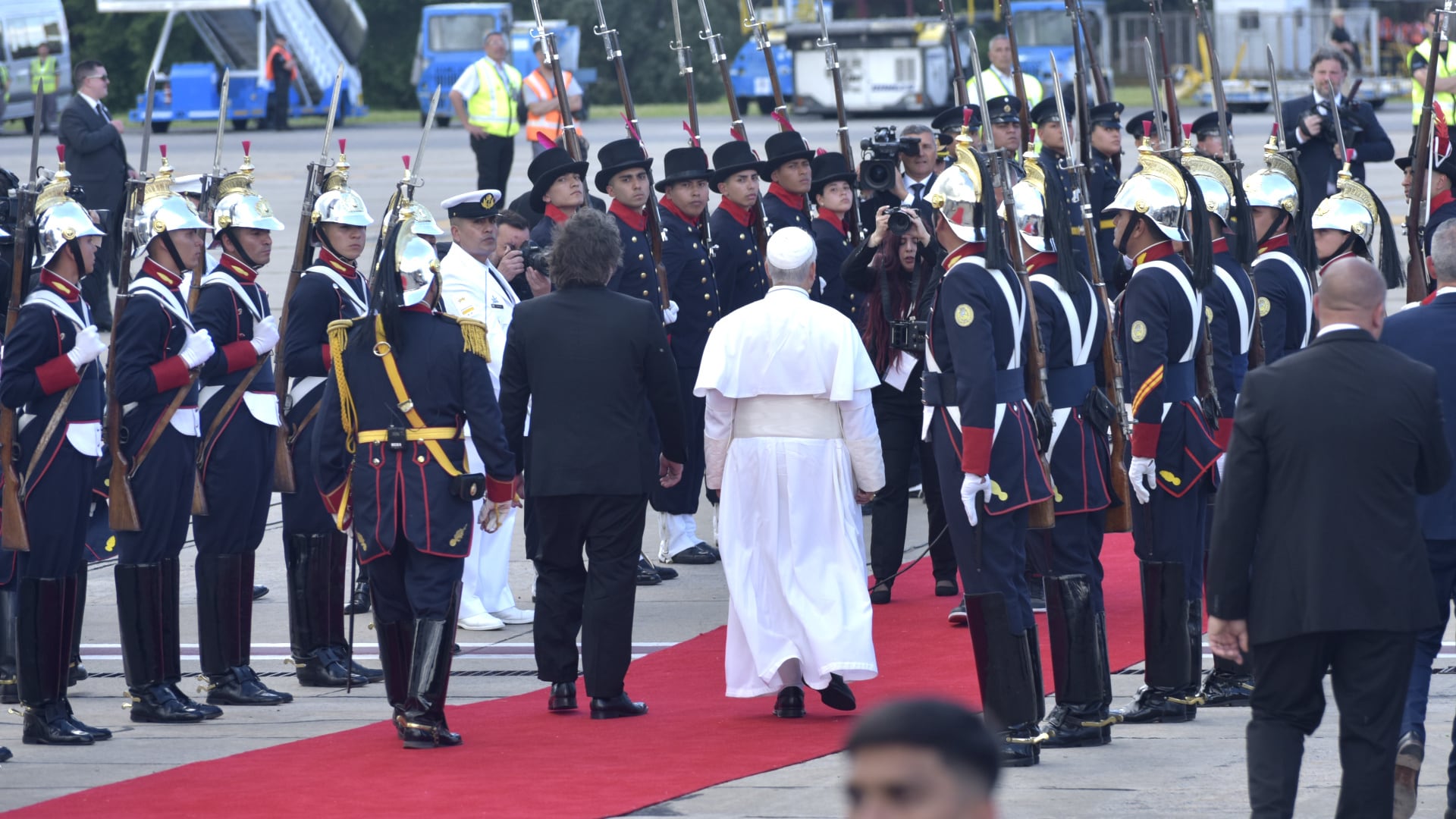
La relación personal y diplomática entre León XIV y Trump es fría y protocolar.
El presidente de Estados Unidos no comparte la propuesta pastoral del Papa, y esa diferencia básica bloquea la participación activa y pública del Vaticano en la resolución de los conflictos internacionales.
Así como Trump opera directo con Netanyahu para Medio Oriente, dialoga sin límites formales con Vladimir Putin para concluir la invasión de Rusia a Ucrania.
Pero el conflicto en Europa cumplirá cinco años en febrero, y la Casa Blanca ahora se encuentra en un laberinto. Perdió peso por la derrota electoral, Europa y Volodimir Zelensky aprovecharán esta coyuntura para sondear otras variables diplomáticas, y Putin siempre se apalanca en probadas relaciones de poder.
En este contexto, el Vaticano aparece como un jugador posible en la búsqueda de una posible solución entre Moscú y Kyiv. Francisco dejó un largo antecedente de sus conversaciones con Zelensky y Putin, y León XIV no dudará en utilizar esa experiencia para proponer soluciones diferentes a Trump.
“Gracias a Dios por lo que se ha conseguido, pero aún queda mucho por hacer para alcanzar la paz”, sostuvo el Papa durante su viaje de Roma a Montevideo.
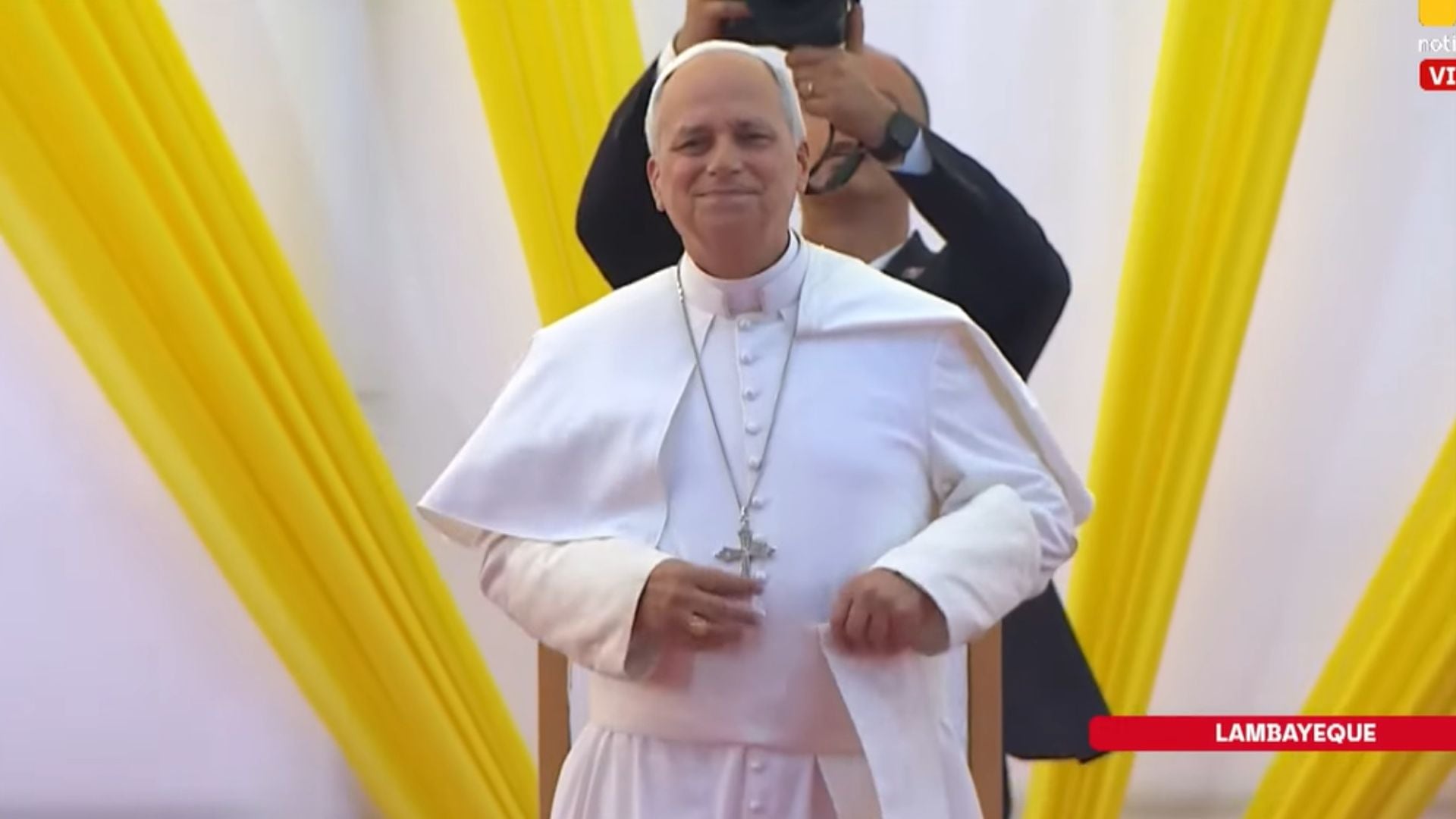
La actual coyuntura global y la propia arquitectura institucional del Vaticano juegan a favor de fortalecer el liderazgo geopolítico de Léon XIV.
El Papa tiene un programa social que es apoyado por millones de fieles, Trump perdió los comicios, Xi lidera un régimen totalitario y Putin representa una autocracia moderna.
León XIV se crió en Estados Unidos, pero forjó su mirada entre los pobres de Chiclayo, un pueblo ignoto al sur de Perú. El Papa no pertenece a los salones de Milán, ni cortejo legisladores en DC.
Esta ausencia de vínculos con el poder real aparece como su principal ventaja al momento de participar en la arena diplomática: no debe favores y tiene una mirada despojada de clichés.
La gira por Uruguay, Argentina y Perú aparece como una oportunidad geopolítica para Su Santidad. Francisco aprovechó la ola que navegaban Barack Obama y Ángela Merkel, y fue clave en Siria y en las relaciones bilaterales Estados Unidos-Cuba.
León XIV no tiene nada comparable con los compañeros de ruta que tuvo Francisco, pero en América Latina demostró que es pragmático, táctico y firme en sus concepciones.
El Papa fue capaz de citar a Jorge Luis Borges, y después alertar sobre las consecuencias de permitir que la inteligencia artificial fije sus propias reglas de juego.
“La técnica debe estar siempre supeditada a la ética; el algoritmo no puede sustituir el discernimiento humano”, afirmó León XIV en Buenos Aires.
Una definición que lo enfrenta a Trump y Xi.
León XIV,Fuerza Aérea del Perú,Chiclayo,Cajamarca,helicóptero
INTERNACIONAL
Small town residents cry for help as immigrant influx fueled by trucking industry has unintended consequences
This article is Part 3 of a Digital exclusive series investigating trucking fraud, public safety, and assimilation concerns in southwest Ohio. You can read Part 1 here and Part 2 here.
OHIO – An influx of Uzbek immigrants and trucking companies, coupled with mounting concerns about roadway safety and alleged fraud, is fueling frustration in southwest Ohio, where residents are speaking out about changes they say have left them feeling unsafe on their roads and increasingly uneasy in their own neighborhoods.
Jane, a resident of southwest Ohio, is one of many who have been affected by the Uzbek influx, which she says ultimately drove her out of a new home she purchased in a southwest Ohio community after just 18 months.
«I have literally been screaming about what has been going on for years, and I’m like somebody needs to take notice of this,» Jane told Digital.
Jane recounted repeated problems involving neighbors she identified as Uzbek, describing unsupervised children grabbing moving cars, climbing construction equipment, threatening to punch, kick or choke her dog, and taking her child’s bicycle while ignoring demands to return it. She also described children urinating on neighbors’ vehicles, adults slaughtering chickens outdoors in view of her frightened child, and semi-truck cabs obstructing driveways.
WORKING-CLASS AMERICANS SAY THEIR TOWN IS THE NEXT DEARBORN — AND THEY’VE HAD ENOUGH
Jane described feeling «incredibly uncomfortable» encountering groups of roughly 15 men she identified as Uzbek gathered on the grass between neighboring homes while she was walking her dog.
«They all look at me like I have like 12 freaking heads, like I’m the most disgusting person in the world,» she said.
Jane also described a situation where a group of Uzbek men showed up at her neighbor’s door late at night carrying large bags before being told by the neighbor they had the wrong address. That neighbor then watched them go across the street into a garage and count cash that came from inside those bags.
She estimated calling police roughly 20 times or more and said she felt authorities were unwilling or unable to intervene, leaving her family feeling they had little recourse but to leave. Jane was granted anonymity and is not using her real name due to fear for her family’s safety and possible retribution.
TRUMP ADMIN INVESTIGATING 75 TRUCK DRIVER SCHOOLS FOR FRAUD, HELPING NON-CITIZENS GET LICENSES
In nearby Middletown, Digital visited a site in mid-October that used to be a restaurant where GHOSTOPSUZ, a resident who has been flagging suspicious trucking companies and Uzbek influx to his followers anonymously online, used to frequent every Sunday after Mass with his family as a child.
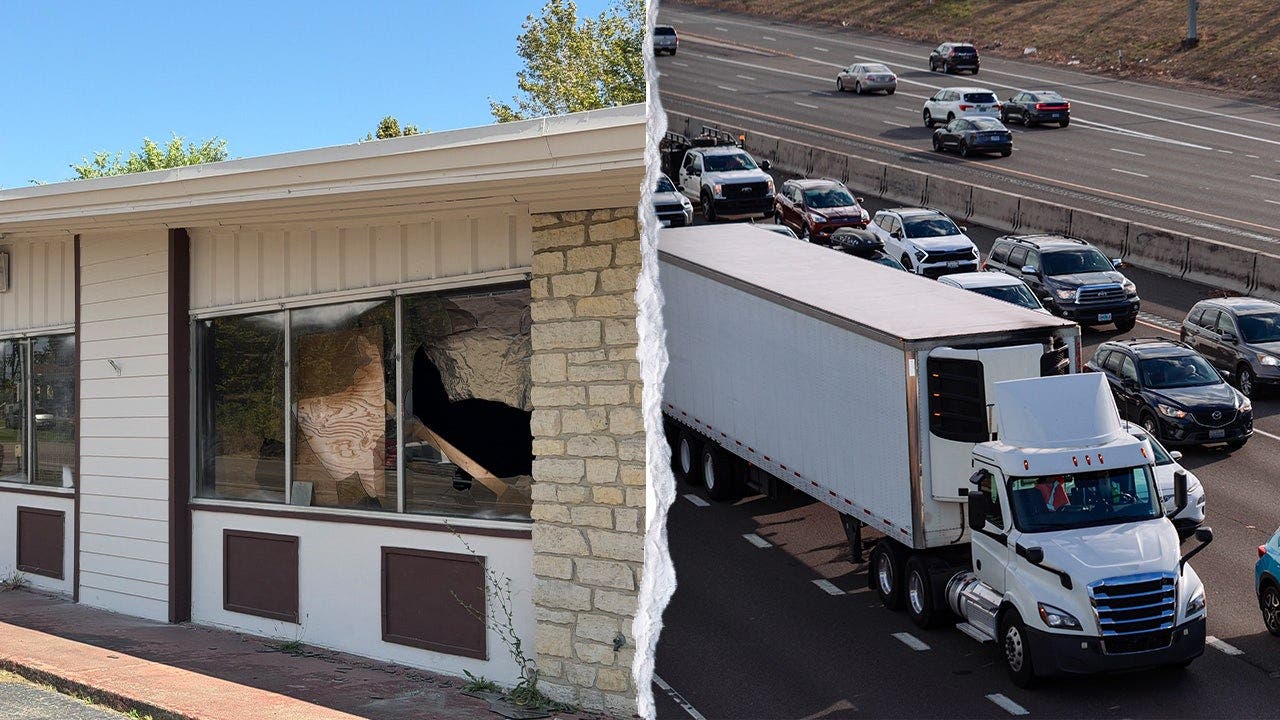
Today, the building is abandoned and in disarray with smashed-out windows and no sign of life inside, but registered as the active headquarters of a trucking company, UAG Express, with over two dozen violations for infractions including vehicle maintenance, unsafe driving, suspended-CDL and an hours-of-service violation.
«It’s devastating, dude, I mean, it really is,» GHOSTOPSUZ said as he walked around the dilapidated building that had multiple big rigs parked in the back but no sign of any recent activity. The location was recently highlighted by Border Hawk News.
«My daughter plays competitive volleyball, so we’re on these roads that we’re sharing with these people that don’t speak English, don’t understand our laws, can’t read our laws and frankly, I don’t think they care, it’s quite obvious…and it doesn’t show respect for the community that you’re in to do things like this.»
OUT OF CONTROL, UNQUALIFIED ILLEGAL ALIEN TRUCKERS ENDANGERING KIDS ON US ROADS, INSIDER WARNS: ‘JUST MADNESS’
Digital reached out to UAG Express, owned by Aziz Ishanov, for comment but did not receive a response.
On Nov. 4, Digital attended a meeting where dozens of Hamilton Township residents expressed their concerns to the local trustees and told stories of first-hand experiences ranging from alleged trucking fraud to the mosque, to crowded schools, to crime concerns related to the Uzbek community in the area.
«It has been a great place to grow up, now I’m very concerned at this point with what we’re learning about the fraud from these trucking companies, the Uzbek trucking companies, about the funds that they’re using to build the mosque right now. I’m just wondering, how did this get approved in the first place?» One local resident asked.
Residents voiced concerns about a wide variety of issues including Uzbek men learning at women outside gyms, crowded schools, an unsupervised Uzbek child who recently drowned in a local pond, and Uzbek truck drivers offering money to women to get inside their trucks.
One resident said, «Christian values are not compatible with Islamic values; they just simply aren’t, and I don’t like calling a people group out, especially as a Christian, that’s very hard for me to do. But the facts are the facts, and we have to look at the facts. They are not here to assimilate; some are, I’m sure. But I know how they operate.»
«We are drowning,» one resident said while discussing the crowded schools and students who can’t speak English which has stretched resources thin. «We are drowning here, our kids our suffering.»
Local law enforcement has taken action on the trucking safety issue, and in the meeting, Hamilton Township Police Chief Quillan Short unveiled the data from a recent freight fraud crackdown that multiple local agencies coordinated between Oct. 19-23.
That operation resulted in 561 traffic stops, 258 truck inspections, 423 citations and 73 vehicles being placed out of service. Authorities also placed 49 drivers out of service and made 36 arrests, including 31 on charges related to immigration-related offenses, according to data presented by Short.
Hamilton Township Trustee Darryl Cordrey, in a statement to Digital, called the results of the crackdown «staggering» especially considering it only lasted 5 days.
«Hamilton Township residents have every right to be concerned about unsafe commercial vehicles , unqualified drivers on our roads, and other criminal issues that have stemmed from the substantial increase in commercial trucking operations in Hamilton Township,» Cordrey said. «Our residents should not have to bear the consequences of failures in immigration policy and commercial trucking oversight.»
Cordrey added that the Biden administration’s immigration policies have «contributed to the broader problems we are now confronting» and that he is «fully committed» to doing his part to resolve the issues working alongside local, state, and federal agencies.
Ohio Republican state lawmaker Michelle Teska was present at the meeting as well and has taken action on the issue in the form of a bill to strengthen commercial-driver licensing requirements, including a measure requiring driver examinations to be administered in English.
«We have a community that’s being inundated with people from a certain area and how they got here is through the trucking industry, and they got here because, again, in the state of Ohio, you can get a CDL and a driver’s license in 10 different languages,» Teska told Digital, adding that she and the Hamilton Township trustees share the frustration and are doing what they can to address it despite many of the issues being rooted at the state and federal level.
The federal government has ramped up efforts to crack down on trucking fraud over the past year, and the Department of Transportation and Federal Motor Carrier Safety Administration have mounted a sweeping crackdown on fraud and safety violations, placing roughly 34,000 drivers out of service for failing basic English-language proficiency requirements, revoking or canceling more than 31,000 illegally issued commercial driver’s licenses, and shutting down or purging nearly 10,000 noncompliant driving schools from the federal registry.
«This is a safety issue,» Teska said. «This is not a partisan issue in any way, shape, or form, but this is a safety issue, and you know we’ve had a rape conviction, a federal human smuggling indictment, a fatal crash where a driver couldn’t communicate with troopers without a translator, and every single one of those things was preventable.»
Warren County Prosecutor David Fornshell previously told Digital that clearly «there’s something going on» within the Uzbek community in southwest Ohio that «warrants at least awareness on the part of law enforcement.»
«I would say hardly a week goes by where we don’t have some felony case involving an Uzbek, it’s pretty frequent at this point,» Fornshell said.
On Friday, the Islamic Center of Maineville, the mosque that has drawn the ire of some in the community, posted on its Telegram channel that it acknowledges the concerns and is hoping to work with the community to resolve them.
«On behalf of the Hamkor Uzbek Cincinnati Association, we recognize that some local residents have concerns and questions about our community. We believe that mutual respect, open communication, and understanding are the best ways to address these issues,» the message said. «Our Uzbek community is willing to listen to local residents, understand their concerns, clear up any misunderstandings, and work together to find practical solutions. We want to build trust, strengthen relationships, and promote unity between the Uzbek community and our neighbors. We believe that respectful dialogue and cooperation, rather than arguments and division, will help us move forward as one community.»
Data from the 2024 Census show that roughly 1,500 people born in Uzbekistan live in Greater Cincinnati, while about 3,800 Uzbekistan-born residents live across Ohio. Uzbek community leaders say the actual population is significantly higher, estimating that roughly 4,000 Uzbek families live in southern Ohio, including U.S.-born children.
«Our community was selected by the Uzbeks because they didn’t think we would push back on their foreign influence,» online researcher Nodawolf, a local resident who has been at the forefront of reporting on alleged trucking fraud over the past year, said via a statement read by an attendee at the trustees meeting. «Here we are. We are here to say that our community will not be exploited for their monetary gain.»
America Up Close is a Digital Politics series taking the country’s biggest political debates beyond Washington to uncover their real-world costs for the Americans living with the results.
politics, ohio, illegal immigrants, migrant crime, enforcement, fox news investigates

El milagro de Vojvoda: regresó a Fortaleza, ganó un partido clave y va por el ascenso

Nintendo tiene este mantenimiento programado para los próximos días (15/11/26) – Nintenderos

El campo está sentado sobre u$s13.500 millones y Caputo busca que sea su bazuca de dólares

Guillermo Francos aseguró que Milei "va a ser reelecto" y no descartó acompañarlo en la fórmula presidencial

Inside Senate GOP’s tense post-election reckoning as Thune clashes with Republican critics

El Camino del Tiempo: una nueva forma de hacer turismo en Guatemala que conectará tres municipios de Quiché con 14 kilómetros de senderos culturales

Fútbol sudamericano: por qué es importante seguir el calendario de partidos

La dolorosa despedida al aire de Horacio Pagani a su amigo Carlos Babington: “Fue una noticia fulminante que la recibí en el auto”

La plataforma Doctor SV triplicó su red médica y acumuló 5.4 millones de consultas en su primer año en El Salvador

Villa La Angostura: la Justicia ordenó completar el desalojo de una comunidad mapuche, pero el operativo sigue sin fecha

 ECONOMIA3 días ago
Banco Santander anunció aumento de precio en sus paquetes y esto valdrá desde enero
- DEPORTE3 días ago
Así está el mano a mano entre Estudiantes de La Plata e Independiente Rivadavia
- POLITICA3 días ago
Karina Milei y Diego Santilli aprovecharon la visita a Corrientes para tratar la eliminación de las PASO con el gobernador