INTERNACIONAL
“Esto es solo una prueba”: crece la preocupación en Estados Unidos después de una seguidilla de fallas tecnológicas

“Esto es solo una prueba”.
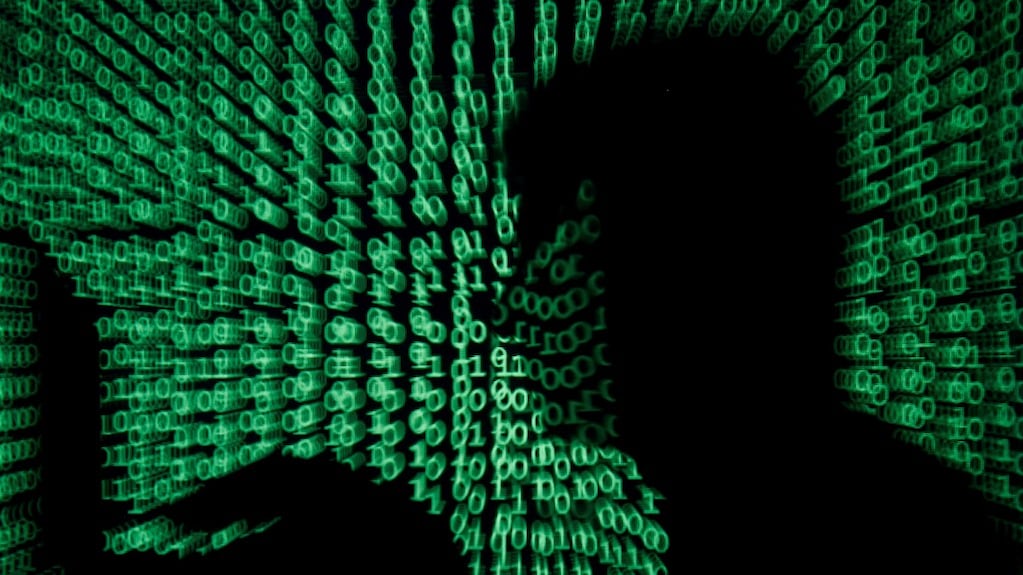
El mensaje, de un minuto de duración, se escuchaba esta tarde por radio, televisión abierta, cable y satélital, pero no por teléfono, en todo Estados Unidos, en momentos en que el colapso de redes informáticas enciende todas las alarmas en el país.
No es un hecho aislado. La caída de la red de comunicaciones internas de la Agencia de Seguridad Nacional (NSA), utilizada para transmitir información altamente clasificada, fue el último eslabón de una cadena de episodios que se repiten desde el viernes y que empiezan a formar un patrón.
Autoridades y directivos de empresas afectadas hablan de “fallas” e insisten en descartar un ciberataque perpetrado por supuestos piratas informáticos. Pero las sospechan crecen.
En ese escenario de enorme preocupación, las agencias gubernamentales y las cadenas de televisión llamaron a la población a la calma y pidieron no alarmarse por la prueba del Sistema Nacional de Alerta de Emergencia previsto para este martes.
La prueba, obligatoria por ley, estaba programada desde hace tiempo, según la televisora CNN. Pero coincide con tiempos extraños en un país que observa sin entender cómo una cadena de fallos tecnológicos causan estragos difíciles de dimensionar.
Qué está pasando en Estados Unidos
Todo comenzó el viernes pasado. Primero fue la caída global de Microsoft que afectó a millones de usuarios de algunas de sus aplicaciones más populares. Después, fue el colapso del tráfico aéreo, el sábado. El lunes, fueron los bancos que entraron en alerta por problemas de los clientes para acceder a sus cuentas de forma remota. Poco después, la red de United Airlines colapsó y estuvo fuera de servicio varias horas.
Hoy la crisis avanzó hacia la red informática de la Agencia de Seguridad Nacional. El organismo buscó rápidamente aclarar que la interrupción no afectaría la capacidad de la agencia para transmitir información de inteligencia urgente al presidente Donald Trump, de gira por Asia.
Trump está hoy en Filipinas y viajará el miércoles a China. Allí, mantendrá el jueves una histórica cumbre tripartita con el presidente chino, Xi Jinping, y el mandatario ruso, Vladimir Putin.
Pero hubo más. Este martes se registró un ciberataque a gran escala contra los sitios web de 178 empresas de todo el mundo. Entre las víctimas hay algunas de las empresas y medios de comunicación más conocidos, como CNN, Fox News, BBC, Zoom, HSBC y Salesforce.
Según los reportes, los atacantes utilizaron una vulnerabilidad en una plataforma de terceros para distribuir un código malicioso. El objetivo fue robar información financiera, acceder a datos de tarjetas de crédito y apropiarse de criptomonedas.
Unidos








INTERNACIONAL
Sherrill commits $20.2M to deportation defense while condemning Rutgers over Border Patrol speaker
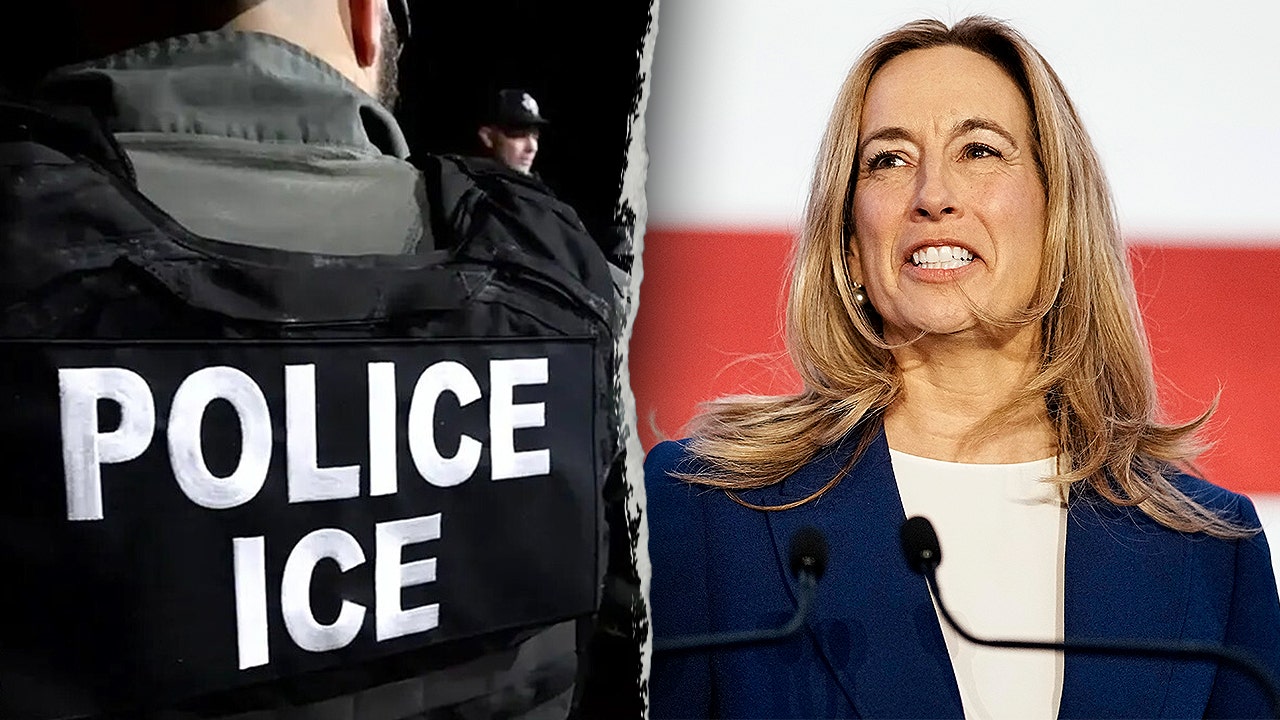
New Jersey Gov. Mikie Sherrill put her money where her mouth was this week as the Democrat criticized Rutgers University’s College Republican chapter for hosting a top former Border Patrol leader around the same time her administration allocated millions to a program meant to help illegal immigrants and others in the state fight deportation.
Sherrill’s condemnation of the Rutgers students’ event drew criticism on X from observers who said it fueled protests outside the New Brunswick building where retired Border Patrol Cmdr. Gregory Bovino spoke. Protests erupted inside the room as well, with video from inside showing Bovino responding to shouting protesters before he was briefly led out of the forum.
«Everyone in this country is entitled to due process and a fair hearing under the law — regardless of where they were born,» Sherrill said Friday in announcing a total of $20.2 million to fund the Detention Deportation Defense Initiative within Trenton’s Office of New Americans.
NJ TAXPAYERS ON THE HOOK FOR $12M MORE AS DEM GOVERNOR PROTECTS ILLEGAL ALIENS BATTLING DEPORTATION
Some of the funds will help migrants held at Delaney Hall in Essex County, where nightly protests have erupted since May. The governor previously visited the facility in solidarity with the detainees inside, while Sherrill ally Sen. Andy Kim, D-N. J., drew widespread attention online after being caught in a cloud of pepper spray dispersed by ICE toward surrounding protesters.
«With the Trump Administration ramping up ICE activity and creating impossible obstacles for people facing detention and deportation to navigate alone, New Jersey is stepping up to connect residents with qualified legal counsel and equip more attorneys to take on this vital work,» Sherrill said Friday, adding that the state’s immigrant community should not have to face a «complex» legal system alone.
Commissioner Stephen Cha, head of Sherrill’s Department of Human Services, where the Office of New Americans sits, added in a statement that access to legal representation upholds due process and promotes a more «efficient» immigration system.
The $20.2 million will be spread among 10 service providers and continue the Murphy-era initiative’s mission to offer legal expertise and representation for «low-income residents facing detention and deportation.»
EXCLUSIVE VIDEO: DEMS SLAMMED FOR DEMANDING ‘FIVE-STAR ACCOMMODATIONS’ FOR ILLEGAL IMMIGRANTS AT ICE FACILITY
Sherrill’s new cash infusion tripled the initiative’s most recent budget allocation.
After Sherrill announced plans in June to increase the deportation defense initiative’s funding, Republicans in the state warned that the money could be better spent elsewhere, including on New Jersey residents.
«New Jersey families are being crushed by some of the highest electric bills, property taxes, and costs of living in the entire country, and Governor Sherrill’s answer is to spend more than $20 million defending illegal immigrants,» said outgoing Rep. Jeff Van Drew, R-N.J., who was unseated by Cape May Mayor Zachary Mullock in this month’s blue wave.
«It is a complete insult to every hardworking taxpayer in this state. New Jersey citizens should come first. If they can find $20 million for immigration lawyers, they can find money to lower utility delivery charges or provide relief to the people who actually live, work and pay taxes here.»
Van Drew said in June that every dollar Trenton spends on an illegal immigrant is a dollar that could have helped keep a New Jersey family from leaving the state.
A DHS spokesperson said Sherrill has «consistently shown more concern for criminal illegal aliens who’ve broken our laws and destroyed any possibility of ever remaining in our country than she ever has for Rachel Morin, Laken Riley, Jocelyn Nungaray and the true victims of illegal alien crimes in America,» while adding it does not comment specifically on matters involving former personnel like Bovino.
Digital reached out to Sherrill for comment.
Sherrill had publicly condemned Bovino and Rutgers’ College Republicans for holding the event.
Rutgers is New Jersey’s state university, and the governor appoints some of its board members. Delaware Valley radio host Rich Zeoli said the state gives the New Brunswick school about $1.4 billion annually, adding the argument can be made she is «using a classic intimidation tactic to silence speech she doesn’t like.»
MARKWAYNE MULLIN GOES OFF ON DEMS’ ‘GARBAGE’ MEMORIAL DAY ‘POLITICAL STUNT’ AT ICE FACILITY
Sherrill urged attendees to press Bovino on why he chooses «cruelty over humanity» and what he thinks of the November election results and the argument that they represent a collective rebuke of his enforcement approach.
The North Carolina native shot back at Sherrill, saying her statement was «spoken like a true lib who puts illegal aliens before her own citizens.»
«Gubner, I am deeply disappointed in your penchant for using the Governor’s Office to limit Constitutional rights of Americans,» Bovino said in a statement.
«This coming from someone who cheated at the Naval Academy (you weren’t allowed to walk), and enriched yourself via insider trading in defense stocks as a Congressgirl — priceless.» Sherrill has said she was barred from walking at the graduation not because she was involved in cheating but because she declined to identify classmates involved.
New Jersey State Assemblyman Paul Kanitra, R-Point Pleasant Beach, said Sherrill’s criticism of Bovino contrasts with her silence over Democrats electing a candidate in the state who was once acquaintances with the mastermind behind the 1993 World Trade Center bombing.
«The thought-police strike again,» Kanitra said.
«I didn’t see you weighing in when any Adam Hamawy said some pretty heinous things recently? That didn’t seem to warrant a tweet,» he said, referring to the Mercer County doctor and former defense trial witness for the Blind Sheikh who won the race to succeed retiring Rep. Bonnie Watson Coleman, D-N.J.
Hamawy was never charged with any wrongdoing in connection with Abdel-Rahman, and his campaign previously told Digital related criticisms amount to «guilt-by-association» shaming and that Republicans and right-wing press are simply concerned that Hamawy will be «Donald Trump’s worst nightmare.»
Bovino later challenged Sherrill to attend his event, which the governor did not attend.
SIGN UP TO GET THE POLITICS NEWSLETTER
«Tell you what, come on down to Rutgers and put your insider-trading money where your mouth is. You won’t be able to cheat your way through this one.»
Sherrill’s 2025 gubernatorial campaign previously denied the stock-trading allegation raised by Bovino, which stemmed from Republican challenger Jack Ciattarelli’s claim that she «cash[ed] in to the tune of $7 million» by «flipping stocks» while in Congress.
new jersey, mikie sherrill, deportation, sanctuary cities, state and local, politics
INTERNACIONAL
Ex-hostage recounts captivity in Iran-backed militia stronghold now targeted by Iraqi prime minister
NEWYou can now listen to Fox News articles!
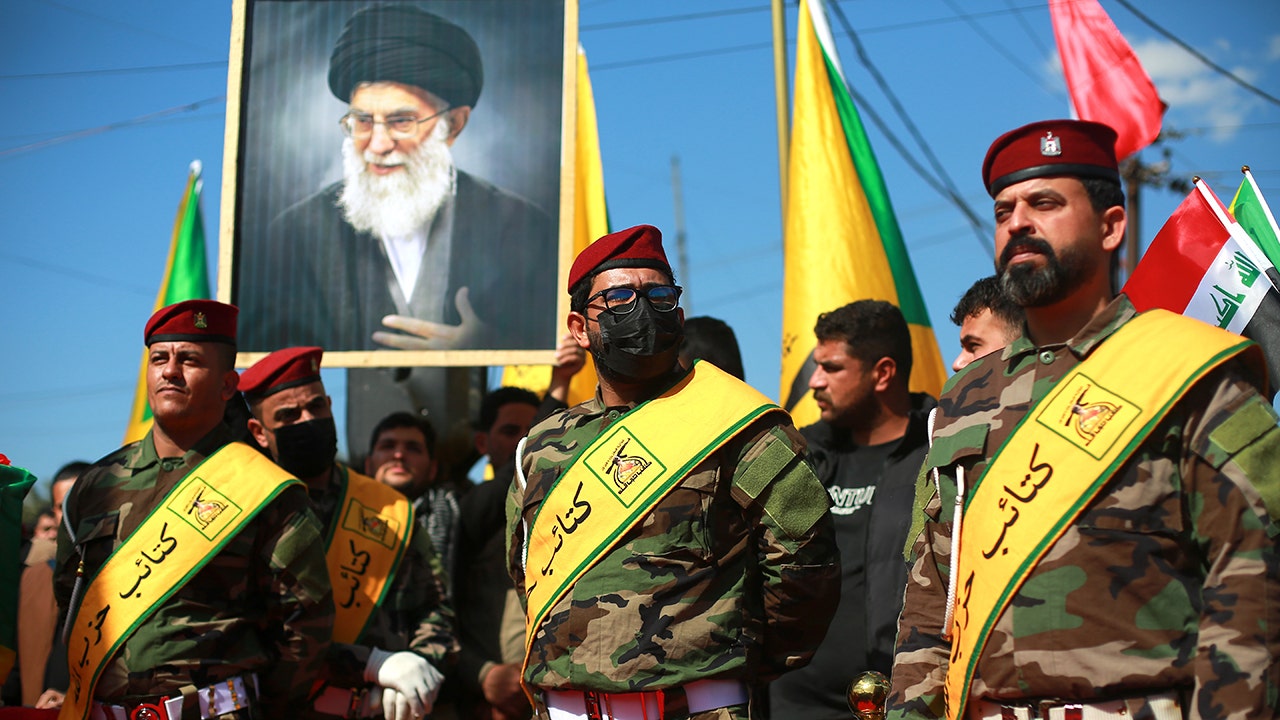
An Israeli-Russian researcher held hostage for 903 days by an Iran-backed Iraqi terrorist group revealed to Fox News Digital that she spent the first four and a half months of her captivity inside the very militia stronghold Iraq’s Trump-backed prime minister has now ordered the army to reclaim.
Elizabeth Tsurkov, a senior nonresident fellow at the New Lines Institute for Strategy and Policy, said Kata’ib Hezbollah turned a private family’s home in Jurf al-Sakhr, south of Baghdad, into a prison where she was held captive.
«This is where I was held for 4.5 months,» Tsurkov told Fox News Digital in an interview, referring to the early months of her captivity, which began with her abduction in Baghdad in March 2023. «I was held in a private home of a family that was taken over by Kata’ib Hezbollah and turned into a prison,» she said.
TRUMP ADMIN WARNS IRAQ OVER IRAN TERROR PROXIES AS US REPORTEDLY BLOCKS CASH PAYMENTS
U.S. President Donald Trump gestures toward Iraqi Prime Minister Ali al-Zaidi as they participate in a bilateral meeting in the Oval Office at the White House in Washington, D.C., U.S., July 14, 2026. (Evan Vucci/Reuters)
Tsurkov, who was freed in September 2025 following negotiations and sustained pressure from the Trump administration to secure her release, said that any effort to reclaim the territory must go far beyond dismantling alleged oil-smuggling operations.
She called for Iraqi authorities to search the sprawling area, including surrounding towns and villages, for «secret prisons,» «mass burial sites» and «storage facilities for weapons,» and to return confiscated homes to their rightful owners.
The revelations come as Iraqi Prime Minister Ali al-Zaidi, who has received strong public backing from President Donald Trump, ordered Iraqi armed forces into Jurf al-Sakhr, also known as Jurf al-Nasr, a stronghold of the U.S.-designated terrorist organization Kata’ib Hezbollah since 2014.
According to AFP on November 16, Baghdad has given the militia a deadline to withdraw, with a security source identifying Friday.
The order follows a Reuters investigation published Monday, citing Iraqi officials who accused Kata’ib Hezbollah of stealing hundreds of millions of dollars in state-owned oil since 2021. The government has dismissed nine security and administrative officials and referred suspects to the judiciary. The militia denies wrongdoing.
IRAN’S PROXY WAR HAS CROSSED OCEANS AND IS NOW KNOCKING ON AMERICA’S DOOR

Elizabeth Tsurkov, an Israeli-Russian researcher held hostage for 903 days by the Iran-backed Iraqi militia Kata’ib Hezbollah, was released in September 2025. (Yuri Gershberg)
A territory beyond government control
For Tsurkov, the stakes go far beyond oil revenues.
She described Jurf al-Sakhr as a territory effectively closed to the Iraqi government since 2014, when Iran-backed militias helped drive ISIS from the area but prevented its predominantly Sunni population from returning.
Tsurkov estimated that between 120,000 and 180,000 people were displaced from the district and surrounding communities. «If Iraqis are allowed to return to their homes, this would signal … restitution of state sovereignty,» she said.
She explained that the current operation is being presented as an anti-corruption campaign rather than an attempt to dismantle Kata’ib Hezbollah’s military infrastructure.
The organization retains bases elsewhere in Iraq and access to border crossings with Iran, she said, giving it opportunities to replenish its weapons even if it loses control of Jurf al-Sakhr.
IRAN-BACKED TERROR SUSPECTS PLOTTED ATTACK ON US TROOPS USING VANS PACKED WITH FUEL, DOJ SAYS
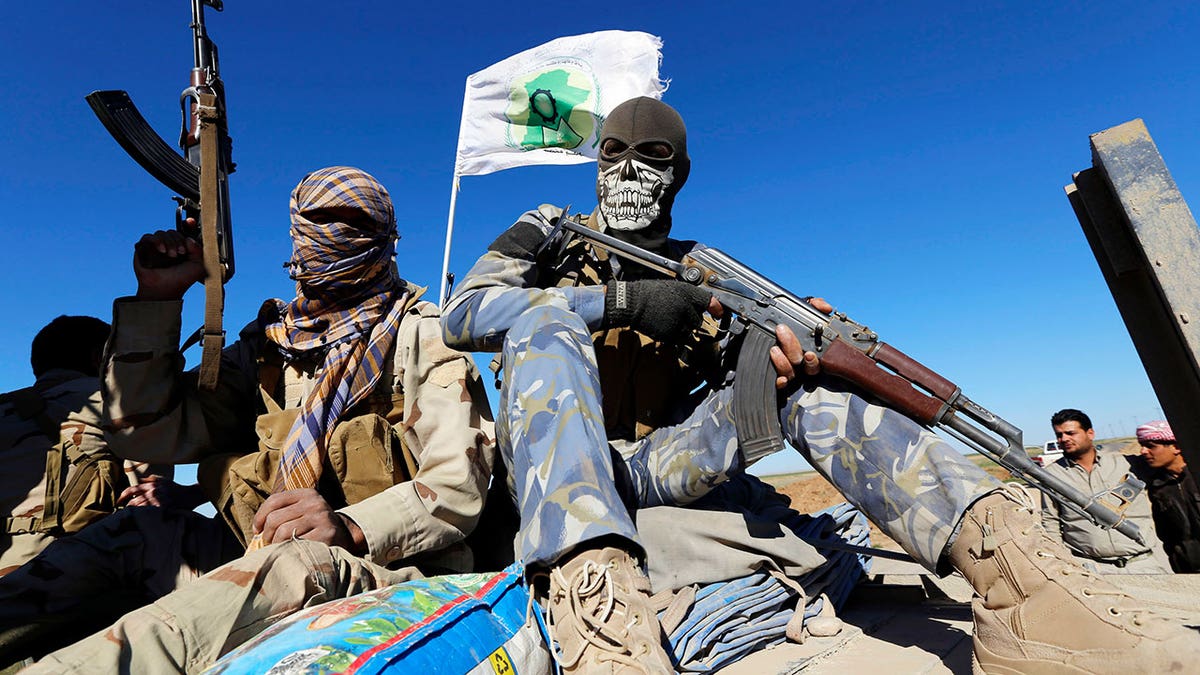
Masked Iran-backed Shi’ite fighters hold their weapons in Iraq’s Al Hadidiya, south of Tikrit, en route to the Islamic State-controlled al-Alam town, where they are preparing to launch an offensive in March 2015. (Reuters/Thaier Al-Sudani)
A crackdown or another political performance?
Michael Knights, head of research at Horizon Engage, a New York-based strategic consultancy, and an adjunct fellow at the Washington Institute for Near East Policy, expressed skepticism that Baghdad would fundamentally challenge the militias.
«It’s going to be very difficult to tell the difference between a real crackdown on Iran-backed militias and a fake one,» Knights told Fox News Digital.
Previous Iraqi governments have announced crackdowns on militias, only for detainees to be released or armed groups to retain control through rebranded security arrangements.
In June 2020, when then-Prime Minister Mustafa al-Kadhimi ordered the arrest of 14 Kata’ib Hezbollah members. Armed militia supporters subsequently descended on Baghdad’s fortified International Zone demanding their release. Most were later released, according to a U.S. government inspector general report.
In Nov. 2021, Kadhimi survived an explosive-drone attack targeting his residence. Reuters reported that security officials implicated Iran-backed militias, although no organization claimed responsibility.
Knights said that the Iraqi counterterrorism forces are better trained and equipped than Kata’ib Hezbollah, but the greatest danger lies in the militias’ ability to threaten officials and their families.
«It’s not about equipment or even training,» he said, describing the danger of retaliation against commanders and their families who challenge the armed groups.
In a Nov. 16 Middle East Forum analysis, researcher Ali Mahmoud detailed competing allegations of corruption between Kata’ib Hezbollah and Asa’ib Ahl al-Haq, including claims involving companies connected to militia leaders’ families.
Mahmoud reported that even the government’s initial inspection of Jurf al-Sakhr required negotiations with senior militia commanders, illustrating the limits of Baghdad’s authority.
IRAN HAS ‘SUBSTANTIALLY INCREASED’ EFFORTS TO TARGET AMERICANS ABROAD, US INTELLIGENCE MEMO WARNS

Mourners of Shi’ite group Kata’ib Hezbollah carry the coffin of a fighter during his funeral in Najaf, June 20, 2014. (Ahmad Mousa/Reuters)
What captivity revealed about the militia
Tsurkov, who has researched Iraqi armed groups for years, said her captivity gave her unusual insight into the organization’s internal culture.
«I interacted with about 45 different individuals across basically three different prisons,» she said, explaining that she later supplemented those observations with interviews involving former militia members and people familiar with their communities.
Her conclusion was that the organization consists of both deeply committed Iranian loyalists and a much larger group of recruits primarily motivated by salaries, status and the ability to exercise power. «They enjoy having power over others,» she said, describing what she observed among her captors.
While some members embrace Iran’s revolutionary ideology, Tsurkov said many joined after the major fighting against ISIS ended, attracted by government-funded salaries and relatively secure employment. «They’re not interested in dying in the service of the Iranian regime,» she said of many rank-and-file fighters.
She distinguished those recruits from a smaller core of ideologically committed and better-trained operatives that Iran can mobilize for sophisticated military attacks.
That distinction, she said, could offer Baghdad a path toward reducing militia power without a full-scale confrontation. She proposed allowing some fighters to join the regular Iraqi army under independent military commanders, providing alternative employment while dismantling their existing command structures.
US FACES ANOTHER MAJOR MIDDLE EAST TROOP WITHDRAWAL, BUT THREAT REMAINS
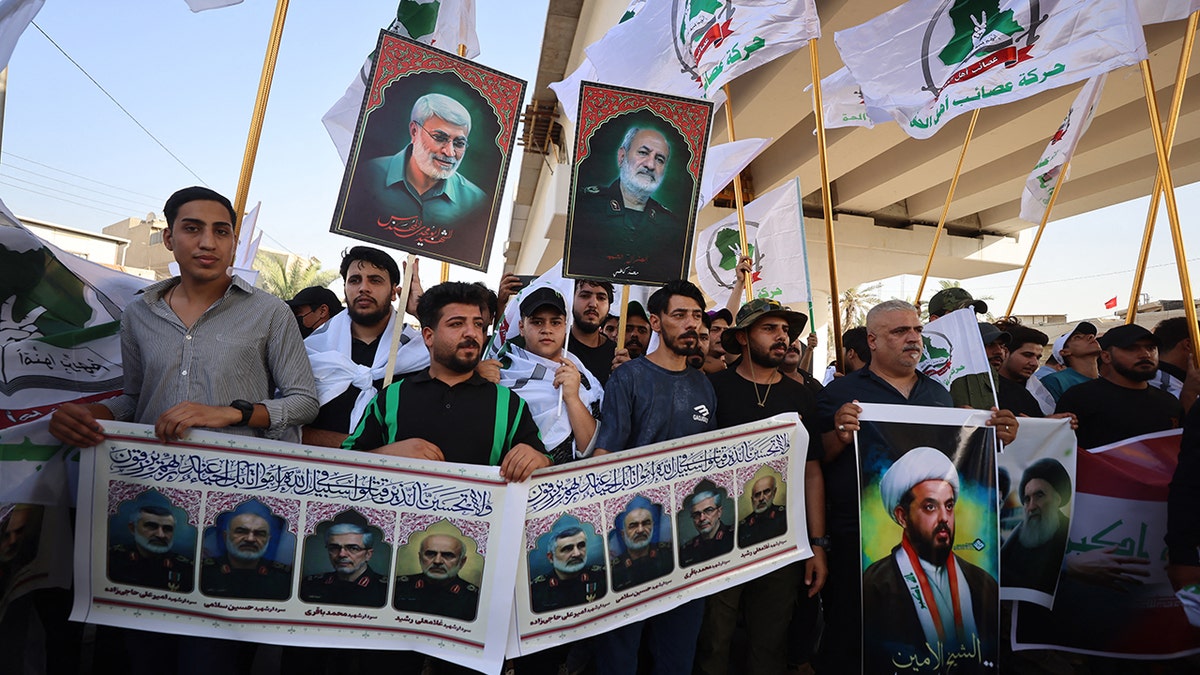
Supporters of Iraqi pro-Iran groups hold pictures of Iranian Revolutionary Guard commanders killed in the Israeli airstrikes in Tehran during a protest in Baghdad near the green zone, the ultra-secured neighborhood hosting the U.S. embassy, on June 16, 2025, amid the Israel-Iran escalating conflict. (Photo by Ahmad Al-Rubaye/AFP via Getty Images)
Iran’s enduring influence
According to Knights, the current crackdown primarily affects the more confrontational Abu Hussein wing of Kata’ib Hezbollah, while another faction associated with senior militia commander Abu Fadak remains largely untouched. He argued that both ultimately remain responsive to Tehran.
Knights also questioned whether disrupting one oil-smuggling operation would substantially weaken the group’s finances, citing its extensive investments in hotels, property and other commercial ventures.
But perhaps the clearest illustration of the contradictions facing Iraq’s government, Knights said, lies in recent senior political appointments and Iran’s choice of its next diplomatic representative in Baghdad.
On Oct. 15, Iraq’s parliament approved Laith al-Khazali, a senior figure in the Iran-backed Asa’ib Ahl al-Haq militia, as one of three deputy prime ministers. The United States designated him and his brother Qais al-Khazali, the militia’s leader, as specially designated global terrorists in 2020. Washington has accused the organization of carrying out attacks against American and coalition forces, according to al-Monitor.
IRAN’S SHADOW OPERATIONS STRETCH ACROSS EUROPE AS CHILLING SPY CONVICTIONS EXPOSE TEHRAN’S REACH
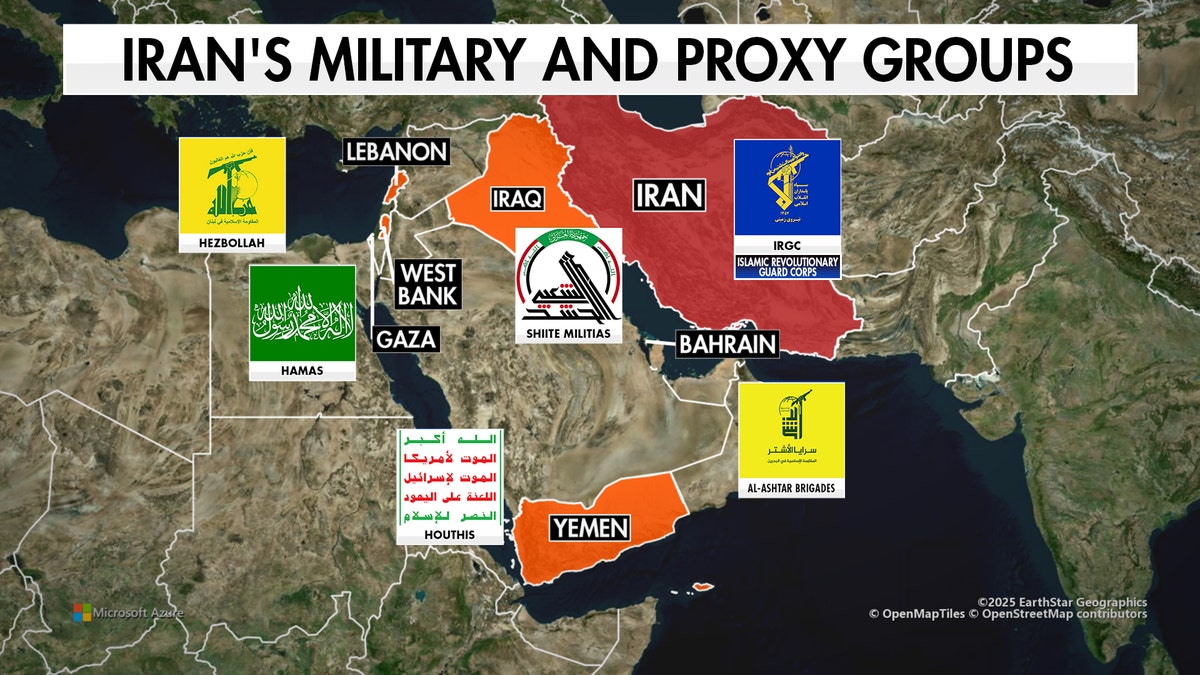
A map showing Iran’s proxy terror groups around the Mideast. (Fox News)
Another newly appointed deputy prime minister, Muhsin al-Mandalawi, is the brother of two Iraqi businessmen sanctioned by the U.S. Treasury Department on Sept. 10 for facilitating financial transactions benefiting Iran. Knights also pointed to Iran’s reported selection of Abdolreza Meskarian, a senior commander in the Revolutionary Guards’ Quds Force, as its next ambassador to Iraq.
Alhurra reported on Nov. 9, citing an Iraqi Foreign Ministry source, that Tehran nominated Meskarian, who heads the Quds Force’s Ramadan Headquarters, a unit involved in coordinating with Iran-backed armed groups in Iraq. Neither government had formally confirmed the nomination.
For Knights, these developments raise fundamental questions about how far Baghdad is prepared to go in challenging Tehran’s influence. «I think on balance, we’re still in a pretty bad place in Iraq when it comes to militias,» he said.
IRAN’S PROXY MONEY MACHINE: HOW THE HOUTHIS BUILT A MULTIBILLION-DOLLAR NETWORK DESPITE US SANCTIONS

Members of Kata’ib Hezbollah attend the funeral of fighters from Kata’ib Hezbollah, who were killed in a U.S. airstrike in Babil province southwest of Baghdad in March 2026. (DPA / Picture Alliance via Reuters.)
The real test
Tsurkov agreed that an operation intended merely to satisfy Washington could be exposed if displaced families remained unable to return.
The broader disarmament deadline, already extended until June 2027, was «utterly unrealistic,» she said, arguing that Iraqi security institutions would require years of reform before they could reliably confront the militias.
«I tend to think it will not be real,» she said of the current operation, while acknowledging that successful government control could represent a meaningful breakthrough.
For the former hostage, the ultimate measure of success is straightforward: whether Iraq’s military merely enters the area, or whether the territory truly returns to civilian control.
«It’s either the state is there, and people can return or not,» she said.

Damaged structures at the site of an airstrike on a Popular Mobilization Forces base in Mosul, Iraq, Wednesday, July 29, 2026. (AP Photo/Farid Abdulwahed)
Knights also remains skeptical that the current operation will deliver lasting results, suggesting Baghdad may reach a deal that allows the government to claim victory without substantially weakening Kata’ib Hezbollah. Still, he acknowledged the possibility that the confrontation could mark the beginning of a broader effort, even if he doubts this particular operation will prove decisive. «Every great journey starts with the first step,» he said.
iraq, war with iran, terrorism, middle east, world

Un déficit de generación eléctrica de 1,890 megavatios marcó el colapso eléctrico más reciente de la red cubana, registrado el 4 de noviembre. El dato explica, en parte, el endurecimiento que Alemania acaba de aplicar a su alerta de viaje para la isla.
El Ministerio de Asuntos Exteriores alemán (Auswärtiges Amt) modificó este lunes el apartado de criminalidad de su aviso oficial para Cuba.
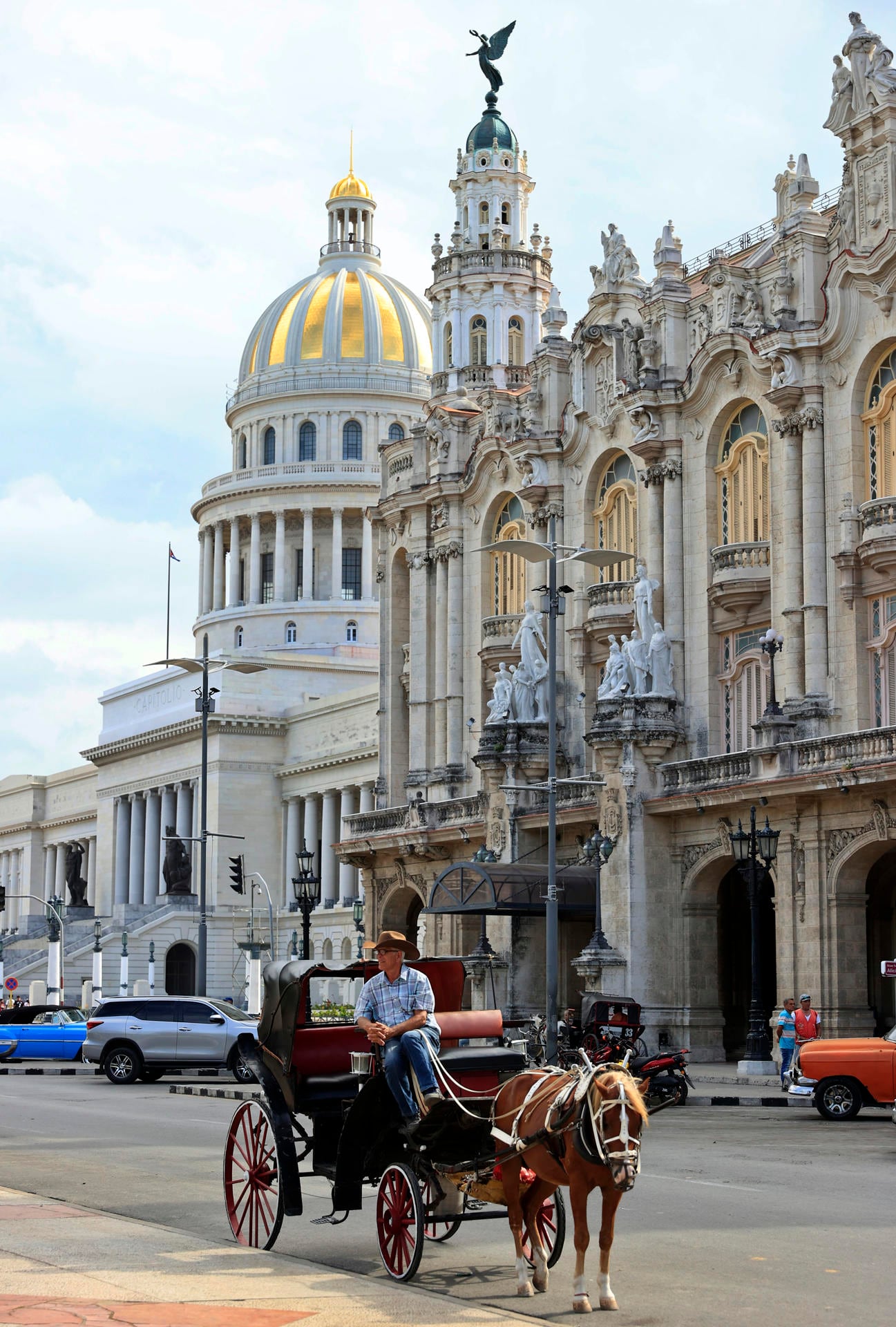
El texto sostiene ahora que “la tasa de criminalidad en Cuba está aumentando” y detalla tres focos de riesgo para los visitantes: asaltos armados en La Habana Vieja, delincuencia juvenil y perforación de tanques de combustible, según consignó CiberCuba.

Qué cambió exactamente en el aviso alemán
La recomendación de fondo —“se desaconseja urgentemente viajar a Cuba”— no es nueva. Rige desde junio de 2026 y está vinculada a la crisis energética que atraviesa la isla.
Lo que se modificó fue el detalle sobre la inseguridad. El documento describe que La Habana Vieja acumula robos y asaltos “frecuentemente en calles sin iluminación durante un apagón” y que “en casos aislados, las posibles víctimas son amenazadas con armas”, de acuerdo con el texto difundido por CiberCuba.
Berlín también alertó sobre un fenómeno que vincula directamente con el deterioro económico: “la delincuencia de subsistencia —a menudo cometida por menores— está aumentando”. El diagnóstico alemán conecta ese tipo de delito con la miseria que genera la crisis del régimen cubano.
El Auswärtiges Amt detectó un repunte de la criminalidad asociado a los apagones prolongados y a la escasez de combustible, con asaltos armados en La Habana Vieja, delitos cometidos por menores y perforación de tanques de vehículos para robar gasolina, según el aviso actualizado el 16 de noviembre.
Robos en playas, el aeropuerto y los taxis
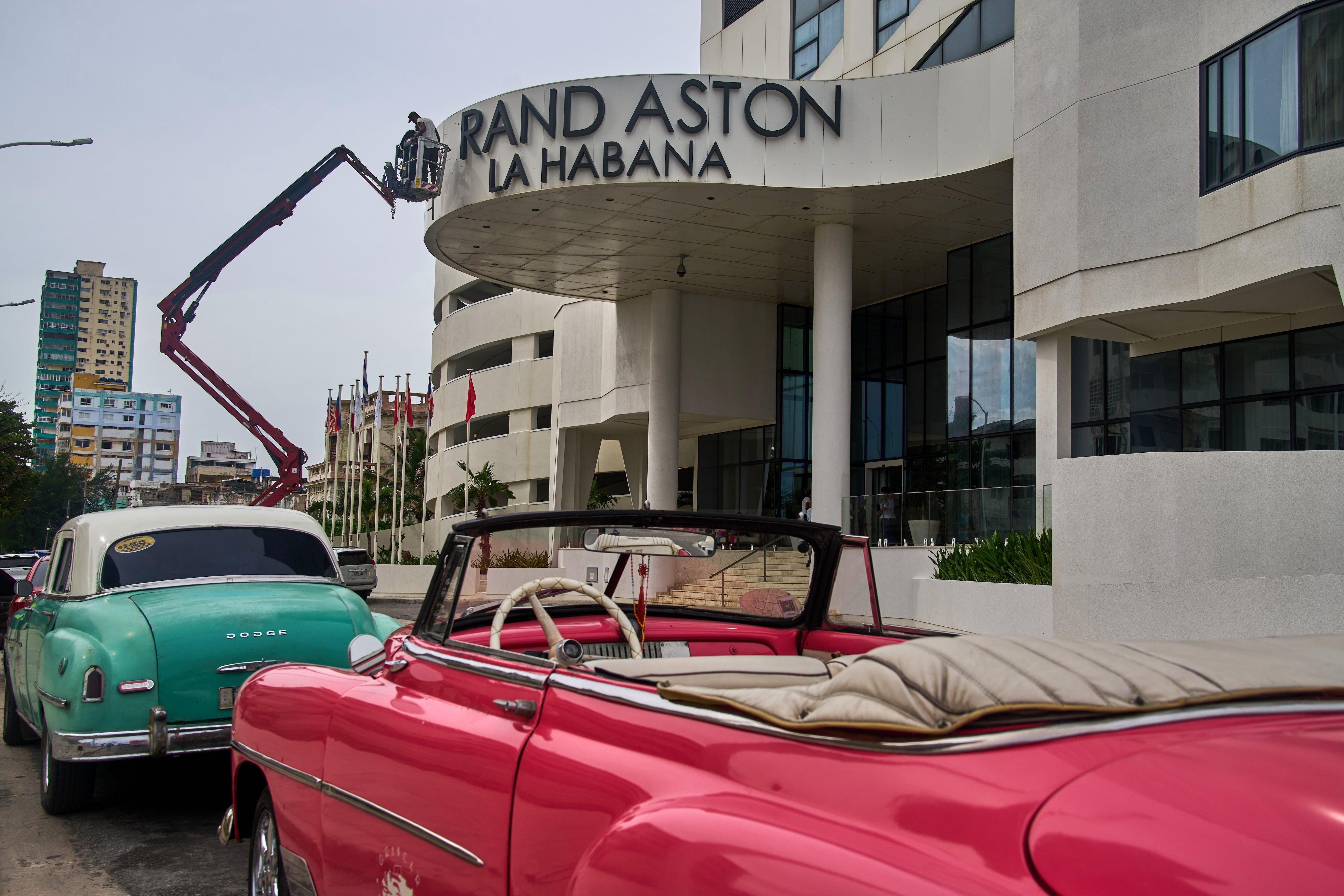
Los riesgos documentados no se limitan a la capital. El aviso alemán registra robos de bolsos en las playas de Playas del Este, Trinidad y Cienfuegos, además de hurtos en el aeropuerto José Martí que alcanzan incluso al equipaje facturado.
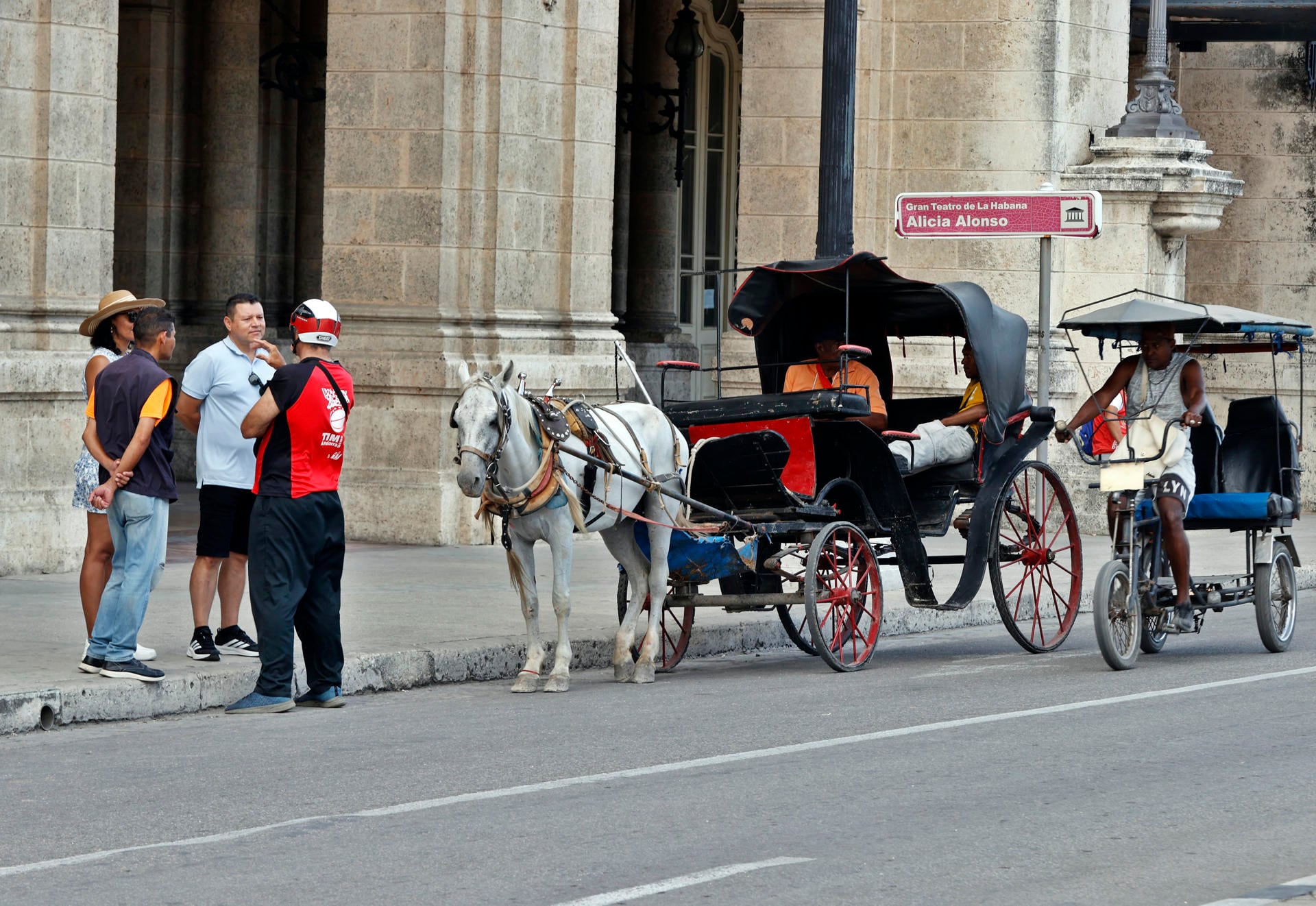
Las autoridades alemanas sumaron una recomendación práctica: desconfiar de los taxistas que insisten en guardar todo el equipaje en el maletero.
La escasez de combustible, por su parte, generó una modalidad delictiva específica. “Aumentan los casos de perforación de tanques de vehículos” para sustraer gasolina, señala el texto oficial citado por el medio.
Las fallas del sistema policial cubano
El aviso también expone limitaciones del aparato de seguridad de la isla. “En ocasiones, las autoridades se niegan a tomar la denuncia de un extranjero”, indica el documento recogido por CiberCuba.
A eso se añade otro riesgo administrativo. Quien sea hallado sin documentos ni dinero —aunque haya sido víctima de un delito— puede quedar retenido varios días en un alojamiento de pago hasta que su situación quede aclarada.
Existe además una advertencia específica para los ciudadanos con doble nacionalidad cubano-alemana.
El régimen los trata exclusivamente como cubanos dentro de la isla, lo que implica posibles obligaciones de servicio militar y la imposibilidad de recibir asistencia consular alemana si son detenidos.
Otros países europeos también mantienen alertas
Alemania no es el único gobierno europeo en situación de alarma. El Reino Unido desaconseja los viajes no esenciales a Cuba y señala un aumento reciente de la delincuencia, con tirones y carterismo en La Habana Vieja.
Países Bajos mantiene, desde mayo de 2026, una alerta naranja que afirma que “no es seguro ir de vacaciones” a la isla. España, por su parte, describe a Cuba como “un destino relativamente seguro” en su propio sistema de recomendaciones, aunque reconoce que son frecuentes los asaltos a turistas en zonas céntricas de La Habana y los robos de bolsos en las playas, según el detalle publicado por el Ministerio de Asuntos Exteriores español.
El trasfondo: apagones y una meta turística incumplida
El agravamiento de la crisis eléctrica funciona como telón de fondo de todas estas alertas. Cuba sufrió su sexto colapso eléctrico total del año el 4 de noviembre, con una disponibilidad de apenas 960 megavatios frente a una demanda máxima de 2.850, de acuerdo con un análisis publicado por Infobae el 14 de noviembre. Siete unidades termoeléctricas permanecían entonces fuera de servicio por averías o mantenimiento.
El deterioro llevó incluso a Under30Experiences, una agencia especializada en viajes grupales para jóvenes, a modificar el tono de sus recomendaciones sobre la isla.
Según relevó Infobae, la empresa advirtió que los apagones son “más largos e impredecibles” y que existe “un malestar social sostenido por la crisis económica”, aunque remarcó que los delitos violentos siguen siendo infrecuentes para los visitantes extranjeros.
Ese escenario se tradujo en cifras concretas para el sector turístico. El Ministerio de Turismo de Cuba solo cumplió el 28.8% de su plan anual al cierre de octubre, con 506,074 visitantes frente a una meta de 1,757,480, según los datos difundidos por CiberCuba.
Los dos mayores operadores turísticos alemanes, TUI y Dertour, ya habían retirado al país de sus catálogos para la temporada de invierno 2026/27, una decisión que antecedió al endurecimiento del aviso oficial de Berlín.
corresponsal:Desde San Salvador, El Salvador

Reforma electoral: el Gobierno buscará lograr dictamen mañana y apunta a sesionar la próxima semana en el Senado

La fuerte reacción de la esposa de Leandro Paredes ante el escándalo que lo vincula sentimentalmente con la China Suárez

Súper Niño 2026 en Argentina: hay alertas meteorológicas en 14 provincias por tormentas hoy

Índice Lego: cuánto más cara es en Argentina la marca que Milei celebró por abrir tienda

¡Déjà vu en África! Túnez amenaza con retirarse del partido tras un penalti en contra

La Fundación Esteban Bullrich presentó sus logros e impacto del 2026 en su encuentro de cierre de año

La inflación de octubre: el dato que sorprendió a casi todos y la distancia que persiste con los parámetros internacionales

U2 vuelve con 12 nuevas canciones y una pregunta incómoda sobre si el rock todavía puede decir algo nuevo

Democrats seize on midterm wins to push massive minimum wage hikes, but economists see trouble ahead

La respuesta sin filtro de Wanda Nara a la China Suárez: «Le pidió al bobo que necesitaba una familia en Turquía»

 ECONOMIA2 días ago
La inflación de octubre: el dato que sorprendió a casi todos y la distancia que persiste con los parámetros internacionales
- INTERNACIONAL3 días ago
U2 vuelve con 12 nuevas canciones y una pregunta incómoda sobre si el rock todavía puede decir algo nuevo
- POLITICA20 horas ago
Milei dijo que el riesgo país sube por el miedo a "Orcolandia" y afirmó: "Los argentinos no van a votar hacia el pasado"