INTERNACIONAL
El Ejército de Guatemala incauta 8,765 kilos de cocaína valorados en 156 millones de dólares durante 2026


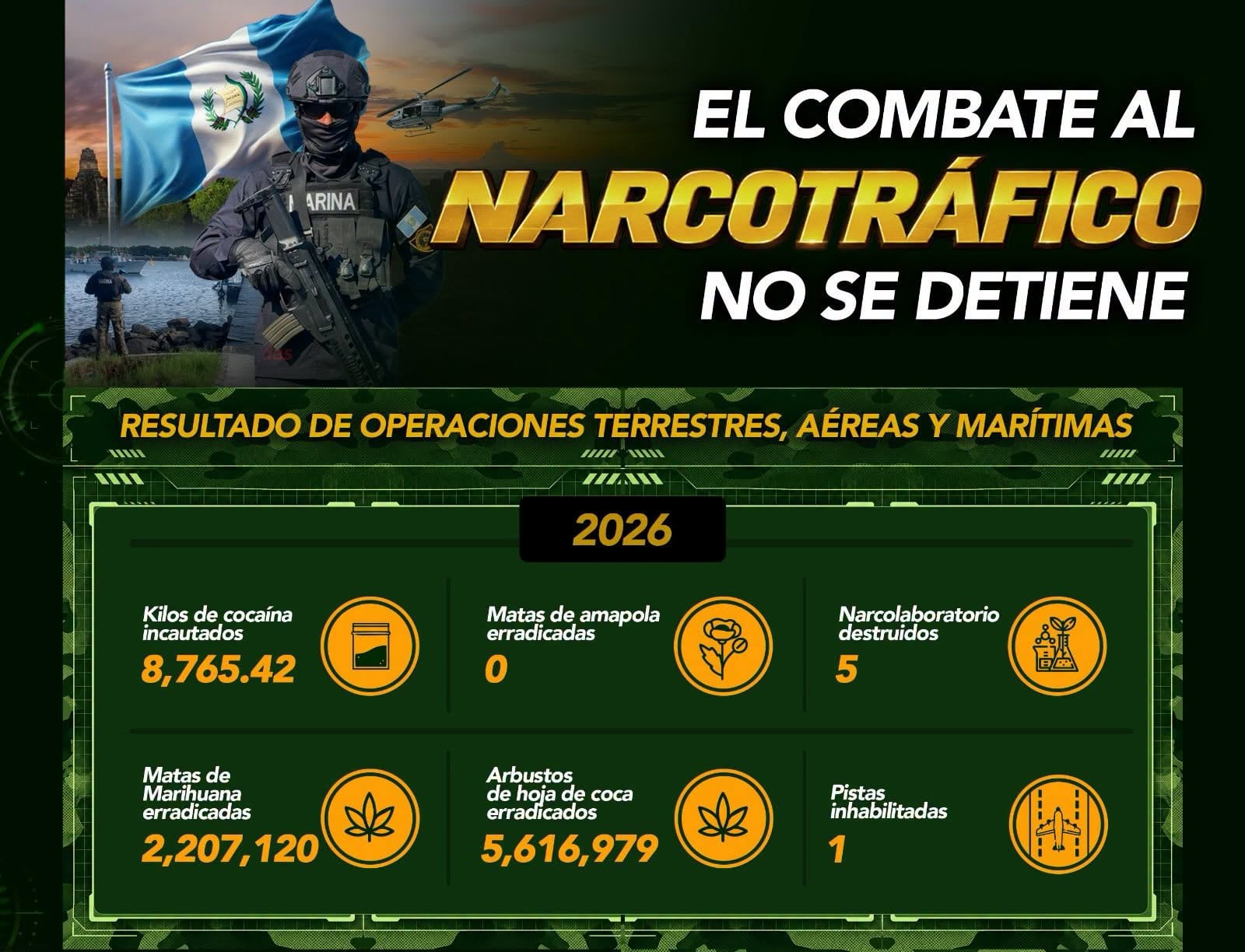
El Ejército de Guatemala incautó 8,765.42 kilos de cocaína en lo que va de 2026, un volumen con un valor estimado superior en más de 1,191 millones de quetzales, unos USD 156 millones, durante operativos terrestres, aéreos y marítimos contra estructuras del narcotráfico. El balance fue divulgado por el Ministerio de la Defensa Nacional.
Las fuerzas armadas también destruyeron cinco narcolaboratorios, erradicaron 5,616,979 arbustos de hoja de coca y eliminaron 2,207,120 matas de marihuana. Una pista clandestina empleada en actividades vinculadas al tráfico de drogas quedó inhabilitada.
El volumen decomisado este año se aproxima al registrado en 2025, cuando se incautaron 8,831.20 kilos. En 2024, las autoridades reportaron 14,772 kilos de cocaína, además de la erradicación de 1.490.240 matas de amapola y 555,428 plantas de marihuana.
Desde enero de 2024, cuando asumió el Gobierno el presidente Bernardo Arévalo, el Ejército contabilizó 32,368.62 kilos de cocaína decomisados y 13,199,374 arbustos de coca erradicados.
El registro de ese período incluye siete narcolaboratorios destruidos y 15 pistas de aterrizaje clandestinas inhabilitadas.
Las cifras militares y el control del espacio aéreo
El ministro de la Defensa, Henry Sáenz, había presentado en julio otro corte de los primeros dos años y medio de gestión: 34.000 kilos de cocaína decomisados y más de 14 millones de matas de coca erradicadas. El funcionario atribuyó los resultados a una estrategia de seguridad democrática.
Sáenz sostuvo que durante ese lapso se detectó una sola traza aérea irregular en el territorio nacional. Para el ministro, ese registro reflejaba el control efectivo del espacio aéreo guatemalteco.
Las operaciones militares se desarrollan junto con una ofensiva de seguridad que el Gobierno intensificó en noviembre en el oriente del país. El 15 de ese mes, Arévalo decretó el estado de sitio por 30 días en los departamentos de Zacapa e Izabal, fronterizos con Honduras, tras ataques armados que las autoridades vincularon con organizaciones narcotraficantes.
La medida fue dictada pocos días después de que Estados Unidos designara a Los Lorenzana como organización terrorista extranjera. El grupo tiene una zona de influencia histórica en esa región del país.
El 19 de noviembre, agentes del Ministerio Público, la Policía Nacional Civil y el Ejército realizaron allanamientos en propiedades relacionadas con Los Lorenzana. Durante esos procedimientos detuvieron a Francisco Javier Hincapié Lorenzana, de 22 años.
En los inmuebles se decomisaron fusiles, una carabina, escopetas, pistolas, radios portátiles, vehículos, motocicletas y dinero en efectivo. La operación formó parte de las acciones habilitadas bajo el estado de sitio.
Detenciones requeridas por cortes de Estados Unidos
Ese mismo día, la Subdirección General de Análisis de Información Antinarcótica capturó en el Aeropuerto Internacional La Aurora a Manuel Alejandro Marín Contreras, alias “El Gordo”. El guatemalteco, de 33 años, era requerido por una corte del Distrito Este de Texas por fabricación y distribución de cocaína.
En la capital también fueron detenidos el mexicano Esteban García Chacón y el guatemalteco Eduardo Antonio Maaz Cruz, alias “Tono”. Ambos eran solicitados por una corte del Distrito Sur de Texas por conspiración para distribuir sustancias con fentanilo.
La cooperación con Estados Unidos incluyó una jornada de coordinación militar realizada en Petén a finales de noviembre. El Comando Sur estadounidense afirmó que el trabajo conjunto con Guatemala permite interrumpir las operaciones de los carteles del narcotráfico.
Entre 2024 y 2026, Guatemala acumuló 113 detenciones con fines de extradición, según registros de la Policía Nacional Civil. El último año concentró 49 capturas, de las cuales 29 correspondieron a personas requeridas por delitos de narcotráfico.
En 2024 se registraron 31 detenciones con fines de extradición y en 2025 fueron 33. En ambos años, 19 de las solicitudes estaban relacionadas con delitos de narcotráfico y provenían, en su mayoría, de cortes distritales de Estados Unidos.
Marina de la Defensa Nacional de Guatemala,Fuerzas Armadas de Guatemala,intercepción marítima,seguridad marítima






INTERNACIONAL
From turkey shortages to helicopter deliveries: The extraordinary history of Thanksgiving during war
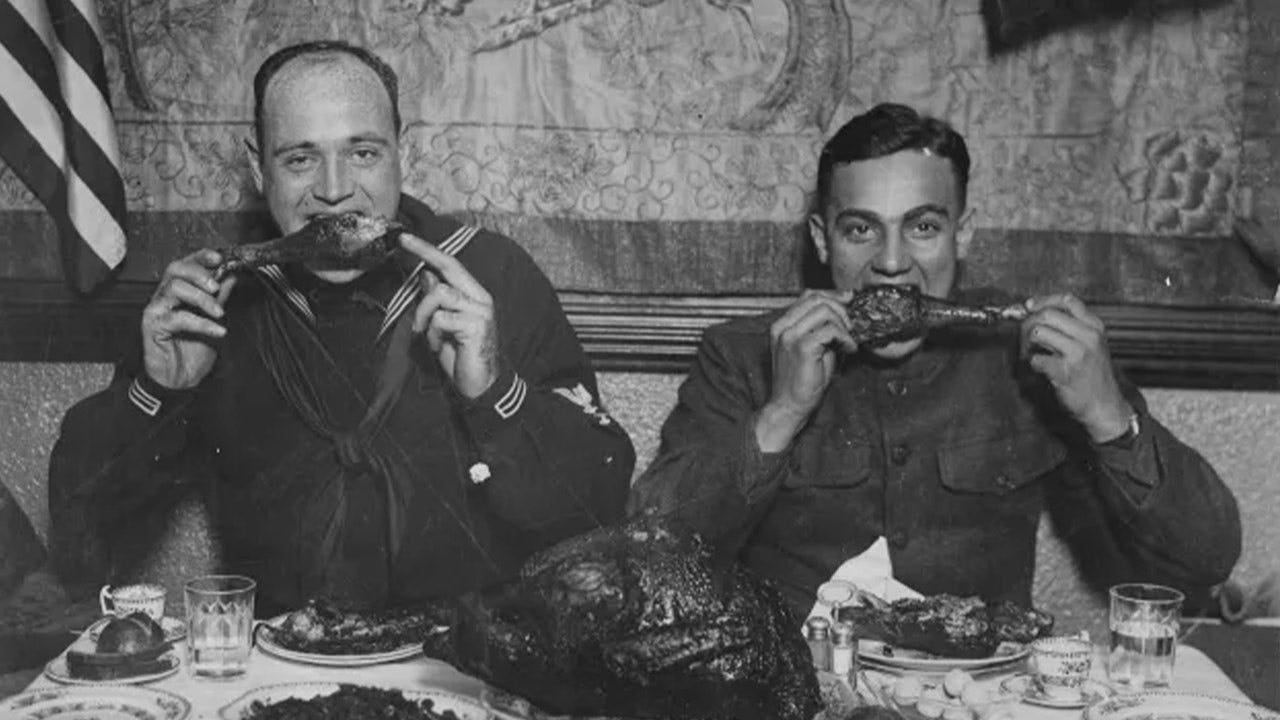
In November 1966, 12 American soldiers stationed at an isolated outpost in a Vietnamese war zone were about as far from a traditional Thanksgiving at home as they could get.
Their only means of resupply was by air. But the U.S. military was determined to get them Thanksgiving dinner anyway.
A mess sergeant at Bien Hoa prepared turkey and all the trimmings, packed the meal into insulated containers and sent it by helicopter into War Zone D, where three officers and nine enlisted men of a 5th Special Forces detachment sat down to Thanksgiving dinner, according to Defense Department records preserved by the National Archives.
The delivery was one piece of a massive logistical effort the U.S. military has undertaken during wars spanning generations to get traditional Thanksgiving meals to troops serving in combat zones.
From civilians sending tens of thousands of turkeys to Union troops during the Civil War to helicopters carrying hot meals to soldiers in Korea, the holiday has been observed through some of the nation’s most consequential conflicts.
Thanksgiving became a national tradition in the midst of war. President Abraham Lincoln issued his 1863 Thanksgiving proclamation as the Civil War entered its third year, calling on Americans to observe the final Thursday of November as a day of «Thanksgiving and Praise.»
By the following year, Americans on the home front were mounting a massive effort to get Thanksgiving dinner to Union troops.
Former War Department official Charles A. Dana later recalled the «great turkey movement» of November 1864. In New York alone, organizers reported having 20,000 turkeys ready to send to the front, according to Dana’s account. A Philadelphia committee sought transportation for another 4,000 destined for troops serving under Gen. Philip Sheridan.
By World War II, the effort to put turkey on troops’ Thanksgiving tables had grown so large that it affected whether Americans at home could find one for their own.
In August 1943, the War Food Administration restricted most civilian turkey sales as the government sought millions of pounds for the armed forces. An initial goal of at least 10 million pounds for troops overseas was expanded to include military installations at home, and the government ultimately obtained roughly 30 million pounds before the order was lifted in October, according to wartime government records.
A year later, delivering Thanksgiving dinner near the front could carry its own risks.
102-YEAR-OLD NAVY VETERAN STILL CRAVES HOT WINGS AFTER 102 COMBAT MISSIONS IN KOREA: ‘I MIGHT MAKE IT TO 115’
In Germany’s Hürtgen Forest, Lt. Paul Boesch of the 121st Infantry Regiment later recalled being told that hot turkey dinners had arrived for his men amid some of the European campaign’s most grueling fighting. Boesch protested that sending soldiers to collect the food would expose them to German artillery, but the order to distribute the meal stood.
His fears proved well-founded. As troops gathered to retrieve the food, German artillery struck the area, killing and wounding several men, according to Boesch’s account.
Six years later, American troops were again eating Thanksgiving dinner near the front, this time in the bitter cold of North Korea.
On Thanksgiving Day 1950, Marines around the Chosin Reservoir were served turkey and cranberry sauce, candied sweet potatoes, fruitcake and mince pie. In the subzero temperatures, the food quickly began to freeze.
US NAVY RELEASES PHOTOS OF ‘FRESH MEALS,’ PUSHES BACK ON REPORTS OF FOOD SHORTAGES ON MIDDLE EAST WARSHIPS
The dinner came as U.S. commanders remained optimistic that the war could soon be over. The following day, Gen. Douglas MacArthur launched an offensive that became known as the «Home-by-Christmas» campaign.
Instead, Chinese forces entered the fighting in massive numbers. Within days of Thanksgiving, Marines around Chosin were surrounded and battling through one of the most brutal engagements of the Korean War.
More than half a century later, another generation of American troops was spending Thanksgiving at war in Iraq and Afghanistan.
In 2003, President George W. Bush secretly flew into Baghdad to surprise roughly 600 troops gathered for Thanksgiving dinner at Baghdad International Airport. Air Force One approached with its cabin shades drawn and lights dimmed amid tight security surrounding the trip.
«I was just looking for a warm meal somewhere,» Bush joked before addressing the troops and helping serve Thanksgiving dinner.
In Afghanistan, getting that dinner to troops stationed far from major bases could require a different kind of operation.
On Thanksgiving 2007, helicopters carried turkeys and traditional fixings from Bagram Airfield to soldiers at remote firebases in the Tagab Valley, according to a contemporaneous U.S. military account.
It was the first hot meal some of the soldiers had eaten in months. Because the positions still had to be defended, troops rotated between Thanksgiving dinner and standing watch.
«The white meat was magnificent,» Pfc. Matt Lorimer of the 82nd Airborne Division said.
At another remote Afghan outpost two years later, troops spent a month fattening five scrawny turkeys purchased locally for Thanksgiving. But five birds were not enough to feed roughly 150 soldiers.
Additional turkey was flown from the United States to Bagram Airfield and then transported to the outpost. Even that was not the end of the journey.
A handful of soldiers were manning an observation post on a mountain spur roughly 6,900 feet above sea level. Their Thanksgiving dinner was packed up and flown by helicopter up the mountain to them.
us army, thanksgiving occasions lifestyle, military, us marines, north korea, afghanistan, politics
INTERNACIONAL
Venezuela elimina el requisito de visa para los panameños tras años de tensiones diplomáticas
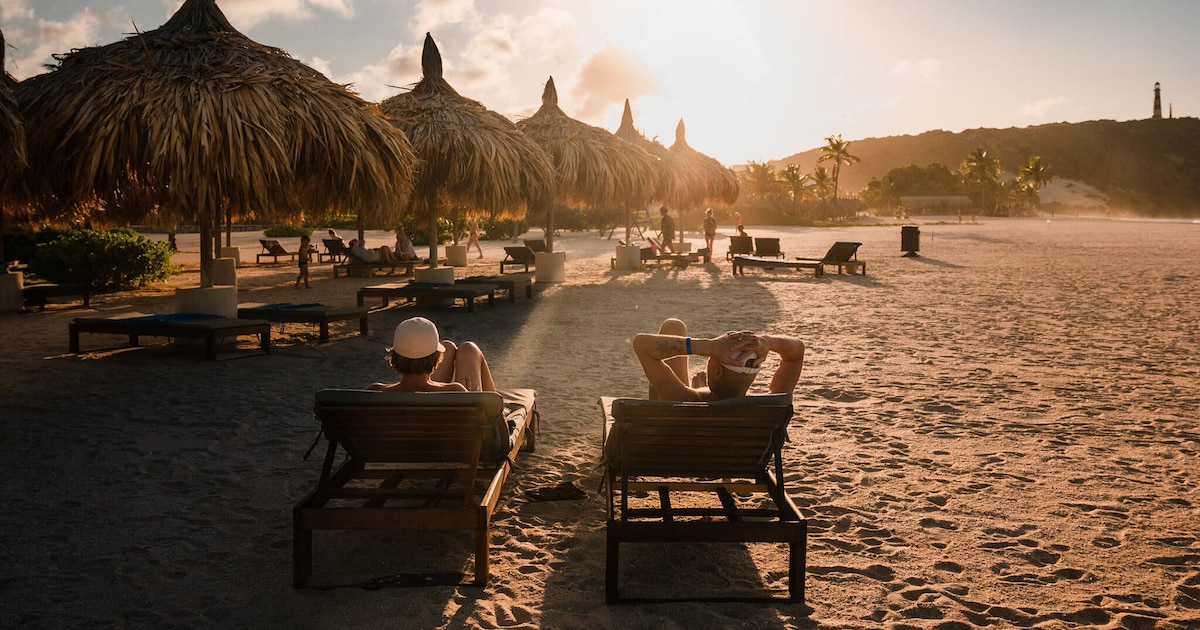
Venezuela anunció la eliminación del requisito de visa para los ciudadanos panameños, una medida que marca un nuevo capítulo en las relaciones entre ambos países, deterioradas tras las controvertidas elecciones presidenciales venezolanas de julio de 2024.
La decisión fue anunciada este viernes 27 de noviembre por Delcy Rodríguez, quien instruyó al canciller venezolano, Oliver Blanco, a eliminar la exigencia migratoria como parte de las iniciativas para impulsar el turismo internacional.
El anuncio se produjo durante la celebración del 56.º aniversario de Consecomercio, un día después de que Copa Airlines inaugurara sus operaciones comerciales hacia la isla de Margarita, ampliando la conectividad aérea entre ambos países.
La mandataria indicó que la eliminación de las visas debía aplicarse desde este viernes, aunque durante su intervención no precisó el período de permanencia autorizado ni las condiciones migratorias aplicables a los viajeros panameños.
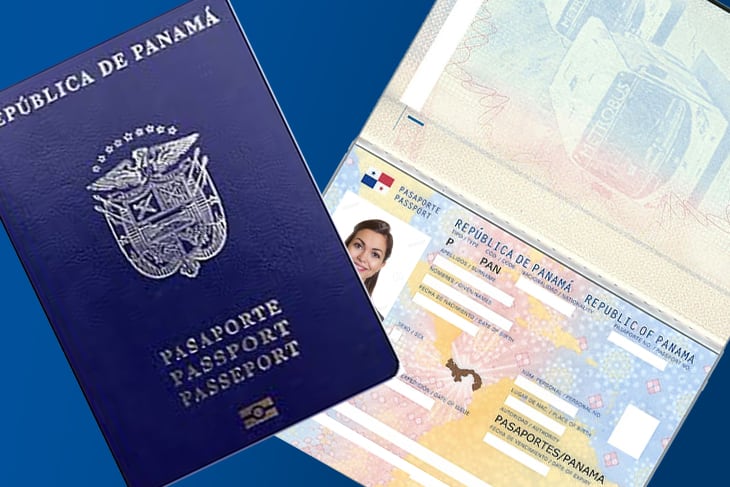
La exigencia de visa para los panameños se remonta a octubre de 2017, cuando el gobierno venezolano adoptó una medida de reciprocidad migratoria, después de que Panamá estableciera ese requisito para los ciudadanos de nacionalidad venezolana.
Las relaciones bilaterales atravesaron uno de sus momentos más críticos después de las elecciones presidenciales del 28 de julio de 2024, cuando el Consejo Nacional Electoral (CNE) proclamó ganador al entonces mandatario Nicolás Maduro.
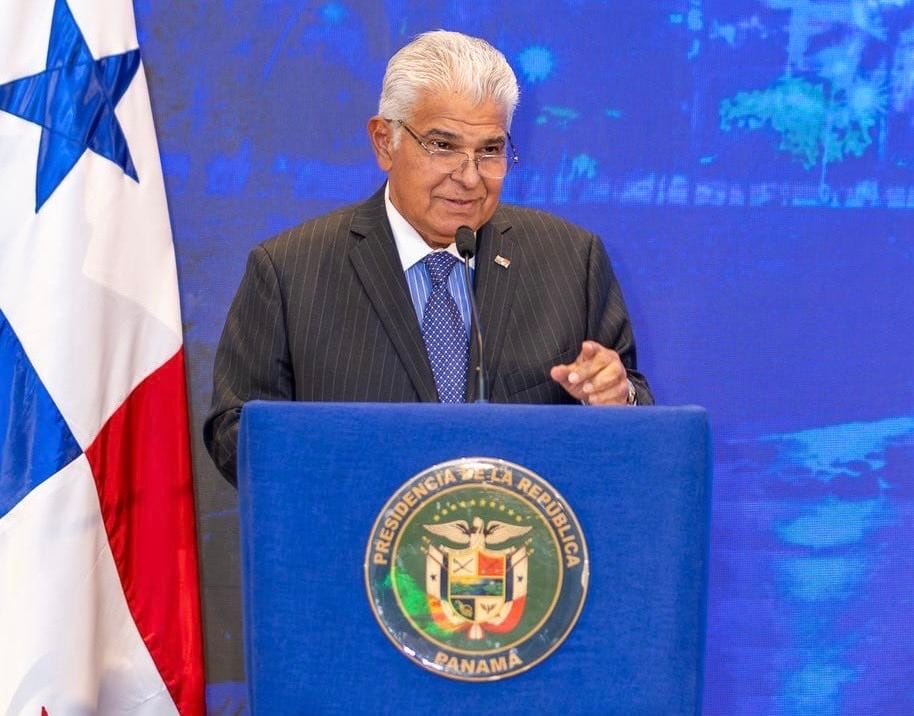
El presidente panameño, José Raúl Mulino, cuestionó los resultados y anunció el 29 de julio el retiro del personal diplomático acreditado en Caracas, además de suspender las relaciones hasta que se realizara una revisión del escrutinio electoral.
Mulino también respaldó al candidato opositor Edmundo González Urrutia y promovió discusiones sobre la situación venezolana ante la Organización de los Estados Americanos (OEA), reclamando transparencia en los resultados electorales.
Las tensiones derivaron en la suspensión de las operaciones aéreas comerciales entre ambos países, afectando a miles de viajeros, las conexiones internacionales de Copa Airlines y las actividades de empresas establecidas en la Zona Libre de Colón.
En mayo de 2025, las autoridades aeronáuticas autorizaron el restablecimiento de los vuelos comerciales, después de casi diez meses de interrupción, permitiendo a la aerolínea panameña recuperar progresivamente sus frecuencias hacia el mercado venezolano.
Posteriormente, ambos gobiernos acordaron reactivar los servicios consulares, una decisión orientada a facilitar la atención de sus ciudadanos y atender asuntos relacionados con el comercio bilateral y los procesos de retorno de migrantes venezolanos.
Mulino aclaró en septiembre de 2025 que la recuperación de los servicios consulares no implicaba el restablecimiento de las relaciones diplomáticas, aunque permitía atender algunas de las consecuencias humanitarias y comerciales del distanciamiento entre ambos gobiernos.
Con la incorporación de Porlamar, Copa Airlines amplía su oferta a 47 frecuencias semanales entre Panamá y Venezuela, distribuidas entre seis destinos, según la programación anunciada por la compañía para noviembre de 2026.

La oferta contempla 14 vuelos semanales hacia Caracas e igual cantidad hacia Valencia, siete a Maracaibo, cinco a Barcelona, cuatro a Barquisimeto y tres hacia la isla de Margarita.
Antes de los terremotos del 24 de junio, la aerolínea operaba tres vuelos diarios hacia Caracas. Las operaciones se reanudaron el 1 de septiembre, mientras que la segunda frecuencia diaria fue restablecida dos semanas después.
La suspensión temporal estuvo relacionada con los daños ocasionados por los movimientos sísmicos en el Aeropuerto Internacional Simón Bolívar de Maiquetía, principal terminal aérea venezolana, cuya recuperación permitió el retorno gradual de las operaciones comerciales.
El vuelo inaugural hacia Margarita transportó a 166 pasajeros y aterrizó en el Aeropuerto Internacional Santiago Mariño, en el estado Nueva Esparta. La ruta opera con aeronaves Boeing 737-800 los días martes, jueves y domingos.
La nueva conexión representa una oferta aproximada de 3,500 asientos mensuales entre ambos sentidos y permite enlazar la isla venezolana con más de 85 destinos internacionales mediante el centro de conexiones de Panamá.
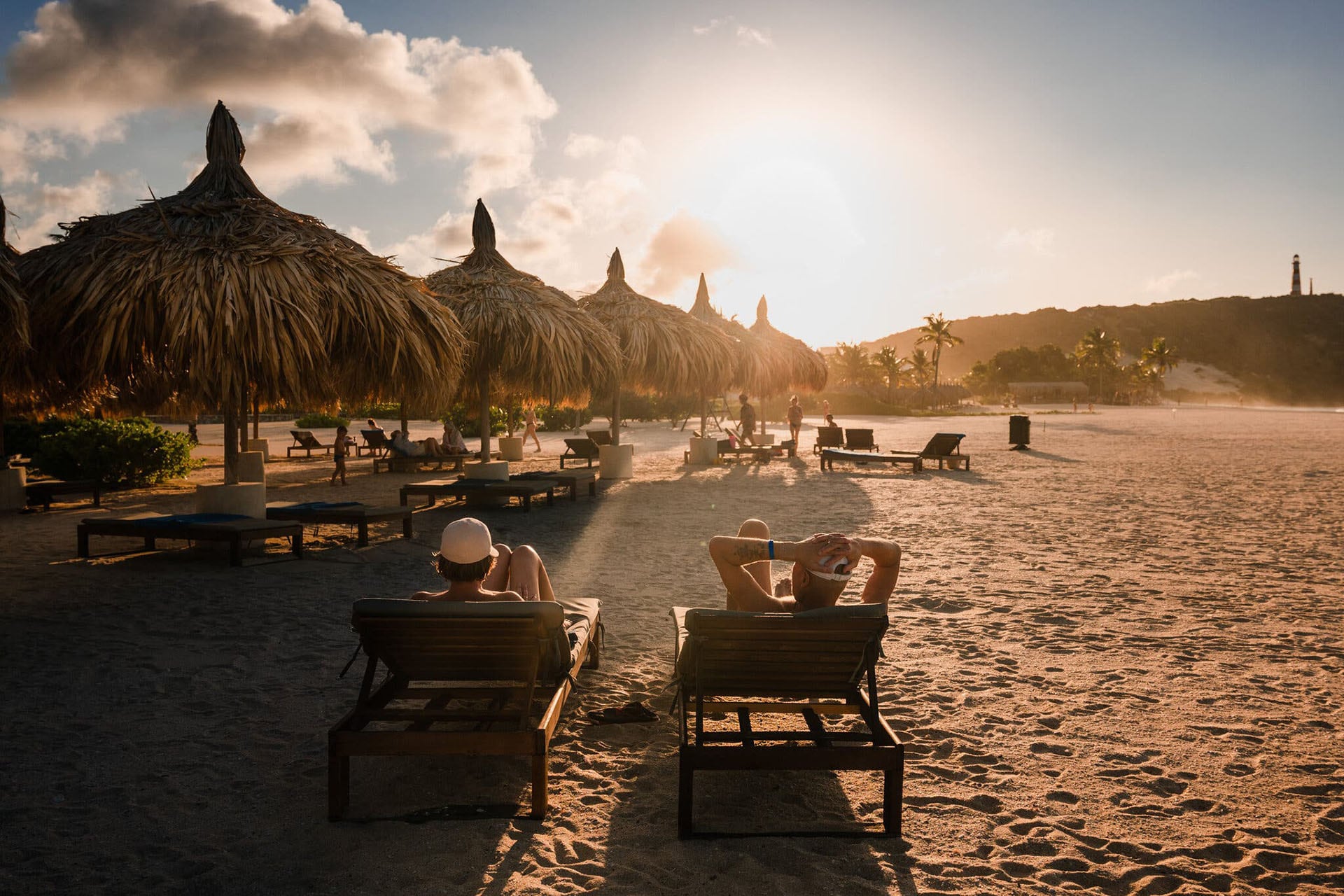
La eliminación del requisito de visa busca favorecer la llegada de turistas panameños y dinamizar actividades económicas vinculadas con la hotelería, la gastronomía y el transporte, en momentos en que Venezuela procura ampliar su conectividad aérea internacional.
Disasters / Accidents,South America / Central America
INTERNACIONAL
US military disables tanker ship attempting to slip through Iran blockade on Thanksgiving Day
NEWYou can now listen to Fox News articles!
A U.S. military aircraft disabled a commercial vessel in the Gulf of Oman on Thursday after it tried to evade the naval blockade of all Iranian ports, which has been in effect since mid-July.
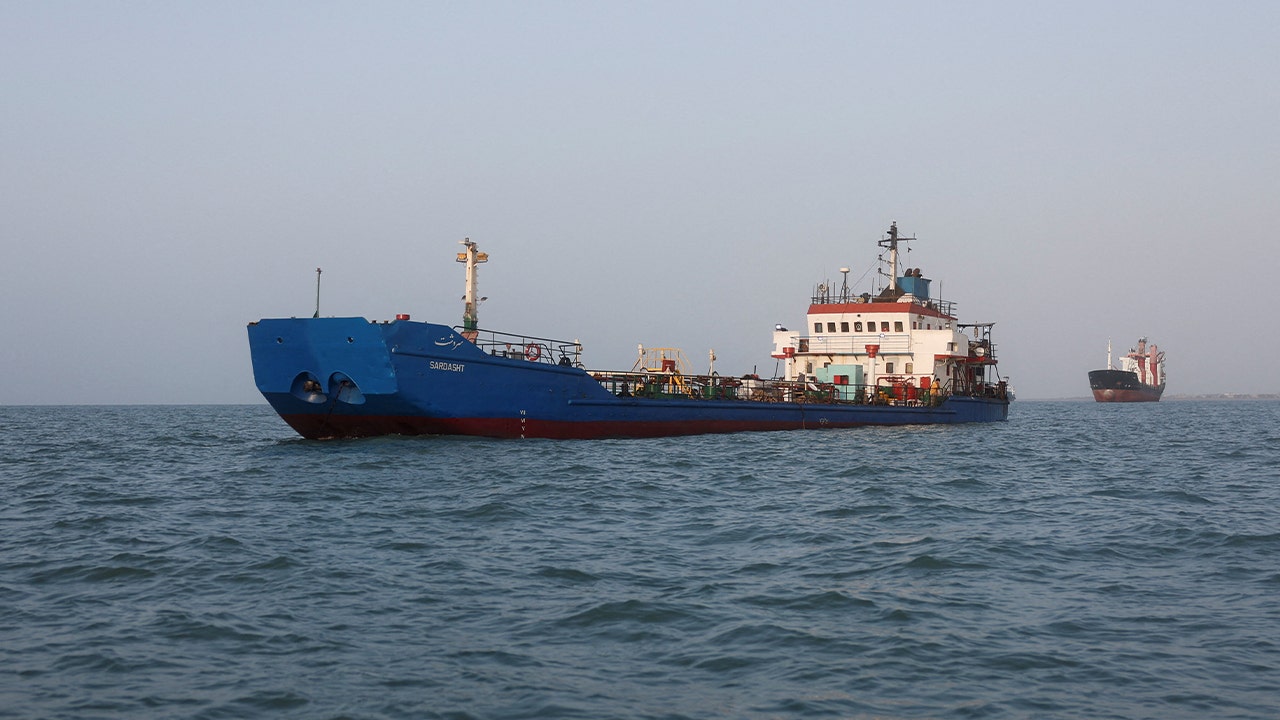
The Palau-flagged M/V Pacific Archer left Bandar Abbas, a major port city on Iran’s southern coast, before the U.S. Central Command (CENTCOM) fired precision munitions at the ship’s stern, destroying its propulsion.
A video released by the military shows a projectile hitting the back of the ship and causing an explosion. The civilian crew was unharmed in the strike, CENTCOM said.
So far, U.S. forces have redirected 158 compliant commercial vessels and disabled six that refused to comply.
The moment a U.S. military aircraft struck a Palau-flagged commercial ship in the Gulf of Oman on Nov. 26, 2026. The ship left Bandar Abbas and tried to slip through the U.S. naval blockade. (U.S. Central Command)
TRUMP DARES IRAN TO BREACH US PORT BLOCKADE AS TEHRAN REPORTEDLY READIES 14 OIL TANKERS
President Donald Trump said Thursday, while celebrating Thanksgiving at Mar-a-Lago in Palm Beach, Florida, that victory in the Iran war would come «whenever I want it.»
«We have victory at hand. It’s going to be whenever, sort of, whatever I want it to be. To be honest, and we’re trying to be nice, we’re giving them every chance to make a deal and save a lot of lives. But I am not sure if they are going to take advantage of that,» he said in a phone call to U.S. service members.
Trump also praised U.S. troops for their role in preventing Iran from obtaining a nuclear weapon.

President Donald Trump and first lady Melania Trump speak with participate in calls with U.S. service members from Mar-a-Lago on Thanksgiving Day, on Nov. 26, 2026 in Palm Beach, Florida. (Daniel Heuer/Getty Images)
TRUMP PAUSES TURKEY PARDON TO SALUTE US TROOPS GUARDING STRAIT OF HORMUZ: ‘WATCH OVER AND PROTECT’
«Each of you is playing an essential role to protect not only our country today but future generations of Americans by ensuring that Iran will never have a nuclear weapon. They will never have a nuclear weapon. That I can tell you,» he said.
Trump added that the U.S. has launched 150 missiles to intercept threats targeting commercial shipping in the Strait of Hormuz.
Asked whether Moscow and Beijing are providing Iran with intelligence to help it target U.S. military bases, Trump minimized the likelihood and said China was not heavily involved. He maintained that both countries are interested in helping the U.S. bring the war to a close.

Vessels in the Strait of Hormuz are visible near the beach of Bandar Abbas, Iran, August 27, 2026. (Majid Asgaripour/WANA (West Asia News Agency))
Trump said that if the U.S. were to resume strikes, CENTCOM forces would «absolutely hit Pickaxe Mountain,» an underground complex near Iran’s Natanz enrichment complex.
The likelihood of Iran agreeing to a deal proposed by the U.S. is low, Trump also told reporters.
war with iran, donald trump, military, foreign policy, middle east, navy

From turkey shortages to helicopter deliveries: The extraordinary history of Thanksgiving during war

Internaron de urgencia a Luis Ventura por un cuadro muy delicado que sufrió rumbo a Miami

El Ejército de Guatemala incauta 8,765 kilos de cocaína valorados en 156 millones de dólares durante 2026

Puma cerró una planta en La Rioja y despidió a 50 empleados

Pidieron allanar una segunda mansión de Pilar que aparece ligada a las autoridades de la AFA

Agravaron la acusación a un ex fiscal de Rosario: desvió mil millones de pesos de cuentas bancarias judiciales

“Estoy preparada para ser presidenta”: fuerte desafío de Patricia Bullrich a Javier Milei

Efecto reforma electoral: la suspensión de las PASO divide la estrategia de los “outsiders”

El economista Luis Secco cuestionó el programa económico de Milei: “Estamos estancados desde fines del primer trimestre de 2025″

“Lo real es que estamos estancados”: el análisis de un economista tras la caída de la actividad

 POLITICA2 días ago
“Estoy preparada para ser presidenta”: fuerte desafío de Patricia Bullrich a Javier Milei
- POLITICA14 horas ago
Efecto reforma electoral: la suspensión de las PASO divide la estrategia de los “outsiders”
- ECONOMIA3 días ago
El economista Luis Secco cuestionó el programa económico de Milei: “Estamos estancados desde fines del primer trimestre de 2025″