INTERNACIONAL
From turkey shortages to helicopter deliveries: The extraordinary history of Thanksgiving during war

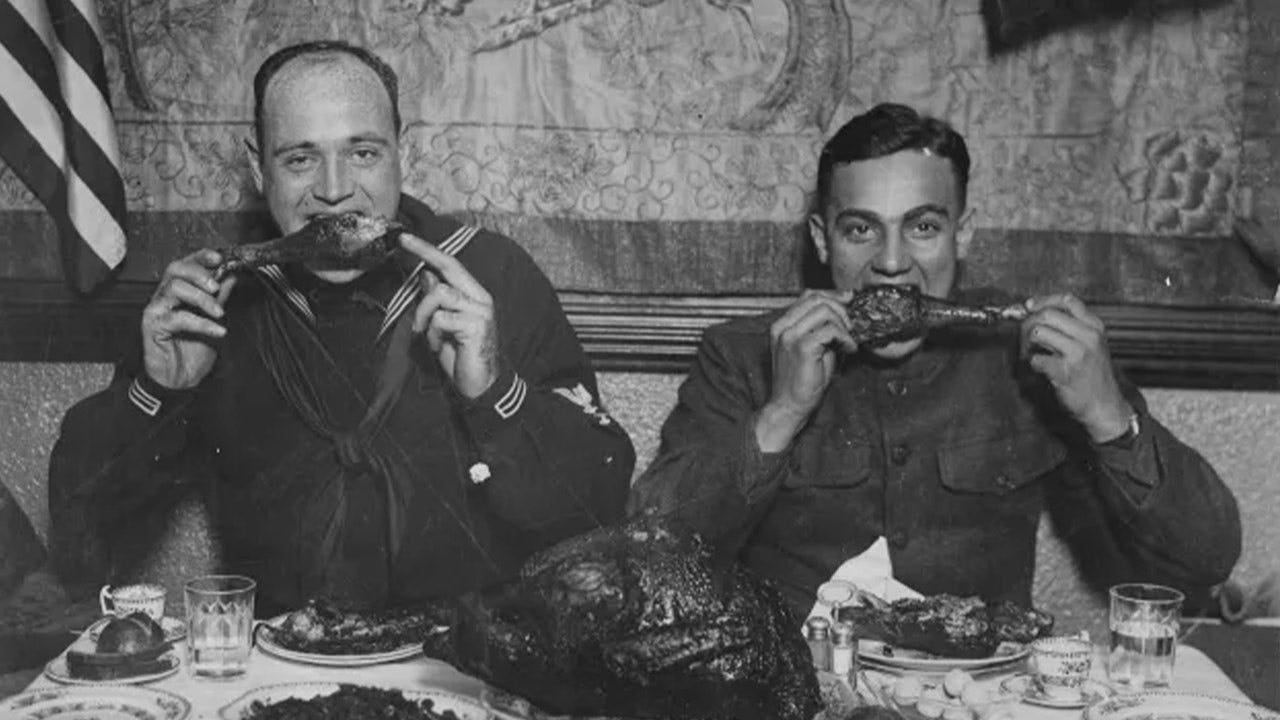
In November 1966, 12 American soldiers stationed at an isolated outpost in a Vietnamese war zone were about as far from a traditional Thanksgiving at home as they could get.
Their only means of resupply was by air. But the U.S. military was determined to get them Thanksgiving dinner anyway.
A mess sergeant at Bien Hoa prepared turkey and all the trimmings, packed the meal into insulated containers and sent it by helicopter into War Zone D, where three officers and nine enlisted men of a 5th Special Forces detachment sat down to Thanksgiving dinner, according to Defense Department records preserved by the National Archives.
The delivery was one piece of a massive logistical effort the U.S. military has undertaken during wars spanning generations to get traditional Thanksgiving meals to troops serving in combat zones.
From civilians sending tens of thousands of turkeys to Union troops during the Civil War to helicopters carrying hot meals to soldiers in Korea, the holiday has been observed through some of the nation’s most consequential conflicts.
Thanksgiving became a national tradition in the midst of war. President Abraham Lincoln issued his 1863 Thanksgiving proclamation as the Civil War entered its third year, calling on Americans to observe the final Thursday of November as a day of «Thanksgiving and Praise.»
By the following year, Americans on the home front were mounting a massive effort to get Thanksgiving dinner to Union troops.
Former War Department official Charles A. Dana later recalled the «great turkey movement» of November 1864. In New York alone, organizers reported having 20,000 turkeys ready to send to the front, according to Dana’s account. A Philadelphia committee sought transportation for another 4,000 destined for troops serving under Gen. Philip Sheridan.
By World War II, the effort to put turkey on troops’ Thanksgiving tables had grown so large that it affected whether Americans at home could find one for their own.
In August 1943, the War Food Administration restricted most civilian turkey sales as the government sought millions of pounds for the armed forces. An initial goal of at least 10 million pounds for troops overseas was expanded to include military installations at home, and the government ultimately obtained roughly 30 million pounds before the order was lifted in October, according to wartime government records.
A year later, delivering Thanksgiving dinner near the front could carry its own risks.
102-YEAR-OLD NAVY VETERAN STILL CRAVES HOT WINGS AFTER 102 COMBAT MISSIONS IN KOREA: ‘I MIGHT MAKE IT TO 115’
In Germany’s Hürtgen Forest, Lt. Paul Boesch of the 121st Infantry Regiment later recalled being told that hot turkey dinners had arrived for his men amid some of the European campaign’s most grueling fighting. Boesch protested that sending soldiers to collect the food would expose them to German artillery, but the order to distribute the meal stood.
His fears proved well-founded. As troops gathered to retrieve the food, German artillery struck the area, killing and wounding several men, according to Boesch’s account.
Six years later, American troops were again eating Thanksgiving dinner near the front, this time in the bitter cold of North Korea.
On Thanksgiving Day 1950, Marines around the Chosin Reservoir were served turkey and cranberry sauce, candied sweet potatoes, fruitcake and mince pie. In the subzero temperatures, the food quickly began to freeze.
US NAVY RELEASES PHOTOS OF ‘FRESH MEALS,’ PUSHES BACK ON REPORTS OF FOOD SHORTAGES ON MIDDLE EAST WARSHIPS
The dinner came as U.S. commanders remained optimistic that the war could soon be over. The following day, Gen. Douglas MacArthur launched an offensive that became known as the «Home-by-Christmas» campaign.
Instead, Chinese forces entered the fighting in massive numbers. Within days of Thanksgiving, Marines around Chosin were surrounded and battling through one of the most brutal engagements of the Korean War.
More than half a century later, another generation of American troops was spending Thanksgiving at war in Iraq and Afghanistan.
In 2003, President George W. Bush secretly flew into Baghdad to surprise roughly 600 troops gathered for Thanksgiving dinner at Baghdad International Airport. Air Force One approached with its cabin shades drawn and lights dimmed amid tight security surrounding the trip.
«I was just looking for a warm meal somewhere,» Bush joked before addressing the troops and helping serve Thanksgiving dinner.
In Afghanistan, getting that dinner to troops stationed far from major bases could require a different kind of operation.
On Thanksgiving 2007, helicopters carried turkeys and traditional fixings from Bagram Airfield to soldiers at remote firebases in the Tagab Valley, according to a contemporaneous U.S. military account.
It was the first hot meal some of the soldiers had eaten in months. Because the positions still had to be defended, troops rotated between Thanksgiving dinner and standing watch.
«The white meat was magnificent,» Pfc. Matt Lorimer of the 82nd Airborne Division said.
At another remote Afghan outpost two years later, troops spent a month fattening five scrawny turkeys purchased locally for Thanksgiving. But five birds were not enough to feed roughly 150 soldiers.
Additional turkey was flown from the United States to Bagram Airfield and then transported to the outpost. Even that was not the end of the journey.
A handful of soldiers were manning an observation post on a mountain spur roughly 6,900 feet above sea level. Their Thanksgiving dinner was packed up and flown by helicopter up the mountain to them.
us army, thanksgiving occasions lifestyle, military, us marines, north korea, afghanistan, politics






INTERNACIONAL
Fort Hood terrorist fights Texas transfer as feds call last-minute execution challenge ‘meritless’
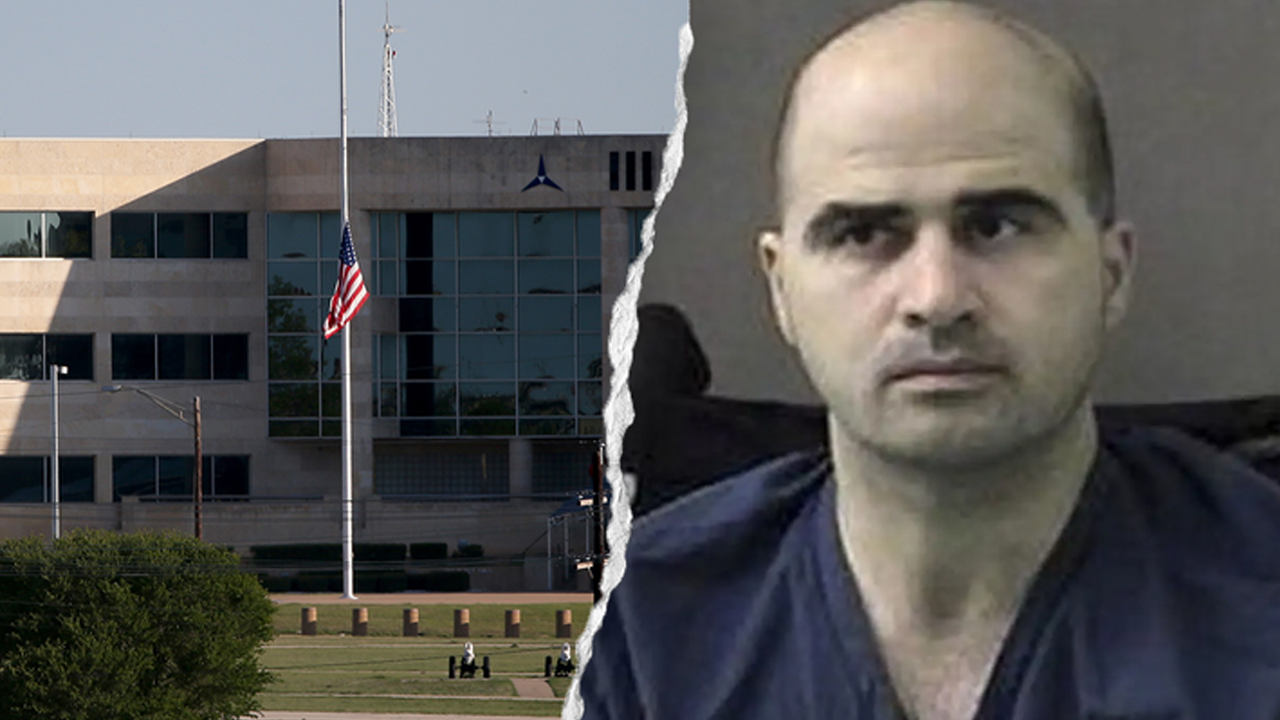
Convicted Fort Hood mass shooter Nidal Hasan is fighting his transfer to Texas and renewing his bid to halt his execution, even as federal attorneys argue his anticipated legal claims are meritless and further delays would harm his victims and their families.
In an 11-page filing Saturday in the U.S. District Court for the District of Kansas, American Civil Liberties Union (ACLU) attorneys argued Hasan should remain at Fort Leavenworth, Kansas, while he pursues a constitutional challenge to his death sentence.
Hasan, 56, is scheduled to be executed Thursday for the 2009 massacre that killed 13 people at Fort Hood, Texas. He has yet to file a habeas corpus petition.
FORT HOOD SHOOTER NIDAL HASAN ASKS FEDERAL JUDGE TO HALT EXECUTION
The former Army officer’s latest filing comes a day after U.S. Attorney for the District of Kansas Ryan Kriegshauser and Assistant U.S. Attorney Jared Maag urged the court to reject Hasan’s request for a stay of execution.
«Hasan offers no justification for his delay in filing a habeas petition, nor can he establish any likelihood of success on the merits of his yet-unfiled petition,» government attorneys wrote Friday.
The government noted that military appeals courts upheld Hasan’s conviction and sentence and that the U.S. Supreme Court declined to review his case on March 31, 2025.
Federal attorneys also emphasized the toll further delays would take on victims and their families, many of whom are preparing to travel to Texas to witness the execution.
FORT HOOD SHOOTER SHOULD BE EXECUTED ’13 TIMES OVER’ — BUT NOT ON LIVE STREAM, SURVIVOR SAYS
«The victims’ families — and the public as a whole — have an overwhelming interest in implementing the capital sentence in this case,» government attorneys wrote.
Hasan, a former Army major and psychiatrist, was convicted in 2013 of 13 counts of premeditated murder and 32 counts of attempted premeditated murder.
Among Hasan’s victims was Army Pvt. Francheska Velez, 21, who had recently returned from Iraq and was pregnant with her first child.
Among the constitutional claims Hasan intends to raise is a previously rejected argument that his actions were justified because he was defending members of the Taliban in Afghanistan, according to court documents.
TRUMP RULES OUT LIVESTREAM FOR NIDAL HASAN FIRING SQUAD EXECUTION
He also intends to challenge the roles of President Donald Trump and Secretary of War Pete Hegseth in the proceedings surrounding his execution, alleging unlawful command influence.
Federal attorneys argued neither anticipated claim provides a legal basis for postponing his execution.
«The government’s interest in implementing Hasan’s sentence is magnified by the heinous nature of his crimes,» they wrote.
In Saturday’s response, ACLU attorneys disputed the government’s allegations of delay, arguing Hasan could not initiate federal habeas proceedings until Trump approved his death sentence on Oct. 2.
Hasan was notified of Trump’s approval on Oct. 5, and filed his motion seeking a stay seven weeks later, on Nov. 24.
«There is no precedent to suggest that this interval of seven weeks is dilatory,» his attorneys wrote Saturday.
AMERICANS BACK TRUMP’S DECISION AGAINST LIVESTREAMING NIDAL HASAN’S FIRING SQUAD EXECUTION
They also maintained Hasan is not seeking an indefinite stay and argued that the court should prevent his transfer to a facility that cannot accommodate his medical needs or provide adequate access to legal counsel.
Hasan is paralyzed from the chest down and uses a wheelchair.
U.S. District Judge Anthony Mattivi has ordered Hasan to appear in person at a hearing Monday at 10 a.m. local time in Kansas City, Kansas.
Mattivi, a Trump appointee confirmed by the Senate in June, spent more than two decades as a federal prosecutor.
According to his official court biography, Mattivi previously served as the lead prosecutor in the military commission case against the al Qaeda operative who masterminded the USS Cole bombing.
He also assisted Iraqi authorities in prosecuting members of Saddam Hussein’s regime for war crimes.
Monday’s hearing will also address Hasan’s request to represent himself and the appointment and role of his legal counsel.
Hasan’s execution, if carried out as scheduled, would be the first U.S. military execution in more than 60 years.
The ACLU did not immediately respond to Digital’s request for comment.
Digital’s Louis Casiano contributed to this reporting.
army, federal judges, military trials, terror, justice department, threats, kansas, texas, politics
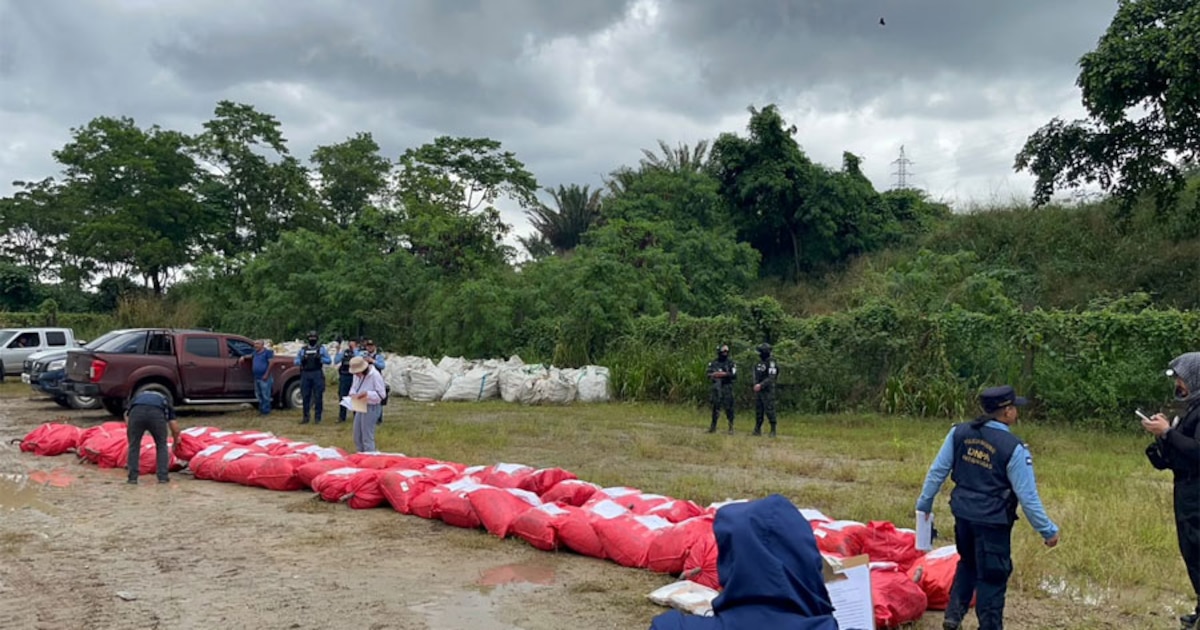
El Ministerio Público (MP) de Honduras coordinó la incineración de más de media tonelada de droga decomisada en diferentes operaciones contra el narcotráfico, cuyo valor económico fue estimado en 27 millones de lempiras, equivalentes a aproximadamente 1,02 millones de dólares.
La diligencia judicial se desarrolló este viernes 27 de noviembre en el municipio de Puerto Cortés, departamento de Cortés, bajo la coordinación de la Fiscalía Especial Contra el Crimen Organizado (FESCCO) y mediante una orden judicial que autorizó la destrucción de las sustancias ilícitas.
De acuerdo con el ente acusador, los estupefacientes correspondían a distintos expedientes judiciales y procesos penales, en los que fueron decomisados durante operaciones ejecutadas por las autoridades hondureñas.
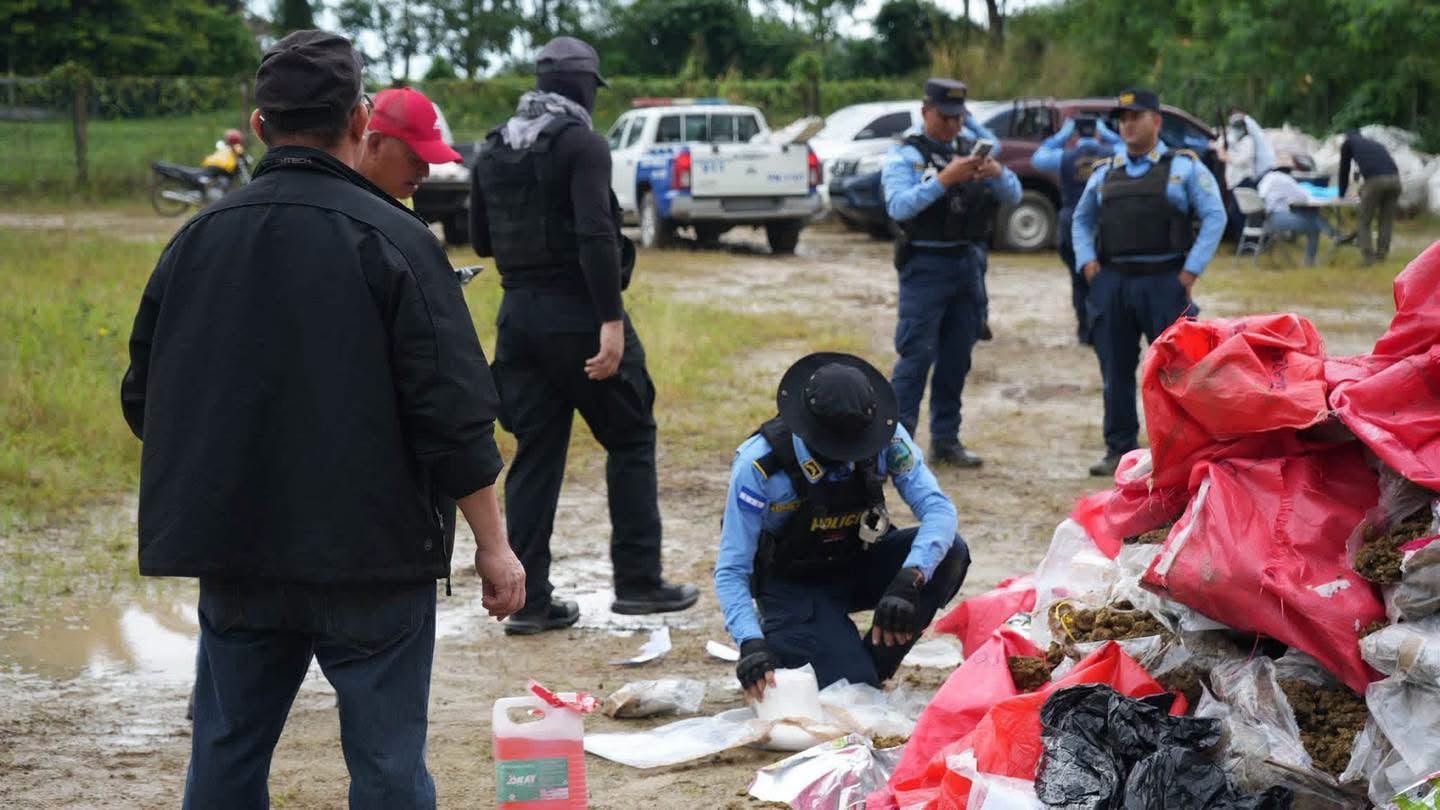
La incineración se realizó bajo las formalidades de prueba anticipada, un procedimiento contemplado en la legislación procesal penal que permite documentar y garantizar la legalidad de determinadas actuaciones judiciales antes de que se desarrolle el juicio correspondiente.
El Ministerio Público explicó que la destrucción de los narcóticos se llevó a cabo siguiendo los procedimientos legales establecidos y con la participación de diferentes instituciones encargadas de la seguridad, la administración de justicia y la supervisión técnica.
Entre las sustancias destruidas figuraban 520 paquetes de marihuana, correspondientes a un expediente judicial, además de varios decomisos de cocaína y marihuana que estaban vinculados a otras investigaciones penales.
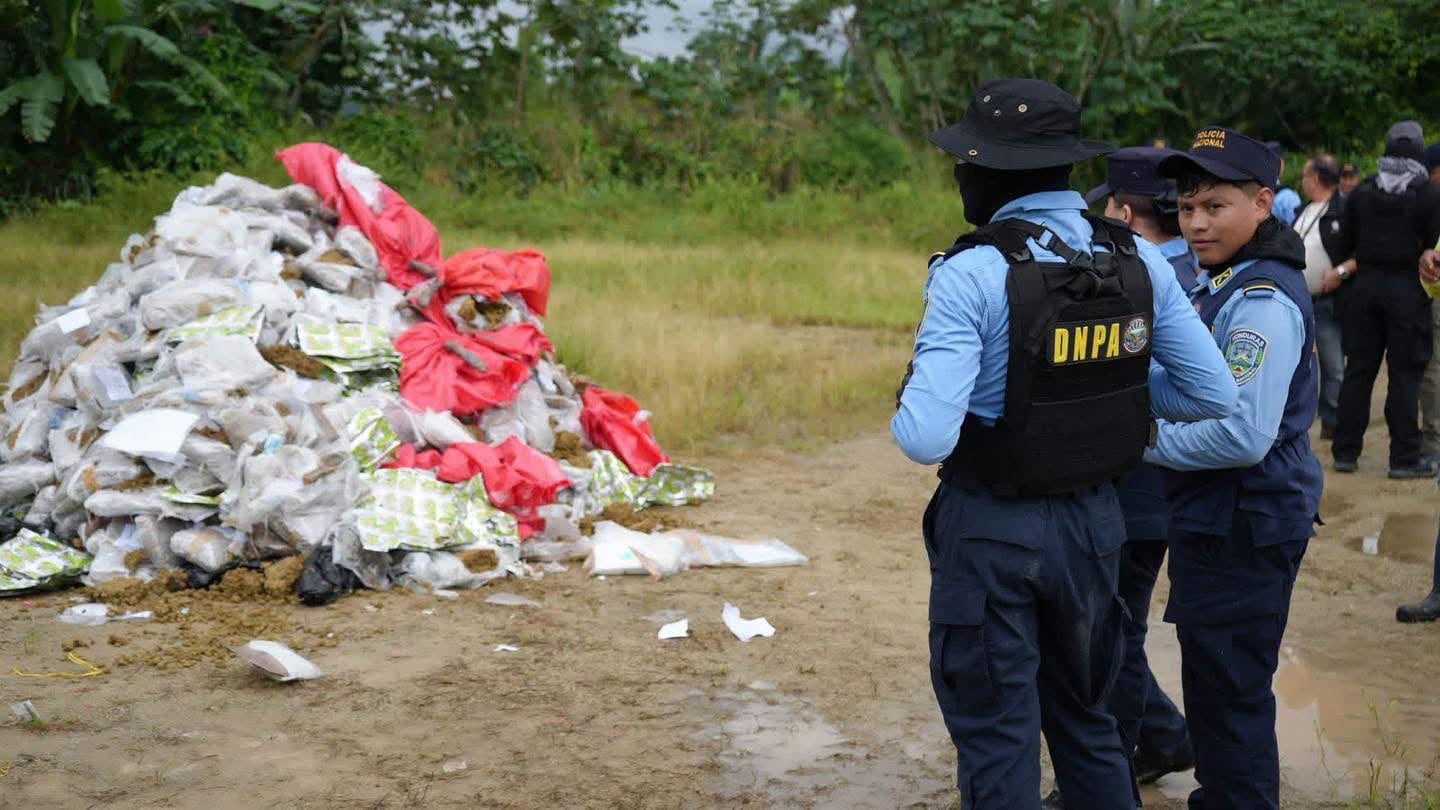
El detalle proporcionado por la Fiscalía establece que también fueron incinerados 4.868,3 gramos de cocaína y 728,7 gramos de marihuana, así como otros 4.811,43 gramos de cocaína decomisados en diferentes procesos.
En conjunto, los decomisos de cocaína incluidos en la diligencia sumaban 9.679,73 gramos, equivalentes a aproximadamente 9,68 kilogramos. A esta cantidad se agregaron los 728,7 gramos de marihuana registrados en uno de los expedientes, además de los 520 paquetes de esa misma sustancia.
La Fiscalía no detalló en su comunicación el peso individual de cada uno de los 520 paquetes ni especificó las fechas y los lugares exactos donde fueron incautados los cargamentos.
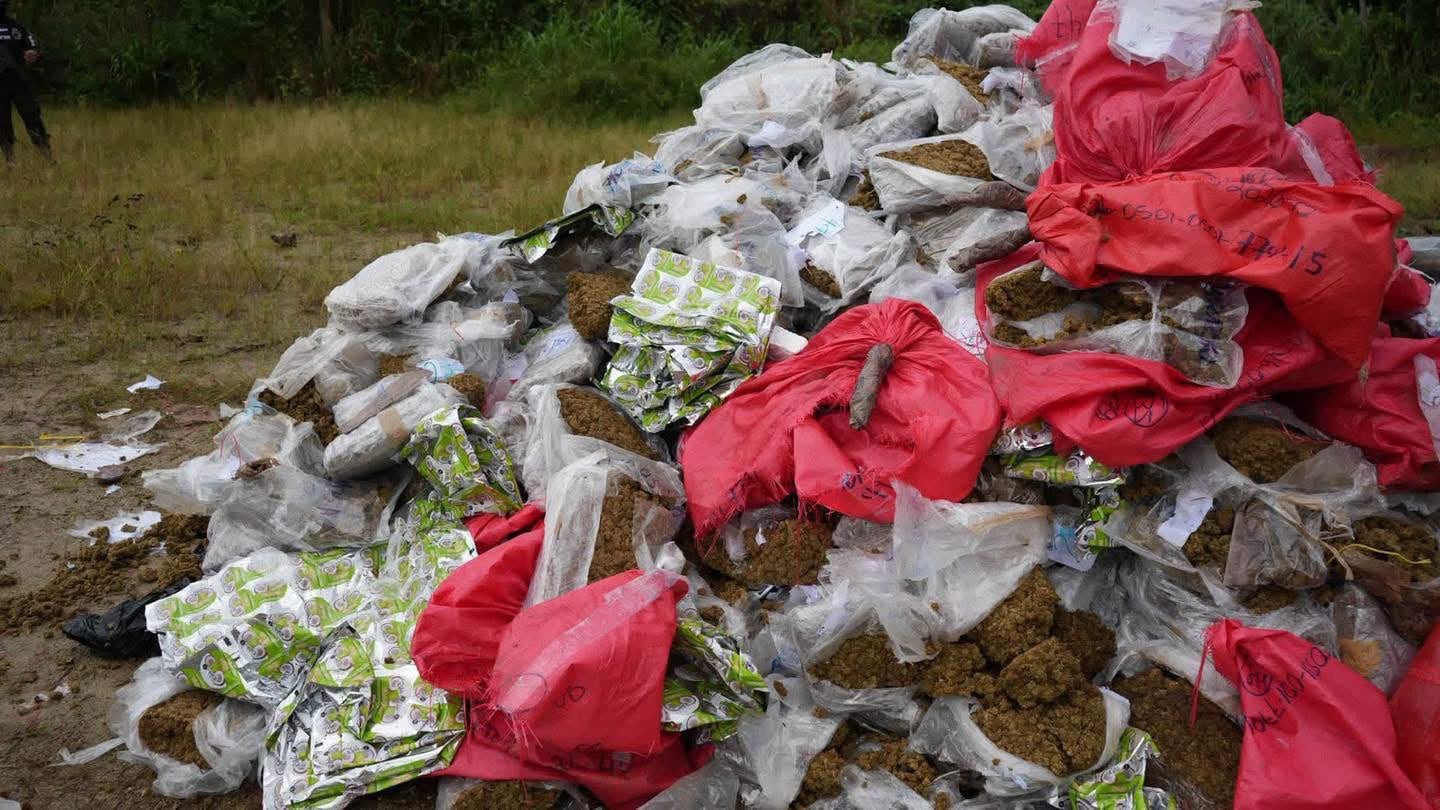
Sin embargo, confirmó que las sustancias procedían de distintas operaciones y procesos penales, por lo que su destrucción representa el cierre de una etapa dentro de las diligencias judiciales relacionadas con esos decomisos.
El valor económico estimado de los narcóticos asciende a 27 millones de lempiras, una cifra que supera el millón de dólares y que refleja la valoración realizada por las autoridades sobre las sustancias sometidas a incineración.
La diligencia contó con la participación de representantes del Ministerio Público, agentes de la Dirección Nacional Policial Antidrogas (DNPA) y efectivos de la Policía Militar del Orden Público (PMOP).
También estuvieron presentes autoridades judiciales y personal técnico de instituciones vinculadas con la protección ambiental y la prevención de las adicciones, quienes acompañaron el procedimiento para verificar el cumplimiento de las disposiciones correspondientes
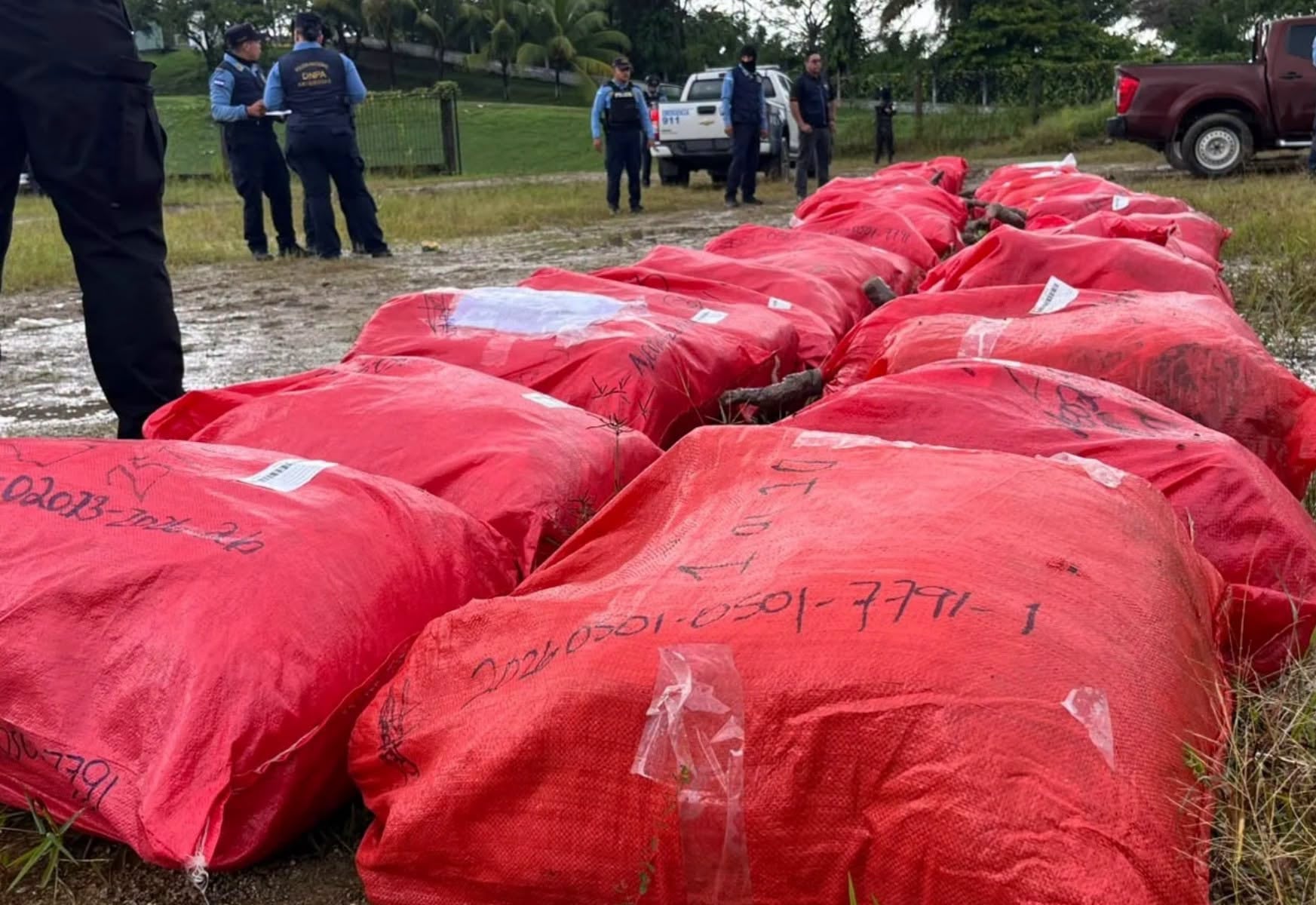
La presencia de estas instituciones permitió desarrollar la actividad bajo un esquema de coordinación interinstitucional, con supervisión de las autoridades competentes y documentación de la destrucción de los estupefacientes.
El Ministerio Público señaló que este tipo de diligencias busca garantizar que las sustancias decomisadas durante las investigaciones penales sean destruidas conforme a las disposiciones judiciales, evitando que permanezcan almacenadas una vez cumplidos los requisitos legales para su eliminación.
Asimismo, destacó que el procedimiento contó con el acompañamiento de representantes de diferentes medios de comunicación, como parte de la cobertura pública de la actividad.
La incineración de los narcóticos constituye una de las actuaciones posteriores al decomiso de sustancias ilícitas durante las operaciones policiales y fiscales.
Antes de llegar a esta etapa, las drogas deben quedar sujetas a los procedimientos de identificación, documentación y control establecidos dentro de los expedientes correspondientes.
corresponsal:Desde Tegucigalpa, Honduras
INTERNACIONAL
Trump admin sued over bid to unmask ICE critics, including one who wrote ‘I want to kill ICE’
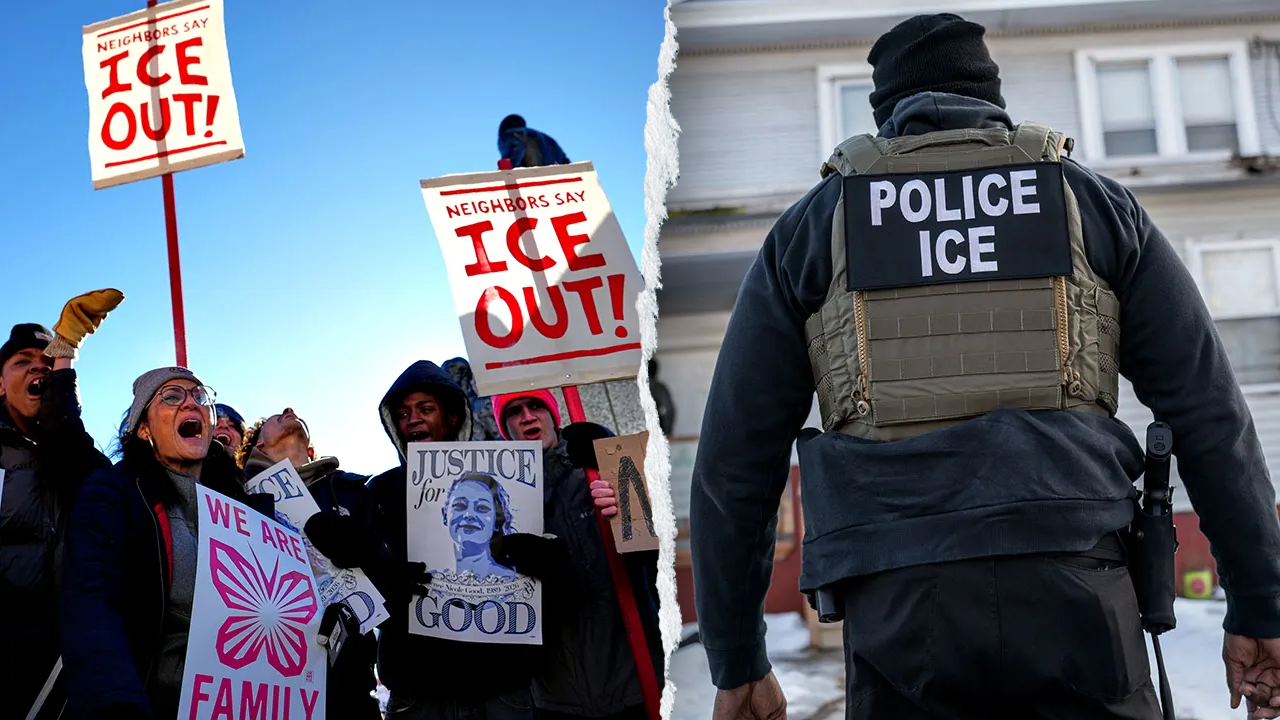
A new lawsuit accuses the Trump administration of weaponizing federal grand jury subpoenas to unmask anonymous social media users, including one who expressed a desire to kill Immigration and Customs Enforcement (ICE) officers and another who likened an agent to a «rabid dog» who should be «put down.»
The American Civil Liberties Union (ACLU) filed a lawsuit on behalf of four anonymous social media users seeking to shut down a federal investigation dubbed «Investigation 18,» alleging the government is violating Americans’ First and Fourth Amendment rights by investigating protected political speech.
U.S. District Judge James Boasberg ordered the lawsuit unsealed Wednesday, with the ACLU filing public versions of its court documents Friday. The lawsuit names Attorney General Todd Blanche, Homeland Security Secretary Markwayne Mullin and U.S. Attorney for the District of Columbia Jeanine Pirro as defendants.
At least 35 grand jury subpoenas have been issued under «Investigation 18,» according to ACLU’s lawsuit. The subpoenas seek information from social media companies, including users’ names, addresses, phone numbers, IP addresses and financial information, according to the complaint.
Among the plaintiffs is a retired Arizona prosecutor who took to Bluesky on Oct. 6 to express outrage over a video showing law enforcement officers dragging an elderly woman across the ground in Batesville, Texas.
NEW YORKER SUING ICE AFTER OFFICERS WENT TO HIS HOME TO WARN HIM OVER CRITICISM OF AGENCY
«Fact: more than once in my childhood I wanted to ‘kill’ my brother and sister for annoying me (Mom, he’s touching me). Now, as a senior citizen who pays attention, I want to kill ICE, the whole damn lot of them because of how they ‘touch’ humans, as seen in this video,» the retired prosecutor wrote.
Another plaintiff, a retired American living in Europe, commented on a June 5 Instagram post showing an ICE officer wielding a baton outside the Delaney Hall immigration detention facility in Newark, New Jersey.
«Looks like a rabid dog foaming at the mouth. Should be put down,» the user wrote, followed by a water gun emoji.
A state government employee represented in the lawsuit wrote on Bluesky on Oct. 8, «Burn ICE to the ground. Burn DHS to the ground. Salt the earth.»
The ACLU stated that the posts are constitutionally protected political speech and do not provide a legitimate basis for a criminal investigation, arguing that the subpoenas have already had a chilling effect on their First Amendment rights. The plaintiffs claimed they have begun censoring themselves online out of fear that further criticism of the administration could expose their identities or subject them to government scrutiny.
«The government is weaponizing the grand jury process to retaliate against people for expressing their political views online,» Laura Moraff, a staff attorney with the ACLU’s Speech, Privacy, and Technology Project, said in a statement. «The First Amendment guarantees our right to criticize the government, including anonymously, and no one should fear being investigated for disagreeing with the president. This crackdown on dissent is antithetical to our nation’s core values.»
CALIFORNIA ELECTION WORKERS HIT WITH CRIMINAL SUBPOENAS AS TRUMP DOJ TURNS UP HEAT IN VOTING SHOWDOWN
While the First Amendment protects anonymous political speech, including inflammatory criticism of the government, it does not protect true threats of violence. However, federal prosecutors are not required to establish probable cause that a crime has been committed before issuing a grand jury subpoena as part of a legitimate criminal investigation
DHS issued hundreds of administrative subpoenas to technology companies in late 2025 and early 2026 before federal authorities increasingly turned to grand jury subpoenas following legal challenges, according to the lawsuit.
Administrative subpoenas are issued by federal agents under certain laws, while grand jury subpoenas are typically issued by federal prosecutors investigating potential crimes. Neither generally requires a judge’s approval, but grand jury investigations are subject to secrecy rules.
The ACLU argued that by switching to grand jury subpoenas, the Trump administration has made it harder for the public to know who is being investigated and for social media users to challenge efforts to uncover their identities.
Some social media companies have already complied with subpoenas issued under the investigation, handing over identifying information about anonymous users, the lawsuit alleges.
The ACLU argued that allowing Investigation 18 to continue unchecked could discourage Americans beyond the four plaintiffs from speaking out against the administration.
The complaint also points to remarks made by White House border czar Tom Homan in January, when he expressed his desire to create a database to publicly identify individuals arrested for interfering with, impeding or assaulting ICE officers, vowing to «make them famous.»
TRUMP DOJ WITHDRAWS SUBPOENAS TARGETING NEW YORK TIMES JOURNALISTS AMID LEAK PROBE
The lawsuit comes amid mounting concerns over the safety of federal immigration officers carrying out nationwide enforcement operations—a centerpiece policy of President Donald Trump’s second term. The Department of Homeland Security (DHS) reported in September that assaults against ICE personnel had increased by more than 1,600%.
DHS recorded 647 assaults against ICE personnel between Jan. 20, 2025, and Sept. 20, 2026, compared with 37 during the equivalent period under the Biden administration.
Mullin attributed the influx in attacks on ICE agents to the «vicious lies» being spread by both politicians and anti-ICE activists, citing social media posts made by elected officials in a press release.
The plaintiffs are asking Boasberg to halt Investigation 18, block federal authorities from enforcing subpoenas issued as part of the investigation and purge records the government has already collected.
Boasberg is scheduled to hear arguments on the plaintiffs’ request for a preliminary injunction on Jan. 6.
Digital reached out Department of Justice, Department of Homeland Security and Pirro’s office for comment.
first amendment, bill of rights, federal courts, homeland security, justice department, attorney general, immigrant rights, tom homan, politics

Independiente y Vélez definen el pase a las semifinales del Torneo Clausura en el alargue

El romántico mensaje de Martín Migueles a Wanda Nara: “Siempre con vos”

Canales para ver el Instituto vs. River Plate por para el Torneo Clausura

La venta de autos 0 km de noviembre podría terminar en alza: cuáles son los modelos más demandados

Radiografía de PAMI: con Santiago Caputo en las sombras, la nueva conducción enfrenta números en rojo y prestaciones acotadas

Con Nicolás Kreplak como vocero, el espacio de Kicillof convocó desde Córdoba a un acuerdo federal de salud

Efecto reforma electoral: la suspensión de las PASO divide la estrategia de los “outsiders”

“Estoy preparada para ser presidenta”: fuerte desafío de Patricia Bullrich a Javier Milei

“Lo real es que estamos estancados”: el análisis de un economista tras la caída de la actividad

El juez retó a Chiqui Tapia y le subió el monto que debe pagar para salir del país

 POLITICA2 días ago
Efecto reforma electoral: la suspensión de las PASO divide la estrategia de los “outsiders”
- ECONOMIA2 días ago
Cerraron más de 50.000 kioscos en los últimos tres años y el sector perdió casi la mitad de sus locales
- ECONOMIA3 días ago
Licitación clave: el Gobierno enfrenta hoy vencimientos por $25 billones en medio de la tensión con el dólar y el riesgo país