INTERNACIONAL
After UN peacekeeping mission ends, Morocco says Western Sahara dispute enters new phase

Former State Department official sounds alarm over Spain-Morocco border crisis
Former State Department Foreign Service Officer Simon Hankinson joins ‘Fox & Friends Weekend’ to analyze dramatic footage of thousands of Moroccan migrants storming Spain’s border in Ceuta. Hankinson explains how Morocco utilizes migrant surges as a hybrid threat to pressure Spain over political disputes. He details the geopolitical stakes as Spain deploys its military to secure the border.
NEWYou can now listen to Fox News articles!
Six years after President Donald Trump recognized Moroccan sovereignty over Western Sahara, a senior regional official says the decades-old territorial dispute has entered a new phase, with negotiations now focused on how Morocco’s autonomy proposal would be implemented following the end of the United Nations peacekeeping mission.
Sidi Hamdi Ould Errachid, president of the Laâyoune–Sakia El Hamra Regional Council, told Fox News Digital in an exclusive Zoom interview that Morocco remains open to negotiations with other parties, but suggested that opposition to the plan would not necessarily prevent it from moving forward.
«The Moroccan side remains open to international engagement, and we are prepared to negotiate how the autonomy proposal will be implemented,» he said through an interpreter.
US COUNTERS CHINA AS BEIJING’S ‘SHOCK WAVE’ HITS AFRICAN ECONOMIES
Sidi Hamdi Ould Errachid, right, president of the Laâyoune–Sakia El Hamra Regional Council, poses with members of a U.S. medical delegation visiting Western Sahara as part of efforts to strengthen American-Moroccan cooperation in healthcare, medical training and research. (Fox News)
Asked what remains to be negotiated with the Polisario Front, which seeks independence for Western Sahara, Ould Errachid indicated that Morocco intends to pursue its autonomy initiative regardless of whether all parties reach an agreement.
«If the other parties do not agree, we will continue implementing the autonomy proposal on the ground,» he said through the interpreter.
His remarks come after Russia vetoed a U.S.-drafted Security Council resolution on Oct. 30, preventing the renewal of the U.N. Mission for the Referendum in Western Sahara, known as MINURSO. A competing Russian proposal also failed, and the mission began winding down Nov. 1.
Established in 1991, MINURSO was originally tasked with helping organize a referendum on the territory’s future following a ceasefire between Morocco and the Algeria-backed Polisario Front. That referendum never took place, leaving the dispute unresolved.
TRUMP CALLS ON ARAB NATIONS TO SIGN ABRAHAM ACCORDS

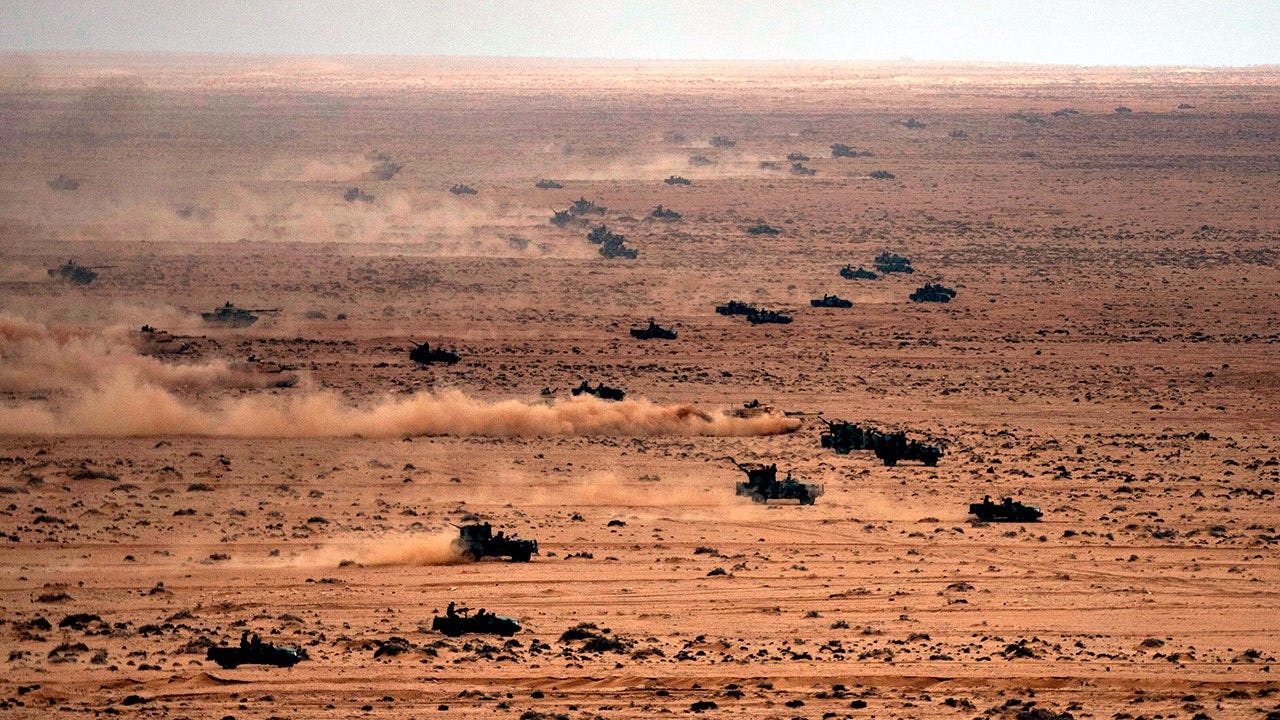
U.S. and Moroccan military forces participate in the 20th edition of the African Lion military exercise in Tantan, south of Agadir, Morocco, on May 31, 2024. (Mosa’ab Elshamy/AP)
The United States recognized Moroccan sovereignty over Western Sahara in December 2020 under Trump, a position reaffirmed by his administration in July 2026.
In October 2025, the U.N. Security Council adopted Resolution 2797, establishing Morocco’s autonomy proposal as the basis for negotiations while maintaining the goal of a mutually acceptable political solution providing for Sahrawi self-determination.
Ould Errachid, a Sahrawi politician who grew up in Laâyoune and participated in U.N.-convened negotiations in Geneva in 2018 and 2019, described the proposal as an opportunity for Sahrawis to govern their own affairs.
«Except for the king, the Moroccan flag, the currency, the armed forces and foreign affairs, we would have full autonomy to manage our own affairs,» he explained.
Asked whether the departure of the U.N. mission raised concerns about stability, he rejected the suggestion.
TRUMP GETS MAJOR WIN AGAINST CHINA IN AFRICAN RARE EARTH MINERALS RACE

Pro-Sahwari activists hold Western Sahara flags as they take part in a demonstration on Dec. 4, 2010, during a Moroccan fair in Malag (Jorge Guerrero/AFP via Getty Images)
«We are not worried. We have a credible project that guarantees a decent future for our people and for our cousins in the Polisario Front,» he said.
The Polisario Front, which seeks independence, rejects Moroccan sovereignty. Human Rights Watch warned in March 2026 that negotiations centered exclusively on Moroccan autonomy risk undermining Sahrawis’ right to self-determination.
Beyond the political dispute, Ould Errachid is seeking to translate Washington’s support into closer economic ties, inviting American companies to invest in renewable energy, manufacturing, agriculture, water desalination and healthcare.
TRUMP SAYS SAUDI NUCLEAR AGREEMENT WON’T MOVE FORWARD WITHOUT ABRAHAM ACCORDS: ‘THEY HAVE TO BE A MEMBER’

A security guard on duty during the meeting of U.N. envoy to Western Sahara Staffan de Mistura with Polisario Front officials in Tindouf, Algeria, Jan. 15, 2022. (Ramzi Boudina/ Reuters)
He praised Trump for his 2020 recognition decision and highlighted a major highway connecting Morocco with Western Sahara that has become associated with the president’s name.
«Nobody here will ever forget the moment President Donald Trump decided to support Morocco. His decision will remain engraved in the history of this region,» he said.
One example of expanding American engagement is medical cooperation. Laâyoune hosted U.S. medical delegations in February 2025 and October 2026, bringing American specialists together with Moroccan doctors and students.
The first gathering produced a partnership agreement between New York’s St. Francis Hospital & Heart Center and regional hospitals in Laâyoune. The second resulted in agreements between Laâyoune’s Faculty of Medicine and Pharmacy and two American organizations, Celenova Fertility and the Fetal Research Fund.
According to the organizers, the partnerships are intended to expand medical training, research, student exchanges and specialized care.

A view of the border between Morocco and Algeria, closed since 1994 due to political disputes, primarily over the Western Sahara issue, seen from Algeria on Jan. 29, 2026. Tensions that began between the Morocco-based administration and the pro-independence Polisario Front, which is supported by Algeria, have continued since Morocco annexed Western Sahara, formerly a Spanish colony, in 1975. While Morocco argues that the region should remain under its sovereignty, the Polisario Front claims that Western Sahara is an independent state. (Hamza Zait/Anadolu via Getty Images)
Ould Errachid said he is preparing further outreach to American investors in February or March, hoping to expand cooperation beyond medicine into additional economic sectors.
«We need your help,» he said, describing Western Sahara as a potential gateway for American companies seeking opportunities across African markets.
africa, peacekeeping, foreign affairs, world, united nations











INTERNACIONAL
Trump’s $50B air traffic control overhaul faces GOP pushback after nationwide ground stop

The Trump administration is pressing Congress for tens of billions in emergency funding to upgrade the nation’s air traffic control systems, but even Senate Republicans are reluctant to pay the bill.
Transportation Secretary Sean Duffy and President Donald Trump called on lawmakers to shell out $50 billion in funding after a ground stop on Friday caused thousands of flight cancellations and blamed Congress for not doling out money previously to upgrade aging air traffic control communications infrastructure.
But Congress did send $12.5 billion to the Department of Transportation as part of the «big, beautiful bill» last year meant to upgrade the archaic systems, and Republicans want receipts on what happened to the money.
FAA SAYS AIR TRAVEL SHOULD BE BACK TO NORMAL SUNDAY AFTER NATIONWIDE GROUND STOP
«Only about four [billion] has been spent,» Senate Majority Leader John Thune, R-S.D., said. «There was about eight billion of that still sitting around.»
Duffy is slated to meet with Senate Republicans behind closed doors on Tuesday where lawmakers expect a full breakdown of what happened and where the money has gone and why, suddenly, the administration is seeking an additional $20 billion.
«I haven’t seen how they’re gonna use it. I mean, in my business, you know, I spent a lot of money, and I built companies,» Sen. Rick Scott, R-Fla., told Digital. «And I understood what I was going to spend it on before I ever did anything. I’d have a budget and what the timeline is, who’s gonna do it, all that stuff.»
FORMER TOP FAA OFFICIAL WARNS OF 48-HOUR RECOVERY AFTER AGING TECH ‘OVERWHELMED’ AHEAD OF GROUND STOP
Data from the Department of Transportation (DOT) obtained by Digital showed that roughly $3.7 billion had been spent on a variety of projects, while the remainder is tied to contracts, unspent or planned for near-term upgrades, like facility consolidation.
Thune declined to say whether he had confidence in Duffy’s handling of the situation and noted that the administration had already made a separate ask for $30 billion, a chunk of which was meant to continue upgrades to air traffic control.
«I mean, there’s some explanations that have to be given as to why that number is where it is,» Thune said. «But I think we have attempted to do everything we can to ensure that the concerns they have about modernization are being met.»
Duffy’s explanation of the ground stop was attributed to replacing copper wiring in communications equipment with fiber-optic cable. About $4.8 billion of the initial funding pot was for copper wire replacement, of which about $2.3 billion has been spent, which translates to roughly 70% completion of the telecommunications replacement program, according to the DOT.
4 CRITICAL TRAVEL ISSUES FOR THOSE DELAYED AND DISRUPTED BY FAA NATIONWIDE GROUND STOP
A DOT spokesperson told Digital that the «Department has made clear for the last two years — separate funding is needed» for other work because DOT «does not have the legal flexibility to move funds from one workstream to another.»
Still, lawmakers have questions.
«He needs to talk to me like I’m a reasonably intelligent 10th grader,» Sen. John Kennedy, R-La., said. «The American people are not experts on telecommunications … nor am I.»
Kennedy, who is a member of the Transportation, Housing and Urban Development Appropriations Subcommittee, which controls the DOT’s purse strings, said he was more than «willing to appropriate money to fix this,» but needed to understand the problem first.
«I mean, we had an outage today, some problems with a number of our banks,» Kennedy said. «There have been some problems in Europe with the Internet controlling temperatures of grocery stores. I mean, this is happening a lot. I’m not saying there’s a connection, but if there is, they need to tell us.»
Sen. James Lankford, R-Okla., told Digital that the initial $12.5 billion was «a starting point — it wasn’t everything.»
«We’ve seen nothing yet of what’s the rest of the request,» Lankford said. «So that does seem like, ‘Hey, grab a number out of the air. It needs to be big.’»
Lankford added that Duffy needed to give a «postmortem» on what happened, and that whatever the administration is asking for in upgrades needs to be «shovel-ready.»
«This is a zero fail operation,» he said. «He’s keenly aware of that.»
politics, transportation, airports, white house, republicans elections
INTERNACIONAL
El escalofriante mensaje de texto que le mandó a su ex el hombre que enterró vivo a su bebé de 11 meses
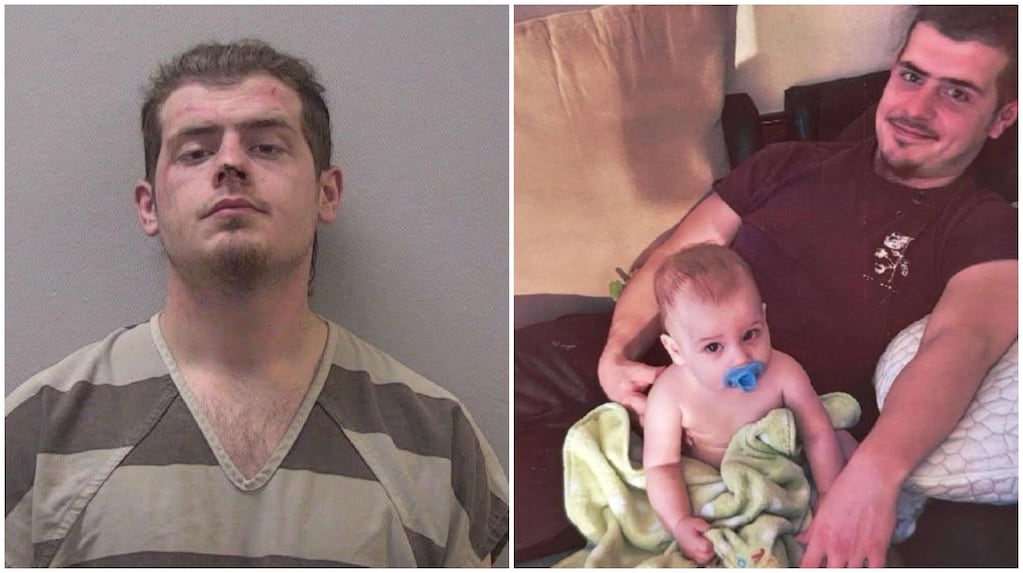
La historia de Koah Sharp, el bebé de 11 meses que sobrevivió tras ser enterrado vivo durante 24 horas por su padre en un bosque de Carolina del Sur, conmocionó a todo Estados Unidos.
Su madre, Dezarae Sharp, compartió en una entrevista con el New York Times cómo fue el reencuentro con su hijo y los momentos de angustia que vivió, además de revelar detalles de su vínculo con el padre del niño, Michael Comer, quien está acusado de intentar matarlo.
Sharp y Comer se conocían desde chicos, pero recién comenzaron a salir en 2024. En diciembre de 2025 nació Koah, pero la pareja se separó pocos meses después, tras un episodio de violencia de género por el que Comer terminó admitiendo su culpabilidad.
A pesar de ese antecedente, Dezarae aseguró que nunca imaginó que Comer pudiera llegar tan lejos. “No pensé que pudiera hacer algo así”, comentó.
Una relación marcada por la violencia
En mayo de 2026, la relación entre Dezarae y Comer se volvió aún más conflictiva. Según la madre, durante una discusión, Comer la “trató de hacer tropezar y pateó”, y luego la “empujó contra un lavarropas” mientras ella tenía a Koah en brazos.
Los registros judiciales confirmaron que Comer fue acusado de violencia doméstica ese mismo mes y se declaró culpable. Poco después, se mudó y fue encarcelado por otro cargo, relacionado con alteración del orden público.
Tras salir de prisión, Comer se instaló en la casa de su madre, Patricia, quien llamó a Dezarae para preguntarle si estaba de acuerdo en que su hijo viera a Koah. Patricia le aseguró que Comer no estaba bebiendo y que tomaba su medicación para la esquizofrenia.
Dezarae aceptó y permitió que Koah pasara los fines de semana con su padre y su abuela. Sin embargo, la situación se deterioró rápidamente.
El día del horror: desaparición y milagro
Semanas antes de la desaparición de Koah, Dezarae le envió un mensaje a Comer acusándolo de querer llevarse a su hijo.
Comer respondió: “No quiero llevármelo. Quiero que seamos una familia”.
Más tarde, volvió a escribir: “Me calenté demasiado con la situación, así que entiendo que no quieras hablar conmigo. Quiero ser una familia con confianza real”.
El 9 de noviembre, Patricia avisó a Dezarae que Comer y Koah estaban desaparecidos. Los investigadores descubrieron que ambos habían salido de la casa de Patricia y se dirigieron a la vivienda del padre de Comer, quien dijo no haberlos visto en horas.
Esa noche, los agentes localizaron a Comer, pero no había rastros de Koah. El hombre se negó a revelar dónde estaba su hijo.
Al día siguiente, uno de los cerca de 100 rescatistas de 12 agencias de seguridad detectó tierra removida a unos 50 metros de la casa del padre de Comer. Los policías comenzaron a cavar y escucharon el llanto de un niño.
Koah estaba dentro de una pequeña jaula para perros, envuelta en una toalla y enterrada a unos 30 centímetros de profundidad. Fue trasladado al hospital y, tras una recuperación milagrosa, volvió a casa esa misma noche.
El sheriff del condado de Lexington, Bryan Koon, describió el momento: “Cuando empezaron a cavar, se escuchaba a Koah llorando. Así que, como pueden imaginar, fue una carrera contra el tiempo”.
“Koah Sharpe, de 11 meses, estaba enterrado vivo, aferrándose a la vida y llorando. El llanto más alegre que jamás hayas oído, muy parecido al de un bebé al nacer”, afirmó el sheriff.
El sheriff explicó que la toalla probablemente creó un espacio de aire que permitió que el bebé sobreviviera todo ese tiempo bajo tierra. “Por la gracia de Dios, eso le dio suficiente aire para resistir”, señaló Koon.
Comer fue acusado de intento de asesinato, robo, violación de la libertad condicional, negligencia infantil y traslado ilegal de un menor para evitar un proceso de custodia.
Dezarae, que ese día pasó la noche sin dormir, finalmente pudo abrazar a Koah. “Es algo que ves en una película, algo que ves en la televisión. Y el hecho de que le haya pasado a él… no lo puedo creer”, expresó.
Estados Unidos, Bebe
INTERNACIONAL
Panamá y República Dominicana registraron las mayores tasas regionales de reportes de material de abuso sexual infantil, según informe

Panamá registró la tasa más alta de disponibilidad de material de abuso sexual infantil entre los países de América Latina y el Caribe incluidos en el índice 2026 de Childlight: 245.31 reportes y avisos por cada 10,000 habitantes durante 2025.
El indicador regional fue de 52.1 por cada 10,000 habitantes. La tasa incorpora reportes de sospechas de abuso o de agresores, además de avisos sobre material alojado, en proporción a la población de cada país.
Panamá concentró una parte elevada del material alojado detectado
El informe 2026 Into the Light Index on Global Child Sexual Exploitation and Abuse señala que Panamá fue el caso más atípico de América Latina y el Caribe en las mediciones sobre disponibilidad de este material.
La Internet Watch Foundation identificó entre 98.3% y 99.9% del material detectado en la región como alojado en Panamá. La red INHOPE registró proporciones de entre 42.9% y 99.7%.
Ambas organizaciones miden el volumen de material alojado en un país. Childlight indicó que estos hallazgos muestran que una proporción sustancial del contenido identificado en América Latina y el Caribe estaba alojada en Panamá.
El reporte añade que se requiere un análisis adicional para determinar los factores que contribuyeron a esa concentración.
Las cifras y los cálculos de tasas reflejan material detectado o reportado dentro de la cobertura y los mecanismos de notificación de cada fuente. No miden la prevalencia nacional de explotación y abuso sexual infantil ni ofrecen una base fiable para clasificar a los países según los niveles subyacentes de abuso.

República Dominicana tuvo la segunda tasa más alta de la región
La República Dominicana registró 157.23 reportes y avisos por cada 10,000 habitantes en 2025, la segunda tasa más alta entre los países de América Latina y el Caribe incluidos en el índice.
La tasa había sido de 90.66 en 2023 y de 69.14 en 2024. El informe también documentó fluctuaciones en los reportes remitidos al Centro Nacional para Niños Desaparecidos y Explotados de Estados Unidos, conocido como NCMEC.
Los reportes vinculados con República Dominicana pasaron de 79,020 en 2024 a 181,140 en 2025. El informe señala que el cambio entre ambos años superó los 100,000 reportes.
Los datos sobre material de abuso sexual infantil relacionados con el país se limitaron a reportes del NCMEC y a información sobre posesión de archivos en redes de intercambio. El documento no contó con datos de alojamiento procedentes de INHOPE ni de la Internet Watch Foundation.
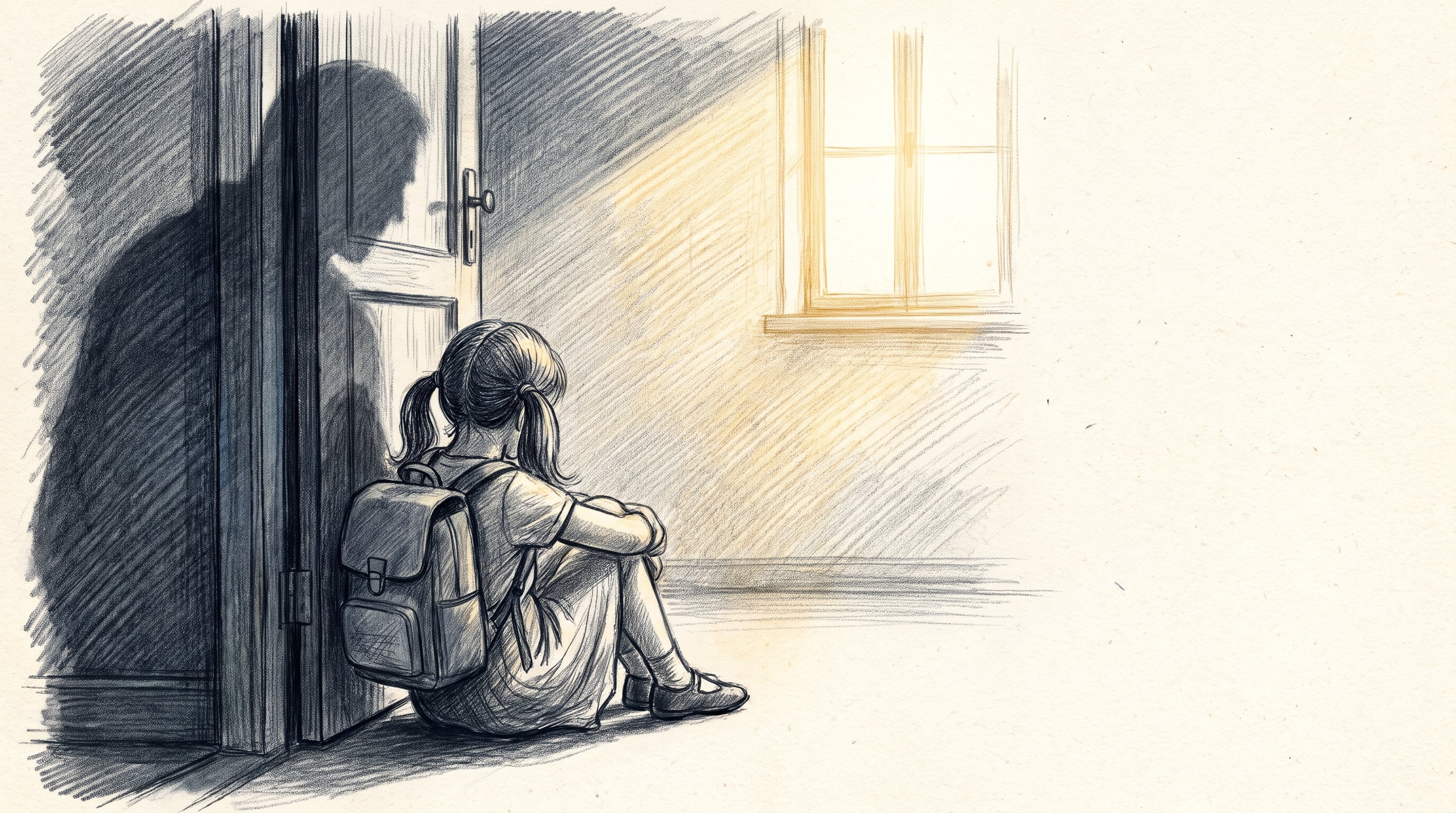
Childlight indicó que la tasa elevada sugiere un alto nivel de actividad preocupante vinculada con este material en plataformas tecnológicas por parte de usuarios en República Dominicana. El reporte añade que se necesita una mayor exploración con fuentes de datos de la región para comprender el grado de daño.
El Salvador superó el promedio de América Latina y el Caribe
El Salvador registró una tasa de 58.60 reportes y avisos por cada 10,000 habitantes. El dato estuvo por encima del promedio regional de 52.1.
Costa Rica alcanzó una tasa de 42.19. El informe señala que, en 2024, el país registró un aumento en el volumen de material alojado según los datos de INHOPE.
Ese incremento elevó en 10% la proporción regional correspondiente a Costa Rica frente al año anterior, de acuerdo con el análisis de Childlight.
En Guatemala, la tasa fue de 39.89 reportes y avisos por cada 10,000 habitantes. Nicaragua registró 34.58 y Honduras, 30.90.
El informe advierte que los registros bajos o inexistentes pueden reflejar una capacidad limitada de detección o de reporte, y no necesariamente niveles bajos de daño.

Las encuestas muestran otra dimensión de la explotación y el abuso sexual infantil
Las encuestas representativas permiten estimar la frecuencia de la explotación y el abuso sexual infantil en la población general. Los datos sobre material de abuso sexual infantil muestran, en cambio, el volumen y la escala relativa del contenido detectado o reportado dentro de la cobertura de cada fuente.
En América Latina y el Caribe, Childlight estimó que el 23% de las mujeres y el 17.6% de los varones experimentó alguna forma de explotación o abuso sexual infantil fuera de internet antes de los 18 años.
En relación con los abusos facilitados por tecnología, el 11.4% de los niños de la región reportó solicitudes sexuales en línea durante el año previo a la recolección de datos.
La exposición a contenido sexual no deseado alcanzó al 16.2% de los niños en América Latina y el Caribe. Para estas estimaciones, el índice analizó 15 estudios de nueve países.
El análisis de las formas de explotación y abuso sexual infantil fuera de internet reunió 92 estudios realizados en 23 países de la región.
Los sistemas policiales reportaron brechas de recursos y acceso a información
Entre los 24 países y territorios de América Latina y el Caribe que respondieron la encuesta sobre fortalecimiento de sistemas, el 83.3% informó que disponía de una capacidad investigativa especializada en explotación y abuso sexual infantil.

A la vez, el 41.7% reportó que no tenía analistas dedicados a las investigaciones sobre abuso sexual infantil en línea. Otro 8.3% indicó que no sabía si contaba con esa capacidad.
La evaluación sobre capacidad forense digital mostró que el 25% de los países y territorios encuestados podía procesar todos los casos de explotación sexual infantil en línea dentro de 12 meses.
El 20.8% indicó que tenía capacidad para procesar hasta una cuarta parte de los casos durante ese período. El 16.7% reportó una capacidad inexistente o limitada.
Childlight señaló que estos resultados sugieren que numerosas jurisdicciones pueden enfrentar dificultades para examinar pruebas digitales y responder al aumento del volumen y la complejidad de las investigaciones relacionadas con delitos facilitados por tecnología.
Las rutas de derivación y las líneas de denuncia inciden en la respuesta
El 45.1% de los 54 países y territorios de América Latina y el Caribe evaluados recibía de forma indirecta las derivaciones del NCMEC. Esos reportes llegaban primero a otra organización, como una embajada o un socio internacional de las fuerzas de seguridad.

El informe señala que esa modalidad puede llevar a que las autoridades no reciban ni revisen todos los reportes vinculados con sus países. También puede limitar su visibilidad sobre la forma en que las entidades intermediarias clasifican, evalúan y priorizan las denuncias.
La red INHOPE mostró diferencias en los tiempos de retiro del material. En los países donde había una línea miembro, la primera retirada se lograba en un promedio de 1.4 días.
En los países donde se detectaba contenido alojado sin una línea miembro, el promedio para la primera retirada era de 41 días. Childlight sostuvo que esa diferencia muestra el valor de los sistemas de denuncia y retiro de contenido especializado.
abuso sexual infantil,Puebla,derechos de la infancia,dibujo a lápiz
Trump’s $50B air traffic control overhaul faces GOP pushback after nationwide ground stop

After UN peacekeeping mission ends, Morocco says Western Sahara dispute enters new phase

Argentina 2027: desafío de crecer sin profundizar la brecha entre los sectores que se expanden y los que permanecen estancados

Tensión entre Wanda Nara y Karina Mazzocco en Masterchef Celebrity: “No te hagas la santa”

Denunciaron por presunto lavado de dinero al jefe de los árbitros de la AFA, Federico Beligoy

El Gobierno asegura que Bullrich trabaja para que Milei sea reelecto pese a sus desmarques

La inflación de octubre: el dato que sorprendió a casi todos y la distancia que persiste con los parámetros internacionales

Reforma laboral: el Gobierno asegura que el incentivo a la formalización creó 82.000 empleos en blanco en cuatro meses

Kicillof retoma su agenda rumbo a 2027 tras la visita del Papa: recorridas, Presupuesto y reelecciones indefinidas

U2 vuelve con 12 nuevas canciones y una pregunta incómoda sobre si el rock todavía puede decir algo nuevo

 ECONOMIA2 días ago
La inflación de octubre: el dato que sorprendió a casi todos y la distancia que persiste con los parámetros internacionales
- INTERNACIONAL2 días ago
U2 vuelve con 12 nuevas canciones y una pregunta incómoda sobre si el rock todavía puede decir algo nuevo
- CHIMENTOS3 días ago
La respuesta sin filtro de Wanda Nara a la China Suárez: «Le pidió al bobo que necesitaba una familia en Turquía»